Be Productive, Persistent, and Professional

by James Scott Bell
@jamesscottbell

I’ve written often in this space about my admiration for the pulp writers of old. As I was learning the craft myself, I often turned to these writers for inspiration. Not just for their stories, but their practices as well. I found they did three things above all—they were productive, persistent and professional.

Productivity

The first mark of the successful pulp writer was productivity. They wrote. They wrote a lot. And they usually wrote on manual typewriters, several of them producing up to a million or more words a year.

Frederick Faust, aka Max Brand

Indeed, perhaps the most prolific author of all time, Frederick Faust (better known by his pen name Max Brand) wrote 4,000 words a day every day for about thirty years. How on earth did he do it? Especially since he drank whiskey all day and then, when finished with his fourteen pages, settled down to his serious drinking? (I do not recommend this method.)

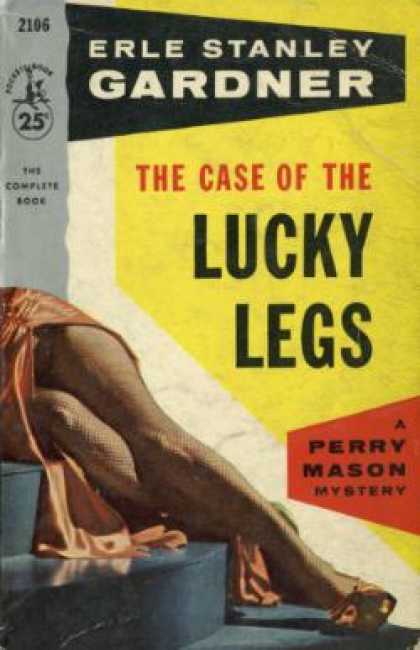
Pulp writers had to be productive. They had to put food on the table, especially during the Depression. They were often being paid a penny a word. (Erle Stanley Gardner figured out that if he used a character’s full name in dialogue attributions, it was an extra penny. Thus, you’ll see his Perry Mason stories filled with: “Come in,” Perry Mason said. “Hello,” said Paul Drake. “Shall I stay?” asked Della Street.)

Be productive. Set a weekly quota of words. What can you comfortably do? Up that by 10% and keep track of your daily output on a spreadsheet. Review and adjust your quota every year.

“The most critical thing a writer does,” said the late Robert B. Parker, “is produce.”

Persistence

In the pulp days, if you wanted to break into a market, you had to overcome hundreds of rejection slips. In the 30s and 40s, the golden age of pulp, most magazines had headquarters in New York. Many a writer moved to the Big Apple so they could walk around and knock on doors and meet editors personally.

While they waited for a break, they continued to write and cop “hobo soup” at the automat. (That’s where you’d get a cup of hot water and dump in a healthy dose of ketchup, salt & pepper, and stir, then crumble in saltines—all these ingredients were free.)

Now, with digital self-publishing a viable option, you don’t have to wait to be published. But in most cases you’ll have to wait to make significant headway in the market. How long will it take before you start seeing more than coffee money come your way? That all depends on how productive you are (see above) and if you operate like a professional (see below).

Professionalism

The pulp writers approached writing as a job. They had to. They didn’t have time to sit around cafés gabbing endlessly about theories of literature. So they studied the markets, figured out what worked in those markets, and learned how to make their own writing better.

You can do the same. Study markets, expand your craft, and keep writing and adding your own spices.

When pulp writers sent in a manuscript, they made sure it was typed cleanly. When they talked to an editor, they made sure they spoke cleanly, for burning bridges was a fast route to the soup kitchen.

They had egos, sure, but they kept them in check because publishing is a small world. On occasion they’d push back on an editor messing with one of their stories, but they tried to keep it respectful. It was a good thing Twitter did not exist in the 1930s.

Professionalism still matters. Even if you self-publish, readers will pick up a vibe about you, stretching from the design of the books themselves all the way through your social media footprint.

So be wise about your profile, remembering what Erle Stanley Gardner said: “I serve the reading public.”

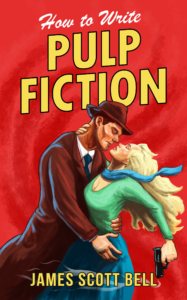
So should you. Which is why I’m happy to announce a new book, one I’ve wanted to do for a long time. It’s designed to teach the secrets of the great pulp writers, everything from how to be more prolific to the best plotting methods to my exclusive Start-a-Plot Machine.

HOW TO WRITE PULP FICTION is available now. Here’s where you can get it:

KINDLE

NOOK

KOBO

PRINT VERSION

A final word on pulp fiction. A certain class of literati has sniffed at its very existence. I even read one jeremiad that claimed commercial fiction writers have “sold their souls” to the “devil” of profitability, and how can they even look at themselves in the mirror?

Yeesh.

Well, I continue to shave in the morning and my mirror is clean, and I delight in what a successful pulp writer named William Wallace Cook (writing under the pen name John Milton Edwards) wrote over 100 years ago:

The tale that moves breathlessly but logically, that is built incident upon incident to a telling climax with the frankly avowed purpose to entertain, that has no questionable leanings or immoral affiliations—such a tale speeds innocently an idle hour, diverts pleasantly the harassed mind, freshens our zeal for the duties of life, and occasionally leaves us with higher ideals.

An honorable goal, I would say.

So, TKZers, how are you stacking up on the three Ps—productivity, persistence, professionalism?

Avoiding Reader Burnout by Texting the Gods

(c) Copyright 2017, Random House Books for Young Readers

I’ve been repeatedly having the same vaguely disturbing conversation in person and via email with a number of individuals recently about books and reading. The topic is variously referred to as “reading fatigue,” “book burnout,” and “reading slump,” among other terms. The complaint centers upon the perceived feeling that new books being published are “all” following the same pattern. Elements of that pattern would include 1) “the placement of the word ‘girl’ in the title; 2) the unreliable first-person narrator; and 3) a missing child/husband/sister who seems to suddenly reappear with an inability to explain their absence.

It is true that publishing industry generally is reactive and not proactive. We all remember The Da Vinci Code. That book became a sub-genre unto itself. It seemed for a while as if every other newly published book concerned a hunt for an ancient relic that, depending on what it was and who was hunting it, would destroy, save, or enslave the world. Going back a bit further, Scott Turow’s Presumed Innocent and John Grisham’s The Firm revived the popularity of the courtroom thriller, though it’s not as if that sub-genre ever really went away, once Erle Stanley Gardner had taken that beachhead in the 1930s with his Perry Mason novels.

There is some method to publishing’s madness, based on the proposition that if the public likes a certain type of book then it will want more of the same. I don’t recall a research  ever calling me and asking, “If you went to the library tomorrow, what type of book would you look for?” My answer would be “bound,” but that’s beside the point.

What does this mean for budding authors? My best advice is to not follow trends. If someone writes a book about an alcoholic housewife on a train who suspects that she has witnessed a murder being committed, and it becomes a bestseller, write your book about something else. Flip the script. Write about a recovering alcoholic who is as reliable as a Fossil Haywood and who, while doing some backyard gardening,  believes that she sees someone being murdered on the LIRR. I’m only kind of kidding. Do something different, because by the time you write your book and find an agent the publishers will probably be looking for something else. As for readers: if you’re tired of new books, look for an author who is new to you, or go back to the past and seek out something in your favorite genre among the mountains of books that have been published in the past sixty years or so. You can also seek out a couple of go-to authors. When I do my own reading, and nothing seems to please me, I pick up one of Timothy Hallinan’s fine novels, or an Elmore Leonard book, or start working my way through James Lee Burke’s Dave Robicheaux canon, among others, to shake me out of my doldrums. Reading is good for you. You don’t want to stop.

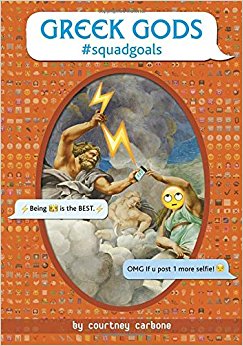
Whatever you do, whether you are writing or reading or both, please don’t develop the impression that there are too many books. One of the blessings in my life is my association with bookreporter.com. I started reviewing books for Carol Fitzgerald’s website twenty years ago, and one of the many happy results of that relationship is that I receive new books of all sorts on an almost daily basis. Some of them are outside of my interest or demographic or whatever you wish to call it, as was one which I recently received entitled Greek Gods #squadgoals by Courtney Carbone, a children’s book editor and author. I thumbed through it and was totally lost — I don’t get the whole ‘#’ thing, or tweeting, Instagram, Pinterest, and the rest,  and probably never will — but the premise of the book was interesting, if incomprehensible to me in execution. It tells the stories of Greek Mythology from the point of view of the participants while assuming that they had smartphones and could text one another. I passed the book onto Samantha,  our (almost) eleven granddaughter. Samantha lives in the same city as we do, and as a result — another blessing — we get to see her frequently. I left Greek Gods at her place at the kitchen table. She came over for a visit, picked it up, and was entranced. She put her phone down, ignored the computer, turned off the flat screen, and started reading it from beginning to end, laughing all the way and sharing passages with us. Samantha is no stranger to books. She is working her way through that wonderful Warriors series by Erin Hunter and the likes of R. L. Stine, Chris Grabenstein’s Mr. Lemoncello books, and a host of others. This doesn’t happen by accident. Her father —my son — is a reader himself, and makes sure that she gets to the library and a local children’s bookstore pretty much on demand. I was happiest, however, about Samantha devoting full focus to Greek Gods. Whether she will at some point down the road pour over Edith Hamilton’s classic work on the subject, in the same manner in which those wonderful Classics Illustrated comics led me to H. G. Wells, Jules Verne, and yes, Fyodor Dostoyevsky,  remains to be seen. What is certain, however, is that from Samantha’s perception there won’t be too many books, or not enough interesting ones. There simply won’t be enough time to read them all.

Back to you. What book or series would you want to read right now, time and availability permitting? For me, it would be Richard Prather’s Shell Scott series, in the original paperback editions. You?


My First Experience with a BookBub Feature Deal & The Last Victim (Nov 5)

Jordan Dane
@JordanDane

I wanted to share my latest foray into a major promotion run. I’d heard good things about BookBub, had researched it before, but never submitted a book until last week. This promo option isn’t cheap. It’s a real leap of faith that you’ll sell more than the feature costs. I made sure that I ticked off the boxes I knew about, to make my submission more appealing to the stringent requirements to qualify.

Founded in 2012, BookBub has been featured in the Wall Street Journal and the New York Times, showcasing their huge outreach to avid readers with their daily deal emails to millions of subscribers. This is a free service to readers, vetted by an expert editorial team with handpicked recommendations. It doesn’t sell books directly, but offers books from authors that are available through major ebook retailers and devices. It also focuses your feature to readers interested in YOUR genre.

If you’re a published author, you can claim your books and create a profile to grow your followers on a forum for readers that an author can cultivate directly. I had never “claimed” my author profile and didn’t realize I had followers. Plus not all of my most recent books were listed, so I had to update my profile after they authorize me as the author.

BookBub scrutinizes the books it selects, so I knew I had to adhere to recommendations other authors had shared online about their experiences. HERE is the list of requirements from BookBub, but there are other websites and blog posts with more help, too.

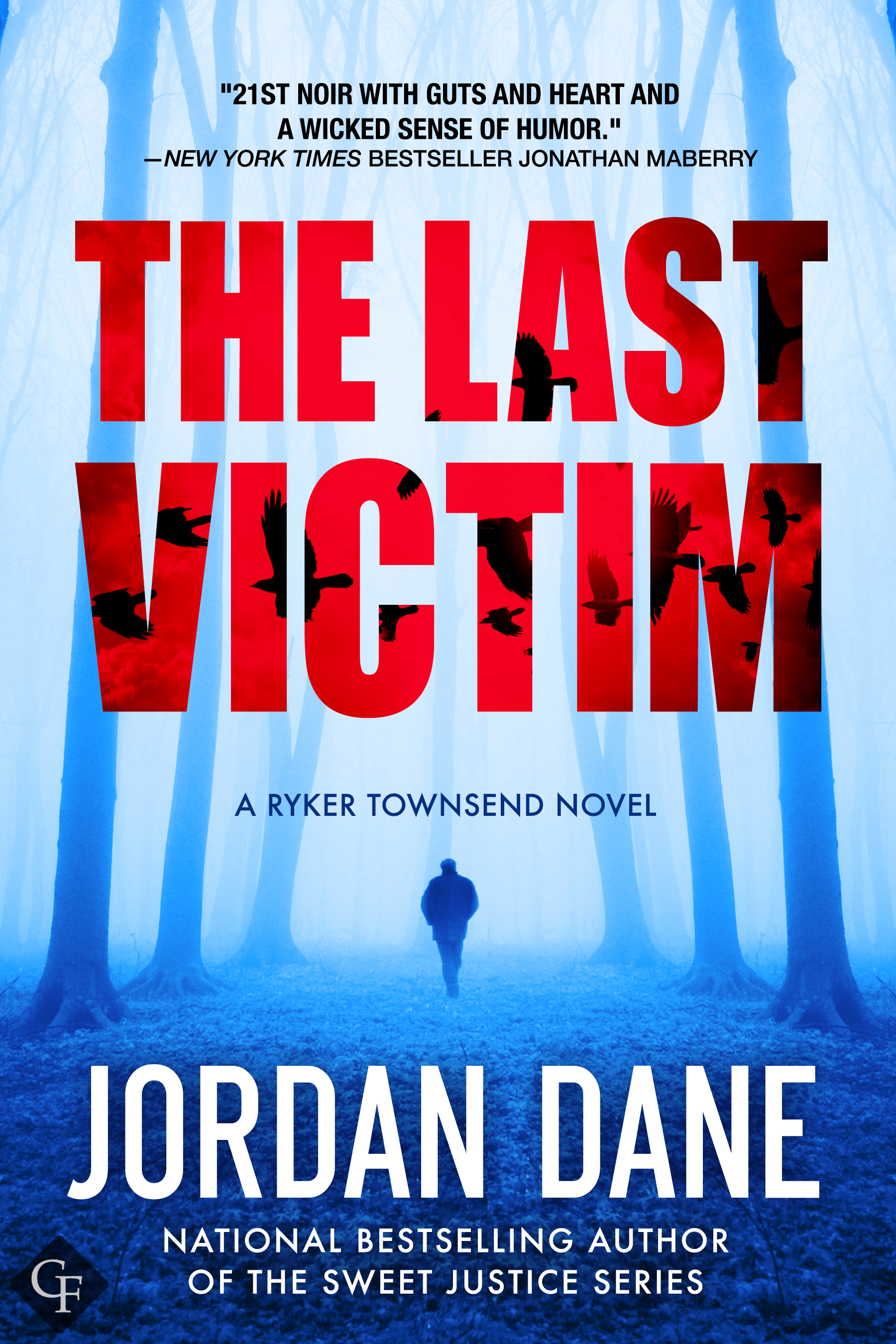
The book I submitted is The Last Victim (published 2015) and here are details on what I had to do.

BookBub Submission – TIPS

I had a professionally designed cover that I knew would be acceptable from my experience. BookBub scrutinizes submissions for a well-formatted book, free of typos and grammatical errors. They also want books that have accumulated enough good reviews without sharing how many that is. This can be intimidating. The Last Victim has 26 reviews for an average of 4.4 out of 5. I really didn’t know if they were looking for 50+ but I went for it. Don’t let one deficiency in a selection criteria force you to back down. If you don’t succeed, keep learning and try again.

I had great cover blurbs/praises to pitch on my book and across my branding platforms (website & social media) from well-known authors, magazines, and critical reviews from professional editorial sources. (Don’t let this tip scare you. I accumulated mine over time. You can too.)

The Last Victim is a full novel that has never been discounted. It normally sells for $3.99, but I submitted it to BookBub for a special, limited offer of $0.99 across all retailer platforms that I listed in my submission.

My novel is widely available on all the retailers BookBub features and then some: Amazon, B&N, Kobo, Google, and iBooks. Since it was published by my publishing arm, Cosas Finas Publishing, I had world rights, which I knew would appeal to BookBub.

My BookBub feature will be Nov 5 – 12. They prefer limited offers of free or discounted by at least 50%, rather than books that are perma-free.

HERE are BookBub’s tips.

I also submitted with a flexible promotion date, but when they came back with “Can you do by Nov 5th?” – I found out how much I didn’t have prepared for this type of exposure. This is why I wanted to post my article on the experience. It’s a good problem to have, but very nerve-wracking when I am in the middle of releasing two back-to-back novellas on Oct 31 & Nov 7th. Of course, I had to go for it, even if it only becomes a “what not to do” experience. Below are some of the things I have done to prepare and I’m sure there will be much more as the BookBub feature draws nearer.

MY STRATEGY SCRAMBLE

1.) Since The Last Victim was a 2015 release, I had to update the back material to include my updated Biblio, author bio, and add promo links for my new website mailing list and ads for my upcoming releases, as any traditional publisher would do. I went through my layout formatter to save me time. I use Wizards in Publishing.

2.) I created a spreadsheet of target promotion opportunities, both free and paid for, to expand my reach beyond my mailing list and track costs against estimated revenue. BookBub gives you its estimate for likely sales, but it is up to you to get the word out and set higher goals. I plan to set up my estimates, then compare them to what actually happened afterwards, to create a learning tool that I can refine. Bottom line – It takes a lot of eyeballs for sales to result. I used subscriber numbers, but estimated sales at a fraction of 1% to be conservative. It’s all “pie in the sky” stuff until the dust settles and sales are determined. At that time, I’ll need to do an autopsy to see what clearly worked.

3.) What are the best ways (& sites) to pay for promotion? Good question. Since I needed boosted sales across several retailers, I chose to look at ads at Kobo, Amazon, and the other retailers. These aren’t cheap so I had to make decisions. The bargain books websites that are popular and most effective aren’t cheap either, because they can add up. They also don’t take just any ad that you pay for. Some sites require you to submit your book for their consideration & it could take up to 7 days to hear back. (I won’t know about some until my feature is about to start or has started.) These promo sites’ loyalty is first to their subscribers, so that means you have to allow enough lead time or make due with what you can get.

4.) I submitted to EreaderNewsToday and needed approval. BargainBooksy, KindleNationDaily (& their multiple platforms), EBookLister, and AwesomeGang didn’t require approval and charged only a minimal amount. There are countless sites where they will list your book for free. Some allow you to post once and they will cross post, but since I don’t know how effective this would be for my limited time, I chose certain sites for maximum exposure.

5.) I created an Amazon Marketing Services (AMS) Ad Campaign (access I already had as a vendor through my publishing company) to run during the time of the feature and will up the cost per click but limit the dollar daily total to gain the likelihood the ad will be competitive for placement and exposure. Since this ad will run for a specific time (to parallel my BookBub Feature Deal), I could get aggressive on my budget.

6.) I haven’t considered a Facebook Ad because I don’t know how effective they are in relation to real sales. AMS give you direct access to analytics on clicks and traffic compared to actual sales. If I’m going to spend money, I prefer Amazon where the most of my sales would come from and can be traced and translated into sales.

7.) What could I do to promo without cost? I had access as a contributing author to several fan groups under various Amazon Kindle Worlds. To the credit of the authors who created these groups, they generously allow their authors to promo other books, and we try to give exclusive giveaways back to their readers in return. So the groups that I had cultivated by writing for these Kindle Worlds, I have access to for a post and the reader fans are so much fun and generous with their support. That has value.

8.) I have my mailing list and had just updated my website to WordPress format. This allows me to update quickly and post when I need to. Updating came at a very good time. Even though it was time consuming to transfer content, it was well-worth the effort.

As of this post, I’ll still be prepping for the feature and up to my eyeballs in two releases – Valentine: Steel Heart (Available Now) and Fiona’s Salvation (Nov 7). This BookBub feature for The Last Victim is from Nov 5-12, so the overlap is stressful, but it can help with exposure. At least, that’s what I’m telling myself.

Other Resources

I found these additional links that could be helpful. Here is a link to “Reasons Why Books are Rejected as BookBub Feature Deals.” I don’t normally like to focus on negatives, but there are good points made in this article that could help you succeed.

This link compares BookBub against two other promo sites: Book Gorilla & Fussy Librarian. The costs vary, but so does the exposure and the requirements may not fit your book or your goals.

For Discussion

1.) Has anyone had experience with BookBub? What worked and didn’t work for you? I’d love to hear your experiences.

2.) Besides BookBub, are there other ways to feature your discounted sales that you’ve found to be effective?

Valentine: Steel Heart (Novella 1 of 2)

Love made him vulnerable…once.

After a tragic killing on an Amtrak train, the Phoenix Agency use a mysterious covert operative, Braxton Valentine, as bait to lure a deadly cartel boss from hiding, but grief-stricken Valentine becomes their worst nightmare—a rogue operator with a death wish.

(Valentine: In the Cross Hairs – Book 2 of 2 coming Feb 2018)

Audiobooks: Is Listening the Same as Reading?

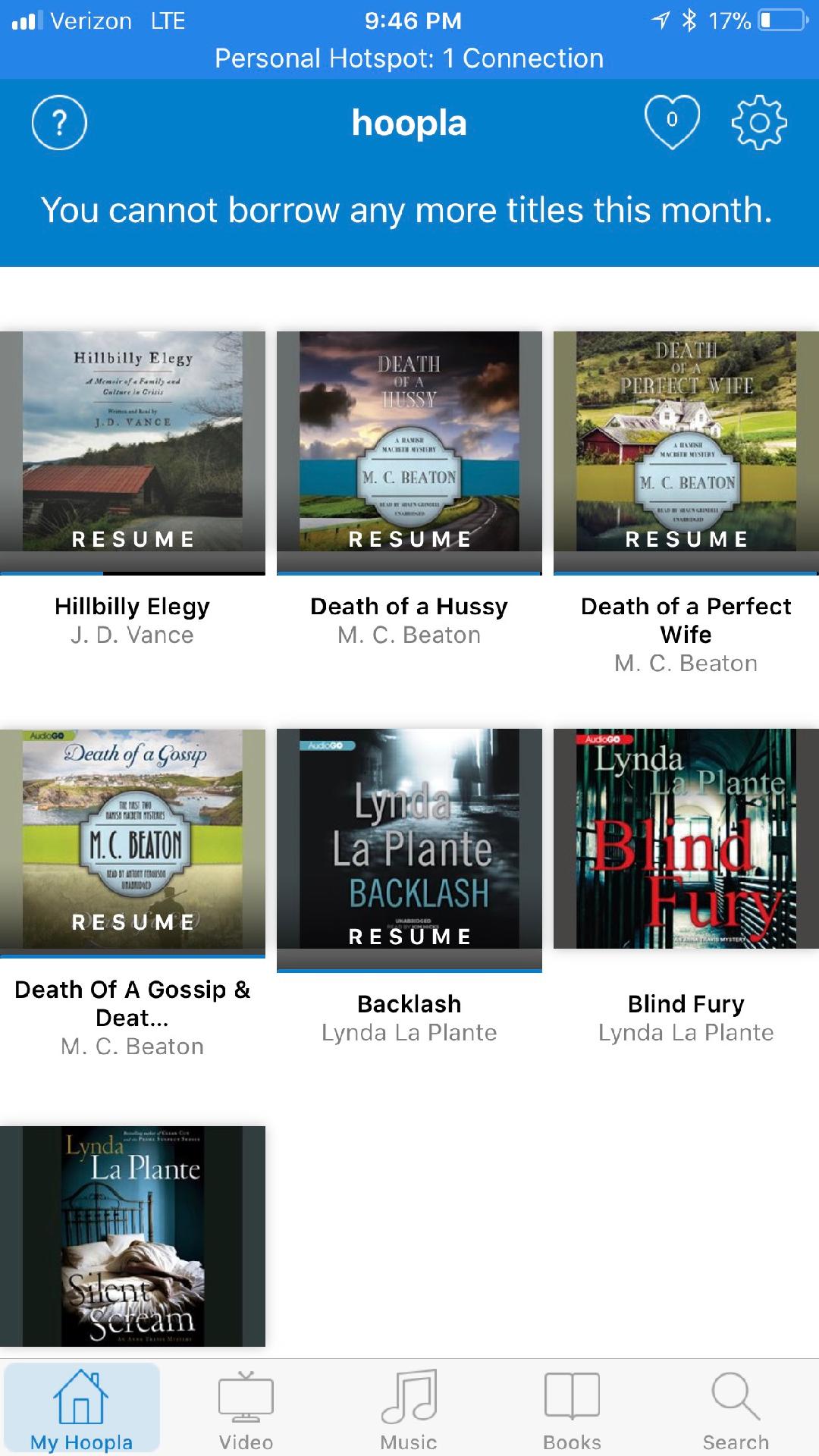
“You cannot borrow any more titles this month” has become the saddest phrase of my small existence.

I may be an audiobook addict.

My gateway drug was the bargain-bin cd novel. Years ago I discovered many in odd places like Tuesday Morning stores, Big Lots, and very occasionally at Barnes and Noble. It took a lot of digging to find unabridged versions–I will not read or listen to abridged versions of books because they incite moral outrage in me. WHY are there such things? I can see perhaps that once upon a time people read Reader’s Digest abridged versions of classics so they could boast they’d read them with some measure of authority, or in case someone might burst into their house and made them take a pop quiz on Great Expectations or Anna Karenina. But, really, if that happens, you’ve got worse problems than being a slacker reader.

After CDs I moved on to iTunes books. I logged on frequently to look for specials, and rarely paid more than $5.99. They were much more portable than bulky CDs. But I got greedy and started buying pricey bestsellers and had to cut myself off. My husband subscribes to Audible. Several of my own books are available on there, but I bristle under the program: limits and specials and points. Mostly, I don’t like to belong to clubs that will have me–especially if I have to pay.

For a while, I listened exclusively to free podcast books. One of my favorite sites is the Classic Tales Podcast with B.J. Harrison. I believe all of the audiobooks he reads are in the public domain, making them truly classic. You can subscribe and get the free podcast, but he also has a great library of inexpensive classics.

I know the rest of the world began streaming library books years ago, but I only started last winter, when I re-joined a nearby library (we are in an unincorporated area) for $80. Now HOOPLA is my new best friend. I have yet to figure out the metrics for which books are available on HOOPLA and which aren’t. The pickings are occasionally spotty. For example, nearly all of  M.C. Beaton’s backlist Agatha Raisin books are available, but there are few books by Robert Stone. If anyone knows how the selections work, please do enlighten us…

As you can see from the photo above, my audiobook listening is fairly light. I’ve been bingeing on traditional and procedural mysteries. (Ignore the “resume” on the two Beaton books–I suspect I moved on to the next one before the last few seconds played.) HILLBILLY ELEGY has been a kind of in-between book. The first 90 minutes or so made me uncomfortable because 1) I found Vance’s broad statements about history and class attributes random and defensive, 2) he pronounces “Appalachia” with a long, Midwestern 3rd “A”, and it drives me nuts as someone who lived for years in WV and western VA, and 3) I have deep, recent roots in eastern Kentucky, and it felt achingly personal and aggravating at the same time–which is to be expected, of course, because my hillbilly ancestry makes me ornery and skeptical anyway. But somewhere around the 90 minute mark, Vance gets deep into his personal history and it becomes a compelling story.

Sorry, I digress.

I nearly always have an audiobook on in the car, whether I’m going on a long trip or to the post office. I have one on while I cook or garden or clean. In fact, I’ve been known to engineer solo driving errands just so I can listen to a book in peace.

Sometimes I wonder if listening to a book isn’t cheating. Is listening to a book too passive an act to be considered useful to a writer? I’m torn. It occasionally feels like that. I’ve let the first 4 Hamish MacBeth books pour into my ears like mineral oil used to float a bug out. (That’s a thing.) I started my heavy listening of traditional mysteries last spring, in preparation for writing my first cozy novel, and now can’t stop. Thank goodness there are a ridiculous number of mysteries out there. Unfortunately I’ve listened to so many that I’ve found there are some books that are marvelous in audio, but are barely readable on the page. (Not telling. Let’s just say I never tried paper with that author again.) It’s as though my listening brain is so focused on the story that it can ignore the weak writing–something I seriously have a hard time doing when I’m looking at a page.

Although magazine and Buzzfeed-type quiz testing tells me that I’m an equally visual and audio learner, I retain stories I hear in much more detail than I do when I read words on a page. Yet the story plays out in my head in much the same way for both–I get to visualize the characters, I get to make educated guesses, I get to participate in ways I don’t when watching a film.

And yet. One of the reasons I still read more paper books than I do ebooks is that I am better able to create a mental map of both the book and the story when I can actually touch and turn pages. It feels participatory in a way that swiping never does. Ebook pages are too uniform. They aren’t alive. Now, that’s just my mental eccentricity–I do read and publish ebooks. It’s just that the experience is different. Stories have a shape, and I like to feel the shape so I can create story shapes for myself. If that all sounds a little Montessori Method to you, sorry. It’s the only way I can think to describe it.

I do, to some extent, also see the shape of stories when I listen to them.

I know. This is starting to sound a little too theoretical. A little too woo-woo. But I can’t shake the feeling that I’m betraying my writer self if I’m not reading words on a page. There are times when I realize I’ve been thinking about something else for a minute or two and have to click back to hear what I’ve missed. That’s not to say there haven’t been many times that’s happened as I looked at a paper book.

What say you, dear Zoners? Am I splitting hairs? As writers, do you think there’s a best way to experience a story?


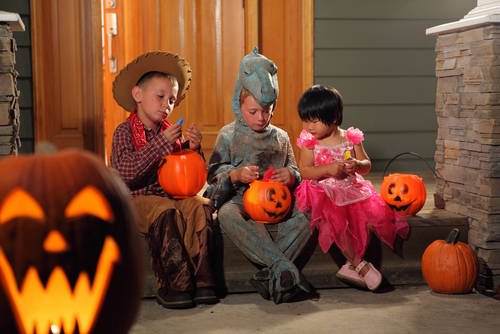
Happy Halloween from TKZ!

Photos purchased from Shutterstock

It’s All Hallows’ Eve, and in the US many of us are getting ready to give out treats to bands of little ghosts and goblins roaming the neighborhoods.The rest of the world celebrates Halloween-like holidays in a variety of ways.

In Mexico and parts of Latin America (and here in LA) people celebrate Dia de los Muertos (Day of the Dead) during the first two days of November. On those two days, according to the tradition, the souls of dearly departed Loved ones are allowed to return to Earth to reunite with their families. The holiday is celebrated with little in-home altars and offerings of pan de muerto (bread of the dead), candy, toys, and other goodies.

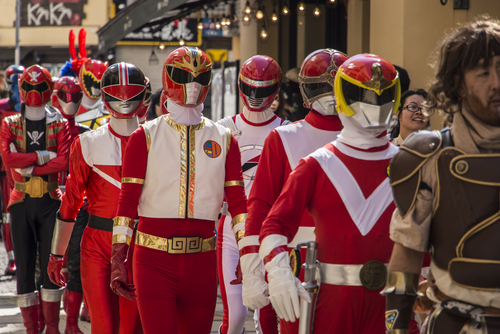
Japan celebrates the holiday with the famous Kawasaki Halloween Parade, a gathering of some 400 celebrants in some of the world’s most impressive Halloween costumes.

In Hong Kong, people celebrate the Hungry Ghost Festival. Festival goers distribute snacks and money to “ghosts” for sustenance in the afterlife. 

From late September to mid-October, Buddhist families celebrate Pchum Ben, a religious 
holiday to honor the dead. People hand out bundles of sticky rice wrapped in banana leaves, and visit temples to offer baskets of flowers.


What is your best memory or tradition associated with Halloween? Mine is wandering around our little rural Connecticut hamlet as a small child dressed up in giant butterfly wings that my mother had made for me, collecting pennies for UNICEF. Will you be handling out goodies to little goblins tonight?

Social Media, Blogging, and SEO Tips

Posted by Sue Coletta
Social Media, Blogging, and SEO tipsTo prepare for my first post as a TKZ member (yay!), I read all the social media posts on the Kill Zone (my little research addiction rearing its head :-)). Back as far as 2009, Joe Moore wrote Social Networking Showdown, which explored MySpace vs. Facebook, Shelfari vs. Goodreads, Crimespace, Gather, Bebo, LinkedIn, and the all-important email list. Even though some of these sites are nonexistent today, Joe’s advice still applies. And in 2011, he shared his perspective on using manners online. Which is critical these days.

The way we conduct ourselves on social media matters. Hence, why Jim made social media easy and why, I presume, Jodie Renner invited Anne Allen to give us 15 Do’s and Don’ts of social media as only Anne could, with her fantastic wit.

One year later, in 2016, Clare shared what’s acceptable for authors on social media and what isn’t. Jim showed us the dangers of social media, and how it can consume us if we’re not careful.

Through the years the Kill Zone authors have tried to keep us from falling into the honey trap of social media. Which brings me to the burning question Kathryn posed this past June: Writers on Social Media: Does it Even Make a Difference?

In my opinion, the correct answer is yes.

Working writers in the digital age need to have a social media presence. Fans expect to find a way to connect with their favorite author. How many of you have finished reading a thriller that blew you away, and immediately went online to find out more about the author? I know I have. It’s only natural to become curious about the authors whose books we love. Give your fans a way to find you — the first step in building an audience.

I’ve seen authors who don’t even have a website, never mind an updated blog. This is a huge mistake, IMO. It’s imperative to have a home base. Without one, we’re limiting our ability to grow.

BLOGGING

There are two types of blogging: those who blog about their daily routine and those who offer valuable content. Although both ways technically “engage” our audience, the latter is a more effective way to build and nurture a fan base.

When I first started blogging I had no idea what to do. I got in contact with a web design company (just like web design company Nashville) to help me get set up, and away I went! I’ve always loved to research, so I used my blog as a way to share the interesting tidbits I’d learned along the way. For me, it was a no-brainer. I’d already done the research. Writing about what I’d learned helped me to remember what I needed for my WIP while offering valuable content to writers who despise research (Gasp!). Over time my Murder Blog grew into a crime resource blog.

Running a resource blog has its advantages and disadvantages. Be sure to look into the pros and cons before choosing this route. When I first scored a publishing deal, I realized most of my audience was made up of other writers. The question then became, how could I attract non-writers without losing what I’d built?

My solution was to widen my scope to things readers would also enjoy, like flash fiction and true crime stories. Who doesn’t like a good mystery?

With a resource blog it’s also difficult to support the writing community. Book promos go over about as well as a two-ton elephant on a rubber raft. If you decide to run a resource blog, find another way to support your fellow writers. When one of us succeeds, the literary angels rejoice.

There’s one exception to the “no book promos” rule for resource blogs, and that is research. It’s always fun to read about other writers’ experiences. Subtly place their book covers somewhere in post (with buy link). That way it benefits both your audience and the author.

The one thing we can count on is that how-to blog changes with the times. A few months ago, my publisher shared a link to an article about blogging in 2018. Because she shared the article via our private group, I’m reluctant to share the link. The gist of article is, come 2018 bloggers who don’t offer some sort of video content will be left in the dust. Only time will tell if this advice holds true, but it makes sense. The younger generation loves YouTube. By adding a video series or a Facebook Live event we could expand our audience.

It’s time-consuming to create each video episode. Hence why I had several months in between the first two episodes of Serial Killer Corner. Our first priority must be writing that next book. However, consistency is key. Weekly, monthly, bi-monthly? Choose a plan that works for you and stick with it. There are many internet marketing experts who can help make your blog become successful.

SEO MATTERS

SEO — Search Engine Optimization — drives traffic to your website/blog. Without making this post 10K words long, I’m sharing a few SEO tips with added tips to expand our reach. In the future I could devote an entire post to how to maximize SEO. Would that interest you?

Tips

  • every post should have at least one inbound link and two outbound links; we highly recommend speaking to a digital marketing agency such as OutreachPete.com to get guidance on how to build these links.
  • send legacy blogs a pingback when linking to their site;
  • never link the same words as the post title or you’ll lessen the previous posts’ SEO (note how I linked to previous TKZ posts in the 1st paragraph);
  • use long-tail keywords rather than short-tail (less competition equals better traffic);
  • using Yoast SEO plug-in is one of the easiest ways to optimize a blog’s SEO;
  • self-hosted sites allow full control of SEO, free sites don’t;
  • remove stop words in the post slug (for example, see the permalink for this post); I’d also recommend removing the date, but that’s a personal preference;
  • drip marketing campaigns drive traffic to your site;
  • slow blogging drives more traffic than daily blogging (for a single author site);
  • consistency is key — if you post every Saturday, keep that schedule;
  • use spaces before and after an em dash in blog posts (not books);
  • use alt tags on every image (I use the post title, which should include the keyword); if someone pins an image, the post title travels with it;
  • link images to post and book covers to buy link;
  • white space is your friend; use subheadings, bullet points, and/or lists;
  • longer posts (800 – 1, 000 words min.) get better SEO than than shorter ones;
  • using two hashtags on Twitter garners more engagement than three or more;
  • protect your site with SSL encryption (as of this month, Google warns potential visitors if your site isn’t protected; imagine how much traffic you could lose?);
  • post a “SSL Protected” badge on your site; it aids in email sign-ups;
  • via scroll bar or pop-up, capitalize on that traffic by asking visitors to join your community, which helps build your email list;

THE 80/20 RULE

Most of us are familiar with the 80/20 rule. 80% non-book-related content; 20% books. My average leans more toward 90/10, but that may be a personal preference.

What should we share 80% of the time? The easiest thing to do is to share what we’re passionate about. When I say post about passion I don’t mean writing. Sure, we’re all passionate about writing, but I’m sure that’s not the only thing you’re passionate about. How about animals, nature, cooking, gardening, or sports?

One of the best examples of sharing one’s passion comes from a writer pal of mine, Diana Cosby, who loves photography. Every Saturday on Facebook, she holds the Mad Bird Competition. During the week she takes photos of birds who have a penetrating glare and/or fighting stance. On Saturdays, she posts two side-by-side photos and asks her audience to vote for their favorite “mad bird.” Much like boxing, the champion from that round goes up against a new bird the following week.

On Fridays, she posts formal rejection letters to birds who didn’t make the cut. With her permission, here’s an example:

Dear Mr. House Sparrow,

I regret to inform you that though your ‘fierce look’ holds merit, it far from meets the requirements for entry into the Mad Bird Competition. Please practice your mad looks and resubmit.

Sincerely,
M.R. Grackle
1st inductee into the Mad Bird Hall of Fame

It’s a blast! I look forward to these posts every week. As such, I’m curious about her books. See how that works?

My own social media tends to run a bit darker … murder & serial killers top the list, but I also share stories about Poe & Edgar, my pet crows who live free, as well as my love for nature and anything with fur or feathers. The key is to be real. Don’t try to fake being genuine. People see right through a false facade. Also, please don’t rant about book reviews, rejection letters, or anything else. Social media is not the place to share your frustrations.

As for soft marketing on social media, I like to make my own memes. It only takes a few minutes and it’s a great way to keep your fans updated on what you’re working on. In the following example I wrote: #amwriting Book 3, Grafton Series. I also linked to the series. Don’t forget to include a link to your website. The more the meme is shared, the more people see your name. Keep it small and unobtrusive. See mine in the lower-right corner?
Social Media, Blogging, and SEO Tips

In the next example, I asked, “What’s everyone doing this weekend? No words, only gifs.” Have fun on social media. The point is to engage your audience.

Folks love to be included. Plus, I genuinely want to get to know the people who follow/friend me. Don’t you? It doesn’t take much effort to make your fans feel special. Take a few moments to mingle with them. It’s five or ten minutes out of your busy schedule, yet it may be the only thing that brightens someone’s day. In a world with so much negatively and hatred, be better, be more than, be the best person you can be … in life and on social media.

Over to you TKZers. How do you approach social media? Would you be interested in more SEO and blogging tips?
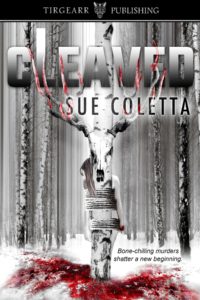
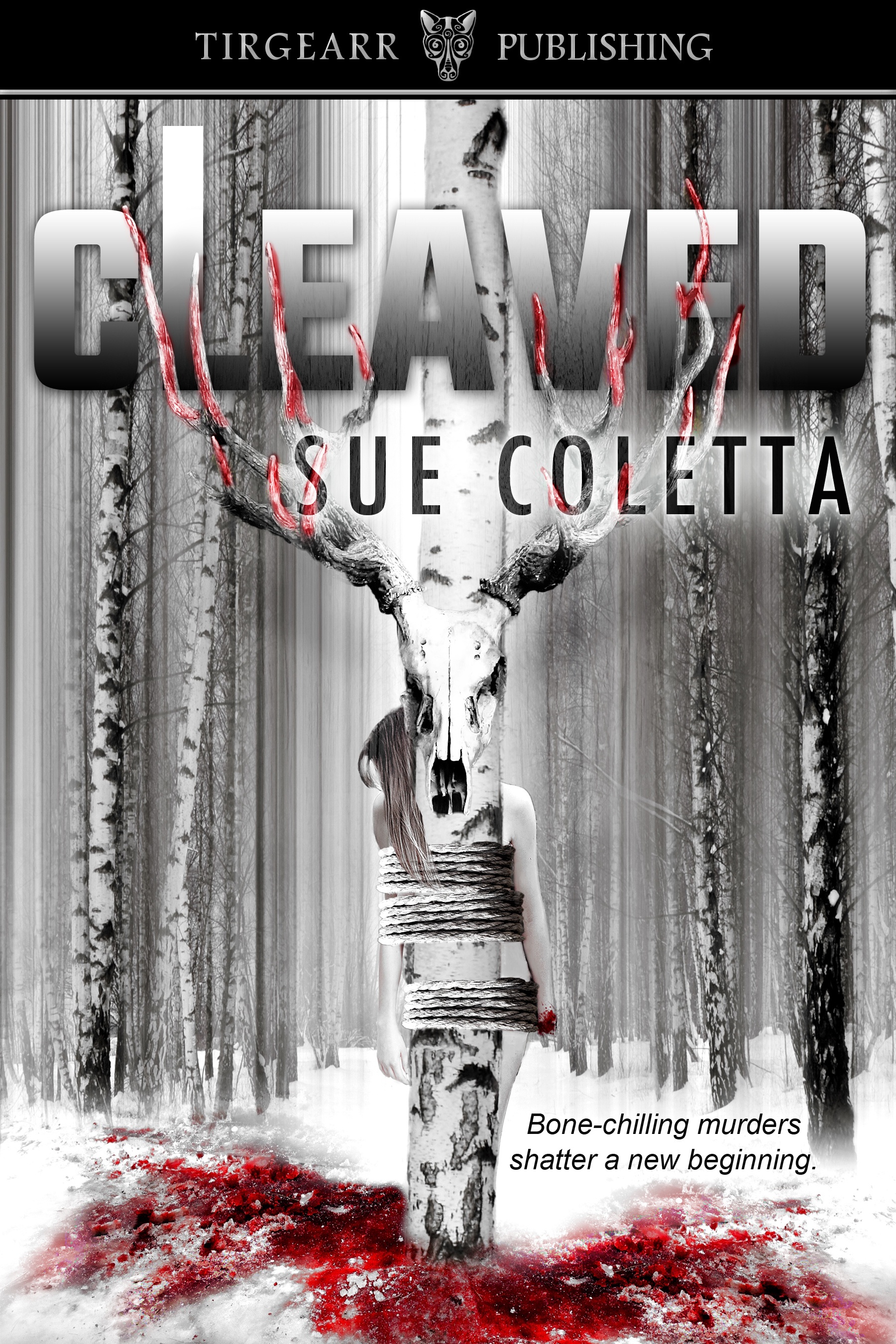
CLEAVED by Sue Coletta


Women impaled by deer antlers, bodies encased in oil drums, nursery rhymes, and the Suicide King. What connects these cryptic clues? For Sage and Niko, the truth may be more terrifying than they ever imagined.

CLEAVED, Grafton County Series, Book 2, is on sale for $2.99.

Can You Believe the Kindle is Ten Years Old?

by James Scott Bell
@jamesscottbell

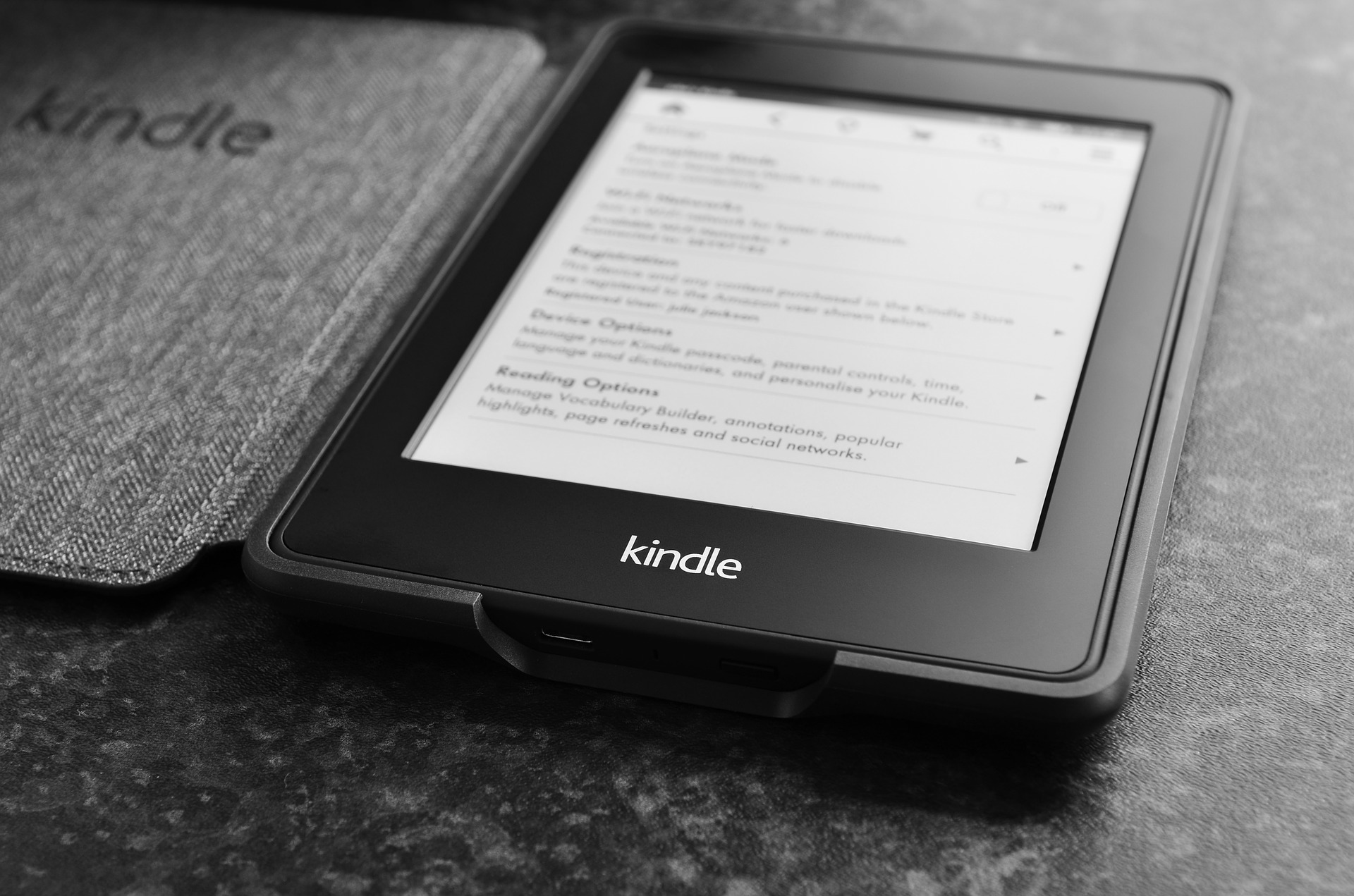
The Kindle turns ten next month. My, how that little baby has grown!

When Amazon’s ereader first came out (November 19, 2007 to be exact), I sensed most people were skeptical about the future of digital reading. The Sony Reader had been around for years but failed to take hold. “Electronic books” were thought to be the coming thing around Y2K. Publishers Weekly even started a section to cover the subject, but later dropped it due to failure to launch.

Clearly, serious readers preferred paper. So the Kindle would probably sell to some early adopters, but likely would not revolutionize anything.

**clears throat**

In 2008, Oprah Winfrey gave the Kindle her endorsement. Talk about a boost! Then people began to realize they could have all the works of Dickens and Dostoevsky on a single device which they could take on a plane or a train or (in L.A. commuter traffic) an automobile. Pretty doggone cool!

And the biz mavens realized that Amazon was (as always, it seems) making a powerful and forward-thinking business move—selling the Kindle as a gateway to their massive bookstore.

Here at TKZ, we were analyzing all this from the start. On Kindle’s one-year anniversary our own Kathryn Lilley wrote:

I think it’s time for all of us to stop mourning the nongrowth of paper book sales, and celebrate the new digital age. It’s the future. Let’s embrace it. For example, last week when I posted, I was freaking out about the changes in the industry. This week, I have decided to reframe my thoughts about the book publishing crisis, and seek out the hidden opportunities in those changes.

Because ready or not, the digital era is here. Kindle products like the Oasis are still going strong. In fact, this review of Oasis is spot on.

And what did all this mean for authors? Well, beginning in 2009 or so, it became apparent that Amazon was presenting a viable new way for writers to get published—by their own selves!

And get this: by offering authors an unheard of 70% royalty split!

The lit hit the fan.

A complete unknown named Amanda Hocking made a cool couple of million dollars publishing directly on Amazon!

This got the attention of many, including TKZ emeritus Boyd Morrison, and a mainstream mystery author by the name of Joe Konrath who, via his blog, began to champion the new digital possibilities.

When I went to Bouchercon in San Francisco in October of 2010, everybody was wondering how to get in on the ebook thing without ticking off their agent or publisher. Agents (and I heard several) were warning writers not to “go there” for fear it would jeopardize their careers. Publishers were not at all sanguine about their authors moonlighting with a company they saw as their biggest threat. Some writers even got sued or terminated over this.

But the money was dropping off Kindle trees! That could not be ignored.

A funny thing happened at that Bouchercon. I was sitting with a couple of writer friends in the lobby of the SF Hyatt Regency, talking about all this, when Joe Konrath arrived and made his way to the bar area. He was flocked by fellow authors peppering him with questions.

The next day, at lunchtime, I was outside the Hyatt and spotted Mr. Konrath and one Barry Eisler walking and talking excitedly along the sidewalk. I thought, “What is that all about?”

A few months later I found out. Mr. Eisler, a New York Times bestselling thriller author, turned down half a million bucks from his publisher in order to publish with Amazon!

It was the talk of the industry. I saw it as a real tipping point. In fact, I gave it a name: “The Eisler Sanction.”

Self-publishing was getting serious.

I put my own toe in the E waters in February of 2011. Now I’m all wet.

So ten years after the birth of the Kindle, what have we seen?

1. Kindle devices and apps are awesome. I’m currently reading the two-volume memoir of Ulysses S. Grant, easily highlighting passages I want to review later. The General is bivouacked on my phone. Cost me 99¢.

2. While other ereaders have appeared—notably Nook and Kobo—the Kindle is dominant and unlikely to lose market share. The poor Nook, which is also a cool device, is hanging by a thread.

3. Kindle Direct Publishing has saved the careers of thousands of midlist writers, and created the careers of thousands more who are making good-to-massive lettuce every month. Those who are doing well have mastered some basic practices but also concentrate on the most important thing: quality and production.

4. The traditional publishing industry was hit hard by the digital disruption. There have been mergers, layoffs, shrinking profits and even a DOJ smackdown.

5. But the Forbidden City is still open for business. And while large-advance deals for debut authors are becoming as rare as the blue-footed booby, they still happen.

6. There has been chatter about the “comeback” of print books, but it appears that most of any increase in print sales can be traced to … Amazon. (And here’s a counterintuitive development: Millennials may actually prefer print books!)

7. Big bookstores took a huge hit due to e-commerce. The massive Borders chain of stores went down, followed by Family Christian. Barnes & Noble stores have been closing steadily for the last eight years, a trend that will likely continue.

8. However, local independent bookstores may be emerging through the cracks. Oh, and guess who else is opening up physical stores? Amazon.

9. On the other hand, many niche bookstores are closing. The latest is Seattle’s Mystery Bookshop.

10. We’ve reached a period of relative stasis in the “self v. trad wars.” From 2010 to 2014 or so, it seemed like we’d get blogosphere firestorms every week cheering for, or predicting the demise of, Big Pub. There was also a lot of “gold rush” talk on the indie side. Reality, as it is wont to do, has settled things down. There’s a lot of information out there now (e.g., Author Earnings reports) and the savvy players have a better handle on where they stand.

In an episode of Downton Abbey, when it became clear that the old ways of life were on the way out, never to return, Carson the butler mused, “The nature of life is not permanence, but flux.”

Kindle brought the flux. And a decade later, we’re living it.

What do you say, TKZers? What are your reflections on the 10th birthday of the Kindle?

HOW TO BE A CRIME VICTIM… PAINLESSLY

By Debbie Burke

The Scene of the Crime

Last year, I became the victim of an attempted sexual assault in broad daylight.

An assailant stuck a gun in my back, dragged me into a dark, deserted barn on the county fairgrounds, and tried to rape me. When he put down the gun as he tried to tear my clothes off, I kicked him where no man wants to be kicked. He escaped out the back of the barn.

I survived completely unscathed…because, fortunately, I was not a real victim, but a role player in a law enforcement training scenario.

Alumni of the local Sheriff’s Citizens Academy get tapped from time to time as role players in training sessions for reserve officers, the posse, and search and rescue. Since I completed the Citizens Academy, I’ve walked heel-to-toe in a mock traffic stop for drunk driving. I portrayed the hysterical mother of a child injured in an accident. I played a victim of a medical emergency, which turned into a bona fide emergency when a swarm of yellow jackets stung me!


Photo by Lynette Schimming, Thompson Falls, MT


The sexual assault scenario mentioned above was part of the training for posse and reservists who respond to emergencies at the county fair. Each trainee team answered mock radio calls from a 911 dispatcher about various crimes, in addition to lost children and heart attacks. Trainees rotated through stations staged around the fairgrounds, while deputies and police officers observed and evaluated how they handled each situation.

A deputy staged the scene beforehand: drag marks in the dirt, signs of a struggle in the stall, a fake gun left on a shelf by the attacker, and footprints leaving the barn. Then each team would rotate in turn to our station.

The lead instructor had already briefed trainees about their duties. In the sexual assault scenario, they were supposed to interview the victim (me), call for medical assistance, and broadcast the assailant’s description on the radio. Then they would secure and preserve the crime scene until regular officers relieved them.

Cops love to tell stories. My favorite part of the exercise was during down time between rotations. That’s when the story-telling began—a great opportunity for me as a writer to pick up details, nuances, and subtleties that lend authenticity to crime novels.

Since the county covers 5000+ square miles with only four deputies on duty each shift, stories abound of the resourcefulness required when responding alone to calls in remote locations.

A CSI related the tale of an overweight officer who’d taken a lot of kidding about his size. Late one night he arrested a rambunctious suspect who, despite being handcuffed, kept trying to run off. With backup seventy-five miles away, the deputy had to find a safe way to further restrain him until help arrived. So he spent the next forty-five minutes…lying on top of the suspect.


His fellow officers still kidded him, but with respect for a guy who used the tools at hand to solve a problem.

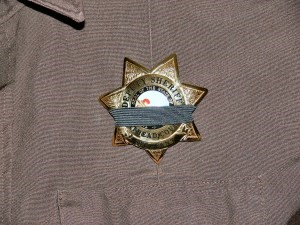
Because of a rash of ambushes on law enforcement, most officers were wearing a black band over their badges. In a lowered voice, a veteran deputy with fifteen years’ service confided, “My six-year-old just told me, ‘Dad, I don’t want you to be a police officer anymore.’” That poignant sentence spoke volumes about the family life of cops. It will stay with me for a long time.

Back to the training session. One trainee earnestly wrote down my description of the would-be rapist. Another reassured me that I was safe. Others took the initiative to clear the barn and search for the suspect.

After each team completed the exercise, the evaluators critiqued their responses. One team did not enter the barn at all. When the evaluator asked why, the answer was: “We could see the gun from where we were outside, we didn’t know if the perpetrator was still around, I wanted to keep my partner in sight.” They received a nod of approval from the evaluator.

Another team split up—one talked with me, while the other cleared the barn, checking stalls with a flashlight, careful to avoid the footprints and drag marks. Again, a nod of approval.

According to the evaluator, both approaches were appropriate since trainees took their individual limitations into account and did not compromise safety.

And then there was the posse volunteer who proved the adage, you get what you pay for…

This trainee had clearly never watched a single episode of CSI. Upon arriving at the scene, he immediately rushed into the barn and stomped on the footprints and drag marks. Then he grabbed the gun, obliterating the attacker’s prints.

The evaluator took him aside…for counseling.

After training ended, we ate lunch and reviewed the volunteers’ performances. Feedback from the 911 operator was especially useful. She cautioned if a responder didn’t answer a radio call, the operator might assume trouble and dispatch assistance, when, in fact, the responder simply forgot to acknowledge a call. Big oops.

Taking the course can broaden your education and add verisimilitude to your novels.

Besides, it’s not often one becomes a “victim” without suffering any trauma. Role-playing is far preferable to the real thing!

TKZers, what are your favorite tools to lend authenticity to your stories?


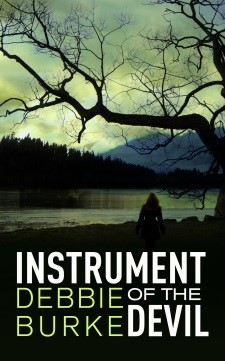
When she’s not playing a crime victim, Debbie Burke writes about them. Her new thriller Instrument of the Devil is available on Amazon.