Think your book is ready to publish? Maybe not.

Note from Jodie: I’m busy packing to move to another city next week, so bestselling – and prolific! – author Allison Brennan has kindly consented to share some valuable advice for aspiring authors today. Welcome, Allison!
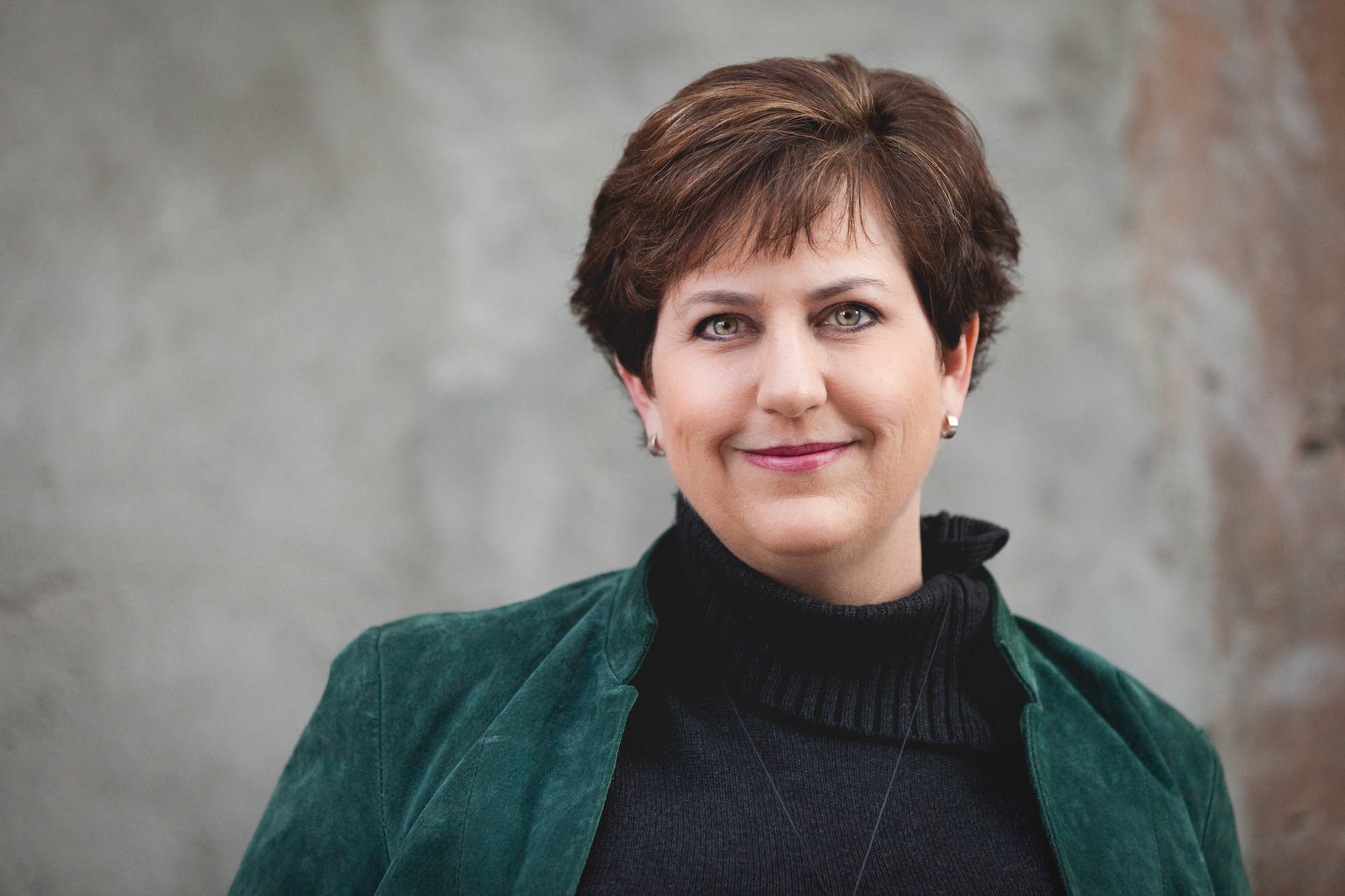
Allison Brennan

In 2002, I finished my first full-length novel, a masterful romantic suspense. It had everything … and I mean everything … that a romantic suspense novel could have.

A Heroine … beautiful, smart, sweet. And a virgin. She was a computer expert who worked from home.

A Hero … tough, dedicated, handsome. And a cop.

A Chance Encounter … the heroine thought the hero was an intruder in her apartment building. An old house converted into three flats. How was she to know the landlord had rented the vacant unit?

A Villain … he worked at the coffee shop where the heroine bought her morning coffee after her daily run. He loved her. He was certain she felt the same way, but he couldn’t talk to her, so he stalked her.

A Victim (or five) … the villain, unable to share his feelings for the heroine, rapes women who look like her. Of course my hero catches the serial rape case.

The Ex-Girlfriend … the hero has a psycho ex-girlfriend who is none too happy when she sees the hero kissing the heroine. At some point, she trashes the Heroine’s apartment.

The Ex-Fiancé … yes, the heroine had been engaged. She broke it off for some reason I don’t remember (but I’m sure it was a very good reason), and then she learned that her ex was selling company secrets to a rival. So of course she turned him in.

The Heroine’s Brother. A priest. Well, a former Marine turned priest. (Why? I don’t know. It sounded good at the time.)

Danger. The Heroine’s ex-fiancé, furious that he was fired, plots to embezzle money from the company. But he needs the Very Smart Heroine to hack into the system and steal the payroll before it’s direct-deposited into employee accounts. To force her to help him, he and his gang hold her brother (the former Marine turned priest) hostage, shooting him in the leg when she refuses to help.

Of course, the hero comes in to save the day!

But lest you forget Stalker Boy, he was just as upset as Ex-Girlfriend that Heroine and Hero were kissing. Around this point, Hero realizes that the rape victims (and he’s escalating, because one died) all look like our Heroine. He gets all Alpha Hero wanting to protect her. But because Villain is a psycho, he kills Ex-Girlfriend and frames our Hero. While our Hero is in jail, our Stalker kidnaps the Heroine and takes her to the Cascade Mountains where he forces her to wear his mother’s wedding dress in a mock ceremony so that they can “legally” consummate their marriage.

Of course, the hero comes in to save the day … again.

Did I mention that Villain also killed his mother and kept her decomposing body in her house?

Yes, Hot Latte had it all. Literally.

(Stop laughing. Yes, I called it Hot Latte. Because that was the heroine’s preferred beverage at the coffeehouse.)

Alas, Hot Latte has never been—and never will be—published. Truly, I had at least six good books crammed into that one novel! I’ve used some of the plot twists in future books, and I still have more to spare.

My first book taught me a lot about writing. In fact, writing Hot Latte was essentially a crash course in fiction writing. What to do … and, mostly, what not to do.

I sold my fifth completed manuscript, The Prey, to Ballantine in 2004. My first four books aren’t publishable, but I truly believe my career depended on me writing them. Through the process of writing those books, I learned how to structure, pace and plot a story. (I use the word “plot” loosely because I don’t plot, per se.) I learned about character, backstory, conflict, and self-editing.

My first book isn’t salvageable. I would also argue that ten years ago, I didn’t have the skill to completely rewrite anything into something that was the same core story … but different. Better.

I owe more than I can say to my former editor at Ballantine for helping me learn how to see the big picture. In fact, I still hire her to edit my indie books because, even after twenty-five traditionally published novels, I crave editing. I also insist on revisions for every traditional book I write. I don’t consider it a failure to get a long revision letter—to me, that external guidance makes a good book great. While I’m a better writer today than I was ten years ago, but that doesn’t mean my books don’t benefit from a thoughtful developmental editor. (I’m not talking about copyediting and proofreading – those are a given. I’m talking about someone who looks at the big picture and helps make it clearer.)

I thank God that self-publishing was not a viable option in 2002 when I wrote Hot Latte. Because I honestly thought that it was a good book. My best friend read it and she liked it, too. (Ahem. See tongue in cheek?) It was clean – meaning there were few, if any, grammatical or spelling errors. Who wouldn’t love it? I mean it had everything in it! Literally!

But all the agents and editors who rejected it were right. When I found an old copy of the manuscript a few years ago, I cringed. It was that bad. Every cliché in romantic suspense found a home in my book.

I recognize that the publishing world is different today than ten years ago. Yet … there are some truths that remain the same. The primary truth is that you should only put your best work forward.

Just because the new climate has allowed everyone to publish doesn’t mean that everyone should publish their first … or second … or fifth book.

I can’t tell you how many times someone has told me that they were rejected by “New York” and obviously “New York” doesn’t know what’s good, so they’re going to self-publish.

Or how many people have said they can’t afford an editor, but their daughter/mother/best friend is a good proofreader. (Proofreading is NOT editing.) One person actually told me that once they start making money selling their books on Amazon, then they can afford to hire an editor.

Or how many people feel they have written the perfect book and any editorial input would make it less perfect. That they don’t want to change anything in the story because it’s exactly the way they want it.

Or how many people tell me they don’t really care whether they make money or not, they want to “get their story out there” and since it’s free to do so, they don’t want to spend any money on editing or cover design. These people actually make me angry – because I take my career seriously, I take books seriously, and I don’t think that “just getting something out there because you can” respects authors or readers.

New York rejects books for two primary reasons: either the book is total crap or they have no idea how to market the book (meaning, it doesn’t fit into one of their pre-defined genres.) It’s much easier to sell a thriller to New York because they know how to market a thriller, they can look at the book and see exactly who the audience might be. It’s much harder (not impossible) to sell a book that doesn’t neatly fit into one of the pre-established genre shelves at Barnes and Noble.

I’m certainly not opposed to self-publishing. There are many authors who have chosen self-publishing to great personal and professional success. Sometimes it’s because they’ve tried New York and couldn’t break out, but had built a solid readership who then moved with them into the digital world where they were able to grow and thrive. Some were successful in New York, but for one reason or another felt they would be more successful in the indie world. Others don’t fit neatly into the mold, but readers simply like good stories and therefore they found a readership because they told good stories.

But with the glut of books available digitally, and so many of them really not publishable, readers are having a harder time picking the wheat from the chaff.

I am disheartened that so many aspiring writers have completely forsaken the process in the rush to be published. It’s your name on the book. You’ve spent hundreds of hours writing a book—usually while working at another job or raising a family. You wrote that book in your free time, meaning it had value to you—you sacrificed doing other things in order to write. Respect yourself! Respect your time! You deserve to invest in that book, to make it as strong as it can be.

If you want a career as an author, if you want to build a readership and grow your audience, the process is important—whether you walk down the traditional path or the indie path or, like many, a combination of both.

If I was starting today, I would have self-published Hot Latte and, in effect, lowered the bar for myself. It was a complete story, it had great characters, and it was cleanly written. Yet … it wasn’t a good book. I didn’t see the flaws because I didn’t know what to look for. It took me many books before I could see the flaws in my own work. Even now, I don’t always see the problems and am grateful to my editor because there is always something I can do better.

And that’s my goal: to make every book better than the last.

I’ll pop in and out today to talk about anything you want or answer questions! I’m easy that way 🙂

Oh, and for my BSP … COMPULSION, book two in the Max Revere iAllison Brennan_Compulsionnvestigative reporter series, is on sale now in hardcover, digital, and audio. RT Book Reviews gave COMPULSION a Top Pick: “Brennan really pulls out all the stops in this intense, terrifying thriller!” and Catherine Coulter says, “Don’t miss Max Revere’s roller-coaster new thriller. Talk about grit and courage—Max never gives up.”
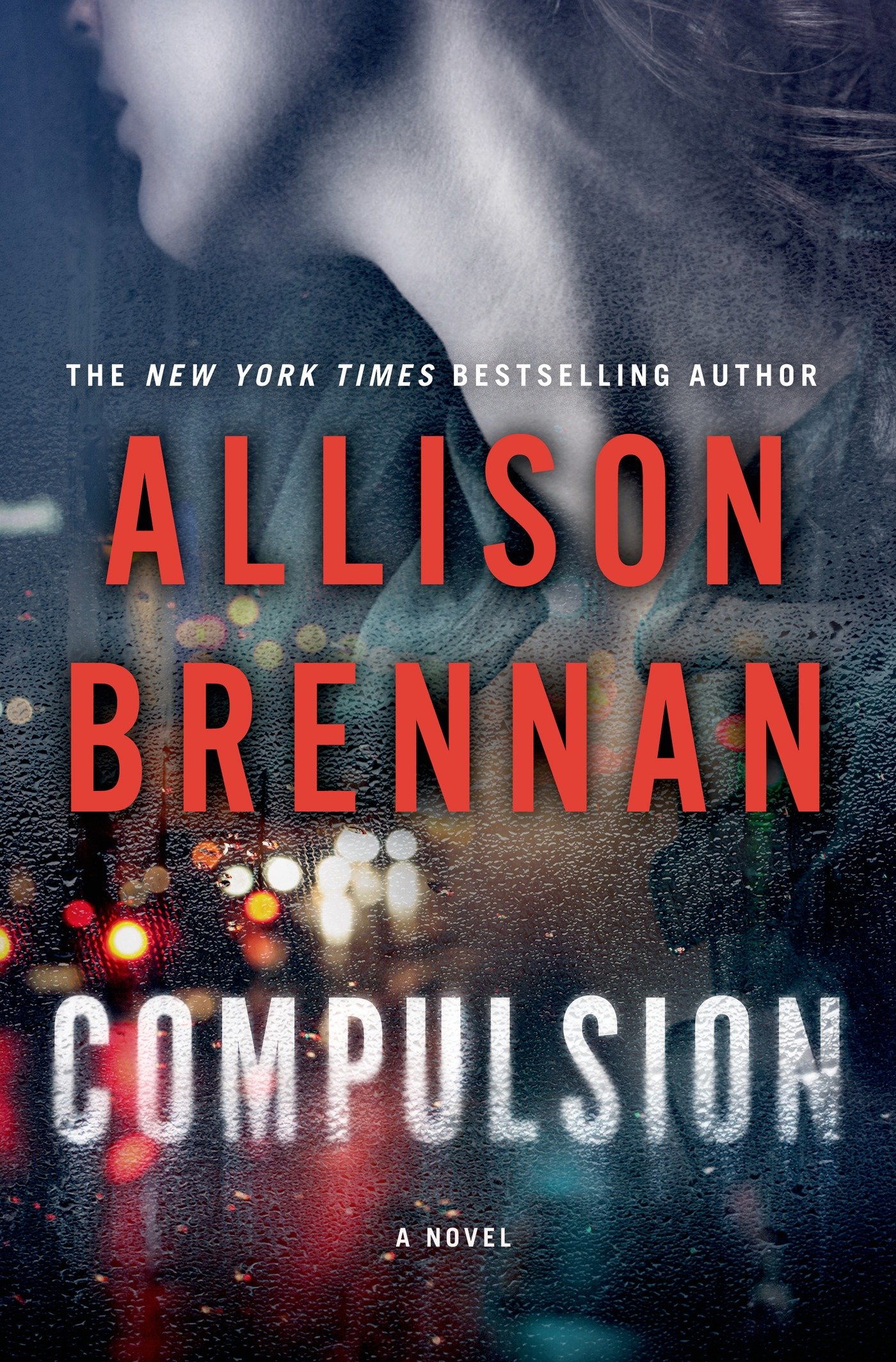
You can check it out on my website, allisonbrennan.com.

*

Allison Brennan is the New York Times and USA Today bestselling author of romantic thrillers and mysteries. She’s currently writing the Max Revere investigative reporter series (COMPULSION, April 2015) and the Lucy Kincaid romantic suspense series (upcoming: BEST LAID PLANS, August 2015.) She lives in Northern California with her husband, five kids, and assorted pets.
How to Show What Your Characters Think

homer-simpsons-155238_1280I love hanging out with writers. Who else can you talk to about such important matters as the possessive apostrophe, or whether to use semi-colons in fiction? (On this last one, I usually get pugnacious and am asked to leave the room).

So last week I’m at a conference and some colleagues and I are sitting around the breakfast table on morning when the subject of character thoughts comes up.

The short version of the issue is this: Is it unfashionable these days to use italics to show a character thinking?

This is the sort of question readers don’t care about, but which affects them. We as writers are always looking for the best ways to keep readers inside the “fictive dream.”

Traditionally, there have been two ways to show a character thinking. You either do it with italicized lines, or unitalicized with the added attribution he thought or she thought. Thus, you might have the following:

John walked into the room and saw Mary by the window. I wonder what she’s doing here, he thought. [Note how the thought itself is in a first person voice]

John walked into the room and saw Mary by the window. What was she doing here, he thought. [Note how the thought is now in a third person voice]

John walked into the room and saw Mary by the window. I wonder what she’s doing here?

You’ll sometimes hear talk about “deep POV,” which means we are so ensconced inside the viewpoint character’s head that italics or attributions are not necessary. I’m not a stickler on this. I don’t mind he thought or she thought on occasion, and don’t think readers even notice. But it’s worth, ahem, thinking about. If you’ve got a strong POV established, you can dispense with attributions and render the thought in a third- or first-person way:

She opened the door. Saw his body. Bullet holes all over him.
He deserved it, every bit of it.

She opened the door. Saw his body. Bullet holes all over him.
You deserve it, Frank, every bit of it.

On the matter of italics, it’s become something of a meme among writers and writing groups that italics are out of date. I think that’s mainly because italics can be abused. I’ve seen it done this way, and it always rubs me the wrong way:

  Rip looked at her with those cobalt blue eyes.
  Kiss me, kiss me now, oh please, I need to be kissed.
  “I like you, Dakota, I really do,” Rip said.
  If you like me, go for it, my lips are ready for yours.
  “Do you like me too?” Rip asked.
  Like you! Can’t you see it in my eyes? No, maybe he can’t, because my heart has been broken so much it has grown calluses and become a hard, unnatural thing. Oh, break my heart, please break, so that you melt and warm my eyes for him, so he will take me in his arms and give me the love I have been yearning for.
  “Yes,” Dakota said. “I like you.”

Now, I don’t mind a short, italicized thought when the emotions are running high. It’s sometimes the best way to render the emotional impact on a character without stopping the flow of the action. Thus:

   He shoved her to the ground. Searing pain ran up her elbow and exploded at the base of her neck. She wanted to call for help, but her mouth wouldn’t work. His laugh filled the void as he took off his mask.
   John!
Her former lover had…

Or:

   “I hope you’re happy,” Max said.
“Oh I am,” said Constance. “So, so happy. Especially since you had the liposuction.”
He laughed then. And it chilled her to the bone.
“Now,” he said, “we are going to make love.”
   Fat chance.

Sometimes, for stylistic reasons, you may want to try second person POV thoughts. Yes, that’s what I said. It works if the emotion is running high.

   He walked over to the window and looked at the street. A homeless guy was preaching to an invisible choir.
Well, this isn’t exactly what you wanted, is it? You wanted fame and fortune, and you got a cheap room in a crummy hotel, and you know you deserve it. Welcome to reality, pal. You done good, real good.

To sum up:

  1. Use italicized thoughts sparingly, if at all. Save them for short, intense thoughts.
  1. You don’t need italics, or he thought/she thought if the POV is deeply established.
  1. If the POV is deep, you don’t even need he thought/she thought. Use them on occasion if you wish, but also analyze your scene to see if you might do better without them.

So those are my thoughts on thoughts. What do you think about my thinking?


What Did You do Today, Writers? Tell Us About It

Jordan Dane

@JordanDane

iStock_000006470200Medium (2)  CROPPED

Purchased from IStock by Jordan Dane

Lately I’ve had a lot of personal things happening that have been a distraction from my writing. Some are good distractions, while others are more of a black hole, as if I’m walking in a fog some days.

Today I will be at a home inspection. Yes, I am buying a new home. Home buying can be a scary prospect, as well as a spark of hope for a new beginning. It can be especially scary when it comes to looking at mortgages, I was lucky that my friend told me about something like Money Expert so at least I don’t have to worry about whether or not I’m getting the right mortgage. But I have been thinking about other things. I haven’t been able to sleep much lately with thoughts of “nesting” in my head. I’m not one to second guess my decisions, but I can see how taking this step could spiral a person into self-doubt.

Buying my home might represent leaving the past behind or it could be taking a metaphorical leap off a cliff that I may or may not be ready for. It could mean putting down roots that I wasn’t sure I could do on my own, or it might be a way of setting a firmer foundation for the rest of my life, or my new home can be a gathering place for my friends and family (meaning that I am opening my life to others).

I’m buying what I hope will be my last home, a place where I can retire comfortably. Another thing on my list today is meeting with my parents. I’ll show them the house then take them for breakfast. A facet of this day’s adventure is that my folks are considering selling the family home and looking into their options going forward. They are still teaching me life lessons as they age and I may be showing them how to let go by my home adventure. I expect today will be life changing in a quiet meaningful way for the three of us.

So you see? As a writer, I can read into so many things. I can write this scenario any number of ways for a story. How much do I give a glimpse into my personal life if I were to thread this reality into a character of mine? That’s the fun part of writing for me. Is it for you? How much of your life experiences do you weave into your stories? Or do you purposefully stay away from anything too close?

Another aspect to this story could be that I’m buying a home from a previous tenant. Who were they? Is there a mystery that surrounds their life? What clues could they leave behind for me to find? This property has an amazing terraced garden. I can feel the love of the gardener in every rare plant grown with such care. It makes me want to plant my own contributions with as much thought and diligence, so that I can pass the love on to the next “gardener.” I have a plan to create a beautiful garden storage space when I thought “garden site sells timber storage” spot on.

The point to sharing this tidbit with my TKZ family is that it can be important to remember how even the mundane aspects of your life can hold a story. This is one thing I am doing today that can turn into a story in books ahead.

So I’ll give you a homework assignment. I’d like you to jot down what you did today, right down to what you ate for lunch and where you ate it. Then pick something from your list to share what might make a good story, similar to how my home inspection launched a range of emotions in me.

Go on, TKZers. Share your day with me.

What the heck is the Inciting Event?

Today TKZ welcomes K.M. Weiland as our guest blogger. Katie will be sharing a critical but often misunderstood element of the novel: the Inciting Event. Enjoy her insights and be sure to visit her highly informative, award-winning writer’s blog, Helping Writers Become Authors.

———————————

katie1What the heck is the Inciting Event? That’s a question just about any writer can answer. The trouble is that sometimes we all have a different answer.

  • Is the Inciting Event the first thing that happens in the story?
  • Is it the moment that kicks off the plot and the conflict?
  • Is it the First Plot Point at the end of the First Act?
  • Is it something in between?
  • Is it something that happens before the story ever starts?

The chief trouble with identifying the Inciting Event is that the term is used rather wildly to apply to just about any of the above. One writer calls the Hook the Inciting Event, another calls it the First Plot Point. Argh! No wonder we’re all so confused.

Structuring Your Novel IPPY Award 165The confusion has grabbed me in its claws as well. In Structuring Your Novel, I wrote the following about the Inciting Event:

What’s important isn’t so much nailing down your Inciting Event to a specific place in the story, as it is presenting the Inciting Event at the optimal moment. Sometimes that means throwing the Inciting Event at readers right away, and sometimes that means holding off a bit.

I admit it: that’s a little vague, isn’t it?

Since writing Structuring Your Novel, I’ve made some extremely interesting discoveries about the Inciting Event, which have helped me refine my own stories far more than did such vague notions. So let’s all advance our understanding of this frustratingly important moment in our stories, shall we?

The Single Most Important Thing to Understand About “The Inciting Event”

The most important thing you can take away from this post is this: There isn’t just one moment that can be called “the inciting event.” There are three.

The vast majority of confusion over this structural pillar is the fact that we find different writers referring to three very distinct moments in the story by the same name. I’ve been guilty of it too, if only because I hadn’t yet grasped the differences between the three. These three different story structure moments are completely different from one another and all equally necessary to your story.

First Act Timeline

The 3 Different “Inciting Events”

1. The First Moment in the Story

Probably the most common understanding of the Inciting Event is that it’s the first moment in your plot. This is the beginning of your story–possibly even the first sentence. This opening scene will introduce your main character and the main conflict. It’s the first domino in the line of dominos that forms your plot. It’s the beginning of your story. If you open before this moment, then you’ve opened too soon.

Why We Think This is the Inciting Event

It’s no wonder we think of this moment as the Inciting Event. “Incite” seems to indicate the match striking the tinder of our plot. Therefore, this moment necessarily has to be the starting point, right? Well, yes and no. Yes, this first moment in your plot is what starts the whole thing moving. But, no, this moment is more about introducing your story than inciting it.

What It Really Is

This first crucial moment in your story is more properly the Hook. There is, of course, more involved in the Hook than just this (namely, its responsibility to grab your readers’ curiosity). But the Hook is the first structural moment in your story. It’s the first interesting moment, and, as such, it’s what flicks over that first domino and starts things rolling.

Where It Belongs

This opening moment–the Hook–belongs (surprise!) in the opening. It’s your opening scene–the first thing that happens in your story–possibly even the first line.

What We Should Really Call It

The Hook.

Examples

Bram Stoker’s Dracula opens with Jonathan Harker arriving in Budapest on his way to meet with his strange client, Count Dracula. This moment launches the plot (after all, prior to Harker’s meeting with Dracula, there is no story) and grabs reader curiosity.

Your Book’s Inciting Event: It’s Not What You Think It Is

Stephen Spielberg’s Raiders of the Lost Ark opens with the famous sequence in which Indy–dogged by his nemesis Belloc–infilitrates the South American temple and steals the golden idol. The sequence itself has nothing to do with the main conflict, but it brilliantly introduces the protagonist, grabs the viewer, and kicks off the rivalry between Indy and Belloc.

Chris Wedge and Carlos Saldanha’s Ice Age kicks off with the subplot character Scrat, whose single-minded pursuit of his acorn causes the Ice Age.

2. The First Plot Point

Okay, so if the Hook is something different from the Inciting Event, then perhaps the Inciting Event is the all-important big moment that happens at the end of the First Act: the First Plot Point. The First Plot Point is where your story gets going in earnest. Something dynamic and irreversible happens at this moment. It kicks your character forever out of the passivity of his Normal World and launches him into a desperate series of reactions as he scrambles to gain some control over the conflict.

Why We Think This is the Inciting Event

Like I said, this is the moment where your story really begins. This is the moment that fully engages your character in the conflict. He couldn’t walk away now, even if he really wanted to. It’s definitely a moment that incites your character. But if this is the first incendiary moment in your story, then your pacing is likely to be pretty dull. Remember, the First Plot Point is going to take place around the 25% mark in your story. Something had to happen in between the Hook and the 25% mark, right?

What It Really Is

The First Plot Point is just that–the First Plot Point. It’s the doorway between the end of the First Act and the beginning of the Second. It’s also very likely to be the Key Event (which I’ll get into below).

Where It Belongs

The First Plot Point always ends the First Act. Optimally, it should be placed at the 25% mark.

What We Should Really Call It

The First Plot Point.

Examples

In Dracula, the First Plot Point is the moment when the dreaded Count arrives (via spooky shipwreck) in England. Lots happens prior to this scene, but this is the moment that irrevocably engages all of the main characters in their mortal struggle with the vampire.

In Raiders of the Lost Ark, the First Plot Point occurs when the Nazis burn down Marian’s bar, forcing her to escape with Indy to Cairo. Again, lots happened prior to this, but this moment irrevocably launches the main plot by bringing the two primary characters together and sending them to the primary setting.

Your Book’s Inciting Event: It’s Not What You Think It Is

In Ice Age, the First Plot Point happens when Manny and Sid rescue the human baby and meet Diego. This launches their main story goal (return the baby to his father) and the main conflict with the saber-tooth tigers.

3. The First Act’s Turning Point

And now, at last, we reach the secret member of our trio of “Inciting Events.” This is a vital structural moment–and yet most authors overlook it completely. Halfway through the First Act, something happens–a turning point. Usually, this is the Call to Adventure (which the hero starts out by rejecting). It’s the moment when his Normal World is significantly rocked by the conflict for the first time. His world won’t yet be upended by that conflict (not until the First Plot Point), but we might think of it as the moment when the match is officially lit and held over the tinder of the conflict.

Why We Think This is the Inciting Event

Technically, most writers don’t think of this turning point as the Inciting Event for the simple reason that they really don’t think about it at all. But let’s think about it now, shall we? Aside from breaking up the potential monotony of the First Act and providing focus for the first quarter of the story, this turning point fulfills one of the most important roles in your story’s beginning.

The first eighth of the story (from the Hook to this turning point) is all set-up. Readers are familiarizing themselves with your characters, figuring out the characters’ goals, and learning the stakes. Readers need that time in order to get their bearings before the main conflict really starts heating up.

Then comes this all-important turning point at the 1/8th mark (around the 12% mark). It shakes everything up, redirects readers’ focus to the primary conflict, and sends the protagonist hurtling right for the deciding moment of the First Plot Point.

The next eighth of the story (from the turning point to the First Plot Point) is where you then start positioning the final pieces necessary for the main conflict, while ramping up the tension to lead right into the First Plot Point.

What It Really Is

This turning point doesn’t have a proper name other than the Inciting Event. It’s the moment that truly launches the main conflict. It’s inciting and (hopefully) exciting. When I talk about the Inciting Event (including in the Story Structure Database), this is the moment I’m referring to.

Where It Belongs

The Inciting Event–the turning point in the First Act–should optimally be placed at the 12% mark, halfway through the First Act. The timing is important because it gives you the space you need in the beginning of the book to get everything set up, and then provides the necessary space to build upon the Inciting Event before you reach the place of no return that is the First Plot Point.

What We Should Really Call It

The Inciting Event.

Examples

In Dracula, the Inciting Event is the moment (back in Budapest) when Harker first witness the Count’s unearthly powers when he sees Dracula crawling down the castle wall, upside-down.

In Raiders of the Lost Ark, the Inciting Event occurs when Indy is summoned from his classroom and recruited by the U.S. government to track down the Ark of the Covenant.

In Ice Age, the Inciting Event occurs when Manny the mammoth and Sid the sloth meet for the first time.

Your Book’s Inciting Event: It’s Not What You Think It Is

How Does the Key Event Play In?

The final element in this intricate tapestry is the Key Event. What is the Key Event? Think of it as the missing half of the Inciting Event. The Inciting Event Screenplay Syd Fieldkicks off the plot; the Key Event is what then involves your character in the Inciting Event. In Screenplay, Syd Field describes it like this:

The Inciting incidentsets the story in motion … [while] the key incident [is] what the story is about, and draws the main character into the story line.

As such, the Key Event will always take place after the Inciting Event and within the First Act. Almost always, the Key Event will coincide with the First Plot Point.

The Inciting Event (remember: that’s the turning point halfway through the First Act) brings the conflict to the protagonist’s awareness. But the protagonist still won’t fully engaged with the conflict. He may make a half-hearted attempt to resolve it. Or he may try to walk away from it entirely. Until the Key Event.

The Key Event is what sucks him irrevocably into the conflict. Sounds an awful lot like the First Plot Point, doesn’t it?

  • Dracula‘s main conflict is that of his preying upon the Englishwomen Mina and Lucy. As such, the Key Event occurs at the First Plot Point when he is shipwrecked in England, bringing the conflict right to their doors.
  • Indy’s Key Event is also his movie’s First Plot Point, since it is both the first time Indy has engaged with his Nazi antagonists and also the moment when he becomes personally involved thanks to his relationship with Marian.
  • Same for Ice Age. Up until the Key Event at the First Plot Point, Sid and Manny didn’t even know about the human baby’s danger, much less have any stake in helping him.

If we recognize the Inciting Event as this oft-overlooked turning point in the First Act, the entire structure of our beginnings becomes much clearer, much tighter, and much more effective. Take a look at some of your favorite books and movies. How are they using the time before the turning point to set up their stories–and then utilizing the turning point to tighten the focus up until to the First Plot Point? Even more importantly, how can you do the same in your own stories?

——————————–

K.M. Weiland lives in make-believe worlds, talks to imaginary friends, and survives primarily on chocolate truffles and espresso. She is the IPPY and NIEA Award-winning and internationally published author of the Amazon bestsellers Outlining Your Novel and Structuring Your Novel, as well as Jane Eyre: The Writer’s Digest Annotated Classic. She writes historical and speculative fiction from her home in western Nebraska and mentors authors on her award-winning website Helping Writers Become Authors.

What is Your Writer’s Personality?

head-607480_640(1)So I just took an online personality test offered by the The University of Cambridge, and now I’m trying to absorb a few puzzling facts about my personality. Based on the principles of psychometrics, the test measures a person’s personality profile on the classical “big five” personality traits (Extroversion, Emotionality, Openness, Agreeableness and Conscientiousness). The test also classifies one’s general personality “type”.

According to my test’s results, my personality is characterized mainly by Openness (52%), Extroversion (58%), and Neuroticism (52%), with Agreeableness lagging behind (34%). Conscientiousness came in a distant fifth (16%).

Wait, Neuroticism? Is that what the University of Cambridge meant by the “Emotionality” personality trait? Wasn’t that a label switch?

Also, according to this test, my MBTI (Myers-Briggs Type Indicator) personality type is an ISTP, which is a kind of personality that is usually found in engineers. That’s confusing, but I can’t say more about this finding because I lost the page with the results about that part of the test (which is probably a reflection of my low score on the Conscientiousness personality trait).

I don’t know how accurate this psychometrics stuff is, but I don’t think these results are problematic for a career in writing. In fact, I think writing is about the only thing I can do, given my personality. (I’d certainly never get very far as an engineer).

Why don’t you take the personality test, and share your results? They can’t be more embarrassing than mine.

http://tests.e-psychometrics.com/

Making a Bad Situation Worse

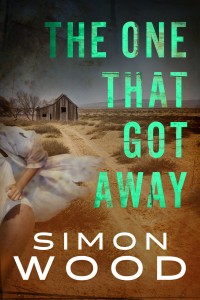
Please welcome our guest blogger today, Simon Wood, Anthony Award winning author of Working Stiffs, Accidents Waiting to Happen, Paying the Piper, Terminated, Asking For Trouble, We All Fall Down and the Aidy Westlake series. His latest thriller is THE ONE THAT GOT AWAY due out March ’15.

THE ONE THAT GOT AWAY opens with Zoë Sutton and her friend, Holli, in grave danger. The Tally Man has11003443_10152598866001805_174190183_oabducted them and their situation is grim. Their futures can be measured in minutes, not years. That would be enough of a conflict for most writers. Not for me though. I have to take that awful scenario and make it worse. Zoë has to make a horrible decision—make a futile attempt to save Holli or use Holli as the distraction to help her escape. Zoë makes the hard decision—she escapes with her life and has to live with the guilt and shame of that single act of self-preservation.
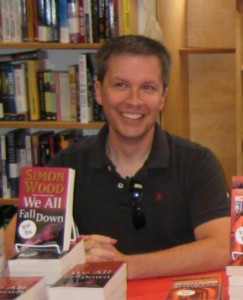
I think this shows quite a sadistic side of me that would make me worthy of villain status. Sorry, that’s just who I am.

Long time readers will have seen this trait of mine before. So why do this? The honest answer is my upbringing. Not my childhood or anything but my work upbringing. I’m a mechanical engineer by schooling. I used to design safety equipment for oil refin11016505_10152598865801805_205182067_neries and rigs that prevented noxious chemicals and gases that come up with the crude oil from getting into the atmosphere. That kind of work meant dealing with contingencies. If a valve failed, what was the bypass? If the bypass failed, what was the bypass’ bypass? It was all part of designing to multiple levels of failure. It’s no different than my flying experiences. Aircraft are very cleverly thought out. If one system fails, there’s another that can double for it. You’re taught to be able to fly with most of your gauges out of operation knowing that just a couple of things will guide you to safety. All this has taught me to view the world as a worst case scenario. In fact, a lot of my stories have been born by looking an aspect of the world and thinking of all the ways it can go wrong. I look at a bad idea and turn it into an apocalyptic nightmare.

The gift and the curse of my engineering background is that it has made me all about piling on the conflict. When I write a book it begins with a flashpoint, which then sparks a number of other conflicts. I like the complexity of a disastrous situation gathering momentum, and it helps develop characters. The heroine, Zoë Sutton, and the villain, Marshall Beck, are created entirely as products of the story’s conflicts. Zoë’s self destructive nature is born from someone struggling with survivor guilt. Marshall’s world view and his need to kill is born out of the need to justify a killer’s behavior. I like to think it gives the story depth and gives the plot pace. But I’ll let you decide.

So yes, I have a dangerous and destructive mindset, but isn’t that what you want from a thriller writer? 🙂


Simon Wood is a California transplant from England. He’s a former competitive racecar driver, a licensed pilot, an endurance cyclist and an occasional PI. He shares his world with his American wife, Julie. Their lives are dominated by a longhaired dachshund and four cats. He’s the Anthony Award winning author of Working Stiffs, Accidents Waiting to Happen, Paying the Piper, Terminated, Asking For Trouble, We All Fall Down and the Aidy Westlake series. His latest thriller is THE ONE THAT GOT AWAY due out March ’15. He also writes horror under the pen name of Simon Janus. Curious people can learn more at http://www.simonwood.net.

7 Habits of Highly Successful Writers

atlas1Some time ago I came across an article about the success habits of wealthy individuals, based on a book by Tom Corley. As I scanned it, the habits seemed to me applicable to writers as well. The ones I know who’ve made it in this game—who’ve been published traditionally, or are making good dough as indies, or are doing a bit of both—they share these seven habits:

1. They are persistent.

The article states, “While we generally think of persistence as more of a personality trait, it’s certainly a habit that can be learned and practiced over time. When faced with adversity, wealthy individuals keep pushing through, knowing that success could be right around the corner.”

The successful writer never gives up. Or stops learning. The article found that 88% of the wealthy successes (in other words, not trust-fund babies) read at least 30 minutes every day in order to increase their knowledge. Are you doing the same, writer? I cannot think of a single week in the last 25 years where I have not read or studied something regarding the craft of writing.

2. They set attainable goals.

The article discusses the wrong kind of goals, such as:

“I want to become a recognized leader in my field.”

“I need to bring in more money in order to meet my financial obligations.”

“I want to take an expensive vacation with my family every year.”

The problem with these goals, of course, is that they aren’t specific, and they aren’t necessarily realistic. For instance, if I’m working for minimum wage, going on an expensive holiday probably isn’t in the cards for me this year.

True goals are those to which action may be applied. “I want to be a New York Times bestselling author” is not a goal, it’s a dream. You can’t push a button to make it happen. What you can do are the things that will make you a better writer. You can determine to spend 30 minutes a day studying craft, and an hour a week brainstorming projects. Most of all, you can determine the number of words you will write each week. These are things you can measure and control.

3. They find a mentor.

The article contends that 93% of wealthy individuals had a mentor who assisted them on their path to success.

Mentors can be personal or they can be in print. I consider Lawrence Block to be a mentor, even though he’s never personally coached me. Why? Because I religiously read his fiction column each month in Writer’s Digest and felt like he was counseling me each time. He had the ability to get into the writer’s mind, and certainly he did mine. The books I contribute on the craft I try to write the same way.

A good editor, of which there are many out there, can provide mentorship (usually for a fee, which is money well spent when the editor knows what he or she is doing). A good critique partner fits this role as well.

4. They are positive.

According to the article, wealthy individuals had a positive outlook on life, were upbeat and happy, and grateful for what they had. Some specific findings were as follows:

94% avoided gossiping
98% believed in limitless possibilities and opportunities
94% enjoyed their chosen career

Writers, too, need to be grateful that they have the ability to write. And grateful for the opportunity to publish. Further, don’t tear down fellow authors. Believe in your limitless choices. Nurture the love of writing that got you started in the first place.

5. They educate themselves.

The article found that 85% of the successful people read two or more books per month on an ongoing basis. This is especially important for writers, who need to read widely and not just fiction. All sorts of nonfiction helps to expand your horizons and understand humanity better.

What are you reading, besides fiction, these days?

6. They track their progress.

Corley found that wealthy individuals were meticulous about measuring how they’re doing:

67% kept up-to-date to-do lists
94% balanced their bank account each month
57% counted the calories they consumed
62% set goals and tracked whether or not they were on track to achieving them

Since 2001 I have kept track of my writing on a spreadsheet. I can tell you how many words I wrote, and on what projects, day by week by month by year.

I prioritize my projects and know each day which one I want to work on.

However, I don’t count my calories. I have determined that eating healthy food does not make you live longer, it only seems longer

7. They surround themselves with success-oriented people.

Corley writes, “Wealthy, successful people are very particular about who they associate with. Their goal is to develop relationships with other success-minded individuals. When they stumble onto someone who fits the bill, they then devote an enormous amount of their time and energy into building a strong relationship. They grow the relationship from a sapling into a redwood. Relationships are the currency of the wealthy and successful.”

His suggestion is to dedicate 30 minutes each day to nurturing such a relationship. This could mean being a sounding board, giving advice, or just generally being a helpful companion. As you build and nurture relationships, people likely to reciprocate and become trusted and valuable supporters.

Writers are mostly an encouraging lot. You can find places to hang out with them, starting here at TKZ. Join a local writers group, like an arm of Mystery Writers of America. Go to a good conference.

Systematically disassociate yourself from the sour pickles of life.

Have fun, write, assess, measure, study, correct—then have more fun, write, and never quit. That’s a formula for success.

Anything you’d like to add?

[NOTE: Today I am associating with a bunch of fellow writers at a conference near Santa Cruz, California. Yes, suffering for my art. I’ll try to pop in. Until then, talk amongst yourselves!]

Through the Glass, Darkly

aa book


I am not given to spending a lot of time looking into my rear view mirror as I drive down the road of existence. I was inspired a couple of weeks ago, however, to pause and write down every major mistake I have made in my life to date. I limited the itemization to “domino” mistakes, those being the initial errors that led to others with adverse life-changing consequences. My list had thirteen items when I finished. I’m not going to share all of them with you, but I will reveal the one at the top of the list: I started drinking heavily.

I mention this because we are approaching April 1, which, God willing, will mark the completion of my twenty-fourth year of sobriety. Speaking only for myself, sobriety works. Alcoholism doesn’t. I was what one calls a “functioning” alcoholic, which means that I could fool some of the people, including myself, all of the time. That of course did not stop me from doing stupid and terrible things, some of which I have regretted every single subsequent day of my life right up to this moment.  On the other hand, every good thing that is presently in my life has occurred as the result of sobriety. It’s second nature to me now, which doesn’t mean that it’s always easy; it just means that 1) many days are much, much easier than some, and 2) every day of sobriety is much, much easier than having that first drink and going back to what I was.

I am aware that many people drink modestly, even on a daily basis, without adverse consequence (other than for, perhaps, a regrettable Facebook posting).  I am much given to self-deceit and numbered myself among those for over a decade. My initial epiphany took place when I met a gentleman, now deceased, in 1989 who became my best friend. He told me that he was an alcoholic, and that he had been sober for nine years. I thought, “Nine years?! Without a drink?! Wow! I can’t even go nine days without a drink! It’s a good thing I don’t have a problem!” I confess that I found absolutely nothing ironic about that thought until I had been sober for three weeks near the end of April 1991 and the scales began falling from my eyes.

I mention this because alcohol and writing and publishing and the like all seem to go together. Many of the great authors of the past drank, and famously so, to varying degrees, from Hemingway to Faulkner to Mailer. Many of the authors of the present, famous and otherwise — and even some reading these words — do as well. Sometimes it can be a problem, one that keeps you from getting where you want to be and becoming who you want to be.  My problem was nothing more or less than that punch list of things to do that was so critical at the beginning of the day became much less so when Captain Morgan showed up, sometimes around lunch.” Must do” can quickly become “so what.” You can’t get published that way, or maintain relationships, or handle finances. You can’t really live.

That you might enjoy a drink or two on a regular basis doesn’t mean you have a problem. If, however, you think you might have a problem, or you have people in your life who are telling you that you might or do, there is a very insightful twenty question quiz  developed by the fine folks at The John Hopkins Hospital and used by The Betty Ford Clinic, among many others, that will give you an idea of where you stand. Answer the questions honestly; what you do with the knowledge is up to you (just so you know, I scored fifteen “yes” answers out of twenty and it still took me two years to get a handle on things). If your honest answers indicate that you have a problem and you want to do something about it without the world knowing about it, talk with your doctor. If you’re not ready for that, the Alcoholics Anonymous website will link you to information about meetings in your area. You might be surprised as to the frequency and number of locations within a few miles of you. Each meeting has its own personality; a meeting held in a downtown church on a Sunday night will be much different from one held in a suburb on a Wednesday morning. If you attend a meeting and you don’t seem to fit, keep trying.  And if you want to talk, email me. We’ll set it up. If one person with a drinking problem reads these words and begins to turn their life around, then my job is done. And whether I hear about it or not, you’ve made my day. Thank you.