How To Adopt a Writing Mindset

The word “success” has various meanings. Some writers stay laser-focused on the end result, but I propose that we step back, slow down, and view success as footprints in the sand. Each footprint represents one day.

Will you step into that print or let it wash away in the tide?

Success is about adopting a growth mindset. Every morning I watch the sunrise. Why? Because it grounds me with a positive mindset for the day. If you roll over and slap the snooze button, dreading the day ahead, you’ll start the day with a negative mindset. Things tend to roll downhill from there.

Have you ever heard a writer complain that they’re just not any good at writing? That’s called a fixed mindset. Their mind is made up. They will never be a good writer. Period. End.

A growth mindset is positivity based. The writer with a growth mindset says, “I may not be the best writer today, but I will be.”

See the difference?

The writer with the growth mindset is stepping into the footprint to see where it leads. The writer with the fixed mindset would rather complain about writing on social media and let the footprint melt away in the tide.

Success is not about how many books you’ve sold, the amount of traffic to your blog, or even an article going viral. Instead, success is about progress, growth, and moving forward. That type of success is sustainable and filled with joy. We often say writing is a marathon, not a sprint, and there’s a reason for that. By celebrating small successes along the way to that big dream, we give ourselves positive reinforcement, we cheer ourselves on, we maintain a positive and joyous mindset.

Embrace your potential.

Understand that good writing is not a natural talent. It’s earned through study and practice and showing up every day.

If you struggle with a negative mindset, flip the script.

  • Where the negative writer sees a problem, the positive writer seizes the opportunity to grow and learn.
  • When the negative writer doesn’t know an answer and gives up, the positive writer researches the problem.
  • Where the negative writer sees criticism, the positive writer appreciates the feedback.
  • Where the negative writer might feel jealously, the positive writer feels admiration.
  • Where the negative writer might find something too hard, the positive writer knows the hard work will be worthwhile in the end.

People in general who believe that their efforts and strategies can lead to success are likely to engage in learning activities and take on challenges with enthusiasm, so they learn more, which reinforces their belief that they can learn to write well. In fact, according to some psychologists, this confidence, or self-efficacy, is central to motivation and learning.

What is a writing mindset?

It’s how we think about writing. Because I start the day with a positive mindset, I can’t wait to get to my keyboard. I know I’m gonna have a great day. Why? Because a writing mindset supports creative work.

How we approach and frame our writing problems lead to positive or negative outcomes. Working on developing a growth mindset will support your writing process.

So, for example, if you believe you can only write on Monday mornings from 8-10 a.m., you’re already making decisions about your ability to write on a Tuesday or a Wednesday or a Saturday, so if you slip behind the keyboard on any other day but Monday, it’ll be harder to write. You’ve handicapped your creativity with a fixed (negative) mindset.

How do we develop a writing mindset?

It’s about thinking that supports creativity, productivity, and persistence within our written work. It’s about reframing negative thought patterns. For example, I am not a poet, but I would never say I couldn’t write a poem. I would never say I couldn’t write anything. That’s not a self-serving statement. It stems from the knowledge that I can learn to write anything I want. And so can you!

A writing mindset challenges negativity and forces us to examine where negative thoughts stem from. Fear? Anxiety? Low self-esteem?

Writers with a growth mindset rarely, if ever, experience writer’s block. Why? Because we’ve harnessed the power of self-belief and positivity.

Benefits of a Writing/Growth Mindset

  • You will feel more in control of your writing.
  • Writing won’t feel so elusive and magical (magical meaning, to the point where you can’t replicate it).
  • You’ll be able to decide when and where you write rather than waiting for motivation or inspiration.
  • You’ll learn to show up and put in the hours.
  • You’ll step into the next footprint to see where it leads.

Okie doke, my beloved TKZers. There’s your Monday morning pep-talk. Now, go seize the day!
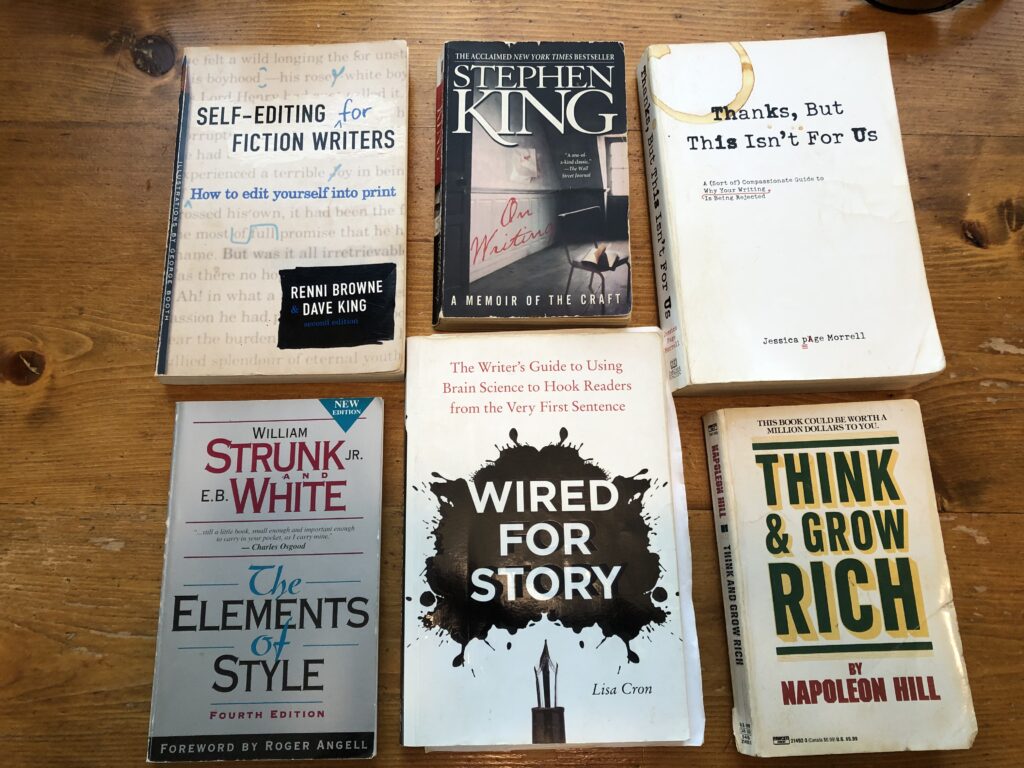
Five Most Influential Resource Books for Fiction Writers

For a fiction writing seminar I’m part of this weekend, I’m presenting to the class five resource books that influenced me the most over the years. I’ve got a lot of material stashed away on shelves, in boxes, and under the bed (not to mention what’s cached on my computer). It wasn’t hard, though, to fish out the best which I’ll share here on the Kill Zone.

1. Think & Grow Rich.

This gem isn’t everyone’s birthstone. The original version, published in 1937, is written in an old-style masculine tone that reeks of misogyny. There are current versions published in a gender-neutral, more modern tongue but setting that aside author Napoleon Hill identifies seventeen core principles of personal achievement: Definiteness of Purpose, Mastermind Alliance, Applied Faith, Going the Extra Mile, Pleasing Personality, Personal Initiative, Positive Mental Attitude, Enthusiasm, Self-Discipline, Accurate Thinking, Controlled Attention, Teamwork, Learning From Adversity and Defeat, Creative Vision, Soundness of Health, Budgeting Time and Money, and Developing Strong Positive Habits.

Napoleon Hill published two earlier editions of his research. One was titled The Science of Personal Achievement. The other was called The Philosophy of Success. Both sounded too heady, so Hill rebranded a condensed version into Think & Grow Rich. From over four decades of being a Napoleon Hill student, I can confidently say the main theme in T&GR is not money. It’s about wealth gained from the satisfaction of accomplishment like writing and publishing a book.

2. On Writing — A Memoir of the Craft

Stephen King originally released On Writing in 2000 when he had only like a zillion books out, nothing compared to the spazillion he’s penned out today. The first half of On Writing deals with his personal story of depression, addiction, and chronic pain. The remainder is pure adrenaline to any writer, regardless of genre or slotting.

King does not wash words. He doesn’t choke back the F-word, and he gives you straight goods like, “There is a muse but don’t expect it to come fluttering down into your writing room and sprinkle creative fairy dust on your typewriter.” How about, “If you don’t have the time to read, you don’t have the tools to write. Simple as that.” Or, “Writing isn’t about making money, getting famous, getting dates, getting laid, or making friends. In the end, it’s about enrichening the lives of those who will read your work, and enrichening your own life, as well.”

3. The Elements of Style

No kid should graduate high school English without passing an exam on this primer originally released in 1935 by William Strunk Jr. It was revised by E.B. White (author of Charlotte’s Web) somewhere in the 50s or 60s, and I have a copy of the fourth edition circa 2000. A well-worn, underlined and highlighted fourth edition.

In 104 pages, The Elements of Style is a Cliffs Notes of my 1500+ page The New Lexicon Webster’s Encyclopedic Dictionary of the English Language. It’s broken into five short parts covering Elementary Rules of Usage, Elementary Principles of Composition, A Few Matters of Form, Words and Expressions Commonly Misused, and an Approach to Style (With a List of Reminders). There’s a lot of power in this little book.

4. Wired For Story

Lisa Cron subtitled her book The Writer’s Guide to Using Brain Science to Hook Readers from the Very First Sentence. If you haven’t watched Lisa’s TedxTalk, do not miss out on her message. It’s vital fiction writers have a basic understanding of brain science as it applies to storytelling.

I just opened my paperback version and read this passage that I transposed from the text and printed on the inner jacket. “The goal is not to write a story that focuses on the plot. Rather, a plot that forces the protagonist to come to grips with the inner issue that’s keeping her from solving the story question and attaining that goal. Her inner struggle is her real problem, and the reader’s question isn’t will the protagonist solve the mystery, it’s what will it cost her emotionally to solve it”. Wired For Story is full of this stuff.

5. Self-Editing for Fiction Writers / Thanks, But This Isn’t For Us

I said I was going to list my five top writing resources and I had to tie two fiction editing books that I’ve carved up. The first must-read is by Renni Browne and Dave King. The second must-know is from Jessica Page Morrell. Although they cover the same subject—self-editing your fiction work to make it more saleable—the authors take two different and interesting approaches to delivering what could be boring matter.

Brown and King subtitle their work How to Edit Yourself Into Print, and they do an excellent job of fiction instruction such as explaining core rules of show &tell, characterization, exposition, dialogue, and a lot more. Morrell, who subtitles hers A (Sort of) Compassionate Guide to Why Your Writing is Being Rejected, writes more from a critical editor’s point. Both resources are keepers, just like I’d never part with the other writing treasures listed here.

Kill Zoners — Let’s get a discussion going. Who has read any or all six of the five on this list? If you were writing this piece, what are the top writing resources you’d recommend? (That can include websites, seminars, or whatever you think can help us up our game.) And if I can ask you to be bold, who’s written and published a writing resource they’d recommend to this gang?

Cover Story

By Debbie Burke

@burke_writer


Recently, Jim Bell wrote about baseball legend Honus Wagner, a shortstop in the early 20th century, and one of the first inductees into the Baseball Hall of Fame.

Here’s a story for Valentine’s Day about how Honus played matchmaker between me and my wonderful cover artist, Brian Hoffman, right here at The Kill Zone.

I still get chills when I remember how Brian and I “met”.

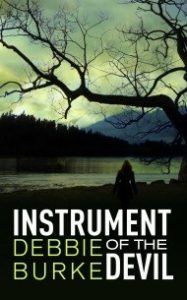
In 2017, the first novel (Instrument of the Devil) in my Tawny Lindholm Thriller series was traditionally published. They provided a cover that was predominantly lizard green, not my favorite color. But they paid me, so I went along with it.

Original cover


Six months later, they closed their doors, leaving me orphaned. The second book in the series was ready to publish and a third was in the works. After considering options, I decided to self-publish the subsequent books.

But self-publishing meant providing my own covers.

A professional design company did several cover drafts but I didn’t like any of them. Being a DIYer, I tried creating covers myself and wrote a post for TKZ about the process.


At that time, the fourth book Dead Man’s Bluff was close to publication but had not yet been released. No one except my critique group and editor had read it.

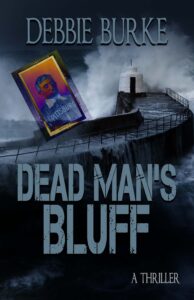
After that post, I received a gracious email from TKZ regular, Brian Hoffman. He said he enjoyed my posts and had learned a lot from them. Then he added he hoped he wasn’t offending me but “Your cover for Dead Man’s Bluff looks amateurish.  I’ve made one you might like better.  It is my gift to you for all the help your columns have been to me.”

He attached this cover:

Wow, just wow!

Since the book had not yet been published, Brian had no way of knowing the McGuffin in the plot was the Honus Wagner 1909 baseball card. Yet, there on his cover was that very card!

Chills ran through me. The theme from The Twilight Zone played in my mind.

How had this complete stranger perfectly captured the essence of my story about a Florida hurricane and a stolen baseball card?

I immediately wrote back to Brian, with profuse thanks, saying of course he hadn’t offended me, far from it. He’d blown me away with the beautiful cover and his generosity.

Believing he was a professional who designed covers for a living, I asked him for a bid to redo all my books.

Bing, bang, boom. More emails arrived from him, each containing another great cover. They displayed a consistent style for the series that fitted the thriller/suspense genre. I was thrilled.

How much do I owe you? I wrote back.

Nothing. I enjoy doing them.

No way could I take his work without paying him.

If he wouldn’t give me an amount, I figured I’d send him a check for a fair market price. What’s your address?

 No answer.

After more back and forth emails—me offering to pay, him declining—we finally came to an agreement.

The Book of Ecclesiastes says: Cast thy bread upon the waters, for you shall find it after many days…

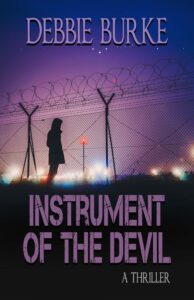
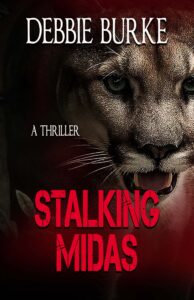
Brian and I continue to enjoy a great working relationship. I send him a synopsis of each new story. He sends several sample designs. We yak back and forth to fine-tune and decide on a final version. Here is his work:

Thank you, Brian!

Being member of TKZ’s community yields many rewards, both expected and unexpected.

Happy Valentine’s Day to TKZ’s family and friends from all over the globe who enrich my life as a writer and a human being.

~~~

TKZers: Have you ever received a gift you never anticipated? Have you ever given a gift the recipient didn’t expect?

~~~


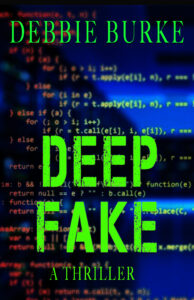
Here’s a sneak peek at Brian’s cover for my upcoming thriller Deep Fake.

You can’t believe your eyes.

Sign up here at my website and I’ll let you know when Deep Fake is released.

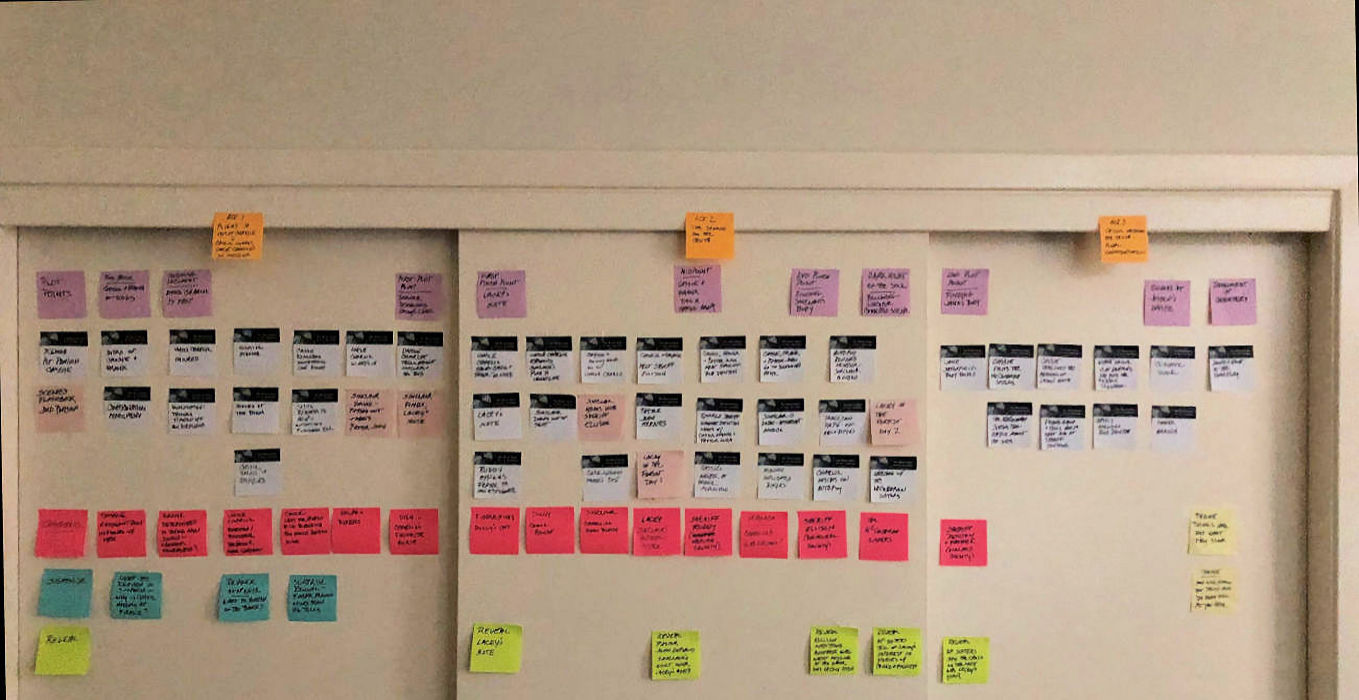
Plotting With Post-it Notes

There’s a three-door closet in my office. At some point early in my writing career, it occurred to me that this closet would be particularly useful for creating a storyboard as I constructed my novels. Each door represented one act in the story.

I’m a hybrid plotter/pantser. I think of my method more as a process of iterative writing, and the storyboard works well for me. First, I come up with a general plot idea, post the first scenes on the storyboard, and start writing. Each day, I stand in front of the storyboard and think about how the story is developing. I decide on additional scenes, post them, write them, and repeat the process.

Here’s a brief summary of the post-it note storyboard I created for my fourth novel.

* * *

STARTING OUT

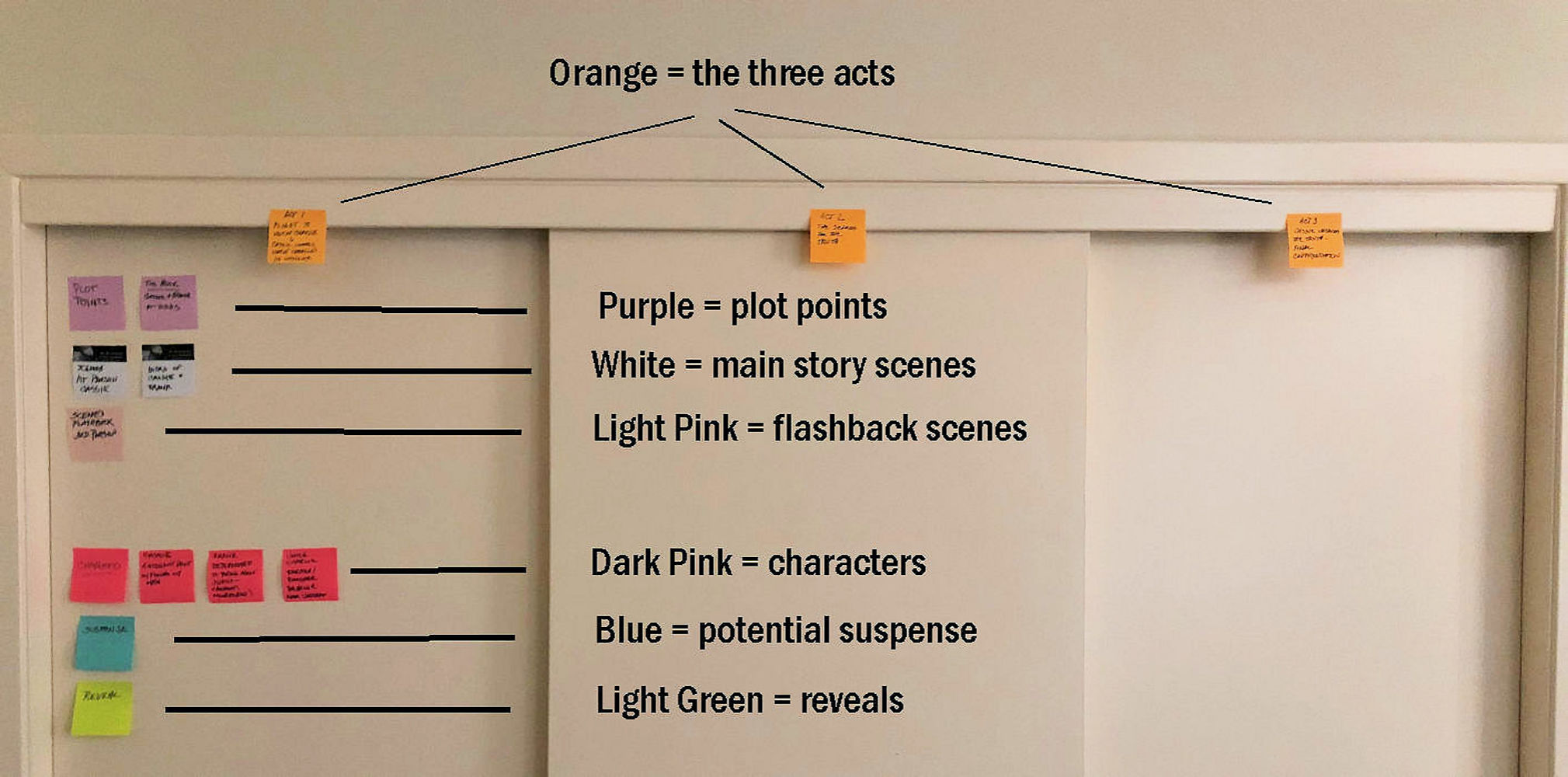
Once I decided on the first scene and a few characters, I set the storyboard up.. It was laid out horizontally, left to right. I use different colors to represent different elements of the story. Here’s a reconstruction of the initial setup for my WIP with definitions added for each color.

The three acts are in orange. The purple notes are plot points (e.g., hook, inciting incident.) The story is mainly written in first person, so the white notes are for those scenes. There are a few flashback scenes that are denoted by light pink. There has to be a fair amount of real estate for the white and light pink notes since scenes are the greatest part of the.storyboard.

Characters are in dark pink.

With this book, I had the idea to note particular places where I wanted the reader to wonder what’s going on (e.g., Why is she so mad? Why would thieves steal something of so little value?) I call those Suspense points, and they’re in blue.

I also wanted to mark where information is revealed to the reader. (e.g., Ah, that’s why he’s so distant.) Those Reveal notes are light green.

* * *

MAKING PROGRESS

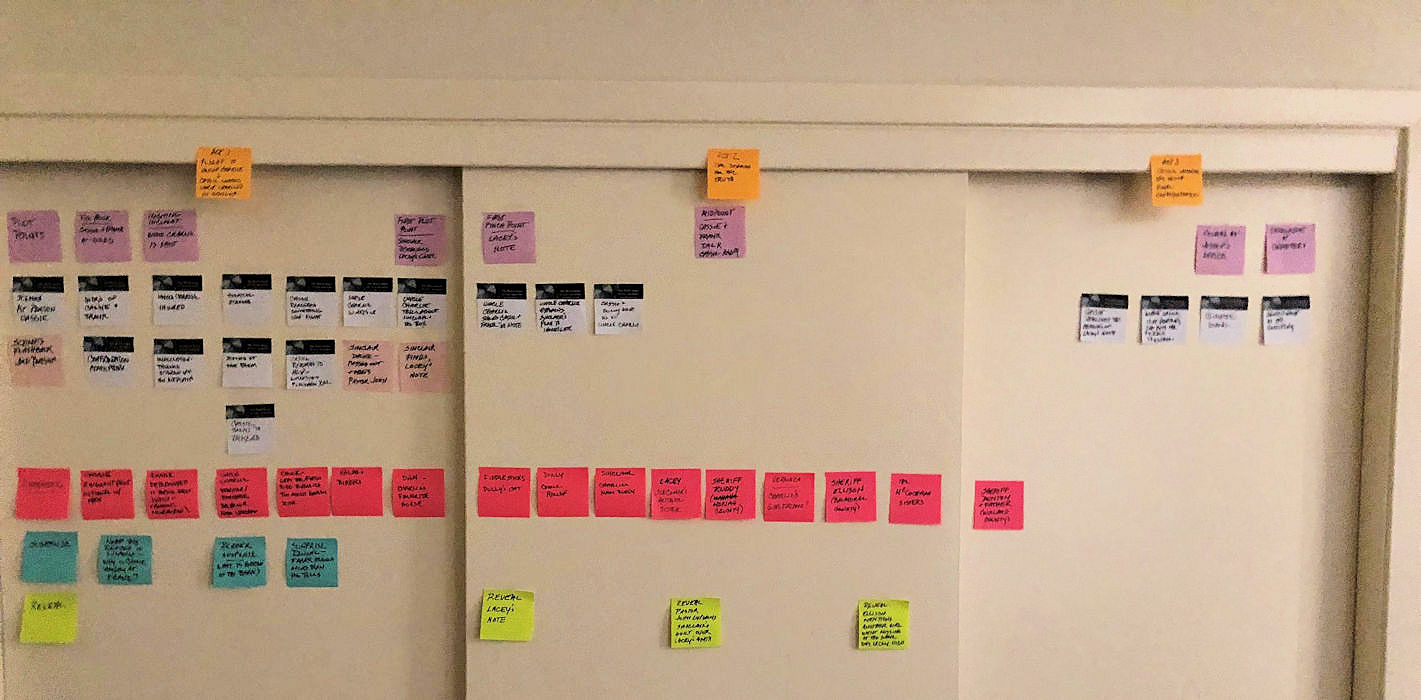
I add or change the plot to satisfy something I’ve discovered, then I continue to write. Sometimes I decide on an ending before I’ve figured out all the details in Act 2. In the picture below, I’ve defined all the characters and have Act 1 pretty much under control. I’ve added scenes for Act 3, and I’ve begun work on the middle. Most of the purple plot points have been put in place.

This cycle continues until I think the story is completely fleshed out.

* * *

COMPLETING THE FIRST DRAFT


Here’s the storyboard as it appeared when I was close to completing the first draft.

You can see I added a couple of yellow post-it notes to the right-hand door. These are possible themes for the book.

At this point, the story is well-defined in my head, and I won’t bother changing the notes on the doors.

* * *

WHY DO I DO THIS?

There are several reasons I like the storyboard.

  1. I like seeing the entire story laid out in front of me as I’m building it. I can reacquaint myself with the sequence of events in just a few minutes.
  2. It helps me spot places where a new scene should be inserted or others should be rearranged.
  3. Moving things around is fast and easy.
  4. There’s something satisfying about the tactile nature of jotting down a note and adding it to the story or moving a note from one place to another.
  5. i can design my storyboard the way I want it without having to adapt it to an app.

There are ways to do this electronically. I work in Scrivener, and there’s a corkboard feature that displays scenes on an electronic corkboard. I suspect there are apps that let you lay out the entire story as I did here, but I can’t see the “big picture” without having a big space to lay it out on.


So TKZers: How do you plot your stories? Are you a plotter or pantser? Do you use an outline or some kind of index card layout to organize your thoughts?

Naming the Baby


By Elaine Viets

I just turned in my latest Angela Richman, Death Investigator mystery. You know the hardest part of that novel? Coming up with a title.
Without a good title, the book can’t go forward – there’s no cover, no editing, nothing – without the title.
Here’s a brief teaser:
“Everyone in Chouteau Forest knows the legend of the Cursed Crypt. It’s claimed that the restless spirit of a professor nicknamed Mean Gene Cortini, buried in Chouteau Forest University’s crypt, has been causing death and destruction in the Forest for almost two centuries.”
My publisher’s contract calls this novel Untitled Angela Richman Mystery #8. Doesn’t sing, does it?
I gave the novel this working title, The Cursed Crypt.
But my editor didn’t like that name. Others dismissed it as “too Nancy Drew.”
So I spent the next couple of weeks trying to find a new title. This was serious work. I batted titles around with readers, friends and my agent. Finally, far I had:
A Cryptic End
Murder Most Cryptic
Murder at the Tomb
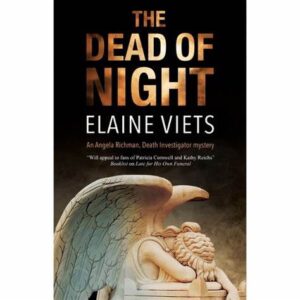
The Dead of Night
Death in the Night
Death Comes at Night
A Grave Ending
Money, Murder, and Madness
After much discussion, it was whittled down to one title. I checked Amazon and other online databases to make sure someone else wasn’t using that title. This was an important step. One New York publisher released two books with the same title. In the same year. I can’t imagine the confusion that caused both authors.
At last, the title was approved by the publisher’s editorial board.
The new novel would be called The Dead of Night, and it has this gorgeous cover.

But there’s still one pitfall.
Choose the wrong title, and my book could wind up on the Goodreads list of “Worst titles: Some titles don’t go with the books.” About 227 books made the list. Here are two obvious examples:
Truth, Dare, or Handcuffs or Threeway.

Not as catchy as Fifty Shades of Grey, is it?
It addresses this dilemma: “When two men love the same woman, what are they to do?”
Then there’s this one: Such a Pretty Fat: One Narcissist’s Quest to Discover If Her Life Makes Her Ass Look Big, or Why Pie Is Not the Answer.

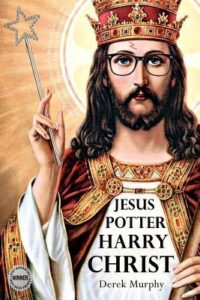
I expected to be hit by lightning just for reading this title: Jesus Potter Harry Christ: The astonishing relationship between two of the world’s most popular literary characters: a historical investigation into the mythology and literature of Jesus Christ and the religious symbolism in Rowling’s magical series.
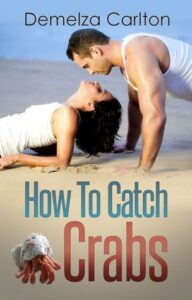
This next example is a truly terrible title for a romance novel: How To Catch Crabs.
It’s not about those crabs. It’s about a seagoing man who catches crustaceans: “A tale of crabs, cricket bats and catching your heart’s desire in Jazz Age Western Australia.”

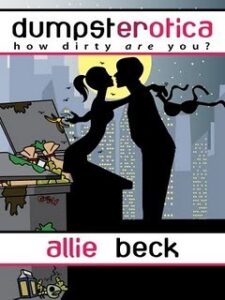
And here’s a really trashy novel: Dumpsterotica: How Dirty Are You? Described as an “erotic comedy series,” this short story “puts the ‘rot’ in erotica; after reading this you’ll never look at a Dumpster the same way again.”I’ve already changed my mind about Dumpsters.
I was surprised to see big-time titles on this list, including all four books in the Twilight saga: Twilight, New Moon, Eclipse and Breaking Dawn.

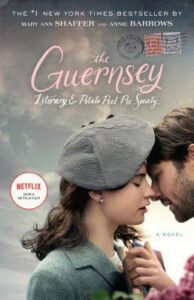
The Guernsey Literary and Potato Peel Pie Society also made the list. I liked the book and the movie, but the cover has nothing to do with the title.
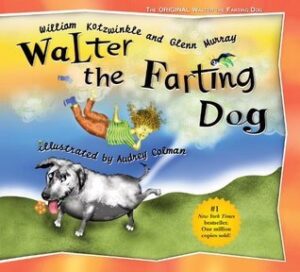
Some titles on the list are so disgusting I won’t print them. Others have one or more F-bombs. But I was sorry to see Walter the Farting Dog there. If you’re not familiar with William Kotzwinkle’s children’s book, here’s the story:
“Walter is a fine dog, except for one small problem: he has gas. He can’t help it; it’s just the way he is. Fortunately, the kids Billy and Betty love him regardless, but Father says he’s got to go! Poor Walter, he’s going to the dog pound tomorrow. And then, in the night, burglars strike. Walter has his chance to be a hero. A children’s beloved classic, this story will have kids rolling on the floor with laughter. Adults are permitted to laugh too.”
I have my own story about Walter. I was working behind the register at a Barnes & Noble, when a dignified woman in a Chanel-style suit (in Florida, yet!), came up to the counter holding the Kotzwinkle book by one corner, as if she couldn’t bear to touch it. She was livid. Her voice was cold, soft and deadly. “Someone. Gave. This. Book. To. My. Child.”
She didn’t have a receipt, but the store took it back. I felt sorry for the poor kid, but Kotzwinkle and his crepitant canine didn’t need my sympathy. There’s a new book in the saga: Walter The Farting Dog Farts Again.

****************************************************************

The Dead of Night will be published April 4. Preorder your copy now.
https://tinyurl.com/2c4qzlb6

What Do Ringtones Say About Your Characters?

One of my favorite ways to play with characterization is to assign my main character a ringtone.

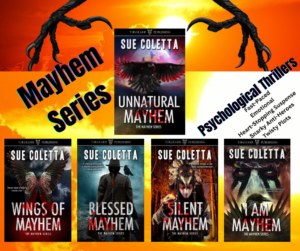
In my Mayhem Series, Shawnee Daniels started with “You Oughta Know” by Alanis Morissette. Two books later, she switched to ZZ Ward’s “Put the Gun Down.” And now, she has “Ironic” also by Alanis.

Even without any other information, I bet you’ve already formed a visual of who she is, based on her ringtones.

If you guessed snarky and badass, you’re right. 😉

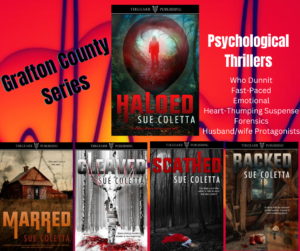
In my Grafton County Series, I used ringtones to show my main character’s emotional wellbeing. Sage Quintano has no designated ringtone for herself, but she constantly changes her Sheriff husband’s ringtone as a form of silent communication. She’s done it so many times, I doubt I could list them all, but let’s go through a few to show what she’s saying to her husband.

  • “Here Comes Goodbye” by Rascal Flatts

Considering this is a psychological thriller series, not romance, Sage used this ringtone to indicate fear.

  • “How Am I Supposed to Live Without You” by Michael Bolton

This ringtone showed Sage’s gut-wrenching devastation when their child was abducted.

  • “Just Once” by James Ingram

This ringtone showed Sage’s sadness about a rough patch in their marriage.

  • “Tonight I Wanna Cry” by Keith Urban

This ringtone indicates Sage’s sadness, too.

  • “Live Like You Were Dying” by Tim McGraw

Though this is an uplifting song, Sage used the ringtone to show a ticking clock on her life.

  • “If I Die Young” by The Band Perry

Sage used this ringtone to show fear.

  • “Let it Hurt” by Rascal Flatts

This one still gets me every time. Sage used this ringtone to show her devastation over an incident involving Ruger, one of her beloved dogs. Don’t worry. He survived. 😉

  • “All of Me” by John Legend

Sage used this ringtone to show her husband she’s feeling frisky.

  • “Only Women Bleed” by Alice Cooper

Sage used this ringtone to show her fear while being stalked by a killer. The killer also sent her this song, so it worked two-fold.

  • “Hurt” by Christina Aguilera

If you know, you know. This song shows soul-crushing sadness, and Sage used it to portray exactly that.

  • “Don’t Let the Sun Go Down on Me” by Elton John

Sage used this ringtone to show panic. If her husband didn’t hurry, she may die.

To add validity to this post, I ran a search to see how other writers might use ringtones. Couldn’t find what I was looking for, but Forbes had an interesting article.

Research indicates that people do judge mobile users based on their ringtone. In 2005, U.K.-based carrier Tesco Mobile surveyed 1,000 customers and discovered that 21% of them thought having a standard ringtone was “uncool.” The survey also concluded that people who use their own recorded voice as a ringtone are self-obsessed, and that users who constantly change their rings might be flighty and unreliable.

No rocket science, that. But there’s no doubt that ringtones have become big business because people want to say something personal about themselves. So we wondered, what does your ringtone say about you?

If your phone plays a classic rock tune, you’re showing your age, but you get points for figuring out how to change the ringer, Gramps.

If your phone is still playing “Jingle Bell Rock” in July, you’re not going to impress people with your productivity.

If your ringtone is a current hip-hop or R&B hit, you’re young at heart, but you’re not particularly original. Hip-hop ringtones accounted for more than half of the $300 million U.S. market in 2004.

If your phone plays the sound of an old mechanical phone bell, you’re not as funny as you think you are.

If your phone plays the theme song to a television show, you’re not going to impress anyone with your intellectual acumen. Perhaps a Mozart or Beethoven ringer would do some damage control.

If your phone never leaves vibrate or silent mode, you may be the kind of important person who can’t afford to waste time answering a phone call right now. Or maybe you just think you’re that important. However, you may also be considerate and respectful, the kind of person we’d like sitting behind us in a movie theater.

Unfortunately, we tend to get saddled with seatmates whose phones play the popular “Crazy Frog,” the clucking chicken, or any number of other annoying animal noises. If you’re one of these folks, you may be a sociopath.

Hope this post gives you some fun ideas on ways to use ringtones for your characters!

Have you ever used ringtones in your writing? Please explain how/why.

Do you change your own ringtone? Share the song!

If you had to choose one song to describe you, what would it be?

First Page Critique — Filthy Money

Let’s welcome another Brave Author who submitted a first page for review and critique. Please read through this submission, Filthy Money, and I’ll see you on the other side.

Filthy Money

It’s effortless, like a gliding albatross.

A shaft of sun bounces off the silver leading edge of the Cessna’s wing. I blink and glance down at the instrument panel. Only seven minutes, thirty nautical miles to the island. I scan the horizon.

And there it is.

Santa Catarina.

A dark iris surrounded by the tranquil cerulean blue waters of the Indian Ocean.

The runway, a bleached grey stripe, cuts through the sickle-shaped piece of land. It’ll have deteriorated. It’s been twenty years since this runway, once a carpet-smooth welcome to the wealthy and famed, was abandoned.

The question is how badly has it deteriorated?

I can see pockets sea grass in the still shallow waters. The dune bush barely ripples. I dip slow and low over the runway to check the condition of the surface.

I peer down. It’s a crumbling ribbon. The tar has cracked and burst in the searing sun. The hairs on my nape and arms lift.

Tall yellow weeds droop at the outer edges.

A second loop confirms my fears.

It’s not safe to land. Only an idiot would try. I’ve got to think of the safety of the five passengers sitting cocooned in luxury behind me. Never mind the likely damage to the state-of-the-art jet I am piloting.

Vonn will not take this news well. Not after all the months of strategy meetings and preparations. I wipe my clammy hand on my trousers.

‘Mr Le Clezio?’ At first, he doesn’t hear me. My voice is reluctant. I clear my throat and call again.

He acknowledges me with a nod of his head, then swallows the half inch of Wild Turkey in the tumbler and turns to Butch. ‘Drink up, we’re about to land.’ He slips the now half empty bottle into the side pocket of his holdall.

‘Mr Le Clezio, I’m sorry. It’s not safe to land. The runway’s in a far worse state than we were advised.’

‘Don’t be ridiculous, José.’ He spits the words at me.

In my peripheral vision, I’m aware of Butch turning to face me. Judging, watching. He’s the only investor invited to join Vonn in this first recce. Embarrassing Vonn is not an option. Sweat pricks in my hairline.

‘I thought this bloody fancy jet was designed to land on rough terrain?’

‘It is, but —’

‘Well, land it. That’s what I pay you for.’


* * *

First Impression: Right away, the first sentence caught my attention by juxtaposing the serenity of gliding with the foreboding of the word “albatross.” Nice. And anytime a scene begins with people in an airplane, you know there’s going to be trouble.

The setting: The author did an excellent job of setting up the environment without going into too much detail. “A dark iris surrounded by the tranquil cerulean blue waters of the Indian Ocean.” We know where we are geographically.

Pace: Each sentence drew me to the next one. The contrast between the beauty of the island and the impending danger is well done.

Stakes: In just a few paragraphs, we learn the problem. We can feel the pilot’s angst, and we know even before he turns to call to Mr. Moneybags that things are going to escalate quickly. James Scott Bell wrote in a recent TKZ post, “Unless the conflict is a life-and-death struggle, the plot will not engage as it should.” This plot clearly avoids that problem.

POV: I also like the use of first person, present tense. It gives a sense of immediacy that works well here. (There were several comments about writing in first person, present tense on John Gilstrap’s TKZ post last week, so I’ll be interested to see what others think of this.)

* * *

There were a few areas I thought needed some work:

The Title: I don’t particularly care for Filthy Money as the title. “Filthy” isn’t one of my favorite words, but I don’t have an alternative since I don’t know the entire story. Maybe some commenters can chime in and make a suggestion.

Grammar: I spotted a couple of small issues in one sentence and I show the corrections here:

I can see pockets of sea grass in the still, shallow waters.


Other Issues:

“A shaft of sun bounces off the silver leading edge of the Cessna’s wing.” When I initially read this, I assumed the Cessna was the kind I flew: a single-engine, propeller-driven, four-seater. To avoid that misunderstanding, add the specific model (e.g., Cessna Citation).

“He’s the only investor invited to join Vonn in this first recce.” I had to look up the word “recce.” The Cambridge Dictionary defines it as “the process of visiting and quickly looking around a place in order to find out information about it.” Maybe readers of thrillers would know this, but I didn’t. If it isn’t common knowledge to the intended audience, replace it.

“The runway, a bleached grey stripe, cuts through the sickle-shaped piece of land.”  The island was originally described as an “iris,” which I assume is round.

British vs. American spelling and punctuation. The use of the word “grey” rather than “gray” in the snippet above and the use of single quotes rather than double quotes to enclose dialogue throughout the piece indicate the author is British. If the intended audience is largely American, it would be wise to change to the American standard. (i.e., “gray” and double quotes for dialogue.)

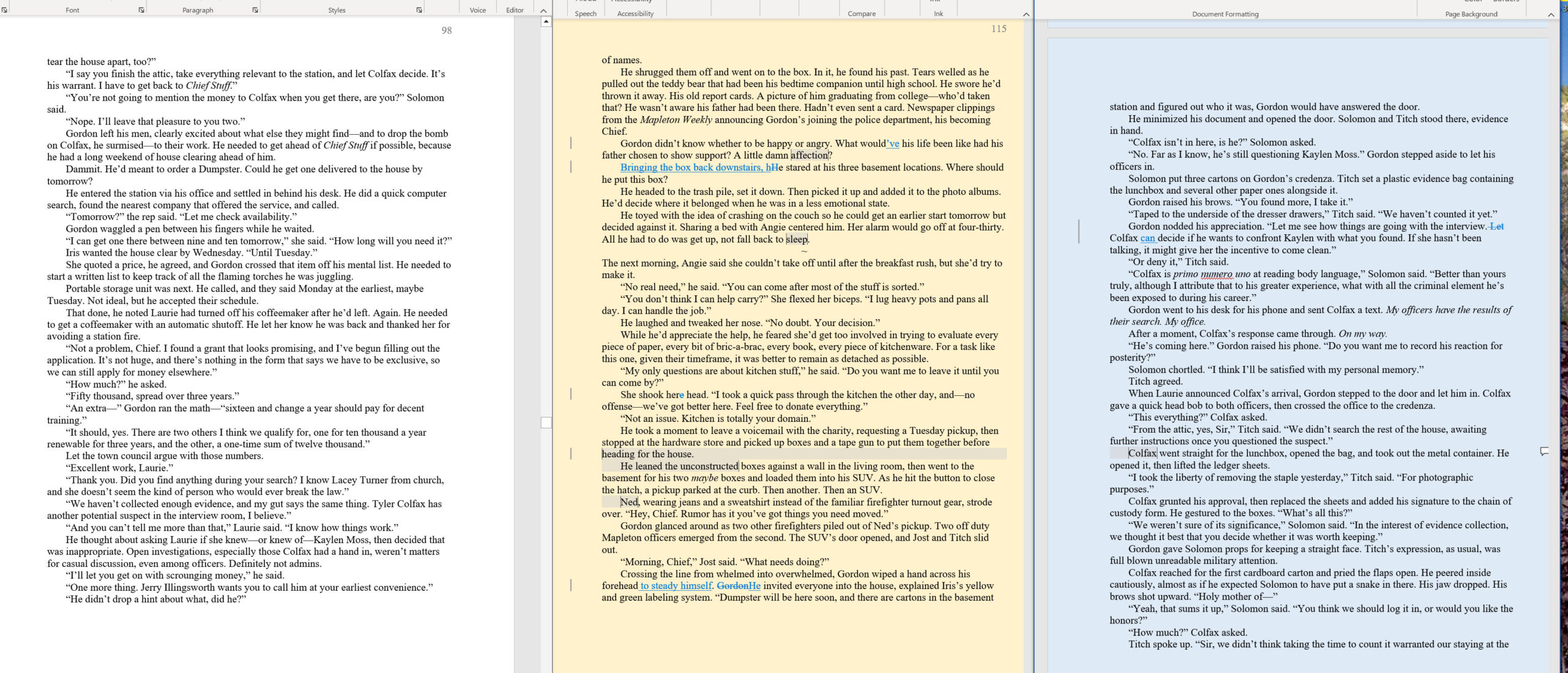
Those were the only real issues I found. However, I think the prose could be tightened up a bit. I noticed the words “deteriorated” and “runway” were used more than once in close proximity. I’ve taken the liberty to make suggestions below. A few of the suggestions rely on my own sense of cadence. Deletions are in blue, changes and additions are in red. My comments are in green.

* * *


It’s effortless, like a gliding albatross.

A shaft of sun bounces off the silver leading edge of the Cessna Citation’s wing. I blink and glance down at the instrument panel. Only Seven minutes to go. Just thirty nautical miles to the island. I scan the horizon. [Good short sentences set the pace. I changed a couple of words around.]

And there it is. Santa Catarina. A dark green iris surrounded by the tranquil cerulean blue waters of the Indian Ocean.

The runway, a bleached grey stripe, cuts through the sickle-shaped piece of land. It’ll have deteriorated. It’s been in the twenty years since this airstrip runway, once a carpet-smooth welcome to the wealthy and famed, was abandoned. [Rewrote two sentences into one and changed the second use of “runway” to “airstrip.”]

The question is how badly has it deteriorated? how bad is it? [No need to repeat “deteriorated.”]

I can see pockets of sea grass in the still, shallow waters. The dune bush barely ripples. I dip slow and low over the runway to check the condition of the surface.

I peer down. It’s a crumbling ribbon. Tall yellow weeds droop at the outer edges. The tar has cracked and burst in the searing sun. The hairs on my nape and arms lift.

Tall yellow weeds droop at the outer edges. [Moved this sentence up for effect.]

A second loop confirms my fears.

It’s not safe to land. Only an idiot would try to land on that corroded strip of disintegrating asphalt. [Strengthened the danger.] I’ve got to think of the safety of the five passengers sitting cocooned in luxury behind me. Never mind the likely damage to the state-of-the-art jet I am piloting.

Vonn will not take this news well. Not after all the months of strategy meetings and preparations. I wipe my clammy hand on my trousers.

‘Mr Le Clezio?’ At first, he doesn’t hear me. My voice is reluctant. I clear my throat and call again.

He acknowledges me with a nod of his head, then swallows the half inch of Wild Turkey in the tumbler and turns to Butch. ‘Drink up, we’re about to land.’ He slips the now half empty bottle into the side pocket of his holdall.

‘Mr Le Clezio, I’m sorry. It’s not safe to land. The runway’s in a far worse state than we were advised.’

‘Don’t be ridiculous, José.’ He spits the words at me.

In my peripheral vision, I’m aware of I see Butch turning to face me. Judging, watching. He’s the only investor invited to join Vonn in this first recce. Embarrassing Vonn is not an option. Sweat pricks in my hairline.

‘I thought this bloody fancy jet was designed to land on rough terrain?.’

‘It is, but —’

‘Well, land it. That’s what I pay you for.’

* * *


Lasting Impression: Fine job, Brave Author. I’d turn the page. Now let’s see what everyone else thinks.


TKZers: What’s your impression of this first page? Would you keep reading? Please offer your comments and suggestions.

ProWritingAid Premium How-To

Terry’s last post spurred spawned this one. With many editing softwares available, it’s difficult to decide on the one that will work for you. I use ProWritingAid Premium, though like Terry, I take the advice that resonates and ignore what doesn’t. The worst thing a writer can do is to depend on automated software to do all the heavy lifting, or it’ll strip out your voice and style choices. The nice part of ProWritingAid is its ability to learn. The more you use it, the less it flags nit-picky things. You can also tell it not to check for certain things.

For example, I include quotes with some chapter headings as a subtle POV signal to the reader. Only one character has quotes in his chapter headings. Every single time, ProWritingAid flags the quotation marks for not being closed at the end of each line, even if it’s mid-quote. I don’t want to tell the software to ignore the quote rule or it won’t catch places in the narrative where I may have forgotten the end quote. See what I’m sayin’? Be careful of which rules you set to ignore. You may need that second pair of eyes later.

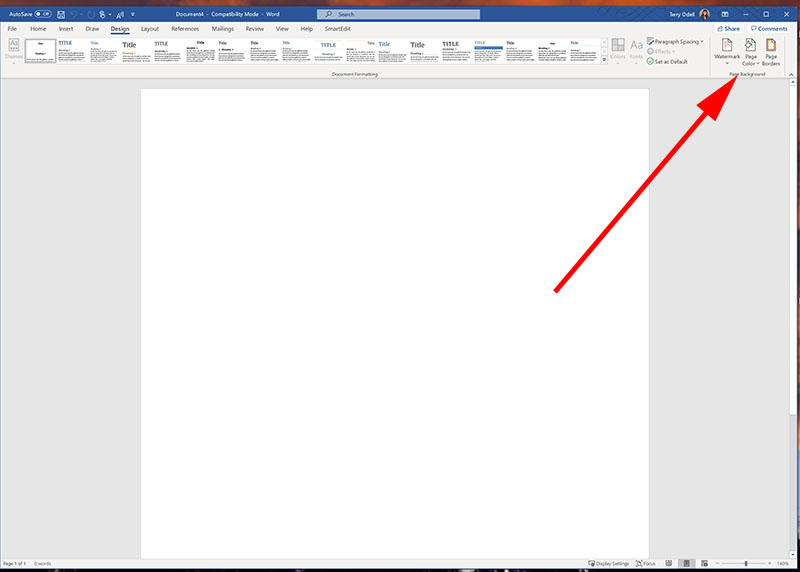
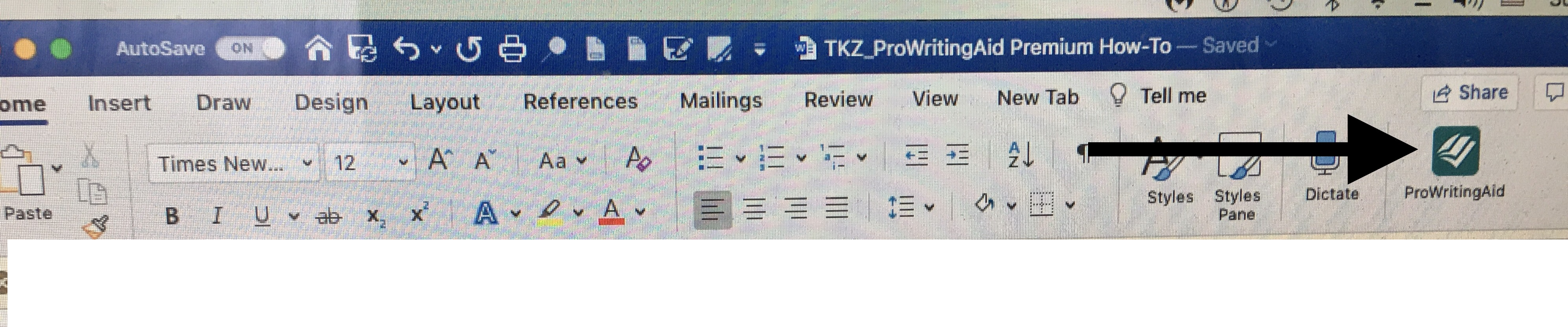
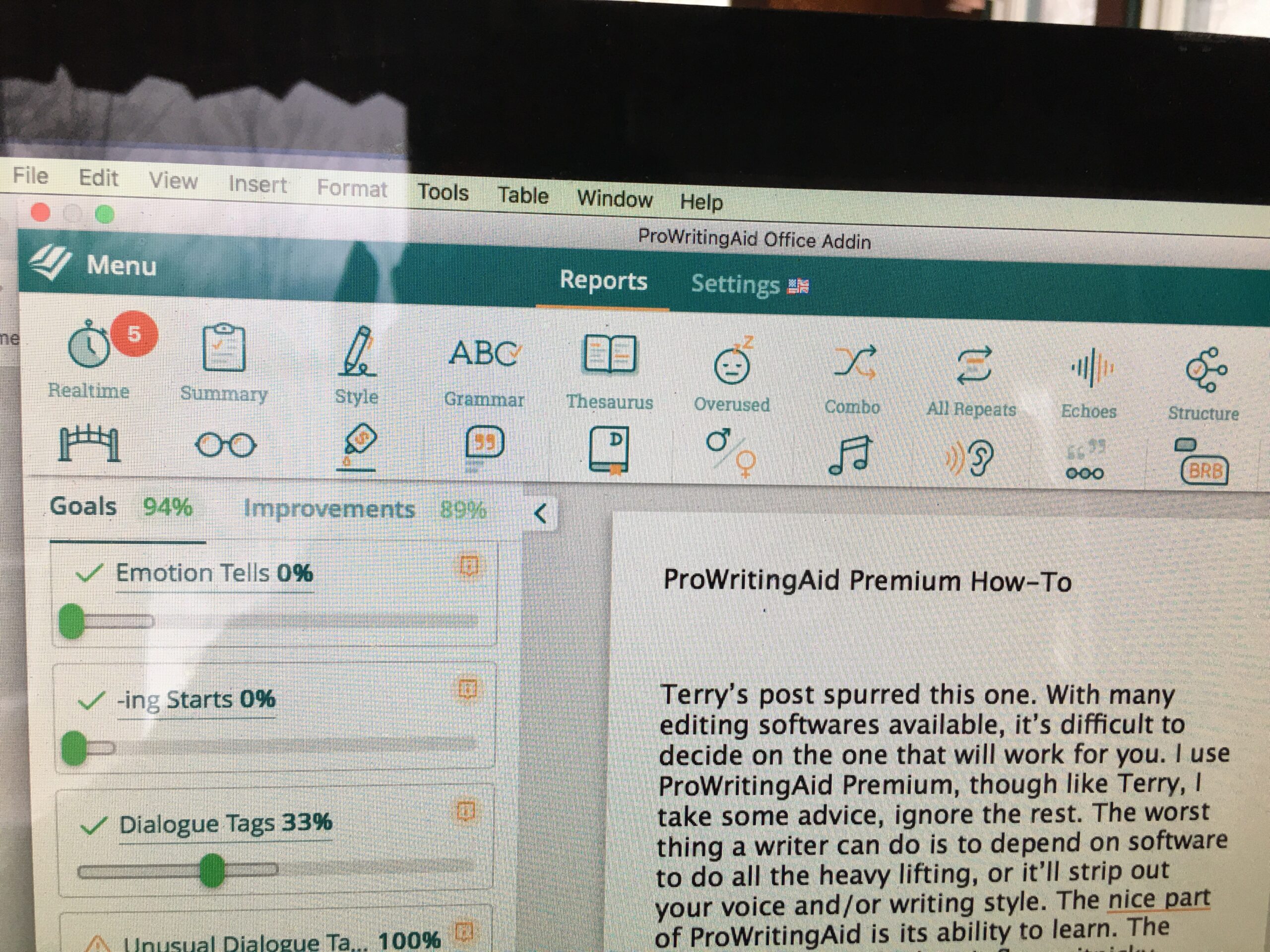
Whether you use the free or paid version, the first step is to download the software (available for Mac or PC). Once the software downloads directly into MS Word, it’ll add a new button to the top ribbon. Also available for Google Docs, Scrivener (desktop), or as an extension for Chrome, Firefox, Safari, or Edge.

Here’s what it looks like in Word.

(click to enlarge)

When you want to use the software, click the button. Easy peasy. If you don’t want to download the software, you can use the app instead, which opens in a new tab/window. In the app, you’ll have to upload a doc. When downloaded to Word, the software will read whatever document you’re in.

Once you open the software, click the dropdown menu. Since I write thrillers, I keep it set to Thriller, but you can choose any genre of fiction, formal or business writing, other nonfiction, or even email.


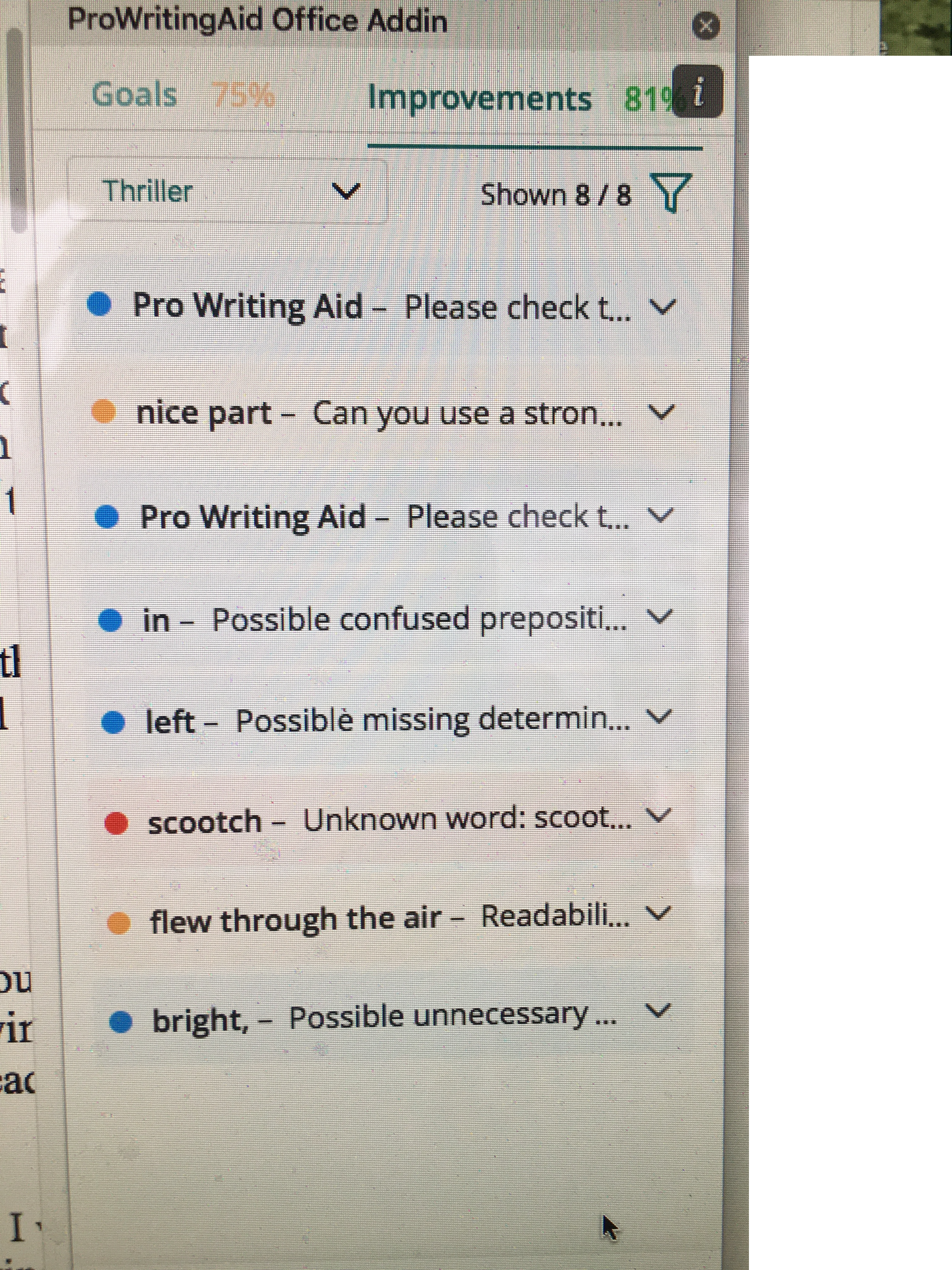
After PWA processes the document, it’ll show you suggestions for improvement.

Click to enlarge


Because I’m using the software as I write this post, it’s showing suggestions for all of it. LOL

If I click the first suggestion, it looks like this…

click to enlarge


The program didn’t like the spaces between ProWritingAid, so I accepted the revision by clicking the highlighted suggestion. Boom — it corrected the spelling for me. The next suggestion was “nice” in the opening paragraph of this post. I clicked “ignore,” but check out the alternatives…


(click to enlarge)


Let’s move on to fiction… For this post, I pasted a few paragraphs from the WIP. Keep in mind, I’m in the drafting stage. 😉

A gunshot coiled through the dark forest, and he ducked, the bullet sailing over him. Not that I could pinpoint something that small, but it sure didn’t hit him. Before the scumbag had time to fire a second shot, Mr. Mayhem dove on top of him, tackling him, wrestling in the dirt, arms, legs, and fists flailing.

My breath stalled somewhere in my chest. Where’s the third guy?

Through the binoculars, I scanned left.

The software suggested I add “the” before “left,” but it reads fine without it. If my editor suggests the same, then maybe I’ll change it.

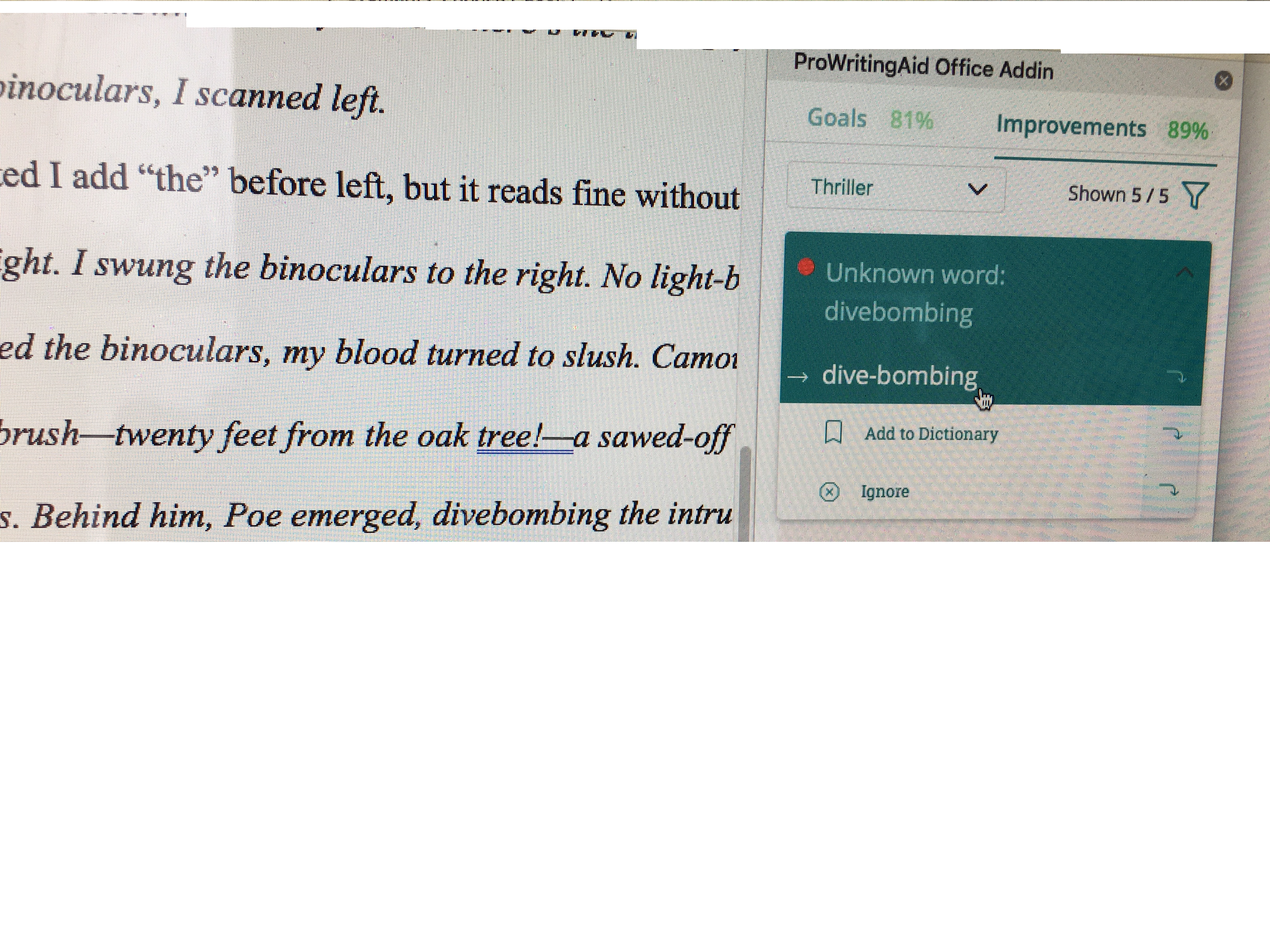
No beam of light. I swung the binoculars to the right. No light-beams. Where the hell did he go? Once I lowered the binoculars, my blood turned to slush. Camouflage boots clomped through thick underbrush—twenty feet from the oak tree!—a sawed-off shotgun rested on linebacker shoulders. Behind him, Poe emerged, divebombing the intruder, crow feet stomping on his head.


PWA caught the missing hyphen in dive-bombing. I accepted the change by clicking the green highlighted area. (click to enlarge)


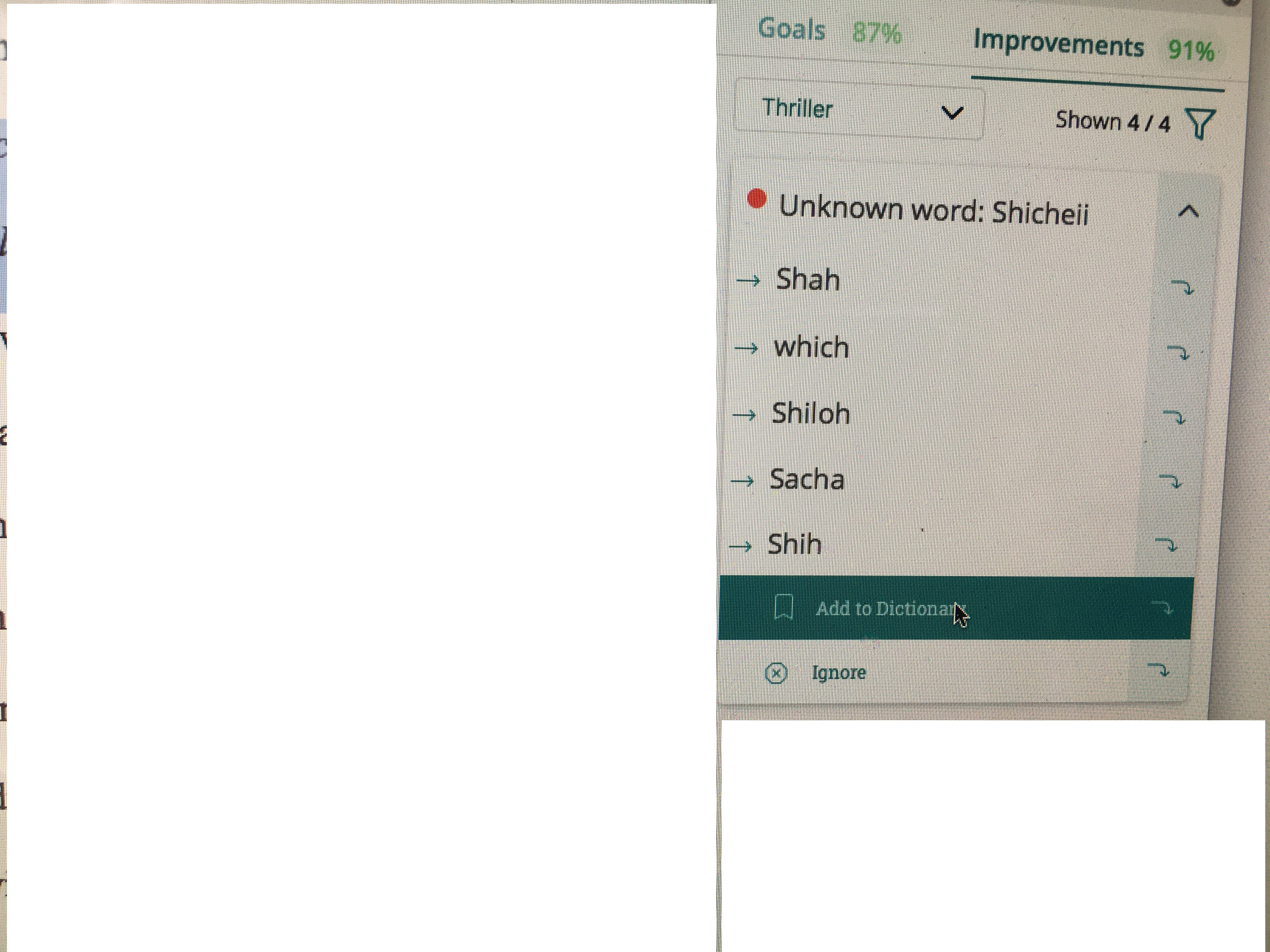
The mobbing technique allowed me enough time to climb down, Shicheii’s quiver slung on my back, his bow held tight in my hand.

Shicheii means maternal grandfather in Diné, so I added his name to dictionary like this..


(click to enlarge)


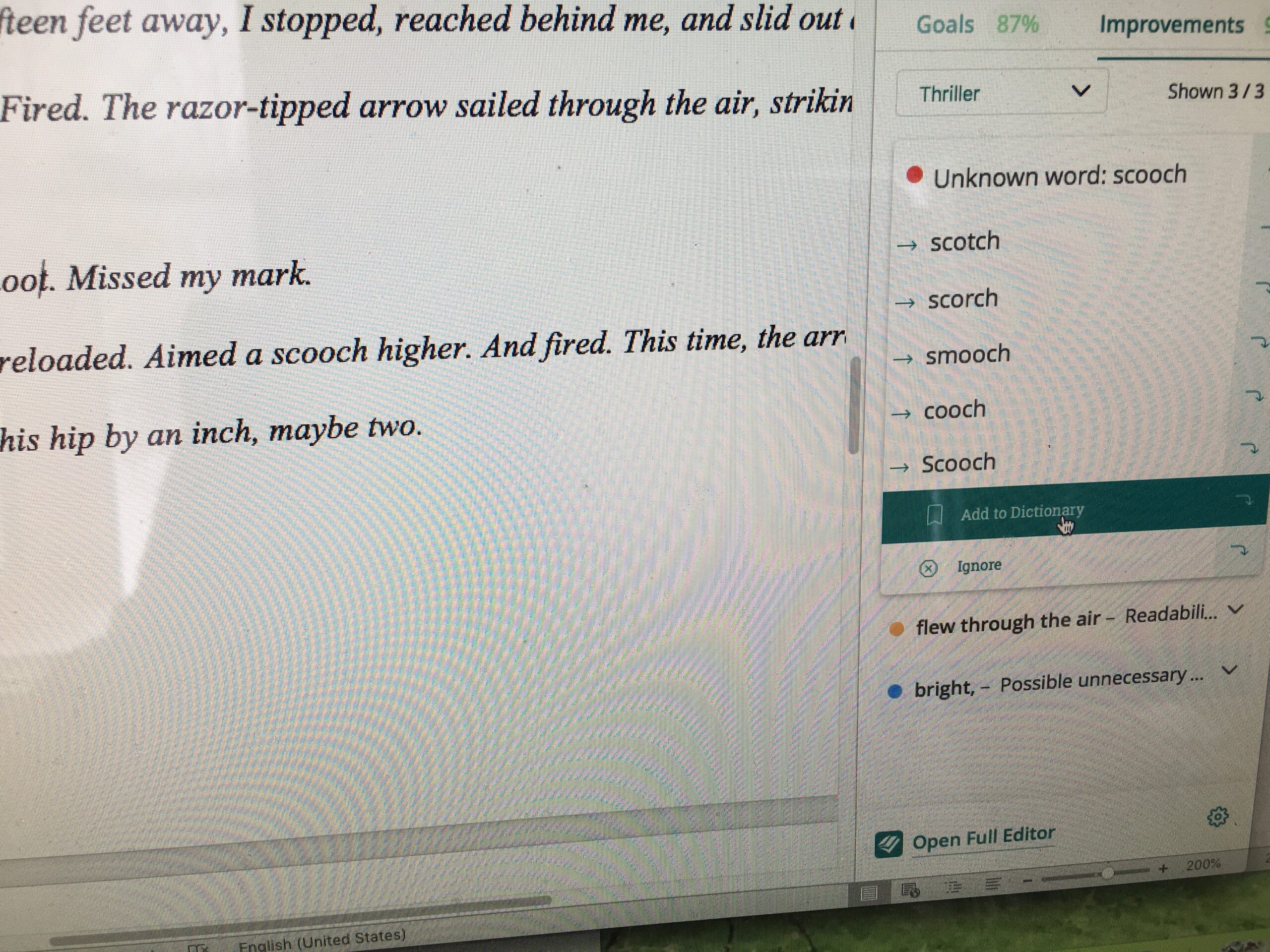
At fifteen feet away, I stopped, reached behind me, and slid out an arrow. Aimed low to avoid Poe. Fired. The razor-tipped arrow sailed through the air, striking the scumbag in the thigh.

Shoot. Missed my mark.

I reloaded. Aimed a scooch higher. And fired. This time, the arrow zipped right past him, missing his hip by an inch, maybe two.

Since scooch is a word, and it’s spelled correctly, I added it to dictionary.


“Screw this.” I dropped the bow, squirmed my arms out of the quiver straps, and charged straight at him, bellowing a deep, raspy roar, my voice coiling through the trees, boomeranging right back as I lunged at him.

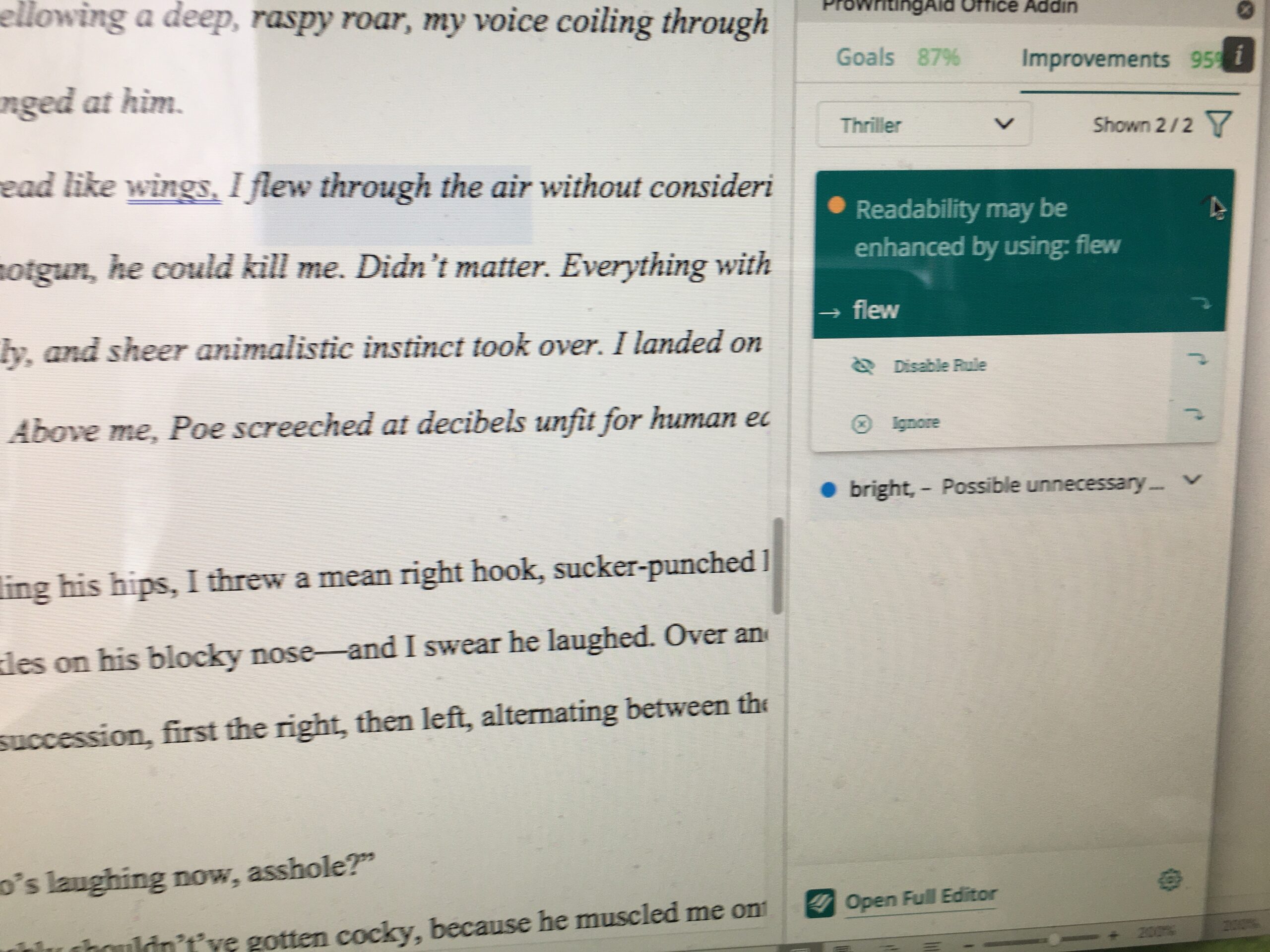
Arms spread like wings, I flew through the air without considering the consequences. If he raised that shotgun, he could kill me. Didn’t matter. Everything within me screamed for me to protect my family, and sheer animalistic instinct took over. I landed on his chest, and we both tumbled backward. 

I ignored the suggestion to remove “through the air” after “flew” because it doesn’t sound right to my ear.

Here’s where you need to be careful. Don’t accept that the software knows better than you. Since this is an early draft, I’ll probably end up rewriting the sentence to use swan-dive instead of flew (paints a better picture), but that’s irrelevant. The point is, question every change to remain true to your voice, your style.

While straddling his hips, I threw a mean right hook, sucker-punched him—almost broke my friggin’ knuckles on his blocky nose—and I swear he laughed. Over and over, I hammered his face in rapid succession, first the right, then left, alternating between the two to keep him off-balance.

“Who’s laughing now, asshole?”

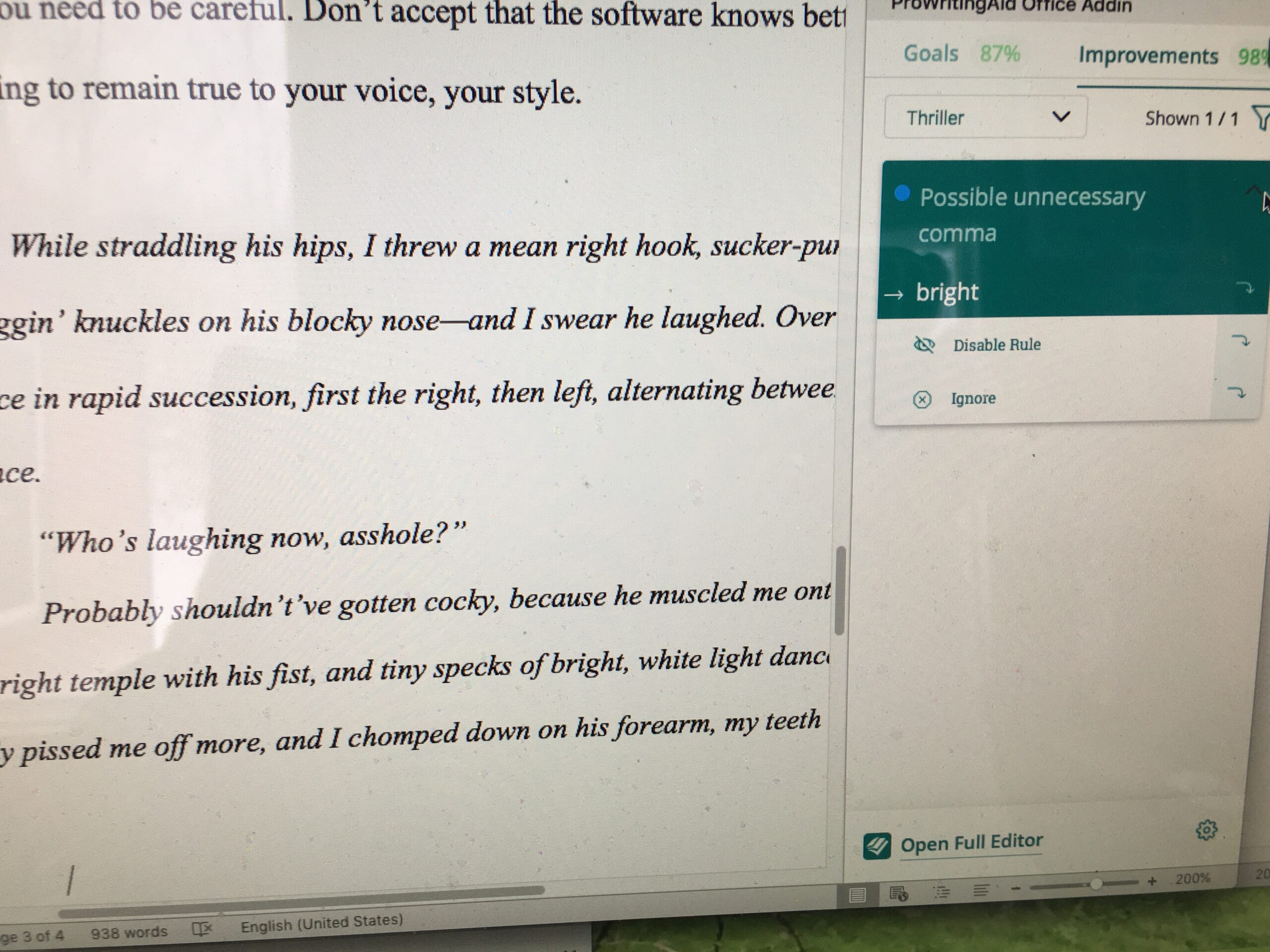
Probably shouldn’t’ve gotten cocky, because he muscled me onto my back. Drilled me in the right temple with his fist, and tiny specks of bright, white light danced before my eyes. That only pissed me off more, and I chomped down on his forearm, my teeth sinking into his flesh.


Valid suggestion, PWA. The comma is unnecessary after “bright.”


<– At the bottom of that pane, it says Open Full Editor.

When I click that button, it opens in a new window.


(click to enlarge)


Notice the side column. I’ll scroll through for you…


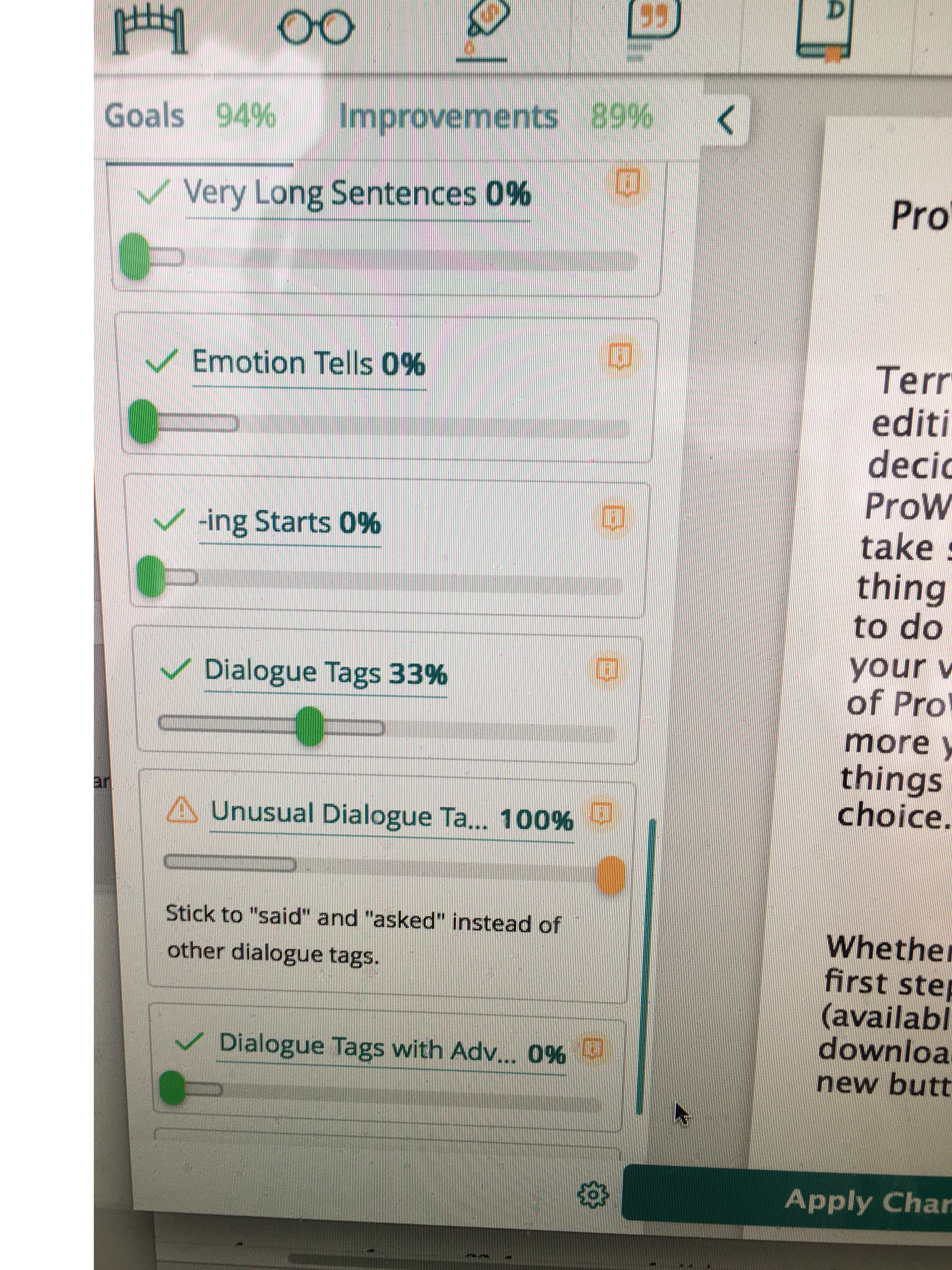
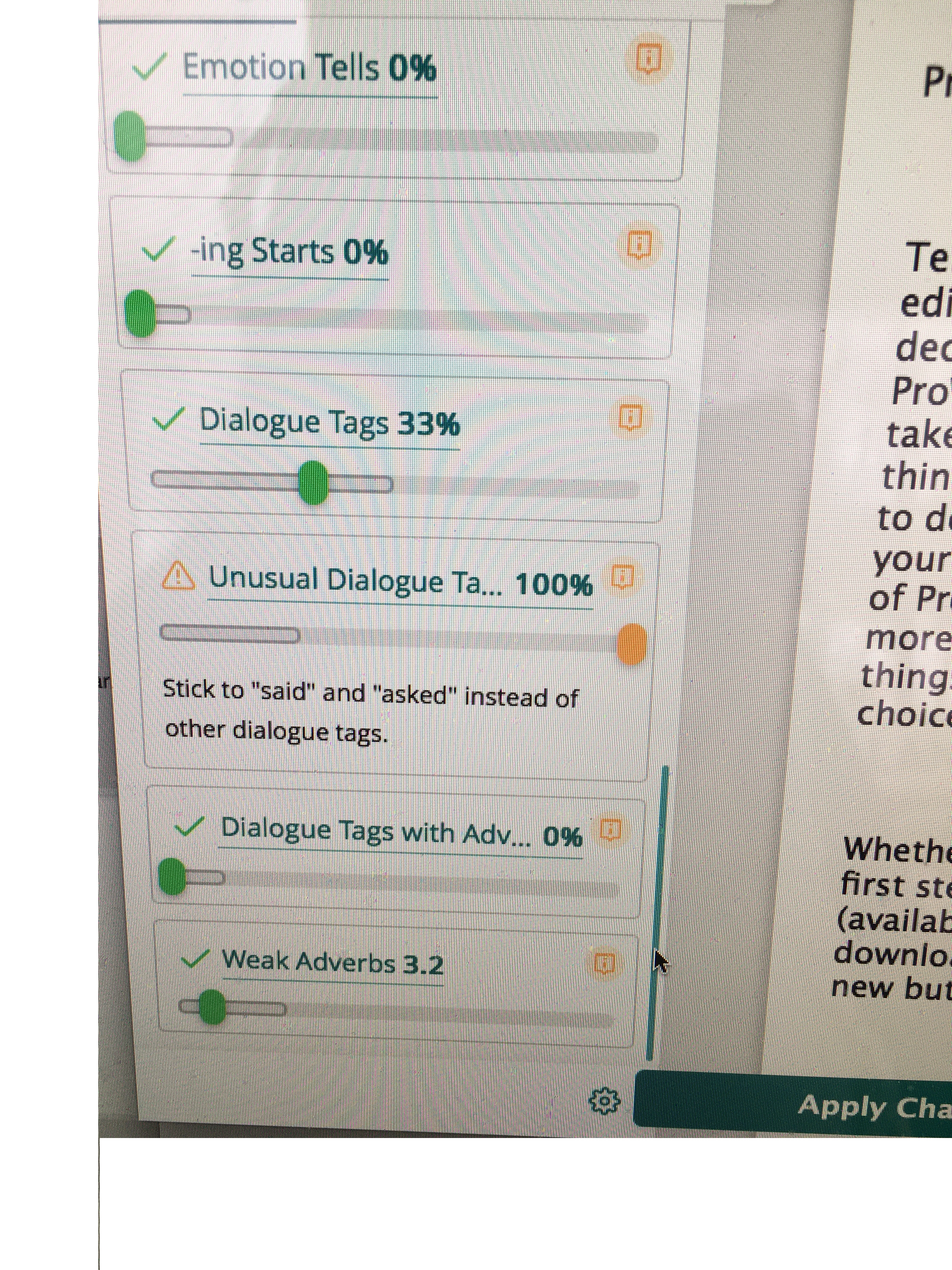
Everything looks good, except dialogue tags. But I don’t have any dialogue tags in the excerpt. Hmm, let’s see what it says by clicking the dialogue box in the top-right corner.


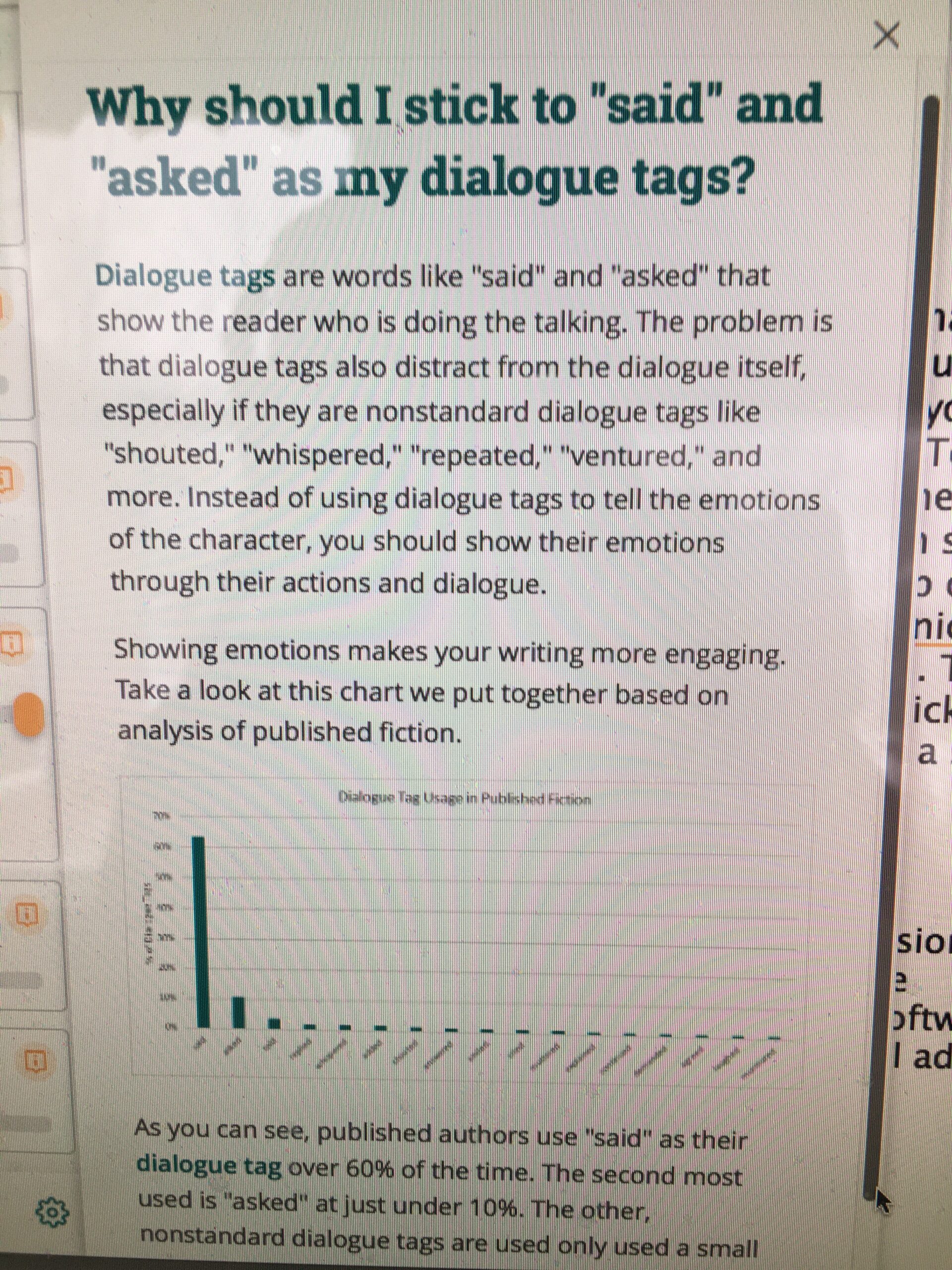
Okay, it’s just explaining why “said” and “asked” are best to use. Not sure why it says 100% in the negative. There are no dialogue tags. Perhaps that’s why. See what I mean about not blindly trusting editing software? You—the writer—need to weigh each suggestion. If it works, accept the change. If it doesn’t, ignore and move on. Your human editor should flag it again if there’s a problem.

Now, if you’re just beginning your writing journey, click each dialogue box for a full explanation of why to remove things like weak adverbs from your writing.

Here’s what it says under “Weak Adverbs”:


(click to enlarge)


Check out the top ribbon of the full editor. You can tell the software to search for anything. Overused Words, anyone? We’re all guilty of littering the first draft with crutch words.


(click to enlarge)


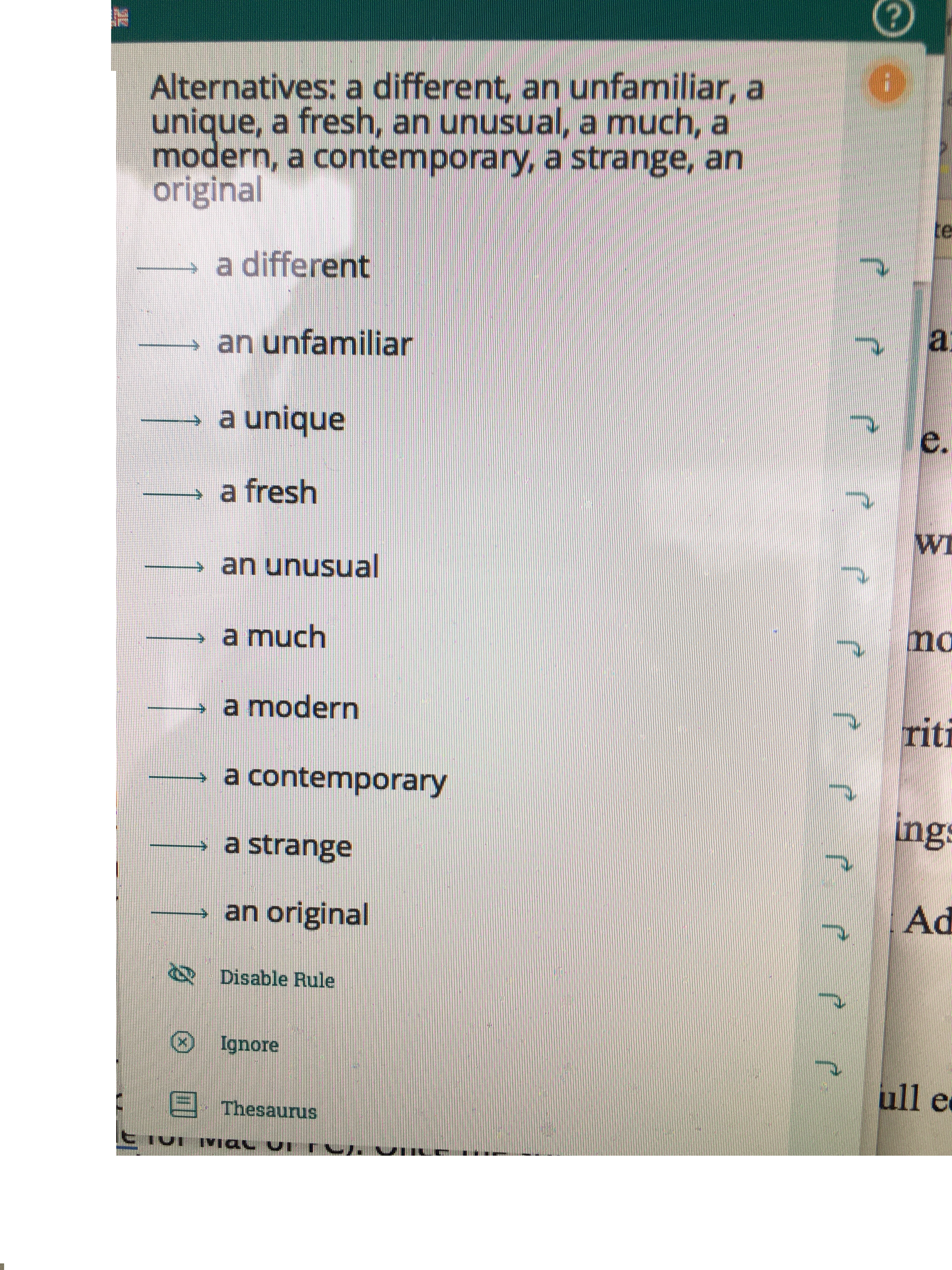
Check out the Thesaurus. Not only does it tell you how many nouns, verbs, adjectives, and adverbs the document has, but look at all the suggestions it offers for the word “different”.


(click to enlarge)


This software checks for everything, from sticky sentences, homonyms, echoes, and alliterations, to structure, pacing, and a visual representation of sentence length. Seriously, you could spend hours dissecting your prose. I don’t, but if you’re just learning the craft of writing, spending time learning the basics is time well-spent. I love ProWritingAid Premium because it catches typos, commas, grammatical errors, awkward sentences and/or phrases, or clunky words written when your soul’s on fire and your fingers are sailing across the keyboard. You know what I’m talkin’ about, that sheer passionate writing that made so much sense in the moment, but in the cold light of day, needs tweaking.

Let’s talk about money for a minute. I pay yearly, but they also have monthly plans. I buy yearly plans at Christmastime, because it’s, like, $60 compared to $120 ($10/mo). Or try the free version first. There are some limitations to the free plan. You can only upload five or six chapters at a time, rather than uploading an entire 90K word novel, and you won’t have access to everything in the Full Editor ribbon. But at least it’ll give you the feel of how it works. I’ve used Grammarly, too, and ProWritingAid offers a lot more bang for your buck, IMO.

So, that’s a sampling of ProWritingAid Premium. Hope you found it useful! Do you use editing software? If so, which one?


Happy Public Domain Day 2023

By Debbie Burke

@burke_writer

1927 was a watershed year in motion picture history. 

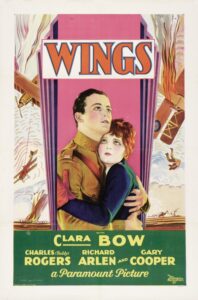
Wings won the first Academy Award for Best Picture. 

“Wait a minute…wait a minute…you ain’t heard nothin’ yet.”

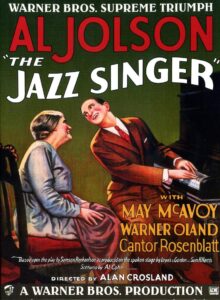
Those were the first words ever spoken in a motion picture. Although The Jazz Singer is now considered insensitive, nevertheless, it stands as an historic moment in 1927 when the first “talkie” rang the death knell for the silent film era.

You can listen to a clip of Al Jolson’s first words here. 


January 1, 2023 was Happy Public Domain Day when copyrights ended for movies, literary works, and music published in 1927.

Here’s a partial list of works that are now in the public domain, provided by Duke University.

Literary:

Herbert Asbury, The Gangs of New York

Willa Cather, Death Comes for the Archbishop

Agatha Christie, The Big Four

Countee Cullen, ed., Caroling Dusk: An Anthology of Verse by Black Poets of the Twenties

Franklin W. Dixon, The Tower Treasure (The Hardy Boys #1)

Franklin W. Dixon, The House on the Cliff (The Hardy Boys #2)

Franklin W. Dixon, The Secret of the Old Mill (The Hardy Boys #3)


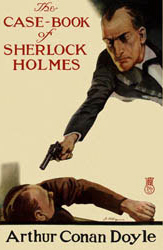
Arthur Conan Doyle, “The Adventure of the Veiled Lodger” and “The Adventure of Shoscombe Old Place,” the last two stories from The Case-Book of Sherlock Holmes (which means Holmes himself is now in the public domain)
E.M. Forster, Aspects of the Novel

Ernest Hemingway, Men Without Women

Hermann Hesse, Steppenwolf

Franz Kafka, Amerika

Anita Loos, But Gentlemen Marry Brunettes

Edith Wharton, Twilight Sleep

Thornton Wilder, The Bridge of San Luis Rey

Virginia Woolf, To the Lighthouse

Films: 

Metropolis (directed by Fritz Lang)

The Jazz Singer (the first feature-length film with synchronized dialogue; directed by Alan Crosland)

Wings (winner of the first Academy Award for outstanding picture; directed by William A. Wellman)

Sunrise (directed by F.W. Murnau)

The Lodger: A Story of the London Fog (Alfred Hitchcock’s first thriller)

The King of Kings (directed by Cecil B. DeMille)

London After Midnight (now a lost film; directed by Tod Browning)

The Way of All Flesh (now a lost film; directed by Victor Fleming)

7th Heaven (inspired the ending of the 2016 film La La Land; directed by Frank Borzage)

The Kid Brother (starring Harold Lloyd; directed by Ted Wilde)

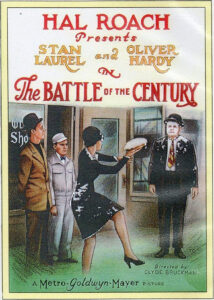
The Battle of the Century (starring the comedy duo Laurel and Hardy; directed by Clyde Bruckman)

Upstream (directed by John Ford)

Music:

The Best Things in Life Are Free (George Gard De Sylva, Lew Brown, Ray Henderson; from the musical Good News)

(I Scream You Scream, We All Scream for) Ice Cream (Howard Johnson, Billy Moll, Robert A. King)

Puttin’ on the Ritz (Irving Berlin)

Funny Face and ’S Wonderful (Ira and George Gershwin; from the musical Funny Face)

Can’t Help Lovin’ Dat Man and Ol’ Man River (Oscar Hammerstein II, Jerome Kern; from the musical Show Boat)

Back Water Blues, Preaching the Blues, Foolish Man Blues (Bessie Smith) Listen here.

Potato Head Blues, Gully Low Blues (Louis Armstrong)

Rusty Pail Blues, Sloppy Water Blues, Soothin’ Syrup Stomp (Thomas Waller)

Black and Tan Fantasy and East St. Louis Toodle-O (Bub Miley, Duke Ellington)

Billy Goat Stomp, Hyena Stomp, Jungle Blues (Ferdinand Joseph Morton)

My Blue Heaven (George Whiting, Walter Donaldson)

Diane (Erno Rapee, Lew Pollack)

Mississippi Mud (Harry Barris, James Cavanaugh)

~~~

Of particular interest to mystery authors, the last two works by Arthur Conan Doyle featuring Sherlock Holmes are now in the public domain. What does this mean to writers?

If you’ve always hankered to feature the iconic Sherlock as a character in new adventures, you are free to do so without violating copyright or worrying about legal repercussions (more on that in a moment).

Here are a few genre possibilities:

Sherlock uses his powers of deduction to solve contemporary mysteries in the 21st century;

Or he time-travels through history in pursuit of villains;

Or fantasy stories might bestow magical superpowers like flying, turning invisible, telekinetically moving objects, and casting spells;

Or sci-fi, where he travels to distant universes—a rocket ship or space station makes a great setting for a locked room mystery;

Or for romantic suspense, he can fall in love.

Although a number of contemporary works have featured Holmes and Watson, there is a copyright backstory that’s nearly as complicated as Conan Doyle’s mysteries.

Even though Sherlock and Watson had already entered the public domain, legal battles over Sherlock’s copyright persisted for years. The Conan Doyle estate claimed various justifications to charge licensing fees to authors and film makers who wanted to use the characters.

Most creators paid the fees rather than endure the time and expense of taking the estate to court. But attorney Leslie Klinger fought back and won.

In one suit, Judge Richard Posner criticized the estate’s “unlawful business strategy” and stated:

The Doyle estate’s business strategy is plain: charge a modest license fee for which there is no legal basis, in the hope that the ‘rational’ writer or publisher asked for the fee will pay it rather than incur a greater cost, in legal expenses, in challenging the legality of the demand.

The expiration of the copyright on the last two works featuring Sherlock has now ended any possible claims by the estate.

Sherlock is finally, unquestionably free for any creator to use.

That means, as to Sherlock’s future adventures…you ain’t heard nothin’ yet.

~~~

Just for fun, here’s The Battle of the Century, featuring Laurel and Hardy and the greatest custard pie fight of all time:

~~~

TKZers: Do any stories, movies, or songs from 1927 make your creative juices flow?

Do you have ideas for repurposing works that are now in the public domain?

Please share your ideas in the comments.