He Said, She Said

By Elaine Viets

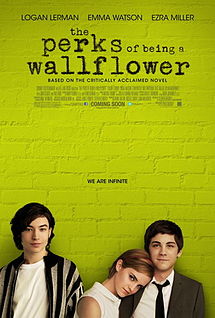
215px-The_Perks_of_Being_a_Wallflower_Poster

“She’s awake,” announced Julia.

“It’s about time,” replied her husband.

“Why is she even here,” Susan inquired.

She sighed. He whispered. She volunteered. He requested. She laughed.

I lost track of the plot, but I was fascinated by the synonyms for said. The novel was truly gripping as the author performed verbal gymnastics to avoid this four-letter word.

Characters inquired, interjected, blurted, agreed, argued, insisted, demanded, relented, confirmed, continued, conceded, spewed and squealed – yes, squealed.

pigThat’s when I threw down the book and roared: “What happened to said?”

If I wanted to read a thesaurus, I’d get out my Roget’s.

Said is the wallflower of the writing world. It’s nearly invisible. That’s why we love it. Said showcases your dialogue. Said doesn’t get in the way of your story.

Said doesn’t try to do what’s physically impossible: You cannot talk and laugh at the same time. You cannot squeal a sentence. And spewing is too disgusting to contemplate.

My editor chopped “she laughed” out of my first novel, though she did let me say, “She said with a laugh.”

Here’s what I’m trying to say: If you want snappy dialogue, don’t clutter up your story with ridiculous verbs and impossible acts. Let it be said and be done with it.

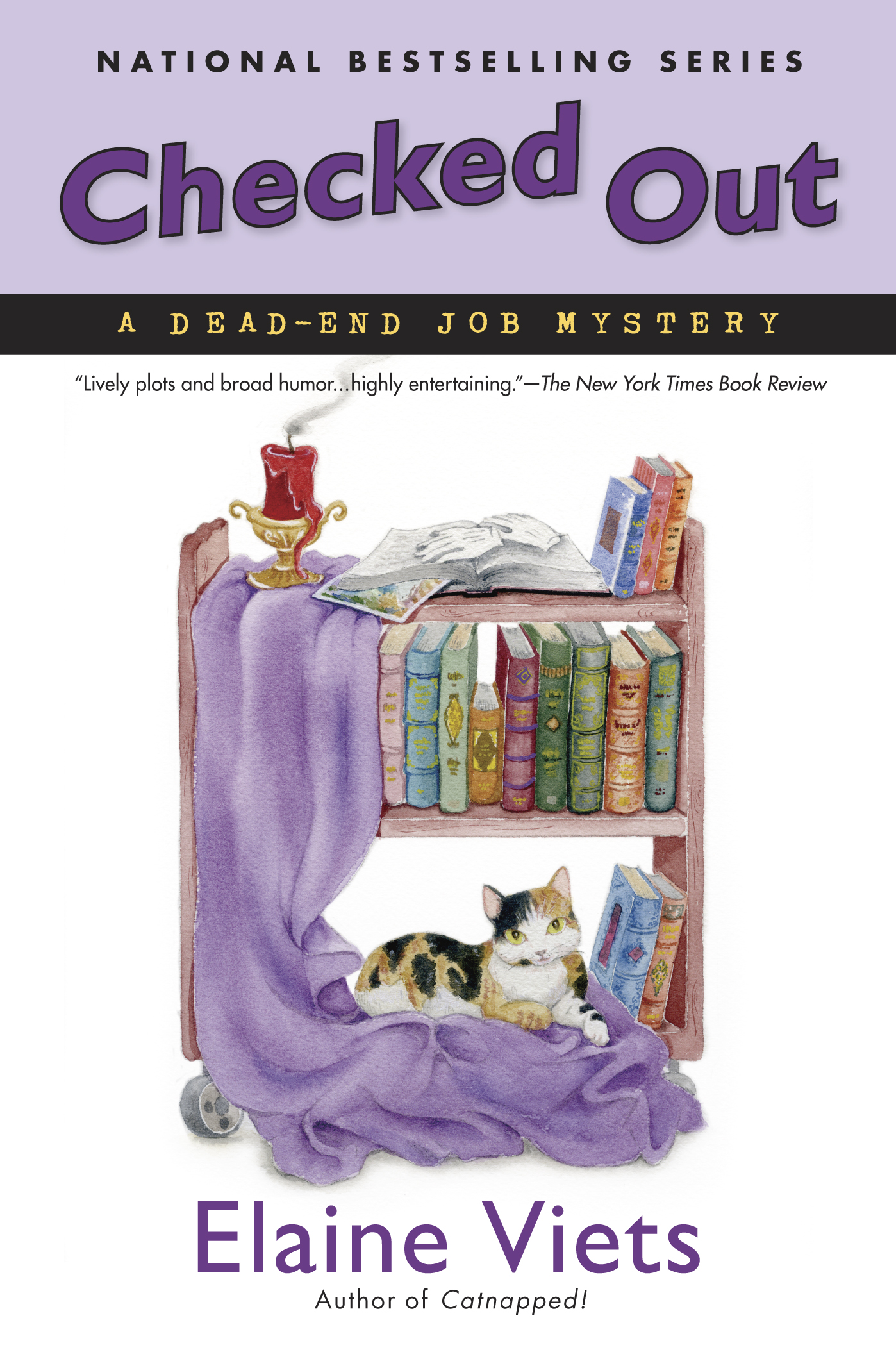
I used said to start “Checked Out,” my new Dead-End Job mystery. Here’s the first chapter. Said gets the novel off to a good start, if I do say so myself.

CheckedOut_FC

Checked Out Chapter 1

“I need your help,” Elizabeth Cateman Kingsley said. “My late father misplaced a million dollars in a library book. I want it back.”

Helen Hawthorne caught herself before she said, “You’re joking.” Private eyes were supposed to be cool. Helen and her husband, Phil Sagemont, were partners in Coronado Investigations, a Fort Lauderdale firm.

Elizabeth seemed unnaturally calm for someone with a misplaced million. Her sensational statement had grabbed the attention of Helen and Phil, but now Elizabeth sat quietly in the yellow client chair, her slender, well-shaped hands folded in her lap.

Helen studied the woman from her chrome-and-black partner’s chair. Somewhere in her fifties, Elizabeth Kingsley kept her gunmetal hair defiantly undyed and pulled into a knot. A thin, knife-blade nose gave her makeup-free face distinction. Helen thought she looked practical, confident and intelligent.

Elizabeth’s well-cut gray suit was slightly worn. Her turquoise-and-pink silk scarf gave it a bold splash of color. Elizabeth had money once, Helen decided, but she was on hard times now. But how the heck did you leave a million bucks in a library book?

Phil asked the question Helen had been thinking a little more tactfully: “How do you misplace millions in a library book?”

“I didn’t,” Elizabeth said. “My father, Davis Kingsley, did.”

“Was it a check? A bank book?”

“Oh, no,” she said. “It’s a watercolor.”


Don’t Let Perfection Get In Your Way

By Joe Moore
@JoeMoore_writer

Here’s a comment I hear from new writers: “I want to edit and polish my writing as I go, but I wind up getting nowhere because I’m obsessed with making it perfect the first time.”

This is so often the case starting out. You want every word to shine and sparkle and dazzle. So you spend a day or a week or a month or forever trying to get that first chapter to be perfect.

In my opinion, this is a crutch. It’s an excuse. It’s a disease that infects all writers when they first start out. And it will eat you alive with a good chance that your writing will be damaged. It’s an easy trap to fall into. So how do you get past this nasty little hang-up?

First, you must convince yourself that NOTHING is perfect, especially when it comes to writing fiction. Now I’m not talking about spelling, punctuation, grammar and syntax. Those are the rules of writing just like the speed limit and stop lights are the rules of the road. But those rules have NOTHING to do with perfection, only correctness. Perfection is a mental concept. It can never be achieved. There will always be room for improvement.

Next, you must allow yourself to write less-than-perfect prose the first time with the understanding that it’s more important to tell the story.

Another tip that helps is to come up with a set of REALISTIC goals that drive your writing. Your goals should be reasonable and obtainable. Make them short-term, easy and convenient. Such as: I will write 500 words per day. I will not look at what I’ve written until I complete 5000 words. I will not stop writing each day until I finish the current chapter. You get the idea. Make your goals reasonable so perfectionism doesn’t get in the way.

I believe that perfectionism creates doubt. Doubt smothers creativity. It slows the stream of consciousness. Allow yourself to shape the story first no matter how rough, then carve out the details. And remember that you’re the only one demanding that your writing be perfect. Give yourself a break and just tell the story.

Harry Shaw, in his book Errors in English and Ways to Correct Them, said, “There is no such thing as good writing. There is only good rewriting.” Science fiction master thriller writer Michael Crichton said: “Books are not written–they’re rewritten.”

So don’t worry about perfection. Work at telling a good story.

——————————

tomb-cover-smallComing this summer: THE TOMB, book #3 in the bestselling Maxine Decker thriller series. This time, Decker must stop the assassination of not one but all nine justices of the Supreme Court. Vengeance can be earth-shattering.

Blurring the Lines
Between Heroes and Villains

good_evil

“Each film is only as good as its villain. Since the heroes and the gimmicks tend to repeat from film to film, only a great villain can transform a good try into a triumph.” — Roger Ebert

By P.J. Parrish

You think it’s hard to find a good man? Try finding a really bad one.

I’ve been looking for bad men for more than fourteen years now. I’d say my sister Kelly and I are somewhat of experts on the subject of men with, ah…issues. Over the course of our thirteen-novel career, we’ve encountered every kind of twisted, tortured, miserable example of the male species you can imagine.

But they’re our villains and we…well, I won’t say we love them but we do lavish a lot of attention on them. And we need to confess something right now –- it is getting harder and harder to make bad guys good.  Or bad women, for that matter.

Great antagonists loom large in literature. Imagine Othello without his Iago, A Clockwork Orange without the deranged Alex Delarge or Joseph Conrad’s Heart of Darkness without Kurtz. Where would Harry Potter be without Voldemort, or Dr. Jekyll without Mr. Hyde? And Milton didn’t lose Paradise without a big push from Satan.

Within the thriller genre, the villain is almost as important as the hero. And creating a truly original villain is one of our prime challenges, mainly because readers are savvy. They’ve read all the good books, seen all the forensic shows, and can smell a Hannibal Lector rip-off a mile away. We’ve always worked hard to make our villains full-bodied characters, especially when we delve into the serial killer sub-genre, which can be cliché quicksand. In reality, most criminals are as dumb as stumps. But the fiction writer’s task is to create a villain who is a worthy adversary for the hero, and in the best of our genre the villain is as complex and textured as the protagonist.

As Roger Ebert recognized, heroes and villains tend to repeat from film to film. It’s the same with mysteries and thrillers. Our fields have been tilled by so many great (and not-so-great) writers, that it’s gotten harder to create truly unique protagonists and antagonists. Just this week I started a new book by a well-known thriller writer but somewhere south of page 100, I was beset with déjà vu. No, I hadn’t read this specific book before (Yeah, I have been stupid enough to do that!) But I had read it a hundred times before by other writers.  It was the same old cop chasing the same old bad guy for the same old reasons. It gave me sympathy for agents and editors and how they must feel when they read the hundreds of queries and manuscripts they get every day. Been there, read that, bought the t-shirt. (But not the book).

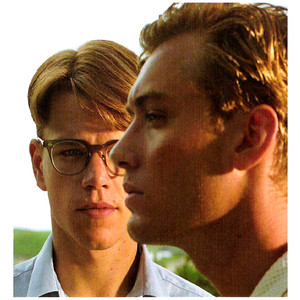
img-thingI got to thinking about good villains the other night during a bout of sleeplessness, and while channel surfing happened caught The Talented Mr. Ripley. It’s a nifty screen adaption (directed by Anthony Minghella) of Patricia Highsmith’s great book. I like both versions for different reasons but mostly for the portrait of the title character. In a way, Ripley is both protagonist and antagonist, in that the story centers around his arc but he also lies and murders in cold blood to get what he wants.

Ripley is smart and a quick study, but he is hollow of heart and soul. In the book, Highsmith sketches out his painful childhood as an orphan, berated by a mean aunt. But the author is more concerned with Ripley the sociopathic chameleon who will assume any shape to get what he wants. There is some of this in the movie, but Matt Damon’s character is more pathetic than lethal, desperate to fit into the world of the rich. You almost get the feeling the Matt Damon Ripley could change — if only he could find someone to love him despite his black heart. (Which he does…but even that doesn’t work out too well.) Highsmith’s Ripley is a serial killer who over the course of four more books continues his amoral ways and keeps one step ahead of the law.  (I’ve just downloaded the second Ripley novel, Ripley Under Ground where in Tom has resurfaced in France. I’m headed there soon I like to read books set where I am on vacation.)

Partly, I am going back to Ripley because I have an idea for a new book that will depend very heavily on the villain. I want to read Highsmith to see how she did it — sustain a compelling story centered not around a sympathetic traditional protagonist but his polar opposite.

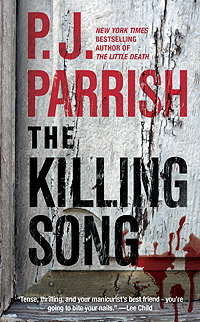
The Killing SongI think we were moving toward this kind of book with our stand alone thriller THE KILLING SONG. We gave equal weight to our protagonist and our antagonist. They each had their own character arc and themes, as well. Theme and character go hand and hand for me. Whenever we start a new book, Kelly and I immediately begin searching for our themes because we believe they are the underground railroads upon which a plot runs — and they illuminate character. In THE KILLING SONG, the theme for our hero Matt Owens is: What happens when you only look away for a moment? His beloved sister disappears from a Miami nightclub when he looks away but the theme has a deeper meaning as Matt pursues her killer.

But we also had a theme for our villain, which emerged from the juxtaposition of beauty and degeneration. We decided our villain would be a classical musician, a man of grace and refined taste living in Paris, one of the most beautiful cities in the world. We wanted to contrast the beauty of his “upper” world with the horrors of his “lower” world of serial murder. Laurent Demarais was a violinist in our first draft but became a cellist when we realized the cello’s deeper tone just seemed to fit his personality.

Like Tom Ripley, some of his demons were born in childhood. Laurent’s father was an acclaimed conductor who pushed his son so mercilessly to become a prodigy that the beauty of music became twisted, and then a second childhood trauma planted the seed for his evil that took two decades to mature.  Part of the plot for Matt is uncovering the clues from Laurent’s childhood so he can better understand the monster he is now hunting.

But beyond childhood, we had to ask the hard question we ask of every character we create: What does Laurent want? I think this is the most important thing a writer asks herself as she goes along. If you don’t know what your characters want you can’t really articulate on the page what their motivations are. I think of this “want” as coming in layers that move from the most superficial: the hero wants to find the bad guy; to the most complex: He wants to find his own true identity. I wrote about this in length a while back. You can find the post HERE. 

On the superficial level, Laurent wants to kill. But trying to figure out what he wanted in the deepest parts of his soul — yes, even villains have them, though black and withered they may be — helped us plumb his psychological depths and make him less a cardboard monster. Laurent Demarais wears a mask of sanity. I wish I could say that is my phrase but it is the title of a great book about psychopaths written in 1941 by a doctor named Hervey Cleckley. He concluded that killers can seem sincere, intelligent, even charming. But beneath that lies a heart incapable of human emotion.

Even today, seventy years later, that mask of sanity is a great description for the classic villain whether in reality (Ted Bundy) or art. (Annie Wilkes in Stephen King’s Misery, Glenn Close in Fatal Attraction or even Hal the computer in 2001 Space Odyssey. I’m sure you can think of many other examples.)

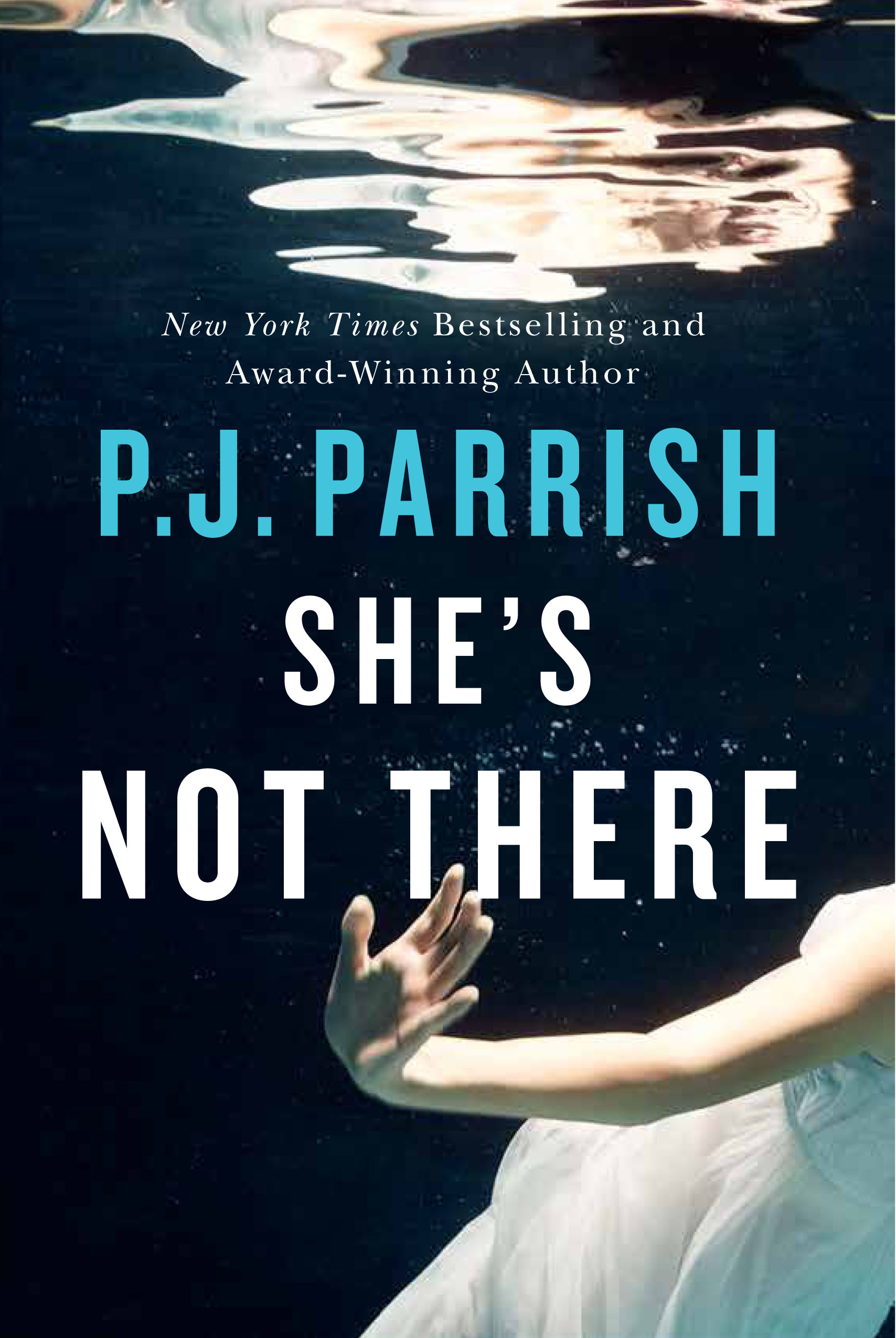
FINAL COVERIn our new book SHE’S NOT THERE, (comes out Sept. 6 but is now available for pre-orders), we don’t have a traditional villain. There is no obvious struggle between good and evil, no ticking clock, no creep stalking a family at their cabin, no Dr. Evil trying to rule the world. It’s psychological suspense, which meant for us that all “action” had to emerge completely from character motivation. James N. Frey (author of How to Write a Damn Good Novel) calls psychological thrillers a style, rather than a subgenre. He says that good thrillers focus on the psychology of their antagonists and build suspense slowly through ambiguity. If you’re a regular here, you know how much I like ambiguity. (Link HERE).

She’s Not There was very hard to write. Not only does it have an unreliable narrator (Yeah, I loved Shutter Island, too.) It was hard to write because we couldn’t rely on the old tropes of serial killers, pebbled glass PI heroes, or power gone wild to build tension.  When the tension sagged, we couldn’t just fling another corpse onto the page. The story’s theme is: What happens to you when you drift downward into living an inauthentic life? Almost all my characters are struggling with this, pulled down by dark secrets and disappointments, and they are all fighting to break back to the surface and breathe again. Yes, people die. Yes, there are creepy moments, high tension, even a cross-country chase.

But my villain?  He’s not there. At least in the conventional sense. You won’t be able to spot him by his black hat. You won’t see him lurking in the shadows or toting an Uzi.  He’s hiding in plain sight, deep inside each of my characters, even the good ones. And for a long time, you don’t know if the good guy is really the bad guy. Or vice versa. Or both.


Are you still looking for an agent?

Given the ever changing landscaping of the publishing industry, I thought it might be timely to take a measure of how authors are changing their strategies and plans in response. Are they still seeking agency representation or aiming (straight off the bat) to go the Indie route? In the first ‘flush’ of Amazon’s kindle program many previously traditionally published authors went the so-called indie route – but now, especially if they’re with one of the many Amazon imprints, I wonder how many of them have simply traded a traditional publishing house for just a different publishing house (albeit, I assume, with better royalty rates). Perhaps ‘going it alone’ isn’t quite as easy as many authors had first hoped, and we do hear (from some quarters) of the difficulties inherent in the indie route (many of which are similarly experienced by authors with traditional publishers) – namely how to break through the ‘noise’ of millions of ebooks being released and available via the internet and other distribution networks.

So I wanted to get your feedback on whether, over the last year or so, you have changed your strategy for getting your work published and whether you think you still need (and seek) agency representation. Are you writers still sending out query letters by email? Do you continue to see the value in seeking representation and attempting the traditional publishing route, or have you already decided to go the indie route? And if so, in what form?

In short, what approach and/or plans do you have for the current book and publishing market? Do you still think agents are relevant or are you solely focusing on the indie approach to releasing your work?

Enquiring minds want to know!

The 30-Minute Character Generator

Screen Shot 2015-06-05 at 8.15.22 AMI know some artistes rebel at the idea of systematization. But if the system is designed to unleash your imagination and send it running in productive directions, I say go for it. All the time.

You don’t want to be sitting around waiting for a Muse to start dancing.

Before I can begin to write anything, I have to know who my story is about. I’ll have a concept. I need a character. A Lead.

But I don’t want to take a lot of time doing so. I don’t want to spend weeks creating a whole history of this character’s life. I’ve never found that effective.

So I’ve come up with a 30-minute character generator. It’s a system. It gets me excited enough to start on that story journey. The system is made up of three things: a visual, a voice, and a vision.

  1. Visual – 10 minutes

Start with a look. For me, a character does not begin to take shape until I can see him.

I want to look at my character’s face and see some mystery and a suggestion of stuff happening below the surface.

There are two things I do.

First, I spend several minutes on the internet looking at images. I find a few that set something off in me, drag them to my desktop, and look at them later.

I use Google Images. I find it has more variety than, say, iStockphoto. Since I’m not going to be using these except for my own reference, there’s no copyright issue.

When I put in a search term, I use an emotional tag rather than something generic. Here’s what I mean.

Let’s say my Lead is a successful businesswoman. If I just search for “businesswoman” I get all sorts of publicity style photos––smiling, confident and posed. Nuts to that.

My novel is a thriller, so I want my Lead to be troubled.

Thus, I might type “unhappy woman” or “stressed woman.” (You’ll notice that when you do this, Google Images suggests other types of searches in their top bar. Nice of them to help!)

Find faces that stir something inside you. The best is when you think “Aha! That’s her!”

The second thing I do is use my love of classic movies to think of my Lead being played by any actor from the past I choose.

For my businesswoman, suppose I think of her as Bette Davis? Or Kate Winslet?

If I like that, I can always find a head shot of that actor and use it for my model. The reader will never know.

I usually find my headshot in under ten minutes. Then I put it into my character file on Scrivener. The nice thing about Scrivener is that you can look at all your characters on a corkboard when you’re ready to roll.

  1. Voice – 10 minutes

Next, I spend at least ten minutes creating a Voice Journal. This is a free-form document in the character’s voice, talking to me. Sometimes I prompt the character with questions. Other times I let the character ramble.

I just keep typing until the character sounds like someone other than me.

Which is the key. This is where the character begins to “take on life.”

Here is a bit of the Voice Journal for Sister Justicia Marie, the Lead in my Force of Habit series:

I don’t go around looking for bad things to happen. They just seem to. Yes, I live in L.A., I know all about it, oh yes, you know my story. I was supposed to be living the dream. I was making five million a picture when I was ten. Somebody told me I was the new Shirley Temple and I Force_1looked at him and said, “That curly-headed little snot can eat my shorts.”

I actually said that. Dear Lord, forgive me for that. Forgive me for the whole of my teenage years!

But now am I in the grip of another sin? Am I wrong, my Lord, for wanting to stop bad thing from happening? Even if I have to kick in somebody’s face?

Are you calling me, Lord? Am I Joan of Arc or Joan the crazy lady who shouts in the park?

Ten minutes of voice journaling always brings happy surprises. I may continue to add to this journal from time to time during my writing or planning, fleshing out more of my character if I see the need.

  1. Vision – 10 minutes

Finally, I want to get to the heart of my character. I want to know what the character thinks most deeply about as the story begins. What is her trajectory? Her yearning? Her vision for her life?

No character in your novel should start as a blank slate.

We know that Luke Skywalker, like most farm boys, yearns for a life of adventure. He looks out at the sky, dreaming of becoming a Jedi. But the practicalities of life with his Aunt and Uncle prevent it.

Scarlett O’Hara’s vision is to become a fine, Southern lady married to a noble Southern gentleman named Ashley Wilkes. Boy, is she in for a shock.

The vision is not always a pleasant one. Katniss Everdeen in The Hunger Games sees no hope in the future. Her vision is for survival in the daily, dismal world of Panem. Her daily life is taken up with the care of her mother and sister. She tells her friend Gale she never wants to have kids. Will anything in the story change her outlook?

Spend ten minutes exploring your Lead’s vision just before your story begins. Ask yourself how the story will frustrate, challenge, or redeem the vision.

You can do this same 30-minute exercise for your other main characters, too.

The result will be a full-blooded cast. You can start writing now, letting the characters grow organically. Or you can do more planning and backstory if that’s your preference.

Either way, the 30-Minute Character Generator will give you a solid foundation for bringing original, unforgettable characters to your novel.

Which is kind of a nice thing.

Re-Make, Re-Model

strip center


We had some interesting news in the neighborhood this week. There is a strip shopping center of mostly vacant storefronts named “Windsor Bay” about three blocks from our home. When I first moved into this house, twenty-one years ago, the shopping center was at one hundred percent occupancy. Things changed. The supermarket that was there was part of a chain that went bankrupt; ditto the hardware store that was so handy, even when I wasn’t. The owner of a franchised greeting card store retired it, and a tanning salon never really did catch on. What is left is good stuff, to be sure: one of the best Asian restaurants in the area (a wonderful place named Great Asian; call me if you’re in the area and I’ll let you take me to lunch), a pharmacy, a sandwich shop, a pizza-and-brewskis-for-youski’s place, nail salon, and drop in dentist’s office. The overall effect, however, is like a seven year old’s mouth.

The news is that the center has acquired a new owner. It’s a reality company that has decided — correctly — that what worked so well over two decades ago isn’t cutting it now. The new owner is going to tear some things down, build some things up, group the center into three separate anchors, put all new frontage and signage up, and — Oh, The Humanity! — repave the parking lot. I won’t be able to play Rat Patrol anymore when I catch the local urchins attempting to spray-paint the vacant buildings and chase them across the lot while we play bumper tag, but what a small price to pay. A new tenant has already signed up and another — an Italian restaurant that we like, which is located elsewhere — is in negotiations to move in there, too.

All of this news arrived as I was having an inspirational dry spell. And it inspired me. I have a computer full (and some notebooks, too) of Windsor Bays in my office. They are stories and novels and fragments, oh, my, some of them several chapters long, some only a few paragraphs, and some with, as they say in the real estate business, good bones with a prime location. I started taking a couple of them out and looking them over and saw possibilities, just like that reality company did with the mostly vacant shopping center. I’ve been chipping here and moving this and tearing that down. Some change in time, distance, and perspective gave me some new ideas, built upon the shoulders of old ones. A bunch of old ones.

The lesson here, at least for me: take a look at writing that didn’t work, at least a few years ago, and see if there is something to be salvaged. If you have the writing bug, I am willing to bet the farm (or lunch) that there is something there that you can use, whether it is an idea, a sentence, a paragraph, or a chapter. Give it a shot, if you’re stuck for inspiration. I hope it works. And, if you would be so kind, please tell us if you do anything similar or otherwise on a regular basis to get your creative juices flowing again.

5 Key Ways To Entice Readers with Imagery

Jordan Dane
@JordanDane

Cry baby Truss ZF-9327-85193-1-001

Imagery conveys more than describing a setting. Done right, it can enhance the emotion and pull the reader into your writing in a unique way to them. It’s not merely about “show don’t tell.” Imagery is a skill that embellishes your author voice. Below are my thoughts on imagery and what’s worked for me.

1.) No Description Dumps – Layer your imagery into the scene in delicious morsels. Entice with flashes for the senses. Don’t stop your story to overwhelm the reader with detailed description dumps that will slow the pace and stall the action.

Example: Excerpts below are from The Last Victim (Jordan Dane) – Spears of light filtered through green leaves and daylight dappled the ground in colors that reminded me of light shining through the stained glass of a church. 

2.) Have the imagery enhance the intended emotion of the scene. Description shouldn’t sound like it came from a dictionary or research book.

Stilted Description (Example Only): Over the years, the floor of a forest became thick layers of pine needles that forced me to watch where I stepped.
Improved Version: The forest floor had a thick layer of decaying pine needles and fallen leaves that gave a pungent rich smell to the soil. The path buckled under my weight as if I were treading on a mattress. 

3.) Choose action words or descriptive Words that convey/enhance the senses – Action Words like slash, shiver, jab, or pound, denote the action they describe. Words like skitter, slither, squeeze, or ripple “sound” like the action they describe. So by toiling over each word in a scene (in your draft revisions), you can layer in greater imagery for the reader to “hear” or “feel.”

Example: With half-lidded eyes I relaxed into the moment and dropped my gaze to Justine’s boots as she walked ahead. I listened to the hypnotic sounds of the forest and let the subtle noises close in. A light breeze jostled the treetops and birds flitted in the branches over my head. My boots made soft thuds on the decomposing sod under my feet. Nature had a palpable and soothing rhythm.

4.) Use vivid imagery from your own past experience or pick something relatable and universal to others. For example, we’ve all been scared. Share your own worst fear, but in the context of your scene.

5.) Now, break down that emotion into how the body reacts inch by savory inch. Don’t rush it. Put the reader front and center through their senses. Trigger their own experiences. That’s why it’s important not to overdo the description. Simply hint at imagery that will trigger your reader’s minds. Be selective and pare down the images to the most vital and effective pieces.

1.) In your comments, please share an example of imagery in your current WIP.

2.) And please share what works for you when it comes to writing imagery.

Playing with Pinterest

Nancy J. Cohen

Pinterest might be the third most popular social network after Facebook and Twitter. It’s an online pin board where you post photos along with a description. The photos link back to the source. Go here to set up a free account: https://www.pinterest.com/

To find people you know, go to your friends’ sites and search through their followers. Follow any familiar names. Or on the left, click on Find Friends or Invite Friends to Pinterest. If you don’t see these features, click on the gear shift arrow in the upper right corner and then on Find Friends.

Go here to Follow me: http://pinterest.com/njcohen/


Pinterest3

To gain followers, follow other people’s boards and repin their photos. If you click on the little heart by the photo, it means you Like their photo. Clicking on a photo brings up a comment box.

Create your boards. Suggestions for topics can include My Books, Books by Friends, Coming Next (your WIP), Favorite Places, The Writing Life, Book Tours, Books I’ve Read, Food, Hobbies, Travels, Crafts. Browse by Category to get ideas. On the right of the search bar, click on the arrow beside the three lines. A category list will pop up. Or see what your favorite authors feature and copy their topics.

Pinterest1

I like to do storyboards for my books. Check out my boards, and you’ll see what I mean. This is a fun activity. It gives me and my fans a visual reference for my books. I’ll use some of the same photos I buy from royalty free sites for my video trailers and mix them with photos I’ve taken personally or that others have pinned.

Pinterest2

To get to your Boards, click on your name in the upper right corner. Find the Board you want to change and click Edit. Here you can add a description to the board.

To access the photos, double click on a board. You can add a pin to this board or edit the photos that are there. When you add a pin, you can also post it to Facebook or Twitter. Click on the pencil on the upper right corner of a pin to edit. If you upload your own photo, go in and edit it to add a description and website link. When you want to post your own book cover, do it from an online bookstore so the source leads back there.

Get the PinIt badge to put on your toolbar. Use it to pin photos from around the Web. On the right of the search bar in Pinterest, click on the arrow beside the three lines. Choose About, and then Browser Button. Also make sure the photos on your sites are pinnable by having the Pinterest share option appear on each post or website page. Get Share buttons at http://www.sharethis.com or http://www.addthis.com

Caution: Do not pin copyrighted material. Make sure the source is listed. Upload your own photos or Repin someone else’s, or buy royalty free images. If in doubt, refrain from pinning.

Manage your pins if you wish on Tailwind: http://www.tailwindapp.com/pinreach

Pinterest can be fun once you start playing with images. It can also be so much fun looking at the pictures on display that you lose all sense of time. So be sure to do your workload for the day first, and plug in Pinterest along with your other social networking. I hope to see you there!

A Fond Farewell from Jodie Renner – and links to Jodie’s Top TKZ Posts

Jodie Renner, editor & authorJodie_June 26, '14_7371_low res_centred

It’s with mixed feelings that I bid a fond farewell to The Kill Zone. I started guest blogging here in November 2012, then officially joined the team in early October 2013. It’s been a lot of fun and a real honor to be part of this talented team for the past few years, and I hope I’ve made some meaningful contributions, including setting up the TKZ library. (Click on the TKZ Library link above to check out many TKZ posts, categorized by topic.)

I’m also pleased to have brought in as guest bloggers several friends who are also bestselling authors, including Robert Dugoni, Steven James, Allison Brennan, LJ Sellers, and Allan Leverone, as well as award-winning blogger and humorous fiction writer, Anne R. Allen.

Scroll down to see links to my most popular TKZ posts.

I’ll continue to follow this excellent, award-winning blog, and have been told I’m welcome as a guest blogger any time, so you may see future posts by me here occasionally.

Below you’ll find links to many of my posts from this blog, listed from oldest to most recent. And at the bottom you’ll find links to my books, my websites, and my own little blog, where I will continue to post occasionally.

LINKS TO MANY OF JODIE RENNER’S CRAFT-OF-WRITING POSTS HERE ON TKZ:

~ Writing Tense Action Scenes

When your characters are running for their lives, it’s time to write tight and leave out a lot of description, especially little insignificant details about their surroundings. Characters on the run don’t have time to admire the scenery or décor, start musing about a moment in the past, or have great long thoughts or discussions. Their adrenaline is pumping and all they’re thinking of is survival – theirs and/or someone else’s. …

~ Impart Info with Attitude – Strategies for Turning Impersonal Info Dumps into Compelling Copy

As a freelance fiction editor, I find that military personnel, professionals, academics, police officers, and others who are used to imparting factual information in objective, detached, bias-free ways often need a lot of coaching in loosening up their language and adding attitude and emotions to create a captivating story world. Really need those facts in there? Rewrite with attitude! …

~ Checklist for Adding Suspense & Intrigue to Your Story
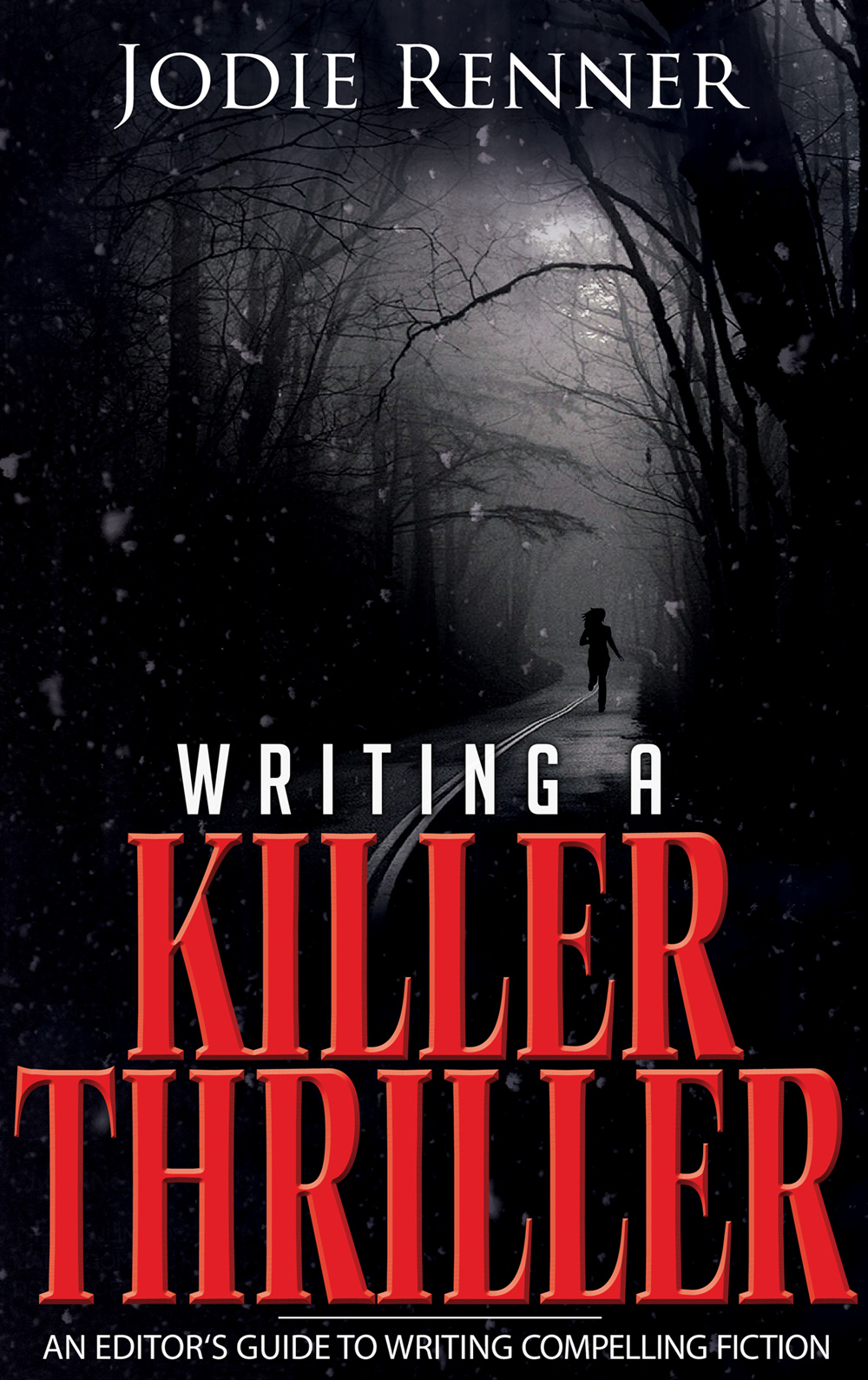
Writing a Killer Thriller_May '13Here’s a handy checklist for ratcheting up the tension and suspense of your novel or short story. Use as many of these elements and devices as possible to increase the “wow” factor of your fiction. …

~ Phrasing for Immediacy and Power

Have you ever been engrossed in a novel, reading along, when you hit a blip that made you go “huh?” or “why?” for a nanosecond? Then you had to reread the sentence to figure out what’s going on? Often, it’s because actions are written in a jumbled-up or reversed order, rather than the order they occurred. Do this too often, and your readers will start getting annoyed. …

~ Immerse Your Readers with Sensory Details

… In order for your story and characters to come to life on the page, your readers need to be able see what the main character is seeing, hear what he’s hearing, and smell, taste and feel along with him. …

~ Don’t Stop the Story to Introduce Each Character

Imagine you’ve just met someone for the first time, and after saying hello, they corral you and go into a long monologue about their childhood, upbringing, education, careers, relationships, plans, etc. You keep nodding as you glance around furtively, trying to figure out how to extricate yourself from this self-centered boor. You don’t even know this person, so why would you care about all these details at this point? …

~ 10 Ways to Add Depth to Your Scenes

… Besides advancing the storyline, scenes should: reveal and deepen characters and their relationships; show setting details; provide any necessary background info (in a natural way, organic to the story); add tension and conflict; hint at dangers and intrigue to come; and generally enhance the overall tone and mood of your story. …
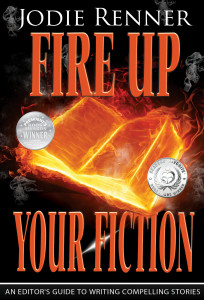
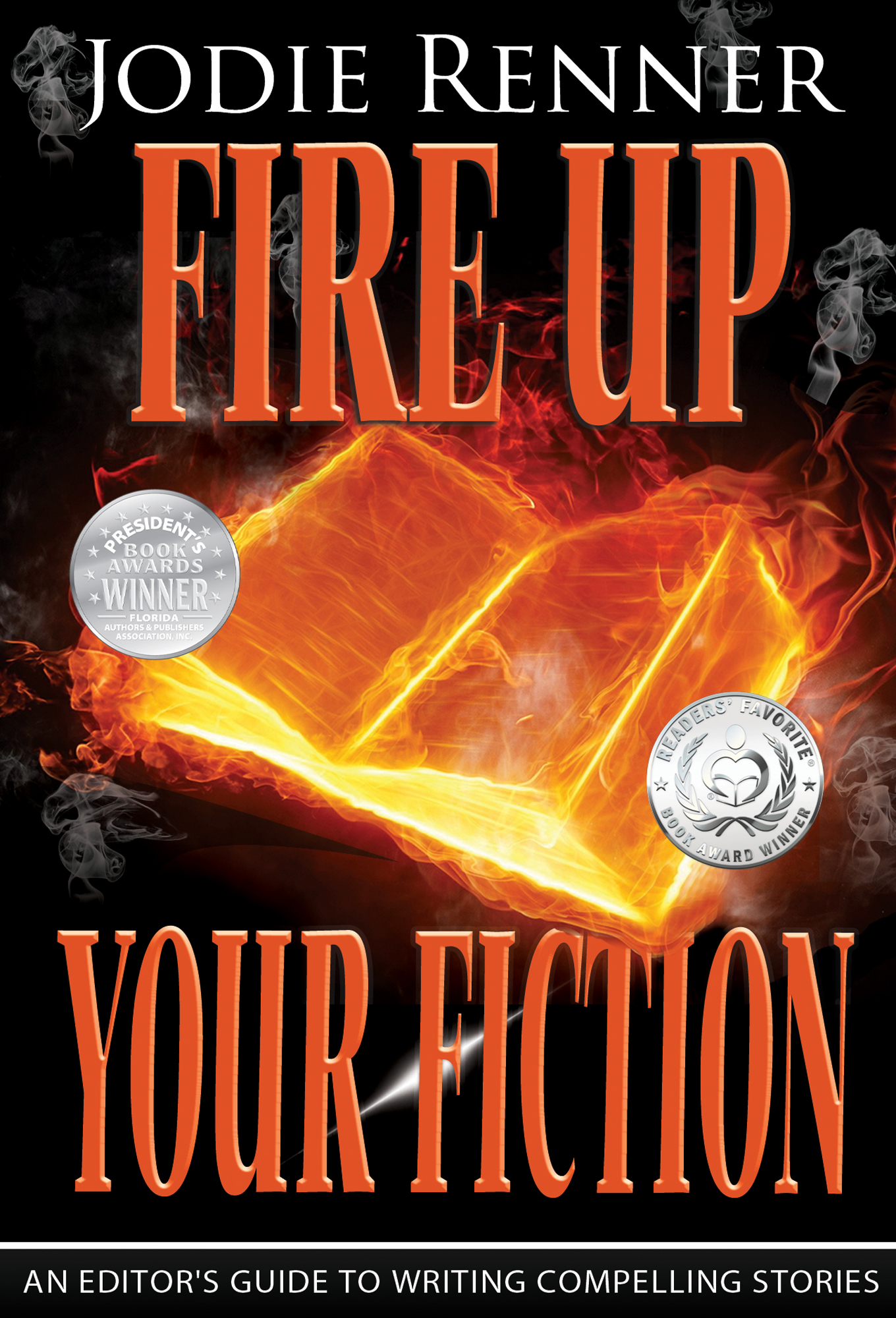
Fire up Your Fiction_ebook_2 silvers~ Using Thought-Reactions to Add Attitude & Immediacy

… Showing your character’s immediate thought-reactions is a great way to let the readers in on what your character is really thinking about what’s going on, how they’re reacting inside, often in contrast to how they’re acting outwardly. …

~ Fire up Your Fiction with Foreshadowing

… Foreshadowing is about sprinkling in subtle little hints and clues as you go along about possible revelations, complications, and trouble to come. It incites curiosity, anticipation, and worry in the readers, which is exactly what you want. …

~ Nail it with Just the Right Word

To set the mood of a scene in your story, bring the characters to life, and engage readers in their world and their plight, it’s critical to choose just the right nuance of meaning to fit the character, action, and situation. …

~ Looking for an editor? Check them out very carefully!

An incident happened to me recently that got me thinking about all the pitfalls that aspiring authors face today when seeking professional assistance to get their books polished and ready to self-publish or send to agents. …

~ Tips for Loosening up Your Writing

As a freelance editor, I’ve received fiction manuscripts from lots of professionals, and for many of these clients, whose report-writing skills are well-researched, accurate and precise, my editing often focuses on helping them relax their overly correct writing style.
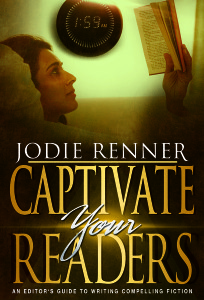
Captivate Your Readers_med~ How to save a bundle on editing costs – without sacrificing quality

below you’ll find lots of advice for significantly reducing your editing costs, with additional links at the end to concrete tips for approaching the revision process and for reducing your word count without losing any of the good stuff.  …

~ Pick up the Pace for a Real Page-Turner

… Today’s readers have shorter attention spans and so many more books to choose from. Most of them/us don’t have the time or patience for the lengthy descriptive passages, long, convoluted “literary” sentences, detailed technical explanations, author asides, soap-boxing, or the leisurely pacing of fiction of 100 years ago. …

~ 15 Questions for Your Beta Readers – And to Focus Your Own Revisions

…To avoid generic (and generally useless) responses like “I liked it,” “It was good,” or “It was okay,” it’s best to guide your volunteer readers with specific questions. …

~ Dialogue Nuts & Bolts

The basics of writing dialogue in fiction: paragraphing, punctuation, capitalization, etc.

~ 12 Essential Steps from Story Idea to Publish-Ready Novel

… If you want your novel, novella, or short story to intrigue readers and garner great reviews, use these 12 steps to guide you along at each phase of the process: …

~ 12 Tips for Writing Blog Posts That Get Noticed

Blogging is a great way to build a community feeling, connect with readers and writers, and get your books noticed. …But if you’re just getting started in the world of blogging and want to build a following, it’s all about offering the readers value in an open, accessible style and format.

~ Creating a Scene Outline for Your Novel

… The outline below will help you organize your scenes and decide if any of them need to be moved, revised, amped up, or cut. …

~ 25 Tips for Writing a Winning Short Story

Writing short stories is a great way to test the waters of fiction without making a huge commitment, or to experiment with different genres, characters, settings, and voices. And due to the rise in e-books and e-magazines, length is no longer an issue for publication, so there’s a growing market for short fiction. …

Three articles on point of view in fiction, with an emphasis on close third-person viewpoint (deep POV). Includes examples.

~ POV 101: Get into Your Protagonist’s Head and Stay There (for most of the novel)

~ POV 102 – How to Avoid Head-Hopping

~ POV 103 – Engage Your Readers with Deep Point of View

 ~ Basic Formatting of Your Manuscript (Formatting 101)

How to format your manuscript before sending it to an editor or publishing.
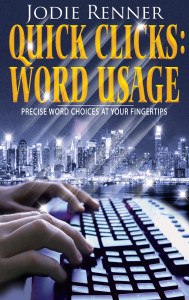
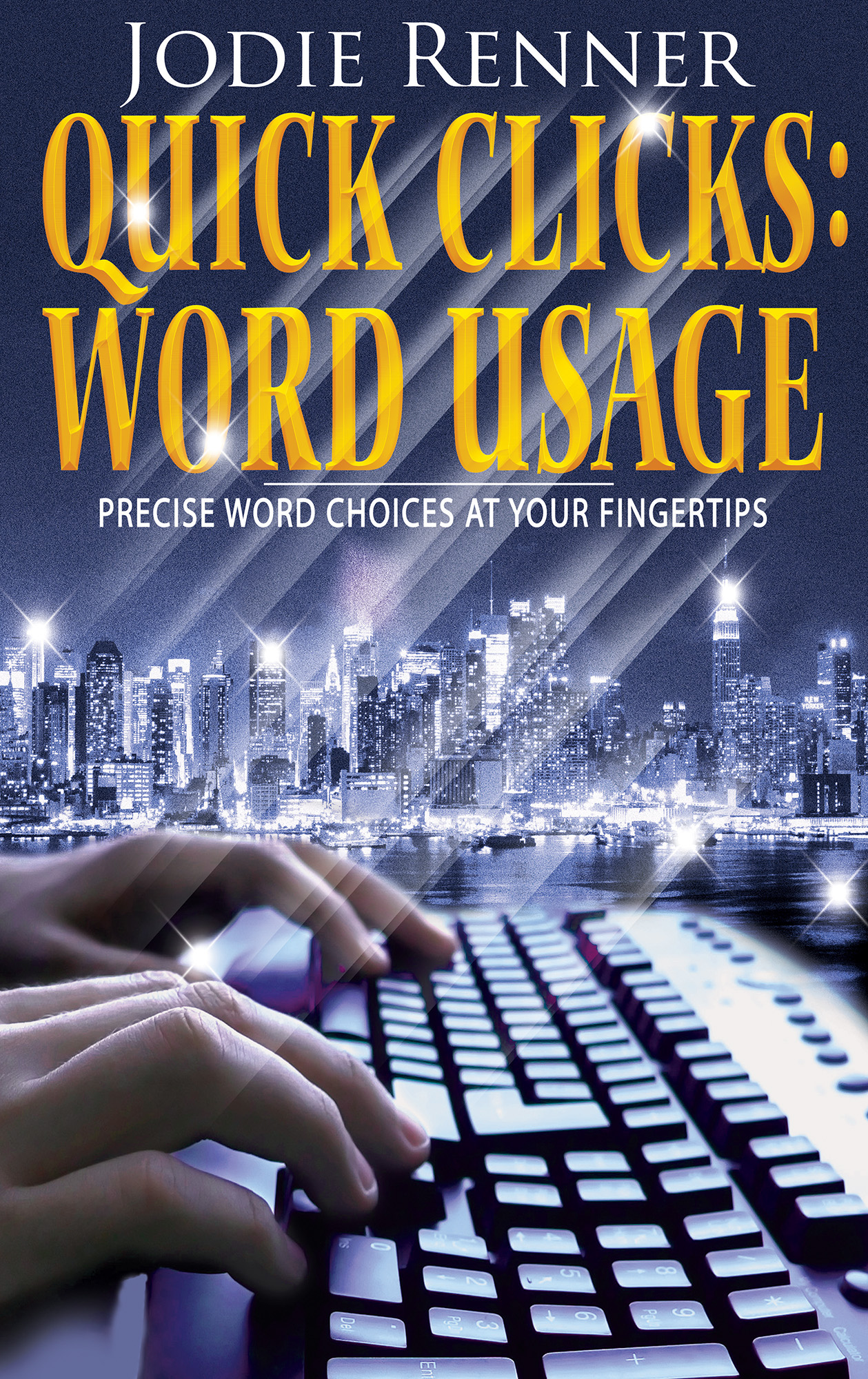
Quick Clicks_Word Usage_Precise Choices~ Just the Right Word is Only a Click Away

How are your word usage and spelling skills? Try this quiz to find out.  …

~ Tricks and Tips for Catching All Those Little Typos in Your Own Work

Tips for fooling your brain into thinking your story is something new, something you need to read critically and revise ruthlessly before it reaches the demanding eyes of a literary agent, acquiring editor, contest judge, or picky reviewer.

~ Don’t Muddle Your Message

… Wordiness muddles your message, slows down the momentum, and drags an anchor through the forward movement of your story. It also reduces tension, anticipation, and intrigue, all essential for keeping readers glued to your book. …

~ How to Reach More Readers with Your Writing

15 tips for clear, concise, powerful writing.

~ Make Sure Your Characters Act in Character

Do your characters’ decisions and actions seem realistic and authentic? …

~ Create a Fascinating, Believable Antagonist

For a riveting story, be sure to challenge your hero – or heroine – to the max. …

~ How are short stories evaluated for publication or awards?

What are some of the common criteria used by publications and contests when evaluating short story submissions?

~ Critical Scenes Need Nail-Biting Details

… for significant scenes where your character is trying to escape confinement or otherwise fight for his life, be sure you don’t skip over the details. If it’s a life-or-death moment, show every tiny movement, thought, and action. …

I look forward to connecting with you all again here, as well as on Facebook and Twitter — and maybe at some writers’ conferences! Keep on writing!

Jodie Renner, a former English teacher and school librarian with a master’s degree, is a freelance fiction editor and the award-winning author of three craft-of-writing guides in her series An Editor’s Guide to Writing Compelling Fiction: Captivate Your Readers, Fire up Your Fiction, and Writing a Killer Thriller. She has also published two clickable time-saving e-resources to date: Quick Clicks: Spelling List and Quick Clicks: Word Usage. You can find Jodie at www.JodieRenner.com, her blog, http://jodierennerediting.blogspot.com/, and on Facebook.