
 By Elaine Viets
I was listening to a talk radio show when I heard something like this:
“You’ve given us a lot to unpack here, Bill,” the host said. “Destructive weather events are becoming the new normal in these uncertain times.”
The guest blathered, “Yes, we’re all in this – ”
No! I switched off the radio before he finished saying, “We’re all in this together.”
I’ve learned to live with many of the old cliches and misused words. I no longer cringe when someone says, “Irregardless.”
But these uh, uncertain times have spawned a new and even more annoying crop of cliches. They’re infesting our language like termites. My husband Don is tired of listening to me gripe. But I can tell you, can’t I, dear reader?
Here is my list of words and phrases I’d like to see banned. I hope they don’t creep into our conversation – or worse, our writing.

UNPACK. Usually suitcases are unpacked – we remove the contents and put them away. But lately unpack has been used in another way: to consider, to analyze, to reveal. Webster says that use is legit, but it rubs me the wrong way. Never mind that Shakespeare himself used it, during Hamlet’s rant (uh, soliloquy):
Why, what an ass am I! This is most brave,
That I, the son of a dear father murder’d,
Prompted to my revenge by heaven and hell,
Must, like a whore, unpack my heart with words,
And fall a-cursing, like a very drab

PROCESS. After you unpack something, you need time to process it. “After my mother died, it took a long time to process her death.” What the heck? Are you a computer?
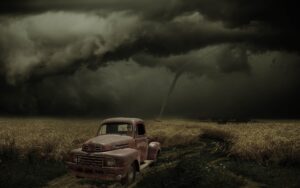
EVENT. Here’s another one that gets me. A tornado trashes an entire town, killing innocent people and destroying their homes. And what does the media call it? “A weather event.”
Why? Do you sell tickets to a tornado?
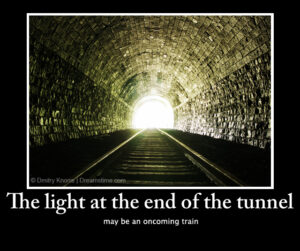
LIGHT AT THE END OF THE TUNNEL. Something we’re not seeing these days, but the media keeps saying it’s there. This phrase has been around for maybe two hundred years. Some sources say it goes back to the 1800s and was used “in a letter by English novelist George Eliot.” John F. Kennedy made it popular in the mid-1960s when he talked about Vietnam. The phrase can be either one of hope – or despair.
GIVE 110 PERCENT. Mostly said by corporate types. Can you folks even add?

BAD OPTICS. PR speak for “this looks bad.” For instance, “Widgets Inc. cut ties with their foreign supplier when they found out the supplier used child labor.” Did Widgets care about those toiling tots? Heck no. But they were worried what their customers would think.
EVERYTHING HAPPENS FOR A REASON. Usually said after some especially senseless tragedy. Often followed by another favorite phrase: “thoughts and prayers.”
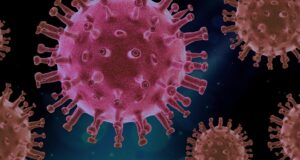
Covid has spawned a crop of cliches:

IN THESE UNCERTAIN TIMES. A euphemism for “in these hopelessly screwed-up times.” And unless we’re fortune tellers, almost all times are uncertain. We can’t see the future.

IT IS WHAT IT IS. A mental shrug. An annoying way of saying, “I don’t want to do anything about it.” Politicians as far back as George Bush have used it and it’s the favorite excuse in sports. Your Dictionary says, one famous example was when the coach of the US hockey team at the 2006 Winter Olympics excused his team’s “lack of rest by saying, ‘We’re going to do the best that we can. It is what it is.’”
If it will make you feel any better, other languages also have versions of this, according to Your Dictionary: “In Persian, ‘Fihi Ma Fihi’ means the same thing and was the title of a famous work by Rumi, a 13th century writer. In Spanish, the phrase ‘Que será, será’ means ‘what will be, will be.’ This is a somewhat more optimistic twist on the idea.” Doris Day made that phrase into a song.
 LESS THAN. In mathematics it means smaller. Four is less than six. But the term is less than satisfactory when it strays in to everyday language. It’s wrong to make people feel “less than.” Less than what?
LIVING MY BEST LIFE. Oh? You get more than one? Lucky you. Like it or not, I’m already living my best life – now.
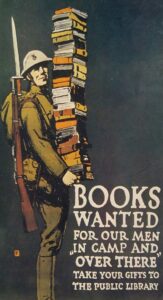 NEW NORMAL. The new normal not only isn’t normal, it’s not even new. Wikipedia, for heaven’s sake, points out that every time we have a major crisis, we dig up that term and dust it off. It seems to have appeared the first time in 1918, right after World War I. Henry A. Wise Wood spelled it out for us: “How shall we pass from war to the new normal with the least jar, in the shortest time? In that respect should the new normal be shaped to differ from the old?”
Pundits have been working variations on that theme after the 1990s Dot-Com Bubble, the financial crisis of 2007-2008, September 11 attacks, the aftermath of the 2008–2012 global recession, and now – the COVID-19 pandemic.
“The New Normal” was a TV show and country singer Cooper Alan even has a love song called “New Normal.” https://www.youtube.com/watch?v=poBwXChcvCY
So which words or phrases are driving you nuts in these . . .um . . .difficult times? Go ahead. You can tell us.
**********************************************************************
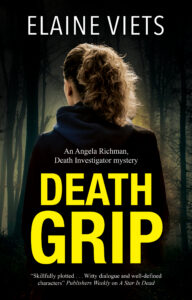 Now out! DEATH GRIP, my new Angela Richman, Death Investigator mystery. Kirkus magazine says, “Viets produces chills with a murder hunt turned on its head.” Buy it here: https://tinyurl.com/ya9q9tfm
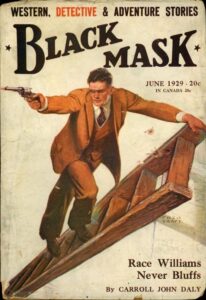 Would there be a Mike Romeo without Race Williams?
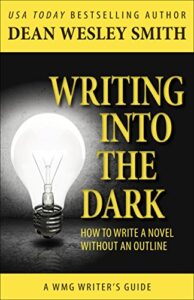
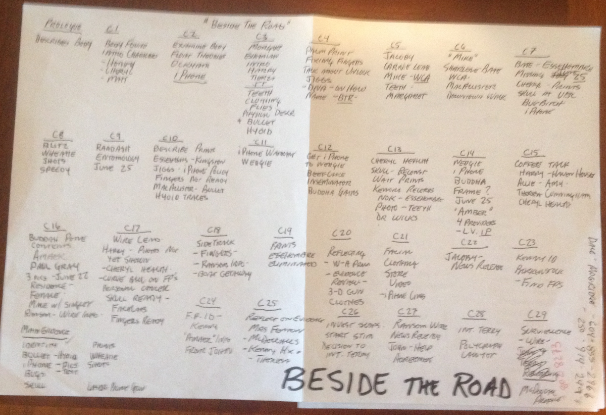
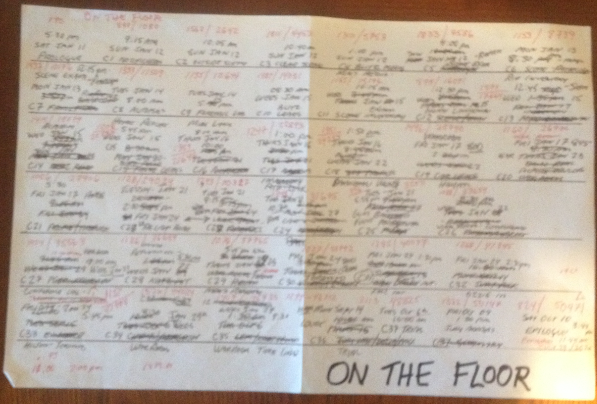
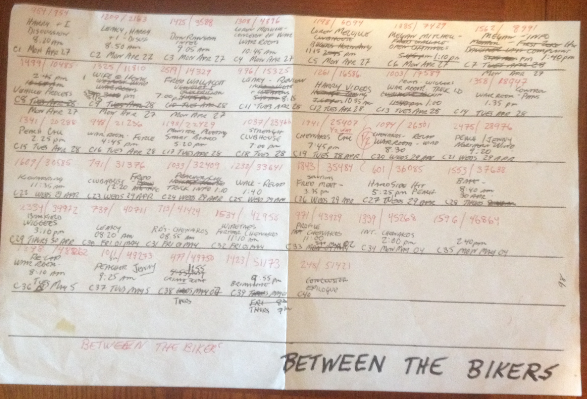
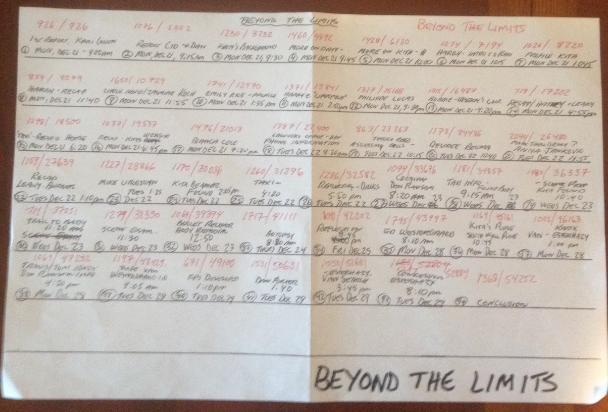
 Besides reading Writing Into The Dark, I watched a video presentation Dean gave to a writers conference about his process. I also read an insightful interview with him, and I’ll snip some conversation from them. I feel Dean Wesley Smith is a master of dark writing technique (He’s written hundreds upon hundreds of books and pieces) so I’ll let him have a few words right here on the Kill Zone stage.
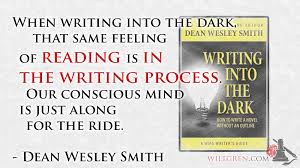 I know there’s a lot of truth in Dean’s words because dark writing is working for me. I outlined the ever-living sh*t out of my first novel. It was planned like the D-Day Invasion of Normandy. Slowly—over time—I loosened up a bit. But things changed, big time, when I spent two years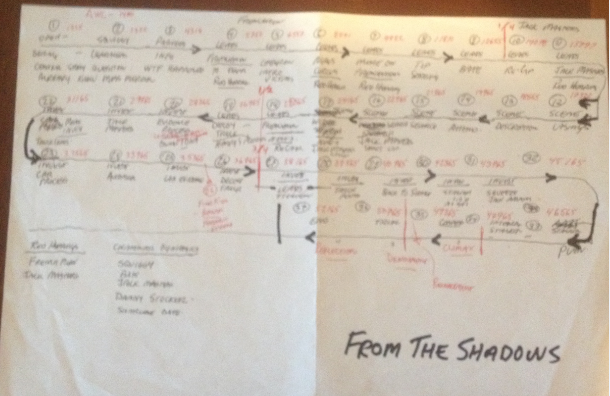

 Garry Rodgers is a retired homicide detective—an old murder cop—who went on to another career as a coroner handling forensic death investigations. Now, Garry’s returned from the bowels of the morgue and arose as an internationally bestselling crime writer. True story & he’s sticking to it.
 An extreme example: A long time ago, in one of my first critique groups, one author’s character was an activist, giving speeches all over the country. The author had done a good job of writing the speech and the readers ‘heard’ it all on the page (or several pages, as I recall). But then, when the character made the next stop, the author repeated the entire speech verbatim. You can imagine that by the third or fourth delivery of the speech, the reader was tuning out. Now, the author was also adding some new material to the speech, but would the reader stick with it to get to the end of the already way-too-familiar territory to see what was added? Probably not. The group suggested that the only thing the author needed to show was the new stuff.

 When four women separated by tragedy reunite at a lakeside Montana lodge, murder forces them to confront everything they thought they knew about the terrifying accident that tore them apart, in Agatha Award-winning author Alicia Beckman’s suspense debut.