New York Times bestsellers. Pulitzer Prize nominees and winners. Man Booker short-listed books and winners. Books taught in high schools and colleges. And books fresh off those coveted “Best of” lists.
I want all these honors for my novels.
But what do these literary successes have in common?
Cliches.
Cliches that would embarrass novice novelists.
For a project for The Pudding, an online magazine, Erin Davis “selected 2,000 books spanning Pulitzer-winning classics to pulpy bestsellers (getting myself banned from the library—twice) and ran them through a parser that identified sentences mentioning body parts. I then extracted the owner of the body parts and any adjectives describing them.”
Her results should put every writer on alert. We’re cranking out cliches.
Here are some of Erin Davis’ findings:
“Hair is twice as likely to be mentioned for women characters than for men . . . society values different things about men and women. For example, there is a long literary, historical, and cultural tradition of valuing a woman’s hair: the Bible calls hair a woman’s crowning glory.
“In other cases, that gaze is more lascivious,” Davis writes. “Consider this litany of woman-skewed body parts: hip, belly, waist, and thigh.”
But when it comes to men, we writers typically – stereotypically, to be exact – describe men’s strength and power. “Body parts such as fist, knuckles, chest, and jaw sketch an image of a commanding and intimidating presence,” Davis says, “as empty of nuance as the soft, sexy image of women.”
Women’s faces are eight times more likely to be “lovely” or “pretty.” Men are plain old “handsome.”
Female bodies are more likely to be “naked,” “young” and “slender.” Men are sixteen times more likely to be described as “powerful.”
Women’s legs are bare and long – especially long. Sorry, guys. Your gams are simply “hairy,” a pedestrian description, if you’ll pardon the pun, and a great offense. I live near the beach, and can testify that many men have shapely bare legs.
As for shoulders, once again, the ladies are nekkid and “white.” Men’s shoulders are “heavy” and “broad.” What a shame those hunky male shoulders are covered up.
And women’s skin? Alas, it’s not much different than our shoulders: it’s described as “white,” “pale,” “smooth,” or “dark.” Men’s skin is reduced to either “black” or “yellow.” Fortunately, both sexes have “warm” skin.
What this project shows is how many authors rely on lazy writing. When our fingers are flying over the keys, it’s easy to grab a reliable cliche. Everyone does that.
Here’s my favorite paragraph from Davis’ article: “In real life, women are obviously more dimensional than soft, sexual objects. Men are more complex than muscular lunkheads. We should expect that same nuance of the characters in the books we read.”
If we’re interested in more thoughtful descriptions of lovers for our novels, check your family photos. Remember the relatives who were – or are – madly in love. Are the women all long-haired beauties and the men strong and handsome? Or are there some startling mismatches.
Consider your sizzling hot Aunt Anna who married geeky Uncle Walter, the guy with the weak chin. They’re still living happily ever after. And what about sexy Cousin Jack? Why did he fall for flat-chested Verna, with the thick glasses and bird legs? Why are they still in love twenty-five years later?
For strong women, I give your Rosie the Riveter, who inspired World War II women to work in factories and help their country. Here’s one Rosie, her crowning glory wrapped in a red bandana, working on an aircraft.
Norman Rockwell’s Rosie is eating a sandwich. She may have white shoulders, but her bare arms are definitely muscular.
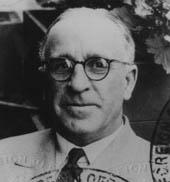
As for strong men, here’s a hero who defies the standard cliches: the British spy Frank Foley.
Frank was short, pot-bellied, and wore owlish glasses. He looked exactly like his cover profession – passport control officer for the British embassy in Berlin. History says, “Foley bent the rules and helped thousands of Jewish families escape from Nazi Germany after Kristallnacht and before the outbreak of the Second World War.”
Forget the James Bond tux. Foley, the quintescential clerk, saved ten thousand people.
Write on – right past the cliches.
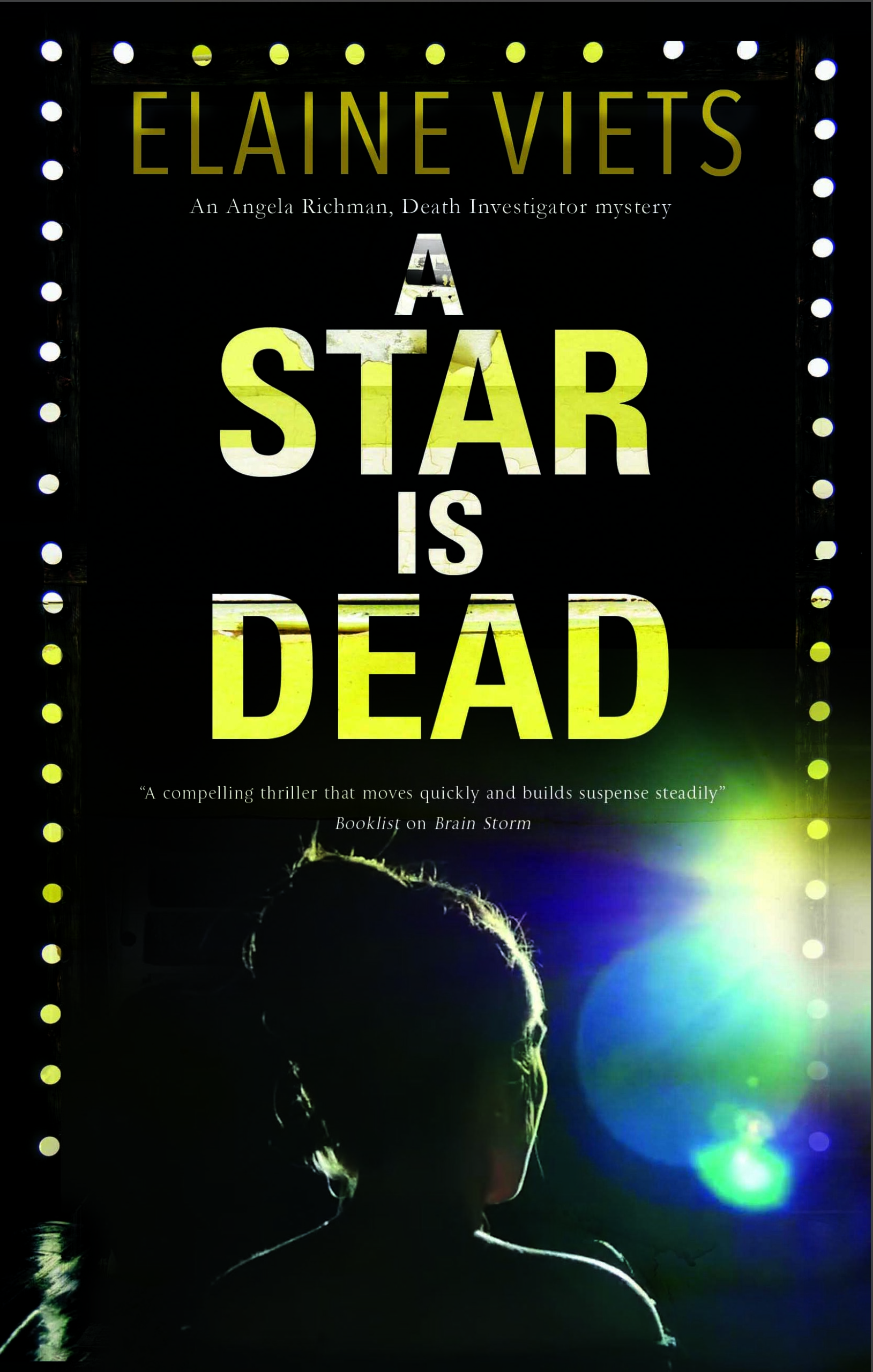
A Star Is Dead, my fourth Angela Richman, Death Investigator mystery, is “skillfully plotted… Witty dialogue and well-defined characters, including plucky and intelligent Angela, lift this wry look at the trappings of celebrity. Fans and newcomers alike will be pleased” – Publishers Weekly. Buy it today: https://tinyurl.com/yc6fnysb
One of the most onerous tasks of this writing gig for me is the review of page proofs. The developmental edit is done, and the copy edits are done, often just a few weeks before the arrival of the final typeset pages. Page proofs provide the absolute final opportunity to catch any errors on the page. The problem for me is that the always arrive when I’m deeply into the flow of the next book–so I’m distracted to begin with–and I just finished reading the damn thing (for the scumpti-fourth time) a few weeks before. The stakes are high, and yet I have a hard time focusing.
Just yesterday, I finished the page proofs for Crimson Phoenix, the first book in my new series featuring Victoria Emerson, an unlikely leader in the aftermath of a devastating attack on the United States. (Pub date: February 23, 2021) It’s about 95,000 words long, and I love it, but I’ve pretty much memorized it. I allotted two days to the page proofs–not much time for me because I am a slow reader.
I’d plowed all the way through and thought I was done last night. I was going to scan the pages and send them back to my publisher this morning, and then, while in the shower, a thought popped into my head from nowhere. Luke’s father couldn’t have died when Luke was a baby. I know that doesn’t make any sense out of context, but the timing I’d set up in the narrative would make much of what follows impossible. Thank heavens I found the error. Readers notice that little stuff.
(SIDEBAR: What is it about showers that triggers creativity? Perhaps it’s just me, but I cannot count the number of times that plot issues have resolved spontaneously under the flow of hot water.)
Back to the error. Here’s the thing: The timing of Luke’s father’s death really has no affirmative impact on the plot. In this case, Victoria is talking to another character about the boys’ father, and she says, “he never got to meet Luke.” That’s it. It’s a throw-away line that could have derailed the entire timeline of the book.
And this isn’t my first time. Some horrible errors have made it all the way into print, thanks to throw-aways. Probably the most egregious in my case occurs in Hostage Zero, the second book in the Jonathan Grave series. Harvey Rodriguez is an important secondary character who suffers from some serious PTSD issues. For the plot to work, he needed to be a former military field medical guy. An Army medic. In a monologue that I’m still very proud of, he expounds on the horrors of fighting in Iraq during the battle for Fallujah. Then, I realized that I’d been an idiot. Fallujah was a Marine Corps operation, not an Army one. No problem. I just changed Army to Marine and made a few other references to the Corps and Semper Fi.
But I didn’t change the word, “medic.” The Marine Corps does not have medics. They have U.S. Navy corpsmen assigned to their operational units. Tens of thousands of copies of the book went out to the world with the phrase “Marine Corps medic” repeated several times. I must have written over 100 letters of apology to Marines and Navy corpsman over the years. Given the audience for that series–and the fact that I grew up a Navy brat who was frequently stitched up by Navy corpsman–the barefoot walk across broken glass is good for me. We were able to change the error in the eBook versions, but there’s no pulling back the print and audio editions.
In Scorpion Strike, there’s a throw-away line where Jesse Montgomery drops his ditty bag into the back seat of his father’s convertible Corvette. My goodness, there are a lot of Corvette owners out there, and many are anxious to inform me that the Corvette has no back seat. Again, that’s on me, but I’m far less embarrassed by that mistake.
Over the years, I’ve noticed that it’s not the stuff you research that bites you. It’s the stuff that you’re sure you know. Or, even more often, it’s the stuff you throw in without thought just to add a little spice to a character or a visual.
What say you, TKZ family? Got any cringe-worthy mistakes you’d like to talk about? C’mon, it’s just between us. . .
Every thing must have a beginning…and that beginning must be linked to something that went before. — Mary Shelley
By PJ Parrish
Writing is nothing but a series of decisions. Some are big. You decide on your basic genre. (I’m going to write a thriller!) You decide on a main character. (She’s going to be a waitress who lost her job, has two kids to feed and her dead-beat ex owes a ton in child care so she decides to track him down and thus learns to be a PI!). You decide on a setting. (I lived in San Francisco once so I’ll try that!)
Then, come all the little decisions. Which really aren’t so little over the course of 300 pages or so. Does she have a friend who can act as confidante? Will there be a romantic interest? What does her voice sounds like — ie is she Southern? A bit profane? Did she go to college? See where I am going with this? Every decision you make affects your story.
But let’s go back to a big decision you’ll have to make really early. One that we here at The Kill Zone deal with all the time with our First Page Critiques. One that can kill your story right from the get-go, if you’re not careful:
WHERE DO I START MY STORY?
I put that in big red neon because I believe it might be, after character, your most important decision. Because if you start too slow, you bore the reader. If you start to fast, you risk looking like a show-off (Yes, I believe you can start too fast). If you start too early, you get a lot of throat-clearing. If you start to late, you can confuse your reader. Think of it this way: You are asking your reader to enter an imaginary world. They will be taking this plunge on blind faith that you, the storyteller, are skillful enough to lead them clearly and that you are sly enough to seduce them into sticking around.
So, where do you start the story? What is your entry point? What door do you open?
I have battled this with every book I have written. Sometimes, rarely, I see the opening scene like a magnificent movie unreeling in my head. But more often, I feel like I am peering into a mist, waiting for the BIG MOMENT to reveal itself. Some beginnings come easy; most come with only the greatest of brain sweat.
In my last post, I talked about how I am taking a hiatus from novel writing. But that doesn’t mean I don’t think about my story. It’s sitting there on the back burner on a slow simmer. I think of it as a nice marinara sauce that is rendering down and will some day be ready to move to the front burner again. I’ve been thinking a lot about my story this week. Thinking that it took me a long time to find the right door into it.
So, let me try to make my point today about WHERE TO BEGIN YOUR STORY by showing you how I screwed mine up. (So yeah, I mislead you — this isn’t a real First Page submission; it’s my own).
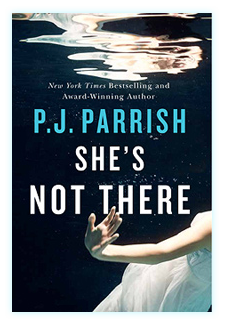
Brief set up: This book is a sequel to our stand alone SHE’S NOT THERE. In the first book, Clay Buchanan, is a skip tracer who’s been hired to find the missing wife of a rich lawyer. The wife, Amelia, was in a car accident that left her with amnesia and she’s on the run because she thinks her husband is trying to kill her. Buchanan was supposed to be a minor cog in the story machine but he proved so compelling that he became a secondary protagonist. His wife and infant son are missing, presumed dead eight years ago, and he was the main suspect. He is haunted by their disappearance. Our editor, and quite a few readers, asked us for a sequel focusing on his backstory. By the way…I love Clay Buchanan. He’s a wounded anti-hero who wants to work his way back to the light.
So, here is the first 400 words of so of Clay’s story:
CHAPTER ONE
He cried when he heard the news. It was rumor mostly, but it came from people he knew and trusted, people with authority and letters after their names. His head told him that it probably wasn’t true, but in his heart…
In his heart, he wanted so much to believe.
She was alive.
Someone had spotted her down in Arkansas. And even though his head was filled with the fuzz of last night’s liquor, he threw a hastily packed bag into his car and headed out into the black Nashville night, not stopping until four hours later when he hit the single blinking traffic light in Brinkley, Arkansas.
These woods was where she supposedly had been last seen –- in a bayou of bleached trees and blue-black water, here in this lonely place that looked as raw as when the world was being born.
Clay Buchanan sat back in the kayak, setting his oar across his knees.
He had been here once before. Ten years. That had been ten years ago.
Why had he returned to this place now? That sighting a decade ago had long ago been discredited.
He closed his eyes and sat as still as he could, even holding his breath, so the softest sounds of the swamp could penetrate his consciousness. But there was nothing except the whisper of the water and the whine of a lone mosquito, and in that huge quiet, his memories moved in with a fierce and fast clarity.
How his heart had quickened when he saw the first reports of the sighting on the news. How the tears had felt hot on his face when he watched the grainy video on the internet. How he had called in sick to Gateway Insurance, saying he wasn’t sure when he would be back to work. And how his wife’s face had looked, waxy in the yellow porch light, as she handed him a thermos of coffee for the trip to Brinkley and told him that she and Gillian would be okay.
His boss didn’t understand. But Rayna always had. Rayna had always understood that his obsession was the only thing that helped him endure his soul-killing job. He could still hear her words that night as he left…
Go chase your ghost, Bucky.
Buchanan let out his breath, long and slow, and opened his eyes.
The ghost bird. That’s what everyone back then called it. Not the experts, of course. To them, it was Campephilus principalis, the ivory-billed woodpecker. But to birders like Buchanan, it was the ghost bird.
____________________
I’m back. Well, there’s some nice stuff in this First Page Submission. It tells me where the story takes place and it’s got a lot of cool atmosphere. But why does it fail? Lots of reasons.
First, the opening line. It’s a come-on. You think I am talking about his missing wife, right? Nope. It’s not his wife. It’s a bird. Clay is an avid birder (bird-watcher to us civilians). He heard about a sighting of the presumed extinct ivory-billed woodpecker and bolted off to see it. I am not playing fair with the reader; it’s a fake, a cheap device. If I were the reader, it would piss me off. Now, when I wrote this, I thought it would be a cool metaphor — you know, dead missing woodpecker that’s called The Ghost Bird. Dead missing wife who Clay sometimes can actually hear talking to him — the ghost wife. Geez…
Second, it’s not very active. Even though Clay is technically doing something — bobbing around a bayou looking for a bird — it has nothing to do with the real story, and thus is a passive false start.
Third, I larded in a graph of backstory about his old insurance job, which surely can wait until I get the story up and moving.
You can see why I didn’t want to go back to this story with any urgency. I had chosen the wrong moment to drop my readers into the story. And in my subconscious writer brain, I knew it stunk. (Always listen to that voice when it speaks, by the way).
It took me a good two months to finally find the right door into Clay’s world. This is second version:
CHAPTER ONE
Someone was following him. He had noticed it a couple miles back, but only because he was so good at tailing cars himself and had never been made.
He couldn’t be sure when the car had picked him up. It was too dark, too rainy, and on this part of the road, there weren’t any streetlights. Just a two-lane asphalt road broken by the occasional gate where at the end of long driveways lights from the big houses glowed like fireflies. It was the kind of road that was lined with white rail fencing to keep the horses in during the day and strangers out at night.
The car hadn’t been behind him when he left his apartment in downtown Nashville. Or maybe it had and he just had missed it. That bothered him. Was he losing his edge?
He slowed to thirty. So did the headlights behind him.
Damn.
The road T-boned just ahead. If the car turned left with him, he’d have to do something. For the first time in months, he thought of the nine-mil Nano he had bought from that kid in Oakland. He wished he hadn’t thrown in San Francisco Bay.
Suddenly, the darkness was split with different lights. Red and blue strobes.
Shit. It was a cop…
The cop hit his take-down lights, blinding Clay Buchanan’s vision in the rearview mirror.
There was a driveway on the right and clay pulled in. The cruiser pulled in behind, stopping about fifteen feet behind and just to the left. Clay didn’t move a muscle, just kept his hands high on the steering wheel. Even though his closed window he could hear the squawk of the cop’s radio, turned up higher for even a routine stop.
But no cop stop was ever really routine. Clay knew that.
He stayed frozen, but he could see the play of the cop’s powerful flashlight as it moved over the rear of the car and into the empty backseat. The cop moved carefully, avoiding silhouetting himself in his own headlights. He stopped just to the rear of the driver’s window. Textbook…no chance of getting knocked down by the push of an opening door. This guy knew his shit.
“Roll down your window, please.”
Clay moved his left hand slowly. The window whirred down. He put his hand back on the wheel.
“License, please. Registration and insurance, too.”
“It’s in my wallet, right front jeans pocket.”
“Get it. Slowly, please.”
Clay couldn’t see the guy’s face, but he caught a glimpse of the round patch on the cop’s rain slicker. Davidson County Sheriff Department. He carefully extracted the license and other cards and held them out. The cop took them, holding holding the license under his flashlight. Then he ran the beam over the truck’s interior, past the three manila folders laying on the passenger seat then stopping on the video camera. Clay hoped the guy didn’t know exactly what he was looking at — an Ultra HD infrared night vision full spectrum camcorder. There was a good reason it was nicknamed the Ghost Hunter.
“Your right tail light is out, sir.”
That couldn’t be what this was about. Clay knew what the cop was seeing – a beat-up Toyota Highlander. The camera, together with the rest of the gear in the trunk, cost more than the car was worth. Maybe it was the truck itself – a crappy heap driving slow in this neighborhood was reason enough for a stop.
The flashlight beam hit him square in the face. Clay squinted, resisting the urge to shield his face with his hand.
“You’re that guy,” the cop said.
What?
The light was blinding.
“You’re that guy who killed his wife.”
______________________
Well, I think it’s better. The whole scene is Clay going out to the deserted road where his wife’s car was found — empty with some blood in the front and the empty baby seat in the back. Earlier that night, the anniversary of his wife’s disappearance, he had what Jim calls his Man in Mirror Moment and has decided to find his dead wife and son.
I could have started Chapter one with that Mirror moment, but that would have meant a lot of passive narrative and backstory. I needed to get him up and moving, DOING instead of THINKING ABOUT DOING. I can weave in the backstory later. I hope I also introduced some intrigue and empathy for Clay by having the cop recognize him. Even now, after ten years, he’s still a marked man.
Anywho, that’s my lesson for the day. The take-away for you guys is: Don’t go to the prom with the first guy who asks you. Sometimes, you have to really be patient and wait for the right MOMENT to open your story.
Be willing to throw crap away.
Be willing to try something completely different.
Be willing to admit you were wrong.
Be willing to kill your darlings. Even if they are ivory-billed woodpeckers. Especially if they are ivory-billed woodpeckers disguised as really ugly metaphors.
Tiny Creatures is a new docuseries on Netflix that’s adorable, suspenseful, and masterfully plotted and paced. To check it out I skipped ahead to Episode 6, which features a raven and a rat. And the storytelling craft blew me away. This episode, along with all the others in the series, provide a detailed roadmap driven by obstacles, misdirection, and conflict. Let’s pull back the curtain and peek behind the scenes.
Even with the “Spoiler Alerts” I still recommend watching the episode. I’ve only concentrated on a few areas of craft, and I don’t point out every instance of where it occurs. The full post still landed at 4564 words. Hence why I’ve broken the post into two parts. See what can happen when you’re high on craft? 😉
Before we get to the deconstruction, check out the trailer.
Deconstruction Part I
“Florida, home to the Everglades. A wild expanse of almost two million acres of wetlands.” (We know where we are, but there’s also a hint of mystery and intrigue. What creatures lurk in the Everglades? And that, is the Central Dramatic Story Question—the cornerstone question at the heart of every story that directly relates to the hero’s conflict. Boom! The writer raised the most important question in the first two lines of the script. Notice s/he never outright poses the question. Rather, s/he implants it in the viewer’s mind.) “Isolated among the Everglades stands a fishing shack, the backdrop of two very different animals whose stories are destined to cross.” (There’s the hook. We need to continue to find out where this leads.)
In flies an impressive raven. (Is he our villain or hero? We’ll keep watching to find out.)
“A raven, a sleek bird with glossy black feathers. Behind this polished appearance, the raven possesses intellect as well as beauty.” The camera zooms in on his size and power (hints that he must be the bad guy). “Lately, the raven’s been keeping an eye on this fishing shack, tracking the movements of the human owner, their habits and routine. He knows when the coast will be clear.”
The raven struts into the fishing shack.
“Ravens are quirky characters and this one is keen to explore. (quirky = surface trait = 1st Dimension of Character) His eyesight, however, isn’t as sharp as his mind (character flaw). He can’t see well in the dark. (obstacle) But this bird is a problem-solver and he has the perfect solution.”
The raven tugs on the wooden knob of the shade, and the shade rolls up. Cascading sunlight bathes the fishing shack in brightness.
“As smart as a chimpanzee, ravens frequently use their brains to exploit the riches of others. Especially humans. (Notice the word choices; the harsh “exploit” and staccato “especially humans” indicates he’s the villain) And this person has many treasures hidden away, safely out of reach.”
The raven flies over to a tackle box.
“But for the raven this is a test of his wits.” (Tension builds) Raven struggles to break into the tackle box (conflict). “And he does what ravens do best—he improvises.” (problem-solver = psychological trait stemming from past experience, upbringing, emotional scars, memories, etc. = 2nd Dimension of Character. We’re beginning to better understand the raven.)
Using a hook-shaped tool, the raven breaks into the tackle box to get at some sort of bait scattered across the bottom of the middle drawer. Clearly, the raven is burglarizing this shack to suit he needs. (Burglar = antagonist. Or could he be an anti-hero? We’re still not sure, which forces us to keep watching.)
Camera pans out to the Everglades and the narrator offers more details about the area. “The water is also home to an assortment of wildlife. Unlike the raven, some animals strive for a simple existence.” (A sprinkle of backstory. More importantly, this is the setup to introduce our tiny hero).
Enter stage left: an adorable rat doggy paddles across the water. (cuteness = surface trait = 1st Dimension of Character)
(Side note: If you’re not a lover of rats, I get it. I wasn’t either. But by the end of this story, you will fall in love with this little rat.And that, ladies and gents, is what characterization is all about.)
“After a busy night exploring, this drowned rat is traveling home to rest (relatable + we empathize with our tiny hero). Each night she swims from bank to bank to see what she can forage. Just like humans, not all rats are natural swimmers (our hero has a superpower). Those rats who have mastered the art can swim over a mile in one go. With her small frame and streamlined body, she’s a natural, moving effortlessly through the water.” (What other superpowers might she possess? Curiosity and empathy keeps us watching.)
Our tiny hero reaches a drainpipe and climbs inside.
“This is a familiar and safe route. Not many predators can follow her through these narrow tunnels. It was her swimming agility which brought her to this hidden route to her home.” (backstory dribbled in to drive the plot) Our tiny hero crawls farther through the drainpipe. “A light at the end of the tunnel signifies her final hurdle.” <cue dramatic music> She plunges into a U-shaped drain (tension builds). “One that relies on her ability to hold her breath and stay submerged for up to three minutes.” (determination = psychological trait = 2nd Dimension of Character) “A rather unconventional way of entering her home in the fishing shack.” (setup of 2nd Pinch Point)
Up pops our tiny hero from the toilet.
“Now soaked to the bone, she carries an extra 5% of her body weight in water. If her fur stays wet for too long, she’s at risk for hyperthermia. (more conflict + character flaw) Using the equivalent of nature’s hairdryer to dry off, she adopts an alternative approach.”
<cue dramatic music and slow-motion camera> Our tiny hero twists and shakes her body 18 times per second, loose water spraying in all directions.
“It’s an efficient if not slightly messy approach. Within just four seconds, she’s removed 70% of the water droplets.” She climbs down off the toilet seat and into the main room of the fishing shack. “Unbeknown to the rat, however, there’s a trespasser inside her home.” (First hint of trouble.) <cue dangerous music as the camera narrows on the raven> “And the normal serenity of the shack is swiftly broken.” (Inciting Incident)
Wings outstretched, the raven squawks.
“The presence of the rat irritates the raven. He could easily kill this rodent. But he has other ideas.” (Because we’ve bonded with our hero — the under-rat, if you will — we fear for her safety. There’s no way we’ll stop watching.) Loud screeches from the raven combined with a penetrating glare startle our tiny hero. “Ravens are one of the few bird species that like to play. And the rat is the unfortunate victim of its game . . . and her tale is a tempting target.”
Raven swan-dives off a nearby table—straight at our hero. The chase is on! (1st Plot Point lands at 20-25% — perfect)
<dramatic music enhances the terror> “Fleeing this terrifying predator, the rat seeks sanctuary where she can.” Each time the raven misses our hero by mere millimeters. Camera closes in on the raven’s opened beak, massive black wings, and powerful physique. “This game is a little one-sided.” (And now, we’re certain Raven is the formidable villain.)
Our tiny hero scampers into a hole in the side of a cardboard box. “The raven uses its sharp beak to poke and probe.” (Notice the hard-sounding word choices “poke” & “probe” which only solidifies our theory about the raven) Raven leaps on top of the box, tears at the old packing tape. (Stakes are raised. If our hero doesn’t escape, she could die!)
“But the rat’s size and agility gives her the edge into some unusual terrain. She ceases her opportunity and makes a dash for it. She squeezes through a one-inch gap, leaving the raven still pecking.”
When our tiny hero races across the floor, Raven is right on her heels. But in the mad dash he knocks over a bottle. Liquid leaks out its spout (foreshadows danger + setup of climax).
“Distracted by the chase, the raven loses track of time.”
Outside the shack, a boat docks at the pier. “The fisherman arrives back at the shack, seeking shelter from the midday sun. But for some, the heat of the sun’s rays are welcome to warm, cold blood.” A menacing-looking iguana sunbathes atop a large rock on the porch, and we learn more about him, including his voracious appetite. (This spattering of backstory raises the stakes even higher while conjuring more story questions: Will our hero need to fight the iguana, too?)
Camera cuts back to the raven whose sharp talons pin down a burlap sack. Underneath, our tiny hero struggles to break free.
“The fisherman returns from a long but successful day on the water.” He unloads his gear and clomps toward the front door. “He is unaware of the raven’s game that is still taking place in the shack.”
Cameras cuts back to inside, where our hero whimpers as she tries to flee from the massive raven. (Conflict, tension, action, and rising stakes, combined with rotating motivation/reaction units, along with solid characterization and story questions—questions that must be answered—and the viewer’s breathless with anticipation. We cannot look away.)
“The noise of the fisherman alerts the raven. Realizing the human has returned, the game with the rat is no longer of interest to him”—he soars toward the window— “as the raven spots a more appealing opportunity outside.”
Camera zooms in on bait in a three-gallon bucket.
“Luckily, the pause in the chase allows the rat to escape to her bed.” Our tiny hero careens into an old boot (allowing viewers a moment to catch their breath = smart pacing).
“For the raven, it seems there are bigger fish to fry.”
Camera captures the raven lickin’ his chops as he stares out the window at the bucket (menacing appearance = surface trait = 1st Dimension of Character). Raven climbs out the window and stalks the ledge to the front corner of the fishing shack. When the fisherman enters the shack, he seizes the opportunity to raid the bait.
While we watch the raven feast, the narrator offers us a few more fascinating details. “With no teeth, the raven pecks at the food, swallowing whole the more manageable pieces.” (These tidbits allow us to better understand the raven, and to envision what he might do to our sweet hero.)
Little Miss Rat emerges from the boot. The camera flashes outside to the iguana, increasing the tension of the scene. Our tiny hero could be up against two villains! (raises the stakes even higher)
“Capable of smelling food from a mile away, the scent of fish entices the rat to leave her hiding place. Similar to ravens, rats are not choosy to what they eat (similar character flaws). There’s more than enough food here for both of them.”
Our innocent hero totters up to the bait bucket. Glowering, Raven towers the rat, his talons latched onto the rim.
“Though still leery of the raven, she hopes this distraction will allow her to break cover and grab a quick bite, unnoticed. But the beady-eyed raven hasn’t learned the art of sharing.”
Raven squawks (motivation), which wakes the sleeping iguana (reaction). Our tiny hero runs and hides, leaving the two bad guys to square off. (tension mounts)
“Woken by the commotion from the raven, this sensitive lizard doesn’t hesitate. Its instinctive reaction is to run.” But when the iguana charges (motivation), the raven leaps off the bucket (reaction) and the bait splatters across the porch. The iguana escapes into the surrounding landscape. “In a flash, it’s gone.”
But the fisherman hears the crash from inside and peers out the window. Raven makes a mad dash to gobble up as much bait as he can swallow.
The narrator hits us with this as a clever misdirect: “Ravens can learn to either like or dislike a person, depending on how they’re treated. And they never forget a face.”
Da, nah, nah. <cue dangerous music>
The fisherman storms outside with a broom. (Now it looks like the human might be the real antagonist of the story. Is the raven an anti-hero? But if that’s true, then why does he keep tormenting an innocent rat? Raising story questions forces us to keep watching.)
Broom in hand, the fisherman chases the raven across the porch, screaming and yelling, and we watch this play out in silhouette through the window (1st Pinch Point, perfectly placed at 37.5%).
With the raven gone, our tiny hero can finally rest. <cue sweet music>
“Both the rat and the raven are blissfully unaware of the danger being constructed outside (This line subtly signals that they are, in fact, dual protagonists). Humans also hold grudges. And the raven’s actions have consequences.” (The fisherman sure looks like the real villain now, doesn’t he? Just when one answer is revealed, the writer raises another story question. How will the human punish the raven?)
On the porch sits a wired trap baited with fish. Our tiny hero is sleeping soundly in her boot when she’s awakened by the raven screeching outside.
“Trapped and outsmarted by the fisherman, the raven calls for help.” Poor Raven is caught in the trap (gaining empathy for our anti-hero).
The camera pans over to our sweet rat emerging from the safety of her bed.
“A social animal, the rat can sense the raven’s distress. Unnerved by the calls for help, her instinct draws her to the raven. (instinct = inner trait = 2nd Dimension of Character) Arriving to see the trapped bird, a sense of empathy washes over the rat. (compassion = inner trait = 2nd Dimension of Character) She approaches cautiously. She has not forgotten the raven’s torment yesterday.”
The raven and the rat gaze into each other’s eyes (this Mirror Moment bonds the two heroes).
Camera closes in on our tiny hero’s sweet face. “Her sense of compassion overrides her concern.” In a bold move, she climbs up on the door of the trap and gnaws on the rope securing the top of the door to the metal bars (the act of facing her fears = 3rd Dimension of character, her true character). “Equipped with super strong teeth, rats are capable of chewing through concrete, glass, and even metal. Although not quite as a clever as the raven, rats are super smart. (yes, the repetition is a writing tic, but it’s invisible to the viewer due to the high tension & action. See what good plotting and three-dimensional characters can mask?) Unsure of when the fisherman will return, the rat works as quickly as she can to gnaw through the rope.”
The rope falls to the deck boards and our tiny hero drags open the door, freeing the raven. <cue dramatic music> (Midpoint Shift, perfectly placed at 50%.)
Raven cocks his head and stares at the rat. “The raven is puzzled by the rat’s action, but grateful nonetheless.” He leaps into the sky. (story question: will they meet again?)
The fisherman returns from an early morning outing, and the raven calls out to warn the rat to get out of sight (his actions/behavior = 3rd Dimension of Character, his true character). Our tiny hero scurries back into the shack as the fisherman examines his busted trap on the front porch.
As our tiny hero curls into her boot home, the camera pans out to the surrounding area. “The Everglades are home to many animals.” Camera closes in on an alligator. “The American alligator is a keystone species crucial to the health and wellbeing of the ecosystem.” (red herring to get our blood pumping—more tension builds + more story questions. Will our heroes soon face this beast?)
Of special note for Part I: Through characterization, did you notice how the writer periodically forced the viewer (reader) to change their perception of the hero, anti-hero, and almost every villain we’ve encountered so far? Storytelling at its finest, folks.
Is it too late in the day, too quaint a notion, to revive an idea of social deportment your grandmother called being nice?
We all know social media is an unavoidable part of a writer’s branding and marketing. But we also know that the Sturm und Drang of contemporary culture and interchange is rife with anger, hate, bile, vituperation, ridicule, and scorn—and that’s on a good day.
There are many reasons to avoid becoming part of the hatestream, not the least of which is that it can mess you up mentally. People get addicted to hate and the Dopamine rush of spewing it. Day after month after year of that will shrivel a soul as surely as meth shrivels the brain.
These thoughts crossed my mind recently as I perused a book published in 1899. I get daily alerts from Gutenberg.org, the site that churns out ebook editions of public domain works. If I see a title that intrigues me, I’ll have a look. One such title was Twentieth Century Culture and Deportment by Maude C. Cook. Turned out to be a big tome on etiquette. And what is etiquette but rules of behavior that keep us from being boors, jerks, haters, and dopes?
You decide. Here’s a sampling:
Learn to govern yourself and to be gentle and patient.
Guard your temper, especially in seasons of ill-health, irritation, and trouble, and soften it by a sense of your own shortcomings and errors.
Never speak or act in anger.
Remember that, valuable as is the gift of speech, silence is often more valuable.
Do not expect too much from others, but forbear and forgive, as you desire forbearance and forgiveness yourself.
Never retort a sharp or angry word. It is the second word that makes the quarrel.
Beware of the first disagreement.
Learn to speak in a gentle tone of voice.
Learn to say kind and pleasant things when opportunity offers.
Study the characters of those with whom you come in contact, and sympathize with them in all their troubles, however small.
Think social media would be a tad different in tone if people took the above advice? More:
Never permit yourself to be drawn into an argument in general society. Nothing can be more provocative of anger on one side or another, or more destructive to conversation, than a lengthy and, too often, bitter argument. Good breeding would suggest that the subject be changed at once before the controversy becomes heated. Especially should any debate upon politics or religion be avoided as subjects upon which two seldom agree, but which are so close to the hearts of the majority as to cause serious annoyance if their pet beliefs are touched upon or questioned. Be careful, also, not to take the opposite side of every question that is brought up in conversation.
All this to say I know myself well enough to know I can too easily get sucked into a heated exchange. So I avoid them, especially on social media, which is the worst place on Earth to have a rational discussion on anything controversial. It is easier to be a balloon in a knife throwing contest.
So…be nice.
And just because I want to help, here’s some further advice from the book. Pass this along to your sons and daughters.
Romantic advice for women:
As to temper or disposition, the woman can easily gain some insight into the respective peculiarities of another’s temperament by a little quiet observation. If the gentleman be courteous and careful in his attentions to his mother and sisters, and behave with ease and consideration toward all women, irrespective of age, rank, or present condition, she may feel that her first estimate was a correct one. On the other hand, should he show disrespect toward women as a class, sneer at sacred things, evince an inclination for expensive pleasures in advance of his means, or for low amusements or companionship; be cruel to the horse he drives, or display an absence of all energy in his business pursuits, then is it time to gently, but firmly, repel all nearer advances on his part.
Romantic advice for men:
To a man who has become fascinated with some womanly ideal, we would say, if the acquaintanceship be very recent, and he, as yet, a stranger to her relatives, that he should first consider in detail his position and prospects in life, and judge whether or not they are such as would justify him in striving to win the lady’s affections, and later on her hand in marriage. Assured upon this point, and let no young man think that a fortune is necessary for the wooing of any woman worth the winning, let him then gain the needful introductions through some mutual friend to her parents or guardians.
Under the heading “Trifling”:
Still more reprehensible is the conduct of the man who insinuates himself into the affections of a young girl by every protestation and avowal possible, save that which would be binding upon himself, and then withdraws his attentions with the boastful consciousness that he has not committed himself.
***
Again, the young lady who willfully, knowingly, deliberately, draws on a man to place hand and heart at her disposal simply for the pleasure of refusing him and thus adding one more name to her list of rejected proposals, is utterly unworthy the name of woman.
Maybe the “old way” of doing things wasn’t so bad after all. What do you think?
That announcement was made 12 years ago by a small group of professional writers with the mission to share our knowledge and talents with others. The goal was to help make everyone that visited TKZ a better storyteller and reader. The original group included its founder Kathryn Lilley along with Michelle Gagnon, John Gilstrap, John Ramsey Miller, Clare Langley-Hawthorne, and myself. Not bad for a starting team!
Twelve years is a long time for a niche blog to exist on the Internet. Twelve months is a bit more like it. Group-writer blogs have been formed by many authors; most eventually running out of things to say and falling by the wayside. But TKZ is alive and well, garnishing numerous awards including the coveted Writer’s Digest 101 Best Websites for Writers 6 times.
How has TKZ prevailed? Of course, great writing tips and advice from successful authors are givens. Lots of blogs to that. We took it a step further by offering original ideas.
In 2012, we came up with the concept of First Page Critiques. Anyone can submit the first page of their manuscript anonymously. In return, they get an in-depth critique by a top-shelf author and additional feedback in the comments section of the post. And unlike other critique services, our First Page Critiques are free. You can review all the FPC at First Page Critiques.
We featured “Killer Sunday”, hosting some of the best mystery and thriller guest authors to be found including Alafair Burke, David Hewson, Cara Black, Michael Palmer, Tosca Lee, Hallie Ephron, Robin Burcell, Steve Berry, Sandra Brown, and so many other generous writers who shared their talent with our visitors.
If you’re looking for help with a particular issue, there’s TKZ Library covering topics such as Indie Publishing, Revision & Editing, and Developing Author Voice among many others.
Our list of emeritus bloggers that have been a part of TKZ team over the years is beyond impressive: John Ramsey Miller, Kathleen Pickering, Michelle Gagnon, Boyd Morrison, Jodie Renner, Nancy Cohen, Larry Brooks, Robert Gregory Browne, and Jordan Dane.
Bottom line: TKZ is the Fort Knox of writer’s information. No matter where you are in your career as a novelist, you’ll always come away with a little more knowledge than before. TKZ is a value-added resource that has been here for 12 years. Take advantage of it. And raise a toast to at least 12 more years of sharing the art of writing.
Success comes in many forms. No two writers view success in the same way. Sure, if we’ve had a film adaptation of our novel, then I think we can all agree that’s a success story.
That said, I’m a big believer in celebrating small victories along the road to success (whatever that means to YOU). Celebrating smaller victories helps to keep us focused, grounded, and moving forward in a positive way.
Please share one victory for 2020. I know it hasn’t been an easy year, but that’s why it’s more important than ever to celebrate each new hurdle you’ve jumped. A victory can be anything, from completing a manuscript to hiking a mountain for inspiration to a successful virtual book signing to Hollywood knocking at your door.
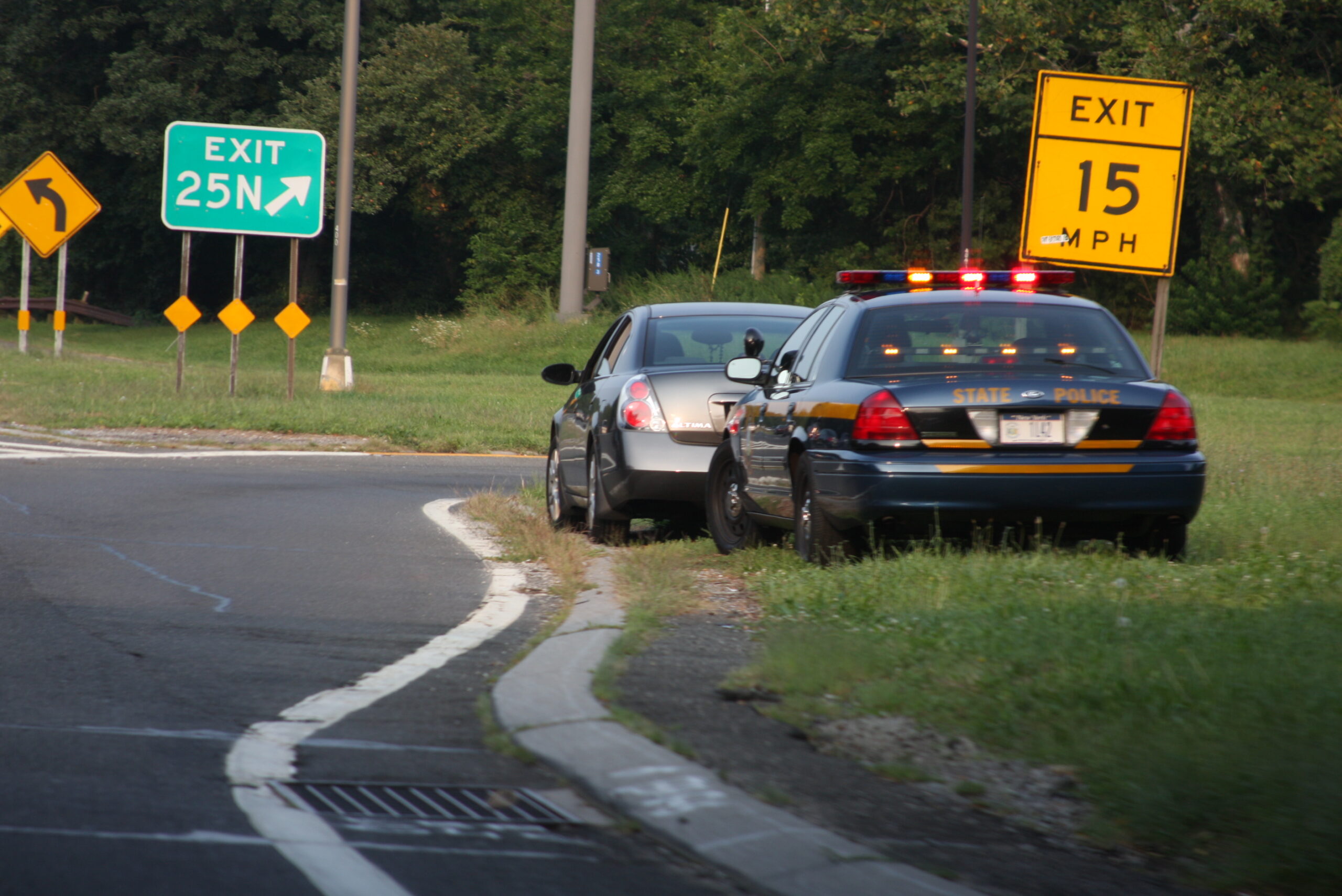
Today’s True Crime tale is set in Detroit, dateline 2009. This three minute video chronicles a harrowing police stop with charges that include speeding, grand theft auto, and murder.
As a bonus, it offers a master class in storytelling by author Dan Yashinsky of Toronto.
Here’s Dan!
TKZers: Did you learn any techniques from Dan’s video to use in your own work?
Light is important when we’re writing—and I’m not talking about having enough light to work by. I’m talking about how much we can describe in our scenes. One of my critique partners questioned a bit I’d written (yes, it’s from one of my romantic suspense books).
She stepped inside and closed the door behind them. Placing her forefinger over her lips, she shook her head before he could speak. She unbuttoned the top button of his shirt. Then walked her fingers to the second, sliding the disc through the slit in the fabric. Then to the third, then the next, until she’d laid the plaid flannel open, revealing the tight-fitting black tee she’d seen at the pond this morning when he’d given her the shirt off his back.
His comment: “It’s night. Do you need to show one of them turning on a light?” Maybe. More on that in a minute.
In a book I read some years back, the author had made a point of a total power failure on a moonless night. There was no source of light, and the pitch-blackness of the scene was a way for the hero and heroine to have to get “closer” since they couldn’t see.
It didn’t take long for them to end up in bed, but somehow, he was able to see the color of her eyes as they made love. I don’t know whether the author had forgotten she’d set up the scene to have no light, or if she didn’t do her own verifying of what you can and can’t see in total darkness. Yes, our eyes will adapt to dim light, but there has to be some source of light for them to send images to the brain. If you’ve ever taken a cave tour, you’ll know there’s no adapting to total darkness.
In the case of the paragraph I’d written, the character had seen the man’s clothes earlier that day, so she’d probably remember the colors, especially since the tee was black. And you’ll note, I didn’t say “red and green plaid shirt.”
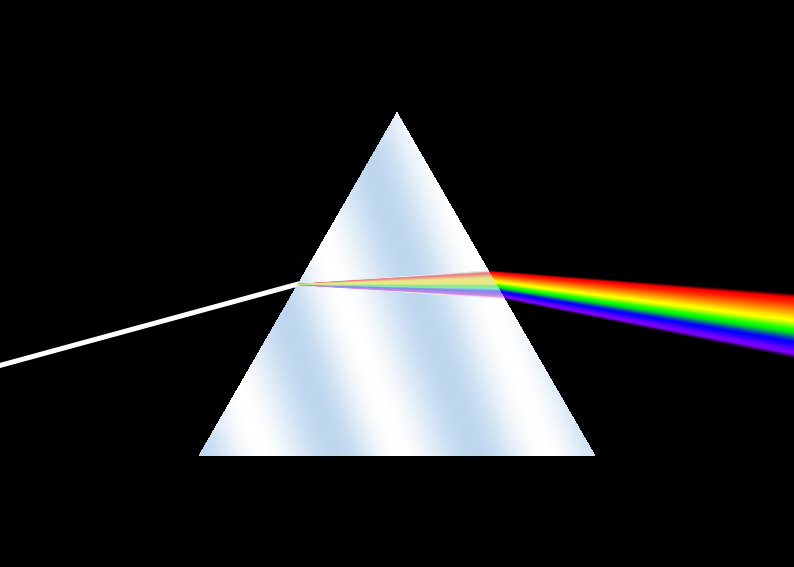
I won’t delve too deeply into biology, but our retinas are lined with rods and cones. Rods function in dim light, but can’t detect color; cones need more light, but they can “see” color. (All the “seeing” is done in the brain, not the eyes.)
We want to describe our scenes, we want our readers to ‘see’ everything, but we have to remember to keep it real. This might mean doing some personal testing—when you wake up before it’s fully light, check to see how much you can actually ‘see’. The ability to see color drops off quickly. So even if you see your hands, or the chair across the room, or the picture on the wall, how much light do you need before you can leave the realm of black and white? What colors do you see first? When it gets dark, what colors drop off first. Divers are probably aware of the way certain colors are no longer detectable as they descend.
Here’s a video showing what happens.
And another quick aside about seeing color. Blue is focused on the front of the retina, red farther back. This makes it very hard for the brain to create an image where both colors are in focus. It’s hard on the eyes. For that reason, it’s probably not wise to have a book cover with red text on a blue background, or vice-versa. You can look up chromostereopsis if you like scientific explanations. For me, I’m fine with “don’t do that because it’s hard to read.”
How do you deal with light and color in your books? Any examples of when it’s done well? How about not well?
(If you’d like to see some of the pictures I took on my trip, many of which appear in the book, click on the book title above and scroll down to “Special Features.”)
Terry Odell is an award-winning author of Mystery and Romantic Suspense, although she prefers to think of them all as “Mysteries with Relationships.” Follow her on Facebook andTwitter.
Recently I read an article by Daniel Pink in the Saturday Evening Post extracted from his bestselling book WHEN—The Scientific Secrets of Perfect Timing. According to various studies he cited, people like happy endings in books and films. No surprise there, especially in the current troubling times. Happily Ever After (HEA) in fiction fulfills a deep human longing because most of us wish for that in our real lives.
But the main point of Dan’s article was, while happy endings are good, the most resonant, memorable endings have sadness connected to them. The addition of bittersweet adds an important layer of emotional complexity beyond mere joy. He writes:
“The most powerful endings deliver poignancy because poignancy delivers significance. Adding a small component of sadness to an otherwise happy moment elevates that moment rather than diminishes it.”
The power of poignancy is why the endings of some stories stick with us for years, while other HEAs disappear from mind as soon as we close the book.
Dan’s article started me thinking about which books and movies still resonate in my memory years later.
Warning: spoiler alerts ahead.
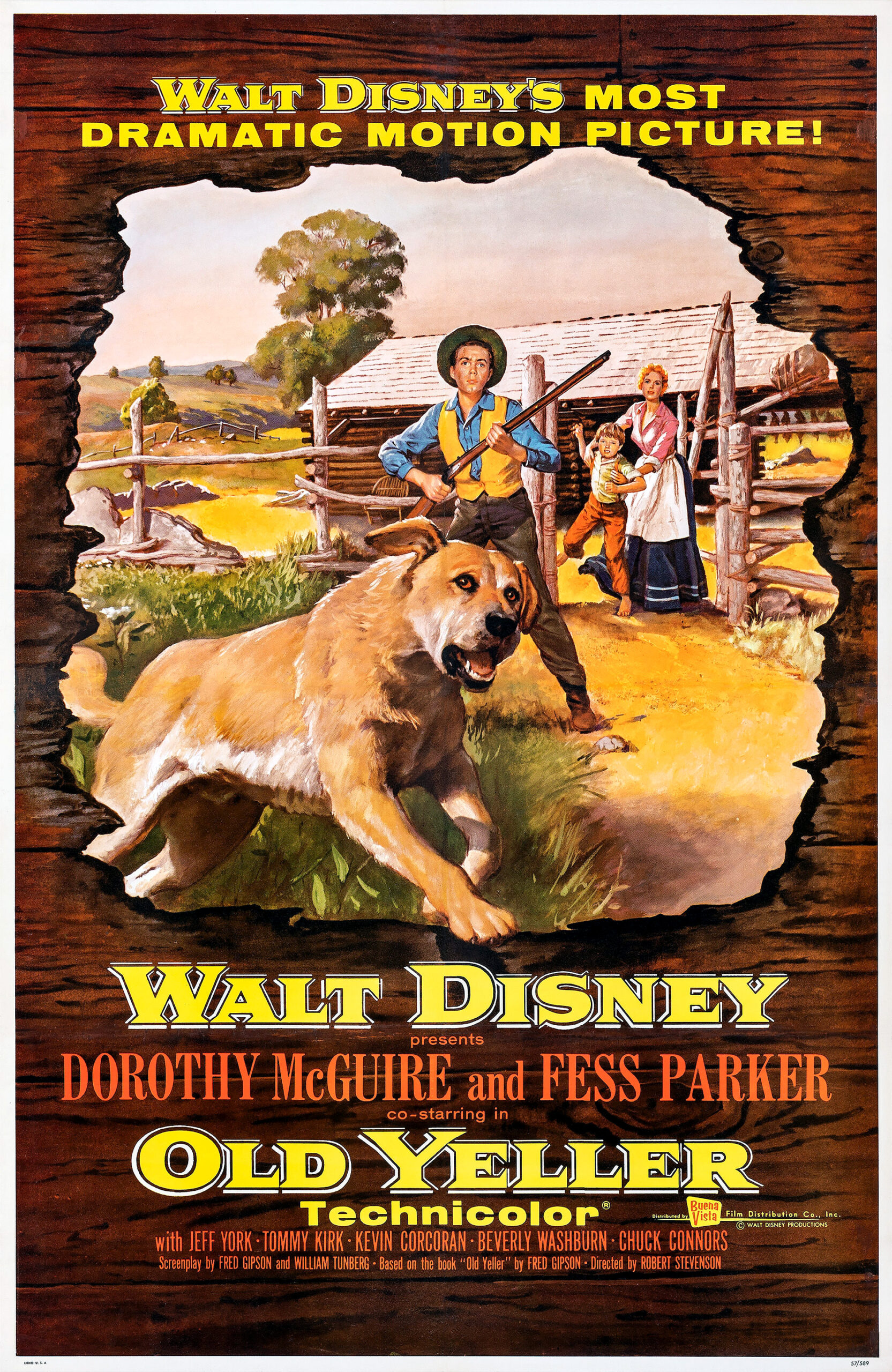
I saw Old Yellerwhen the movie came out in 1957. A couple of times since then, I watched it but stopped before the climax(warning: grab a box of tissues before clicking this link). That scene remained seared in my mind. I didn’t want to start weeping again.
A boy, Travis, and his dog share an unbreakable bond until Old Yeller is bitten by a rabid wolf while saving the boy’s life. When Old Yeller is infected, Travis must shoot his dearest friend to keep him from suffering. It’s the hardest thing he’s ever done and may well be the hardest thing he’ll ever face in his entire life.
To soften the blow, the movie wraps up when Travis bonds with a new puppy from a litter sired by Old Yeller.
Consider this alternate ending: What if Old Yeller still saved Travis from the rabid wolf but walked away unscathed? Travis and Old Yeller trot off into the sunset, trailed by Yeller’s adorable puppies? Pure HEA, right?
Would the story still evoke the strong feelings it does more than six decades after I first saw it and bawled my eyes out? Probably not.
Charlotte’s Web had the same emotional power. Additionally, the first line is one of the greats in literature:
“Where’s Papa going with that axe?” Fern said.
Charlotte the spider dies after saving Wilbur the pig’s life and making him famous. The blow of her death is tempered because she left behind generations of children and grandchildren to keep Wilbur company for the rest of his days.
Alternate ending: What if Charlotte didn’t die but continued her friendship with Wilbur until, one peaceful night, they both passed away from old age? Would the ending be as memorable? Nah.
Witness(1985) with Harrison Ford and Kelly McGillis is not only a cracking good thriller but also a love story. Philadelphia detective John Book must protect Samuel, a young Amish boy who witnesses a cop’s murder. In the process, Book falls in love with the boy’s mother, Rachel. In the climax, the villains are thwarted and Samuel is safe. Mission accomplished. But Book must leave Rachel because, despite their love, he could never fit in her world and she could never fit in his.
Alternate ending: Book stays with Rachel in the idyllic Amish community and they share a blissful, if improbable, life together.
If screenwriter Earl Wallace had opted for the HEA above, would he have won the Oscar for Best Original Screenplay? I doubt it.
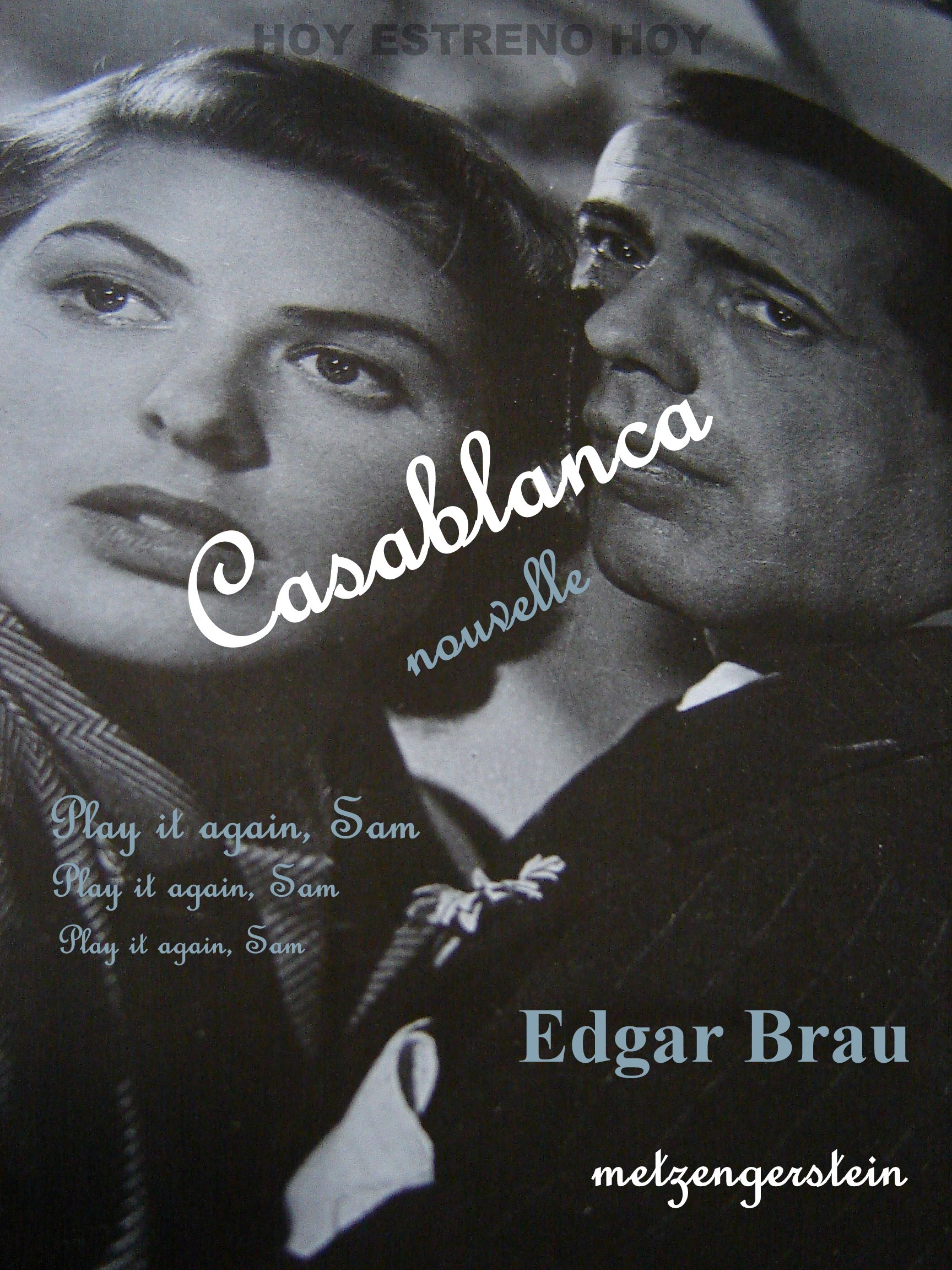
Photo Credit: Edgar Brau, Creative Commons
Perhaps the most famous bittersweet ending in film is Casablanca. Rick gives up the woman he loves and watches Ilsa walk away with her husband, not because Rick wants to, but because it’s the right thing to do.
Alternate ending: Ilsa tells Victor Laszlo to go back his resistance work without her and she and Rick share a passionate kiss in his saloon while Dooley Wilson reprises “As Time Goes By.”
With that HEA, would Casablanca have become an icon in movie history? Unlikely.
The examples cited above are all legendary. As authors, we can aspire to that status but most of us are happy if readers enjoy our stories, remember them, and want to buy more.
Mickey Spillane, who sold 225 million books in his career, famously said,
“Your first line sells the book. Your last line sells the next book.”
How does an author make endings satisfying and memorable enough to convert a reader into an avid fan who wants more? One way is to inject poignancy.
Here are several tools to help you add the bittersweet component.
The Wound: The hero ends up damaged. The wound doesn’t have to be physical; it can also be emotional, psychological, or spiritual.
During the journey, the hero suffers greatly. By the end, she is triumphant in achieving her goal, vanquishing the foe, solving the mystery, or righting the wrong. That’s the HEA part.
But her success comes with a cost.
She may have lasting effects from a bullet wound, PTSD from emotional and psychological wounds, or undergo a spiritual crisis when the belief or value system she’s always depended on collapses.
The wound can happen to another character, someone she cares deeply for. That loved one’s pain or death causes her to question if her success was worth it.
Disappointment: The hero may have worked his butt off to attain his desire but, once reached, he learns it’s not what he really wanted after all. Wiser after his journey, he must let go of his dream. The HEA can spring from his epiphany that there is a different, sometimes better, reward than the one he originally sought.
Sacrifice: The hero prevails but must give up someone she cherishes. She does the right thing at great personal loss to herself. The HEA stems from her satisfaction that her loved one is happy or safe.
Can you think of other tools to achieve poignancy? Please share them in the comments.
When an author successfully balances bitter and sweet, the reader feels the resonance to their core. In fiction and in life, there is no sweet without the bitter.
By tempering a happy ending with sorrow, joy may emerge as the dominant emotion but the complex feelings you evoke in a reader make the story more memorable and lasting than one that only taps into happiness.
Dan Pink concludes by saying:
“Endings can help us elevate—not through the simple pursuit of happiness but through the more complex power of poignancy. Closings, conclusions, and culminations reveal something essential about the human condition: In the end, we seek meaning.”
~~~
TKZers: Please share examples of your favorite endings in books or films and why they stuck with you.
What techniques do you use to inject poignancy into your work?
~~~
A high-stakes gamble. The winner lives. The loser dies.

 By Elaine Viets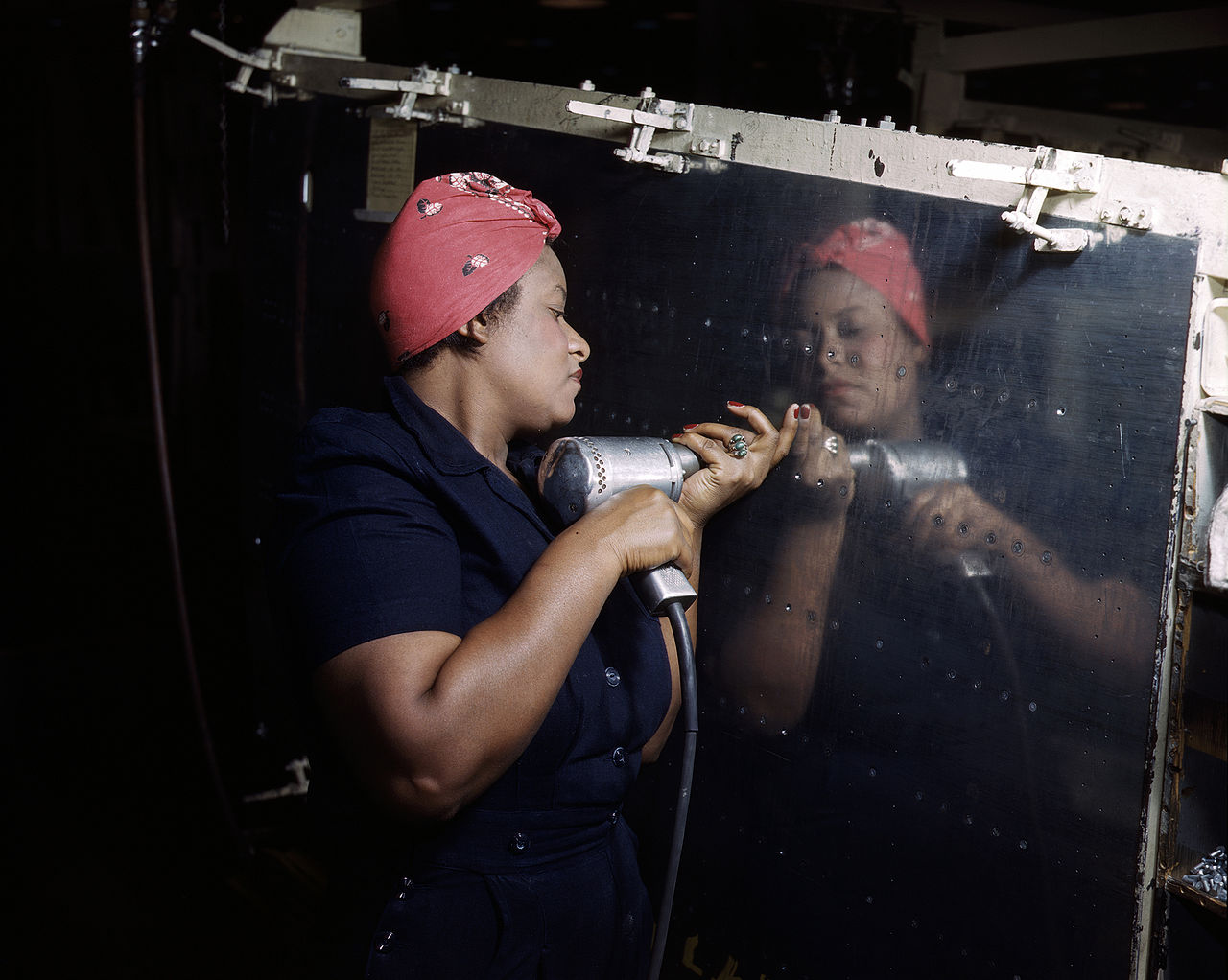

 A Star Is Dead, my fourth Angela Richman, Death Investigator mystery, is “skillfully plotted… Witty dialogue and well-defined characters, including plucky and intelligent Angela, lift this wry look at the trappings of celebrity. Fans and newcomers alike will be pleased” – Publishers Weekly. Buy it today: https://tinyurl.com/yc6fnysb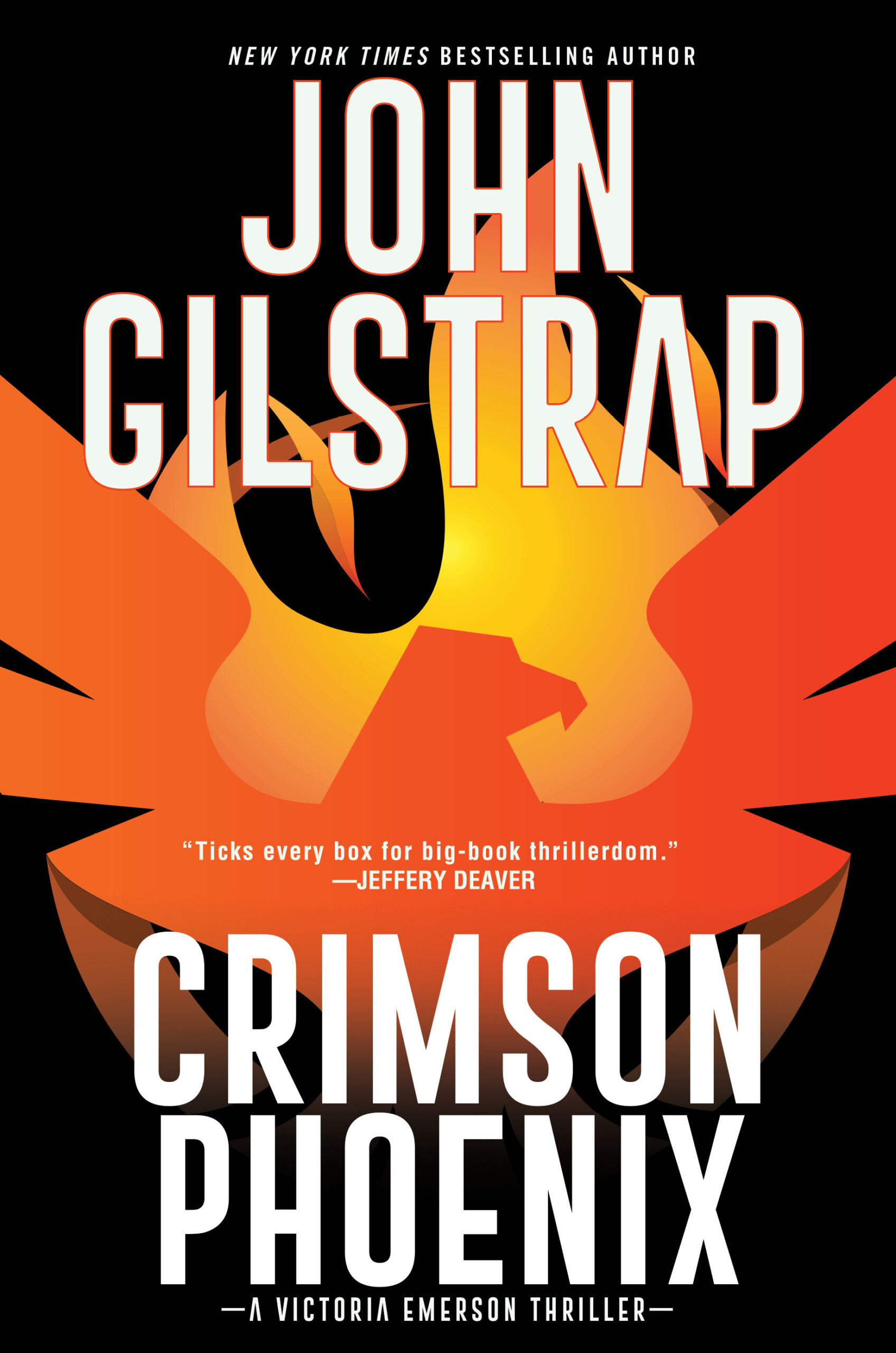


 Success comes in many forms. No two writers view success in the same way. Sure, if we’ve had a film adaptation of our novel, then I think we can all agree that’s a success story.