Merry Misdirection

Misdirection is the intentional deflection of attention for the purpose of disguise, and it’s a vital literary device. To plant and disguise a clue so the reader doesn’t realize its importance takes time and finesse.

The most important thing to remember is to play fair. Clues must be in plain sight. We cannot reveal a clue that wasn’t visible earlier. That’s cheating.

A few years ago, I read a novel about [can’t name the profession without giving away the title]. The protagonist located the dead and solved every mystery with invisible clues. After I whipped my Kindle across the room, I took a deep breath and skimmed the story searching for the clues. Never found one. Not one! The author’s name now sits at the pinnacle of my Do Not Read list.

A key feature of good misdirection means you brought attention to the clue, and the reader still missed it.

A magician uses three types of misdirection:

  • Time: The magician has the silk scarf balled in one fist before he begins the trick.
  • Place: The magician draws your attention to his right hand while the real trick is happening in his left.
  • Intent: The magician leads you to the decision he wants, but afterward you’ll swear you had a choice.

Notice any similarities to writing?

Misdirection can be either external or internal. External would be when the author misdirects the reader. Internal is when a character misdirects another character.

Misdirection is different than misinformation. We should never outright lie to the reader. Rather, we let them lie to themselves by disguising the clue(s) as inconsequential.

How do we do that?

When you come to a part of the story where nothing major occurs, slip in a clue. Or include the detail/clue while fleshing out a character’s life.

Examples:

One character chats with another as they drive to a designated location. Is the locale a clue in and of itself?

What about the title of the book? The reader has seen the title numerous times, yet she never gave it much thought until the protagonist reveals its meaning to the plot.

Clandestine lovers meet in a hideaway. While there, one of the characters notices a symbol or sign. Later in the story, she finds another clue that relates to the sign or symbol. Only now, she has enough experience to interpret its true meaning.

A kidnapper chalks an X on a park bench to signal the drop-off spot. What if a stray dog approaches the kidnapper? If he reads the dog’s tag to find his human, the clue takes center stage, yet it’s disguised as inconsequential.

In all four examples the arrival of the clue seems insignificant at first. The reader will notice the clue because we’ve drawn attention to it, but we’ve framed it in a way that allows the character to dismiss it. Thus, the reader will, too.

False Trails

The character knows the clue is important when she finds it, but she misinterprets its meaning, leading her down a dead end.

What if we need to supply information on a certain topic, but we don’t want the reader to understand why yet? If we take the clue out of context and present it as something else—something innocuous or insignificant—we’ve misdirected the reader to reach the wrong conclusion.

An important factor of misdirection is that the disguise must make sense within the confines of the scene. It should also further the plot in some way.

“Misdirection can be used either strategically or tactically. Strategically to change the whole direction of a story, to send it off into a new and different world, and have the reader realize that it’s been headed that way all along. Tactically to conceal, obscure, obfuscate, and camouflage one important fact, to save it for later revelation.”

— The Writer magazine

Character Misdirection

Character misdirection is when the protagonist (and reader) believes a secondary character fulfills one role when, in fact, he fulfills the opposite.

Two types of character misdirection.

  • False Ally
  • False Enemy

These two characters are not what they seem on the surface. They provide opportunities for dichotomy, juxtaposition, insights into the protagonist, theme, plot, and plot twists. They’re useful characters and so much fun to write.

A false ally is a character who acts like they’re on the protagonist’s side when they really have ulterior motives. The protagonist trusts the false ally. The reader will, too. Until the moment when the character unmasks, revealing their false façade and true intention.

A false enemy is a character the protagonist does not trust. Past experiences with this character warn the protagonist to be wary. But this time, the false enemy wants to help the protagonist.

When Hannibal Lecter tries to help Clarice, she’s leery about trusting a serial killing cannibal. The reader is too.

What type of character is Hannibal Lecter, a false ally or false enemy?

An argument could be made for both. On one hand, he acts like a false enemy, but he does have his own agenda. Thomas Harris blurred the lines between the two. What emerged is a multifaceted character that we’ve analyzed for years.

When crafting a false ally or false enemy, it’s fine to fit the character into one of these roles. Or, like Harris, add shades of gray.

Mastering the art of misdirection is an important skill. It’s especially important for mysteries and thrillers. I hope this post churns up new ideas for you.

Do you have a false ally or false enemy in your WIP? What are some ways you’ve employed misdirection?

This is my final post of 2021. Wishing you all a joyous holiday season. See ya in the New Year!
Female killers are often portrayed as caricatures: Black Widows, Angels of Death, or Femme Fatales. But the real stories of these women are much more complex. In Pretty Evil New England, true crime author Sue Coletta tells the story of these five women, from broken childhoods to first brushes with death, and she examines the overwhelming urges that propelled these women to take the lives of more than one-hundred innocent victims. If you enjoy narrative nonfiction/true crime, Pretty Evil New England is on sale for $1.99. Limited time. On Wednesday, Dec. 15, the price returns to full retail: $13.99.
How to Write When You’re Not Writing

by James Scott Bell
@jamesscottbell

The Boys in the Basement

We’re writers. We know what that means. We’re always on the job. Our minds, often apart from our intentions, keep the story wheels churning.

Like when we go to comfort a loved one in a time of need. We take their hand and issue words of consolation, while our writer mind is thinking, This would make a great scene. I wonder how I can work it into a book?

Nothing to apologize for. It’s how we roll. We write even when we’re not at the keyboard. So why not be intentional about it? Here are some of the methods I use to incentivize the Boys in the Basement:

Mind Mapping

We all know about brainstorming. That’s where we let the mind run free, without judgment, generating as many ideas as possible. The best way to get good ideas is to get lots and lots of them and only later cast aside the least promising ones.

I have found that a great aid to brainstorming is the mind map. Mapping is a way to visually link the random thoughts you jot down into some level of coherence. (A good book on this process is Writing the Natural Way by Gabriele Lusser Rico.)

I use mind maps in two ways. First is to get ideas for flash fiction and short stories for my Patreon community. I often use a nifty set of cards called The Storymatic. Their ad line is “Six trillion stories in one little box. Which one will you tell?” It’s a set of 500 cards of two types. One type is a setting or situation, the other is a kind of character. I’ll draw one of each at random and put them together to see what comes up.

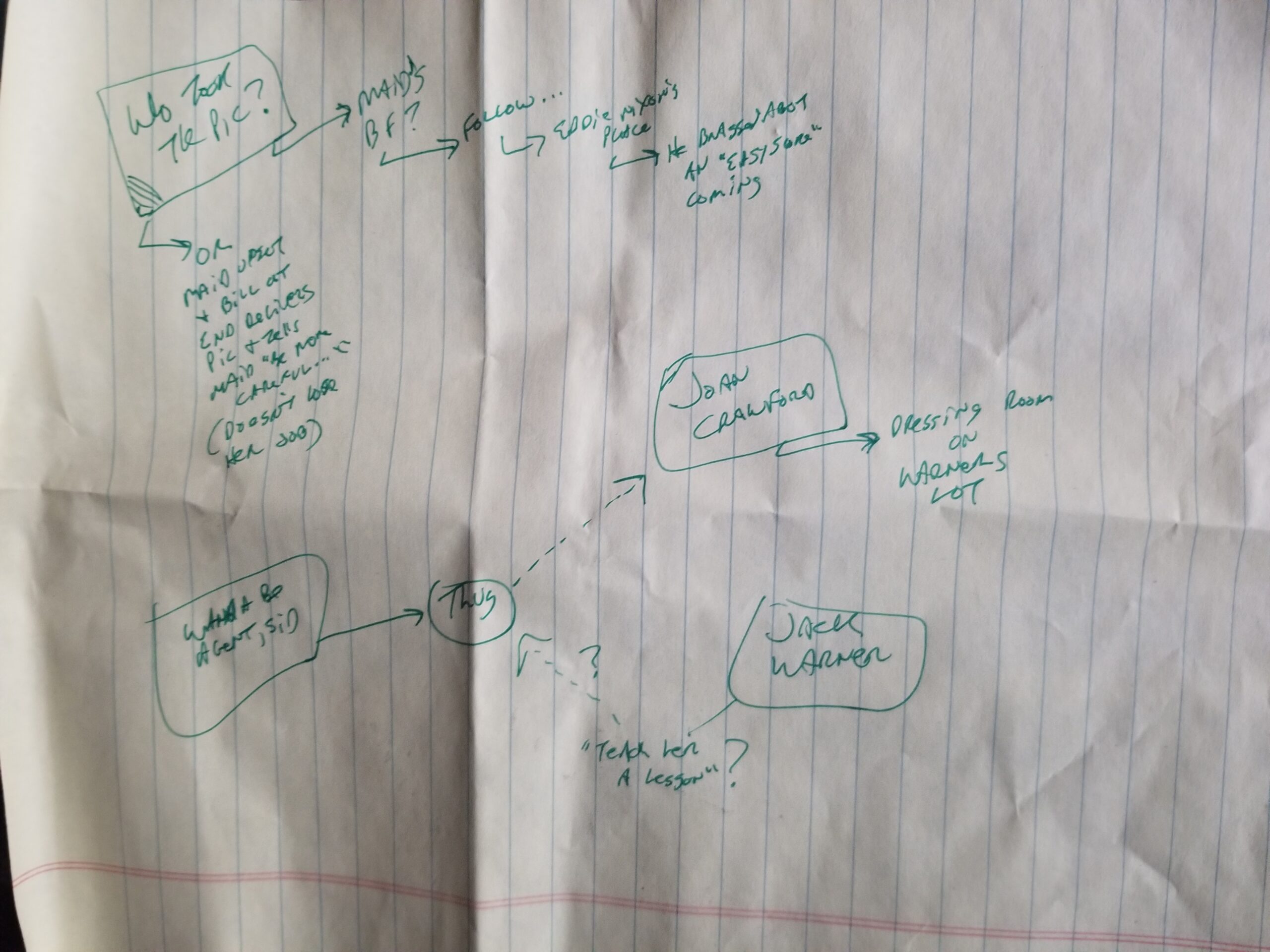
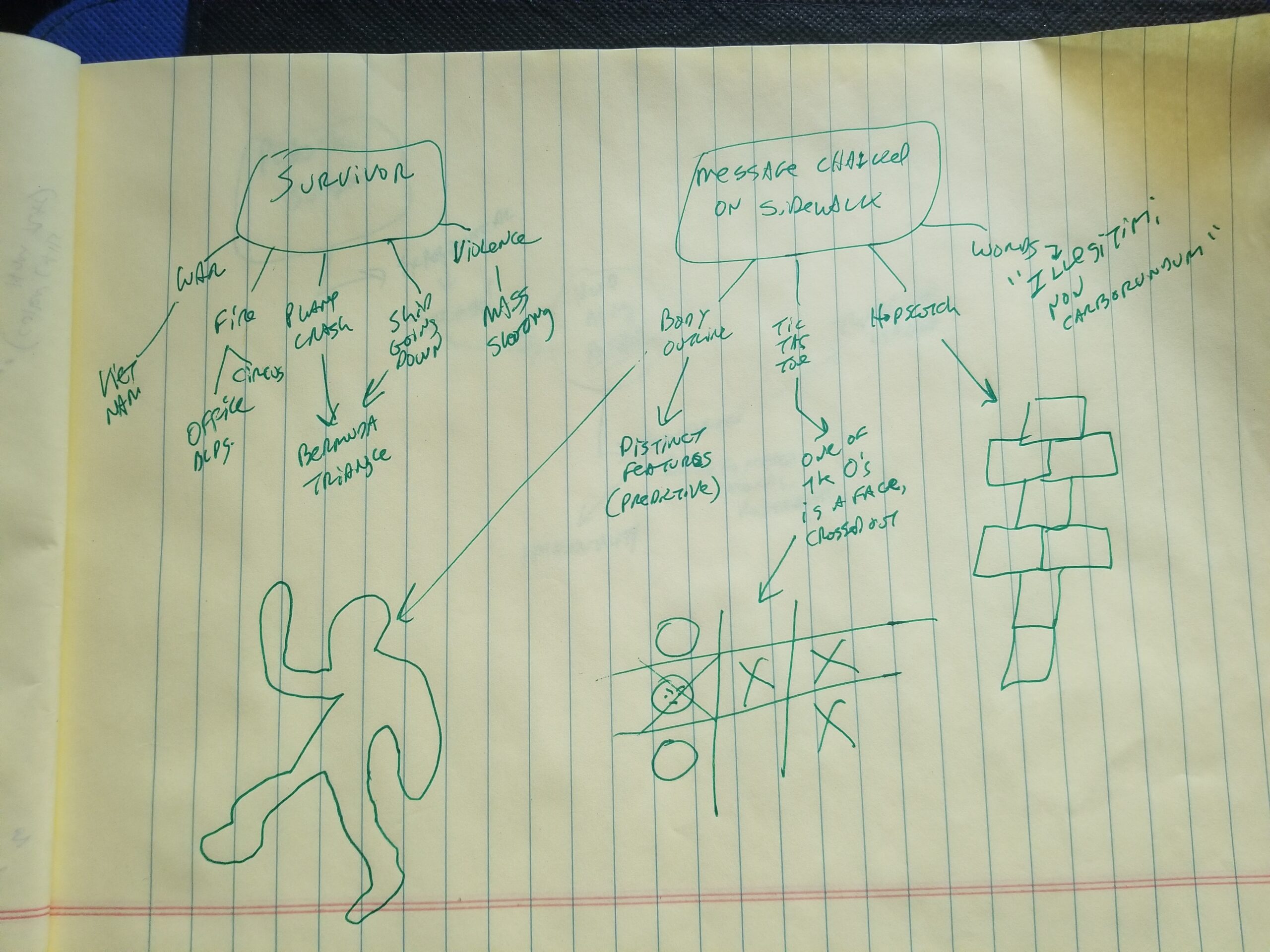
The other day I drew the cards “Survivor” and “Message in chalk on sidewalk.” I wrote those down on opposite sides of a page and circled them. Then I began the map. Here’s what it looked like (click to enlarge):

As I went along I kept coming back to the doodle of the chalk drawing. The Boys were trying to tell me something. I listened, and an idea for a short story popped up. As I pondered a little more I dropped the Survivor part altogether (you’re not wedded to anything when you mind map) and in a few minutes had the complete concept.

The other way I map is when I have a particular plot problem to work out. I’m finishing up a novelette in my Bill Armbrewster series about a Hollywood studio troubleshooter in the 1940s. As I closed in on the ending I realized there was a key element earlier in the story that needed clearing up. It involved the filching of a photo from a movie star’s dressing room (Bette Davis’s, to be exact.) So on paper I wrote “Who stole the pic?” and started mapping. In a few minutes I had my answer.

Sound and Music

I know some writers who want silence as they type. But for creativity there is research that suggests a little ambient noise helps. When I’m in my office I usually put on Coffitivity or New York street sound.

Often I’ll do my mind mapping while listening to music. If I’m thinking of suspense—which is most of the time—I’ll put on a playlist of suspense movie soundtracks (my favorite being the Hitchcock scores of Bernard Herrmann). I have other lists of soundtracks that stir up other emotions.

I don’t usually use music with lyrics for this, but I understand a certain Mr. King used to crank up the rock for his work. So I’ll make occasional use of the greatest rock era of all time—the 1970s (go ahead, try to prove me wrong).

Bedtime Prompt

Nice thing about the Boys is that they don’t take time off. So give them direction at night.

If you’re working on a novel, spend five concentrated minutes just before shut eye thinking about the plot, characters, or a scene.

Sometimes I’ll write a problem down on a pad on my bedside table. What is Romeo going to do about the bomb?

In the morning, as soon as possible, write down whatever is bubbling in your head, even if it doesn’t make sense at first. Somewhere in there is a message to you, though it may be in code!

Quiet Mind

I wonder if you’ve noticed a slight increase in stress levels these days.

Ahem.

We’ve all been there. We’ve all had days when we make the coffee nervous. As I pointed out in a previous post, all the mental effort that goes into navigating the mandate marshlands takes a toll on our creativity and writing energy.

Add to that the constant stream of vitriol spewing out of every communicative orifice in our civilized nation, and you’ve got a recipe for potential creative shutdown.

So what can you do? You can quiet your mind a couple of times a day. A popular practice for this is mindfulness.

Mindfulness isn’t some mystic practice that requires a robe and the lotus position. You won’t end up in a Tibetan monastery (unless you really want to). It’s just a way to practice calming down. In old movies the usual step was some guy saying, “I need a drink.” Many follow that path even now. Better is 10-15 minutes of mindfulness. Plus, instead of a hangover, you’ll get a burst of creativity afterward. Four ways I’ve done it:

Sitting: Sit in a comfortable spot, with your back straight (not leaning against the backrest). Feet flat on the floor, hands resting on your legs. Breathe easily in through your nose and out through your mouth. Listen to your breathing. Note the way your abdomen and chest move. Find an object in the room to concentrate on. Look at it, noting everything about it. Don’t analyze it, just look at it. It’ll be hard to do this at first. Your thoughts will easily distract you (“I have to remember to go to the store…Where did I leave my reading glasses?…Did The Rock really make another movie?”). When that happens, recognize you’ve had the thoughts and gently return to breathing and concentrating.

Walking: Don’t mistake this for taking a walk for exercise. Instead, you only need a small space outside. I walk around my pool. Do it slowly, nose-mouth breathing, noticing whatever is around you.

Driving: (Especially helpful in L.A. traffic.) Instead of grumbling about being late, breathe easy and focus on the taillights in front of you. Notice their design and texture. Make sure you’ve turned off talk radio and the news. Ignore bumper stickers.

Waiting in Line: Instead of grousing how long your line is—or how all the other lines seem to move faster—be grateful for the opportunity to have some quiet time. Don’t pick up a People magazine to see if Kim and Kanye are getting back together. Just breathe easily and note all the colors you see in the objects around you.

These are some of the ways I write when I’m not writing. What have you noticed about your own time away from the keyboard? When do ideas tend to pop up from the basement? Do you do anything to incentivize the Boys?

Adverbs, Brrr….

“I believe the road to hell is paved with adverbs, and I will shout it from the rooftops.” Stephen King.

I can’t agree more. I fear I’ll step on some toes here, because there are hundreds of authors who love adverbs and will argue ‘til the cows come home that they improve their writing. I can’t go there. Oh, I know they’re in my own novels and columns, they pop up without notice in the first drafts, but I do my best to weed them out and rewrite the sentences to make them better than the original.

A few years ago, I packed a couple of books in a carry-on, intending to spend the almost nine hour flight to Hawaii with my nose in a book. I’ve written novels and newspaper columns on planes, and have edited several manuscripts while hanging in the air over various parts of this great nation, but I prefer to read.

I’d purchased a much-touted post-apocalyptic novel from Amazon and had been looking forward to losing myself in the tale (I got hooked on those when I read Alas Babylon fifty years ago). The flight leveled off, I ordered a Bombay Sapphire and tonic, (they had my gin in stock, huzzah!) and settled back with The Novel That Shall Not Be Named (not the real title). The problem began in paragraph one and I knew the book was going to be a wall-banger when I read:

He headed for the baggage claim tiredly, hoping this would be the last time for a while.

Good lord. That sentence required two deep swallows of Bombay before I could continue, and I did, hoping the writing would get better.

Maybe that one slipped through the editing process.

Here we go again. Still on the first page, I read the word “battered” twice in two short, consecutive paragraphs and sighed.

Please get better.

In the next couple of paragraphs, our protagonist leaves the airport, lights a cigarette, and outside for his delayed ride. Unlike him, we didn’t have to wait long for more adverbs.

“Hey pal, can’t you read?” someone said sharply.

“Does your daddy know you’re out playing cop?” he said snidely.

Sigh.

There were two more books in my carry-on, because I never go anywhere without backup, but reading that book was like watching a train wreck. I couldn’t stop, and my fascination with bad writing and boring sentences kept me from throwing the hefty novel against the bulkhead.

There were other problems as well, though I won’t dwell on them other than to say the author fell back on using character’s name in conversation over and over in order to identify the speaker, something I discussed in my last post.

His protagonist and other characters also snapped, spat, snarled, growled, grunted, barked, remarked (unnecessary), shouted, screamed (he just loved for verbs to follow dialogue), but I couldn’t get past the adverbs scattered like rice at a wedding.

Unceremoniously, firmly, loudly, tiredly (again), actually, expertly, apologetically, evenly, and finally (four times), all in the first short chapter.

And it was the way he used them. For example, he insisted on using adverbs that were redundant to the verb they modified.

“Amy whispered quietly to her mother.”

Uh, whispering is already quiet, so we don’t need it. That’s like…

He screamed loudly. Or, Amy drove quickly to the store.” This adverb is modifying a weak verb, so maybe Amy can “jump in her car and race to the store.”

Then there’s the adverb “very,” which I propose is the gateway word leading to Hell Road. Some writers use it the same as so many people who insist that the whole world and everything in it is amazing.

Amy was very tired.                               

Nope. Amy was exhausted, wrung out, beat, worn out, bushed, dog-tired or even wiped out, but for cryin’ out loud, lift your vocabulary! Her dogs were barking, she was dead on her feet!!! Jeeze!

I believe Mr. King also said adverbs prefer the passive voice, and seem to have been created with the timid word in mind. He was dead-on with The Novel That Shall Not Be Named. I closed it at the beginning of the second chapter. With no suitable walls to throw it against, and fearing aggressive responses from the other passengers if I heaved it into the aisle, I stuck the offending work in the seat pocket in front of me.

It’s something I regret today, because I figure some unsuspecting soul picked it up and found themselves subjected to poor writing. I regret leaving it on that plane for another reason, because I often use it these days as a teaching tool (I found another copy in a bookstore, which means I bought the damned thing twice). The Novel That Shall Not Be Named is a good, bad example of how adverbs allow the writer to be lazy, instead of allowing the work to support itself with well-constructed, thoughtful sentences.

Let’s go back to the first example from The Novel That Shall Not Be Named. I’ll refresh your memory:

He headed for the baggage claim tiredly, hoping this would be the last time for a while.

How about:

Exhausted from the long flight from Dusseldorf, he joined the herd of passengers making their lemming-like way to the baggage claim, hoping he wouldn’t have to travel overseas again for a while.

Now, I know we can argue the point to excess, but to me, it reads better with some context and gives the sentence a little more gas. Here are a few more examples.

I had her wrist firmly in hand.

I squeezed her wrist.


She closed the door firmly.

She slammed the door.


The horse loped around the arena speedily.

Comfortable in the saddle, Matt loped around the arena.


He stuttered haltingly.

How about a simple, “He stuttered.”


Read your manuscript carefully.

Read your manuscript with a critical eye toward those annoying adverbs.


Again, they tend to prop up weak or listless sentences, and that’s when I can’t stand those little buggers. When you find them, re-write the sentence and it will almost always be better than the original.


This example from Daily Writing Tips is a perfect example of these useless weeds (King’s description).


“Adverbs, like adjectives, have gotten a bad rap for their cluttering qualities. They are ever so useful, and so applicable and adaptable that writers often employ them mindlessly and indiscriminately. But which of the three adverbs in the preceding phrase (not only mindlessly and indiscriminately but also often) must I mercilessly vaporize with the Delete key?”


How about “…writers employ them without conscious thought,” or maybe, “…writers employ them with unconsidered, gleeful abandon,” or “…writers should find a better way to construct their sentences.”

I don’t think budding authors even know they’re being lazy, or maybe they don’t recognize adverbs for what they are. After reading On Writing by Mr. King, I went back and combed through my first manuscript, excising as many adverbs as I could find, and the truth be told, my writing sparkled when I deleted most of them.

Just this past Sunday, a friend asked if he could pick my brain a little about becoming an author. I have an idea for a non-fiction book.”

“I’ve written a lot of how-to magazine articles, but fiction is completely different and that’s where I’m comfortable.” I suggested some conferences or writing classes he could take to get started, but he had other ideas.

“I just want to talk about language and style.” He glanced around, as if worried that someone was listening in.

I couldn’t resist having a little fun with him. “I can give you a quick lesson now.”

“Okay, shoot.”

“Write conversationally and avoid adverbs.”

Nodding, he wrote the sentence down on a scrap piece of paper.

It was just too easy, because he was concentrating on the subject at hand, much like writing the first draft of a manuscript, and those adverbs weren’t yet resonating. “Remember, no adverbs if you can help it. Seriously. That’s the best advice I can offer right now.”

“Absolutely. Thanks for your help.”

“You’re welcome.”

Adverbs, Brrrr…

“I believe the road to hell is paved with adverbs, and I will shout it from the rooftops.” Stephen King.

I can’t agree more. I fear I’ll step on some toes here, because there are hundreds of authors who love adverbs and will argue ‘til the cows come home that they improve their writing. I can’t go there. Oh, I know they’re in my own novels and columns, they pop up without notice in the first drafts, but I do my best to weed them out and rewrite the sentences to make them better than the original.

A few years ago, I packed a couple of books in a carry-on, intending to spend the almost nine hour flight to Hawaii with my nose in a book. I’ve written novels and newspaper columns on planes, and have edited several manuscripts while hanging in the air over various parts of this great nation, but I prefer to read.

I’d purchased a much-touted post-apocalyptic novel from Amazon and had been looking forward to losing myself in the tale (I got hooked on those when I read Alas Babylon fifty years ago). The flight leveled off, I ordered a Bombay Sapphire and tonic, (they had my gin in stock, huzzah!) and settled back with The Novel That Shall Not Be Named (not the real title). The problem began in paragraph one and I knew the book was going to be a wall-banger when I read:

He headed for the baggage claim tiredly, hoping this would be the last time for a while.

Good lord. That sentence required two deep swallows of Bombay before I could continue, and I did, hoping the writing would get better.

Maybe that one slipped through the editing process.

Here we go again. Still on the first page, I read the word “battered” twice in two short, consecutive paragraphs and sighed.

Please get better.

In the next couple of paragraphs, our protagonist leaves the airport, lights a cigarette, and outside for his delayed ride. Unlike him, we didn’t have to wait long for more adverbs.

“Hey pal, can’t you read?” someone said sharply.

“Does your daddy know you’re out playing cop?” he said snidely.

Sigh.

There were two more books in my carry-on, because I never go anywhere without backup, but reading that book was like watching a train wreck. I couldn’t stop, and my fascination with bad writing and boring sentences kept me from throwing the hefty novel against the bulkhead.

There were other problems as well, though I won’t dwell on them other than to say the author fell back on using character’s name in conversation over and over in order to identify the speaker, something I discussed in my last post.

His protagonist and other characters also snapped, spat, snarled, growled, grunted, barked, remarked (unnecessary), shouted, screamed (he just loved for verbs to follow dialogue), but I couldn’t get past the adverbs scattered like rice at a wedding.

Unceremoniously, firmly, loudly, tiredly (again), actually, expertly, apologetically, evenly, and finally (four times), all in the first short chapter.

And it was the way he used them. For example, he insisted on using adverbs that were redundant to the verb they modified.

“Amy whispered quietly to her mother.”

Uh, whispering is already quiet, so we don’t need it. That’s like…

He screamed loudly. Or, Amy drove quickly to the store.” This adverb is modifying a weak verb, so maybe Amy can “jump in her car and race to the store.”

Then there’s the adverb “very,” which I propose is the gateway word leading to Hell Road. Some writers use it the same as so many people who insist that the whole world and everything in it is amazing.

Amy was very tired.                               

Nope. Amy was exhausted, wrung out, beat, worn out, bushed, dog-tired or even wiped out, but for cryin’ out loud, lift your vocabulary! Her dogs were barking, she was dead on her feet!!! Jeeze!

I believe Mr. King also said adverbs prefer the passive voice, and seem to have been created with the timid word in mind. He was dead-on with The Novel That Shall Not Be Named. I closed it at the beginning of the second chapter. With no suitable walls to throw it against, and fearing aggressive responses from the other passengers if I heaved it into the aisle, I stuck the offending work in the seat pocket in front of me.

It’s something I regret today, because I figure some unsuspecting soul picked it up and found themselves subjected to poor writing. I regret leaving it on that plane for another reason, because I often use it these days as a teaching tool (I found another copy in a bookstore, which means I bought the damned thing twice). The Novel That Shall Not Be Named is a good, bad example of how adverbs allow the writer to be lazy, instead of allowing the work to support itself with well-constructed, thoughtful sentences.

Let’s go back to the first example from The Novel That Shall Not Be Named. I’ll refresh your memory:

He headed for the baggage claim tiredly, hoping this would be the last time for a while.

How about:

Exhausted from the long flight from Dusseldorf, he joined the herd of passengers making their lemming-like way to the baggage claim, hoping he wouldn’t have to travel overseas again for a while.

Now, I know we can argue the point to excess, but to me, it reads better with some context and gives the sentence a little more gas. Here are a few more examples.

I had her wrist firmly in hand.

I squeezed her wrist.


She closed the door firmly.

She slammed the door.


The horse loped around the arena speedily.

Comfortable in the saddle, Matt loped around the arena.


He stuttered haltingly.

How about a simple, “He stuttered.”


Read your manuscript carefully.

Read your manuscript with a critical eye toward those annoying adverbs.


Again, they tend to prop up weak or listless sentences, and that’s when I can’t stand those little buggers. When you find them, re-write the sentence and it will almost always be better than the original.


This example from Daily Writing Tips is a perfect example of these useless weeds (King’s description).


“Adverbs, like adjectives, have gotten a bad rap for their cluttering qualities. They are ever so useful, and so applicable and adaptable that writers often employ them mindlessly and indiscriminately. But which of the three adverbs in the preceding phrase (not only mindlessly and indiscriminately but also often) must I mercilessly vaporize with the Delete key?”


How about “…writers employ them without conscious thought,” or maybe, “…writers employ them with unconsidered, gleeful abandon,” or “…writers should find a better way to construct their sentences.”

I don’t think budding authors even know they’re being lazy, or maybe they don’t recognize adverbs for what they are. After reading On Writing by Mr. King, I went back and combed through my first manuscript, excising as many adverbs as I could find, and the truth be told, my writing sparkled when I deleted most of them.

Just this past Sunday, a friend asked if he could pick my brain a little about becoming an author. I have an idea for a non-fiction book.”

“I’ve written a lot of how-to magazine articles, but fiction is completely different and that’s where I’m comfortable.” I suggested some conferences or writing classes he could take to get started, but he had other ideas.

“I just want to talk about language and style.” He glanced around, as if worried that someone was listening in.

I couldn’t resist having a little fun with him. “I can give you a quick lesson now.”

“Okay, shoot.”

“Write conversationally and avoid adverbs.”

Nodding, he wrote the sentence down on a scrap piece of paper.

It was just too easy, because he was concentrating on the subject at hand, much like writing the first draft of a manuscript, and those adverbs weren’t yet resonating. “Remember, no adverbs if you can help it. Seriously. That’s the best advice I can offer right now.”

“Absolutely. Thanks for your help.”

“You’re welcome.”

Reader Friday: Guess Who’s Coming to Dinner

Reader Friday: Guess Who’s Coming to Dinner

dinner tableYou can have dinner with any currently living author. The rules: It’s at your house. You have to cook. No take-out, no delivery. You cannot ask the author about preferences. For the sake of this exercise, there are no food allergies, dietary restrictions.

Who’s coming to dinner?

What are you going to prepare?

Based on early comments, it looks like my one-on-one dinner with an author has been hijacked into dinner parties. You guys are going to have trouble with next week’s Reader Friday. 😉 

Short Stories: Small and Twisted

By Elaine Viets

Did you ever say this? “I’m trying to write a short story, but I’m blocked. I’m getting nowhere.”

That happens to every writer. It certainly happens to me. Short stories are hard to write. In some ways, they may be harder to writer than novels. Here are a few tips for when you feel blocked working on your short story:

Think small – and think twisted.
There are good reasons why you can’t continue your short story. You could be blocked because you have too much going to on. In short, you may be writing a 5,000-word novel instead of a short story.
In a short story, you don’t need long, dreamy descriptions of the scenery.
You don’t need six subplots.
You don’t need to tell us your character’s awful childhood – unless it’s vital to the plot.
It’s a short story.
Think small.

Here’s another reason why your short story may be blocked: How many characters does it have?
If your short story has more than four major characters – you may — accent on may –have too many. It’s like being in a small room with too many people. You can’t move.

The short story is a small world.
Don’t make work for yourself. Giving all those people something to do is hard labor. Think small. Cut back on your characters.
If your story is going nowhere, consider some pruning. Clear out all the extraneous details, the unnecessary characters, the descriptions of the weather.
If you’re still not sure, read the story out loud. Read it to your spouse, or your dog, or your wall. But tell the story instead of looking at it on the page.
That’s a good way to find out what works – and what doesn’t.
Lawrence Block is a master of the traditional short story.
Let me show you what he does in one paragraph – one – in a short story called “This Crazy Business of Ours.” It’s in Block’s anthology called Enough Rope. If you’re interested in traditional short stories, I recommend this anthology.

“This Crazy Business of Ours”
The elevator, swift and silent as a garrote, whisked the young man eighteen stories skyward to Wilson Colliard’s penthouse. The doors opened to reveal Colliard himself. He wore a cashmere smoking jacket the color of vintage port. His flannel slacks and broadcloth shirt were a matching oyster white. They could have been chosen to match his hair, which had been expensively barbered in a leonine mane. His eyes, beneath sharply defined white brows, were as blue and as bottomless as the Caribbean, upon the shores of which he had acquired this radiant tan. He wore doeskin slippers upon his small feet and a smile upon his thinnish lips, and in his right hands he held an automatic pistol of German origin, the precise manufacturer and caliber of which need not concern us.

See how Block establishes a character in one paragraph? That is true economy of writing.
Make sure your story is about what it’s about. In a novel, you don’t have to get to the story right away. You have time to develop it. Time to build. Slowly.
In a short story, you have to hit them and run.

This is one of my favorite short story leads. It’s by Maria Lima in the Chesapeake Chapter Sisters in Crime anthology called Chesapeake Crimes I. Here it is:

“The telegram said it all: AUNT DEAD. STOP. BUTLER DID IT. STOP. FLY SOONEST. STOP. GERALD.”

That’s short and to the point. The writer has hooked you and she’s ready to move on to the story.


That takes me to the second requirement of a good short story. It needs a twist. It needs a surprise – either in the beginning or the end. But get that surprise in there.
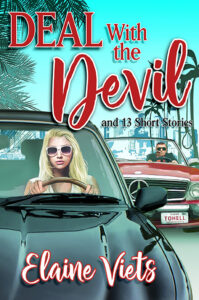
Here’s the lead to my short story, “Red Meat,” which was nominated for an Agatha and a Macavity. It was in Blood on their Hands edited by Lawrence Block, and now in my own anthology, Deal with the Devil and 13 Short Stories.

“Ashley has a body to die for, and I should know. I’m on death row because of her.
“You want to know the funny thing?
“My wife bought me Ashley. For a present.”

There’s your twist – in three sentences.
Maybe your short story has all those things, but so what? It still feels lifeless.
You can’t make it get up and walk. You need something to liven it up. Ask yourself what specialized knowledge you have that could make your short story unique, and then build the story around it.
I was asked to write a short story for a gambling anthology. I panicked. I was going to tell my editors no. I don’t know how to gamble. I don’t play poker or blackjack. What am I doing in a gambling anthology?
Then I realized I did know gambling. My aunts used to take me to bingo. I was brought up Catholic – and I learned how people can cheat at bingo, and especially, how they can cheat at cruise ship bingo. Do you know what the prize is for cruise ship bingo?
Twenty thousand dollars on some cruises. That’s major money. That’s big-time gambling. Bingo! I had a short story.


The result was “Sex and Bingo,” which was nominated for an Agatha Award.
At a short story seminar in New York, I heard top editors talk about what made a good short story, what they buy, and what they won’t buy.

Here are some things editors DO NOT want:

– No more stories about husbands who kill wives, or vice versa.

– No more stories ending, “And then I woke up.”

What do they want?
A fresh voice.
An unusual location.
An offbeat character.
An opening that grabs them.
That was the most important part. You have one sentence – maybe two – to catch an editor’s eye with a short story.
Make every word count.
***
Elaine Viets was nominated for a 2021 International Thriller Award for her short story: “Dog Eat Dog” in The Beat of Black Wings, edited by Josh Pacher. Crippen & Landru has published Elaine’s own collection, Deal with the Devil and 13 Short Stories Stories. Buy it here:  https://www.amazon.com/Deal-Devil-Elaine-Viets/dp/1936363275

Using Magnets to Attract Readers

Using Magnets to Attract Readers
Terry Odell

Reader MagnetSince everyone’s probably busy with holiday prep (unless you’re like me and your holiday is over), gift giving is or was part of the mix. Today, I’m talking about gifts authors can give to readers. Reader Magnets.

Saturday, Patricia Bradley’s post addressed newsletters. Unlike social media, newsletters lists are one tool we can control. We “own” that content. If a social media platform disappears (anyone remember MySpace?), we’ve lost that audience and have no way to get in touch with our previous followers.

A reader magnet is designed to reward people for signing up for your newsletter. It can be a short story, a full-length novel, a sampler—anything that connects to your genre and would have subscribers wanting more. When someone signs up, they’re given their gift.

How should you deliver these magnets, and what form should they take?
My preference is always to make it as easy as possible on both ends.

First, you need a signup form, preferably a dedicated/landing page on your website. That way, you can link everything to that place.

Next, you want as many paths to your signup process as possible. I start with a simple signup link in my email signature line. I have signup forms on my website as well. And the dreaded popup. Everyone says they hate them, but they work, as I discovered once I got over my personal prejudice and added one.

But what I really came to talk about was the magnet itself. I have one main magnet—two short stories set in my Blackthorne, Inc. universe, featuring the head of the company.

I chose to deliver it in three formats: epub, mobi, and PDF. That way, the end user gets to choose the format, and you’re likely to satisfy more readers. Nobody wants something they can’t read. Although Amazon now wants manuscripts delivered in epub, the mobi format is still out there and (last I heard), lets readers sideload onto Kindle devices.

My least ‘favorite’ format is PDF. It’s a picture. You can’t do anything with it, and reading on a small device like a cellphone is next-to-impossible for me, especially if the offering is more than a few pages. But the takeaway here is you are not necessarily your reader, so I offer it for those who like it.

How do I create these formats? I use Draft2Digital’s free formatting service. They don’t require you put your book for sale, and they do a fine job of converting a Word document into mobi and epub. For PDF, I simply take my Word Doc and do a “Save As … PDF” and it works fine. D2D will convert to PDF as well, but for whatever reason, if you have a color image as your ‘cover’, it comes out in black and white.

BookFunnelNow that I have these three formats, I need a way to deliver them to my subscribers. I use BookFunnel. I’m sure many here are familiar with the platform, but in case anyone isn’t here’s a little about it. You need an account, which is easy to set up. Their basic plan is $20/year, so yes, there’s an initial investment, but I’m a firm believer in Do what you’re good at, do what you love, and hire out the rest. One of the perks is that if you’re using their service, and a reader is having trouble with the download process, BookFunnel will help walk them through the process, so you’re out of that time suck.

Once everything’s ready, here’s my basic workflow:

You use the signup form from my website. You’ll get a confirmation and a link to the BookFunnel page for the magnet. You download the book, and you’re added to my newsletter list.

If you’re not already signed up to receive my newsletter and want to see how it works for me, you can try it for yourself here.

(And, since it’s a new provider for me, if there are glitches, I want to hear about them.)

Another pathway to your magnet is BookSweeps. They offer a lot more, but today is magnet day. Readers can find your magnet (along with thousands of others) and when they decide they want it, they’re taken to the book’s page at BookFunnel (since that’s what I’m using) where they can download it, but they have to agree to be added to your newsletter list in order to get it.

But I digress. My focus was supposed to be the magnets themselves, so that’s it for today’s post. If you have questions, leave them in the comments. Feel free to mention other magnet delivery systems as well.

fudgeYou are now free to resume your holiday activities. And if they include food prep, here’s a recipe for a five-minute fudge you can throw together in no time.

This is my last official post of 2021. See everyone on the flip side, and have a wonderful holiday season!


In the Crosshairs by Terry OdellNow available for pre-order. In the Crosshairs, Book 4 in my Triple-D Romantic Suspense series.

Changing Your Life Won’t Make Things Easier
There’s more to ranch life than minding cattle. After his stint as an army Ranger, Frank Wembly loves the peaceful life as a cowboy. Financial advisor Kiera O’Leary sets off to pursue her dream of being a photographer until a car-meets-cow incident forces a shift in plans. Instead, she finds herself in the middle of a mystery, one with potentially deadly consequences.


Terry Odell is an award-winning author of Mystery and Romantic Suspense, although she prefers to think of them all as “Mysteries with Relationships.” Follow her on Facebook and Twitter.

80th Anniversary of Pearl Harbor

by Debbie Burke

@burke_writer

Arizona Memorial Pearl Harbor
Photo credit nps.gov

Today is December 7th, 2021, the 80th anniversary of the attack on Pearl Harbor that launched the US into World War II in 1941.

Few people are alive today who remember “a date which will live in infamy (President Franklin Delano Roosevelt).

Fewer still are people who survived the attack that morning in Pearl Harbor. The last ones are in their late 90s to 100+ years.

The closest that we in 2021 can come to learning about that day are stories collected and recorded at this link.

December 7, 1941 was a pivotal date that changed the history of the entire world.

Our parents, grandparents, and great-grandparents could all tell you exactly where they were and what they were doing on that day.

Long before tattoos became a fashion statement, many young sailors had “Remember Pearl Harbor” permanently inked on their arms.

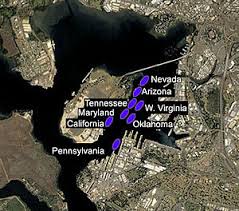
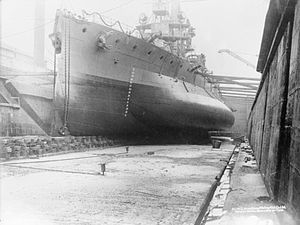
Battleship Row Pearl Harbor
Photo credit – US govt.

On December 7, 1941, my husband’s grandfather was serving on the USS Tennessee docked on Battleship Row. During the attack, his duty was to grab burning sailors who were being handed up to him from below decks. He then had to throw them over the side of the battleship, far enough out that they didn’t strike the anti-torpedo blister, in order to extinguish the flames consuming their clothes and bodies.

Anti-torpedo blister
Photo credit – Wikipedia


When the USS Arizona blew up, his back was toward the explosion. He was horribly burned but, after a year in the hospital, he returned to duty through the end of the war. His back was forever scarred like a topographic relief map.

About ten years ago at a gym, my husband was talking with an older man on an adjacent treadmill about World War II and specifically Pearl Harbor. A young man about 20 who overheard their conversation approached. He was a junior in college, polite, well-spoken, articulate, and appeared to be a curious, conscientious student.

He asked my husband, “Excuse me, sir, can you tell me what Pearl Harbor is?”

Apparently the “date which will live in infamy” was no longer taught in school.

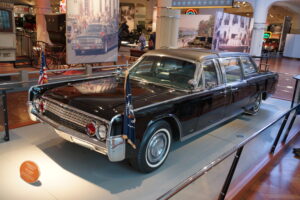
JFK Lincoln Continental – photo credit Wikimedia

November 22, 1963 was the defining date of infamy for my generation of Baby Boomers. We can all tell you exactly where we were and what we were doing when we learned the news that President John F. Kennedy had been assassinated.

Again, the world shifted on its axis and events that occurred after that date were forever stained by it.  

About five years ago, my husband and I were chatting with a young woman working her way through college as a server in a restaurant. We mentioned John F. Kennedy. She said, “Kennedy? Wasn’t he a president that was killed in a car crash?”

Apparently, my generation’s date in infamy is now a barely-remembered blip in history.

Two years from now will mark the 60th anniversary of JFK’s assassination. Oh my, that makes me feel old.

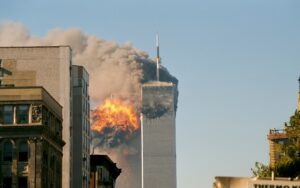
World Trade Center – photo credit Wikimedia CC BY-SA 2.0


September 11, 2001 again changed the entire world. Generations born after that date have never known air travel without the TSA, body scanners, pat-downs, luggage X-rays and searches.


2020 doesn’t have one specific date when the entire globe changed. But just the mention of “2020” is enough to provoke a sigh, a grimace, or an eye roll in every person of the age of cognizance who’s alive today.

2020 is part of our collective consciousness, as December 7, November 22, and September 11 were part of the collective consciousness of earlier generations.

Last week, a friend came to visit with her 18-month-old baby who was born in 2020. We were contemplating what Aubrey’s future might look like. Because of pandemic restrictions, she hadn’t encountered many people outside her close family and almost no one around her age.

Recently, they had gone to a playground where Aubrey saw other toddlers for the first time and reacted with amazement and curiosity. She approached a little boy and touched him.

The boy’s mother immediately swooped in and picked up the child, scolding, “We don’t touch.”

People born after December 7, 1941 never knew a world that wasn’t profoundly influenced by World War II. That was their frame of reference, their concept of “normal.”

Same for people born after November 22, 1963 and September 11, 2001. They never knew what the world was like before JFK’s assassination or before planes struck the World Trade Center and the Pentagon.

What will school be like for Aubrey in a few years? We don’t know. But, whatever the circumstances are, that will be “normal” to her because it’s the only frame of reference she knows.

The generation born in 2020 or later will never fully realize the world was once a different place.

Aubrey won’t know that parents once thought it was perfectly normal socialization for children to play, touch, push, hug, and watch each other’s reactions.

What does all this have to do with writing?

Nothing and everything.

As writers, we record the world we live in, or research, or make up. We also contrast our story worlds with other locales, other cultures, other periods in history, and even imaginary journeys into the future.

Throughout time, writers have chronicled the collective consciousness of different generations.

No matter the genre—crime, romance, history, fantasy, horror, nonfiction, etc.—we capture the zeitgeist, which Merriam-Webster defines that as “the general intellectual, moral, and cultural climate of an era.”

That’s an awesome, daunting responsibility.

~~~

Eighty years later, is Pearl Harbor relevant in today’s world?

A handful of remembrance ceremonies will be held today but, in a few more generations, there won’t even be ceremonies.

The date will fade into obscurity like April 14, 1865.

What happened on that date?

Back then, every American could probably tell you exactly where they were and what they were doing when they learned Abraham Lincoln had been shot that night and died the following morning.

Time marches forward. Younger generations replace older ones who have been the keepers of the memories. Old memories are forgotten and new ones take their places.

If future generations find our stories on the dusty shelves of cyberspace, they may smile or scoff at quaint, outdated references.

But I hope they will also recognize human truths we wrote about that transcend time.

Dates like December 7, 1941 are still worth remembering and worth writing about because of the people in Pearl Harbor who made history. 

~~~

Today is my last post in 2021 before TKZ goes on annual hiatus.

I’m grateful for your friendship and interest. Except for the written word, we probably wouldn’t have met. So glad we did!

Warmest holiday wishes to you and your loved ones.

~~~


Special holiday prices for all Tawny Lindholm Thrillers with Passion through the end of the year. A great gift for your reading friends…or yourself!

Festina Lente!

There are many familiar adages that refer to the need to be careful and diligent in our work.

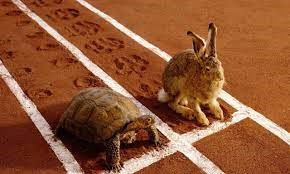
“The race is not always to the swift.” – from Aesop’s Fable, The Hare and the Tortoise

“Whatever is worth doing at all, is worth doing well.” – Philip Stanhope, 4th Earl of Chesterfield

“There are no shortcuts to any place worth going.” – Beverly Sills

Here’s one you may not have heard of:

“Festina Lente.”

I encountered this saying a couple of years ago, and it captured my imagination. So much so that it’s written at the top of the whiteboard that sits on my desk so I see it every day as I’m working.

Festina lente is a Latin phrase that literally means “make haste slowly.” It’s an oxymoron, a contradiction in terms, that refers to the proper balance of speed and diligence in one’s chosen field. Too fast and you risk delivering a sloppy product. Too slow and you miss opportunity. Finding the right pace is the key to success.

The phrase has been used throughout history. One notable proponent was the Roman Emperor Augustus who used it to caution his military commanders against making rash decisions. The emperor apparently felt so strongly about it that he had coins minted with images that referred to the saying.

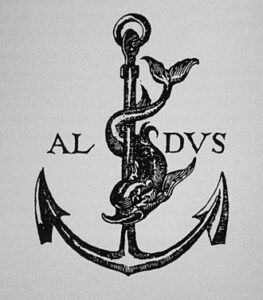
Writers will be interested in the Renaissance printer Aldus Manutius who adopted the phrase Festina lente and its symbol of a dolphin wrapped around an anchor for his publishing business. Interestingly, the dolphin / anchor symbol is currently used by Doubleday Books.

Manutius was a highly successful businessman who made significant contributions to the fields of printing and publishing. In addition to inventing the italic typeface, he produced the first small, portable books that scholars regard as the prototype of modern paperbacks.

So how does Festina lente apply to authors today?

Self-publishing has made it easy to publish without a quality gatekeeper, so the opportunity is there to rush an unpolished manuscript into production. On the other hand, it’s possible to overanalyze every word and phrase in an endless cycle of revision and never publish anything at all.

Each author has his or her own methodology from concept to production. Some are awesomely speedy in their work. Others (me, for example) are on the lente side of the equation. But in any case, we each build the finished product to our own specifications and on our own timeline.

So TKZers, how do you thread the needle between too fast and too slow? Do you have a word count quota to keep your pace up? What quality controls do you employ? How do you know when you’ve cleared the last hurdle and are ready to release the book into the wild?

* * *

“Slowly make haste, and without losing courage;
Twenty times redo your work;
Polish and re-polish endlessly,
And sometimes add, but often take away.”

— Nicolas Boileau-Despreaux

Festina Lente!

* * *

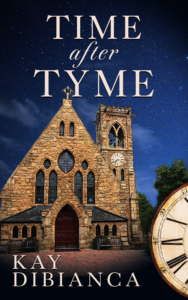
Nancy Drew meets Tom Sawyer in this new release, book three in the Watch series of cozy mysteries featuring Kathryn Frasier and Cece Goldman.

Mr. Tyme is dead, and strange, coded messages have been left in the chapel prayer box on the campus of Bellevue University. When Kathryn and Cece attempt to decipher the codes, they begin to suspect foul play. But things get dicey when a couple of misguided young girls get wind of the investigation and decide to find the killer on their own. It’s bedlam in Bellevue!

Mythic Structure: Refusal of the Call to Adventure

by James Scott Bell
@jamesscottbell

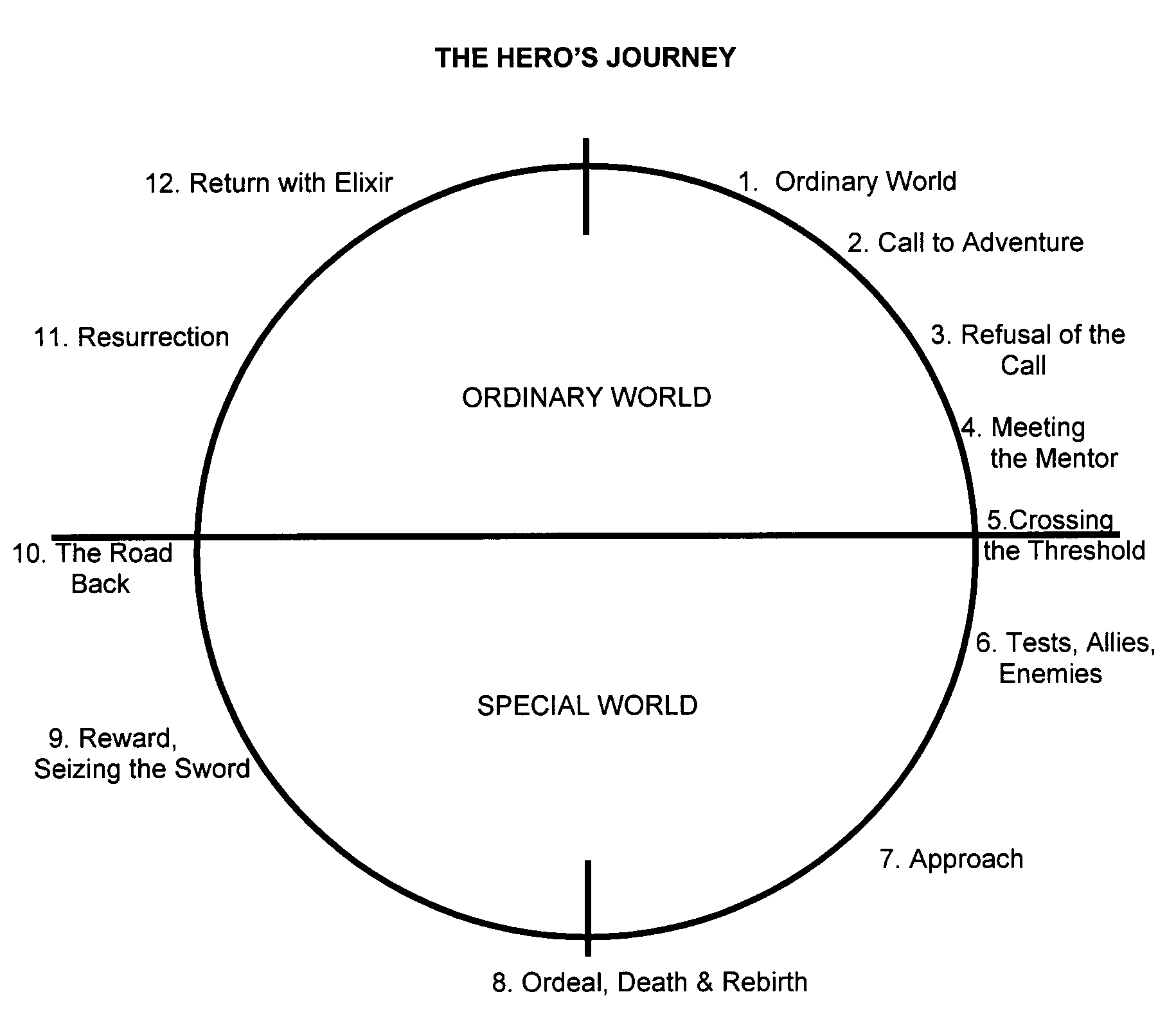
From The Writer’s Journey by Christopher Vogler (click to enlarge)

You know me. I love popping the hood on story and looking at all the moving parts. Mainly because I want to build the best story engine I can, but also to teach it. Which means getting greasy and messing around. Today, I want to examine a beat from mythic structure—Refusal of the Call to Adventure. I haven’t given this a lot of thought in the past, but recently I’ve noticed it more and more in classic movies and decided to give it some study.

The Hero’s Journey begins in an ordinary world with the hero receiving a Call to Adventure—by way of invitation, yearning, temptation, or message. But the hero initially refuses. Only later will he be thrust over the Threshold (what I call The Doorway of No Return) into the “special world.”

So what’s the point of this beat? As my friend and teaching colleague Chris Vogler explains in his essential guide The Writer’s Journey:  

The halt on the road before the journey serves an important dramatic function of signaling the audience that the adventure is risky. It’s not a frivolous undertaking but a danger-filled, high-stakes gamble in which the hero might lose fortune or life.

In other words, it gives the reader the sense that death—physical, professional, or psychological—is truly on the line once the hero enters Act 2.

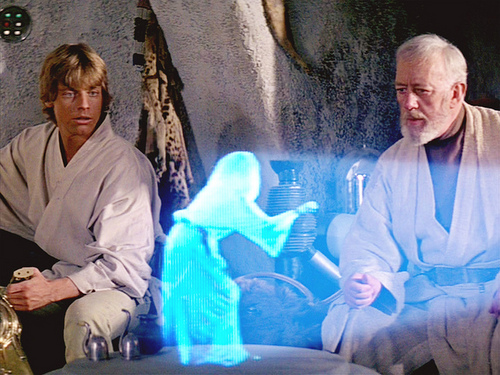
For example, Luke Skywalker sees the hologram from Princess Lea pleading for help from Obi-Wan Kenobi. Luke wonders if that could mean “old Ben Kenobi.” A bit later Luke finds Ben and sure enough he is Obi-Wan. Ben views Lea’s entire message, pleading with him to come help in the fight against the Empire. Ben then calls on Luke to join the adventure, but Luke refuses:

BEN
You must learn the ways of the Force
if you’re to come with me to Alderaan.

LUKE
Alderaan? I’m not going to Alderaan.
I’ve got to go home. It’s late, I’m
in for it as it is.

BEN
I need your help, Luke. She needs
your help. I’m getting too old for
this sort of thing.

LUKE
I can’t get involved! I’ve got work
to do! It’s not that I like the
Empire. I hate it! But there’s nothing
I can do about it right now. It’s
such a long way from here.

BEN
That’s your uncle talking.

LUKE
Oh, God, my uncle. How am I
ever going to explain this?

BEN
Learn about the Force, Luke.

LUKE
Look, I can take you as far as
Anchorhead. You can get a transport
there to Mos Eisley or wherever you’re
going.

BEN
You must do what you feel is right,
of course.

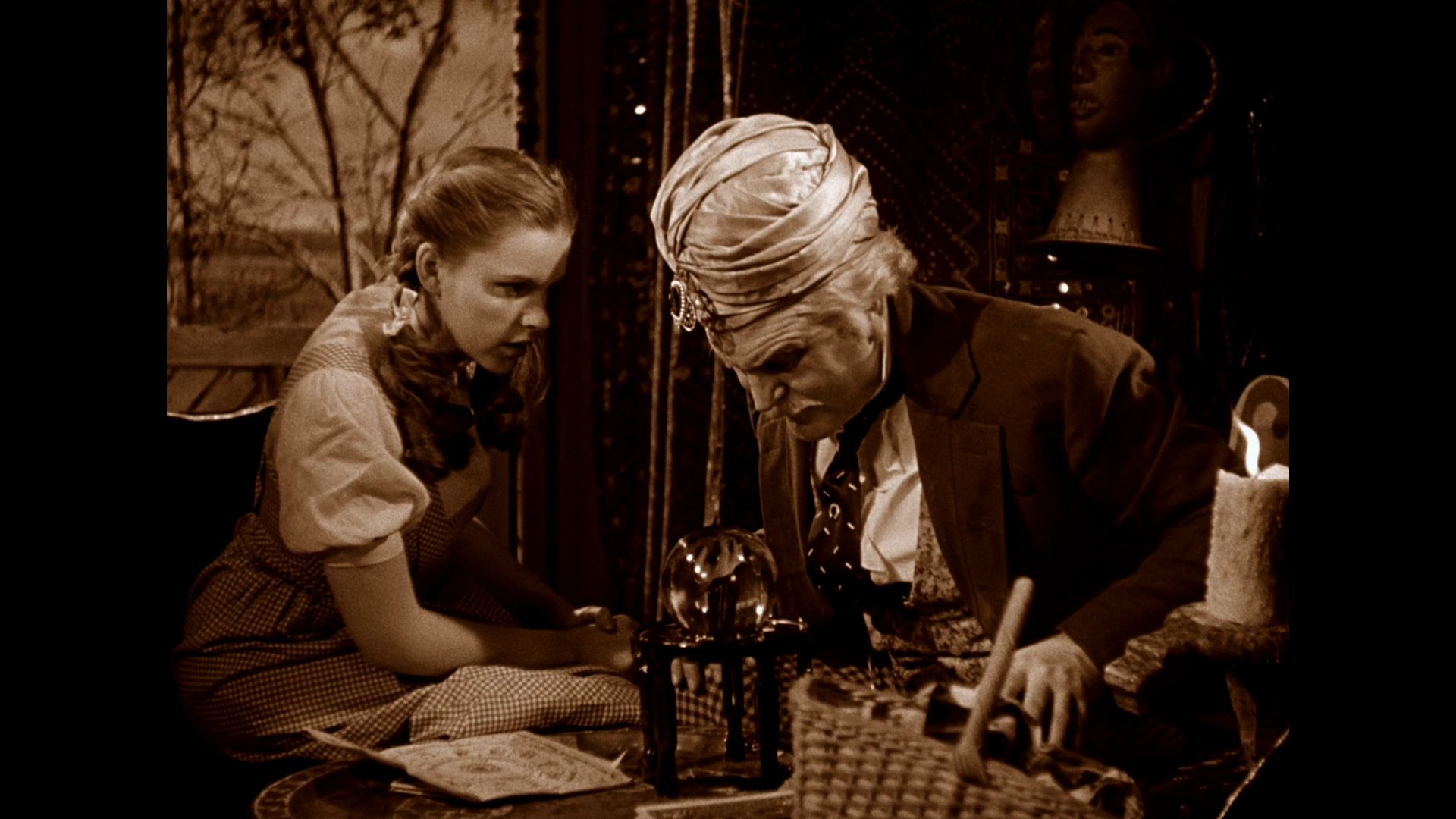
Another example: In The Wizard of Oz Dorothy is called to adventure by her yearning to find a place where there is no trouble. So she runs away as a first step. But then she meets Professor Marvel. He figures out what’s going on and uses an emotional ploy to get Dorothy to refuse the call. He looks at his crystal ball and pretends to see an old woman in a polka dot dress. “Why she’s crying. Someone has hurt her. Someone has just about broken her heart.” That gets to Dorothy, and she returns to the farm. [In mythic terms, Professor Marvel is a character known as The Mentor, who often appears in Act 1 as the conscience of the Hero.]

In both these examples the refusal of the call is related to duty. Specifically, familial duty.

Another form of duty is professional. In my favorite movie of all time, Shane (1953), the mysterious gunfighter fleeing his past takes a job working for homesteader Joe Starrett. Starrett instructs Shane to avoid trouble in town where the cattle men hang out in the saloon. The first time Shane shows up he’s tagged and shamed by one of the cowboys. It’s a call to fight back. But Shane refuses the call because of his pledged duty to his benefactor. For this he is labeled a coward by the other homesteaders. Knowing he has to overcome this for the benefit of the community, he later answers the call by giving his tormentor a thumping. He is then set upon by the entire gang—until Joe joins the fight and helps Shane beat them all up. That puts them both across the Threshold and in the crosshairs of death.

Still another form of refusal comes from self-doubt or fear. A famous example is Rocky. Pug fighter Rocky Balboa is given an incredible call to adventure—the chance to fight the heavyweight champion of the world!

Rocky immediately says, “No.” When asked why, he explains, “I’m really a ham-and-egger. This guy is the best. It wouldn’t be such a good fight.” In this way the stakes are set at the highest level before Rocky takes on the challenge.

I had an email conversation with Chris about all this, and he added another form of refusal (reprinted by permission):

Here’s another major category that can trigger refusal of the call: Bitter Experience. This is why hard-boiled detectives often turn down the case at first. They intuitively know that the investigation will lead them into dangerous places where they came close to death or somebody they cared about was killed. You also find this in comedies like the Hope-Crosby road movies where they are both wary of getting roped into the other’s schemes which have proved so dangerous in the past. In a romance, broken-hearted people are reluctant to open up to love again.

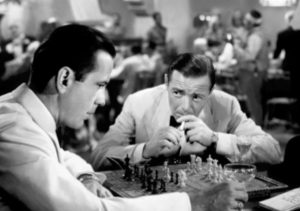
The prime example of Bitter Experience is Casablanca. Rick Blaine had his heart shattered when the woman he loved, Ilsa Lund, abandoned him in Paris just before the Nazi occupation. He has set up shop in Casablanca to forget her. His café is allowed to operate because he takes no sides in the war. His Call to Adventure comes when Ugarte, the scheming rat who murdered German couriers to obtain the valuable Letters of Transit, begs Rick to hide him from the police. Rick refuses with the classic line, “I stick my neck out for nobody.”

Overcoming the Refusal

So the hero has refused to answer the call. Something, then, has to happen to push the hero over the Threshold (through the Doorway).

In Star Wars Luke’s aunt and uncle are killed by Imperial stormtroopers. Thus, the familial duty is removed and Luke has reason and opportunity to join the Rebellion.

Or the hero herself can be removed from the duty. Dorothy is literally taken up and away from Kansas and deposited in Oz.

In Casablanca (Bitter Experience) Ilsa shows up at Rick’s café with her husband, the freedom fighter Victor Laszlo. In this way Rick is forced over the Threshold because his ordinary world has been changed to a special world (not his choice!) for now he must deal with his conflicted emotions and decide whether to help Isla and Victor or remain aloof.

A refusal out of fear or self-doubt must be overcome with a strong emotional jolt. In Finding Nemo, Marlin, Nemo’s father, is afraid of the open ocean because of a past traumatic event—a barracuda attack that killed his wife, Cora, and most of their eggs. He is therefore overprotective of his surviving son, Nemo. Nemo keeps calling his father to adventure—exploring the sea, finding a sea turtle, etc. But Marlin refuses. He is full of fear and self-doubt about his ability to protect his son.

So what emotional jolt forces him into the dark world of the open ocean? Nemo is captured by scuba divers! Marlin has no choice, he must find Nemo! There is familial duty once again—perhaps the strongest of all emotions—only this time it’s the stimulus to cross the Threshold. If we didn’t have the refusal as a way of understanding the source of Marlin’s fears, the subsequent journey would not have as much depth.

The Refusal of the Call is useful tool for story construction. Because it happens early—somewhere in Act 1—you can pants it or plan it. Once you have it, though, it will tell you a lot about your main character and provide fodder for backstory material.

Some questions to ask:

  • What reason does my Lead have to resist the call to adventure? Is there duty involved? Family ties? Or is it more a matter of fear, self-doubt, or bitter experience?
  • What were the pre-story circumstances that gave rise to this refusal? Was there a traumatic event that haunts my Lead in the present? Was my Lead’s heart broken?
  • What event is strong enough to overcome the Lead’s refusal? How can you increase the emotional level of this event?

Let the journey begin.