Another Brave Writer submitted their first page for critique. See you on the flipside.
The Accountant – a crime novel
Donatelli glanced down as he stuffed his cigarette into the car ashtray with its integrated ember killer. It looked like a damn coffee cup. Nobody could tell him not to smoke in his own fuckin’ car, so there, Anna, put that in your pipe and smoke it.
He had just left his accountant’s office, odd duck, an ace with money. “and financial planner for all your needs…” he mimicked in his mind, in a sneering voice. Good at his job, but Kevin was a pussy.
He flicked on the heat and massage feature as he wheeled the black Benz S580 onto Queen Street from the aging parking garage. His eyes rising to the windshield, he glimpsed the movement of a red dot criss-crossing his bespoke oxford cloth shirt. Panic engulfed him as it moved up the subtle stripes, out of eye range, toward the big bald dome of his head. He looked down, cross-eyed, searching frantically for the dot on his face and then around for the shooter, stomping on the gas as he completely forgot he was driving. Bad move, Donatelli. Bad move.
The shot never came but Donatelli shot through the windshield when the car slammed into the big maple, sedate and glorious in its fall foliage. He should have paid attention to the other red dot, the one that indicated “check airbag”.
That day, the day Kev killed Donatelli, was an amber and scarlet October Friday. As he shrank back, Kev’s feet crunched the leaves scattered on the sidewalk while horror and disbelief churned inside him. The eyes of the leaving-work crowd were on the shattered wreck accordioned against the towering maple, smoke spiralling from the dead engine. And Donatelli. No one seemed to notice as Kev hastily thrust his hand into the swing-top bin on the corner and released the ‘weapon’. The sun glinted off Donatelli’s sunglasses, the tilt of his head hovering over the hood making it look as though he stared accusingly at his accountant. Although the dripping blood diminished the illusion, the shower of red maple leaves caused by the impact added to the colour.
Kev thought of Dina. Would he tell her? Being married to Dina was like holding a helium-filled balloon. She relied on him to keep her grounded. The comparison to a balloon would not sit well with Dina who waged an ongoing war against balloons.
***
This Brave Writer must be new to the craft. Thus, let’s talk big picture first. First “rule” of writing is to limit one point-of-view per scene. Though an omniscient POV is one of the choices, I don’t think Brave Writer was going for that. I believe they intended to use deep 3rd.
This first page is a classic case of trying to fit too much information into the first page to draw readers into the story. Unfortunately, it has the opposite effect. Releasing too much information too quickly only causes confusion. The opening page should hint at the story to come. It should compel the reader to flip the page. By releasing too much information, the reader has no reason to continue. It’s also confusing, because we don’t have the story playing in our minds like the writer does.
This first page told us:
- Donatelli had a meeting with his accountant, presumably Kev.
- Donatelli doesn’t like Kev.
- Donatelli dies in a car accident.
- Car accident was caused by a red laser dot.
- The make, model, and color of Donatelli’s car.
- How Donatelli is dressed, including his sunglasses, which stay in place after he sails through the windshield.
- Kev killed Donatelli.
- The day of the week (Friday).
- The month (October).
- What the weather was like that day.
- Kev is Donatelli’s accountant.
- What Donatelli looked like dead.
- The eyes of people leaving work on Friday. How do you see workers’ eyes from a distance? Or do you mean their attention turned toward the car wreck?
- Kev is married to Dina.
- Dina needs grounding.
- Dina hates balloons for some reason.
- Dina wouldn’t like Kev comparing her to balloons.
Whew! That’s a lot of information to squeeze into the opening page of a novel. See why this may confuse readers? It’s too much to absorb all at once. Save at least 80% of that information and sprinkle it in little by little later. Let me show you what I mean.
Here’s your opener again:
Donatelli glanced down as he stuffed his cigarette into the car ashtray with its integrated ember killer. <- No smoker would think about a car lighter in this way. Also, newer vehicles don’t come with lighters or ashtrays these days. It looked like a damn coffee cup. <- Don’t understand this visual. Nobody could tell him not to smoke in his own fuckin’ car, so there, Anna, put that in your pipe and smoke it. <- Like it. You’ve given us a peek at his personality, without telling us. Good job!
He had just left his accountant’s office, odd duck, an ace with money. “and financial planner for all your needs…” he mimicked in his mind, in a sneering voice. <- The catch phrase adds no value. Also, how does one mimic in their mind? Good at his job, but Kevin was a pussy. <- That works. It shows Donatelli’s disdain for Kev.
He flicked on the heat and massage feature as he wheeled the black of his Benz S580. When he turned on to Queen Street, from the aging parking garage. His eyes rising (<- nitpick: I envision loose eyeballs) his gaze lowered (not rose) to the windshield, he glimpsed the movement of a red dot criss-crossing his chest. bespoke oxford cloth shirt. <-What he’s wearing is not important. Think: suspense. Short. Punchy. A gazillion things should race through his mind, things like, who wants him dead? Why would someone, anyone, want to kill him? It must be a professional hit, if they’re using a gun with an infrared laser. Who would hire someone to kill him?
Panic engulfed him. (More powerful on its own line.)
as it moved up the subtle stripes, out of eye range, toward the big bald dome of his head. If he had a gun trained on him, he would not think about his outfit or his bald head. He looked down, cross-eyed, searching frantically for the dot on his face How does he “look down” at his face? “Cross-eyed” also takes us out of his POV.
In search of the shooter, his gaze flicked from window to window. and then around for the shooter, stomping on the gas as he completely forgot he was driving. No one forgets their driving. They may get distracted, but they don’t forget they’re behind the wheel of a moving vehicle. Bad move, Donatelli. Bad move. Stomped the gas instead of the brake—hit a tree—and shot through the windshield, glass shattering around him.
The shot never came but Donatelli shot through the windshield when the car slammed into the big maple, sedate and glorious in its fall foliage. Why would anyone, mangled and dying, take time to admire a maple tree? If the description is important to the plot, save it for later when the police come to the scene, and include in someone else’s POV. If it’s not important, delete. He should have paid attention to the other red dot, the one that indicated “check airbag”. <- He would never think this as he’s dying.
These last two paragraphs don’t belong in the same scene as Donatelli’s POV. Save them for a future scene, but tighten the writing like above.
That day, the day Kev killed Donatelli, was an amber and scarlet October Friday. As he shrank back, Kev’s feet crunched the leaves scattered on the sidewalk while horror and disbelief churned inside him. The eyes of the leaving-work crowd were on the shattered wreck accordioned against the towering maple, smoke spiralling from the dead engine. And Donatelli. No one seemed to notice as Kev hastily thrust his hand into the swing-top bin on the corner and released the ‘weapon’. The sun glinted off Donatelli’s sunglasses, the tilt of his head hovering over the hood making it look as though he stared accusingly at his accountant. Although the dripping blood diminished the illusion, the shower of red maple leaves caused by the impact added to the colour.
Kev thought of Dina. Would he tell her? Being married to Dina was like holding a helium-filled balloon. She relied on him to keep her grounded. The comparison to a balloon would not sit well with Dina who waged an ongoing war against balloons.
A few notes:
It’s fine to open a thriller with a murder victim. If you choose to stay in Donatelli’s POV (the victim), you must make us empathize with him. Otherwise, who cares if he dies? If you’d rather us care about Kev, then open with him as the POV character. Actually, I think the last two paragraphs in his POV are stronger.
Who is the protagonist of this story?
Does the story rewind to include Donatelli? Or is he the first victim of many?
Is Kev the antagonist? Or is he an antihero?
You need to establish these roles right away. Don’t make us guess. Hopefully, Kev, Donatelli, or both are main characters (hero/antihero or villain). Are they?
In terms of description, take sight out of the equation. Now, how would you describe a maple tree? How would you describe a car accident? Is the crash loud or silent? Both could be true, depending on whose POV you’re in.
Speaking as someone who shot halfway through a windshield, I can tell you, I heard nothing. It was more of an eerie stillness as my body immediately went into shock. It wasn’t until a Good Samaritan stunned me out of my silent haze that I heard the crunching of glass as I opened my eyes, tearing off one eyebrow, eyelashes, half my nose, eyelid, and upper lip. What I did not do was admire the trees. 😉 In fact, I had so much glass and blood in my eyes, I could barely see.
If you slipped inside Donatelli’s skin, how would you describe panic? Does your hearing muffle? Does your pulse race? Is your mind on high alert? What’s happening inside your body? It’s difficult if you’ve never experienced sheer terror. You need to speak to someone who has, someone willing to share their story. Don’t rely on the movies, which are visual mediums.
Slow down, narrow in on minute details without using sight. That’s how you make us care about Donatelli. Let us into his mind but not surface level. He’ll be dead soon. You must let us all the way inside to his true character, his hopes, his fears, his dreams for the future, how his body reacts, how his mind flusters, how his environment blurs.
If this was my first page, I’d open in Kev’s POV. Show how he uses the laser to cause the accident. Show his delight when the car crashes into the tree (your maple tree visual would make sense then). Show him standing over the body, with a snide smirk and a few choice words of inner dialogue to hint—not reveal—at why he killed Donatelli.
I’ve only opened in a victim’s POV once, but I pulled from life experience. When my gas pedal stuck wide open on a busy main drag littered with traffic lights, it terrified me. In my case, the hell ride was due to a manufacturer’s recall, and I eventually walked away unscathed. In the book, a serial killer hacked the victim’s car and took control. She died. See how easy it is to twist real life into fiction? Something to think about.
Okay, over to you, TKZers. Would you turn this first page? Any advice to add?
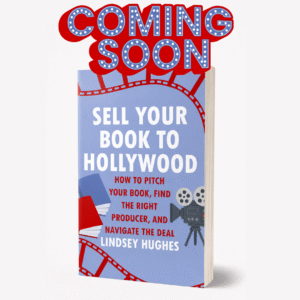 This is the playbook I’ve built from 30 years in the business: what producers want, how deals get made, and the mistakes that kill great projects.

 By Elaine Viets




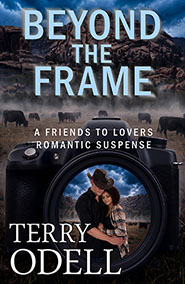
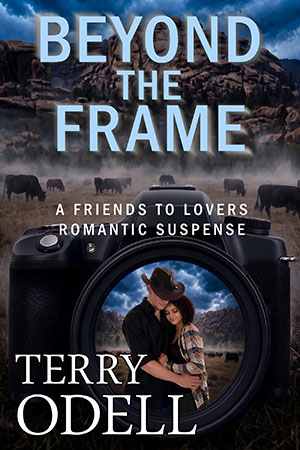 If you’ll pardon a little BSP, Beyond the Frame is now out in the world. This is a stand alone, although there’s a possibility it might spin off another book. Or two. Not something I had in mind when I started writing, but as the book drew to a close and I was doing all the editorial reading, I noticed some potential sequels. Subconscious at work?
 Agatha Christie Room