In Which We Talk Swag

Panorama pic of Left Coast Crime 2019 Swag Table

In recent years, the bags of free goodies celebrities receive for going to awards shows or film festivals has become the stuff of–well, if not of legend, then over-hyped fodder for gossip sites and their related television shows. These “swag bags” often contain things like  vacations, certificates for plastic surgery (booty lift, anyone?), jewelry, designer duds, catering, gaming systems, computers, booze, beauty products, therapy consultation, car leasing, protein bars, and much, much more.

If you’ve been to a book festival or conference, you know that attendees sadly must settle for less.

Back in the 00’s, a fan might pick up the occasional button, keychain, or bookmark. (Much to author Bill Cameron’s puzzlement, I still have a button with his LOST DOG (2008?) cover, and put it on my Christmas tree every year.) Now, it seems that the majority of authors attending conferences are giving at least a little something away with their name, website, and book cover to potential fans. When the number of authors at a conference can run well into the hundreds, you’re talking about a lot of stuff.

Over the years I’ve given away bookmarks, laminated magnets, flower seed packets, plain magnets, chip clips, lots of candy (not branded), postcards, and did I mention bookmarks? Those were all paid for directly out of my pocket. For THE STRANGER INSIDE, Mulholland Books created some kick ass keychains to give away at a Little Brown event at Bouchercon in St. Petersburg. I snapped up the five or six left on abandoned tables after the event. (Never leave your swag behind!) I never could’ve afforded to sponsor such a high-value bit of swag myself, so I was very, very grateful.

As I’ve just returned from Left Coast Crime 2019, Whale of a Crime, in Vancouver, BC, I thought I’d share my thoughts on the immense amount of swag I saw there. No, I didn’t ask any of these authors if I could post photos, as the items are–I assume–meant to advertise their books. But I did take the photos, and they itched to be shared. If you’re promoting your own work already, or someday will be, I hope they’ll be useful to you. Pics are in no particular order.
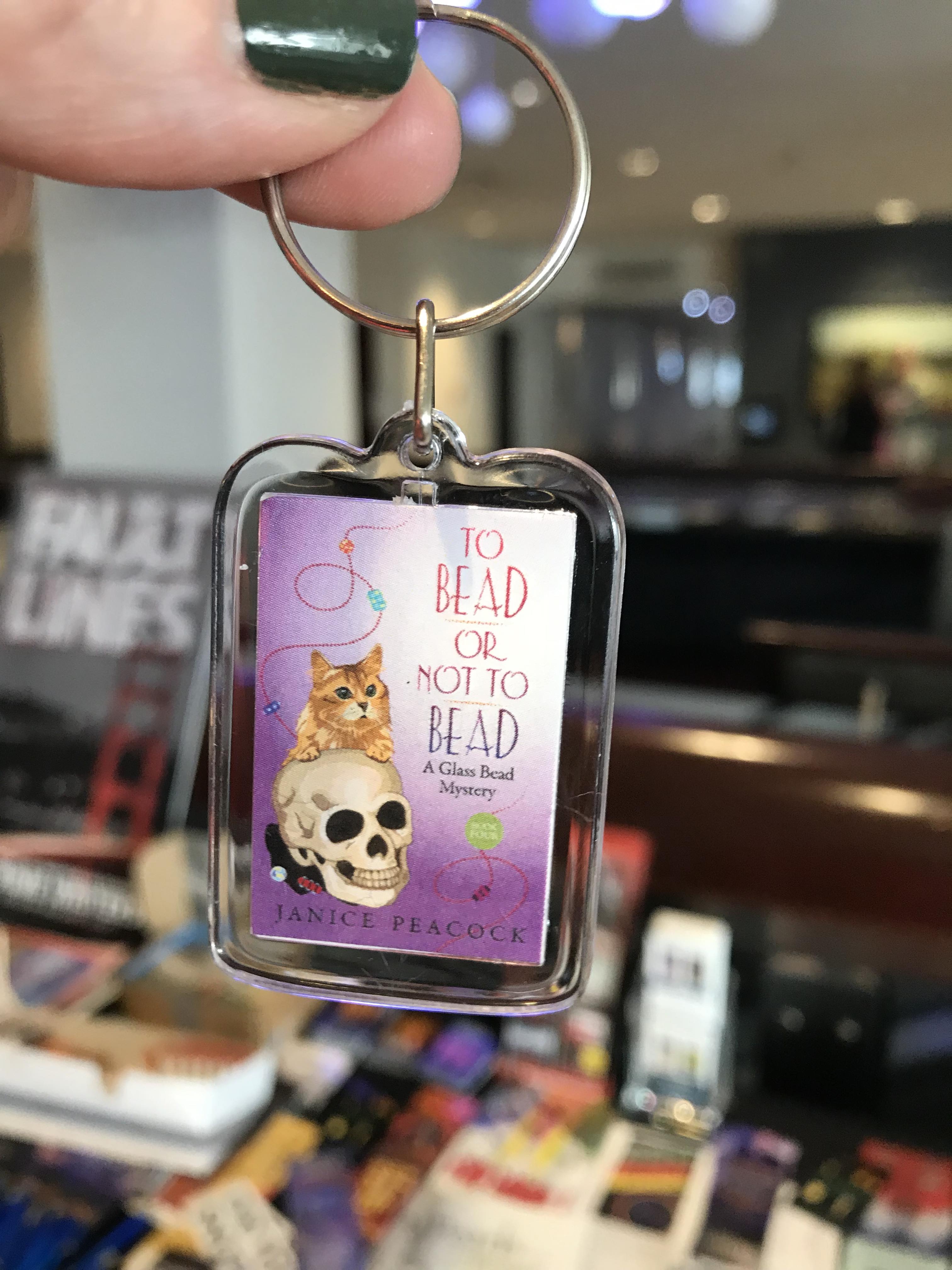
KEYCHAIN: This was one of my favorite bits of swag. Janice Peacock/To Bead or Not to Bead. The cover is charming and colorful, and a keychain is one of those items that’s going to hang around a long time. Unfortunately, no website address.  $$$

CARD LIST: I wasn’t sure what to call this, so “card list” it is. I had to read the list and the headline a couple of times before I understood that it was just for fun. Used online, this would make a cute Facebook or Pinterest image. As clever as it is, I would’ve liked to have seen at least one of the book covers as well. I went to Becky Clark’s “Books” page to see that Mystery Writer’s Mysteries is a collection of books featuring mystery authors. When I first saw the card I thought it was maybe a group of authors who wrote them. Bonus points for eye-catching colors, website addy, and stand-out size. $
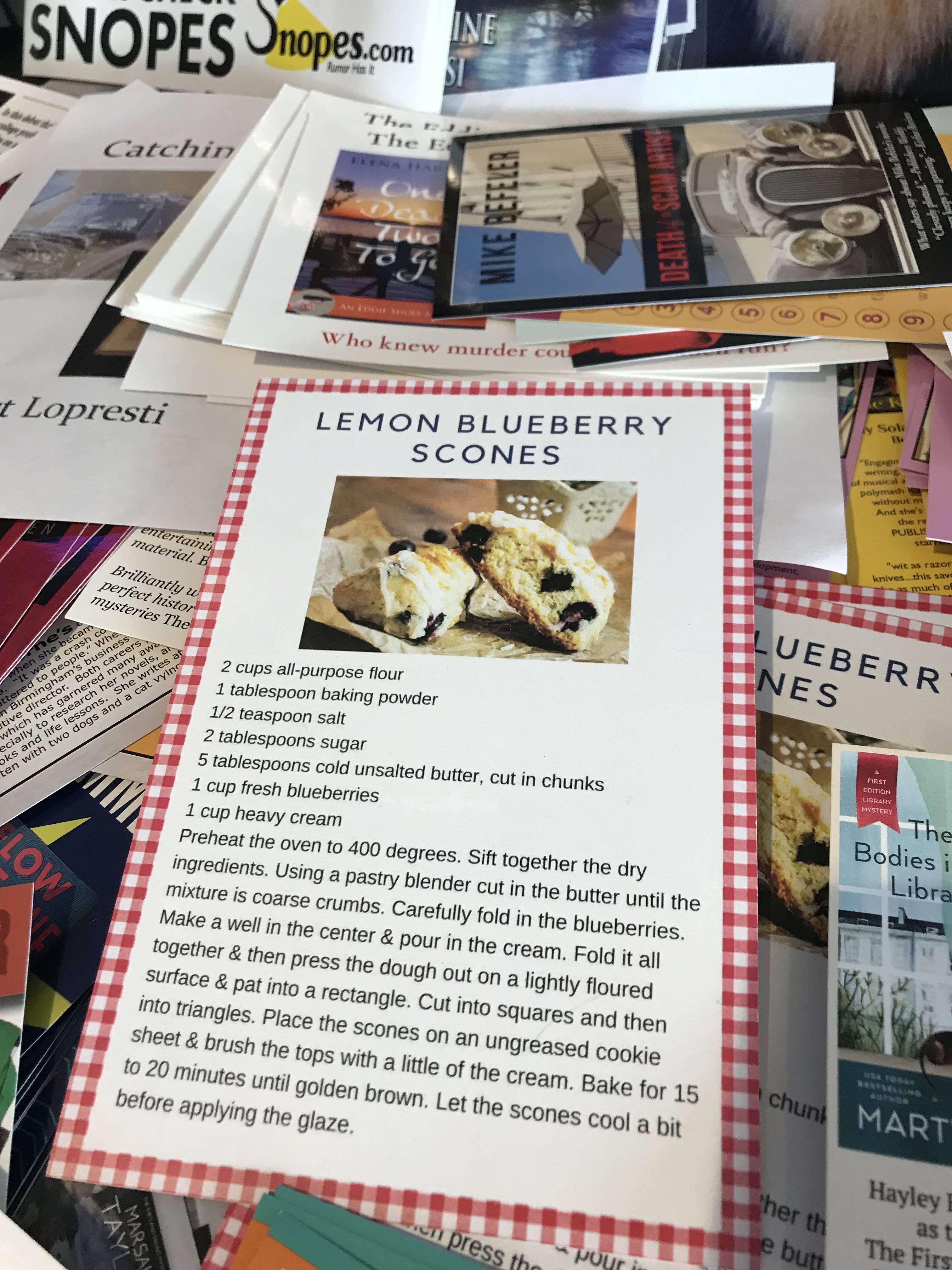
RECIPE CARD: How lovely is this?! Coincidentally I have been wanting to make scones. Unfortunately, it doesn’t have any identifying information–as though it’s at the wrong conference. I assume there’s book and author information, and perhaps a book cover on the reverse side. As you can see in the photo, the stack is similarly placed. NOTE: The swag table is a crowded place–you can’t expect a browser to turn every thing over to see what’s on the back. Be sure you have book and author information on BOTH SIDES.

Four-color printed, large card: $$


WINE STOPPER: Unique at the conference. Good author name presence, especially with the added bookmark. Alec Peche/Damian Green Series. Visited her website to see if the books were wine related. They don’t appear to be, but lots of people drink wine like they use keychains, bookmarks, etc. $$$

DRINKS COASTER: On theme, useful, and good information. Could use a website address. These went quickly. Leslie Karst/Sally Solari Mysteries $$$
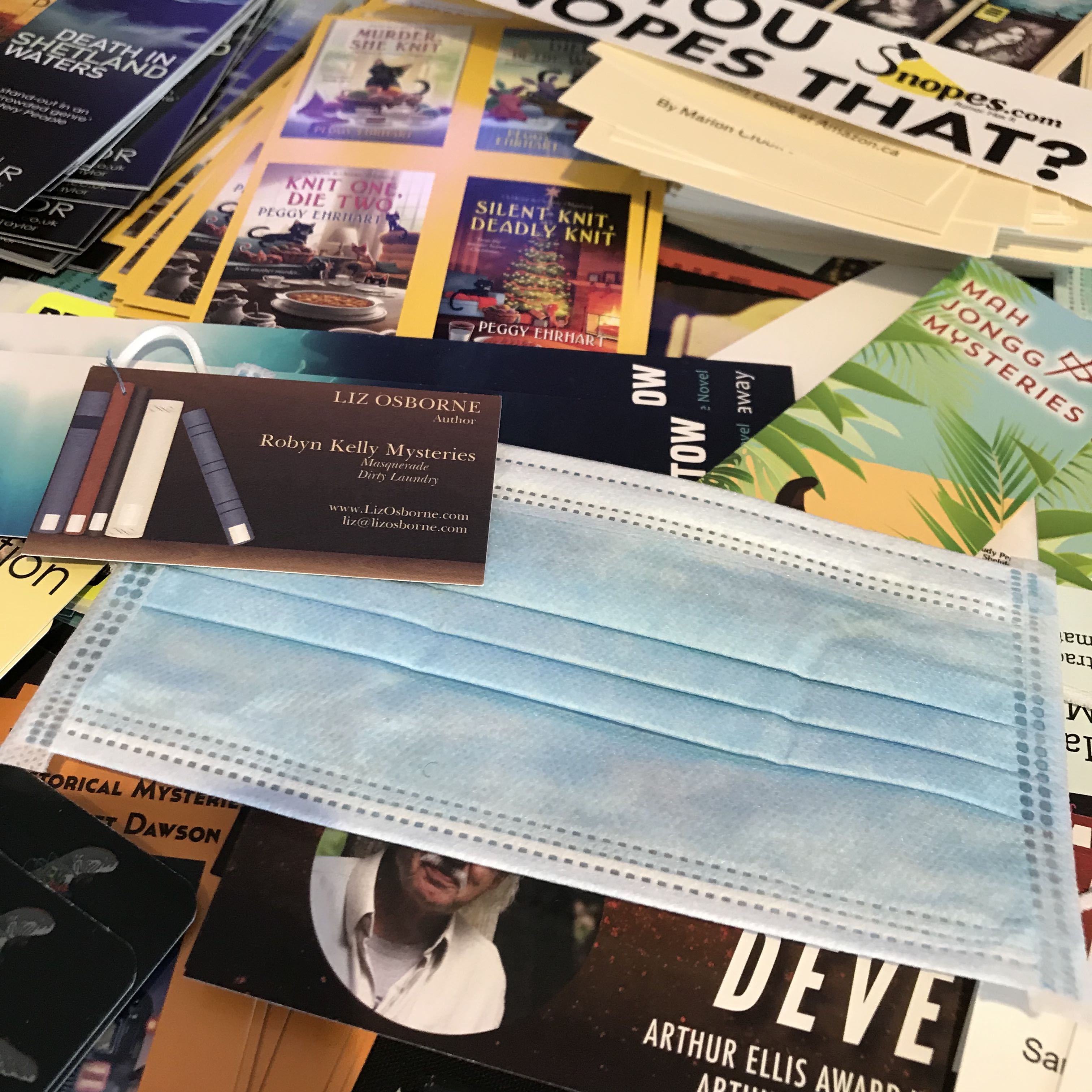
SURGICAL MASK: Another unique item–meaning no one else brought them. I found this both charming and a little alarming. At first I thought maybe the books were Michael Crichton-type horror books, but they’re hospital mysteries. I breathed a sigh of relief! Card attached to the mask with good information. Again, these went fast. (There was no shortage of folks wearing surgical masks on the streets of Vancouver!) Very on-theme. Liz Osborne/Robyn Kelly Mysteries $$$
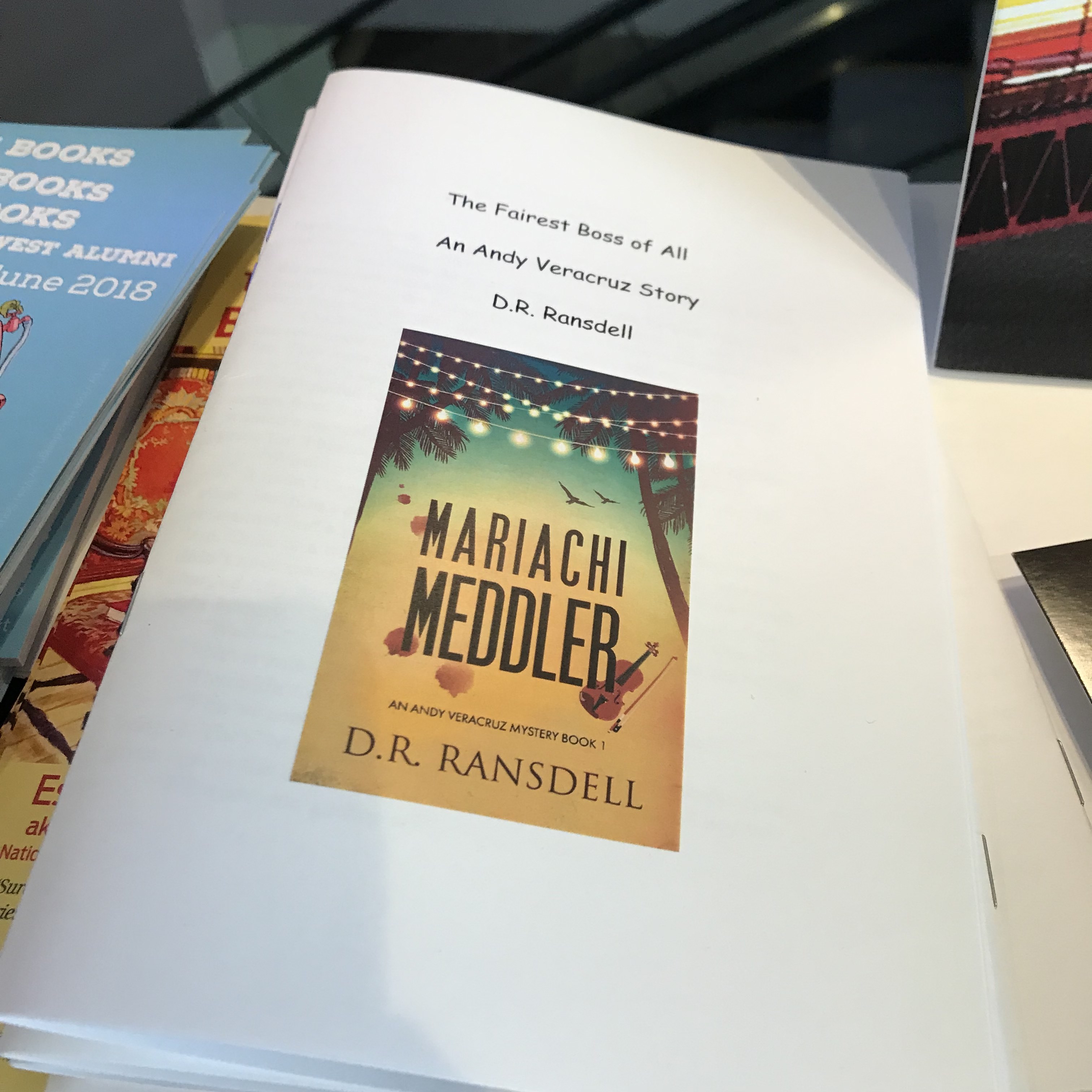
PRINTED SHORT STORY: Content! Smart offering. Eye-catching and large. (Large might be a drawback, as attendees take home many books and might not have much room for more.) Good to mention it’s a story in a series universe. No website address? D.R. Ransdell/MARIACHI MEDDLER $$
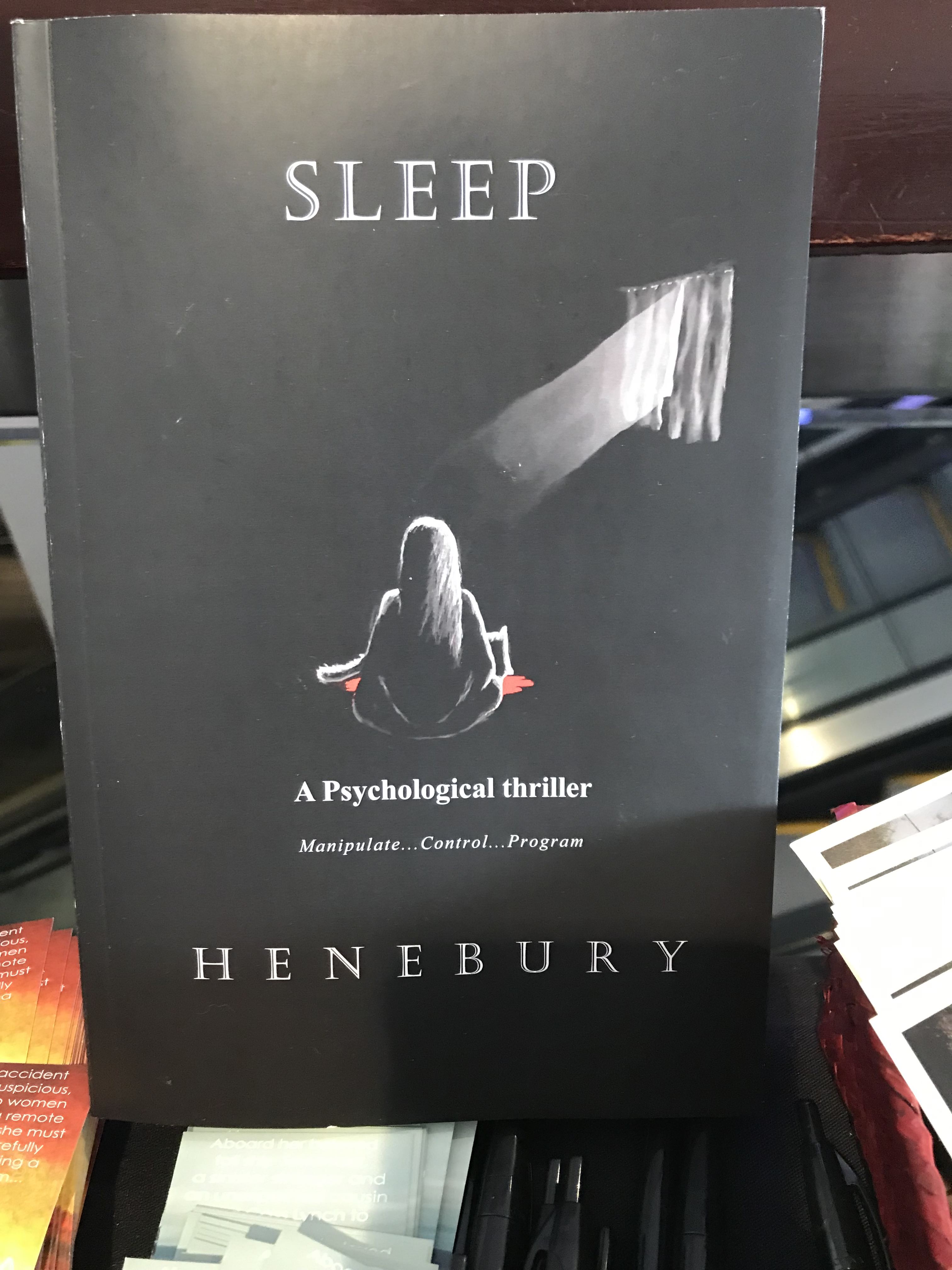
PAPERBACK BOOK: Not sure if this paperback was meant to be a giveaway, or if it’s related to the black pens in front of it. I didn’t see any other copies. Very cool cover. Henebury/SLEEP $$$$

Publishers often give away paperback ARCs (Advance Reader Copies) at conferences. It’s a pricey option, but there’s nothing better than getting an actual book, IMO.
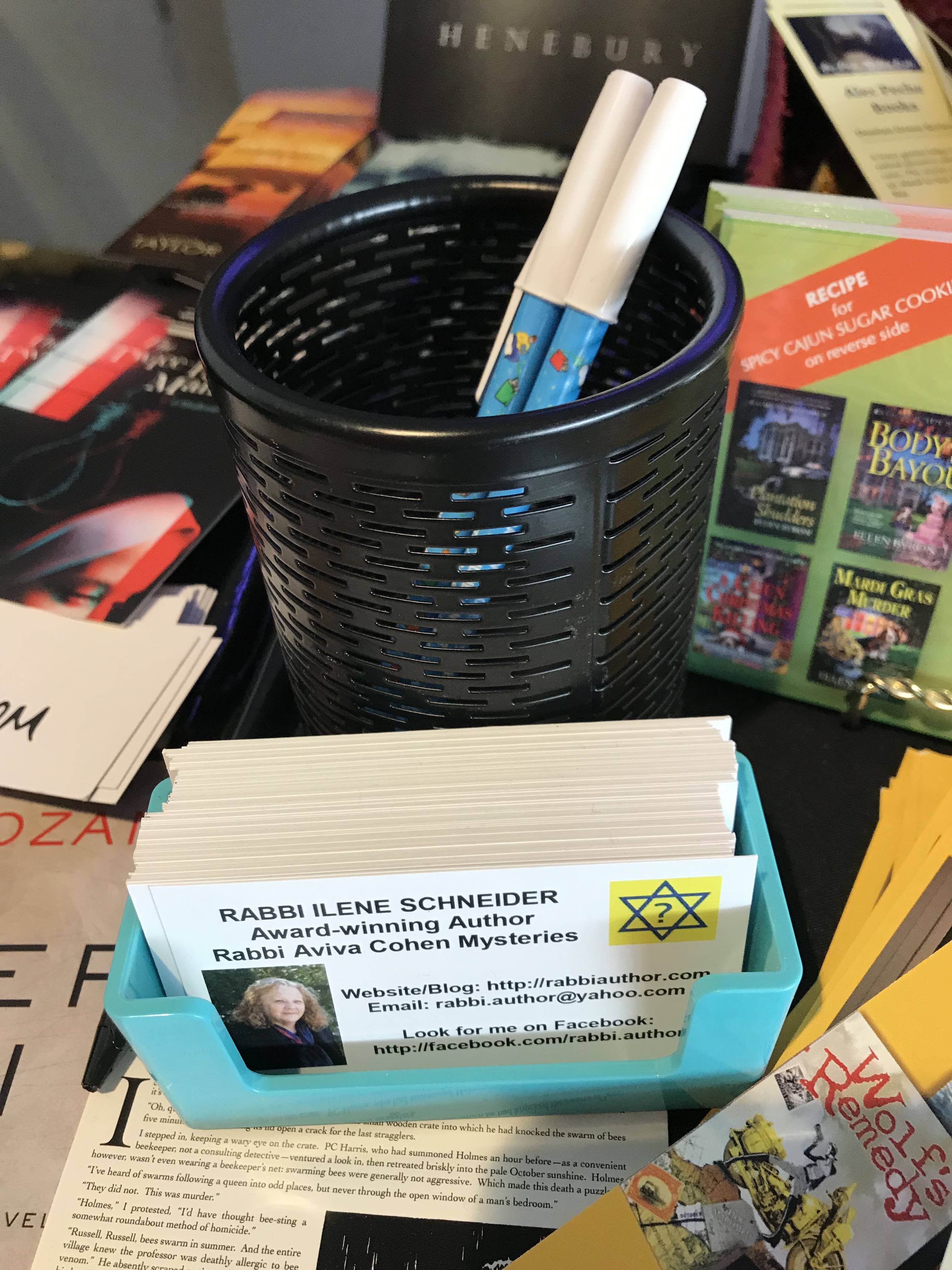
PEN/CARDS: I liked this combo a lot. The pens were adorable, and had the book series name and website (as I recall). The cards offered every other bit of info you could want. Plus an author pic. If there hadn’t been colorful pens, I think I’d have wanted to see a book cover. Also, a rabbi writing about a rabbi is a fascinating combo. Rabbi Ilene Schneider/RABBI AVIVA COHEN Mysteries $$$$

When you have multiple items, there’s a chance they’ll get separated. (Note Alec Peche’s useful box above) And you’ll notice that the pens went way faster than the cards. So the pens need maximum info.
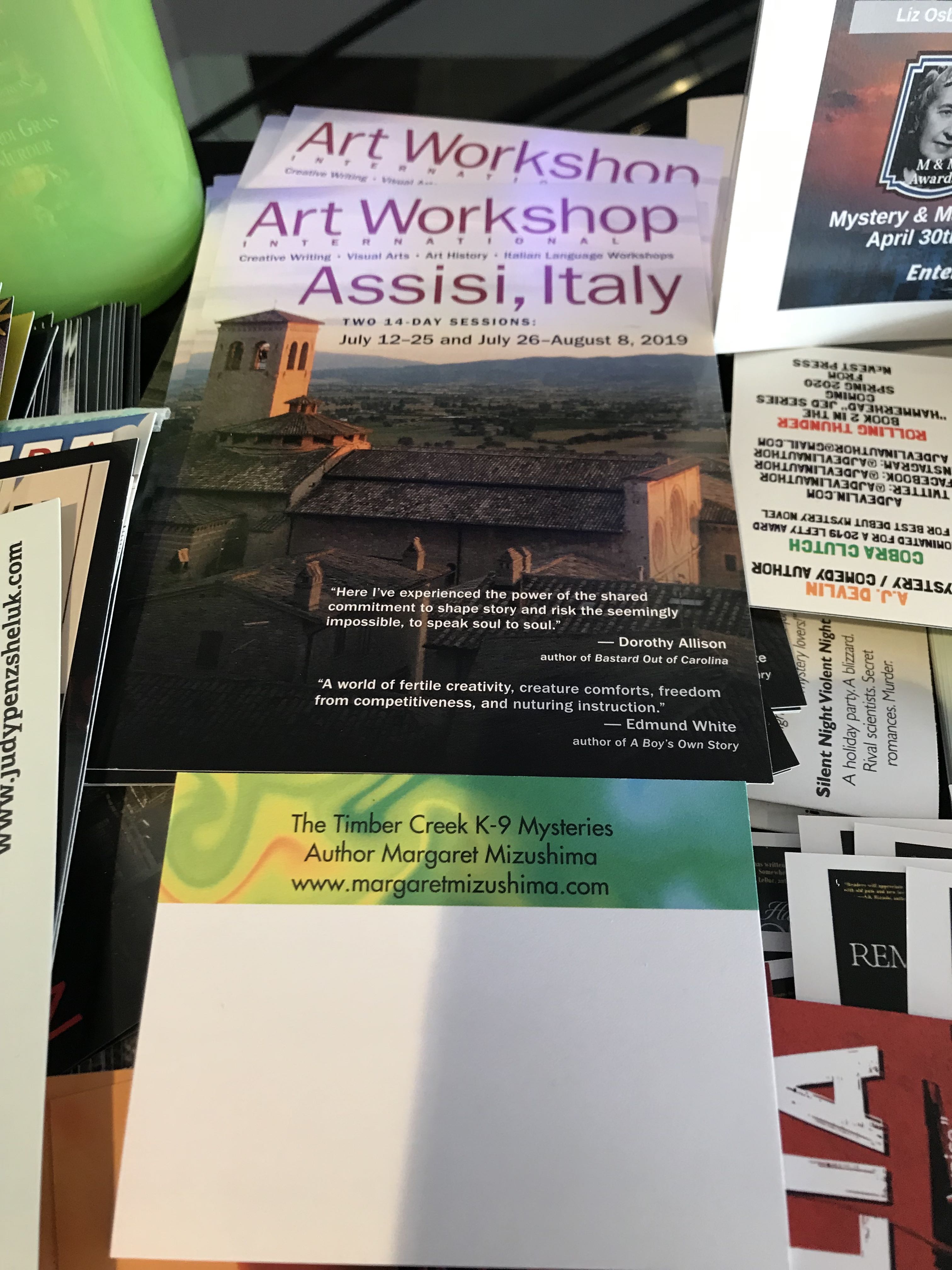
TWOFER

CONFERENCE CARD (large): It’s not just authors who promote. There were quite a few offerings from workshops and retreats. IDK if there’s info on the back, but there’s no website on the front. Again…Everything should be obvious and immediate. Colorful and eye-catching. $$

STICKY NOTES: Colorful, useful, informative. These sticky notes are a great giveaway. The author’s name and website is right there, along with the name of the series. Sticky notes can hang around a desk a long time. Pricey. $$$$
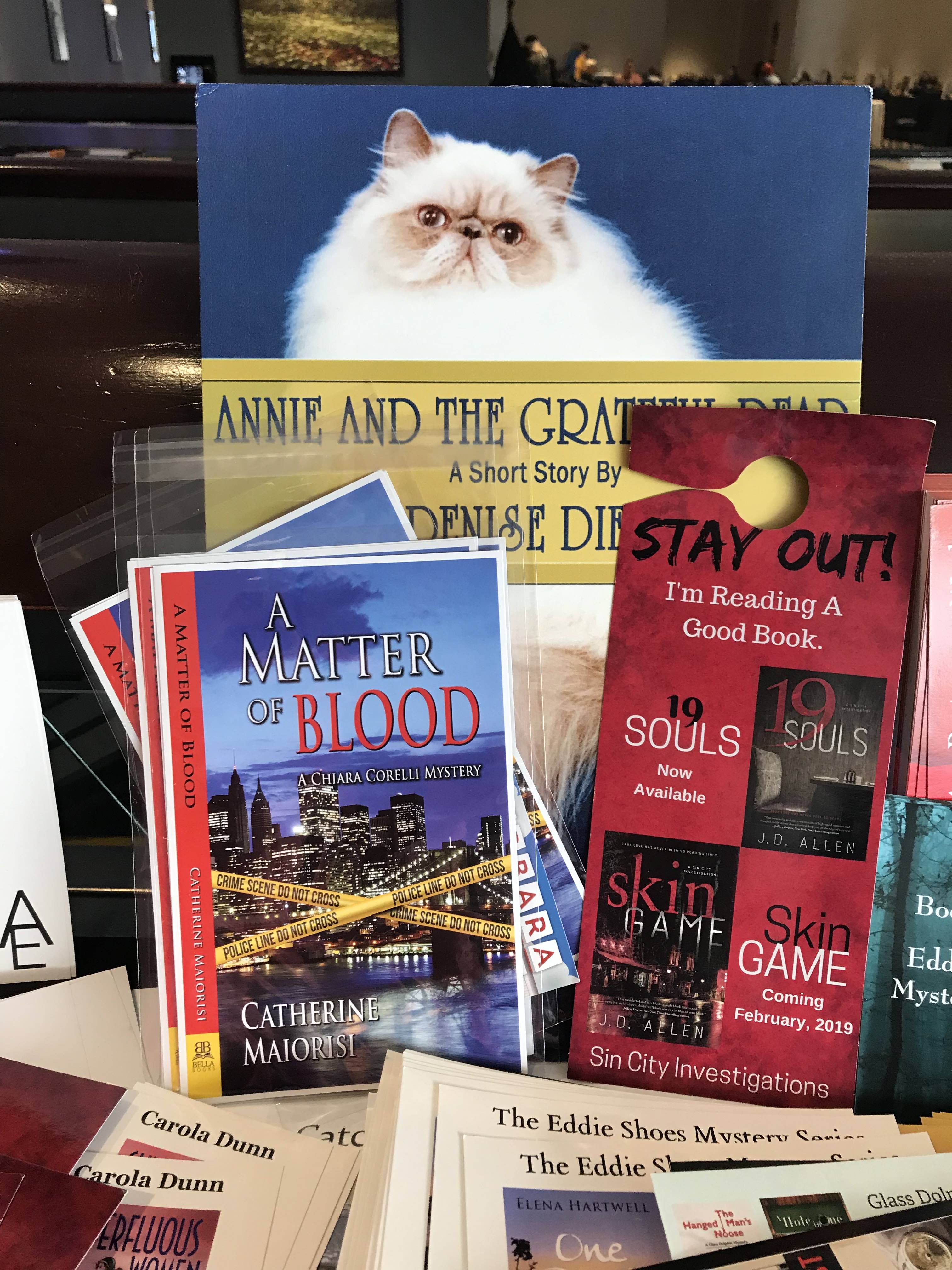
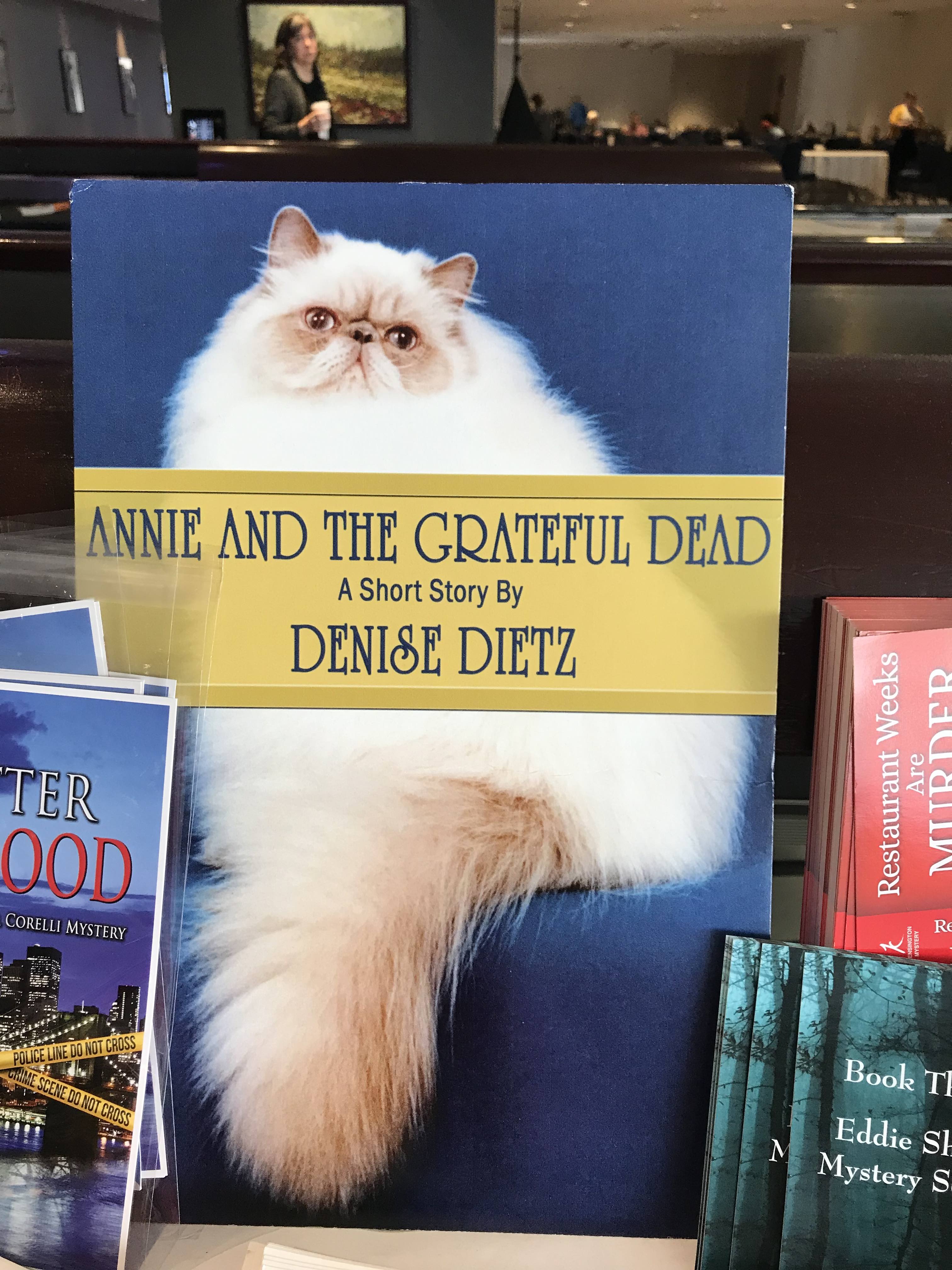
STANDING POSTER: See what I mean about things getting covered up? I had to rearrange things to get the full poster shot. It’s smart that she made it so large that it could tower over the stuff people put in front of it. Real estate is precious. I don’t know if there were copies of a short story to go along with the poster, but wouldn’t you think so? The cat kills me! Bonus points for excellent design. Website addy? Denise Dietz/Annie and The Grateful Dead.  $$ for just the poster, $$$ if story copies were included.
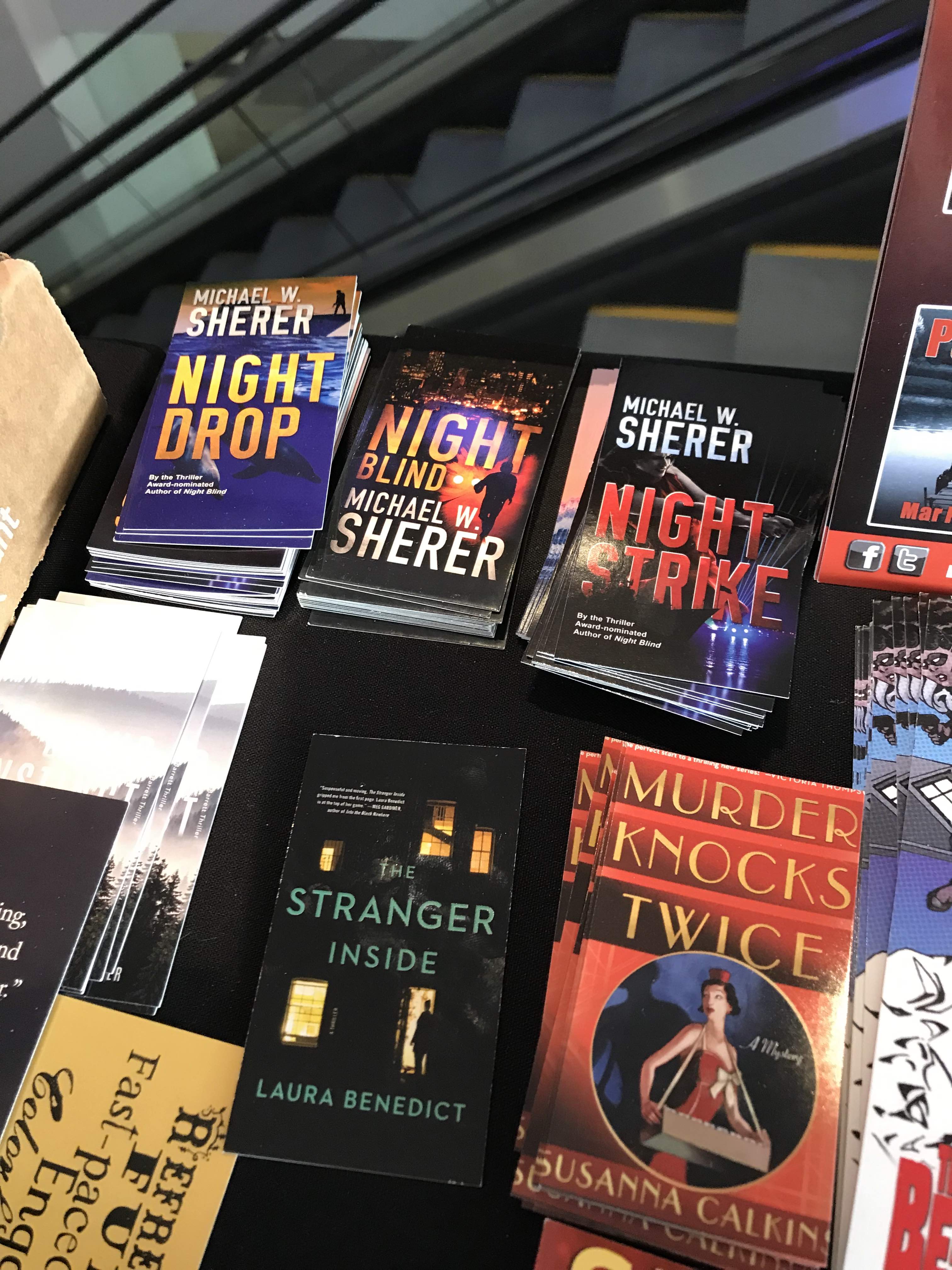
TWOFER, though it doesn’t look like it

MAGNETS: Magnets used to be super expensive. They involved sealing an image and putting a magnetic back on it. Now they can print on long strips of magnet.

This is my moment of shame: Great cover for THE STRANGER INSIDE, yes? Magnets hang around a long time on refrigerators or on metal filing cabinets, etc. Note the bits of white on the edges of my magnet. When the magnets were cut from sheets, they didn’t cut cleanly, and some of the black edge was exposed as white. Ugh. Also, this last magnet shows fingerprints. No website addy. $$

Note: You can’t tell the difference between the magnet and the four-color cards surrounding it. That’s a problem. Unless someone picks it up, they’ll never know what it is. Magnets are great to hand out directly, say at book festivals and signings. But they’re useless flat on a table. I did do bookmarks as well, though. They have all the info.

CARDS: The number of beautifully produced cards was astonishing. Michael W. Sherer’s were particularly high quality and had great variety. Useful if information is on the back. Book covers are striking. If they’re striking enough, people may be moved to pick them up to investigate. They also have a collectible quality about them, and make good bookmarks.
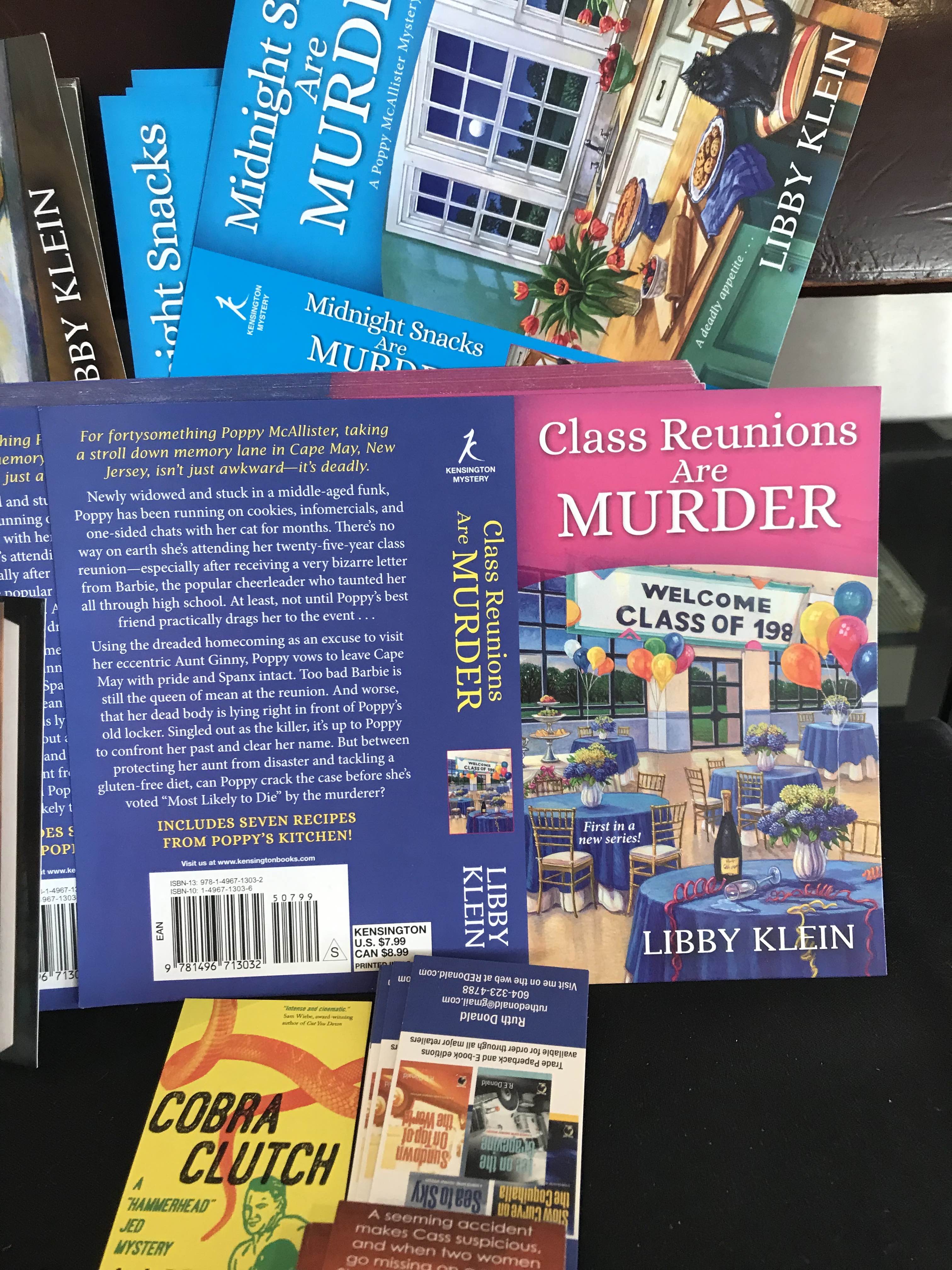
BOOK COVERS: Colorful, all the information about the author, and the book. Author Libby Klein had several versions of these. They seem to be bigger than postcard size. Maybe they are actual book covers? Interesting souvenir. $$$
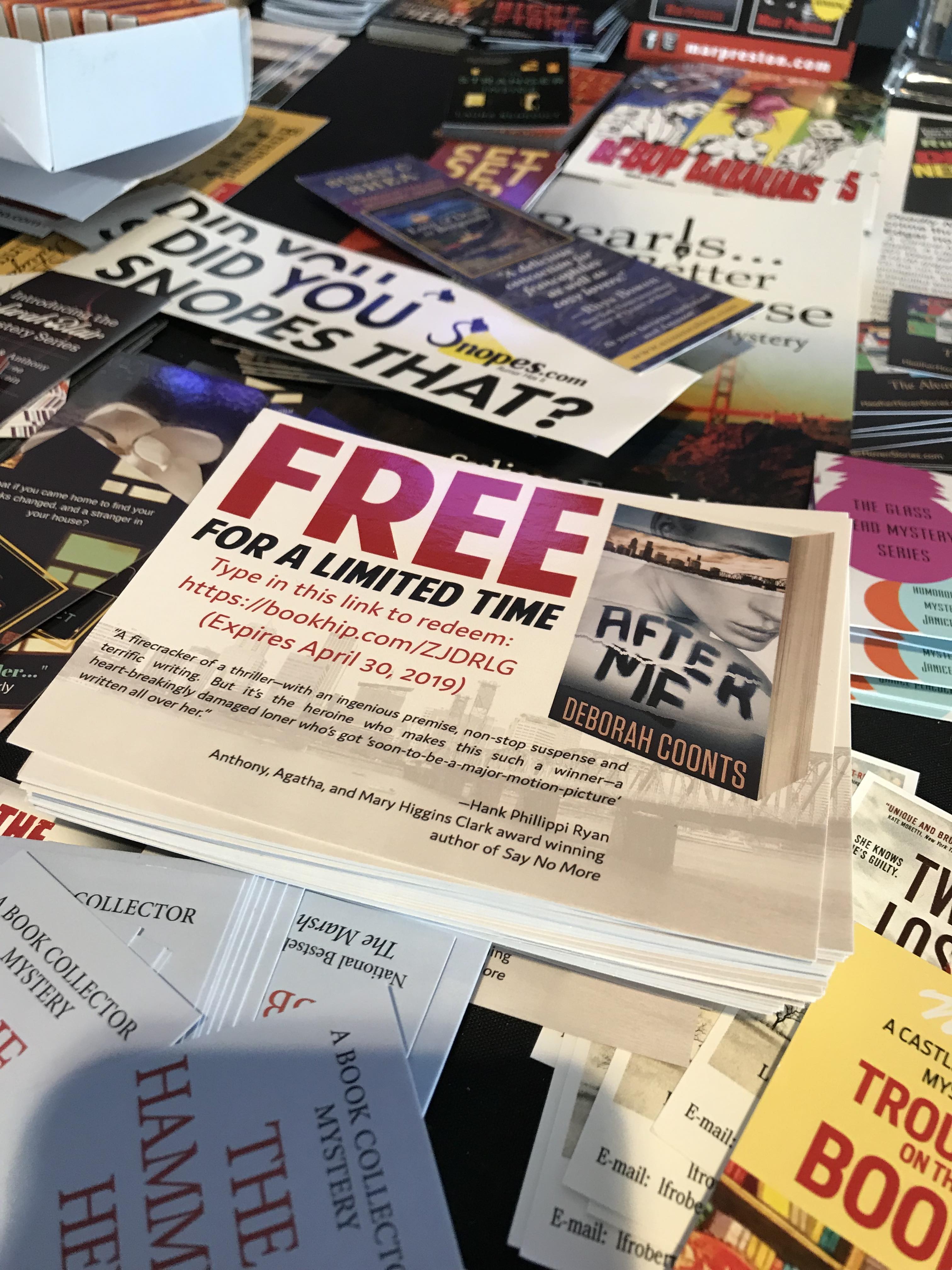
FREE PROMO CARD: Deborah Coonts/AFTER ME. Striking size and design. Lots of good information, including cover, synopsis, blurb, and download code. No website addy? (I didn’t look at the back).  $$ or maybe $$$ including the download.

I did a free download of a short story on a bookmark for my sixth book. I didn’t have all that many downloads, but it is a clever gimmick and a great freebie. The idea that you have to type in the address and can’t just click on the picture is still funny to me.
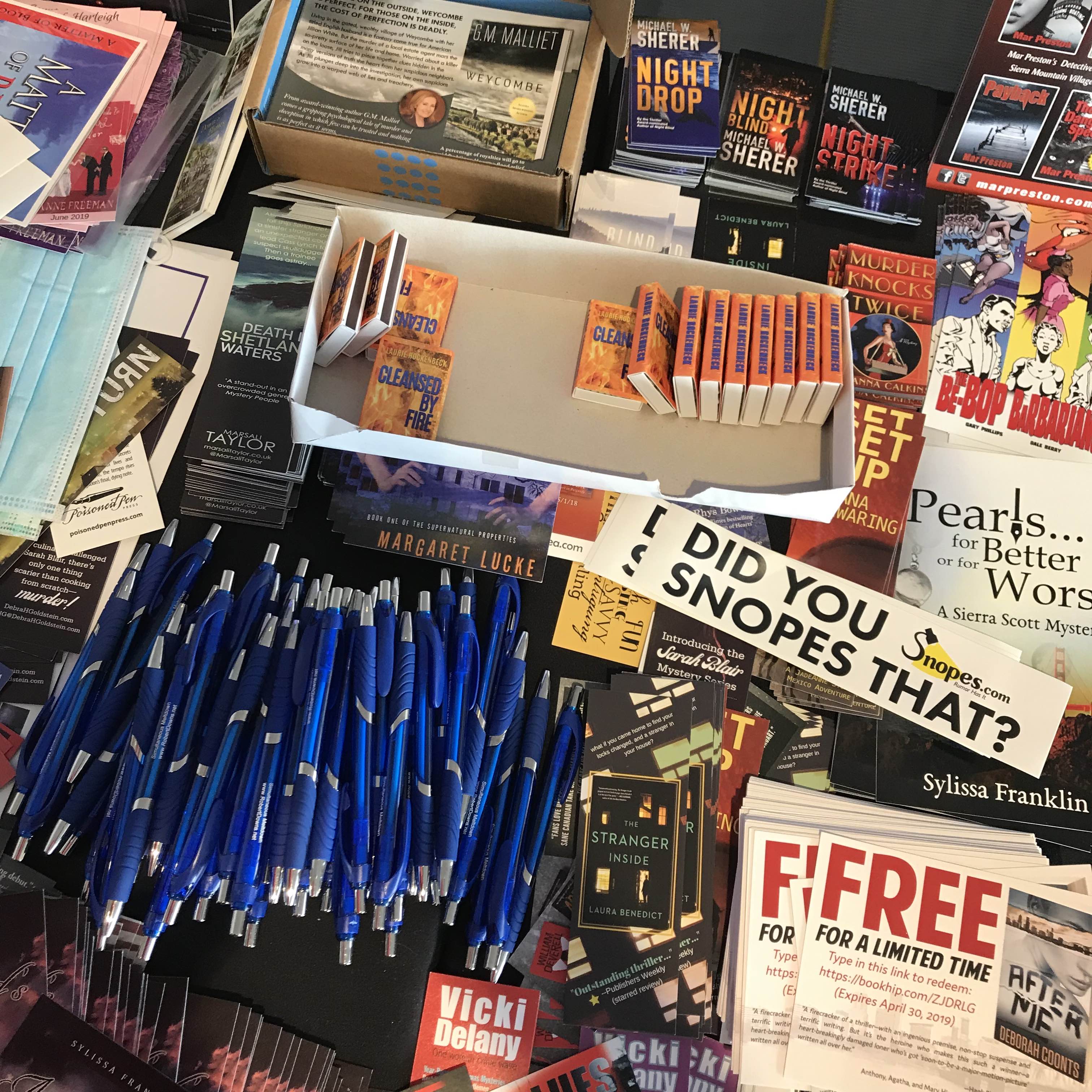
OTHER STUFF

BOOKMARKS: Bookmarks are the go-to swag for the thrifty author. They’re useful, colorful, have the book’s cover, and room front and back for lots of critical information. I also include blurbs, the pitch line, and website address. $

MATCHES: This was a first for me. I believe they are simply the cover, and matches. Talk about on-theme! Very cool. $$$

BUMPER STICKER: I didn’t know SNOPES was at the conference…Interesting concept, though I’ve never seen a book bumper sticker. Ever. Not even on that weird car that’s so covered with bumper stickers that you can’t see the color of the car anymore. $$$

PENS: Pens are stupidly expensive. I love them, but am very wary of poor quality. They also have limited room for your info. Book or series title and website seem to be the most common/useful. $$$$
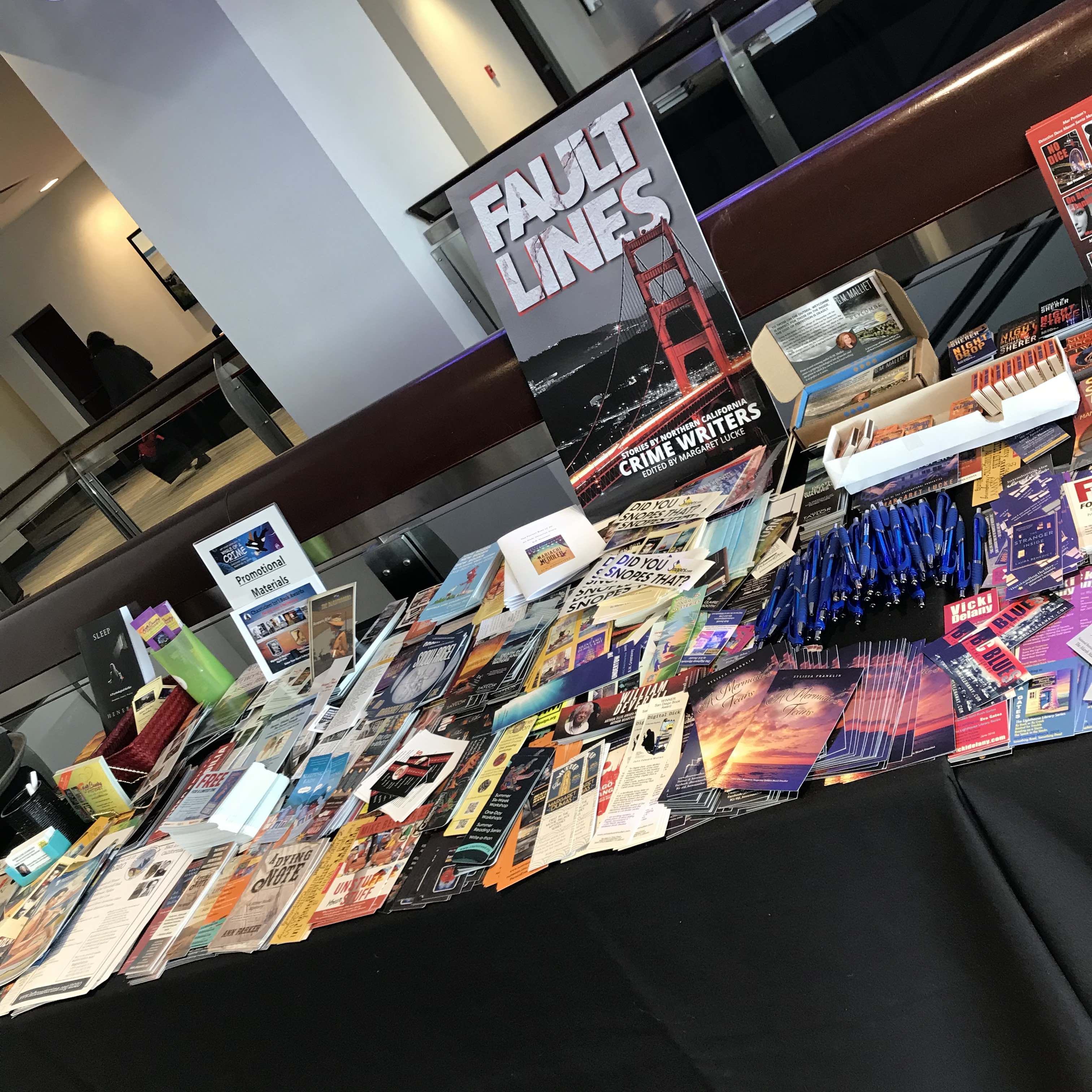
I’m sure I’ve forgotten something. Authors are very creative when it comes to promo.

Final thoughts. Look at that table! IMO the conference could have used a second swag table. This one was like a tiny, violent sea, with flotsam and jetsam constantly bobbing and bumping on its surface. It became a kind of game to see how my own magnets would appear and disappear, or pop up in different places when I dropped by. I was stunned when the big box of matches appeared, sitting on a dozen other offerings.

Keep in mind:

Swag costs money. Spend wisely.

Your stuff is going to get covered up by other stuff. Keep an eye on it.

Don’t be a jerk and cover up other writers’ stuff.

Don’t put out magnets unless you don’t mind spending the money to have people not pick them up because they don’t know what they are.

Don’t be hurt if you have swag left over. Take it home for the next event or to your library.

IDENTIFY YOURSELF ON BOTH SIDES.

Include your website.

Buy the highest quality swag you can afford. But don’t go into debt for it. Who knows what the return is?

If you stick a couple dozen in your badge pocket, you can give your bookmark/magnet/card to everyone you meet.

Have fun with it!

Okay, TKZers. Have at it. What’s your swag experience? Are you fer it, or agin it? What’s your favorite swag? Has swag ever led you to buy a book?

How To Build Conflict Using Myers-Briggs Personality Types

by Debbie Burke

@burke_writer

In recent TKZ posts, Myers-Briggs has been mentioned by John Gilstrap and TKZ regular Eric Beversluis. Kathryn Lilley also talked about Myers-Briggs in this post from 2015.

Which brings me to today’s discussion about how authors can use this personality test to build characters and foment conflict.

Image purchased from Shutterstock by Debbie Burke

Have you ever met someone and instantly disliked them for no apparent reason?

Conversely, have you ever “clicked” with a stranger and didn’t know why?

Have you ever been fired from a job or had to leave because of “personality conflicts”?

Have you ended a relationship or been dumped because of different values?

Do you have a hard time figuring out the needs, desires, and priorities (or lack thereof) of some people?

Do people sometimes act in ways you can’t understand or justify?

How about your characters? Do they struggle with the above issues?

If so, that’s great because conflict is the mainstay of fiction.

Myers-Briggs (MB) is a tool that can help writers answer these questions.

What is Myers-Briggs?

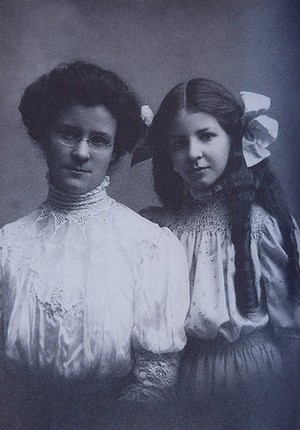
Katharine Briggs and Isabel Myers-Briggs
Wikimedia Commons

In 1923, the mother/daughter team of Katharine Cook Briggs (1875-1968) and Isabel Briggs Myers (1897-1980) became interested in the study of personality types based on research by Swiss psychiatrist Carl Jung (1875-1961). The two women developed the Myers-Briggs Type Indicator test that classifies the different ways people function in life.

Their purpose was to help people make career and personal choices that best suited their individual personalities. The test has been widely used by psychologists and industry to put people in the right jobs based on their particular traits, as well as to improve communication between vastly different personalities.

In other words, to solve problems.

However, in fiction, writers want to create problems for their characters.

If you understand why certain MB personality types clash with other types, you can use that knowledge to increase tension among your characters.

With the MB test, let’s dig a little deeper into reasons why you instantly dislike a person or can’t understand why they act the way they do. Then we’ll extrapolate those reasons into opportunities to create conflict among characters.

What are the MB components?

Introvert/Extravert (I or E)

Are you shy among strangers? Do you prefer to be alone in an interior world of thoughts and ideas? If so, you may be an introvert (I).

Are you outgoing and like large groups of people? Are you interested in what’s happening in the big, wide world around you? If so, you’re likely an extravert (E).

What happens if you take “I,” a shy character who avoids conflict at all costs, and force him/her to interact with “E,” a bold, boisterous character who loves to scrap?

Intuitive/Sensing (N or S)

Do you draw conclusions based on hunches? Do you look below the surface to determine what is going on? If so, you’re probably intuitive (N).

Do you use your five senses (sight, hearing, smell, taste, and touch) to observe the world around you? Do you like facts and figures? You might be sensing (S).

Take “S,” a detective with the attitude if-I-can’t-see-it-it-doesn’t-exist. Add “N,” an intuitive who plays hunches and follows his/her gut instinct. Partner those two up and watch the fireworks.

Thinking/Feeling (T or F)

Are you logical and fact-oriented? You’re probably thinking (T).

Are you in touch with emotions and driven by them? You’re probably feeling (F).

Arrange a date between “T,” a logical, analytical woman, and “F,” a warm-fuzzy metrosexual. Lots of problems for that romance.

Judging/Perceiving (J or P)

Are you decisive and want things settled, organized, and clearly defined? Probably judging (J).

Do you prefer to take things as they come, remaining open to new opportunities? Probably perceiving (P).

The Odd Couple is the classic example of conflict between “J” and “P”. Felix demands neatness and precision while Oscar thrives on disorder and chaos. Remember this scene: “It’s not spaghetti, it’s linguine.”

Sixteen Variations:

The combinations of the above characteristics yield sixteen variations of personality types. If you’re not already familiar with MB types, here is a link that describes each one: https://www.myersbriggs.org/my-mbti-personality-type/mbti-basics/the-16-mbti-types.htm

Pitting Opposites Against Each Other:

If you instantly dislike someone when you first meet them, their four dominant traits may be the opposite of your four dominant traits. This doesn’t mean they’re right or wrong; they’re simply different ways in which you perceive the world around you.

Here are a few examples to build personality differences into fictional conflict.

An extravert “E” can’t understand why the introvert “I” wants to stay home rather than go out partying. “I” is sick and tired of being pressured to mingle with other people when s/he would much rather read a book.

A sensing “S” doesn’t see why an intuitive “N” doesn’t act on facts that are as plain as the nose on your face. “N” trusts flashes of insight from the subconscious and thinks “S” is hopelessly unimaginative and dull.

A thinking “T” has no patience for a feeling “F” who always gets upset over the stupidest things. “F” is constantly frustrated by “T” who never understands his/her feelings.

A judging “J” is fed up with that loosey-goosey perceiver “P” who never plans ahead and flops haphazardly from one activity to another. “P” is annoyed that “J” is so rigid, inflexible, and set in his/her habits.

Characters who are too much alike can also mean trouble:

If characters share the same traits, they may lack balance and believe that is the only way to be.

For instance, judgmental J extremists convince their followers to condemn anyone who doesn’t share their beliefs. This manifestation brought Hitler to power.

Feeling F characters can go overboard emotionally. Because of intense feelings, poor Romeo and Juliet both end up dead.

Wikimedia Commons

Characters can also be defined by their lack of a trait. A classic example is Star Trek’s Mr. Spock, an extreme “T” for whom logic is the supreme law. Whenever he was confronted by another character’s emotional “F” reaction, his response was: “That’s illogical.” 

Personality traits run along a continuum. Some traits are well-developed and dominant; others are more subtle. Our job as writers is to combine dominant and subtle variations into unique characters who are not stereotypes.

The opposite qualities may be fairly equally developed in the same personality. For instance, when I took the MB as a teenager, the result was INTP but T and F scores were almost equal, meaning I possessed an analytical, logical mindset (my husband would dispute that!) but was also highly emotional (that, he agrees with!).

My Intuition N was well developed while my Sensing S scored low. That explains why I rarely notice someone’s eye color, clothes, or shoes, yet I know the depths of their fears and secrets.

Underdeveloped S makes me a lousy eyewitness. What was the bank robber wearing? Huh? What did the getaway car look like? I dunno.


Dominant traits can change with time and experience, giving your characters an opportunity to transform themselves.

As a child, I was extremely introverted and shy. Due to career requirements, my extraverted side developed because I had to deal with people. Now, I’m no longer paralyzed with dread at a party. In fact, I thoroughly enjoy meeting new people at writers’ gatherings and book festivals.

Not surprisingly, many writers fall into INFJ or INFP, a pattern Tom Kuegler explores in this article on medium.com.


Try guessing the traits of your mate and your children; that obnoxious neighbor you don’t get along with; your annoying boss.

You might gain insight into why they act the way they do.

Then put your characters through the MB personality type test and use their traits to increase conflict among them. 

~~~

Now it’s your turn, TKZers.

Using MB traits, which category does your favorite fictional character fall into?

Who is the most memorable (not necessarily likable) character you can think of? Can you guess their category?

How do their traits cause conflict with other characters?

~~~


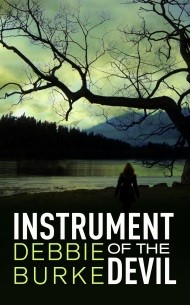
In Debbie Burke’s thriller, Instrument of the Devil, find out how the attraction between two INFP characters means trouble, while an ENTJ causes further complications.

Instrument of the Devil is on sale for $.99 during April. Here’s the link.


Ride Along

As you all know, I’ve been doing the citizen’s academy program with my local police department and – although you might be sick of my blog posts on this – last Friday was my first opportunity to ride along with one of the officers. I chose the graveyard shift and got to experience first hand what its like to be on patrol in the middle of the night in the sleet and snow (since this is Colorado it went from 70 degrees to 30 degrees and it started snowing soon after I started the ride along). Although I’d requested to be assigned to a female police officer, it turned out that she was too junior to conduct a ride along, so I ended up with one of the male officers – a former marine and one of the K9 handlers (unfortunately his dog is currently recovering from surgery so I didn’t have the fun of having the dog with us that night – a good excuse to do another ride along!).

Within ten minutes of starting the ride along I realized that 1) I had no idea how local law enforcement worked; 2) all the questions I had planned to ask were dumb; and 3) I really had no idea how local law enforcement worked…

We started out patrolling the business and hotel district in our community which, late at night, is apparently is the place to be if you’re a criminal. Most of the crime that gets ‘imported’ into our community starts or ends up here. It’s amazing how different a place can look late at night from the vantage point of a police car, especially when you get an officer’s perspective on what looks suspicious (far more than I realized or even noticed, that’s for sure). Although we responded to a number of specific calls, the majority of the night was actually spent following up on these suspicions. License plates were run numerous times and it was impressive how many of the officer’s queries turned out to identify people with outstanding warrants, gang affiliations, or revoked licenses. I guess after years on patrol you know to trust your gut. After riding alongside him for just a few hours, I was impressed not only by his dedication (this guy loved his job) but also his proactive approach. I don’t know why I was expecting law enforcement to be simply reactive to calls…but this ride along certainly disabused me of that.

Starting out, I soon ditched most of the questions I’d intended to ask (I was like, what was I thinking?!) Luckily, the officer was willing to chat openly about his experiences both in combat and law enforcement. When we got a call to assist a veteran experiencing a mental health crisis, I witnessed first hand how, because of his experiences in Iraq, he was able to establish a personal connection with the veteran to help deescalate the situation and get her to agree to go to hospital. For him, these calls are personal. The incident also brought home to me how law enforcement increasingly have to juggle mental health calls with their other patrol duties. Sadly, the recent number of suicides, attempted suicides, and drug overdoses in our community was a sobering reminder of this.

I also learned just how random and capricious circumstances can be for law enforcement. They often have no idea what they’re going to encounter when they conduct a traffic stop or get out of the car and approach someone. They are well aware how many police shootings occur on routine traffic stops, and so, with this sobering thought in mind, the officer I was with always had (or provided) back up for every encounter, no matter the situation. Most of the incidents we attended during the ride along had at least 2-3 squad cars involved. Before every encounter, the officers ensured they had as much information as possible on the car/suspect/person they were dealing with. Technology available in their cars meant they could get access to photographs as well as background details almost immediately. Even with all this technology though, luck still come into play – sometimes an officer just had to be in the right place at the right time. My officer’s assessment of his job was basically “70% luck; 30% initiative.”

By the end of the evening, although I’d not witnessed any actual arrests, I had a renewed respect and appreciation for local law enforcement and a greater regard for the value of hands-on research (as I said, I quickly realized just how ignorant I was!). Even though I have no idea whether I’ll actually ever write a contemporary police novel, I’m sure I’ll incorporate what I’ve learned in some shape or form in my writing to come.

So amongst you TKZers who have done research on local law enforcement, what was the most surprising thing you learned or took away from the experience? If you’ve ever done a ride along, what was one or your key take aways?


From Beer to Bookshelf

by James Scott Bell
@jamesscottbell

In keeping with last week’s post on risk-taking and writing what pleases you, I’d like to tell you the story of a dead lawyer.

Back in 2008 my agent, Donald Maass, and I were at a writers conference in the midwest. One evening we slipped away for a beer to talk new ideas. Pride and Prejudice and Zombies had just come out was going wild. I was thinking, why not combine zombie fiction with a legal thriller? And to make it more interesting, let’s have the zombie be the hero, a lawyer practicing in L.A. What if this lawyer specialized in defending outcasts like vampires and werewolves? Maybe Frankenstein’s monster has been denied health insurance because of a pre-existing condition.

We started laughing, and then Don said, “Write up a proposal.”

So I started my development process. All I knew was that I wanted to write in the hard-boiled tradition I love and make them true legal thrillers with a paranormal twist (example: if a vampire is accused of murder, doesn’t she have the right to have her trial held at night so she can be present in court?). I was inspired, too, by the mashup vibe of the Harry Dresden books by Jim Butcher.

Things started bubbling, and I came up this concept:

TAGLINE:

In L.A., practicing law can be hell. Especially if you’re dead.

PITCH:

In an increasingly hellacious L.A., zombie lawyer Mallory Caine defends a vampire hooker accused of the crime Mallory herself committed, even as a zombie-killer closes in, and the love of her former life comes back as the Deputy D.A. she must oppose. At the same time, Lucifer begins setting up L.A. as his headquarters for a new attack on heaven and earth, as Mallory slowly discovers she may be the only one who can stop him.

Well, doggone if Don didn’t go out and sell it to Kensington. I was happy with the deal. I’d always wanted to be in mass market originals. But we had to make a decision. Should I use a pseudonym? We decided yes, so bookstores wouldn’t be confused on where to shelve me and because it was jumping into the entirely new genre, one in fact I’d created: the zombie legal thriller!

That’s how I went from beer to bookshelf. Three books, fun to write, with a complete arc.

Time and Kindles march on. I got the rights back to the trilogy and have now published them myself. This time with my own name attached. Because in the indie-digital world, you can easily cross-pollinate. New readers discover you and loyal readers might try out something new.

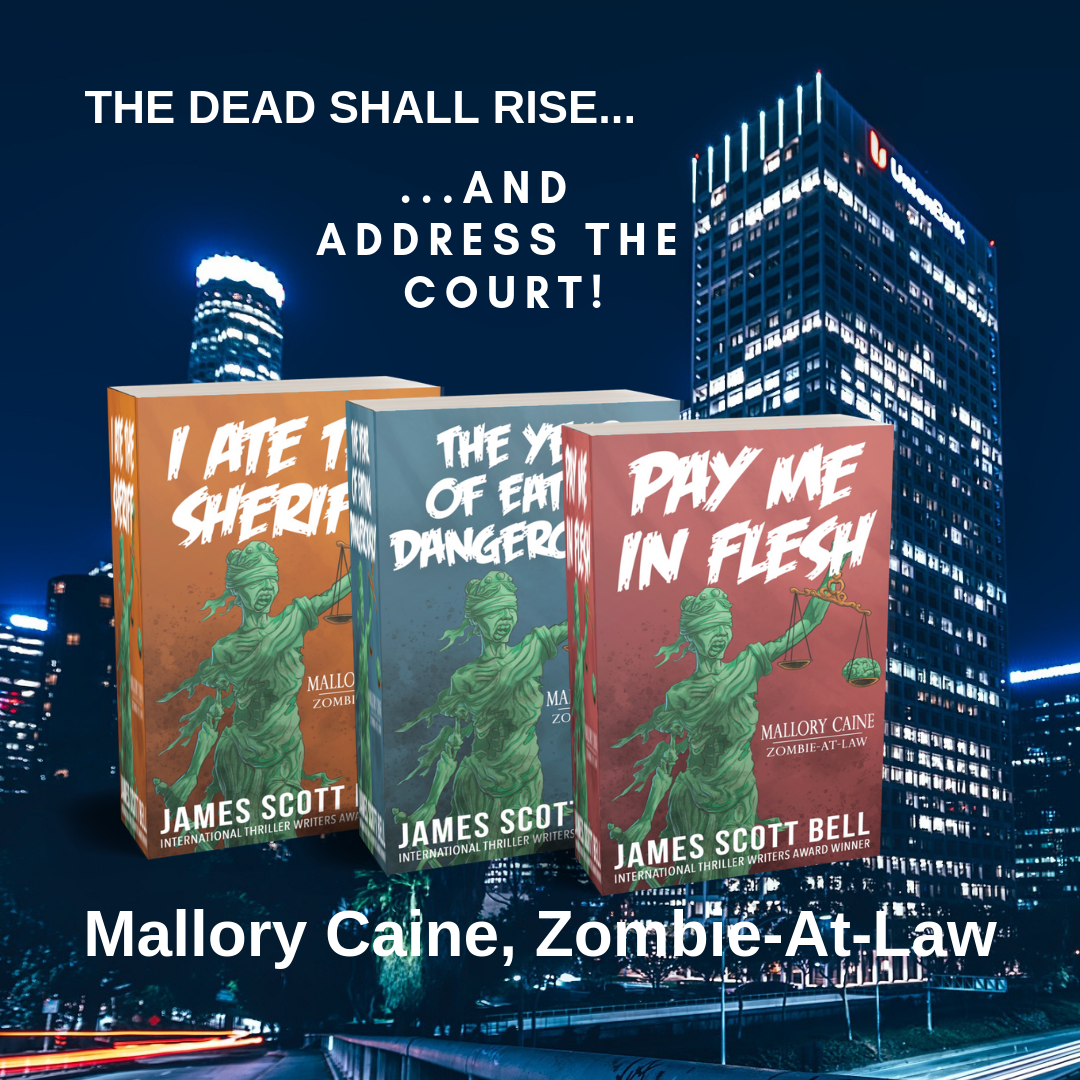
In celebration, this week I’m making the books available for 99¢ each.

Are you a risk taker as a reader? You’ve come to the right place. And while it is a requirement that zombies eat, um, us, to stay alive, I don’t go graphic…nothing more than you might have seen at a drive-in horror movie in the 1950s. Here are the Kindle store links:

PAY ME IN FLESH (#1)

THE YEAR OF EATING DANGEROUSLY (#2)

I ATE THE SHERIFF (#3)

 So how do you go from beer (it can be root beer if you prefer, or even that writing staple, coffee) to bookshelf?

  1. Sip and come up with concepts

You should do this periodically anyway. Spend time in pure creation. Generate several ideas in a session. Put them all in What if? form, e.g., What if there is a boarding school for young wizards? What if a Great White shark feeds in the waters during tourist season?

  1. Pick the concepts you enjoy most for further development

Assess your ideas later on, when they’ve had a chance to cool a bit. Which ones give you the most excitement? Prioritize them. Come up with a tagline and a pitch for the top three (as shown, above). Tweak these until they really shine.

  1. Write the first three chapters of your favorite concept

This is really fun. You can write without fear because you haven’t yet made a long-term commitment. Use all your craft to make this opening as gripping as possible. Let the pages rest for a week (while you do other writing), then revise and refine them.

  1. Get feedback

Ask your beta readers (or agent) for their assessment. Put your idea through a grinder. Pretend you’re an acquisitions editor. Would you buy this book? Is the concept be attractive to a sufficient slice of readership?

  1. Write with joy

If everything is positive, and you’re still excited about the idea, finish the thing. Write hot, revise cool.

One of the ways to do this is by making the book a NaNoWriMo project. In fact, the second of my Mallory Caine books began as a NaNo. After I finished the draft I let it cool until January, and then began the rewrite.

In all my years practicing law I met, in court and out, many a lawyer. To the best of my knowledge, not one of them was a zombie. But you never know…

Is there a wild idea sitting on your back burner? What are you going to do with it? 

READER FRIDAY: What Book Would You Like to See Developed for Movies? (Yours or Another Novel)


Have you ever dreamed about one of your books or your series becoming a movie? Dream big or go home, I say. Share your thoughts and why you think your book(s) would make a good film.

Or maybe you have a favorite book that you would like to see on the big or small screen. Tell us about that book and why you think it would be a great film.

True Crime Thursday – Property Seizure

Shutterstock image purchased by Debbie Burke

Can police take your property even if you haven’t been arrested or convicted of a crime? The disturbing answer is yes, according to this story from South Carolina:

https://www.greenvilleonline.com/in-depth/news/taken/2019/01/27/civil-forfeiture-south-carolina-police-property-seizures-taken-exclusive-investigation/2457838002/

Loose Lips Sink Careers

By John Gilstrap

Back around the turn of the century (that would be 1999, give or take), I had the honor and distinct pleasure of splitting a bottle of good Italian wine with Thomas Harris.  For those who don’t recall, he is the brilliant writer who created Hannibal Lecter on the page.  I was writing the screenplay for reboot of Red Dragon at the time.  (No, my name is not on the film, and yes, I think I was screwed.  Royally so.)

Tom was (and is, I suppose) famously reclusive.  For the trade press back in the day, he was the get of all gets.  I asked him why he so vigorously avoided the press, and he told me that among other reasons, it was good for a thriller writer to be mysterious. I took that to mean that the fame should be about the work, not about the author.

Truthfully, I’m not sure that was ever the case, but it’s interesting to think about against today’s backdrop of social media and the narcissism it breeds.  And yes, I am a practitioner.  (Have I mentioned my YouTube channel or my Facebook page yet?) I don’t think it’s possible to go to a writers’ conference anywhere where the effective flogging of social media is not a main event.

That genie is out of the bottle now, and there’s no putting it back.  The question I grapple with is, where does the public Gilstrap end and the private Gilstrap begin?  Because let’s face it: As players in the entertainment business, we are all one Twitter shaming campaign away from being ruined. And there’s the fact that some things simply are nobody’s business.

I interact freely and openly with readers and watchers of my channel.  I encourage them to ask questions, and I promise honest answers.  If a question crosses the line, I don’t make a big deal of it; I just delete it and pretend it was never there.  And here’s why: There’s no point in engaging in any form of negative discourse in a public venue.  Ever.  I’ve build several successful careers around the inviolable rule that you always praise in public and correct in private.  That’s just simple respect.

I know several authors who paste copies of negative Amazon reviews on Facebook and then go on to excoriate the author of the review, presumably for the purpose of public humiliation.  What follows, of course, is a torrent of praise from his fans.  I don’t get it.  As longtime TKZers know, I am not a finger cymbals and incense kind of guy, but that kind of negative energy would exhaust me.

So, I thought I present my [until now, unwritten] rules about public discourse:

  1. Never post politics. Sometimes my flesh is weaker than my spirit on this one.  We all know that I’m a gun guy and that gushy feel-goodism makes my teeth hurt, but I hope that comes out more as charming curmudgeonliness than political.  (Just stay off my lawn.) I can’t count the number of author buddies who post ill-considered, un-researched broadsides against the team they hate.  They get praise from their respective echo chambers, but they’ll never know the number of readers, followers, or would-be agents or publishers they turn off in the process.  Angry, insulted people rarely speak up.  They just quietly go away forever.
  2. Never insult anyone for any reason. It’s fine to rail on about “the idiot who ran me off the road and then gave me the finger,” but I think it’s a mistake to say “Harriet Jones, my idiot neighbor ran me off the road . . .”  First of all, the part of the complaint that is relevant to a social media post is the act of being run off the road.  Mentioning Harriet’s name has no use other than to humiliate her–and in the process perhaps trigger some legal action against you in the future.
    1. And if you must insult someone, make sure it is never someone in the industry. The rumor mill in the publishing biz is swift and brutal.  Notwithstanding the power they wield over writers’ futures, agents and editors are notoriously thin-skinned.  Ditto movie producers.  Bottom line: they don’t need to take any crap from a newbie or a mid-lister, so many of them just won’t.
  3. I never forget that mine is probably the bigger soapbox. This plays into #2 above.  As one’s social media presence grows, so does the need to recognize the responsibility that comes with it.  It would be a form of bullying for me to call out a freshman book that I thought was awful.  First of all, what the hell do I know?  Second, I remember how fragile a first book is.  Third, I may want a blurb from that author in a few years.
  4. I never forget that lots of people have bigger soapboxes than mine. And that their rules may very well be different than mine.  There are issues that I simply won’t engage for fear of becoming chum for Twitter-hate.
  5. I keep it positive. First of all, this resonates with my overall world view.  I’m a pretty optimistic guy.  There’s another reason why I keep things positive and I confess that I’m conflicted on my rationale.  Being part of the entertainment business, my business is to entertain.  People turn to fiction–and by extension to its creators–to find a release from the stresses of the day.  They neither want nor need the burden of my life’s stresses.  I’m blessed to have a great family and many wonderful and supportive friends, all of whom I can turn to for support in the dark times that we all face from time to time.  I don’t see a need to strong-arm people I’ve never met into giving me happy thoughts and supportive words.
    1. Health issues affect us all, whether directly or indirectly through those who are close to us.  I’ve been known to post about these things after-the-fact, but mostly to look at the funnier side and, more importantly, the hopeful side, as I did just about nine years ago exactly, when I posted Way Too Much Information, a journal of my gallbladder surgery.  After receiving some positive comments about that piece, I re-titled it My Cholesystectomy Adventure, and posted it on my website.  Every year, I get a dozen or so letters from patients who are facing that scary operation and find some comfort in my blunt, informative and pretty funny peek into the operating room.  And my urethra.
  6. I keep my family out of it.  Everybody knows that I’m married to Joy, my best friend, and that we do a lot of things together.  She’s a huge part of my journey through life.  But she has her own business, and we both have extended families that are totally out of bounds for social media.
  7. When I’m off-duty, I’m off-line. When night falls and the alarm is set, the social media machine is turned off.  Social media is part of my job, and my job requires me to be sociable and accessible.  But like any job, there’s a workday.  When I leave my office, I’m home.  And I never talk about what I do at home.

There are probably more, but that’s all that come to mind, and this post is running long anyway.  So, speak up, TKZ family.  What am I missing?


A Short Ride In A Fast Machine

“Short fiction seems more targeted — hand grenades of ideas, if you will. When they work, they hit, they explode, and you never forget them.” ― Paolo Bacigalupi

By PJ Parrish

I’m of the age now where I can’t run like I used to.  I walk instead, sometimes for hours at a time, but it’s not as satisfying. I miss the endorphin buzz of intense running.  So lately I’ve taken to interval training. This is where you walk, and then you run like hell for a long as you can, then you walk again.

This is, I have found, a lot like writing a novel versus a short story. A novel is a long calculated walk. A short story is a sprint. I am clinging to this metaphor as I try this week to finish a short story.  Things are not going well. I really struggle with short stories.  I can count on two hands the number I have published. (If you’re interested, you can find my petite oeuvre here.)


Desperate to get out of second gear, I started re-reading Cheever. Didn’t help. Got moody and found myself drinking too many gin and tonics. Went back to John D. MacDonald’s The Good Old Stuff but it felt too familiar. So I went to the library and got a copy of Welcome to the Monkey House. I have read very little of Kurt Vonnegut’s work and none of his short stories.  It was like a good bracing walk on a wintery beach, maybe in Barnstable Village, Massachusetts.

There is something about coming cold to a writer’s work that makes you see your own work in new ways. Vonnegut had things to teach this old dog.  Although he’d maybe call that rot. In the preface to Monkey House, he writes:

I have been a writer since 1949. I am self taught. I have no theories about writing that will help others.  When I write, I become what I seemingly must become. I am six feet two and weigh nearly two hundred pounds and am badly coordinated, except when I swim. All that borrowed meat does the writing.

In the water, I am beautiful.

Even before reading the first story, I felt better just reading that. Because no matter how clumsy you might be in daily life, how hobbled you might feel because you can’t run anymore, you can still feel beautiful in the water.  Isn’t that how you feel when the writing is going well, that you’re effortlessly swimming?

I’m only a couple stories into the collection, but I wanted to share a couple thoughts about what I have read so far. The second story, “Harrison Bergeron,” appeared in The Magazine of Fantasy and Science Fiction in 1962. It’s a dystopian domestic mini-drama set in the year 2081, told almost totally in dialogue. It is funny and deeply disturbing. There is a moment where a man is lifting a ballerina and Vonnegut gives us this line:

They leaped like deer on the moon.

It hit me almost physically. A metaphor is a perfect stab of recognition, and that’s what I felt. Then I got to one of Vonnegut’s most famous stories, “All The King’s Horses.” Completely different style, but just as gut-wrenching. A pilot is shot down in Asia during the Cold War. On board are his crew as well as his wife and 10-year-old twin sons. As in all great short stories, we are dropped into a fast-moving narrative river, and all we can do is hang on.  The pilot’s Russian captor offers a bargain — the pilot must play a chess game for the lives of his crew and family.  Then comes the awful twist — the pilot’s men, wife and sons are to be the living chess pieces, moved on a checkerboard floor in a throne room. That’s all I will tell you, except that I gasped at one point.

When I started this post, I had forgotten that Vonnegut had — despite his disclaimer of having nothing to teach other writers — issued his Eight Tips For Writing a Good Short Story.  So of course, I looked them up. I think they work well for any kind of fiction, actually.  With a few caveats for us crime dogs, maybe. Some you might have heard before, but they bear repeating:

  1. Use the time of a total stranger in such a way that he or she will not feel the time was wasted.
  2. Give the reader at least one character he or she can root for.
  3. Every character should want something, even if it is only a glass of water.
  4. Every sentence must do one of two things — reveal character or advance the action.
  5. Start as close to the end as possible.
  6. Be a Sadist. No matter how sweet and innocent your leading characters, make awful things happen to them-in order that the reader may see what they are made of.
  7. Write to please just one person. If you open a window and make love to the world, so to speak, your story will get pneumonia.
  8. Give your readers as much information as possible as soon as possible. To hell with suspense. Readers should have such complete understanding of what is going on, where and why, that they could finish the story themselves, should cockroaches eat the last few pages.

The first one is great advice no matter what you’re writing — even a memo.

The second one I believe in wholeheartedly. Which is why I gave up on The Americans.  

Number three we’ve quoted many times here at TKZ when we talk about motivation. And the deeper you can plumb the depths of what a character wants, the richer your story will be.

Rule four is important. Every sentence should do something, be on the page for a reason. I read somewhere that Vonnegut disliked television, except for Cheers, which he called a comic masterpiece.  He said, “I’d rather have written Cheers than anything I’ve written. Every time anybody opens his or her mouth on that show, it’s significant. It’s funny.”

Now, we get to number five, which is critical for short stories but troublesome for novelists, given that we like to flap our gums sometimes before getting to the dramatic point. (ie weather, description, backstory).  But if you really think about it, you should never start your novel at too early a juncture. You should always find that prime dramatic moment to drop your reader into the action.

Six is a given. As James says here often, something must be disturbed in your protagonist’s world.

Number seven is about authenticity. If you set out to be James Patterson, you will fail. Yeah, be smart about today’s market, but write the book you were meant to write.

Now the last one is tricky. I am not quite sure what Vonnegut is talking about here. Because on its face, it goes against much of what we talk about here about NOT larding your early pages with too much information. You want some mystery in the beginning. You want to pose questions that beg answers. Maybe Vonnegut is just arguing for clarity in the writing itself?  The choreography (moving characters through time and space) must be clear. Confusion should be avoided. Maybe you all can help me out on this one.

As for me, it is back to the drawing board. While reading Vonnegut’s stories, I realized I had chosen the wrong point of entry for my own story. I was approaching my story too much like I would a novel. I need to figure out the end so I can begin closer to it.   I need to sprint instead of walk.

I want to leave you with one more Vonnegut metaphor. In the preface to Monkey House, he questions where the creative impulse originates from:

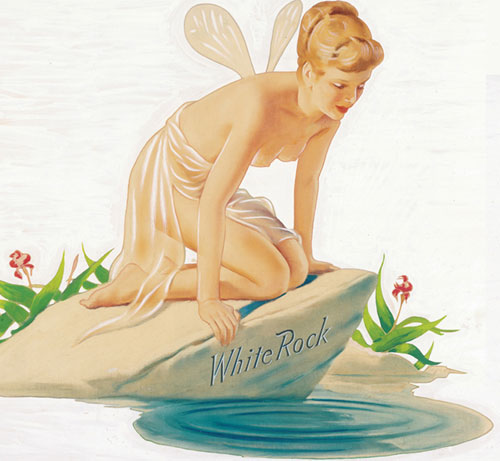
The New Yorker said that a book of mine, God Bless You, Mr. Rosewater, was a ‘series of narcissistic giggles.’ Perhaps it would be helpful to the reader to imagine me as the White Rock girl, kneeling on a boulder in her nightgown, either looking for minnows or adoring her own reflection.

I remember the White Rock girl well. When I was a kid, I thought she was Tinkerbell’s mother. And I always wondered what the heck she was looking at.  I still do. But ah, that’s the mystery, no?

p.s. If you’re wondering about the title of this post, listen to this “short story”:


How To Create Free & Easy Book Marketing Images

My eyes glaze over whenever I need to use photoshop or any other application with a steep learning curve. I’m sure I could figure it out eventually, but honestly, I don’t want to spend hours with the tutorials. I’d rather be writing. Sites that allow writers to shortcut the process make life so much easier. When they’re free and easy to use, these sites become invaluable tools.

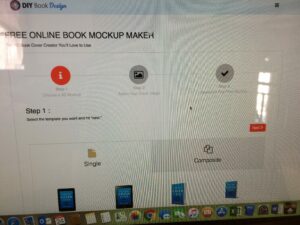
This first little beauty is a gem. The site’s called DIY Book Covers. The section we want is The 3D Book Cover Creator You’ll Love to Use. And you know what? They’re right! It’s a game-changer for those of us who lack patience for sites like photoshop, which is why I’m sharing step-by-step directions with all of you.

Ready? Here we go …

Please excuse the lighting in some of these photos. I took them with my phone rather taking screenshots (long story).

The linked title above will take you to this page …

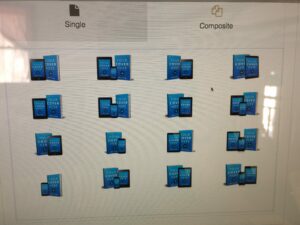
It automatically opens to “Single” image choices, as you can see here …

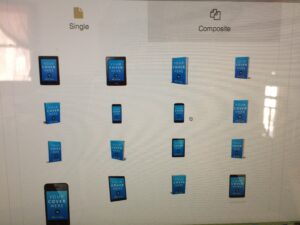
The cool part is, we also have the option of creating tablet, phone, and print combo images by clicking “Composite.”

Click the image you want to create, then click “Next” and it will take you to this page …

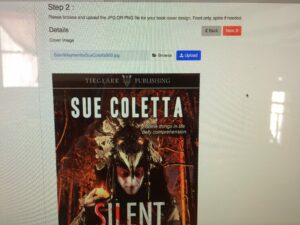
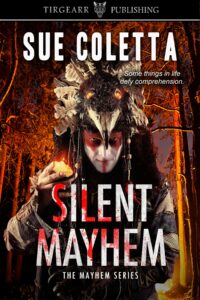
Click “Browse” and find your book cover on your computer. Then click the blue “Upload” button and the image will appear.

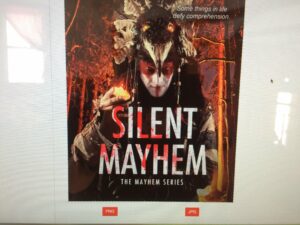
See the two orange buttons at the bottom? We have the option of saving as PNG or JPEG. I like to use PNG for marketing images because they tend to be crisper, but they do take up more download space. Once you choose your file preference, click “Next” and you’re done. The download will show your 3D image with a clear background.
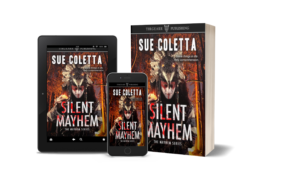
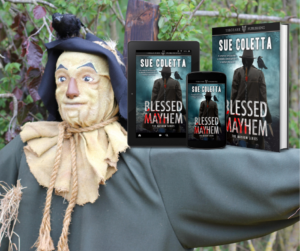
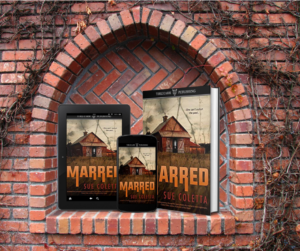
These steps took less than five minutes from start to finish. Easy-peasy, right? Okay, now, we could use this 3D image as is, but it’s a little bland. We want readers to click our ad, so we need to add a background.

Numerous sites offer public domain photos that don’t require attribution. My top three favorites are Pixabay, Morguefile, and Unsplash.

Finding the perfect background image takes time. To help with the search, consider the following:

  • What type of mood do you want to convey?
  • We want our background to reflect our genre. Are you promoting a gritty crime novel, sci-fi, fantasy, or romance?
  • Will the background compliment your book or overpower it?
  • Where will your 3D image sit? Get creative!

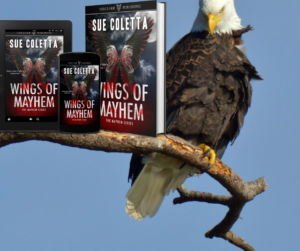
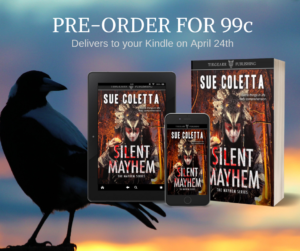
The first and third promo pics below go against the norm; the middle one is more universal, but I’m showing them as examples of thinking outside the box …


The third image should be more centered, but you get the picture. The bookend photos are fun images to catch people’s attention. I wouldn’t recommend always using these types of backgrounds unless they fit your book, but taking a break from the serious side of marketing can be fun too.

Okay, once we’ve found our background, it’s time to insert our 3D image and text. As I mentioned in my first official post on TKZ, the easiest site to use is Canva.com.

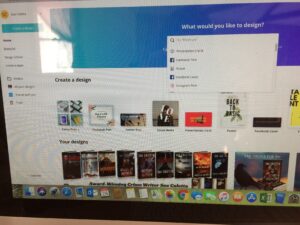
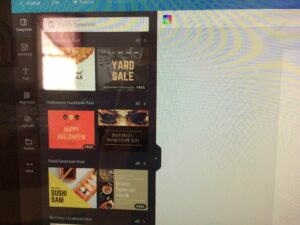
Let’s go there now. This is the home screen …

See the dropdown menu under “What would you like to design”? Canva takes the guesswork out of social media’s various sizes. All we do is choose the social media site where we’ll be marketing our book, and Canva automatically gives us the correct size. Although, I’ve found that “Facebook post” images also work on Twitter. We don’t need to create two separate images unless we’re paying for ad space. In which case, it’s best to create an image that’s guaranteed to fit. Ads tend to run differently than a regular post.

I chose Facebook Post, which led me to this screen …

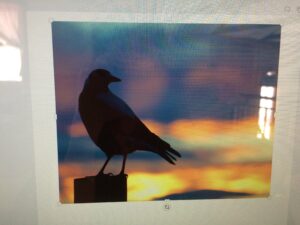
On the left-hand-side of the screen, you’ll find Uploads. Click that button and upload your background image as well as your 3D image. I’m showing you the background image I chose for SILENT MAYHEM so you can see how to drag the image to fill the screen.

See the white bars and corner dots around the outer edges of the background photo? Hold and drag until the image covers the entire template. Then decide where your 3D image should go. By clicking the book cover image in Uploads, Canva will stick it in the middle of your background, but positioning it easy and self-explanatory.

Next click “Text” in the left-side menu and a dotted bar will appear. At the top, you’ll find where to choose a font, color, size, etc.

Here’s the finished product that I created for my new release, SILENT MAYHEM …


Book Brush is another cool site. With the free option, our 3D options are limited, but they’ve combined everything we’d need to create a promo pic, including over one million background images, stamps, text, and fonts. The only catch is, they limit the amount of downloads to three per month. They also offer a Plus Plan for $8.00 per month ($96/yr), which grants access to all 3D templates, unlimited downloads, support, and five video templates per month. With Book Brush, creating a book promo image only takes a few minutes.

What sites do you use to create marketing images for your blog or book(s)? Do you have a favorite site for public domain photos? Any tips to share?


Some things in life defy comprehension, but that doesn’t make them any less real. Or deadly.

Pre-Order SILENT MAYHEM on Amazon and join the giveaway!

Email me your receipt and I’ll put your name in a drawing to win signed paperbacks of the first two books in the series.

Winners announced on Release Day (4/29/19).


You Can’t Please Everyone

by James Scott Bell
@jamesscottbell

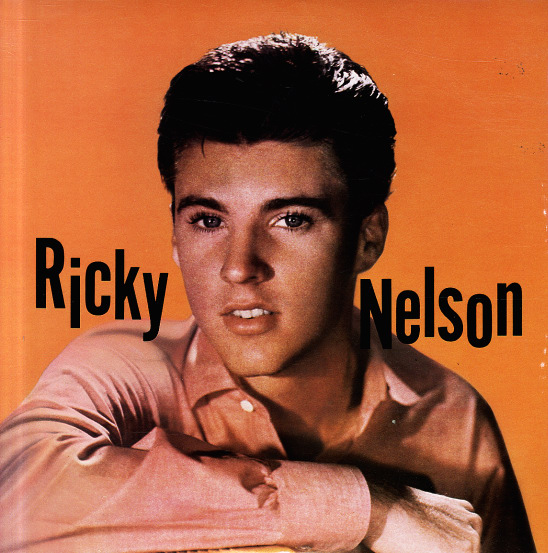
It was October 15, 1971, and former teenage idol Rick Nelson was one of the performers at an oldies concert in New York’s Madison Square Garden. Other acts included Chuck Berry, Bo Diddley, and Bobby Rydell.

Nelson, who’d had a string of hits in the late 50s and early 60s, sang a couple of his oldies, including one of his biggest, “Hello Mary Lou.” But then Nelson, who had been stretching his songwriting wings into country music, tried out a country-fied version of the Rolling Stones’ “Honky Tonk Women.”

Which is when the boo birds came out.

The unnerved Nelson gamely tried one more song, got more boos, then promptly left the stage. In fact, he left the building and did not appear onstage for the finale.

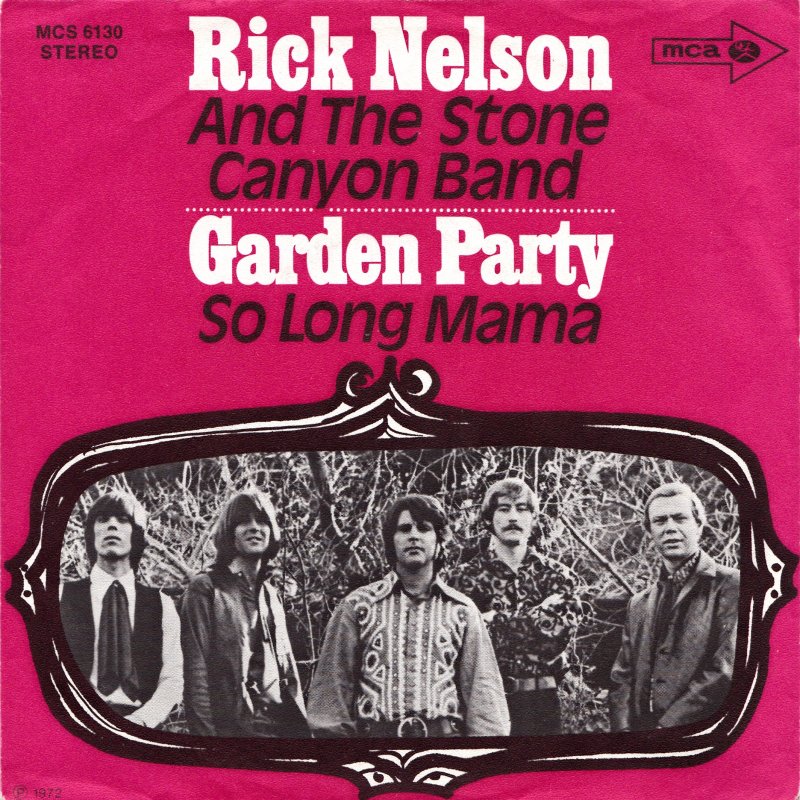
Back in California, Nelson holed up in his music room, and three weeks later came up with a song about his experience. “Garden Party” appeared in 1972 and reached number six on Billboard’s list. It was Nelson’s last hit song. He died in a plane crash in 1985 at the age of 45.

“Garden Party” tells the story of the concert in amusingly cryptic terms. Out in the audience, for example, “Yoko brought her walrus” (obviously John). And in the corner was a “Mr. Hughes,” the name used by Rick Nelson’s neighbor, George Harrison, whenever the quiet Beatle wanted to go out incognito.

But mostly the song is about being willing to pay the price for your artistic vision.


If you gotta play at garden parties, I wish you a lotta luck,
But if memories were all I sang, I’d rather drive a truck.
But it’s all right now, I learned my lesson well.
You see you can’t please everyone, so you got to please yourself.

As Rick’s son Gunnar later put it, “After a lifetime of pretending to be a character he wasn’t—wearing the sweater on Monday on the set of Ozzie and Harriet after being a real rock star on the weekends—he was writing and performing for his own pleasure and satisfaction. The song was based on his experience at Madison Square Garden. He turned what could have remained the darkest day of his life into his brightest shining moment. Just when the music industry considered him a relic, filing him away as yesterday’s news, he had the biggest hit of his career and it was totally autobiographical.”

The point is that every artist has to realize you can’t please everyone. Indeed, as the noted journalist Herbert Bayard Swope once said, “I cannot give you the formula for success, but I can give you the formula for failure, which is: Try to please everybody.”

My advice to writers (the ones who want to make a career out of this gig, at least) has always been to find that sweet spot where your love for the material meets commercial viability. Where your voice and vision lap onto the shores of reader expectation. Whip your story into a recognizable form, but fill it with the unique touches that can come only from you.

And know that when you do, there will be naysayers and critics. That comes with the territory. But if you’ve truly pleased yourself, it’s all right now.

What risks have you taken in your writing? How did it turn out? What did you learn from it?