Tropes to the Left of Me …
Terry Odell
 Kris’s recent post about retiring the Defective Detective followed close on the heels by JSB’s got me thinking. My post is blatantly “borrowed” (and unedited) from tvtropes.org, which is a rabbit warren of fun things to think about. Take a look sometime when you’re not busy. I did a post about “generic” television tropes (more like cliches) a while back, but this list today is mystery-related..
Whether or not all of these qualify as “tropes” isn’t an issue. Maybe they’re really “plot devices.” Or “reader expectations.” Whatever you call them, they make frequent appearances in mystery tv shows. Here you go:
Absence of Evidence: When the absence of something is a clue.
The Alibi: Someone can prove they were physically incapable of committing the crime.
Amnesiac Hero: When the protagonist has amnesia.
Anachronistic Clue: Something which can’t come from the time period it supposedly came from, which is a sign something is amiss.
Anonymous Killer Narrator: When the serial killer is the narrator of the mystery story.
Anti-Climactic Unmasking: Someone rips off someone else’s face-concealing costume (such as a mask, visor, etc), expecting someone extraordinary, but they get someone ordinary.
Believer Fakes Evidence: A believer plants fake evidence to make others believe in the phenomena of their choice.
Beneath Notice: Disguising oneself as a very plain, regular person.
Beneath Suspicion: When the culprit was never suspected because no one thought it could have been them.
Blood-Stained Letter: A letter or note that has blood on the paper.
Bluffing the Murderer: Someone is pretty sure who committed the crime, so they trick the criminal into revealing themselves.
Bookmark Clue: An important clue is discovered because someone used it as a bookmark.
The Butler Did It: A butler turns out to be the one who committed the crime.
Cast as a Mask: A character and their disguised self are played by separate actors.
Chronic Evidence Retention Syndrome: Bad guys hold onto evidence for no good reason.
Clock Discrepancy: Something seems to have happened at a certain time, but then it turns out it didn’t, for instance because the clock had stopped.
Closed Circle: A plot where the characters can’t leave until it’s over.
Clueless Mystery: A mystery story where the reader/viewer can’t follow along.
Condensation Clue: A hidden message written with one’s finger onto a mirror or window.
Confess in Confidence: The criminal confesses to someone whose job requires confidentiality, such as a clergy member, doctor, or lawyer.
Consulting a Convicted Killer: There’s a dangerous criminal at large, but luckily the investigators can talk to another, incarcerated criminal.
Conviction by Contradiction: A whodunnit mystery is solved by finding a hole in the perp’s story, like a logic puzzle.
Corpse Temperature Tampering: Interfering with natural cooling of a dead body to obfuscate time of death.
Costumes Change Your Size: A disguised figure’s size is somehow different from that of the person underneath. A standard trope for “Scooby-Doo” Hoax mysteries.
Cozy Mystery: A mystery story where there is no graphic violence, sex, or profanity, the murder victims were bad people, the detective is usually a woman with a down-to-earth hobby, the setting is a small community, and the story in general has a lighthearted vibe despite usually dealing with a murder.
Creepy Red Herring: A blatantly creepy suspect is innocent.
Curtain Camouflage: Hiding behind a curtain.
Cut Himself Shaving: A character was attacked, but lies that the injuries are for a mundane reason, such as falling downstairs.
Dame with a Case: Beautiful but untrustworthy woman who hires the Hard Boiled Detective.
Death in the Clouds: A mystery story involving a murder on a plane.
Detectives Follow Footprints: Looking for evidence can solve the case.
Did Not Die That Way: Someone lies about the cause of someone else’s death.
Disability Alibi: A suspect is determined innocent because they have a disability of some sort that makes it impossible for them to have done the crime.
The Dog Was the Mastermind: The villain turns out to be a seemingly harmless and irrelevant character.
Dramatic Curtain Toss: Someone dramatically removes a curtain/tarp/veil, revealing something important.
Driving Question: When the whole story revolves around solving some sort of mystery.
Eagle-Eye Detection: A detective whose main skill is being really observant.
The End… Or Is It?: The story ends with a reveal (or at least an implication) that danger is still present.
“Eureka!” Moment: A character has an epiphany from seeing or hearing something unrelated that reminds them of the answer (e.g. seeing a dog, then realizing the killer was the owner of the hot dog stand.)
Everybody Did It: All the suspects were responsible for the crime in some way.
Everyone Is a Suspect: When the killer in a murder mystery could have been anybody.
Evidence Dungeon: The villain has a lair where lots of incriminating evidence is.
Evidence Scavenger Hunt: A scene about protagonists searching for clues.
Evil Plan: A plan that a villain has.
Exposition Victim: Upon finding out who the killer is, the character speaks to them instead of fighting or running away.
Fair-Play Whodunnit: The opposite of a Clueless Mystery—a mystery story where the reader/viewer can follow along.
Fake Alibi: A suspect claims to have an alibi, witnesses confirm, yet the suspect is actually guilty.
Fake Mystery: The mystery plot turns out to have been staged to prank the detectives.
Fantastic Noir: Mystery and magic mix on the mean streets.
Finger-Licking Poison: Someone was poisoned by licking something covered in poison.
Fingertip Drug Analysis: Testing if a powder or liquid is drugs by sniffing or tasting it.
The Game Never Stopped: Characters take part in a game involving a simulated death, then someone actually dies… or so it seems. As it turns out, the game hasn’t ended yet.
Guilty Until Someone Else Is Guilty: A suspect isn’t proven innocent until the true culprit is exposed.
Hide the Evidence: Hiding the evidence of something wrong or embarrassing is a major plot point.
Hidden in Plain Sight: Something is being searched for, and it turns out it was there the whole time but blended into the surroundings.
Hidden Agenda Hero: The hero’s motivation is never revealed.
Hidden Villain: The villain’s identity is not revealed until much later.
I Never Said It Was Poison: A character accidentally gives themselves away by revealing information that their knowledge of proves they are guilty.
Insists on Being Suspected: The detective counts themselves as a suspect.
Intrepid Reporter: A journalist who actively searches for stories.
Let Off by the Detective: The detective knows who did it, but sympathizes with their motive (or feels they’ve been punished enough) and so doesn’t say so.
Lights Off, Somebody Dies: The lights go out, then when they turn back on, someone has been murdered.
Locked Room Mystery: A crime that seems to have been impossible at first glance (for instance, a murder victim in a locked room.)
Lotsa People Try to Dun It: It turns out that all the suspects tried to kill the victim.
The Main Characters Do Everything: It’s always the protagonists who find the important evidence.
The Meddling Kids Are Useless: The protagonists did all the cool stuff, but ultimately it was some other person, such as the police, who solved the problem.
Mistaken for Evidence: Something looks like a specific, suspicious item but it’s something different.
Mockspiracy: A conspiracy theory which turns out not to be true.
Mockstery Tale: A story that starts out with a mystery, but the mystery turns out to be fake or unsolvable, so the plot goes somewhere different.
Motive = Conclusive Evidence: A motive is treated as incriminating evidence.
Mysterious Stranger: A recurring character who isn’t known by the others, and who’s deliberately set up as enigmatic.
Mystery Episode: An episode in a serial work dedicated to solving a mystery.
Mystery Magnet: Someone who coincidentally seems to attract mysteries.
Mystery of the Week: The protagonists solve a mystery in every episode.
Needle in a Stack of Needles: An object hidden in a bunch of similar objects.
Never a Runaway: Someone who is said to have run away actually befell some other crime.
Never One Murder: Murder mysteries never have just one victim.
Never Suicide: It looks like somebody killed themselves, but it turns out to be murder instead.
Never the Obvious Suspect: Somebody seems to have been the culprit due to having obvious motive and ability to have done it, but it was somebody else who was the real culprit.
No One Sees the Boss: No one, not even his underlings, knows the Big Bad’s identity.
Notable Non Sequitur: In a detective story, every out-of-place line turns out to be important.
Not-So-Fake Prop Weapon: An actor accidentally kills another actor due to a prop weapon being switched for a real one.
Obfuscating Postmortem Wounds: A killer inflicts additional wounds on a corpse to mask the true cause of death.
Old, Dark House: One or more murders happens in an old, poorly-lit house.
Only One Plausible Suspect: A whodunnit where the identity of the culprit is obvious to the viewers.
Ontological Mystery: A story where the characters are locked somewhere and must find out how they got there, why, how to escape, and who (if anyone) is the cause of the situation.
Orgy of Evidence: A criminal plants fake clues, but gives themselves away by the sheer number of fake clues.
Perfect Poison: Killing someone with poison is unrealistically quick and easy.
Placebo Eureka Moment: A character figures out a mystery on their own, but thanks someone near them anyway.
Precrime Arrest: Someone gets arrested for a crime they haven’t even committed yet.
Proof Dare: The criminal dares the detective to prove their guilt.
Propping Up Their Patsy: A culprit proclaims the innocence of another suspect to conceal their own culpability or further their own agenda.
Public Secret Message: Sending a coded message to everyone because only the intended target of the message will understand the code.
Put on a Prison Bus: The culprit is often defeated at the end by being arrested.
Puzzle Thriller: A mystery story where the mystery is “how does it all work?”.
Recorded Audio Alibi: Someone uses a recording of themselves to establish an alibi.
Red Herring: Something seems like a clue, but it misleads the audience.
Reverse Whodunnit: We know who committed the crime, but we don’t know how the detective will solve the case.
Rewind, Replay, Repeat: Somebody finds something that gets their attention in a video, so they rewind and replay it over and over.
A Riddle Wrapped in a Mystery Inside an Enigma: Somebody describes a frustrating mystery as three mysteries in one.
Ripped from the Headlines: A crime story based on a real crime.
Saying Too Much: Someone accidentally says something that reveals plot-sensitive info.
Scary Minority Suspect: An immoral-seeming Token Minority character is portrayed as the obvious suspect of a crime.
“Scooby-Doo” Hoax: The perpetrator disguises the crime as a paranormal or supernatural event.
Secret Identity Apathy: The villains do not care about the true identity of the hero who’s always thwarting them.
Serial Killings, Specific Target: A murderer covers up the murder by killing other people with similar traits as the initial victim.
Shadowed Face, Glowing Eyes: A character has glowing eyes peeking out from a shadowed, usually covered face.
Shell Game: Two or more identical things are shown, one is significant, and we initially know which it is until the objects get mixed.
Sherlock Can Read: Someone thinks someone else used great detective work when they didn’t.
Sherlock Scan: A detective comes to a conclusion about someone they just met from looking at them.
The Seven Mysteries: Mysteries come in sevens.
Signature Item Clue: A distinctive item means that someone must have put it there and that’s a clue.
Spot the Impostor: Someone is seen with their impersonator and their friends have to determine who is the real deal and who is the disguised phony.
The Stakeout: One or more people setting up camp somewhere and watch a location in secret to search for information.
Stranger Behind the Mask: The answer to the mystery is something or someone we’ve never heard of.
The Summation: When the detective does a speech about how they solved the mystery.
Summation Gathering: During the Summation in a murder mystery, all the suspects, including the killer, are present.
Suspect Is Hatless: Someone reports a crime while giving a description of the culprit that is too vague and generic to narrow down who the person responsible could be.
Suspicious Missed Messages: Someone won’t answer their phone? Better find out why!
Ten Little Murder Victims: A group of people ends up somewhere, one of them turns out to be a killer, and they must find out which one before they kill everybody.
That Mysterious Thing: Characters refer to something in ambiguous terms so the audience won’t know what it is.
Thriller on the Express: A crime story set on a train.
Twist Ending: The plot leads one way, but then something happens at the end which changes everything.
Two Dun It: There were two culprits all along.
The Unsolved Mystery: A mystery story without a resolution.
Varying Competency Alibi: A character is proven innocent when they’re shown to be too competent or incompetent to do.
Weather Report Opening: The story opens with a description of the weather.
Wheel Program: A number of TV shows are run in the same slot under one title.
Who Dunnit To Me: Someone survives a murder attempt or comes back from the dead after being killed and tries to find out who it was who killed them or tried to kill them.
Who Murdered the Asshole: An unsympathetic person has been killed, but it is difficult to determine who’s responsible because pretty much everyone who knew the victim hated them.
World of Mysteries: A setting with heaps of mysteries in it.
Writing Indentation Clue: Reading the indentations of notes written on a separate piece of paper.
You Meddling Kids: The villain claims they would have gotten away with whatever they planned on doing, if not for the protagonists.
You Wake Up in a Room: A character wakes up in an unfamiliar location.
You Wake Up on a Beach: A story that starts with a protagonist waking up on a beach.
All right, TKZers. Which have you used? Which would you avoid?
How can he solve crimes if he’s not allowed to investigate?
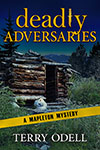 Gordon Hepler, Mapleton’s Chief of Police, has his hands full. A murder, followed by several assaults. Are they related to the expansion of the community center? Or could it be the upcoming election? Gordon and mayor wannabe Nelson Manning have never seen eye to eye. Gordon’s frustrations build as the crimes cover numerous jurisdictions, effectively tying his hands.
Available for preorder now.
 Terry Odell is an award-winning author of Mystery and Romantic Suspense, although she prefers to think of them all as “Mysteries with Relationships.”
















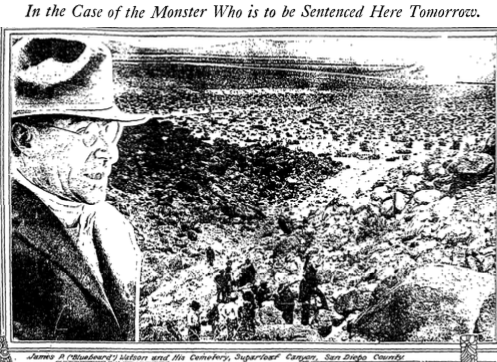
 “La Barbe Bleue” (Bluebeard) is a French folk tale, first published in 1697. It tells the story of a rich man with an odd, bluish beard who marries women, slits their throats, and hangs their bodies on hooks in the basement of his castle.
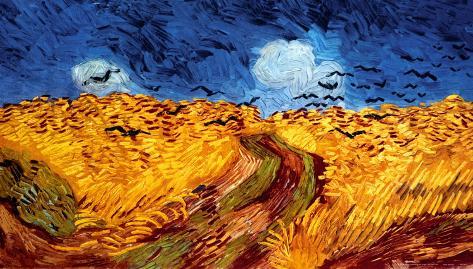
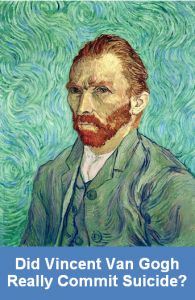 This isn’t to say that Van Gogh was murdered as in an intentional homicide case. As a former police investigator and coroner, I’m well familiar with death classifications. The civilized world has long used a universal death classification system with five categories. They are natural death, accidental death, death caused by wrongful actions by another human being which is a homicide ruling, self-caused death or suicide, and an undetermined death classification when the facts cannot be slotted into one conclusive spot.
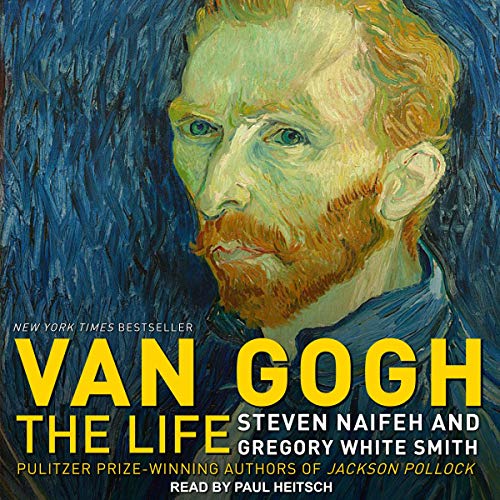 The researchers, Pulitzer Prize winners Steven Naifeh and Gregory White Smith who co-wrote