First Page Critique – Closure

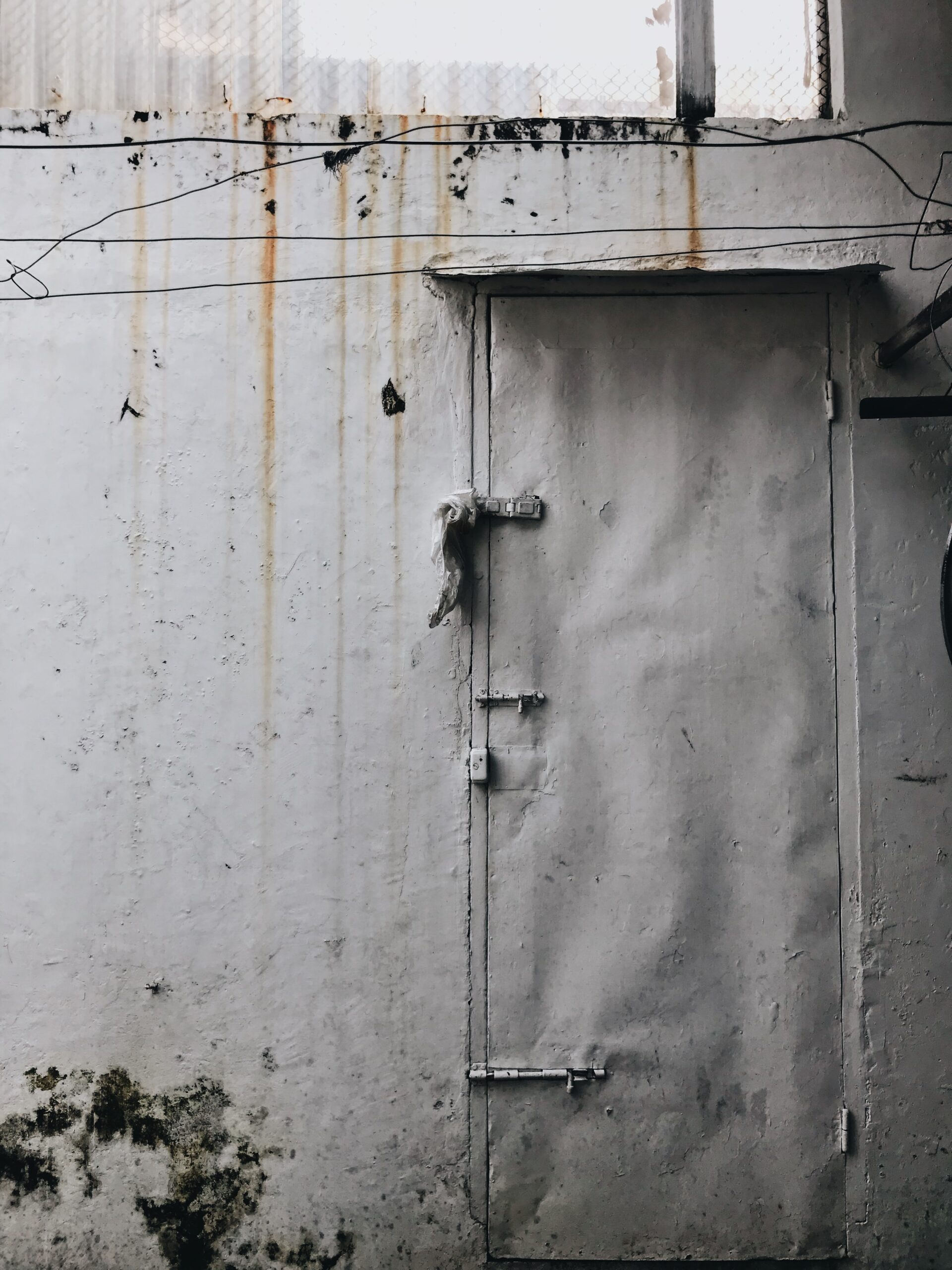
Photo credit: jessie daniella – Unsplash

By Debbie Burke

@burke_writer

Welcome to today’s Brave Author who submitted a first page entitled Closure.

TKZ’s intrepid website wrangler, Lynne, included a note with this submission that the prologue occurs nearly two months after Chapter 1. That means the scene below is actually a flash forward, not a prologue, something to keep in mind as you read the submission. Please enjoy and we’ll discuss it on the other side.


Prologue

Sunday, December 31st   9:19 PM

There was nowhere to run now.

Her head throbbed by now.  The agony blurred her vision as blood poured from the nasty gash just above her eye.

She cared little about that now.

Girl get it together, she thought to herself as she dragged her body—uncooperative legs and all—from behind a corner trash bin to the underside of the rusted stairwell.

“No one will find you, Reverend Sinclair.  It’s New Year’s Eve. And you’re about to die.”

The rush of pain exploded with every dreaded movement.

The hell I will, she thought, steeling her mind against the expectation of excruciating pain.  Her legs barely cooperated thanks to her foe’s quick thinking and lead pipe. As she dragged herself from one corner to the next, she suddenly spied an old vent partially covered by plywood.

“It’s over, Reverend Sinclair.  It’s finally over,” the faceless voice bellowed.

She opened her mouth, her mind searching for a retort.  Nothing came out. She needed to squeeze into that vent and in a hurry.  Somehow, grinding her teeth and clinching her bloodied fists, she managed to dislodge the board enough to squeeze through.

Every prayer she ever heard her grandmother pray ran through her mind.  She should have left things alone.

Then again, she couldn’t.  She was never one for that. Like sirens from a distant sea, the “things” had beckoned her, lured her into a whirlwind of unimaginable danger.  Her phone fell out when she bolted through the warehouse from the menace. Her bloodied knuckles, overworked from trying to take out a creaky door, prevented her from wiping the muddled mess from her cheeks.  Life had already stolen so much from her to begin with. Did she really have anything to lose at this point?

“My God,” she whispered, tears rolling down her face in a mingle of blood and dust from her secret abode.  Her body sore and her eyes heavy, Venus longed for rest. Only a flash of light through the crack of the board gave her hope.

“Light? Who is that?” she posited under her breath with a faint smile.  Hope flickered enough to dull the pain that shot from her left knee as she leaned closer to the peak through the splintered plywood.

“Thank you, Jesus…”

Her smile faded quickly when the answer to her question resounded with a crushing rejoinder.

Fire.

~~~

At TKZ, we encourage starting with action right off the bat and Brave Author has certainly done that. A woman named Reverend Venus Sinclair is fleeing from someone who has already caused her serious injury with a lead pipe and intends to murder her. A female cleric is an unusual and interesting character, not a typical protagonist. The premise that someone is trying to kill a woman of God is shocking and grabs a reader’s attention immediately. Well done!

There’s lots of vivid sensory detail—blood pouring from a nasty gash over her eye, legs weak and uncooperative because of intense pain, bloodied knuckles. The reader feels Venus’s agony and desperation as she scrambles to find a hiding place to escape her attacker.

So far so good.

But…action without context can be confusing and frustrating to readers. In this case, there’s too much excitement and not enough explanation.

It appears the author is starting at the brink of the story’s climax then intends to double back to the events that led to this point of crisis.

If that is the author’s intention, this page is not a prologue but rather a flash forward.

A prologue is a scene that happens before the current story begins.

A flash forward, or prolepsis if you want to sound really literary, happens in the future to foreshadow events that have not yet unfolded in the story. Here’s an explanation from k12reader.com:

A flash forward, on the other hand, is when some event that has yet to happen in the present narrative time intrudes. A flash forward are [sic] like foreshadowing in that both provide clues as to what will happen later on in a story. But foreshadowing gives only an impressionistic sense of future events, while a flash forward shows the reader or viewer exactly what the future holds in store, even though the reader may not have enough information to make sense of this detail yet. Sometimes, a flash forward is nothing more than an opening line that reveals a major event in the future. “In a week’s time, the Thomas family will be dead.”

I suggest the author delete the word “Prologue” and simply use date stamps to indicate time sequence.

Now let’s dig in to the writing. The main problems are overwriting, repetition, and lack of clarity.

There was nowhere to run now. – This is a decent opening line but now is used three times in three sentences. Suggest you cut the last two.

Cut repetitive descriptions of her injuries to leave more room for important context and setting information. You don’t need both throbbed and agony.

Her head throbbed, by nowThe agony blurred blurring her vision as blood poured from the nasty gash just above her eye.

She cared little about that now. Show this with her actions instead of telling.

Girl, get it together – take this opportunity to introduce her name. Venus, get it together.

Italics makes it clear she’s thinking. Delete she thought to herself.

uncooperative legs and legs barely cooperated are repetitious. The crucial point here is the attacker is armed with a lead pipe and has disabled her. Emphasize that.

from behind a corner trash bin to the underside of the rusted stairwell. – This is the first hint of where the scene is taking place but more detail would help ground the reader. I can’t visualize where she is. Is it a deserted alley behind her apartment building? The dark parking lot of her church? Withholding the location doesn’t increase tension but instead causes disorientation.

“No one will find you, Reverend Sinclair.  It’s New Year’s Eve. And you’re about to die.” Another strong line but, without attribution, it’s confusing. Who’s talking? You don’t necessarily have to reveal the person’s identity. Presumably that’s meant to come as a surprise revelation for the climax. But specify if the voice is male or female.

The rush of pain exploded with every dreaded movement and the expectation of excruciating pain are repetitive.

There’s a corner trash bin followed by she dragged herself from one corner to the next. More repetition plus it’s unclear—the corner of what? The trash bin? A building? A city block? Be specific so the reader can visualize where the action is taking place.

The hell I will is another strong line that shows her personality and determination.

she suddenly spied an old vent partially covered by plywoodNeed more detail. How big is the vent? Large enough to crawl through? Where does it lead to? Into the basement of a warehouse? A restaurant? Her church?

“It’s over, Reverend Sinclair.  It’s finally over,” the faceless voice bellowed. Good line. The reader wants to find out what it is.

She opened her mouth, her mind searching for a retort.  Nothing came out. She needed to squeeze into that vent and in a hurry.  Somehow, grinding her teeth and clinching her bloodied fists, she managed to dislodge the board enough to squeeze throughClench not clinch. More overwriting. Instead of having her think about what she’s going to do, go directly to the action. Her reasons are clear to the reader.

An alternative: She longed to shout a retort but that would give away her position. Instead, she clenched her teeth and yanked at the plywood with bloodied fingers. It barely moved but allowed her to squeeze inside, out of sight.

Every prayer she ever heard her grandmother pray ran through her mind.  She should have left things alone. 

Then again, she couldn’t.  She was never one for that. Like sirens from a distant sea, the “things” had beckoned her, lured her into a whirlwind of unimaginable danger.  These sentences bring the action to a dead stop. Plus they’re distracting. Sirens from a distant sea – this simile adds no meaningful context and further disorients the reader.

Condense her thoughts to the bare minimum like: Her grandmother’s prayers ran through her mind. She should have left things alone. But she couldn’t.

Her phone fell out – From her jeans? The pocket of her communion robes? Use this opportunity to further describe Venus’s appearance. Does she retrieve the phone? Why doesn’t she use it to call for help?

when she bolted through the warehouse from the menace. At last, a specific location is named—a warehouse. Add a couple of words of description. Is it vacant and echoing? Floor-to-ceiling shelves full of auto parts she can hide behind?

Bolted doesn’t ring true when, a second before, she was so crippled she had to drag herself.

Her bloodied knuckles, overworked from trying to take out a creaky door, prevented her from wiping the muddled mess from her cheeks. Delete repetitive description of her injuries. Would she really worry about wiping her face now?

Instead, concentrate on the creaky door. Creaky implies she tries to open it but you never show that. Where is the door? On the other side of the warehouse? Is it locked? Is it an escape or a dead end?

Life had already stolen so much from her to begin with. Did she really have anything to lose at this point? Again, these thoughts stop the action yet don’t reveal anything about why she’s now in this precarious position. Suggest you either delete these two sentences or add an intriguing detail that makes the reader curious.

Possibility: She’d lost her congregation and family. She had to prove her innocence before this maniac killed her.

“My God,” she whispered, tears rolling down her face in a mingle of blood and dust from her secret abode.  Her body sore and her eyes heavy, Venus longed for rest. Introduce her first name, Venus, earlier in the page. Delete repetitious description and focus on her silent, desperate call to God for help.

Only a flash of light through the crack of the board gave her hope. Another potentially strong line but confusing. A few sentences ago, she bolted, implying she ran and is now farther away from the vent she crawled through. Is the board the same plywood she pushed aside? Or is it part of the creaky door? You need to clear this up.

“Light? Who is that?” she posited under her breath with a faint smile.  Posited is a pretentious word that doesn’t belong. She wouldn’t speak out loud, even under her breath, and give away her position. Since she doesn’t know the source of the light, her reaction seems unrealistic because it’s more likely to be the attacker than, say, a rescuer with a flashlight.

Hope flickered enough to dull the pain that shot from her left knee as she leaned closer to the peak through the splintered plywood.  Delete extra the. Peak should be peek. I’m totally confused where she is now. Didn’t she bolt across the warehouse? Did she return to the plywood-covered vent? Or did she never leave there?

“Thank you, Jesus…” Good line but you need to give a plausible reason why she believes she’s now safe. Does she hear police sirens?

Her smile faded quickly when the answer to her question resounded with a crushing rejoinder. More overwriting. Resounded and rejoinder are jarring words that draw attention to themselves. Suggest you delete the entire line. Instead, focus on her brief instant of hope that’s immediately dashed.

Fire. Excellent scary development. If her pursuer can’t beat her to death with the lead pipe, he’ll burn down her hiding place. That’s great tension. But, again, it stretches plausibility unless you show that she’s cornered and trapped. Otherwise, presumably she would have time to escape out the other side of the warehouse.

Overview: 

Focus on painting a crystal-clear picture of the scene. You don’t need long descriptions but be sure the reader can visualize the alley (I’m presuming it’s an alley but still am not sure), the vent in the warehouse wall, and the inside of the warehouse. You mention the underside of the rusted stairwell. That is a good example of the type of specific detail I’m suggesting.

Establish her injuries right away. Example: She dragged her left leg, useless since the attacker had smashed the knee with a lead pipe. Blood from the nasty gash on her forehead obscured her sight. She wiped her eyes with bruised knuckles.

Then move on. The reader knows she’s seriously injured without constant, repetitive reminders of her pain.

Clarify Venus’s position and the choreography of her movements. When she’s outside, she’s dragging herself on the ground. Then she crawls through the vent. Once she’s inside the warehouse, show her movements so the reader can visualize exactly what she’s doing. Does she crawl? Stand up? Bolt?

Watch out for plausibility problems mentioned above. Is the scenario realistic? Are her thoughts and actions believable?

The title, Closure, is vague and general. If you work on using specific details in the story, you can probably find a stronger title.

Brave Author, once you clean up the writing and improve the clarity, I would like to read more about Reverend Venus and how she got into this life-or-death situation.

~~~

TKZers: I’ll be traveling all day and won’t be able to comment until later. Meanwhile, can you offer any suggestions to help out our Brave Author?

~~~
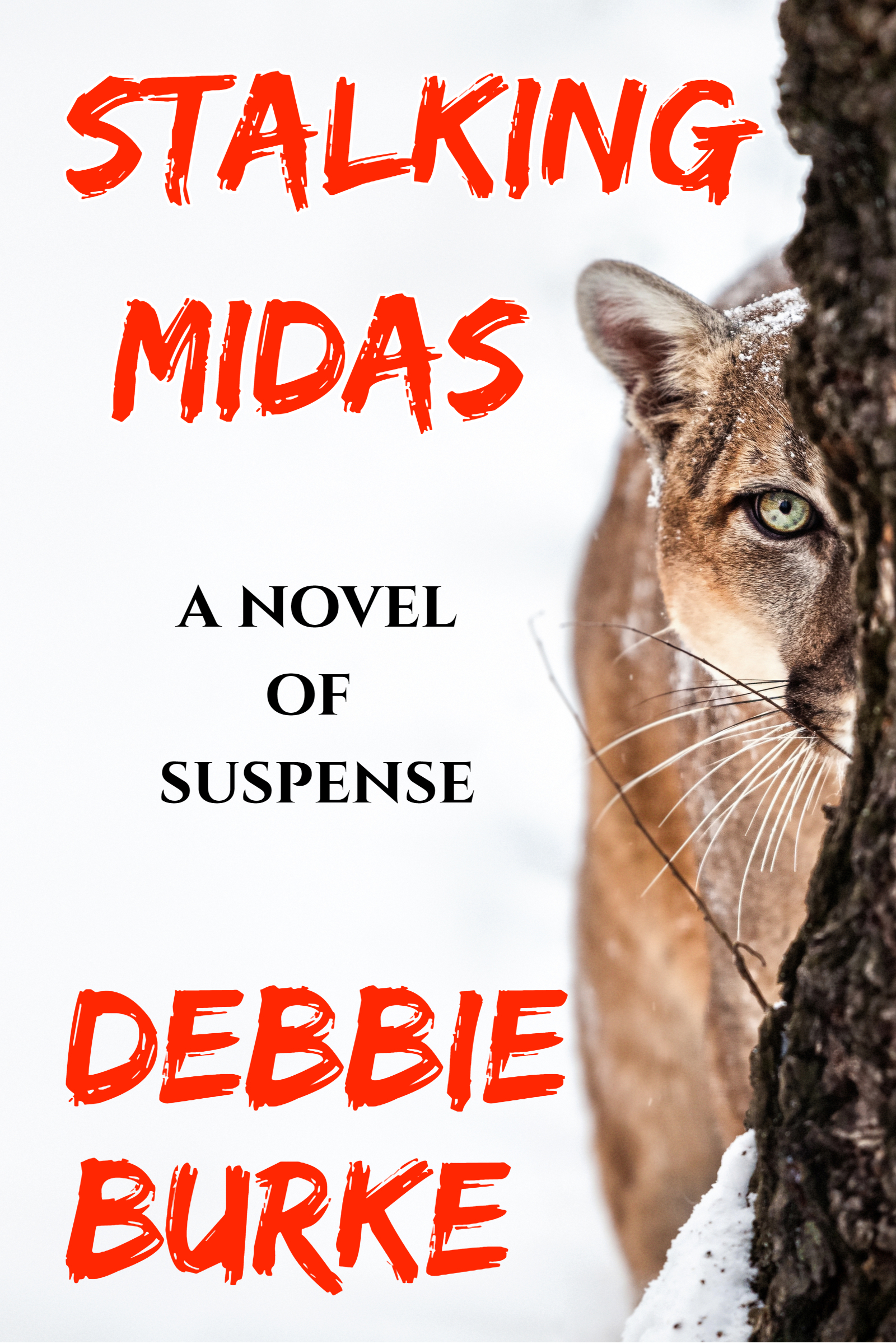


HAPPY ST. PATRICK’S DAY! Celebrate with a green beer and a FREE copy of STALKING MIDAS!
Introverts Unite

So this past week has been a surreal one on so many fronts – my husband’s company ordered him to work from home, my kid’s school is now closed for at least two weeks, we cancelled our spring break vacation, the robotics tournament my boys had been working so hard for was postponed, and the shelves at our local Kings Soopers…well they looked like a scene from the movie Contagion… Despite all this (or perhaps because of it) I came to realize just how introverted a writer I really am.

This realization dawned half way though day one of my husband’s ‘work from home’ week. He started on conference calls just after the boys left for school (this was before the school district announced all schools were to close on Friday) and didn’t stop talking pretty much the entire day. I know I should be sympathetic (I mean who wants to be on back to back conference calls!) – but most days it’s just me, my collie Hamish, and the imaginary characters in my head and I desperately missed the peace and quiet. By day 3, my poor husband was going stir crazy because he, as an extrovert, needed (and missed) having work colleagues around him. I, on the other hand, was longing for solitude:) So when the social distancing decree came down, I wasn’t fazed. Give me a computer to write on (or good old-fashioned pen and paper), a book to read, and some art supplies…and I am pretty much good to go. My husband on the other hand was already writing up a long list of chores we could accomplish:)

Now my husband and I have been married a long time (over 25 years!) so none of this comes as a great surprise – except that we’ve never really had to confront our own personality types in quite this way before. Neither of us were prepared for just how different our introverted versus extroverted outlook would be. One of my twins joked that he’d seen a meme on how introverts have been preparing their whole lives for social distancing – and while I laughed at first…it’s actually true. Though I doubt most of my friends would ever describe me as introverted – I enjoy being with people, am usually very chatty, and can be quite..er…theatrical when I want to be…but recent events have made me more aware than ever, just how much my creativity comes from the absence of people, and the quiet spaces of my day. This all means that there will certainly be some interesting times ahead, as for the foreseeable future I will have my husband and twin sons at home. We will all have to carve out our own quiet spaces (or in my husband’s case, some virtual-people filled spaces) and I will have to find ways to satisfy my introverted need for quiet and solitude.

So TKZers how many of you consider yourselves introverted? What has recent events revealed about your own personality or creativity?

In these challenging times we can all benefit from appreciating our common humanity, embracing empathy, and understanding how we can bridge our differences. In the meantime though…any words of wisdom on how two introverts (one twin and me) and two extroverts (my husband and the other twin) can survive in quasi-isolation??

Don’t Stress Over Things You Can’t Control

by James Scott Bell
@jamesscottbell

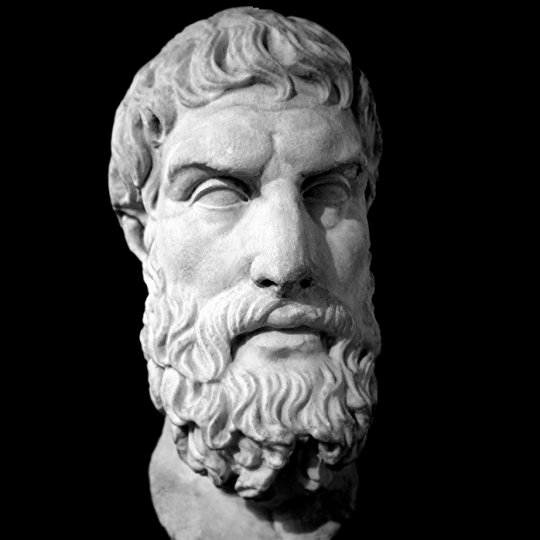
Epictetus

Sometimes I wake up in the middle of the night and my mind is abuzz. It could be that the Boys in the Basement are hard at work, and making a lot of noise. It might be that extra bit of spicy tuna I chomped at dinner. Or perhaps something has intruded on my bio-rhythms, some idiotic remark I heard on a newscast, which is always a possibility when Congress is in session.

Regardless, I know myself well enough to know I’ll be up for about an hour.

So I’ll pad out to the family room and turn on the TV. At that hour there are lots of classic shows on. Which are the best shows (says this Boomer), e.g., Alfred Hitchcock Presents, The Twilight Zone, Perry Mason. Part of the fun is seeing young actors making their early appearances. Like Robert Redford as Mr. Death in a Twilight Zone. Or Ryan O’Neal as a murder suspect in Perry Mason.

Anyway, the other night I started watching a fave from my adolescence, Mannix. That PI show starring Mike Connors ran from 1967 to 1975. It had one of the great musical themes (via Lalo Schifrin). Connors was always solid, and the plots twisty and turny and fun.

This particular night the episode was “Color Her Missing.” A PI friend of Mannix is murdered, and a big-time lawyer is a suspect. He has an alibi, but it’s hard to prove. So he asks Mannix to confirm it. And on we go.

As a former actor and student of the art, I always appreciate a good performance. And the guy who played the lawyer caught my eye. He was very good, very natural, and ruggedly handsome. He looked like a guy who should have had his own PI show, or been either a star or dependable character actor in the movies.

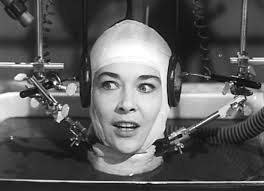
So I looked him up on IMDB. His name was Jason Evers. I’d never heard of him. But I’ve probably seen him a number of times, as he worked consistently in TV. He never made it in the movies, however, coming closest in the camp classic The Brain That Wouldn’t Die (1962). [Side note. The decapitated head in that film was an actress named Virginia Leith. She was a knockout beauty and terrific actress, by way of her role in the neo-noir A Kiss Before Dying (1956). After I watched the film I wanted to know what became of her, as she was definitely star material. But she’s best known as that doggone head!]

Virginia Leith in The Brain That Wouldn’t Die

Why do I mention this? Because not everyone who deserves to be a star becomes a star. Not every writer who is good enough to be on the A List makes it to the A List. There’s an element built into nature that leaves some things to pure chance.

The trick in life is not to stress about those things.

That is the essence of the Stoic philosophy. Epictetus put it best: “There is only one way to happiness and that is to cease worrying about things which are beyond the power of our will.”

You got that right, Epic. Most writers worry about every single aspect of every single book release. Will it sell? Will it be seen in bookstores? Will the critics/reviewers hate it? Will it land on a major bestseller list? Will I get that literary award I’m lusting after? Does Oprah have my phone number?

None of these things can you control.

Thus, the writer determines to do everything within his power: bookmarks, swag, panels, bookstore signings, blog tour, Facebook ads, Amazon ads, Bookbub ads, tweets, ’grams, howling at the moon—all the while stressing over the results.

But when the dust settles down, down to the lower depths of the Amazon rankings, what then? If the author has too much emotional investment in great expectations, he will suffer needless inner turmoil. It can hamper or even end a writing career. Many a writer has called it quits after a third or fourth book got remaindered within a month and the publisher did not offer another contract.

To repeat: Not everyone who should be a star becomes a star.

Not every writer who should be on the A List makes it to the A List.

But anyone who keeps writing is a writer. And that very act—the writing, falling deeply into a scene, getting into “the zone”—turns out to be the only real antidote for writerly anxiety.

So put this on a sign or sticky note on your desk:

What’s your stress assessment? Do you worry too much about things outside your control?

If you need help with the mental game of writing, let me suggest this book.

The First Detective Story

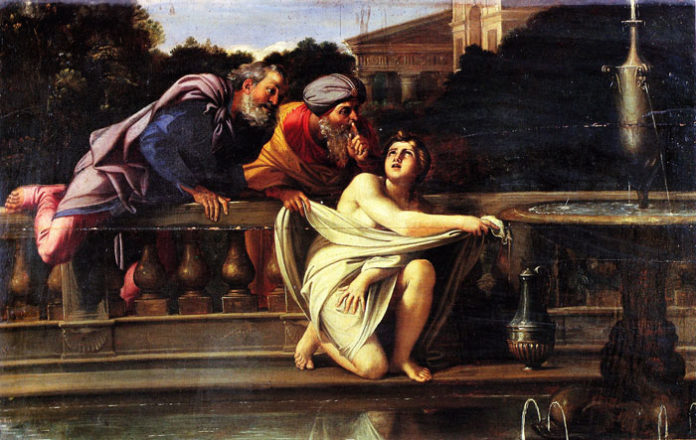
Susanna and the Elders by Domenichino 1603

By Elaine Viets

Sex, violence, perjury, crooked judges, blackmail – and police procedural techniques still used today. All these are in the first detective story.

So which one is it?

Some say the first detective story was Edgar Allan Poe’s “The Murders in the Rue Morgue” way back in 1841. Wilkie Collins generally gets credit for the first detective novel, “The Moonstone,” in 1868. And others claim Metta Victoria Fuller wrote the first American detective novel, “The Dead Letter,” in 1866. After that, scholars slug it out until we get to the undisputed champion, Sir Arthur Conan Doyle and his detective, Sherlock Holmes, in 1887.

But I agree with M.T. Logan that the first detective story was published several thousand years earlier. It’s the story of Susanna and the Elders. If you’re Catholic or Greek Orthodox, Susannah is in the Book of Daniel and is considered divinely inspired. For Protestants and many other religions, the story is part of the Apocrypha, the books that didn’t quite make the cut.

Detail from Susanna and Elders by Tintoretto

Susanna was a young married Jewish woman, living in Babylon. She was God-fearing and good-looking. Susanna liked to walk in her husband’s orchard, and two old pervs – excuse me, two highly respected judges – liked to watch. They fell madly in lust with her, and conspired “when they might find her alone,” as the Good Book says. The old creeps lucked out.

On a hot day, Susanna decided to take a bath in the orchard. The two old men hid themselves and watched as she told her maids, “Bring me oil, and washing balls, and shut the doors of the orchard, that I may wash me.” As soon as the maids brought the things for Susanna’s bath, they shut the doors and left. Nobody knew that the two old degenerates were lurking in the orchard.

Once the doors were shut, the horny old coots cornered Susanna, and said she’d better have sex with them, or they would lie and say “that a young man was with thee, and therefore thou didst send away thy maids.”

Susanna realized she was damned if she did and damned if she didn’t, but she’d be damned if she’d have sex with those two creeps. “It is better for me to fall into your hands without doing it, then to sin in the sight of the Lord,” she said.

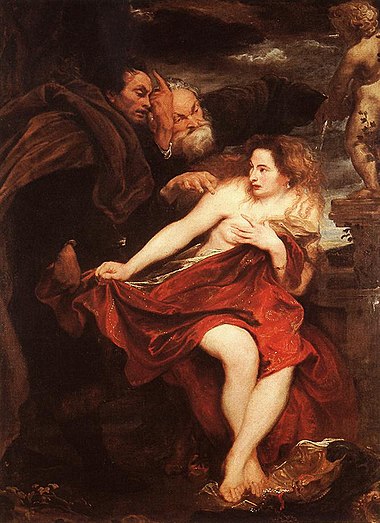
Susanna and Elders by Anthony van Dyck

Susanna screamed and the old blackmailers screamed, and there was a trial. The judges testified falsely against Susanna, claiming she was with a young stud under a tree, and they’d tried to stop this terrible sin of adultery. The young man got away, but the judges caught Susanna. “The multitude believed them, as being the elders, and the judges of the people, they condemned her to death.”
This was long before #MeToo, and while adultery was a sin for both sexes, it was a bigger sin for women. The patriarchs didn’t want free-range women begetting someone’s child.
Susanna called out to God, “I have done none of these things, which these men have maliciously forged against me.”
In stepped young Daniel, who said, “I am clear of the blood of this woman.”
He lectured the crowd for condemning Susanna “without examination or knowledge of the truth.”
He then conducted his investigation the way all good modern police officers do. He separated the two judges.
He asked the first judge under what tree did he see Susanna doing the wild thing with the young hunk. The judge said, “under a mastic tree.” That tree is where chewing gum comes from.
The second judge claimed Susanna did the deed under a holm tree, a type of oak.

Holm tree

The two lying judges had convicted themselves “by their own mouth.” They were killed.
So there you have it – a detective story with a victim, two villains, and a hero who knew how to search for the truth.
##################################################################
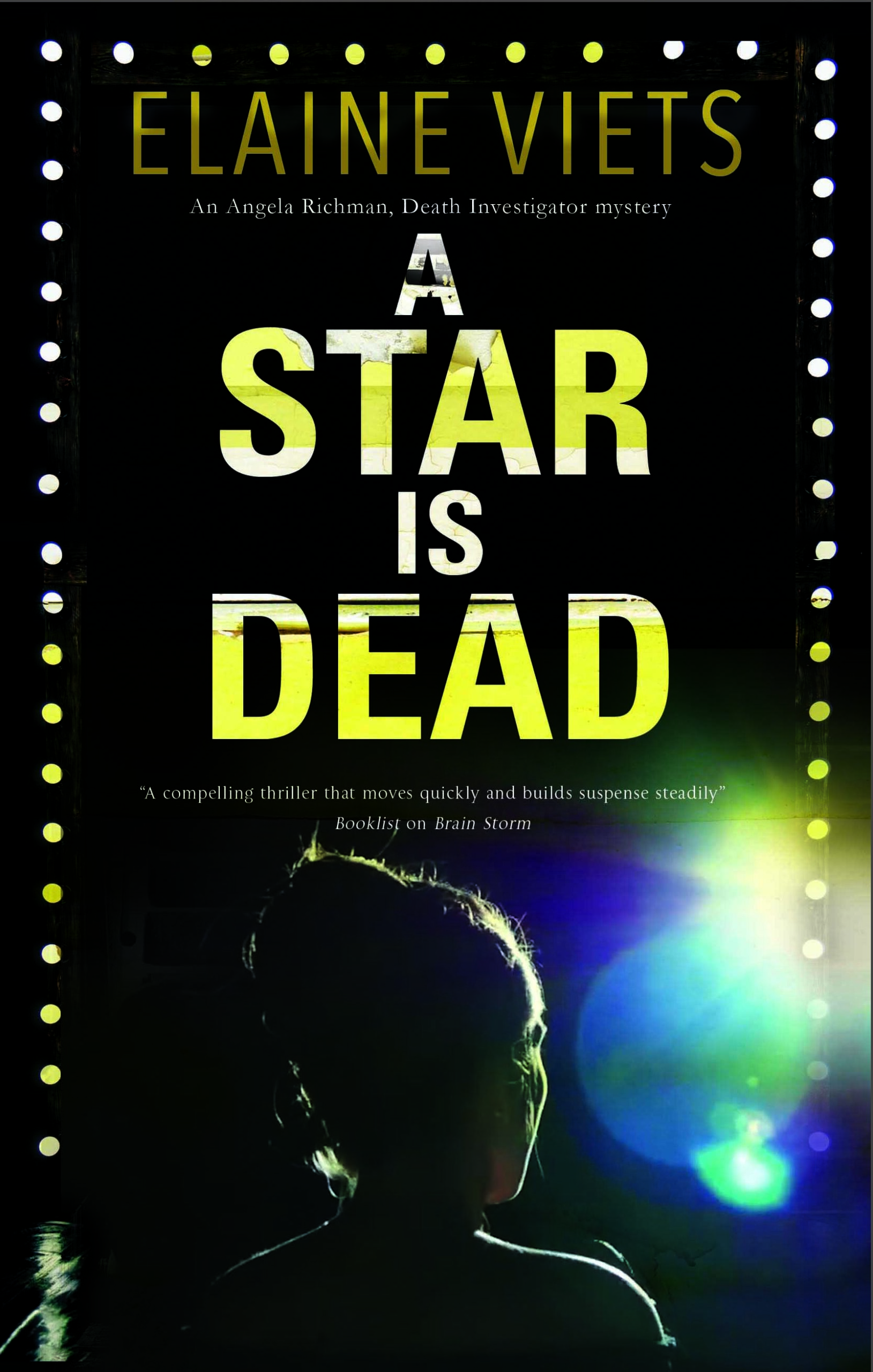
Just out! A STAR IS DEAD, my fourth Angela Richman mystery. Publishers Weekly calls it “skillfully plotted” and says it has “witty dialogue and well-defined characters.”
Buy it now: https://www.amazon.com/Angela-Richman-Death-Investigator-mystery/dp/0727890166/ref=sr_1_1?crid=3P57RLYRP7F08&keywords=a+star+is+dead+by+elaine+viets&qid=1583967357&s=books&sprefix=A+Star+Is+Dead%2Cstripbooks%2C170&sr=1-1

Gotta Have Thick Skin

By John Gilstrap

Full disclosure: This post originally appeared here in TKZ on July 23, 2010, with the title, “Skin Like Leather.”  I bring it back here today for two reasons: 1) It’s still relevant; and 2) I’m crashing on a deadline.

We always tell up-and-comers that they’ve got to have a thick skin if they’re ever going to break into the publishing business. As the rejections pile up, it’s hard not to lose faith in your own abilities. When the news finally turns good, and an agent wants to see the manuscript, and later when an editor decides to buy it, you feel vindicated. Ha-ha and neener-neener, you think. Clearly all those rejecters were wrong.

What clearer affirmation of talent can there be than a publishing contract, right? If you’re not careful, you might start rubbing aloe on that leather-tough skin, thinking that it’s time to shed the bullet-proof coating.

Oh, that it were true.

I won the 2010 award at Thriller Fest for the Worst Review Ever, for an opinion of Nathan’s Run that appeared in an upstate New York newspaper: “The glue boogers in the binding were more captivating than Gilstrap’s torpid prose.” That it followed dozens of major market rave reviews from around the world softened the blow to the point that I laughed out loud when I read it at the time. Now I treasure my award, which is a lovely wooden box containing a fossilized dinosaur turd. All in good fun.

As I write this, I am again in the early stages of a new book launch (Hostage Zero, 19 days straight in the Top 30 in Amazon’s Kindle store), blessed with a starred review from Publisher’s Weekly. I’m very proud of the book. Frankly, I think it’s my best work, but then I always think that when a new book comes out.

I almost took out the aloe again. Not so fast.

This is the age of the amateur Internet review, where the opinions of casual readers wield influence equal to that of professional critics. Among many very positive reviews, one fellow calls my book “surprisingly decent.” Another expresses surprise that as a “second tier suspense writer” I have had such a long career. I have been chastised for leading with my left-wing politics, and I’ve been chastised for leading with my right-wing politics. One reviewer chastises me for coming off as stupid because I can’t seem to keep my own politics straight.

Interestingly, several reviewers have accused me in an online forum of writing my own raves, one of them going so far as to praise my ability to change my writing style to accommodate my various fictional identities. (For the record, I’ve never done such a thing.)

God bless them all. Once the book is written and I’ve launched it out to the world, it belongs more to the reader than it does to me. It’s the nature of art that perception trumps intent. A review is a review, after all, and since the major media markets have decided that books are no longer worthy of ink and newsprint, I’m just happy that someone’s paying attention.

The need for thick skin doesn’t end at the impersonal review, however.

Nine times out of ten, people are wonderfully supportive of me and my work. With the exception of certain engineered opportunities—book signings, etc.—I have little desire to be the star of a social setting. I’d much rather discuss current events than the mechanics of writing. Among these friends, the launch of a new book warrants a congratulations and a couple of signed books and that’s about it.

Then there’s the remaining one out of ten who just sort of baffle me. Consider those among my relatives who ostentatiously don’t read my books (even though I think they do), yet ask me to autograph editions for their friends. A day-job colleague of mine went out of his way to list the stores he’d visited where none of my books were in stock, and another rarely missed a public opportunity to express shock that my books do as well as they do. What am I supposed to say in response to such things? It seems sometimes that people go out of their way to be hurtful.

Over the years, I’ve come to understand that the rudeness—whether by acts of omission or commission—is rarely intended to be hurtful. The family stuff is weirder than the collegial stuff, but I’ve decided that artistic success—even when it’s second tier—makes some people feel both empowered and uncomfortable. The public nature of book writing empowers people to criticize, while public success—and the minor celebrity that comes with it—can upset the balance of an insecure relationship.

One of the most valuable lessons I’ve learned over the past 25 years toiling as a scribe is to respond thusly to even the most scathing review: Thank you for reading my work and taking the time to comment.

First Page Critique: Lost At Sea

By PJ Parrish

Good morning, crime dogs. Well, this one will be short. Has to be, because I can barely type. Lost a fingernail in a home improvement accident and my middle digit is swollen and swathed. DIY tip: Don’t try to hang a heavy mirror without proper wall anchors and if you do, make sure you don’t have your fingers underneath when it falls.

So forgive me my typos and here we go with a First Pager that shows some promise — but also some of the common problems we talked about here at TKZ.  Many thanks to our contributing writer. Please help him/her out with your comments.

CALL ME TRANCE

A few years ago, late May.

Atlantic Ocean, East of the Caribbean Sea

In the dark of night a naked woman, battered and bruised, lifted her face from the ocean’s surface, took a couple of breaths, and resumed the dead-man’s float on the waves. She had lost her direction amid broad, moonlit swells. How long had it been? It felt like an eternity.

Wielding a forced calm in the face of her circumstances, she lifted her head again, let her feet sink, and inhaled several slow breaths to steady her nausea.

How long can I keep this up?

Swiping saltwater from her eyes, she leaned to float on her back and released the tension from her quivering muscles. As her toes broke the surface, chilly in the light breeze and her body drifted like corkwood on wave after wave, the gossamer filaments of her anxious thoughts dissolved into nothingness and she dozed, drifting, unaware.

* * *

Caribbean Sea

British Frigate, HMS Donovan

“Bloody war and medicine,” Surgeon Commander Ian MacRorie mumbled as he slumped against the gray treatment room doorjamb in the wee hours of the morn. “I quit. I won’t treat one more patient.” He peeled off his medical gloves and chucked them into the nearby waste bin, regretting once again that he had condemned himself to this soul-wringing existence.

Ian heard the hum of the engines change, signaling the ship nearing Montserrat. According to the itinerary, HMS Donovan would patrol around Montserrat tonight and early tomorrow, and then would move on to do the same at Anguilla.

Lather. Rinse. Repeat, he thought. Whatever got them closer to home.

He rubbed his burning eyes, took a fortifying breath before heaving his carcass off the doorjamb, and trudged across the gray room to the nearby basin to scrub his hands.

God, I need sleep.

The ship’s ubiquitous gray interior dulled his mind. He felt as though he lost a wee bit of himself with each moment that passed in this gloomy, cheerless environment. All he wanted to do was to crawl into bed and withdraw under the covers. Disappear into oblivion. Ah, yes, only in the arms of Morpheus could he find relief for his physical and mental exhaustion, quiet his tormented thoughts, and escape this gray tomb.

Damn my grief.

Chief Petty Officer Jane Beasley swept into the infirmary. “Surgeon Commander MacRorie, here are Ensign Belgrave’s ultrasound images.”

_________________

Okay, let’s give this a good look-see. I liked the opening image — a battered woman floating, apparently lost at sea, is immediately intriguing. There are some point of view issues, mainly that I wish the writer would have stayed grounded in the woman’s POV instead of hovering above in omniscient. (More on that later). But I also wish this opening scene-ette had more to it.  An opening has to seduce us into wanting to read more and become emotional involved. This is just a truncated tease. Consider, writer, of expanding this into a full chapter somehow, even if it’s just a couple pages. Perhaps you got into too late? If you had shown more of what happened to get her to this point (without spilling all the plot beans), I might feel less frustrated when you switch away. Just a thought…

Now, about that POV issue. This opening graph isn’t bad, but it can be better. You need to make us feel the danger of her situation more. SHOW us, don’t TELL us. Show us through her senses, not your own descriptions:

In the dark of night a naked woman, battered and bruised, lifted her face from the ocean’s surface, took a couple of breaths, and resumed the dead-man’s float on the waves. She had lost her direction amid broad, moonlit swells. How long had it been? It felt like an eternity. Wielding a forced calm in the face of her circumstances, she lifted her head again

You tell us it’s dark. Filter that through her:  She could barely make out the moonlit tips of the ocean’s waves. You tell us she is battered and bruised. Have her make us feel that: Her naked skin felt pin-pricked from hours of being in the water. She was so cold she couldn’t even feel the bruises and cuts that she knew were still there. “Wielding a forced calm in the face of her circumstances” is you talking again. Let her tell us:

A new spasm of panic swelled in her chest and she took two long breaths to force it down. It wasn’t working. She licked her salt-swollen lips and began to recite the rosary, something she had not done since childhood but it was the only thing she could remember right now to calm her screaming brain.

That’s not great, but the point I am trying to make is use HER experience, background and emotions to convey the situation. You the writer, need to stay out of her way.

Now let’s go on to Commander Ian. I don’t mind that you switched locations and characters. But as I said, the ocean scene is so bare-bones, that I feel whip-lashed. Again, try to find ways to filter the emotions only through his consciousness. By using phrases like “regretting once again that he had condemned himself to this soul-wringing existence,”  again you are telling us what he feels rather than letting this emotion emerge through action, thoughts and dialogue. You actually do a pretty good job of showing us his frustration, so this type of phrase is overkill. You could easily lose it.

Now I’d like to do a deep-dive line edit.

CALL ME TRANCE

A few years ago, late May.

Atlantic Ocean, East of the Caribbean Sea I usually discourage the use of taglines like this because 99 times out of 100, this info can be — and should be — gracefully integrated into the narrative. But because of the switch in time, place and character, I’m going to give it a pass here. 

In the dark of night a naked woman, battered and bruised, as I said, convey this through her senses; it’s more powerful. lifted her face from the ocean’s surface, took a couple of breaths, and resumed the dead-man’s float on the waves. She had lost her direction This implies she at some point KNEW where she was. Is that correct? Another chance to deepen this scene amid broad, moonlit swells. How long had it been? It felt like an eternity. Cliche. You can do better. Also, because I think this scene needs more meat, why be coy? Can’t you drop a few hints about how she got here? And if, indeed, she has been floating naked in the ocean “for an eternity” she’d be in hypothermia territory by now. She’s not in the Caribbean, she’s in the Atlantic. 

Wielding a forced calm in the face of her circumstances, Very writerly. See above comments about getting inside her head. lifted her head again, let her feet sink, and inhaled several slow breaths to steady her nausea.

How long can I keep this up? When you use direct thoughts like this without attribution, always put in italics.

Swiping saltwater from her eyes, Again, I think you’re missing chances for great detail here. You imply she’s been floating in the ocean for a long time. Her eyes would be nearly swollen shut from saltwater exposure. The scene, as you describe it, feels way too tranquil, like she’s in a floatation tank at some spa. she leaned nit picking here but this seemed the wrong word, she was floating, then righted herself momentarily (?) then returned to floating? to float on her back and released the tension from her quivering muscles. As her toes broke the surface, chilly in the light breeze Sorry, this scene is way too relaxing! and her body drifted like corkwood Don’t think you “drift” like a cork. You bob maybe on wave after wave, Small thing here but waves are different than swells. the gossamer filaments of her anxious thoughts dissolved into nothingness Very pretty but not very compelling. And again, the emotions in this scene are schizophrenic — you can’t be battered, naked, tired, panicked and afraid and have gossamer thoughts. and she dozed, I had to look this up, but yes, apparently you can sleep while floating but again, it makes no sense in this context. AND IT IS ODDLY PASSIVE. When I read the first graph the first time, I immediately started to root for this woman. By the time she falls asleep, I didn’t care anymore because I know nothing about her. drifting, unaware.

* * *

Caribbean Sea

British Frigate, HMS Donovan

“Bloody war and medicine,” Surgeon Commander This is a character title tag. Don’t use them. Find a graceful way to convey this info in the action Ian MacRorie mumbled as he slumped against the gray treatment room doorjamb in the wee hours of the morn. Clumsy construction here. “I quit. I won’t treat one more patient.” He peeled off his medical gloves and chucked them into the nearby waste bin, regretting once again that he had condemned himself to this soul-wringing existence.

It took me a couple reads to figure out what “Bloody war and medicine” meant. I think it’s Ian cursing both the fact there’s a war going on (what year are we in here, by the way?) and the fact he’s a doctor. But I’m not sure about that. If you start a scene with dialogue, please make it mean something. And the graph needs some cleaning up:

“Damn this bloody war.”

Ian MacRorie roughly peeled off his latex gloves and threw them to the waste bin. He missed but made no move from his position slumped around the door of the sick bay. He looked up to the certificate hanging on the wall above the trash bin.

DEPT OF THE NAVY

DR. IAN MACRORIE

“And damn the day I became a doctor,” he said softly. (or something juicier)

By the way, he’s apparently in a sick bay and just peeled off surgical gloves. What was he doing? Is there a body on a table? Is he peering in a microscope? You can’t leave out details like this.

And I don’t understand his line: “I quit. I won’t treat one more patient.” Who’s he speaking to? Is a voiced thought? Is he literally going to quit? 

Ian heard the hum of the engines change, signaling the ship nearing Montserrat. According to the itinerary, He knew the HMS Donovan would patrol around Montserrat tonight and early tomorrow, and then would move on to do the same at Anguilla.

Lather. Rinse. Repeat, he thought. Whatever got them closer to home.

He rubbed his burning eyes, took a fortifying breath before heaving his carcass This is you talking — you really want to call him a carcass? off the doorjamb, and trudged across the gray room to the nearby basin to scrub his hands.

God, I need sleep.

The ship’s ubiquitous gray interior dulled his mind. I like what you’re going for here, using the gray interior of the ship to stand for his state of mind. So do more with it! Don’t you tell us how he feels, let him show us. 

He scrubbed his hands harder, staring at the gray soap bubbles. Gray, everything here was gray. The walls, the floors, the operating tables, even the damn food. He felt like he was disappearing down a gray tunnel that was narrowing, narrowing, always narrowing down to some dark gray hole. In his dreams, the hole was real and he was never able to get out, waking up in the gray dawn covered in sweat.  

Like the woman in the ocean, make us FEEL his emotional claustrophobia. And if you can, try to draw a parallel with the woman — they are both lost, are they not?

He felt as though he lost a wee bit You used wee twice. Wee is a nice word; this isn’t a nice thing he’s feeling of himself with each moment that passed in this gloomy, cheerless environment. More telling. All he wanted to do was to crawl into bed and withdraw under the covers. Disappear into oblivion. Ah, yes, only in the arms of Morpheus could he find relief for his physical and mental exhaustion, quiet his tormented thoughts, and escape this gray tomb. Very writerly. Very uninvolving.

Damn my grief.Whoa. Now this is interesting. Backstory hint. He’s lost someone. This line would be even more effective if you can find a way to link it to his FIRST line, so by the time we get here, we understand that he is not suffering from professional ennui or worries about the war. THIS IS PERSONAL. Which is way more interesting. Good hint..

Chief Petty Officer Jane Beasley Another character title tag. Don’t use these; introduce her title via the action or dialogue. swept Ugh…nobody sweeps into a room. Also, make this happen through Ian’s senses. He hears a bang of a door and turns to LOOK AT HER. into the infirmary.

“Surgeon Commander This is how you introduce a character’s title MacRorie, here are Ensign Belgrave’s ultrasound images.” Also: ALWAYS set off a new character’s dialogue in its own graph.

That’s it. I think I got through with not too many typos. And I hope our brave writer finds this useful and not too discouraging. I like much of what is happening in this opening — the mysterious woman in the ocean and the tormented doctor.  As I suggested, they are both metaphorically lost at sea.  Good chance for drama ahead. (I suspect the ship will rescue the woman and things will get complicated).  But you need to clean up some basic craft problems to make this shine.  Keep going…there’s good stuff to be mined here, writer.


Deep Dive into Craft: First Page Critique

I’ve got a special treat for you today. This Brave Writer submitted their first page for critique. Check it out. My comments will follow.

Lucky Lynx

Eduardo’s gun gleamed in the evening light as he tucked it into his shoulder holster.

“This guy Luckee ain’t a threat’,” he scoffed, as he pulled his jacket closer. “He’ll fold like the rest, we just gotta push him.”

Carlos shook his head. He didn’t take his hands off the wheel as the battered Ford Bronco jounced over the pothole-ridden street. “You know Hector Flores, ran with Familia Michoacana?”

“What if I do?”

“He gone. Double-crossed Luckee in a deal. Next day, his bank accounts disappeared.  Two days later, cops pick him up for murder. He’s up for fifteen at Riker’s.”

That made Eduardo sit up. The seat’s rusty springs made a creak.

“Hector never offed no one!”

“That’s right.” Carlos turned the Bronco down a side street. “Luckee hacked into the cops’ database. Swapped evidence with a gang-banger, pinned it all on Hector.”

“You’re messing with me, primo. This nerd a magician? I ain’t believing that shit!”

“Don’t matter what you believe. This guy can erase lives with a click. Don’t cross him, cousin. Keep that nine-iron under your jacket.”

Eduardo shifted in his seat.  The gun was a reassuring weight against his side.

The Bronco’s motor slowed to a grumble as Carlos pulled into the parking lot behind an old warehouse. The building’s broken windows and boarded-up doorways glinted against the sunset. The SUV’s headlights illuminated a group of four men standing next to a pair of Dodge Chargers. The lot’s outer fence ran close behind them.

Carlos put the vehicle in park, shut the motor off, and got out.  Eduardo followed suit. Their steps sounded abnormally loud in the sudden silence as they walked up to the fence.

Three of the four men watched warily as they approached.  The fourth one took a step forward. A pale face jutted out from beneath a black hoodie sweatshirt.  The sweatshirt hung loose around a lean, slender frame.

“The package is up against the fence, twenty yards to your right,” he said, in a young, high-pitched voice. “Either of you can pick it up and verify I’ve delivered what you want. If it checks out, then you’ll pay the agreed amount. You will not exit the premises until we signal that we have counted the bills.”

“Fine. I’ll pick it up,” Carlos said.

Eduardo scowled at the hoodie-wearing figure.

“You’re just a kid.”

A pause. “The name’s Ti. And yeah, I’m a kid. A kid who scored you your shipment.”

Brave Writer did a terrific job with this opener. S/he has a firm grasp of POV and the dialogue is easy-going and natural, though at times it took me a moment to figure out who was speaking. Easy fix, which we’ll get to in a moment. Because Brave Writer has the basics down, this gives us a great opportunity to dive a little deeper into craft.

First, let’s compare Brave Writer’s dialogue with my favorite craft book for dialogue: How To Write Dazzling Dialogue by James Scott Bell.

In Chapter 3, Jim gives us a checklist for what dialogue should accomplish.

  1. Dialogue Should Reveal Story Information.

But only reveal enough information for the reader to understand the scene. Everything else can wait.

Dialogue is sometimes the more artful way to reveal story information. But here’s the key: the reader must never catch you simply feeding them exposition!

Jim gives us his two top tips…

First, determine just how much exposition you really need. Especially toward the front of your novel. Here’s one of my axioms: Act first, explain later. Readers will wait a long time for explanatory material if there is solid action going on.

In fact, by not revealing the reasons behind certain actions and dialogue, you create mystery. That works in any genre. Readers love to be left wondering.

Second, once you know what you need to reveal, put it into a tense dialogue exchange.

In other words, hide the exposition within confrontation.

For the most part, Brave Writer succeeded in this area. But the punctuation causes confusion. For example…

“You know Hector Flores, ran with Familia Michoacana?”

“What if I do?”

For clarity try something like: “You know Hector Flores? [That dirtbag who] ran with Familia Michoacana.”

“What if I do?” doesn’t sound right to this particular reader. Simple and direct works best. Example: “That dude? Punk. He’s lucky I didn’t—”

“[Anyway,] he’s gone. Double-crossed Luckee in a deal. Next day, his bank accounts disappeared. Two days later, cops pick him up for murder. He’s up for fifteen at Rikers.”

Rikers Island has no apostrophe, Brave Writer. Do your research! It took me all of two seconds to confirm. Details can make or break a story.

Careful of run-on sentences, too. Example: “He’ll fold like the rest, we just gotta push him.”

Those are two sentences that should be separated by a period.

  1. Dialogue Should Reveal Character.

We can tell a lot about character by the words they use. Jim gives us another checklist to keep in mind.

  • Vocabulary: What is the educational background of your characters? What words would they know that correspond to that background?
  • Syntax: When a character does not speak English as a first language, syntax (the order of words) is the best way to indicate that.
  • Regionalisms: Do you know what part of the country your character comes from? How do they talk there?
  • Peer groups: Groups that band together around a specialty—law, medicine, surfing, skateboarding—have pet phrases they toss around. These are great additions to authenticity.

Did Brave Writer accomplish this task? Let’s find out… 

“Hector never offed no one!”

“That’s right.” Carlos turned the Bronco down a side street. “Luckee hacked into the cops’ database. Swapped evidence with a gang-banger, pinned it all on Hector.”

“You’re messing with me, primo. This nerd a magician? I ain’t believing that shit!”

The vocabulary, syntax, regionalism, and peer groups are all represented. Yet, something still feels off. If we look closer, Eduardo’s dialogue works really well. It’s Carlos’s dialogue that needs a minor tweak. “That’s right” is too on-the-nose. A more natural response might be, “No shit. But get this.” The rest of this short exchange works well.

Quick note about nicknames. If “primo” is the name Eduardo uses for Carlos, then be consistent. Don’t use both, especially on the first page. After all, we’re inside Eduardo’s head. If he doesn’t think of Primo as Carlos, then the reader shouldn’t either while we’re in his POV. 

  1. Dialogue Should Set the Tone (and Scene) 

The cumulative effect of dialogue on readers sets a tone for your book. Be intentional about what you want that tone to be… First, the way characters react to their surroundings tells us both about the location and the people reacting to it.

Brave Writer nailed this part. We know exactly where we are, and the tone is consistent. Great job! 

  1. Dialogue Should Reveal Theme

Certainly, many writers do care about message, or theme. The danger in dialogue is to allow the characters to become mere mouthpieces for the message. This is called getting “preachy.” The way to avoid this is to place the theme into natural dialogue that is part of a confrontational moment. As with exposition, a tense exchange “hides” what you’re doing.

With such a small sample, it’s difficult to determine if Brave Writer accomplished this task or not. Just keep it in mind.

Aside from dialogue…

Sentence Variation and Rhythm

The Bronco’s motor slowed to a grumble as Carlos pulled into the parking lot behind an old warehouse. The building’s broken windows and boarded-up doorways glinted against the sunset. The SUV’s headlights illuminated a group of four men standing next to a pair of Dodge Chargers. The lot’s outer fence ran close behind them.

In this one paragraph every sentence begins with “The,” which dulls the image you’re trying to convey. By varying the sentences you’ll draw the reader into the scene. Let the writing work for you, not against you.

Example:

Carlos veered into the back-parking lot, and the Bronco’s motor slowed to a grumble. Broken windows, boarded-up doorways, the headlight’s cast cylindrical spheres across the skewed faces of four men huddled next to a pair of Dodge Chargers. A chain link fence acted as an enclosure to keep this deal from going south—no one could escape unnoticed.

It’s still not great, but you get the idea.

Also, don’t rely only on sight. Add texture to the scene with smells, sounds, touch, and taste. Could there be a harbor bell in the distance? What might that sound like to Eduardo? Is he nervous and chews on his inner cheek to the point where blood trickles onto his tongue? Drag us deeper into the scene by forcing us into that Bronco.

Clarity

We never want the reader to wonder who’s speaking. An easy way to fix this is to move the dialogue up to the cue.

So, instead of this:

Eduardo’s gun gleamed in the evening light as he tucked it into his shoulder holster.

“This guy Luckee ain’t a threat’,” he scoffed, as he pulled his jacket closer. “He’ll fold like the rest, we just gotta push him.”

Try this:

Eduardo’s gun gleamed in the evening light as he tucked it into his shoulder holster. “This guy Luckee ain’t a threat’,” he scoffed, as he pulled his jacket closer. “He’ll fold like the rest. We just gotta push him.”

Or simply substitute “Eduardo” for “he.”

This raises another issue, though.

Would Eduardo really notice the sunlight gleaming off his gun as he’s holstering the weapon? Not likely. Remember Jim’s #2 tip: Dialogue Should Reveal Character. What I’m sayin’ is, you need a better opening line. We’ve discussed first lines many times on the Kill Zone. Check out this post or this one. For scene structure tips, see Jim’s Sunday post.

I better stop there. All in all, I think Brave Writer did an excellent job. The characters are real and three-dimensional, the tone is dark and pensive, and the dialogue keeps the scene active. I’d definitely turn the page.

The question is, do you agree? How many of you would turn the page to find out what happens next? What did you like most? How might you improve this first page even more?

Scene Writing is Where the Fun Happens

by James Scott Bell
@jamesscottbell

We’ve had some good posts and comments about writing methods, grouped generally under the two broad headings of plotter/outliner and pantser. You can read the latest entries HERE and HERE.

What I want to examine today is a bromide I often hear when this subject comes up. It issues from the pantsing side of the room, and goes something like this: “If I had an outline and knew everything beforehand, that would take all the fun out of writing the book.”

I beg to differ. For the one thing both sides should agree on is that writing scenes is the most fun of all.

Why? Because, of course, the scene level is where the story actually happens, unfolds, gets “discovered.” For the pantser it’s all discovery. For the outliner, the discovery is in finding, and delighting in, the granular details of bringing the scene to life.

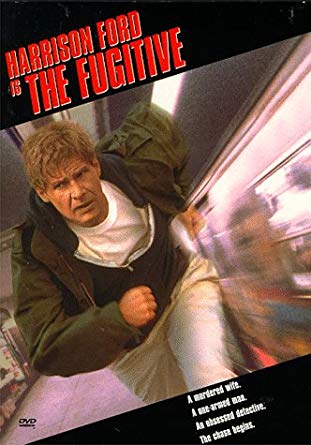
Let’s illustrate how this is done. I give you a writer named Jeb David Huggins (this is a mash up of the three writers behind one of my favorite action movies, The Fugitive starring Harrison Ford. Jeb Stuart and David Twohy did the screenplay; Roy Huggins was the creator of the TV series upon which the movie was based).

Jeb has a tight outline for the story and knows the ups and downs and ins and outs of the plot. He’s created a fantastic cast of characters, from Sam Gerard (Tommy Lee Jones) all the way to the Chicago detectives who muck up the case (Ron Dean and Joseph Kosala). Now he starts writing.

And does he knows how to open a thriller! A murder scene and the arrest of respected surgeon Dr. Richard Kimble on suspicion of killing his wife. Trial. Conviction. Death Row.

Then he’s on the prison bus, and there’s an attempted takeover by the inmates. The crash. The train coming! Kimble saves a wounded prison guard, and barely makes it off the train!

Now, in his outline, Jeb has a scene card: KIMBLE JUMPS OUT OF THE PRISON BUS JUST BEFORE TRAIN RAMS IT.

At outline time that was enough. But while writing the scene Jeb gets a happy idea. What if we keep this going? What if the train derails…and heads straight for the escaping Kimble, who is still in leg irons!

Hot dog! (That’s what writers say when they come upon a delightful idea).

More delight comes in the writing of dialogue. You have so much leeway here. Whether you’ve outlined the scene or are pantsing through it, dialogue is yet to be discovered.

In The Fugitive, after the bus escape, Kimble is alive but wounded. The one guy who helps him is Copeland, a big, bad dude from the bus. Really bad. He’s a stone-cold killer. He says to Kimble, “Now you listen. I don’t give a damn which way you go. Just don’t follow me. You got that?”

As he’s pulling away Kimble says, “Hey Copeland.” Copeland turns around. Kimble says, “Be good.”

It’s a great moment which was not in the original script. Sometimes happy surprises are provided by the characters in the scene!

Let’s cut to a scene further on, where Kimble has managed to find some old coveralls and now must sneak into a rural hospital. He has to tend to his wound, change his appearance, find clothes, and get out.

That could be the scene card: KIMBLE HAS TO TEND TO HIS WOUND, CHANGE HIS APPEARANCE, FIND CLOTHES, AND GET OUT.

Both outliners and pantsers need to understand scene structure. I break it down into the Three O’s: Objective, Obstacles, Outcome. This is where you brainstorm.

Kimble’s objective is as described above. You—be ye pantser or plotter—have an idea of the outcome (Kimble will get away, but with more trouble following).

Now the fun of the obstacles. In the movie we have the following: time pressure, finding a room with medicine and stitching supplies; a state trooper arriving; a fax coming in with Kimble’s face; finding a room with a sedated patient; Kimble shaving off his beard…(brainstorm, brainstorm) a nurse enters the room! Kimble hides, nurse leaves, Kimble needs food…he takes the uneaten breakfast of the sedated man…Kimble finds a doctor’s smock and puts it on and starts walking out…(brainstorm, brainstorm) the state trooper is coming right toward him! The trooper says, “Hey Doc, we’re looking for a prisoner from that wreck. He might be hurt.”

Kimble keeps walking. “What does he look like?”

TROOPER: Six-one, 180, brown hair, brown eyes, beard. Seen anyone like that around?

KIMBLE: Every time I look in the mirror, pal. Except for the beard, of course.

So far so good. Anything we can add? (brainstorm, brainstorm). Ah! As Kimble is about to walk off, the trooper says, “Hey Doc.” Uh-oh. Why? Then the trooper indicates Kimble should zip up. His fly is open. Happy surprise! (Any time you can add a little laughter relief to a thriller, do it.)

Outcome: Kimble exits the hospital and steals an ambulance. Wait…we can do better. As Kimble comes out an ambulance pulls up, and out of the back the paramedics have trouble with the gurney. Kimble helps, but on the gurney is the guard whose life he saved! The guard starts to say his name, so Kimble nabs an oxygen mask and presses it on the guard’s face.

Now what? Kimble tells the medics to inform the attending physician that the guard has a puncture in his upper gastric area. One medic says to the other, “How the hell could he tell that by looking at his face?”

Perfect! Kimble gets the ambulance, but because of his act of decency (he’s a doctor, he can’t help it!) he is going to get in more trouble pretty quickly.

This is fun! (Note: Outcomes should generally set the character back, make things worse. You can have an objective realized, as in this scene, but then have the good outcome lead to greater trouble down the line.)

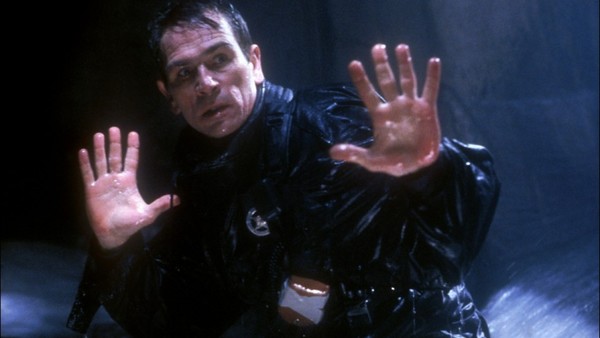
Here’s another area for surprise: how we characterize. In The Fugitive, the best lines come from Sam Gerard and the great turn by Tommy Lee Jones. Remember the spillway scene? Kimble has a gun on Gerard. Kimble says, “I didn’t kill my wife!” And Gerard says, “I don’t care!” Great dialogue! (Again, not in the original script; many of these lines were improvised on set.)

And then Gerard has a team with him, who provide more comic relief. At one point Gerard asks his youngest teammate, “What are you doing?” The young man says, “I’m thinking.” Gerard: “Well think me up a chocolate donut with some of those sprinkles, as long as you’re thinking.”

See how much fun we’re having? Yes, even the outliners!

So find your delight in your obstacles and outcomes, your characterizations and dialogue. If you’re doing this right you’ll say “Hot dog” a lot!

Are you having fun yet? Tell us about it. Note: I’m on the road and in the air today, so I’ll be sketchy checking in. Talk amongst yourselves!

To Buy or Not to Buy…

I recently had a defining moment in a used bookstore.

I have mentioned here on a number of occasions that my formative years were delightfully and wonderfully warped by perusing crime fiction on a regular basis. Every drugstore and supermarket had at least one revolving wire rack of paperback novels with several — I’m thinking twenty-four — pockets which could hold four to six books in each slot. Not all of these contained mysteries and detective fiction but it seemed as if more than half of them did. There wasn’t any particular rhyme or reason to the display, either. It wasn’t neat and orderly, with everything arranged by genre or alphabetically by title/ author, Each slot might have as many as six different titles. The book in the front of each slot concealed its brothers and sisters behind it. Browsing accordingly took a while. It also seemed as if titles were only there for a few weeks before they disappeared and a new crop of books took over.  Most of the covers were variations on a theme — weapons wielded by women in various suggestive stages of undress were the order of the day — and had little or nothing to do with the stories. My favorites were the Carter Brown stories and Richard Prather’s Shell Scott mysteries. Scott on each and every cover sported a blond crewcut and a knowing leer. I decided I wanted to be Shell Scott when I grew up. I kind of got my wish, but that’s another story. There were also titles by authors whose names are only remembered by their families, if that, but who no doubt had the same excitement, however briefly, that we do now when we see our names in print and for sale in public.

I used to spend hours browsing those books. I could on a rare occasion sneak one into the house but given that I was ten or eleven it was tough. I still have a few of them but at some point wistfully came to the realization that I was born too late to buy most of them at their cover price of thirty-five to forty cents apiece. Life, however, goes on. 

Flash forward sixty or so years. Last week I was in a local used bookstore and noticed that there were new displays of used paperbacks all over the premises. These weren’t just any displays of used paperbacks, either. What I saw were many of the books that I saw a few times in my youth at this or that drugstore. Each of the titles on display at the bookstore was priced at three dollars, eight or nine times the cover price but a bargain in the current collector market.

I buttonholed a clerk I knew and asked him what the story was. He said that the books had been owned by an elderly gentleman who had recently passed away after an extended illness. His longtime caregiver had been tasked with disposing of his estate, which included over fifty boxes of the paperbacks that the store now had on sale. The deceased had a longrunning interest in genre fiction (as well as several boxes of some other printed material which I was told that the store couldn’t, um, “appropriately” sell). There were so many books that the store did not want to go through the books and individually price each one appropriately. It was decided that three dollars per book was a fair average price. I was also told that if a fine gentleman such as myself wanted to make a reasonable offer on the whole kit and kaboodle, as it were, such an offer would be entertained and probably accepted. 

I thought about it. Picture the scene in the movie Animal House where the debate between the devil and the angel unfolds on the shoulders of Larry “Pinto” Kroger. The devil was telling me “Buy ‘em! Buy ‘em all, you f*****k! Who cares if your granddaughter goes to college?!” The angel was at the same time telling me, “You have all of those books at home you haven’t read yet! You should donate the money to a charity instead!” 

Twenty or thirty years ago I would have jumped on the opportunity to buy those books like it was a three-dollar government mule. My plan would have been to read every one of those books and eventually sell most of them, though not before enjoying their presence and inhaling the scent of old paper and ink. And yes, admiring the covers, too. In the here and now, however, I am aware that even under the most optimistic of estimates I have fewer reading years left than otherwise. There is also the consideration of space. I don’t have room for what I already have and am trying to downsize my possessions. Where would I put some additional fifty-plus boxes of books? How would I even get them home, realistically? Yes, I would still admire the covers. It just wasn’t enough of a reason to do it. I accordingly walked out empty-handed, though not before calling a friend who collects old Nick Carter books to see if there was anything he could use (he laughed and told me that he had a complete run of them).  I do have to admit that I tried to cajole the caregiver’s contact information out of the bookstore clerk, given that I was curious about that material that the store didn’t buy. He laughed but would not tell me. It’s just as well. 

I wasn’t a dollar short but I was two or three decades too late. It’s okay. Everything happens for a reason, including a situation where you have the opportunity to wisely walk away from a temptation that, like most temptations, is more trouble than its worth. I still find myself intermittently thinking about those boxes full of books, however, the way you might think of a stranger who you encountered and found attractive but who kissed your cheek and said, “I’m trouble. Bye” before walking away, never to be seen again. Still, I occasionally wonder what I would have done should I have had some of those revolving wire racks at home. 

*****

But wait, there’s more. A day or so after writing the above, I read a brand new mystery novel —published this week, actually — titled Eight Perfect Murders by Peter Swanson. It is Swanson’s sixth book, and in some ways, his best. Eight Perfect Murders is a dark love letter to the mystery genre, used bookstores, and readers. The book, which you really should read, in part concerns a bookseller who compiles a list of eight classic mystery novels,  each of which features a murderer who gets away with “it.” I was brought up short by one of the books which made the list of the character in Swanson’s novel. It was The Drowner, an all but unknown stand-alone work by John D. MacDonald. A character named Travis McGee brought MacDonald fame and fortune, but he wrote a number of other books of lesser note as well. Indeed, when I was standing in that used bookstore trying to decide whether to buy those boxes, it was the presence of The Drowner, with which I was unfamiliar, among those rows and rows of all-but-forgotten books that almost — almost — tipped me over to the dark side. When I saw it on that fictional bookseller’s list in Eight Perfect Murders I felt my world tilt on its axis for just a moment. Maybe I should have bought those books. If so, I’ll chalk it up to a long list of mistakes and keep moving forward. 

That’s it, my friends, for me and for now. Be well.