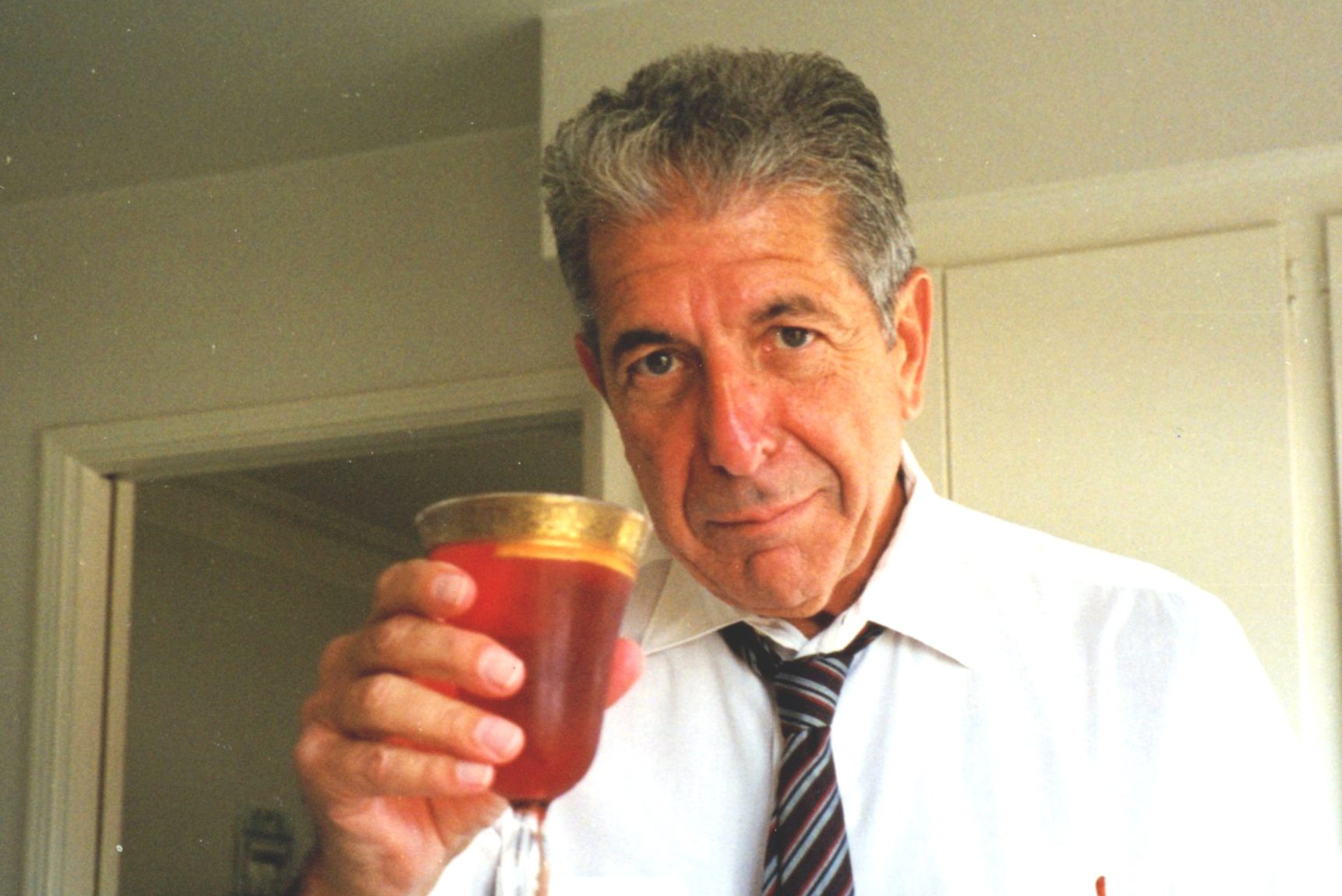
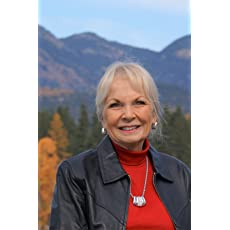
Ah, but I was so much older then. I’m younger than that now. — The Byrds
By PJ Parrish
Just for yucks, I did a search on Amazon books today for “writing advice.” I got this response — “over 50,000.” No surprise to this veteran observer. Advice is plentiful and cheap. Well, not so cheap in one author’s case: He’s charging $39.95 for his self-published eBook on self-publishing. First piece of advice for writers: Don’t over-charge for your stuff.
I’ve gotten lots of advice in my novel writing career. Some of it good. Much of it stupid. It just took me a while to figure out which was which.
My first romance was published by Ballantine Books in 1984. Since then, I’ve worked with two traditional New York houses and Amazon’s Thomas & Mercer imprint. I’ve had at least twelve editors and two agents. I switched from romance to crime. I’ve won two Shamus Awards, two Anthonys, one Thriller Award and was nominated for an Edgar. I’ve been dropped by three publishers, including a French one, which really stung. I’ve self-published original books and backlist titles on Amazon. I’ve chaired writers conferences and felt lonely at others. I’ve given a couple keynote speeches and endured sharing a signing table at Bouchercon with Charlaine Harris, whose line wound out the door and into the hotel lobby while I had oh, maybe five people. (Charlaine is a real lady BTW…kept talking up my books). I’ve cracked bestseller lists and had royalty checks that wouldn’t buy a can of dog food. I currently do not have a publisher. I sometimes think I don’t even have a good idea.
So what did I learn?
That advice about writing is to be taken with a shaker of salt. Here’s some of the best and worst I’ve collected over the last 37 years:
Best: Just Write A Good Book. When I was just starting out and hanging around the periphery at writer’s cons, this was the one thing that was always said on panels. Don’t worry about anything else. Just write the book and make it come from your heart. I still consider this great advice because you can’t fake quality, craft and passion. Editors don’t want less-than, and readers don’t like junk. (Okay you might fool them once but they won’t buy your second book and nobody loves a one-trick pony). Hone your craft. Write the kind of book you want to read. Don’t expect shortcuts to success.
Worst: Just Write A Good Book. Because of industry contraction, it’s no longer enough to just write. Today’s crime novelists must be active participants in the marketing, promotion and even publishing process. When I started out, writers were the proverbial mushrooms — kept in the dark, fed a lot a manure and everyone hoped they’d somehow magically sprout into bestselling fungi. My early editors balked at any questions I had and never sought my input. Today, publishers routinely send writers lengthy questionaires asking for input on everything from cover design, book tone, and market strategy. And if you’re self-publishing, I don’t have to tell you what a hydra-headed beast you must be to survive.
Best: Get Out! I’m convinced that most writers are naturally introverts. We want to hide in our writer caves with our coffee and imaginary friends. Early on, I was too scared to do signings. I didn’t network or go to conferences. When I finally did go, I was too intimidated to talk up other writers, agents or editors. Big mistake. Our community is generous of spirit and the advice of those who’ve gone ahead is invaluable. Get over yourself and get out there. (And yes, some day we will all meet again face to face, I promise. First round is on me).
Worst: Write What You Know. This sounds good. In theory. If I had heeded it, I would have never had the success I did because what do two middle-aged white female Yankees know about a biracial 20-something man in the South? Yeah, if you’re just starting out, you might want to sow more familiar ground. It gives you confidence. But it doesn’t mean that if you’re a car mechanic in Des Moines, you can’t write about a tribe of Amazon zombies in Belle Époque Paris. It means you must invest your characters with genuine emotions and experiences. It means you must build a world that is believable even if it is fantastical. Madame zombie, c’est moi.
Best: Writing Will Bring Out The Worst In You. I heard this from a famous writer in the Hyatt bar post-Edgars eons ago. He was two sheets to the wind but what he said still resonates with me. What he meant was is that unlike regular jobs. writers don’t have easy ways to gauge our success — no weekly paychecks, no performance reviews, no boss breathing down our necks. This tends to magnify whatever is strong — or weak — within us. Are you a procrastinator? Wait until you paint yourself into that plot corner. Are you a conflict-avoider? Well, being at the mercy of a publishing house is going to drive you nuts. Are you a tangled yarn-ball of self-doubt? That first bad Amazon review is going to have you in tears. Are you full of yourself? No one will sit next to you at the bar. Know your faults and don’t let them cripple your writing.
Worst: Outline Your Book Before You Write One Word. For my second and third books, our editors required a full outline. Ours ran 20-30 pages. This is common if you’re just starting out because editors are investing in an unseen product from an untested manufacturer. (you). They give you an advance, however paltry, and hope you can produce a great book ON A DEADLINE. So traditional pubs usually want to see where the story’s going before they commit. Now, I abhor outlining. It feels like torture in a straitjacket. (Best advice I got from my agent: Just make something up that sounds good to make them happy then go ahead and change it). I get that many of you must outline. But those of you, like me, who can’t but must — well, fake it. You’d be surprised (as I was) that sometimes looking at a map makes you want to take that detour.
Best: Read Well and Widely. I’m ashamed to say I never read crime novels before I tried to write one. Guess what? My first attempt was awful. So I started reading P.D. James, Michael Connelly, SJ Rozan, Steve Hamilton, Ross Macdonald. Patricia Highsmith’s The Talented Mr. Ripley was a revelation. When I read Jeff Deaver, I underlined the parts that solved my craft questions. I also read some bad stuff. (no names!) which gave me confidence. Yesterday, the 2021 Edgar Award nominees were announced. Click here and maybe go buy a book or two.
Worst: Do What You Love And The Money Will Follow. This one actually comes from my friend Shane Gericke who points out that more than a million books are published every year and 95 percent of their authors still require a day job. That you love to write does not mean you will make any money at it. When I published my little romance in 1984, I was sure I was going to get rich. Didn’t take me long to wise up.
Okay, enough from me. I want to hear what you all have to say. What was the lousiest advice you ever got about this wacky business? And what was the best advice, the stuff that makes you put your butt in the chair and keep trying?
And yes, I was much much older in 1984. I’m so much younger than that now.

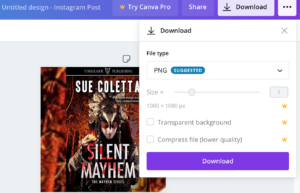

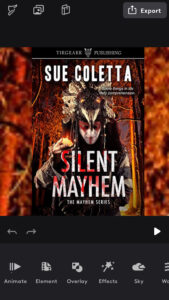
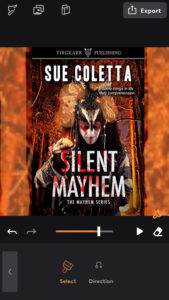

 And that’s it. Want to see the finished project? Hopefully, the gif will work on TKZ. Otherwise, *awkward.* LOL