How are short stories evaluated for publication or awards?

Captivate Your Readers_med– A glimpse into the minds of acquiring editors and judges for short (or any) fiction

Jodie Renner, editor & author  @JodieRennerEd

Have you tried your hand at writing short stories yet? If not, what’s holding you back? As award-winning blogger Anne R. Allen said in an excellent article in Writer’s Digest magazine, “Bite-sized fiction has moved mainstream, and today’s readers are more eager than ever to ‘read short.’” To check out Anne’s “nine factors working in favor of a short story renaissance,” see “9 Ways Writing Short Stories Can Pay off For Writers“, and there’s more in her post, Why You Should be Writing Short Fiction.

Here’s another Argument for Writing Short Stories, by Emily Harstone.  She says, “Writers who are serious about improving and developing their craft should write short stories and get editorial feedback on them, even if they are never planning on publishing these short stories. Short stories are one of the best ways to hone your craft as a writer.”

Okay, you’ve decided to take the plunge and craft a few short stories. Good for you! Next step: Consider submitting some of them to anthologies, magazines, or contests. But wait! Before you click “send,” be sure to check out my 31 Tips for Writing a Prize-Worthy Short Story, then go through your story with these tips in mind and give it a good edit and polish – possibly even a major rewrite – before submitting it.

What are some of the common criteria used by publications and contests when evaluating short story submissions?

I recently served as judge for genre short stories for Writer’s Digest Popular Fiction Contest, where I had to whittle down 139 entries to 10 finalists, but I wasn’t provided with a checklist or any specific criteria. However, a friend who regularly submits short stories to anthologies, magazines, and contests recently received a polite rejection letter from the editor of a literary magazine, along with a checklist of possible reasons, with two of them checked off specifically relating to her story.

While useful, the list of possible weaknesses is very “bare bones” and cries out for more detail and specific pointers. Editors, publishers, and judges are swamped with submissions and understandably don’t have time to give detailed advice for improvement to all the authors whose stories they turn down. Perhaps you could help me interpret and flesh out some of these fairly cryptic, generic comments/criticisms, and add any additional points that occur to you, or checklists you may have received.

Can you think of other indicators of story weaknesses that could be deal-breakers for aspiring authors submitting short stories for publication? Or do you have links to online publishers’ checklists for fiction submissions? Please share them in the comments below.

Here’s the list my friend received, with my comments below each point. Do you have comments/interpretations to add?

Checklist from a Publisher/Editor/Publication in Response to Short Story Submissions

“Thank you for submitting your short story to …. We’ve given your work careful consideration and are unable to offer you publication. We do not offer in-depth reviews of rejected submissions, due to time constraints. Briefly, we feel your submission suffered from one/several of the following common problems:”

– “Tone or content inappropriate for… (publisher / publication / anthology / magazine)

Check their submission guidelines and read other stories they’ve accepted to get an idea of the genre, style, tone, and content they seem to prefer.

– “Stylistic and grammatical errors; too many typos

Be sure to use spell-check and get someone with strong skills in spelling, grammar, punctuation, and sentence structure to check it over carefully for you. Read it out loud, and where you pause briefly, put in a comma. Where you pause a little longer, put in a period. You could also try using editing software or submit it to a professional freelance editor. This last choice has the most likelihood of helping you hone your fiction-writing skills.

– “Structure problems

For a novel, this could mean some chapters could be rearranged, shortened, or taken out. What do you think it could mean for a short story? Too many characters? Too many plot lines?

– “Formatting problems made reading frustrating

Be sure your story is in a common font, like Times New Roman, 12-point, and double-spaced, with only one space after periods and one-inch margins on all four sides. Don’t boldface anything or use all caps. For more white space and ease of reading, divide long blocks of text into paragraphs. Start a new paragraph for each new speaker. Indent paragraphs. Don’t use an extra line space between paragraphs. Use italics sparingly for emphasis. For more specifics on formatting, see “Basic Formatting of Your Manuscript (Formatting 101)”.

– “Characters were problematic/unbelievable/unlikeable

Your characters’ decisions, actions and motivations need to fit their personality, background, and character. And make sure your protagonist is likeable, someone readers will want to root for.

– “Content and/or style too well-worn or obvious

This likely refers to a plot that’s been done a million times, with cookie-cutter characters and a predictable ending.

– “Word choice needs refinement

This one could cover the gamut from overused, tired words like nice, good, bad, old, big, small, tall, short to overly formal, technical, or esoteric words where a concrete, vivid, immediately understandable one would be more effective.

– “Overbearing or heavy-handed

This probably refers to a story where the author’s agenda is too obvious, too hard-hitting, maybe even a bit “preachy,” rather than subtle, allowing the reader to draw their own conclusions.

– “Nothing seems to have happened

To me, this probably indicates no major problem or dilemma for the protagonist, not enough meaningful action and change, and insufficient conflict and tension.

– “Strong beginning, then peters out

This is an indicator that your plot needs amping up and you need to add rising tension, suspense, and intrigue to keep readers avidly turning the pages. Also, flesh out your characters to make them more complex. Give your protagonist secrets, regrets, inner conflict, and a strong desire that is being thwarted.

– “Needs overall development and polish.

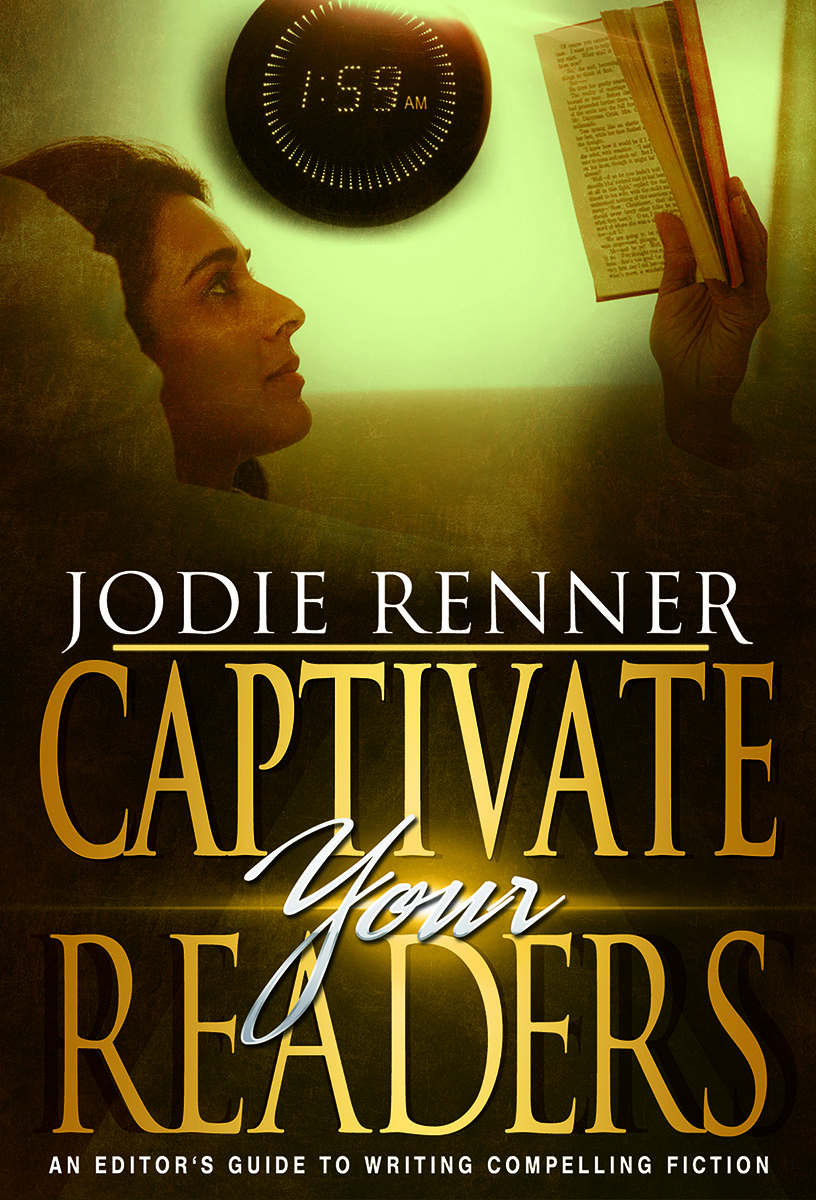
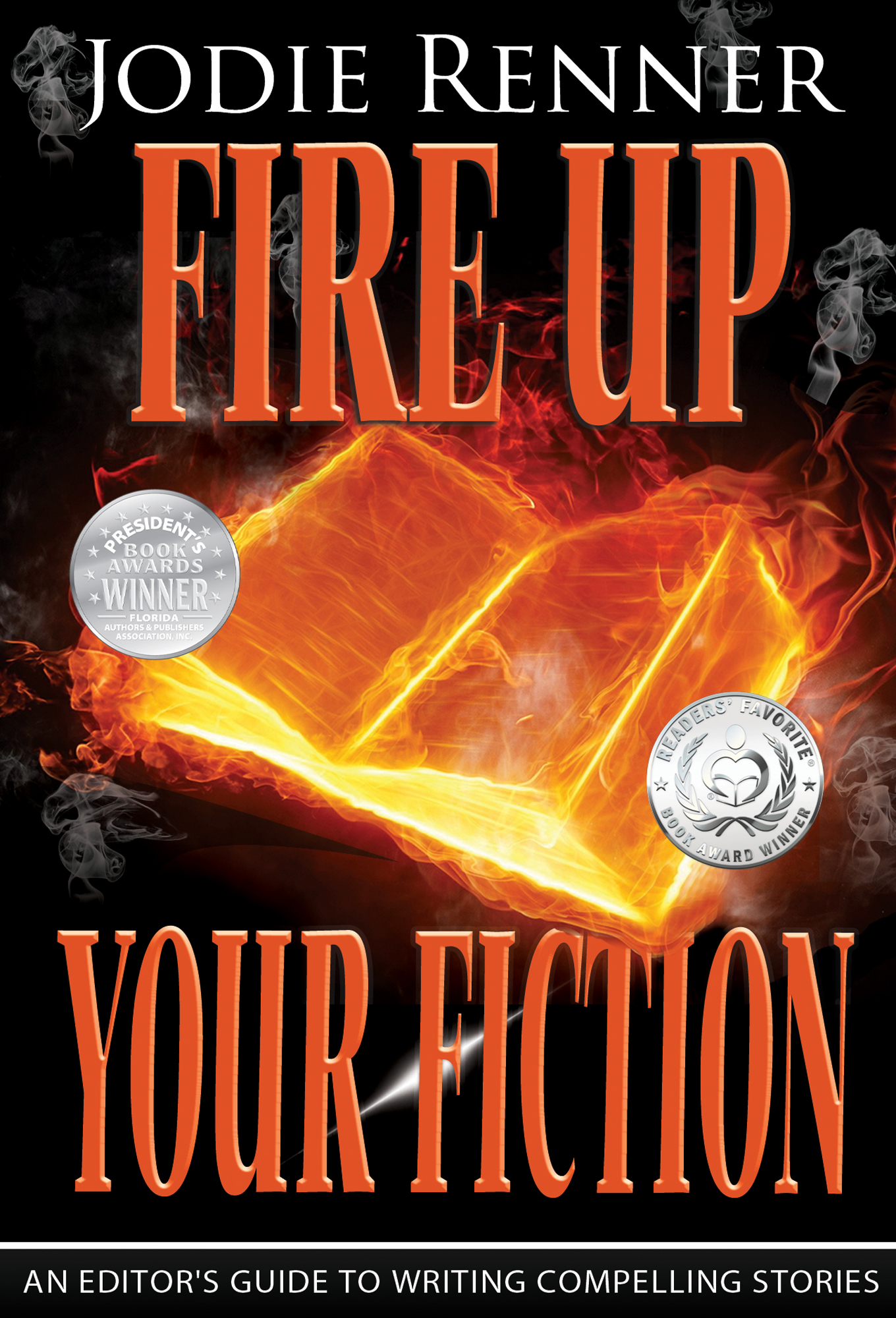
This indicates you likely need to roll up your sleeves and hone your writing skills. Read some writing guides (like those by James Scott Bell or my Captivate Your Readers, Fire up Your Fiction, or Writing a Killer Thriller). Also, read lots of highly rated published short stories, paying close attention to the writers’ techniques. Here’s where a critique group of experienced fiction writers or some savvy beta readers or a professional edit could help.

We didn’t get it.

This is likely a catch-all category that means the story didn’t work for a number of reasons. This could be an indicator to put this story aside and hone your craft, critically read other highly rated stories in your genre, then, using your new skills, craft a fresh story.

“While all of these criticisms open doors to further questions, we regret that we cannot be more constructive….”

That’s understandable. They just don’t have time to critique or mentor every writer who contacts them. But I hope my comments above help aspiring fiction writers hone your craft and get your stories published – or even win awards for them. Good luck! For tips on how to actually submit, check out “Writing Short Stories? Don’t Make These 4 Submission Mistakes“.

Fire up Your Fiction_ebook_2 silversJodie Renner is a freelance fiction editor and the award-winning author of three craft-of-writing guides in her series An Editor’s Guide to Writing Compelling Fiction: Captivate Your Readers, Fire up Your Fiction, and Writing a Killer Thriller. She has also published two clickable time-saving e-resources to date: Quick Clicks: Spelling List and Quick Clicks: Word Usage. You can find Jodie at www.JodieRenner.com, www.JodieRennerEditing.com, her blog, http://jodierennerediting.blogspot.com/, and on Facebook, Twitter, and Google+.

How to Write Act II

american-act-ii-microwave-popcorn-tub-9866-pA couple of months ago I released Super Structure: The Key to Unleashing the Power of Story. I’ve received many nice emails and comments about it, but recently two people asked me the same question. And it’s a good one, so I thought it worthy of a full post. Here’s a clip from an email (used by permission):

I’ve often noticed that writing books get a bit too abstract at times about theme, as if it’s something impossible to hold onto or grasp. But you are so clear by making it come across so smoothly in the super structure points. There is something very smooth about your approach. I felt very grounded as I read.

This is a small point that I’ve wanted to ask a teacher for some time because I’ve noticed this situation in other structure layouts: Why is it that Act II, which constitutes at least half of the entire story (actually > 55% if Act I is 20% and Act II is 25%), have relatively fewer super structure points (i.e., Kick in the Shins, The Mirror Moment, Pet the Dog, Doorway of No Return #2). There are 4 in Act II to guide the writer for 55% of the story but 10 to guide the writer for the other 45% (Act I and III combined). And yet we’re often told that the hardest part of writing a novel or screenplay IS Act II. Is it the hardest partly because it’s harder to teach in terms of structure, etc.?

That’s an excellent and insightful question. It does seem counter-intuitive to suggest in a book about structural signposts that the least number of them occur in longest section of the novel.

But, in point of fact, this is exactly how it must be.

First of all, what is Act II all about? It’s about the Lead’s confrontation with Death. Death can come in three guises: physical, professional, or psychological. That’s what makes the stakes high enough for the reader to care about what’s going on.

Act I prepares us for this death struggle. To get readers to care about what happens, we have to bond them with a Lead character, show something of the ordinary world, have hints of trouble to come … and then we have to find a way to force the Lead through that Doorway of No Return. Why force? Because no one wants to confront Death unless they have to! (Or unless their name is Evel Knievel.)

That’s why there are several important structural beats in Act I.

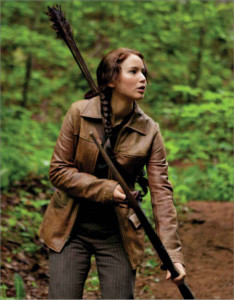
Okay, now the Lead is in the dark forest. To survive and get back to the castle, she’ll havekinopoisk.ru to defeat the forces arrayed against her. If you want a perfect illustration of this, think of The Hunger Games. Katniss Everdeen is taken from her ordinary world and thrust into a contest to the death, in an arena filled with obstacles and opponents.

Now, keep these two points in mind:

1. There are innumerable actions the Lead can take to gain her objective, to survive, and to ultimately defeat the opponent.

Standing at the edge of that dark forest, the Lead might: go left, go right, go straight ahead, follow a sound, run from a sound, climb a tree, make a weapon, start a fire, form an alliance, fight off a monster—whatever it is, you, the author, get to choose.

2. Each subsequent action will, in some way, be a reaction to what’s just happened.

If the Lead breaks her leg, she won’t be running in the next scene. If her love interest decides to walk out on her, she won’t be singing a happy tune.

You may also find that a character refuses to do what you want. In one novel I tried to get a wife to go away to her sister’s house, but she would not do it. I’d planned for her to go, I tried to push her out the door, but no soap. So I had to readjust, and in this case the character was right!

In short, a more “open” Act II enables us to respond to the story as it takes shape.

This is true, by the way, whether you like to outline or whether you prefer to wing it.

Further, you don’t need as many signposts because your scenes should have an organic logic to them. Act II is largely made up of the Lead’s battle plans. We know what the objective is: defeat death! In The Hunger Games it’s physical death; in The Catcher in the Rye, it’s psychological death; in The Verdict, it’s professional death.

So the Lead, in Act II, takes an action to gain a foothold in this battle. And suffers a setback.  Now what?

She forms a new plan, takes a new step, reacting to and learning from the last one.

In this way you have a natural, logical, clear and compelling “plot generator.” You don’t need as many signposts to do that.

If you ever feel “lost” in Act II, just go back and check a few things:

• Are the stakes death?

• Is the Opponent stronger than the Lead?

• Is your Lead using strength of will to push forward?

• Is there an easier way for your Lead to solve the problem? (If so, figure out how to eliminate that possibility)

Then brainstorm a few questions:

• How can things get worse for the Lead?

• What’s the worst thing that could happen to the Lead?

• Can a new character come in to complicate matters even more?

• What are the enemies of the Lead doing “off screen”? That is, what actions are they taking while the reader is reading the current scene? (This is a great way to come up with plot complications.)

Soon enough, you’ll be back on track with plenty of ideas for organic scenes, rising and falling action, throughout Act II.

Then, at some point, you have to get the Lead through another doorway, into Act III, where the final battle takes place. There are more signposts in Act III to guide you through this section. That’s because you can’t dilly dally. You’ve got the Lead going over a waterfall. You’ve got to get him to safety, fast.  The Act III signposts have a shorter space between them, which is exactly what you need.

Make sense?

I think it was Isaac Asimov who said that he knows the beginning and the ending of his novels, but then has the “fun” of finding out how to get from the one to the other.

So go go have some fun.

And tell us how you approach Act II in your own novel writing. What challenges do you find? How do you address them?

How Story Arcs Can Add Depth to Your Plot

JordanDane
@JordanDane

Close-up of kissing lips

Yesterday, Joe Moore had an excellent post “Tips for Pacing Your Novel.” It made me think of subplots and story arcs that are other tools to punch up a story line with pace while the main plot enjoys a much needed rest for character development.

In a story arc, whether it is the arc of a romantic relationship or the personal journey of your main character, it might help you think of the arc using these key points:

5 Key Movements in a Story Arc:
1. Present State
2. Something Happens
3. Stakes Escalate
4. Moment of Truth
5. Resolve

Present State –  Set the stage with the character or the relationship at the start of the story. This can also include a teaser of the conflict ahead or the characters’ problems that will be tested. If this is a thriller with a faster pace, you can start with a scene that I call a Defining Scene, where you show the reader who your character is in one defining moment of introduction. The reader can see who this character is by what he or she does in that enticing opener. Don’t tell the reader by the character’s introspection (internal monologue). Set the stage by his or her actions. These scenes take thought to pull together but they are worth it. Imagine how Capt. Jack Sparrow of Pirates of the Caribbean first steps onto the big screen. He wouldn’t simply walk on and deliver a line. He’d make a splash that would give insight into who he is and will be.

Something Happens – An instigating incident forces a change in direction and a point of no return. Your character and/or relationship often will move into uncharted territory that will test their resolve. Sometimes you can set up a series of nudges for the character to reject, but in the end, something must happen to shove him or her over the edge and into the main plot.

Stakes Escalate – in a series of events, test the characters’ problem or the relationship in a way that forces a conflict where a tough choice must be made. Make your character/couple earn the right to play a starring role in your novel. Don’t forget that this is not simply the main action of the plot or a conflict with the bad guys. This can also mean escalating the stakes of the relationship by forcing them into uncomfortable territory.

Moment of Truth – When push comes to shove, give your character or couple a moment of truth. Do they choose redemption or stay the course of their lives? When the stakes are the highest, what will your character do? I often think of this moment as a type of “death.” The character must decide whether to let the past die or a part of their nature die in order to move on. Do they do what’s safe or do they take a leap into something new?

Resolve – Conclude the journey or foreshadow what the future holds to bring the story full circle. I love it when there is a sense of a character coming through a long dark tunnel where they step into the light. A character or couple don’t have to be the same or restored in the end. Make the journey realistic. If a character survives, they are more than likely changed forever. What would than mean for your character? How will they be changed?

Apply this arc structure to individual characters or to a romantic love interest between two characters. These arcs are woven into the tapestry of your overall plot. The plot can be full of action and have its own arc, but don’t forget to add depth and layering to your story by making the characters have their own personal journeys.

Characters have external plot involvements (ie the action of the story), but they can also have their internal conflicts that often make the story more memorable. As an example of this, in the Die Hard movies, we may forget the similar plots to the individual movies, but what make the films more memorable is the personal stories of John McClain and his family. These personal arcs are important and need a structured journey through the story line. They can ebb and flow to affect pace. Escalate a personal relationship during a time when the main plot is slowing down. Make readers turn the pages because they care what happens to your characters.

For Discussion:
Share your current WIP, TKZers. How do you integrate your main character’s personal journey into the overall plot? Share a bit of your character and how his or her “issues” play into your story line.

Create a Fascinating, Believable Antagonist

villainJodie Renner, editor & author  @JodieRennerEd

For a riveting story, be sure to challenge your hero – or heroine – to the max. Readers need to be constantly worrying about him. Which means his life is in upheaval and he’s struggling, dealing with increasing conflict in the form of serious opposition or threats. One or more forces of opposition should threaten the protagonist or stand in the way of his goals.

Challenges don’t need to be in the form of an actual character. They can be some other kind of opposing force or idea, like a fear, phobia, prejudice, or handicap that is preventing the character from reaching her goals.

The main threat in fiction usually comes in the form of an antagonistic character, who isn’t necessarily a murderous villain. Other determined opponents include romantic rivals, “mean girls,” schoolyard bullies, competing colleagues, or sports rivals.

Antagonists can also fall into a gray zone of opposition characters who aren’t really evil, just at odds with the protagonist we’re rooting for. They can be fascinating too, as we don’t know if they’re going to change sides, so they’re often unpredictable. A few examples include the Tommy Lee Jones character chasing Harrison Ford’s character in the movie The Fugitive and Sheriff Teasle in First Blood, who is after our hero, John Rambo. Or how about Han Solo from Star Wars? Not a villain, but not a good guy, either. He sparks things up though, doesn’t he? We wonder whether these somewhat likeable or understandable bad guys could switch sides at any time.

To pose a credible, significant threat and cause readers to worry, your antagonist should be as clever, powerful, and determined as your protagonist. Challenges and troubles are what make your main character intriguing, compel her to be the best she can be. They force her to draw on resources she never knew she had in order to survive, defeat evil, or attain her goals.

For today’s post, we’ll assume your antagonist is a villain – a mean, even despicable, destructive character we definitely don’t want to root for. He needs to be a formidable obstacle to the protagonist’s goals or a menace to the hero’s loved ones or other innocents. And thrillers, fantasy, and horror require really frightening, nasty villains.

Most of the bad guys in movies and books want the same thing: power. Or maybe revenge or riches. And they don’t care who gets hurt along the way. Or worse, they enjoy causing pain, even torturing their victims.

The antagonist needs to be powerful, a game-changer. As Chuck Wendig says in his excellent blog post 25 Things You Should Know About Antagonists,” “The antagonist is there to push and pull the sequence of events into an arrangement that pleases him. He makes trouble for the protagonist. He is the one upping the stakes. He is the one changing the game and making it harder.”

The protagonist and antagonist have clashing motivations. Their needs, values, and desires are at odds. The antagonist and protagonist could have completely opposite backgrounds and personalities for contrast – or be uncomfortably similar, to show how close the protagonist came or could come to passing over to the dark side.

Most readers are no longer intrigued by “mwoo-ha-ha,” all-evil antagonists, like Captain Hook in Peter Pan. Unless you’re writing middle-grade fiction, be sure your villain isn’t unexplainably horrid, evil for the sake of evil. Today’s sophisticated readers are looking for an antagonist who’s more complex, realistic, and believable.

Chuck Wendig suggests antagonists should be depicted as real people with real problems: “People with wants, needs, fears, motivations. People with families and friends and their own enemies. They’re full-blooded, full-bodied characters. They’re not single-minded villains twirling greasy mustaches.”

For a believable, fascinating antagonist or villain, try to create a unique, memorable bad guy of a type that hasn’t been done to death. Try to give him or her an original background and voice.

Remember that the antagonist is the hero of his own story. He thinks he’s right. He justifies his actions somehow, whether it’s revenge, a thirst for power, ridding society of undesirables, or payback. He may even feel he has a noble or just goal, as in the serial killer of prostitutes.

To create a worthy opponent for the protagonist and a realistic, believable, complex antagonist, get into his mind-set. Ask yourself these questions:

  • What does the antagonist want or need?
  • Why is he determined to go after it?
  • What drives the antagonist? Greed? Revenge? Hatred? Anger? Hurt?
  • What is his biggest motivation? To avenge past wrongs? To gain ultimate power?
  • Who does he want to suffer or lose out? Why?
  • How does he justify his actions? What does he tell himself?

Now create a backstory for your antagonist. Most of it will not show up in your story, but you need to get a handle on what makes him tick to ensure he acts in ways that are in keeping with his background.

Develop his voice. As you do for the protagonist, you can write a free-form rant, where he goes on and on about why he hates someone or something, wants to get revenge, needs to find and kill certain people, and so on.

Show his justification for his goals and actions. Why does he think he’s right and justified in his actions? This will create a more believable, more determined bad guy.

Perhaps identify at some point in your narrative a flashback or allusion to an experience that shows the antagonist as a victim – abused or neglected, treated cruelly by family or others in power. This can create a spark of sympathy while also potentially foreshadowing a particularly nasty incident. (Thanks to thriller author Tom Combs for this suggestion.)

Write some scenes purely from the antagonist’s point of view, away from the protagonist, so readers can find out what makes him tick and how twisted he is. This also creates reader concern for the protagonist, which is always a good thing.

Make him scary, a force to be reckoned with, but not all-powerful, as that’s unrealistic. Give him a few weaknesses, too.

And for added complexity and dimension, take it one step further by showing a human side of the antagonist, something readers can actually relate to, might be afraid they could also fall into. That amps up the tension and reader involvement.

So to create a fascinating, believable antagonist or villain, try to make him or her unique. Delve into their background, find out the goals and motivations that drive them forward. Get into their mind and try to understand them. How do they justify their actions?

Give us a complex villain we love to hate – or a gray antagonist who makes us squirm!

TKZers – Who are some powerful villains who made you shiver in novels or films?

Captivate Your Readers_med– And what about your favorite “gray” antagonists or anti-heroes?

And for a future article, what do you think about all the gray protagonists or anti-heroes cropping up in novels, movies, and TV shows, like Nick in Gone Girl and Walter in Breaking Bad? Do you welcome that trend toward a flawed, unlikeable protagonist? Or do you yearn for more admirable, ethical, heroic heroes to root for?

Jodie Renner is a freelance editor and the award-winning author of three craft-of-writing guides in her series An Editor’s Guide to Writing Compelling Fiction: Fire up Your Fiction, Writing a Killer Thriller, and Captivate Your Readers.

Reader Friday: Who Would Play YOU in a Movie of Your Writer Life?

WRITER

HERE is a link of the 50 best movies about writers, ranked, that inspired this post:


1.) If you could cast the movie of your writer life, who would play YOU in the starring role?


2.) Who would play your agent?


3.) For those overachievers out there (ie Basil Sands), what would your story log line be for the plot?


Do your Research!

imagesToday I leave for a very exciting trip to India – not only am I excited because it’s a place that’s been on my (long) ‘must see’ list for ages but also because it gives me a chance to do some ‘on the ground’ research. I’m lucky that my love of travel and history can be combined in this way, but I also understand that I have an obligation to future readers to get the details of any story I write as accurate as possible. Although ‘on site’ research isn’t always possible, few things compare to actually breathing in the air of the place you plan to write about or to feel, smell, hear and touch the very things your characters will experience.  The immediacy of this kind of research will (I hope) translate into a more visceral sensory experience for the reader as well.

Following Jim’s theme from yesterday’s blog post – I also feel strongly that one of the top things guaranteed to make a writer fail is a failure to do research. This research includes critical information about the publishing and writing industry as well as everything pertinent to the book a writer is hoping to complete. And when I say everything – I mean everything. Readers today demand a compelling and accurate story – and be assured, if you fail to research something properly there will be an army of readers out there eager to tell you so!

This research can usually be done at the desk top – with the internet offering a wealth of information that was never as readily accessible as it is today. I can read antiquarian books that have been electronically scanned, view newspaper columns from a past era – even look up the weather reports for a particular date I have in mind. As a historical writer, I feel an obligation to get the facts right as much as possible and I have been known to spend way too many hours researching furnishings, paintings, and books that will comprise less than a few sentences of background in my novels (what can I say, I love my job!). Still – nothing quite compares to the thrill of actually being in the place you want to write about.

So today I go armed with notebooks, computer and camera as well as all my (aging) senses – hoping to capture the essence of place and history for India that I want to capture in my future story. My travels will include Delhi, Agra, Hyderabad and Udaipur, and, I know I will find the experience overwhelming and confronting at times, as I witness the juxtaposition of modernity and history, poverty and riches first hand.

Unfortunately, I may not be able to view this post or comment as much as I’d like (as I’ll be flying part of the day), but I would like to hear from my fellow TKzers on a place that they would like to visit as research for an possible book they’d love to write.

So what country or place is on your ‘must see’ list for a possible future book? Have you ever given up on a book after realizing the writer failed to do their research?


People Are Talking About #CrimeHeadlines2025

1FutureCrimesAs if there weren’t already enough crime to worry about, people on Twitter are speculating about crimes of the future. The radio show Science Friday challenged its listeners to fantasize about how scientific breakthroughs could result in new crimes in the future, and asked them to post their ideas on Twitter with the hashtag #CrimeHeadlines2025. Screen Shot 2015-02-26 at 3.10.21 AMThe results are entertaining. One guy suggested “drunk droning” as a new infraction (although as I recall, that one already happened).

I’m a fan of Michael Crichton-style scifi thrillers, so I love speculating about the ways criminals can exploit new technology. One of my favorite topics is brain research, so I started thinking about an article that described how scientists had transplanted memories into the brain tissue of rats. The ultimate goal of the scientists is to assist people with impaired brain function, but I foresee a dark potential. A criminal in the future could kidnap someone, and then transfer essential memories into his victim for safekeeping, or to elude police. And what if whole-brain transplants ultimately become possible? We might see a new crime of body snatching.

What are some #CrimeHeadlines2025 that you can imagine?

Make Sure Your Characters Act in Character!

Captivate_full_w_decalby Jodie Renner, editor & author @JodieRennerEd

DO YOUR CHARACTERS’ DECISIONS AND ACTIONS SEEM REALISTIC AND AUTHENTIC?

Have you ever been reading a story when suddenly the protagonist does or says something that makes you think, “Oh come on! Why would he do that?” or “This is crazy. Why doesn’t she…?” or “But I thought he…!” or “I didn’t know he/she could [insert extraordinary ability].” The character seems to be acting illogically, to be making decisions with little motivation or contrary to his personality, abilities, or values

I see this problem a lot in fiction manuscripts I edit. The author needs something to happen for the sake of the plot they’ve planned out in advance, so they force a supposedly intelligent character to do something contrary to common sense and their best interests, like recklessly putting themselves in danger.

For example, I once edited a book where the highly educated, intelligent heroine rose from her bed in the middle of the night and, without telling her husband where she was going or even leaving a note, drove to a remote warehouse to find some incriminating evidence, knowing the killer was likely to return – which of course he did, and attempted to kill her. It made for an exciting scene, but unfortunately, the otherwise savvy character came off looking like a foolhardy, impulsive airhead. I couldn’t help wondering, why wouldn’t she tell her husband? Better yet, call the police and let them handle it.  Even police, who are trained for these situations, usually get backup.

Moving your characters around like pawns to suit the plot, if it doesn’t make sense for who they are, could have your readers scratching their heads in disbelief or, worse, throwing your book across the room, then writing a scathing one-star review of it.

Don’t force your characters, kicking and screaming, into actions they just wouldn’t do.

Readers won’t suspend their disbelief and bond with the character if they don’t “buy” what the character is doing and why. An engrossing story needs realistic characters dealing with adversity in bold but realistic and plausible ways.

To make a character’s decisions and actions convincing, take care when creating their background, character, abilities, and motivations.

Background, character, and personality

Of course, you don’t want to make your hero or heroine ordinary, timid, or passive, with few daring decisions, because that would make for a ho-hum book most readers wouldn’t bother finishing. But on the other hand, if you’re going to have them perform daredevil feats, be sure to build that into their makeup.

First, get to know your main characters well. Take some time to develop their background, character, and personality. Are they athletic or more cerebral? Risk-takers or cautious? Do they embrace change, enjoy challenge, love to learn new things? Or do they prefer to stay within their comfort zone? To plumb their depths, do some free-form journaling in which they express their strongest desires, fears, hopes, secrets, regrets, and gripes.

Are they physically capable of what you want them to do?

Abilities

If, for a riveting plot, you need your hero to do something heroic, almost superhuman, make sure he has the determination, strength, flexibility, and endurance to do that. Although it’s amazing what people are able to do under duress with the adrenaline flowing, it’s more credible if your character is already at least somewhat fit. Does he work out a lot to maintain muscle mass, agility, and endurance? How? Also, he’ll need to be intelligent, skilled, and resourceful.

If he needs special skills, show earlier on that he possesses them and how it all makes sense, given his overall makeup. In one novel I edited, the sedentary, slightly overweight, middle-aged protagonist fought off a strong attacker with quick, expert martial arts moves. This was an “Oh, come on!” moment, given his lifestyle, age, and paunch.

In The Hunger Games, we learn early on that Katniss is an expert at archery, which is a huge factor in her survival later. A nerdy banker probably doesn’t do kickboxing on the side, so you may need to make him less desk-bound and more athletic for it to work. Or give him another profession.

If you’re writing fantasy, of course you have more leeway with unusual characters and situations, but if you’re writing a realistic genre, with no supernatural or paranormal elements, make sure the character’s actions are realistic and make sense.

Motivations

Is your hero sufficiently motivated to put his life on the line? Do those motivations fit with his belief system, background, and immediate needs? If you want or need a character to do something dangerous, go back and give him some burning reasons for choosing that course of action.

Perhaps he finds himself in a life-and-death situation for himself or someone he loves, or innocent people are in grave danger. His love, concern, and determination will make him more selfless and daring, bringing out courage he never knew he had.

As Steven James advises in Story Trumps Structure, as you’re writing your story, ask yourself , “What would this character naturally do in this situation? Is he properly motivated to take this action?”

Causality

Be sure your narrative is also shaped by the logic of cause and effect. For your story to be believable, character decisions and reactions need to plausibly follow the original stimulus or actions. If your character overreacts or underreacts to what has just happened, they won’t seem “in character” or real.

Be sure every decision and action makes sense with what preceded it. As James suggests, as you go along, continually ask yourself, “What would naturally happen next?”

So don’t force your characters to act in uncharacteristic ways because your plot needs them to. Readers will pick up on that. Rather than insisting certain events or actions happen as you had planned, instead allow the natural sequence of events and logical reactions to shape your plotline.

Go through your story to make sure your characters are acting and reacting in ways that are authentic to who they are and where they’ve come from, and that they’re sufficiently motivated to take risks. Also, do their reactions fit with the stimulus? Is that a logical response to what happened?

Ask yourself, as you’re writing, “Is there a way to accomplish this that fits with the character’s values and personality?” If not, I suggest you either change the plot (have them make a different decision and rewrite where that leads them) or go back and change some of the character’s basic attributes, values, and skills. Or add in incidents in their past that have shaped them in ways that will justify their current actions.

That way your plot will flow seamlessly and your characters will seem real. There will be no bumps, no hiccups where readers will be suddenly jolted out of the story.

As William Faulkner advised one of his fiction-writing classes,

“…get the character in your mind. Once he is in your mind, and he is right, and he’s true, then he does the work himself. All you need to do then is to trot along behind him and put down what he does and what he says.”

So don’t impose your preconceived ideas on the character – you risk making him do things he just wouldn’t do. Know your characters really well and the rest will naturally follow.

Fire up Your Fiction_ebook_2 silversJodie Renner is a freelance fiction editor and the award-winning author of three craft-of-writing guides in her series An Editor’s Guide to Writing Compelling Fiction: Captivate Your Readers, Fire up Your Fiction, and Writing a Killer Thriller. She has also published two clickable time-saving e-resources to date: Quick Clicks: Spelling List and Quick Clicks: Word Usage. You can find Jodie at www.JodieRenner.com, www.JodieRennerEditing.com, her blog, http://jodierennerediting.blogspot.com/, and on Facebook, Twitter, and Google+.