Series vs. Standalone

By Joe Moore
@JoeMoore_writer

My wife and I watched the first episode of TRUE DETECTIVE the other night (HBO original). The new series stars Colin Farrell and Vince Vaughn. We were captivated with last year’s show by the same name, the one starring Matthew McConaughey and Woody Harrelson. It was unique, moody and unnerving. We looked forward to every installment of the back-bayou, gritty Louisiana crime story. Great writing, acting, photography and setting. I haven’t formed a solid opinion of the new one yet, but I can tell you one thing: it is TOTALLY different from season one. I mean, other than the title, there is no resemblance to the first TRUE DETECTIVE. In fact, you could change the title to ANYTHING else and it would make no difference.

Don’t get me wrong. Farrell and Vaughn are great actors. In fact, they’re really movie stars that someone convinced to be on TV. And their acting is top drawer. I always enjoy it when a comic actor takes on a dramatic role and excels in it. Vince Vaughn does just that. And Colin Farrell has never let me down.

But watching the opening episode of TRUE DETECTIVE, season two got me thinking. As an author of thrillers, what’s the best choice for me—writing a series or a standalone? TRUE DETECTIVE is a series—that’s why there are two seasons with the same name. If it were the equivalent of a standalone, it would be called a movie. So as a writer, should I be writing a series or single novel? What are the pros and cons of series vs. standalone?

First let’s look at genre fiction (thriller, mystery, fantasy, supernatural, paranormal, police procedural, horror, romance, etc.). Genre fiction gives us both series and standalones. Which should I write?

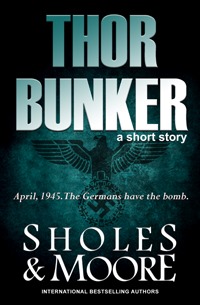
tgcTruth is, I’ve done both. My first published novel was THE GRAIL CONSPIRACY (co-written with Lynn Sholes), the first of a 4-book series. Our fifth book was a standalone called THE PHOENIX APOSTLES. Both TGC and TPA went to #1 on the Amazon Kindle bestseller list. Now we’re finishing up THE TOMB, the last of a 3-book series. Next up will be a standalone. I believe both work for us.

But it’s important to see the pros and cons of the two. Feedback from our readers helped me put together these points.

phoenix-apostles-webProbably the single biggest advantage to a series, for the reader and writer, is that it’s comfort food for the imagination. Even though the story is a new one, it’s a chance to revisit an old friend(s)—the protagonist and repeat characters. For years, picking up a Clive Cussler or Terry Brooks novel always gave me a warm and fuzzy feeling that I was back with my buddies. I knew those guys, trusted them, and couldn’t wait to see what they had gotten into this time. It was like meeting up with an old friend I hadn’t seen in a year and catching up on the latest news.

Of course, every pro comes with a con. Writing a series means that every installment must be as good as or better than the last. No rehashing of a theme. No cookie cutter plots. No formulas. Readers must come away feeling their appetite for the the next adventure was satisfied, and they can’t wait for the next in the series.

Another con to writing a series is backstory. Can the reader pick up a book in the middle of the series and get enough backstory for it to make sense? Or do they have to start with book one? How much backstory does the author include in subsequent books without boring the dedicated series fan or confusing the mid-series pick-up reader?

Finally, what if a series goes too long? What if the protagonist keeps falling into the same old danger (formula) time after time? This can result in the B word: boring. You don’t want to go there.

The advantage of writing a standalone, especially if you are known as a series author, is it can bring on a breath of fresh air for you and the reader. You get to stretch your legs without the confines of your established characters, and your reader gets to see a new side of your talents. You get to try new bankid stuff, experiment with voice, tense, POV, etc. A standalone for a series author is an experimental science lab. Just don’t blow the place up and go too far over the line that your fans won’t even recognize you.

One interesting technique is to touch on something in your new book that appeared in a previous series. In THE SHIELD, book 2 of our Maxine Decker series, the OSI agent was interviewed by Cotten Stone, the heroine journalist from our first series. It can bring an unexpected smile to your reader’s face or produce enough intrigue that they will seek out the other books.

So whether you’re interested in writing a series or a standalone, think ahead to what might be the pros and cons once you’re done. And give the new season of TRUE DETECTIVE a try. It’s good if not different from its predecessor.

What do you think, Zoners? Do you prefer reading or writing a series or standalones?

What’s Your Writing Tic?

We all have them – those dreaded tics, quirks and habits that creep into our work, worm their way onto the page and serve to drive us (and beta readers) crazy during the editing process. I confess that each new manuscript I seem to manage to create a new set of ‘tics’ – involuntary mannerisms that I seem oblivious to until I start revising or (even worse) until one of my beta readers pick up on them.

In my first book, my husband pointed out the number of times my main character shivered or drank a cup of tea (way too much…), while my agent highlighted that many of my secondary characters appeared to have similar sounding names to the nickname my main character had for her father’s Rolls Royce. Suddenly I found myself looking over my work and realizing that deep within I had developed some involuntary writing habits and quirks that I hadn’t even noticed. In my second manuscript I seemed to develop a weird tic for dropping prepositions – suddenly I kept forgetting ‘little words’ such as ‘at’ and ‘on’…and at the same time I developed a penchant for character names ending in ‘s’ which created a nightmare for editing. I guess at least poor old Ursula wasn’t shivering or drinking tea all the time.

For me, each new manuscript seems to create its own new set of unconscious writing tics: Whether it be eye rolling or darkness falling, characters whose names all begin with ‘M’, or the repetition of a word like ‘hesitantly’…each time I finish a new draft, I have a whole new set of peculiarities to watch out for in my writing. (I guess at least I should be thankful I catch most of them during the revision process!).  I spend at least one round of editing looking out for these ‘tics’  and trying to weed out whatever strange repetition my brain may have chosen to insert this time round.

What about you? Are you aware of any habits, mannerisms or ‘tics’ (as I like to call them) that tend to show up or infect your writing? How do you weed them out?

Plot vs Situation

Jordan Dane

@JordanDane

clip_image001.jpg


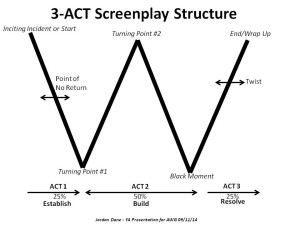
This week I’m moving and in the middle of a major renovation in my new home. Needless to say I’ve been distracted, but Stephen King got me thinking about plot. He suggests writers should forget about plot and give more importance to “situation.”

Wow, that knocked me into next week. Imagine contriving an amazing situation for your characters to react to. One that comes to mind is the plot of a horror movie where vampires invade a small coastal village near the Bering Sea on the nothern tip of Alaska, where in winter, the sun never comes up. Yikes. Or a Battlestar Gallactica premise where earth is destroyed and what’s left of the human race is forced into ships to launch into space with nowhere go. The “situation” has legs. It may take writerly experience to know how to focus the multiple stories that can spring from that incredible situation, but what a great problem to have if your story comes wrapped in a great situation package.

Doesn’t it make you want to take the time to develop a great “situation” or conflict, rather than focusing on the mainstays of plot?

What do you think of King’s assertion that plot is separate from “the situation” premise? Does it have to be separate? Can a great situation be enhanced by the structure of plot, ot would that inhibit the free flow of an author’s creativity to develop the situation organically, by feel using natural storytelling abilities?

King’s notion really inspired me to think out of the box on how I develop story ideas. How about you? Is there room for both plot and situation? Is one more effective than the other for you? Can an author get complacent in method if the focus is purely on plot?

Are you still looking for an agent?

Given the ever changing landscaping of the publishing industry, I thought it might be timely to take a measure of how authors are changing their strategies and plans in response. Are they still seeking agency representation or aiming (straight off the bat) to go the Indie route? In the first ‘flush’ of Amazon’s kindle program many previously traditionally published authors went the so-called indie route – but now, especially if they’re with one of the many Amazon imprints, I wonder how many of them have simply traded a traditional publishing house for just a different publishing house (albeit, I assume, with better royalty rates). Perhaps ‘going it alone’ isn’t quite as easy as many authors had first hoped, and we do hear (from some quarters) of the difficulties inherent in the indie route (many of which are similarly experienced by authors with traditional publishers) – namely how to break through the ‘noise’ of millions of ebooks being released and available via the internet and other distribution networks.

So I wanted to get your feedback on whether, over the last year or so, you have changed your strategy for getting your work published and whether you think you still need (and seek) agency representation. Are you writers still sending out query letters by email? Do you continue to see the value in seeking representation and attempting the traditional publishing route, or have you already decided to go the indie route? And if so, in what form?

In short, what approach and/or plans do you have for the current book and publishing market? Do you still think agents are relevant or are you solely focusing on the indie approach to releasing your work?

Enquiring minds want to know!

5 Key Ways To Entice Readers with Imagery

Jordan Dane
@JordanDane

Cry baby Truss ZF-9327-85193-1-001

Imagery conveys more than describing a setting. Done right, it can enhance the emotion and pull the reader into your writing in a unique way to them. It’s not merely about “show don’t tell.” Imagery is a skill that embellishes your author voice. Below are my thoughts on imagery and what’s worked for me.

1.) No Description Dumps – Layer your imagery into the scene in delicious morsels. Entice with flashes for the senses. Don’t stop your story to overwhelm the reader with detailed description dumps that will slow the pace and stall the action.

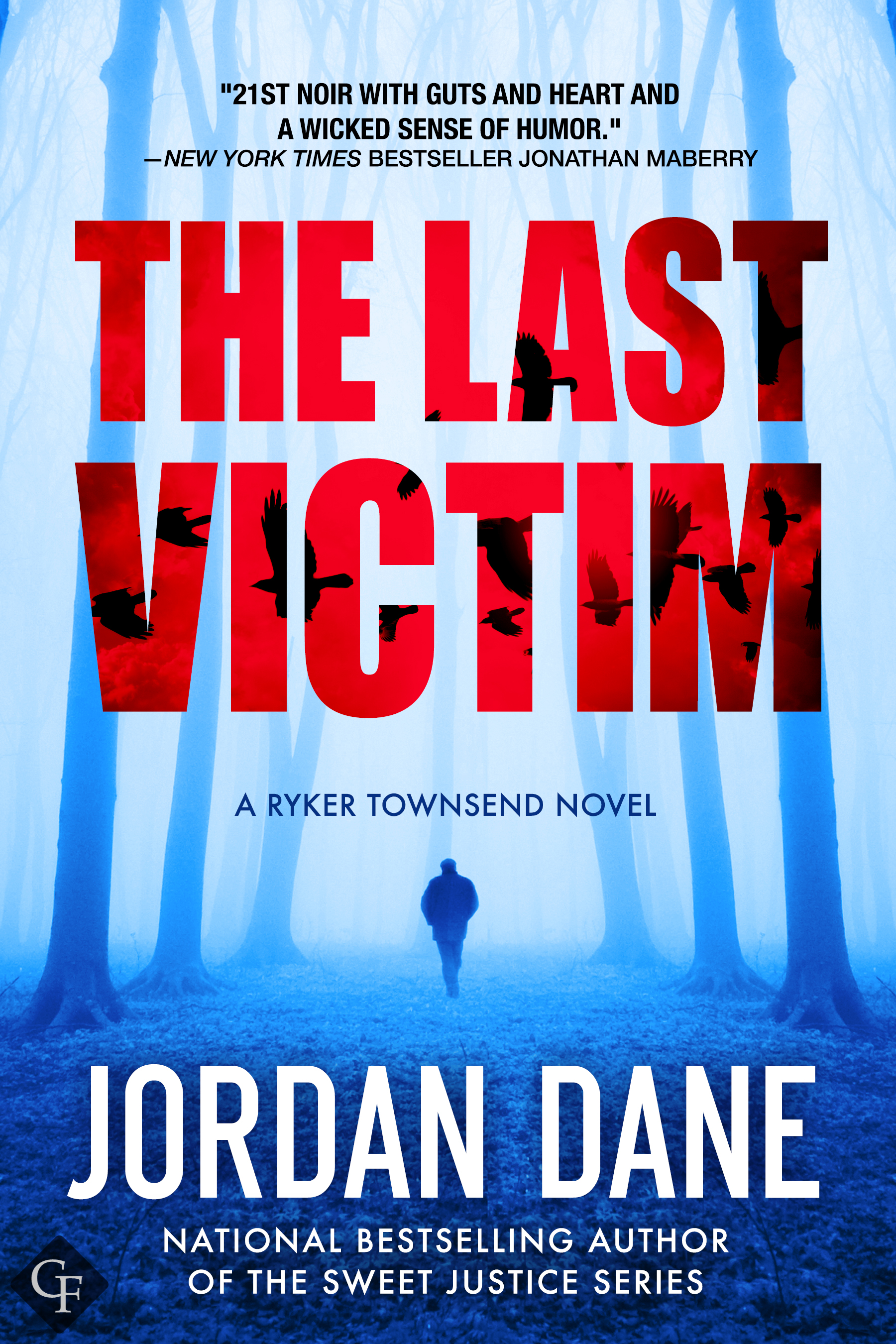
Example: Excerpts below are from The Last Victim (Jordan Dane) – Spears of light filtered through green leaves and daylight dappled the ground in colors that reminded me of light shining through the stained glass of a church. 

2.) Have the imagery enhance the intended emotion of the scene. Description shouldn’t sound like it came from a dictionary or research book.

Stilted Description (Example Only): Over the years, the floor of a forest became thick layers of pine needles that forced me to watch where I stepped.
Improved Version: The forest floor had a thick layer of decaying pine needles and fallen leaves that gave a pungent rich smell to the soil. The path buckled under my weight as if I were treading on a mattress. 

3.) Choose action words or descriptive Words that convey/enhance the senses – Action Words like slash, shiver, jab, or pound, denote the action they describe. Words like skitter, slither, squeeze, or ripple “sound” like the action they describe. So by toiling over each word in a scene (in your draft revisions), you can layer in greater imagery for the reader to “hear” or “feel.”

Example: With half-lidded eyes I relaxed into the moment and dropped my gaze to Justine’s boots as she walked ahead. I listened to the hypnotic sounds of the forest and let the subtle noises close in. A light breeze jostled the treetops and birds flitted in the branches over my head. My boots made soft thuds on the decomposing sod under my feet. Nature had a palpable and soothing rhythm.

4.) Use vivid imagery from your own past experience or pick something relatable and universal to others. For example, we’ve all been scared. Share your own worst fear, but in the context of your scene.

5.) Now, break down that emotion into how the body reacts inch by savory inch. Don’t rush it. Put the reader front and center through their senses. Trigger their own experiences. That’s why it’s important not to overdo the description. Simply hint at imagery that will trigger your reader’s minds. Be selective and pare down the images to the most vital and effective pieces.

1.) In your comments, please share an example of imagery in your current WIP.

2.) And please share what works for you when it comes to writing imagery.

A Fond Farewell from Jodie Renner – and links to Jodie’s Top TKZ Posts

Jodie Renner, editor & authorJodie_June 26, '14_7371_low res_centred

It’s with mixed feelings that I bid a fond farewell to The Kill Zone. I started guest blogging here in November 2012, then officially joined the team in early October 2013. It’s been a lot of fun and a real honor to be part of this talented team for the past few years, and I hope I’ve made some meaningful contributions, including setting up the TKZ library. (Click on the TKZ Library link above to check out many TKZ posts, categorized by topic.)

I’m also pleased to have brought in as guest bloggers several friends who are also bestselling authors, including Robert Dugoni, Steven James, Allison Brennan, LJ Sellers, and Allan Leverone, as well as award-winning blogger and humorous fiction writer, Anne R. Allen.

Scroll down to see links to my most popular TKZ posts.

I’ll continue to follow this excellent, award-winning blog, and have been told I’m welcome as a guest blogger any time, so you may see future posts by me here occasionally.

Below you’ll find links to many of my posts from this blog, listed from oldest to most recent. And at the bottom you’ll find links to my books, my websites, and my own little blog, where I will continue to post occasionally.

LINKS TO MANY OF JODIE RENNER’S CRAFT-OF-WRITING POSTS HERE ON TKZ:

~ Writing Tense Action Scenes

When your characters are running for their lives, it’s time to write tight and leave out a lot of description, especially little insignificant details about their surroundings. Characters on the run don’t have time to admire the scenery or décor, start musing about a moment in the past, or have great long thoughts or discussions. Their adrenaline is pumping and all they’re thinking of is survival – theirs and/or someone else’s. …

~ Impart Info with Attitude – Strategies for Turning Impersonal Info Dumps into Compelling Copy

As a freelance fiction editor, I find that military personnel, professionals, academics, police officers, and others who are used to imparting factual information in objective, detached, bias-free ways often need a lot of coaching in loosening up their language and adding attitude and emotions to create a captivating story world. Really need those facts in there? Rewrite with attitude! …

~ Checklist for Adding Suspense & Intrigue to Your Story

Writing a Killer Thriller_May '13Here’s a handy checklist for ratcheting up the tension and suspense of your novel or short story. Use as many of these elements and devices as possible to increase the “wow” factor of your fiction. …

~ Phrasing for Immediacy and Power

Have you ever been engrossed in a novel, reading along, when you hit a blip that made you go “huh?” or “why?” for a nanosecond? Then you had to reread the sentence to figure out what’s going on? Often, it’s because actions are written in a jumbled-up or reversed order, rather than the order they occurred. Do this too often, and your readers will start getting annoyed. …

~ Immerse Your Readers with Sensory Details

… In order for your story and characters to come to life on the page, your readers need to be able see what the main character is seeing, hear what he’s hearing, and smell, taste and feel along with him. …

~ Don’t Stop the Story to Introduce Each Character

Imagine you’ve just met someone for the first time, and after saying hello, they corral you and go into a long monologue about their childhood, upbringing, education, careers, relationships, plans, etc. You keep nodding as you glance around furtively, trying to figure out how to extricate yourself from this self-centered boor. You don’t even know this person, so why would you care about all these details at this point? …

~ 10 Ways to Add Depth to Your Scenes

… Besides advancing the storyline, scenes should: reveal and deepen characters and their relationships; show setting details; provide any necessary background info (in a natural way, organic to the story); add tension and conflict; hint at dangers and intrigue to come; and generally enhance the overall tone and mood of your story. …

Fire up Your Fiction_ebook_2 silvers~ Using Thought-Reactions to Add Attitude & Immediacy

… Showing your character’s immediate thought-reactions is a great way to let the readers in on what your character is really thinking about what’s going on, how they’re reacting inside, often in contrast to how they’re acting outwardly. …

~ Fire up Your Fiction with Foreshadowing

… Foreshadowing is about sprinkling in subtle little hints and clues as you go along about possible revelations, complications, and trouble to come. It incites curiosity, anticipation, and worry in the readers, which is exactly what you want. …

~ Nail it with Just the Right Word

To set the mood of a scene in your story, bring the characters to life, and engage readers in their world and their plight, it’s critical to choose just the right nuance of meaning to fit the character, action, and situation. …

~ Looking for an editor? Check them out very carefully!

An incident happened to me recently that got me thinking about all the pitfalls that aspiring authors face today when seeking professional assistance to get their books polished and ready to self-publish or send to agents. …

~ Tips for Loosening up Your Writing

As a freelance editor, I’ve received fiction manuscripts from lots of professionals, and for many of these clients, whose report-writing skills are well-researched, accurate and precise, my editing often focuses on helping them relax their overly correct writing style.

Captivate Your Readers_med~ How to save a bundle on editing costs – without sacrificing quality

below you’ll find lots of advice for significantly reducing your editing costs, with additional links at the end to concrete tips for approaching the revision process and for reducing your word count without losing any of the good stuff.  …

~ Pick up the Pace for a Real Page-Turner

… Today’s readers have shorter attention spans and so many more books to choose from. Most of them/us don’t have the time or patience for the lengthy descriptive passages, long, convoluted “literary” sentences, detailed technical explanations, author asides, soap-boxing, or the leisurely pacing of fiction of 100 years ago. …

~ 15 Questions for Your Beta Readers – And to Focus Your Own Revisions

…To avoid generic (and generally useless) responses like “I liked it,” “It was good,” or “It was okay,” it’s best to guide your volunteer readers with specific questions. …

~ Dialogue Nuts & Bolts

The basics of writing dialogue in fiction: paragraphing, punctuation, capitalization, etc.

~ 12 Essential Steps from Story Idea to Publish-Ready Novel

… If you want your novel, novella, or short story to intrigue readers and garner great reviews, use these 12 steps to guide you along at each phase of the process: …

~ 12 Tips for Writing Blog Posts That Get Noticed

Blogging is a great way to build a community feeling, connect with readers and writers, and get your books noticed. …But if you’re just getting started in the world of blogging and want to build a following, it’s all about offering the readers value in an open, accessible style and format.

~ Creating a Scene Outline for Your Novel

… The outline below will help you organize your scenes and decide if any of them need to be moved, revised, amped up, or cut. …

~ 25 Tips for Writing a Winning Short Story

Writing short stories is a great way to test the waters of fiction without making a huge commitment, or to experiment with different genres, characters, settings, and voices. And due to the rise in e-books and e-magazines, length is no longer an issue for publication, so there’s a growing market for short fiction. …

Three articles on point of view in fiction, with an emphasis on close third-person viewpoint (deep POV). Includes examples.

~ POV 101: Get into Your Protagonist’s Head and Stay There (for most of the novel)

~ POV 102 – How to Avoid Head-Hopping

~ POV 103 – Engage Your Readers with Deep Point of View

 ~ Basic Formatting of Your Manuscript (Formatting 101)

How to format your manuscript before sending it to an editor or publishing.

Quick Clicks_Word Usage_Precise Choices~ Just the Right Word is Only a Click Away

How are your word usage and spelling skills? Try this quiz to find out.  …

~ Tricks and Tips for Catching All Those Little Typos in Your Own Work

Tips for fooling your brain into thinking your story is something new, something you need to read critically and revise ruthlessly before it reaches the demanding eyes of a literary agent, acquiring editor, contest judge, or picky reviewer.

~ Don’t Muddle Your Message

… Wordiness muddles your message, slows down the momentum, and drags an anchor through the forward movement of your story. It also reduces tension, anticipation, and intrigue, all essential for keeping readers glued to your book. …

~ How to Reach More Readers with Your Writing

15 tips for clear, concise, powerful writing.

~ Make Sure Your Characters Act in Character

Do your characters’ decisions and actions seem realistic and authentic? …

~ Create a Fascinating, Believable Antagonist

For a riveting story, be sure to challenge your hero – or heroine – to the max. …

~ How are short stories evaluated for publication or awards?

What are some of the common criteria used by publications and contests when evaluating short story submissions?

~ Critical Scenes Need Nail-Biting Details

… for significant scenes where your character is trying to escape confinement or otherwise fight for his life, be sure you don’t skip over the details. If it’s a life-or-death moment, show every tiny movement, thought, and action. …

I look forward to connecting with you all again here, as well as on Facebook and Twitter — and maybe at some writers’ conferences! Keep on writing!

Jodie Renner, a former English teacher and school librarian with a master’s degree, is a freelance fiction editor and the award-winning author of three craft-of-writing guides in her series An Editor’s Guide to Writing Compelling Fiction: Captivate Your Readers, Fire up Your Fiction, and Writing a Killer Thriller. She has also published two clickable time-saving e-resources to date: Quick Clicks: Spelling List and Quick Clicks: Word Usage. You can find Jodie at www.JodieRenner.com, her blog, http://jodierennerediting.blogspot.com/, and on Facebook.