What the heck is the Inciting Event?

Today TKZ welcomes K.M. Weiland as our guest blogger. Katie will be sharing a critical but often misunderstood element of the novel: the Inciting Event. Enjoy her insights and be sure to visit her highly informative, award-winning writer’s blog, Helping Writers Become Authors.

———————————

katie1What the heck is the Inciting Event? That’s a question just about any writer can answer. The trouble is that sometimes we all have a different answer.

  • Is the Inciting Event the first thing that happens in the story?
  • Is it the moment that kicks off the plot and the conflict?
  • Is it the First Plot Point at the end of the First Act?
  • Is it something in between?
  • Is it something that happens before the story ever starts?

The chief trouble with identifying the Inciting Event is that the term is used rather wildly to apply to just about any of the above. One writer calls the Hook the Inciting Event, another calls it the First Plot Point. Argh! No wonder we’re all so confused.

Structuring Your Novel IPPY Award 165The confusion has grabbed me in its claws as well. In Structuring Your Novel, I wrote the following about the Inciting Event:

What’s important isn’t so much nailing down your Inciting Event to a specific place in the story, as it is presenting the Inciting Event at the optimal moment. Sometimes that means throwing the Inciting Event at readers right away, and sometimes that means holding off a bit.

I admit it: that’s a little vague, isn’t it?

Since writing Structuring Your Novel, I’ve made some extremely interesting discoveries about the Inciting Event, which have helped me refine my own stories far more than did such vague notions. So let’s all advance our understanding of this frustratingly important moment in our stories, shall we?

The Single Most Important Thing to Understand About “The Inciting Event”

The most important thing you can take away from this post is this: There isn’t just one moment that can be called “the inciting event.” There are three.

The vast majority of confusion over this structural pillar is the fact that we find different writers referring to three very distinct moments in the story by the same name. I’ve been guilty of it too, if only because I hadn’t yet grasped the differences between the three. These three different story structure moments are completely different from one another and all equally necessary to your story.

First Act Timeline

The 3 Different “Inciting Events”

1. The First Moment in the Story

Probably the most common understanding of the Inciting Event is that it’s the first moment in your plot. This is the beginning of your story–possibly even the first sentence. This opening scene will introduce your main character and the main conflict. It’s the first domino in the line of dominos that forms your plot. It’s the beginning of your story. If you open before this moment, then you’ve opened too soon.

Why We Think This is the Inciting Event

It’s no wonder we think of this moment as the Inciting Event. “Incite” seems to indicate the match striking the tinder of our plot. Therefore, this moment necessarily has to be the starting point, right? Well, yes and no. Yes, this first moment in your plot is what starts the whole thing moving. But, no, this moment is more about introducing your story than inciting it.

What It Really Is

This first crucial moment in your story is more properly the Hook. There is, of course, more involved in the Hook than just this (namely, its responsibility to grab your readers’ curiosity). But the Hook is the first structural moment in your story. It’s the first interesting moment, and, as such, it’s what flicks over that first domino and starts things rolling.

Where It Belongs

This opening moment–the Hook–belongs (surprise!) in the opening. It’s your opening scene–the first thing that happens in your story–possibly even the first line.

What We Should Really Call It

The Hook.

Examples

Bram Stoker’s Dracula opens with Jonathan Harker arriving in Budapest on his way to meet with his strange client, Count Dracula. This moment launches the plot (after all, prior to Harker’s meeting with Dracula, there is no story) and grabs reader curiosity.

Your Book’s Inciting Event: It’s Not What You Think It Is

Stephen Spielberg’s Raiders of the Lost Ark opens with the famous sequence in which Indy–dogged by his nemesis Belloc–infilitrates the South American temple and steals the golden idol. The sequence itself has nothing to do with the main conflict, but it brilliantly introduces the protagonist, grabs the viewer, and kicks off the rivalry between Indy and Belloc.

Chris Wedge and Carlos Saldanha’s Ice Age kicks off with the subplot character Scrat, whose single-minded pursuit of his acorn causes the Ice Age.

2. The First Plot Point

Okay, so if the Hook is something different from the Inciting Event, then perhaps the Inciting Event is the all-important big moment that happens at the end of the First Act: the First Plot Point. The First Plot Point is where your story gets going in earnest. Something dynamic and irreversible happens at this moment. It kicks your character forever out of the passivity of his Normal World and launches him into a desperate series of reactions as he scrambles to gain some control over the conflict.

Why We Think This is the Inciting Event

Like I said, this is the moment where your story really begins. This is the moment that fully engages your character in the conflict. He couldn’t walk away now, even if he really wanted to. It’s definitely a moment that incites your character. But if this is the first incendiary moment in your story, then your pacing is likely to be pretty dull. Remember, the First Plot Point is going to take place around the 25% mark in your story. Something had to happen in between the Hook and the 25% mark, right?

What It Really Is

The First Plot Point is just that–the First Plot Point. It’s the doorway between the end of the First Act and the beginning of the Second. It’s also very likely to be the Key Event (which I’ll get into below).

Where It Belongs

The First Plot Point always ends the First Act. Optimally, it should be placed at the 25% mark.

What We Should Really Call It

The First Plot Point.

Examples

In Dracula, the First Plot Point is the moment when the dreaded Count arrives (via spooky shipwreck) in England. Lots happens prior to this scene, but this is the moment that irrevocably engages all of the main characters in their mortal struggle with the vampire.

In Raiders of the Lost Ark, the First Plot Point occurs when the Nazis burn down Marian’s bar, forcing her to escape with Indy to Cairo. Again, lots happened prior to this, but this moment irrevocably launches the main plot by bringing the two primary characters together and sending them to the primary setting.

Your Book’s Inciting Event: It’s Not What You Think It Is

In Ice Age, the First Plot Point happens when Manny and Sid rescue the human baby and meet Diego. This launches their main story goal (return the baby to his father) and the main conflict with the saber-tooth tigers.

3. The First Act’s Turning Point

And now, at last, we reach the secret member of our trio of “Inciting Events.” This is a vital structural moment–and yet most authors overlook it completely. Halfway through the First Act, something happens–a turning point. Usually, this is the Call to Adventure (which the hero starts out by rejecting). It’s the moment when his Normal World is significantly rocked by the conflict for the first time. His world won’t yet be upended by that conflict (not until the First Plot Point), but we might think of it as the moment when the match is officially lit and held over the tinder of the conflict.

Why We Think This is the Inciting Event

Technically, most writers don’t think of this turning point as the Inciting Event for the simple reason that they really don’t think about it at all. But let’s think about it now, shall we? Aside from breaking up the potential monotony of the First Act and providing focus for the first quarter of the story, this turning point fulfills one of the most important roles in your story’s beginning.

The first eighth of the story (from the Hook to this turning point) is all set-up. Readers are familiarizing themselves with your characters, figuring out the characters’ goals, and learning the stakes. Readers need that time in order to get their bearings before the main conflict really starts heating up.

Then comes this all-important turning point at the 1/8th mark (around the 12% mark). It shakes everything up, redirects readers’ focus to the primary conflict, and sends the protagonist hurtling right for the deciding moment of the First Plot Point.

The next eighth of the story (from the turning point to the First Plot Point) is where you then start positioning the final pieces necessary for the main conflict, while ramping up the tension to lead right into the First Plot Point.

What It Really Is

This turning point doesn’t have a proper name other than the Inciting Event. It’s the moment that truly launches the main conflict. It’s inciting and (hopefully) exciting. When I talk about the Inciting Event (including in the Story Structure Database), this is the moment I’m referring to.

Where It Belongs

The Inciting Event–the turning point in the First Act–should optimally be placed at the 12% mark, halfway through the First Act. The timing is important because it gives you the space you need in the beginning of the book to get everything set up, and then provides the necessary space to build upon the Inciting Event before you reach the place of no return that is the First Plot Point.

What We Should Really Call It

The Inciting Event.

Examples

In Dracula, the Inciting Event is the moment (back in Budapest) when Harker first witness the Count’s unearthly powers when he sees Dracula crawling down the castle wall, upside-down.

In Raiders of the Lost Ark, the Inciting Event occurs when Indy is summoned from his classroom and recruited by the U.S. government to track down the Ark of the Covenant.

In Ice Age, the Inciting Event occurs when Manny the mammoth and Sid the sloth meet for the first time.

Your Book’s Inciting Event: It’s Not What You Think It Is

How Does the Key Event Play In?

The final element in this intricate tapestry is the Key Event. What is the Key Event? Think of it as the missing half of the Inciting Event. The Inciting Event Screenplay Syd Fieldkicks off the plot; the Key Event is what then involves your character in the Inciting Event. In Screenplay, Syd Field describes it like this:

The Inciting incidentsets the story in motion … [while] the key incident [is] what the story is about, and draws the main character into the story line.

As such, the Key Event will always take place after the Inciting Event and within the First Act. Almost always, the Key Event will coincide with the First Plot Point.

The Inciting Event (remember: that’s the turning point halfway through the First Act) brings the conflict to the protagonist’s awareness. But the protagonist still won’t fully engaged with the conflict. He may make a half-hearted attempt to resolve it. Or he may try to walk away from it entirely. Until the Key Event.

The Key Event is what sucks him irrevocably into the conflict. Sounds an awful lot like the First Plot Point, doesn’t it?

  • Dracula‘s main conflict is that of his preying upon the Englishwomen Mina and Lucy. As such, the Key Event occurs at the First Plot Point when he is shipwrecked in England, bringing the conflict right to their doors.
  • Indy’s Key Event is also his movie’s First Plot Point, since it is both the first time Indy has engaged with his Nazi antagonists and also the moment when he becomes personally involved thanks to his relationship with Marian.
  • Same for Ice Age. Up until the Key Event at the First Plot Point, Sid and Manny didn’t even know about the human baby’s danger, much less have any stake in helping him.

If we recognize the Inciting Event as this oft-overlooked turning point in the First Act, the entire structure of our beginnings becomes much clearer, much tighter, and much more effective. Take a look at some of your favorite books and movies. How are they using the time before the turning point to set up their stories–and then utilizing the turning point to tighten the focus up until to the First Plot Point? Even more importantly, how can you do the same in your own stories?

——————————–

K.M. Weiland lives in make-believe worlds, talks to imaginary friends, and survives primarily on chocolate truffles and espresso. She is the IPPY and NIEA Award-winning and internationally published author of the Amazon bestsellers Outlining Your Novel and Structuring Your Novel, as well as Jane Eyre: The Writer’s Digest Annotated Classic. She writes historical and speculative fiction from her home in western Nebraska and mentors authors on her award-winning website Helping Writers Become Authors.

What is Your Writer’s Personality?

head-607480_640(1)So I just took an online personality test offered by the The University of Cambridge, and now I’m trying to absorb a few puzzling facts about my personality. Based on the principles of psychometrics, the test measures a person’s personality profile on the classical “big five” personality traits (Extroversion, Emotionality, Openness, Agreeableness and Conscientiousness). The test also classifies one’s general personality “type”.

According to my test’s results, my personality is characterized mainly by Openness (52%), Extroversion (58%), and Neuroticism (52%), with Agreeableness lagging behind (34%). Conscientiousness came in a distant fifth (16%).

Wait, Neuroticism? Is that what the University of Cambridge meant by the “Emotionality” personality trait? Wasn’t that a label switch?

Also, according to this test, my MBTI (Myers-Briggs Type Indicator) personality type is an ISTP, which is a kind of personality that is usually found in engineers. That’s confusing, but I can’t say more about this finding because I lost the page with the results about that part of the test (which is probably a reflection of my low score on the Conscientiousness personality trait).

I don’t know how accurate this psychometrics stuff is, but I don’t think these results are problematic for a career in writing. In fact, I think writing is about the only thing I can do, given my personality. (I’d certainly never get very far as an engineer).

Why don’t you take the personality test, and share your results? They can’t be more embarrassing than mine.

http://tests.e-psychometrics.com/

Making a Bad Situation Worse

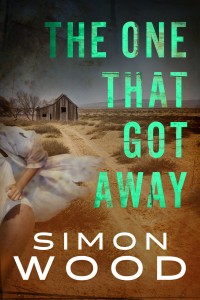
Please welcome our guest blogger today, Simon Wood, Anthony Award winning author of Working Stiffs, Accidents Waiting to Happen, Paying the Piper, Terminated, Asking For Trouble, We All Fall Down and the Aidy Westlake series. His latest thriller is THE ONE THAT GOT AWAY due out March ’15.

THE ONE THAT GOT AWAY opens with Zoë Sutton and her friend, Holli, in grave danger. The Tally Man has11003443_10152598866001805_174190183_oabducted them and their situation is grim. Their futures can be measured in minutes, not years. That would be enough of a conflict for most writers. Not for me though. I have to take that awful scenario and make it worse. Zoë has to make a horrible decision—make a futile attempt to save Holli or use Holli as the distraction to help her escape. Zoë makes the hard decision—she escapes with her life and has to live with the guilt and shame of that single act of self-preservation.
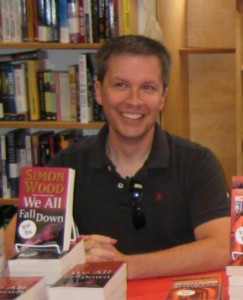
I think this shows quite a sadistic side of me that would make me worthy of villain status. Sorry, that’s just who I am.

Long time readers will have seen this trait of mine before. So why do this? The honest answer is my upbringing. Not my childhood or anything but my work upbringing. I’m a mechanical engineer by schooling. I used to design safety equipment for oil refin11016505_10152598865801805_205182067_neries and rigs that prevented noxious chemicals and gases that come up with the crude oil from getting into the atmosphere. That kind of work meant dealing with contingencies. If a valve failed, what was the bypass? If the bypass failed, what was the bypass’ bypass? It was all part of designing to multiple levels of failure. It’s no different than my flying experiences. Aircraft are very cleverly thought out. If one system fails, there’s another that can double for it. You’re taught to be able to fly with most of your gauges out of operation knowing that just a couple of things will guide you to safety. All this has taught me to view the world as a worst case scenario. In fact, a lot of my stories have been born by looking an aspect of the world and thinking of all the ways it can go wrong. I look at a bad idea and turn it into an apocalyptic nightmare.

The gift and the curse of my engineering background is that it has made me all about piling on the conflict. When I write a book it begins with a flashpoint, which then sparks a number of other conflicts. I like the complexity of a disastrous situation gathering momentum, and it helps develop characters. The heroine, Zoë Sutton, and the villain, Marshall Beck, are created entirely as products of the story’s conflicts. Zoë’s self destructive nature is born from someone struggling with survivor guilt. Marshall’s world view and his need to kill is born out of the need to justify a killer’s behavior. I like to think it gives the story depth and gives the plot pace. But I’ll let you decide.

So yes, I have a dangerous and destructive mindset, but isn’t that what you want from a thriller writer? 🙂


Simon Wood is a California transplant from England. He’s a former competitive racecar driver, a licensed pilot, an endurance cyclist and an occasional PI. He shares his world with his American wife, Julie. Their lives are dominated by a longhaired dachshund and four cats. He’s the Anthony Award winning author of Working Stiffs, Accidents Waiting to Happen, Paying the Piper, Terminated, Asking For Trouble, We All Fall Down and the Aidy Westlake series. His latest thriller is THE ONE THAT GOT AWAY due out March ’15. He also writes horror under the pen name of Simon Janus. Curious people can learn more at http://www.simonwood.net.

7 Habits of Highly Successful Writers

atlas1Some time ago I came across an article about the success habits of wealthy individuals, based on a book by Tom Corley. As I scanned it, the habits seemed to me applicable to writers as well. The ones I know who’ve made it in this game—who’ve been published traditionally, or are making good dough as indies, or are doing a bit of both—they share these seven habits:

1. They are persistent.

The article states, “While we generally think of persistence as more of a personality trait, it’s certainly a habit that can be learned and practiced over time. When faced with adversity, wealthy individuals keep pushing through, knowing that success could be right around the corner.”

The successful writer never gives up. Or stops learning. The article found that 88% of the wealthy successes (in other words, not trust-fund babies) read at least 30 minutes every day in order to increase their knowledge. Are you doing the same, writer? I cannot think of a single week in the last 25 years where I have not read or studied something regarding the craft of writing.

2. They set attainable goals.

The article discusses the wrong kind of goals, such as:

“I want to become a recognized leader in my field.”

“I need to bring in more money in order to meet my financial obligations.”

“I want to take an expensive vacation with my family every year.”

The problem with these goals, of course, is that they aren’t specific, and they aren’t necessarily realistic. For instance, if I’m working for minimum wage, going on an expensive holiday probably isn’t in the cards for me this year.

True goals are those to which action may be applied. “I want to be a New York Times bestselling author” is not a goal, it’s a dream. You can’t push a button to make it happen. What you can do are the things that will make you a better writer. You can determine to spend 30 minutes a day studying craft, and an hour a week brainstorming projects. Most of all, you can determine the number of words you will write each week. These are things you can measure and control.

3. They find a mentor.

The article contends that 93% of wealthy individuals had a mentor who assisted them on their path to success.

Mentors can be personal or they can be in print. I consider Lawrence Block to be a mentor, even though he’s never personally coached me. Why? Because I religiously read his fiction column each month in Writer’s Digest and felt like he was counseling me each time. He had the ability to get into the writer’s mind, and certainly he did mine. The books I contribute on the craft I try to write the same way.

A good editor, of which there are many out there, can provide mentorship (usually for a fee, which is money well spent when the editor knows what he or she is doing). A good critique partner fits this role as well.

4. They are positive.

According to the article, wealthy individuals had a positive outlook on life, were upbeat and happy, and grateful for what they had. Some specific findings were as follows:

94% avoided gossiping
98% believed in limitless possibilities and opportunities
94% enjoyed their chosen career

Writers, too, need to be grateful that they have the ability to write. And grateful for the opportunity to publish. Further, don’t tear down fellow authors. Believe in your limitless choices. Nurture the love of writing that got you started in the first place.

5. They educate themselves.

The article found that 85% of the successful people read two or more books per month on an ongoing basis. This is especially important for writers, who need to read widely and not just fiction. All sorts of nonfiction helps to expand your horizons and understand humanity better.

What are you reading, besides fiction, these days?

6. They track their progress.

Corley found that wealthy individuals were meticulous about measuring how they’re doing:

67% kept up-to-date to-do lists
94% balanced their bank account each month
57% counted the calories they consumed
62% set goals and tracked whether or not they were on track to achieving them

Since 2001 I have kept track of my writing on a spreadsheet. I can tell you how many words I wrote, and on what projects, day by week by month by year.

I prioritize my projects and know each day which one I want to work on.

However, I don’t count my calories. I have determined that eating healthy food does not make you live longer, it only seems longer

7. They surround themselves with success-oriented people.

Corley writes, “Wealthy, successful people are very particular about who they associate with. Their goal is to develop relationships with other success-minded individuals. When they stumble onto someone who fits the bill, they then devote an enormous amount of their time and energy into building a strong relationship. They grow the relationship from a sapling into a redwood. Relationships are the currency of the wealthy and successful.”

His suggestion is to dedicate 30 minutes each day to nurturing such a relationship. This could mean being a sounding board, giving advice, or just generally being a helpful companion. As you build and nurture relationships, people likely to reciprocate and become trusted and valuable supporters.

Writers are mostly an encouraging lot. You can find places to hang out with them, starting here at TKZ. Join a local writers group, like an arm of Mystery Writers of America. Go to a good conference.

Systematically disassociate yourself from the sour pickles of life.

Have fun, write, assess, measure, study, correct—then have more fun, write, and never quit. That’s a formula for success.

Anything you’d like to add?

[NOTE: Today I am associating with a bunch of fellow writers at a conference near Santa Cruz, California. Yes, suffering for my art. I’ll try to pop in. Until then, talk amongst yourselves!]

Through the Glass, Darkly

aa book


I am not given to spending a lot of time looking into my rear view mirror as I drive down the road of existence. I was inspired a couple of weeks ago, however, to pause and write down every major mistake I have made in my life to date. I limited the itemization to “domino” mistakes, those being the initial errors that led to others with adverse life-changing consequences. My list had thirteen items when I finished. I’m not going to share all of them with you, but I will reveal the one at the top of the list: I started drinking heavily.

I mention this because we are approaching April 1, which, God willing, will mark the completion of my twenty-fourth year of sobriety. Speaking only for myself, sobriety works. Alcoholism doesn’t. I was what one calls a “functioning” alcoholic, which means that I could fool some of the people, including myself, all of the time. That of course did not stop me from doing stupid and terrible things, some of which I have regretted every single subsequent day of my life right up to this moment.  On the other hand, every good thing that is presently in my life has occurred as the result of sobriety. It’s second nature to me now, which doesn’t mean that it’s always easy; it just means that 1) many days are much, much easier than some, and 2) every day of sobriety is much, much easier than having that first drink and going back to what I was.

I am aware that many people drink modestly, even on a daily basis, without adverse consequence (other than for, perhaps, a regrettable Facebook posting).  I am much given to self-deceit and numbered myself among those for over a decade. My initial epiphany took place when I met a gentleman, now deceased, in 1989 who became my best friend. He told me that he was an alcoholic, and that he had been sober for nine years. I thought, “Nine years?! Without a drink?! Wow! I can’t even go nine days without a drink! It’s a good thing I don’t have a problem!” I confess that I found absolutely nothing ironic about that thought until I had been sober for three weeks near the end of April 1991 and the scales began falling from my eyes.

I mention this because alcohol and writing and publishing and the like all seem to go together. Many of the great authors of the past drank, and famously so, to varying degrees, from Hemingway to Faulkner to Mailer. Many of the authors of the present, famous and otherwise — and even some reading these words — do as well. Sometimes it can be a problem, one that keeps you from getting where you want to be and becoming who you want to be.  My problem was nothing more or less than that punch list of things to do that was so critical at the beginning of the day became much less so when Captain Morgan showed up, sometimes around lunch.” Must do” can quickly become “so what.” You can’t get published that way, or maintain relationships, or handle finances. You can’t really live.

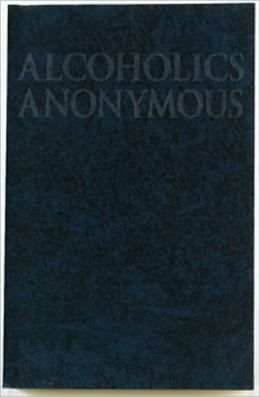
That you might enjoy a drink or two on a regular basis doesn’t mean you have a problem. If, however, you think you might have a problem, or you have people in your life who are telling you that you might or do, there is a very insightful twenty question quiz  developed by the fine folks at The John Hopkins Hospital and used by The Betty Ford Clinic, among many others, that will give you an idea of where you stand. Answer the questions honestly; what you do with the knowledge is up to you (just so you know, I scored fifteen “yes” answers out of twenty and it still took me two years to get a handle on things). If your honest answers indicate that you have a problem and you want to do something about it without the world knowing about it, talk with your doctor. If you’re not ready for that, the Alcoholics Anonymous website will link you to information about meetings in your area. You might be surprised as to the frequency and number of locations within a few miles of you. Each meeting has its own personality; a meeting held in a downtown church on a Sunday night will be much different from one held in a suburb on a Wednesday morning. If you attend a meeting and you don’t seem to fit, keep trying.  And if you want to talk, email me. We’ll set it up. If one person with a drinking problem reads these words and begins to turn their life around, then my job is done. And whether I hear about it or not, you’ve made my day. Thank you.

First-page Critique: LAND SHARKS

1sharknado-attackHappy Thursday, gang! Today we have a first page submission for discussion. I love the title, LAND SHARKS, mainly because I get to post a picture of Sharknado. After my comments about this page, please add yours!


LAND SHARKS

Beverly Hills – the home of beautiful clothes, beautiful cars, and beautiful people. Where the perfumed smell of money floats in the air. And like blood in the water, it attracts sharks.

Not the ones with fins, but those that walk on two legs and camouflage themselves in human clothing.

I’ve been lucky. I’ve never run into a real two-legged, great white face-to-face. I hope I never will.

At the moment, I’m eating at a trendy Asian Fusion restaurant a block away from Rodeo Drive. My spicy shrimp dumplings and miso soup are excellent. I like the soup so much, I’m even wearing it dribbled down the front of my best white blouse. Not an unusual occurrence for me. It would be nice if bibs were fashionable for women to wear at meals other than lobster. I’d save a lot on my dry cleaning bill if it were.

Sadly, even in this nice restaurant there’s a nasty fish, and I don’t mean on the menu. I’d classify him as a piranha. A piranha is a shark wanna-be, and I do run into a lot of those.

***

My notes:

After that fun title, I was ready to like this first page. I love snarky, self-deprecating humor in  a narrator’s voice, and this page the has potential to be sharp and funny. But snarky humor is hard to pull off effectively, as this page demonstrates.

First line

I think the opening line could be a bit fresher. Using “beautiful” three times in a row has a quality of sameness to it. I think “beautiful people” could be replaced with something something more unexpected, something that conveys something humorous about the story we’re about to encounter. Keep the alliteration, but play around with the images you’re conveying. I would keep the first instance of “beautiful,” perhaps, but then go for something stronger and sharper from there.

Second and third paragraphs

“Not the ones with fins, but those that walk on two legs and camouflage themselves in human clothing.”

I think this paragraph, and the one that follows it, begin to strain the shark metaphor. Why don’t you just replace them both by adding “The two-legged kind” or something similarly brief at the end of the first paragraph? Then move on.

Fourth paragraph

We learn a lot about this woman’s messy eating habits, probably more than we want to know at this point. By now, we should be getting a sense of the character’s situation, not simply what she’s eating.

Fifth paragraph

This paragraph does a bit of wheel spinning, and again, it strains the shark/piranha image. Rather than saying a nasty fish exists in the restaurant, let us see your character encountering the fish. Something like, “I looked up from my noodles just in time to catch a flash of teeth. It was “(name). Of all the sharks prowling the waters of Beverly Hills, (name) was the nastiest fish.”

Tense

I used past tense, because I think present tense is very difficult to pull off in an adult story.

Overall

This could be a really fun story. Who doesn’t love to mock rich people in Beverly Hills? I like its potential, but t have a feeling that this page is simply a warm-up to the next page, As it stands, the story probably really begins on page two. I would condense most of this page and get right into the story.

Thank you to the writer for submitting this first page!

What do you think of LAND SHARKS, TKZ’ers?

Submission Protocol

Nancy J. Cohen

Last week, I sent a submission via snail mail. “What’s that?” you ask. It’s almost a forgotten art. I hadn’t sent out a physical manuscript in so long that I’d forgotten the specifics. I think it’s been at least five years, likely longer, since I last had to send anything from the post office. This submission went to a niche market and was another of my father’s travel journals.

So what was involved? After reading the online submission guidelines, I reviewed my manuscript. Oops, I’d forgotten all about headers and footers with the book title, author name, and page number. Having formatted for ebook requirements, I added those back in.

writing

Since this book is nonfiction, I had to include a Table of Contents. No problem. I know how to do this in Word. Oh, wait. I forgot to write a Foreword like I did with my father’s other journal, Thumbs Up, that I’d indie published. So I added the TOC. Then I deleted some of the book buy hyperlinks in the back. I shouldn’t include those for this type of submission.

A query letter topped it all off. I polished mine once more before adding it to the pile of papers. It’s also been ages since I’d had to write one of these things. It’s never easy, is it?

Now what? I printed out the whole work, since it is short and about equivalent to a normal book proposal in page count. Next came the SASE. How do you do this again? If you want the manuscript back, you have to put actual postage stamps on a suitably sized manila envelope. This means you have to weigh the envelope for return postage with the manuscript inside, affix the stamps, remove the pages and stuff them into the outer envelope along with the folded SASE. A complicated business, isn’t it? Or you can just include a stamped and self-addressed #10 business envelope for the form rejection letter you’re sure to get.

envelopes

And then comes the great sigh of relief when you send your baby off at the post office. This generates a more visceral response than sending a book into cyberspace. Somehow the physical manuscript seems more a part of you.

Weeks pass and then months. You watch the mail for the return envelope. Once you see it, gloom sets in. You’ve been rejected. And you start the process all over again.

At least that’s how it used to be done in the old days. Do you remember those times? Do you miss them?

What does your character want?

download

By PJ Parrish

Many moons ago, when I was just starting out in this crime writing business, I wandered into a workshop at SleuthFest. That day, all I was looking for was a reason to not lurk alone in the lobby of the Deerfield Beach Hilton. Besides, I had two books under my belt that got some nice blurbs and some good reviews. So I thought that I had all the answers.

Man, was I wrong. And thank God I went into that workshop because it forever changed the way I wrote.

LesStandifordHeadShot

The workshop was conducted by Les Standiford and he was talking about creating memorable characters. Now, every writing conference has panels on this. Yada yada yada…don’t rely on stereotypes…blah blah blah…give them interesting backstories and dossiers…humanize your villain…make your hero fallible but likeable…same old same old.  And despite the fact Les Standiford had his own successful mystery series and was a celebrated fiction teacher, I didn’t think I was going to get anything new from his session. But then, as I sat in the back of room, half-dozing off the effects of last night’s cocktail party, Les said something that made the hairs on my neck stand up:

“Ask yourself one question of every character you create: What does he want?”

He had hit a nerve in my writer’s subconsciousness. Because although I had been writing about my cop hero Louis Kincaid for a while, I had never really thought hard about what Les was talking about. So as I sat there in that hot crowded room, I asked myself:

What did Louis want?

Well, he wanted to solve the case! He wanted to find the men in the small Mississippi town who, thirty years ago, had lynched a black man and left his bones in a shallow grave in a swamp.

{{{{Loud sound of buzzer going off}}}}}

Okay then, Louis was a rookie who really needed a job and wanted to impress his new boss, the sheriff.

{{{{Buzzer}}}}

Well, dammit, Louis felt compelled to find the identity of the lynching victim and bring him peace.

{{{Close but no cigar}}}}

Okay, okay. Let me think hard about this. Wait…Louis is biracial. He was born in Mississippi but was fostered out to a white family in Michigan. He walks, uneasily, in two worlds. Could this be about him finding his “black” past, forgiving his mother for abandoning him and coming to terms with the white father who deserted him?

{{{You’re the writer. What do you think?}}}

I think that what Louis wants is to find himself. Twelve books later, both he and I are still looking. But way back when, I thought I had all the answers. That day I walked into Les Standiford’s class, I didn’t even have the right questions.

What does your character want?

It sounds like an easy question. But if you’re doing this novel writing this right, the answer isn’t so easy. Kurt  Vonnegut famously said, “Every­one wants some­thing on every page, even if it’s only a glass of water.“  That is true even of minor characters, but when you’re talking about your lead role players, I think you have get to the very bottom of that water glass.

Dead Poets

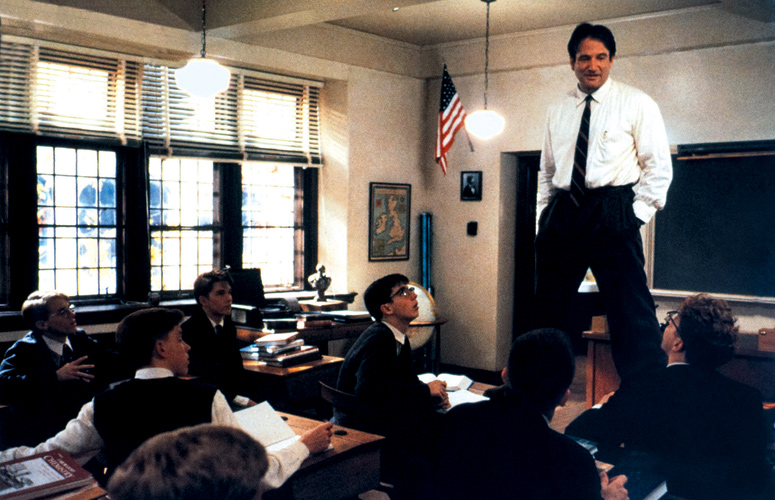
Are we talking about character motivation here? Well, yes, I suppose so. Les Standiford, Vonnegut and all great writers and teachers tells us we must plumb the depths of our character’s hearts and heads to find out what makes them tick. But it’s more than that. I think why Les’s question made an impact on me was because it forced me to come at the old question from a different angle. It’s sort of like when Robin William’s character John Keating in Dead Poets Society climbs atop his desk and tells his students, “I stand upon my desk to remind myself that we must constantly look at things in a different way.”

The first step of character development is figuring out what passions, fears, regrets, or desires consume your character. Then, all you have to do is show him interacting with his setting and other characters in a manner consistent with those possible “motives.”

What Les was asking us to do was to go beyond the surface, to dig deep and deeper to find out what was the one essential consuming need of each character. Think of character motivation as having levels. Yes, you can get published by going no deeper than defcon 1 or 2 in character development. But what happens if you push yourself to take just a couple more steps down into the darkness?

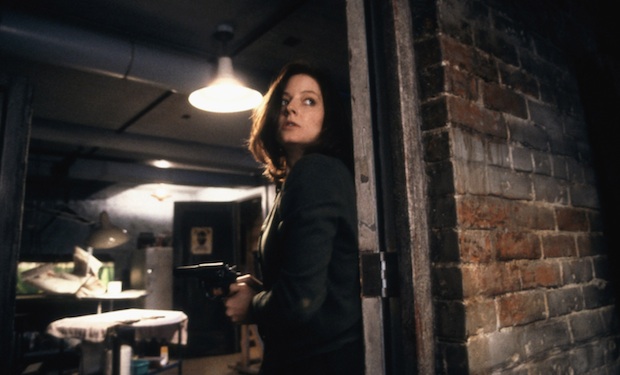
Speaking of going into creepy basements, let’s go to a simple example: Silence of the Lambs. If you’ve read Thomas Harris’s book, you know how effective the author was at descending into the lowest rungs of every character’s motivations. But even the movie did a pretty good job at this. Let’s dissect our heroine:

What does Clarise Starling want?

Level 1: She wants to solve the case. She wants to find Buffalo Bill. (basic thriller plot)

Level 2: She wants to prove she can hang with the big boys of the FBI. (basic thriller with feminist theme)

Level 3: She wants to escape her suffocating southern small-town roots and the FBI was a ticket out of hicksville. Remember how impressed one of the victim’s girlfriends was with Clarise’s job? (Basic thriller with feminist theme and rich backstory.)

Level 4: She wants to impress her boss-mentor Jack Crawford. (basic thriller with feminist theme, good backstory and father-figure character interplay.)

Level 5: She wants to validate herself as being worthy of her father’s legacy because he was a cop killed in action. She gets approval by proxy via Crawford, who tells her at the end that her father would have been proud of her.  (Now this is getting interesting!)

Level 6: She wants to make the lambs stop screaming. Cool…But what does this mean psychologically? Clarise is haunted by a childhood memory of hearing lambs being slaughtered. I have always read this as her attempt to exorcise her demons of abandonment, her human need to deal with existential loneliness, her way of pushing back against the black void. “I thought if I could only save just one,” she tells Lector. She’s talking about saving Buffalo Bill’s victims, but isn’t she really talking about herself?

(While we are at it, has anyone else noticed how eerily similar Silence of the Lambs and Jodie Foster’s other movie Contact are in character themes? Both are smart, emotionally fragile women raised by fathers then orphaned, both manipulated by brilliant outcast men. And both women are staring into the vast blackness and hoping they are not alone.)

Let’s go to another example. What does Captain Ahab want in Moby-Dick?

Level 1: He wants to catch the whale that maimed him. (Simple story of revenge).

Level 2: He wants to prove to his crew and himself that even though he’s got one leg, he is still a man. (He even smuggles his own crew onboard just in case.)

Level 2: He wants to strike out against the pacificism of his Quaker religion. Not so simple theme that’s right here in this passage:

The White Whale swam before him as the monomaniac incarnation of all those malicious agencies which some deep men feel eating in them, till they are left living on with half a heart and half a lung. That intangible malignity which has been from the beginning; to whose dominion even the modern Christians ascribe one-half of the worlds; which the ancient Ophites of the east reverenced in their statue devil;—Ahab did not fall down and worship it like them; but deliriously transferring its idea to the abhorred white whale, he pitted himself, all mutilated, against it. All that most maddens and torments; all that stirs up the lees of things; all truth with malice in it; all that cracks the sinews and cakes the brain; all the subtle demonisms of life and thought; all evil, to crazy Ahab, were visibly personified, and made practically assailable in Moby Dick.

Level 3: He wants to vanquish evil, what he calls “the inscrutable thing.” And he’s not sure God is on his side or even exists. He’s like Hamlet, looking for some metaphysical truth in all the madness. And I am sure Peter Benchley had Ahab in mind when he created Quint the shark hunter in Jaws.  Both men are nuts but sort of magnificent. Which is why they had to die.

So here’s what I’d like to leave you with. The next time you think about your characters’s motivations, go deeper. Think hard and long, applying great gobs of elbow-grease of the mind. Don’t be content with staying on the top levels. Don’t skim the surfaces.

MSDSIOF EC076

Don’t be afraid to descend to the very bottom rung and enter that dank dark basement of the human soul. That’s where you find the good stuff.


How are short stories evaluated for publication or awards?

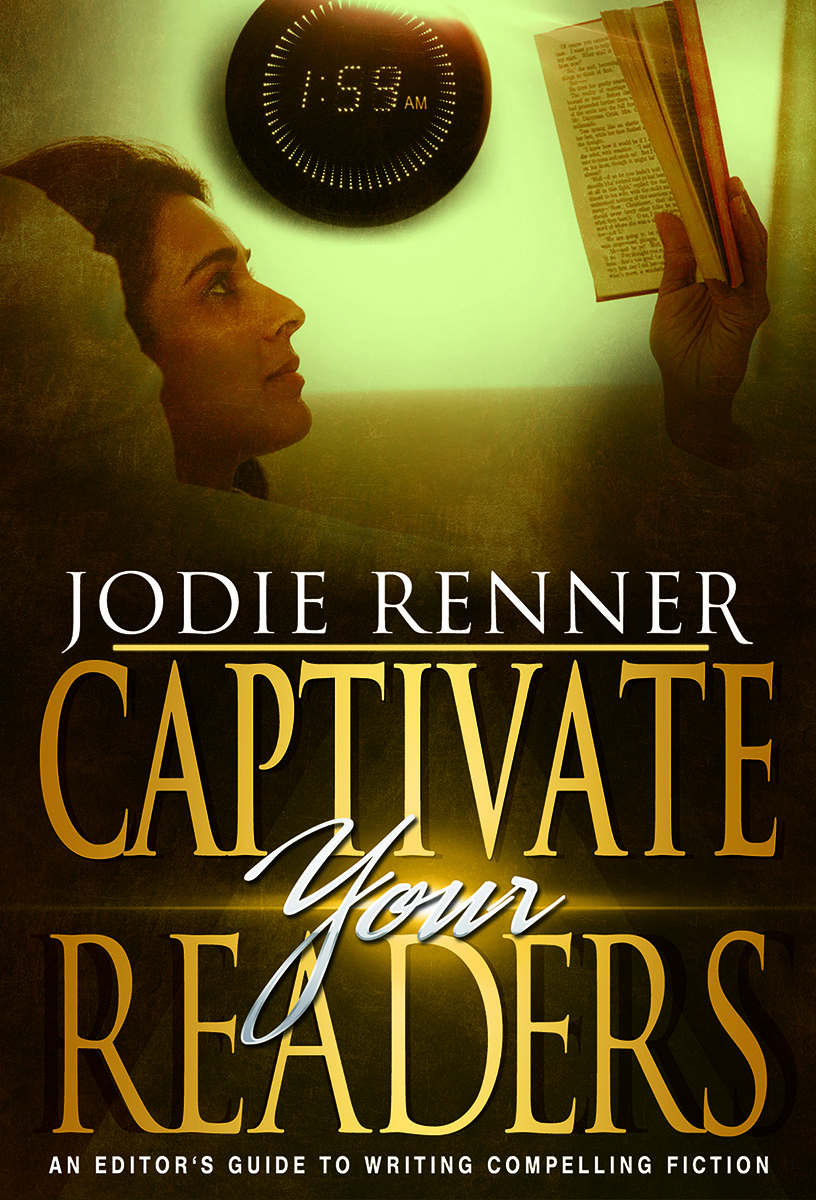
Captivate Your Readers_med– A glimpse into the minds of acquiring editors and judges for short (or any) fiction

Jodie Renner, editor & author  @JodieRennerEd

Have you tried your hand at writing short stories yet? If not, what’s holding you back? As award-winning blogger Anne R. Allen said in an excellent article in Writer’s Digest magazine, “Bite-sized fiction has moved mainstream, and today’s readers are more eager than ever to ‘read short.’” To check out Anne’s “nine factors working in favor of a short story renaissance,” see “9 Ways Writing Short Stories Can Pay off For Writers“, and there’s more in her post, Why You Should be Writing Short Fiction.

Here’s another Argument for Writing Short Stories, by Emily Harstone.  She says, “Writers who are serious about improving and developing their craft should write short stories and get editorial feedback on them, even if they are never planning on publishing these short stories. Short stories are one of the best ways to hone your craft as a writer.”

Okay, you’ve decided to take the plunge and craft a few short stories. Good for you! Next step: Consider submitting some of them to anthologies, magazines, or contests. But wait! Before you click “send,” be sure to check out my 31 Tips for Writing a Prize-Worthy Short Story, then go through your story with these tips in mind and give it a good edit and polish – possibly even a major rewrite – before submitting it.

What are some of the common criteria used by publications and contests when evaluating short story submissions?

I recently served as judge for genre short stories for Writer’s Digest Popular Fiction Contest, where I had to whittle down 139 entries to 10 finalists, but I wasn’t provided with a checklist or any specific criteria. However, a friend who regularly submits short stories to anthologies, magazines, and contests recently received a polite rejection letter from the editor of a literary magazine, along with a checklist of possible reasons, with two of them checked off specifically relating to her story.

While useful, the list of possible weaknesses is very “bare bones” and cries out for more detail and specific pointers. Editors, publishers, and judges are swamped with submissions and understandably don’t have time to give detailed advice for improvement to all the authors whose stories they turn down. Perhaps you could help me interpret and flesh out some of these fairly cryptic, generic comments/criticisms, and add any additional points that occur to you, or checklists you may have received.

Can you think of other indicators of story weaknesses that could be deal-breakers for aspiring authors submitting short stories for publication? Or do you have links to online publishers’ checklists for fiction submissions? Please share them in the comments below.

Here’s the list my friend received, with my comments below each point. Do you have comments/interpretations to add?

Checklist from a Publisher/Editor/Publication in Response to Short Story Submissions

“Thank you for submitting your short story to …. We’ve given your work careful consideration and are unable to offer you publication. We do not offer in-depth reviews of rejected submissions, due to time constraints. Briefly, we feel your submission suffered from one/several of the following common problems:”

– “Tone or content inappropriate for… (publisher / publication / anthology / magazine)

Check their submission guidelines and read other stories they’ve accepted to get an idea of the genre, style, tone, and content they seem to prefer.

– “Stylistic and grammatical errors; too many typos

Be sure to use spell-check and get someone with strong skills in spelling, grammar, punctuation, and sentence structure to check it over carefully for you. Read it out loud, and where you pause briefly, put in a comma. Where you pause a little longer, put in a period. You could also try using editing software or submit it to a professional freelance editor. This last choice has the most likelihood of helping you hone your fiction-writing skills.

– “Structure problems

For a novel, this could mean some chapters could be rearranged, shortened, or taken out. What do you think it could mean for a short story? Too many characters? Too many plot lines?

– “Formatting problems made reading frustrating

Be sure your story is in a common font, like Times New Roman, 12-point, and double-spaced, with only one space after periods and one-inch margins on all four sides. Don’t boldface anything or use all caps. For more white space and ease of reading, divide long blocks of text into paragraphs. Start a new paragraph for each new speaker. Indent paragraphs. Don’t use an extra line space between paragraphs. Use italics sparingly for emphasis. For more specifics on formatting, see “Basic Formatting of Your Manuscript (Formatting 101)”.

– “Characters were problematic/unbelievable/unlikeable

Your characters’ decisions, actions and motivations need to fit their personality, background, and character. And make sure your protagonist is likeable, someone readers will want to root for.

– “Content and/or style too well-worn or obvious

This likely refers to a plot that’s been done a million times, with cookie-cutter characters and a predictable ending.

– “Word choice needs refinement

This one could cover the gamut from overused, tired words like nice, good, bad, old, big, small, tall, short to overly formal, technical, or esoteric words where a concrete, vivid, immediately understandable one would be more effective.

– “Overbearing or heavy-handed

This probably refers to a story where the author’s agenda is too obvious, too hard-hitting, maybe even a bit “preachy,” rather than subtle, allowing the reader to draw their own conclusions.

– “Nothing seems to have happened

To me, this probably indicates no major problem or dilemma for the protagonist, not enough meaningful action and change, and insufficient conflict and tension.

– “Strong beginning, then peters out

This is an indicator that your plot needs amping up and you need to add rising tension, suspense, and intrigue to keep readers avidly turning the pages. Also, flesh out your characters to make them more complex. Give your protagonist secrets, regrets, inner conflict, and a strong desire that is being thwarted.

– “Needs overall development and polish.

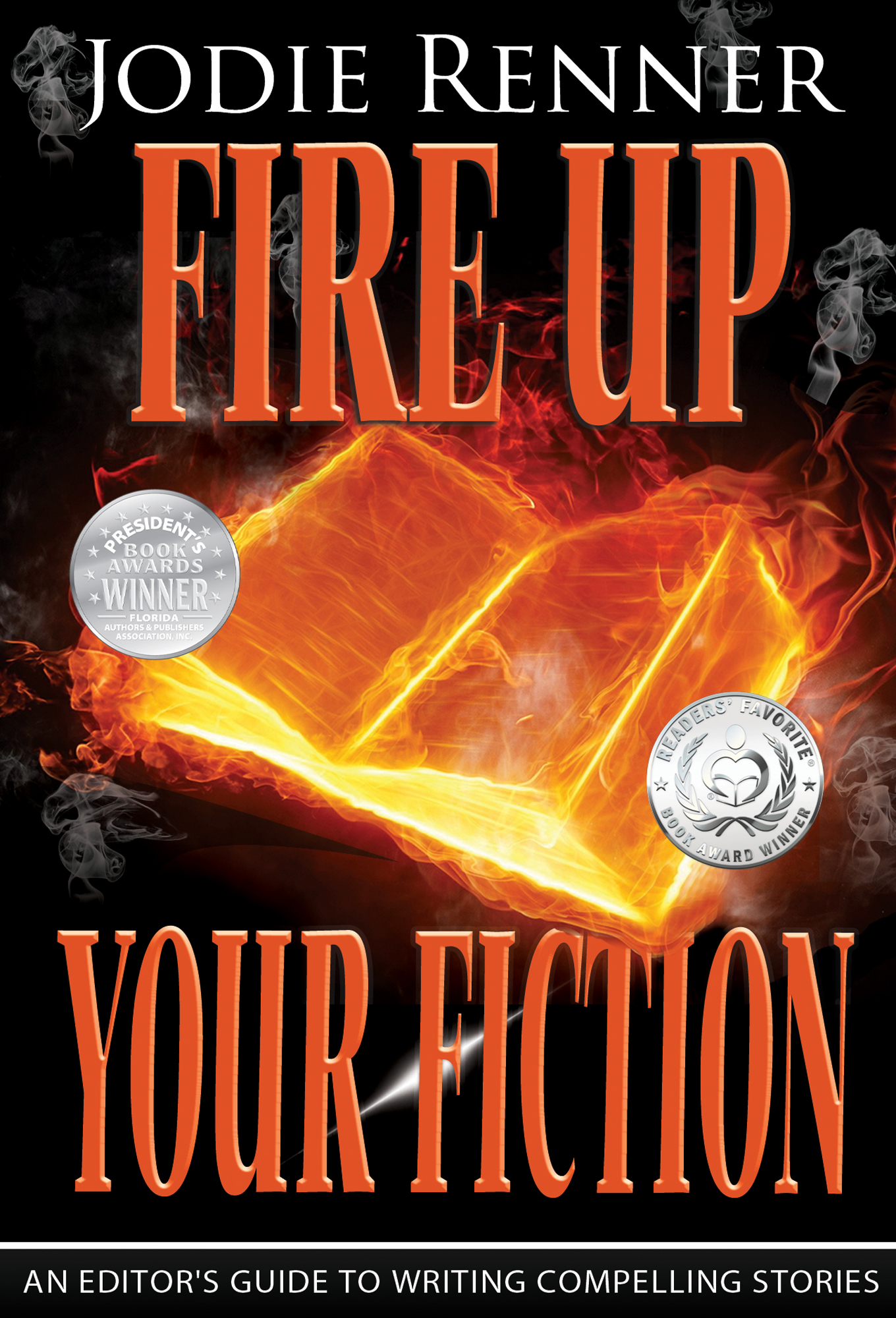
This indicates you likely need to roll up your sleeves and hone your writing skills. Read some writing guides (like those by James Scott Bell or my Captivate Your Readers, Fire up Your Fiction, or Writing a Killer Thriller). Also, read lots of highly rated published short stories, paying close attention to the writers’ techniques. Here’s where a critique group of experienced fiction writers or some savvy beta readers or a professional edit could help.

We didn’t get it.

This is likely a catch-all category that means the story didn’t work for a number of reasons. This could be an indicator to put this story aside and hone your craft, critically read other highly rated stories in your genre, then, using your new skills, craft a fresh story.

“While all of these criticisms open doors to further questions, we regret that we cannot be more constructive….”

That’s understandable. They just don’t have time to critique or mentor every writer who contacts them. But I hope my comments above help aspiring fiction writers hone your craft and get your stories published – or even win awards for them. Good luck! For tips on how to actually submit, check out “Writing Short Stories? Don’t Make These 4 Submission Mistakes“.

Fire up Your Fiction_ebook_2 silversJodie Renner is a freelance fiction editor and the award-winning author of three craft-of-writing guides in her series An Editor’s Guide to Writing Compelling Fiction: Captivate Your Readers, Fire up Your Fiction, and Writing a Killer Thriller. She has also published two clickable time-saving e-resources to date: Quick Clicks: Spelling List and Quick Clicks: Word Usage. You can find Jodie at www.JodieRenner.com, www.JodieRennerEditing.com, her blog, http://jodierennerediting.blogspot.com/, and on Facebook, Twitter, and Google+.