How Personal Do You Write?

Jordan Dane
@JordanDane

tmp_4087-TheLastVictim_highres-1601584079

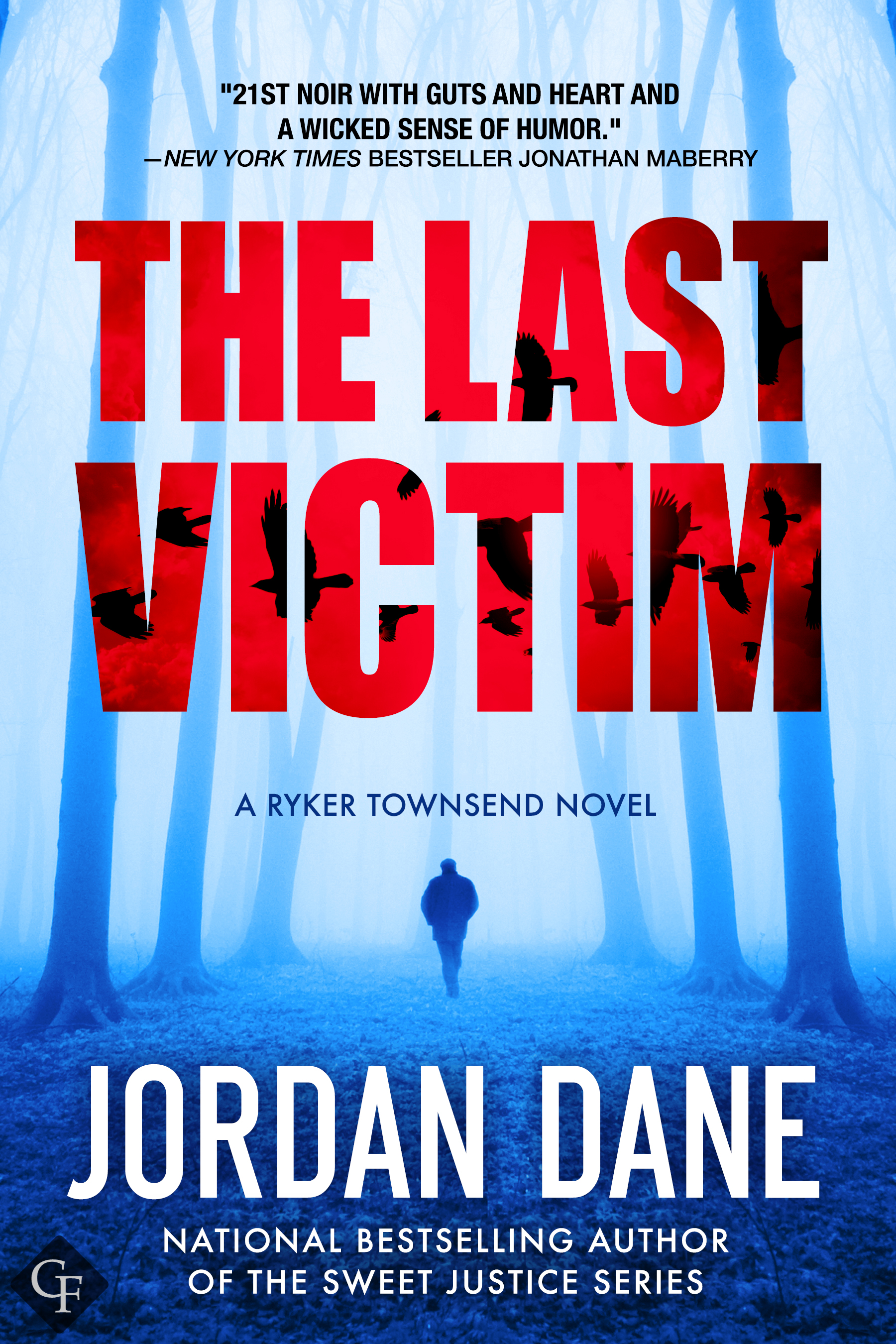
My latest release, THE LAST VICTIM, is a featured book for February 2016 on the Goodreads Psychological Thrillers Book Club. A great group. I’m honored. I’ve contributed a few ideas for discussion questions, submitted giveaways for those who participate in the discussion, but when it came to coming up with interesting tidbits about the book, I had fun remembering what I’d put into this one (and other books). The personal stuff keeps me entertained. It’s a big part of my passion for writing and my natural curiosity gets fed regularly, whether I use a factoid in a book or not.

Here are 5 Ways I keep it real:

1.) Walk the Streets with Yellow Man – If I use a place in my fiction book that criminal activity happens, I tend to make up a name, but maybe model it after a real place, if it fits. But when I can mention a real place, anyone from that city might think I lived there or my use of real places might make them feel like my characters are walking the streets of their hometown. In my latest novel, I used a real restaurant in Seattle called Palace Kitchen. I researched how the place looked outside and picked real items from their menu to use in the book. (Someone please invent a scratch and sniff app to properly research menu items. STAT)

Have you ever wanted to “walk the streets” of a town if you can’t afford to go there? Try using Google maps and look for the little yellow man icon. You click and drag him to where you want to go and let him do the walking for you. You have 360 degree views. I’ve walked the ugly streets of some big cities to find the creepiest places to kill people. Try it. (Not the killing part. The yellow man click and drag part.)

2.) YouTube & Vimeo Put You There – I’ve been researching sniper training. I’ll get a weapons guy to help fine tune the details, but YouTube or Vimeo is a good place to start. In one of my YA novels, ON A DARK WING, I watched videos of the many climbers who tackled Mount Denali in Alaska. I had a friend who climbed the mountain more than once, but you never know what choice morsels you can find from someone’s video while they are “in the trenches.”

3.) No One is Safe – In THE LAST VICTIM, I added my nephew and made him an Alaska State Trooper. Almost all of my books have relatives hidden in their pages. I don’t warn them ahead of time, but they crack up when they see their names or familiar habits in print. Some might be only a voice on a recorded message or another might be a detective walking the streets looking for hookers.

4.) Pets Are Fair Game – In my last book, I added my rescue dog Sancho and my yellow tabby Pinot Grigio (RIP little man). Since I’m writing a work of fiction, I can make them smarter than they are, have them catch a Frisbee, or flash their furry butts in indignation.

5.) Bleed on the Page – In the novella I just finished, I explored grief through my character, Rafael Matero in HOT TARGET, my Omega Team novella series that will launch under Amazon Kindle Worlds February 18th. I lost someone very special to me in 2014 and it ripped my heart out. I’ve only just started back to writing with this Omega series, so I had to bleed on the page with my experiences. It makes this book very personal for me. I struggled for every word and every image to make it feel real. It’s given me a measure of peace and has become my first step toward a new future. I’m so glad I wrote this book. It will always be special to me for that reason.

On the lighter side, I am researching funny military slang or phrases that my former Navy SEAL, Sam Rafferty, might use in my Omega Team Book #2 – TOUGH TARGET, coming out in May 2016. (The third novella in the series will be out in July 2016.) My older brother had a long career with the Air Force and he’s still involved as a contractor for the military. It’s been fun picking his brain, especially with his humor. The more I infuse some handpicked phrases, the more this character is coming alive in my mind for this series. There are plenty of online resources, but the slang or phrases that are the funniest come from the comments written below the posts on slang.

For Discussion:
1.) If you know any fun military slang or phrases, please share them or any links you think would help. (I’ve adapted some of these phrases or slang into my dialogue with Sam Rafferty and it’s been a blast.)

2.) Share some examples how you make your writing personal. I’d love to hear.
HotTarget (3)

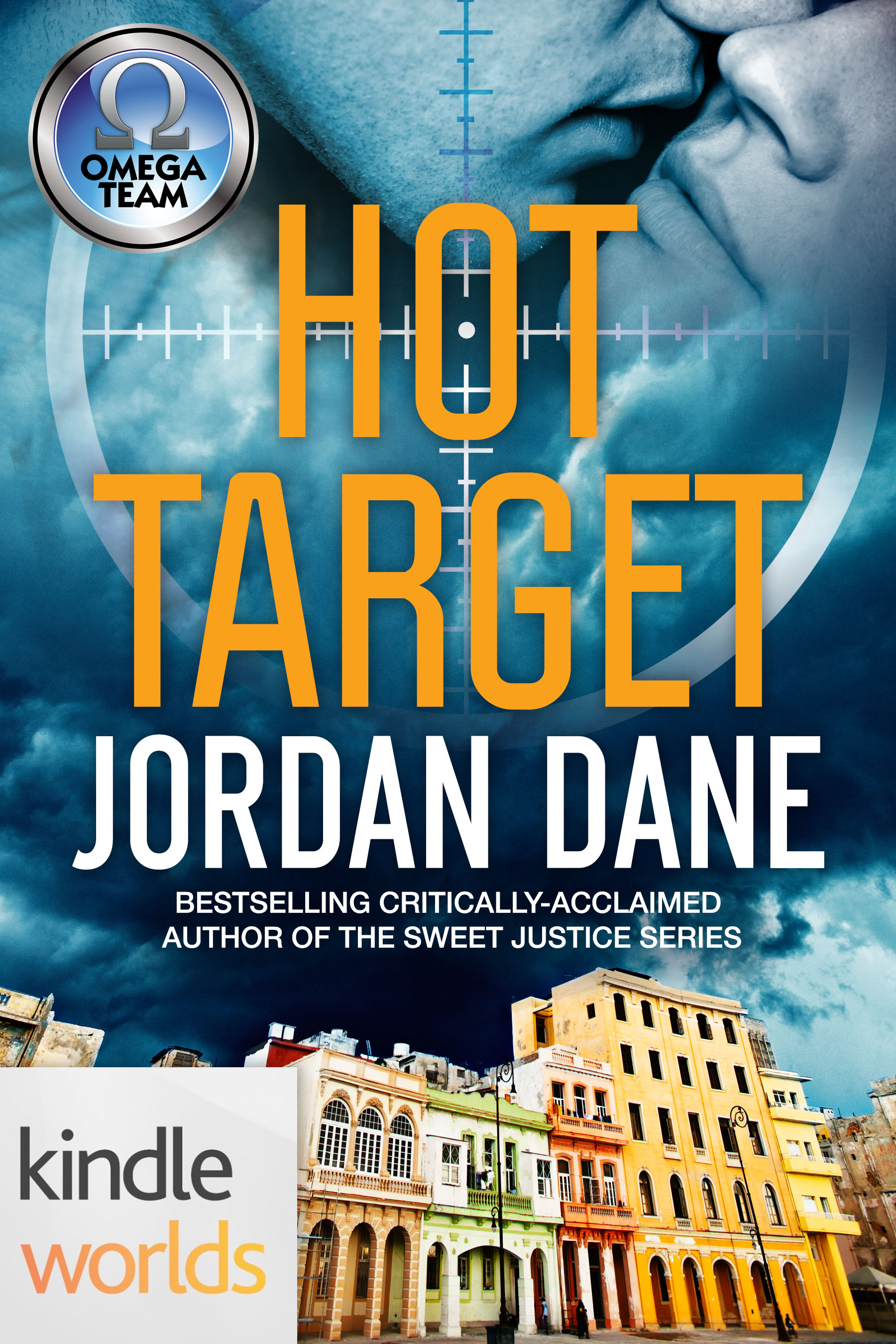
HOT TARGET – An Omega Team novella series, created by Desiree Holt for Amazon Kindle Worlds, coming February 18.

When Rafael reaches out to his sister for a job, Athena Matero—a founding member of the private security agency the Omega Team—can’t help be protective of her younger half brother. After the brutal murders of his wife and baby girl, Rafael Matero turned into a solitary loner, only surfacing to fulfill his duties as team leader for an elite SWAT sniper unit with the Chicago Police. Athena decides to fast track his application by vetting him on the job—a mission to Havana Cuba to investigate a cold case murder.

But when the old murder is linked to the shadowy death of a powerful drug cartel leader, Rafael is burdened by a terrible secret from his past—and an unrelenting death wish—that puts him at dangerous odds with Athena and her team. He believes he’s beyond saving, but that doesn’t stop Jacquie Lyles from trying.

Jacquie sees something in Athena’s mysterious brother that touches her heart. Chivalrous and brave, Rafael is as rare as a unicorn in her life as techno computer geek and white hat hacker for the Omega Team. After she joins the team on its mission to Cuba, she uncovers Rafael’s shocking burden and it breaks her heart.

Rafael stands in the crosshairs of a vicious drug cartel—powerless to stop his fate—and his secret could put Athena and her team in the middle of a drug war.
Editing Tips for the Indie Author

By Joe Moore
@JoeMoore_writer

Back in the days of legacy publishers ruling the world, getting a contract meant that your book would be edited by staff editors. First by the acquisition editor, then the copy/line editors and maybe additional content editors. It was mostly out of your hands. A lot has changed with the wave of indie publishing. Writers that can afford it can hire a freelance editor—there are many available. A simple Google search will reveal numerous sources. Most indie writers with a limited budget take on the task themselves. The last thing you want is to self-publish your masterpiece if it’s filled with mistakes. To make it as good as it can be, I’ve listed a collection of DIY tips on editing your own manuscript.

There are a number of stages in the editing process. Starting with the completion of your final draft, they involve reading and re-reading the entire manuscript many times over and making numerous changes during the process. It’s in this phase that you need to make sure your plot is seamless, your story is on track, your character development is consistent, and you didn’t leave out some major point of importance that could confuse the reader. At this stage, you’re taking the job of the content editor, so you must pay close attention to content. Does the story have a beginning, middle and end? Does it make sense? Is the flow of the story smooth and liquid? Do your scene and chapter transitions work? Is everything resolved at the end?

Next, check for clarity. Legacy publishers employ professional proofreaders. In your case, this is where beta readers come in handy. If it’s not clear to them, it won’t be clear to others. Don’t assume that everyone knows what you know or understands what you understand. Make it clear what’s going on in your story. Suspense cannot be created by confusing the reader.

Once you’ve finished this first pass searching for global plotting problems, it’s time to move on to the nuts and bolts of editing. Here you must tighten up your work by deleting all the extra words that don’t add to the reading experience or contribute to the story. Remember that every word counts. If a word doesn’t move the plot forward or help develop the characters, it should be deleted.

Some of the words that can be edited out are superfluous qualifiers such as “very” and “really.” This is always an area where less is more. For instance, you might describe a woman as being beautiful or being very beautiful. But when you think about it, what’s the difference? If she’s already beautiful, a word that is considered a definitive description, how can she exceed beautiful to become very beautiful? She can’t. So I suggest you search for and delete instances of “very” or “really”. They add nothing to your writing.

Next, scrutinize any word that ends in “ly”. Chances are, most adverbs can be deleted without changing the meaning of the sentence or your thoughts. In most cases, cutting them clarifies and makes your writing crisper.

After that, go hunting for clichés and overused phrases. There’s an old saying that if it comes easy, it’s probably a cliché. Avoiding clichés makes for fresher writing. There’s another saying that the only person allowed to use a cliché is the first one to use it.

Overused phrases are often found at the beginning of a sentence with words like “suddenly,” “so” and “now”. I find myself guilty of doing this, but they don’t add anything of value to my writing or yours. Get rid of them.

The next type of editing is called line editing. Line editing covers grammar and punctuation. Watch for incorrect use of the apostrophe, hyphen, dash and semicolon. Did you end all your character’s dialogs with a closed quote? Did you forget to use a question mark at the end of a question?

This also covers making sure you used the right word. Relying on your word processor’s spell checker can be dangerous since it won’t alert you to wrong words when they are spelled correctly. It takes a sharp eye to catch these types of mistakes. Once you’ve gone through your manuscript and performed a line edit, have someone else check it behind you. A fresh set of eyes never hurts.

On-the-fly cut and paste editing while you were working on your first draft can get you into trouble if you weren’t paying attention. Leftover words and phrases from a previous edit or version can still be lurking around, and because all the words might be spelled correctly or the punctuation might be correct, you’ll only catch the mistake by paying close attention during the line edit phase.

The many stages of editing are a vital part of the writing process. Editing your manuscript should not be rushed or taken for granted. Familiarity breeds mistakes—you’ve read that page or chapter so many times that your eyes skim over it. And yet, there could be a mistake that you’ve missed every time because you’re bored with the old stuff and anxious to review the new.

Read your manuscript out loud, or better yet, have someone else read it to you. Mistakes and poor writing will become obvious.

Spend the time needed to tighten and clarify your writing until there is not one ounce of fat or bloat. And once you’ve finished the entire editing process, put the manuscript away for a period of time. Let it rest for a week or even a month if your schedule permits while you work on something else. Remember that indie publishing means that you set the deadline and pub date. Then bring it back out into the light of day and make one more pass. You’ll be surprised at what you missed.

One more piece of advice. Edit on hardcopy, not on your monitor. There’s something about dots of ink on the printed page that is much less forgiving than the glow of pixels. Remember, less is always more.

Any other editing tips?

I Was Wrong…You DO
Need To Write Every Day

Writing a novel is gathering smoke. It’s an excursion into the ether of ideas. There’s no time to waste. – Walter Mosley

By PJ Parrish

I don’t make New Year’s resolutions. Too much pressure heading into February, a month that’s usually so dismal that they limited it to twenty-eight days. But this year, I relented.
I made a vow to myself to change my evil ways. This is not easy to do when you have a Medicare card in your wallet.

I made a vow to write every day.

And I owe it all to Walter.

Now, if you’ve read my posts here, you’ve heard me try to defend the idea that you don’t have to write every day, that you can get away with taking a day or week — or even a year off — and still be successful.

Who was I kidding?

Maybe it’s because the older I get the harder the writing is coming. Maybe it’s because -– and I so want to believe this – that you don’t ossify as you age but stay open to new ways of running your life. But I have reformed. I now work every day on writing. And here is the thing that changed my thinking.

Every January, I start working on the Edgar Awards banquet. Kelly and I have chaired this event for ten years now for Mystery Writers and we love doing it, mainly because as our reward for volunteering, we get to mingle with some of the best in our business every April in New York. I’ve got to meet Stephen King, Donald Westlake, Sara Paretsky, James Ellroy, Robert Crais, Ken Follett, and countless other writers who’ve been nominated or won the Edgars. You don’t breathe the same air as the Grand Masters without coming away with a few insights.

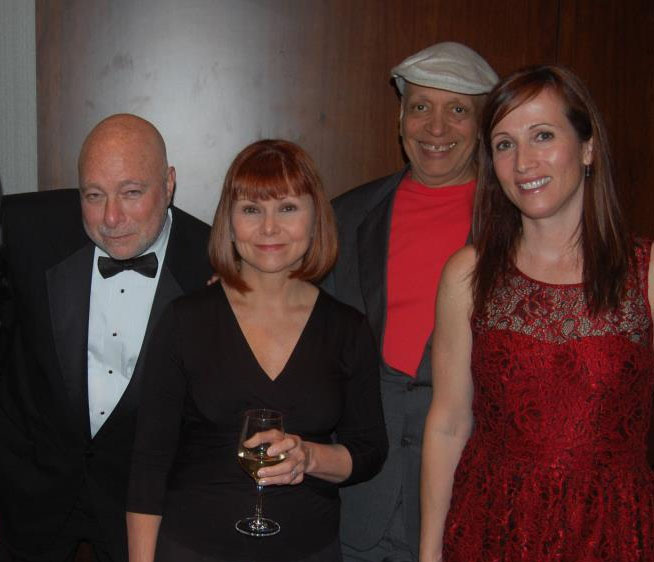
At 2014 Edgars with Reed Farrel Coleman, Jess Lourey and Walter Mosley

At 2014 Edgars with Reed Farrel Coleman, Jess Lourey and Walter Mosley

This year, the MWA Grand Master is Walter Mosley. I’ve been a fan of his books for years, and got to finally meet him two years ago when his book All I Did Was Shoot My Man was nominated for Best Novel. I also had the honor to be on an Edgar Symposium with him on the future of the PI, and he was very kind to this starry-eyed acolyte. As part of my chair duties, I have to help Kelly prepare his video tribute, so this month I’ve been researching everything he has to say on the subject of writing.

mosley

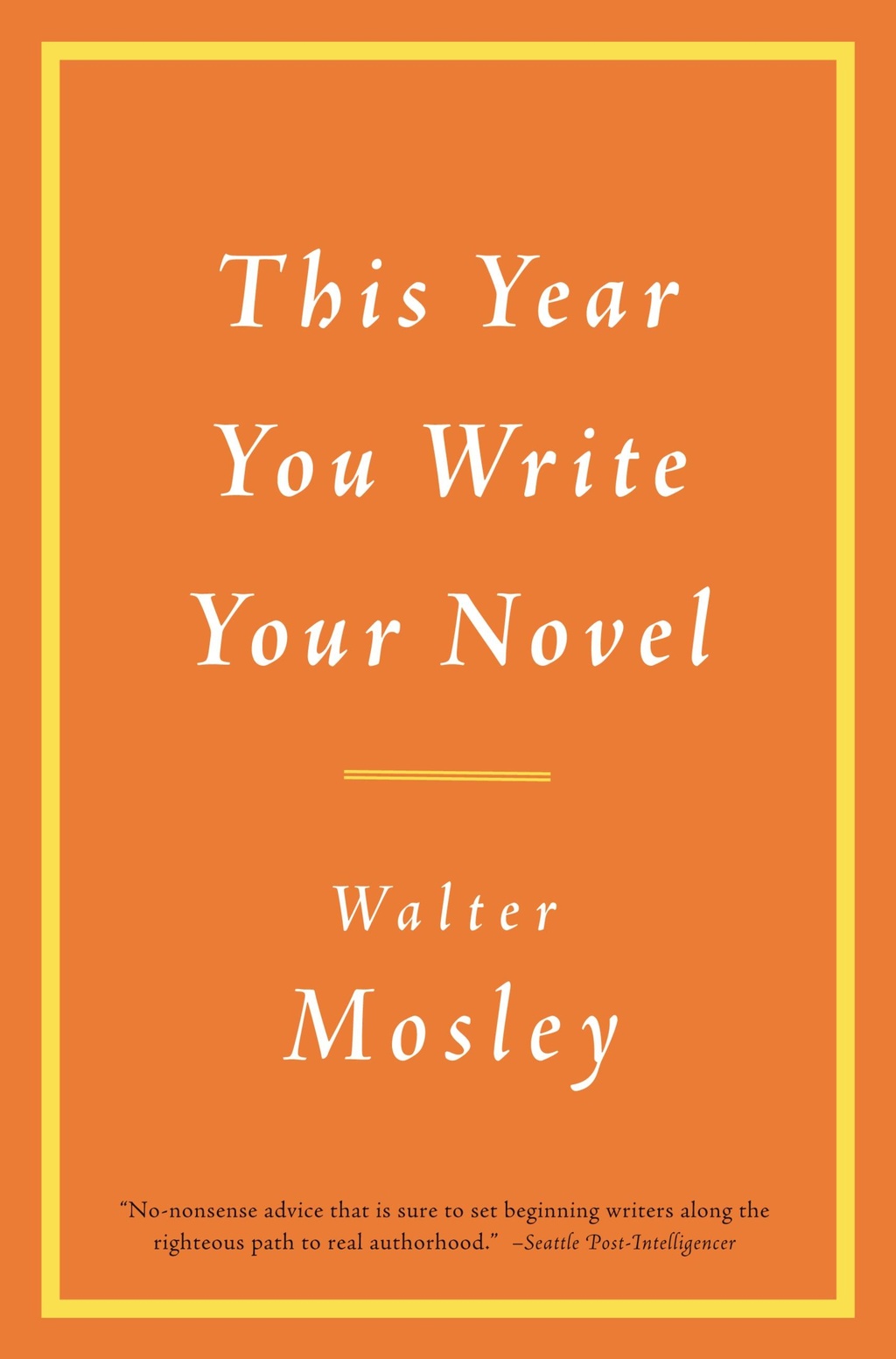
He’s got some great advice. Some of it comes in his 2009 book, This Is the Year You Write Your Novel. But the best stuff can be found in his videos. And it all boils down to his one credo – you must write every day.

Sure, I’ve heard this before, often from my long suffering co-author Kelly. We all have heard this before. But here is what finally made me realize I had to change:

“Writing is almost a place of dreams for me.”

That is Mosley talking about the subconscious. He goes on to talk about how the act of creating fiction necessitates that the writer enter a dream world and inhabit it fully. Not just visit whenever the kids are quiet and the dishes are done. Not just swing by for a quickie when the husband is off playing poker. And not just deign to show up if you feel like it.
If you want a reader to live in the world you create, you the writer can’t just rent that space. You have to own it.

Mosley believes that only through daily contact with your novel can you maintain the subconscious threads that will keep it alive. The constancy of entering that fictional world every day will force not just the process along (Yea! I just wrote THE END!) but will engender a richness and authenticity in your fictional universe that you won’t otherwise achieve.

I used to go days without writing then burn myself out writing in furious 12-hour sprints. I thought it was working, but what I didn’t realize was that in those days I was away, my characters’s voices were dimming to whispers, my settings were fading like old pastels, and my plot was drifting off into the blackest bayous.

Here’s how Mosley describes this stasis:

The first thing you have to know about writing is that it is something you must do every day. There are two reasons for this rule: Getting the work done and connecting to the unconscious mind. The process of writing a novel is like taking a journey by boat. You have to continuously set yourself on course. If you get distracted or allow yourself to drift, you will never make it to the destination. It’s not like highly defined train tracks or a highway; this is a path that you are creating discovering. The journey is your narrative. Keep to it and a tale will be told. Nothing we create is art at first. It’s simply a collection of notions that may never be understood. Returning every day thickens the atmosphere. Images appear. Connections are made. But even these clearer notions will fade if you stay away more than a day.

“Thickens the atmosphere.” God, I love that.

Now I am no angel. Decades of procrastination die hard. Sometimes old dogs can’t hear the call for new tricks, let alone do them. You guys undoubtedly have your own ideas on how to keep a daily pace and I’d love to hear them. Here are some of the things I do to force myself to return each day to my fictional world.

Just open the book

Sometimes just seeing your work on the screen gives you a jolt of confidence. Read that word count ticker-thing down in the left corner. Wow…I’ve made it to 43,034 words? Next thing you know, it’s an hour later and you’re up to 43,306.

Read yesterday’s work

Okay, your brain is bone-dry and you can’t face that sucky chapter 12. Open the damn file anyway. Do some rewriting. Even if you ignore sucky chapter 12 and go back and repave a pothole in chapter 6. Just the act of setting foot back in the fictional world will get you moving again. Or, as Mosley puts it:


One day you might read over what you’ve done and think about it. You pick up the pencil or turn on the computer, but no new words come. That’s fine. Sometimes you can’t go further. Correct a misspelling, reread a perplexing paragraph, and then let it go. You have re-entered the dream of the work, and that’s enough to keep the story alive for another 24 hours. The next day you might write for hours; there’s no way to tell. The goal is not a number of words or hours spent writing. All you need to do is to keep your heart and mind open to the work.


Do Some Research

I know, I know…this is a siren call. But I have found this works wonders for me as a pump-primer. My WIP is about two unrelated cases: the discovery of two boys’s remains found in a box in an abandoned copper mine in Michigan’s U.P. and the murder, decades later, of a mega-church pastor hundreds of miles downstate. Stuck on a plot, I started researching religious ephemera about saints and discovered St. John Bosco – patron saint of lost boys. Bingo…the plot thickened. But don’t let research become a detour. Here’s Mosley on that:

There will be moments when you will want to dally over details. Do Georgia geese fly south in April or June? Is it physically possible for Bob Millar to hear the cult leader yelling from a mile away — even in a desert? Would the police arrest Trip if the women were allowed into the bar and were served by the owner? All of these questions are valid. Before the book gets into print, you should have the answers. But many writers allow questions like these to help them procrastinate. They tell themselves that they can’t go on until these questions are answered. Nonsense. Put a red question mark next to the place where you have questions and get back to it later.


Go for a  walk

Yesterday, I was working on a chapter where my hero Louis goes to the house of the dead pastor, after the place has been cleared by cops, just to see what vibes he can pick up on. My first draft was listless, filled with drab description. So I went to Google Street View, walked around Grand Rapids Michigan for an hour, and happened upon this house on Lake Reed. It was a modest clapboard Cape Cod cottage but it was dwarfed by the McMansions around it. Suddenly, I knew not just where the pastor lived – but how. The chapter now has a purpose, the scene has verisimilitude — and I have momentum. This technique worked for me best in our thriller The Killing Song, which is set in Paris. I had been to Paris ten times before writing it but I had never set foot in the city’s northern immigrant neighborhoods. A Street View tour of the shadowed streets of the 18th arrondisement gave me the insights I needed.


Write something else
Which is what I am doing right now. I am a daily runner, have been doing it for two decades now. But as I get older, my body is starting to object, so I make do with a long walk. So it is with writing. When you can’t face the run of your novel, open the laptop and start a short story, write a poem, start a journal. Work on your outline, if you use them. Just stay in the realm of the imagination somehow. Mosley again:


The only thing that matters is that you write, write, write. It doesn’t have to be good writing. As a matter of fact, almost all first drafts are pretty bad. What matters is that you get words on the page or the screen — or into the tape recorder, if you work like that.


It is now Monday, almost three in the afternoon. On this laptop, on an alternate screen, sits my work in progress. I haven’t touched it yet, haven’t even looked at it. But at least I opened it. So, if you’ll excuse me, I have somewhere to go now.


Thank you, Walter. You can have the last word:


How can I create when I have to go to work, cook my dinner, remember what I did wrong to the people who have stopped calling? And even if I do find a moment here and there — a weekend away in the mountains, say — how can I say everything I need to say before the world comes crashing back with all of its sirens and shouts and television shows? “I know I have a novel in me,” I often hear people say. “But how can I get it out?” The answer is, always is, every day.

What’s your Mindset?

by Clare Langley-Hawthorne

On Friday night I heard a great presentation from our school district’s differentiation coach about fixed versus growth mindset and how research into this relates to how our children learn and succeed at school. Although I haven’t read the work by Carol Dweck (who pioneered much of this research) I was intrigued enough to watch her in a TED speech online (click to see here) and to place her book ‘Mindset, the New Psychology of Success’ on hold at our local library. Initially the concept of a fixed versus growth mindset didn’t seem all the radical, but when I thought a little more closely I realized it highlights many of ‘mindset’ issues we face as writers.

A fixed mindset is one which regards intelligence, talent or ability as static and innate – meaning we are either intelligent, smart, good at creative writing or we aren’t (and I guess if we aren’t we just have to accept our fate!). Scientific research over the last few decades reveals, however,  that our brains are much more flexible and fluid than that and, like any muscle, the more we use it, the stronger it gets.

At some time in our lives, I’m sure many of us have been caught within the fixed mindset trap (“I’m not good at math”; “I’m a hopeless athlete…”), or may have  had a fixed mindset imposed on us by our teachers or our peers  (“You can’t write!”; “You’ll never be able to do that!” ). Research shows that children start out in kindergarten believing they can do anything (just think of how many of us wanted to be astronauts!) but as we mature, many of us shift from a growth mindset to a fixed one. At that point we no longer want to face the possibility of failure and remain firmly entrenched in our ‘comfort zone’ of abilities.

Someone with a fixed mindset will most likely avoid challenges; give up easily; ignore feedback and feel threatened by other people’s success. Unfortunately, writing is by its very nature an ongoing challenge that more often than not results in failure – writers face a constant learning curve, which (I would argue at least) requires us to move to a growth mindset in order to succeed (or at least not go insane!)

Someone with a growth mindset embraces challenges, gives everything their best shot, learns from feedback and is inspired by others’ success. More importantly, they accept failure as a necessary part of the growth process (an admittedly difficult lesson for any of us to learn).

As both a writer and a parent, I got a great deal out of Friday’s presentation.  It made me think more closely about my own mindset and whether it was fixed or growth focused when it came to my writing, and how I can embrace  the challenges as well as the failures as I continue to grow as a writer.

So TKZers, how would you categorize your mindset when it comes to your writing?

Who Are You Trying To Delight?

by James Scott Bell
@jamesscottbell

When my daughter turned eight my wife and I decided to throw her a major birthday party.

This was back in that window of time when laserdiscs were all the rage. Man, I loved those laserdiscs! The Criterion Collection, the great covers. Oh, how relentless is technological change. Now I stream TCM on my phone.

In any event, there was a video/laserdisc store near our home which had a small theater in the back. You could rent that place out for parties and the like. so that’s what we did. We invited five or six of my daughter’s best friends, ordered pizza and candy and popcorn and a cake. Our daughter was excited about the party of the year.

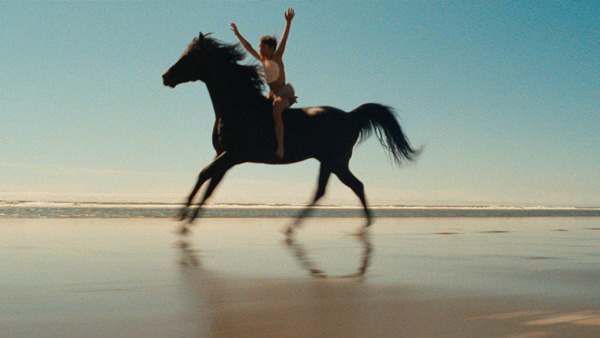
But what movie to show? My wife and I discussed this, and I practically insisted we show the Carroll Ballard film, The Black Stallion. I mean, come on. It had horses! Little girls love horses!

The party began.

Before the main feature, the proprietor of the store played a music video hawking the film The Addams Family. It featured MC Hammer before he was simply Hammer, and it was a hit. The girls stood up and danced around and laughed.

I sat back with a satisfied smile. Champion Dad, that was me!

And then came The Black Stallion. It’s truly one of my favorite movies of that era. Magnificently shot, wonderfully acted.

Dem-3 Photo. Helene Jeanbrau © 1996 cine-tamaris.tifBut also lyrically deliberate (translation: leisurely. Slang: slow). And, as I soon found out, not the right movie for sugar-buzzed eight-year-old girls who had just been bouncing up and down to the moves and music of MC Hammer.

It was only about twenty minutes into the film when the first stirrings of boredom began to vibrate. Girls started chatting with each other. Some went to the bathroom and took their sweet time coming back. My daughter’s eyes pleaded with me to do something.

Eventually I stopped the film and we got the owner to put on some cartoons. Then we moved on to cake and presents. Party saved!

But what had gone wrong? Something very simple. I had chosen a film that delighted me, that I thought everybody should like, especially a group of girls. But it was not a movie that delighted them. It was the wrong movie for the age group and occasion, which was a raucous get-together to celebrate a birthday and make some noise. They wanted to have fun and laugh.

In short, I failed to appreciate the needs of the audience.

Which is a mistake we dare not commit as writers. May I suggest the following principles be put in your mental lock box?

  1. Your value as a professional writer is directly proportional to your value to readers.

If you want to write what you want to write and don’t particularly care who reads you, that’s fine. You can be the local Starbucks laptop jockey. But if you are in this to be a pro, you must give thought to your readers. What are they looking for? Well …

  1. The overwhelming majority of readers want to be lost in a story in a dreamlike way.

Which means you have to know how to weave those dreams. That is why we talk so much about the craft here at TKZ. To do justice to readers means you take the time to figure out what they love and how to deliver it. You realize that all of us are wired to receive a story that has structure, involves characters we bond with, and creates unconscious delight in how it is told. That doesn’t happen by accident.

  1. You can challenge your readers, but don’t expect them to embrace your challenge.

It’s fine to write material that requires readers to expend mental effort. Art can be many things, and challenging is one of them. Just know that you can’t force readers to recognize your genius. And have the courage to ask yourself if you’ve crossed the border separating true artistic enterprise from self-indulgence.

  1. Don’t fall in love with your sentences

Beautiful words count for very little if there’s no story, no characters worth caring about, no real plot. There’s an old adage for writers that goes, “Kill your darlings.” Stephen King likes to quote it, and it’s attributed to a number of writers, like Faulkner and Oscar Wilde. But apparently it comes from a lecture on writing style delivered by Sir Arthur Quiller-Couch back in 1914. He was warning against “extraneous ornament” when he said:

If you here require a practical rule of me, I will present you with this: ‘Whenever you feel an impulse to perpetrate a piece of exceptionally fine writing, obey it—whole-heartedly—and delete it before sending your manuscript to press. Murder your darlings.

You may, if you wish, read the full lecture series here.

So there it is, friends. Throw a party for your readers and don’t force them to sift through what you think they ought to like. Delight them instead.

Flipping the Script by Joe Hartlaub


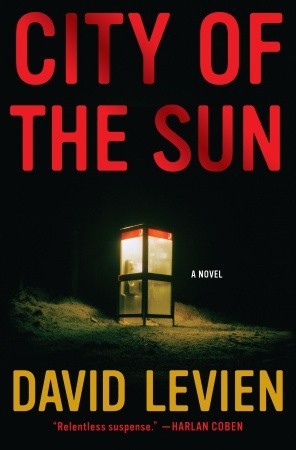
City of the sun


Happy 2016! I plan on having a successful one and hope that you do as well. Let me start the year off with an example of how we both might do that.

The tale concerns an author named David Levien. The name might not mean anything to you. His work will. David co-wrote the screenplays for the films Ocean’s Thirteen and Runaway Jury, as well as the less known but nonetheless riveting Rounders. He also is the author of a series of novels — a series which I hope and pray will continue — about a troubled ex-cop named Frank Behr who works as a private investigator in Indianapolis. The books in the Behr series — City of the Sun, Where the Dead Lay, 13 Million Dollar Pop (also known as The Contract), and Signature Kill, are full of rough streets, dark alleys, and grim characters with nothing to lose. They are each and all critically acclaimed, but have not had the commercial success to match.

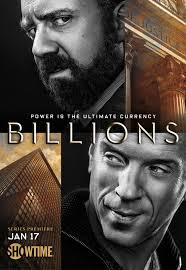
billions

That may change, and very shortly. Levien has in a way flipped the script with his latest project, one which has garnered a great number of well-deserved pre-release accolades.  It is a series for Showtime called Billions, and it premieres tomorrow, Sunday, January 17, 2016, though you can find the first episode online if you know where to look. Billions contains no Indianapolis, no alleys, no fisticuffs, no guys with nothing left to lose. We instead get New York and high rises, raised voices but no violence (other than that between consenting adults), and guys with everything to lose.  Billions, you see, is about winning. It pits a driven, obsessive U.S. Attorney named Chuck Rhoades against a likable hedge fund billionaire named Bobby “Axe” Axelrod. Rhoades has an enviable win record in bringing down successful Wall Street brokers and traders because, in his own words, he only prosecutes cases that he can win. Rhoades believes that Axelrod’s success is the result of insider trading. Axelrod will tell you — and he does — that he simply reads the market better than anyone else. Who is right will be played out, no doubt, over the course of the series, which gets rolling over the purchase of a house. Is it a seventy-eight room house that costs fifty-eight million dollars, or a fifty-eight room house that costs…well, things get rolling because of the purchase of a house. Frank Behr can barely make the nut on his apartment every month. As I said, Levien, with his co-creators, has flipped the script. And with that, came up with what may well be the best line of dialogue I’ve heard in years, if not a decade or two. Watch the first episode of Billions. It will jump out at you. It might also encourage you to read one or more of those Frank Behr books, which are very different from their brother Billions but are just as well-written.

What does this mean for you? And for me? Just this: try flipping your script once in awhile. If you’re writing a cop story, try your hand at a romance or science fiction. And vice-versa. I had a guy pitch a novel to me yesterday that was so different from what he’s been doing, and yet so unique and original, that I was left silent. For a whole ten fifteen seconds. That’s a new record. Anyway, give it a shot. You might not get a series on Showtime or Netflix or even Starz, but you might surprise yourself. And maybe even the world.
Can you think of an author who changed genres or styles for better or worse, for one project or more? I’ve got a couple. One is John Jakes, who wrote science fiction novels without success but wrote a series of best-selling historical novels which, among other things, were adapted for television. I can’t read Misery by Stephen King without thinking of Jakes. That’s the better. For the worse: Samuel R. Delany, a highly respected, critically acclaimed and commercially successful science-fiction author who felt compelled to write, among other things, pornography. That’s his description. I would agree. Yikes. NSFO, or anywhere else. Anyway, can you think of anyone? Have you tried the flip? And do you plan to watch Billions?

Reader Friday: Your Favorite Commercial

Some of the best writing and acting can be found in commercials, going back to when the legendary Stan Freberg brought comedy to advertising. My current favorite is the Geico commercial with Peter Pan. What an inventive scenario to go with their “That’s what you do” campaign. What’s your favorite commercial?

Hello Darkness, My Old Friend

darknessBy Elaine Viets

After 15 years of writing cozy and traditional mysteries, I‛m back writing hard-boiled, forensic novels. I‛ve signed a two-book deal with Thomas & Mercer for the new, darker Angela Richman mysteries.
Angela is a death investigator in mythical Chouteau Country, Missouri, stronghold of the overprivileged and the people who serve them. Brain Storm, the first mystery in the new death investigator series, will debut at Thriller Fest this July.
The death investigator mysteries aren‛t too gory – not like Patricia Cornwell‛s “I boiled my dead boyfriend‛s head.” This series is more like the TV show Forensic Files, without the commercials.
I‛ve come home.
My first series, the Francesca Vierling newspaper mysteries, was hardboiled. When Random House bought Dell and wiped out that division, I switched to the traditional Dead-End Job mysteries, featuring Helen Hawthorne. The Art of Murder, the 15th novel in the series, will be published this May.ArtofMurder_revised(2)

I also wrote ten cozy Josie Marcus, Mystery Shopper mysteries.
I love both series, but wanted to write dark mysteries again. But I didn‛t want to do another police procedural or a private eye with a dead wife or a drinking problem.

Other writers had done those and done them well.
But death investigators were a profession many readers didn‛t know about. Janet Rudolph, founder of Mystery Readers International, agreed. She believes Angela Richman is the only death investigator series.

arch-921453__180
Last January, I passed the MedicoLegal Death Investigators Training Course for forensic professionals at St. Louis University. I wanted the training – and the contacts – to make the new series accurate.
Now that I‛m writing dark again, my writing has changed. Here‛s what happens when I jumped from cozies to hard-boiled:
My characters can cuss. Angela Richman‛s best friend and colleague is Katie, Chouteau County assistant medical examiner Dr. Katherine Kelly Stern. Pathologists tend to be eccentric, and Katie is based on a real pathologist who‛d perfected the art of swearing. Her profanity was a mood indicator. I could tell how angry she was by whether she used “fricking,” “freaking,” or the ultimate F-bomb and how often she employed these and other cuss words. Oddly enough, when she swore, the words didn‛t sound offensive.
Katie cusses with style and grace in Brain Storm. 51aGmux%2BaXL._SY355_

Body counts. In cozy and traditional mysteries, the murders take place offstage. In the new death investigator series, readers aren‛t forced to take a blood bath, but they will see crime scenes and forensic procedures. They‛ll get a firsthand look at the sights, sounds, even the smells of death.81AGOsdOSnL._SX425_
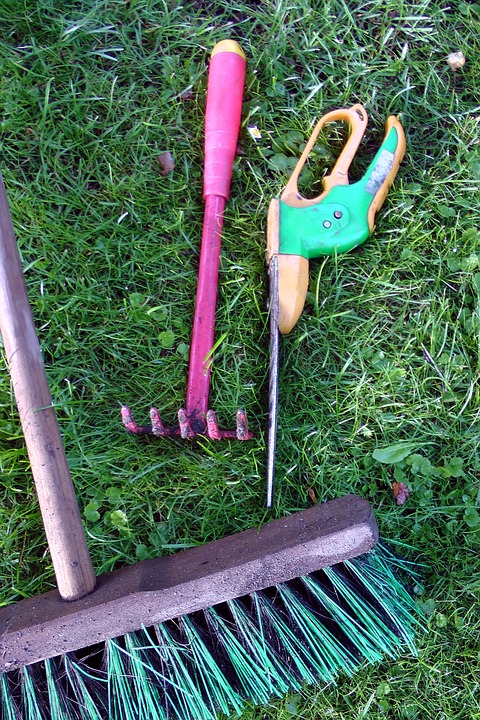
Real weapons. In cozy mysteries, when Josie Marcus battles killers, she resorts to “domestic violence,” using kitchen tools, gardening equipment, and whatever she can grab for weapons.gardening
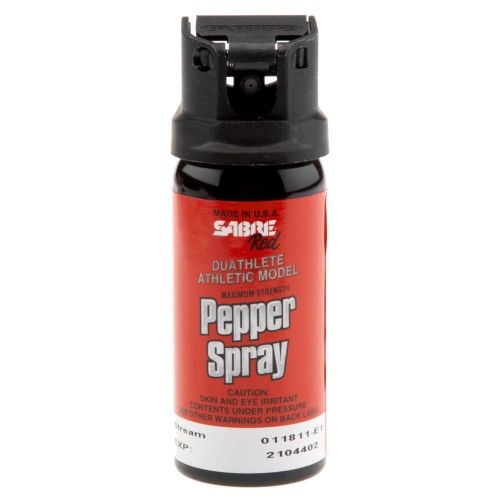
Helen Hawthorne in the Dead-End Job mysteries is a little bolder. She‛s armed with pepper spray to take down killers, though in Checked Out she did get sprayed with her own weapon.Pepperspray
In Brain Storm, when Angela confronted the killer, she was in an office, surrounded by the standard supplies: waste baskets, chairs, coffee mugs, letter openers.

startup-photos-large I was prepared to have Angela grab one, when it dawned on me: Wait! This isn‛t a cozy.
You can use firepower.
So Angela shot the killer in the head. It felt so good.

The Other Side of the Desk

When the folks at The Kill Zone asked me to join their blog, I hesitated.

Not because this isn’t a wonderful blog. In fact, I think it’s one of the best going and I’ve long been a fan.

But after several years of not blogging, and several years before that writing posts for my own blog and for Murderati, I wondered if a) I was up to the task; and/or b) I had anything worthwhile to contribute.

I guess that’ll be up to you to judge.

For most of my life I’ve wanted to be a professional writer and have succeeded in that goal in a number of ways. I’ve been published in magazines, I’ve sold screenplays, I’ve written for animated TV shows (with the distinction of writing several episodes of what is probably the least popular of all the Spider-Man incarnations), I’ve published books with St. Martin’s Press, Penguin, Amazon, written under pen names for other publishers, including Harlequin, have had books published in several countries, and I’ve even won and been nominated for a couple of awards.

Yes, I’m very tired. And old.

In 2012, after finishing a big project for one of the Big Six, I decided to say goodbye to the “traditional” publishing world and go indie. And I’m convinced that this decision (along with my buddy Brett Battles’s decision to leave Random House) was one of the underlying factors that led to Random Penguin, or whatever they call themselves. They obviously had to join forces in order to compensate for the loss of their two best authors…

No, really.

But I don’t regret the decision to go indie. I’m very happy I took that leap and so is my accountant. So it will probably come as no surprise to you that I’m a strong advocate for the DIY approach.

In 2015, however, I went a little crazy and took DIY to new heights and decided to start my own independent publishing company, which has been an interesting and educational experience so far. In the process, I wound up on the other side of the desk, taking in work from other writers and finding myself in the unenviable position of editor.

I say unenviable because editing a book is hard friggin’ work. Harder in some ways than writing the book yourself.

file1461250298916-underwearI have no idea what kind of writer you are, but I can certainly tell you what kind of writer I am. When I turn in my “first” draft to a publisher, I make sure that draft is as clean as a brand new pair of underwear.

Why underwear?

Because my mother used to tell me not to leave the house with holes in my skivvies in case I got into an accident and embarrassed myself at the E.R. Why that would be of any concern to me is a question I never thought to ask her, but you get the point (at least I hope you do).

And if you don’t, the point is this:

Back when I was publishing traditionally, I made sure my drafts were so clean that if I were to drop dead the next day, I wouldn’t be embarrassed by a story full of clunky prose and plot holes and half-baked dialogue.

I’ve always known, in theory, that not all writers are as crazy as I am. And after working with several now, I’ve learned first hand that some will turn in a draft that barely needs to be touched, while others look at the editorial process as a form of collaboration. A way to hone character, plot, story and structure with the guidance of their editor.

Neither way is right or wrong, but working with manuscripts in varying states of completion has taught me a lot about how others work, and has certainly cemented my long-held belief that there is no “single” way of writing a book. That every author must approach the task in a way that makes them feel most comfortable and gets the job done.

file000118281268-crayonsWhat I’ve also discovered is that, because I’m a writer myself, I’m very much a “hands on” kind of editor.

Part of this comes from the nature of the projects I’ve been working on. The premise, characters and series elements are created by me—in house, as they say—then passed on to other writers to do the grunt work. We work very much like a head writer and staff of a television show, and as head writer, I don’t hesitate to take a final pass on the book in order to make it conform to the “rules” of the series and the books that have come before it.

There’s every possibility that the “staff writers” have been grumbling amongst themselves about my sometimes heavy-handed approach, but most of those I’ve worked with have said they very much enjoyed the process and found the task of writing someone else’s characters both challenging and rewarding.

It’s been challenging and rewarding for me, as well.

So what’s the point of all this blather?

Well, it’s merely to lead up to this:

What kind of writer are you? When you turn a draft into your editor (whether indie or traditional) do you take the clean underwear approach, or do you consider the writer-editor relationship more of an exploratory collaboration?

Oh, and how do you feel about heavy-handed editors? I’m not talking copy editors, mind you (many of whom should be drummed out of the business), but content editors or story editors or whatever you want to call them.

And, finally, do you think editors are actually necessary? Because I may surprise you when I say that I don’t believe they always are. But that’s a post for another day.

Thank you to the folks at The Kill Zone for inviting me into the family. Let’s see how long it takes before they want to kick me out… 😉

Writing Note #1: Avoid Creating “Zombie” Characters

Zombie characters

In honor of the new writing year, I’m assembling a personal checklist of “Do’s and Don’ts” to follow. I’ll kick off my list with an issue that always makes me cranky as a reader: the sudden appearance of a “zombie” character.

What is a zombie character?

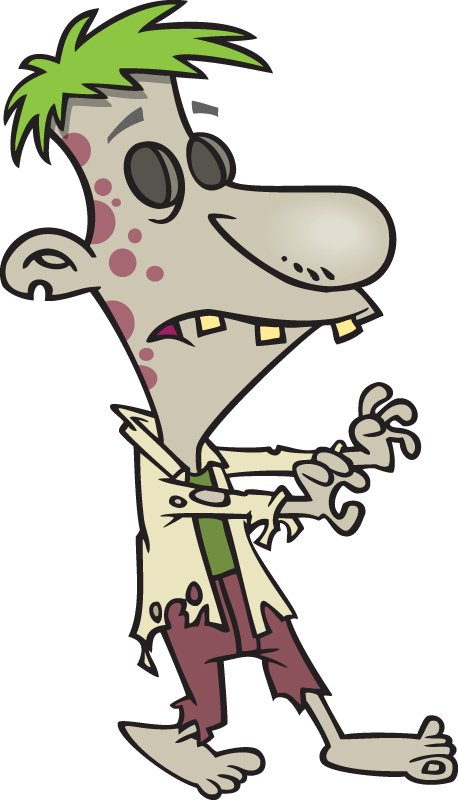
Zombies are characters that are initially introduced into a story, but then vanish for long stretches. By the time a zombie is abruptly resurrected by the writer (usually without any context or reminder), the reader has forgotten who the zombie character is. The sudden reappearance of a zombie can make a reader feel lost and confused (and probably irritated with the writer).

I encounter zombies frequently in my critique group. I’ll be reading a scene from someone’s draft, for example, and suddenly a minor-sounding character named Bill pops up to contribute a bit of dialogue. There’s no description to remind me who Bill is, nor anybody indication of where he’s been lurking all this time. When I ask the writer who “Bill” is, this is usually how the conversation goes.

Writer: Oh, don’t you remember Bill? I mentioned him six chapters ago. (Writer’s tone implies that her reader has a faulty memory).

Kathryn: No, I’ve long since forgotten your underwritten, generic, and ineptly re-introduced character named “Bill”.

(Okay, I don’t actually say that, because then I would sound cranky).

How to re-introduce a missing character

There are a couple of ways to reintroduce a character who has gone missing, like Bill.

1) If Bill has been “off-camera” briefly within a scene, you can re-focus the reader’s attention on him by using a single sentence. For example, let’s say you have a scene with three characters, and two of them have been having a heated argument. Now you need to re-introduce Bill, who hasn’t said anything so far. This is one way you might do it:

Bill, who’d been listening to us from his unsteady perch on the broken stool, cut in to deliver a verdict. “You’re both wrong,” he said.

2. If Bill has been missing in action for a longer period of time (for several scenes or chapters, for example), you can re-introduce him by reusing a specific attribute or detail that was important to his original characterization. If Bill had messy hair in his first appearance, for example, you can recall that characteristic when he reappears later (i.e., by showing him running his hand through his mane in a failed attempt to pull himself together).

image
Important: For this method to work, a writer must establish vivid, ‘reusable’ characteristics when a character is first introduced into the story. Those details will be reused later, in order to re-establish the character in the reader’s head.

Best Practice: Make your character details specific, vivid, and memorable. Discard trivial, generic details that won’t be reused later.

Question for you: How do you re-introduce MIA characters in your work? As a reader, have you ever had to go back a few pages to remind yourself who a character is?,