First Page Critique: I Wish I Had Her Job


Greetings, fellow travelers! Welcome to the latest installment of First Page Critiques.

Our brave writer has submitted the opening to “I Wish I Had Her Job” for your comment. Read closely. There’s a lot going on here.

I wish I had your job…

Alone at last! Loretta thought. I’m home! I’ve finished dinner. Now I can relax.

Today as always at Demon Investigators, there’d been too much to do, not enough time, too much criticism, and never enough pay.

Today, on top of everything else, her manager James Manetti got a call from the Global Center of Anti-Demonic Operations. They said that they had lost track of most of the Potential Vampire Stakers. Over the past two months, they’d all just disappeared, from wherever they were in the world. No one had any idea where they were.

I have no idea, Loretta thought, what they expect Jimmy to do about it. He promised them that we’d all look into it, and see what we (meaning me) could come up with.

After he hung up, she’d asked Jimmy, “If the Global Center of Operations can’t find them, what do they expect from us?”

He’d shrugged and said, “Who knows?”

There’d also been another annoying call from the Feds; routinely asking again if we’d heard anything about the whereabouts of Sylvia Demarco.   Sylvia, the former Vampire Staker, who’d been convicted of armed robbery and murder, had disappeared from her prison cell about a year ago.  The Feds had no idea where she was.  Nobody who worked at Demon Investigators, her former place of employment, had any idea where she was either.

This evening, 23 year old Loretta Carolton sat alone on the sofa in the living room of her apartment. She’d finished her dinner of canned ravioli that she’d heated in a microwaveable container in the microwave oven, and was now sipping from a half full glass of red wine.

The trim figured woman, with expensively coiffured black hair, remained dressed in the stylish white outfit that she’d worn to work that day. She’d turned on the TV and sat watching CNN.

I’m having wine with Wolf Blitzer again. She thought, I’ve got to get a life!

After the News, she switched to the Demonic Entertainment Network on Channel 666. That was recommended viewing for demon fighters, like herself and everyone else who worked for Demon Investigations. Tonight, something she saw might give her a clue as to the whereabouts of the missing Potential Stakers.

She now sat watching this week’s episode of that Network’s highly rated Travel Series: “Bloodthirsty Traveler”. The show was a documentary. Everything she was about to see actually occurred.

____________________

Brave writer, I can tell from this small sample that you’ve got a fully imagined world for us to enter. And I get a picture of Loretta as a positive, yet overworked Demon Investigator. These are real plusses, but let’s explore some changes that could help convince the reader that the story you’re telling is compelling and interesting.

In medias res. This is a narrative concept that puts the reader in the story’s action from the very first scene. You’re telling a story about a demon investigator, so show us immediately how dangerous and interesting that life might be. It’s okay to give your character genuine rest and reflection time, but we don’t need to see her at home, recalling her day right off the bat. Put us in her day, wrapping up a case, or even returning home to find a demon in her rose bushes that she has to deal with before she can have her glass of wine.

Thoughts. As it stands, we are only bystanders for Loretta’s thoughts as she tells us what happened that day. The old standard advice to “show” rather than “tell,” is still sound.

Many folks will tell you it’s wrong to open with dialogue. Personally, I do it all the time, though opinions differ. If you open with any kind of dialogue–especially internal–make sure it grabs us. You can also lose the she thoughts by simply writing internal dialogue in italics.

i.e.:

Where in the world are you, Sylvia? Where does a rogue Vampire Staker hide? 

Loretta Carolton poured herself another glass of Burgundy, and returned to the chair in front of her laptop. The bowl of canned ravioli she’d heated up two minutes after she’d walked through the front door sat beside her, the sickly-sweet sauce congealing into an unappealing mess. She no longer had an appetite. Sylvia DeMarco was loose, and she had to find her before she killed again.

Note: Save your few allowed exclamation points for action dialogue. Even at our most anxious, we don’t really think in exclamation points.

Keep the action in an easy-to-follow order. You have so much information here that’s filtered through Loretta, that you’ll want us to understand it. Lay out the events for yourself, line by line, in chronological order, to take a look at all you’re trying to convey on the first page. Then pare down to one solid event that motivates her to get to work, and illustrate that fully.

There are two flashbacks that occur within moments of the beginning. You do a great job with the writing in the flashbacks, but they act to slow down the story.

Point of view. This excerpt is written primarily in limited 3rd person. We see nearly everything through Loretta’s eyes, and so we will get no additional information that she doesn’t get or have.

Be careful to adhere to this single POV. There are a couple places where you use the word “we.” This is okay if it’s in her thoughts, as in the first instance. But here’s the second: “There’d also been another annoying call from the Feds; routinely asking again if we’d heard anything about the whereabouts of Sylvia Demarco.” You’ve slipped into first person with that “we’d.” With third person, it would be “they’d.”

“This evening, 23 year old Loretta Carolton sat alone on the sofa in the living room of her apartment. She’d finished her dinner of canned ravioli that she’d heated in a microwaveable container in the microwave oven, and was now sipping from a half full glass of red wine.

The trim figured woman, with expensively coiffured black hair, remained dressed in the stylish white outfit that she’d worn to work that day. She’d turned on the TV and sat watching CNN.

I’m having wine with Wolf Blitzer again. She thought, I’ve got to get a life!” [Again, you can use italics and drop the “She thought.”]

I’m wondering why, dear writer, you would have the above section in the middle of the first couple pages. It works as an introduction, which is odd that given that we already have some sense of her. If you’re going to go the contemplative route, this is a better start than what you have now (minus the “This evening”).

Forecasting. It seems evident to me that Loretta will see something useful on “Bloodthirsty Traveler.” If not, you can lose much of the explanation about the show/network. Also, “documentary” already implies that the story is true. No need to reiterate.

In all, I think this is a fun, interesting story. Good job, brave writer!

Zoners: What did I miss? What are your thoughts?

 

Better Book Descriptions in 3 Easy Steps

By SUE COLETTA

Let’s be honest. Writing a book description isn’t fun. It’s grueling, mind-numbing work that I detest with every inch of my being. Mastering the art of back cover copy-writing is an important skill. Therefore, I’m always on the lookout for tips.
Saturday, I sat through yet another webinar on the topic, and a formula emerged, a formula that finally resonated with me (after 11 books, it’s about time). So, I figured I’d share my discovery with you, my beloved TKZers, in the hopes that it’ll work for you, as well.

I should preface this post with, do as I say, not as I do. After my Ah-ha! Moment, I now need to rewrite all my descriptions. Oy. I’d prefer a bullet to the brain.

A 3-Step Formula

Back cover copy follows a simple three-step formula, but we do have wiggle room to experiment. With readers’ short attention spans these days, the advice is to keep the entire description to roughly 150-200 words. If your description runs 25 words longer than the desired range, I wouldn’t sweat it too much.

Step 1: Headline/Hook

To find our hook we need to look at the main conflict of our story. We want readers to identify with said conflict, so don’t shy away from the emotional impact it causes the hero. Don’t dwell on it, either. Every word counts.

The following books sit on Amazon’s Top 10 Bestsellers List in Psychological Thrillers, and each description employs this exact formula. These authors worked hard on their hooks, and it shows.

What would it take to make you intervene? I Am Watching You by Teresa Driscoll 

It begins with a phone call. It ends with a missing child. Guilty by Laura Elliot

When family secrets are unearthed, a woman’s past can become a dangerous place to hide… Twist of Faith by Ellen J. Green

Every time Gwen closed her eyes, she saw him in her nightmares. Now her eyes are open, and he’s not going away. Killman Creek by Rachel Caine

They were all there the day your sister went missing. Who is lying? Who is next? The Reunion by Samantha Hayes

She’s a daughter he didn’t know he had. Until she calls him… from death row. 30 Days of Justis by John Ellsworth

What if you discovered your husband was a serial killer? Tell Me I’m Wrong by Adam Croft

Side note: Adam Croft is a master at hooking readers. This next book he wrote after he created the hook. What a doozy, too!

Could you murder your wife to save your daughter? Her Last Tomorrow by Adam Croft

Wow. Right? If that hook doesn’t grab fans of the genre, nothing will.

Step 2: Short Synopsis

The synopsis also follows a micro-formula…

  1. Introduce the protagonist by showing what defines their role in the story.
  2. What is that character up against?
  3. What’s standing in their way?
  4. Transition paragraph or as Kris called it in a 2014 post, “The Big But.”
  5. End with a cliffhanger.

Let’s go back to our examples to see if this micro-formula has merit. The red-bracketed numbers correspond to steps 1-5.

Synopsis of Her Last Tomorrow by Adam Croft

Nick and Tasha are a couple held together by their five-year-old daughter [1]. Until one ordinary morning, when Ellie vanishes amid the chaos of the school run [2].

Nick knows she can’t have gone far on her own, which can mean only one thing: she’s not on her own. Who would take his daughter, and why? With no motive and no leads, Nick is thrown into a tailspin of suspicion and guilt. Like Tasha, he doesn’t know what to think, or whom to trust… [3]

But then someone starts doing the thinking for him. Confronted with an impossible choice, Nick will have to make a decision, and both options will leave him with blood on his hands. But perhaps that’s to be expected. [4]

After all, Nick’s not quite as blameless as he seems. [5]

I Am Watching You by Teresa Driscoll

When Ella Longfield overhears two attractive young men flirting with teenage girls on a train, she thinks nothing of it—until she realises they are fresh out of prison and her maternal instinct is put on high alert.[1] But just as she’s decided to call for help, something stops her. The next day, she wakes up to the news that one of the girls—beautiful, green-eyed Anna Ballard—has disappeared. [2]

A year later, Anna is still missing. Ella is wracked with guilt over what she failed to do, and she’s not the only one who can’t forget. Someone is sending her threatening letters—letters that make her fear for her life. [3]

Then an anniversary appeal reveals that Anna’s friends and family might have something to hide. Anna’s best friend, Sarah, hasn’t been telling the whole truth about what really happened that night—and her parents have been keeping secrets of their own. [4]

Someone knows where Anna is—and they’re not telling. But they are watching Ella. [5]

Synopsis of Guilty by Laura Elliot

On a warm summer’s morning, thirteen-year-old school girl Constance Lawson is reported missing. [2]

A few days later, Constance’s uncle, Karl Lawson, suddenly finds himself swept up in a media frenzy created by journalist Amanda Bowe implying that he is the prime suspect. [1]

Six years later … [4]

Karl’s life is in ruins. His marriage is over, his family destroyed. But the woman who took everything away from him is thriving. With a successful career, husband and a gorgeous baby boy, Amanda’s world is complete. Until the day she receives a phone call and in a heartbeat, she is plunged into every mother’s worst nightmare. [3]

* * *

Even though Guilty played with the order, the description works. The formula still holds. Hence why I mentioned the wiggle room at the beginning of this post. *grin* Also note: some authors put their characters’ names and/or important details in bold, and the words catch the reader’s eye.

Step 3: Selling Paragraph

The selling paragraph answers two variations of the same question that readers ask themselves:

It sounds good, but how do I know it’s for me?

Sounds good, but will I like it?

There’s two ways we can go here, by showing similar books — if you enjoyed X, you will love Y — or by simply mentioning the genre.

A psychological thriller that keeps you guessing till the last chilling page.

If you like heart-hammering suspense, this book is for you!

A third option is to use clips of reader reviews or blurbs from authors in your genre.

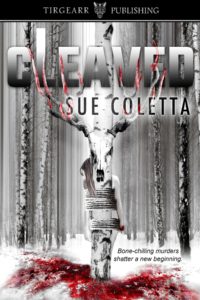
CLEAVED by Sue Coletta


How far would you go to save your child?

CLICK HERE to look inside CLEAVED.


Over to you, TKZers. Do you use this formula for your book descriptions? If not, are you tempted to try it? Any tips of your own to share?

What is Your Unique Selling Proposition?

by James Scott Bell
@jamesscottbell

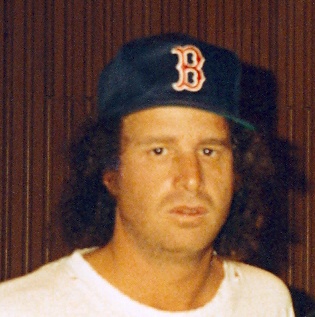
Steven Wright (Wikimedia Commons)

If I had to name my favorite comedian, the one I’d most like to see in concert, it would be Steven Wright.

Because he’s a true original, not your typical “Hey, what’s the deal with airline peanuts?” standup guy. He has a hangdog look and deadpan delivery. He specializes in one- or two-liners that are language-bending riffs that twist reality into an existential pretzel. He says things like:

I used to work in a fire hydrant factory. You couldn’t park anywhere near the place.

I stayed up all night playing poker with tarot cards. I got a full house and four people died.

I went to a restaurant that says they serve breakfast at any time. So I ordered French Toast during the Renaissance.

There have been many one-liner comedians, like Henny Youngman (“A doctor gave a man six months to live. The man couldn’t pay his bill, so he gave him another six months.”) and Rodney Dangerfield (“My psychiatrist told me I was crazy and I told him I wanted a second opinion. He said, Okay, you’re ugly, too.”), but Steven Wright has carved out a unique niche and loyal following.

He knows his unique selling proposition (USP). He probably wouldn’t use that term, which comes from the world of marketing. But the concept is the same.

In brief, the USP is that special something that sets your product apart from the competition. It’s a market differentiation strategy. And it’s necessary because we have markets stuffed with similar products vying for attention.

There were several delivery services available when Federal Express came along. What did FedEx offer that was different? Overnight delivery. It became the center of all their advertising: “When it absolutely, positively has to be there overnight.”

In the 1990s a fellow named Bezos thought this internet thingy was going to be important someday. He also knew people liked reading. What if he could create a way for readers to browse for books online, order the ones they wanted, and have them delivered right to their door?

Amazon went live in 1995. In 1999, Barron’s Magazine wrote a cover story called “Amazon.Bomb” predicting the company couldn’t possibly sustain itself.

I wonder whatever happened to Amazon? I’ll have to look it up.

The point is, Jeff Bezos is a true visionary, and the first thing a visionary does is develop a USP.

You should too, writer. What is it you bring to the table that a reader can’t just as easily get from some other scribe?

Part of this calculus is voice. But beyond that, it’s what you care about most in your writing. What do you want readers to feel, to know, to awaken to? What themes do you find yourself gripped by?

Write out a mission statement. A mission statement is a one- or two-line encapsulation of what you do, why you do it, and why the market should take notice. For example, here’s Amazon’s current version: “To be Earth’s most customer-centric company, where customers can find and discover anything they might want to buy online, and endeavors to offer its customers the lowest possible prices.”

What’s yours?

Now take USP to each book you write. Look at your plot and characters and ask, How can I do something different? Even a little difference can make … a difference.

When I started thinking about my series character Mike Romeo, I knew I wanted him to be a “down these mean streets” character. We’ve had a lot of those. So I asked myself how I could set him apart. After considering several options, I landed on one of my own special interests, philosophy. I made Mike a genius kid who went to Yale at age fourteen and received specialized training in both the Eastern and Western intellectual traditions—before circumstances sent him on the off-the-grid trajectory. He’s still a seeker of wisdom, but wrapped inside a fighter’s skin. He will try to reason with you, but if you insist on being mean will employ more gladiatorial methods of persuasion. That was enough to get me excited about launching the series.

Another area where authors can strike rich veins of uniqueness is the supporting cast. Don’t ever write “throw away” secondary or minor characters! Use them to add spice to the plot. This is one of the things that makes Janet Evanvoich’s Stephanie Plum series so popular. For my Ty Buchanan legal thriller series I concocted a cast that includes a basketball playing nun (who is not shy about using her elbows), and a former college professor who went nuts for awhile and now runs a coffee house and raises butterflies for funeral ceremonies.

In short, friends, you are the CEO of a company trying to compete in a crowded market. The company is you. Your product is books. So do what all successful companies do—develop that USP. Set yourself apart. Strive to become an original.

Like Mr. Steven Wright:

I’m traveling today, so may not be able to drop by much. Talk amongst yourselves:

  1. Do you have a unique spin as an author?
  2. How is your WIP a little different than what’s been done before?
  3. What authors do you admire who bring a unique quality to their work?

Reader Friday: Which Creature Represents Your Writing?

Photo purchased from Shutterstock

Pick the animal or creature that best conveys your writing strength. Is it a spider weaving a mysterious, complex web? A wild Mustang thundering across the Great Plains, free of constraints? A jungle cat hidden in the tall grass at the edge of the Serengeti, stalking its story prey?

Photo purchased from Shutterstock

Radish Fiction – A New Income Source for Writers? Plus, Changes to Amazon Kindle Worlds

Jordan Dane
@JordanDane

I heard some disappointing news from Amazon Kindle Worlds (KW) yesterday. They are changing the program and not offering a bonus to help defray production cost. The money wasn’t much. It was $500 and went down to $250, but that money took care of the cover design and formatting. It wasn’t considered an “advance.’

Amazon is keep the program the same (including promised bonuses) for any approved launches already set up for the rest of 2018. They are working with the host authors on who is signed up as a writer, etc.

The host authors who have kindle worlds are continuing with their host duties, but in 2019, Amazon will not be involved in scheduling the releases (the host authors would do that). Nothing much will change for the host authors. They will have the same revenue sharing and agreements in place. It’s too soon to tell whether the lack of bonus money will lessen the enthusiasm for authors to sign up. Initial discussions are mixed, but I would imagine Amazon’s gamble will pay off, that many authors will still see a benefit in a group launch and the host authors organizing things. They will probably like getting their work exposed to a larger reader base shared by the other authors and the host writer.

Amazon never did much promo for the launches, but the fact that they have and maintain the platform is a benefit that would be hard to replicate. Amazon is banking on authors not caring if they get the bonus and hope they get to retain the same enthusiasm for writing stories but pay nothing for the copyright retention.

But Amazon KW does nothing with those copyrights. The fact that KW doesn’t take advantage of subrights like audio, film, or foreign rights makes me have second thoughts about continuing with them. For many of the worlds, authors retain rights to their original characters (but not all worlds do this, so read the fine print). If the author has a unique setting that hasn’t already been established in another series from that author (before it’s crossed over with the host author’s world), then Amazon could get copyrights to that setting. Another drawback at present is that Amazon Kindle World does not have a worldwide distribution. It’s something they want to achieve, but KW is only a division of Amazon and does not share the same distribution channels.

RADISH FICTION

But after reading about the changes to Amazon Kindle Worlds, authors were talking about another new start up company that has found a niche in serialized fiction. Have you heard of RadishFiction.com ? Radish is a new app for serialized fiction, geared for the mobile generation to bring novels to smart phones. It’s open to a global market (really big in eastern Asia (Korea and China) where the enthusiasm started) and Radish can be used as a different source of income or to create buzz for an upcoming book that hasn’t gotten published yet.

Could this replace Netgalley? The expense to place an ARC on Netgalley is pricey, even if an author joins a group or service to help defray the cost. Radish wouldn’t specifically earn an author early reviews, but the writer would score money for fiction sold. Netgalley doesn’t do that.

Plus there apparently isn’t any copyrights sold. Although I haven’t seen a confirmation of this, I believe the author retains copyright and is only making their content available for sale.

Here’s what Publishers Weekly had to write about Radish – Click HERE

Radish is recruiting authors who have written for Canada’s WattPad and Amazon Kindle Direct Publishing or other similar type opportunities.The idea is to write serialized shorter fiction with cliffhangers to hook a readership. Generally this is 2,000 word chapters of original short genre fiction with cliffhangers that hook the reader to keep reading and keep buying.

So with the changes to Amazon Kindle Worlds, writing that is similar to fanfiction.net, Radish could be a good opportunity to find a different income source with fewer hassles. Authors are paid in “micropayments” with authors receiving a range of $3,000-13,000/month, similar to how game platforms work.

Radish has an impressive list of investors and plans to hire editors, developers, and designers. They have about 700 writers creating serialized fiction for 300,000 readers.

The initial genre that has been big with Radish is YA romance, science fiction and fantasy. It’s geared for a younger audience that is comfortable reading off smartphones, but I would imagine there is room for growth into other genres. Radish is also looking for traditionally published authors who want to bring original content to them.

Authors must submit to write for Radish and there is a review team to screen applicants. HERE is the link to get started and fill out the application. Read the various press releases on their site. You’ll get more insight into what they are doing.

So what Amazon Kindle World takes away, Radish delivers something new that could be very exciting.

Discussion:

1.) What other out of the box outlets have you seen for authors to bring original content?

2.) Are you a smart phone reader? Do you see potential in what Radish is offering?

BOOK BIRTHDAY!

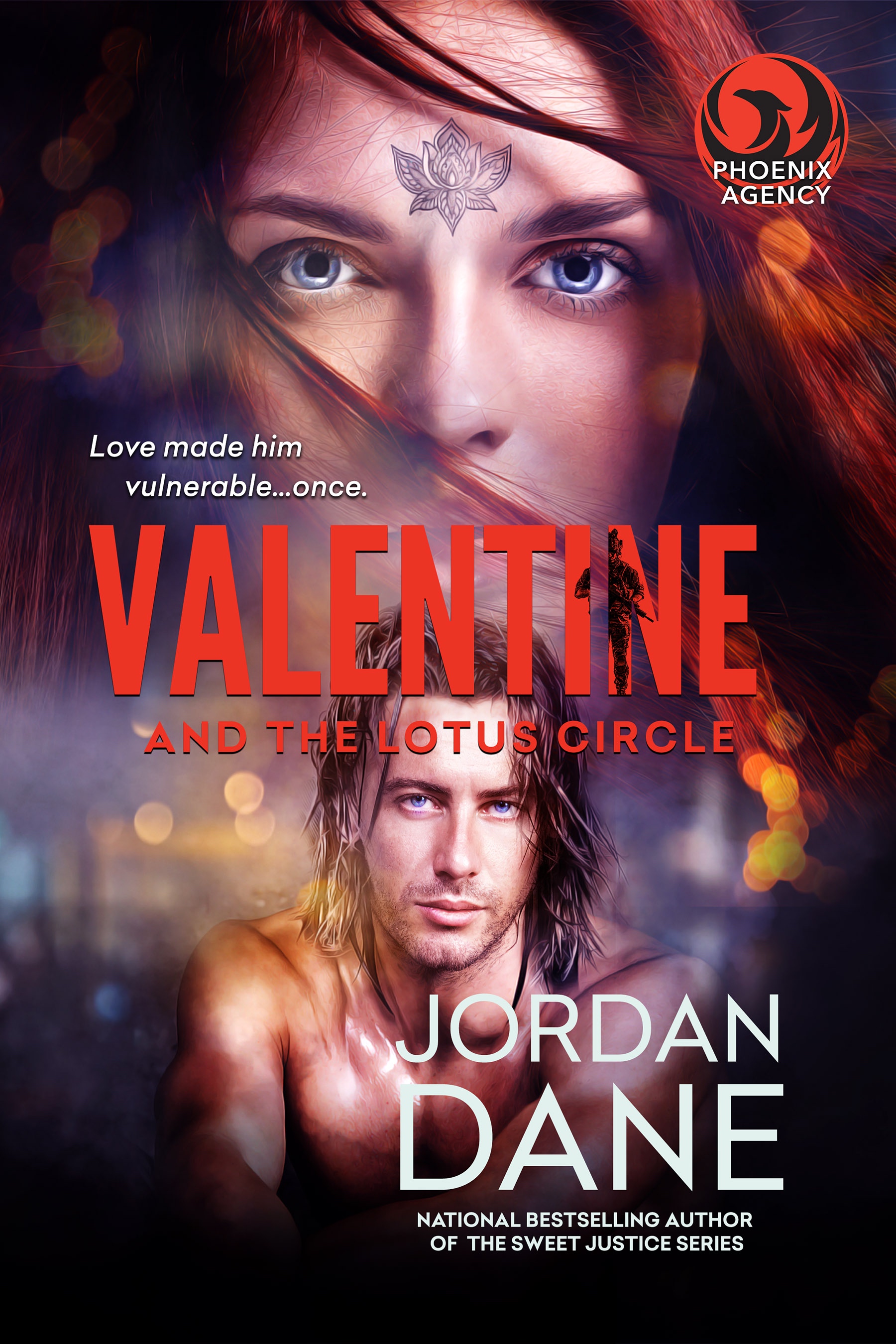
Valentine and the Lotus Circle – $1.99 Ebook Available Now!

Love made him vulnerable…once.

The Phoenix Agency hires a mysterious woman psychic from the ancient and mythical Lotus Circle to break down the mental barriers of Braxton Valentine—a black ops Psi agent with a death wish and a hunger for revenge.

Hollow Point Bullets & Other Stuff

By John Gilstrap

I have just returned from my annual sojourn to Las Vegas and the SHOT Show, so I thought I’d turn away from the craft of writing in this post, and back to some tactical topics. Throw in the bullet-bait Brother Bell inserted into his always-excellent post last Sunday, and I feel driven to talk about bullet stuff this week.

First, on the issue of being thrown back by bullet strikes, consider this: Newton’s Third Law of Motion dictates that every action has an equal and opposite reaction. If the energy of a bullet strike is enough to throw the bad guy back five feet, then the shooter would fly back a similar distance. When it comes to handguns, the shooter feels more linear force in recoil than the target feels on impact. And remember, once a round leaves the muzzle, it is constantly slowing down. And falling.

Because bullets travel as fast as they do, on impact, they exert all of their damage over the course of a millisecond.  In through-and-through wounds, victims often don’t know for a few seconds that they’ve been shot.  Bullet dynamics being what they are, I have shot empty Styrofoam cups through-and-through with pretty hot rounds, and watched the cups never move.  When a bullet passes through tissue, the ballistic damage it causes actually manifests behind the moving projectile, not at its point.  (The link goes to a video where there’s no blood, so it’s safe for mealtime viewing.)

Brother Bell, I will take exception to your left-hand-shooter speed bump.  Most shooters I know make it a point to train with their weak hand, specifically planning for the event when their strong hand is immobilized.

Bullets are specifically designed to inflict ballistic damage to tissue as it passes through its intended target.  Handguns are intended for close range, and rifles are designed for longer ranges. (A SEAL buddy of mine maintains that the only good use for a pistol is to fight your way to your rifle.)  As a rule, additional range means additional ballistic energy, and a concomitant increase in ballistic damage on impact.

Here’s a video showing a 9 millimeter pistol bullet being fired into ballistic gelatin.  For those who can’t watch the footage, it shows a standard round-nosed bullet passing all the way through the gelatin block with little of its energy expended along the way.  Bottom line: it would suck to be the guy standing behind the guy who got shot, because you’d get shot, too.

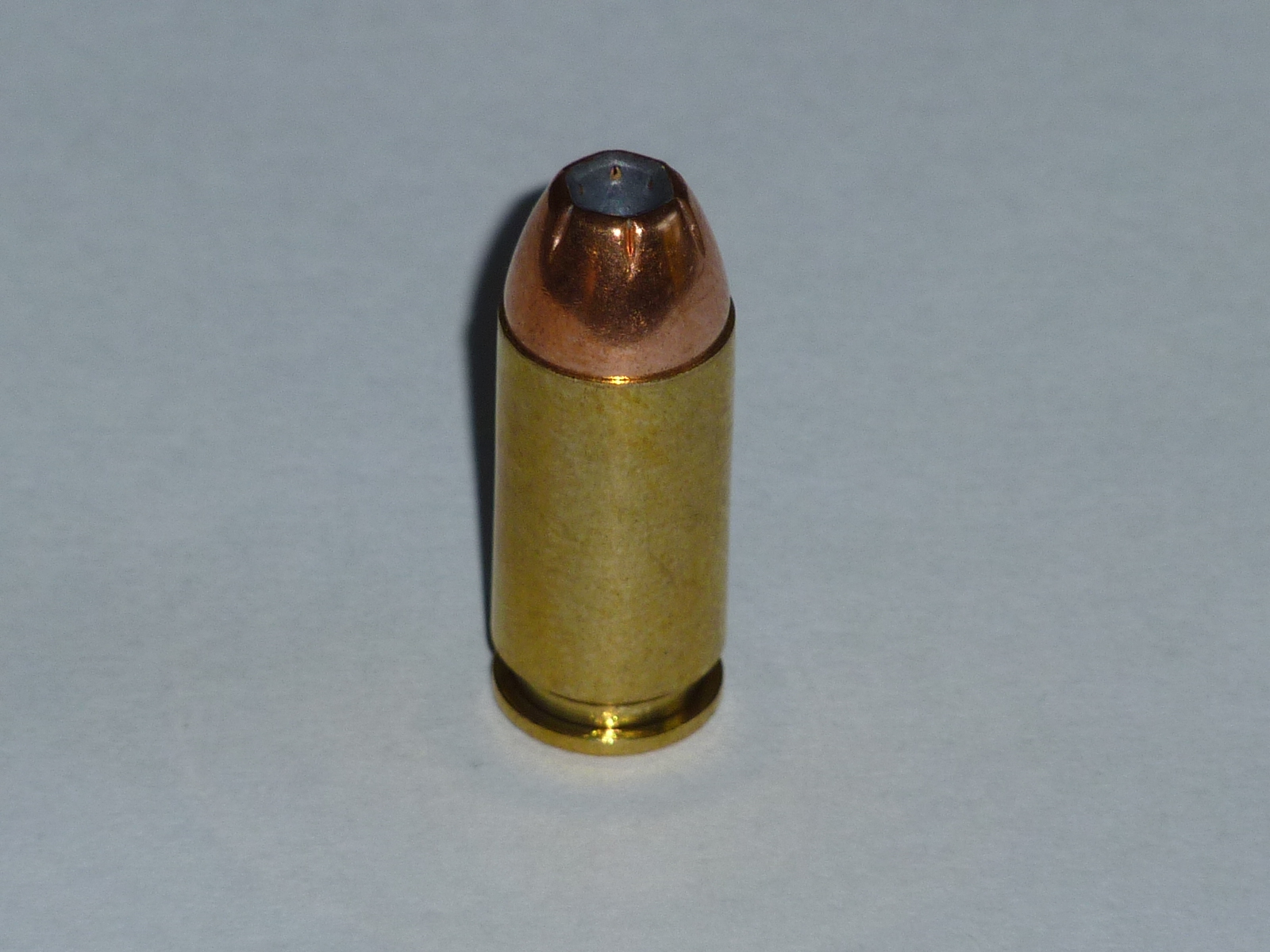
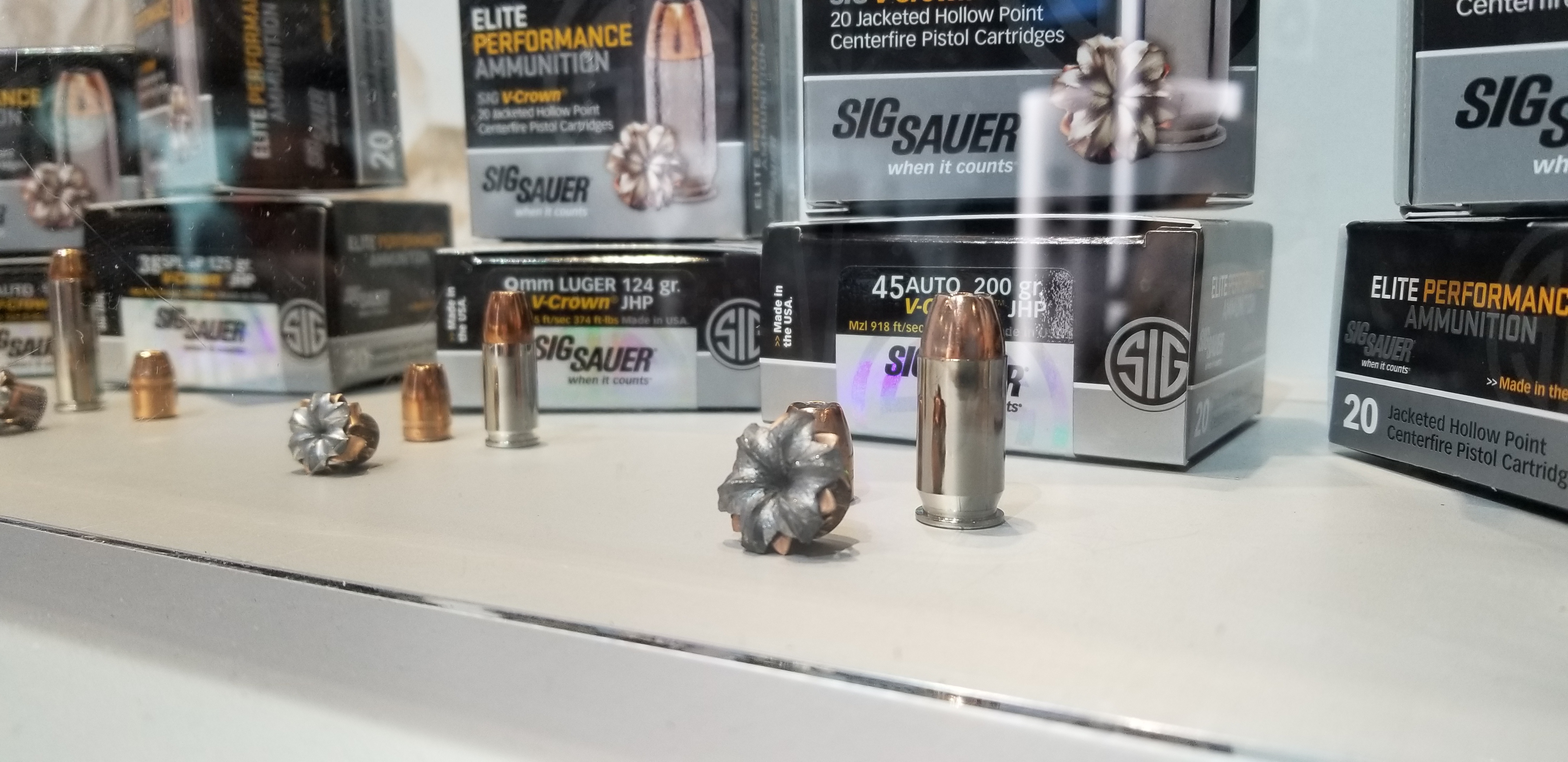
This over-penetration issue is specifically why most (all?) police agencies have moved to hollow point ammo. The definition is simple and self-explanatory.  A hollow point bullet is one that has, well, a hollow point. It is different than “full metal jacket” (FMJ) ammo, which is also called ball ammo. It’s been around for a lot longer than I have, and it comes in pretty much any caliber you can think of.  Old farts who haven’t kept up with technology will tell you that hollow points cannot be fired from semi-automatic pistols, but they’re wrong. HP bullets used to be a problem because of issues with the feed ramps in old pistols, but that problem was solved a long time ago.

In the pictures, note the lines around the circumference of the the tip. When a hollow point bullet impacts a target, its “petals” bloom, causing the the projectile to tumble and lose most of its energy. The wound channel is significantly enlarged in the process. Within the gun industry, and among knowledgeable people, hollow points are also call “personal defense” rounds (as opposed to range ammunition) because they are the preferred choice in a gunfight–but probably not for the reasons you think.

This video shows a 9 millimeter HP round hitting ballistic gelatin.

There are a couple of take-aways from the video. First, HP bullets do leave a significantly larger permanent wound channel than that which is left by ball ammo. But second, and more importantly, the bullet stays inside its intended target.  Even if there were to be over-penetration, the vast majority of the energy would be dissipated before the bullet could hit a second, unintended target.  That said, if your characters are anticipating the need to shoot through car doors or windows, HP would not be their first choice.  Yes, HP bullets will penetrate both, but that loss of energy could be a factor.

Next time, we’ll talk about what every police drama gets wrong when it comes to storming the bad guy’s house.

All questions are welcome.

And since you’ve read this far, please consider subscribing to my YouTube channel, A Writer’s View of Writing and Publishing.


The Latest Trends In
Cover Design: Think Pink?

By PJ Parrish

Cover design is taking up space in my brain lately.  Partly because our upcoming Louis Kincaid thriller THE DAMAGE DONE (July this year) is in production right now.  But also because I am gearing up for my annual duty as Edgar banquet chair.

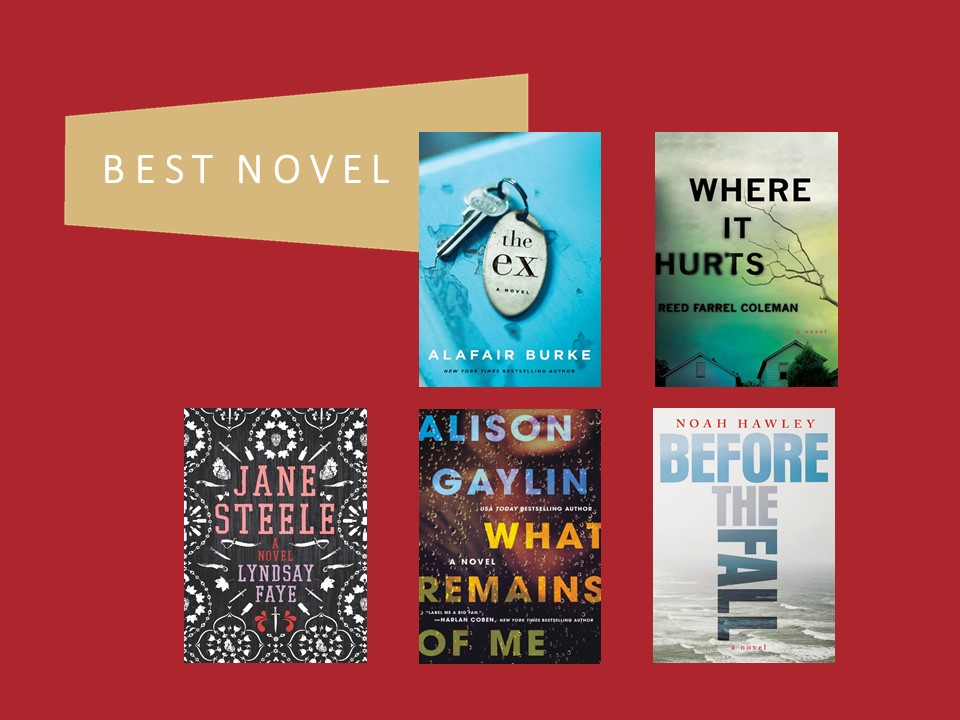
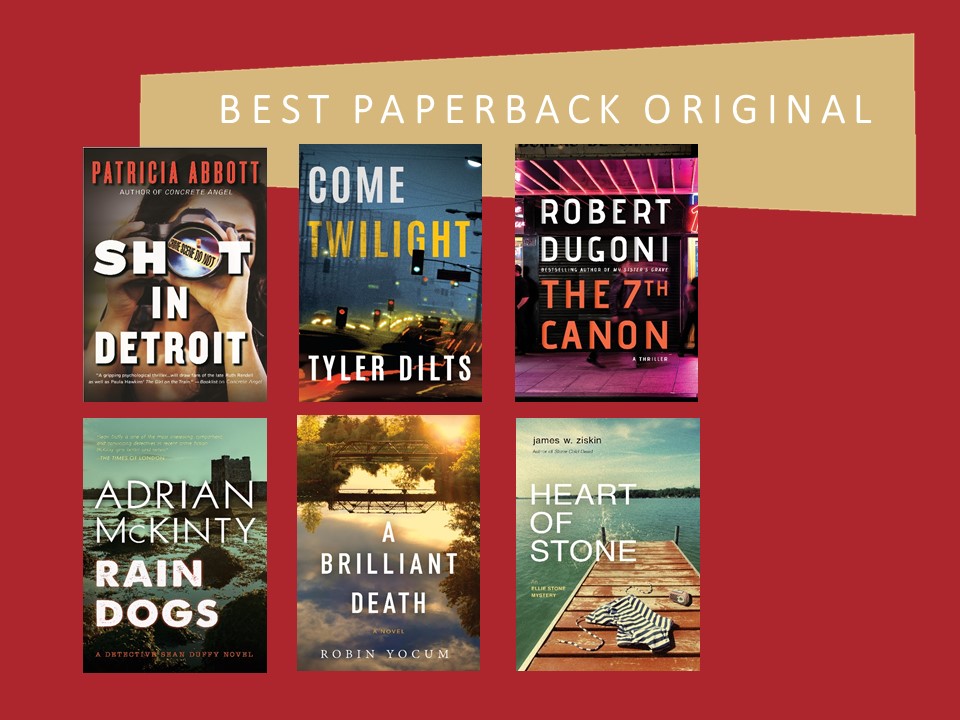
The Edgar gig involves me putting together a Powerpoint presentation that we run throughout the banquet, with the biggest part given over to displaying all the covers of the nominees as they are announced from the stage. I decided to introduce this to the Edgars in my first year because I remember, as a nominee, how thrilling it was to just BE there.  But there’s a real thrill to seeing your actual book  — oh, about three-feet high — flashed up on a Jumbotron screen in the grand ballroom of New York City’s Grand Hyatt, filled with agents, editors and fellow writers. Here’s two samples from my Powerpoint from last year’s banquet. (Click to enlarge):

Sitting in the back of the room at my laptop controls, I never fail to be amazed by the beauty of some of the nominee covers.  It’s fun to compare and contrast the styles. And I never fail to think about how a great cover — or a bad one — can affect a book’s chance to make a good first impression.

A while back, I did a long post about covers in which I cited a survey about what factors made a potential reader pick up a book.  Guess what was no. 1? You betcha — cover design.

So when my sister Kelly sent me an article the other day about newest trends in book cover designs, I knew I had to pass it along to you. The article talks about all kinds of books, but maybe there’s some take-aways for us crime dogs as we self-publish or dicker with our editors. But first, let’s take a trip in the Way Back Machine…

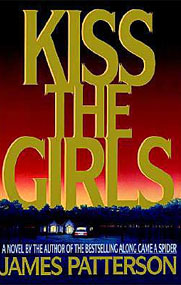
Remember when having huge raised foil letters was a must, a la any book by Patterson? Well, apparently that is yesterday’s news.

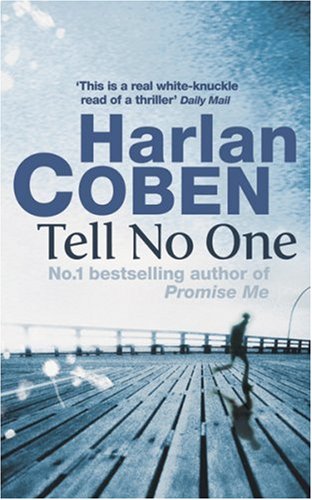
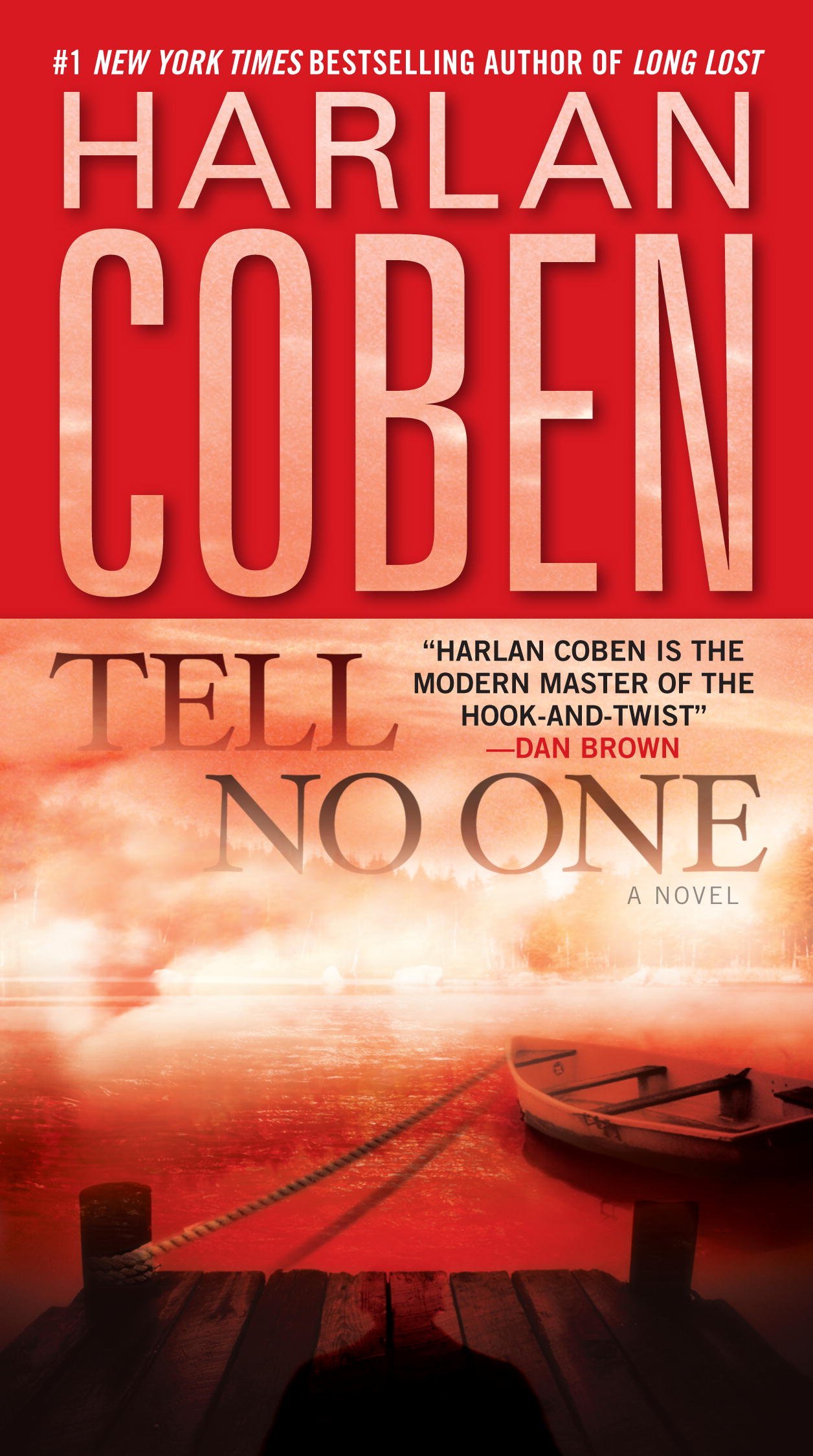
Remember when neon was the way to go, a la Harlan Coben’s breakout book Tell No One?  It’s not enough these days….

And remember when all the girls wore basic black? It’s been done so much that it’s no longer the way to separate yourself from the pack. But apparently, I didn’t get the message…more on that in a moment.

Here, according to Lindsey Vontz of 99Designs, is what’s hot.  (Click HERE for whole article.) And for fun, I took a look at this year’s Edgar nominees to see if I could find any parallels in our little genre.

Bold Typography

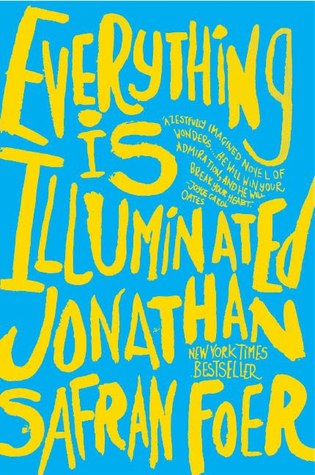
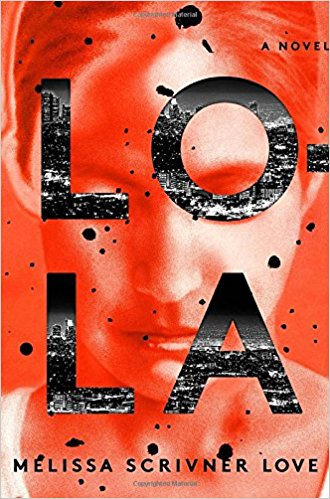
A hyper-trendoid thing is to have your cover dominated by the type, usually incorporating what Vontz calls “organic elements” like brush strokes rather than traditional clean fonts. This has been going on for years — Jonathan Safran Foer has made it a trademark — but it’s showing up everywhere now.

And voila! Here’s an Edgar nominee in this year’s Best First Novel category, Lola by Melissa Scrivner Love:

Keeping It Simple

Many cover designers now are going for a minimalist approach, using one graphic element with a lot of white space. In the example below, the absence of two letters draws in the reader’s curiosity, the designer says.

My sister Kelly, who still works parttime at Horizon Books in Traverse City, Michigan, says she remembers seeing this book come in and how it stuck in her mind and made her think how the missing letters telegraphed the book’s content.

Here’s The Hate U Give by Angie Thomas, a nominee for Best Young  Adult Edgar. I love this cover, but then I was always a sucker for negative space in art class.

Hand-Drawn Covers

These have been popular for a couple years but the trend will continue, the article’s author says. Mostly, this has been the realm of more “feminine” books, the covers featuring a lot of florals and such. But there’s a trend toward more “masculine” design in hand-drawn covers, like the one below:

I’ve seen this style pop up in the Edgars in recent years but this year, alas, no examples. But here are a couple from past nominees that I remember, the first in Best True Crime, the second in Best Young Adult:

Throwback Styles

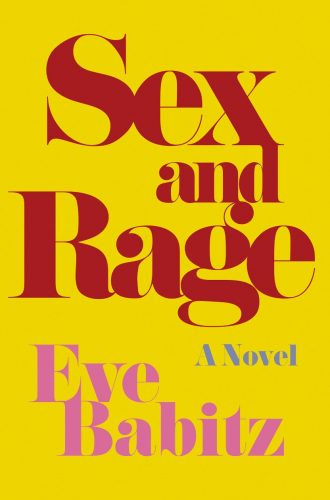
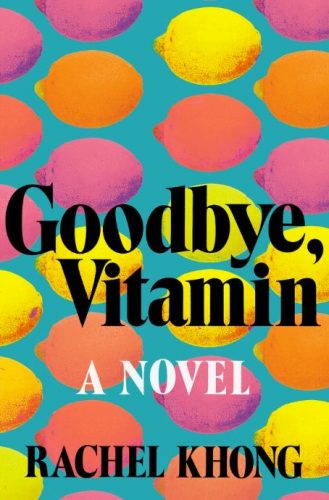
Just when you thought it was safe to stop being nostalgic for the Sixties or, God forbid, the Seventies, new trends in book covers are reminding us that our past is never far enough behind us. Funky ’70s typography and colors straight out of plastic flower decals are the hot new things. Check these new novels out. Sex and Rage is a reissue of a 1979 novel, but Goodbye Vitamin is a slacker family drama that got rave reviews. Somewhere, Jacqueline Susann is laughing her butt off.  And Philip Roth is thinking he retired just in time…

I couldn’t find any of this in the Edgar nominees.  But I have noticed that in the Young Adult and Best Juvenile categories in past years, bright citrus colors and a touch of whimsy seem to be popular.

All Things Pink

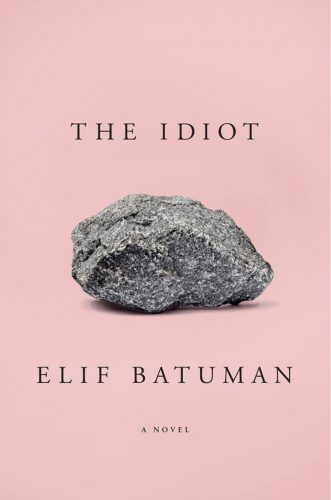
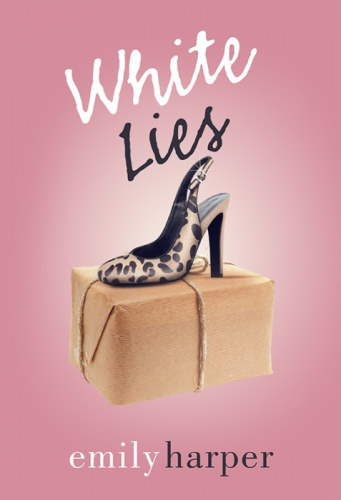
Remember the musical number in Funny Face  “Think Pink?” Apparently, it’s showing up on book cover design. Ah, but not any old bubblegum pink. It has to be — wait for this! — Millennial Pink. This means it has to be muted and dusty, which, come to think of it, is sort of how I see my millennial nephew. Here’s some examples:

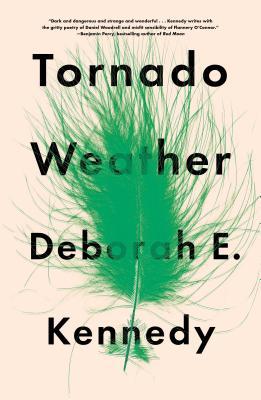
Lo and behold, look what I found in the Edgar’s Best First Novel category this year:

Collage It Up

This dredged up another memory for me from my college art classes.  I was terrible at anything three-dimensional but I do remember getting kudos for a collage I did. Maybe I’m just good at throwing stuff together and seeing what sticks. As for covers, I’ve always kind of like collages, but like juggling with chain-saws, this is not for amateurs designing their own covers.

The closest I came to this among the Edgar nominees was this striking cover which superimposes what appears to be elevator down buttons over a man’s face. This is Jason Reynold’s Young Adult nominee Long Way Down.

Photo-Heavy Covers

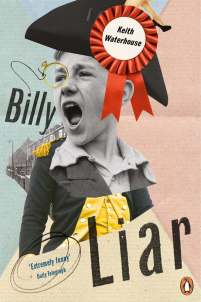
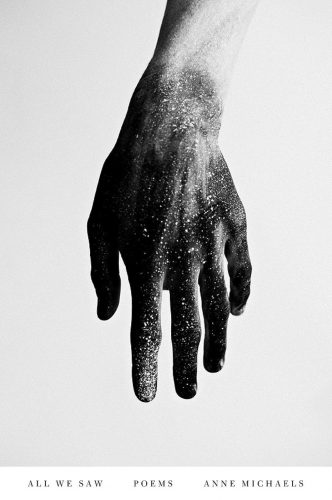
Photo images have been a mainstay of mystery and thriller covers for as long as I can remember. Self-published authors know all the ins and outs of finding stock images. And you can find just about anything you need to express your story in Getty Images. (Just type “Lonely woman on beach” in their search bar and for $395 you’ve got your cover.) But the trend now is to go beyond the literal stock image (silhouetted man running in dark alley = international thriller) and to find one really compelling, more artistic, image that might convey the tone or theme of the book instead. Here’s an example for a book of poetry:

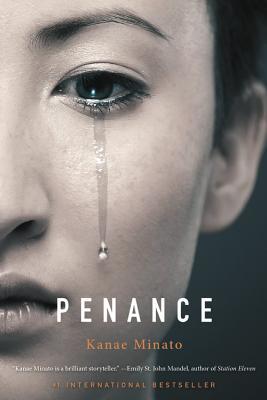
And here’s a striking cover from one of this year’s Edgar nominees in Best Paperback Original, Penance by Kanae Minato:

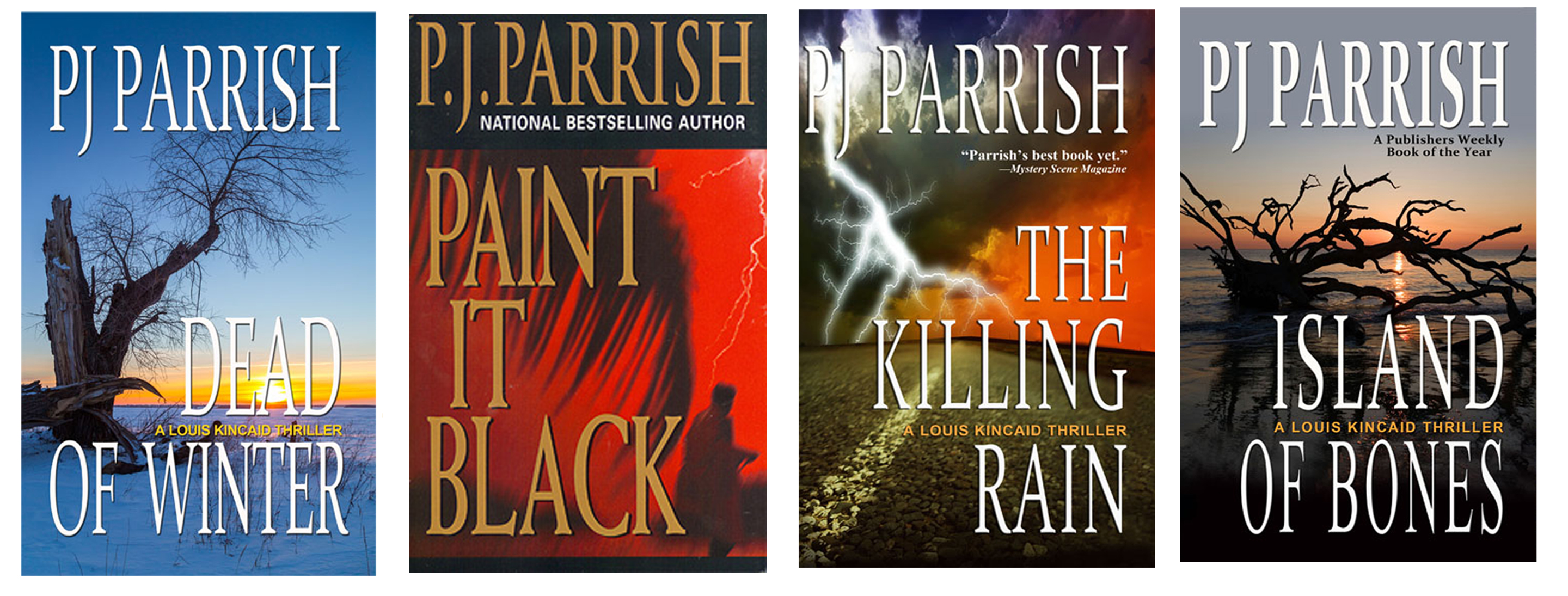
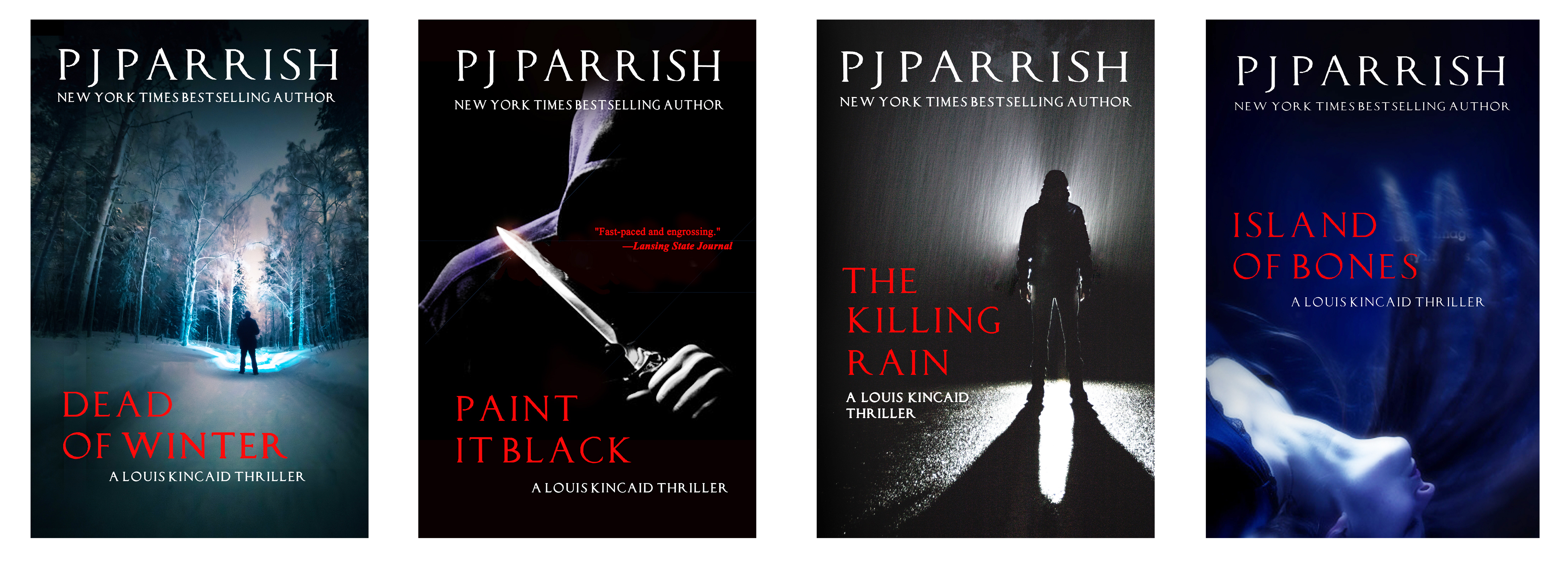
Now, for an object lesson. I’d like to show you what my sister Kelly and I have been up to.  In recent years, we’ve been getting the rights back to our backlist titles in our Louis Kincaid series and have self-published several of them.  And since you can’t legally use the original covers, we’ve had to come up with our own.  We knew we had to have a consistent look for all the books — same type fonts, same general look. But we struggled to find a singular style that we thought captured the series’s tone (hard-boiled police procedural/private eye).  Plus, we aren’t rich. We didn’t have a lot of money to blow on designers or artwork. This is what we came up with (except for PAINT IT BLACK, which was done by Kensington Books and was always one of our favorites). You can click on the line-up to enlarge.

But we were never really happy with what we came to call our “dead tree” books. A moody landscape just didn’t convey our books’s tone. And they look a little dated now. I lobbied for something darker, and I really wanted to go with strong photos with humans in them to convey a sense of the books’s dark tones. And I wanted more negative space in the design to give the type and images room to breath. We also wanted it to match the upcoming cover design for our July 2018 release THE DAMAGE DONE. After weeks of searching for the right photos and playing with fonts, this is what we came up with. (Click to enlarge):

Yeah, yeah…I know. They’re black. So’s my wardrobe and my writer’s heart. As Jessica Rabbit says, I can’t help it, I’m just drawn that way.

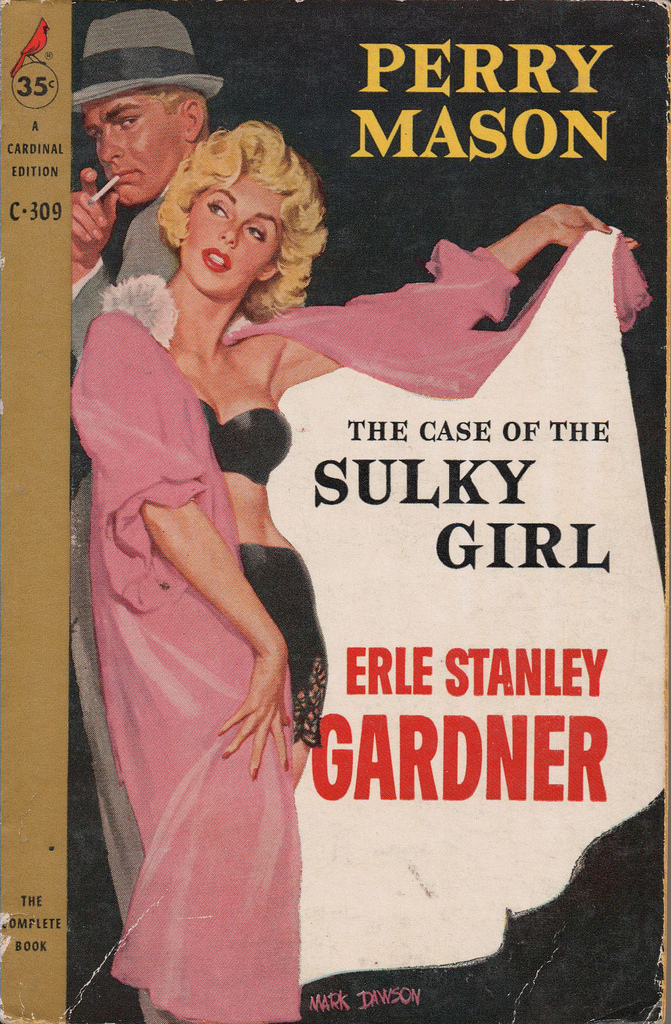
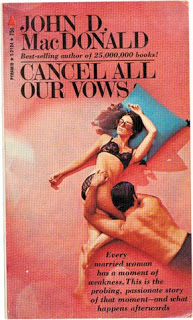
So what say you? Do any of these trends float your boat? Can you see your new serial killer book wearing pink? Hey, it worked for John D. MacDonald and Erle Stanley Gardner.  Share your trials and triumphs about cover.

Postscript: James’s comment below about Harlan Coben’s Tell No One got me curious so I Googled the cover to see if other designs came up.  Publishers usually repackage for paperback and foreign publishers put their own spin on things. Here’s a couple more versions of Tell No One, including a “dead tree” version!

First Page Critique: American Dream

Today, I  have an additional first page critique for us to discuss. This one is called American Dream and I think it illustrates some great points about framing an effective first page, particularly when it comes to POV. My comments follow, and as always I look forward to input from our great TKZ community:)

American Dream

The deputy’s vehicle careened into the parking lot, hopped a curb, plowing through a row of purple hydrangeas before coming to a stop inches from the red brick. An off duty deputy  stumbled out the vehicle sucking the last drops from a blue plastic cup. He slung the empty into the damaged shrubbery and staggered inside the Velde County, Georgia services building for the impromptu Saturday evening meeting.

The hottest summer in a century coupled with a defective air conditioner created a wall of heat and a stench of sweat that greeted upon entry. A coffeemaker gurgled and spat. Fluorescent tubes flickered, splashing an uneven yellow light onto the gathering of deputies.

Sheriff Roy Hacker squinted through the rising steam of his coffee. Crow’s feet framed his eyes. Crevices etched deep into his forehead. His starched uniform, crisp and dry. The only man in the room who didn’t perspire. He rose from behind a steel gray desk, removed his service revolver and slammed its butt onto the desktop calling the meeting to order.

“Evening deputies. I want to thank y’all for appearing here on a short notice. But crime does not operate on our schedule.” Roy looked to the drunken one. “Isn’t that right, Burnett?”

The deputy nodded, slurring his assent.

“You been with Juanita this evening?”

“Yes, sheriff I have. And we was having fun.”

“Don’t doubt that you were. We all know, some in great detail, that Juanita can be a whole lot of fun.”

Laughter erupted. Deputies nudged and winked. A sly grin crept over Burnett’s reddening face.

Roy lit a cigarette. He appeared as a looming slit eyed apparition within the haze of smoke. The zippo closed in a metallic click. The room fell silent.

“It has been brought to my attention that we have some criminal activity getting ready to go down in our fine county.”

Deputies shuffled in their seats.

“My informant tells me the area where this crime will occur is right here.” Roy pointed to the top right corner on the yellowed county map taped to the cinderblock wall. “I know what you’re thinking. That’s a desolate and barren shithole teeming with assorted vermin, rattlers and water moccasins . ” He took a step toward his men. “And I’d agree. But I would add, what better place for a crime to occur?”

A collective gaze fell upon the sheriff.

General Comments

POV

This page had some good elements but I think the failure to establish a strong initial POV made it less effective. We begin with a drunken deputy (who we learn later is Burnett) but by the third paragraph we seem firmly focused on Sheriff Roy Hacker. I would recommend the author chose a close POV to focus on (Burnett or Hacker most likely) and then give the reader this perspective right from the start. A distinctive and unique POV would also help the reader become more invested in the story. At the moment it feels too generic and emotionally distant.

That being said, I would caution the author to be careful to avoid the stereotypical ‘drunken deputy’ versus ‘starched sheriff’ story. Again, I think a distinctive and unique POV is what is needed – it would add greater specificity and emotional resonance to the story and give a different perspective that could help set this story apart.

Tone

In addition, a strong POV would also help clarify the tone of this piece – is it going to be a quirky, off beat, but lighthearted police procedural? I think so, but I’m not altogether sure. There are moments where I think the author is edging a little more ‘noir’ish in the wryness of tone…but maybe not.  Again, I think this is more a result of an amorphous POV/voice – once that’s stronger, I think the tone of the page (and the book) will become clearer.

Dramatic Tension

In this first page, all we really learn about is an informant who’s told the police where a crime is going to occur. This (along with the repartee about Juanita), robs the page of much of its dramatic tension. I’m not sure I get why the Sherrif has brought in his deputies for an impromptu Saturday evening meeting (or why the coffeemaker would be gurgling at that time) just to tell them that…seems a bit anticlimactic. Although I liked the humor in the sheriff’s description of the place, I think there would be more dramatic tension if a crime had actually occurred or if there was more detail (humorous or otherwise) about the actual crime that’s about to occur, to make me feel compelled to keep reading.

Specific Comments

Finally, there are some specific comments which are a but more nit-picky but which are nonetheless important for an effective first page. The first issue is one of repetition. The term ‘deputy’ and ‘deputies’ is used numerous times (twice just in the first paragraph). This looks sloppy to an editor and can also dilute the power of specificity in the first page. In addition, there’s a lot of description that can be pared down. Remember, in a first page every word counts. Do we need details about purple hydrangeas and damaged shrubbery? Could we just have one or the other? Likewise, do we need a whole paragraph description of the sheriff or could we just know he was the one person in the room who didn’t appear to perspire (from which we can infer a lot). I think the author could tighten up this first page by focusing on the details he/she really wants to emphasize – is it the drunken Burnett’s entrance, or the hottest summer on record, or is it Sheriff Hacker’s demeanor and humor (?)

Overall, I think once the description is pared down and a firm POV/voice established, this would be a much more effective first page. What do you think? TKZers, what advice or comments would you have for our brave author?

Stuff That Takes Readers Out of a Story

by James Scott Bell
@jamesscottbell

Today is an open forum. I want to discuss my theory of speed bumps. Why do we writers seem a bit obsessive about things like point of view, “head hopping,” dialogue attributions and so on? Some might think, Hey, man, if you’ve got a good story, those things won’t matter so much.

Well, I think they do. Because if you’re enjoying a pleasant drive, but keep hitting speed bumps, the pleasure you might otherwise have enjoyed will be diminished. And if it happens a lot, you may decide not to take that road again (meaning, not buy another book by the same author).

We want our novels to be more than good. We want them to be unforgettable. A high bar indeed, but why settle for less? “When you reach for the stars you may not quite get one,” the old saying goes, “but you won’t get a handful of mud, either.”

I thought about all this the other day when reading a thriller by a bestselling author. Four things bumped me out of the story. I’d like to see if you agree. I have tweaked the details just a bit because I’m not here to throw shade on a fellow writer. But I do want us to learn.

The novel is about a female police detective on the trail of a serial killer.

  1. Double Punctuation

So I’m reading along and come to this line:

“You mean she took all of them!?”

I blinked a couple of times to make sure I was seeing correctly. Yes, they were there, the two punctuation marks.

It jolted me because I don’t even think this was done in the old Hardy Boys or Nancy Drew books. Where was it done? In comic strips.
But here it is, in a contemporary thriller. I think it looks amateurish. But maybe that’s just me. Would a reader really care?

What do you think?

  1. Unneeded Attribution for Italicized Thoughts

It’s not going to happen, she thinks. Not here, not ever.

There are several ways to give us the interior thoughts of a character. One of them is via italics. But the whole point of an italicized thought is so you don’t have to use a tag like she thinks or she thought.

It’s an unnecessary interruption and thus a speed bump. Sure, maybe it’s a little one, but why have any at all when it’s so easy to smooth them out?

  1. But The Rock Does It!

Now we come to the climactic scene. The cop comes home only to find the serial killer waiting for her, with a gun, and holding a hostage by the neck.

The killer shoots. The bullet hits the cop in her upper arm and propels her body backward into the living room wall.

You know how we see this in movies all the time? Like Dwayne “The Rock” Johnson with a sawed-off shotgun and the bad guy’s body slamming into a wall or out a window or through a door.

Only problem: bodies don’t do that. Brother Gilstrap will back me up on this, but even with a shotgun blast to the chest a body falls downward like a sack of laundry.

But here we have a mere bullet from a revolver hitting an arm. I’m taken out of the scene because there’s no possible way for a body slam to happen.

But will readers notice? I ask you.

  1. Thrillus ex machina

You should be familiar with deus ex machina—Latin for “god from the machine.” It’s a term for something that happens to resolve the climax, only it drops in out-of-the-blue, unjustified. The protagonist is saved but the reader utters a great big “Come on!”

In some thrillers I’ve read there’s a kind of thrillus ex machina (apologies to Aristotle) at work. Suddenly the protagonist develops an instant set of skills or finds almost superhuman strength at just the right time. Or maybe there’s a suspension of physical or forensic reality.

So here we have our serial killer winging the protagonist while holding a hostage. The cop reaches behind her, with her left hand, for the service revolver she has holstered at the small of her back.

Then, using the hand she’s never practiced with, she fires off a shot and hits the killer’s right shoulder, inches from the hostage’s head.

Blood sprays from the wound.

The cop fires another round with her left, a perfect shot to the killer’s other shoulder, once again next to the hostage’s head.

At which point the killer passes out from shock and blood loss.

If I may: A bullet to the shoulder (or other soft tissue) does not cause a spray of blood.

Also, it’s hard for me to believe a trained cop would shoot with her unskilled hand with an innocent target exposed. But perhaps we can let that first shot pass. That she manages another perfect shot with her left, hostage still there, is too much.

Finally, someone doesn’t pass out from blood loss in a matter of seconds. A person needs to lose 3 to 4 pints of blood before they start to have oxygen issues.

Again, I’m not here to throw stones at this author. It’s doggone hard to end a thriller in a way that’s satisfying and unpredictable. Perhaps an A-list writer can get away with thrillus ex machina from time to time. It probably won’t put a big dent in the ol’ fan base.

But why risk any dents at all?

The floor is open.