Take Cover!

By John Gilstrap

My research for the Jonathan Grave series exposes me to some pretty cool stuff.  Having never done the kind of work that Jonathan and his team do, the initial learning curve was pretty steep, and it will get steep again if I don’t stay current on tactics and technologies.  A few weeks ago, I took a terrific class called Active Threat Response through Elite Shooting Sports in Manassas, Virginia.  The focus of the class was on clearing rooms where bad guys are expected to be holed up.  It was a Simunitions class, meaning that everybody had real guns that fired wicked little paint pellets that sting like crap when they hit.  Instructors call that a “pain penalty” and I confess it adds real stress to simulated encounters.  I learned a great deal during that class, and I thought I would combine those lessons with some others I’ve picked up over the years into a blog post.

They’re staples of every police drama:

As cruisers skid to a halt to confront a bad guy, cops throw their doors open and take a knee behind the sheet metal, using the panel for cover as they aim their weapons through the window opening.  Maybe the officers in the car next to them will be aiming their weapons across the hood of their car.

Or:

The SWAT team makes its way down an apartment building’s cinder-block hallway to confront the barricaded bad guy. (All too often, the SWAT team is stacked up behind the plain-clothed detective who happens to be the star of the show–but that BS is for a different post).  To prevent exposing themselves to return fire, they’re pressed up against the same wall that houses the door to the target apartment.

Or:

The good-hearted hero goes muzzle-to-muzzle with the bad guy, shouting, “Put it down or I’ll shoot!”

Well . . . no.  We’ll take them in order.

A car door provides exactly zero reliable cover.  Barring the off chance that incoming fire will hit one of the steel mechanical components inside the door, a full metal jacketed bullet will pass through a car door with relatively little loss in energy.  And let’s not forget the exposed knees below the door and the exposed face and shoulders above the door.  Not a good source of cover.

The guy aiming over the hood is in better shape tactically because he’s got the more-or-less impenetrable engine block as cover, but the exposed shoulders and face continue to be a problem.  That problem is exacerbated by the risk of a poorly-aimed incoming round ricocheting off the surface of the hood and into his face.  The smart move when using the engine block as cover is to peek around the wheel well and headlights while exposing as little of yourself as possible.

Before getting to the scenario of the guys in the hallway, I need to clarify that when it comes to SWAT tactics, there are as many procedure books as there are teams.  Different teams clear buildings different ways, so the point here is to give you some things to think about.

All else being equal, an armed bad guy holed up in a room has a huge initial advantage over the team that’s coming in to get him. If the bad guy is willing to die as part of the transaction, his initial advantage is even greater.  If there’s only one accessible door, the bad guy knows exactly where his attackers are coming from, and that gives him a free first shot.

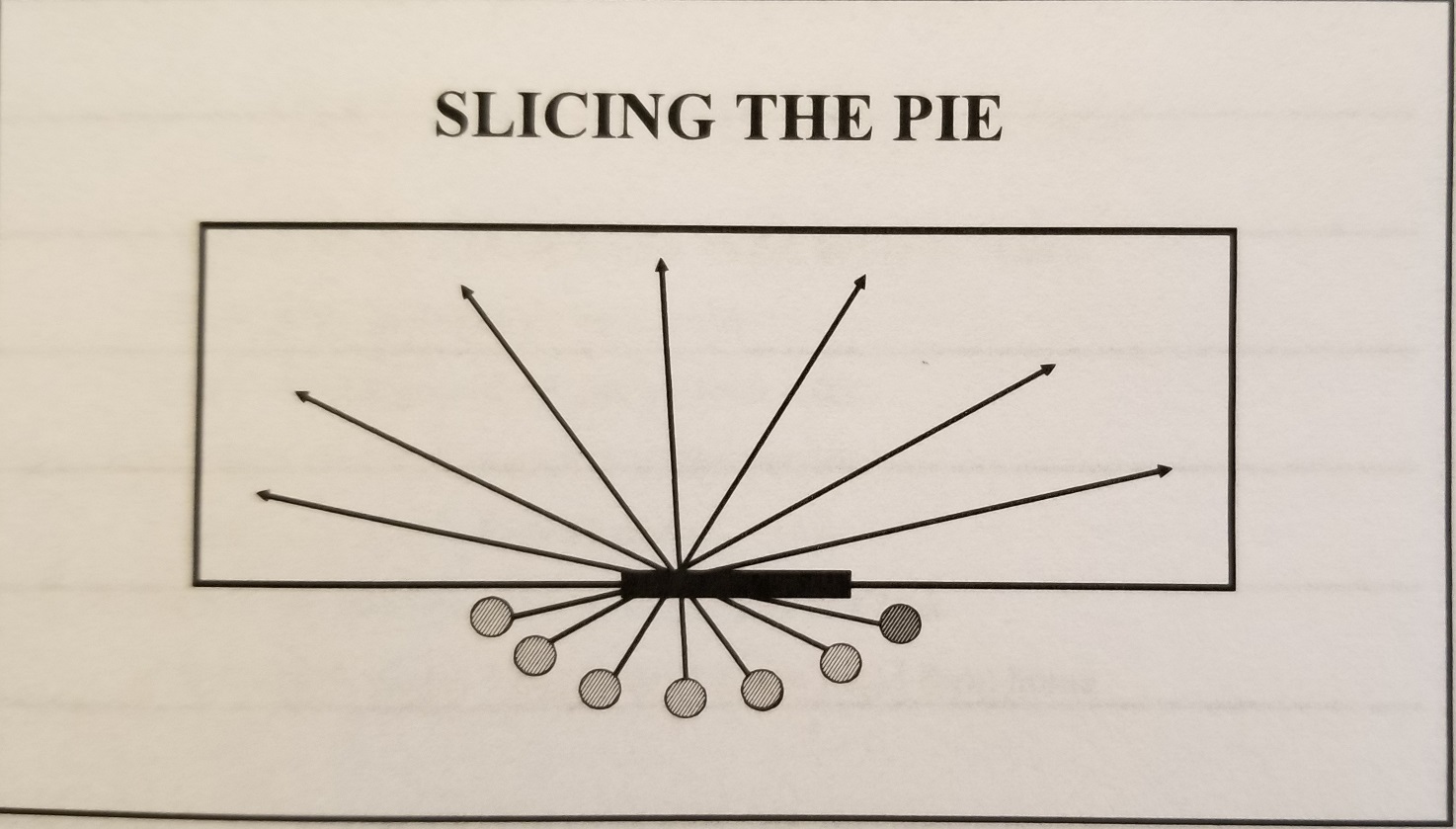
Let’s say the hero cop in your story needs to clear a room on the right-hand side of the hallway. For simplicity’s sake, we’ll say the door is already open.  If he approaches along the right-hand wall, he has zero visibility into the room until he’s right on top of it.  Then, in order to do the job that needs to be done, he’s got to swing out and expose at least half of his body to whatever the villain has planned.  That’s bad.

Each dot in the picture is the same person, advancing with baby steps.

The smart move is to approach along the left-hand side of the hallway.  As your hero approaches the open door, he moves with tiny steps, his weapon up and ready to shoot.  As that plane of the doorway opens a little at a time, your good guy exposes only a tiny sliver of his body, a little at a time, and that exposed sliver is the one that holds a gun, ready to shoot first or shoot back.  Incoming fire would require extraordinary marksmanship on the part of the bad guy.  This tactic is call “slicing the pie,” and it’s more or less the same maneuver that would be used to turn a blind corner.

In general, it is always a bad idea to advance too closely to a solid wall surface like cinder block or concrete because of the risk of ricochet.  By definition, ricochets have expended much of their energy on initial impact, but the closer you are to the point of impact, the worse the damage will be.

As for the muzzle-to-muzzle trope, I throw that in as a way to introduce the concept that a “fair fight” is anathema to every police and military agency I’m aware of. From the law enforcement officer’s point of view, the threat of overwhelming violence saves lives, but sometimes the threat becomes reality.  No sane person who has the means to defend himself would try to out-talk a bullet.

First Page Critique:
Naked Came the Stranger

John William Waterhouse’s “Naiad.” (1893)

By PJ Parrish

I am way behind on my First Page duties, so I hope you all don’t mind taking a look at another, coming right behind yesterday’s submission by Clare. This is an odd one, in that I am not quite sure what to make of it.  I know it’s a mere 400 words or so, but it’s hard to tell what kind of book we are dealing with here.  Your comments, TKZers, are always welcome.

The Artist and the Model

Blake Everette loved painting seascapes. He enjoyed the rock outcroppings around Smugglers Cove. While descending the steep path down the cliff, he noticed two Sea-Otters playing on the rocks. He found a spot he liked near the south end of the beach, away from the path. Before he set up his easel, he grabbed his sketchpad to sketch the Otters. But, soon they left, swimming off. Blake set the sketch aside thinking: Perhaps, I’ll add the Otters to today’s painting.

Blake worked all morning, painting. At noon he stopped for lunch. He grabbed a sandwich and a beer from his backpack, sat on the dune, sandwich in one hand and a beer in the other. Soon, a movement on the rocky outcrop drew his attention. His first thought: The Otters are back. He reached for the sketchpad. Yet, on closer inspection, he realized: It’s not the Otters … it’s a person. From his distance, he couldn’t tell gender.

The figure walked along the rock stretching its arms and legs. Before long, it dove into the sea and swam outward, with powerful confident strokes. After a hundred yards, it turned back. The swimmer reached the shore, ten-yards from Blake. At that point, gender was not in doubts—it was a woman. Her swimsuit was a piece of red material, held in place by a red cord around her hips—other than that, she’s naked.

“Hi there,” she waved.

“High yourself,” Blake replied, “It’s a bit cold for swimming?”

“A little—but invigorating.”

“I paint here often, and you’re new.”

“I usually swim further up the coast. But I’ve had trouble there. I heard of this spot—deserted—thought I’d give it a try.”

“What sort of trouble?”

She cupped her breast in both hands, “Some people don’t appreciate nude swimmers on their beach.” She dropped her hands, looked straight at him, “Does it bother you—nudity?”

He slipped his sunglasses down and looked over the frames. “Not a bit.” He sat down, “I see nothing unpleasing to these eyes.”

“Ha, ha,” she laughed, dropping to her knees. “I like you,” she smiled. “You’re not like the other older people around here.”

“I don’t consider myself old. But, I’m fair and reasonable,” he said.

“It was a compliment. And as for age, I didn’t mean to imply…” she covered her mouth, blushing.

“No harm done—the truth is: I’m not as young as I once was.”

“In that context—neither am I,” she giggled.

“My name is Blake, by the way.”

She extended her hand, “Nice to meet you Blake—I’m Nancy … Nancy March.”

____________________________

Okay, we’re back and all goose-pimply from our nude dip in the sea. As I said, I haven’t the foggiest idea what genre we’re in here, so I will assume the story will reveal, eventually, a crime element given our bent here at TKZ.  Or maybe it’s romance. So let’s consider our usual basic question about good openings: Has something been “disturbed?” Well, I guess seeing a naked woman emerge from the surf is disturbing, so yes, we might read on.

But there’s a strange lack of emotion on Blake’s part about all this. I write a series about a male protagonist, so I have to, well, try to think like a man. I’ve been living in Louis’s head for 15 years, so usually it’s not an issue. If you want to write fiction, you must be able to write credibly outside your own experience and gender. But once, I got stumped. I was writing a scene where Louis comes upon a woman sunbathing topless. I knew he had to react, but I couldn’t figure out exactly how. So I asked my husband, “what would you do?”  He said, “I would look but pretend not to.”

I guess what I am looking for in this submission is some kind of reaction from Blake — and not just about a naked woman. We are TOLD that he loves to paint. We are TOLD that he enjoys this particular cove. He seems charmed by otters. Yet when a naked naiad appears before him, he has no thoughts, no emotions, no nothing. Even when the woman makes the oddly sexual motion of cupping her breasts.

Also, there’s a little bit of throat-clearing. Why begin at the morning with all the busy-business of him setting up, stopping for lunch, etc? Pick up the scene later, maybe when he pauses to take a drink of beer and then sees the woman? There are also some logic issues. What exactly is this woman wearing? I’m thinking it’s some kind of red bathing suit, bottoms only? But from a distance, he mistakes the “figure” as a brown otter?

We also have myriad typos and mistakes in here. Yes, we all make them, but we have to strive for a certain level of professionalism, even in a rough draft submission. Let’s take a closer look:

Blake Everette loved painting seascapes. You’re telling me; show me this through his thoughts and actions. He enjoyed the rock outcroppings around Smugglers Cove. While descending the steep path down the cliff, he noticed two Sea-Otters why capped?playing on the rocks. He found a spot he liked near the south end of the beach, away from the path. Before he set up his easel, he grabbed his sketchpad to sketch the Otters. But, soon they left, swimming swam off. Blake set the sketch aside thinking: Perhaps, I’ll add the Otters to today’s painting.  Maybe I can add the otters in later to today’s painting, Blake thought. Don’t use “academic” punctuation like colons to convey thought.

Blake worked all morning, painting. At noon he stopped for lunch. I’d suggest starting here. He grabbed a sandwich and a beer from his backpack, sat on the dune, sandwich in one hand and a beer in the other. Don’t need to tell us that. Soon, a movement on the rocky outcrop drew his attention. His first thought: His first thought was that the otters were back and he reached for his sketchpad. But then he realized it was a person. The Otters are back. He reached for the sketchpad. Yet, on closer inspection, he realized: It’s not the Otters … it’s a person. From his distance, how far? he couldn’t tell gender.

The figure walked along the rock stretching its arms and legs then Before long, it dove into the sea and swam outward, with powerful confident strokes. After a hundred yards, it turned back. The swimmer reached the shore, ten-yards from Blake. A little confusing here. When he first noticed the figure, it was so far away he couldn’t tell it was a naked woman. She swam 100 yds out and came back, but somehow ended up 10 yds from Blake? I thought she began way down the beach? 

 At that point, Go right into a reaction here. gender was not in doubts—it was a woman. Her swimsuit was a piece of red material, held in place by a red cord around her hips—other than that, she’s naked. A tense lapse.

“Hi there,” she waved. “waved” is not an attribution verb. She waved and then said. 

“High ???yourself,” Blake replied, “It’s a bit cold for swimming?” Seems a strange thing for a man to say to a naked lady. Unless you made it a visual point that maybe her skin is all goose-pimply? You don’t give us much visual to go on here at all. You missed a chance to SHOW us what the woman looks like via his thoughts. This whole scene is oddly bloodless. It might work to tell us before this how cold the day is. 

“A little—but invigorating.”

“I paint here often, and you’re new.” Again, this seems an odd thing to say. I am dying to know what this man is THINKING! Go into his thoughts a little. What is he feeling? Shy? Embarrassed? Turned on? He’s not even curious! At the very least, you are missing a chance to slip in a little backstory ie: He had been painting at Smuggler’s Cove every morning since he had moved here two years ago. He knew everyone in the village, from the old woman at the post office who remembered he liked bird stamps to the skinny kid who never seemed to remember he liked his newspaper tossed on the porch.  But this woman…he had never seen her before. WHERE ARE WE? Blue Hill, Maine? North Vancouver? There are always ways to gracefully slip this info in early on.

“I usually swim further up the coast. But I’ve had trouble there. This is the first indication of intrigue. I heard of this spot—deserted—thought I’d give it a try.”

“What sort of trouble?” Again, this begs for a quick thought. Maybe this is where you can tell us where we are? He can think that up the coast in Mendocino (or whatever), there had been trouble with kids on the beach…or something. Don’t miss small opportunities to insert details about setting.

She cupped her breast in both hands, I think you mean she cupped her breasts? Or do you mean she is trying to cover herself? Cupping is provocative. Folding her arms across her chest implies modesty. “Some people don’t appreciate nude swimmers on their beach.” She dropped her hands, looked straight at him, “Does it bother you—nudity?” A bunch of punctuation mistakes here and/or missing attribution.

He slipped his sunglasses down and looked over the frames. “Not a bit.” He sat down, “I see nothing unpleasing to these eyes.”

“Ha, ha,” she laughed, dropping to her knees. “I like you,” she smiled. “You’re not like the other older people around here.”

I’m only thirty-four, he thought. (slips in backstory!)  But he guessed that the woman was maybe twenty, so perhaps she considered him old.  We also get NO description of the woman other than she’s wearing a red bathing suit bottom. Perfect place to SHOW us what she looks like via Blake’s point of view. “I don’t consider myself old. But, I’m fair and reasonable,” he said. What does that mean, I’m fair and reasonable? 

“It was a compliment. And as for age, I didn’t mean to imply…” she covered her mouth, blushing. This woman, given her provocative actions thus far, does not strike me as someone who blushes easily.

“No harm done—the truth is: Lose the colons! I’m not as young as I once was.”

“In that context—neither am I,” she giggled. What context?

“My name is Blake, by the way.”

She extended her hand, period. “Nice to meet you Blake—I’m Nancy … Nancy March.”

________________

As I said, we’re handicapped by our 400-word limit, so it’s hard to tell where we’re going or what kind of world we’re entering here. But my main suggestion, dear writer, is that you slow down and little and add some emotional meat to these bones. The situation is intriguing, but because you haven’t given much of a context in setting or in your main character’s thoughts and emotions, I feel…well, at sea.

First Page Critique: The Heights of Valor

Happy Monday TKZers! Today, I have a first page critique that I think is really terrific – which means I don’t have a lot of comments as a result (though I have some you can read at the end). I think this submission demonstrates what a tight, well-written, historically authentic first page should look like!

THE HEIGHTS OF VALOR

Platteville, Wisconsin

April 26, 1898

The white-haired man behind the desk threw the newspaper down on the blotter. “It is completely out of the question,” Jeremiah Dawson sat back in the leather chair and stroked his beard. “The semester is not yet over. If you fail to complete the term, you shall not graduate with your class next year.”

The well-built young man sitting in front of his elder responded with a sober nod. “I am aware of that, Father. After my service in Cuba, I can return to the campus and take my final examinations. I have spoken to my professors. My standing in the class has earned me some measure of…leeway, let’s call it.”

“Charles, I–”

The young man leaned forward. “If you’re concerned about me delaying my joining the firm, rest assured, Father, I have every intention of coming back here once I complete law school. When the new century dawns, I will be here, at your right hand. Just as you and Mother planned all these years.” He sat back, crossed his legs and joined his hands. “I know that was her wish, God rest her soul.”

“It was most certainly not her wish for her only son to become cannon fodder.” The older man frowned, then stood, boosting himself up with a hand on the heavy oak desk. He reached for a cane. “You have no idea,” he whispered, shaking his head. He walked to the display case on the far wall of the office, unable to hide his limp. Pausing before the case, he placed a hand on it. “Son, war is not a lark. It is not…it is not some grand adventure.”

The young man stood, tugged at his waistcoat, and strode confidently to his father’s side. He moved with the easy grace of an athlete, and indeed he was one of the best boxers at the University of Wisconsin. He’d also taken up polo, further developing the horsemanship skills he’d honed riding through the ridges and valleys of Grant County. Fully three inches taller than his father, he stood next to the old man and placed a hand on his shoulder. “I understand that, Father,” he said. “Truly, I do.”

“That is not possible. You have not seen the elephant.” He flipped the latch and raised the glass lid. Reverently, he reached down and touched the old sword that rested on the red velvet. “If it is glory and adventure you desire, Cuba is the last place you shall find it.”

Comments

I think this is a great first page. The conversation between Charles and his father has a nice balance of tension, affection, and drama when it comes to why Charles wants to go serve in Cuba. I found this first page compelling and I would certainly continue reading. Even after just one page I have a good sense of the relationship between father and son, their expectations, and the conflict between them. I can already visualize both characters and have an understanding of who they are and what motivates them. Without having a whole lot of historical information, there’s just enough provided to set the scene and the dialogue and descriptions provided feel authentic for the time period.

If I was to be nitpicky I might say there were just a tad too many adjectives and description for Charles but that really didn’t bother me (although I was wondering if the writer meant ‘somber’ nod as opposed to ‘sober’ nod). I wasn’t totally sure about the reference to the elephant (seemed a strange nickname for a sword) but again, that didn’t bother me. Overall, I think this first page is tightly written and compelling. Bravo, to our brave submitter!

So TKZers, what comments or advice would you provide?

All Stories Have Legs

by James Scott Bell
@jamesscottbell

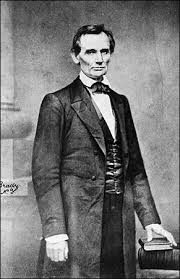
During Abraham Lincoln’s law-practice days, he had occasion to share a stagecoach with his soon-to-be adversary, Stephen A. Douglas, and a man named Owen Lovejoy. They were on their way to the courthouse at Bloomington, Illinois.

Douglas, known as “The Little Giant,” was about five feet tall with a long body and short legs. Lovejoy, on the other hand, had a short body and long legs. Lincoln, of course, was 6’4”. It must have been crowded in that coach.

At one point, Douglas tossed some shade at Lovejoy, remarking on his “pot belly” and long legs. Lovejoy came back with a barb about Douglas’s vertically-challenged sticks.

Then Lovejoy looked at the future president and asked, “Abe, just how long do you think a man’s legs should be in proportion to his body?”

Lincoln replied, “I have not given the matter much consideration, but on first blush, I should judge they ought to be long enough to reach from his body to the ground.”

And how long should a story be? Long enough to reach the end, and no longer. (Please note, I have not run this theory by George R. R. Martin.)

Which is why I love the novella form. In a brisk 20k-50k, you can grab a reader and deliver a wallop. Did you know that The Postman Always Rings Twice by James M. Cain is only about 35k words? Hemingway’s The Old Man and the Sea has a similar count.

Stephen King has done some of his best work in novellas (e.g., The Body and Rita Hayworth and the Shawshank Redemption)

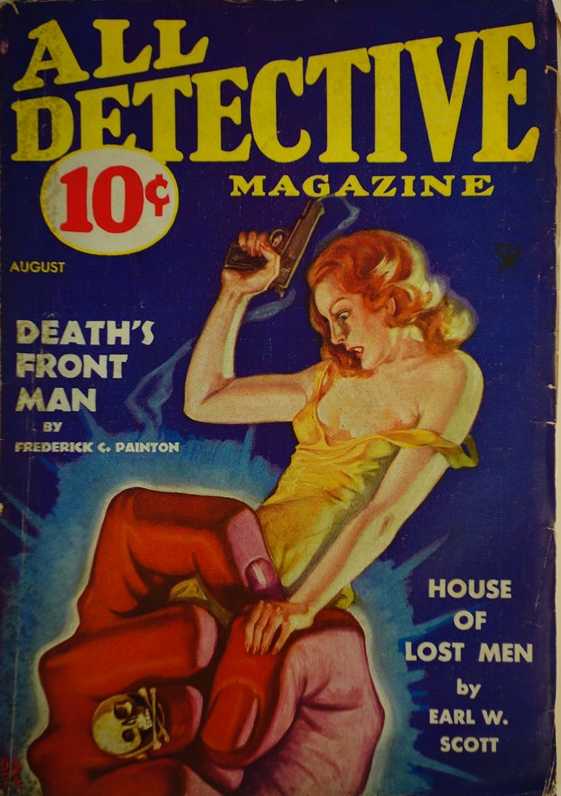
The novella really matured during the golden age of the pulp magazines. In the classic years of the pulps, roughly 1920 – 1955, America was awash in inexpensive commercial fiction of all types. These were printed on cheap wood-pulp paper, bound between wonderfully lurid covers. You could buy one of these magazines for a dime or 15¢, and inside you’d have a plethora of short stories and novellas and perhaps even an entire novel (or an episode from a novel in serialization).

A productive pulpster who could deliver the goods could make a living, even at a penny a word.

The novella largely disappeared after the death of the pulps. It was a difficult sell for book publishers who had to price them to make a profit, while bookstore browsers thought they might not be getting enough story for the price.

That didn’t mean the occasional novella didn’t break out (***cough***The Bridges of Madison County***cough***). But by the 2000s there were few being published simply because production costs exceeded revenue.

Now, because of the digital universe, those costs have disappeared, which has brought a revival of novella-length fiction.

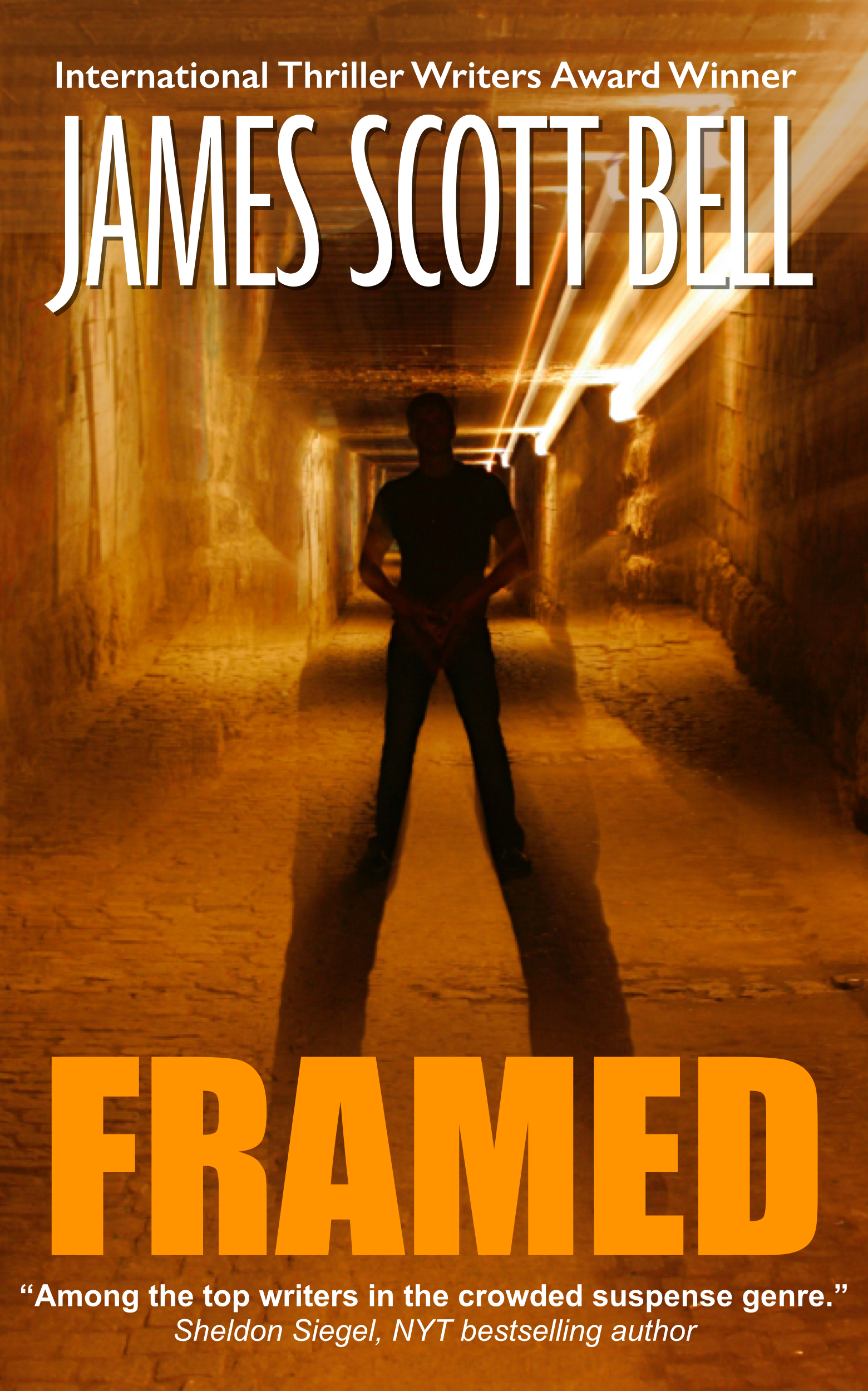
Like the one I’ve just published.

Here’s how Framed came about. A couple of years ago I was playing the first-line-game. That’s a creativity exercise where you just come up with great opening lines and see if any of them spark a story idea. I’ve got a whole file full of ’em, some of which have led to published work.

This particular morning I found myself writing It’s not every day you bleed to death.

I had no idea who my character was or how he or she got into the implied predicament.

So I started to play with it. How could this have happened? Was it a suicide or attempted murder? Did my character have a near-death experience? Could he be narrating from the beyond?

I kept asking myself what if questions and writing things down, and eventually came up with an explanation that I liked. And from there I proceeded to develop the story.

I set it aside for awhile as I worked on other projects, then late last year came back to it and finished it. And you know how I knew it was done?

Because its legs had reached the ground. The ending felt just right.

So now, in the spirit of the pulps, I am launching the ebook for just 99¢ on Kindle. I want you to have it. I believe there is a huge market for brisk, suspenseful fiction, just like there was in the 1930s and 40s.

Do you agree?

Remain Calm

Photo courtesy Louis N. Sorkin, BCE, AMNH

I offer the following with the intent of helping, knowing that the road to hell is paved with good intentions.

Those of us who visit TKZ on a regular basis are readers, among other things. As readers, we come into contact with books, and by “books,” for purposes of this discussion, I mean physical books. Part of that contact almost certainly includes visits to libraries, trips to used bookstores, and yes, the occasional foray into garage sales. Please note that you might bring home something other than words in that first edition you picked up for a quarter from the neighbor or that thirty-year-old book by a new-to-you author that you found at the library.

Someone I know recently showed me their ankle, which bore a number of horizontal puncture wounds with accompanying swelling. “Do you know what those are?” they asked. “Sure,” I replied. “Those are bed bug bites.” Hilarity did not ensue. I went into interrogation mode and had the person list all of the places they had been in the previous ten days. This was fairly easy to do, given that their cell phone tracked everywhere they been (yours almost certainly does the same thing). One place stood out: a library in the city we live in. “Well,” I said, “we know that you certainly can’t get bed bugs from the library!” Just to be sure, however, I did a little research and, contraire mon frere, the presence of bed bugs in libraries is becoming a significant problem nationwide.

There are a couple of reasons for this which aren’t important to our discussion here. What is relevant, however, is that once the little beasties are introduced into libraries they make their collective way into the books. This is particularly a problem with hardcover books, the majority of which have what are called “hollow backs,” where the spine of the book cover is not directly attached to the spine of the book block (the inner part of the book, consisting of all of the pages). If you open a hardcover book and peer down the spine from the top of it you can see the “hollow,” or tunnel. This gets larger with age and/or use of the book. The majority of paperback books have what are called “tight backs” where the spine of the book cover is directly attached to the spine of the book block, so that a hollow does not exist. However, you should flip through the pages anyway. Just to be sure.  Again, note the word “majority” here. In any event, bed bugs, it has been found, just love to nestle down in those hollow backs (for up to five years) and wait for someone to bring them home in a book, put the book on a bed headboard shelf, and go to sleep. For bedbugs, it’s kind of like being locked in a Duck Donuts shop overnight. Yum. The same problem theoretically exists in used bookstores, though I haven’t seen anything in the literature about that.

What to do? “Stop reading” and “stop patronizing libraries and bookstores” is NOT on the list. Just check the hollow backs of any books you borrow or buy going forward. If you peer down there (a flashlight helps) and if something waves back at you as you peer down the hollow then you have a problem. Stick the book in a ziplock bag, squeeze the air out, seal the bag and wait a few days. In space, no one can hear a bed bug scream. As it happened, I had several library books in the house when I was playing Doctor Kildare, so I immediately checked them. All of the books were fine. If you do find something, tell the library or bookstore. Libraries have become very proactive about dealing with this problem but the librarians have to be aware that the problem exists in their library before they can do anything about it. Again, I’m not trying to scare or panic anyone. It’s just a potential problem with which we must deal.

Question: what is the worst thing that you ever accidentally brought ho…actually, let me start over. What is the worst creepy-crawly that you have ever accidentally brought into the house? I was bringing in the daily paper for a vacationing neighbor and discovered that a spider had stowed away in the plastic bag. It was on the wrong side of the door when it manifested itself. I stomped it for something like a half-hour. Anyway, that’s me. Tell me what you have. And thank you as always for stopping by.

Re-reading your work

By Elaine Viets

I can’t read my novels when they’re hot off the presses. That’s when I see the parts that sag and the phrases I wish were more graceful.
But when I finally read Shop till You Drop, the first Dead-End Job mystery I wrote in 2003, it almost seemed like it had been written by someone else.

I had to reread all my Dead-End Job mysteries. I have four mystery series: the Dead-End Job series is a collection of funny mysteries set in South Florida. There’s the cozy Josie Marcus Mystery Shopper mysteries. Plus the Francesca Vierling newspaper mysteries. Right now, my current series is the forensic mysteries with death investigator, Angela Richman.
I am “backlist rich,” as my agent, Joshua Bilmes says. Joshua is president of the JABberwocky Literary Agency in New York, and he wanted to re-release my backlist. JABberwocky represents award-winning authors including Charlaine Harris, Brandon Sanderson, Toni Kelner and Tanya Huff, and has made books available from two dozen of the agency’s clients within its e-book program.
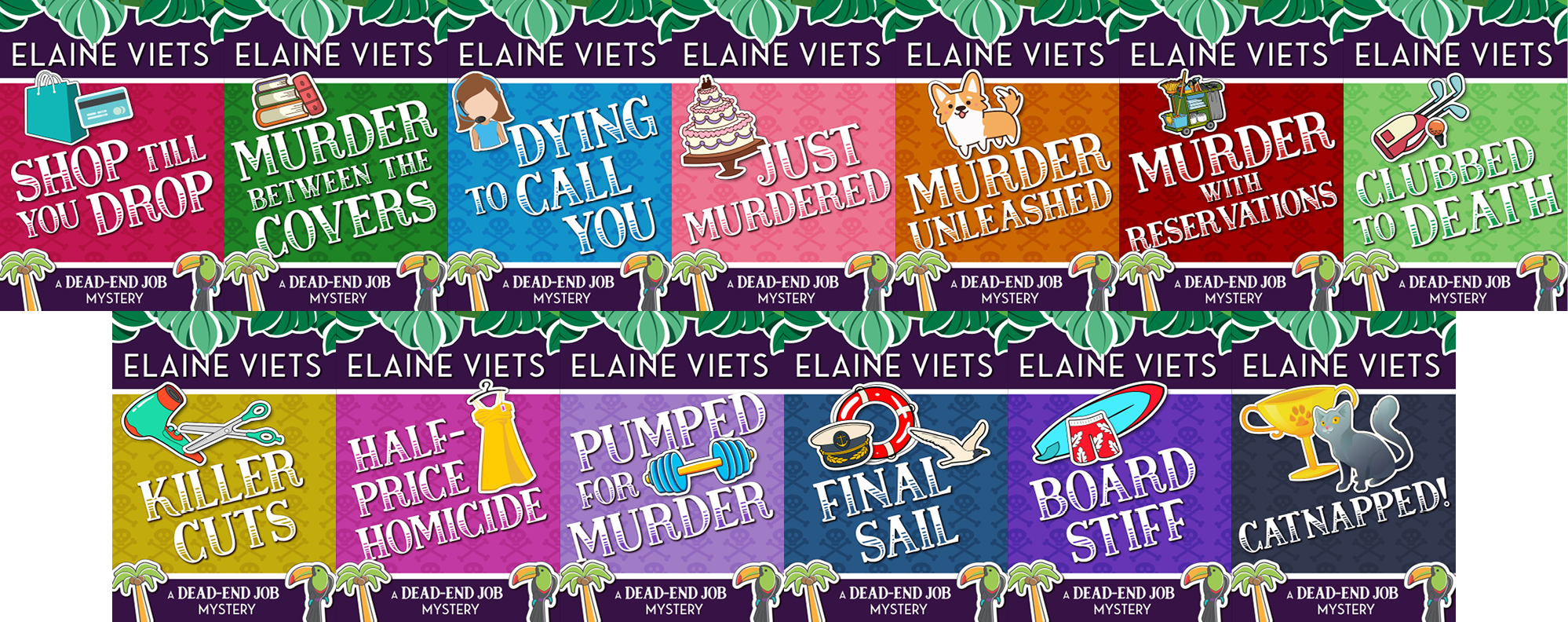
Done right, re-releases are expensive: re-releasing my 23 books in the Dead-End Job and Josie Marcus mystery shopper series can cost a solid five figures, and JABberwocky fronted the money. The novels will get new covers and fresh cover copy. We started with the first 13 Dead-End Job mysteries. Jenn Reese at Tiger Bright Studios designed clean, bright covers with a different symbol and color for each novel.
Meanwhile, I had to read all 13 Dead-End Job mysteries, and correct the small errors that happen when the files are converted to book format, plus the occasional typo. I was blessed with good copyeditors for this series, but one was crazy for semicolons. I have a deep, abiding hatred for semicolons in novels. They should be banished to term papers. I rewrote to get rid of the pests.
I recommend rereading your own work. I shouldn’t have waited 15 years. Reading your work will teach you a lot about your writing. Here’s what I learned:


(1) I needed a bible. Not the Good Book, but a list of every character and place I used in the series. I never expected this series to last for so many books. How long did Helen’s deadbeat husband live off her without getting a job? In some books, it was five years. In others, it was seven. I settled on a biblical seven years. And Helen’s age ranged from 41 to 42. She became 42 forever. Even if you have a two-book series, start a bible.
TKZ writer Kristy Montee, one half of PJ Parrish, says she has a high-tech method: She keeps a handwritten notebook. “We started it with the first book. It’s a dossier with a page(s) for every character we have ever created. To be honest, it’s easier to use than a computer file.
“On Louis’s page, for example, we have such strange facts as:
“Foster father was wounded in left leg in Korea.
“Joined Ann Arbor PD Jan. 1981
“His badge number in Loon Lake was #127
“Got college girlfriend pregnant in Feb. 1980.
“Takes 3 sugars in black coffee.
“Refurbished his vintage Mustang in the book Paint It Black.
“We do this for every character. It’s saved us MUCHO grief.”
This is what I should have done.

(2) I was overly fond of certain phrases. Never mind which ones – they’re gone.


(3) I insulted an ethnic group. I described a Caucasian woman who’d had too many eye jobs as having “Chinese eyes.” More than one reader said that was insulting to Asians. They were right. Never mind that I didn’t mean to insult anyone. That phrase is gone.


(4) The novels I thought were the best turned out not to be. I didn’t rewrite them – they got good reviews. But I learned another lesson: don’t overload the first few chapters with too much information.


(5) Some lines made me laugh. In Clubbed to Death, Helen’s co-worker says this about their hated boss: “Her heart is as hard as her fake boobs.”
When Helen meets her future husband in Dying to Call You, she notices, “His nose was slightly crooked. Helen liked that quality in a man.”
The novels were wistful at times. In Murder with Reservations, Helen wonders, “How come when you finally got what you wanted, it wasn’t what you needed?”
After reading all the novels, I liked them. They’re mysteries with a sharp look at Florida life.
But from now on, I need to woman up, and get booking. I’m taking my own sharp look at my writing.

Thirteen Dead-End Job mysteries are being re-released as e-books by JABberwocky Literary Agency. Buy the whole set or treat yourself to the books you missed. Prices start at $2.99 and go up. Check them out here. http://awfulagent.com/ebooks/elaine-viets

When A Thing Becomes a Motif

There’s a lovely word that describes an object or idea that shows up again and again in a story: motif. To be a true motif, that object or idea should reinforce the story’s theme. But I confess that when we start to talk too long about things like stories’ themes my eyes tend to glaze over. So I’m perfectly happy to expand the definition to anything that appears repeatedly.

Years ago, it was thought that you could up your chances of getting poems into the New Yorker if you included water images in them. I think I read that something like 40% or more of the poems actually did have water in them for a period of time.  Even if an individual poem only contained one mention of water, water was still a motif that strung together many, many issues of the magazine.

Famous literary motifs: a handsome prince, a poor, but humble girl who becomes a princess, darkness, fog or rain, in gothic stories. In Dickens’ Tale of Two Cities, there are sets of doubles, Lord of the Flies has the conch shell, and The Wizard of Oz has a heart, courage, and a brain. Both Shakespeare and the Bible frequently use references to light and darkness to make a point.

In some mystery and thriller stories: the emotionally scarred cop/investigator, the town gossip, weapons, a MacGuffin, a wise mentor. I know there are many more. Motifs and tropes are closely related.

For years, I had an antique comb, mirror and brush set in every story (until someone pointed out to me how weird it was). But now my main motif is a house. I find it hard to write a story unless some of the characters are closely identified with a particular house. As in dreams, a house can be a metaphor for oneself. For me, a house represents a home, and that motif matches up with a theme that’s common to all my books: home is the most important place in the world, even if it’s a terrible, frightening place.

(Update: I originally forgot to include a motif in one of my own stories that someone who was teaching it for a college class pointed out to me. I confess I had never realized it was there, which was probably the reason it worked so well. It’s a recurring dialogue exchange but spoken between varying characters: “Are you there?” “Yes, I am here.” Here’s the link to the story in PANK Magazine. “When I Make Love to the Bug Man.”) 

Do tell, TKZers. What motifs stand out in stories you love? And what things show up again and again in your work?


Have You Tried The “Page 69 Test”?

Photo purchased from Shutterstock

Let’s revisit a little test that was first introduced at this blog by own TKZ alumnus Joe Moore back in 2010: the “Page 69 Test”.

So, what is the Page 69 Test? Quoting Joe:

(It is)…a trick to help everyone in choosing a book to read.
Picture yourself standing at the new release table in your local bookstore. You see a bunch of new arrivals. Some authors you’ve heard of, some names are new. How do you choose? According to John Sutherland, author of How to read a novel, you don’t judge a book by its cover.


Dust jackets, blurbs, shoutlines, critics’ commendations (“quote whores”, as they are called in the video/DVD business) all jostle for the browser’s attention. But I recommend ignoring the hucksters’ shouts and applying instead the McLuhan test.


Marshall McLuhan, the guru of The Gutenberg Galaxy (1962), recommends that the browser turn to page 69 of any book and read it. If you like that page, buy the book. It works. Rule One, then: browse powerfully and read page 69.

Want to try it? Grab one of your books (or a book you’re reading) and turn to page 69. Does it grab your interest? Would you buy that book, based on what’s written on page 69?

1st Page Critique: Pinprick

By SUE COLETTA 

We have another brave writer who submitted their 1st page for critique. My suggestions will follow. 

Title: Pinprick 

RICHMOND, VIRGINIA 

Rosa Gomez slammed the door behind her and stalked out onto her small front porch.  She’d just seen the tattoo on her nephew Bernardo’s neck, and knew that if she stayed in the house she’d do something she’d regret.   Mara Salvatrucha was scrawled in ink across the back of his sixteen year old skin.   Mara Salvatrucha meant MS-13, the most vicious street gang in the Americas.   

She collapsed into the rocking chair where she spent her evenings, rocking back and forth, glaring at the gang members who paraded past her bungalow.  Her house was the last one in the neighborhood with a mowed lawn and a front light that hadn’t been shattered by gunfire.  They’d demanded that she pay them money as recognition that they controlled the neighborhood, but she’d vowed to die before she paid them any tribute.   

Most nights she sat with a shotgun on her lap, reminding the punks that they might control the neighborhood but they couldn’t control her.  

She glared out into the darkness, her lower lip thrust forward, knowing that her defiance would be seen by the mareros.  She’d been stubborn since the day she was born.  Her father said he’d seen more of her lower lip than any other part of her body.

Chamacas,” she shouts at the street.   She’s calling them little girls, the way they said it in El Salvador.    It wasn’t much to throw at them, but she’s so upset it’s all she can think of.   

She collapsed back into her chair, rocking back and forth in the early November chill, settling into the rhythm that pumped blood into her arthritic knees.   


I like where you’re going with this, Anon. If done well, this could be a compelling storyline about a world many people don’t know a lot about. One word of caution: please portray the inner-workings of gang life and those affected by it in an accurate way, rather than basing your research on the stereotypes fueled by the media. I’m not saying you’ve done that here, just something to think about.  

Big Picture  

Why not show Rosa’s reaction when she first sees the tattoo? This is a big deal. Her nephew just joined a ruthless street gang, the same gang that’s harassed the neighborhood for years. SHOW us how he first told his aunt he’d jumped in. Did she see the tattoo by accident when he stripped off his shirt? Did he flaunt the tattoo in her face? Had he been covered in welts, cuts, and bruises days before this tattoo appeared? There’s your opening. Save what you have here for page 3 or 4. 

First Lines 

I’m a sucker for a great first line. It often takes me several rewrites till I’m satisfied, so I understand the struggle. A great first line accomplishes many things.

A first line should …

  • Hook the reader 
  • Establish mood  
  • Give a sense of foreboding 
  • Reveal character and voice 
  • Hint at, or outright show, an obstacle 

If the first line doesn’t grab the reader’s attention – Think: “Hey, pay attention!” — they may not read the sentence that follows. For writers who choose the traditional publishing model, here’s a hard truth. Agents and acquisition editors give each query 8 seconds, max. If the first line doesn’t grab them, you could drown in that slush pile. 

Links for further study … 

Jerry Jenkins broke down opening lines into four categories: surprise, dramatic statement, philosophical, and poetic. Find the post HERE. 

Writer’s Digest gave us 7 Ways to Create a Killer First Line. 

One of my favorite features on Writer Unboxed is Flog a Pro. Here, you can read numerous 1st pages from books that sit on the New York Times Bestsellers’ List. Skim 58 opening lines, and you’ll see why they’re so important. It’ll also help spark ideas for your story. 

Point of View 

You’re using a limited 3rd POV, which is fine if that’s your intention. However, deep POV has the ability to more closely bond the reader to the main character. Whether you write in 3rd or 1st doesn’t matter. The technique is the same. I hate to keep beating this particular drum, so for an in-depth look at deep POV read this 1st Page Critique 

Nitpicks 

We use one space after a period, not two (or three, like you’ve done in a few places). This may seem petty, but details matter. You also have your tab set to an awkward spacing, which justified when I copied to the blog. The norm is .5.  

Nitty Gritty  

Rosa Gomez slammed the door behind her and stalked out onto her small front porch. (Strong action verbs form an excellent mental picture. Very good. However, try using a first line that delivers more of a punch.) She’d just seen the tattoo on her nephew Bernardo’s neck, and knew that if she stayed in the house she’d do something she’d regret. “Seen” and “knew” are telling words. Anytime you tell the reader what’s happened you rob them of the experience. The same sentence rewritten to show the action would look like this: After glimpsing the tattoo on her nephew’s neck (we don’t need to know his name yet)Rosa stormed out of the house before she crucified him. Sixteen years old and he’s marked for life.

Mara Salvatrucha was scrawled in ink across the back (isn’t the tattoo on his neck? Or do you mean the back of his neck? Be clear and concise. I had to scroll to the top to make sure I’d read “neck” the first time) of his sixteen-year-old skin. Too on-the-nose. See how I slipped in his age earlier? That’s one option. Another is to show through dialogue.  

For example, when she confronts Bernardo, he could say, “I’m an adult. I can do what I want with my body.”  

“But you’re only sixteen, Meho.” 

Mara Salvatrucha meant MS-13, the most vicious street gang in the Americas. The explanation of MS-13 I’ll get to in a minute. In the meantime, America has no “s.” Perhaps you meant “United States”.   

She collapsed into the rocking chair where she spent her most evenings, rocking back and forth, glaring at the gang members who paraded past her bungalow.  Her house was the last one in the neighborhood with a mowed lawn and a front light that hadn’t been shattered by gunfire (the wording could be tighter, but I like that this shows Rosa doesn’t take any crap. She’ll make a fine hero for this story.) They’d demanded that she pay them money as recognition that they controlled the neighborhood, but she’d vowed to die before she paid them any tributeTribute’s an odd word choice. More importantly, you’re missing an excellent opportunity to sneak in a tidbit about Rosa’s background and/or show her personality. Example: She hadn’t scrubbed bedpans for forty years to fork over the cash to a bunch of gang-bangers. They’d have to kill her first. 

Most nights she sat with a shotgun on her lap, reminding the punks that they might control the neighborhood but they couldn’t control her.  Nicely done. 

She glared out into the darkness, her lower lip thrust forward, knowing that her defiance would be seen by the mareros. The title of a street gang should be capitalized. “Knowing” is a telling word. You started to SHOW us the action, then pulled back. Rosa glared into the darkness with her lower lip thrust forward. Any minute now, the Mareros would catch wind of her defiance. She tapped her signet ring against the cool steel of her shotgun. Let them come.  She’d been stubborn since the day she was born.  Her father said he’d seen more of her lower lip than any other part of her body. The last two sentences are unnecessary backstory and all telling. SHOW these details later through dialogue and action. 

Chamacas,” she shouts at the street.   She’s calling them little girls, the way they said it in El SalvadorIt wasn’t much to throw at them, but she’s so upset it’s all she can think of.  This paragraph slips into present tense … “shouts” should be “shouted”, etc. But it also raises a bigger, more important issue — the use of a foreign language. On one hand, we want to be authentic in our writing. On the other, we don’t want to have to explain. Or worse, risk confusing our reader. Some writing advice says to stick with English. Period. Or only throw in a foreign word (always italicized, btw) if the meaning is clear.  

I like to take chances in my writing, so I didn’t heed this warning. In SCATHED, I included an old-school Italian grandmother, Mrs. Falanga. Like many Italian grandmothers (and I’m no exception), she’s very excitable and enthusiastic around children. Problem is, when she gets rolling she slides into mixing both dialects together. It’s also part of her charm, along with hand motions to accent her words. These mannerisms and speech enhance Mrs. Falanga’s character. To avoid her native tongue would destroy some of her endearing qualities. That said, she wasn’t an easy character to write. I can tell you how I handled using a foreign language, but we don’t have room for that today. I will, however, write a post about it in the near future. To be continued …  

She collapsed back into her chair, rocking back and forth in the early November chill, settling into the rhythm that pumped blood into her arthritic knees. I like the mental image. Rosa reminds me of Clint Eastwood’s character in Gran Torino. We don’t necessarily need to know about Rosa’s arthritic knees, but if you choose to include it, then SHOW her knees aching. With the shotgun leveled in her lap, does she take a moment to massage one knee?

Overall, I like Rosa enough to turn the page. How ’bout you, TKZers? What advice would you give to strengthen this 1st page? Thanks to Anon for sharing his/her work. A public critique takes courage. Best of luck to you!