By PJ Parrish
We have a new contribution from a writer today. For me, it hit home, because it made me think about something I had been dealing with in my own books. I’ll explain after you take a moment to read today’s submission. Thanks writer!
Darkness
His cell phone buzzed and rattled on the bedside table, forcing Jake Barnes to fight his way up through the haze of a deep sleep. He slapped blindly in the dark, searching for the offending device. Wiping the sleep from his eyes, he looked at the screen. Shit, three thirty in the morning, and of course its work calling. When he had taken the supervisor’s position at the Energy Control Center in St. Paul, Minnesota, he hadn’t expected the phone to ring quite so often. And its always something they could handle on their own if they tried.
He answered the call with a quiet “Wait.” Sliding out of bed, he stepped into the bathroom and closed the door. “This is Jake, go ahead.”
“Holy shit, man, I’m glad you answered. We are having some serious problems right now.”
Jake winced and moved the phone an inch away from his ear. “Not so damn loud, Glen,” he said, leaning back against the sink. “Take a few deep breaths and start from the top, OK?” Glen Reynolds was another of the supervisors at the ECC, running the night shift this week.
“Sorry. It’s been a rough night. We were running the Sunday night system scans when the backup went down. As soon as IT hit go, the damn thing went black. We called in Ron to help, but he couldn’t get it running either. So we are down to one SCADA, and we have no idea why we lost the backup.”
The line was silent as Jake thought about the situation. The SCADA were computers used to control complex systems, made by Siemens in Germany.
“Jake, you still there?”
“Sorry, I was thinking. Look, I know things fail, but when is the last time you saw one of the SCADA go down?” He paused, waiting for an answer. When Glen didn’t respond, he continued. “Exactly. Is the primary server still working?”
________________
Okay, let’s start with general observations. First, it’s cleanly written (except for some typos and such). It’s easy to figure out what is going on — guy (protag maybe?) getting roused from sleep with a “situation.” But here’s the rub: Do we care?
I can’t count the number of times I have read this opening. The person’s job may change (usually, it’s a cop getting called out to a murder scene) but the action-catalyst is always the same — the call that comes to wake someone up and spur them to action. It’s been done to death. The fact that Jake isn’t a cop doesn’t really make it feel any fresher. It’s a tired trope of crime fiction and maybe it’s time to retire it forever.
We talk often here about how an effective, grabber opening conveys a sense of disturbance, how we need to show that something has gone awry in the normal world. The disturbance can seem small (but as the plot plays out, we learn it was important). Or it can be earth-shattering, like a killer comet is heading our way and someone has to save the world.
It can be personal. In fact, I’d say the best disturbance/openings are usually human in scale. I pulled Miami Blues off the shelve to show you this opening from one of my favorite writers Charles Willeford:
As Roy Dillon stumbled out of the shop his face was a sickish green, and each breath he drew was an incredible agony. A hard blow in the guts can do that to a man, and Dillon had gotten a hard one. Not with a fist, which would have been bad enough, but from the butt-end of a heavy club.
Or maybe the disturbance is something that the protag observes. Here’s a dandy from John D. MacDonald:
We were about to give up and call it a night when someone dropped the girl off the bridge.
Maybe the disturbance starts out personal but morphs into something big, like Stephen King gives us in It.
The terror, which would not end for another twenty-eight years – if it ever did end – began, so far as I know or can tell, with a boat made from a sheet of newspaper floating down a gutter swollen with rain.
This opening gives us a boy who tries to retrieve a paper boat from a drain and gets lured in by a killer clown who cuts the kid’s arm off.
But what an opening disturbance shouldn’t be is trite or tired. It has to be a catalyst for the conflict to come. And it has to feel like you alone among all writers could have put it on paper. So, if you’re going to start your book out with a phone call, you better make it good, like this:
When the phone rang, Parker was in the garage killing a woman.
That’s Richard Stark aka Don Westlake. He knows his way around a juicy opening.
Back to our submission: There’s nothing wrong about it on the surface, as I said. Jake Barnes quite literally takes the proverbial “three a.m. call” challenge. The caller literally says, “We have some serious problems.” I wonder, dear writer, if there isn’t a more original way to begin your story? Just because it’s about computer geeks instead of cops doesn’t make it less hoary. If this big computer failure is your dramatic catalyst, why not start with Jake right on the scene? You can say he had been roused from sleep by a cohort, but why not START with him in action instead of in bed?
Now, let’s talk about the language — specifically the profanity. I’m going to throw this one out for discussion because there are arguments on both sides on this subject. Side 1: People swear. It helps make the dialogue feel more realistic. Side 2: Profanity is a big turn-off for a lot of readers, so why do it?
I come down on this somewhere in between. I write about cops and PIs, so my books have their share of blue language. I even drop the f-bomb when I really feel it’s needed. But over fourteen books now, and yes, after getting feedback from readers, I have really toned it down. In the first draft, I cuss like a sailor. But these days, on rewrites, I almost always take most of it out. Profanity can get old really quick. And not because it is offensive. Because it is can feel forced, almost desperate. If my characters swear, well, hell, they have to be well-rendered, right?
Now, I question every curse word I use. Here’s the original opening of our new book The Damage Done:
Something was wrong. This wasn’t where he was supposed to be.
Louis Kincaid leaned forward and peered out the windshield. The gray stone building in front of him went in and out of focus with each sweep of the wipers, appearing and disappearing in the rain like a medieval castle on some lost Scottish moor.
But it was just an abandoned church, sitting in a weedy lot in a rundown neighborhood in Lansing, Michigan. Louis picked up the piece of paper on which he had scribbled the directions. It was the right address, but this couldn’t be the place where he had come to start his life over again.
He rested his hands on the steering wheel and stared at the church. A car went by slowly and pulled up to the curb, parking in front of him, maybe fifteen feet away. Louis sat up, alert. It was a black Crown Vic with tinted windows and a small antenna mounted on the trunk. But it was plate that gave it away -– three letters and three numbers, just like all Michigan plates, but this one had an X in the middle.
An unmarked cop car. The driver didn’t get out. But he didn’t have to. Louis knew who it was.
The devil. It was the f–king devil himself.
Now, Louis is looking at the man who once took away his badge. He hates the guy. But on rewrites, I took the f-bomb out. I didn’t need it. Because Louis isn’t an f-bomber by nature. And it works better simply as “It was the devil himself.” I have other f-bombs in the book, mainly uttered by another character because it feels true to his rough nature. But on the first page? I thought it was too in-your-face.
In this submission, we get two “shits” and two “damns.” Is that too much? I dunno. I’m just throwing this issue out for discussion here. Please weigh in with how you handle profanity as a writer — and as a reader.
Now let’s do some line editing:
His cell phone buzzed and rattled on the bedside table, forcing Jake Barnes are you sure you want to use the name of Hemingway’s most famous heroes? to fight his way up through the haze of a deep sleep. He slapped blindly in the dark, searching for the offending device. Wiping the sleep from his eyes, he looked at the screen. and finally grabbed the phone. Shit, three thirty in the morning, and of course its work calling. Is this a thought? Then you should set it off in italics on its own line. When he had taken the supervisor’s position at the Energy Control Center in St. Paul, Minnesota, This is a mini-info dump. You can convey this info more gracefully through dialogue. he hadn’t expected the phone to ring quite so often. And its always something they could handle on their own if they tried. Tense lapse here. Should be: It was always something they could handle on their own if they tried.
He answered the call with a quiet “Wait.” Sliding out of bed, he stepped into the bathroom and closed the door. Little confused here. He’s in his own home? He’s alone? Why the need to hide out in the bath? If he had a bed-mate, mention her. “This is Jake, go ahead.”
“Holy shit, man, I’m glad you answered. We are having some serious problems right now.” Is there some way to up the stakes here? “Serious problems” isn’t very interesting.
Jake winced and moved the phone an inch away from his ear. “Not so damn loud, Glen,” he said, leaning back against the sink. “Take a few deep breaths and start from the top, OK?” Glen Reynolds was another of the supervisors at the ECC, running the night shift this week. This might be where you could drop in the backstory: Glen Reynolds was another supervisor at Energy Control Center. (This way you get it OUT of your crucial first graph)
“Sorry. It’s been a rough night. We were running the Sunday night system scans when the backup went down. As soon as IT hit go, the damn thing went black. We called in Ron to help, but he couldn’t get it running either. So we are down to one SCADA, and we have no idea why we lost the backup.”
The line was silent as Jake thought about the situation. The SCADA were computers used to control complex systems, made by Siemens in Germany. Good way to slip in what this is.
“Jake, you still there?”
“Sorry, I was thinking. Look, I know things fail, but when is the last time you saw one of the SCADA go down?” He paused, waiting for an answer. When Glen didn’t respond, he continued. “Exactly. Is the primary server still working?”
Me again. So, as I said, it’s not a bad opening. But is a computer going down big enough stakes to make us want to read on? When I get a computer glitch, all I feel is frustration and annoyance. I don’t know if I want to read about one, even on a big scale (as this seems to be) UNLESS you find a way early on to make me care. Like can we get a hint about WHY this thing going down is important? Does it supply the artificial atmosphere for the desecrated planet? (sci-fi). Does it contain the world data base of moles for the CIA (political thriller). Is it a matchmaking super-computer? (Don’t laugh. Lincoln Child wrote a terrific thriller on this subject called Death Match.)
Any old computer dying isn’t interesting. If you can find a way to at least hint at what the stakes are here, we might be lured into caring…and reading on.
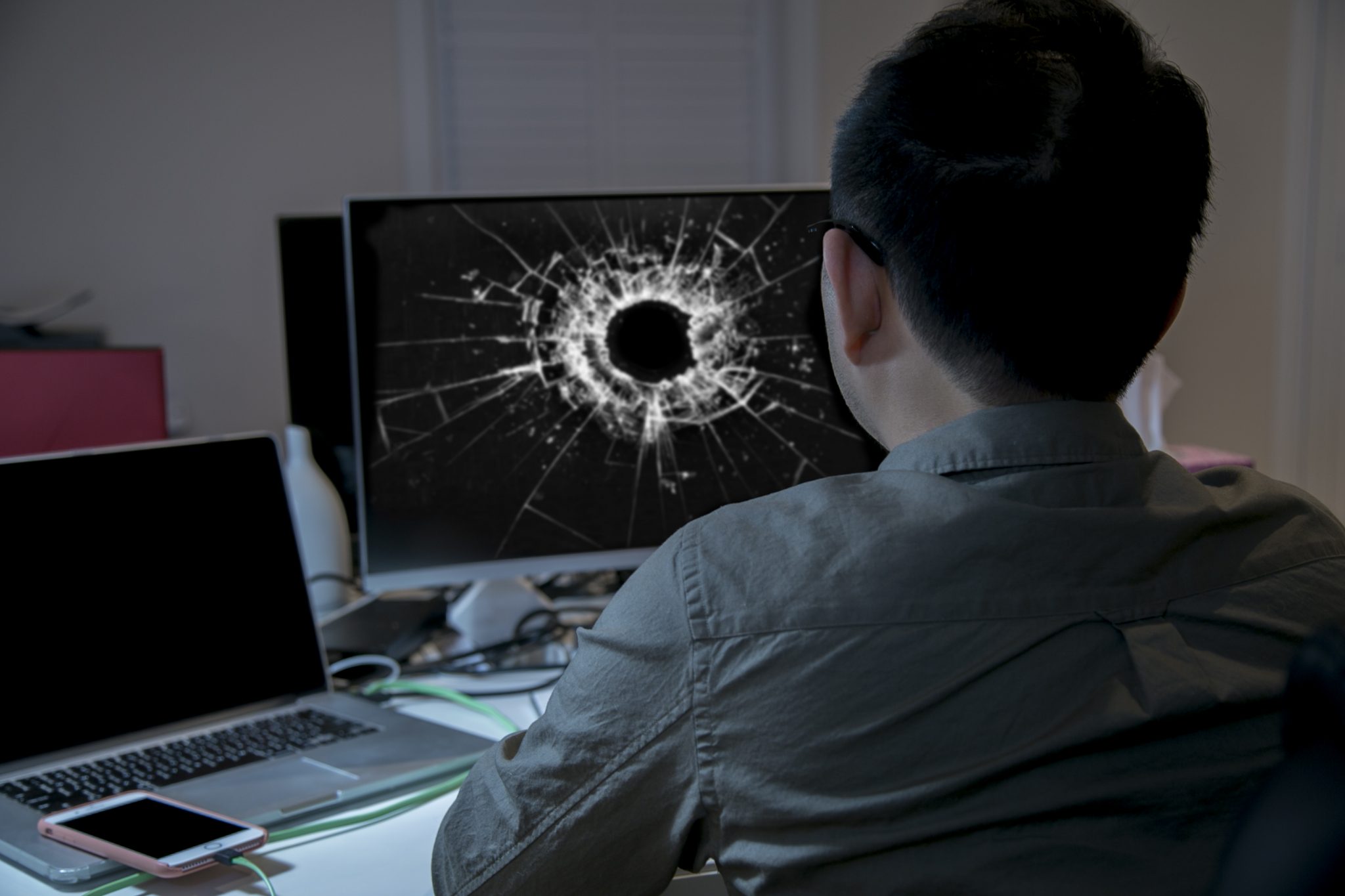
One last thing. About that title. “Darkness” is much too generic. If you are writing a thriller or mystery set in the computer sphere, why not go with something that tells readers what they’re getting? My computer geek Gary told me about a great slang term called “In the black mirror.” It is what you see when your screen goes suddenly dark — your own mug reflected back to you in creepy blackness. I always wanted to use it as a title but I have no interest in writing a novel about computers, so hey, it’s up for grabs. You need to stand out from the pack while you shed some light on what your story is about. Simple Darkness won’t do it for you.
Thank, writer, for participating. The line is open for discussion!

 Driving a car in Los Angeles offers great insight into human nature.



 Most of us are able to recall one or two of our dreams, but what if there were ways to increase that number?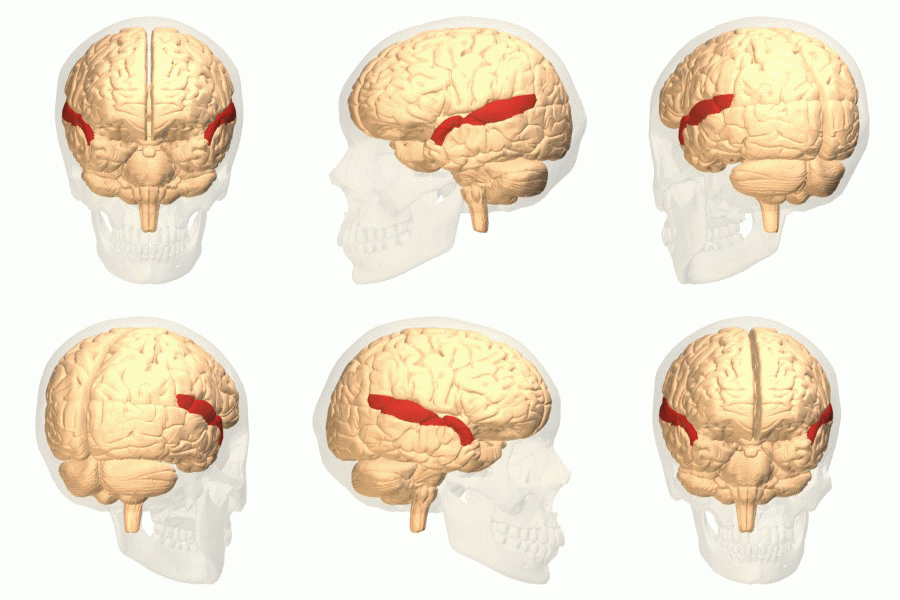
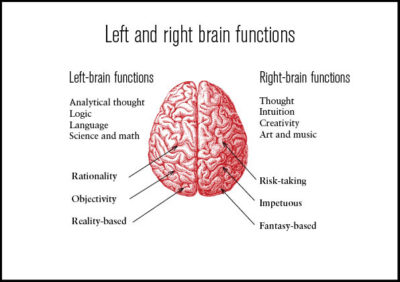 Brain cells in the left hemisphere have short dendroids which pull in information.