
Shutterstock image purchased by Debbie Burke
Can police take your property even if you haven’t been arrested or convicted of a crime? The disturbing answer is yes, according to this story from South Carolina:

Shutterstock image purchased by Debbie Burke
Can police take your property even if you haven’t been arrested or convicted of a crime? The disturbing answer is yes, according to this story from South Carolina:
Back around the turn of the century (that would be 1999, give or take), I had the honor and distinct pleasure of splitting a bottle of good Italian wine with Thomas Harris. For those who don’t recall, he is the brilliant writer who created Hannibal Lecter on the page. I was writing the screenplay for reboot of Red Dragon at the time. (No, my name is not on the film, and yes, I think I was screwed. Royally so.)
Tom was (and is, I suppose) famously reclusive. For the trade press back in the day, he was the get of all gets. I asked him why he so vigorously avoided the press, and he told me that among other reasons, it was good for a thriller writer to be mysterious. I took that to mean that the fame should be about the work, not about the author.
Truthfully, I’m not sure that was ever the case, but it’s interesting to think about against today’s backdrop of social media and the narcissism it breeds. And yes, I am a practitioner. (Have I mentioned my YouTube channel or my Facebook page yet?) I don’t think it’s possible to go to a writers’ conference anywhere where the effective flogging of social media is not a main event.
That genie is out of the bottle now, and there’s no putting it back. The question I grapple with is, where does the public Gilstrap end and the private Gilstrap begin? Because let’s face it: As players in the entertainment business, we are all one Twitter shaming campaign away from being ruined. And there’s the fact that some things simply are nobody’s business.
I interact freely and openly with readers and watchers of my channel. I encourage them to ask questions, and I promise honest answers. If a question crosses the line, I don’t make a big deal of it; I just delete it and pretend it was never there. And here’s why: There’s no point in engaging in any form of negative discourse in a public venue. Ever. I’ve build several successful careers around the inviolable rule that you always praise in public and correct in private. That’s just simple respect.
I know several authors who paste copies of negative Amazon reviews on Facebook and then go on to excoriate the author of the review, presumably for the purpose of public humiliation. What follows, of course, is a torrent of praise from his fans. I don’t get it. As longtime TKZers know, I am not a finger cymbals and incense kind of guy, but that kind of negative energy would exhaust me.
So, I thought I present my [until now, unwritten] rules about public discourse:
There are probably more, but that’s all that come to mind, and this post is running long anyway. So, speak up, TKZ family. What am I missing?

“Short fiction seems more targeted — hand grenades of ideas, if you will. When they work, they hit, they explode, and you never forget them.” ― Paolo Bacigalupi
By PJ Parrish
I’m of the age now where I can’t run like I used to. I walk instead, sometimes for hours at a time, but it’s not as satisfying. I miss the endorphin buzz of intense running. So lately I’ve taken to interval training. This is where you walk, and then you run like hell for a long as you can, then you walk again.
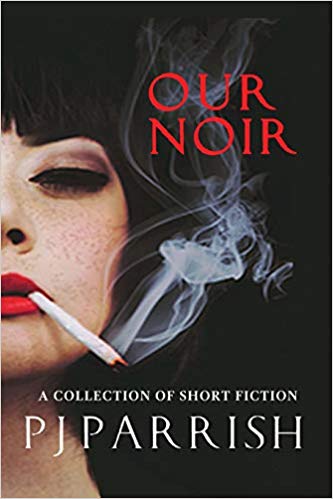
This is, I have found, a lot like writing a novel versus a short story. A novel is a long calculated walk. A short story is a sprint. I am clinging to this metaphor as I try this week to finish a short story. Things are not going well. I really struggle with short stories. I can count on two hands the number I have published. (If you’re interested, you can find my petite oeuvre here.)
Desperate to get out of second gear, I started re-reading Cheever. Didn’t help. Got moody and found myself drinking too many gin and tonics. Went back to John D. MacDonald’s The Good Old Stuff but it felt too familiar. So I went to the library and got a copy of Welcome to the Monkey House. I have read very little of Kurt Vonnegut’s work and none of his short stories. It was like a good bracing walk on a wintery beach, maybe in Barnstable Village, Massachusetts.
There is something about coming cold to a writer’s work that makes you see your own work in new ways. Vonnegut had things to teach this old dog. Although he’d maybe call that rot. In the preface to Monkey House, he writes:
I have been a writer since 1949. I am self taught. I have no theories about writing that will help others. When I write, I become what I seemingly must become. I am six feet two and weigh nearly two hundred pounds and am badly coordinated, except when I swim. All that borrowed meat does the writing.
In the water, I am beautiful.
Even before reading the first story, I felt better just reading that. Because no matter how clumsy you might be in daily life, how hobbled you might feel because you can’t run anymore, you can still feel beautiful in the water. Isn’t that how you feel when the writing is going well, that you’re effortlessly swimming?
I’m only a couple stories into the collection, but I wanted to share a couple thoughts about what I have read so far. The second story, “Harrison Bergeron,” appeared in The Magazine of Fantasy and Science Fiction in 1962. It’s a dystopian domestic mini-drama set in the year 2081, told almost totally in dialogue. It is funny and deeply disturbing. There is a moment where a man is lifting a ballerina and Vonnegut gives us this line:
They leaped like deer on the moon.
It hit me almost physically. A metaphor is a perfect stab of recognition, and that’s what I felt. Then I got to one of Vonnegut’s most famous stories, “All The King’s Horses.” Completely different style, but just as gut-wrenching. A pilot is shot down in Asia during the Cold War. On board are his crew as well as his wife and 10-year-old twin sons. As in all great short stories, we are dropped into a fast-moving narrative river, and all we can do is hang on. The pilot’s Russian captor offers a bargain — the pilot must play a chess game for the lives of his crew and family. Then comes the awful twist — the pilot’s men, wife and sons are to be the living chess pieces, moved on a checkerboard floor in a throne room. That’s all I will tell you, except that I gasped at one point.
When I started this post, I had forgotten that Vonnegut had — despite his disclaimer of having nothing to teach other writers — issued his Eight Tips For Writing a Good Short Story. So of course, I looked them up. I think they work well for any kind of fiction, actually. With a few caveats for us crime dogs, maybe. Some you might have heard before, but they bear repeating:
The first one is great advice no matter what you’re writing — even a memo.
The second one I believe in wholeheartedly. Which is why I gave up on The Americans.
Number three we’ve quoted many times here at TKZ when we talk about motivation. And the deeper you can plumb the depths of what a character wants, the richer your story will be.
Rule four is important. Every sentence should do something, be on the page for a reason. I read somewhere that Vonnegut disliked television, except for Cheers, which he called a comic masterpiece. He said, “I’d rather have written Cheers than anything I’ve written. Every time anybody opens his or her mouth on that show, it’s significant. It’s funny.”
Now, we get to number five, which is critical for short stories but troublesome for novelists, given that we like to flap our gums sometimes before getting to the dramatic point. (ie weather, description, backstory). But if you really think about it, you should never start your novel at too early a juncture. You should always find that prime dramatic moment to drop your reader into the action.
Six is a given. As James says here often, something must be disturbed in your protagonist’s world.
Number seven is about authenticity. If you set out to be James Patterson, you will fail. Yeah, be smart about today’s market, but write the book you were meant to write.
Now the last one is tricky. I am not quite sure what Vonnegut is talking about here. Because on its face, it goes against much of what we talk about here about NOT larding your early pages with too much information. You want some mystery in the beginning. You want to pose questions that beg answers. Maybe Vonnegut is just arguing for clarity in the writing itself? The choreography (moving characters through time and space) must be clear. Confusion should be avoided. Maybe you all can help me out on this one.
As for me, it is back to the drawing board. While reading Vonnegut’s stories, I realized I had chosen the wrong point of entry for my own story. I was approaching my story too much like I would a novel. I need to figure out the end so I can begin closer to it. I need to sprint instead of walk.
I want to leave you with one more Vonnegut metaphor. In the preface to Monkey House, he questions where the creative impulse originates from:
The New Yorker said that a book of mine, God Bless You, Mr. Rosewater, was a ‘series of narcissistic giggles.’ Perhaps it would be helpful to the reader to imagine me as the White Rock girl, kneeling on a boulder in her nightgown, either looking for minnows or adoring her own reflection.
I remember the White Rock girl well. When I was a kid, I thought she was Tinkerbell’s mother. And I always wondered what the heck she was looking at. I still do. But ah, that’s the mystery, no?
p.s. If you’re wondering about the title of this post, listen to this “short story”:
My eyes glaze over whenever I need to use photoshop or any other application with a steep learning curve. I’m sure I could figure it out eventually, but honestly, I don’t want to spend hours with the tutorials. I’d rather be writing. Sites that allow writers to shortcut the process make life so much easier. When they’re free and easy to use, these sites become invaluable tools.
This first little beauty is a gem. The site’s called DIY Book Covers. The section we want is The 3D Book Cover Creator You’ll Love to Use. And you know what? They’re right! It’s a game-changer for those of us who lack patience for sites like photoshop, which is why I’m sharing step-by-step directions with all of you.
Ready? Here we go …
Please excuse the lighting in some of these photos. I took them with my phone rather taking screenshots (long story).
The linked title above will take you to this page …

It automatically opens to “Single” image choices, as you can see here …

The cool part is, we also have the option of creating tablet, phone, and print combo images by clicking “Composite.”
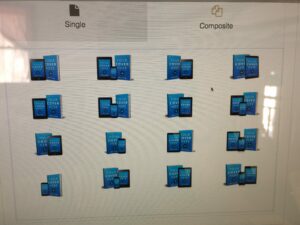
Click the image you want to create, then click “Next” and it will take you to this page …
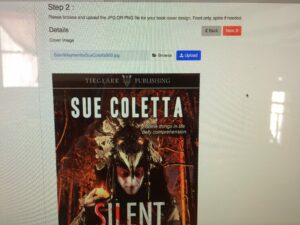
Click “Browse” and find your book cover on your computer. Then click the blue “Upload” button and the image will appear.
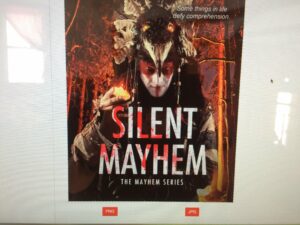 See the two orange buttons at the bottom? We have the option of saving as PNG or JPEG. I like to use PNG for marketing images because they tend to be crisper, but they do take up more download space. Once you choose your file preference, click “Next” and you’re done. The download will show your 3D image with a clear background.
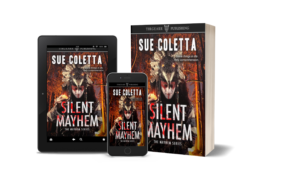
These steps took less than five minutes from start to finish. Easy-peasy, right? Okay, now, we could use this 3D image as is, but it’s a little bland. We want readers to click our ad, so we need to add a background.
Numerous sites offer public domain photos that don’t require attribution. My top three favorites are Pixabay, Morguefile, and Unsplash.
Finding the perfect background image takes time. To help with the search, consider the following:
The first and third promo pics below go against the norm; the middle one is more universal, but I’m showing them as examples of thinking outside the box …
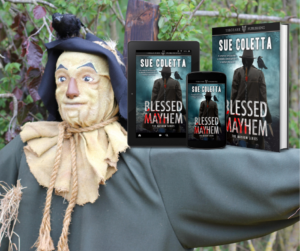
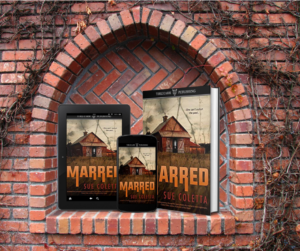
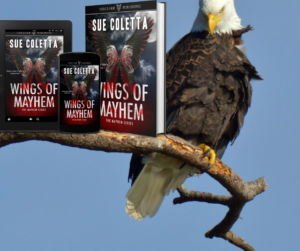
The third image should be more centered, but you get the picture. The bookend photos are fun images to catch people’s attention. I wouldn’t recommend always using these types of backgrounds unless they fit your book, but taking a break from the serious side of marketing can be fun too.
Okay, once we’ve found our background, it’s time to insert our 3D image and text. As I mentioned in my first official post on TKZ, the easiest site to use is Canva.com.
Let’s go there now. This is the home screen …

See the dropdown menu under “What would you like to design”? Canva takes the guesswork out of social media’s various sizes. All we do is choose the social media site where we’ll be marketing our book, and Canva automatically gives us the correct size. Although, I’ve found that “Facebook post” images also work on Twitter. We don’t need to create two separate images unless we’re paying for ad space. In which case, it’s best to create an image that’s guaranteed to fit. Ads tend to run differently than a regular post.
I chose Facebook Post, which led me to this screen …
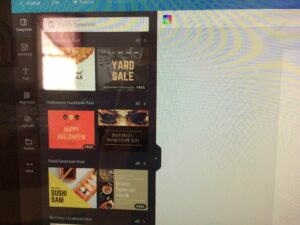
On the left-hand-side of the screen, you’ll find Uploads. Click that button and upload your background image as well as your 3D image. I’m showing you the background image I chose for SILENT MAYHEM so you can see how to drag the image to fill the screen.
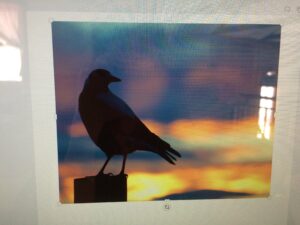
See the white bars and corner dots around the outer edges of the background photo? Hold and drag until the image covers the entire template. Then decide where your 3D image should go. By clicking the book cover image in Uploads, Canva will stick it in the middle of your background, but positioning it easy and self-explanatory.
Next click “Text” in the left-side menu and a dotted bar will appear. At the top, you’ll find where to choose a font, color, size, etc.
Here’s the finished product that I created for my new release, SILENT MAYHEM …
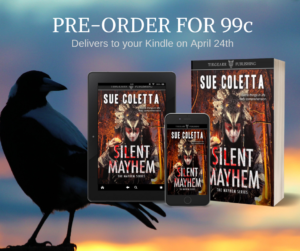
Book Brush is another cool site. With the free option, our 3D options are limited, but they’ve combined everything we’d need to create a promo pic, including over one million background images, stamps, text, and fonts. The only catch is, they limit the amount of downloads to three per month. They also offer a Plus Plan for $8.00 per month ($96/yr), which grants access to all 3D templates, unlimited downloads, support, and five video templates per month. With Book Brush, creating a book promo image only takes a few minutes.
What sites do you use to create marketing images for your blog or book(s)? Do you have a favorite site for public domain photos? Any tips to share?
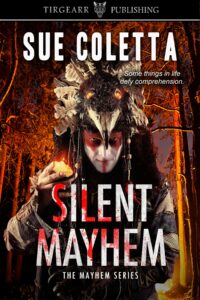
Some things in life defy comprehension, but that doesn’t make them any less real. Or deadly.
Pre-Order SILENT MAYHEM on Amazon and join the giveaway!
Email me your receipt and I’ll put your name in a drawing to win signed paperbacks of the first two books in the series.
Winners announced on Release Day (4/29/19).
by James Scott Bell
@jamesscottbell
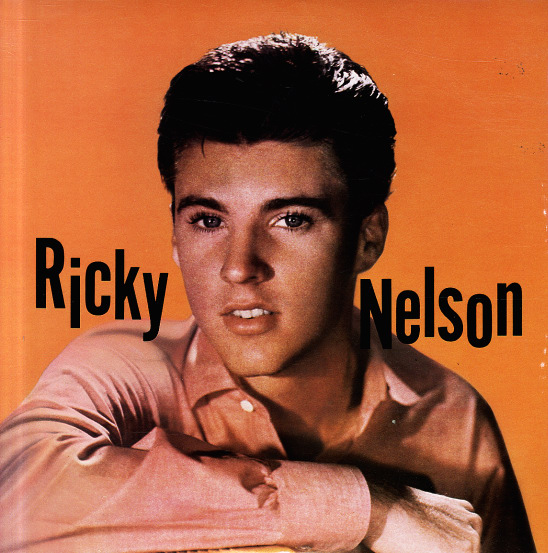 It was October 15, 1971, and former teenage idol Rick Nelson was one of the performers at an oldies concert in New York’s Madison Square Garden. Other acts included Chuck Berry, Bo Diddley, and Bobby Rydell.
Nelson, who’d had a string of hits in the late 50s and early 60s, sang a couple of his oldies, including one of his biggest, “Hello Mary Lou.” But then Nelson, who had been stretching his songwriting wings into country music, tried out a country-fied version of the Rolling Stones’ “Honky Tonk Women.”
Which is when the boo birds came out.
The unnerved Nelson gamely tried one more song, got more boos, then promptly left the stage. In fact, he left the building and did not appear onstage for the finale.
Back in California, Nelson holed up in his music room, and three weeks later came up with a song about his experience. “Garden Party” appeared in 1972 and reached number six on Billboard’s list. It was Nelson’s last hit song. He died in a plane crash in 1985 at the age of 45.
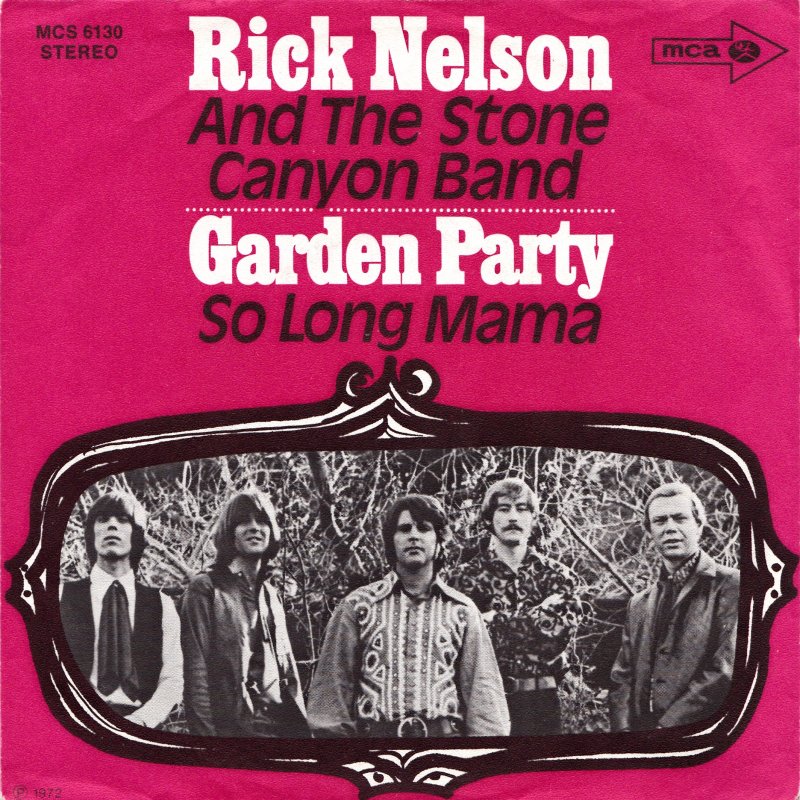 “Garden Party” tells the story of the concert in amusingly cryptic terms. Out in the audience, for example, “Yoko brought her walrus” (obviously John). And in the corner was a “Mr. Hughes,” the name used by Rick Nelson’s neighbor, George Harrison, whenever the quiet Beatle wanted to go out incognito.
But mostly the song is about being willing to pay the price for your artistic vision.
If you gotta play at garden parties, I wish you a lotta luck,
But if memories were all I sang, I’d rather drive a truck.
But it’s all right now, I learned my lesson well.
You see you can’t please everyone, so you got to please yourself.
As Rick’s son Gunnar later put it, “After a lifetime of pretending to be a character he wasn’t—wearing the sweater on Monday on the set of Ozzie and Harriet after being a real rock star on the weekends—he was writing and performing for his own pleasure and satisfaction. The song was based on his experience at Madison Square Garden. He turned what could have remained the darkest day of his life into his brightest shining moment. Just when the music industry considered him a relic, filing him away as yesterday’s news, he had the biggest hit of his career and it was totally autobiographical.”
The point is that every artist has to realize you can’t please everyone. Indeed, as the noted journalist Herbert Bayard Swope once said, “I cannot give you the formula for success, but I can give you the formula for failure, which is: Try to please everybody.”
My advice to writers (the ones who want to make a career out of this gig, at least) has always been to find that sweet spot where your love for the material meets commercial viability. Where your voice and vision lap onto the shores of reader expectation. Whip your story into a recognizable form, but fill it with the unique touches that can come only from you.
And know that when you do, there will be naysayers and critics. That comes with the territory. But if you’ve truly pleased yourself, it’s all right now.
What risks have you taken in your writing? How did it turn out? What did you learn from it?

.comPhoto courtesy Jordan Steranka from unsplash.com
“Start with a line…” Okay. How about…”My emotional development was arrested when I was eighteen and given a life sentence.” Actually, I don’t mean that type of line when I wrote the above title. I meant the modern version of the old campfire game where someone thinks of a sentence to start off a story, the person next to them offers a second sentence to continue the tale, the next person creates a third sentence, and round and ‘round the campfire they go until the story is complete or something like it. It was inevitable that someone would create a new version of this game. Several someones have, actually.
I learned about the new versions of this storytelling method through a friend whose high school and college-age daughters have been writing short stories and novels online in collaboration with like-minded people from all over the world. There are a number of websites dedicated to this purpose. Each has their own rules. One gives a potential contributor a couple of minutes to come up with a sentence with a set word maximum. Another imposes a character limit, in terms of letters, numbers, and spaces (as opposed to, you know, people in the story). There is at least one that permits contributors to critique each other. I bet that gets interesting. The stories, as one might expect, can meander quite a bit and the quality of the contributions and the ultimate sum of the parts can vary wildly. A number of the finished products actually turn out pretty well, however.
Two of my favorite sites of this nature are Folding Story and Novlet, but there are others to be found if you google “stories collaborative written online” or something similar. My participation has been limited to reading as opposed to contributing (I’ve been too busy watching Love, Death & Robots on Netflix, notwithstanding the warning that it is for mature audiences). It seems likely, however, that these and similar sites would be good places todevelop the ability to craft killer sentences or paragraphs by hitching them to developing stories, get the creative juices flowing during an episode of writer’s block, or even suffer the slings and arrows of peer critique if you are looking for that sort of thing and Facebook happens to be down for the day.
Please take a few minutes, check out the sites I mentioned (or find your own!), and let us know what you think. If you have been a participant on one or more of them and are so inclined please share your experience. Thank you. And enjoy the first Saturday of Spring 2019. Boing!

This can be a big topic. I had several stages and amazing feelings when my books first sold and when I saw them on a book shelf at stores all over town and online. My first autograph.
But the one I will share with you today is when I received my first cover flats from HarperCollins. I had them sitting on my coffee table. As I stared down at them, still stunned to see them for the first time, my husband walked in on me. He picked them up and grew very quiet. You could hear a pin drop. I didn’t know what he would say or if he knew what they were (the format is not like a real book), but I didn’t want to put words in his mouth.
He finally looked at me and with tears in his eyes, he said, “My God, you’re going to be in a library.” That simple realization hadn’t dawned on me. I usually tried downplaying the events because I was in it for the long haul and wanted a writing career, but my best friend husband always knew how to draw emotions out of me. He hugged me and I finally broke down and cried–my first real celebration since I’d sold. I had put so much passion and hard work into achieving this moment and he knew it. He’d been there with me.
My advice now is to celebrate every step of the way. You’ll never get that moment back and you’ve earned it.
Please share what you felt or did when you first were published. We can all use good news stories.
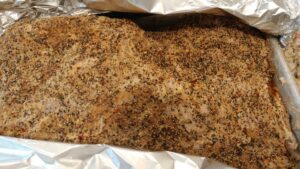
When this post is released on TKZ in the wee hours of the morning, my brisket will be cooking low and slow all night and waiting to be swaddled in heavy foil. I’m praying for a crispy thick bark, an elusive phenomenon for me. My house is filled with an incredible aroma. Someone should bottle it.
There is a genuine art form to making a perfect Texas-style smoked brisket and I already know I will never be worthy, but I’m giving it a go. My older brother is a God when it comes to being a pit master. He’s given me tips and I am sticking to them…as much as my headstrong mind will allow me. I am my mother’s ‘let’s wing every recipe’ daughter.
I will be posting pictures and recipe tips on my Instagram account where I focus on my low carb ketogenic diet and other interests.
Just like a good, tried and true recipe is for brisket, we pick up new tips but keep what works. The same goes for writing. There are ways we all use to build upon our craft methods of writing a novel. We try new things to see what works. We discard other methods that we’ve outgrown as we evolve.
Below are some questions I’d like for you to answer if you see anything that fits you. Feel free to add what you’ve learned about writing in your comments. I am a sponge for picking up new stuff.
1.) Are you still finding time to read? Do you read outside the genre you write? Even when life gets busy, reading can be a comfort, but it can also open your eyes to new techniques or interesting POVs or genres. Always be a student when it comes to your writing craft. You will keep growing.
2.) Do you cherish the time you write, where you write and make sure you don’t get interrupted? Life, family/friends and your day job can pile on to add stress in your life. Is your writing the first thing to go? I hope not. Even if you only finish a page a day, that’s progress. I find that once I establish a routine, my body can react in a bad way if I stray from my writing schedule. I can physically get the shakes. Even when I had my day job, I made sure to write every evening and on weekends. It wasn’t easy but it paid off.
3.) How do you capture those big ideas that can spring on you any time of day or night? Do you keep notebooks all over the house or a voice recorder? I get lots of ideas while I’m driving. The best ones, I pull over and reach for my purse where I keep a small notepad and pens. Or better yet, get someone to drive you so your genius is unfettered. Is there a place where you consistently get your big ideas? No pictures if you tell me “the shower.”
4.) Do you have personal rules/discipline when it comes to unplugging from social media and the internet while you are writing? My usual day is writing 9:00 am until 3:00 pm with short breaks to care for my dogs and grab a snack. I try to get up every 3 hours to stretch and walk and replenish the well for a quick change of scenery but I don’t get to emails or social media until after I’ve achieved my word count goal. YES, I have a daily goal. I generally shoot for 1500-2000 words per day and do rolling edits to keep my progress going on the overall project. But social media and emails are a time drain. No sneak peaking as a diversion when you hit a wall. Pick another way to shake out the cobwebs.
5.) Do you read your work aloud? After all these years, I still read my edits aloud. It’s a great way to insure you have a natural cadence to your dialogue and prose. Even if you don’t do this every day, I recommend doing it for important passages/proposals or as one of your final draft processes. This is the best way to find words you’ve left out.
6.) Do you use the first third to a quarter of your book to set up your world building and character introductions? An editor with a large publishing house said something at a writer’s conference about expecting to read the basic set up with characters and conflict within the first 3 chapters. Now it may not be 3 chapters exactly, as I see it now, but he wasn’t wrong about how to establish your world for the reader. Even if you don’t plot ahead of time, expect that readers and editors and agents will expect you to set that foundation for your story and include your cast of characters and their conflicts in the first part of the book.
7.) Do you plan the ending of your book while you’re working on your plot idea or are you willing to let it happen when you get there? If you’re like me, each book can be different. Sometimes I get up in the middle of the night with a new character telling me the ending to his/her story. True. That doesn’t happen with each book, but when it’s that strong that it wakes me, I listen. On the other hand, I am flexible enough to see new ways to add twists. I want to be open to new character motivations too. More times than not, I have found better books by staying open to my endings. How rigid are you? Have you ever been pleasantly surprised with an ending you never expected, just because you followed a rabbit trail or discovered something new about your main character?
8.) How open are you to criticism? Does it matter who gives it? I used to be more prickly when anyone criticized my masterpiece, but after having many good editors from the publishing houses I’ve worked with and solid beta readers, I’ve grown very open to their suggestions. I think of their criticism as a collaboration to make the book better. I may not always take every suggestion. Only the author should decide what makes sense for the world they are building, but pick your battles. Generally, if someone is confused or something isn’t working for them (even if they can’t describe it exactly), I pay attention and try to find a solution. I’ve never regretted that approach. For anyone taking the time to give a critique, take what they say and make changes where it’s appropriate, even if you have to come back to their feedback later. Keep an open mind.
FOR DISCUSSION:
1.) Share your answers to any of the questions I’ve mentioned above–the questions that resonated with you the most.
2.) Add any new questions or tips that you have found a must to your process. What are your core “must dos” and what have you discarded?
3.) Any brisket tips? I promise I will listen, even if you’re not from Texas.

The Party Busload of Exposition (GoDaddy Stock photo)
Dearest Readers,
Step into the Kill Zone Critique Parlor, where today’s Brave Author has a tragic tale to tell. Pull up a tuffet, and buckle up. I have Thoughts.
ALEXA
Tom’s death changed everything.
I sat in my car, the engine idling, staring at the cheery yellow Victorian. I wasn’t cheered.
It was only twelve weeks past his funeral. When I wasn’t sobbing, I was frowning at the myriad details I’d had to deal with in the days following the end of life as we know it. That’s how I thought of it. I’d packed up the furnished rental, mailed out change-of-address forms and done my best to put on a brave face for TJ. I was exhausted from the long drive that brought us to Ohio.
We’d been planning the move before Tom…went away, but now I was making it alone. Well, with TJ. Tom inherited the yellow house from his grandmother when she passed away six months ago. He’d flown out to look it over and reported back that it needed some updating but had good bones. He said there were lots of rooms, which sounded like heaven in comparison to our tiny two-bedroom in the city. “It has a huge country kitchen,” he said with a grin, poking me in the side and causing me to jump and make a face at him. At the time I was chopping veggies in the postage-stamp that passed for our current kitchen. I leaned my head back against his shoulder and sighed, daydreaming of twirling around in our future house, giddy at all the space.
I’m so angry at the goddamn drunk driver who snuffed out my husband’s life on March 16, 2017. March 16, 2017…a day that will live in infamy. Oh, ha ha. Bitter much?
I guess I have a right to be. All that crap about forgiving. I will not forgive the one who stole his life…and my life and TJ’s.
Maybe with time. Everyone’s quick to say that holding on to the hate I feel for Mr. George Goddamn Daniels will only poison me and not bring Tom back. I feel the poison in me now, but I embrace the huge empty hole eaten away by the acid-generating hatred. I don’t want to feel good, because everything’s bad now. Maybe with time….
I glanced in the rearview mirror at TJ. His face was sad, like mine. He gazed at the yellow house, not moving to open the car door. Maybe the two of us could stare it into becoming our home.
“Ready, buddy?” I asked as I opened my door. My heart broke at his wan smile and “Sure, Mom.”
____________________________________________________
Let me say right off that I’m impressed with the voice of this story. The narrator’s voice is confident and mature. Believable. The sentences are tight and declarative–my favorite. Let’s talk story.
My understanding is that ALEXA is about a newly-widowed woman and her young son who are moving into the house her husband inherited from his grandmother before he was killed by a drunk driver named Mr. George Daniels. The new house is somewhere in Ohio and they’re coming from a bigger (?) city, where they’d lived in a two-bedroom, furnished rental apartment. She loved her husband Tom very much, and she and her son are very sad that he’s dead. She feels poisoned with hate, but doesn’t yet want to go of her consuming, awful feelings.
This opening telegraphs that this is a family or personal drama, and neither a thriller nor mystery. It could end up with a romantic story line, but it doesn’t feel like that will be a focus.
Title
This story is called ALEXA, and there’s no evidence that it has anything to do with Amazon’s AI, Alexa. I was confused right off the bat. I know young women named Alexa, and while I would never confuse any of them with the AI, it’s different when I run into the name as a title. Perhaps I’m being picky (“I’m not picky, I have standards.” –Mindy Kaling), but Amazon comes up first in my brain. Amazon has appropriated the name, and there’s no going back.
Is our narrator named Alexa? Was it the grandmother’s name? If so, somehow let us know asap so we’re not left hanging. This seems to me a sad and rather tender story. If I’m mistaken, and they walk into the beautiful country kitchen (What is considered a country kitchen these days? There are many, many online definitions, but my ancient understanding is that it is a large kitchen with maybe a seating area and perhaps a fireplace. I don’t know what image it suggests to others.) to discover that ALEXA has taken over the house and is programmed to terrorize them, then it’s a story that surely takes a shocking turn on Page 2.
Pacing
May I just say… WHOA THERE, NELLIE!
I was exhausted by the time I finished the first 400 words. I was even more exhausted the second and third and fourth times I read it. I worry because at this pace the novel will only be approximately 60 pages long.
It feels as though you’ve decided to get the backstory out of the way so you can move on and proceed with the action.
We start out very well: “Tom’s death changed everything.”
“I sat in my car, the engine idling, staring at the cheery yellow Victorian. I wasn’t cheered.”
It’s clean. It’s direct. It’s compelling. Though you might consider shifting to present tense with the second line to give the story immediacy and emotional punch.
“I sit in our idling Toyota, staring at the cheery yellow Victorian house. I’m not cheered.”
The third paragraph continues with our narrator relating the many, many things she’s been doing in the past twelve weeks besides staring: sobbing, frowning, dealing, packing, mailing, and putting on a brave face.
In the next paragraph we learn that the family was moving. Tom was also inheriting, looking over, flying, reporting, grinning, poking, and causing our narrator to jump. And she’s making a face, chopping veggies, leaning back, sighing, and daydreaming about twirling and being giddy.
In the fifth paragraph, we learn how Tom died.
In the sixth paragraph, we learn that she’s really, really pissed off at the guy who killed him, and won’t be forgiving.
The seventh identifies the drunk driver.
Then we finally get back to the boy in the car, and the yellow house.
Whew!
What we have here is a busload of exposition. Exposition–a chunk of narrative or backstory plunked in the middle of the action to give the action context (see what I did there?)–can be a useful tool in small doses. In large doses it distracts from the action of the story and slows it down. Note my second paragraph in the TITLE section above. I digress on what a country kitchen might be for such a long time that the reader probably had to go back and figure out what I said about a country kitchen before I opened the parentheses. Even I had to go back and look!
It’s tough to give the reader just enough information to get them interested, and keep them reading.
The thing to remember is that you’re writing scenes. Sentences build scenes. Scenes build chapters, chapters build books. A good way to start is to write one scene per chapter–even if it makes the chapter short. You’ll keep the reader focused, which is what you want to do. At the end of that scene, give the reader a reason to read on.
Here, you could continue this small scene with the boy bravely opening the car door. (I would discourage you from have her opening her door as she asks him if he’s ready. It’s a weighty moment that doesn’t need an activity.) The reader will naturally want to know what they do and see when they’re out of the car. Does she take his hand? Does he shrink back, used to the smallness of their previous home? Is there someone waiting on the porch?
“I’m so angry at the goddamn drunk driver who snuffed out my husband’s life on March 16, 2017. March 16, 2017…a day that will live in infamy. Oh, ha ha. Bitter much?
I guess I have a right to be. All that crap about forgiving. I will not forgive the one who stole his life…and my life and TJ’s.”
There are a lot of critical emotions here. We don’t need them all on the first page. She has a good, direct, confiding tone. But it’s too soon to jump into this. Sure, her feelings are complex. Right now, she’s just arrived at this house. Slow it down.
An aside– Mr. George Daniels is the drunk who caused the accident. It’s probably just me, but I couldn’t help but think of George Dickel and Jack Daniels as though the two whiskey brands had morphed into one drunk person.
“Maybe the two of us can stare it into becoming our home.” This is a beautiful line.
I don’t often suggest rewrites, but here’s a brief beginning. I can envision them getting out of the car, continuing, but you can too.
Tom’s death changed everything.
I sit in our idling Toyota, staring at the cheery yellow Victorian house we were supposed to move into together. I’m not cheered.
Our son T.J. sits in the backseat. In the rearview mirror, I see that he, too, is staring at the house. Maybe the two of us can stare it into becoming our home.
“Ready, buddy?” I ask. It’s been twelve weeks since we buried his father, my husband. My heart breaks at his wan smile, and the way his sad eyes meet mine in the mirror.
“Sure, Mom.”
Get to it, TKZers! I’ve left a couple things unaddressed because I want you to have some fun. What have I missed?
by Debbie Burke

Today, please welcome a brave Anonymous Author with a story entitled Freets.
FREETS
By –
ONE
The coffin was nearly ready. Andy Turbett knuckled sweat off his brow and stepped back to get a good look at the lid. It was as fine a piece of wood as he’d ever had on his bench and the work was going well. Hmm, maybe a tiny shave off the side. He reached for a spokeshave just as Ruth came into the barn, toting some colourful paper stuff under her arm. Bright sunshine framed her.
“Andy,” she said, nodding, with her bunchy smile.
“Hello, lass. Come to check up on me, have tha?”
She looked at the side panels and base of the coffin leaning in a corner, waiting to join up with the lid. “Oh, you are getting on fast. I did come to say maybe we won’t need it so soon after all. Not if Dan has it his way.”
Andy blew at the curls of wood that he’d planed off. They joined the rest of the wood debris on the long dirt floor. “Ah, well. Can’t say I disagree with him there.”
“Grandad needs to die,” Ruth said.
Andy made a non-committal sound. Her husband would never let her do it, and what he said went. Not one to let the wife put her foot out the door first after the wedding, wasn’t Dan. “What’s that paper?” he said, to change the subject.
“Oh, I made a banner to hang in the tea-shop. Tha won’t miss this afternoon, will tha?”
“Nay. Got to wash and change first, I’m sweating like a beast.” He took a pull from the pint-glass of water on the floor. Warm and dusty, but it’d do. “This weather. Got to be a record.”
“That’s what they’re saying.” She watched him. “There’s some houseleek growing by the rocks in the woods, I’m going tomorrow if tha wants me to get -”
“Nay,” he said. “Nay.” God, this little apple-cheek lass scared him sometimes. He took up the spokeshave again.
“Oh, Andy. I do wish tha knew it’s all right if tha treats it with respect.”
“Nay, best to leave ’em alone. I know tha thinks different, being so young and -” There. He should have kept his mouth shut after all; she wasn’t one to take offence, but you never knew, what with her thinking herself as much a daughter of the village as Fiona, his own wife.
~~~~
With TKZ first page critiques, the focus is usually on what’s not working and how to best fix it. Once in a while, a submission comes in that is so good, it’s more useful as an example of how to do things right.
Freets is such a submission.
However, I have to say that title put me off. How many readers know what a freet is? I didn’t. How many will take the time to look it up?
According to Wiktionary.org, freet is:
If the old “freet” be true “ that those who fall when at the handspake aneath the corpse, will soon be the corpse themsell,” there would soon be a good few corspes; for at these “druken” concerns, the bearers are falling some of them every now and then.
Oh, sister Ellen, sister sweet, Come with me to the hill I pray, And I will prove that blessed freet!
Okay, once we understand the meaning, Freets has the components of a great title—identifies a story problem, hints at the conflict, and evokes a wonderfully sinister tone.
However, the obscure meaning is a big negative. Perhaps the author can add a subtitle. A vivid, compelling cover is a must; otherwise, browsing online shoppers may pass it by because of the unfamiliar word. Also, define freets in the book description or jacket copy.
That’s the biggest nit I have with this submission.
At TKZ, we talk a lot about starting with action rather than static weather descriptions, backstory, or a character contemplating her navel. Jim Bell recommends opening a story with a “disturbance,” which doesn’t have to be violent or loud.
This submission avoids those common pitfalls. Each sentence is deliberately crafted and performs multiple functions, drawing the reader deeper into the story. I’m going to examine individual sentences and explore why they work.
Sentence 1 – The coffin was nearly ready.
This quiet, simple, declarative sentence caught my attention immediately. Death is a monumental disturbance yet the matter-of-fact tone sets an understated mood. The implication is that death has already occurred or is imminent. I’m guessing the genre is mystery, suspense, or horror so death is likely to mean murder.
Consider making this first sentence its own paragraph for more dramatic impact. See Kris’s excellent post on paragraphing.
Sentences 2, 3, 4 – Andy Turbett knuckled sweat off his brow and stepped back to get a good look at the lid. It was as fine a piece of wood as he’d ever had on his bench and the work was going well. Hmm, maybe a tiny shave off the side.
Andy’s character is introduced without superficial details about age and appearance but instead drills straight into his values, beliefs, and skills. He is a diligent woodworker who appreciates quality materials, is a perfectionist, and takes pride in his craft. “Knuckled” is a great active, visual verb.
Building a coffin by hand suggests the time period is historical rather than contemporary.
Sentence 5, 6 – He reached for a spokeshave just as Ruth came into the barn, toting some colourful paper stuff under her arm. Bright sunshine framed her.
Spokeshave is clearly a tool of his trade, even though the term was unfamiliar until I looked it up (see illustration). It also confirms a historical period, because he doesn’t reach for, say, a power sander.
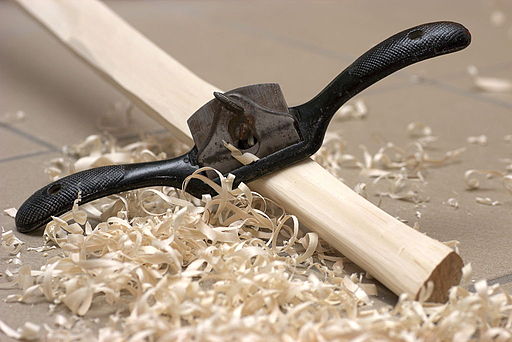
Spokeshave – Wikimedia Commons
The spelling of colourful indicates the locale may be the British Isles.
The second character, Ruth, is introduced. Setting details (a barn) and weather (bright sunshine) are also established in an active way rather than as static description. The sun isn’t just shining—it frames Ruth, doing double duty as a weather report and an active verb.
Sentence 7 – “Andy,” she said, nodding, with her bunchy smile.
Bunchy is another unfamiliar word yet it evokes a great visual of a big mouth with lots of teeth. Turns out it’s an adjective, dating back to about 1400 AD, that means protuberant or bulging.
Sentence 8, 9 – “Hello, lass. Come to check up on me, have tha?”
Lass and tha are additional indicators the setting is Great Britain. Tha easily translates to you without stopping the reader. When I looked it up, I found it is Yorkshire dialect.
Sentences 10-13 – She looked at the side panels and base of the coffin leaning in a corner, waiting to join up with the lid. “Oh, you are getting on fast. I did come to say maybe we won’t need it so soon after all. Not if Dan has it his way.”
When Ruth says they might not need the coffin yet if Dan has his way, I’m totally hooked. Who is dying? More important, who is controlling how and when the person dies? Obviously there is more going on than an ordinary death due to natural causes.
Sentences 14-17 – Andy blew at the curls of wood that he’d planed off. They joined the rest of the wood debris on the long dirt floor. “Ah, well. Can’t say I disagree with him there.”
Again, the author incorporates description into action. Curls of wood is a vivid visual. Long dirt floor reinforces the historical time period.
Andy’s response suggests conflict lurking under the surface of apparent calm.
Sentence 18 – “Grandad needs to die.”
Wham! The author immediately gets to the core of Ruth’s character. She wants her grandfather dead and appears ready to help him along if he doesn’t go willingly, even though her husband disagrees.
Sentence 19 – Andy made a non-committal sound.
Sometimes what’s not said is more revealing than what is said. Andy’s non-response shows that not only does he want to avoid a confrontation with Ruth, but he may be intimidated by this outspoken woman who might be capable of murder.
Sentences 20, 21, 22 – Her husband would never let her do it, and what he said went. Not one to let the wife put her foot out the door first after the wedding, wasn’t Dan. “What’s that paper?” he said, to change the subject.
This statement of opinion reveals more insight into Andy’s beliefs, as well as delivering a glimpse into the relationship between Ruth and her husband, Dan. Not one to let the wife put her foot out the door first after the wedding, wasn’t Dan is an incredibly awkward sentence, yet it sounds authentic to the historical time period. It expresses Andy’s analysis of the marriage in a quaint, archaic way that’s still understandable to contemporary readers.
Sentences 23, 24 – “Oh, I made a banner to hang in the tea-shop. Tha won’t miss this afternoon, will tha?”
Apparently a public meeting is planned about an unspecified topic. Grandad? Or something else? The author is dropping questions like breadcrumbs. The reader will follow the trail to find answers and keep turning the pages.
Ruth adds another slightly veiled threat to Andy that he better show up.
Sentences 25-31 – “Nay. Got to wash and change first, I’m sweating like a beast.” He took a pull from the pint-glass of water on the floor. Warm and dusty, but it’d do. “This weather. Got to be a record.”
“That’s what they’re saying.”
This gives another revelation of Andy’s character as well as amplifying the weather and setting. He works hard and appreciates the small reward of a warm, dusty glass of water.
At the same time, these innocuous sentences show him trying to change the subject to avoid the unease of talking with Ruth. The author makes the setting description do double duty to point out conflict and tension.
Sentences 32, 33 – She watched him. “There’s some houseleek growing by the rocks in the woods, I’m going tomorrow if tha wants me to get -”
Already the reader has the sense that being watched by Ruth makes Andy uncomfortable. I didn’t know what houseleek was but, right away, I suspected poison.

Houseleek – Wikimedia Commons
Turns out it’s a succulent plant, also called hens-and-chicks, that was used medicinally to treat diarrhea, burns, and mouth ulcers. Even so, Ruth’s sinister aura makes the reader wonder how else she plans to use houseleek.
Sentences 34-37 – “Nay,” he said. “Nay.” God, this little apple-cheek lass scared him sometimes. He took up the spokeshave again.
Andy interrupts Ruth and repeats Nay twice for emphasis. Short, punchy sentences mirror his fear. He’s worried enough to pick up a possible weapon. Additionally, the reader learns more about Ruth’s physical appearance.
Sentence 38 – “Oh, Andy. I do wish tha knew it’s all right if tha treats it with respect.”
Ruth chides him while reinforcing the hint that houseleek is potentially toxic if not treated with respect. She’s also trying to reassure him. I can almost hear her next statement: “One little taste won’t hurt tha a bit. Here, try some.”
Sentences 39-42 – “Nay, best to leave ’em alone. I know tha thinks different, being so young and -” There. He should have kept his mouth shut after all; she wasn’t one to take offence, but you never knew, what with her thinking herself as much a daughter of the village as Fiona, his own wife.
Andy challenges Ruth and immediately regrets his statement. Uh-oh, you never knew if Ruth might take offence. The unspoken threat is clear—she may be capable of evil acts. He also appears to think she’s presumptuous, considering herself a daughter of the village as much as his own wife. That indicates Ruth is an outsider, who has brought youthful, possibly dangerous beliefs and omens–freets–to the village.
By now, I’m eager to turn the page…except the submission is over. Drat!
Today’s brave author provided a case study of how to effectively open a novel. Each sentence does double or triple duty—showing description incorporated into action, and revealing character and conflict. There is no pointless meandering.
While we don’t yet know the specifics of time period or locale, carefully chosen details give enough hints without bogging down in exposition. Each sentence builds on the previous one, inexorably marching forward, carrying the reader into a story full of intrigue and promise.
In one page, the author establishes s/he is as skilled in the craft of writing as Andy is in woodworking.
Thank you, Brave Author, for submitting this excellent page. Keep us posted when it’s published.
Just because I was taken by this piece doesn’t mean all readers will be. TKZers, do you have differing opinions or points? How might you handle the story?