“When in the course of human events, …”
I’m not a scholar of state papers, but I’ve heard it said the American Declaration of Independence is one of the most beautifully written of such documents. I read it again over the weekend and reminded myself of its eloquence and substance.
***
I also looked up the definition of the word “independence” in dictionary.com. Here’s what it had to say:
Independence. noun. freedom from the control, influence, support, aid, or the like, of others.
Sounds wonderful, right? But it also means the independent person or entity must take control of their own future. It’s their responsibility.
And that brings me to publishing.
***
My first novel was traditionally published. In retrospect, I think that was an excellent idea since I knew so little of what it took to publish a book. The publisher engaged a cover artist, got the ISBN, registered with the Library of Congress, arranged for the final edits, formatted the book, and did all the other jobs necessary to have it made available on retail sites. If I had tried to do all those things myself, it would have been a much longer process.
My publisher was very supportive, and I intended to publish the other novels in the series with them. However, they changed their contract, and the new one had some issues I didn’t care for. Negotiations solved some, but not all, of the problems, so my husband and I decided I should look at the possibility of going indie. James Scott Bell’s book How to Make a Living as a Writer was a wonderful resource and gave me the information and reassurance I needed to make the switch.
***
Independent publishing is great. I love being 100% responsible for the content and presentation of my books, and I love having control of my products and following their performance on a day-to-day basis. However, the learning curve was steep and the time commitment continues to be large. I have to cover all the bases, including:
- Engaging development and line/copy editors (I had always done this, so it’s not an add-on.)
- Having the final manuscript professionally proofread
- Getting the ISBN
- Establishing the prices
- Registering the copyright
- Registering with the Library of Congress
- Arranging for the front and back covers
- Formatting the content
- Distributing to various platforms including Amazon, Barnes&Noble, Apple Books, Kobo, Google Play, and Ingram Spark.
If there’s an audio book, I arrange for the narration, approve each chapter, and finalize the audio with Findaway Voices.
I also maintain the financials for our publishing company, Wordstar Publishing, LLC. I write the year-end reports, and work with our accountant to file taxes.
Is it worth it? I really do like the independence. However, I’d like to offload some of the administrative tasks, so I’m thinking of giving Draft2Digital a try to handle the distribution. That would give me more time for writing at a small cost.
Bottom line: I’m glad I went independent.

So TKZers: What are your thoughts on independence? If you’re an indie author, is it worth the extra effort? Do you pass off some of the tasks to others? If you’re traditionally published, have you ever considered going indie?

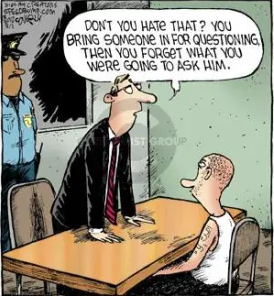
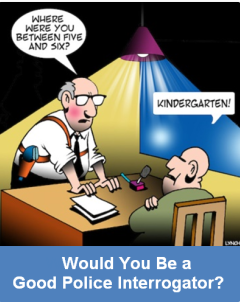 To start, drop the “interrogation” word. It’s not correct to say “interrogation” in today’s professional police procedures. The right terms are “interview” and “dialogue exchange”. And, they’re more applicable because the vast majority of police-civilian interactions are respectful interchanges of relevant information.
 The higher the score – the better your listening skills tend to be and the better
 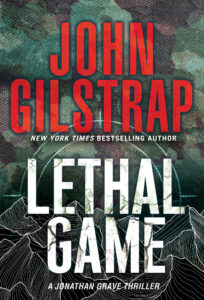 Forgive me as I begin this week’s post with some shameless self-promotion. This is Launch Week for the latest in my Jonathan Grave thriller series (#14!). It’s called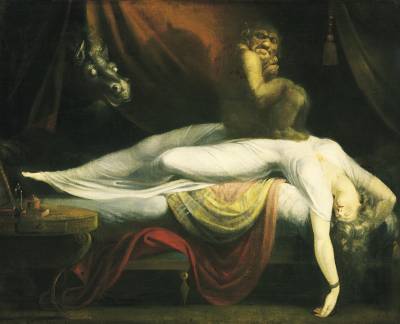
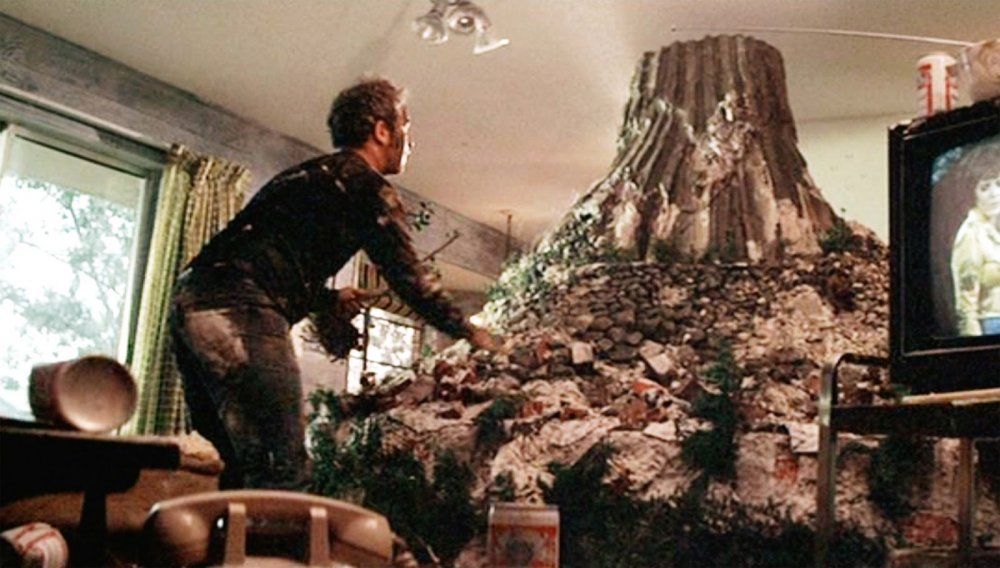
 Fictional truth is never quite as clear as it seems on the surface. Deceptiveness boils down to manipulation, disguise,