Top Ten Things You Need to Know About the Writing Life

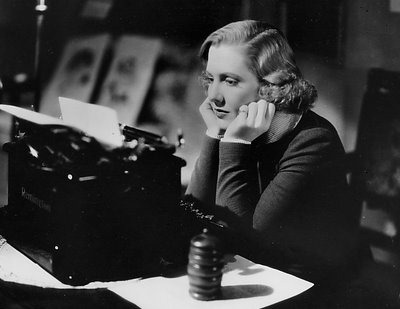
Jean Arthur

10. You have to love it

If you don’t love to write, if it’s not something you are virtually compelled to do, you’re not truly living a writing life. You could be a business person who wants to use writing as a vehicle for making some extra cash. You could be someone who journals as a form of therapy. That’s all legit. It’s just not a love for telling stories.

But if you have some inner compulsion to write, embrace it, because that will show in the writing itself. And you’re also going to need some love when you get hit with disappointment. Thus:

9. You have to learn to handle discouragement

If you’re going to do this, write for your life, you have to become a bit of a Sherman tank (as opposed to buying a fifth and getting tanked). You need a tough hide and forward drive. Because there are plenty of things to get you down.

Like the sound of crickets when your book launches. Or the screech of a hater leaving an unfair review. Or you looking at your work and thinking, This stinks. Who am I kidding?

Just know that all writers have gone through similar discouragement, it’s part of the life, it’s even part of the training. Those scars on the soul make you human, and humanity is what you need in your fiction.

8. It’s hard work

If your writing is going to be any good, that is. The best writers sweat over their labors, always trying to get better. They produce the words on a scheduled basis. This is called a quota.

By the way, I don’t want to hear any whining about a quota. There were times I didn’t want to go to court to defend a man so guilty his dog left him. But that was my job. I went and did it.

Show up. Write. Do your best. Take a break now and then—I take Sundays off completely—and then get back to the keyboard.

7. It’s a craft

The writing life is also about skills. Painters have paint, musicians have notes, surgeons have scalpels and forceps and malpractice insurance. And they all have mentors and journals and long periods of study.

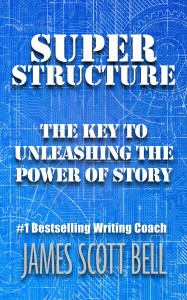
Super Structure blueprint coverWho would tell a young golfer just to grab a club and start hacking balls around? All that produces is a menace to gophers. Sure, every now and then one might succeed, like a Bubba Watson. But you can count those guys on one foot with a toe missing.

Write and learn. Learn and practice.

(This seems an apt place to tell you that my new book, Super Structure: The Key to Unleashing the Power of Story is now available in print as well as E.)

6. It’s about steady growth

Forget the million-dollar advance on your debut novel. Or the viral downloading of your first e-novella. Not going to happen.

If you want to lead a writer’s life and even make some money at it, be prepared for an apprenticeship of years. I’ve been at this business for over two decades. The first five years brought me nothing, but all that time I was studying the craft like a madman and writing and writing.

I eventually landed a five-book contract, but did not quit my day job. I still had to get better, and that was my goal. It was only after ten years of steady production that I felt I could call myself a professional writer.

Even if you self-publish fast, it’s going to take time to grow a readership, and that’s only if you’ve followed all the above steps consistently.

5. It’s a fellowship

No, we don’t have a ring. Or even a secret sign. But writers do have each other, and we are, in large part, supportive. Every now and then a sour apple slips in––some egomaniacal writing brat, a sock puppet who tears down his rivals under a false name, or (worst of all) an odious plagiarizer.

But at conferences and local gatherings, online or in person, wherever authors congregate you’ll find fellow travelers willing to give you a tip or some encouragement. It’s good to remember that while we write alone, we are also “social people who can greatly benefit from balancing solitude and community.”

4. Don’t get hooked on the ups

It’s fun to land on a bestseller list, or making it to #1 in an Amazon category, or getting an email from a true fan who loved your book, or finding your bank account unexpectedly and substantially expanded one month. All these are nice, and to be enjoyed for what they are.

Just remember one thing: Don’t let them go to your head. Don’t expect that they will be easily repeated. Don’t let them inflate your ego. And especially don’t let them keep you from continuing to work and grow. The literary landscape is littered with the dry husks of careers that flowered briefly but were not sustained because of hubris, ego, fear, booze, or simple neglect.

Enjoy a victory for a day or two, then concentrate on your current project.

3. Now is the best time to live the writing life

We’re in year number eight of the digital era in publishing. Since the introduction of the Kindle at the end of 2007 more writers are making more money than at any time in history. Some are killing it, many are making a living, scores more are realizing a nice side income, and almost anyone who is serious is making enough to support at least a Starbucks habit.

This was never possible before. Ever since old Gutenberg set movable type, the power to publish belonged to those who owned the presses and dealt with bookstores selling paper copies. Writers were at the mercy of commercial interests. If those interests ever felt your value had diminished, they could end your participation––and maybe your career––by not offering you another contract (or, worse, canceling the current one).

The landscape has changed forever. There are new challenges to face, of course (*cough* discoverability *cough*). But writers have always had challenges. What’s new and life-altering is that they now have options.

2.  It’s a business life, too

A writing life, as opposed to a writing hobby, must include plans based upon sound business principles. I’ve written a whole book about those principles, but suffice to say here that you only grow a business in two ways: First, by finding new customers. Second, by selling more products to your existing customers.

Learn how to do both and keep on doing it, and you’ll be living the writer’s dream.

1. It’s a great way to live, period

A life that nurtures your creative side is a great life, an expanded life. As long as you don’t forget the other things that matter—your loved ones, friendship, community—being a working writer is about the best thing there is to be.

Why? Because you see things deeply. You vibrate with emotion. You are not a mushroom stuck in the bog of existence. You have feeling, will, verve, and even joy if you’ll allow it to happen. As a writer who cares, works, trusts, produces, and keeps on trying you will be living proof of the credo of one of my favorite writers of all time, Jack London:

I would rather be ashes than dust!

I would rather that my spark should burn out

    in a brilliant blaze than it should be stifled by dry-rot.

I would rather be a superb meteor, every atom

    of me in magnificent glow, than a sleepy and permanent planet.

The function of man is to live, not to exist.

I shall not waste my days trying to prolong them.

I shall use my time.

So what about you, writing friends? Anything you’d like to add to the list?

Happy Valentine’s Day!

§°§ã§ß§à§Ó§ß§í§Ö RGB

It is February 14th already.  I thought I would keep things short and sweet (just like me) for my inaugural post at TKZ’s new home by sending out three group valentines with literary connections. Accordingly, in no particular order, Happy Valentine’s Day to:

1) The authors of books for children and young adults, particularly in genre fiction. Yes, I started reading Richard Prather at much too early an age, but I cut my mystery teeth on Helen Fuller Orton (if you read MYSTERY IN THE OLD RED BARN, give me an “Amen!”) and The Hardy Boys. I keep saying this, but only because it’s true: today’s children aren’t going to suddenly start reading as adults if they aren’t reading now. The authors of books aimed at children do yeoman’s work and need to be recognized for same. Herein, a start.

2) Translators.  I am a huge fan of Nordic and Japanese noir and wouldn’t know a girl with a dragon tattoo from a boy in the suitcase without the folks who translate those books which are written in languages other than English into English. Bless you. And let’s not forget the legion of folks who translate the English language novels into hundreds of other languages, so that the talent which we take so much for granted may be shared with the world. At long last I’m beginning to see translators receiving proper credit on title pages and in some cases on covers. It’s late in coming, but they deserve the recognition.

3)  Parents. I’m talking about the ones who read to their children and take them to the library whenever they are asked.  You’re the best.

I could go on, but I’ll stop here. As for you…please consider today’s post to be one of those shoe box Valentine’s Day card boxes and submit your own offering. And Happy Valentine’s Day to you!


Stormy Seas for Little Free Libraries

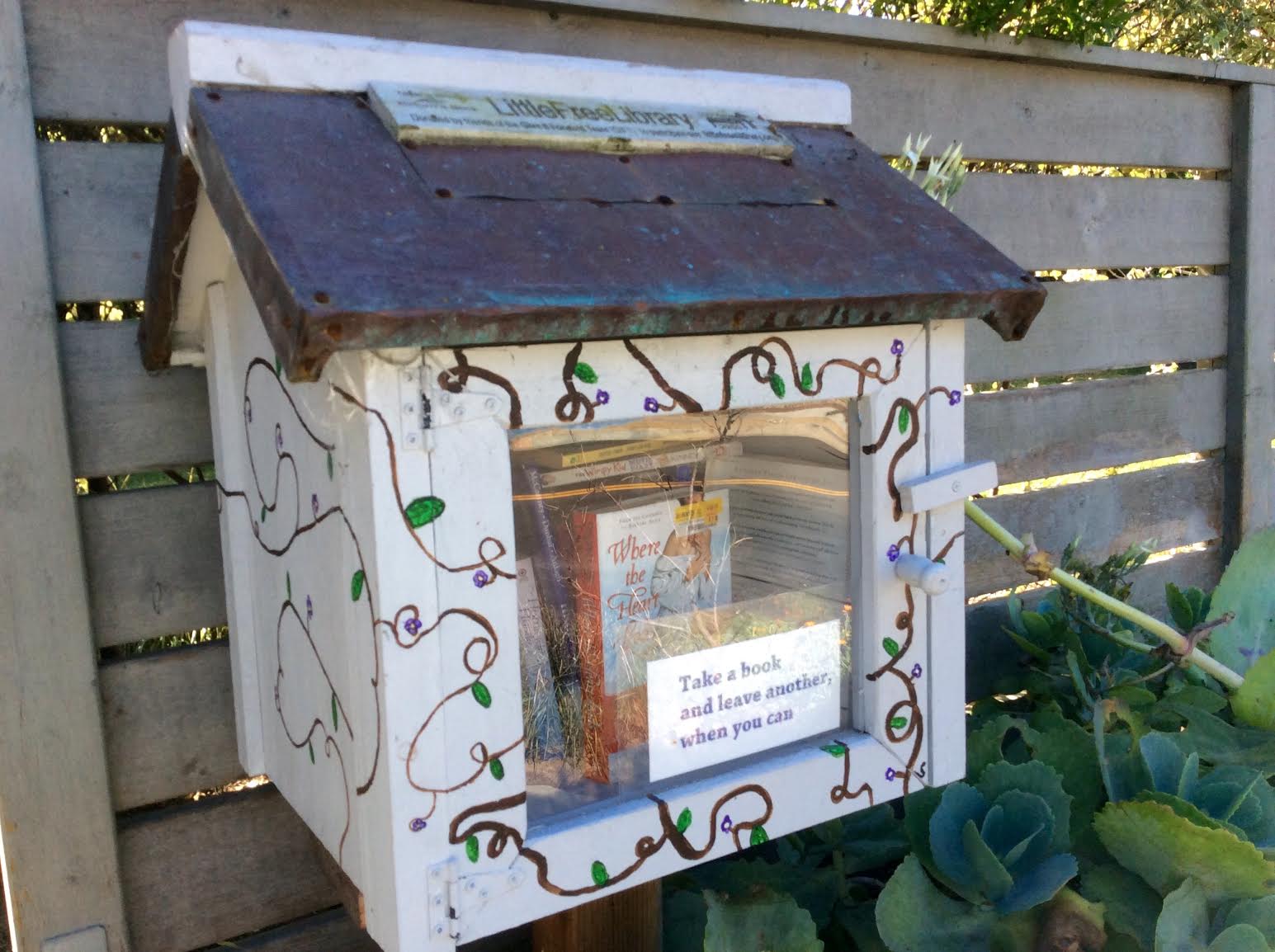
1littlelibI spotted the Little Free Library in our new neighborhood long before I started using it. Now I’m wondering why I waited so long. The first time I opened the door to peruse the book selections, I was pleasantly surprised to see titles by some of my favorite authors, such as Crichton and Clancy. The Little Free Library has also introduced me to books I probably wouldn’t otherwise have read. I’m always eager to see which new reads my neighbors have dropped off.

But not everyone is a fan of the miniature libraries, apparently. According to a recent article in the LA Times, “Little Free Libraries on the wrong side of the law“, the city threatened to remove one LFL after receiving an anonymous letter of complaint. The city of Shreveport, Louisiana is also cracking down on the curbside book exchanges for violating zoning laws. (Although one enlightened city councilman has proposed an exemption specifically for LFLs).

Other than the Crabby Appleton who penned the complaint letter, I think most people would agree that a Little Free Library is a positive addition to any neighborhood. But the LFLs may need a little help from the rest of us. For example, we can use social media to let city officials know that voters won’t think kindly of anyone who harasses, fines, or otherwise threatens the continued existence of the little libraries.

Little Free Libraries are worth saving, don’t you think? Do you have one in your neighborhood, and have you used it?

The One-Page Synopsis

Nancy J. Cohen

My mystery publisher requires a one-page double-spaced synopsis along with a manuscript submission. That’s probably harder for me to write than the book. My normal synopsis runs about fifteen pages on average. I write this guideline before starting the story, and later I attach it to my art department’s request for a full synopsis. In the meantime, how does one condense this bulk of material into a single page? Here’s my method for a traditional mystery.

clip_image001

First I’ll give the book title, my name, and the series title a few lines down from the top and centered. Then I’ll offer a tag line that sums up the plot. We’ll use Shear Murder as an example.

A wedding turns deadly when hairstylist Marla Shore discovers a dead body under the cake table.

The Setup
This initial paragraph presents the setup for the story.

Hairstylist Marla Shore is playing bridesmaid at her friend Jill’s wedding when she discovers the bride’s sister stabbed to death under the cake table. Torrie had plenty of people who might have wanted her dead, including her own sister who threatened her just before the ceremony.

The Personal Motive
Why does your sleuth get involved?

At Jill’s request, Marla agrees to help solve the case. With her own wedding four weeks away, her salon expanding into day spa services, and her relatives bickering over nuptial details, she has enough to do. When Jill is arrested for Torrie’s murder, though, Marla has no choice but to unmask the killer.

The Suspects
Here’s where I give a brief profile and possible motive for each of the main suspects.

Jill and Torrie owned a piece of commercial property. Their cousin Kevin, a Realtor, was trying to find them a new tenant. Meanwhile, Jill’s uncle Eddy, a shady attorney, has been urging them to sell. Now Torrie’s husband Scott has inherited his wife’s share. Scott has another motive besides greed. Torrie had announced her plan to leave him for another man, Griff Beasley. Griff was a photographer at Jill’s wedding and Torrie’s colleague. Griff implicates Hally, another coworker. Hally and Torrie were competing for a promotion. [Somebody else ends up dead here, but that’s a spoiler.]

clip_image003The Big Reveal
The final paragraph, which I won’t share with you in the hopes you’ll read the book, is where the clues lead to the killer, and the protagonist has her insight about what she’s learned. This last is important for emotional resonance, not only with your readers but also with your editor.

Further Tips: Leave out character names except for your main players, and don’t include subplots. If you’re writing romance, the mid-section would include major plot twists along with the resultant emotional turning points. So now share your tips. What else would you include or not include in your one page synopsis?

Contests

Booklover’s Bench Giveaway, Feb. 4-18
Win an iPad Mini or free books from Booklover’s Bench authors, including a signed paperback of Shear Murder, http://bookloversbench.com/contest/

Winter Contest, Jan. 27-Feb. 14
Win a signed hardcover of Shear Murder & a $10 Starbucks gift card. Two prizes to be awarded. http://nancyjcohen.com/fun-stuff/contest/

Yo! Muse!

muse (1)

O Muses, O high genius, aid me now!
O memory that engraved the things I saw,
Here shall your worth be manifest to all!
— Dante, The Divine Comedy

By PJ Parrish

If you are like me, you take your inspiration wherever — and whenever — you can get it. Writing is not easy. (Warning: tortured metaphor ahead).

Writing is like sailing a Hobie Cat in the ocean in the middle of a squall. I know because I used to sail Hobies during my first marriage, which is probably why it didn’t last. The marriage, not the Hobie. The day is always sunny when you launch your Hobie from the beach and you’re all aglow with hardy-har-har-endorphins. So it is when you sit down and type CHAPTER ONE.

Then the storm hits and there you are, hanging onto a 16-foot piece of fiberglas and vinyl, hoping lightening doesn’t hit the mast and fry your ass. You are out there alone in the storm, out of sight of land, riding the waves and the troughs, hoping you can make it home. You might even throw up. This is usually around CHAPTER TWENTY for me.

End of metaphor.

I often wonder what keeps writers writing. Tyranny of the contract deadline? Blind faith? The idea that if you don’t you might have to do real physical labor for a living, like paint houses? All of those work for me. But sometimes, the only thing that keeps me going is a visit from my muse.

Now, let’s get one thing clear here. I don’t believe in WAITING for a muse to show up. I get really impatient with writers who claim they can’t write until they feel inspired because frankly, 90 percent of this gig is writing DESPITE the fact your brain is as dry as Waffle House toast. (or as soggy, depending on which Waffle House you frequent. The last one I was in was off the Valdosta Ga. I-95 exit in 1976 and the toast was so dry it stands today as my singular metaphor for stagnant creativity).

But I do believe that sometimes — usually when your brain is preoccupied with other stuff — something creeps into the cortex and quietly hands you a gift. And these little gifts are what get you through.

There are nine muses in mythology, who were supposed to be the origin of all artistic inspiration. They were Calliope, Clio, Erato, Euterpe, Melpomene, Polymnia, Terpsichore, Urania and Thalia. (I always thought it was cool that Dobie Gillis’s unobtainable ideal woman was named Thalia — the muse of comedy). The muses ruled over such things as dance, music, history, even astronomy. No muses for crime writers, unless you count Calliope for epic poetry but I think James Lee Burke has her on permanent retainer.

I don’t have just one muse. I’ve figured out I have a couple who specialize in particular parts of my writing. And they never come around when I am at the computer. Never get a whiff of them when I am actually in writing mode itself. They are like cats. They only come around on their own terms.

SweetSmell_081Pyxurz

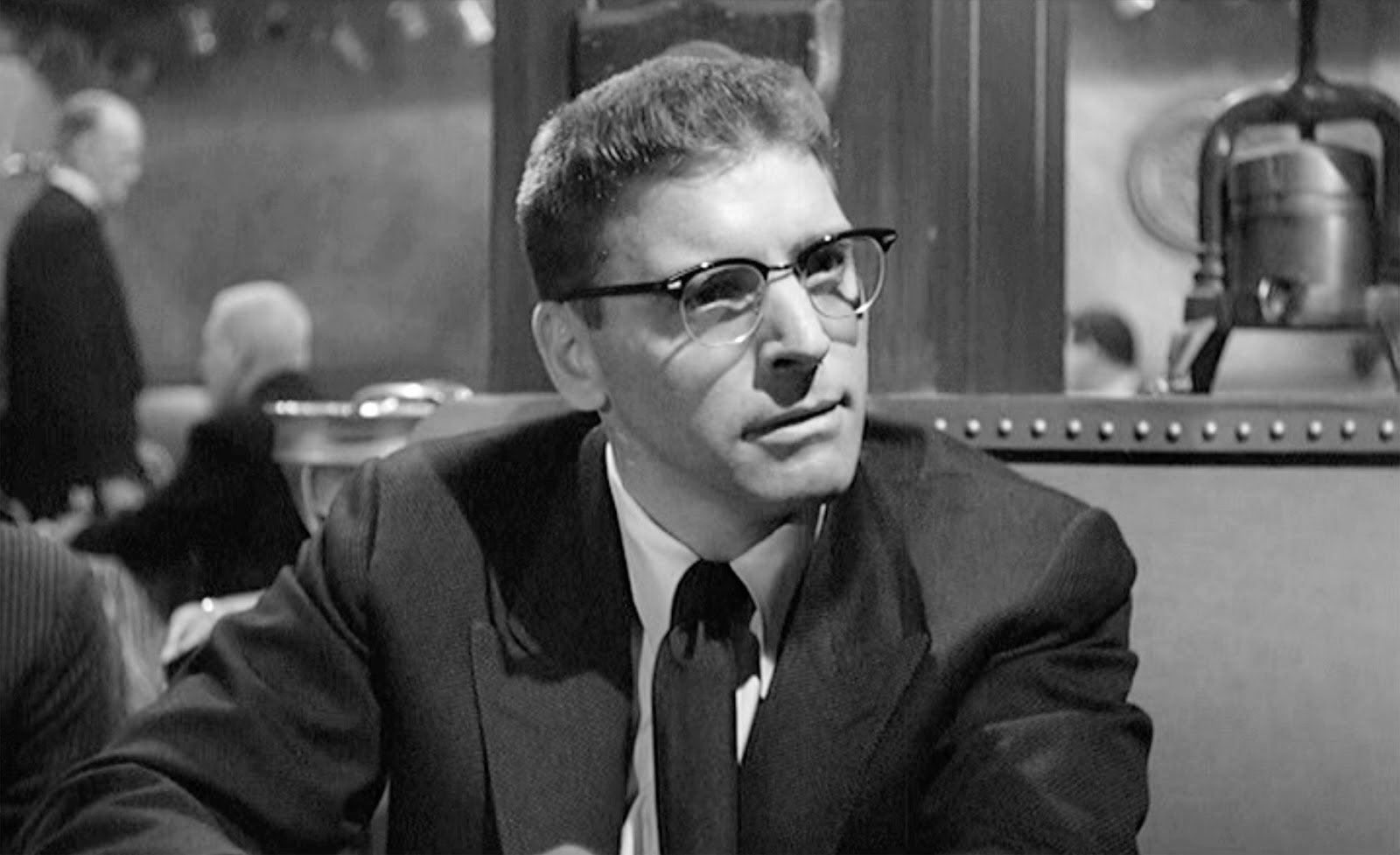
First, there’s my dialogue muse. I call him J.J. because he sounds like Burt Lancaster’s gossip columnist J.J. Hunsecker in “The Sweet Smell of Success.” Always chewing at my ear saying oily things like, “I’d hate to take a bite out of you, you’re a cookie full of arsenic.” J.J. comes to visit me only when I am jogging. Never on the threadmill, mind you, only outdoors. J.J. makes my skin crawl, but man, can this guy write dialogue.

Tvpinup

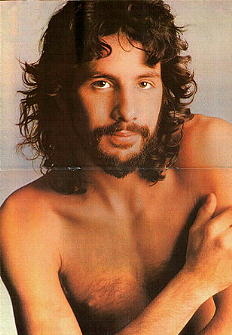
Then there’s my narrative muse. I call him Cat Man because he slips in on silent paws, sings in a fey whisper and only visits me just as morning has broken. He looks like Cat Stevens, but the old hot young version not the later one. Cat Man comes around about dawn, just as I am waking up as if from death itself. See, my husband’s insomnia means we sleep with blackout drapes, a white-noise machine and the A/C turned so cold the bedroom is like a crypt. So when I wake up, it is with a gauzy gray aureole rimming the drapes, icy air swirling around my nose and a soft swoooshing in my ears. And there is Cat Man, spinning a long segment of sensual exposition that salvages my stagnant plot. I have learned to lay there, very still, until he is done with his song, because if I get up and try to write it down, he vanishes. Praise for the singing, praise for the morning, praise of the springing, fresh from the word.

alice flo 2

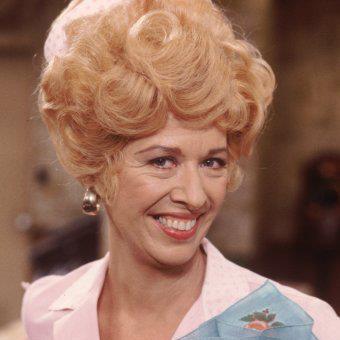
And then there is my third muse. She’s my favorite. Her name is Flo because her voice sounds like that waitress who worked in Mel’s Diner on the old “Alice” sitcom. You know, like the door of a rusted Gremlin. Flo is my muse of getting real. Her Greek name is Nike (the goddess of victory) and her slogan is “Just Do It.” Because whenever those other two guys fail me, whenever they don’t show up, Flo is there. She is the muse who knows that the only way I am going to get the book finished is through plain old hard work. Like Nike, Flo has wings. They symbolize the fleeting nature of victory. Or, as Flo often tell me, “Honey, if you don’t get off your ass and just write the damn thing, you’re going to lose your contract and you’ll have to paint houses for a living.”

I’d be lost without her. Who — or what? — keeps you going?

INDIE BOOK CONTESTS 2015

by Jodie Renner, editor & author    @JodieRennerEd

Book Contests in 2015 for Independent Authors and Publishers
Readers_Favorite_Awards-300x117

Have you considered entering your book into a contest? You’re not alone. My list here on The Kill Zone last January of 2014 book contests for independent authors and small publishers has received about 4,500 page views since then, so I know there’s a lot of interest in this topic.

Here’s the list, updated for 2015. If you know of any more good book contests for self-published authors, please let me know in the comments below, with the website, so I can add them.

Also, here’s a great list of free writing contests, mainly for short stories and poetry:

27 Free Writing Contests: Legitimate Competitions with Cash Prizes

If you’re experienced at publishing your own books, skip the next six paragraphs and jump down to the contests. If you’ve just recently decided to go the indie route and publish your next book yourself, read the next few paragraphs to ensure your book is ready for entering in book contests.

As you know, the competition is tough for independently published books, and an amateurishly produced book can sink a new author’s reputation before they’ve gotten started, so be sure to put out a professional product (and it is a product). How do you make your book rise up the ranks, sell well, and garner great reviews?

First, be sure to search out professionals to edit and proofread the manuscript, design the cover design, and format it properly. For an excellent, extensive list of professional resources for book design, editing, formatting, and more, check out Elizabeth Craig’s EBook Services Professionals Directory. Also, peruse our list here at TKZ (in the sidebar).

Limited resources for all of those necessities? You can save a lot of money on editing costs by doing a thorough revision and edit yourself first. (If your manuscript is long and rambling, see my recent post on Janice Hardy’s blog, Fiction University: “How to Slash Your Word Count by 20-40% – and tighten your story without losing any of the good stuff!” .) For expert help with the revision process, I recommend James Scott Bell’s excellent guide, Revision & Self-Editing for Publication. Also, check out my award-winning editor’s guides, Fire up Your Fiction and Captivate Your Readers.

You can also cut costs for formatting by doing the basic formatting yourself, per these instructions for formatting your manuscript.

And you can get a high-quality cover design for as low as $99 on sites like this one audcasinos where my three covers were designed – or even lower if you choose a pre-made cover.

Then, once your story is revised, polished, and presented in an attractive, professional-looking package, and you’ve published it, think about entering it in a book contest. Winning an award for your self-published fiction or nonfiction book is a great way to gain recognition and respect, so it rises above the masses. If you win an award, the publicity will boost your book sales, and you can add the award decal to your cover and mention the achievement on your back cover, in the book description, on your website or blog, and in all your marketing and promoting, for that extra edge.

Here’s a list of book awards specifically for independently published books. It’s for your quick info only, and is in no way an endorsement of any of them. Click on the title of the award to go to their website for more details. And do let me know of any good ones I’ve missed. [And if you’re looking to hone your skills and network, you might also be interested in checking out this extensive list (over 120) of Writers’ Conferences & Book Festivals in North America in 2015.]

BOOK CONTESTS FOR INDIE AUTHORS (Click on the titles to go to their sites.)

~ WRITER’S DIGEST SELF-PUBLISHED BOOK AWARDS

Sponsored by: Writer’s Digest Magazine (F&W Media) and Book Marketing Works, LLC

Requirements: Open to all English-language self-published books. Entrants must send a printed and bound book. Evaluated on content, writing quality and overall quality of production and appearance. All books published or revised and reprinted between 2010 and 2015 are eligible.

Early-Bird Deadline: April 1, 2015

What’s in it for you?                 

  • A chance to win $8,000 in cash
  • National exposure for your work
  • The attention of prospective editors and publishers
  • A paid trip to the ever-popular Writer’s Digest Conference!

Fees: Early-bird entry fees (by April 1): $99 for the first entry, and $75 for each additional entry.

Categories: 9, including 1 for poetry and 2 for nonfiction.

Winners notified: by Oct. 12, 2015

Notes: Very popular so very competitive. Your book needs to be professionally produced and sparkle in every way, including a stellar cover an enticing and error-free back cover, clean formatting, and a story that’s been professionally edited and proofread. I have served as judge on this contest three times, so can provide more general info if anyone is interested.

Judges provide feedback/commentary on all books submitted? Yes – minimum 200 words, plus a 1-5 rating on 5 points.

~ WRITER’S DIGEST SELF-PUBLISHED E-BOOK AWARDS

Hasn’t opened yet for 2015. Info from 2014:

This competition spotlights today’s self-published works and honors self-published authors. Whether you’re a professional writer, a part-time freelancer or a self-starting student, here’s your chance to enter WD’s newest competition, exclusively for self-published e-books.

8 different categories

One Grand Prize Winner receives $3,000 cash and lots more.The First-Place Winner in each category receives: $1000 in prize money and more. Honorable Mention Winners will receive $50 worth of Writer’s Digest Books and be promoted on www.writersdigest.com.

Entry fee: Early-bird – $99 for the first entry, $75 for each additional

Deadline: The 2014 deadline was Aug. 1, 2014, so look for this contest in the summer.

A definite plus is that, like the above WD contest, they do send you the judge’s rating and commentary, whether you win or not, which is very helpful.

~ FOREWORD REVIEWS BOOK OF THE YEAR AWARDS

Sponsored by: Foreword Reviews

Open to: all books from independent publishers, including small presses, university presses, and self-published authors, published in 2013.

Deadline: January 15, 2015 (oops! This one has passed. Bookmark this contest for next year, and get your entry in by Dec. or early Jan.)

Winners announced: at American Library Assoc. conference 2015, San Francisco

Entry fee: $99. Send two books per category.

Categories: 62 categories

Judges provide feedback/commentary on all books submitted? No.

Benefits/Prizes: Valuable publicity and $1500 cash prize for the Editor’s Choice in Fiction and Nonfiction.

Details/Advantages: Lots of categories, and “The judging is unique in that after the initial entries have been narrowed down to a group of finalists in each category by the magazine’s team of editors, the finalists are shipped to a hand-selected group of booksellers and librarians who determine the winners. This panel of industry experts use the same criteria for judging as they would use in their own acquisitions process.”

~ INDIEREADER DISCOVERY AWARDS

Sponsored by: Kirkus Indie

Requirements: Open to all self-published books with a valid ISBN. No restrictions on publication dates. Both eBooks and paper books can be submitted.

Deadline: March 2, 2015

Categories: Two main categories (fiction and non-fiction) and 49 sub-categories.

Entry fee: $150 per title, $50 fee for each additional category entered.  Submit two copies the first category entered and one each additional category.  One paper book and one ebook is preferred, if possible.

Winners announced: at the 2015 Book Expo America (BEA) in New York City.

Judges provide feedback/commentary on all books submitted? No free review anymore. If you want a review, you have to pay for it.

Prizes: Award ceremony at Book Expo America, sticker, professional IndieReader review, exposure. First place gets a review from Kirkus Reviews.

*Note that compared to the others, the above contest has a high entry fee, no cash prizes and no feedback unless you pay for it.

~ NEXT GENERATION INDIE BOOK AWARDS     

Sponsored by Independent Book Publishing Professionals Group

Requirements: Open to independent authors and publishers worldwide. Enter books released in 2013 or 2014 or with a 2013 or 2014 copyright date

Categories: 70+ categories to choose from

Deadline: February 13, 2015

Fees: $75 per title for the first category entered, $50 for each additional category. Submission Details: Two copies of the book must be sent for the first category entered plus one copy for each additional category.

Prizes, Benefits, awards: Cash prizes ($1,500 to $100), trophies, awards, listing in catalogue, exposure of top 70 books to NYC literary agent, awards reception, NYC

Details: The largest not-for-profit awards program for independent publishers

Winners notified by: May 15

Judges provide feedback/commentary on all books submitted? No.

~ NATIONAL INDIE EXCELLENCE BOOK AWARDS

Requirements/Eligibility: Open to books with an ISBN, published 2012-2015. Send one copy of the book per category entered.

Deadline: March 31, 2015

Fees: $69 per category

Categories: Lots of Categories!

Winners & Finalists: Will be publicized during Book Expo America; be listed on the official website of the IndieExcellence.com site; etc.

Winners announced: May 15, 2015

~ IPPY AWARDS – INDEPENDENT PUBLISHER BOOK AWARDS  

Sponsored by: Jenkins Group Publishing Services, affiliated with Publisher’s Weekly.

Eligibility: independently published titles released between July 1, 2012 and March 15, 2014. Open to authors and publishers worldwide who produce books written in English and intended for the North American market.

Deadline: March 10, 2015

Fees: $85-$95 per category; $55 to also enter the E-Book Awards or Regional Book Awards

Categories: 76 subject categories in National awards; Regional awards for the United States, Canada, and Australia and New Zealand; E-Book Awards with fiction, non-fiction, children’s and regional categories.

Benefits: Winners receive celebration party in NY City, medals, stickers, certificates, national publicity in major trade publications including Publisher’s Weekly and Shelf Awareness. Learn more

~ THE BEN FRANKLIN AWARDS

Sponsored by: IBPA – Independent Book Publishers Association

Info: The IBPA Benjamin Franklin Award for excellence in book publishing is regarded as one of the highest national honors for small and independent publishers.

Deadlines: First Call – Sept. 30, 2015; Second call – Dec. 15, 2015

Categories: 41 book categories + design = 55 categories

Entry fees: IBPA member – $95 per title, per category; Non-IBPA member – $225 for first title, which includes one year’s membership in IBPA; $95 for subsequent entries.

Benefits: Winners recognized at a gala event. Gold winners receive an engraved crystal trophy. Gold and Silver winners receive award certificates along with gold or silver stickers. All winners announced to the major trade journals and media.

Judges provide feedback/commentary on all books submitted? Yes. The Benjamin Franklin Awards are unique in that the entrants receive direct feedback on their titles. The actual judging forms are returned to all participating publishers.

~ READERS’ FAVORITE BOOK AWARDS

Requirements: Accept manuscripts, published and unpublished books, ebooks, audio books, comic books, poetry books and short stories in 100+ genres. No publication date requirement or word count restriction. Entries are accepted worldwide as long as the work is in English.

Fee: $89 per book

Deadline: April1, 2015

Awards: Four award levels plus a finalist level in each of our 100+ categories. Special Illustration Award competition for illustrated books. Roll of high quality, embossed award stickers ($50 value). Digital award seal for your book cover and print/web marketing. Personalized award certificate. Olympics-style physical award medal with ribbon. Awards ceremony with guest speakers and media coverage. Book displayed in our booth at the largest book fair in America. Book review posted on 7 popular book and social networking sites.

Feedback? Mini-critique of 5 key areas of your book.

FAPA PRESIDENT’S BOOK AWARDS

Sponsored by: Florida Authors and Publishers Association

Requirements: English language titles published in 2014 or 2015. Any author or publisher who resides in North America may enter. Bound books only, except for one category: e-books. Send four copies of your book for each category entered (e.g. one book entered in three categories = 12 copies of the book).

Fee: Until March 1: $75 (non-members), $65 (members); $50 for each additional category;  After March 1: $85 (non-members), $75 (members); $50 each additional category

Deadline: May 1, 2015

Categories: 30

Awards: FAPA will award one Gold Medal and up to two Silver Medals in each category. Winners receive: a gold or silver medal, a certificate, decals for book covers, and publicity.

Written review by judges: No

~ 2015 KINDLE BOOK AWARDS

Deadline: May 1, 2015

Details: Open to all independent and small press authors. For eBooks published on Amazon between May 1, 2013 – May 1, 2015 (Must have Amazon Link).

Fee: $29 (Use Code  SJC85  before April 1st for 10% Early Bird Discount)

Categories: Mystery/Thriller, Romance, Y/A, Sci-fi/Fantasy, Literary Fiction, Horror/Suspense, Non-Fiction

Awards: 7 category winners will receive $350 cash, and $900+ in promotion & tools

~ THE ERIC HOFFER AWARD

Deadlines: Books: January 21, 2015. Short prose: March 31, 2015.

Fees: Books: $55

Categories: 18 categories

Prizes: Two grand prizes, one for short prose (i.e. fiction and creative nonfiction) and one for independent books. Prizes include a $250 award for short prose and a $2,000 award for best independent book. In addition, various other honors and distinctions are given for both prose and books.

Judges provide feedback/commentary on all books submitted? No.Our judging process is a three tier system. Two successive category judges score the book on a seven point criteria system and provide feedback before it is passed to the higher level judges, but we do not provide feedback to the authors / publishers / nominators. We did in the early years, but it resulted in too many authors feeling the need to defend their books.”

~ SHELF UNBOUND WRITING COMPETITION FOR BEST SELF-PUBLISHED BOOK

Sponsored by: Shelf Media Group, Half Price Books

Eligibility: Any independently published book in any genre is eligible for entry.

Deadline: Oct. 1, 2015.

Entry fee: $40 per book.

Submission: Email a PDF or Word Doc of the book or mail in a physical copy.

Details and benefits: Top five books receive editorial coverage in the December/January 2016 issue of Shelf Unbound. The author of the book named as the Best Independently Published book will receive editorial coverage as well as a year’s worth of full-page ads in Shelf Unbound (rate card value $6,000). More than 100 books deemed by the editors as “notable” entries in the competition will also be featured in the December/January 2016 issue of Shelf Unbound.

Judges provide feedback/commentary on all books submitted? No.

OTHER BOOK AWARDS: (Click on the names.) Beverly Hills Book Awards, Bookworks Awards,  eLit Book Awards,  EPIC eBook Competition,  Global eBook AwardsGreen Book Festival,  Nautilus Book Awards,  Publishing Innovation AwardsReader Views Literary Awards

BOOK FESTIVAL CONTESTS:  New England Book Festival,  New York Book Festival,  San Francisco Book Festival,  The Beach Book Festival,  The Hollywood Book Festival,  London Book Festival,  Paris Book Festival,  The Living Now Book Awards

INTERNATIONAL:  International Book Awards,  The International Rubery Book Award,  The WISHING SHELF Independent Book Awards [UK]

CHILDREN’S BOOKS:  The Moonbeam Children’s Book Awards     

Can you think of any more to add? Have you had any experiences with any of these book contests that you’d like to share? Let us know in the comments below. Thanks!
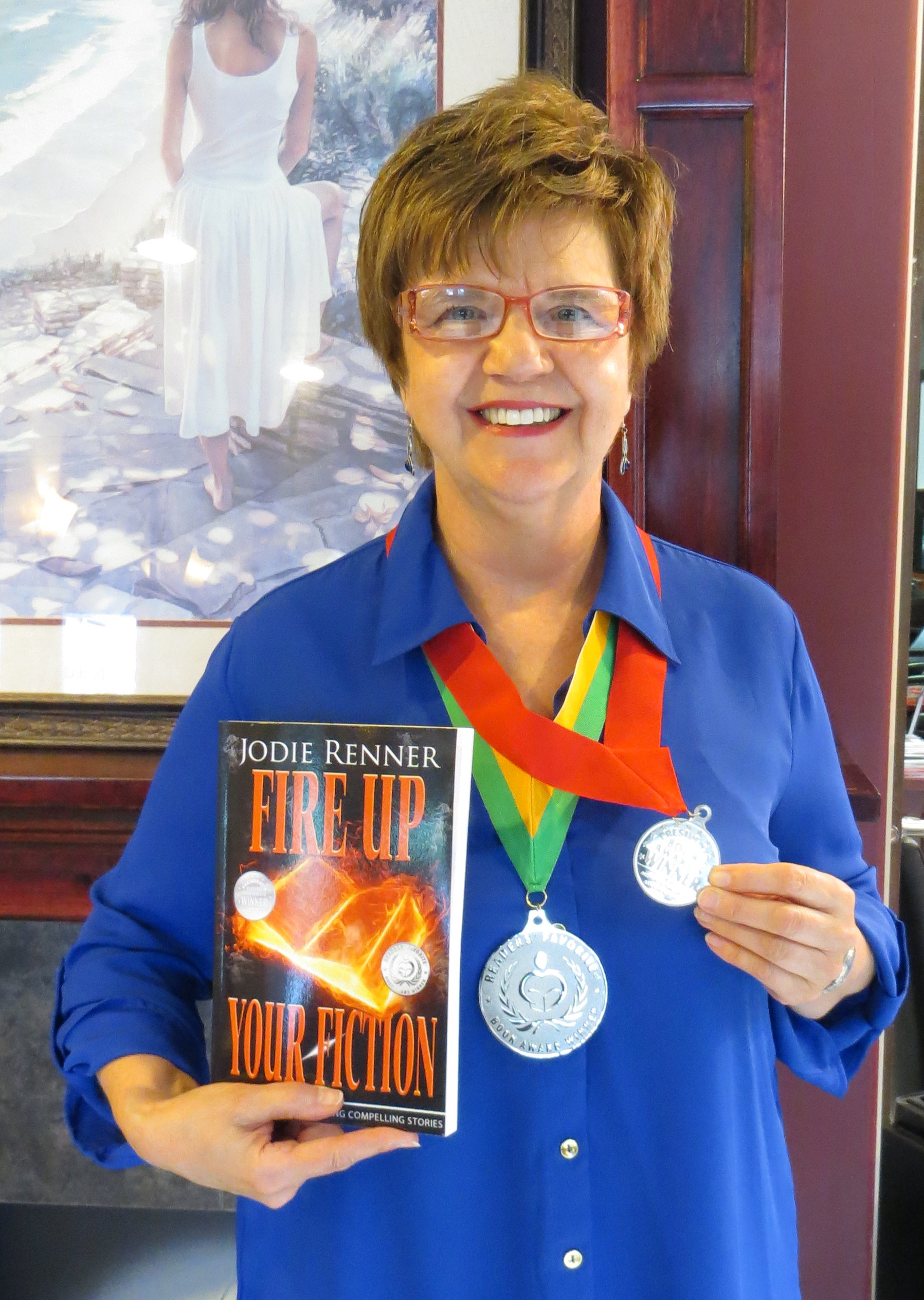
IMG_5765_trimmedJodie Renner is a freelance editor and the award-winning author of three craft-of-writing guides in her series An Editor’s Guide to Writing Compelling Fiction: Fire up Your Fiction, Writing a Killer Thriller, and Captivate Your ReadersFire up Your Fiction was awarded a silver medal from FAPA President’s Book Awards, a silver medal from Readers’ Favorite Awards, and an Honorable Mention from Writer’s Digest awards. Find Jodie at www.JodieRenner.com, www.JodieRennerEditing.com, and on Facebook and Twitter.

The Fog of War

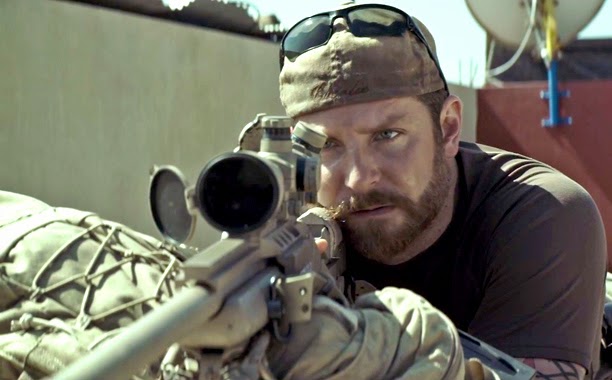
I’m still struggling to finish my novel, but my son wanted to see the movie American Sniper this week and I just couldn’t say no. I was curious about the film because it’s generated a lot of controversy. Some people say the movie is pro-war, some say it’s anti-war. I wanted to see for myself.
The movie is directed by Clint Eastwood, and I should state right off the bat that I have a lot of admiration for the guy. His Unforgiven is one of my favorite films, full of classic quotes. (“It’s a hell of a thing, killing a man. Take away all he’s got and all he’s ever gonna have.”) In fact, the King of Jordan apparently used a quote from Unforgiven a few days ago when he promised vengeance against the Islamic State for burning one of his Air Force pilots to death. Eastwood’s Million Dollar Babyis also amazing. And then of course there’s Dirty Harry, Rawhide and all those spaghetti westerns. Eastwood has built up a lot of good will with me, over half a century, so my opinion might be a little prejudiced in his favor.
That said, I can’t understand how anyone can think American Sniper is a pro-war movie. On the contrary, it does an excellent job of showing the horrors of war, specifically the urban combat in Iraq in 2004 and the following years. And it doesn’t shrink from portraying the terrible injuries, both physical and mental, that many veterans of the Iraq war are still battling. The hero — Chris Kyle, based on the real Iraq-war sniper who was murdered a couple of years ago by a fellow veteran — expresses a lot of patriotic sentiments and hews to the oft-repeated justifications for invading Iraq. (“You want these f***ers to come to San Diego or New York?”) But Eastwood makes it clear that this hero isn’t always thinking straight. After the funeral of a buddy who had started to question why they were in Iraq, Kyle angrily argues that the man’s loss of confidence caused his death. But we know this isn’t true, because just a few minutes earlier in the movie we saw this guy die, and it had nothing to do with his confidence or lack of it. He just stepped into the path of a bullet. It was the typical random carnage of war.
So here we have a good example of a classic thriller technique that’s very difficult to pull off: the unreliable narrator. The hero says something that you could certainly take at face value, but it’s also possible that he’s confused and traumatized. And maybe that’s why the movie is so controversial. It says different things to different people, depending on their preconceptions and politics. And I think that’s a good thing. The film is complex, or at least it tries to be.
In other respects, though, American Sniper is too Hollywood. Because the movie revolves around Kyle, he has to do everything — he’s a sniper, he’s a commander, he’s an interrogator. He’s an expert on hunting down Al Qaeda. At times it seems like he’s running the whole war. And at times Eastwood veers dangerously into spaghetti-western territory. The showdown between Kyle and the movie’s primary villain, an enemy sniper, plays like a High Noon shootout, except in this case the dueling snipers are more than a mile away from each other. (This face-off, by the way, never happened in real life. It’s strictly a Hollywood creation.) And the movie’s climax is like a Middle Eastern version of the Alamo, with a special-effects sandstorm thrown in for good measure.
Last but not least, I have to put in a good word for Bradley Cooper, the actor who plays Kyle. If I were to issue ratings like Entertainment Weekly, American Sniper would get a B+, but Cooper’s performance would get an A. That scene where he hyperventilates after nearly shooting the small Iraqi boy struggling to lift an RPG launcher? It was phenomenal.

Okay, back to the novel. This time I’m really going to finish it.