It seems like every time I meet someone and they learn that I’m a writer, they always comment that they had often thought of writing a book, too. Sometimes I think the prospect of being a published author may be the number one goal or dream of everyone who has ever been excited by a good novel. It’s natural to think, “I could do that.” And in reality, they can. But most don’t or won’t. Why? Because the dream far exceeds the labor. Like most specialized occupations, the average would-be author will remain in the dreaming stage. Few proceed to the next step: actually sitting down and writing a publishable, contemporary work of fiction.
But for those that really want to take the next step, here are a few tips on getting that novel “inside us all” onto the page.
First, become an avid reader with the eyes of a writer. Read as many novels as you can get your hands on. But try to read from a writer’s viewpoint. Read for technique and style and voice. Keep asking questions like: Why did the author use that particular verb? Why is the writer using short, choppy sentences? Or long, thick description? As you choose new books to read, cross over genre lines. The genre you wind up writing might not be the one you first imagined. Reading other’s work can also be inspiring. It is a source of ideas and helps to get the creative juices flowing.
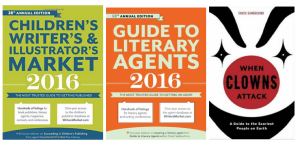
Next, know the marketplace and write for it. The end product must be sellable. This goes back to being familiar with your chosen genre. You may love westerns, for instance, but they can be way down the sells chart and not a good choice for a debut author. Having said that, any story in any genre can be a hit if it’s built on strong characters. Always remember that your characters make your story, not the plot. Stay on top of sub-genres and if your work falls into them. Example: Do you what upmarket fiction is?* How about YA crossover?* Middle grade fiction?* Many agents are looking for these right now.
A third tip is to be true to yourself. Don’t try to push against what you feel in your heart and soul when it comes to your story. This may sound like the opposite of the previous tip, but that one deals with the business side of writing; this one the emotional. Beyond understanding the market, realize that if your heart is not in the words, the reader will know it. You can’t hide your lack of love for your writing.
Another tip is to have proper training. Being a devoted reader is only a portion of the task. I’ve had the opportunity (or drudgery) of reading many first-time writer’s work. It’s astounding how many people simply don’t know how to write. I’m not talking about style or content. Forget coming up with a cool plot or unique cast of characters. I’m talking about constructing a sentence with proper use of grammar and punctuation.
If you’re still in school, make sure you give your writing classes as much attention as possible. After all, they teach you the tools of your future trade. If you’re out of school or later in life, consider taking an adult course in basic English and perhaps in creative writing. They won’t teach you how to write a bestseller but can help you get your thoughts down on paper properly. Consider it a refresher course. Some colleges and universities offer degrees in writing. This is by no means a requirement to writing a novel, but it’s always a direction to go if you feel the need. And don’t forget attending writer’s workshops, conferences and joining a local critique group. Workshops are usually taught by pros; conferences have lectures and topic panels dedicated to strengthening your skills; and critique groups offer a new, fresh set of eyes to help improve your work.
Finally, once you’ve finished the first pass through your manuscript, the real work begins: rewriting, editing, polishing, and finishing. There’s nothing that will turn off an agent or editor quicker than an unpolished manuscript. There are tons of books available out there on how to self-edit your work including outstanding books by James Scott Bell, Larry Brook and TKZ emeritus Jodie Renner. And getting others to take a look at it will help to reveal possible problems you missed. Edit, revise, edit, revise, repeat.
There’s a saying that everyone has at least one book inside them. But writing a book is hard. It takes firm commitment and dedication. Let your story out, but do it by following these logical steps. Skipping one of them usually results in frustration, disappointment and a half-finished manuscript collecting dust in the bottom of a drawer.
So what about you guys? How did you managed to finish your first book? Were you able to skip a step and jump right to a publishing contract and advance check? Any other tips to pass along to first-time authors?
* Upmarket fiction blends the line between commercial and literary. YA crossover targets adults but are likely to be of interest/suitable for teens. Middle grade fiction targets ages 8-12 and has content restrictions such as no profanity, graphic violence or sexuality other than crushes.