Every Word Is Gold

Gold-Panning

By Elaine Viets

1. “He felt like a panhandler who had just seen his first speck of gold.”

That lucky dog. Most panhandlers never see any gold. They’re lucky to scrounge pocket change.

But panners have a real chance of finding gold.

During National Novel Writing Month, aspiring writers, as well as hard-working pros, are pounding the keys. It’s easy to make mistakes when we’re cranking out copy at high speed. Here are few phrases that have tripped up good writers for major New York publishers. Don’t let them happen to you.

2. “I don’t believe it was money your mom squired away.”

I don’t believe it, either. Bet Mom squirreled it away, like this furry devil hid that acorn.

Squirrel-with-acorn

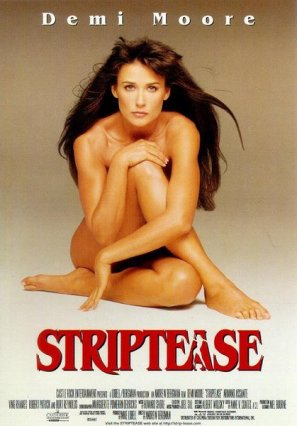
3. “There was something she couldn’t bare to look at.”

We couldn’t bear to look at the naked abuse of that word.

Striptease_movie_poster

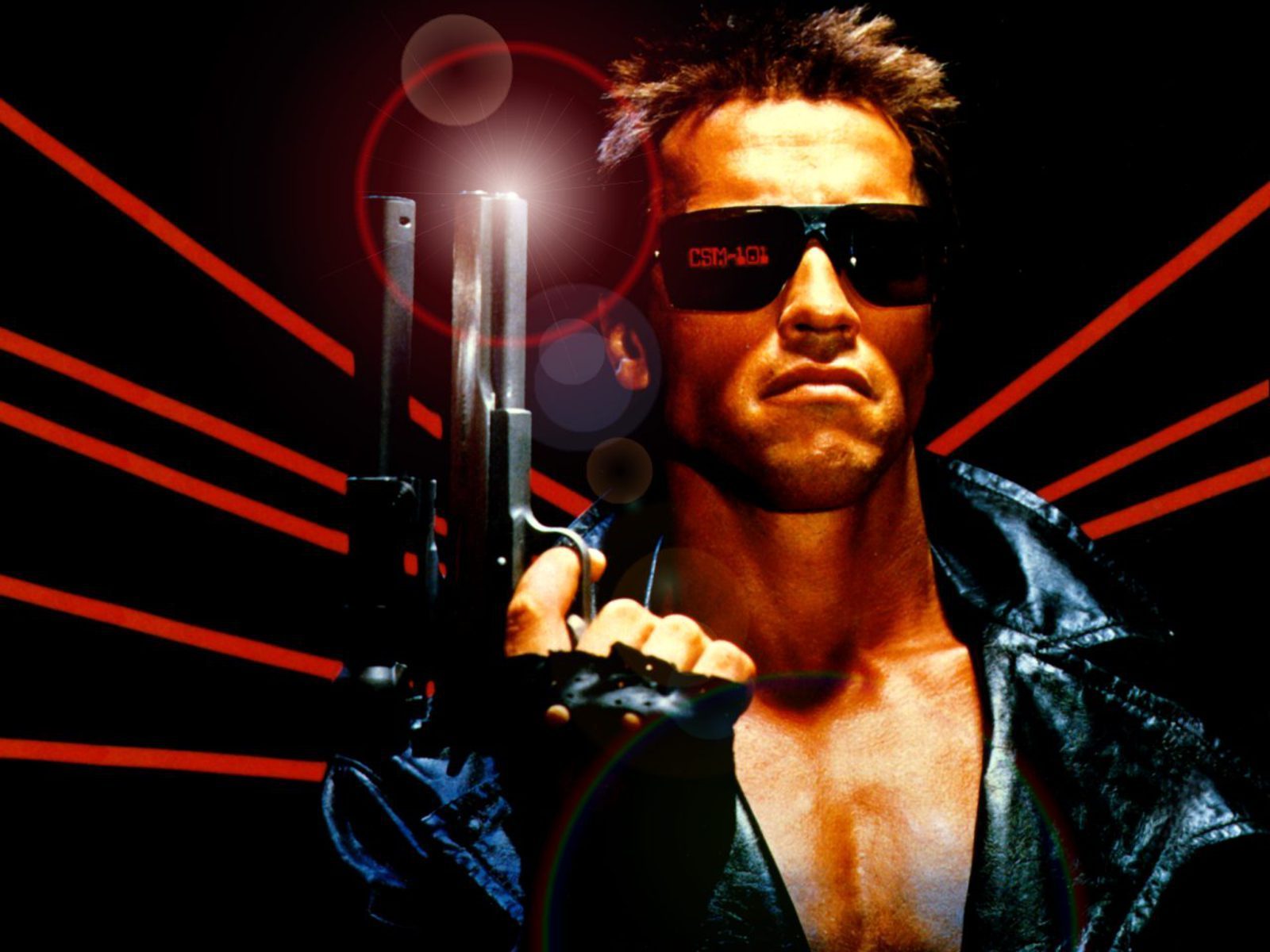
4. “His jaws were taught and clamped.”

The Terminator taught us what taut jaws look like.

Terminator-5

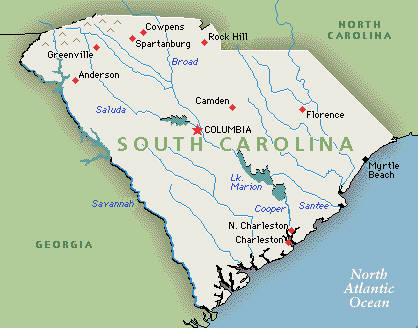
5. “South Carolina was the first state to succeed.”

At what? Leaving the Union? In that cast, the state was the first to secede.

south carolina

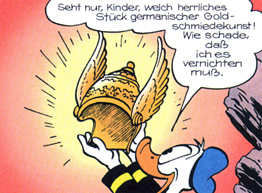
 6. “This is why you should wear a helmut.”

A helmet would protect your head better.

german helmet

That’s a German Donald Duck holding up the winged golden helmet. According to the Wall Street Journal, in Deutschland the beaked Donald is a philosopher. “Germany, the land of Goethe, Thomas Mann and Beethoven, has an unlikely pop culture hero: Donald Duck,” says the paper. “Just as the French are obsessed with Jerry Lewis, the Germans see a richness and complexity to the Disney comic that isn’t always immediately evident to people in the cartoon duck’s homeland.”

7. Some phrases are impossibly twisted. Consider the police officer with deep seed suspicions.

I suspect the writer meant deep-seated suspicions and mixed up deep seeded plants

seedling-fertile-ground-e1284564039611

with the tennis term top seeded, planted at the top of the heap.

venus

8. “He and his wife are strange.”

Possibly. But when they separated, they were estranged.

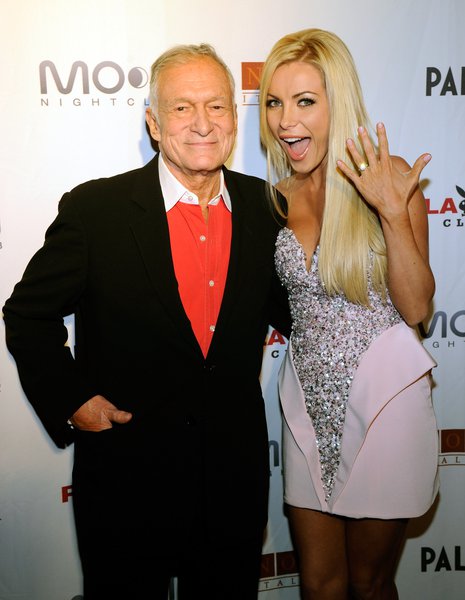
Hugh Hefner and Crystal Harris

Consider this couple. Hugh Hefner and Crystal Harris were engaged Christmas Eve, 2010. They were all set for a June wedding in 2011. But Crystal called off the wedding five days before Hugh walked down the aisle for the third time.

They were estranged. But the couple reconciled and were married New Year’s Eve, 2012. Hugh was 86 and Crystal was 26. Love is strange.

***

Suspense Magazine named Checked Out, my latest Dead-End mystery, a top cozies of 2015. I’m celebrating by giving away a large print Checked Out. To win, click Contests at www.elaineviets.com


Suspense: To Be Exciting,
You Need To Be A Little Dull

peyton1

This suspense is terrible. I hope it will last.– Oscar Wilde

By PJ Parrish

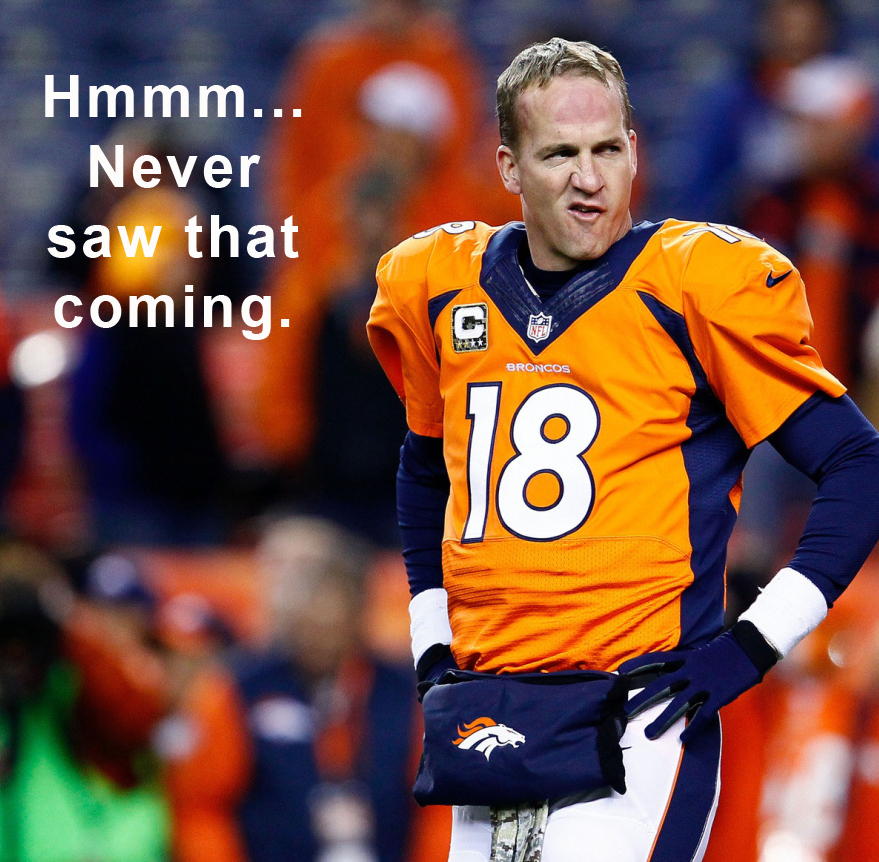
Sunday, I picked up the latest by a bestselling thriller writer and about halfway through, I realized it was sorta…unthrilling. So I put it aside and tuned into the Broncos-Colts game. I didn’t expect much in the way of entertainment here either because I knew this old story. I mean, Denver was 4-0 and Indianapolis was 3-5. Denver has Manning and Indy has, at best, a little Luck.

But lo and behold! The Colts were winning 17-0. Well, I thought, this is kinda interesting. So I stuck around. And then, Denver returned a punt 83 yards for TD.

Hmmm.

Then Peyton Manning hit for a TD, Denver got a field goal and suddenly, we were all knotted up at 17-all. Early in the fourth quarter, Andrew Luck threw a TD but Manning answered with one of his own and we were tied again! Until Adam Vinatieri, who is 95-years-old and never misses despite having only seven toes, kicked a field goal putting the Colts ahead by three!

Six minutes left. But I was definitely not turning this one off now because Denver was driving. And how’s this for a twist? Peyton was only 30 yards away from becoming the leading passer of all time, surpassing Brett Favre!

Tick…tick…tick.

OH MY GOD! Peyton is picked off!

Can the Colts hang on? There’s four minutes left and Frank Gore is running the ball but he’s 105-years-old and has a habit of putting the rock on the ground. Denver uses its last time out. But here is the back story that I already know about this drama: Peyton leads the league with 43 fourth-quarter comebacks.

Can he do it again? Will he break the passing record? Will the Broncos stay perfect? Will Frank cough up another hairball like he did last week?

The suspense was killing me.

Frank is tackled on third down. Ninety seconds left! Peyton’s going to get the ball back! Wait! Is that a flag? Some guy named Aqib Talib poked a Colt in the eye and Denver gets flagged for unsportsmanlike conduct!

It’s over. Colts win.

{{{Whew}}}

Now that was suspense. After that, I had no desire to go back to my book. Because despite the book’s stellar blurbs and the reputation of the author as the Master of the Twist, it wasn’t near as good as that football game.

The game was classic David and Goliath with a little Joseph Campbell The Hero’s Journey thrown in, yet it still went against my expectations. It had a good mix of pacing, with zip-fast passing attacks and slow grind-it-out running. It had setbacks and surprises. It had heroes and eye-gouging villains. And just enough twists to keep me guessing.

Think there’s a lesson here?

A good sports game has a lot in common with a good book or movie. Sitting on your barstool watching Daniel Murphy commit that error in game four and wondering if the Mets are doomed. Sitting in the triplex watching The Fugitive and wondering if Harrison Ford is going to jump off the dam. Or turning just one more page to find out if Amy is alive or is the girl gone for good. They are all related.

There’s the old Hitchcock formula: 1. A couple is sitting at a table talking. 2. The audience is shown a time bomb beneath the table and the amount of time left before it explodes. 3. The couple continues talking, unaware of the danger. 4. The audience eyes a clock in the background.

The surprise, Hitchcock said, didn’t come from the bomb itself; it came from the tension of not seeing it.

Speaking of formulas, there actually is one for suspense:

Suspense: t = (E t [(µ¿ t+1 – µ t)²])½

I didn’t make this up, believe me. It was created by Emir Kamenica and Alexander Frankel of the University of Chicago Booth School of Business. It is basically an equation about time and expectations: “t” represents the period of time a moment of suspense is occurring, “E” is the expectations at that time, the Greek mu indicates your belief in the next thing to happen, the +1 is your belief in the future, the tilde represents uncertainty, and the subtracted mu is the belief you might have tomorrow.

That made your brain hurt, right? Mine, too. But hey, you sat through my football metaphor, so stay with me a little longer. The Chicago guys also developed a formula for surprise, which is easier to stomach for us math-challenged types. It boils down to this: what your beliefs are now minus what your beliefs were yesterday.

Their paper “Suspense and Surprise” (co-written with Northwestern University economics professor Jeffrey Ely) was published in the “Journal of Political Economy.” It was inspired by their observation that in various types of entertainment – gambling, watching sports, reading mysteries – people don’t really WANT to know the outcome.

What they DO want is a “slow reveal of information.” As one of them put it in an article in the Chicago Tribune: “To be exciting, we found that things need to get dull.”

Information revealed over time generates drama in two ways: suspense and surprise. Suspense is all about BEFORE, ie something is going to happen. (the ticking bomb under the chair). Surprise is about AFTER, ie you’re surprised that something unexpected happened. (the bomb didn’t go off!) If you are led to believe one thing is going to happen (Broncos will win!) but then are surprised by the unexpected (Colts prevail!) that can be pretty powerful.

So how do you translate this to your own writing?

I’ll let Kamenica explain. He goes back to the Hitchcock formula: “Let’s take that idea and ask a mathematical question: How much suspense can you possibly generate?’ Putting that bomb there generates suspense, but how long can you leave it there? Can you leave it the duration of the movie? Or is that boring? Once you put it there, when do you decide for it to go off? One-third of the way through? One-half? If I am invested, as a viewer, how frequently should uncertainty be resolved? You have a threat, information that (a bomb) will explode, then it gets resolved, the movie continues. But will these people survive the next danger? How often can you do that — change an audience view?”

He has the answer, of course: Three times.

“Say you are writing a mystery,” Kamenica goes on in the Chicago Tribune article, “Zero twists is bad. And one thousand twists is also bad — again, for something to be exciting, it must occasionally become boring. So, three. The math delivers surprisingly concrete prescriptions. That number is constrained to a stylized view, characteristic mystery novel: Is it the maid or butler who did it? Does the protagonist live or die? A novelist must lead you in one direction then …”

Added his colleague Frankel: “The thing is, we also found that you can’t really have a definite number of twists. Three is average. Yet if you know there are three twists, those twists are not actually twists — you are now waiting for the twist.”

And that, to me, is the major lesson here. Not that your book must conform to a three-twist formula. Because if your readers know you have three twists, you’ve lost the suspense. The lesson, to me, is less might just be more.

That’s why I gave up on that book I was reading. Its pacing was overly frenetic, with no slow moments for me to catch my breath. And the writer — excuse me, Master of the Twist — was so intent on forcing me through one more complication, one more bend in the road, one more plot gymnastic, that I began to anticipate his next move. I put the book down because the enjoyment was gone. The fun was leached away. The thrill was gone.

If your readers know you will have a dramatic unexpected twist at the end, then your book will no longer have a dramatic unexpected twist at the end.

So maybe it comes down to this: If you want to be thrilling, you also have to be willing to be boring very so often.


Writing Down: Cultural Appropriation and the Fiction Writer’s Dilemma

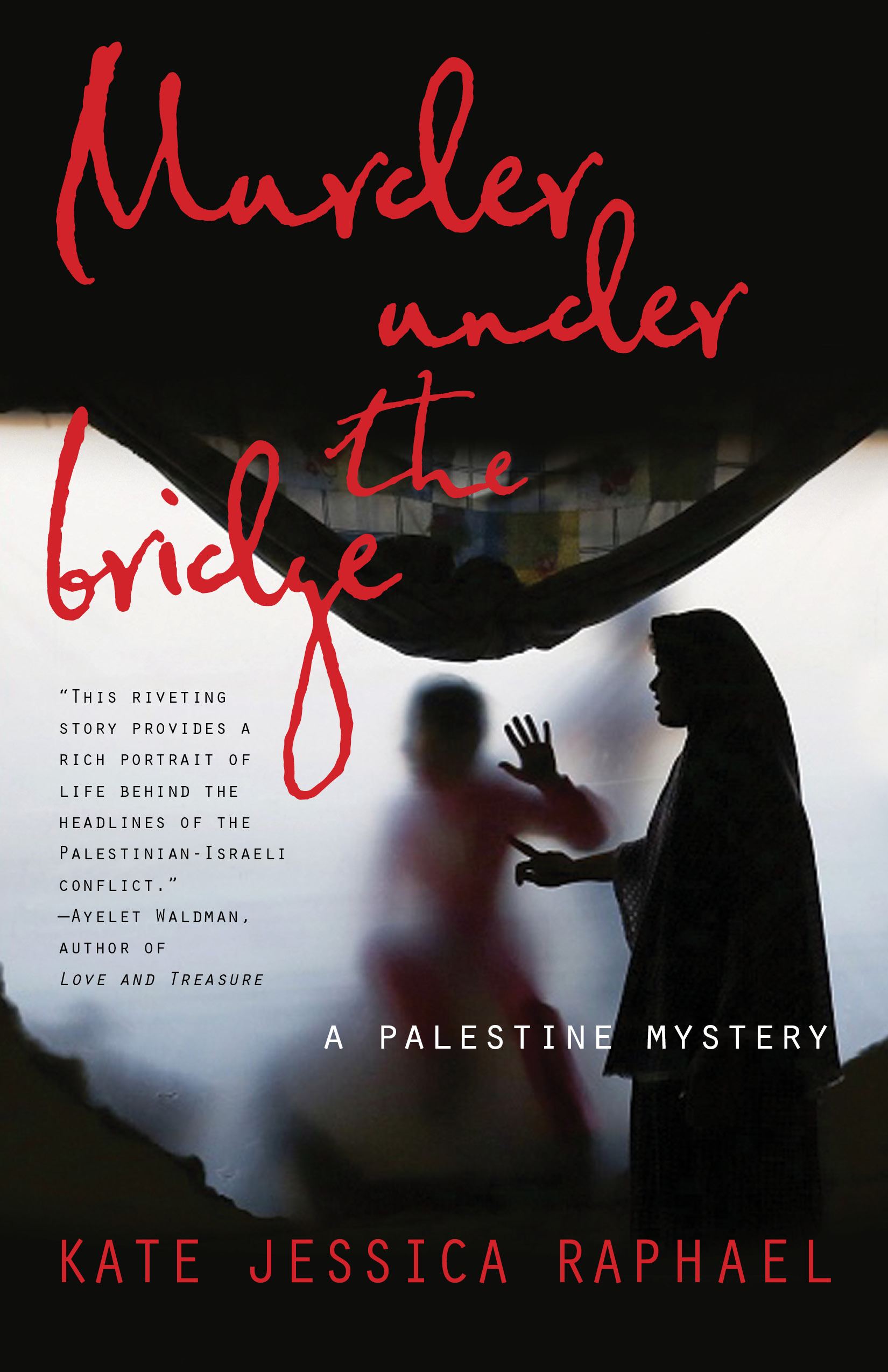
9781631529603_fcPlease welcome Kate Raphael to TKZ as my guest today, continuing the discussion we started on diversity and cultural appropriation in fiction….

Where is the line between imagination and cultural appropriation?

Actors and musicians have faced that question for decades, but until recently, fiction writers seemed to have license to become, behind our pens, whoever we could convince readers we were. In the 1930s and 40s, Pearl Buck and James Michener won Pulitzer Prizes for their portrayals of Asian countries and the people who inhabited them. Tony Hillerman not only won several Edgars and a Nero, he received the Navajo Tribe’s Special Friends of the Dineh Award for his series starring Navajo policemen Jim Chee and Joe Leaphorn.

In the last few years, however, cultural activists and writers of color have begun to raise the issue of who has a right to tell their stories. This conversation is a natural outgrowth of the public feuds between Miley Cyrus and Nicki Minaj, or Iggy Azalea and Azalea Banks, but it has certainly been helped along by episodes like Kathryn Stockett’s alleged misuse of stories told to her by her brother’s maid, and Michael Derrik Hudson’s admission that he put the name “Yi-Fen Chou” on his poem because it was more likely to be accepted that way. (Pearl Buck, incidentally, was sometimes known by her Chinese name, Sai Zhenzhu.)

The realization that all fiction is appropriation was the breakthrough that let me start writing fiction in the first place. Until my mid-thirties, I thought I couldn’t write fiction because I had no imagination. Then one day something crazy happened to a friend of mine and I thought, “That would make a great movie,” so I started a screenplay. The script was awful, but I had popped the cork on my storytelling juice. One of my friends had been a draft resister and gone underground. Others survived illegal abortions or helped sandbag Black Panther offices. A friend of a friend was killed during the contra war in Nicaragua. Steal! My own lackluster life fell away and I had a plethora of exciting stories to tell.

But stealing from friends, people basically “like me” is a different animal than telling stories of people with less social power than I have, people who have often been denied the right to tell their own stories.

As I honed my debut mystery novel, Murder Under the Bridge, and its sequel, Murder Under the Fig Tree, set in the Occupied Palestinian Territories, I thought long and hard about whether it was fair for me, as a Jewish American, to write from the perspective of a Palestinian. The Palestinian people have fought long and hard for the right to control their narrative, a narrative which has been virtually eclipsed in mainstream U.S. media. Palestinian writer Susan Abulhawa, author of the novel Mornings In Jenin, suggests that efforts to speak in the voice of people whose oppression we do not share “colonise our wounds and bring our pain under their purview.” I think it’s a valid position, and I didn’t want to do that.

At the same time, to write about Palestine and NOT put Palestinians at the center of the story seems worse. If I could not write from a Palestinian perspective, I couldn’t write these books. I needed to write about Palestine because I am a writer who lived in Palestine for several years, and my life was changed by that experience. So I had no choice but to try to inhabit the persona of a Palestinian protagonist, and hope that I could do it justice. I took some comfort from remembering that almost every Palestinian who gave me food, shelter, Arabic lessons or a badly needed ride around the checkpoints asked only one thing in return: “Go home and tell people our stories.” I took this as tacit permission to create characters who could live those stories.

I also took heart from my memory of reading Laurie King’s first Kate Martinelli novel, A Grave Talent. Kate Martinelli is a lesbian, as am I. I could tell immediately that King is not. Martinelli’s partner asks if she’s a lesbian and she answers, “We don’t know each other well enough for me to answer that.” A lesbian would never say that; she might as well say yes, because no straight woman would say it – especially in 1993, when that book came out. There were other things that also didn’t ring true. Nonetheless, I liked the book pretty well, and I was confident that the character’s voice would get better in future books, which it did. I could tell that though King was stretching, her intentions were good, so I was willing to give her a chance.

My friend Steve Masover, author of the recently released novel Consequence, says that writing about anyone other than oneself requires “an act of radical empathy.” I nurture the hope that radical empathy will shine through the mistakes I have no doubt made in portraying my Palestinian protagonist, Rania. And if it doesn’t, I’m sure people will let me know.

vivtoria secret my 07

Kate Raphael is the author of Murder Under The Bridge: A Palestine Mystery, and host of Women’s Magazine on KPFA Radio in Berkeley. Between 2002 and 2005, she spent eighteen months in Palestine as a member of the International Women’s Peace Service.

Key Layers to Writing a Solid Characterization

Jordan Dane
@JordanDane

Image purchased from iStock by Jordan Dane

Image purchased from iStock by Jordan Dane

Characterization is the way an author conveys the important (and hopefully memorable traits) of their main character. An author should have a vision for how their character looks, speaks, thinks, and interacts in their world. A writer can directly state what their character is all about by saying, “George is a rigid man, both in posture and judgmental temperament.” Or an author can convey key elements and paint a picture of their character by more subtle means, such as in their actions or manner of speech or even body language.

A first person narrative provides an intimate voice for a character, as if the reader has found a personal diary of private thoughts. A third person (Deep Point of View) can be compelling if the voice of the character gives insight into who they are and allows for a colorful and distinct dialogue and internal monologue.

Excerpt from The Last Victim (First Person POV):

My mind acted like a hard drive of stored random facts, especially at stress times. Sometimes they hit me hard and I blurted them aloud. That made dating a challenge. I’d always been drawn to intelligent women, but once I let them into my world, crossing that line usually ended any relationship. I simply had no interest in hiding who I was.

In this excerpt, I envisioned FBI profiler Ryker Townsend as socially awkward yet highly effective at his job. He’s a man with secrets, even from his own team. To be good at his job, he removes any filter he has over the way he speaks so he can access key elements stored in his brain. He trusts his instincts and his team to be himself, and in his personal life he is unapologetic for his peculiar mental leaps. His work is everything to him.

In The Last Victim, I portray Ryker’s life at home where he’s still living in boxes after a recent move, yet his work life is well-ordered. He’s charmingly clueless about his affect on women and very serious minded. He’s a case solver and a high achiever because of how his mind works, yet his mental gymnastics become a challenge in a social setting, where he’s out of his element most of the time. His highly focused approach to his work (and his secretive personal life) becomes the very weakness that could get him killed when he chooses to follow a lead alone. The clues force him to cross paths with the ruthless serial killer he’s hunting, a psychopath who knows how to hide in plain sight.

It’s important for an author to have a picture of the character in their mind’s eye. I often create a storyboard of images to reinforce my ideas. Or I imagine how the character will speak (perhaps by picturing an actor I see for the character). I also give the character baggage that will challenge them with conflict. Often their weakness can get them killed or become a major crutch. Above all, a main character needs to seem real and believable to the reader with a full life on paper.

Here are questions an author might ask about their main character(s) in order to flesh them out:

1.) Who are their friends?
2.) How do they dress? What do they look like?
3.) How do they live at home? Is their work life different?
4.) Do they have hobbies or interests outside of work? What do they care about? Their passions?
5.) How do they interact with others? How do others react to them?
6.) What makes them angry?
7.) What would they die for?
8.) What are their weaknesses?
9.) What do they fear?
10.) Which adjectives would the author use to describe the character’s personality?
11.) What does the character think inside their head? What do they share?
12.) How has their past shaped their life? Is there a traumatic incident that changed everything? How is this manifested in their present?

Once an author has a solid image and characterization in their mind, a writer can set up conflicts to give that character a starring role. Can they overcome their weaknesses? Give them a journey throughout the book that will exploit their deepest insecurities or force them to deal with their worst fears. A compelling characterization is like the foundation to a building. The more solid and well-thought out it is from the start, the stronger the story will be when you build onto it.

For discussion: Please share any tips you have to creating your characters. Do you storyboard images? What resources have helped you?

tmp_4087-TheLastVictim_highres-1601584079
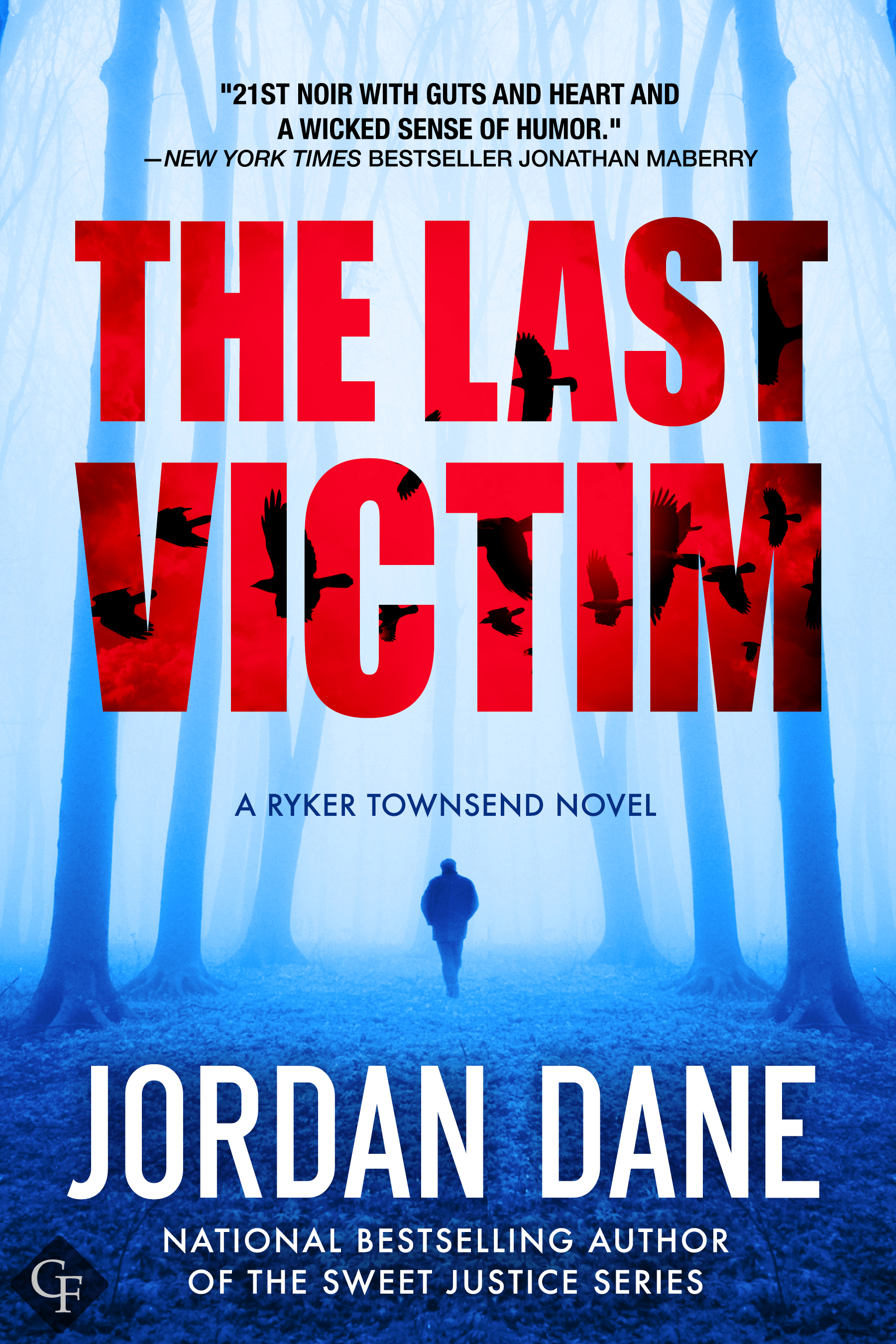
The Last Victim now available in print and ebook. Sales links HERE: “When FBI profiler Ryker Townsend sleeps, the hunt begins.” Townsend has a secret he won’t share with anyone–not even his own team–that sets him on the trail of a ruthless psychopath alone. 

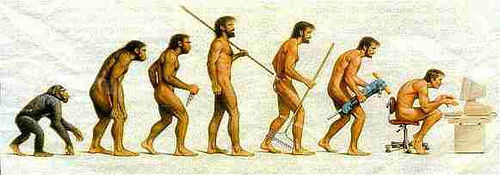
The Evolution of Your Hero

Evolution

Two weeks ago James Scott Bell wrote a terrific post on hero passivity, and how to handle it (carefully) in a novel. Which in a nutshell is this: in general you should avoid it, because it’s absolutely a radioactive story killer if handled wrong.

The mistake, and the temptation that leads to it, is to get too caught up in the intention to write a character-driven story (a noble goal, but like trying to run a marathon, you need to understand the role of pace), and a facet of that character is passivity in the form of lack of motivation, lack of courage, lack of direction or simply lack of interest.

Sooner or later, you need to give your hero something to do.

This issue is an example of how story structure touches and drives everything. 

This includes character arc, the beginning of which can indeed be a viable context for your protagonist’s passivity (which may be the very thing that gets them into trouble).  Nay-sayers on structure handle this differently, and yet end up – at least when the story finally works – aligning with where structure seeks to take a story in the first place.

Which is why mastery of story structure is perhaps the most critical phase of an author’s development. Because everything in the story connects to and is informed by structure.

When someone tries to tell you that’s not true… run.

Showing your hero in a passive context can actually be a good thing…

… provided you understand when and where to allow passivity to show itself.

Some stories begin with the hero simply not yet having fully collided with a forthcoming problem or situation (which absolutely needs to happen, and at a specific place in the story sequence), while others show the hero actually contributing to that problem by virtue of being passive (like, for example, someone in a relationship being cold toward their partner, resulting in… well, you know, all kinds of issues).

But be careful with this.  Because passivity can get you – the author – in a real pickle, too.  Stories are nothing if not a vicarious experience of a central hero-centric problem/situation (plot) for the reader.  Just don’t suck on that pickle for too long… because it’s toxic if you do.

And that’s where structure will guide you.

In her book “The Hero Within: Six Archetypes We Live By”, Carol S. Pearson is credited with bringing us life’s hero archetypes, four of which align exactly with the sequential/structural “parts” of a story.  (For those who live by the 3-Act model, know that the 2nd Act is by definition contextually divided into two equal parts at the midpoint, with separate hero contexts for each quartile on either side of that midpoint, thus creating what is actually a four–part story model; this perspective is nothing other than a more specific – and thus, more useful – model than the 3-Act format from which it emerges.)

Those four parts align exactly with these four character contexts:

Orphan (Pearson’s term)/innocent – as the story opens your hero is living life in a way that is not yet connected to (or in anticipation of) the core story, at least in terms of what goes wrong. 

And something absolutely has to go wrong, and at a specific spot in the narrative.

The author’s mission in this first story part/quartile, prior to that happening, is twofold: make us care about the character, while setting up the mechanics of the dramatic arc (as well as the character arc) to come.  There are many ways to play this – which is why this isn’t in any way formulaic – since within these opening chapters the hero, passive or not, can actually sense or even contribute to the forthcoming storm, or it can drop on their head like a crashing chandelier.  Either way, something happens (at a specific place in the narrative sequence) that demands a response from your hero.

Now your hero has something to do, something that wasn’t fully in play prior to that moment (called The First Plot Point, which divides the Part 1 quartile from the Part 2 quartile).  In this context, and if your chandelier falls at the proper place (in classic story structure that First Plot Point can arrive anywhere from the 20th to 25th percentile; variances on either end of that range puts the story at risk for very specific reasons), you can now think of your hero as a…

Wanderer – the hero’s initial reactions to the First Plot Point (chandelier impact), which comprise the first half of Act 2 (or the second of the four “parts” of a story).  The First Plot Point is the moment the story clicks in for real (everything prior to it was essentially part of a set-up for it), because the source of the story’s conflict, until now foreshadowed or only partially in play, has now summoned the hero to react.  That reaction can be described as “wandering” through options along a new path, such as running, hiding, striking back, seeking information, surrendering, writing their congressman, encountering a fuller awareness of what they’re up against, or just plain getting into deeper water from a position of cluelessness and/or some level of helplessness.

But sooner or later, if nothing else than to escalate the pace of the story (because your hero can’t remain either passive or in victim-mode for too long), your hero must evolve from a Wanderer into a…

Warrior – using information and awareness and a learning curve (i.e, when the next chandelier drops, duck), as delivered via the Midpoint turn of the story.  The Midpoint (that’s a literal term, by the way) changes the context of the story for both the reader and the hero (from wanderer into warrior-mode), because here is where a curtain has been drawn back to give us new/more specific information – machinations, reveals, explanations, true identities, deeper motives, etc. – that alter the nature of the hero’s decisions and actions from that point forward, turning them from passive or clueless toward becoming more empowered, resulting in a more proactive attack on whatever blocks their path or threatens.  Which is often, but not always, a villain.

But be careful here.  While your hero is getting deeper into the fight here in Part 3, take care to not show much success at this point (the villain is ramping things up, as well, in response to your hero’s new boldness).  The escalated action and tension and confrontation of the Part 3 quartile (where, indeed, the tension is thicker than ever before) is there to create new story dynamics that will set up a final showdown just around the corner.

That’s where, in the fourth and final quartile, the protagonist becomes, in essence, a…

Martyr (Pearson’s term)/hero – launching a final quest or heading down a path that will ultimately lead to the climactic resolution of the story.  This should be a product of the hero’s catalytic decisions and actions (in other words, heroes shouldn’t be saved, rather, they should be the primary architect of the resolution), usually necessitating machinations and new dynamics (remember Minny’s “chocolate” pie in The Help?), which ramp up to facilitate that climactic moment.

This is where character arc becomes a money shot.  Because by now everything you’ve put the hero through has contributed to a deep well of empathy and emotion on the reader’s part.  This is where the crowd cheers or hearts break or history is altered, where villains are vanquished and a new day dawns.

Instinct, Intention or Accident?

Too many writers aren’t in command of the difference.  You can be, and you should be.

In this context these three options don’t refer to your hero, they refer to you, the author of the story.  All three modes may play a role in how a story comes together, but the good news is that you don’t have to rely on any single one of them.  Armed with a deeper knowledge of craft, you get to choose which to harness, and when.

Truly, successful storytelling exceeds the sum of these three states, so listen to all the voices in your head that contribute to the way you build the arc of your character: yours, those of your characters (that’s a metaphor, by the way, because when a character “speaks to you” that’s just your story sensibility weighing in), and the sum of the learning you have accumulated from venues like this one, and the books the authors here have written to show it to you.

(image by Esther Dyson)

First-Page Critique: The Art of Stage Setting

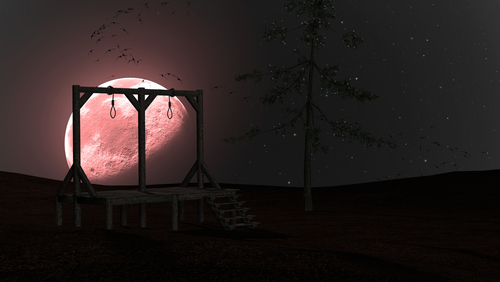
1gallows_shutterstock_239830486

Today we’ll be critiquing the first page of a story called THE GHOST AT BEAVERHEAD ROCK. I’ll add my comments at the end. Please add your notes and suggestions in the Comments.

THE GHOST AT BEAVERHEAD ROCK

Darkness still hid the night’s work when Daniel Stark and Timothy McDowell stepped out of the restaurant. It would not be hidden for long, Dan said to himself. A faint glow separated the outline of the easterly mountain ranges from the star-filled sky. The boy must not see it. They must be gone before anyone saw it.

The coach from Bannack to Virginia City stood in front of the Overland stage office. Restless, wanting to move and get warm, the horses stamped their feet, rocked the coach forward, then back. Their breath steamed in the lamplight spilling from the windows.

“It’s ready to leave. Hurry.” Dan slung his rifle across his back.

“Sun ain’t up yet.” Timothy yawned. “Sure is a nice morning. Crisp.”

The boy’s deep voice still could startle Dan, who thought of him as the boy he had left in the spring. “Let’s get our bags.” He set a fast pace toward the rooming house.

Boy-like, Timothy scuffed his toe at clods of frozen horse manure. “We’ll be in that dratted box all day. I want to enjoy the air.”

“You can enjoy the air in Virginia City.”

“Not if the smoke settles there. Gets so bad sometimes you can hardly breathe.” He took a deep breath, let it out. ”Nothing like mountain air.”

Dan looked over his shoulder. Timothy grinned at him, teasing, but took longer steps. Dan cuffed the boy’s shoulder, not much below his own. “That’s better.”

As he spoke, the stars lost brilliance, and the mountains around Bannack stood out from the sky.

The stage driver came out of the office, holding a coiled blacksnake whip in one hand. He arched his back, circled his arms, rolled his shoulders. Two passengers, a man and a stout woman walked out of the stage office.

Timothy lagged behind again. Dan called over his shoulder, “Hurry. They’re loading.”

“What in hell—?” Breaking into a run, Timothy veered off the boardwalk, broke into a run uphill.

Damn! He had seen it. Pivoting, Dan sprinted after him. He leaped the sluice ditch, dashed between the one-man cabins on Bachelor’s Row. His boots crushed frozen bunch grass. His breath rasped in his throat. The rifle bounced against his back.

He caught Timothy amid the sagebrush several yards from the gallows and tackled him around the waist. They tumbled together onto the ground. “No, Tim, don’t look – ” What he meant to say was lost as the corpse turned on its rope; its frozen eyeballs stared into his soul.

My comments: I think this first page shows that the writer has a nice ear for dialogue. The conversation between the man and boy flowed easily. There are some other craft-related issues that need to addressed, in order to make this scene stronger.

Get important information across early

I sense that this writer has a strong vision of the story’s characters and setting, but the first paragraph needs to provide more information to convey that vision to the reader. In the absence of clues, readers start making their own assumptions. It’s easy for them to wander off track. For example, I didn’t realize until the second paragraph that the story is set in the western past. By then, I had already formed a vision of a much more modern setting. It’s jarring to the reader to have to backtrack after making a wrong assumption.

Don’t over-withhold information in an effort to build suspense

The first paragraph in this story makes a reference to “the night’s work,” followed up by several more deliberately vague references to “it”. We don’t learn what “it” is until the very end of the page, however. Too much information is withheld for too long, potentially frustrating the reader or causing him to lose interest. The first paragraph might be stronger if it contained a hint or reference to the gallows. For example, instead of repeating the use of a vague pronoun in the following sentence:

“It would not be hidden for long…”

It might be more dramatic if Dan spotted the silhouette of the dark, swinging mass (the corpse) emerging against the night sky. Just a hint, enough to give the reader some sense of the terrible sight that he’s trying to keep the boy from seeing.

Avoid confusing transitions between dialogue and action

By the time I encountered the following paragraph:

“What in hell—?” Breaking into a run, Timothy veered off the boardwalk, broke into a run uphill.

I still didn’t know what it was that Timothy had seen and was reacting to. By the time I got to the payoff at the very end of the scene–the sight of the gallows and hanging corpse–I was feeling confused and somewhat frustrated as a reader. This confusion can be avoided by providing the reader with enough information earlier in the scene, to keep him oriented and engaged in the story.

Your thoughts?

Please add your notes and suggestions in the Comments. And thanks to our brave writer for submitting this first page!

When a Picture Is Worth
At Least 80,000 Words

chci-dog-thechicadvisor

The great advantage of being a writer is that you can spy on people. You’re there, listening to every word, but part of you is observing. Everything is useful to a writer, you see – every scrap, even the longest and most boring of luncheon parties.– Graham Greene

By PJ Parrish

Friday, I tried to push the boulder back up the hill again.

You all know the one. James even had a picture of it here last week when he asked us what was the hardest part of writing. It’s that stone on which is engraved CHAPTER ONE. It’s that rock that feels so heavy and looms so large that you are sure it will roll back and crush you dead before you even get traction.

Especially if you haven’t got a good picture of how your story is going to open.

We talk a lot here at TKZ about crafting a good opening for your book. That it has to be compelling, that it has to grab the reader by the throat, that you can’t do this or that. But I think the single most important decision we all need to make boils down to one question:
What is the optimum moment to enter the story door? What is the best angle of approach?

I struggle with this question every time I start a new book because I’ve learned that for me least, finding this prime entry angle affects the whole trajectory of my story. I keep going back to my metaphor of the astronauts in the movie Apollo 13. The three guys are up in the capsule about to make their harrowing re-entry into the earth’s atmosphere. The guys down in mission control are sweating about finding the right angle of descent. If they come in too fast and deep, they will burn up. If they come in too slow and shallow they will bounce off into the atmosphere.

It’s the same with a book opening, I think. If you come in too hard and fast, you burn up in a blaze of clichéd action and grab-me gimmicks. But if you come in too late and lazy, you lose the reader in backstory and throat-clearing.

So how do you find that right moment?

For me, it always starts with an image. I have to see something in my mind’s eye –- a person who can’t be ignored, a place that has the power to haunt the imagination, a visual that is so compelling that I have to spend 100,000 words explaining it. You often hear writers talk about “seeing” their stories unfold like films. Joyce Carol Oates has said she can’t write the first line until she knows the last. I can’t write one single word until I see the opening of my mind-movie.FINAL COVER
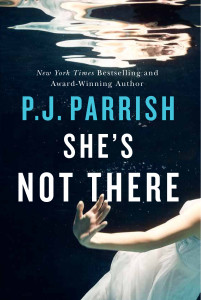
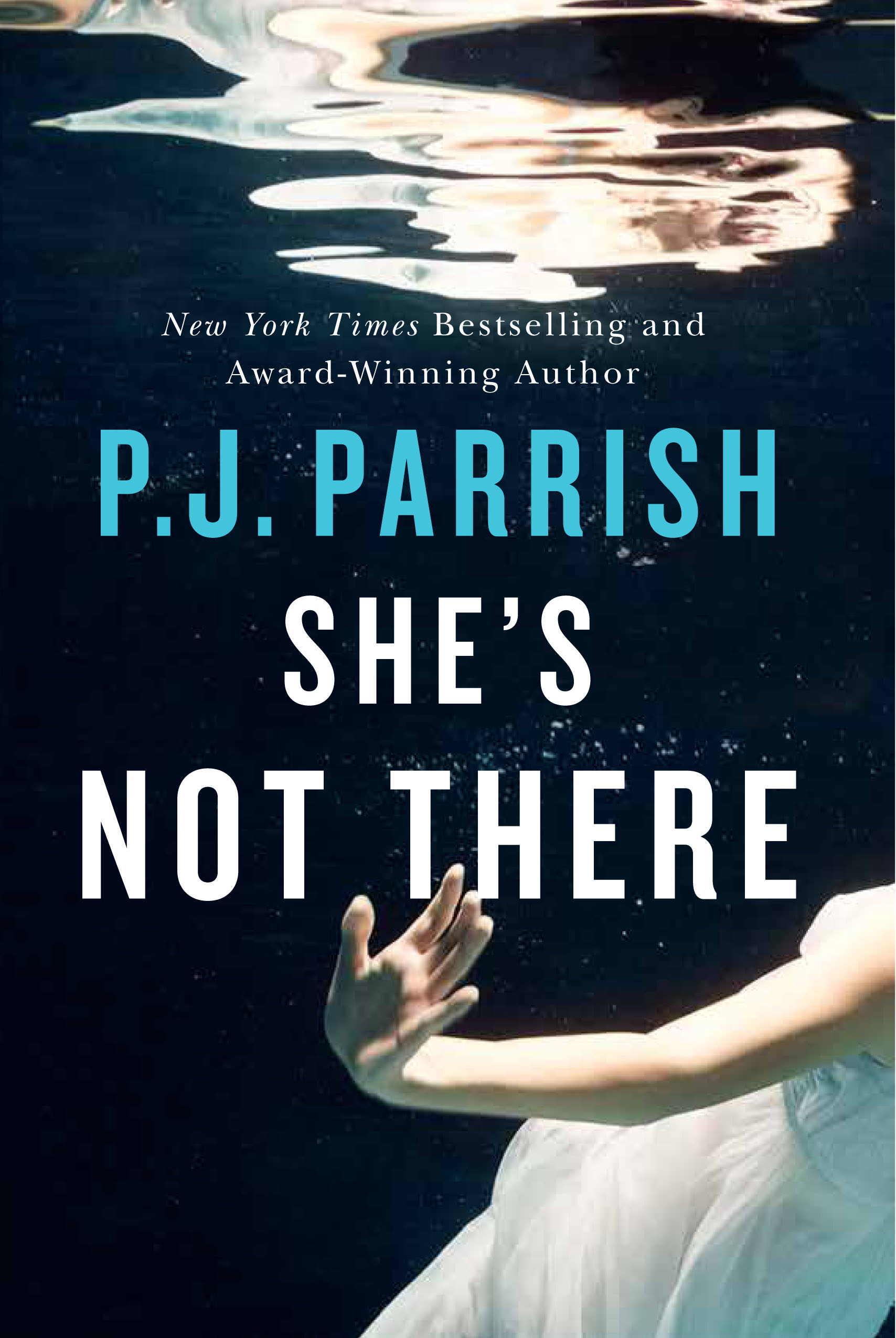
I can trace this process to almost every book my sister and I have written. (I usually get the opening chapter duties after we have talked things over). For our newest book, She’s Not There, the seminal image came from a vivid childhood memory of when I almost drowned at a Michigan lake one summer. I walked out into a lake, the sand gave way under my feet and I felt myself sinking slowly downward in the water until someone yanked me out by the hair. Here is the opening of our book:


She was floating inside a blue-green bubble. It felt cool and peaceful and she could taste salt on her lips and feel the sting of it in her eyes. Then, suddenly, there was a hard tug on her hair and she was yanked out of the bubble, gasping and crying.

This is our heroine, Amelia, who is coming out of a coma in a hospital, a literal image. But I knew in my bones that once I had that opening paragraph, I had the whole book, because it is a metaphor for the story’s theme about getting a second chance to live after you’ve lost your way.

Kelly and I take a lot of photographs for our locations and return to them for inspiration as the stories unfold. Other images that inspired our books:
getPart (1)

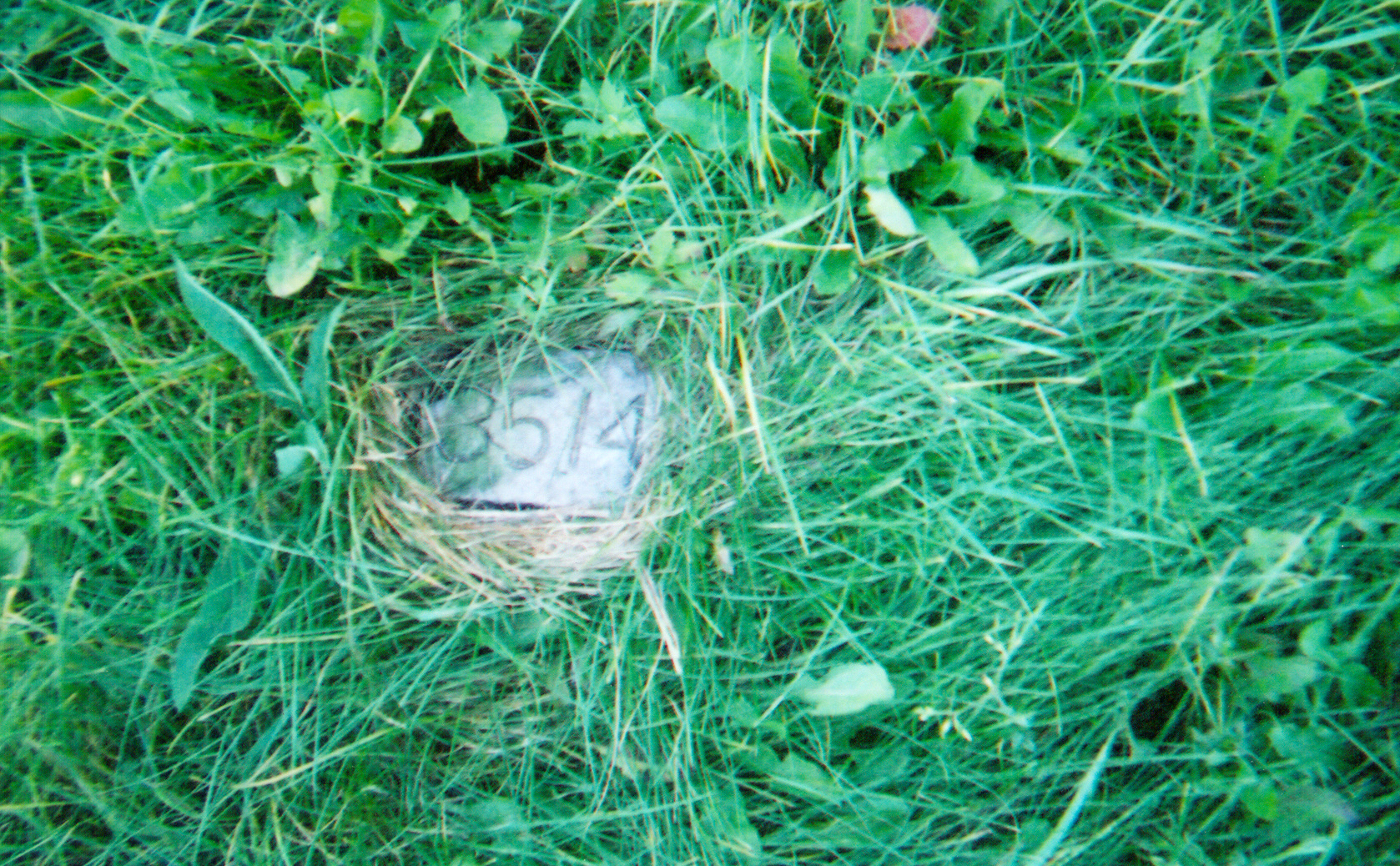
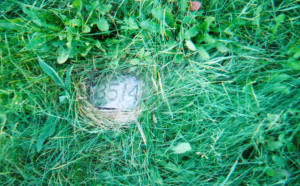
A potter’s field cemetery in an abandoned asylum outside Detroit, where we found that the old stone markers of the dead inmates (above) had only numbers and had been lost in the weeds. This became An Unquiet Grave.
Ice 4

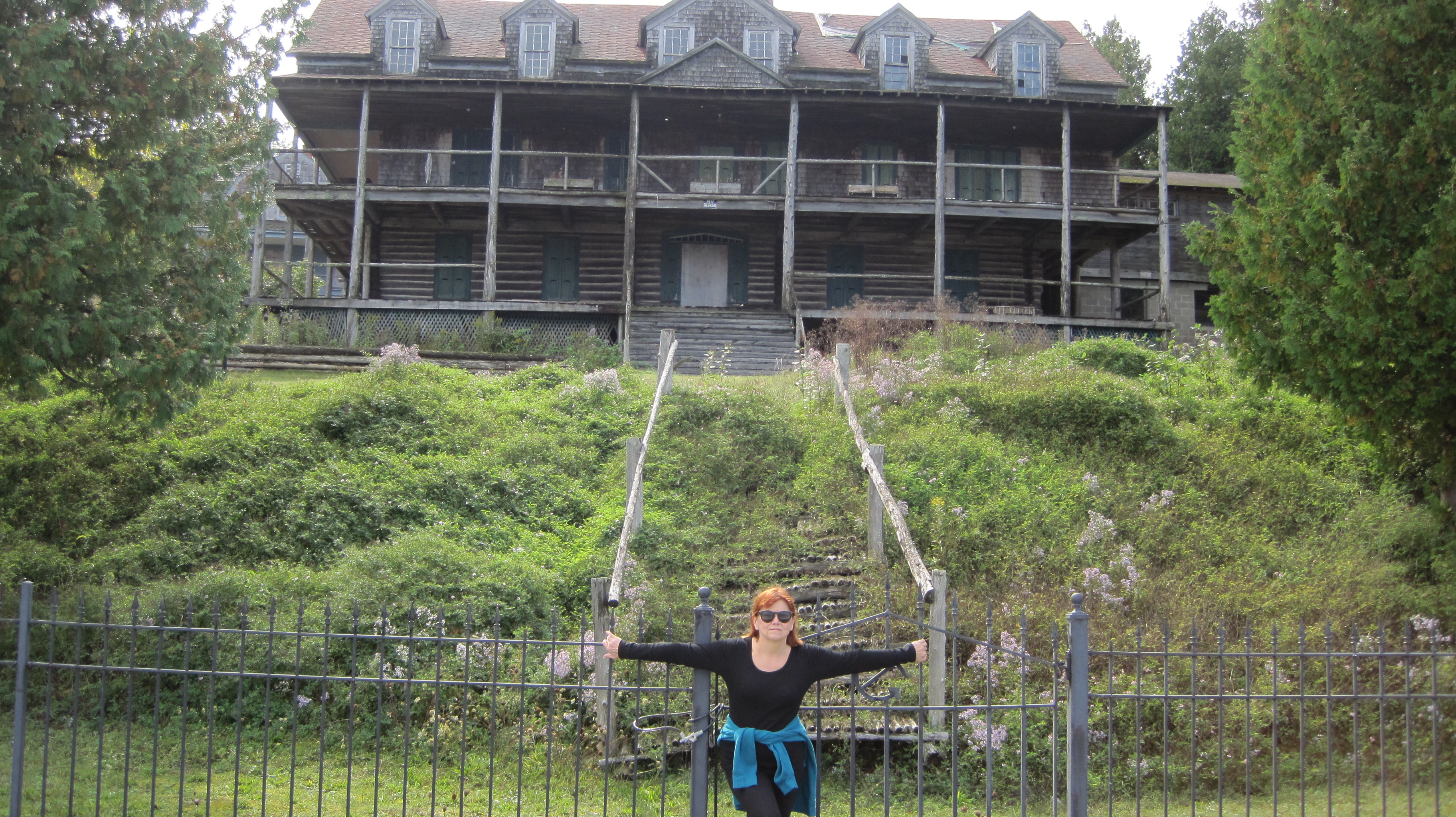
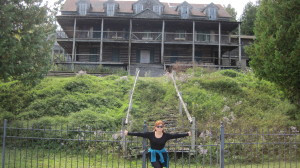
This abandoned hunting lodge (left) on Mackinac Island in Michigan. Once Kelly and I saw it, the whole plot of Heart of Ice began to reveal itself.

The odd juxtaposition of a swampy stand of dead trees glimpsed from the road outside Philadelphia, Mississippi, and a nearby old white pillared mansion. This inspired Dark of the Moon.

Sitting in Paris’s Sainte-Chapelle in December, listening to Vivaldi’s “Four Seasons,” feeling so cold that my teeth chattered like bones, watching a cellist who looked so bored that he wanted to kill someone. Which he did in The Killing Song’s first chapter.
farmhouse 60

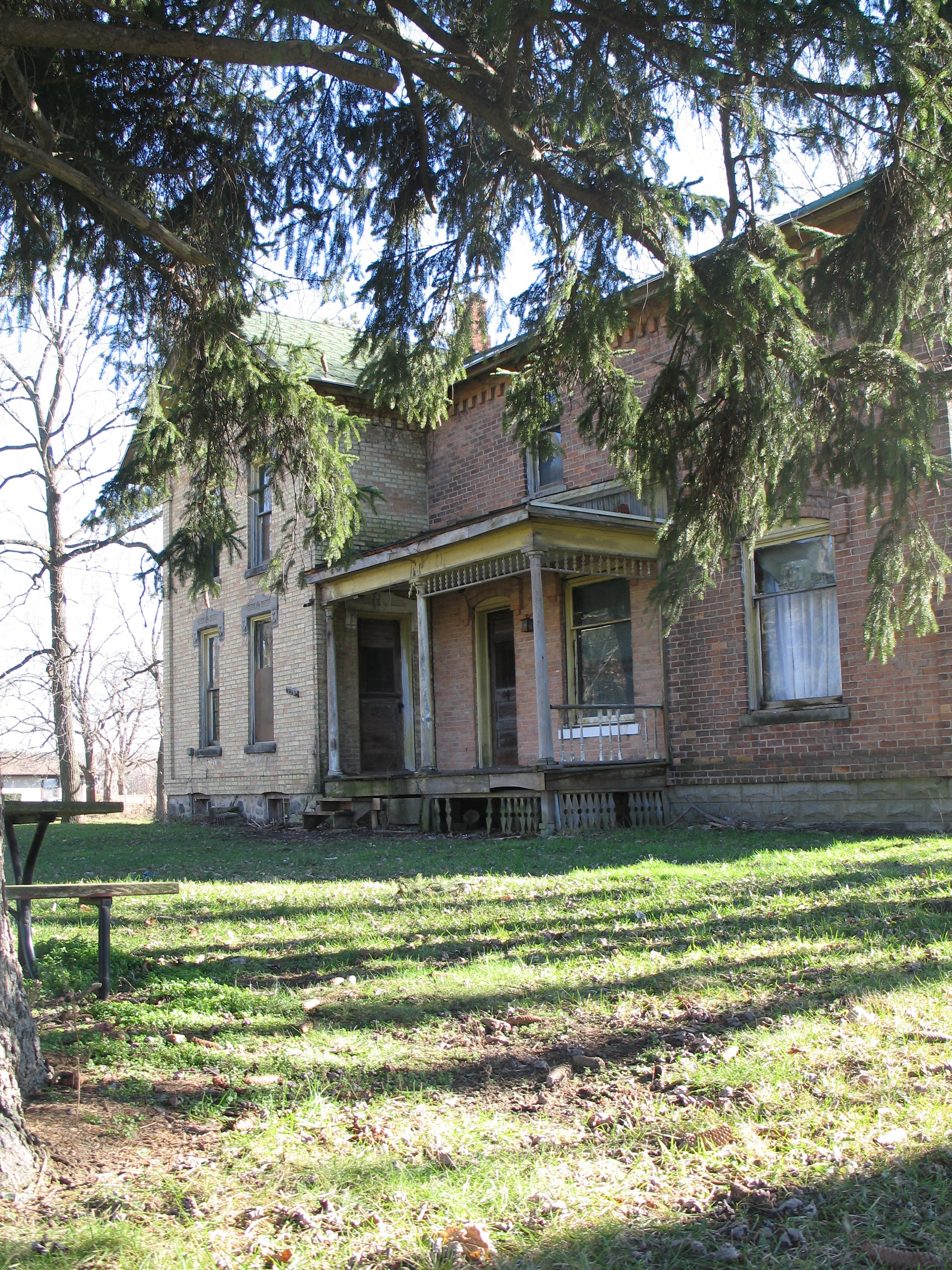
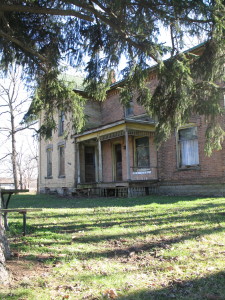
This creepy old farmhouse near Lansing MI inspired this opening for South of Hell:

It was just south of Hell, but if you missed the road going in you ended up down in Bliss. And then there was nothing to do but go back to Hell and start over again. That’s what the kid pumping gas at the Texaco had told her, at least. Since she had not been here for a very long time, she had to trust him, because she had no memory of her old home anymore.

I feel so strongly about the power of a picture in your imagination that I use this in our writing workshops. Kelly and I have found that one of the biggest hangups for beginning writers is getting over the paralysis of finding the perfect opening. Maybe it’s because it’s been drilled into their heads that they have to come out of the gate at full gallop or no agent or editor will ever buy their books. Or maybe they get intimidated by the “rules” that preach suspense is all about adrenaline. Whatever the reason, they get all constipated and can’t make a decision about when is the right moment to start their narrative journeys.

So we give them pictures and five minutes to write the opening of a story using it. The purpose of the exercise is to get them un-stuck but it is also to force them to tap into their powers of observation. Forced to focus on one photograph, they turn up the volume on their receivers, extend their sensory antennae. They become, in the words of Graham Greene, better spies on the human experience.

The results are always amazing. Freed from the tyranny of their WIPs and under deadline to write something, they lock on an aspect of the image that moves them. And they always come up with really good stuff.  Afterwards, when we read them aloud, I see something change in their expressions, like they realize they do, indeed, have that spark inside them.

In college, I was an art major and I always struggled because I was hung up on making everything look…perfect. Even my attempts to be “modern” were perfect and thus lifeless. Then one of my teachers had us do blind contour drawing. We had to keep our eyes on the subject, never look at the sketch pad, and draw slowly and continuously without lifting the pencil. I was shocked at how good my drawing was. Psychologists call this right brain thinking. Picasso nailed it in one quote:

It takes a very long time to become young.

The idea being, of course, kids know instinctively how to create. We adults…well, the spark fades and most of us live in our left lobes, never finding the synapse that lights the way back across.

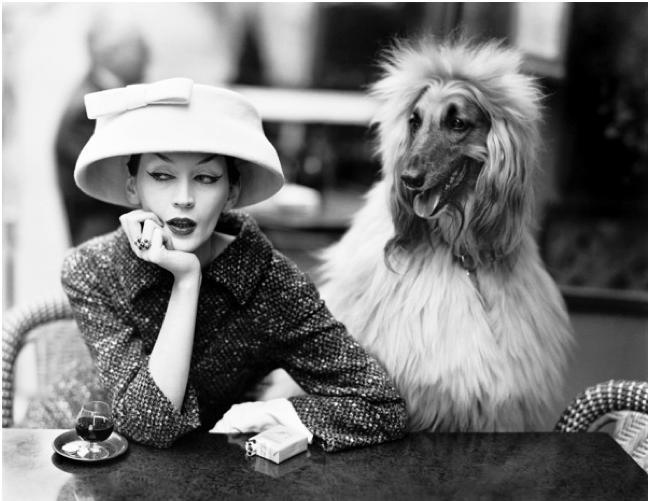
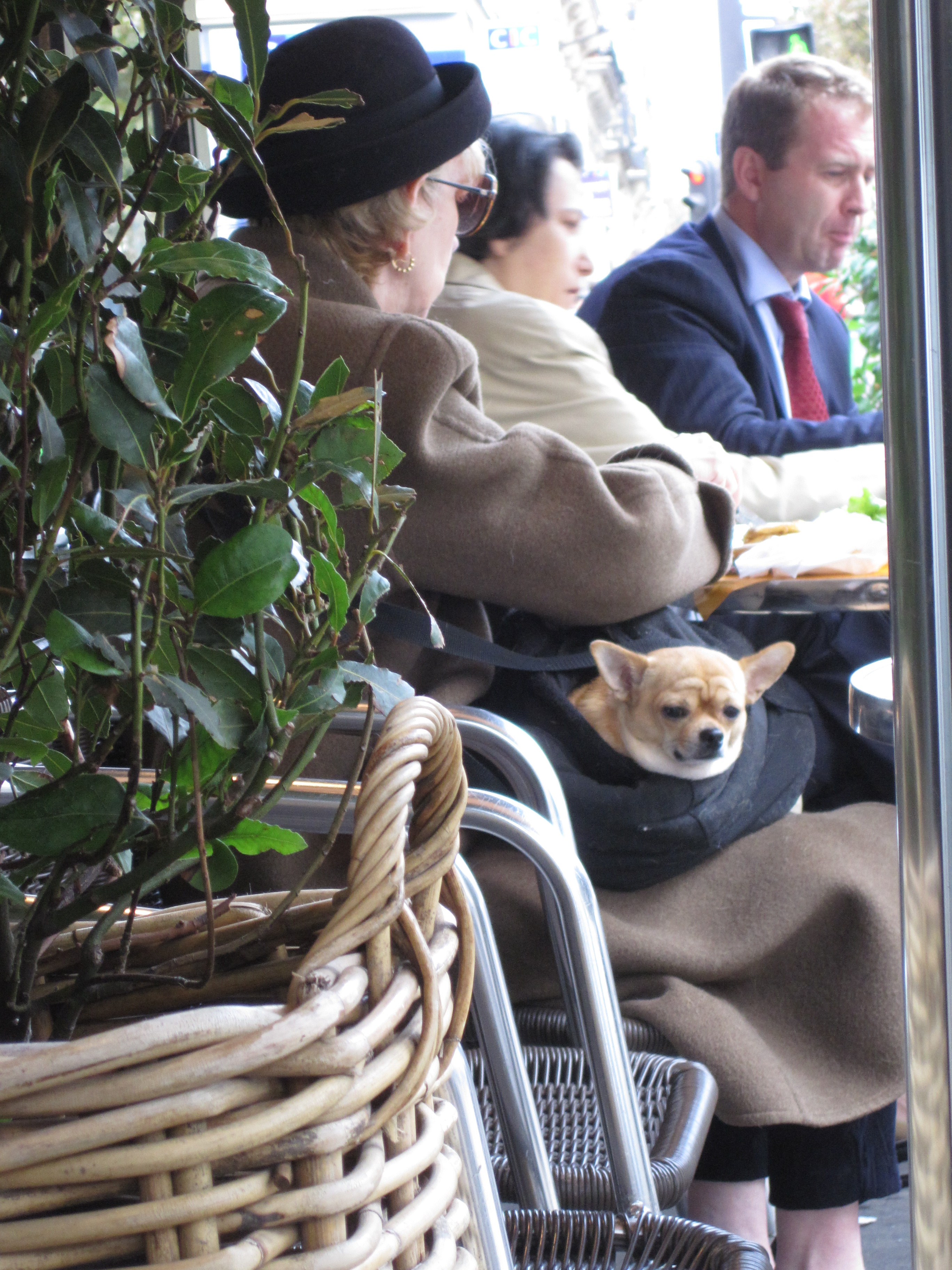
I just got back from a month in France. I didn’t write a word. I had been trying hard to begin this new book and I was bone dry and defeated. So I rested and read good books by other writers. And I took photographs. I have a thing about taking photos of people in cafes, especially old ladies with dogs, which is a human sub-species in France.  When I got home, while I was going through my pictures, I happened upon one and sat down and wrote an opening about it. It was pretty darn good. It won’t make it into the new book (maybe it’s a short story?) but it got my right brain buzzing again. I started thinking about the new book again, not with dread but with anticipation. I even got this picture in my head…

But that’s another story.

EXERCISE TIME!

Just for fun, while writing this post, I sent two of my old French lady photographs to some writer friends and asked them to choose a photograph and write an opening. Thanks guys! Here are the results:IMG_0469
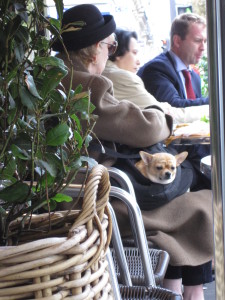
The old woman watched the young man cross the plaza towards her. He looked very French — cream colored neck scarf, black blazer, black coiled hair, black jeans, his jaw brushed with just enough of a beard to give the impression he’d spent the last three days in bed with a woman. If she had known how beautiful he would grow up to be, how much he would one day resemble his father, she would not have given him away thirty years ago. — my sister and co-author Kelly
IMG_0609


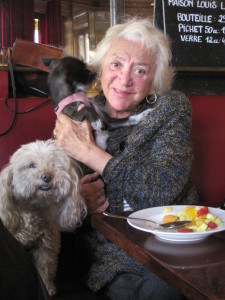
They’re all I have now that Jacques is gone. I think they miss him as much as I do, but we persevere. At least I know why it happened. Dogs, they do not understand. — SJ Rozan.


IMG_0469


The old woman came to the cafe every morning promptly at nine. She always had the morning newspaper in her right hand, and a blue bag with her small dog in it over her left shoulder. She walked in, spread the paper out on the table, and placed the bag containing the dog on the chair next to her– always the one on the right. The dog never barked, never growled, and never bothered anyone. Her order rarely varied: always a cup of black coffee, sometimes orange juice as well, with a toasted muffin with strawberry jelly, please, and a pat of butter — but she never failed to order a side of bacon for the dog, whose name was Pierre. She would feed him the bacon, cooing his name and gently scratching him behind the ears. Once the bacon was gone, Pierre would curl up inside his carrier and go to sleep while she enjoyed her newspaper and sipped her coffee, tearing the muffin to small pieces. She smelled of lilacs, always left a five dollar tip, and was always gone by ten.— Greg Herren


IMG_0469

What an ugly fucking dog, I thought, and even more unhappy than ugly. I wondered how it felt to be shoved into the old lady’s purse like that, like a spare Euro or used tissues as she shoved foie gras down her pie hole. I don’t know, maybe I was reading into it. I probably was. Wouldn’t be the first time. I was the unhappy one. Maybe the dog was Zen about it all, the foie gras eating and the bag. Like I said, I don’t know. But I couldn’t help hoping the dog would leave a present in the old lady’s purse. – Reed Farrel Coleman


What I found revealing about this exercise is that in each example you can hear the unique voice of each writer. Kelly loves to focus on lost relationships. SJ Rozan’s is just like her books, as lean but emotion-laden as a haiku. Greg’s reflects the same gentleness and attention to detail as his books. And Reed’s — well, if you have read his Moe Prager series, or his new bestselling Robert B. Parker Jesse Stone books, you’ve hear the same gritty authority at work.

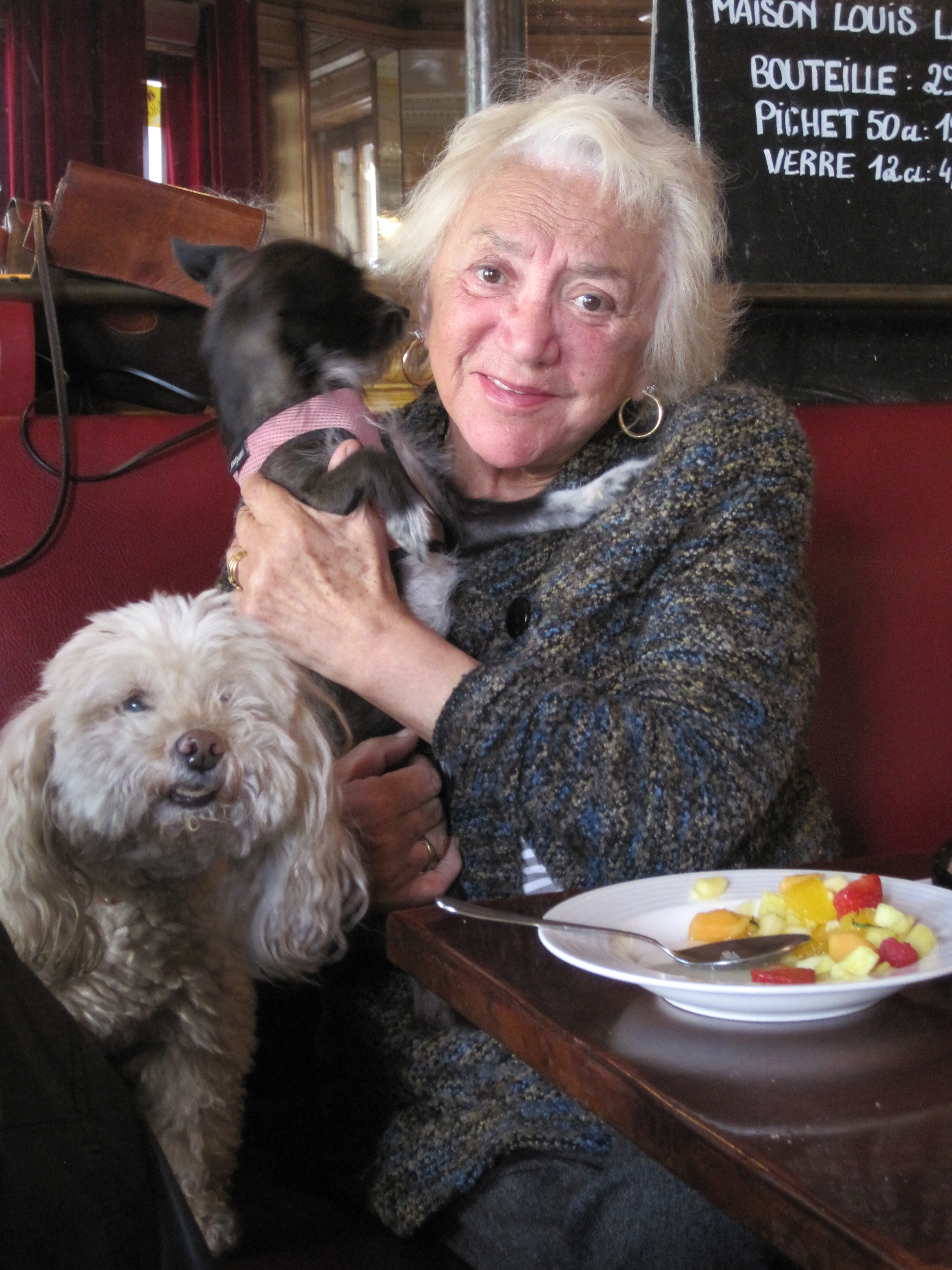
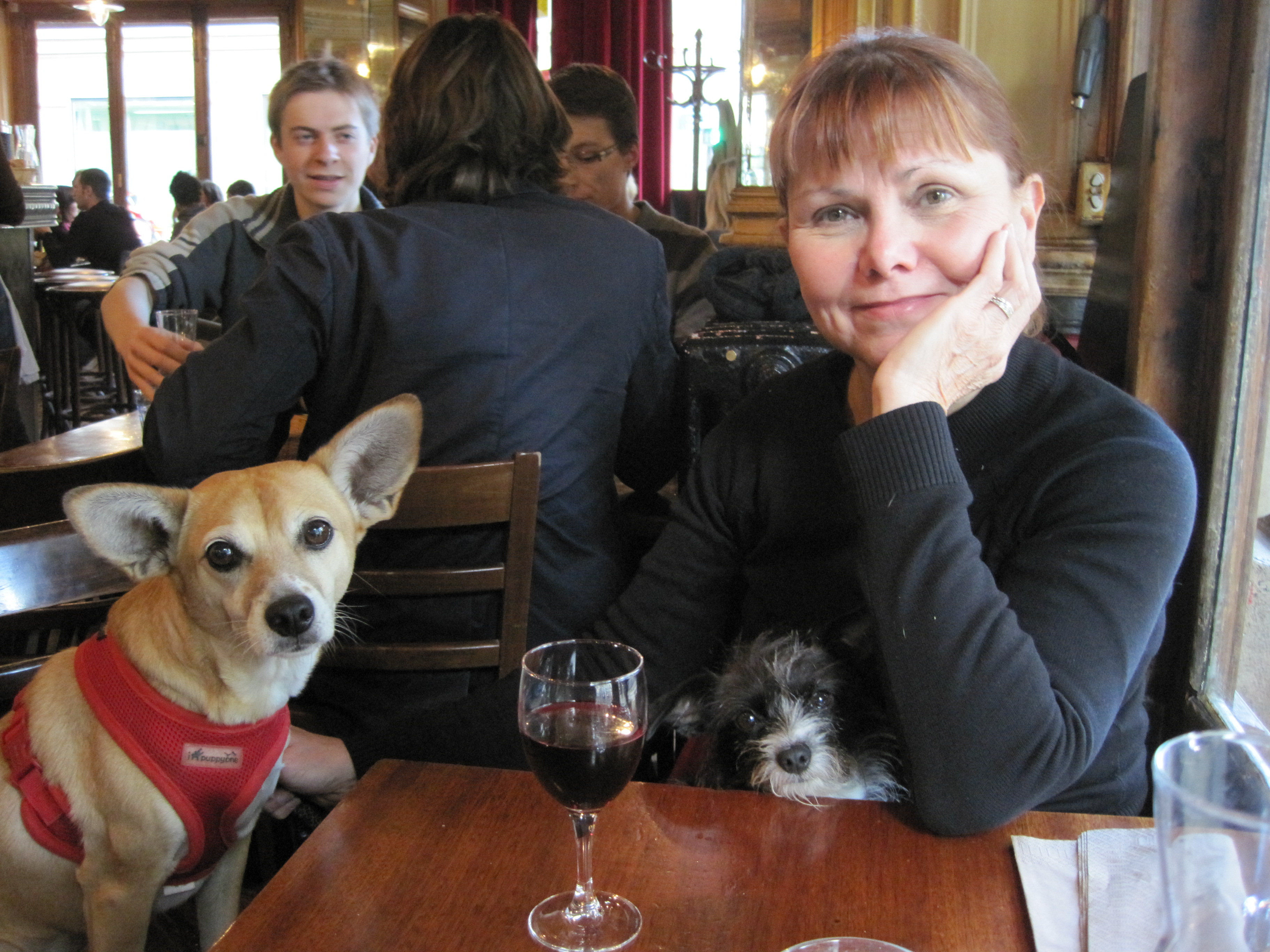
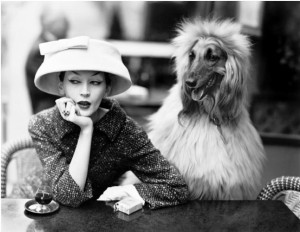
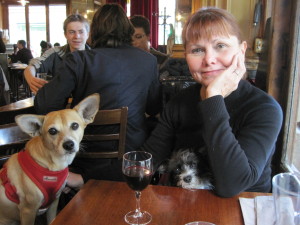
Just for fun, go ahead and take your turn. Pick one of the lady pictures and write an opening. Don’t over-think it. Don’t take too long. You might surprise yourself. And if you’ll let me, here is one more picture of an old lady and her dogs in a cafe. (My husband took this one…)  A bientôt, mes amis.
IMG_0608

Diversity, Micro-Aggression and Cultural Appropriation

One of the main themes of the recent SCBWI conference I attended was diversity in children’s literature (or rather its lack thereof!). Even though all the sessions I attended were directed towards children and YA authors, the key issues and concerns are  applicable across genres and age groups – namely how to incorporate diversity in the books we write, and how to do so in an appropriate way (that is, in ways that avoid cultural appropriation as well as what the editors termed ‘micro-aggressions’ in the books we write).

I hadn’t heard the term ‘micro-agression’ before when it came to books but the term is really about the cliches, characterizations or expressions writers can fall into (often without thinking) that perpetuate cultural stereotypes. In one of the first-page sessions the editors pointed out some of these ‘micro-aggressions’ in phrases such as sitting ‘Indian style’ and ‘Indian giver’. I’m sure in both these instances the author used these unwittingly rather than maliciously but the editors were quick to point out that, in an industry increasingly concerned about the lack of diversity in the books they publish, authors need to be especially mindful of how they incorporate diversity in their books and avoid using terms, phrases or characters that perpetuate stereotypes or inflict ‘micro aggression’ against particular cultures.

In another session I attended there was a great discussion about the issues writers face when writing about cultures or characters different to their own. The key take home message? If you write cross-culturally you MUST do your research! This includes having beta-readers from that culture to ensure that the kinds of ‘micro-agressions’ or cultural appropriations that the editors identified, did not occur.  I wholeheartedly support an increase in diversity, particularly in children’s literature, and acknowledge that writers, when tackling cross-cultural issues, must do their research to ensure that they approach the issue in an appropriate and sensitive way. I must confess, however, that after this session, given the sensitivity and complexity of the discussion, I felt more rather than less reluctant when it came to writing cross-culturally. That isn’t to say I don’t feel strongly that I should have the freedom to write whatever I chose to write about without any gender, racial or cultural constraints but, after the discussion, I did feel like the issue was more fraught than I had realized (or rather, I clearly hadn’t thought through the issues enough).

So TKZers what do you think? How do you approach the issue of diversity? Do you endeavor to write cross-culturally and if so, how do you navigate the issues raised when doing so? Do you see  ‘micro-agressions’ or cultural appropriations in the books you read?

What’s Going on With the Publishing World?

Jordan Dane
@JordanDane

Wizards in Publishing Header

Sorry for the late post today. My bad. Today I have guest posters – Wizards in Publishing – a service I’ve used to self-publish my books with people I enjoy working with. The have services for critiquing, plot refinement, publisher submission refinement, proofreading, cover art services, formatting and uploading to booksellers. Kate Richards and Valerie Mann are the Wizards behind the services. Welcome, Wizards!

What’s Going on With the Publishing World?

Authors today can tell you the publishing world changes rules and course on a regular basis—what works today may not (okay, most likely) won’t be as effective tomorrow. Digital publishing has increased the rate at which these changes occur. Every time an author thinks he/she has a handle on marketing, promotion, genre trends, etc, the market changes and so does the way the game is played. Who’s writing these rules anyway?
Readers!

But the good news? Digital or e-book publishing has created opportunities for authors to have their precious stories seen by millions of readers—authors who arguably are just as good as the big-name writers making tons of money and selling tons of books with the traditional publishers—but may never have had that opportunity when publishing was strictly paper. You remember paper, right?—or what some digital houses call “dead-tree books”, but seriously, that has such a negative ring to it. There is no “bad” way to publish a book. Period.

Even better than just creating new opportunities for more books to been seen is the wide variety of ways for authors to market and promote their works. They can go strictly paper, or digital, or both. The marketing opportunities are endless. The only drawback we see at Wizards in Publishing is with the endless opportunities comes endless research by diligent authors because the market does change all the time. What works to sell your book today may be a seemingly fruitless effort tomorrow. Staying on top of what works and what doesn’t is a full-time job. Knowing the best bang for your buck can be daunting.

Bottom line—unless you’re a super-famous author making your publishing house a lot of money, the marketing and promotion falls on you, including setting a financial budget for your marketing plan.

Our tips:
1. Write what you know. If you don’t know the genre but your characters won’t stop talking to you, it’s your job to learn everything you can about the time period, fashion, language, politics, etc. of the people and place you’re writing about. Readers are way too savvy these days and they aren’t afraid to call authors out when details aren’t precise.

2. Do your research. What is trending and selling right now? The best-written book in the whole wide world is going to be a much harder sell which translates into a whole lot more work for the author to make readers want to buy it. That’s not to say you shouldn’t write that amazing story. Just be prepared to work really hard to sell it.

3. Decide how you want to publish. Do you want to submit to a publisher? Or do you want to self-publish? Right now, indie publishing (self-publishing) is huge, putting even more books into the hands of readers. Some authors like the idea of a publisher handling the editing, cover art and formatting, in return for splitting royalties.

Some authors (including the Wizard in Publishing owners) straddle both fences, having published books independently and with publishing houses. It’s okay to do both! The market is wide open to doing either or both!

Be warned: no matter which way you decide to go, the majority of marketing and promotion is still going to fall on you, the author. Publishers (even the big ones) are taking a more passive, backseat role in this regard. Authors may or may not agree with this, but it’s just one more thing to know—YOU, dear Author, will have to commit to promotion, no matter what.

4. Decide when you want to publish. Is there a better time of year than another for releasing the book? In other words, a story set in December in Montana probably won’t be as desirable a beach-read as you might think.

5. Keep up with the marketing trends. Have an active blog/website, use social media. Find what social media works for your genre. Social media is your best friend and it’s almost always free. Promote yourself as well as your books. Find a personal branding that readers see often and relate to you. It can be a picture of your dog that you include in your blog/Facebook/Twitter posts, etc.

There are lots of small businesses that specialize in helping authors promote and many of them are fairly inexpensive. Talk to other authors in your genre and see what is working for them. But remember: you have to do your homework and legwork, even if you hire a company to find those opportunities for you.

6. Editing. Get your book edited. Don’t think it doesn’t need it because honestly, it does. The best authors in the world (with amazing writing skills) will tell you their editors are their best friends. This goes back to the savvy-reader thing—readers are educated and they know when a book has been edited or not. Online reviews are rampant with negative comments about this. Paying an editor is money well-spent, and we’d say this even if we weren’t editors!

7. Write. Remember that author who never finished his book? We don’t either.

TKZers – Any questions for self-publishing, formatting, trends? Feel free to ask the Wizards.

Wizardsinpublishing.com – Email addy is thewiz@wizardsinpublishing.com