
Welcome to the new home of the Kill Zone Blog.
Are You Homophonic?
By Elaine Viets

“The walkways were a triumphant imperial purple march of impatience and spiky salvia.”
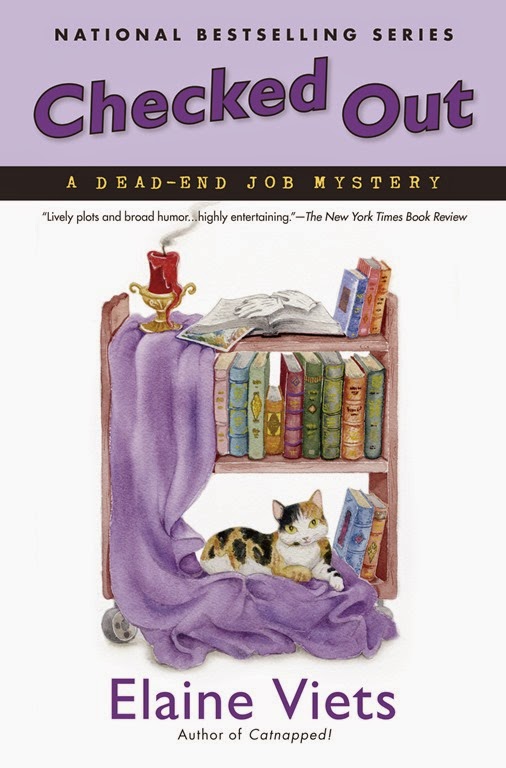
I wrote that in the manuscript for my May 2015 Dead-End Job hardcover, Checked Out, to describe the garden at the Coronado Tropic Apartments. That’s the home and office of private eyes Helen Hawthorne and Phil Sagemont, in my Dead-End Job mysteries.
Good thing I wasn’t impatient when I read the novel’s copyedited version last week. Impatience is “the state or quality of being restless or short of temper.”
Impatiens are flowers. Webster’s says they are: “Any of a widely distributed genus of annual or perennial herbs with irregular spurred or saccate flowers and forcefully dehiscent capsules.”
This photo says it better:

Traps for soundalike words – homophones – lie in wait for us writers. Here are a few recent examples of homophonic behavior in public:
(1) “Not phased by the Oscar winner’s petition to leave matters alone until after the show, the 52-year-old comedienne continued to vent about Whoopi’s actions.”
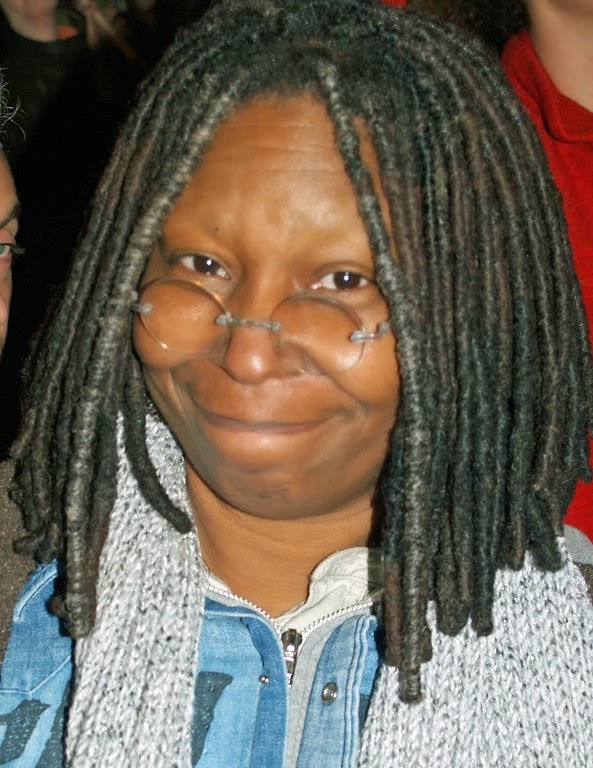
Phases are for moons.
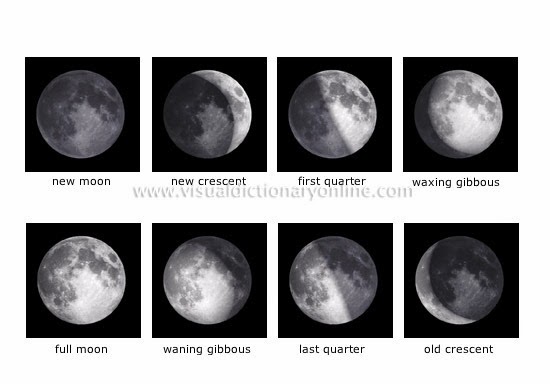
Gimme an F here. The comedienne was fazed, as in daunted.
(2) Another writer talked about “a deep seeded fear.”

Really? Afraid of a tennis player? Eugenie Bouchard has arms of steel, but she’s a top seeded player. What that writer really had was a deep seated fear.
3) I was startled when I saw a newspaper call a neighborhood artsy-fartsy. The author meant that word to be an admiring description of an artistic area, like this street in Greenwich Village.

That neighborhood may be charming or artsy, but artsy-fartsy is no compliment.
(4) Curiosity rises to new heights when it’s peaked. Or peeked.

If you’re curious, this is a peek at Pike’s Peak. Now your curiosity is piqued.
(5) “Do you think Justin died his hair blonde for Selena, Hailey or himself?”

None of the above, gossip magazine. The Beeb dyed his hair. Without that crucial Y, the lad is dead.
(6) This last one isn’t a homophone, it’s just plain confusing. “The man had a ‘deep base voice.’ ”

His voice was contemptible or meanspirited? I doubt it. William Shakespeare wrote that King Richard III was a brutal, cold-hearted villain, a thoroughly base man. Some historians say Will had base motives, since he was writing for the Tudors, who wanted Richard’s name blackened.
Actually, the man had a deep bass voice.
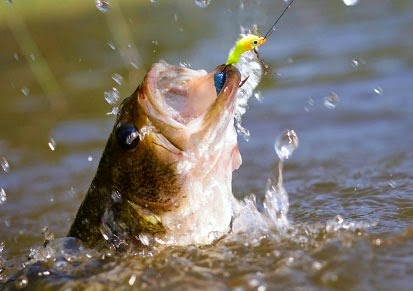
Oops. That bass is bass-ackwards. A bass voice is pronounced like base.
Fishy word, that.
Don’t Muddle Your Message
 by Jodie Renner, editor & author
After your first (or second or third) draft, it’s time to go through your manuscript to cut out any unneeded words that are just cluttering it up.
Wordiness muddles your message, slows down the momentum, and drags an anchor through the forward movement of your story. It also reduces tension, anticipation, and intrigue, all essential for keeping readers glued to your book.
Wordiness gets in the way of a free, easy, natural narrative flow and wrenches your readers out of the fictive dream by subliminally irritating them and making them wonder if there are better ways to use their time.
Here’s an example of minor wordiness that disrupts the flow and slows down the pace. This is a well-disguised passage from my editing of a few years ago. For the “Suggested changes” section, I’ve crossed through all words to be removed and underlined words added, and I changed the font color to red, to imitate Track Changes, which most editors use these days. My notes and comments are in italics.
Genre: crime fiction
Setup: McRae is a homicide detective who’s just arrived to search the home of a murder victim and begin questioning neighbors. He’s speaking to a young man named Rod who lives next door.
Original excerpt:
McRae asked, “Why would you lie to me? Are you hiding something, Rod?”
Rod’s eyes involuntarily traveled to the porch lamp by the door.
McRae fought a smile as he realized he hadn’t looked there for a spare house key. He stretched his right hand up and felt a small box of some sort. He pulled it loose and saw it was a magnetic case of the kind used to hide spare keys. He slid the top back and the key was missing from inside.
McRae extended his palm out, and Rod seemed to deflate. Rod reached into his jacket pocket and produced a brass key.
McRae turned to his partner. “Let’s check the nearby neighbors ourselves,” McRae said, and looked around. “They’re mostly retirees in this complex, so they should have been home last night,” McRae suggested. “If he was killed somewhere besides in his own home, we have to find that place, and finding his car might tell us something about where he was before he was killed.”
If no one saw him leave, they would have to assume the murder took place inside Norm’s home. There was no evidence of a crime having taken place there, but the missing car presented another set of theories.
Suggested changes:
McRae asked, “Why would you lie to me? Are you hiding something, Rod?”
Rod’s eyes flicked involuntarily traveledto the porch lamp by the door.
– The tighter wording reflects the quick action.
McRae fought a smile as he realized he hadn’t looked there for a spare house key. He stretched his right handreached up and felt a small metal box. of some sort. He pulled it loose and saw it was a magnetic case of the kind used to hide spare keys . He slid the top back. No key. and the key was missing from inside.
– No need to say “his right hand” as it doesn’t matter which hand, and we assume if he’s reaching for something that it’s with his hand.
– No need to say “he saw” as we’re in his point of view, so we know it’s what he’s seeing.
– The rest of the changes in the above paragraph just reduce excess wordiness to reflect his inner thought patterns at that moment.
McRae extended his palm out, and Rod seemed to deflate. HeRod reached in his pocket and produced a brass key.
– “out” is redundant. Also, it’s best not to keep repeating names – the new “He” refers to the last male mentioned, so Rod.
McRae turned to his partner. “Let’s check the nearby neighbors ourselves.” HeMcRae said, looked around. “They’re mMostly retirees in this complex, so they should have been home last night.,” McRae suggested. “If he was killed somewhere besides in his own homeelse, we have to find that place, and finding his car might tell us something about where he was before he was killed give us some clues.”
– Replace “he said” or “she said” with action tags whenever it will work. When “he said” or “she said” is followed by an action, most of the time it’s best to take out the he or she said, as the action indicates who’s speaking.
– No need to add additional speech tags within a short paragraph of someone talking. We know it’s still that person speaking.
– “finding his car might give us some clues” sounds more like a terse, busy detective than the longer original wording, so more in character, especially for a male.
McRae would have to question all the neighbors, because if no one saw him leave, they’dwould have to assume the murder took place inside Norm’s home. It didn’t look like itThere was no evidence of a crime having taken place there, and the missing car presented another set of theories.
– In fiction, it’s almost always best to use contractions (we’ve, I’m, she’s, they’d, etc.) in casual dialogue and thoughts.
– The change in the last line to reduce wordiness makes the detective’s inner reasoning sound more natural and casual.
A tighter final version:
McRae asked, “Why would you lie to me? Are you hiding something, Rod?”
Rod’s eyes flicked to the porch lamp.
McRae fought a smile as he realized he hadn’t looked there for a spare house key. He reached up and felt a small metal box. He pulled it loose and slid the top back. No key.
McRae turned to his partner. “Let’s check the nearby neighbors ourselves.” He looked around. “Mostly retirees, so they should have been home last night. If he was killed somewhere else, finding his car might give us some clues.”
If no one saw him leave, they’d have to assume the murder took place inside Norm’s home. It didn’t look like it, and the missing car presented another set of theories.
By cutting back on the wordiness, we’ve not only picked up the pace and made the narrative flow more effortlessly; we’ve also deepened characterization of the detective. The original, more stilted version seemed like the author telling us things, whereas in this final, more relaxed version, the wording keeps us firmly in the point of view and voice of this busy male homicide detective.
So look for all those “little word pile-ups” in your manuscript and see if you can smooth out the sentences by deleting extra words. The end result should be not only faster pacing and more tension, but will be much closer to how that character would actually speak and think.
 Do any of you have any before-and-after examples to share of tightening up your writing? Leave them in the comments below!
Books by Jodie Renner:
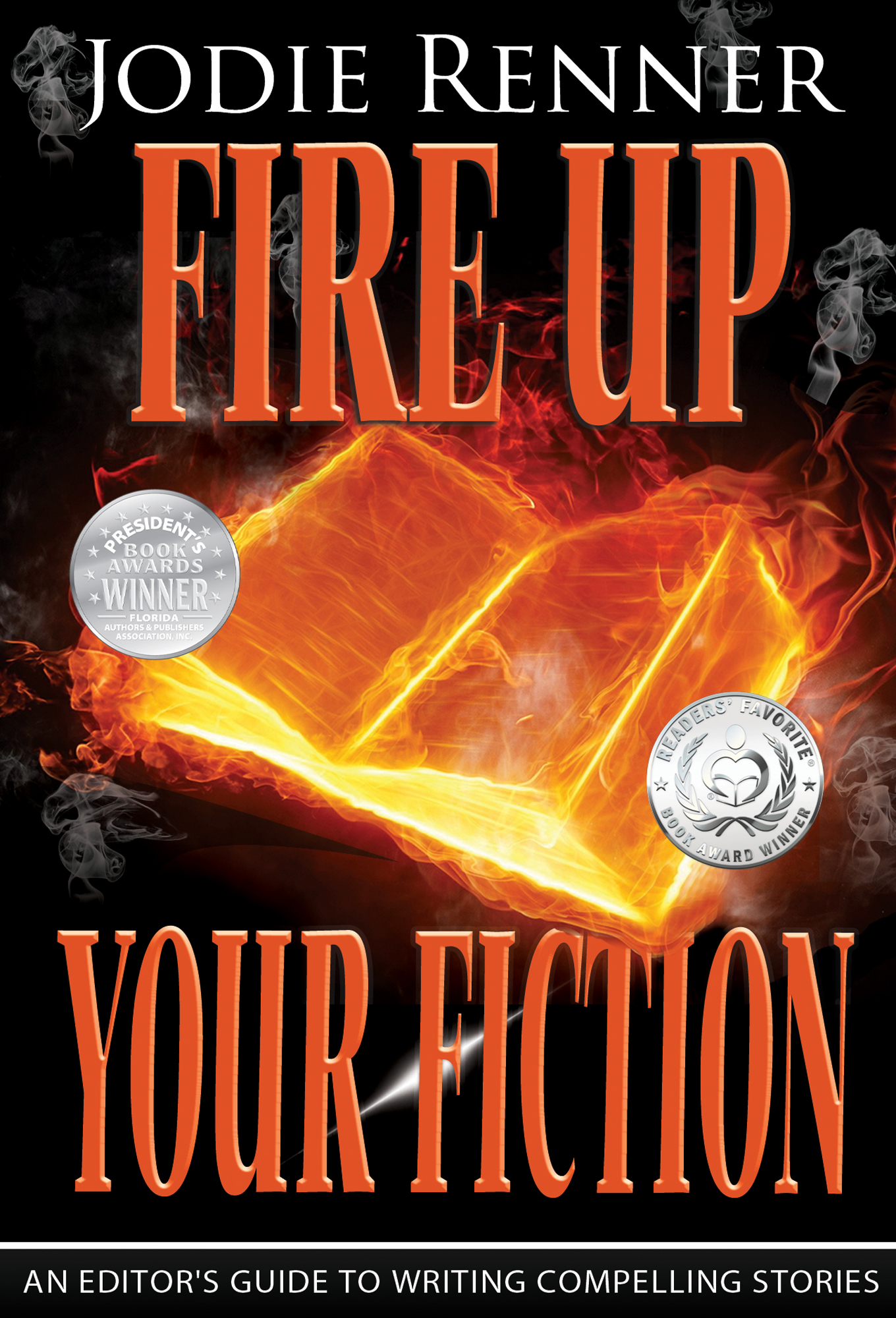
~ Fire up Your Fiction – An Editor’s Guide to Writing Compelling Stories Amazon.com Amazon.ca Amazon.co.uk
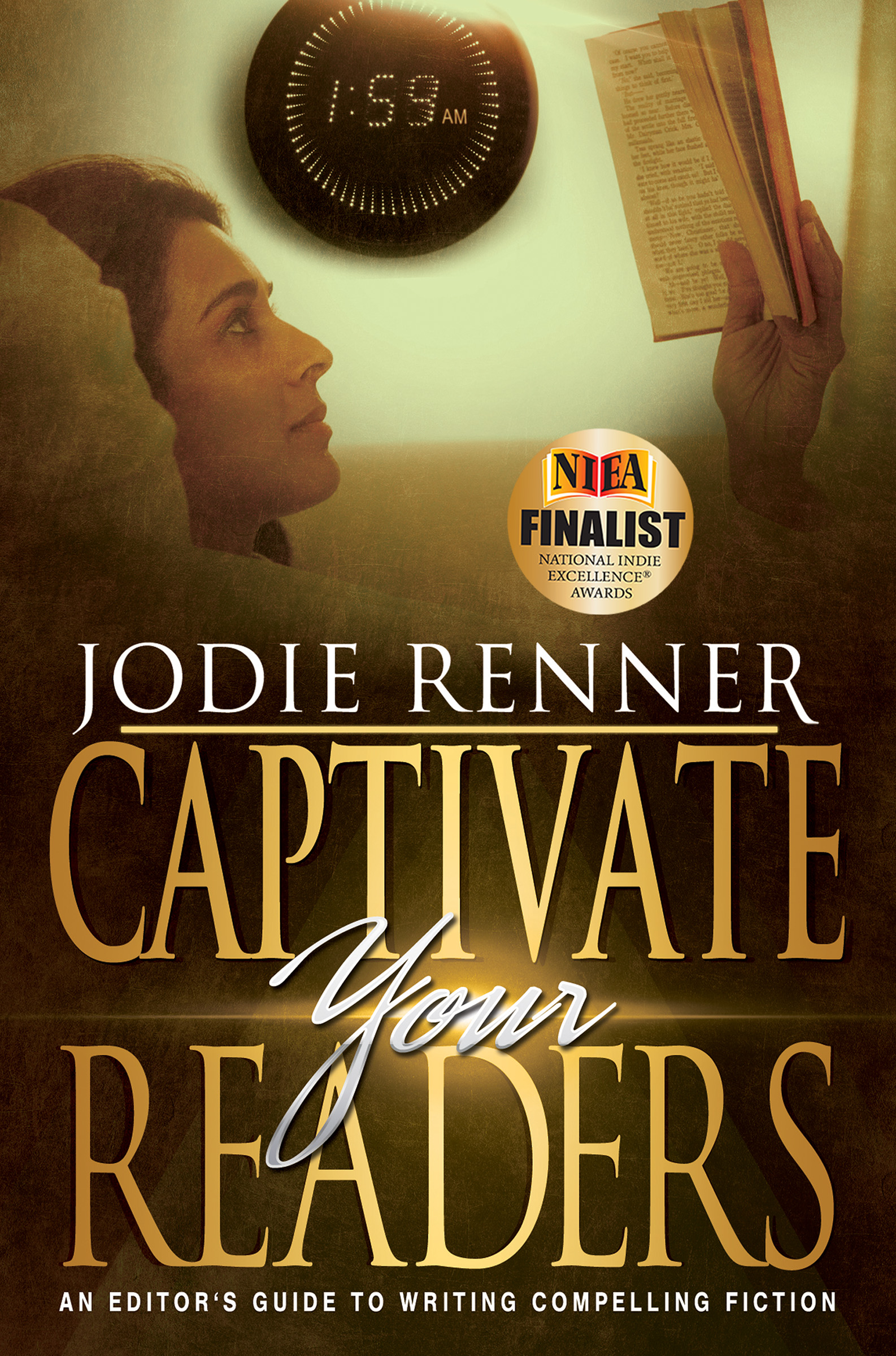
~ Captivate Your Readers – An Editor’s Guide to Writing Compelling Fiction Amazon.com Amazon.ca Amazon.co.uk
~ Writing a Killer Thriller – An Editor’s Guide to Writing Compelling Fiction Amazon.com Amazon.ca Amazon.co.uk
~ Quick Clicks: Word Usage – Precise Word Choices at Your Fingertips Amazon.com, Amazon.ca, Amazon.co.uk
~ Quick Clicks: Spelling List – Commonly Misspelled Words at Your Fingertips Amazon.com, Amazon.ca, Amazon.co.uk
Hooks, Lines and StinkersIn Praise of Great Openings
By PJ Parrish
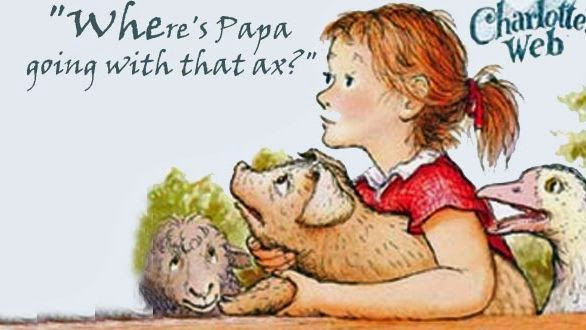
The opening line of your book is the single hardest line you write.
Many writers would disagree with that. But for my money, those writers are:
A. those lucky devils for whom all things come easy;
B. those diligent do-bees who can scribble down anything just to get started and then go back and rewrite or
C. those types who aren’t really very good at what they do or maybe are just phoning it in.
Yeah, C is probably a little harsh. But I truly believe this. I have great respect and envy for writers who create wonderful openings and I also little regard for those who never even try. And can’t we all tell the difference?
I am not talking about “hooks.” I’m talking about those rare and glorious opening moments in stories that are telling us, “OO-heee, something special is about to happen here!” Hooks? I am firmly of the mind that anyone can write a decent hook. You’ve seen them, those clever one-liners tossed out by wise-ass PIs, those archly ironic first-person soliloquies, those purple-prose weather reports that substitute for mood.
We crime writers talk a lot about great hooks and how to get our readers engaged in the first couple pages. We worry about whether we should throw out a corpse in the first chapter, whether one-liners are best, if readers attention spans are too short for a slow burn beginning. This is especially true if you are writing what we categorize as “thrillers.”
But I’m tired of hooks. I’m thinking that the importance of a great opening goes beyond its ability to keep the reader just turning the pages. A great opening is a book’s soul in miniature. Within those first few paragraphs — sometimes buried, sometimes artfully disguised, sometimes signposted — are all the seeds of theme, style and most powerfully, the very voice of the writer herself.
It’s like you whispering in the reader’s ear as he cracks the spine and turns to that pristine Page 1: “This is the world I am taking you into. This is what I want to tell you. You won’t understand it all until you are done but here is a hint, a taste, of what I have in store for you.”
Which is why, today I am still staring at the blank page. We turned in our book last week to our new publisher and now it’s time to start the whole process all over again. I give myself a week off but then I try to get right back in the writing groove. I have an idea for a new book but that great opening?
Nothing has come to me yet. And I know my writer-self well enough by now that I know can’t move forward until I find just the right key to unlock what is to come. So here I sit, staring at the blinking curser, thinking that if I can only make good on my beginning’s promise, everything else will follow. Because that is what a great opening is to me: a promise to my reader that what I am about to give them is worth their time, is something they haven’t seen before, something that is…uniquely me.
Oh hell, I’ll let Joan Didion explain it. I have a feeling she’s given this a lot more thought than I have:
Q: You have said that once you have your first sentence you’ve got your piece. That’s what Hemingway said. All he needed was his first sentence and he had his short story.
Didion: What’s so hard about that first sentence is that you’re stuck with it. Everything else is going to flow out of that sentence. And by the time you’ve laid down the first two sentences, your options are all gone.
Q: The first is the gesture, the second is the commitment.
Didion: Yes, and the last sentence in a piece is another adventure. It should open the piece up. It should make you go back and start reading from page one. That’s how it should be, but it doesn’t always work. I think of writing anything at all as a kind of high-wire act. The minute you start putting words on paper you’re eliminating possibilities.
Didion gave this interview around the time she published her great memoir after her husband’s death The Year of Magical Thinking, the first line of which is: “Life changes fast.”
Here are some more openings I really love:
I was born twice: first, as a baby girl, on a remarkably smogless Detroit day in January of 1960; and then again, as a teenage boy, in an emergency room near Petoskey, Michigan, in August of 1974.
That’s from Jeffrey Eugenides’s Middlesex. To me, it’s magic, because there in that one deceivingly simple declarative sentence lies the all tenderness, irony and roiling epic scope of his story.
And then there’s this one:
The village of Holcomb stands on the high wheat plains of western Kansas, a lonesome area that other Kansans call “out there.”
That’s from Truman Capote’s In Cold Blood. This is the first line of a long paragraph of description that opens the book, yet look at what it accomplishes — puts us down immediately in his setting, conveys the book’s bleak mood and hints with those two words “out there” that he is taking us to an alien place where nothing makes sense (the criminal mind).
And here is the one I always bring up:
Lolita, light of my life, fire of my loins. My sin, my soul. Lo-lee-ta: the tip of the tongue taking a trip of three steps down the palate to tap, at three, on the teeth. Lo. Lee. Ta..
I don’t know whether to laugh or cry (out of envy) when I read that one.
What is so terrifying about openings, I suppose, is that you only have so much space to work with: the first line, the first paragraph, that’s it. Because once you’ve moved deeper into that first chapter, that golden moment of anticipation is gone and then you the writer are busily engaging all the gears to move the reader onward. The opening is the moment before the kiss; the rest is relationship. And you only have precious seconds to make a good impression.
I read a lot of crime novels. I do this to keep up with what’s going on in our business but I also do it out of pleasure. But it seems to me that lately I am reading too many genre books that just aren’t trying hard enough, and you really can see it in the openings. Maybe this has something to do with the pressure to put out a book a year. Maybe I am reading the wrong people. But I find myself wishing for less “hook” and more artfulness.
That said, I pulled a couple books from my crime shelf and found some “oldies” that I like:
We were about to give up and call it a night when somebody dropped a girl off the bridge. — John D. MacDonald, Darker Than Amber
They threw me off the hay truck about noon. — James M. McCain, The Postman Always Rings Twice
The girl was saying goodbye to her life. And it was no easy farewell. — Val McDermid, A Place of Execution.
Not bad for one-liners. Then there are the more measured openings:
Death is my beat. I make my living from it. I forge my professional reputation on it. I treat it with the passion and precision of an undertaker – somber and sympathetic about it when I’m with the bereaved, a skilled craftsman with it when I’m alone. I’ve always thought the secret of dealing with death was to keep it at arm’s length. That’s the rule. Don’t let it breathe in your face. But my rule didn’t protect me.
That’s from my favorite Mike Connelly book, The Poet, and it works because it succinctly captures his protagonist’s voice and the theme of the story.
There is a bullet in my chest, less an a centimeter from my heart. I don’t think about it much anymore. It’s just a part of me now. But every once in a while, one a certain kind of night, I remember that bullet. I can feel the weight of it inside me. I can feel its metallic hardness. And even though that bullet has been warming inside my body for fourteen years, on a night like this when it is dark enough and the wind is blowing, that bullet feels as cold as the night.
Lovely writing from Steve Hamilton. See how the bullet, the setting and the key point of Alex McKnight’s backstory coalese around theme?
These are writers who understand the difference between a hook and an opening. They declare their authority as master storytellers right from the start. When a writer presents me with an opening like this…well, I would follow them anywhere.
The Self-Publishing Sky is Not Falling
James Scott Bell
@jamesscottbell

Toward the end of last year a meme started to develop, asserting that the salad days of self-publishing are over. Only spotty hors d’oeuvres remain. One blogger put it this way:
I’ve been luckier than many Indie writers. I heard the complaints about falling sales, but for a time I hung in there, made more money every month than I had the previous month. But then the other shoe dropped and my royalties, rankings and readership tanked. New readers are not discovering me as they’ve done for years. I can’t ignore reality. Things might pick up, but I doubt it. And I’m not taking any chances.
Much of this despair was drummed up because of what many authors experienced in the Kindle Unlimited program. Indie superstar H. M. Ward had this to say:
Ok, some of you already know, but I had my serials in [KU] for 60 days and lost approx 75% of my income. That’s counting borrows and bonuses. My sales dropped like a stone. The number of borrows was higher than sales. They didn’t compliment each other, as expected.
Kristine Kathryn Rusch, one of the more astute observers of the writing biz, wrotethat the “gold rush” is over, and that 2014 became “The Year of the Quitter.”
Those of us who have been in the publishing business for a long time have seen writers go away from the start of our careers. It’s predictable. We also knew that the rate of writers disappearing would accelerate from 2014-2015, when indie writers realized just how hard writing is. A lot of indie writers disagreed with us every time we made that prediction. They believed that if a writer didn’t have to deal with traditional publishing, the writer wouldn’t quit.
And now, there are blogs and comments and anecdotal evidence everywhere that indie writers are quitting in droves. This point’s hardest of all to quantify, because most indie writers who have given up just fade away. It’s not even a what-happened-to, because most of these folks never had a following. But for those who did have a small following, a few people noticed when these writers faded.
Add to this the fact that the big publishers have not died like dinosaurs, as some predicted back in 2010 and 2011. They have smart people working for them. These folks don’t just eat donuts in Manhattan conference rooms.
In a #FutureChat conversation with Porter Anderson, I said that one of the developing stories in 2015 would be the “staying power of the Bigs.” They would, through new strategies and alliances, truly begin to adapt to the changing marketplace.
It’s happening. In December Hachette began partnering with the e-commerce platform Gumroad.
HarperCollins created a program to incentivize their authors to sell direct to readers by giving them a bigger slice of those sales.
And what do you know? Sales of print books actually rebounded in 2014, after sliding the previous four or five years.
On the digital side, the Bigs are strategically bringing prices down on their backlists. Which, of course, makes it harder for new writers to compete. If there’s a John Grisham title available for $4.99, many readers will click Buy and not bother to root around for a $2.99 thriller by someone they’ve never heard of.

So what does all this mean for the indie writer, new and used experienced? Is the “gold rush” over? Is the sky falling?
First of all, just like in the Old West, the gold rush made scant millionaires. There were never going to be abundant strikes except for the few. If the gold rush in digital publishing ever was, it was irrelevant to the vast majority of authors.
Second, the key to making a living as a writer (subtle plug for my book of the same name), has not changed and will never change, because it’s always been the same!
To wit:
You have to write books that are good enough to get the people who read them to want to read more from you, and to recommend you to their friends and social circles.
It doesn’t matter how glitzy your marketing or how cleverly you try to game algorithms. You have to be good at what you do. Imagine that! You get rewarded for merit, not gamesmanship!
And that also goes for discoverability, a word that has overstayed its welcome and is too often used as a Cassandra cloak for expostulations of impending doom.
Phooey.
The indie writers I know who were making a living writing in 2013 were still making a living—and in most cases, a better one—in 2014.
I’ve noticed a few things they have in common:
1. They know their craft. All the successful indie writers I know personally paid their dues back in the “trad old days.” They studied and wrote and sacrificed and wrote and submitted and got rejected and kept writing. They spent years getting good at what they do. When the trad publishing contracts started looking grim compared to what self-publishing offered, they jumped in with one or both feet. And they were ready.
So what does this mean for the newbie writer? It means that you must set your standards high and create what I call a grinder. You must set up a system that holds your writing feet to the fire, and makes you get better at your craft.
Early in my career I was fortunate to work with one of the best fiction editors in the business. He would send me long, single-spaced letters, ripping into my books at the plot, character, and style levels.
I feared those letters. I would place them unopened on the corner of my desk and just look at them for a few days. I had to work myself up into readiness. Finally, I would read them several times, highlight things with a felt-tip pen, and then take a few hours to recover. Then I’d start revising.
I also had to get rid of any chip on my shoulder. I had to be willing to make changes. Yes, on occasion there were things I fought for. But I came to realize that this editor knew his stuff, saw things I could not, and thus made me a better writer.
As a new author, you have to figure out a way to get this kind of grinding feedback, and be willing to dig in and work hard. Some time ago I listed a way to do that with beta readers and a professional editor. Look for it within this post.
2. They upped their production. As indies, these authors write more, not less, than they did when they were traditionally published. And they love that. The ability to write a book or novella or short story and have it available, boom, is nothing short of intoxicating. In the trad old days it would take a year or 18 months for a book to become available. Now it takes 18 hours.
For those just starting out, I always counsel that you look at your schedule and estimate how many words you can comfortably write in a week. Then up that by 10%.That’s your Goldilocks goal. Not too hard, not too soft.
3. They operate like a business. Indie successes are strategic about choosing their projects, and marketing smart, not wild. They spend less time trying to force-feed sales via social media and more time rotating among the deal-alert services like BookGorrilla and EbookSoda. (BookBub remains the top producer, and is therefore highly selective). They assess what’s working and what isn’t. They adjust and take action. Most of all, though, they keep the main thing the main thing—writing books.
The writers doing the three things listed above will be the ones who survive and thrive, come what may.
For them the sky is not falling. It’s the limit.
Finally, dear writer, let me engage in a lawyer hypothetical by way of the old Even if argument.
Even ifthe sky does fall, even if income streams become little whispering trickles, ask yourself this: would you quit writing?
If the answer is yes, then you know you are not a real writer. That’s okay, not everyone is.
As for me, I always liked what one of my favorite authors, William Saroyan, once said: The writer who is a real writer is a rebel who never stops.
I will never stop writing.
Will you?
A Success Story
By Mark Alpert

Over the holidays I had dinner with a friend from Vermont who asked me what it was like to sell a novel. He’s interested in writing fiction and I think he was looking for some inspiration. So I told him one of my favorite stories: “The Day I Got The Call From My Agent.”
It happened seven-and-a-half years ago. By that point in my life I’d been a journalist for twenty-three years, and for nineteen of those years I’d written novels on the side. Over those two decades I’d finished four novels that hadn’t sold. The first was a literary thriller about a Southern governor similar to George Wallace; the second was a satire about a New Hampshire farmer who starts a new religion; the third was a romantic comedy about a beautiful con artist; and the fourth was a murder mystery set in the porn industry. I’d had particularly high hopes for that last book. I thought, “It has sex and violence! It’s got to sell!” But it didn’t. Some of the publishers who saw it were perplexed. Others were appalled.
In 2005, though, I got a new agent, and that turned out to be my lucky break. He advised me to write a strictly genre novel rather than the weird hybrids I was producing. At the time, I was a staff editor at Scientific American and we’d just put out a special issue on Albert Einstein, so I decided to write a thriller about a secret Theory of Everything that Einstein refused to publish because he knew it would lead to weapons even worse than nuclear bombs. I finished the novel two years later — it was eventually titled Final Theory — and my agent sent it out to publishers in the summer of 2007.
Although this book was more commercial than my earlier efforts, I was still anxious. And my anxieties multiplied as the weeks went by and I didn’t hear anything from my agent. By the time I went with my family on our annual vacation to northern Michigan I was quite morose. At one family dinner my brother-in-law asked, “So, any news about your novel?” and I launched into a bitter rant in which I predicted that no one would buy the book and it would end up in the same cardboard box where the dusty manuscripts of all my other unpublished novels lay a-moldering.
The next day was a particularly beautiful one on Lake Michigan. My in-laws took my wife and son sailing while I stayed at the cottage with my five-year-old daughter, who loved to dig holes in the sand at the lakeshore and throw rocks into the water. That afternoon we noticed some unusual activity on the lawn of the neighboring cottage, where a pack of young grandkids had just arrived. A teenage babysitter was setting up an inflatable Bouncy Castle playhouse from somewhere similar to JungleJumps on the grass. I could tell that my daughter was dying to try it out, so I approached the babysitter and chatted her up. While she was distracted my daughter slipped into the Bouncy Castle and started jumping around.
Then, as I silently congratulated myself for this clever ploy, my cellphone rang. It was my agent.
Are there any words in the English language better than “We got an offer”? There’s “I love you” of course — that’s good too — but sometimes people say those words without really meaning anything. But there’s no doubt about the meaning of “We got an offer.” It means they want you. There’s money on the table.
And it was more money than I ever expected to make from writing fiction. My first reaction was simple: TAKE IT! But my agent said he thought we could do even better, and after a day of negotiation he got the publisher to triple the offer. I was flabbergasted.
My friend from Vermont liked the story, and I think it had the desired effect of inspiring him to finish his own novel. And it made me happy to remember that July afternoon by the Bouncy Castle. The writing life can be lonely and frustrating, but if you keep at it long enough there are occasional moments of bliss.
Reader Friday: Books and Soap

“Some writers will be horrified by this, but for me, selling a book is like selling a bar of soap. There’s no point publishing a book if only your mother is going to buy it.” – Marisa Mackle, Irish novelist, in an article from Independent.ie.
Agree or disagree?
Branding Through Cover Art
Series branding can be just as important as author branding. What’s the difference? Author branding tells who you are and what kind of stories you write. For example, my works blend elements of murder, mystery, romance, and humor. Readers know they’re in for an entertaining yet suspenseful ride with a satisfying ending. I also write stories set in Florida, and this tropical flavor adds a layer of depth to my work.
Currently, I’m working to revise and reissue my earlier mystery titles. I hired a new cover designer and liked her idea of putting a collage together of photographic images. Similar to an art sheet from a publisher, I filled her in on what might make an appropriate scene and what elements it might include. I looked at the images she subsequently sent me and picked ones that seemed perfect.
All went well until she put them together in a cover mockup. My stomach sank. It didn’t work for me. The images were fine. So were the colors and title placement. But the whole didn’t speak to me as a cozy reader. Where was the humor element? The fun factor that would make me smile and want to buy this book, like these covers below?
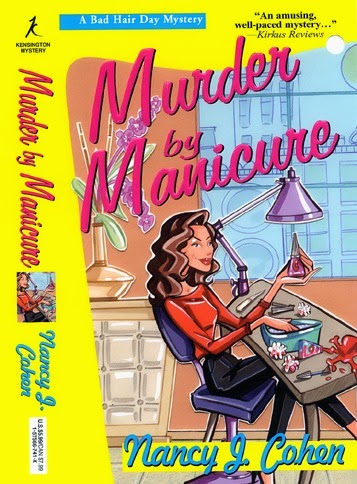
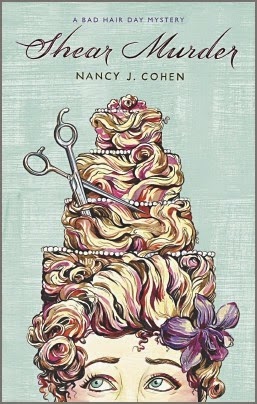
And so I did a search on Amazon for “cozy mysteries.” The overwhelming majority of them were illustrations, not photographs. I’d given this designer a list of covers that appealed to me, but she didn’t seem to “get” the genre. My original cover artist, who’d had to bow out for personal reasons, had sent me a mockup of a cover that I’d really liked. Looking at them side-by-side, I had a bad feeling about the photo-based imagery. It wasn’t right for the genre.
Even if I rebranded myself by having all my reissued titles have similar designs, would these more realistic covers attract cozy readers? I didn’t think so. It certainly wouldn’t appeal to me. As a cozy reader, I look for a certain style. Normally, you can identify a cozy just by looking at the cover. And so I regretfully parted ways with designer number two. I approached my original artist to see if she was available again, and to my joy she said yes. We’re back to fixing the details on the original cover, and I feel much happier about the process.
What is the lesson learned? It’s not only about your author brand. It’s also about reader expectations. Readers can tell from the cover what type of story to expect. Go for a change if you want to broaden your readership. But if you want genre appeal, stick to the tried and true. Flowers never did it for me as a romance reader. I still like the old-fashioned clinch covers. Remember the old gothics, with a woman in a gown running away from a spooky mansion? You could tell at a glimpse what genre it represented. So yes, your cozy or thriller cover at a glance might resemble others in the genre, but that’s what readers want and expect.
Whichever route you go, plan for series continuity via the same font, author name and title location, series logo, design style and color statement (i.e. pastels or bold and bright).
Does reader expectation figure into your cover art or does this aspect not concern you?
Just One More Chapter
By Joe Moore
Welcome to 2015. All of us at TKZ wish all of you the best of New Years. From a writing perspective, I hope you produce your best work yet. And from a reader’s perspective, may you discover a new author that thrills you beyond expectations.
As some of you know, I write supernatural thrillers with co-author, Lynn Sholes. We are at the midway point of THE TOMB, book 3 of a series. It is the eighth novel we’ve written together. We’re often asked how two people can write fiction. It’s pretty much a mystery, but I’ve pulled back the curtain in a previous blog post to answer the question.
What I want to reveal today are some of the secrets and tricks we use to keep our readers turning the pages to our thrillers. It’s important to remember that these are the techniques we use; they may not be right for you. They might even make you feel uncomfortable, but our job is to write the best, most exciting story we can. Here’s how we do it.
Probably the number one technique is short chapters. And when I say short, I mean SHORT. With few exceptions, we try to max out each chapter at around 1000 words. Many chapters are only 500-700. Now you’re probably thinking: What can you do with 500 to 1000 words? Answer: Only tell what’s important. Leave out the rest. What moves the story forward or develops the characters? That’s the questions we ask. Then we write it in 1000 words or less.
Number two technique is to end every chapter with a cliffhanger. Leave the reader hanging. Give them a taste of what’s to come, then stop. Here’s an example—the last paragraph from the opening chapter of THE TOMB.
I grabbed the binoculars and searched in the direction of La Pampa for Marquez and his driver. They were standing in front of the restaurant with their backs to me; the colonel talking on his phone. If I called him, he would see my caller ID and no doubt ignore me. For all I knew he was giving the command to start the assault. I thought of blowing the car horn to attract his attention, but that would also attract the attention of the two targets in the restaurant. The same problem if I got out and started yelling for the colonel’s attention. My last option was the one I chose. I pulled up the right leg of my jeans and removed the Walther PPK strapped to my calf. Slipping out of the SUV, I moved at a quick pace to the door on the side of the building. I reached for the knob, determined to follow the most wanted man on the planet.
Technique number three is to keep them hanging. The next chapter should take them someplace else, probably the continuation of the cliffhanger from two chapters ago. The reader finishes the chapter, knows it’s late and she should be in bed, but takes a peek at the next chapter and sees it’s the answer to a previous cliffhanger. And it’s only two or three pages. What does she do? She reads just one more chapter.
The fourth trick we use is to ask ourselves what the reader thinks will happen next. Then we do something different.
Writing in this fashion creates fast pacing, dynamics, and the unexpected. I love to read books like that. And I like to write them. I want to be placed in a position where I have to read just one more chapter. And I love doing the same thing to my readers.
How about you guys? Any secrets and tricks you want to share?
Gag Orders, And Other Rules To Get The Most From Critique Groups
As many here know, a good critique group can be a writer’s best friend. They give us feedback, moral support, and camaraderie. I’ve belonged to several critique groups over the years. Some groups have been extremely helpful, others less so. Over time I’ve developed a few rules, which I apply only to myself. These self-imposed rules help me extract the most benefit from any type of critique group:
1. Gag Order Rule Number One. When hearing feedback during a critique, I may not interrupt the critique with long-winded explanations of why I wrote something the way I did.
It doesn’t matter why I wrote it that way. Someone is telling me it doesn’t work. I must accept it and move on.
2. The two-thirds validity rule.
If two-thirds of the group gives the same feedback, it’s probably a valid criticism. I must pay attention to it.
3. Apply feedback, improve. Rinse, repeat.
We all know people who get the same feedback from the critique group, month after month. And yet their writing samples consistently reflect the same issues, month after month. I don’t fret about these people. I just don’t want to become one of them.
4. Expect to hear about problems, not solutions.
Critique groups are going to tell me what’s not working on my pages. They usually won’t be able to explain how to to fix a writing problem, because very few people actually know how to fix problems. Fixing things is my job, not theirs.
5. Gag Order Rule Number Two. When I disagree with the feedback, I nod solemnly, pretend to make a note, and say nothing.
So these are just my rules that I use to keep me sane and productive in any type of critique group. Do you have any you can share?