Gifts for Writers

Nancy J. Cohen

What should you buy for the writer on your gift list? Here are some ideas that may appeal to all in no particular order. Some of the more interesting gifts I’ve received have come from my writer pals or my kids, like the jar labeled Writer’s Remedy that holds little squares with different words for inspiration, or the figure holding a hammer to his computer with a plaque that says #1 Author & Mom, or the coffee mug with my book title. One year, my husband gave me a glass-blown Disney castle to represent my dreams coming true. Be imaginative or be simple. Whatever you give will be appreciated.

movies

1. Books and DVDs on their Wish List.
2. Gift Cards to Amazon, BN, Starbucks, Office Depot, iTunes or their favorite shopping site.
3. Office Supplies: Sticky notes, highlighters, Sharpie pens, a good quality ballpoint pen, paper clips, pocket notebooks. You name it, we can use it.
4. Personalized notepads or sticky notes.
5. Cute desk accessories like Brighton pens or desk clocks or magnetic paper clip holders.
6. Scented candles to make the office smell good.
7. Body lotions, hand cream, scented soaps. These are always useful.
8. A gift certificate to a day spa. A manicure or massage can go a long way toward relaxation.
9. Flash Drive. We can use several of these to back up our files and to keep in different locations.
10. Portable charging device for electronics.
11. Food baskets, chocolates, and wine. You can never go wrong here.
12. Decorative coasters for their desktop.
13. Collectible paperweights.
14. Restaurant gift cards so they don’t have to cook.
15. Cute novelty items for writers. Look in all those catalogs you get in the mail.
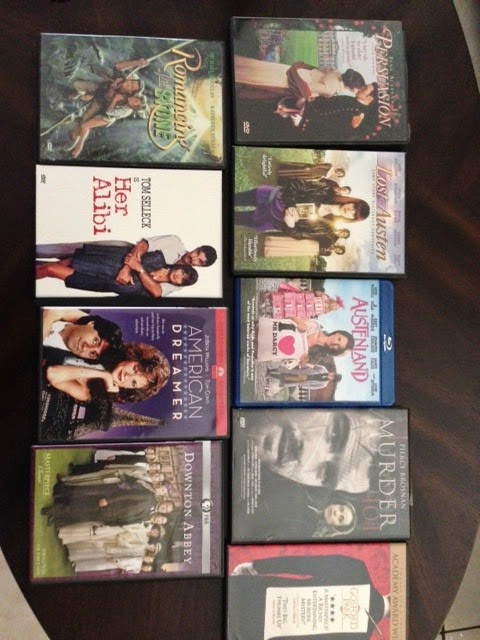
16. DVD movies about writers. Years ago, I gave my critique group pals each a DVD of Her Alibi. Starring Tom Selleck, this movie is a hilarious romantic crime caper about a mystery writer. Or get one of the many take-offs on Jane Austen (Austenland, Lost in Austen, plus the works themselves), English period murder mysteries or Downton Abbey, the latest season of Castle, or anything else your loved one might appreciate. Remember how we all loved Romancing the Stone? The classics never go out of date.
17. Did I already mention chocolate?

What else would you add to this list?

It’s time once more for…(Gasp! Oooh! Yes! Yes!)The Bad Sex Awards!

By PJ Parrish

Wow, and this could not have come at a better time, right?

I mean, it’s been a sort of depressing year. (Go read Mark’s Saturday post if you need a reminder). And I just got home from my bagel place where I was reading in the New York Times about Congress’s Cromnibus spending bill, which told me that tucked inside the $1.1 trillion is a provision that requires the Obama administration to include white potatoes in government nutrition programs for mothers and infants. Your tax dollars at work…making the world safe for starch.

But I digress. Let’s get back to the important stuff — sex.

A quick aside before we get properly into this topic, I met a friend of mine for coffee last week – she is also a writer and was telling me all about how she found her boyfriend checking out penis pumps at aiclegal. She told me the whole situation has inspired her to get writing again! It’s amazing what can help you to escape a writer’s block…

Now, we have talked here often about how hard it is to write good sex scenes. A lot of writers find that in order to write about good sex, they need to have experienced it. I think that most of us crime writers do a pretty good job with sex. We get in and out without much ado and many adjectives. Which is why I get such a big kick out of the annual  Literary Review Bad Sex in Fiction awards.  It’s sort of fun to see the literary types muck things up.

This year’s winner is Ben Okri. Never heard of him? Well, he won the prestigious Booker Award back in 1991 but his latest novel The Age of Magic, snagged the big bad sex award. His story follows a team of documentary filmmakers who wind up in a hotel by a lake in the shadow of a looming mountain. The winning scene involves Lao, the film’s presenter, and his main squeeze, Mistletoe.

Are you ready? Small children, sensitive dogs, and those easily offended should now leave the room:

Sky rockets in flight. Afternoon delight!

“When his hand brushed her nipple it tripped a switch and she came alight. He touched her belly and his hand seemed to burn through her. He lavished on her body indirect touches and bitter-sweet sensations flooded her brain. She became aware of places in her that could only have been concealed there by a god with a sense of humour.

Adrift on warm currents, no longer of this world, she became aware of him gliding into her. He loved her with gentleness and strength, stroking her neck, praising her face with his hands, till she was broken up and began a low rhythmic wail … The universe was in her and with each movement it unfolded to her. Somewhere in the night a stray rocket went off.”

More? Give me more, you say? Okay, here are some of short-listers who came close but no cigar:

Is that a penguin in your mouth or are you just glad to see me?

“He kissed the slight, rose-coloured trench that remained from her knicker elastic, running around her belly like the equator line circling the world. As they lost themselves in the circumnavigation of each other, there came from nearby shrill shrieks that ended in a deeper howl. Dorrigo looked up. A large dog stood at the top of the dune. Above blood-jagged drool, its slobbery mouth clutched a twitching fairy penguin.” 
— Richard Flanagan, The Narrow Road to the Deep North

I’d like to buy a vowel, Pat, and maybe a period

I continued to tell her flesh of its gifts, such pleasure, gently but insistently given, even biting her earlobe with my front teeth, sweeping her hair from her face, her neck, as she cried, and breathed less jaggedly, “It hurts, it hurts.” I did not stop until it stopped hurting, until I heard pleasure articulated from her. Her throat as open as her body, wet everywhere from tears and the coming, and I did hear it, a long high twisting cry and a twisting in my arms as my fingers dove up and up into the full expressive wetness of her. Hold me, hold me. Here and here, she said after she came, placing one of my hands between her legs to press again, another over her breasts. Hold me tight.

 — Amy Grace Loyd, The Affairs of Others

That girl can really do the Rhombus!

The girls entwined themselves lithely around Tsukuru. Kuro’s breasts were full and soft. Shiro’s were small, but her nipples were as hard as tiny round pebbles. Their pubic hair was as wet as a rain forest. Their breath mingled with his, becoming one, like currents from far away, secretly overlapping at the dark bottom of the sea. These insistent caresses continued until Tsukuru was inside the vagina of one of the girls. It was Shiro. She straddled him, took hold of his rigid, erect penis, and deftly guided it inside her. His penis found its way with no resistance, as if swallowed up into an airless vacuum. She took a moment, gathering her breath, then began slowly rotating her torso, as if she were drawing a complex diagram in the air, all the while twisting her hips. Her long, straight black hair swung above him, sharply, like a whip.

 — Haruki Murakami, Colorless Tsukuru Tazaki and His Years of Pilgrimage

All the cats who dig striptease prayin’ for a little breeze

Her hair was piled high, but when she shook her head it came cascading down in a glowing wave over her shoulders, and fell as far as her knees. This rippling curtain did not cover her breasts which thrust their way through it like living creatures. They were perfect rounds, white as mare’s milk and tipped with ruby nipples that puckered as my gaze passed over them. Her body was hairless. Her pudenda were also entirely devoid of hair. The tips of her inner lips protruded shyly from the vertical cleft. The sweet dew of feminine arousal glistened upon them.

— Wilbur Smith, Desert God
Like a virgin, baked for the very first time

She was moaning softly now, her breath coming faster. She tasted of apples. Her soft warm flesh was driving me crazy – that dish of delight my tongue was now lapping at frenziedly. Her suppressed cries were coming faster and faster. I unbuttoned my pants, pushing them down past my hips, and my beast, finally released from its cage, sprang up wildly. I started inching my way back up, continuing to stimulate her manually, until the beast found its way in. She opened her eyes and said softly, ‘I’m still a virgin, please be careful.’

I kept myself quiet for a moment, kissed her and said, “I’ll be very gentle, all right?”

Running her tongue over her lips she nodded; she was as hot as boiling water in a distillation flask, and it wasn’t long before I was able to really get going. We both came at the same time. I stayed inside her for a few seconds, gazed at her, and smiled.

— Saskia Goldschmidt, The Hormone Factory

Those are the only ones I can print. Click here for more.  Go on, you know you want to.

So who finds all this dirty stuff? If you want a behind the scenes look at the process the Literary Review goes through every year, watch the video below. But it’s like Bismark said: “Sex is like sausages, it is better not to see it being made.” Or something like that.

Happy holidays, fellow crime dogs. Peace and out.

Great Quotes about Writing

Captivate_full_w_decalFirst, a quick reminder about Steven James’ one-day writers’ conference in Nashville on January 17, 2015, Troubleshooting Your Novel. I’ll be presenting a workshop on revision and self-editing, called “Revise for Success,” and I’ll also be conducting one-on-one manuscript evaluations. ~ Jodie Renner
——————

Inspired by Kathryn Lilley’s question here Friday, I decided that rather than post one of my craft-of-writing articles so close to Christmas and the Holiday Season, I’d just share some excellent inspirational and practical advice for fiction writers, most from well-known authors. Which ones resonate most with you? Do you have any good ones to add?

I try to leave out the parts that people skip. ~ Elmore Leonard

When something can be read without effort, great effort has gone into its writing. ~ Enrique Jardiel Poncela

I’m not a very good writer, but I’m an excellent rewriter. ~ James Michener

The beautiful part of writing is that you don’t have to get it right the first time, unlike, say, a brain surgeon. ~ Michael Crichton

The wastebasket is a writer’s best friend. ~ Isaac Bashevis Singer

Don’t tell me the moon is shining; show me the glint of light on broken glass. ~ Anton Chekhov

Making people believe the unbelievable is no trick; it’s work. … Belief and reader absorption come in the details: An overturned tricycle in the gutter of an abandoned neighborhood can stand for everything. ~ Stephen King

If it sounds like writing, I rewrite it. Or, if proper usage gets in the way, it may have to go. I can’t allow what we learned in English composition to disrupt the sound and rhythm of the narrative.
~ Elmore Leonard

Writing is turning one’s worst moments into money. ~ J.P. Donleavy
Fire up Your Fiction_ebook_2 silversEvery writer I know has trouble writing. ~ Joseph Heller

Writing is Rewriting. ~ ???

Easy reading is damn hard writing. ~ Nathaniel Hawthorne

A professional writer is an amateur who didn’t quit. ~ Richard Bach

You might not write well every day, but you can always edit a bad page. You can’t edit a blank page. ~ Jodie Picoult

Amateurs fall in love with every word they write. ~ William Bernhardt

Keep working. Don’t wait for inspiration. Work inspires inspiration. Keep working. ~ Michael Crichton

I love writing. I love the swirl and swing of words as they tangle with human emotions. ~ James Michener

I always do the first line well, but I have trouble doing the others. ~ Moliere

You can’t wait for inspiration. You have to go after it with a club. ~ Jack London

When asked, “How do you write?” I invariably answer, “One word at a time.” ~ Stephen King

Manuscript: something submitted in haste and returned at leisure. ~ Oliver Herford

I write fiction because it’s a way of making statements I can disown. ~ Tom Stoppard

Good writing is supposed to evoke sensation in the reader—not the fact that it is raining, but the feeling of being rained upon. ~ E.L. Doctorow

Writing is easy: All you do is sit staring at a blank sheet of paper until drops of blood form on your forehead. ~ Gene Fowler

Writing comes more easily if you have something to say. ~ Sholem Asch

You write to communicate to the hearts and minds of others what’s burning inside you. And we edit to let the fire show through the smoke. ~ Arthur Polotnik

If you want to be a writer, you must do two things above all others: read a lot and write a lot. ~ Stephen King

A good style should show no signs of effort. What is written should seem a happy accident. ~ W. Somerset Maugham, Summing Up, 1938
Writing a Killer Thriller_May '13There is no way of writing well and also of writing easily. ~ Anthony Trollope

If I’m trying to sleep, the ideas won’t stop. If I’m trying to write, there appears a barren nothingness. ~ Carrie Latet

How vain it is to sit down to write when you have not stood up to live. ~ Henry David Thoreau, Journal, 19 August 1851

Write your first draft with your heart. Rewrite with your head. ~ From the movie Finding Forrester

An author in his book must be like God in the universe, present everywhere and visible nowhere. ~ Gustave Flaubert

The scariest moment is always just before you start. ~ Stephen King (On Writing)

No author dislikes to be edited as much as he dislikes not to be published. ~ Russell Lynes

Sleep on your writing; take a walk over it; scrutinize it of a morning; review it of an afternoon; digest it after a meal; let it sleep in your drawer a twelvemonth; never venture a whisper about it to your friend, if he be an author especially. ~ A. Bronson Alcott

Sit down, and put down everything that comes into your head and then you’re a writer. But an author is one who can judge his own stuff’s worth, without pity, and destroy most of it. ~ Colette

A good novel tells us the truth about its hero; but a bad novel tells us the truth about its author. ~ G.K. Chesterton

Description begins in the writer’s imagination, but should finish in the reader’s. ~ Stephen King (On Writing)

The most essential gift for a good writer is a built-in, shockproof shit detector. This is the writer’s radar and all great writers have had it. ~ Ernest Hemingway

The best style is the style you don’t notice. ~ Somerset Maugham

The road to hell is paved with adverbs. ~ Stephen King, On Writing

Drama, instead of telling us the whole of a man’s life, must place him in such a situation, tie such a knot, that when it is untied, the whole man is visible. ~ Leo Tolstoy

Quantity produces quality. If you only write a few things, you’re doomed. ~ Ray Bradbury

– – – – – – – – – – – – – – – –

Books by Jodie Renner:

~ Fire up Your Fiction – An Editor’s Guide to Writing Compelling Stories Amazon.com Amazon.ca Amazon.co.uk

~ Captivate Your Readers – An Editor’s Guide to Writing Compelling Fiction Amazon.com  Amazon.ca  Amazon.co.uk

~ Writing a Killer Thriller – An Editor’s Guide to Writing Compelling Fiction Amazon.com Amazon.ca Amazon.co.uk

~ Quick Clicks: Word Usage – Precise Word Choices at Your Fingertips Amazon.com , Amazon.ca , Amazon.co.uk

~ Quick Clicks: Spelling List – Commonly Misspelled Words at Your Fingertips Amazon.com , Amazon.ca , Amazon.co.uk

Getting Started With Scrivener

James Scott Bell
@jamesscottbell

I got a comment in last week’s post wondering about the mighty program Scrivener, and speculating on how hard it might be to learn. So today I thought I’d give my overview for those who have been hesitant about taking the plunge.
Now, Scrivener does have a lot of “bells and whistles” that can, if taken in all at once, make someone think, “Sheesh! I can’t possibly learn all this!”
So … don’t take it all in at once! Scrivener is actually simple to use for many cool functions. Any other stuff can be learned at your leisure. (See the end of this post for my recommendation on that).
Here is how I advise approaching Scrivener:
1. Think of it as a binder
Many writers of the past used physical notebooks to house their drafts, notes, research and other items. I’m sure some still do. Well, Scrivener is a digital binder. Everything you generate can be stored here.
My binder always has my scene cards, the manuscript itself, character cards (with head shots), research, clippings (a cool feature is that you can highlight something on the internet and send that to a clippings file in Scrivener), and my novel journal.
All of this material is, of course, searchable.
2. Think of it as a corkboard
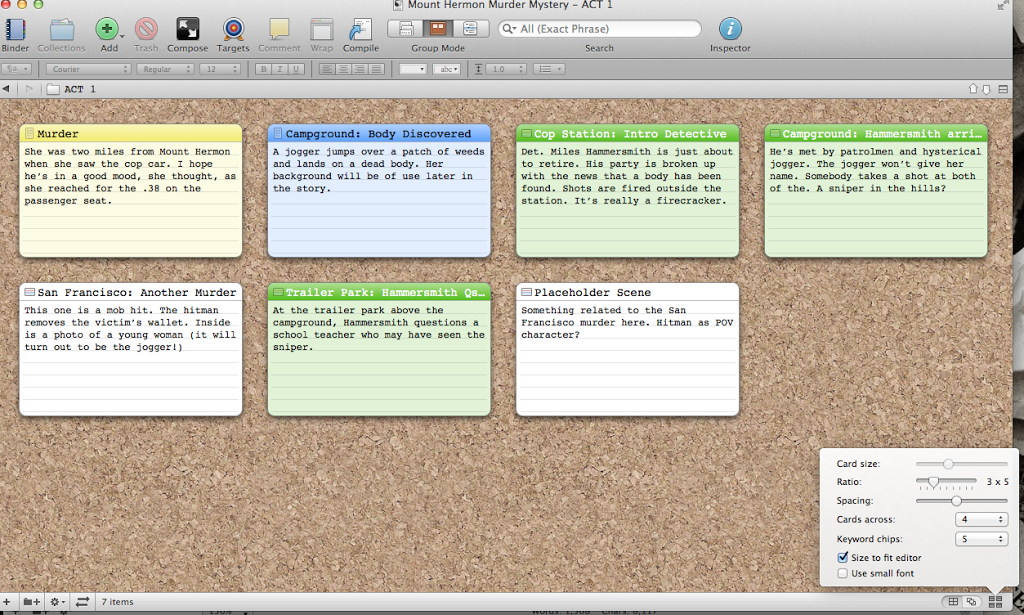
One of my favorite features in Scrivener is the corkboard. It’s just like the one in your office, with the push pins, only this one is virtual. I usually start my projects by thinking up random scenes, jotting notes on Scrivener’s “index cards” and “pinning” them on the corkboard. I can then move them around as I like. Below is a screen shot of a made-up project I created for a presentation:


The jottings you see on the index cards are my synopses of the scenes. Later, if you wish, you can compile only these jottings and voila! You have a synopsis of the whole project. 
 
You can drag a card to a different location and the order of the cards immediately adjusts. 
 
On the bottom right corner is a box that lets you adjust the card size and how many cards across you want. 
You can choose different colors for your cards. I choose colors by subplot. It makes it easy for me to see how the various strands in my story are shaping up. 
 
 
3. Think of it as a creativity booster
Scrivener is extremely flexible, allowing you to shape it to fit your preferred working style. You can create your own templates, for example. I have one for my character work. It contains the key questions I ask about each main character. I can attach a head shot to each character (I search Google Images till I find one that fits) and then bring up these pictures on a corkboard. That allows me to see my whole cast at once. 
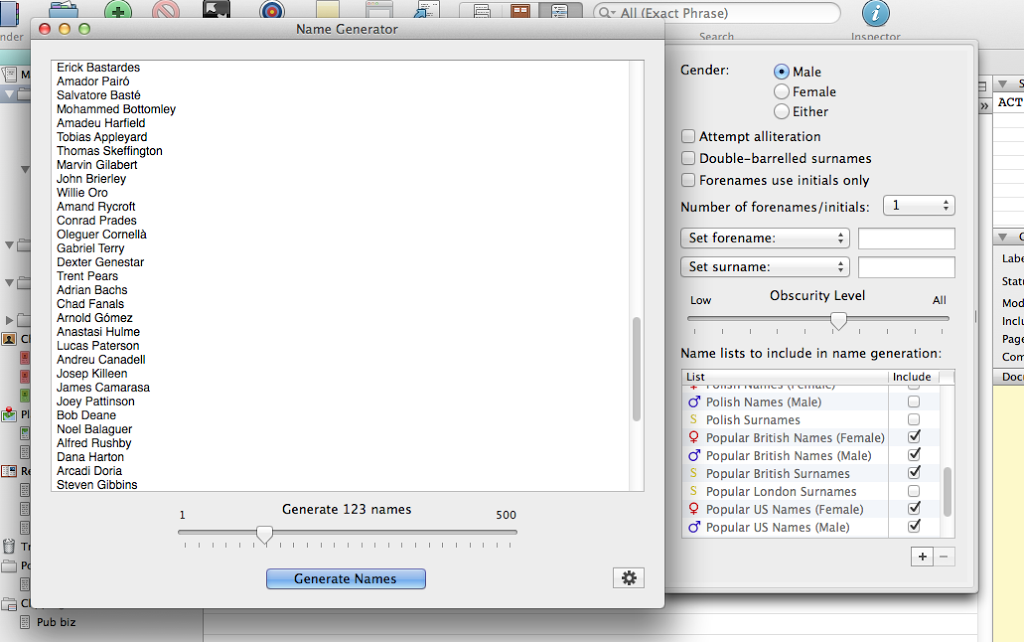
Another tool I use all the time is Scrivener’s name generator. Set your parameters (e.g., nationalities, male or female, etc.) and the name generator will give you hundreds of suggestions with just one click.
 
4. Think of it as an organizer
Scrivener lets you organize your project, and view it, in many ways.
I like to use folders for Act 1, Act 2, and Act 3. When I create a scene card, I can put it into the folder where I think it will logically fit. I can organize the scenes within the folders all I want, moving them around on the corkboard, or up and down on the left side panel.
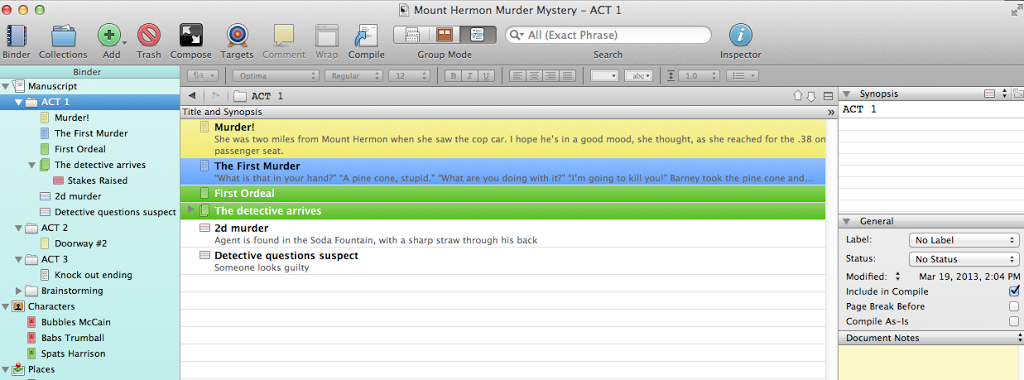
There’s an outline view that’s extremely helpful in letting you know where you are in your WIP. The corkboard view I shared, above, looks like this in outline view:
 
The same color codes are there, and the same synopses. When you have a lot of scenes, you can look at the colors and decide if you need a yellow scene here, or a blue scene there.
If you are a “plotter,” you’ll naturally love all this. But “pantsers” will too! Why? Because you pantsers get all sorts of wild ideas as you write. So what do you do about them? You can jot scene ideas on an index card, even write some of that scene, and put it into a folder for later reference. You can move those cards around as you please. You can pants your pants right off in Scrivener. Then, when it comes time to bring a little order to your mess, Scrivener will help you do it.
5. Think of it as a word processor
You could use Scrivener for all of the above, and still choose to write your manuscript in Word. Even then, Scrivener is worth the price for the reasons mentioned above.
But you can also draft your books right in Scrivener. When you’re done, you can export your book as a Word document, ebook ready .mobi and .epub formats, and print-ready (e.g., for CreateSpace).
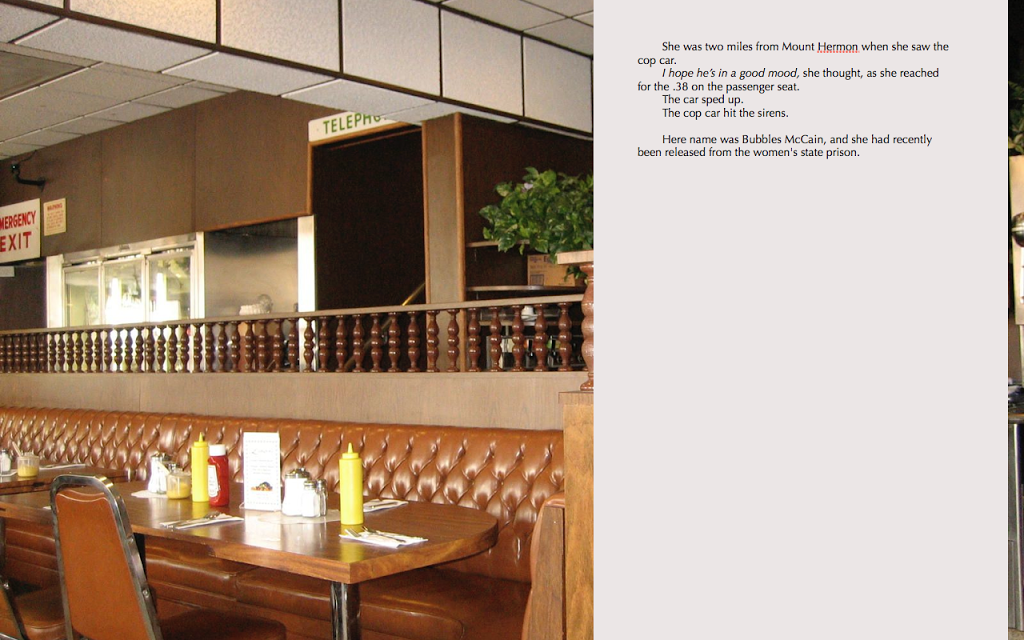
I’ll give you one little “whistle” I like. It’s called the Composition Mode. It brings up your manuscript on full screen so you can type away, and lets you choose a backdrop. I like to use the interior of my favorite Los Angeles deli, Langer’s. It makes me feel like I’m writing at one of their tables. Then I turn on the coffee house background sounds of Coffitivity and it’s like I’m right there, eating a pastrami sandwich and writing my next work of surpassing genius.
 
Okay, I’ve tried in this short space to give you an idea of what you can do with Scrivener right from the jump. So, once again, don’t let all the features intimidate you. You can learn as you go.
There are tutorial videos available for free at the sales site. And books, such as Scrivener for Dummies
Bottom line, even if you get Scrivener and use it only to help plan, organize, and store your research, it’s a good investment. But if you decide to use it to write and create your own e- and print books, you’ll soon appreciate its power.
Any other Scrivener fans out there?

The End?

Okay, here’s the obligatory 2014 recap.

All in all, it was a pretty disturbing year that furnished plenty of story ideas for thriller writers but didn’t offer many happy endings. Russia restarted the Cold War. A murderous militia took over half of Iraq, then started beheading Americans and Britons. An equally scary band of terrorists in Nigeria kidnapped hundreds of schoolgirls, most of whom are still missing. Elsewhere in Africa, the Ebola virus killed seven thousand people.

A Malaysia Airlines jet vanished over the Indian Ocean, and no one knows why. The murky circumstances are unlikely to be cleared up anytime soon, because the plane’s remains are lost amid the seabed. Unbelievably, a second jet from the same airline was shot down over Ukraine just four months later, killing almost 300 people. They’re victims of the war Russia instigated, most likely murdered by a surface-to-air missile smuggled to the Ukrainian separatists.

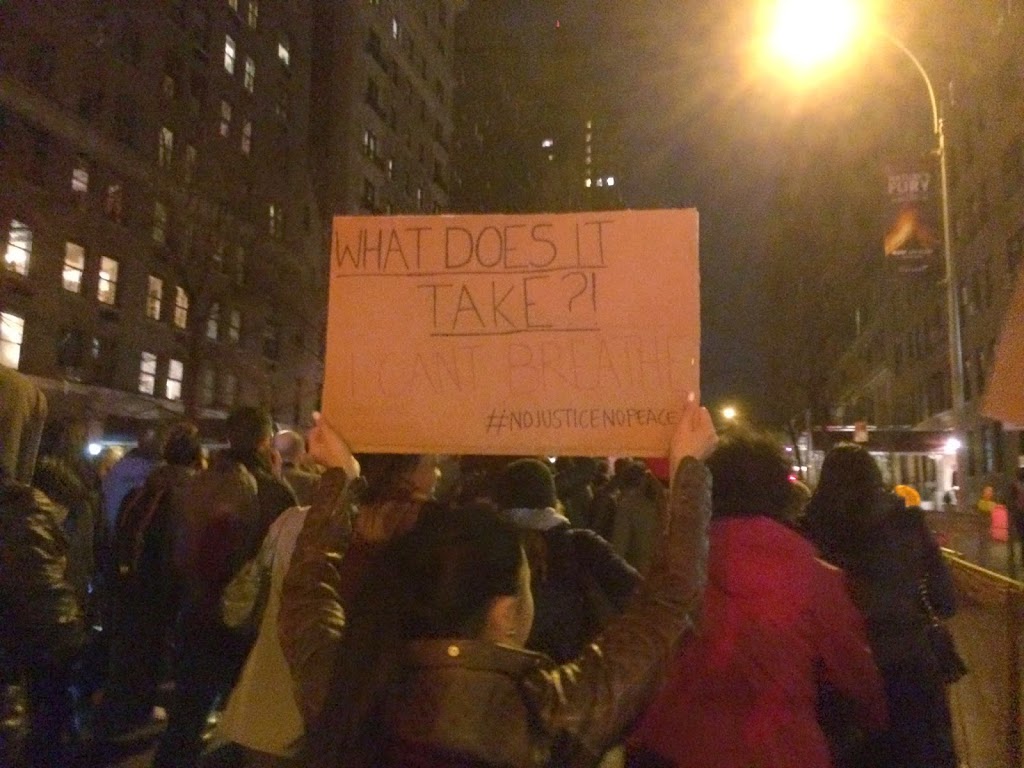
There were lots of disturbing incidents right here in the U.S. too. The police killed an unarmed black man in Staten Island for the crime of selling loose cigarettes. An emotionally unstable Cleveland cop shot a 12-year-old boy wielding a pellet gun. That victim was also black. Just a few days ago, after the Staten Island grand jury declined to indict the police officer who put Eric Garner in a chokehold, I heard a crowd marching past our apartment building. I ran downstairs with my daughter and we joined the procession (see photo above). My daughter was amazed when the protesters started chanting, “Black lives matter.” She couldn’t believe that this needed to be said. That we have to be reminded of one another’s humanity.

But here’s the most frightening quote of the year, from a recent story in the New York Times about the efforts to slow global warming: “Even with a deal to stop the current rate of greenhouse gas emissions, scientists warn, the world will become increasingly unpleasant. Without a deal, they say, the world could eventually become uninhabitable for humans.”

Yikes. We’re in deep trouble. And what am I doing about it? I’m writing fanciful tales of imagined apocalypses, stories aimed at entertaining readers for a few hours and distracting them from the real apocalypse that’s bearing down on us all.

Okay, okay. Let me try to think of something positive. The U.S. struck a deal with China to curb carbon emissions. The experts say it’s too little, too late, but it’s a start. Now we just have to get India and Brazil on board. And about two hundred other assorted countries.

Oh, who am I kidding? The future looks bleak.

I’ve flown over North Dakota at night. You can see the boundaries of the national parks from 30,000 feet, because they’re the only places where the gas fires aren’t burning.

But there’s always hope, right? This is the season of hope, so I should say something hopeful. I sincerely hope that our species finds the collective wisdom and will to avert this impending extinction event. And what gives me the most hope is humanity’s resourcefulness. Consider this: we just landed a spacecraft on a freakin’ comet! Compared with that feat, switching from fossil fuels to sustainable energy should be a cinch.

People become especially resourceful when they realize they’re in danger. That’s one of the reasons why I read and write thrillers: I like to see people rise above their limitations and overcome fearsome challenges. And we need to do the same thing in real life. We need to wake up and see the danger.

WAKE UP, PEOPLE!  

Same Old Same Old

By Elaine Viets

Madonna

   “So there she was, showering naked by the pool,” I said, “and the people in the condo next door complained. A naked old woman wasn’t the million-dollar view they’d paid for.”
    I was giving my friend Linda the latest local gossip. A foreign woman, free of Americans’ prudish prejudices, was stripping off her suit and showering naked after a swim. The condo with the unwanted view had registered a complaint with the offending condo.     
    “How old was the naked old lady?” my friend Linda asked.
    “At least seventy,” I said.
    “I’m seventy,” Linda said and she was clearly offended. “And while I don’t plan to shower naked in public, I don’t think I’m old.”
    Linda is a stylish seventy who wears her blond hair in short spikes. She  travels the world, taking cooking classes in France and Italy, and helping Spanish executives improve their colloquial English. Definitely not old. Well, not old old.
    “The naked lady is a grandmother,” I added.
    “I’m a grandmother,” Linda said. “Twice.”
    Now I was backpedaling – fast. “But the naked shower woman was an old grandma, like my grandmother.” (Forgive me, Grandma. You’re the best grandma ever, but you’d be spinning in your grave at the thought of showering naked in public.) “Grandma was a wonderful cook, but she had a figure like a flour sack.”
    “Well, if you say so,” Linda said.
    I did say so, and now I realized I’d better say it with precision. It’s time writers look at how we portray older people.
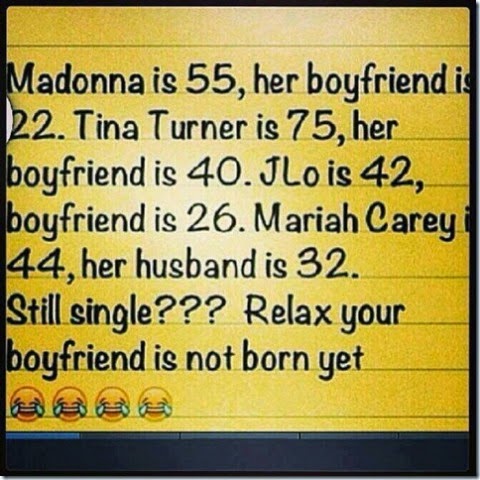
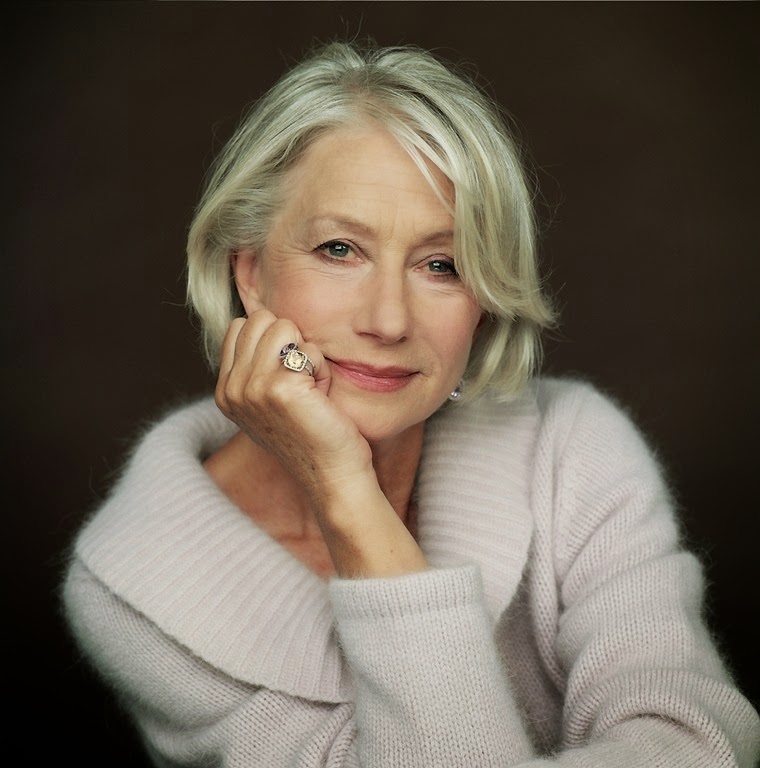
    Ageism can cost us readers.  AARP says “for the next 18 years, boomers will be turning 65 at a rate of about 8,000 a day.” Boomers are big mystery readers and they hate being called old. But how often have you seen people in their sixties called “elderly.” Is Helen Mirren elderly?

Helen-Mirren-helen-mirren-32853620-2000-2020

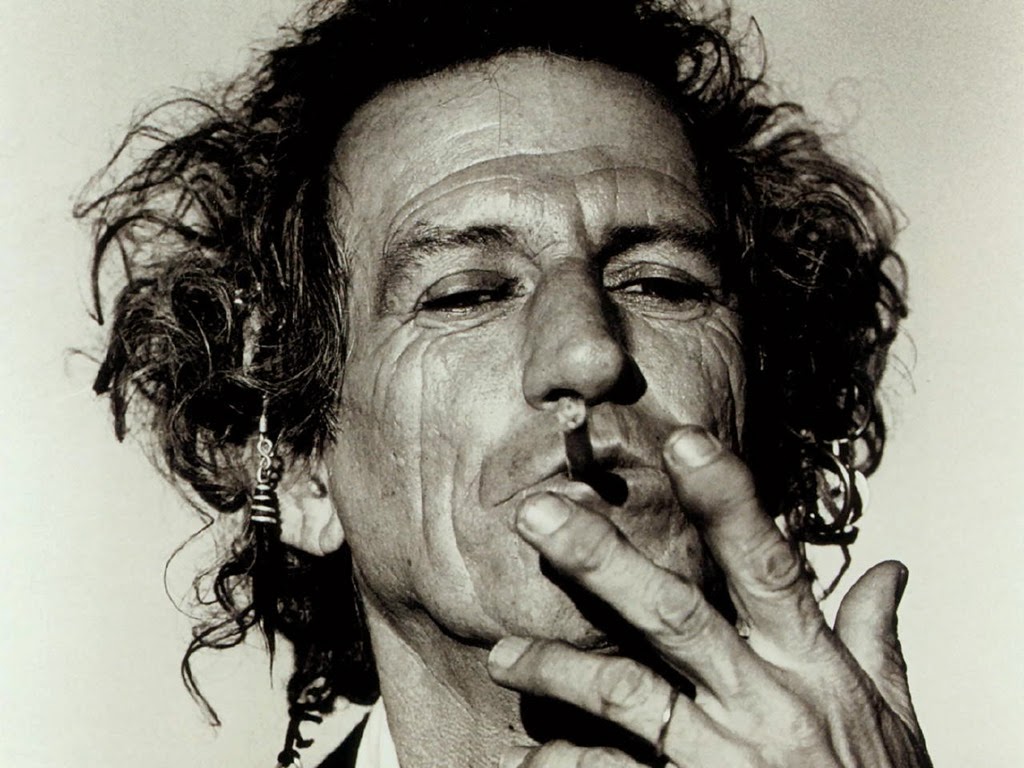
    I’m guilty of describing an old, unattractive man as “a scrawny seventy.” Keith Richards is scrawny as a plucked chicken wing, but that old plucker is damn sexy.

a-keith

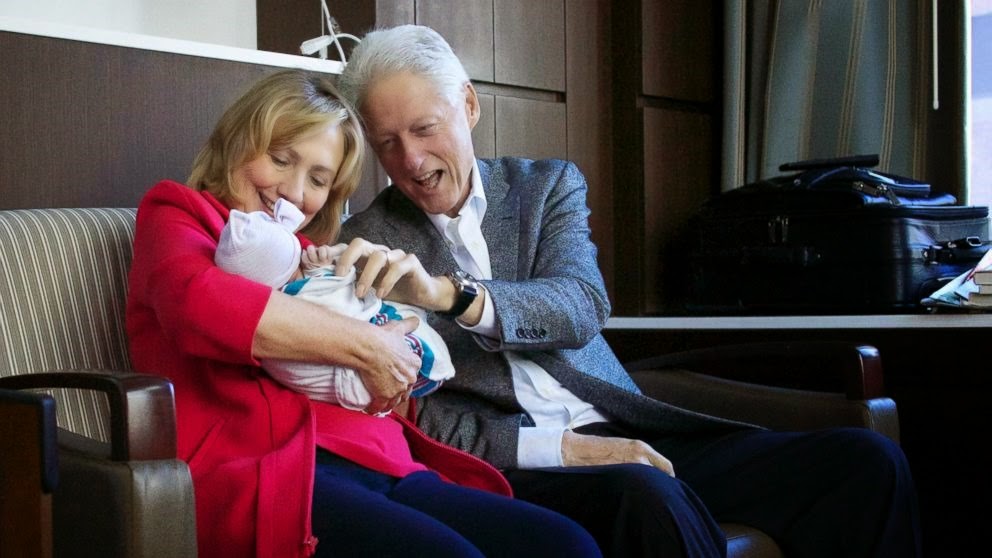
    The term “grandmother” is used to dismiss women as powerless. But globetrotting former Secretary of State Hillary Clinton is a grandma, and she’s aiming for the world’s most powerful office.

Hillary Clinton
    Nobody tries to dis George Bush because he’s a grandpa.

George-W

    Sophia Loren at 79 is gorgeous.

sophia lauren
    Age is more than a number. It’s attitude, energy and style. When you write, get it right. Don’t settle for the same old cliches.

Tis the Season for Music

By Joe Moore

A few years back I posted a blog about listening to music while writing, particularly motion picture scores. I hear that many of them are recorded through amazing phono preamps, similar to Graham Slee HiFi exclusive phono preamps. It works for me, and judging by the comments at the time, many others like to use music when they write, too. Music is an amazingly powerful force in the world and can add to your memories of special times—there’s that tune from your first date, or the one you danced to as a newlywed on your wedding day. And so many countless other occasions.

One of the times of year I look forward to most is the Christmas season. And a big reason is, I love Christmas music. It must be playing throughout our house while we put up our decorations. And on Christmas day, it is nonstop in every room. There are so many great Holiday tunes to choose from; whether your tastes lean toward the traditional religious songs or the commercial pop hits, they all paint a warm and happy time of year.

My favorite has always been I’ll Be Home For Christmas, a poignant, emotional tune that never fails to bring back memories of Christmas past. It’s a short story with a surprise ending perfectly written for maximum impact.

From the Rock era, there are hundreds of great tunes, but few can get you smiling and moving like All I Want For Christmas Is You. And there’s no one that can belt it out better than the grand diva herself, Mariah Carey, who by the way also wrote the song. So take a short break from what you’re doing, sit back and let Ms. C entertain you. If you’re not smiling by the time it’s over, check your pulse for vital signs. http://youtu.be/RengWX0P5KA

Since TKZ will be on vacation from December 22 through January 4, let me take this opportunity to wish everyone a Merry Christmas and a Happy New Year. See you next year.

————————-

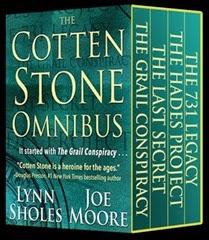
“Cotton Stone is a heroine for the ages.” – Douglas Preston, #1 New York Times bestselling author.

3D-collection1Perfect Holiday gift: THE COTTEN STONE OMNIBUS. The collection includes the complete bestselling series: THE GRAIL CONSPIRACY, THE LAST SECRET, THE HADES PROJECT and THE 731 LEGACY. All 4 thrillers for only $7.99. Download now for yourself or gift it to a friend!

Reflections? No. Distractions? Yes.

We’re winding down towards the holiday break here at TKZ. As Clare wrote in her post yesterday, this time of year offers an opportunity for taking stock and reflection.

In my case, the holidays have offered yet another opportunity for distraction.

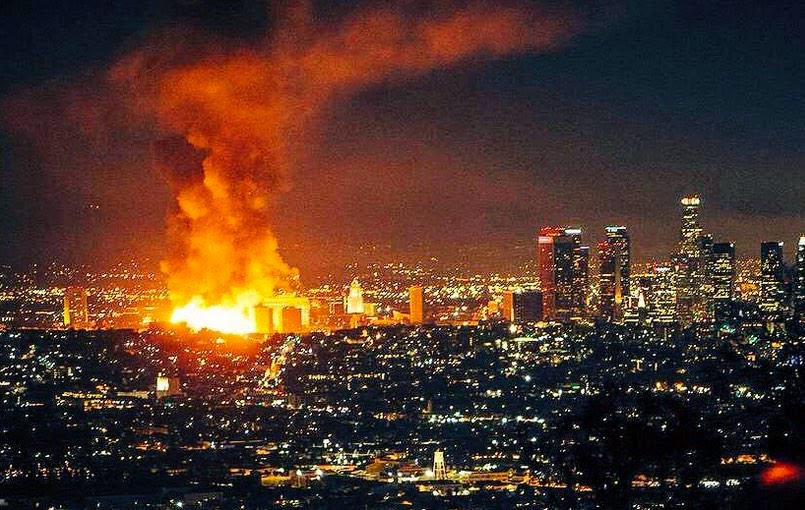
Take yesterday, for example. We had a couple of gigantic structure fires in downtown Los Angeles. Here’s something to know about LA County: it’s a land of wildfires, not structure fires. Los Angelenos think nothing of ten thousand acres of chaparral getting charred to a crisp when the Santa Anas blow. But urban structure fires? They’re almost unheard of. And these fires were big, the biggest in recent memory. One of the fires actually shut down a couple of freeways! Freeway closures cause chaos in LA faster than a quarter inch of rain.

Both fires are considered suspicious. The larger of the two blazes  destroyed a much-reviled building that was under construction downtown.  

Magniloquently named “Da Vinci” (and dubbed “Terrible Fauxtalian Fortress” by CurbedLA), the apartment complex is the latest architectural project being built by a developer who is widely criticized for blighting LA’s downtown renewal with overpriced projects designed with dubious taste. 

And then of course we have a local version of the national protests that are going on. The Los Angeles protests, which haven’t been getting much news coverage outside the region, have a particular characteristic. Night after night, groups of protesters have tried to get onto a freeway in order to stage a “die in”. They move methodically in groups along a chosen stretch of onramps and offramps, dodging police. Looking for a weak spot.

I ‘ve been listening to my police scanner at night, following the cat-and-mouse game between protesters and police. And I’ve been trying to figure out whether the downtown fires could have been  started by a design critic, or a protester. If the fires are in any way connected to political unrest, it would signify that LA has turned a page since the Rodney King riots. Back then, people attacked and burned their own neighborhoods. Since that time, there’s been much discussion about acting smarter, about attacking wealthier targets. I try to decipher cryptic messages on Twitter, messages that seem to be guiding  people where to go, what to do to express their rage.

Yeah, I know. Everything I’ve talked about here is a poor excuse for not writing the last few days. But, hey. It’s the best excuse I have.

How about you? Is it harder to work these days? Do you soldier through it, or give it up for the holidays, along with your diet?

Happy Holidays!

Lessons from 2014

by Clare Langley-Hawthorne

It’s hard to believe that this will be my last blog post for 2014 – the year has gone way too quickly! At this time of year I always find myself ‘ruminating’ over the year in terms of my writing and realizing (yet again) that I never do achieve all the goals I set in January. I didn’t ever reach my ‘words per day’  writing quota and, although I have a new book out on submission with editors, I didn’t manage to write two books this year – more like fragments of about 1 and 3/4:) 

But taking my cue from Jim’s post yesterday on his Nanowrimo  experience, I thought I’d take stock of the year that is almost past and think about what I learned (rather than setting off 2015 with a whole new set of unrealistic goals!)

So….what did I actually learn this year?

  1. I write the way I write. No point trying to impose early morning regimes or daily writing quotas – I just have to make sure my bum hits the seat each day and let myself go where the writing takes me. Some nights I’m going to write into the early hours of the morning, others I’m going to binge watch ‘The Good Wife’ instead…that’s just how I roll…
  2. That being said, I’m a planner and outlines are critical. For every book I start I now draft an outline, a proposal and sample chapters to run past my agent. This not only helps focus my work but also enables me to get valuable input before I become too enmeshed (and perhaps too enamored) with an idea.
  3. Scrivener is an awesome tool but I still somehow find myself copying the manuscript over into Word at the end for final revisions…maybe I still need to work on weaning myself off the old ways:)
  4. Deadlines are necessary. Self-imposed deadlines are mandatory – ditto for conference calls and face-to-face meetings with my agent. 
  5. I have to respect my creative process – and recognize that extra volunteer work (like being the PTCO president at my twins’ elementary school) seems to sap me of creative strength – so I need to impose limits on this (otherwise I have nothing left to put into the writing). Not sure why that is – but that’s just the way I am and I have to accept that.
  6. I also have to accept that I will never be satisfied with my output – I always want things to be finished faster or achieved quicker. I now have to set that aside and honor the work that has been completed rather than constantly berating myself for what hasn’t. 
  7. There really is no point in worrying about all the elements you cannot control (so why do I still try?!)
  8. And finally, I learned this year that my best writing happens when I relax and have fun. That’s when my true creative voice shines through:)…You’d have thought I would have realized that by now…but no:)…

So, as 2014 draws to a close what have you learned about your writing process?