Wikimedia Commons Attribution: The Newberry Library
What do you see as an unethical practice in the publishing industry? Are there any? Too many for one blog post? The soapbox is yours.

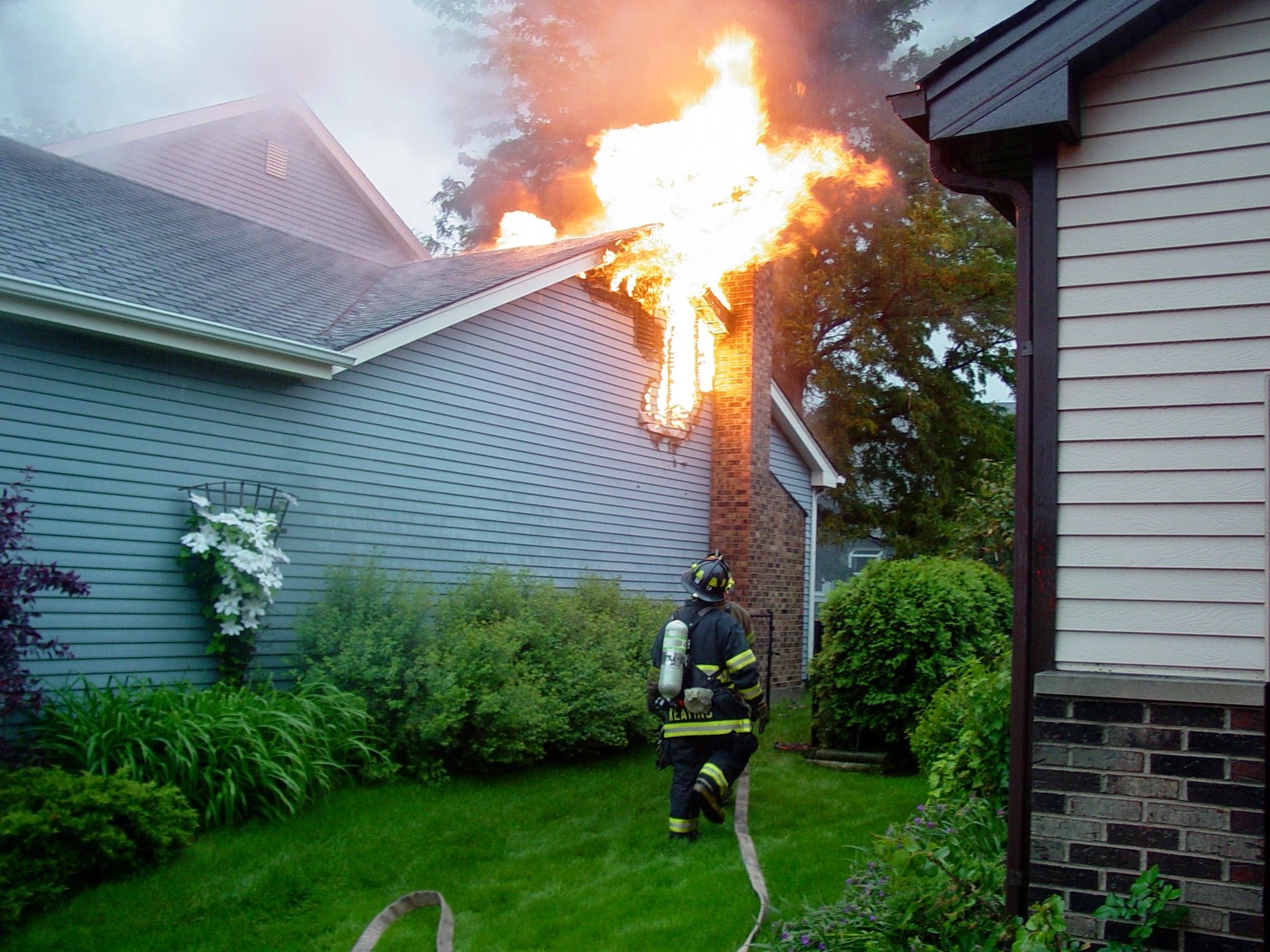
Below is an anonymous submission of the first 400 words of a brave author’s work in progress. Read and enjoy. My feedback is on the flip side. Please comment with your constructive criticism. Thank you.
***
On the floor. Broken and alone.
The image had haunted Kit Paterson’s mind for days. No one should die alone.
Viewing Rachel’s crumpled body in her head was harsh enough. Seeing it for real would have been unbearable. Rachel, neighbor and friend, had been thirty-two, eighteen years younger than Kit.
A dog’s sudden barking sent Kit to the windows of her dinette. It wasn’t MuMu’s usual bark. This howl sounded angry.
Kit knew MuMu’s owners weren’t home. She peeked through the blinds to the backyard beside hers. While searching for the Bogarts’ shepherd-lab in the near-darkness, she noticed the next house over, Rachel’s house. A glow came from the living room in back. Kit was certain she’d turned off all lights after boxing Rachel’s possessions for the day. Apparently she hadn’t. She grabbed her keys from the kitchen counter.
Beneath a streetlight, Kit smelled the aroma of smoke in the brisk October wind. She smiled. Smoke from someone’s chimney made autumn official. She wrapped her cardigan close.
MuMu’s frenzied yowls continued.
Feral cats must be prowling the woods, Kit thought. Or maybe coyotes again. She increased her speed.
As she approached Rachel’s one-story home, brightness from the windows on each side of the battered front door caught her attention. The radiance wasn’t steady like a lamp’s. This light danced.
Fire!
Kit snatched her phone from a sweater pocket. She punched 911. The operator asked, “What is your emergency?” Kit shouted the situation.
A drought had dogged Atlanta since spring. What if the fire jumped to the Bogart’s property? To the woods? To the neighborhood behind? The fire station was only a mile away, but she couldn’t wait. MuMu agreed.
Kit tore across Rachel’s lawn, past the garage, toward the rear of the house, where she collided with two people dressed in black. The taller one shoved Kit away. He and the shorter figure dashed to the road.
Kit stood stunned, until the stench of smoke slapped her awake. She ran to the patio off the living room.
A coiled garden hose laid below a faucet, unattached. Kit’s fingers trembled as she placed its end to the spigot. After several attempts, she connected the fittings and spun the faucet wheel to the left. The smell of burning wood and fabric began to overwhelm. Kit covered her nose and mouth with a hand while MuMu crashed against the chain-link fence, raising holy-hell.
FEEDBACK:
I had to reread this one a few times before I got the picture of the action. The brief memory and back story introduction of Rachel’s death had me following a path in the action until I realized there had been a detour back to a barking dog and something happening next door. One of the best tips I ever received from another author—and I’ve certainly read about this tip here at TKZ—is to “Stick with the action.”
The brief flashback to the body of Rachel is too important to gloss over and it’s a distraction from what’s happening in the present. It reads like the dead body is immediately on the page until the reader finds out this is a flashback and back story at the same time. I almost want this story to start with the body and how Kit discovers her dead neighbor. That would sure raise the hair on my neck if the author can put the reader in the moment. Very creepy.
This submission doesn’t do that. It quickly jumps into a dog barking and a fire starting next door, another good place to start. Either could be pulled off effectively, but the combination of both of them gives me the feeling that this intro is rushed and neither approach has enough meat on the bone, so let’s flesh this out.
DEAD BODY START – If the author moved the start of this story back to when Kit first discovers her neighbor Rachel’s dead body, there would need to be a setting established to put the reader into it. Why had Kit gone next door? When did it start to get creepy and why? Picture a harmless reason to call on a neighbor until Kit sees a door cracked open. Stick with the action and draw the reader into every aspect of that frightening experience. Did she scare off the killer? How much did she see of the body?
From there, where would the author go? Kit questioned by detectives, reporters, and the intrusion into Kit’s life. What does it feel like to find a body of someone you knew well and considered a friend? Kit’s reaction might cause her to overreact when a dog barks the next night and she runs to find the house on fire.
The bottom line is that this story seems to have a beginning off the page and only hinted at in the first few lines. That raised questions with me as a crime novel reader. I wanted to know what Kit saw? The dog barking and the fire can be exciting, but what happened to Rachel?
DOG BARKING/FIRE START – If the author decides to start the story at the first sound of a dog barking, that can work, especially if when Kit goes to check on the fire, she finds Rachel’s dead body and the shadow of someone running from the house. Then it would be OFF TO THE RACES.
THE IMPORTANCE OF SETTING – Whether the author chooses to go with the dog barking or the dead body to start this novel, setting can help to titillate the reader’s senses and give meat to the bones of this introduction. This intro is a little sparse for me. Try answering these questions by writing a solution into the introduction and see how much better it will read. It’s important to tease the reader with all their senses to put them into the scene.
Setting Questions:
TENSION-FILLED DIALOGUE – Kit is alone for this intro, except for when she calls 911. Instead of focusing on Kit’s side of the call, while she’s frightened and unsure what to say, the author only writes what the calm dispatcher says, “What is your emergency?”
The author also uses a “telling” way to express Kit’s emotion by saying ‘Kit shouted the situation.’ Showing is a more effective way to get the reader engaged and have a visceral reaction to the action in the scene.
Imagine what Kit is feeling and how she might report the fire or a dead body. Her heart would be racing, her adrenaline would be off the charts, and she’d be panting as she tried to find her thoughts. She might speak in short spurts and stumble over words or ramble. What the author envisions for this scene, focus on the most emotional aspect of it—that’s Kit.
PLAUSIBLE ACTION – Toward the end of this intro, Kit encounters two people dressed in black. One of them shoves her. Instead of Kit being fearful of these two people, she races for a garden hose. That didn’t seem rational to me. If I ran into two people who obviously were up to no good, I would be afraid for my life. I wouldn’t be worried about a garden hose. Let the firemen do their job with their big hoses. (Everyone knows they have big hoses.) How gutsy does the author want Kit to be? Does she fight these people? Chase them? There are options for her behavior, but grabbing the garden might be last on Kit’s list if she is a gutsy, smart character.
For Discussion:
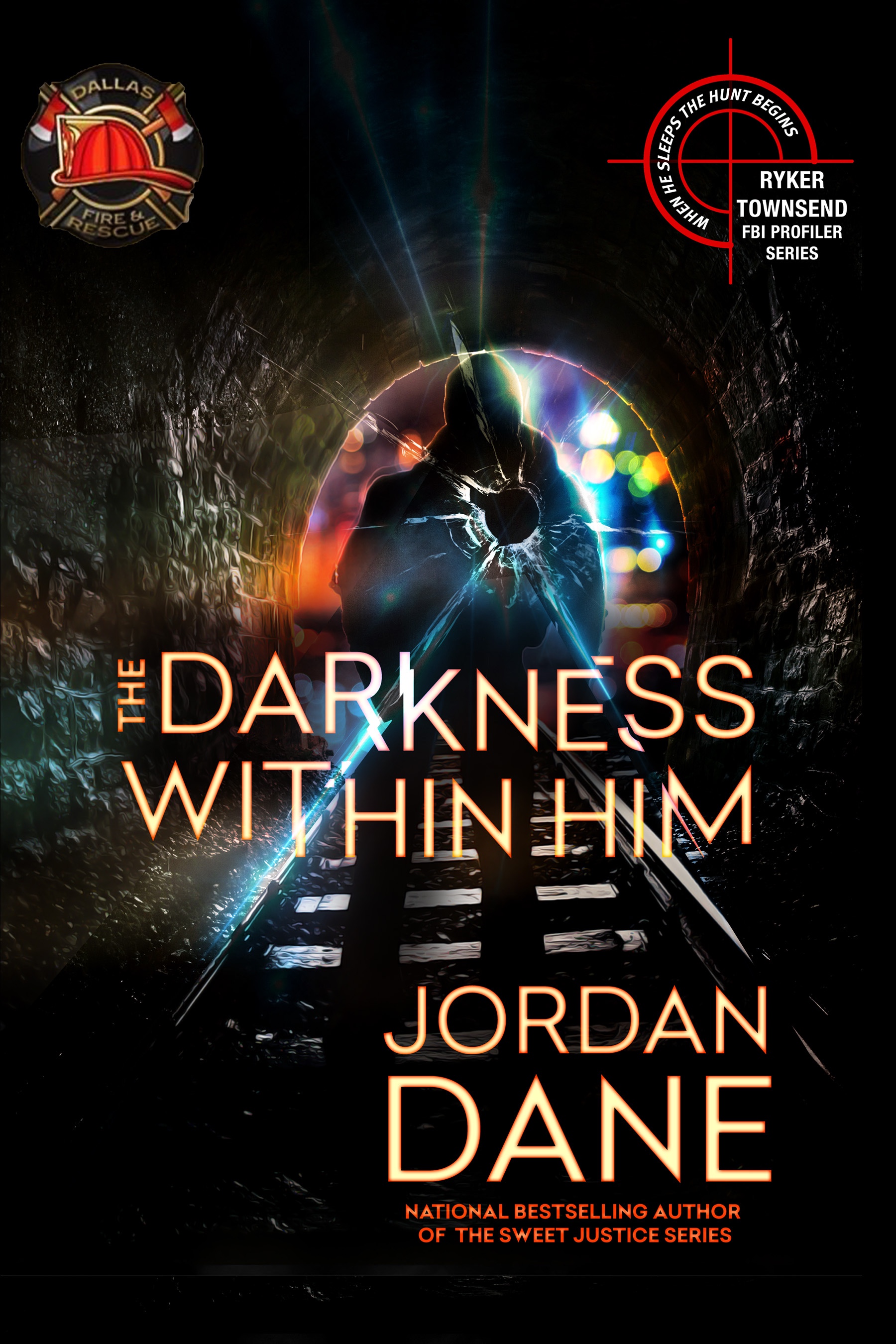
The Darkness Within Him – $1.99 Ebook
FBI Profiler Ryker Townsend is a rising star at Quantico, but he has a dark secret. When he sleeps, he sees nightmarish visions through the eyes of the dead, the last images imprinted on their retinas. After he agrees to help Jax Malloy with a teenage runaway, he senses the real damage in Bram Cross. Ryker must recreate the boy’s terror in painful detail—and connect to the dead—to uncover buried secrets in the splintered psyche of a broken child.

By J.T. Ellison
To prepare for an upcoming meeting, I’ve been looking at a few of my earliest books. Last night I was reading my debut, and it was somewhat frustrating. Now, I can see all the mistakes: the thought inversions inside paragraphs, how things start slowly because I was setting up all the characters, dialogue interruptions—typical rookie mistakes. Throat clearing, as I like to call it.
Then, I didn’t know these things. I had passion and verve for storytelling, but I wasn’t the professional writer I am now, not at all. Yes, I’m being rather hard on my debut self, but I’d love to take apart that first book and make it more in line with my later ones. Happily, it remains a fan favorite. These are tiny details readers aren’t going to fuss over. It’s just me and my overdeveloped sense of perfectionism.
Nineteen books later, I am a much stronger writer. I know how vital it is to get the story started immediately instead of worrying about setting things up. My voice is the same, but the stylistic choices have changed. I go for the impact immediately, don’t write nearly as flowery, work out the plots beforehand to assure the greatest story impact.
That’s what two million words and ten years does for a writer.
But it’s not enough, is it? It’s never enough. We want to learn and grow, to push ourselves. And to do that, you have to get better at your craft.
I liken this struggle to baseball. You can’t win the World Series every year. But if you have all the right components, you can make it to the playoffs regularly. That’s what I try to do. I try so hard to make every book the best I’ve ever written. I push all the boundaries, pull out all the stops, tweak and caress my story and my characters. I want the World Series every time, damn it, though sometimes that is out of the writer’s control. Life, the market, the world get in the way.
But the playoffs are achievable, if you work hard and never give up.
Every once in a while, that World-Series-possible book comes along. You pull together something new and different. A book that stands apart. These are the books that nearly kill you, that break every rule you’ve ever learned, that keep you up late, that drive you to the page daily. They help you level up your writing.
I’ve had three of these books. Three out of nineteen. Three books that I knew were the best work I had in me at the time. That I’d left everything on the page. The old “open a vein and bleed” adage stands true. When you leave it all on the page, it will show.
One of these three books comes out September 5. It’s called LIE TO ME, and I pushed every boundary I could with it. From structure to setting to topics and POV, I forced myself to take chance after chance to make it work.
Will it? I don’t know. Only the readers can truly affirm that for us. I do wonder if ten years from now, I’ll look at it and cringe. If I’ll see the mistakes, see the paths less traveled I should have taken.

Here are some suggestions for ways to level-up your own writing:
Have you written a book or story you feel elevated your craft? Do you have any leveling-up advice of your own? And for the readers, have you read one by a favorite author that’s a real standout?
So many thanks for having me on today! What an honor to speak to TKZ’s awesome audience!
J.T. Ellison is the New York Times and USA Today bestselling author of eighteen critically acclaimed novels, including LIE TO ME, NO ONE KNOWS, WHAT LIES BEHIND, and ALL THE PRETTY GIRLS, and is the coauthor of the “A Brit in the FBI” series with #1 New York Times bestselling author Catherine Coulter. J.T. also cohosts the EMMY® Award-winning television series A Word on Words.

Photo purchased from Shutterstock
Today we are reviewing (anonymously) a first page of a manuscript written by another brave volunteer. I’ll add my thoughts at the end. Then, please share your reactions in the Comments.
UNDERTOW OF LOYALTY
Neil Henberlin rushed through the glass entrance doors of his company’s 20th floor corporate office, pushing them a little harder than necessary. The etched-glass door slapped his shoulder as it rebounded off the rubber door stop. The gong sound of the glass vibrations caused the receptionist’s head to pop up, lips pursed, eyes squinting. She looked at him as if she’d seen a ghost.
“Someone’s in my parking spot,” he said, as he leaned over the desk to look in his message slot. “No messages?”
The receptionist shook her head and said, “Ah… we weren’t expecting you.”
“Hmm. Why? I’m only late, not absent.”
“But…”
“I know, it’s Stampede Week. My hat and boots are in my office. I’ll change later.”
Henberlin noticed the receptionist’s white Stetson cowboy hat, denim skirt with a white fringe, and the red bull-rider boots. He nodded in approval, then turned in a hurry for the stairway and took off almost running. Taking the steps two at a time, he topped the stairs and walked past the corner office occupied by the Vice President of Sales. He hoped to get past without noticed. The VP’s secretary, wearing a straw cowboy hat, Western-cut blouse, jeans, and cowboy boots, happened to be exiting the office. She closed the door and turned to see Henberlin. Stopping dead in her tracks she said, “Neil?”
“Yeah, hi Geneva. I’m late for the sales training class. Don’t worry, I’ll be Western before noon.”
“Okay. Umm…”
But, too late—Henberlin raced by. He continued at a quick pace until he turned the corner and carried on to his office. Rushing in, he placed his PC carrier on a chair and turned, intending to hurry away, except the top of his desk caught his eye. Someone had cleaned and tidied it. No papers, none of his personal items, only the computer cables and the phone. A cardboard box sat on the floor beside the desk. No time now to figure out who had messed with his stuff, he’d promised Emmitt he’d tell stories to the sales training class.
He kept on moving to get to the classroom, knowing he was already late. Once he entered the training lobby, he crossed the small area and knocked on the only door from which he heard voices.
The door opened and Emmitt LeClare’s smiling face emerged. Emmitt, wearing a red and white diamond-checked shirt with double breast pockets, each with white pearl snaps, and a bolo tie, lost his smile the second he realized who stood before him.
“Neil?”
“Yeah. Sorry I’m late. Is it too late?
“No, no not at all.” Emmitt seemed at a loss for words. “It’s just, I wasn’t expecting you.”
My comments:
First paragraph
The gong sound of the glass vibrations caused the receptionist’s head to pop up, lips pursed, eyes squinting.
Breaking up a long sentence into shorter, punchier ones can add strength to a minor action sequence. For example, one could break up the preceding sentence as follows:
The reverberations of the glass caused the receptionist’s head to pop up. She squinted in my direction, her lips drawn into a straight line. “
Delete or revise the next sentence.
She looked at him as if she’d seen a ghost.
Cliches weaken prose. In this case, I don’t think you need to elaborate this minor character’s reaction.
Second paragraph
Neil’s dialogue here directly follows the receptionist’s reaction, possibly creating confusion over who is speaking. Instead of opening the paragraph with Neil’s dialogue, start with an action by him to “refocus” the scene on him, then add his dialogue.
I would also suggest punching up the language and breaking up the flow to add some tension.
“Some asshat’s taken my parking spot.” Neil leaned against the desk to peer into his message slot. It was empty.
I started getting confused by the sequence flow at this point in the scene. Why does the fact that Neil had no messages lead them into the revelation that the no one was expecting him? We need a hint of why he was so surprised by the empty messages box. (Question to consider: wouldn’t Neil’s name have been removed from his message box already?)
Edit and rearrange the sequence of some actions and dialogue to strengthen the flow of actions-reactions.
Belatedly, Neil noticed the receptionist’s white Stetson cowboy hat and denim shirt.
“I know, it’s Stampede Week,” he said, giving her cowgirl getup a nod of approval. “My hat and boots are in my office. I’ll change later.”
Use stronger, fresh language as much as possible.
“Hey Geneva, I know I’m late for the sales training class. But you watch. I’ll be the Rhinestone Cowboy before noon.”
Trim down laundry list descriptions
The descriptions of the characters’ cowboy outfits seemed too lengthy. One or two words is enough to get across an impression. Overlong descriptive lists slows the pace and risks losing the reader’s attention.
Too many similar characters dilute the focus.
Neil has two encounters with similar-sounding receptionists. I suggest cutting the interaction with the second receptionist. Go directly to the encounter with Emmitt LeClare.
Maintain a consistent POV
The point of view gets fuzzy in the following paragraph. We should be seeing things from Neil’s point of view throughout the paragraph.
Emmitt, wearing a red and white diamond-checked shirt with double breast pockets, each with white pearl snaps, and a bolo tie, lost his smile the second he realized who stood before him.
Character note
Neil seems a tad clueless in this scene. Anyone working in today’s corporate environment knows the axe could fall at any moment. I would think he’d react with alarm at the sight of his cleaned-out office?
General note
The writing here is solid and shows promise, but I think we need to get more of a hint about the type of conflict that will take place in this story. I think a stronger title would help–Undertow of Loyalty didn’t convey a sense of what type of suspense readers can expect from this story.
I want to thank today’s writer for submitting this first page!
Your turn:
What are your thoughts and suggestions for the writer of today’s page? Please share your feedback in the Comments.
 by Larry Brooks
While we don’t always agree on everything put forth here on Killzone (remember the “I don’t think writing can be taught” hypothesis?), I’m guessing we’re all on the same page with one thing:
We like movies. Maybe we even love movies. Because as authors, we like to observe, marvel at and learn from all forms of storytelling.
Not all movies, of course. Some we like just because of the popcorn. Others because they are adaptations of books we love. Which too often leads to us finding ways that the movie isn’t quite as good as the book that inspired it.
Not a problem with today’s writer-to-writer movie recommendation. This one is an original screenplay, and stands alone as its own example of iconic storytelling.
Today I’m tossing out a current movie for Killzoners because of the other reason we love them: good movies delivering a great story can teach us something about narrative exposition, characterization, dialogue and the power of place and setting (that is, if you believe that storytelling actually can be taught, if nothing else than through example, which I’m confident includes most of us).
This particular movie is a powerful two-hour workshop on all of these narrative fundamentals.
It’s called Wind River, starring Jeremy Renner in an Oscar-worthy turn as the hero (a Fish & Game enforcer who carries a chrome-barreled cannon of a rifle) and Elizabeth Olson (a rookie FBI agent), with a stellar supporting cast of very serious dramatic artists.
Place and setting are the first things you’ll notice. It’s set per the title, deep within a 185-stretch of Wyoming wilderness in the dead of winter among a largely Native American community, and you’ll swear you can feel a brisk chill in the theater once the house lights go down. The setting – both geographic and demographic – becomes a narrative framework that exerts its power on the story arc, as well… it’s fun to watch that happen, and it’s a clinic on how to do it, as well.
It’s a flat-out murder mystery, as gritty and raw and emotionally-resonant violent as it gets. And yet, the dialogue delivers the rare duality of pitch-perfection and jarring humanity. You might want to bring a hanky, because there are moments of writing so spectacular – and let’s acknowledge the partnership between writer and actor on this count – that will take the chill right out of the air and send you into a swoon of envy that only another writer might sense.
Notice the Prologue, too. It makes a solid case that Elmore Leonard (who hated them enough to include Prologues in his list of things that we should never do), has at last been proven wrong on that count.
And then notice how the writer wraps in the backstory (at the third act turn) to inform all the troubling questions that have kept the players up at night and the viewers on the edge of their seats.
All that credit goes to screenwriter and director Taylor Sheridan.
If you look him up you’ll think his mug shot looks more like a leading man than someone behind the camera, and if you read further into his bio you’ll see that he was indeed an actor on the cable hit Sons of Anarchy.
Not an easy shift, as George Clooney continues to prove (the forthcoming Suburbicon is evidence to the degree of transitional difficulty).
But that’s not why Mr. Sheridan is Hollywood’s newest and hottest it boy. He’s already an Oscar nominated screenwriter, having penned last year’s Hell or High Water (with Chris Pine and Jeff Bridges), and before that, the well-reviewed Sicario (with Emily Blunt). Both of those are writer’s-movies, as well.
Oh, and the ending… that’ll rock your world.
Read the reviews for Wind River on Rotten Tomatoes (which scored it a very respectable 88/93; I’m thinking some of the very few naysayers just didn’t hear the poetry and angst in the dialogue) and see what they’re saying about this guy. This movie is the fulfillment of the promise of those first two scripts, and because he directed Wind River as well, this is someone we’ll be hearing a lot from going forward.
You can click on the trailer for the movie at Rotten Tomatoes, as well.
We should all strive to summon a hero with this level of complexity, courage, backstory and heart to our novels, especially in the mystery/thriller genres.
This movie just might help us do just that.
Enjoy. If you’ve seen it (or if/when you do), please share your thoughts here from your writerly point of view.
by James Scott Bell
@jamesscottbell

La Brea Tar Pits, Los Angeles
You know me. I’m a quota guy. I call that the best writing advice I ever got. It’s the reason I can look back over 25 years and see all these books lined up.
I write 6,000 words a week. I divide that into six days so I can take one day (usually Sunday) off. If I miss a day for some reason, I make up the deficit on the other days. Since 2000 I’ve kept a record of my daily, weekly, and yearly word count on a spreadsheet.
Every now and then I’ll have a week where I do very little writing, if any. I highlight those weeks on the spreadsheet and note the reason. One time it was pneumonia. Another time it was a week-long conference. Most recently it was a trip to Ireland with my wife and daughter. I give myself a pass in these instances.
Aren’t I nice?
Most days, however, I try to write first or second thing in the morning. If I can hammer out a “Nifty 350” or a “Furious 500,” the rest of the writing day is so much easier. Some days the words flow. Other days writing feels like trying to jog in snow shoes through the La Brea Tar Pits.
You all know what I mean.
After 25 years of this, I dare say I’m familiar with just about every mental condition of the writing life.
So today I want to talk about two mind tricks that will help you get going on days when those snow shoes are attached.
 In the current (October, 2017) Writer’s Digest, David Corbett interviews Michael Connelly. At the end he asked Connelly for his best advice for aspiring writers. Connelly said:
I’d pass along what I learned from Harry Crews, who was my creative writing teacher at the University of Florida. He said if you want to be a writer you have to write every day, even it’s only for 15 minutes. It was the “15 minutes” that hit home. You have to keep the story fresh in your mind; you can’t let it slip away.
A few days ago I was avoiding the blank screen. I remembered the Connelly quote. I looked at the clock and said to myself, “At 11 a.m., I will give fifteen minutes to writing.” That felt doable. It wasn’t a heavy burden.
So at 11:00 I sat down and started typing. I noticed it wasn’t long before I was into the story again. When I next looked at the clock it was 11:25 and I’d typed 654 words.
 This idea comes from Anne Lamott and her book on writing, Bird by Bird. She writes about having an empty one-inch picture frame on her desk.
It reminds me that all I have to do is to write down as much as I can see through a one-inch picture frame. This is all I have to bite off for the time being. All I am going to do right now, for example, is write that one paragraph that sets the story in my hometown, in the late fifties, when the trains were still running. I am going to paint a picture of it, in words, on my word processor. Or all I am going to do is to describe the main character the very first time we meet her, when she first walks out the front door and onto the porch. I am not even going to describe the expression on her face when she first notices the blind dog sitting behind the wheel of her car—just what I can see through the one-inch picture frame, just one paragraph describing the woman, in the town where I grew up, the first time we encounter her.
This has worked for me, too. If I bring my focus down to just one thing, and forget about the big picture that is an entire novel, it feels easier to accomplish. Invariably, after I fill that frame, I want to keep going. So I’ll write to another one-inch frame. After that I’m usually off to the races and the words flow again.
As Yogi Berra once said about baseball, “Ninety percent of the game is half mental.” The same goes for writing, especially if it’s something you want to do long term. That’s why I wrote a whole book on the mental game of writing.
Next time you’re stuck because you just don’t feel like clacking the keyboard, give yourself fifteen minutes or a one-inch frame. You can do that much, and you’ll probably end up doing much more.
So what about you? What tricks do you use to get yourself going when the going gets tough?
Two weeks ago, in my previous post here on TKZ, I used the example of a chess board to demonstrate the difference between omniscient POV and the close third-person. Essentially, I pointed out that in any given game of chess, the perspectives of the individual pawns, knights and royalty are entirely different than that of the chess master who’s sending them into battle.
This week, I want to expand on the theme of close third-person with a tip on how to make the 3P voice sing. First, there’s the Gilstrapian view of what makes a story good: A good story is about compelling characters doing interesting things in interesting ways, all of which is presented in an engaging voice. Those elements–character, action and voice–are not, however individual elements. Rather, they form what I call a POV tapestry, where the various threads influence every element of the finished product.
POV drives everything from dialogue to setting to action. As an illustration, consider that your POV character, Bob, finds himself in a desert, and you, as the writer, need to set the scene for your readers. Consider these two options:
Bob pushed the car door open and climbed out into the brilliant sunshine. Shielding his eyes, he scanned the horizon. The beauty of the place took his breath away. Rock formations glistened in shades of copper, gold and bronze. The vegetation, while sparse, seemed to vibrate with shades of red and blue and yellow. He was stranded in an artist’s paradise.
In this version, while we’re being introduced to the setting, we’re also learning something about Bob. Perhaps he’s a romantic. He’s certainly observant.
Now, consider this:
Opening the car door was like opening a blast furnace. Super heated air hit Bob with what felt like a physical blow. It took his breath away. The desiccated ground cracked under his feet as he stood, and as he scanned the scrub growth and rocky horizon, he understood that he no longer rested at the top of the food chain. Now he understood why we tested nukes in places like this.
The setting in these two examples is the same. The action is the same. Both examples advance the story–whatever that may be–exactly the same distance. But the voices–the critical element in pulling off 3P POV–are different. Notice that there’s no need to say that Bob #1 is a fan of the desert, or that Bob #2 is not. That’s because the descriptions are all filtered for the reader through the character’s point of view.
In an effective story, every word of every sentence and every sentence of every paragraph should advance not just plot or character or setting, but all of these at the same time.
In my seminars I ask students to take five or six minutes to describe the place of the class–room, building, campus, town, whatever they choose–and through the description alone, convey the character of the narrator. It’s a worthwhile exercise.

Supposed photo of JD Salinger but debunked. It’s really nudist writer Jason Loam.
Writing is a socially acceptable form of getting naked in public. — Paulo Coelho
By PJ Parrish
So there I was, sitting on the sofa in my old sweat pants and my Bob Seger Get Out of Denver tour t-shirt and things were going south fast. Actually, they weren’t going south. They were going nowhere. I was mired mid-scene in a chapter about halfway through the WIP. Getting no traction. Feeling hopeless. Ready to give up and go watch Shark Tank.
Then I had an idea. All I needed was a change of habit. It had worked before. Back when I lived in Fort Lauderdale, I would pack up the lap top, hitch a ride on the water taxi and go to my favorite coffee bar or bar, depending on the lateness of the hour and the depth of my desperation.
But I live up in northern Michigan now. And we were in the middle of a chilly-for-August two-day rainstorm. I had to improvise. So I combed my hair, slipped into a leopard print lounging robe and locked myself in the bedroom, without the dogs or the TV remote.
It didn’t work. But the bad patch did get me to thinking about writing rituals, and the weird things we writers do to prime the pump.
Like writing naked.
Lots of writers have resorted to going buff when blocked. Hemingway, it is said, wrote naked standing up at his typewriter, which I can somehow see (but unfortunately can’t un-see). James Whitcomb Riley had his friends lock him up naked in a hotel room with only pen and paper, so he wouldn’t be tempted to go down to the bar. Victor Hugo, when facing a killer four-month deadline, had his servant take away all his clothes. He bought one bottle of ink and huge gray shawl, so he couldn’t go outside.
I’ve tried other things to get the juices going. Usually, I go for a long run. Clears the brain and you can write dialogue while you pound around. I’ve relocated to places without internet. Once, when my sister Kelly and I were struggling with an early book in the series, we rented a tiny cottage near Hot Springs, Ark. Faced with nothing but each other’s voices and the whine of mosquitoes, we got a lot done. I would do this all the time if I could afford it, though not in rural Arkansas again.
Jonathan Franzen wrote The Corrections in a rented office, stripped of all distractions. He used an old Dell laptop that had no wireless card and a blocked ethernet port. I prefer how Maya Angelou does it. When writing, she checks into a hotel room every day, taking legal pads, a bottle of sherry, playing cards, a Bible and Roget’s Thesaurus. She writes twelve pages before leaving in the afternoon, then edits the pages that night.
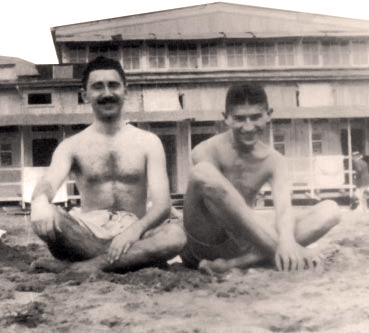
The weirdest ritual might have belonged to Franz Kafka. Every time he got ready to write, he would first do ten minutes of what was called the “Müller technique” — a series of swings, stretches, and body-weight exercises. After he was finished writing, he did another ten minutes. Did I mention that he did this naked?
Water is supposed to enhance creativity, they say. And lots of famous folks wrote in bathtubs, including Agatha Christie, Mark Twain, Edmond Rostand, and Ben Franklin, who also liked to take what he called “air baths,” where he’d sit around naked in a cold room for an hour or so while he wrote.
Woody Allen, on the other hand, is strictly a shower guy, telling interviewer Eric Lax:
This sounds so silly, but I’ll be working dressed as I am and I’ll want to get into the shower for a creative stint. So I’ll take off some of my clothes and make myself an English muffin or something and try to give myself a little chill so I want to get in the shower. I’ll stand there with steaming hot water coming down for thirty minutes, forty-five minutes, just thinking out ideas and working on plot. Then I get out and dry myself and dress and then flop down on the bed and think there.

I am writing this post today lying in bed. Lots of famous writers wrote in bed — James Joyce, Proust, Twain, and one of my favorites, Truman Capote. “I am a completely horizontal author,” Truman Capote told The Paris Review. “I can’t think unless I’m lying down, either in bed or stretched out on a couch and with a cigarette and coffee handy.”
William Styron was a real piker. He would sleep until noon, then read and think in bed for another hour or so before lunch with his wife at 1:30. He finally got around to begin writing about four. I can relate.
But let me get back to my own problems with that recalcitrant chapter. How did I finally get going again? What was the magic ritual that unlocked my creativity? There wasn’t one. After four frustrating days of typing, deleting, typing, deleting, I finally printed out the chapter and took it to my favorite watering hole here in Traverse City, Sleder’s Travern. I ordered one glass of wine and sat there and just read.
It took maybe half a glass for me to realize what was wrong. It wasn’t my ritual. It was my unwillingness to be naked. I was at a crucial point in the story when my character was facing what our own James Scott Bell called the Man in the Mirror moment, and I was pulling my punches. I was holding back emotionally in what should have been a really emotional point in my story. Maybe it was a fear of being sentimental. Maybe it was because I didn’t truly understand what had brought my character to this point. But for some strange reason I was holding back. And as Anne Rice once said, to write you have to risk making a fool of yourself.
It took me another week to get that scene right. But it’s there and it’s what it needs to be now. Sometimes, you gotta get naked.
Oh, I should finish telling you about what happened to Victor Hugo. He completed his book weeks before his deadline. He used up the entire bottle of ink. He thought about calling his book What Came Out of a Bottle of Ink, but eventually came up with a better title — The Hunchback of Notre Dame.
As a follow up to my last blog post, I wanted to point out this week’s ‘By the Book’ in the NYT in which the mystery writer, Louise Penny is interviewed (you can read the link here). It serves as a lovely contrast to the interview given by Philippa Gregory which I blogged about a couple of weeks ago. Louise Penny provides, I believe, the poised and professional tone a writer should convey in these kind of interviews. She also gives an interesting response to the question ‘Which genres do you avoid?’ stating that, while the concept of ‘genre’ can be an effective marketing tool, she doesn’t buy into the notion of genres and considers ‘good storytelling is good storytelling’.
In general I agree with this sentiment, although I do think that certain genres (particularly romance and mystery) provide more than just a marketing tool – they offer a ready-made frame of reference and conventions which an author can use to structure his or her story. These ‘genres’ also provide an eager and accessible audience/fan base. There are few mystery or romance writers who wouldn’t acknowledge the value and support provided by their genre based writing and fan communities, bookstores and conferences.
When I completed my first novel, I had no idea it would be marketed as a historical mystery so initially at least, it really didn’t conform to ‘rules’ of the mystery genre. It was my agent who first suggested making changes that would place it more squarely in the ‘mystery’ genre. Now I certainly didn’t have to take her advice, but most of the changes made sense and certainly helped make my protagonist more proactive and interesting (rather than being a sleuth in the first version of the novel, she was more swept along by events and the mystery as it unfolded). Making my novel more of a ‘mystery’ rather than simply historical fiction helped bring greater focus to both my characterization and plot and (I think) made the novel stronger as a result. Throughout it all, however, I wasn’t really hung up about the concept of ‘genre’ as I was writing.
After blogging about Philippa Gregory’s evident disdain for the concept of ‘genre’ fiction, I started thinking about whether writers nowadays even consider themselves ‘genre’ writers or whether the terminology/concept is outmoded. Good storytelling is, after all, good storytelling, now matter how a book may be classified on the shelves. So I thought I’d check in with you, fellow TKZers, to see what you thought about the concept of ‘genre’. Do you classify yourself as a ‘genre’ writer? Do you think about the conventions of your ‘genre’ while writing? When you pitch your work or publicize it do you even mention genre? Does ‘genre’ even matter these days?