by Debbie Burke
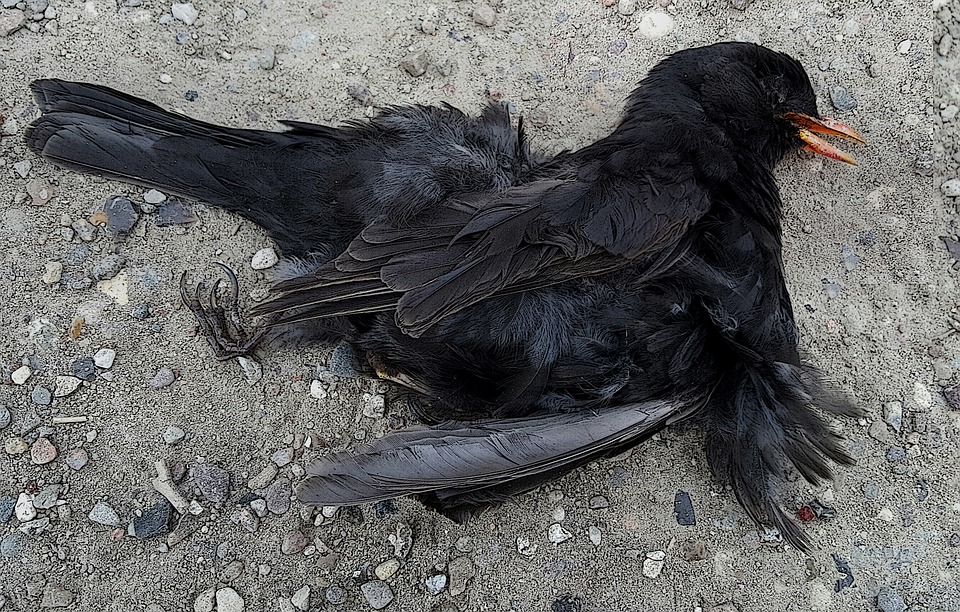
Wikimedia Commons
Please welcome today’s Brave Anonymous Author with a submission entitled Samuel’s Mine.
CHAPTER ONE
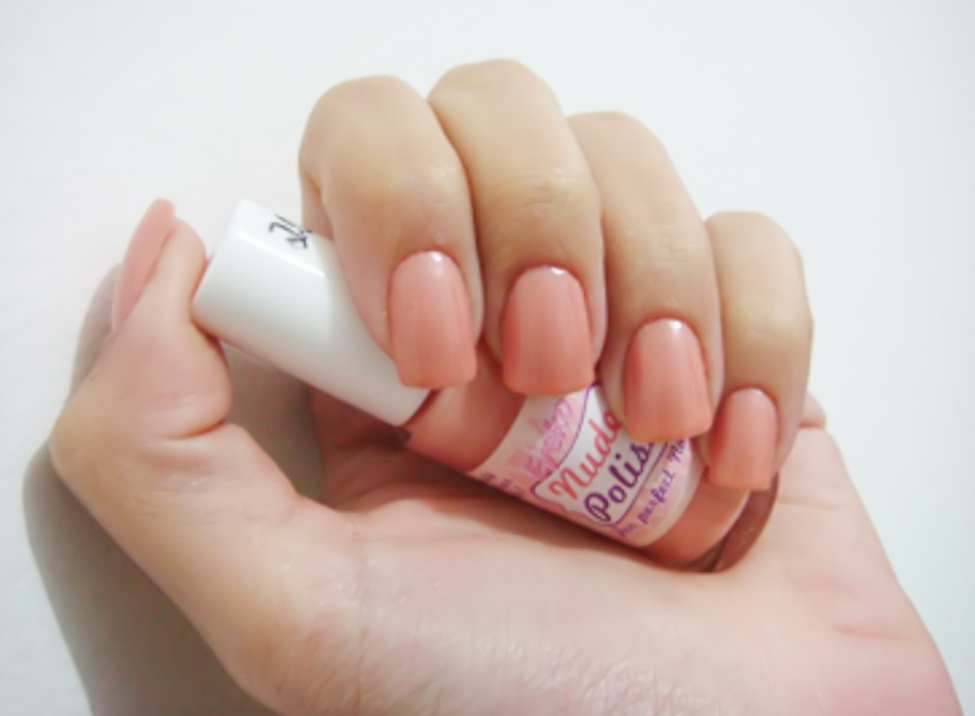
Oddly enough her fingernails were left unbroken. Each nail remained intact, as sharp and fresh as they had been right before Julia went to sleep. The bright pink polish now served as a beacon of hope in this otherwise despondent room. She looked around, unbelieving, and still trying to figure out the situation. How did she get here? Where is here? She remembered talking to Jacob on the phone. She remembered painting her nails sitting on the edge of her bed. All else was a fog, like unrecognizable shadows in the poorly lit recesses of her brain. Something was there but yet nothing.
She turned her head. Her neck seized instantly with stiff pain. Oh dear Christ! A thick perspiration began its slow descent down her forehead. She lay across the floor with a dull but growing pounding building inside her head. She rarely got headaches. I fell, she thought. The fog in her head was drifting away as her surroundings grew clearer. I fell..how could I fall? Sharp jabs of pain filled her upper body. No, No, I couldn’t have. This isn’t right. She winced while moving her head to the left. The room was dark and she could smell mildew. The perspiration slid a smooth path down her face although a chill ran through her. The fog finally lifted from her head leaving the remnants of ache and confusion. How did I get on the floor?
Her body shuttered, skin prickled, as a chilling draft surfaced. She could hear the faint shuffle of footsteps above her. Julia’s legs; however, were cramped and stiff pressed on the cold floor. In fact, the floor she was on was not a floor, but rather stones. She can see them now – large cobblestones like the ones that used to line the streets in the City. They were now biting against her body and left prickles on her skin. Goosebumps. This is not right. She scanned the room fighting the ache, unknowing where she was. Stone block walls now came into her ever-strengthening sight. And that smell was more than mildew, but what?
The thick moisture moving down from her brow found her parched lips and with a fine swoop of her tongue, Julia tasted it. At first the sheer moisture was soothing to her mouth, but shortly the taste surfaced. It was not sweat. This tasted coppery. She had her fair share of fights and busted her lip a few times playing hockey. Julia was tough and knew this taste well. It was the taste of blood.
***
Okay, let’s get to work.
At first glance, the title Samuel’s Mine doesn’t give any hints to the genre, story, or characters. Until the reader knows who Samuel is, it’s hard to determine if this is an effective title. It strikes me as vague and not that interesting. And it certainly seems on the tame side for the creepy scenario painted on the first page, which signals dark suspense or horror.
Julia, of unknown age, evidently had a bad fall she doesn’t quite remember and wakes up in an unfamiliar chilly basement that smells of mildew. She’s lying on a cobblestone floor, apparently can’t move, and is bleeding from a head wound. She hears footsteps above.
What sets Julia apart from many other stories that start with a similar setup?
Pink polish on unbroken fingernails.
Brave Author, your instincts are good to include vivid, specific details in your first paragraph. The reader easily sees Julia sitting on the edge of her bed, painting her nails and talking on the phone with Jacob. Then Julia evidently loses consciousness. She wakes up disoriented and is amazed that her nails aren’t broken.
The second and third paragraphs offer descriptions of her pain, confusion, and cold. A fair amount of overwriting and repetition could be cut and condensed.
More important, creepy descriptions will only hold the reader’s attention for a limited time. Compelling action is necessary to move the story forward. More about this in a moment.
A number of odd, awkward, or incorrect word choices jarred me. I sense the author is trying too hard.
Otherwise despondent room – Despondent describes an emotion that Julia feels but the room doesn’t. Maybe “desolate” instead?
Her neck seized with stiff pain – Is the pain stiff or is it her neck?
Thick perspiration – “thick” distracted me, although you later explain it’s not sweat but blood.
Shuttered – should be “shuddered.”
Lay across the floor – sounds awkward.
Growing pounding building – watch out for three words in a row ending in “ing”
Prickled, prickles, and goosebumps – repetitive.
Julia’s legs; however, were cramped and stiff pressed on the cold floor. In fact, the floor she was on was not a floor – repetitive. Replace the semicolon with a comma.
…but rather stones. She can see them now [tense change] – large cobblestones like the ones that used to line the streets in the City. – Repetitive. Also, suggest you use this opportunity to specify which “City” so you convey more about her background as well as her possible location.
The thick moisture moving down from her brow found her parched lips and with a fine swoop of her tongue, Julia tasted it. At first the sheer moisture was soothing to her mouth, but shortly the taste surfaced. – Odd phrasing. How does a tongue make a fine swoop? How does a taste surface?
She had her fair share of fights and busted her lip a few times playing hockey. – Another excellent specific detail that characterizes Julia.
The first 400 words basically set the scene and don’t give much insight into Julia’s character nor the conflict. So far, it’s a helpless-female-in-jeopardy trope. Her reactions are generic fear.
However, the details about her pink fingernails and familiarity with hockey and fighting make Julia real and relatable. I suggest you include more specific details like that.
The biggest problem: Where is the action?
The author actually submitted about 1400 words that revealed additional clues about the story’s direction that were not found on the first page. I suggest you cut repetitious descriptions of Julia’s cold, confusion, and pain, and instead move to the action sooner.
I took the liberty of rewriting (in red below) to incorporate developments that didn’t show up on this first page but did occur later in the submission.
Oddly, Julia’s fingernails weren’t broken—bright pink, as sharp and fresh as when she’d painted them, sitting on the bed before she went to sleep. Yet now she lay on a cold floor, cramped with pain, in a dim room, hemmed in by stone block walls. She smelled mildew and a faint odor of something else.
When she tried to look around, spasms seized her neck. A draft chilled her bare legs, her nightshirt pulled up to her panties. Her pink-tipped fingers traced the rough contour of the floor—cobblestones, like old streets in London.
I fell…how could I fall? Unrecognizable shadows clouded the poorly lit recesses of her memory. She remembered talking to Jacob on the phone but after that, nothing.
Wet warmth flowed down her face. When it reached her parched mouth, she licked it. Not perspiration. Blood. She recognized the taste from split lips she’d endured while playing hockey. And from fights. She touched a raw, pulpy spot on her skull. The wound was bleeding badly.
Footsteps creaked on the wood planks above. “Daddy?” she pleaded, her whisper harsh and scratchy.
Through foggy vision, she made out a dark corner where a propane cylinder sat on a table with other tools she didn’t recognize.
Above, a door opened and footsteps clomped down the stairs. She tried to see who was coming but pain froze her. She squeezed her eyes shut, fighting tears.
A new smell, earthy and ripe, familiar yet not. Coal River Farm. The petting goats. Julia and her parents feeding the animals.
When she opened her eyes, a tall, lean man in dirty jeans and boots was walking to the table. Not her father.
“Where am I?” she croaked. “What do you want?”
“Shut up, sow.” He picked up the propane cylinder and a long thin rod.
Terror prickled her senses. She had to fight, run, escape. But when she struggled to stand, her legs felt too weak, too heavy. “Let me go, please. I won’t tell anyone.”
He stood over her, staring down with piercing brown eyes. “How old are you? Nineteen, twenty?”
“Twenty-two.” Tears rolled down her cheeks. “Why do you care?”
“Ah, twenty-two. You’re ready.”
“For what?” She shivered in the chill of her own blood that now soaked her nightshirt.
He pulled a lighter from his shirt and lit the propane torch. A long blue flame shot out. “The culling.”
***
Print out these early pages and read them aloud. When you’ve repeated the same description several times—for example, how cold Julia is—choose the strongest way to say it and cut the others.
When you stumble over a sentence as you read aloud, that signals a place that needs smoothing out.
Take several different color highlighters. Assign one color to each element of the scene. For instance, orange for setting, blue for characterization, green for description, red for action. Once you’ve identified and marked up the scene in a tangible visual way, it’s easy to see where there’s too much emphasis on one aspect and too little of another. You can then work to play up the most important parts–action and character–to engage the reader.
Brave Author, there is a lot of scary promise in this story. Thanks for sharing your work.
TKZers, any helpful ideas for today’s Brave Author?

 “If you don’t have time to read, you don’t have the time (or the tools) to write. Simple as that.” ~ Stephen King