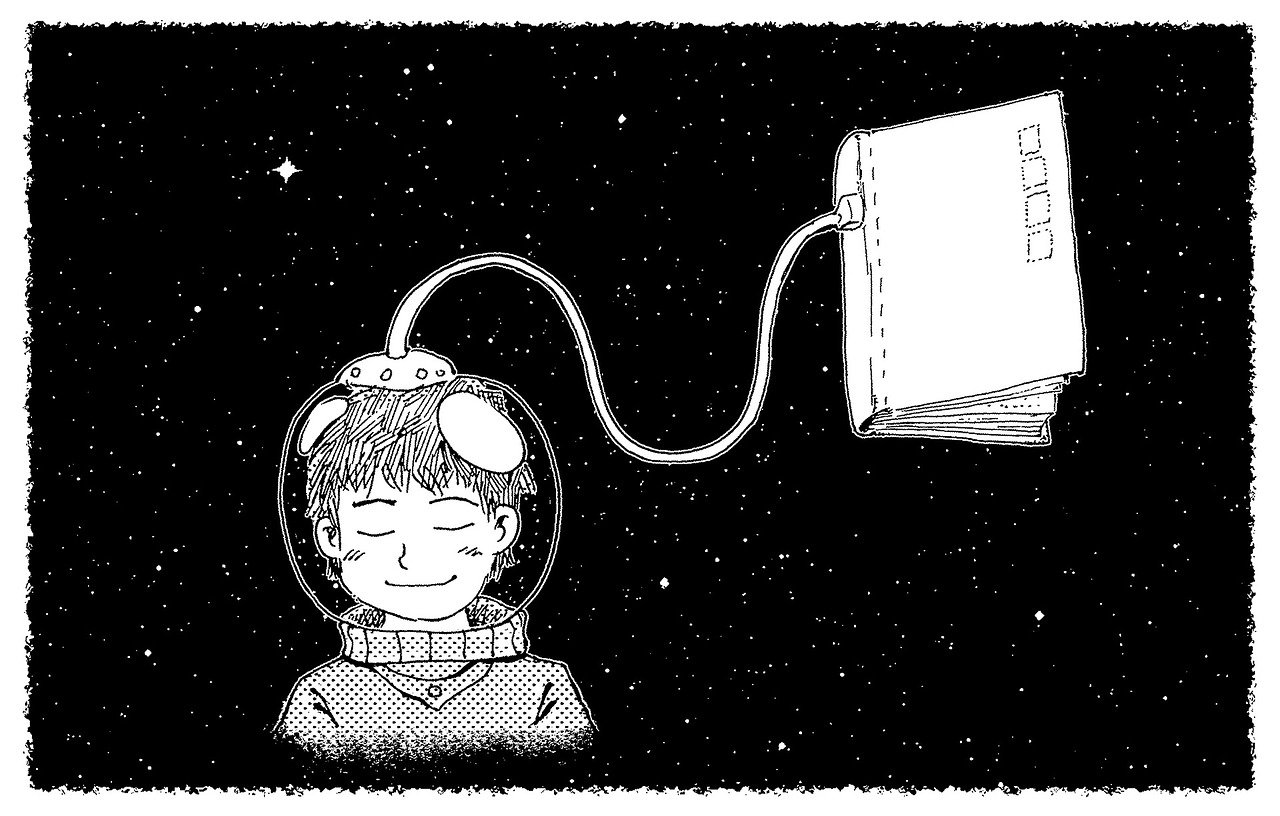
Things I’ve learned about setting a book in real places, especially distant ones.
When the Hubster and I decided to celebrate our 50th anniversary with a trip to the British Isles, of course I had “book” in the back of my mind. However, an international setting wouldn’t have worked with any of my existing series, and since I never plot in advance, I decided to enjoy our tour, taking pictures and notes of what we were seeing and doing and just wait and see what might bubble to the surface.
Our trip began in Northern Ireland with a visit to our daughter, who had pointed out that she moved there 12 years ago and we’d never visited. From there, we had a couple days in London where I got to meet one of my critique partners face to face for the first time. Given we’d been in our little group for about 15 years, that was another “it’s about time” moment.
From there, we visited Scotland, and then Ireland. When we got home, I decided I’d write a short and sweet romance. Write it quickly, understanding that it’s not my true “brand” but that I had to publish something to justify writing off at least part of the trip.
Well, I soon discovered I’m not a short and sweet romance author, and mystery elements insisted on working their way into the story. What I ended up with is Heather’s Chase: an International Mystery Romance which is closer to my brand, although it’s a stand alone and still a bit of a one off. Nevertheless, it was an educational experience.
My Tips
Less is more. My first drafts went into phenomenal detail about absolutely everything. Airports. Train stations. Hotels. Food. All the places we stopped, what we saw on the drives. Given we were traveling for well over two weeks, that would have been a LONG book. A sense of place is good. Overwhelming readers is not. I had to keep reminding myself to make sure everything related to the plot and characters. I wasn’t writing a travelogue.
Stay true to time. Readers familiar with the area will know that you can’t get from A to B in two hours, or that when you’ve had your characters on their bus for five hours, it’s really a twenty-minute drive.
You’ll always miss something. Unless you’ve got your plot mapped out before your trip, once you start writing, you’ll have a scene to write and—lo and behold—you missed taking a picture, or didn’t take the right notes. I spent a LOT of time on the internet rechecking facts, looking at maps, and refamiliarizing myself with some of the attractions we visited. If I couldn’t find exactly what I needed, I reminded myself I was writing fiction—another reason not to name real places. On the occasions where my characters were eating in real, named places, I made sure I had pictures and menus. Same for attractions.
Don’t make up real stuff. One of the reasons I made this book a stand alone was because our trip didn’t include visits to police departments (although I snapped a picture of a vehicle in Ireland, “just in case”). Also, it would be unrealistic for my American characters to have any access to law enforcement in several different countries.
Be nice. I also opted not to name the specific hotels or restaurants (mostly). For one thing, it gave me the freedom to change the décor, layout, amenities, or the restaurant menus. And, if something “bad” happened, I wasn’t going to incur the wrath of those establishments.
It’s about flavor. Although my characters didn’t visit Northern Ireland, I did include a character from the same town we’d visited when we stayed with my daughter. I made sure she vetted all his dialogue. For example, people in Northern Ireland use the word “wee” as a meaningless adjective. I was asked for my wee credit card, given a wee receipt, offered a wee bag for my purchases. My British critique partner was very helpful with vocabulary as well.
All in all, I had a great time ‘revisiting’ my trip to the British Isles while I was writing the book, and being able to incorporate my experiences into Heather’s Chase.
Want to see more pictures? Click on the book cover below, then scroll down to “Special Features.”
Terry Odell is an award-winning author of Mystery and Romantic Suspense, although she prefers to think of them all as “Mysteries with Relationships.” Follow her on Facebook andTwitter.
Please welcome today’s Brave Author who submitted Murder for the Sleep Deprived – a dark comedy mystery.
Enjoy this excerpt then we’ll discuss.
~~~
NOW
Kevin Mills-Greene wasn’t a nice young man when he was alive.
He wasn’t exactly any nicer when he was dead, either.
The sun was beating down and reflecting off the pool in the Harding’s back garden, the sky a swathe of pale blue that was dotted with fluffy clouds, as the dappled sunlight fell through the leaves of the trees that brushed the edges of the garden.
Nice weather.
The sort of weather that the first thing you’d think as you sat down outside would be – “Ah, this is lovely.”
The weather was nice the morning after Kevin Mills-Greene was murdered, even if he wasn’t. The teenager was lying on his back, unblinking, unmoving, and utterly, entirely dead. To be fair, dead people aren’t exactly famous for moving and blinking. You mustn’t hold that against him.
The twitching of a curtain from inside the Harding household.
No blood-curdling scream.
Not yet.
The grass was soft and a luscious emerald shade – the entire garden practically radiating elegance, overlooking the corpse – even the small shed in the corner has neatly painted a shade of chestnut brown, the brightly colored plastic bottles creating as stained glass effect through the frosted windows as the sun reflected through. The burnished wood of a bench under the cover of a tree glinted in the sunlight.
One of those rare, perfect days; the kind of day that makes people forget to worry.
Perfect and worry-free, for everyone except Kevin Mills-Greene, obviously.
The buzzing of flies was a thick blanket of sound as they swirled like a rain-heavy cloud around the body, the twittering of birds in the trees overshadowed. The flies crept over his stiff limbs, his purpled, blueish skin mottled and paling.
Believe it or not, Kevin had been a relatively handsome young man.
~~~
The Brave Author categorized this as a “dark comedy mystery” and it certainly fills the bill. The ironic, understated humor has a tone that might be British. The idyllic description of the Harding yard and lovely weather contrasts effectively with the ugliness of the crime. A beautiful, peaceful setting is not where you expect to see the dead body of a teenager with flies feasting on him. That juxtaposition works well because it’s unexpected and surprise is a necessary component of humor.
Title: Good job! It caught my attention, which is a title’s main task. It establishes the genre and tone and piques the reader’s curiosity. Who’s sleep deprived and why? How does that connect to murder?
Time period:Now indicates a contemporary story.
First line: We’ve talked at TKZ about starting a story with a body.
It’s an attention grabber.
But it’s also a risk because the reader doesn’t know anything about the character yet. At this point, he is a two-dimensional being without personality, loves or hates, flaws or strengths. Why should the reader care if he’s dead?
However, I think the author pulled it off because of the intriguing opening line:
Kevin Mills-Greene wasn’t a nice young man when he was alive.
Why does that line work? It immediately raises a reader’s curiosity. Why wasn’t he a nice young man? Why is he dead?
What not-nice thing did he do that provoked someone to kill him? Who was that person?
There’s a hint at revenge, a very human, relatable theme for anyone who’s ever dreamed of retribution against somebody who wronged them. If this is a story of the ultimate comeuppance, what motive is behind it? How did an angry thought turn into murder?
The author took a risk and I think it paid off. I’ll keep reading to find those answers.
Point of View: The author took another risk here. The POV is omniscient which is difficult to pull off successfully. An all-seeing being floats above the scene and describes it, directly addressing the reader:
…the first thing you’d think as you sat down…
and
You mustn’t hold that against him.
Many readers dislike when an author uses “you” and talks directly to the audience. Personally, I don’t mind it. But it’s a matter of taste. In the comments, maybe TKZers will weigh in if they like “you” or not.
Back to the omniscient POV. Here, it sets the scene and gives context that would not otherwise be known to the reader. The narrator informs the reader that Kevin was not nice. How does s/he know? Is the narrator the god of the story issuing divine proclamations with dark wit? Or will the narrator soon become a character in the play?
Omniscient is not a popular choice for POV because readers don’t identify with a detached voice. They generally want to get inside the skin of characters, to experience the senses and emotions more directly. Omniscient is also difficult to sustain through an entire book.
This may be an introductory chapter where the problem is laid out, similar to the stage manager in the play Our Town. In this submission, perhaps the narrator makes the introduction then steps back and turns the rest of the story over to the characters and their POVs. If handled well, that could be an effective technique.
Does this POV work for the first page? Because of the humor, I think mostly it does. But the author should be wary of trying to maintain omniscience through the rest of the story because of the reasons mentioned above.
Here’s my biggest problem with the submission:
Where’s the body?
The statement about Kevin’s death is immediately followed by a detailed description of the pool. That led me to believe the body was floating in the pool, like William Holden at the beginning of the classic film Sunset Boulevard.
But, in the sixth paragraph, Kevin is lying on his back. That stopped me because generally bodies float face down in water. That sent me on another false trail: why is he floating face up?
In the tenth paragraph, there is a detailed description of a lush lawn and a beautifully landscaped back yard.
Okay, does that mean the body is lying on the grass?
No, wait.
The next sentence reads:
…the entire garden practically radiating elegance, overlooking the corpse.
How is the garden overlooking the body? Does the garden have eyes? Or is the body lying below the garden? If so, where? What or who is overlooking?
The last paragraph is a good, vivid description of the thick cloud of flies around the body.
But…I’m still not sure where the body is.
The author led me to several assumptions that turn out to be wrong. After going down false trails, I feel disoriented. Now I don’t quite trust the author. Do I really want to embark on a journey deeper into this book when I’ve been misled?
I don’t believe this was intentional misdirection on the author’s part. More likely, s/he saw the scene vividly in his/her head but something got lost between brain and keyboard. It happens to all of us!
Details: The twitching curtain raises the reader’s curiosity more. Who’s behind the curtain? Why doesn’t s/he react to the dead body? A blood-curdling scream is foreshadowed. These all increase tension and suspense. Well done.
There are several passages of detailed description of the setting–the shed, colored bottles, the burnished wood bench glinting in sunlight. Do these details play a significant role in the murder? If not, readers may become impatient because they want to know more about Kevin’s death.
…even the small shed in the cornerhas [typo-should be was] neatly painted a shade of chestnut brown, the brightly colored plastic bottles creating as[typo-should be a]stained glass effectthrough the frosted windows as the sun reflected through[repeated word]. The burnished wood of a bench under the cover of a tree glinted in the sunlight.
How much detail is enough? How much is too much that bogs down the story? This is a tightrope for authors. Because the author does a good job seducing the reader with the title and first line, I hope these details have significance.
But, if they’re not important, would the space be better used to describe what killed Kevin? Gunshot? Rodent poison? Garden trowel? Unknown cause?
Beware of –ly: In one page, I counted nine modifiers that ended with –ly.
Perhaps it’s a stylistic choice but they occurred often enough to be distracting.
Precision of language: The word choices sometimes don’t work.
…dappled sunlight fell through the leaves
Fell doesn’t accurately describe rays of sun.
I already mentioned the garden overlooking.
The twittering of birds in the trees overshadowed…
Does that mean the twittering overshadowed? Or the trees?
Small punctuation nit:
…the first thing you’d think as you sat down outside would be – “Ah, this is lovely.”
Normally, quotation marks are used for spoken dialogue. Since this line describes a thought, what if you use italics instead, like this:
…the first thing you’d think as you sat down outside would be: Ah, this is lovely.
Humor: For humor to work well, it needs to be tack-sharp and spot on target.
The narrator’s statement:
One of those rare, perfect days; the kind of day that makes people forget to worry.
Perfect and worry-free, for everyone except Kevin Mills-Greene, obviously.
Since Kevin’s dead, he’s free of worries, so the line doesn’t quite work.
Here are a couple of suggestions but you can do better:
Perfect and worry-free. Kevin was no longer perfect but his worries were certainly gone.
Or:
Perfect and worry-free. At least, until the discovery of Kevin Mills-Greene’s body.
Overall, the Brave Author did an excellent job of teasing us. The reader wants to learn why Kevin wasn’t nice. Who is looking out from behind the curtain? Why the lack of reaction to a murder?
The fixes are small: sharper wit, more precise word choices, and pinning down the actual location of the body.
I’ll be interested to hear how the author handles POV through the rest of the story.
It’s seems a while since I did a first page critique (though it probably isn’t) but time this year has been running in very strange ways – but it feels good to get back down to the nitty gritty of what makes a first page work. Today’s submission, ‘Oh By The Way’ provides a great introduction to the role of humor and setting the tone for a POV right from the start. Enjoy – my comments follow.
Oh By The Way
I didn’t go out with a bang. It was more of a thud. When the car hit me, all I could think was, “Oh, great.” My body lifted ridiculously out of my shoes on impact, then fell to the ground so quickly that the rest of me didn’t follow. Thud.
I watched my crumpled body from above and thought, “I’m going to be late for work.” I floated higher into the London sky, past the smog and into the clouds before realizing the whole cartoonish scene had been my death. “Lovely,” I folded my arms across my chest and rose into the heavens a bit pissed off.
Without any transition at all, I found myself standing in front of a bland sort of train station. It sat under a hazy orange sky surrounded by nothing at all. I turned in all directions and noted not a tree or a bird. The only sound came from my shoes crunching tired-looking pebbles beneath my feet.
“Well, my shoes are back. That’s clever,” I thought. But, the rest of it was quite disappointing. I mean, there was no ceremony to it. I didn’t exactly expect trumpets, but a kazoo perhaps could have been spared.
I let out a frustrated giggle and noticed a card hanging from my neck by a lanyard. It had a mortifying picture of me with an astonished look on my face and the words “DISTRACTED DRIVER” bolded in red.
“Bloody hell,” I said out loud.
My ears perked at the sound of pebbles crunching to my right as a plump little woman came walking toward me out of seemingly nowhere. She reminded me of my middle school English teacher, except with better shoes.
“Oh, my dear,” she reached her hand out to me and I awkwardly took it. “How are you?” she asked.
“Incredulous,” I blurted out. I was still gripping the photo around my neck and lamely held it up to her. “I was a pedestrian, not a distracted driver,” I said. As if getting my name tag right was what really mattered.
“Oh, not to worry. That’s just a conversation starter,” the woman smiled.
The sound of footsteps suddenly surrounded us on all sides. Beings began taking shape out of the orange haze and we were no longer alone.
General Comments:
I enjoyed this first page for its breezy tone and humor, setting the scene (I assume) for a story set in some kind of afterlife. My favorite line – ‘I didn’t exactly expect trumpets, but a kazoo perhaps could have been spared.’ – provides a great illustration for how a POV can really come to life in just one sentence. This first page was a little less successful in other ways – mainly because of some uneven writing and lack of real imagery (there seemed to be a lot of non-descriptions like ‘bland train station’ or ‘not a tree or a bird’ which didn’t really add much to the story). Given that most of my specific comments are more directed at these kind of issues, I’ve copied the first page below with my notes embedded, as this illustrates what I’m trying to say a bit better. Despite these issues, though, I do think that this first page has a lot of potential. Starting with an ‘out-of-body’ death experience has been done before, however, so I would urge the writer to really hone those humor skills and make every word, in every sentence count. I love the Douglas Adams style of humor, which is hard to pull off, so overall I think with some more revising, this could be a very successful, wryly funny, first page.
Here is the version of this first page with my specific comments embedded in bold:
Oh By The Way [odd title but could work]
I didn’t go out with a bang. It was more of a thud. When the car hit me, all I could think was, “Oh, great.” My body lifted ridiculously out of my shoes on impact, then fell to the ground so quickly that the rest of me [bit awkward as reader left wondering what is the ‘rest of me’ is if not the body…maybe say my consciousness or my brain or my thoughts?] didn’t follow. Thud.
I watched my crumpled body from above and thought, “I’m going to be late for work.” I floated higher into the London sky, past the smog and into the clouds before realizing the whole cartoonish scene had been my death. “Lovely,” I folded my arms across my chest and rose into the heavens a bit pissed off. [this works well! Like the tone/POV]
Without any transition at all [clunky], I found myself standing in front of a bland sort of train station [?? bland feels like a non-description that doesn’t add anything] . It sat under a hazy orange sky surrounded by nothing at all [except a colored sky…so this seems again more of a non description]. I turned in all directions and noted not a tree or a bird [so why say this? Again doesn’t add anything]. The only sound came from my shoes crunching tired-looking pebbles beneath my feet [so there are pebbles – not nothing at all].
“Well, my shoes are back. That’s clever,” I thought. [I’m assuming the narrator is also dressed – maybe an observation about clothes would also help reader visualize the person] But, the rest of it was quite disappointing. I mean, there was no ceremony to it. I didn’t exactly expect trumpets, but a kazoo perhaps could have been spared. [Love this line!]
I let out a frustrated giggle [I can’t visualize what that looks like…] and noticed a card hanging from my neck by a lanyard. It had a mortifying picture of me with an astonished look on my face and the words “DISTRACTED DRIVER” bolded in red.
“Bloody hell,” I said out loud.
My ears perked at the sound of pebbles crunching to my right as a plump little woman came walking toward me out of seemingly [redundant] nowhere. She reminded me of my middle school English teacher, except with better shoes. [nice line! Love the repetition of shoe issue]
“Oh, my dear,” she reached her hand out to me and I awkwardly took it. “How are you?” she asked.
“Incredulous,” I blurted out. I was still gripping the photo around my neck and lamely held it up to her. “I was a pedestrian, not a distracted driver,” I said. As if getting my name tag right was what really mattered. [love this line too – clever way of giving insight into character]
“Oh, not to worry. That’s just a conversation starter,” the woman smiled. [love this!]
The sound of footsteps suddenly surrounded us on all sides [awkward]. Beings began taking shape out of the orange haze and we were no longer alone. [Again feels more like a non-description. I would like something to visualize as a reader]
Hope this feedback helps – TKZers, what do you think? What suggestions do you have to our brave submitter??
In last week’s post I mentioned I would be driving all day, and that was quite true. Mrs. B and I needed to get out, get away, do something different. Cindy suggested we motor to the Grand Canyon, just to spend a day looking at something big, majestic, unsullied and quiet.
Turns out my wife’s instinct was right on the money. Scientific research suggests that several benefits flow from the experience of awe—“from happiness and health to perhaps more unexpected benefits such as generosity, humility, and critical thinking.”
In The Nature Fix: Why Nature Makes Us Happier, Healthier, and More Creative, Florence Williams emphasizes the need to get away from anthrophone. This refers to the soundscapes created by things like cities, cars, planes, machines, lawn mowers, sirens, neighbors with a teenager who is taking up the drums, and such like. The thing is, that noise goes into our brains and triggers our “fight or flight” receptors. Over time this can create chronic stress, a very real danger to our collective health and well-being.
On the other hand, natural sounds like a gentle breeze, flowing water, and singing birds are interpreted by our brains as relaxing and rejuvenating. In this state we are more creative and less hostile toward other human beings (hmmm…maybe people should only be allowed to tweet when in a forest).
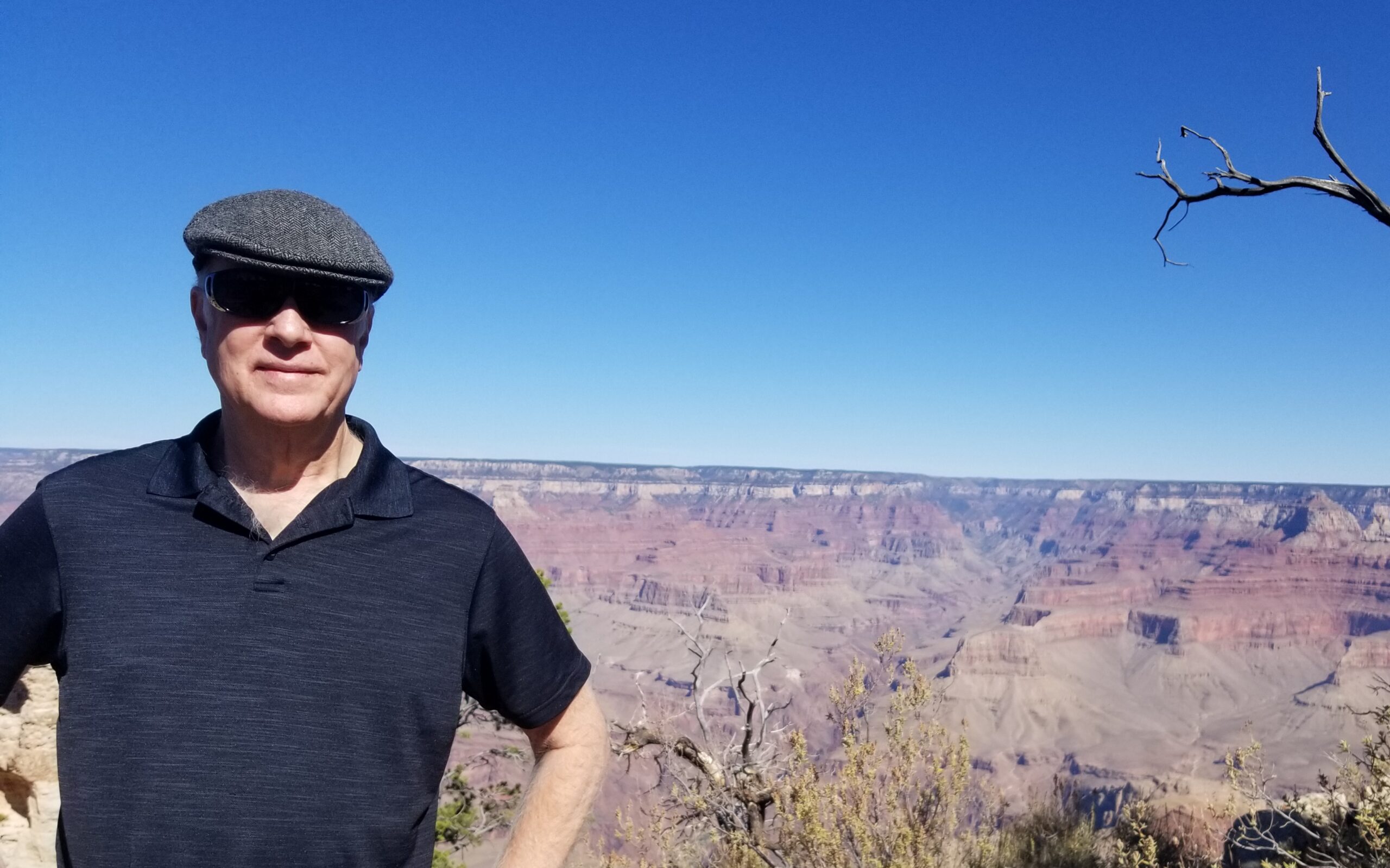
Photo by JSB
The Grand Canyon is something to behold. If you’ve never been there, put it on your bucket list. Plan to spend at least four hours just looking at it. You can drive to various viewpoints, or take a shuttle bus tour, a helicopter flight, or even ride a mule for an overnight stay at the bottom. We opted for the viewpoints.
Grand Canyon = Awesome. Good for the soul.
Writing awesomely = Good for the reader.
What does it mean to write awesomely? At the very least, it means giving your readers more than a by-the-numbers story. Help them feel something beyond numbers. Tap into the inspirational. After all, that’s what the great myths were for. A hero overcomes tremendous odds so that we, the audience, might exhibit the same courage on our own journey through life.
Heracles kills the Hydra. He does so with a mixture of courage, strength and thought. Since cutting off one of the Hydra’s heads means two more heads replace it, Heracles has his nephew, Iolas, put a torch to each cut to cauterize it. And thus he dispatches the monster. Hey, maybe you can do the same when it seems your bills are like Hydra’s heads.
Or maybe you face a seemingly insoluble problem. If you approach it wisely, like Theseus in the Labyrinth, you can kill your personal Minotaur and find a way back to the world.
In our modern storytelling, we have mythic heroes of various stripes teaching us valuable lessons. Charlotte Vale (Bette Davis) in Now, Voyager, shows us that inner strength and beauty can be developed even under the worst of circumstances. Atticus Finch teaches us that sometimes a losing battle is morally imperative. Heck, even Dirty Harry Callahan shows us that sometimes you have to do whatever it takes to save the innocent—especially a busload of children in the grip of a mad killer. Do you believe that? “Well do ya, punk?”
Driving home with Elixir in the trunk.
So one of the ways to be awesome is to be intentional about the meaning of your story. In my book, The Last Fifty Pages, I talk about the idea of a “life lesson learned.” My friend Chris Vogler, in The Writer’s Journey, calls this the “Return With the Elixir.” It’s what takes a story from tale to myth, from entertainment to exaltation. Why not go for it, every time out?
To prepare, take a little time each day to get away from the anthrophone. There are abundant apps and sites with nature sights and sounds. A fifteen-minute break every now and then seems almost a health mandate these days. So get quiet, forget about Twitter, and maybe the boys in the basement will mix you some elixir.
What is awesome to you? What natural sites have lifted your soul?
What works of fiction have elevated you, given you a takeaway that is more than entertainment?
“Give the best part of every day to yourself. Get up early and write if you can. Once you’ve put words to paper, you’ve conquered the day. Then you can put bread on the table and beer in the icebox.” — Jack Dann
Do you have a best time to write? Are you able to get there consistently?
The day is lovely and you’re out for a walk in the fresh air and sunshine. Homes, stores, buildings, and traffic intersections are far away and so are security cams. You think you’re by yourself (except for the smartphone in your pocket that constantly broadcasts your location).
There, up in the blue sky, you spot a dove circling above you as it floats and dips on wind currents.
Except…it might not be a bird.
Surveillance drones masquerading as birds have been around for almost a decade (that we know of!).
In China, the Northwestern Polytechnical University Dove Program has flown to new heights. Weighing in at seven ounces, with a wing span of 20 inches, the Dove drone is indistinguishable in size from a real bird. It is also nearly silent and virtually undetectable, even by radar.
“Each of the drones has a built-in high-definition camera, a GPS antenna, a flight control system and data link with satellite communication capability.”
The “birds” are lifelike enough to fool real birds. The same article reports:
“…these robotic birds can go undetected in the presence of other animals, with some birds even flying alongside them.”
China is using Dove drones for domestic surveillance and law enforcement.
“The AI [artificial intelligence] in the robotic bird allows it to fly completely unaided, whilst taking measurements allowing it to compensate for the wind and to avoid other objects. If the camera detects something, the bird can simultaneously interpret this data and it will lock onto anything it perceives to be ‘suspicious’.”
AI Daily goes on to say:
“Cameras will no longer just record video, they will autonomously analyse and interpret the footage live…
After a sufficient amount of this data has been inputted, [web platform] Ella’s AI will be able to autonomously detect criminal activity and will be designed to subsequently alert the police.”
In other words, a fake bird may soon make decisions whether or not someone is arrested for an alleged crime.
Hmmm.
~~~
TKZers: What plot can you conjure where a “bird” is watching?
Can you think of ways to trick such surveillance? (asking for a friend)
~~~
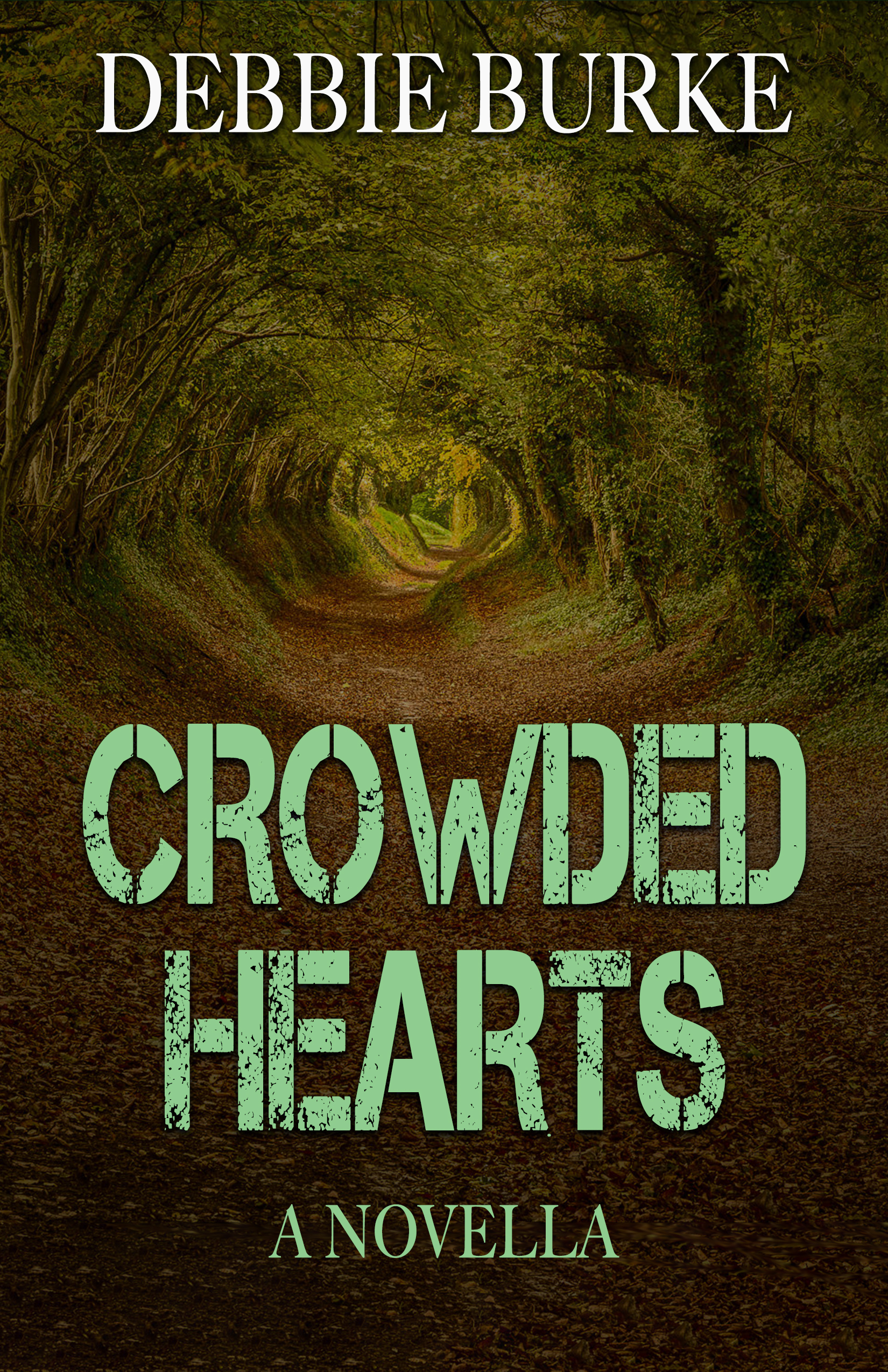
No crime? No murder? What the heck is Debbie Burke doing in her new novella? Check out Crowded Hearts for only $.99 at this link.
When I was in high school, dreaming that one day I might write a novel, I studied books that I loved. I tried to see beneath the skin of the words, and into the musculature of the characters and the skeleton of the plot. I wanted to figure out how the writer turned spots on the page into real emotion.
In April Morning by Howard Fast, 15-year-old Adam Cooper stands on the green in Lexington, Massachusetts, a squirrel gun in his hands on the morning of April 19, 1775, shoulder-to-shoulder with his neighbors and his disapproving father. They face down the column of British regulars who were sent to seize their weapons, and the slaughter begins. Initially, the American lines scatter, but then they reorganize and the remainder of the novel is about the running gunfight that is now the stuff of American legend.
Then the story shifts. In the final scene, with the day won by the colonists, Adam returns home filled with adrenaline and fear and excitement, to find his father’s body laid out on a table in the parlor. He was one of the first to fall. In that moment, Adam realizes that everything has changed. At 15, he is now the man of the house. The earth’s axis has shifted, and will never be right again. It was a very emotional ending for me. I have not read that book in over 40 years, and that moment still resonates with me.
Even at the time, I understood that very little of the emotion was on the page. “He felt sad” or a similar phrase didn’t appear anywhere in the prose. The author had ripped my guts out, but the words that did it weren’t in the black part of the printing. The emotion resided in the white space, in the words that weren’t written. The emotions were in my head.
Other books that had that effect on me include Lord of the Flies, Charlotte’s Web, To Kill A Mockingbird and many others. How did the authors manipulate me that way?
I don’t think there’s a formula to follow, but there are some thoughts to keep in mind:
Earn it. Emotional release requires emotional investment. No reader weeps for the person killed in Chapter One of a murder mystery. We don’t know the identity of the decedent, and even if we get a name, we still don’t have an emotional bond.
In April Morning, the clash on Lexington Green occurs on page 100 of the edition I read in high school. In the lead-up, we establish that Adam Cooper is a lazy boy who shirks his chores and clashes frequently with his father. After the first volley from the British, Adam runs for cover, a coward. Over the course of the story, he is driven to fight by the sight of so many friends and townsfolk dying, and then by the end of the novel, he is positively valiant. Upon returning home, he realizes that no one wants to hear of his gallantry in battle. Father is dead. That is all that matters. He realizes that he is alone in many ways, and that he can no longer be the boy that he is.
The emotion of the ending was earned by the emotional journey of the character. Because I experienced his journey, I felt his pain.
Keep the emotions locked down. In fiction, emotional release is boring. Drama lives within a character’s efforts to keep his emotions in check–to plow forward despite the pain. We’ve seen it at funerals as sons and daughters struggle to get through their eulogy, and we’ve seen it on the opposite end of the emotional spectrum–the pure joy of those surprise reunions in classrooms as dads and moms return from military service.
We know it when we see it, but how do we reduce it to words on the page?
Remember the white space. Trust yourself and trust your reader. If you’ve built their character well the reader won’t need your words to understand.
Here’s a true story from my own life that had immense impact on my writing (and yes, sorry, it’s another fire service story).
Very early in my career–I was maybe 24 years old–I was the officer on the ambulance for a particularly awful pediatric fatality. It came in late in the evening, and I didn’t get back to the firehouse till the wee hours. Everyone else was asleep. I went to the bunkroom and tried, but sleep was not in the cards so I went downstairs to the kitchen and poured myself a cup of coffee that could have doubled as ink. I wasn’t feeling particularly morose, but I’d seen things and done things that I needed to sort out.
Then Big Dave Millan walked into the kitchen, barely awake, his hair a swirled mess. Big Dave was a career guy–a paid firefighter–and he was probably in his 50s at the time. He was the grizzled no-shit fire dog who had done it all and was very good at everything. Early on, I was kind of terrified of him.
Big Dave poured himself a cup of rancid brew and sat on the opposite end of the long kitchen table. He didn’t say anything and neither did I, but he was there. He glanced at me a couple of times, but mostly he just stared down at his cup. After about ten minutes, he dumped the coffee, rinsed his cup and headed back to the bunk room. As he passed behind me, he gave my shoulder a squeeze and he patted my back. Just a quick tap. I took it as a silent, You’re okay, kid. We never spoke of that moment, but it was one of the most caring, special gestures I’ve ever experienced.
I tap that moment with Big Dave frequently as I’m writing what I hope are quietly emotional scenes. If there is a trick–if there’s a way to boil this down to words of advice–I guess it is to be honest with your reader. Tap that vein of memory and let the emotion flow into what you’re writing.
And, as with all things writing related, less is almost always more.
Okay, TKZ family, what are your thoughts? What scenes have gut-hooked you? How do you harness emotion as you write?
As I’ve often said here, I am not well read in YA fiction. In my day, A Separate Peace was the big young adult hit, and I recall really liking S.E. Hinton’s The Outsiders. And a couple years back, stranded in a vacation house, I plowed through three Harry Potters and liked them all. But anything newer or edgier than that, well, I’m at a loss.
That caveat thrown out there, I offer today’s First Pager, and suggest that I have to judge it purely on its own merits as successful storytelling for any age group. And pose the question: Is Lord of the Flies seminal YA? Back in a flash…
Prey For Love
Sean
Eddie passes out before I can dive into the official breakup convo. Now he lies, naked, sprawled on his unmade twin bed that never felt big enough for two. Loud snores fill the apartment while I hunt through his ramshackle studio trying not to forget any small scraps of my life. Once I leave I’ll never be back.
It would be easy to lose something important amidst the piles of record albums, turntables, and DJ equipment—including three giant disco balls—that clutter his tiny apartment. Luckily I didn’t arrive with much.
“Goodbye, Eddie,” I whisper as I brush a lock of hair from his handsome brow.
It wasn’t supposed to end like this. My first summer love. My first serious love. My first shattered heart. Four months ago I thought I’d I’d never had a boyfriend. Ever. I mean, I’m no catch.
Antisocial? Hell, yeah. I’d rather snuggle with a book than a boy. Pretty? With my various disabilities, eyebrows as dark as thunderclouds, and a jaw too brickish to look feminine I vote—definitely not. Yet Eddie thought I was gorgeous. But he is, well he is Eddie. Say no more.
Backpack slung over one shoulder, guitar the other I leave. Gently shutting the door, I lock it and slide the tarnished key he gave me beneath. I rummage through my handbag to make sure I have my wallet and phone.
Don’t stall. Get moving. Go before you change your mind.
When I moved to NYC from upstate New York for the summer I moved for him. Well, for him and to take the apprentice exam at the Institute for Magical Conservation. It is there that I will study Lore. My lifelong dream. However, my apprenticeship doesn’t start until the fall. I didn’t need to be in this big, stinking city for any reason except for love.
Now that love is gone. Mostly. Eddie killed it. I turn and hobble down the five flights of stairs I’ve come to know well over the past two months.
“Kat? Kat!” Eddie’s voice rings down from the top of the stairs just as I reach the landing. I dart out the door and into the East Village side street. I limp down the block fast as I can manage. Grabbing my phone I call my aunt.
__________________
We’re back. Well…well, well, well. What can I say? Except that I would definitely read on. And from this old set-in-her-reading-ways wombat, that’s probably the best compliment I can give.
There is so much going on here that’s right in this submission. So, let’s use it as an object lesson to talk about how a good writer tosses the craft balls in the air and keeps them juggling.
Start with voice. (character’s, not author’s…subtle but important difference. More to come on that in a sec.) The narrator’s voice is clear as a bell. We know this girl right from get-go. She’s smart and self-aware, but also very human in her self-deprecation. I’d guess she’s late teens, early twenties, but we needn’t know exactly yet. I like this girl, too, like the fact she’s faced a broken heart and has the gumption to get up and leave. Even though she’s a bit of a coward sneaking off in mid-snore, but that’s human, too, no?
Re character voice vs author voice. Character voice is the speech, thoughts, and actions of your people, conveyed in a consistent and believable narrative pattern so readers buy into the idea they are encountering a “real” person. When it’s done well, like here, it’s a powerful sleight of hand, maybe the writer’s most powerful tool because it creates the crucial empathetic bond for the reader. Now, author voice refers to a writer’s style, the quality that makes their writing unique, a sort of summation of your view of life and the world. Your writer’s voice should be singularly yours, so much so that your book can’t be mistaken for anyone else’s. Not every novel achieves this. But the best ones always do. In this short sample, we can’t get a true sense of the writer’s voice, but I suspect over 300 pages or so, it might be there.
Let’s talk now about structure. Notice how the writer varies their use of short and long sentences and graphs. It scans well to the eye on the page; that increases interest. The snippets of dialogue are given their own lines to breathe. (with one small exception).
The first graph is juicy. We’re dropped in mid-drama here, Kat sneaking away from a flamed out love. The opening line is good, and I like the last line of the opening: “Once I leave, I’ll never be back.” (I wonder if that’s true!)
Note how adroitly the writer slips in Kat’s backstory — just enough to intrigue us, ground us in her current status, yet not enough to clog up the narrative. Backstory should tease, never bore.
Okay, let me bring out the red pencil and do a line edit.
Prey For Love I like the title. Double entendres often work well.
Sean the submission came with this tacked on; I assume it’s a subtitle? Not sure it’s needed but would need to see more chapters to say.
Eddie passes out before I can dive into the official breakup convo.I tripped over this but I’m older than dirt and finally figured out it’s slang for conversation. Duh. Now he lies, naked, sprawled on his unmade twin bed that never felt big enough for two.Very nice for two reasons: Goes to character voice and backstory Loud snores fill the apartment while I hunt through his ramshackle studiosmall and fixable redundancy trying not to forget any small scraps of my life. Once I leave I’ll never be back.
It would be easy to lose something important amidst the piles of record albums, turntables, and DJ equipment—including three giant disco balls—that clutter his tiny apartment. Luckily I didn’t arrive with much. More backstory but also tells us something about the girl herself. She travels light in life.
“Goodbye, Eddie,” I whisper as I brush a lock of hair from his handsome brow. Dialogue should always be set off by itself.
It wasn’t supposed to end like this. My first summer love. My first serious love. My first shattered heart. Four months ago I thought I’d I’d never had a boyfriend. Ever. I mean, I’m no catch. More backstory, but the writer stops before it gets turgid. Big thing for beginners to learn: Less is more with backstory in early going. Also, notice how the line “I’m no catch” works as a bridge to the next graph.
Antisocial? Hell, yeah. I’d rather snuggle with a book than a boy. Now, this is important so pay attention: With first person POV it is really hard to give readers a portrait of your narrator because you can only describe her through her own consciousness. Notice how much this character tells you about herself via quick thoughts. She’s no empty-brain Barbie. Pretty? With my various disabilities, should writer be specific here as to what kind of disability? I didn’t get it was physical on first read. See later comment eyebrows as dark as thunderclouds, and a jaw too brickish to look feminine SO HARD to give a physical idea of a protag. But I betcha you can see this girl in your mind. I vote—definitely not. Yet Eddie thought I was gorgeous. But he is, well,need an extra comma here he is Eddie. Say no more.
Backpack slung over one shoulder, guitar the other another character crumb slyly dropped in. This is how you SHOW us she’s a musician rather than having her TELL us with something clumsy like: “I had always wanted to play the guitar…” I leave. Gently shutting the door, I lock it and slide the tarnished key he gave me beneath. I rummage through my handbag to make sure I have my wallet and phone.
Don’t stall. Get moving. Go before you change your mind.Generally, put a stand alone thought like this in itals.
When I moved to NYC chance to be more specific — you tell me later it’s the East Village. I’d put it here. BUT: take note that the writer has easily told us WHERE WE ARE in the first 400 words. Nice. from upstate New York for the summer I moved for him. Well, for him and to take the apprentice exam at the Institute for Magical Conservation. As far as I can tell, this is made-up but I love it because it poses questions. What kind of world are we in where magic needs to be conserved? When I Googled this, I did find there is an actual course at Lund University in Switzerland called “Fantastic beasts and why to conserve them: animals, magic and biodiversity conservation.” Is our Kat character is off to study some such esoterica? Again, I would read on…It is there that I will study Lore. My lifelong dream. However, my apprenticeship doesn’t start until the fall. I didn’t need to be in this big, stinking city for any reason except for love.
Now that love is gone. Mostly. Eddie killed it.Not unsure this doesn’t need one more thought. Did she have any role in this bad turn? I turn and hobbleStumbled on this at first then realized you told me earlier she has a disability. Does it need to be more clear? Just asking for the hive here down the five flights of stairs I’ve come to know well over the past two months. Writer has grounded us in time.
“Kat? Kat!” This is a different character talking, so set it off by itself.
Eddie’s voice rings down from the top of the stairs just as I reach the landing. I dart out the door and into the East Village side street. Be specific. Out on to Third Ave or head toward Tomkins Square? I limp down the block fast as I can manage. Grabbing my phone I call my aunt.
So, to sum up, take a read through the submission again and see how the writer juggles these balls in less than 500 words:
Told us the first person narrator’s name.
Gave us a hint of her appearance and age-range
Identified where we are
Dropped us into a decisive moment that is impelling the character toward change.
Provided enough backstory to define the narrator
Gave us a good snapshot of Eddie
Told us what the character is striving for — something to do with magic conservation.
Thanks, writer, for a good time. So..would you guys read on?
Videos make a lasting impression. We live in a visual, media-rich world. Marketing via video continues to rise. Experts say 86% of all content will be in video format by 2022. Let’s look at current trends first, then move on to how writers can dip their toes into video marketing without suffering a panic attack. BTW, if you missed John’s clear and concise post about Zoom, be sure to check it out.
Video Trends
Instagram and Facebook Stories allow users to share short-form, vertical videos that disappear after 24 hours. Instagram Stories have 500 million active daily users. I know! That number shocked me, too.
Stories should be informal, relaxed, and allow viewers a quick snapshot of your day or a behind-the-scenes glimpse of your world.
Optimize for Mobile Users
There’s a higher demand for vertical videos that fit on mobile screens. Why? Because 75% of users watch videos on their phones and vertical fits better than horizontal.
Length
Try to keep marketing videos to under two minutes. The shorter the video the greater chance of viewers watching till the end. This “rule” can change according to platform. On Facebook, if you run over, I wouldn’t worry about too much unless it’s an ad. Ads should be kept as short as possible. On Twitter and Instagram, keep it bite-sized.
Live Video
Eighty percent (80%) of shoppers say they’d rather watch a live video than read a blog post. Shoppers age 18-34 watch live content daily.
Optimize for Hearing Impaired
Add captions for the hearing impaired. This tip will also add clarity if the speaker has an accent. Plus, some viewers prefer to watch video with the sound off.
YouTube
As far as SEO — Search Engine Optimization — goes, YouTube tops the list. To give you some idea of why, YouTube is the world’s second-largest search engine. With this in mind, I created a nonfiction book trailer, uploaded it to YouTube, and shared the video across social media.
As you can see, I didn’t include captions like I should have. Yet, after I posted this video, the book rose to #1 New Release, proving (at least, to me) we can veer away from these “rules” and still be effective.
Writers & Social Media
Whether we like it or not, social media is a must for writers. With fewer book retailers, the discoverability of books depends on the author’s online footprint. Regardless of genre, it’s a fact that social media buzz directly impacts sales. More than 40% of book recommendations come from word-of-mouth, which often originates online.
Whenever a fellow writer asks me for help with social media, my top tip is to be yourself. Be genuine. Social media should be fun. If you’re not enjoying yourself, people will notice.
Always conduct yourself as a professional, but don’t hide the real you while doing it. There’s so much garbage and negativity on social media. As writers, we need to rise above it and not get swept up in a pissing match over political views or coronavirus facts vs. misinformation. If we’re not careful, our opinions on certain subject matters can and will hurt our writing career. Non-writers view us as neutral, and we need to live up to that standard.
You might say: Gee, we’re not even allowed to have an opinion? Of course, we are. What we don’t need to do is broadcast it all over social media. Same goes for complaining about rejection letters, querying, writing, marketing, books we didn’t enjoy, critiques, fellow writers, etc., etc., etc. Use social media as if the whole world is watching, because the whole world IS watching.
The follow-up question I most often receive is, “Be genuine, got it. But how do I let readers know the real me?”
The answer is simple. Share your joys, your passion, your excitement. For example, I recently shared a video of my first reaction to opening the box of PRETTY EVIL NEW ENGLAND paperbacks. I broke almost all the “rules” stated above here, too, but my Facebook audience didn’t care. They loved being included.
Your turn, TKZers! What are some ways you’ve used video marketing?
Join the giveaway for a chance to win the paperback of Pretty Evil New England: True Stories of Violent Vixens and Murderous Matriarchs. Winner will be notified via email and announced in my November 2, 2020 post. Good luck!
I was an early adopter of the Kindle. Like everyone else, I was amazed that I could have, say, the complete works of Charles Dickens—for 99¢ yet!—sitting inside this little device. And I could keep adding books to it, many of which came via deals in the Amazon store. Why else would I have downloaded Cybill Shepherd’s autobiography if it hadn’t been free?
The Kindle was my constant companion when I traveled by plane. In those early years it was a great conversation starter. People in adjoining seats would say things like, “Is that one of them Kandles?” I would happily expound on the volume and cost of my electronic library.
The Kindle has evolved, of course, and now comes in several styles and sizes, including a tablet. The coolest, and therefore most expensive, model is the Oasis. I’ve been toying with buying this for over a year…but then noticed something. I’ve been spending more and more of my reading time with the following:
1. The Kindle app on my phone. I rarely use my old Kindle now because the phone is always with me and I can easily access my library that way. The downside is I’m not reading e-ink, and therefore can’t read in sunlight. But I don’t do that much reading outside anyway. When I read on my phone I make sure I have my blue-light filter on and the screen a bit dimmer than normal, so my peepers don’t get overtaxed.
2. Audio books. Great for the treadmill or a long drive. The way I get most of these titles is via the Libby app on my phone.
3. Actual, honest-to-goodness physical books, with paper pages and everything! This has been the most surprising development for me. When I first got the Kindle I thought that’s how I—and everybody else—would be reading books from now on. But I’ve rediscovered the pleasure of holding a physical book in a comfortable chair. And so have younger readers. Millennials, for example, overwhelmingly prefer print books, and make healthy use of the local library. Imagine that.
So…how do you do most of your reading on these days? Do you use a dedicated e-reader (e.g., Kindle, Nook, Kobo)? A reading app on your phone? Or do you still like to crack open a physical book?
How much of your reading time is with audio books?
Are you mostly a book buyer or book borrower?
I am going to be on the road—literally, driving a car on a long strip of asphalt—most of the day. So please, talk amongst yourselves! I will try to check in later.

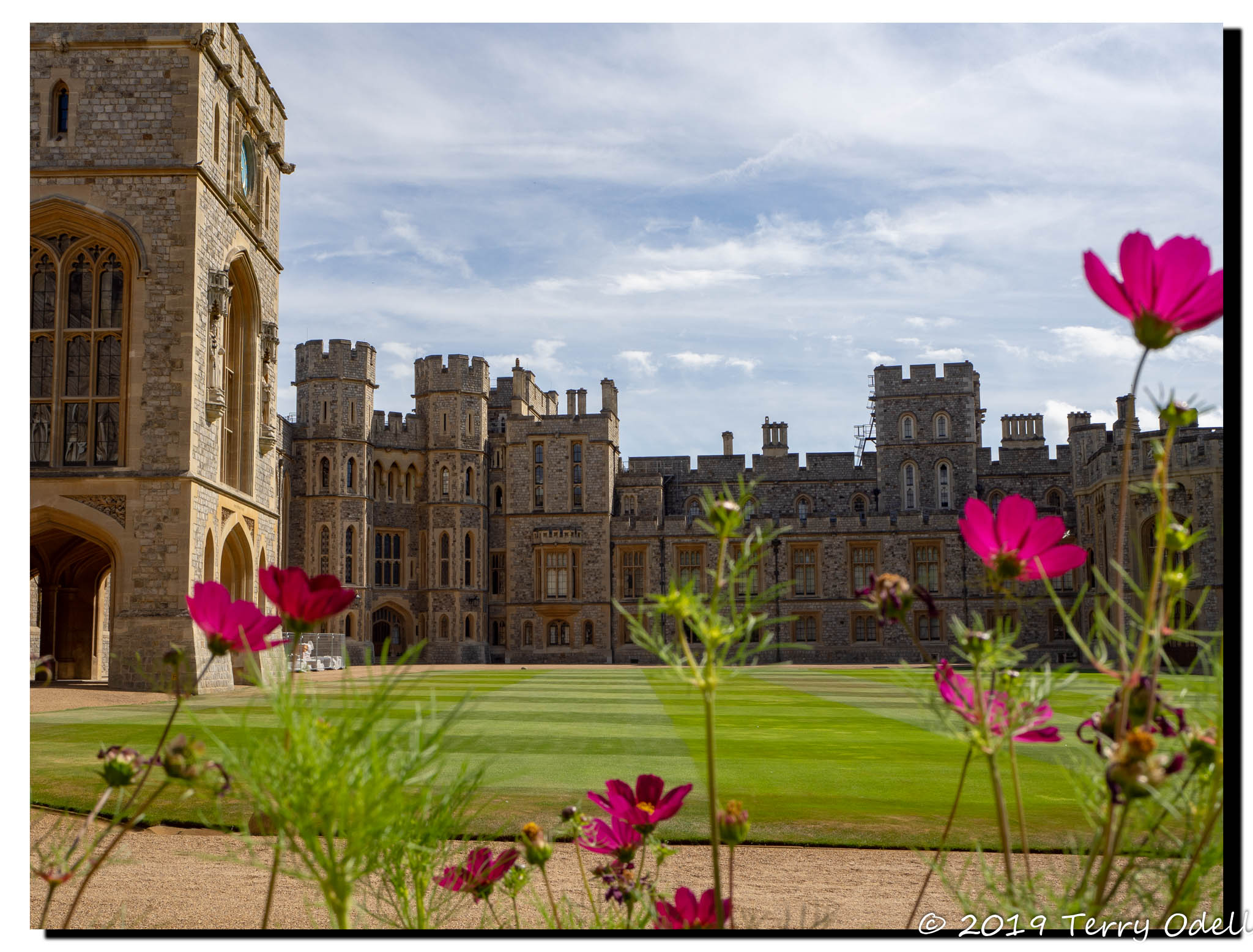 When the Hubster and I decided to celebrate our 50th anniversary with a trip to the British Isles, of course I had “book” in the back of my mind. However, an international setting wouldn’t have worked with any of my existing series, and since I never plot in advance, I decided to enjoy our tour, taking pictures and notes of what we were seeing and doing and just wait and see what might bubble to the surface.
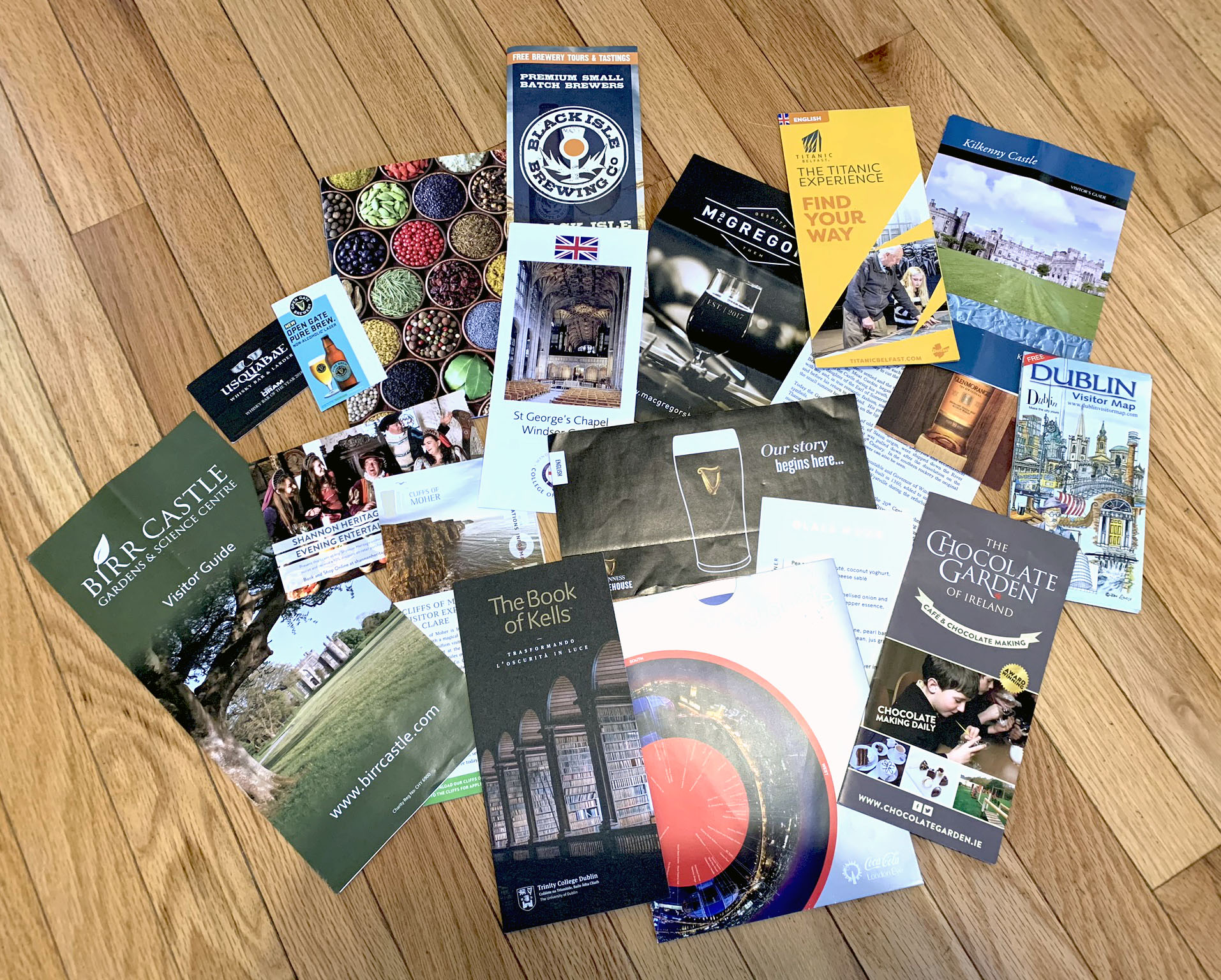 Our trip began in Northern Ireland with a visit to our daughter, who had pointed out that she moved there 12 years ago and we’d never visited. From there, we had a couple days in London where I got to meet one of my critique partners face to face for the first time. Given we’d been in our little group for about 15 years, that was another “it’s about time” moment.
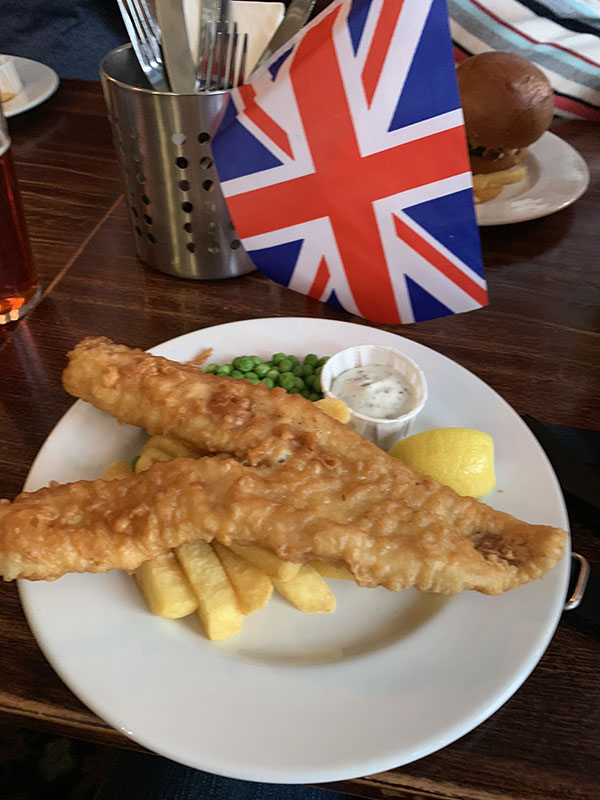 Less is more. My first drafts went into phenomenal detail about absolutely everything. Airports. Train stations. Hotels. Food. All the places we stopped, what we saw on the drives. Given we were traveling for well over two weeks, that would have been a LONG book. A sense of place is good. Overwhelming readers is not. I had to keep reminding myself to make sure everything related to the plot and characters. I wasn’t writing a travelogue.
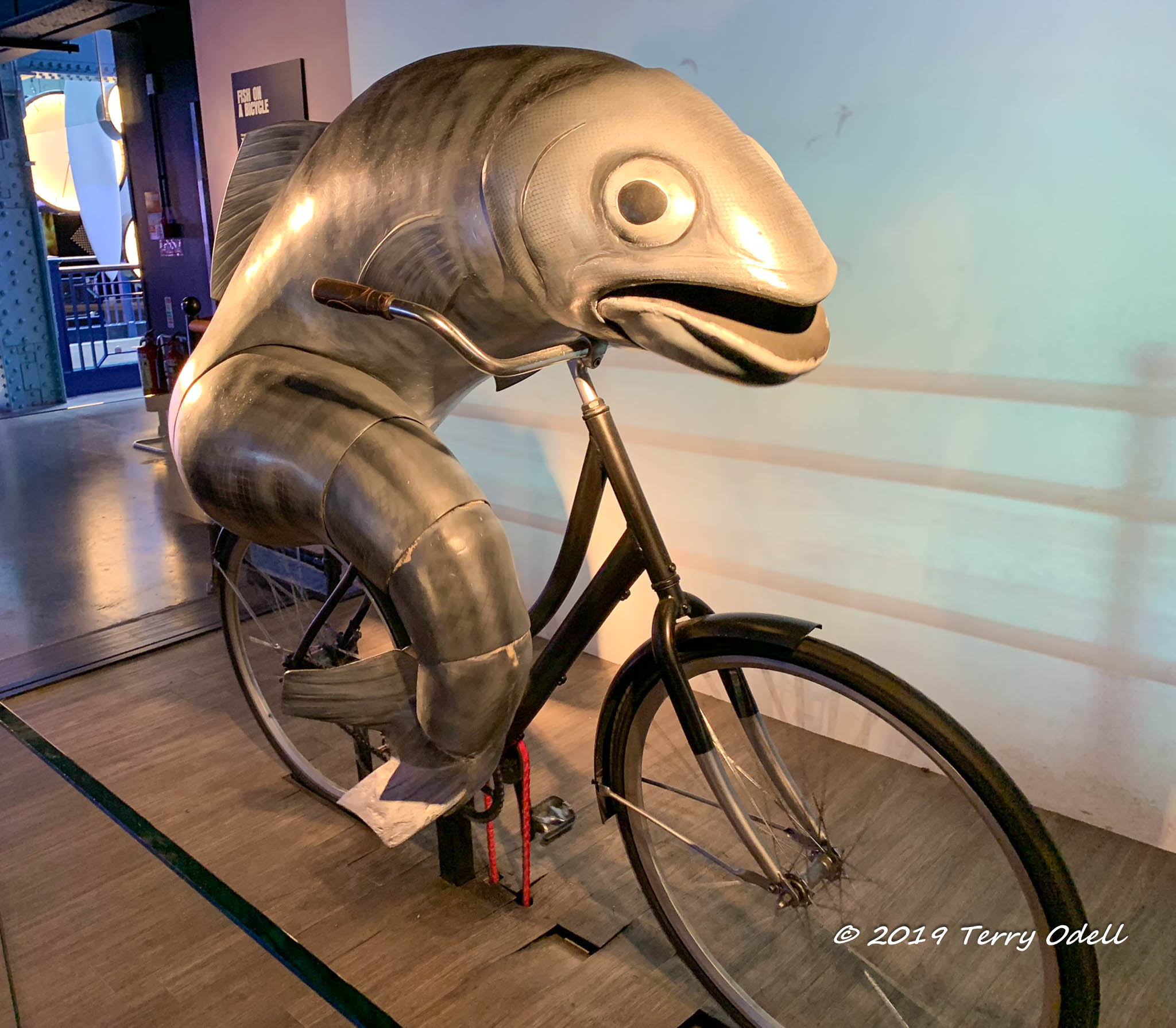 You’ll always miss something. Unless you’ve got your plot mapped out before your trip, once you start writing, you’ll have a scene to write and—lo and behold—you missed taking a picture, or didn’t take the right notes. I spent a LOT of time on the internet rechecking facts, looking at maps, and refamiliarizing myself with some of the attractions we visited. If I couldn’t find exactly what I needed, I reminded myself I was writing fiction—another reason not to name real places. On the occasions where my characters were eating in real, named places, I made sure I had pictures and menus. Same for attractions.
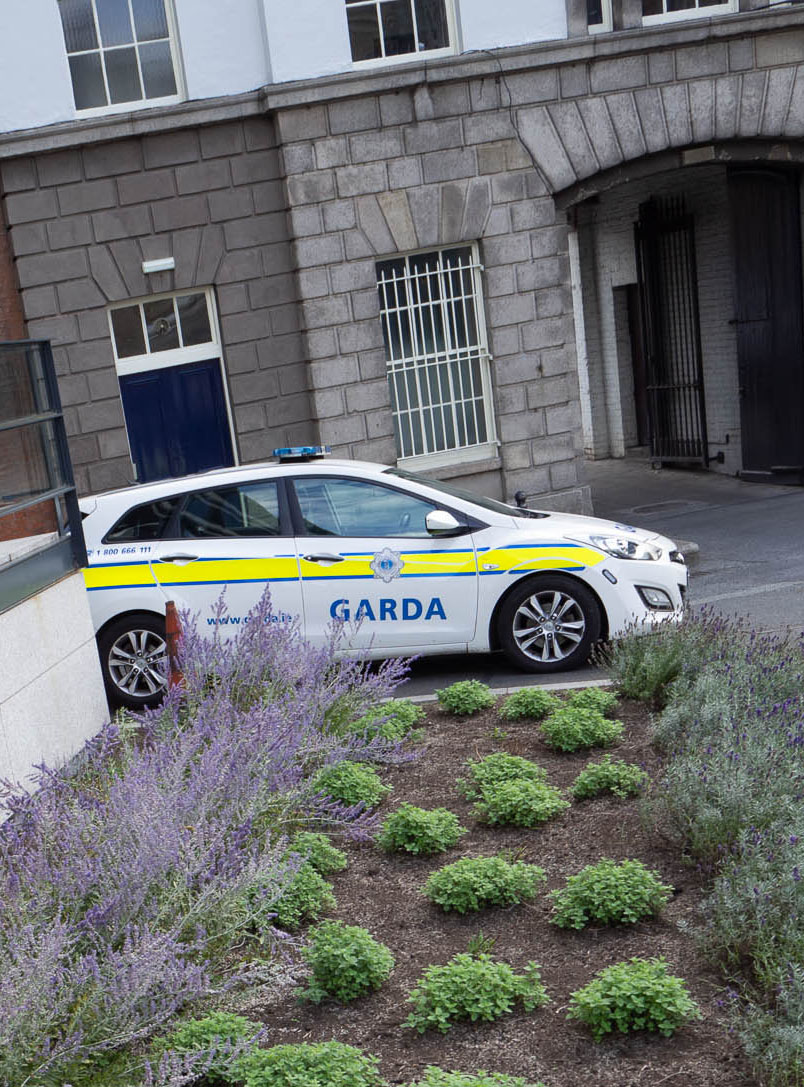 Don’t make up real stuff. One of the reasons I made this book a stand alone was because our trip didn’t include visits to police departments (although I snapped a picture of a vehicle in Ireland, “just in case”). Also, it would be unrealistic for my American characters to have any access to law enforcement in several different countries.
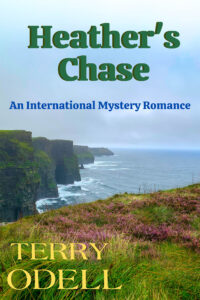 My Mystery Romance, Heather’s Chase, is available at most e-book channels. and in print from Amazon.