First Page Critique: Vaulting
Foreign Language Barriers

By PJ Parrish

We’re off to faraway places with strange sounding names today with our First Page Critique submission. So we have a great chance here to talk about how to handle weird words, foreign languages, things the average reader might not know and how you, the writer, have to work hard to make them get it. I call this, when I talk about this inn workshops, writing for Ms. Peabody in Peoria. Here’s our submission. Thank you, writer!

To Catch a Thief

Air horn blasting, two young men on a Bullet bike tore through lunchtime Mumbai traffic. The one riding pillion turned to his left and hollered, “Hoy, hoy. Katak maal[1].”

Seema squeaked, barely avoiding having her foot run over. She dropped to the tarred road next to the driver’s side door of the taxi halted in front of the high-rise. “Aey, rund—[2]” Gritting her teeth, she swallowed the gaali[3]. If she could, she would’ve chased after them and shoved her elbow into his puny chest. Unfortunately, she was forced to stay put.

Head kept low, she squinted through the tinted windows of the vehicle at the group by the entrance to the building. Her bulky, black purse was on the ground, an inch from her sandal, but she maintained her firm grip on the straps.

“Arrey[4], madam, get up,” exclaimed the cabbie. “Are you crazy or what? You can’t sit on the street. Some poor fool will hit you and have his license taken away.”

And the last memory she took with her to afterlife would be that of the biker Romeos. Not to mention the heat radiating up from the asphalt and the exhaust fumes headed straight for her nostrils. Her eyes teared.

“Gimme my fifty bucks,” the cabbie continued.

“In a minute,” Seema muttered. If she paid now, the taxi would take off, leaving her exposed.

“You said that five minutes bac— That’s it. You now owe me two hundred.”

“What?”

“Waiting charge.”

Baring her teeth, Seema hissed. “Son of a—”

“Madam,” said the cabbie, shaking a finger. “Watch your language.”

Heaving in an angry breath, Seema said, “Fine. But if you’re charging me extra to wait, I’m waiting inside.”

Without delay, she tugged open the back door and scrambled in. Keeping the purse aside, she peered at the entrance to the office building. Damn. The old fellow was still there, with his entourage.

And so was the tall, leanly muscled man in the light blue shirt and red, power tie. Adhith Verma, the assistant manager at the office where she was currently assigned. Clean-cut good looks, a degree from one of the nation’s elite engineering colleges, family money. The silver-haired gentleman with him was his father, the nation’s finance minister.

When Seema returned from lunch, she hadn’t been expecting to run into the minister. She didn’t want to meet him. If Adhith introduced her as anything other than a colleague, the old man would have her investigated. The whole plan could fall apart.


[1] “Hey, hey. Hot piece of ***.”

[2] “You, son of a whore” is what she’s about to say (incomplete here)

[3] Cuss word

[4] “Hey…”

________________________________________

Okay, I’m back. First, let’s tackle the obvious here. We know from the first paragraph where we are — smack in the middle of simmering Mumbai, India. Kudos, writer, for slipping that in nicely. But we are also smack in the middle of a problem — how to convey foreign language without confusing or annoying our readers. Although there are places other like Effortless English that might be able to help non-native English speakers to learn how to speak English fluently there is still a problem that all writers face.

All writers have problems with this. I polled my fellow contributors here at TKZ and they have some solid ideas on how to handle this. More on that in a sec, but first let’s look at the sample:

In the first graph we get this phrase: Hoy, hoy. Katak maal! Then a response from the woman Seema: “Aey, rund—” The problem, of course, is that most readers won’t have a clue what this means. There is no translation, no context. I wanted to like this submission because it does start out fast and furious and I’ve been to India and the Mumbai setting has great potential to lure me in. But I couldn’t get past the foreign phrases, especially in the crucial opening moments. It stopped me cold.

The writer compounds this problem by using footnotes. If this were in book form, the reader could, it appears, look down to the bottom of each page to find out what the characters are saying. But do you really want to make them do this?

Your first job as a novelist is to parachute your reader into a conjured world. Whether this world is Mumbai or Montana is irrelevant. You want them to be swept into your story and setting. Forcing them to pause and essentially go “look up” a word jerks them right out of that imagination stream you are trying so hard to immerse them in. This is just my opinion here, but I found this off-putting. A novel isn’t a thesis. It is a seduction. Why would you want to interrupt the mood and the motion?

But, but…

Yeah, yeah, I know. Mark Haddon’s The Curious Incident of the Dog in the Night-Time. Nabokov’s Pale Fire. Coleridge’s Rime of the Ancient Mariner. And David Foster Wallace’s, Infinite Jest!. Hundreds of footnotes in Jest, in very small type, that go on for almost a hundred pages at the end of the book. One of the footnotes, which contains the complete filmography of a fictional filmmaker, goes on for more than eight pages and itself has six footnotes. Someday, I going to try to read this book…again.

Here’s the thing: These authors are juggling with chainsaws, masters of the grand experiment. Now, I’m not suggesting a “mere” mystery or thriller writer can’t push the envelope. But I think it’s good to keep in mind that novelists who use footnotes are sometimes seen as show boaters. I can’t remember who said it in reviewing Wallace, but he compared him to a writer suddenly leaping into your room through a window and dancing around waving his arms, shouting “look at me! LOOK AT ME!”

I don’t think that is what is going on with our submitting writer here. I think he or she just wasn’t quite sure how to organically fold the foreign words into the narrative. Maybe we can help.

But before I go into that in depth, I’d like to do a quick line edit for the writer. As always, these are only my suggestions for edits. I hope others will weigh in. And thank you, writer, for letting us learn.

To Catch a Thief (Hitchcock got there first. Given your colorful locale, you can find a more evocative title)

Air horn blasting, two young men on a Bullet bike tore through lunchtime Mumbai traffic. Good job telling us where we are. The one riding pillion turned to his left and hollered, “Hoy, hoy. Katak maal.”Vivid image here, but these kids aren’t important. Why give them the opening moment?

Seema You’ve shifted point of view here. Open with her, not the boys squeaked, barely avoiding having her foot run over. She dropped to the tarred road next to the driver’s side door of the taxi halted in front of the high-rise. Simplify your phrasing: She dropped to the asphalt behind the taxi door. (we safely assume it’s parked). “Aey, rund—” Gritting her teeth, she swallowed the gaali. This word is confusing, needlessly so. If she could, she would’ve chased after them and shoved her elbow into his them and his don’t agree. puny chest. Unfortunately, she was forced to stay put. Why “unfortunately?” I assume it’s because she is doing some kind of surveillance? If so, why even start out with the motor bike incident? Get right to the point — the surveillance. I know you’re trying to convey the flavor of your interesting location but there are other ways. She could be hiding behind a bazaar-like stall that line Mumbai’s streets, which are, by the way, head-ache-inducing, teeming with motor bikes, auto-rickshaws, old buses, and yes…cows. And the miasma of smells and noise is amazing. A quick vivid description of this would underline Seem’a tension.

Head kept low, she squinted through the tinted windows of the vehicle at the group by the entrance to the building. Her bulky, black purse was on the ground, an inch from her sandal, but she maintained her firm grip on the straps. You need to be clearer on your choreography here. Was she hiding behind the parked taxi? Had she been in it and got out? Why even have the exchange with the taxi driver? What does it add? Again, you can handle this in fewer words: She peered through the taxi’s windows, watching the group of men at the entrance of the office building. (we don’t care about her purse or shoes.)

“Arrey, madam, get up,” exclaimed the cabbie. “Are you crazy or what? You can’t sit on the street. Some poor fool will hit you and have his license taken away.” I would lose this guy. He’s in the way of your story getting going. And you need to begin setting your plot up — who is this woman and what is she doing?

And the last memory she took with her to afterlife would be that of the biker Romeos. From what I can gather, they were verbally assaulting her, no? Mistreatment (public rape) of women in India is really a hot topic right now in news. Not to mention the heat radiating up from the asphalt and the exhaust fumes headed straight for her nostrils. Her eyes teared. This implies girly-girly reaction. Not sure this is what you want here. Or is she reacting to the smell? Unclear.

“Gimme my fifty bucks,” here, you can safely use “rupees.” He wouldn’t ask for dollars. the cabbie continued. Why is he asking for money? Was she a fare and jumped out?

“In a minute,” Seema muttered. If she paid now, the taxi would take off, leaving her exposed. It would be pretty easy to hide somewhere else on a crowded Mumbai street.

“You said that five minutes bac— That’s it. You now owe me two hundred.”

“What?”

“Waiting charge.”

Baring her teeth, Seema hissed. “Son of a—”

“Madam,” said the cabbie, shaking a finger. “Watch your language.” I would lose all of this and get into your story. It is wasted dialogue. Dialogue is precious. Use it only to advance plot or illuminate character. And unless the cabbie is important, don’t let him hog the scene.

Heaving in an angry breath, Seema said, “Fine. But if you’re charging me extra to wait, I’m waiting inside.”

Without delay, she tugged open the back door and scrambled in. Keeping the purse aside, she peered at the entrance to the office building. Damn. The old fellow was still there, with his entourage. Why didn’t she just wait in the cab to begin with?

And so was the tall, leanly muscled man in the light blue shirt and red, power tie. Adhith Verma, the assistant manager at the office where she was currently assigned. Lost opportunity here to tell me what she does. And why she is watching these men. Clean-cut good looks, a degree from one of the nation’s elite engineering colleges, Be specific when you can. It took me one Google to find out Indian Institute of Technology is Mumbai’s top school. family money. The silver-haired gentleman with him was his father, the nation’s finance minister. This belongs up where you first mentioned him.

When Seema returned from lunch, she hadn’t been expecting to run into the minister. She didn’t want to meet him. If Adhith introduced her as anything other than a colleague, the old man would have her investigated. The whole plan could fall apart. This really needs context. Without telling us what Seema does for a living, why would we care that she’s sneaking around watching this old guy? We need more meat. So my final suggestion, dear writer, is to jettison the cabbie, the biker, and use your first 400 words to get your plot moving forward, more firmly establishing Seema and setting up her conflict

So, to sum up quickly, writer: Love your location! I like Seema, what little I know of her. Yes, it is hard in only 400 words to give us a sense of your setting, protag and the conflict! Which is why I questioned spending so many words on the cabbie. Find a quicker way into your story and I think you’ll be on your way.

Now, let’s take a deep dive into the problem of incorporating foreign language…

With fiction, you almost can’t avoid the occasional use of non-English. It’s a must with world-scale thrillers. Even if you’re working domestically, our increasingly diverse populace puts our characters in constant contact with all sorts of languages and cultures. Indeed, our heroes and heroines might well be héroes or heroínas. You want to be authentic, but you don’t want to confuse your readers. So what’s the poor writer to do?

  • Put the language in as it would naturally appear in dialogue and hope the reader can figure it out via context? Creo que eso solo confundiría a los lectores. ¿No estás de acuerdo? (I’m purposely trying to annoy you here).
  • Put it the foreign words and then immediately translate them? Mais cela peut sembler si prétentieux et ça fait monter le nombre de mots. But that can seem pretentious and it makes your word count go up.
  • Or do you just tell the reader the characters aren’t speaking English, write it in English, and move on?

Every writer handles it in his or her own way. I polled our TKZ contributors and here’s their takes:

John Gilstrap just plain avoid foreign words. “Those words stop the story for the reader, I think,” he says. “In Final Target, for example, virtually all of the dialog is in Spanish, because that’s the nationality of the kids being rescued. So, I handle it like this:

“Who are all these people?” Jonathan asked in Spanish. He was fluent in the language, though aware that he had a distinctly Colombian accent, tied to the days when he was the point of Uncle Sam’s spear.

“After that, I write as I normally would. And once I’ve established the model of English-as-Spanish, it would be jarring to throw in a Spanish word.”

Makes sense, n’est-ce pas? Because, as John says, his entire plot hinges on Spanish-speaking kids, so if he toggled back and forth between two languages, it would get old fast.

But sometimes, you have to include foreign phrases to convey verisimilitude. I love this word because it really means something more than mere realism. In fiction it means creating an entire atmosphere that imitates life. Even if the story is far-fetched (fantasy), readers must be willing to suspend disbelief and think that the story could actually occur. In sci-fi, readers will tolerate the “foreign language” of complex science terminology if the writer is skillful at contextualizing it.

I think the same rule applies for foreign languages. I like to insert it in my books because, used judiciously, it helps place the readers into the conjured world. But man, you really have to careful.

Unless you’re a native speaker, get help! Jordan Dane often uses Hispanic characters because, as she says, she’s “part Hispanic, and I get friends and my father to help with get the language and the slang right, depending on the perceived education of the Spanish speaker.” She always italicizes the Spanish and tries to explain the meaning directly after the language change. But at times, she leaves it to the reader to figure things out by body language or by the flow of conversation. Here’s one of Jordan’s scenes with her series character, Ryker Townsend, an FBI profiler with psychic abilities who speaks fluent Spanish. In this scene, he is questioning a girl who was smuggled over the Mexican border and left in a sweltering truck to die of heatstroke.

“Amelia? Can you open your eyes, Miss Tejeda?” She raised her voice and leaned over the bed rail.

The Hispanic girl’s eyes fluttered as she struggled to wake up. When her dark eyes opened, she gripped the metal bed rail and pushed back from Lucinda, terrified as if she were still in the hands of her abductors. When her eyes noticed the nurse and the hospital setting, she spoke in Spanish in a fragile voice.

“Yo ne hice nada. No me aresten.”

When Amelia said she had done nothing wrong and pleaded not to be arrested, Lucinda shifted her gaze to me. She didn’t speak the language, but I did.

“¿Por qué te arrestaríamos?” I asked. “Tu no has hecho nada mal.”

Miss Tejeda fixed her pained eyes on me as if I could save her. With shaky fingers, she reached for my hand. I barely sensed her grip. She had no strength left.

“Please help me…find my friend…Fiona.” She strained for every word. “People say…she lived. Her country sent brave men to save her. Is this true? Did she live?”

“Yes. We are leaving soon to find her. How do you know Fiona Storm?”

“She saved my life. I owe her…everything.”

It made no sense that this kidnapped woman had been saved, only to find herself in a worse situation and near death. I wondered if this was the delirium the doctor warned us about.

“Dime. ¿Cómo salvó Fiona tu vida?” I had to know. How could Fiona have saved her life?

This is pretty much how I handle foreign languages with my series character Louis Kincaid. I might put in the foreign phrase, but I provide some method of translation. In the Florida books, I often had him interacting with Spanish-speaking characters. Like Jordan, I would use the actual Spanish but there would always be a secondary character there to translate for him and the reader. In Island of Bones, Louis goes to a migrant camp in search of a missing Mexican girl. Her mother speaks no English and is hostile. But the father speaks enough to translate and tells him that his daughter met a boy shortly before she disappeared.

“She called him a boy, not a man?” Louis asked.

“Yes, a boy. That’s what she said.”

“Did she tell you his name?”

“I do not remember, but I know it was a good Hispanic name.”

“Did she describe him to you?” Louis asked. “Tell you anything about him?”

The man shook his head. “I think she call him…”

He looked to his wife and asked her something in Spanish.

The woman hesitated then whispered two words.

The man turned back to Louis. “She called him Papi chulo.”

“What does that mean?”

“It is something young people say. It means he was handsome, a hunk you would say.”

In my upcoming October release The Damage Done, Louis is hired onto an elite cold case squad and one of the job requirements is to become fluent in a foreign language. Louis, like me, speaks bad college French. Here’s a passage with his new boss, Capt. Steele:

“Louis has been studying to become our in-house expert on unsolved Michigan homicides,” Steele said. He paused with the barest of smiles and added, “Louis has exceptional instincts and a special feel for unsolved cases that you will all come to appreciate.”

Louis held Steele’s hard brown eyes, not happy with the description of his resume. It made his past sound sensational and his investigative skills almost paranormal. That’s the last thing he needed with this group—to be tagged as some sort of celebrity mystic who dug through dusty folders.

“Louis,” Steele said, “Bienvenue chez toi.“

Welcome home? Louis was so surprised it took him a moment to answer. “It’s good to be back,” he said.

So another way to handle foreign words is to have the person who hears it translate it in his head (via italics).

This is how James Scott Bell handles it, agreeing with John’s approach for extended passages. Says Jim: “You can monkey with the diction, too, to give it a ‘formal’ sound in English, as Hemingway does in For Whom the Bell Tolls. For shorter clips, you can have the POV character “hear” the language, like this example from Elmore Leonard’s Cuba Libre:

Now Teo was speaking to Fuentes in Spanish, Tyler getting some of it. It sounded like Teo wanted to ride one of the horses.

Leonard throws in the occasional Spanish word, always putting it in italics:

“You pronounce it pretty good,” Tavalera said, “but the Guardia are not police during time of war. We’re like those people, the caballería, except we don’t stay in Havana and go sightseeing, we hunt insurrectos.“

See the simple beauty of that? The word “guardia” is immediately grasped, as is “caballeria.”. Very graceful!

Or, as Jim points out, you can simply translate, if it’s a one-time exchange:

“Dónde están las armas?” Where are the weapons?

But a more artful way to do this is question and response:

“Dónde están las armas?”

“I have no idea where the weapons are.”

Sometimes, a foreign tongue is, as John Gilstrap pointed out, essential to your plot. For my stand alone The Killing Song, which is set in Paris, I had an amateur sleuth English-only protag and I wanted to stress the fish-out-of-water feeling of anxiety he felt. I had to incorporate French throughout and it had the effect of making him feel confused and frustrated. But you can’t let this go on too long. So I teamed him up with a French detective, so she was always there to help him — and the reader. Plus, the give-and-take of the language barrier became part of their friendship arc. And even though I can speak French, I ran every sentence by a Paris-born French friend, who also helped me with some spicy slang used by les flics (cops).

A couple more thoughts on odd language. I didn’t even get into American dialects with this, especially “Southern speak,” which I have become more attuned to since moving to Tallahassee, where “y’alls” and “ma’ams” rain down harder than afternoon toadstranglers. Maybe the only thing we need to say about regional American dialects is to avoid trying to duplicate them on the page. It gets old really fast. I’d advise writers to say, “he spoke with a Texan twang” or something and trust the reader to get it. For my new book, I have to acknowledge the peculiar accent of Michigan’s Upper Peninsula, as spoken by the “Yoopers.” Here is how Louis hears it:

“Reuben Nurmi. Good to meet ya,” he said in a voice that sounded like it belonged on some late-night jazz station. Except for the distinctive Yooper twang. Louis had always liked the accent , which fell somewhere between the hard nasal vowels of Detroit and the odd lilt of Canada.

Verisimilitude. Which is Latin in origin, by the way. Quae surrexit?
First Page Critique – Sofa

Creative Commons usage

Today we welcome an Anonymous Author with a first page that takes place in an unusual location—the East Siberian Sea. Please enjoy this submission. My comments follow.

Title Sofa

August 2007

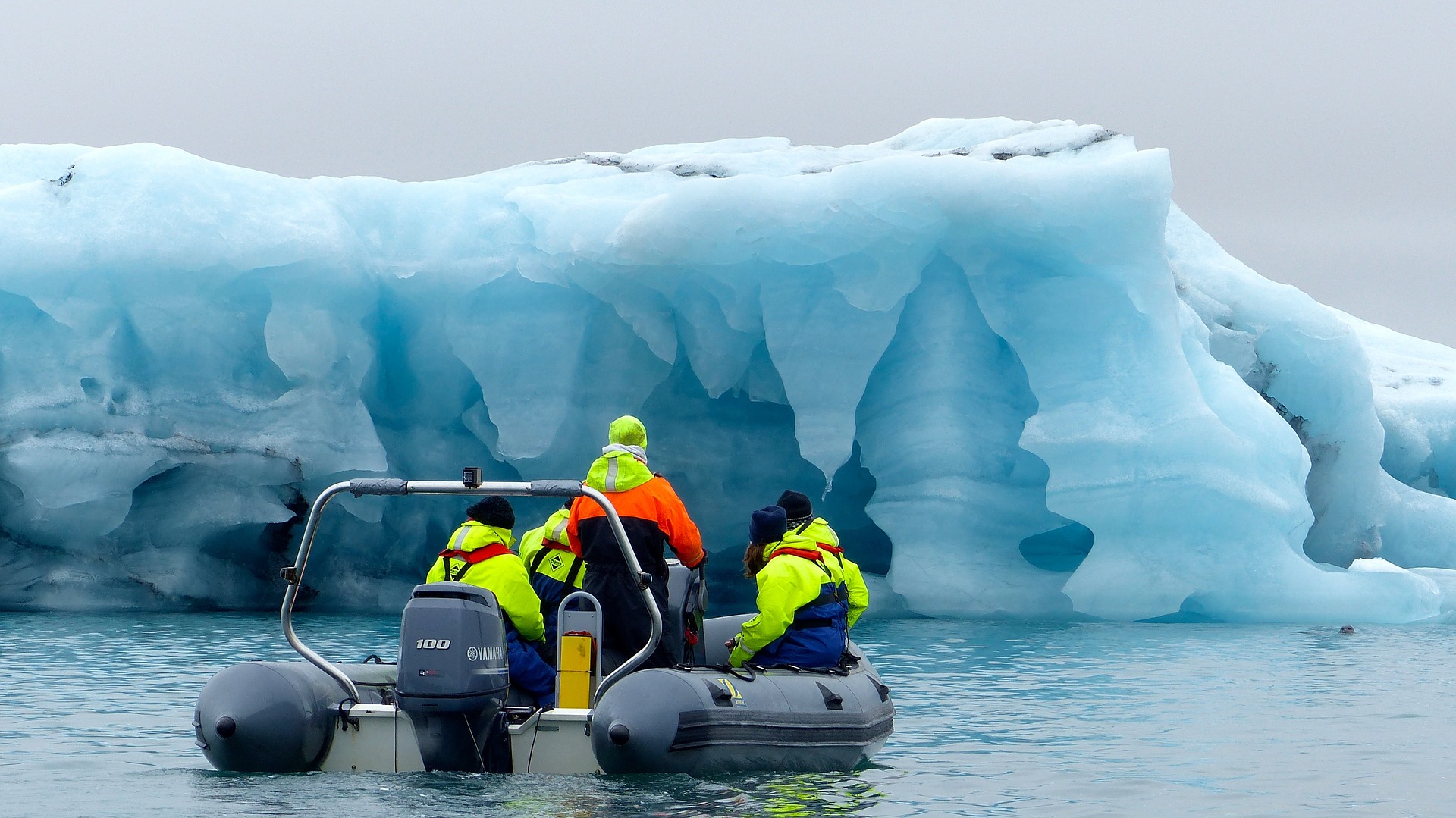
Overhead clouds cast pale grey shadows over the floating ice chunks adrift on the East Siberian Sea. The Wolf stood at the prow of a crimson, expedition vessel, inhaled the unpolluted air of the Artic, and wondered if this refreshing air existed anywhere else on Earth. He marveled at the inviting crystal-clear water imprinted with cloud shadows, and the magnificent ice shelf that erosion had sculpted into a piece of frozen art. The silence stirred something within him a memory of gentler times, peaceful times.

The Wolf, aka, Dimitri Volkov tore his eyes from the surrounding beauty of nature and focused on a drifting iceberg 100 yards in the distance. He gazed at the NASA Aqua satellite photograph of a massive iceberg floating off the shoreline. He raised his binoculars and zoomed in on his target, inspecting the surface of the immense mountain of ice. A sharp crack vibrated through the air. Startled, he watched as a wall of ice broke off the ice floe and crashed into the sea. It disappeared beneath the icy water and shot an angry spray of seawater hundreds of kilometers into the air.

Dimitri grabbed his satellite phone and punched in a number. “Zdravstvuj, “Its here, but melting,” he said, in Russian. He listened for a moment, nodded several times, and ended the call. He twirled his fingers in the air and pointed to the sea. A sleek Poseidon inflatable boat splashed into the water; The Wolf shouldered a mustard-colored, waterproof equipment bag and lowered himself over the side, jumping the last few feet into the rubber dinghy. He revved the engine and maneuvered the inflatable toward the iceberg.

As he approached the glacial mass, Dimitri noticed the iceberg cast a blue-green sheen, a dead giveaway; the iceberg was melting faster than he thought. He nosed the inflatable to the base of the berg, shut off the engine, and pitched the anchor overboard. He opened his equipment bag and snagged a pickaxe, ice drill, laser, clawed shoe cleats, and a spool gun. Aiming the spool gun at the iceberg, He shot an aluminum wire into the iceberg twenty feet above the waterline.

            The ice creaked, moaned.

Concern clouded Dimitri’s deep-set, black eyes as he glanced up. A crack appeared in the center of the blue-green haze.

Okay, let’s roll up our sleeves and get to work.

The setting with ice floes and an expedition ship in arctic waters is exotic and intriguing. But you need to spell Arctic correctly. I’m guessing this is the start of a thriller or Clive Cussler-style adventure about climate change and melting polar ice caps, with the potential for international conflict because of the geographical location, north of Russia near Alaska. That’s compelling.

However, the title Sofa doesn’t hint at anything like that. My first thought was couch? Not compelling. You’ll come up with something better, perhaps relating to the locale, the intrigue, or the conflict.

The second sentence begins with The Wolf. Right away, I thought that was the ship’s name because ship names are italicized while human names generally are not. Why introduce the character in a way that causes momentary confusion?

Instead: Dimitri Volkov, aka The Wolf, tore his eyes from the surrounding beauty…

Whoops, another hiccup. Eyeballs generally stay in their sockets unless someone tears them out. It’s the gaze or focus that can be torn from the surrounding beauty.

Your description is vivid and colorful, but inviting doesn’t feel like an accurate adjective for water that must be near freezing temperature. You do a good job with sensory detail–I can smell and taste the fresh bite of pristine air. Nicely done. His memory of “gentler times, peaceful times” hints that the present is neither gentle nor peaceful–good foreshadowing.

Strengthen the sentence even more by cutting the vague word “something”: The silence stirred something a memory within him, a memory of gentler times, peaceful times. 

Work on more precise word choices (details below). Improve the clarity of action so the reader can see exactly what is happening. Also cut repetitions of ice, iceberg, and icy. Here’s a possible rewrite of the second paragraph to address those issues:

The Wolf, aka, Dimitri Volkov, aka The Wolf, tore his eyes gaze from the beauty of nature surrounding him beauty of nature and focused on a drifting iceberg 100 yards meters in the distance. He gazed at compared it to the photograph he held in his left hand–a the NASA Aqua satellite image taken a year before of photograph of a massive the same iceberg floating off the shoreline. He raised his binoculars and zoomed in on his target, inspecting the surface. of the Although still immense, the mountain had shrunk significantly of ice.

[Paragraph break] A sharp crack vibrated through the air. startled him. He watched as a wall of ice broke off the ice floe and crashed into the sea. It disappeared beneath the surface, icy water and shot an angry shooting spray of seawater hundreds of kilometers into the air.

Watch out for switches between US and metric measurements. The iceberg is 100 yards away, then water shoots hundreds of kilometers in the air. One hundred kilometers equals 62 miles in the air. I’m guessing you mean meters, not kilometers.

Next Dimitri jumps the last few feet into the dinghy and shoots a wire twenty feet above the water line.

Incorrect or inconsistent word choices jar the reader. Suggest you stick with the metric system since presumably Dimitri is Russian.

Need to fix typos in the following:  Dimitri grabbed his the satellite phone from his belt holster and punched in a number. “Zdravstvuj, “Its it’s here, but melting,” he said, in Russian.

This excerpt has been written in fairly close third-person point of view (POV). Yet you deliberately withhold the other side of the phone conversation. That may lead to the reader feeling cheated since the close POV gives him/her the expectation of hearing responses from the person Dimitri called. If the plot requires the speaker to be kept secret (and it probably does), suggest you come up with a different technique to mask that information.

Clarify the action in the below examples:

Why does Dimitri nod several times? That doesn’t make sense because the listener can’t see him unless it’s a video phone, unlikely in 2007.

Make clear when Dimitri twirls his fingers in the air that he is signaling to deckhands and giving the order that they lower the inflatable. As it reads now, the dinghy appears to fall magically from the heavens.

Recommend you replace semicolons with periods. Semicolons belong in nonfiction, not fiction.

Calling him both Dimitri and The Wolf seems unnecessary because, at this point, the reader doesn’t know the significance of the alias or code name. Suggest you defer the nickname until later, for instance, when another character refers to him as The Wolf or it comes up naturally as the plot unfolds. Right now, switching between the two names seems forced and pretentious.

Dimitri first needs to start the dinghy’s engine before he revs it.

Snagged is a good verb but it doesn’t quite fit here because he’s removing a number of items from the gear bag. Snagged sounds more like grabbing one item on the fly.

The following should read: Aiming the spool gun at the iceberg, he…

You say the iceberg cast a blue-green sheen. I like the visual a lot but the verb cast implies a reflection on another object, like the surface of the sea. A paragraph later, you write: A crack appeared in the blue-green haze. Is the reflection cracking or is it the actual iceberg? Suggest you find a more precise verb than cast, perhaps emitted a blue-green sheen or glowed with a blue-green sheen.

Don’t need italics for The ice creaked, moaned. By putting the sentence in a paragraph by itself, you’ve already emphasized it without using italics unnecessarily.  

Concern clouded Dimitri’s deep-set, black eyes is a POV lapse. He can’t see his own eyes cloud or that they’re deep-set. Also black eyes raises a question for the reader. Does he have a pair of shiners? Or is the iris color a very dark brown?

A few paragraphs earlier, Dimitri just watched a massive wall of ice crash into the sea. Now he’s at the base of the same iceberg. It could come down on him. Wouldn’t his reaction to the cracking sound be more extreme than simply glancing up? If it were me, I would jerk back, haul up the anchor, and get the hell out of there!

I realize you’re at the end of the first page but Dimitri should have a stronger reaction to the danger.

Brave Author, you have a colorful setting and you’ve set up a promising conflict that could go in interesting directions. But your attention to detail needs work. Correct punctuation, accurate proofreading, and precise word choice are vital. Once you master those skills, you should have an exciting story.

Be especially careful with word choice. Remember Mark Twain’s admonition:

“The difference between the almost right word and the right word is really a large matter—’tis the difference between the lightning–bug and the lightning.”


Your turn, TKZers. What suggestions can you offer our Brave Author?


Hometown


Photo by Pixabay


This week I’m visiting my hometown of Cincinnati, Ohio. I only lived here for the first six years of my life, but a child’s first five or six years is a foundation for what’s to come. It’s a place of literal firsts, like first steps, first car ride, first pet, first friends, first happiness, first scrape, first heartache. And those firsts may not be consciously remembered, but they inform who we are.

This city has always been a touchstone for me, with plenty of family here to reinforce my memories. When I’m here, no matter what I’m doing or seeing, I feel a sense of permanence and history. I’ve lived other places for much longer periods of time, but Cincinnati is special.

As writers, we can’t escape having our earliest experiences inform our work. I set two of my published short stories and my second novel, Calling Mr. Lonely Hearts, here. As I wrote, I mentally traveled over the city’s many hills, recalling its striking architecture, its many bakeries, old neighborhoods with beautiful parish churches, and a baseball stadium or two. And then there’s the river. Always the river.

Calling Mr. Lonely Hearts and the stories set in the city are dark, suspenseful works. The characters are (mostly) human enough. But a lot of each story is wrapped up in my worries and experiences of being very shy, and being Catholic, immersed in a culture built on Original Sin and ancient mysteries. The child I was was very present as I wrote. And while the sum of our experiences is in every word we write, those early experiences have been with us the longest.

TKZers, please us about your hometown and how/if it affects your writing.


The Quiz Question That Inspires Fear

Photo purchased from Shutterstock

“Describe the theme of this novel” is one of those pop quiz questions that can inject terror into the soul of an eighth grader in English class. Sometimes even an experienced writer can struggle to identify a specific theme in his or her story, especially during the writing process.

A story’s theme is the fundamental and universal idea behind its plot. If a plot could be compared to the body of a race car, the theme would be the engine turning its wheels. In King Lear, for example, one of its main themes is authority versus chaos.

Theme vs. Subject

We should not confuse a story’s subject with its theme. The subject of a story would be a one-word descriptor of its main idea. “War”, for example, would be the subject of many stories. A theme would be an opinion related to that subject, such as “In War, everyone loses.” Joe Moore wrote an excellent post a while back about how to distinguish between a story’s subject and its theme.

Some writers approach theme almost as an afterthought. But having  a well-crafted theme adds dimension and depth to our stories.

Using a character-driven approach to develop a theme

I like to use minor characters to explore a story’s underlying theme. I call this method the “360-degree” approach to developing theme. In this approach, the secondary characters represent various aspects of the main theme, and they act as foils to the main character’s experiences. For example, the theme of A KILLER WORKOUT was “Mean Girls Suffer Last”. That theme was explored through the story arcs of several characters. One woman had been victimized by bullies in her youth; another was a bully. Another character was a protector of abused women.  Each of these characters explored different facets of the subject of bullying and  emotional abuse.

What’s your theme?

How do you explore theme? What’s the theme of your WIP? How are you working that theme into your narrative?

Significant Sites

When my last blog post was posted, I was on may way to Kraków in Poland – a place I didn’t know a great deal about but which I’ve always associated with the Second World War and the Holocaust (for obvious reasons). I didn’t know much about the old town or Wawel Castle (both of which I visited) but I knew my visit wouldn’t be complete without visiting the former Jewish quarter, the site of the Jewish ghetto, and Schindler’s enamel factory. As a writer of historical fiction, I find visiting significant historical places has a powerful, often visceral impact which informs not only my writing but my sense of self. On this visit, it was my trip to Auschwitz-Birkenau that left the greatest impression.

I can’t say it was an easy decision to even make the journey to Auschwitz but both my husband and I felt it was a necessary pilgrimage to make. I’ve never done extensive research on the 1930s but, as my twin boys were studying the Holocaust this last school year, I revisited Schindler’s List by Thomas Keneally and read for the first time Elie Wiesel’s memoir Night (the book my boys were required to read as part of their Holocaust unit). This helped, but it in no way truly prepared me, for what I would experience visiting Auschwitz-Birkenau. I was shocked by the immediate physical effect stepping into the camps had on me. I felt nauseated, upset, horrorified as well as, inexplicably, anxious. The initial, almost casual attitude of many of visitors angered me as did their desire to photograph everything – even the most horrific and terrifying aspects of what we saw (would you really show friends photographs of the ruins of the crematoria?) but I did notice that as the tour progressed a somber silence fell amongst even the most chatty groups of tourists. By the time we had completed our visit to Birkenau, you could sense that everyone had been profoundly affected by what they had experienced (and rightly so).

As a writer of a historical fiction, the act of visiting sites such as Auschwitz-Birkenau also gives me a renewed sense of purpose to my work. In many ways, though, I felt that my humanity demanded that I make this visit. I left feeling a renewed sense of outrage, horror, and also – after our visit to Schindler’s factory – hope.

So TKZers, have you ever visited a site that left a similarly lasting impression – one that affected you not only as a writer but as a human being?

What Character Age Do You Find Most Challenging to Write?

Jordan Dane
@JordanDane

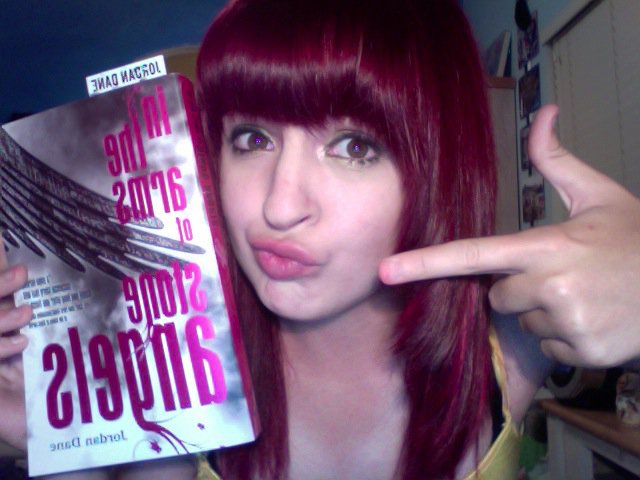
Yes, how did she get my book title backwards? MAGIC

I’ve written a few sub-genres, but the most different or diverse ones I’ve attempted were writing mainstream thrillers and young adult novels. I’ve always loved reading crime fiction (my big umbrella), so my comfort reads were always any sub-genre of adult crime fiction novels from espionage thrillers to police procedurals to romantic suspense. Although my YA books were suspense oriented, the YA voice was a real departure for me. It took quite a bit of reading it and researching the craft, but since I had grown to love these cross-genre books as a reader, the idea of writing them hit me hard and influenced me. More on that later.

When I first started writing in 2003, my main characters were in their thirties and maybe edged into their forties when I first wrote original mystery suspense novels. The first books I sold were in my comfort reads of crime fiction, yet with a cross-genre approach because that’s the kind of stories I liked to read. With as many books as I devoured as a reader, I figured I was the market. I wanted to write the books I would read.

In 2009-2010, as I sold my first YA novels and series, writing for teens influenced even my adult writing and my characters drifted downward into their mid to late twenties. Of course, my YA books covered teen protagonists, generally 16-18+. I’ve never written New Adult (characters in their early twenties or college age). I’m not sure why that is, except to say that I can relate more to my teen formative years (my rebellious teen self) and writing my other characters to be 25-35ish years old. (It’s like the lens of my creative world had focused on an age I had fun living.)

I had many ways to research my teen voice, including eavesdropping on teens in groups and using my nieces and nephews as lab rats. My aspiring author niece worked with me on my first YA novel – In the Arms of Stone Angels – and we had a blast. But that writing definitely influenced my other suspense books and I noticed the ages of my characters had dropped. On gut instinct, I was targeting the ages I thought my readers wanted to read about so I could bridge the gap between those reading my YAs and the ones who had transitioned into my adult books. From what my readers have said, that plan worked and my YA readers transitioned into my adult books and my adult readers seemed to enjoy my crime fiction YAs. Win-win.

I wrote one novella length story from the perspective of an older woman in her late 50s. I wrote her with an honest truth and I loved being in her head, but I wasn’t sure how readers might take her so I never wrote a repeat.

I’d like to hear from you, TKZers.

For Discussion:

1.) Have you ventured out of your writing comfort zone with trepidation only to learn something new where you grew as a writer? Please share and explain.

2.) What character ages do you find the most challenging as a writer? How did you get better at it? What resources or advice can you share?

3.) Is there a main character age that you DON’T like to read about? Do you find that your reading preferences gravitate toward a certain character age?

But Does It Sell Books?

By John Gilstrap

I just returned from a fabulous week in New York, communing with fellow writers at Thrillerfest, the annual confab of the International Thriller Writers Association (ITW).  As always happens when two or more writers occupy the same space, the conversation turned to strategies to employ for the purposes of selling books.

There’s universal agreement that a writer needs a platform from which to launch his or her marketing campaign.  There’s equal unanimity that social media accounts are the way to go.  Dutifully, I’ve established my Facebook page, my Twitter feed and my Instagram account.  In addition, I have a YouTube channel, and this biweekly blog in TKZ.  I attend conferences, teach seminars when opportunities arise, and in general make myself as accessible as reasonable security and privacy allow.

For the most part, I enjoy the marketing side of what I do.  I’m kind of a Type-A personality to begin with so I enjoy the interaction with people, even if most of it is virtual.  If the invested time and effort didn’t sell a single book, I would probably do a lot of that stuff anyway.

So, here’s my first question for the group: Forgetting what the pundits proclaim to be immutable fact, what is your experience?  Do you read blog posts in this space or others that inspire you to buy books by authors you otherwise have not read?  Do Facebook travelogues or Twitter insights make you actually feel so much closer to an author that you’ll plop down some bucks for the latest book?

My second question is closely related: Have social media posts ever driven you away from an author you have otherwise been inclined to read?

My answers to my own questions are yes and yes, particularly with regard to blog posts and Facebook.  Excepting the nonfiction blogs that I lean on for research, I will occasionally read a post from a fiction writer whose voice intrigues me enough to take a poke at the fruits of his or her imagination.  And, sometimes an ill-informed political or social screed will push me to place an author on my never-again list.  I don’t care what side a FB friend takes on a position so long as it is well-argued.  When the name-calling starts, I’m out.  (And that’s exactly why I don’t understand why anyone in the entertainment business chooses to write screeds.)

Now, fair warning: When this post goes up, I will be doing my best torpedo impersonation inside the tube of an MRI machine to diagnose the source of pinched nerve in my neck.  Because I am a raging claustrophobe, I expect to be in a narcotic haze for some of the day, and past experience has demonstrated that it’s best to stay away from the Internet and emails while drugged.  Thus, I will likely not be a part of the conversation.


How Pickle Ball Helped Me
Up My Writing Game

By PJ Parrish

It’s not easy being a new cucumber.

I think about this every time we here at The Kill Zone critique another First Page submission. I really feel for the writers who send in their work for us to comb over because it’s not easy putting yourself out there when you’re just starting out. Which is what a “new cucumber” is.  When I was a kid, that is what we called the kid who came into the game last, the one who didn’t know the rules, the one who was smallest, slowest or just plain didn’t get it yet.

I was often a new cucumber. It wasn’t so bad when I played baseball because I can switch-hit. But dodge ball…geez, I’m just thankful I got out of fourth grade alive.

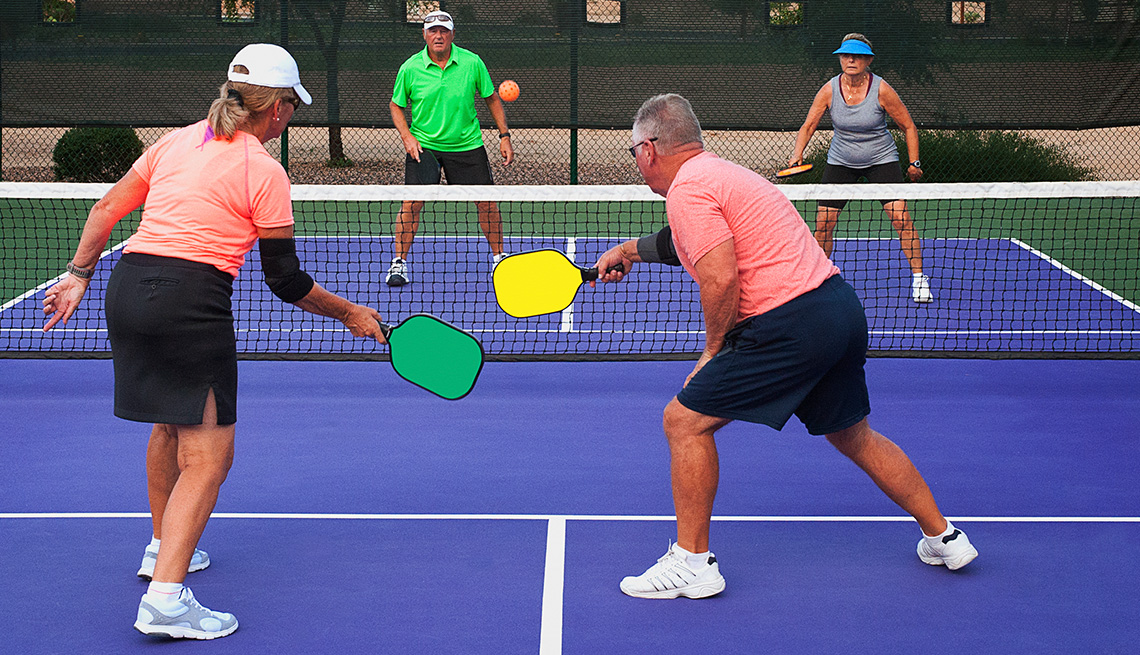
I am a new cucumber at pickle ball.  I started playing this game (the fastest growing sport in America!) this summer as a way to get some exercise when my knees started going on me.  Pickle ball is a mix of tennis, badminton and ping pong. It’s played on a small-sized tennis court with paddles and wiffle ball-like things. It’s a blast and great for old farts like me. It takes skill, strategy, stamina, heart, patience….and lots of practice.

Pickle ball looks easy, like anyone could do it. Until you screw up your courage, put yourself out there, and try it. Pickle ball is a lot like writing.

I play every day now, 9 to noon, with a group called The Friendly Pickle Ballers. I am, oh, probably the third-worst person on the courts, but all my teammates are kind and patient, teaching me the game, because I think they realize I am determined to learn. Which is sort of what we do here at TKZ with our First Page Critiques and posts. It’s a little community where any new cucumber can find help and solace. One of my favorite partners is Tom, a retiree who can smash and dink with the best of them. The other day, I learned that Tom is trying to write science fiction. He asked for some advice and I told him to come to TKZ, which he does now. I also told him that learning to write fiction is pretty much like learning to play pickle ball. And it’s helped me remember some stuff we talk about a lot here but that’s worth repeating:

  1. You need to learn the rules. Pickle ball has some funky rules that you need to know before you set foot on a court or you end up wasting time — your own and your fellow players. Ditto for writing, right? Why flail around trying to write a bestseller if you haven’t bothered to even learn the basics of the craft?
  2.  You must be creative.  Yes, learn the underpinnings of what makes for good fiction. But don’t be afraid to try something different. You might surprise yourself.  Like I did when, being a vertically challenged person, I learned to lob over the tall men.
  3. Play with folks who are better than you are. I’ve said this a million times, but don’t get sucked into a bad critique group, which can be pity-parties, bad for your self confidence or they just reinforce your worst habits.  Find folks who can help you up your game and listen to them. My friend Tom has taught me to…wait for this piece of wisdom!…keep my eye on the ball at all times.  Which is what Jan Burke told me once at an Mystery Writers of America meeting when I was grousing about James Patterson.
  4. Stay out of the kitchen.  In pickle ball, The Kitchen is the area just in front of the net and the rules say you can’t smash the ball if you have even one toe in there and you can’t dribble a serve into The Kitchen. I’m not sure what this says about writing except maybe don’t make really stupid mistakes.
  5. Hit hard along the lines.  If you are writing genre fiction (and I don’t happen to think that’s a derisive term), learn everything you can about that type of novel. Read extensively in your genre, be it sci-fi, thriller or YA.  Because you need to be smart about what’s going on in the market.  But then, learn to play hard at the edges of those lines, because the best genre fiction is the stuff that honors the past but points to something in the future. I have, for the record, a heck of a back hand along the line in pickle ball.
  6. Don’t always go for the smash shot. Pickle ball attracts a lot of tennis players. Many of them come in thinking they can beat up on the old guys by smashing the ball down their opponent’s throat. (This is sort of like literary types who try to write thrillers and wiff.) Trouble is, the pickle ball has about as much bounce as a dead chicken. And the smashers quickly learn they will be dinked to death (an ultra soft shot that just clears the net) by 82-year-old women named Norma.  And yes, I play with a real Norma. She’s a killer. For writers, not going for the smash shot means not trying to hit a home run on your first attempt, ie a bestseller. You’re doomed if you try because you’re aiming at a constantly moving market-target.  Just go out there in the beginning and have fun.
  7. Try the dink.  This is a money shot in pickle ball, a sweet little “dink” across the net that causes the smasher-guys (sorry, they are almost always guys) to race desperately to the net and sometimes do a face plant on the asphalt. So, if you feel lost in the middle of your 400-page novel, set it aside and write a short story or even a novella. You might find your rhythm again. It’s good for the confidence.
  8. Practice, practice, practice.  When I first starting playing, I went only once a week. Guess what, I didn’t get any better.  I got discouraged and depressed. To say nothing of putting on weight. When my friend Linda came to visit up here in Michigan, she dragged me to the Friendly Pickle Ballers.  I was terrible at first. But I am quickly getting better. Why? I go every morning now. Do you write every day? Why not?
  9. Keep score but don’t obsess about it.  Sure, I want to win in pickle ball, but right now I mostly lose. I’m trying to learn that this is okay.  For writers, I think the point is you should keep an eye on your sales, your Amazon ranking, your reviews, etc. But you don’t want to let it get to you. Messes with your head…
  10. And last but not least, don’t beat up on yourself.  This has been the hardest thing for me to learn in pickle ball because I am sort of competitive and feel like crap when I let my team mates down. But as my fellow players keep telling me, “there’s no I’m sorry in pickle ball.”  So for you writers out there, yeah, you will fail.  You’re going to hit a lot of balls into the net. Your serves will go wide. You’re going to get rejection letters. Whatcha gonna do? Pack up your pickle ball and go home? No. You’re going to put on the old sports bra, get back out there and try again. You will get better. You will get good. You will get published. Because even a new cucumber can become a pickle baller.


Inspired by a Good Deed


Photo courtesy www.clipartxtras.com

I write this while taking a break from an interesting if long-delayed project. I have a bed in the basement which has been buried by boxes which have accumulated over the past twenty-four years. The bed is suddenly needed the boxes need to be moved, the contents examined, and determinations made with respect to keeping or disposing of the contents. I have been working on this at the rate of one box per hour, with fifteen minutes allocated for each box. The fifteen minutes is broken down as follows: 1) kick box to dislodge spiders hiding within — ten minutes; 2) carry box upstairs — thirty seconds; 3) go through contents of box — four minutes thirty seconds. I’ve made great progress but it’s been somewhat depressing in a way.

You might be surprised to learn that many of the boxes contained books. I don’t remember reading a lot of them, and it’s depressing on a number of levels. The primary one is that there were and are a LOT of books out there. Many of this lot were published before there was such a thing as Facebook or Twitter, so that the author could not instantaneously announce to the world when the book would be published, when the book was published, when the book was reviewed, and so one. One had to rely on email. I have no idea what an author did before that, other than to hope that a kindly clerk at Walden’s or a knowledgeable librarian would recommend their book to a prospective reader. Still…look at all the darn books. One might ask oneself, “Why bother writing? All the stories have been told.”

The answer is that if you have a story, write it. A good story stands on its own. People empathize with it. One can also take the basics of it and work it, maybe twist it around a bit, and make it different.

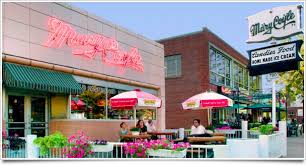
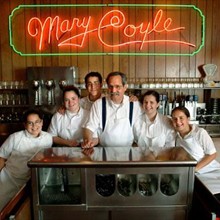
It may also surprise you that I have an example. Let’s start with a bit of backstory.  I misspent my formative high school and college years in Akron, Ohio. One of the few good parts of that experience was making friends in high school with a guy named Michael Trecaso. Michael combined restaurant experience with an innate ability to squeeze a nickel until the buffalo screams to succeed in a very tough business. He bought an ice cream parlor named Mary Coyle — it was where he worked when we were in high school — and turned it from a popular neighborhood place in the Highland Square neighborhood into a destination restaurant.

Photo courtesy Michael Trecaso’s Mary Coyle Restaurant

Another good part of growing up in Akron for me was making friends with a guy we will call P. I have been friends with him for almost as long as I have been friends with Michael. P. is an antique dealer in Akron, which means that he gets to meet a lot of people and hear a lot of stories. Keep in mind that people who live in Akron tend to stay in Akron. Each resident is at best two or three degrees of separation from another. So it is that on one recent afternoon P. was speaking with a husband and wife in their eighties about who they knew, and what had changed in the city. The husband mentioned Mary Coyle. P. mentioned that a friend of his (that would be me) knew the owner. The wife said, “Oh,  Michael Trecaso is the nicest man.” She then told P. a story.

The lady’s father — who we will call F. and who is now deceased — had some fifteen years previously been living in an elder care residence in downtown Akron. One day he caught a bus which took him to a doctor’s appointment near Highland Square. When he finished with the poking, prodding, and sticking he went outside to discover that the perfect summer day that had been present on his trip there had been chased off by storm clouds. It began raining in torrents as he crossed the street to the bus stop, which was located in front of Mary Coyle.

F. had been standing in the downpour for two minutes when he heard someone calling to him. He turned around and the owner of the restaurant — Michael Trecaso as described above — was beckoning to him, calling, “Come stand in the doorway! You’ll get soaked!” F did so. Michael said, “What are you doing out there?” F. said, “Waiting for the bus.” Mike asked F. where he was going. F told him. Michael looked at F. for a second, came to some internal decision, and walked over to the counter. He wrote “Back in thirty minutes” on a sheet of notebook paper and taped it to the front door. Michael then told F “Come on” and gave F. a ride to his residence. F. never forgot that. Neither did his daughter, who tells everyone she meets about it. Michael has told me a lot of stories, but he never told me that one. I don’t think he’s told anyone that story, actually. It would ruin his reputation. I am accordingly telling it now.

You can do a lot with that tale. If you’re Linwood Barclay, your protagonist in a small city could do the good deed and go back to work, only to have the police show up three days later inquiring as to the whereabouts of the elderly man who was last seen getting into his car. If you’re Paula Hawkins, your protagonist sees her long-absent daughter/sister/husband while she is giving an elderly woman with dementia a ride. And so on. That’s just one story. The woods are full of them. Don’t let my tale of a basement full of books discourage you.

I also must note that doing a good deed is its own reward. Should you be in Akron, however, please stop by Mary Coyle at 780 West Market Street to say hello to Michael and give his establishment your patronage. Should you do so, tell him to report to your office or ask him what school he is going to next week. He’ll know who sent you.  

Photo courtesy Michael Trecaso’s Mary Coyle Restaurant

Now…if you are so inclined, I would love to hear about a spontaneous good deed that you or someone you know performed and that has heretofore gone unremarked. We’ll remark upon it. Thank you.


The Procrastination Habit

Procrastination is so rife among my writer friends and other creatives I know that we don’t even joke about it. We are clichés. While I would never lie about procrastinating when I’m supposed to be working, I rarely volunteer the fact. If another writer confesses to me that she’s procrastinating on getting pages done, I feel a huge sense of relief. There’s no misery like procrastination misery to build solidarity between writer friends.

Even some of the most productive bestselling writers I know sometimes procrastinate. Personally, when I’m in my deepest procrastination moments, I forget that. It feels lonesome, and I become my own harshest judge. (That whole comparing oneself to other writers is deadly too, but we can consider that another time.) Being judgy while procrastinating is doubly unhelpful.

Procrastination offers an escape from tension. If I have a project (or chapter or paragraph or phone call or chore) that makes me feel anxious, I sometimes literally walk away from it. It might be for five minutes. It might be for an hour. It might be for weeks. Eventually I’ll return to it–or, if it’s some kind of chore or event–my lack of action will mean it expires and goes away.

Avoidance. It’s embarrassing to admit that I’m sometimes guilty of it. Ouch.

I’ve read many, many books to try to improve my productivity, shape my behavior, and, yes, fix my procrastination habit. Because it is a habit, not a disease or fatal flaw.

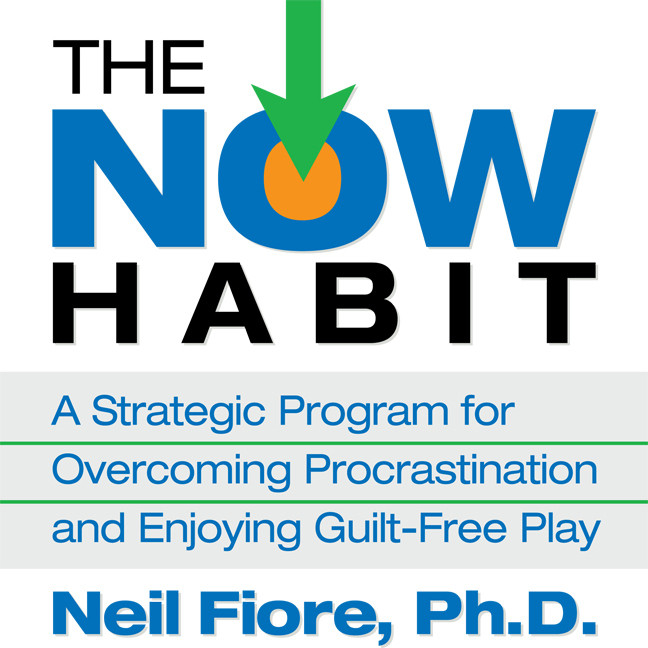
Here’s the latest book I’ve read on the subject:

I listened to it on audio via Overdrive and liked it well enough that I bought the ebook. (I often do that, anecdotal proof that library reads influence consumer book purchases.)

Notice that appealing subtitle. “A Strategic Program for Overcoming Procrastination and Enjoying Guilt-Free Play.” How sexy is that? I couldn’t resist checking it out when I was browsing available audiobooks. The subtitle worked on me exactly the way I’m sure it was intended: put the focus on the positive, not the procrastination.

KillZone is not the place for book reviews, but is about the writing life. So I’ll be brief.

THE NOW HABIT

  1. Helps you identify when and why you might be procrastinating.
  2. Doesn’t judge you for procrastinating–and even explains how it becomes an active coping tool.
  3. Doesn’t prioritize work over pleasure (a real revelation for me).
  4. Offers some compelling client stories.
  5. Has focus exercises and talks about the process and importance of flow.
  6. Helps you create your own “unschedule.”
  7. Has a good section about dealing with the procrastinators in your life.
  8. Explores goal setting.

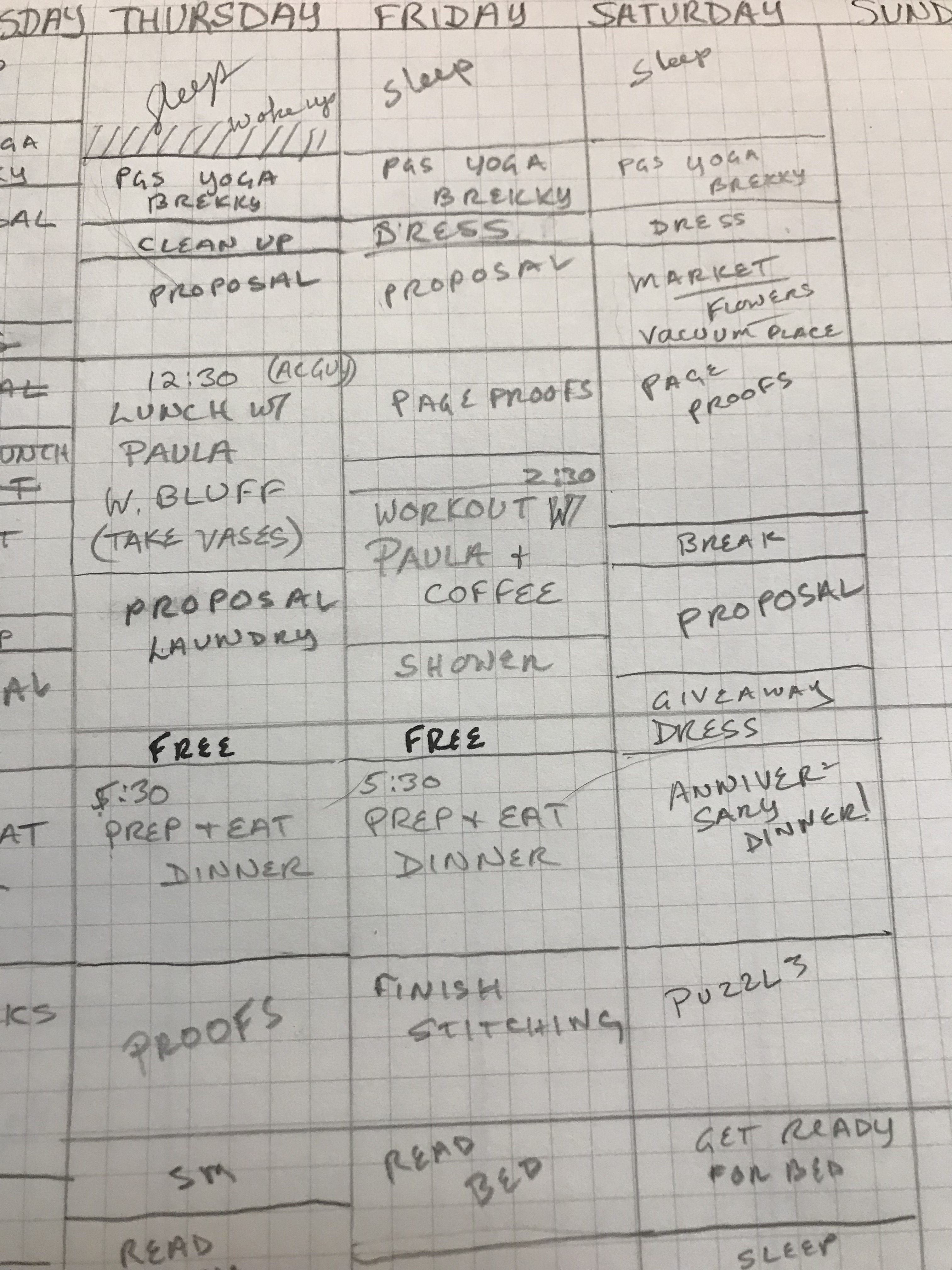
The “unschedule” is my favorite piece of the process because it turns one’s schedule upside down. After blocking out the time you require for life’s necessities like eating, cleaning, sleeping, and tending dependent creatures, you mark out time for things that give you pleasure and put you in a state of play or creative play. Working out, practicing hobbies, spending time with friends. It might happen daily, weekly, or bi-weekly. Whatever you choose. It becomes a priority. A reward to work toward.

Work (or writing or publishing business for most of us here) can become more energizing. More efficient. I confess that on the days I’ve managed to put this into serious practice, I’ve found myself happily working overtime, sometimes working well into my scheduled pleasure time–but not feeling a bit deprived because I know I’ll get to play again soon. Also, I’m getting a huge amount of pleasure from my work hours.

I know many people who have always operated their lives this way. They tend not to be procrastinators, and are what Fiore calls “producers.” If you are one of those people, you either stopped reading this a long time ago, or are shaking your head, wondering what’s wrong with the rest of us. Congratulations! You are in a really good place.

I’ll give you a peek at a part of my “unschedule” from last week. Up to last month, my two primary jobs were writer and homeschool mom. Now I’m a writer with a rising college freshman in the house, so my time is primarily mine to schedule. Everyone’s life circumstances are different, so your mileage will vary.


I make my schedule in pencil because it never works out exactly as I plan and I like to go back and put in what I actually do. It’s quite revelatory for me.

Dealing with procrastination can be a real battle. Particularly for writers. Not all, of course. I’d love to hear from both sides of the aisle. What do you do to fight procrastination, if you fight it at all? If you don’t, what keeps you focused on your goals?

(I won’t tell you how many times I got up from my chair and wandered out into another part of the house as I wrote this. But here’s what happens if I’m gone for even a minute!)