Can You Hear Me Now? Let’s Take a Look at Audio Books

Jordan Dane
@JordanDane


It’s been awhile since I looked into the current details on creating an audio book. With self-publishing, authors have options these days and I have created my own audio book after a publisher forgot to add those subsidiary rights to the contract. It was a great learning experience and I worked through ACX, which was the first and only way to self-pub in audio back then. These services can merge service providers (voice actors/narrators/production, distributors, & authors) and provide stock contracts between the parties and a means to communicate and create an audio book.

Nowadays, there are more service providers and an author can even consider making their own recording. The first step is to confirm you have your audio subsidiary rights before you proceed with creating an audio book. But once you have done that and your rights are available, an author has options to produce and distribute their own audio book.

Here’s what I learned:

Below are a few service providers for Audio Books to get you started. These are platforms that bring authors together with the people & services you will need.

SERVICE PLATFORMS

ACX.com is a marketplace that connects rights holders (authors, publishers, agents etc) with narrators and producers to enable audio book production. It’s an Amazon company and audio books produced through the site are sold on Amazon, Audible and iTunes.

FindawayVoices.com – can help match you with a narrator, or you can publish your own files separately. They have a royalty share option as well as a pay per finished hour contract. The big difference here is that you can set your own price AND set the price separately for retail and library markets. Plus you can use their Authors Direct app to sell audio direct to listeners.

KoboWritingLife – if you use Kobo to create your work, your audio book is eligible for different kinds of promotion. Kobo sells audio books to its readers, but Kobo also works with its sister company, Overdrive, for library distribution, as well as having distribution deals with Walmart and other companies. You can reach the same markets through Findaway but the additional promotion may make it worthwhile to go direct to KWL.

Do a Combo – A new author might choose to do a royalty split with a narrator/production company. It’s generally a more affordable option, but as far as opting for a wider distribution, you can choose a combo. You may choose to go through ACX but with a non-exclusive contract for Amazon/Audible distribution. You may find wider markets in Findaway Voices. NOTE: If you already have an exclusive royalty split agreement through ACX, you may decide to change that to non-exclusive at the time of renewal. You can download your audio file from ACX and transfer it to Findaway Voices when you have the rights to do it.

Whatever you opt to do, be sure you understand how your audio book will be distributed and how your royalties will apply over the long term.

AUDIO PRODUCTION

You have two choices for audio production. You can choose to record the book reading yourself OR you can hire a professional (and a service provider) to do it for you. Speaking as a former high school drama student, it’s tempting to try a recording, but I know better. Despite the benefits of an author knowing the material and hearing the dialogue in their mind, it takes a special kind of voice actor to pull off a great audio book. Merely reading the words is not enough.

For those of you willing to try it, here’s what you would need to do your own recording.

  • A quiet place to record
  • Equipment/Software
  • Time
  • Technical expertise

Depending on your budget, the equipment and software could be as little as $200, but the biggest investment will be in the time it will take you to not only produce a recording, but the effort to edit in post-production. According to Audible, an industry professional reads approximately 9400 words per hour. If your book is 90,000 words in length, it will take 9.57 hours to produce a recording, minimum. This is NOT a speed reading exercise. To be conservative, you should count on doubling that time to account for retakes, breaks between sessions, and allowing your voice time to recuperate.

I found this great link on How To Make an Audio Book: A Do It Yourself Guide. This is a detailed guide if you are serious about doing your own audio book. It goes into specifics of the equipment you should consider from your computer hardware to microphone, to recording environment, and software. The article goes into depth of one person’s experience and what they specifically used. Very cool. It even goes into suggestions on the opening and closing credits and talks about the image used for the distribution cover. There are also specifics on how to edit. Great stuff.

PROMOTION

FOR AMAZON/AUDIBLE – First off, it’s important for your audio book to appear on the book pages for your other formats. It’s not only important for readers to find all your formats, but if your audio is not linked in all formats, the Whispersync technology (a product of Amazon and Audible) won’t be synchronized between your ebook and audio. That’s a nice convenient feature for readers/listeners. PLUS, once Whispersync is available, the reader can purchase the audio book at a reduced price.

If your audio book is shown on an orphan page where it is not merged with the other formats of your book, send an email to KDP-support@amazon.com & include the links to the Amazon pages for all the formats.

SOUNDCLOUD – This is an app you can get on Google Play/Store that will feature an audio clip of your book once you become a member. It allows you to promote on social media and include a sound clip link to give readers as a sample. A sound clip can be an interesting way to attract new readers if you cross post it on social media and have it on your website book page.

Where to Market Your Audio Book on Facebook – There are a number of Facebook groups you can query to find sites to subscribe and promote your audio books. Here are a few:

Audio Book Addicts 6000+ members

Audio Books! Over 3 Million followers

Aural Fixation Over 3 Million Followers

Other AudioBook Promo Sites:

Audiobook Jukebox – submit your audio book for a review. Reviewers can request your audio book for a review, similar to Netgalley.

Audio Books Unleashed – You load your promotion codes for your freebie giveaways on the listing page, and the site gives one to each listener requesting the audio book.

AudioBookBoom – This is a site that’s the equivalent of BookBub but for audio books.

Audio Book Marketing Resource List – This is a huge list of sites where you can have your audio book reviewed or promoted. Tons of links and includes more Facebook gand Goodreads groups focused on audio books.

Paid Advertising:

BookBub has ChirpBooks, which is an audiobook promotion service for limited time price cuts. They are partnered with Findaway Voices because other distributors don;t allow you to set or change your prices for an audio book. You can sign up to be on the wait list on this page.

You can pay to advertise your audio book in AudioFile’s Indie Press Showcase.

I was amazed at all the new things online for authors who might want to retain their subsidiary rights for audio books. I listen to audio book almost every night. It’s a relaxing way to fall asleep – like someone reading you a bed time story in the dark. I also love that retailers, like Amazon, give readers a discounted price for the audio book addition to your library. I’ve gone back to my reading list to see if some of my fav authors have audio book sold at a good price. Things have definitely changed for the better for audio books.

For Discussion

This post is only the tip of an iceberg for all the resources available for audio books and an author’s options. If you have any audio book experiences or resources to share, please put them in your comments. 

Share some of your favorite voice actors/narrators.

Share some of your favorite audio books.
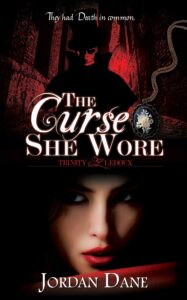
The Curse She Wore – Available for Pre-Order – Releases Feb 10, 2020.

Trespassing on Fate’s turf comes with a price for two broken people–a price they never see coming.

First Page Critique – The Wildfire Pathogen

Jordan Dane
@JordanDane

I am posting my first page critique to assist Clare who is in Australia with personal family business. My first critique in 2020, I hope you’ll enjoy THE WILDFIRE PATHOGEN. Very timely with the Coronavirus out of China. Let’s sanitize our hands and read on. My comments will be on the flip side.

The Wildfire Pathogen

Even through six inches of solid acrylic, Conrad Jurek could see the monsters moving inside the box.

They were no more than grainy mists inside individual test tubes. Those mists swirled with each jolt of the plane as it powered through pockets of turbulence. Almost as if the bumpy ride irked them.

Jurek reached into his sage-colored flight suit, pulled out a pen, and began to jot notes on his clipboard. The acrylic box was a four-by-six foot transparent crate mounted on a hardwood dolly. A locking mechanism the size and weight of a manhole cover sat on top. He’d seen the same tamper-proof device protecting the innards of nuclear warheads.

The monsters inside could do far worse than mere firecrackers.

Six tubes hung suspended below the locking device like bullets chambered in a revolver. Each finger-length container held twenty grams of orthohantavirus, a solid mass of viral matter dried into particles as white and delicate as baby powder.

Yet each cylinder of glittering borosilicate glass held enough pathogenic material to kill several million men, women, and children.

A beefy hand came down on Jurek’s shoulder. He suppressed his instincts and allowed the hand to turn him around. A man wearing a black uniform with the word SECURITY stenciled across the front scowled at him before growling two words.

“Back off.”

Jurek held up the clipboard. “I’m supposed to do a load check mid-flight.”

“No one’s supposed to come close to the package.” The guard’s eyes flicked to the name tag at the chest pocket. “If I were you, Corporal Witkowski, I’d leave. Now.”

Two more security men stepped into view on the opposite side of the box. Jurek considered them for a moment. Under his flight jacket, a 9mm Beretta Nano hung snugly in a holster. The weapon was still warm from when he’d shot Witkowski and taken the airman’s uniform off the hanger.

No, he thought to himself. Stick to the plan.

Jurek turned away and went up to the cockpit. He locked the door and took the empty co-pilot’s chair. The pilot glanced over with a raised eyebrow. His uniform’s tag also bore the name of a man murdered in the last two hours.

“I’m familiar with the outer locking mechanism,” Jurek confirmed. “We go forward as planned, Doctor Isenhoff.”

“Good,” came the reply. “Get your oxygen mask ready.”

With that, Isenhoff reached out and flicked a single switch on the flight panel.

FEEDBACK

SUMMARY – Great place to start. This time it’s not SNAKES ON A PLANE. It’s monsters in a vial. We are already in the middle of the action with plenty of mystery and intrigue to keep turning the pages. The author sticks with the action without slowing the pace with backstory. There’s time for explanation once the reader is pulled in. At the end of the 3rd paragraph, the author draws the reader in tighter in describing the tamper proof canister and compares it to the protection on a nuclear warhead. Nicely done. And it got my attention when the author described a nuke to “firecrackers” compared to the monsters on the plane.

I also liked that the author had patience to let the reader discover that Jurek committed murder to get on the plane, wearing a dead man’s uniform. At this point, we aren’t sure if Jurek is trying to stop a deadly pathogen attack by hijacking the material from villains or if he plans to steal the deadly virus to commit his own attack. Great set up with plenty of mystery to unravel.

I especially like how the author had Jurek accosted by security and he had to restrain his instincts to fight the man off. He’s got more up his sleeve (a plan) and that’s when we find out that Jurek killed to board the plane. Nice touch, author.

Then a stroke of genius to have Jurek working with the pilot – a doctor presumably familiar with the pathogen – who is also a pilot. Jurek and Dr Isenhoff are in it together. And there’s a hint that there’s a reason Jurek went to check out the dangerous cargo, to determine if he knew how to break into the canister. Something bad is about to happen that involves oxygen masks. At this point, we don’t know who the protagonist is, but we have a great start.

TITLE – I like the reference to “wildfire.” We all know what that could mean in terms of spreading fast and the word “pathogen” is timely and medical. Only the author knows if there are other titles that could establish the critical danger in a better way, but I would be happy taking this title to a publisher. It’s more than a working title, in my opinion.

NIT PICKY – At the start of paragraph 3, I spotted a pet peeve of mine. I like a strong sentence with tight wording. The words “began to” are unnecessary. It would be better to say “…and pulled out a pen to jot notes on his clipboard.”

Jurek reached into his sage-colored flight suit, pulled out a pen, and began to jot notes on his clipboard. 

Great job, anonymous author. There’s action and I’m intrigued. I would definitely keep reading. Okay TKZers, please leave your comments and provide feedback to this brave author. (Safe travels, Clare. We missed you.)

The Curse She Wore – Coming Feb 10, 2010. On presale now.

Trespassing on Fate’s turf comes with a price for two broken people–one they will never see coming.

True Crime Thursday – 911 Pizza Emergency

Photo credit: In memorium: Mr. Ducke, Visual Hunt

By Debbie Burke

@burke_writer

On a dreary winter night when hunger pangs strike, the craving for a thick-crust pepperoni pizza with double cheese might FEEL like an emergency.

But in this True Crime Thursday case, a 911 dispatcher in Oregon, Ohio answered a call from a woman ordering a pizza that turned out to be a bona fide emergency.

Tim Teneyck, a 14-year veteran at the 911 center, at first thought the call was a prank. But the woman was insistent and repeated her address, tipping Tim off to a problem at that location. He asked if someone was threatening her. She answered yes. He asked more questions and determined she was in danger even though she couldn’t say so directly.

He dispatched officers to the address. Inside the residence, they found a drunk man menacing the caller’s 57-year-old mother. The man was the mother’s live-in boyfriend who had a history of domestic abuse. He was arrested, averting a possible tragedy.

From time to time, social media spreads the word that there is a “secret code” for domestic abuse victims. Supposedly, if they call 911 and order a pepperoni pizza, that indicates they are in danger but cannot talk. According to law enforcement, this code is neither standard nor official.

But quick-thinking 911 dispatchers recognize signs of stress in a caller’s voice and will prolong the conversation, as Tim did, until help arrives.

Thank you to the unsung heroes who answer frantic calls to 911.

~~~~

TKZers, do you have an unusual or interesting 911 story to share in the comments? Some regular TKZ readers are dispatchers or connected to law enforcement. Please chime in with your anecdotes.

~~~~


Please check out Debbie Burke’s new release, Eyes in the Sky, book 3 in her Thrillers with a Heart Series. You can read a sample here.


Lessons Learned from Writing True Crime

By SUE COLETTA

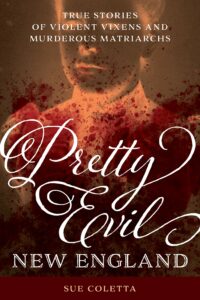
Have you ever considered writing true crime? With five days left of my deadline, I’ve finished the manuscript of Pretty Evil New England and am now just tightening the writing and gathering my photographs for the book. The hard part is behind me.

via GIPHY

While on this journey into true crime I learned a few lessons that might interest you.

Would I recommend true crime to new writers? The only honest answer I can give is, it depends.

The truth is, this work isn’t for everyone. Writing true crime is a huge undertaking that requires months of intense research and deep concentration. Some days I swear my brain had caught fire from overuse. Seriously, it can be physically draining to live inside a real killer’s head for months on end, never mind five killers’ heads, or the victims and their families. At the same time, my passion and excitement for the project kept me racing to work every single day, and the day after that, and the day after that.

Please indulge me for a moment. I do have a point, but you’ll need context to understand what I’m talking about. When the publisher approached me about writing Pretty Evil New England, they asked me to include 10 +/- female serial killer stories.

But I didn’t want to write 10 short stories. What fun is that? If I was to veer out of my comfort zone (psychological thrillers and mysteries), then I needed to write a story that mattered, a story that readers could sink into, spend time in the story world, and experience a visceral thrill ride. What I failed to realize at the time was that the publisher’s idea would’ve been a cakewalk compared to my over-eager proposition. But hey, I was never one to shy away from a challenge. Why start now?

In my book proposal, I outlined the book in four Parts. Part I – III focused on one female serial killer at a time, with each Part dedicated to the subject’s case, all four Parts the length of a novella. In Part IV, I zeroed in on two female serial killers — one poor, one “lady of influence” — who committed almost identical crimes. They both claimed to experience visions and prophetic dreams, both murdered the people they loved most, and both stunned the public with their heartless crimes. Yet, after they were exposed as killers, the two women’s lives ran in opposite directions. Even more shocking were the outcomes at trial. So, Part IV became not only two intriguing storylines that intertwined but it shined a (subtle) light on fairness and equality.

Not conforming to the publisher’s original vision for the book was a risk, but I backed up my argument with facts from various sources that proved true crime readers prefer quality over quantity.

Lesson #1: When pushing for your own concept, you need to provide proof that your idea will be more profitable and enjoyable than the one posed by the publisher.

Once I found my five cases, I delved into research. Now, I had no idea what to look for, so I researched everything… life in nineteenth century New England, nursing requirements back then, forensics of yesteryear, how trials worked back then, the gallows… you name it, I researched the topic to death (no pun intended). I had no direction, except for my five ladies, two of which had practically no online footprint and one who had too many articles written about her, and many with conflicting accounts that didn’t align with my early research. Which is worse, actually. It’s much more time-consuming to wade through conflicting information than to research a bare bones case.

Lesson #2: Have a plan of attack. Meaning, before you start to research plan what you’ll need for the story, like dialogue and a sense of place.

Being a fiction writer helped a lot, because I viewed the cases from a storyteller’s point of view. The worse thing we can do is to just report facts. Boring! Instead, we need to find that perfect balance between journalism and engaging storytelling. But, and this is key, we cannot change or embellish to enhance the story.

What I discovered is, there are numerous ways to write true crime. Each of my four Parts are written differently. Why? Because no true story is the same. Thus, it’s our job to be able to adapt according to the case. For example, in Part I, I used the killer’s confession and dialogue to write scenes from her perspective, the victims’ perspectives, and the dogged investigators who caught her. Using a backdrop of the historical Eastern Heatwave of 1901 enhanced the atmosphere in a creepy way. Which brings me to…

Lesson #3: Look outside the case for a sense of place. What else is happening at that time, in that area?

Lesson #4: No amount of online research can replace real-world experience.

Even if we’re writing historical true crime, we still need to visit the crime scenes, grave sites, walk where the killer walked, visit the town, or the murder house, if you’re really lucky. In my research I stumbled across a third floor that was perfectly preserved from 1881. I walked where the killer walked (in Part III of Pretty Evil), I sat where the victims sat, I laid my finger on the ivory keys of their piano and perused their bookshelves. What an incredible find! It’s an experience I will never forget. If you’d like to see the photos, I blogged about it.

The most important lesson I learned was this. Before choosing a subject to write about, ask yourself, why does this story interest me? What is it about this crime that makes it unique?

We, as writers, need to be passionate about all our projects. For true crime writers, we need to be doubly sure, because we can’t change real life. The true crime writer lives with the case for a long time… many months, sometimes years. If the writer isn’t passionate about the story, chances are readers won’t care, either. Same goes for fiction. Hence why TKZ members have written umpteen posts on concept, premise, when to keep a story idea and when to trash it.

By the time I wrote the final sentence of Part IV of Pretty Evil, I couldn’t wait to go back to page one. I missed my “characters” from Part I-III. And now that I’m just tidying up the manuscript, I feel like I’m visiting old friends, even if they are psychopaths. 😉 Their stories are part of me now, and hopefully, will become part of my readers’ lives as well.

Have you ever considered writing true crime? If you already do, please share your tips.


PRETTY EVIL NEW ENGLAND: True Stories of Violent Vixens and Murderous Matriarchs hits bookstores Sept. 1, 2020. Can’t wait!


More than a Dream

Today as we celebrate the MLK holiday, I find that many of the issues Martin Luther King Jr. espoused seem to resonate even more deeply than they have in the past. Maybe it’s because over the past year or so I have become more involved in state politics providing both volunteer and aide support to one of the few African American senators in Colorado. Maybe it’s because in trying (and often failing) to juggle these commitments and my writing I’ve had to reevaulate my writing ‘dreams’. Or maybe it’s because I celebrated a ‘big’ birthday last year which inevitably meant taking stock of what I’ve achieved so far…whatever the reason, I find myself feeling more philosophical than usual today.

On one hand, I feel I’ve contributed (albeit in a small way) to progressing society towards some of the goals MLK held dear. On the other hand, this work (and my struggle to balance it with my writing goals) helped reinforce the truth that for me, writing really is the dream I cherish. In some ways this was an important lesson to learn – one I could only really learn when my time to write became so compromised that I realized how much I missed it! Unfortunately, since the legislative session just started in Colorado I have been sucked back into a political vortex (the new aide to my senator just resigned…and I stepped back into the breach) – so I feel a little like I’m back where I started… and I need to recommit to my dream once more and find the right work-life/dream balance.

I was mulling over the concept of ‘dream’ when I caught an excerpt from an episode of “How I Built This” on NPR. Guy Raz was asking the founder of an active wear brand how she thought she managed to make her dream a reality. Her answer was one powerful word – ‘persistence’. When you think about all the dreams we have – from the lofty and powerful ones MLK articulated to the smaller, more individualized ones we hold dear – the only way those dreams can become reality is through persistence. So I’m taking this day to try and recalibrate my expectations and recommit to the concept of persistence.

So TKZ, on this MLK holiday, what dream are you committing to? Any guidance on how to  embrace persistence, despite the challenges?


Happy New Year!!

Happy New Year from all of us at the Kill Zone and welcome to 2020! Here’s to a new year that is both productive and fulfilling for everyone’s writing career!

As usual I have many, many, resolutions – some writing, some fitness/life-balance related but one new resolution of mine – to be kinder on social media – came out of an experience with a wonderful online community that I joined late in 2019. This Facebook group is devoted entirely to collies – and, of course, as an avid collie owner I had to join – even though I had no real idea what to expect. As with everything online, my previous experience with Facebook and other social media groups had always come with some cautionary caveats. We’ve all experienced online ‘discussions’ which (inevitably) lead to arguments, bad behavior, and (more recently it seems) the hurling of insults. For a while there it seemed no topic or group was immune to this, until I discovered the joys of the American Collie Facebook group which exists for the sole purpose of celebrating and cherishing a beloved dog breed and (perhaps more importantly it seems to me) being kind to one another. No one says anything disparaging, no one sets up any discussion just to draw people into an argument – all you get a wonderful, upbeat posts about collies. No one makes snide comments or insults another owner and for every photograph or video posted you see tens (sometimes hundreds) of likes and loves. It’s the way social media should be…or could have been in an alternate universe…and I love it! For me, no matter how many Facebook posts I see where friends rip into each other for their beliefs or twitter rants I read, I know there’s this wonderful safe haven I can visit online. I view it almost like meditation – only with Lassie:)

So this year, no matter how crazy the world gets, or how horrible people can be online, I’m going to follow the example this group has shown me…I’m going to kind. I’m going to ignore the posts that infuriate me and focus on the likes and the loves rather than the hate.    I’m going to know that even in the worst of times, I’m able to belong to a group of people who have their priorities straight – where it’s all about life, love, and a good dog by your side:)

I’m going to be like my own collie, Hamish… (here he is in his holiday post for the Facebook group:))

So TKZers what are your hopes for the new year?


READER FRIDAY: What Writing Craft Element is Most Important?

Of all the elements to the writing craft, which one is most important to you as a writer and/or a reader? Bonus points if you can give examples of novels that exemplify your answer.

Below is my attempt to list Craft Elements. Did I leave anything out?

Character

Setting

Plot

POV

Theme

Style/Voice

Dialogue

Action

Exposition

Conflict

Motivation

Climax

Resolution

Key Ways to Lure Readers with an Opening – First Page Critique: Follow the Raptor

Jordan Dane

@JordanDane

Wikimedia Commons

My last TKZ first page critique for 2019. I want to thank all the brave authors who have submitted their novel introductions to share with our TKZ community. Although it’s never easy to hear criticism, no matter who you are, we grow as authors by taking risks. Kudos to all the courageous writers we have at TKZ–those who submit their work and those who offer constructive criticism. Thank you all.

***

From the airport, I drove north in a rental car toward Ketchum, and turned onto a small paved road that ended at an estate owned by a man who had offered to pay me handsomely for an assignment he wouldn’t describe over the phone. I announced myself to the intercom and the gates swung onto a flat curve of driveway. A big-guy checker piece in black answered the doorbell. He mumbled into an earpiece and jotted in a small notebook, a juxtaposition of the new and old. I noticed this because Tireia would notice, and lovers learn such habits from one another.

The big guy identified himself as Jonathan. He led me down a wide hall peopled by brass effigies and through double doors into the presence of a massive sandstone fireplace that loomed over curved and plush seating. The room was filled with paintings and statuary, rainforest plants, and stacks of oversized books on tables that looked as if they were laser-hewn from petrified wood. The drapes were open on floor-to-ceiling windows, displaying a lawn that flowed to sage-strewn foothills on this high-desert side of the road to Sun Valley.

Jonathan left and I wandered over to a Gainsborough-like portrait of a woman in a pleated gown that covered her feet. It was better than the other one on the same wall, of a high-breasted brunette in a print blouse, who sat in a thin chair and stared out of the 1940s at the viewer. She was familiar, and not being able to place her irritated me. The signature in the corner read, “Katherine March.”

Soft footsteps signaled the appearance of my trim and compact host. He sported a velvet smoking jacket and suede slippers, which made me grin.

“I’m Cassim Geyer,” he said.

“Reese Sapere.”

We shook hands.

“I assume you’ll be flying your plane home, Mr. Sapere, so I won’t offer liquor. Will tea do?”

“Tea? Yeah, OK.”

He went to the fireplace and pulled a bell cord, which delighted me only slightly less than the lovely young woman who soon appeared, in a short black skirt over a white blouse. Cassim requested the tea and sat down across from me. He flicked a bit of nothing from his slacks, looked up, and caught me regarding him.

“Tradition has its upside,” he said, “if you take it with a dollop of nonconformity.”

***

FEEDBACK

SETTING FOCUS IN INTRODUCTION – This introduction sticks with the action of what is happening. No real backstory. That’s a plus, but when the tedious description of the setting overtakes the narrative, the pace slows down to a crawl. The author hasn’t given me enough reason to care about the setting. I really don’t know where Ketchum is – in Oklahoma or Idaho? If the character had more of a colorful opinion, I might see the reason for the description-to showcase and give insight into the character.

A reader isn’t as much after the details of a setting, but more about atmosphere and mood.

Here is an example of a more effective intro that paints a picture of setting, but it also reflects on the character and a darker mystery.

EXCERPT

In Margaret Atwood’s The Handmaid’s Tale, Offred introduces her room with details that not only grab us but hint at something dark:

A chair, a table, a lamp. Above, on the white ceiling, a relief ornament in the shape of a wreath and in the centre of it a blank space, plastered over, like the place in a face where the eye has been taken out. There must have been a chandelier once. They’ve removed anything you could tie a rope to.

If the action in this submission were better matched with the setting details, the main character might be more integral to the setting with hints of emotion or something more at stake. As it reads now, the setting descriptions are just an inventory of room furnishings. Below is a good example of how the author uses plain setting descriptions to stir feelings of foreboding in the reader and give insight into the female lead.

EXCERPT

Lynda La Plante’s Above Suspicion turns a simple setting into something ominous when the character realizes someone has violated her home and been inside. Can’t we all relate to being shaken at the possibility of a home invasion? This short description, that incorporates the details of a setting, gives insight into the woman living alone and the emotion she must be feeling.

Reaching for the bedside lamp, she stopped and withdrew her hand. The photograph of her father had been turned out to face the room. She touched it every night before she went to sleep. It was always facing towards her, towards the bed, not away from it. … In the darkness, what had felt safe before now felt frightening: the way the dressing-table mirror reflected the street-light through the curtains and the sight of the wardrobe door left slightly ajar.


MYSTERY – There are elements of mystery to this intro. Below are four I noticed, but not all of them are presented well.

Good Mystery Elements

1.) The character is paid handsomely for an undisclosed assignment. Why? This is a good mystery to drop at the start. Make the reader wonder what this guy does for a living. Good guy or bad.

2.) Who is Katherine March and why is she familiar to him? This is a good mystery. It’s intriguing and it has the potential for foreshadowing something to come. I like it.

Not so Good…

3.) What gender is the central character (male of female)? I have to wait until nearly the end of the dialogue where he’s called Mr. Sapere. Even the first name of Reese can be female. It’s not good to keep a reader guessing about gender, but this can be an easy fix if the author would introduce gender earlier.

4.) Who is Tireia? From the line – “I noticed this because Tireia would notice, and lovers learn such habits from one another.” There’s no attempt at an explanation, but why bring it up? This reads like a series with characters the reader should know. This kind of mystery will have the reader scratching their head and wondering why. I would find another way to bring this up later, but it’s not necessary in this intro. It’s only confusing.

LOCATION – I mentioned this earlier, but the reference to Ketchum could be in Idaho or Oklahoma or anywhere. A simple tag line would clear this up. Or the author could make a choice to make the setting clear from the start and make it memorable in short order, as in the excerpt below.

EXCERPT

Gabriel García Márquez, opening One Hundred Years of Solitude, introduces his village like this:

Macondo was a village of twenty adobe houses, built on the bank of a river of clear water that ran along a bed of polished stones, which were white and enormous, like prehistoric eggs.

FIRST SENTENCE LENGTH – The first sentence is too long with too many unrelated details, that they get lost in the length. My instincts would be to make the character more colorful with a more memorable voice. Give him an opinion of his surroundings that reflect on him, as a protagonist. Make him more wary of who this new client is and why is the man so secretive about the assignment. The first sentence (below) is tedious, forgettable, and the last part of the mystery assignment almost gets lost at the tail end.

From the airport, I drove north in a rental car toward Ketchum, and turned onto a small paved road that ended at an estate owned by a man who had offered to pay me handsomely for an assignment he wouldn’t describe over the phone.

Also, in this submission, we learn at the very end of the 400 words (in the dialogue) that the protagonist is a pilot and must have rented a car from the airport. It’s seems odd that we have to wait until the end dialogue to discover that Sapere is a pilot. It’s a bit confusing that the new client knows more about Sapere than the reader does, after being in Sapere’s head.

MAKE DIALOGUE COUNT – For the first lines of dialogue, they are very anti-climactic and chit-chatty.

WHERE IS THE ANTICIPATION? – I would’ve liked to see the author have a build up of anticipation where the protagonist is curious about the man who wants to pay him handsomely yet couldn’t talk about the assignment over the phone. This is how you build on the mystery, when the protagonist is drawn in himself and searches for clues.

It’s obvious the man he came to see is someone he doesn’t know. I would think he would screen his jobs better. Wouldn’t he be more wary? Wouldn’t his mind be searching the grounds for hints of the assignment or who this man is?

SUMMARY – This author shows talent. There’s a good crime fiction start here, but this reads like a first draft. With some feedback and filling out of details to create more mystery and a sense of anticipation, this introduction could be more effective.

FOR DISCUSSION:

Please share your constructive criticism with this writer and with your TKZ family. We all have an opportunity to learn.


Just Breathe… You’ve Got This

By Sue Coletta

Writers wear many hats… wife/husband, mother/father, sister/brother, friend, marketer, editor, (some add) publisher, (some add) cover designer, (some add) audiobook narrator, (some add) speaker, (some add) coach, housekeeper, bookkeeper, blogger, social media user/expert, tax preparer, holiday host, baker, cook, etc., etc., etc.

Under the best of circumstances, it’s a lot to juggle. During the holiday season, forget about it. Feeling overwhelmed is the new normal, especially if you’re hosting a holiday event.

First, breathe. You’ve got this.

When chaos starts shaking the to-do list in my face, I close my eyes, lean back, and breathe… It’s amazing what a few deep breaths can do. There’s a running joke in my family that I’m so chill, I’m practically a corpse. It’s true! My blood pressure rarely, if ever, rises above 110/60, even under stressful conditions. And you know why? Because I take advantage of the most powerful and the most basic gift we have — the ability to breathe.

It may not sound like much of a superpower, but controlled breathing improves overall health. Controlled breaths can calm the brain, regulate blood pressure, improve memory, feed the emotional region of the brain, boost the immune system, and increase energy and metabolism levels.

The Brain’s Breathing Pacemaker

A 2016 study accidently discovered a neural circuit in the brainstem that plays a pivotal role in the breathing-brain control connection. This circuit is called “the brain’s breathing pacemaker,” because it can be adjusted by alternating breathing rhythm, which influences our emotional state. Slow, controlled breathing decreases activity in the circuit while fast, erratic breathing increases activity. Why this occurs is still largely unknown, but knowing this circuit exists is a huge step closer to figuring it out.

Breathing Decreases Pain 

Specifically, diaphragmatic breathing exercises. Ever watch an infant sleep? Their little tummy expands on the inhale and depletes on the exhale. They’re breathing through their diaphragm. We’re born breathing this way. It’s only as we grow older that we start depending on our lungs to do all the work.

Singers and athletes take advantage of diaphragmatic breathing techniques. Why not writers? If you find yourself hunched over the keyboard for too long, take a few moments to lay flat and concentrate on inflating your belly as you inhale through your nostrils. Then exhale while pulling your belly button toward your core. It takes a little practice to master the technique. Once you do, you can diaphragmatically breathe in any position. The best part is, it works!

Count Breaths for Emotional Well-Being

In 2018, another scientific study found that the mere act of counting breaths influenced “neuronal oscillations throughout the brain” in regions related to emotion. When participants counted correctly, brain activity showed a more organized pattern in the regions related to emotion, memory, and awareness, verse participants who breathed normally (without counting).

Controlled Breathing Boosts Memory

The rhythm of our breathing generates electrical activity in the brain that affects how well we remember. Scientists linked inhaling to a greater recall of fearful faces, but only when the participants breathed through their nose. They were also able to remember certain objects in greater detail while inhaling. Thus, researchers believe nasal inhalation triggers more electrical activity in the amygdala (brain’s emotional center). Inhaling also seems key to greater activity in the hippocampus, “the seat of memory,” according to Forbes.

Relaxation Response

The “Relaxation Response” (RR) is a physiological and psychological state opposite to the fight-or-flight response. RR therapy includes meditation, yoga, and repetitive prayer, and has been practiced for thousands of years. These stress-reducing practices counteract the adverse clinical effect of stress in disorders like hypertension, anxiety, insomnia, and aging.

Yet, research on the underlying molecular mechanisms of why it works remained undetermined until a 2017 study unearthed a fascinating discovery. Both short-term and long-term practitioners of meditation, yoga, and repetitive prayer showed “enhanced expression of genes associated with energy metabolism, mitochondrial function…” and more efficient insulin secretion, which helps with blood sugar management. Relaxation Response also reduces the expression of genes linked to inflammatory responses and stress-related pathways. In simpler terms, controlled breathing helps boost the immune system and improve energy metabolism.

Creativity

This probably goes without saying, but I’m mentioning it anyway. Good brain health increases creativity. Creativity helps inspiration. And inspiration ups word counts.

With all the rushing around for the holidays, combined with writing deadlines — either self-imposed or contracted — please take the time to breathe. Your body and your muse will thank you later. 🙂

Happy Holidays, my beloved TKZers! May all your writer dreams come true in 2020.


First Page Critique – Hell Hath No Fury

by Debbie Burke

@burke_writer

Please welcome today’s Brave Author with a submission titled Hell Hath No Fury. Take a look then we’ll discuss it.

Photo credit: Fernando Aguilar, Unsplash

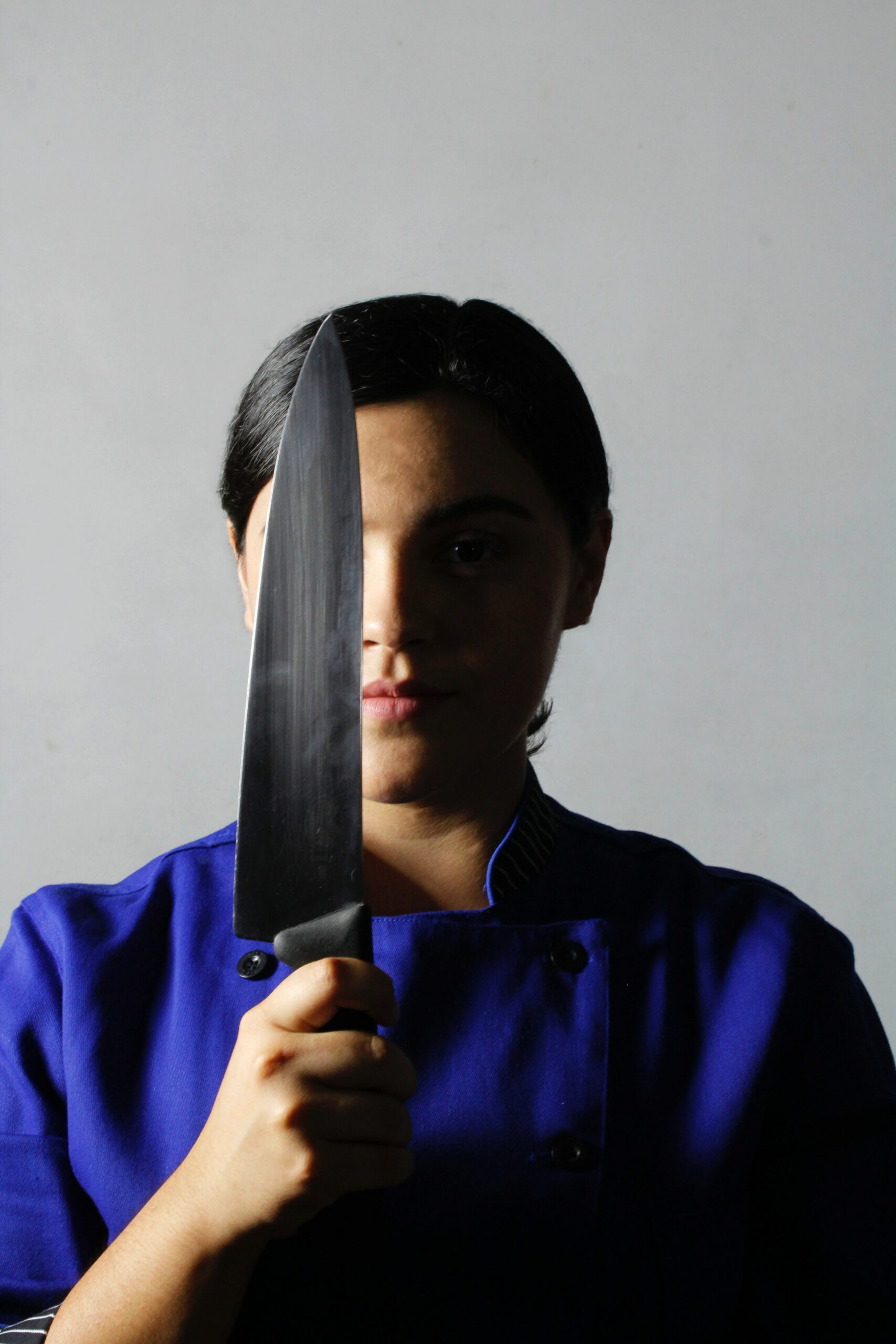
A DROP OF BLOOD CLUNG PRECARIOUSLY to the tip of the chef’s knife. On the fluffy white carpet of Madeline Hawthorne’s bedroom, a nasty red stain was forming. The woman gripping the knife breathed in staccato gasps; the muscles in her arm twitching after her recent exertion.  Madeline lay on her stomach on the king-sized bed, wearing a silver silk nightgown with two ragged gashes in its back.  Blood welled up from the wounds and ran down her side onto the satin sheet.  Madeline groaned and moved her left arm.

“I said die, bitch!”

The knife sliced into Madeline’s back five more times in quick succession.  Blood spatter covered the woman’s face and arms as well as her blouse.  She was petite, but the muscles in her arms and shoulders were well-defined, honed by hours in the gym and the dance studio.  Her calves, visible below her dark skirt were lithe and slender.  She tensed for another lunge, but there was no need. She stood over the dead woman while her pulse steadied and her breathing slowed to normal.  A dark pool had formed on the bed and ran in two thin rivulets off the edge of the mattress and down onto the stained carpet.  After a few minutes of motionlessness, she calmly laid the knife down on a bloodless space near the foot of the bed and wiped the handle with a portion of the comforter, leaving bloody streaks.  Then she reached down and removed her shoes, which had mostly avoided the flying blood.  She carefully walked to the bathroom and set the shoes down on the floor, then walked around the bed, not stepping in the obvious patches of blood, until she reached a closet door.  She opened it and went inside, then reached up to the shelf over a row of dark men’s business suits and removed a wooden case.

John had shown her the box once, after they had sex in his bed while his bitch wife was away for the weekend visiting her mother. He was unnaturally proud of his Colt Python .357 Magnum with the 4-inch barrel. She removed six bullets from a cardboard box lying next to the gun inside its case and loaded each of the revolving chambers, then took the gun back to the bathroom.  She sat down on the edge of the marble bathtub to wait.

~~~

The title Hell Hath No Fury makes a great first impression. The familiar phrase is commonly attributed to Shakespeare. But the source is actually a 1697 play, The Mourning Bride by William Congreve.

Here’s the original version:

“Heav’n has no rage, like love to hatred turn’d,/Nor Hell a fury, like a woman scorn’d.”

No matter who said it, the quote fulfills requirements of a compelling title for a murder mystery. A female who’s suffered betrayal and rejection is consumed with passionate vengeance. Since titles can’t be copyrighted, Hell Hath No Fury has been used before. I suggest the Brave Author do a net search to find other books with that name and how recently they were published. If it’s not overdone, it’s an excellent choice for a murder mystery.

Now to deconstruct the first page.

At TKZ, we stress the importance of hooking the reader with action or a disturbance. Today’s first page kicks off with a gruesome stabbing, immediately followed by the promise of further violence as killer lies in wait with a gun for her next victim. The Brave Author sets up a tense situation that pulls the reader into the story in media res. Well done!

Let’s get into specific details:

Point of view – Keeping the killer’s identity secret is standard for mysteries.To accomplish this, the Brave Author starts in omniscient POV where the events unfold like a movie. The killer is described by an unseen narrator. The reader knows what she looks like but not who she is.  Except for her pulse steadying, the reader is not inside the character until the last paragraph, when the POV shifts to her thoughts.

The risk is the reader isn’t yet invested in the character therefore may not read further to learn what happens to her. This is the eternal balancing act for authors. How do you start with action but, at the same time, make the characters fascinating enough for the reader to turn the page?

Using deep POV, the author might go inside the killer’s head sooner to share her visceral reaction as she plunges the knife, feels the resistance of Madeline’s muscles against the blade and the warm blood spatter on her face, as well as her rage against her romantic rival. BUT, that technique takes a chance of exceeding the reader’s gore tolerance.

Personally, I don’t mind the camera-eye POV in the first three paragraphs. It’s gory but doesn’t sicken me enough to stop reading. But that’s only one person’s opinion.

The fourth paragraph hints at the killer’s motives. At first blush, the stabbing appears to be a crime of passion by a jealous other woman. Then it grows more sinister when the killer waits to ambush John. Will she succeed with a second murder? The reader turns the page to find out.

Analysis of the craft details:

The Brave Author uses a number of unnecessary adjectives and adverbs. Strong verbs and vivid nouns paint the picture. Modifiers simply dilute the impact.

A DROP OF BLOOD CLUNG PRECARIOUSLY to the tip of the chef’s knife. Clung is a strong verb that implies precarious so you don’t need the adverb.

The chef’s knife is specific but also a bit misleading. For a moment, I thought the chef was a character rather than an adjective to describe the type of weapon. Suggest you delete chef’s to avoid confusion or use a more generic term like butcher knife.

…a nasty red stain was forming. Blood by itself evokes a strong reaction in readers so nasty is unnecessary.

The knife sliced into Madeline’s back five more times in quick succession. Sliced doesn’t accurately describe the normal movement in a knife attack. Slashed, plunged, stabbed are better verbs.

Blood spatter covered the woman’s face and arms as well as her blouse. Confusing because you refer to Madeline in the previous sentence then use “the woman” in the next. It’s not clear right away that the woman is not Madeline. Better to say: Blood spatter covered the attacker’s face and arms as well as her blouse. More changes to this sentence in a minute.

Extra credit for using the correct terminology: spatter rather than splatter.

…thin rivulets. A rivulet is thin by definition. A specific noun doesn’t need to be modified.

…stained carpet. With the vivid description of blood spatter and dripping blood, the reader already assumes the carpet is stained without being told.

After a few minutes of motionlessness, she calmly laid the knife down. Calmly contradicts the anger and passion the murderer shows with repeated stabbing. Rewrite to clarify.

She carefully walked to the bathroom and set the shoes down on the floor, then walked around the bed, not stepping in the obvious patches of blood, until she reached a closet door. 

Suggest you replace carefully walked with tiptoed.

Delete obvious. Patches of blood are visible, therefore obvious.

Is the following action unnecessary? The killer removes her shoes, goes to the bathroom, and sets them on the floor. She returns to the bedroom to get the gun from the closet then goes back into the bathroom to wait. Is the first trip needed? Seems like wasted action that doesn’t add to the story.

Since the killer is covered with blood, a normal reaction might be to immediately wash her hands and face, suggesting a Lady Macbeth conscience. However, if she ignores the sticky spatter, that cues something entirely different about her. I suggest you exploit this opportunity to show more of her personality.

Overwriting – Tighten the prose and delete unnecessary words. Here’s some line editing:

A DROP OF BLOOD CLUNG PRECARIOUSLY to the tip of the chef’s knife. A red stain pooled on the fluffy white carpet of Madeline Hawthorne’s bedroom, a nasty red stain was forming. The woman gripping the knife breathed in staccato gasps; [replace semicolon with a period]. The muscles in her arm twitcheding after her recent from exertion.

[new paragraph] Madeline lay on her stomach on the king-sized bed,  wearing a silver silk nightgown with two ragged gashes in its the back of her silver silk nightgown.  Blood welled up from the wounds and ran down her ribcage side onto the satin sheet.  Madeline groaned and moved her left arm.

“I said die, bitch!”

The knife sliced plunged into Madeline’s back five more times in quick succession.  Blood spatters covered the attacker’s face, arms, and blouse.  covered the woman’s face and arms as well as her blouse.  She The woman was petite, but the with well-defined muscles in her arms and shoulders were well-defined, honed by hours in the gym and the dance studio.  Her calves, visible below her dark skirt [add comma], were lithe and slender.  She tensed for another lunge, but there was no need.

[new paragraph] She stood over the dead woman, knife hanging at her side, and breathed deeply while her pulse steadied and her breathing slowed to normal.  A dark pool had formed spread on the mattress bed and ran in two thin rivulets off the edge of the mattress and down onto the stained carpet.  When her pulse steadied, After a few minutes of motionlessness, she calmly laid the knife down set the knife down in a clean area at the foot of the bed. She wiped the handle with a corner of the comforter, . on a bloodless space near the foot of the bed and wiped the handle with a portion of the comforter, leaving bloody streaks.  Then she reached down and removed her shoes, which had mostly avoided the flying blood.  She tiptoed carefully walked to the bathroom and set the shoes down on the floor. then walked around the bed, not stepping in the obvious patches of blood, until she reached a closet door.  She opened it and went inside, then Avoiding patches of blood, she walked around the bed to the closet. Inside, she reached up to the shelf over above a row of dark men’s dark business suits and removed a wooden case.

John had shown her the box once, after they had sex in his bed while his bitch wife was away for the weekend visiting her mother. He was unnaturally proud of his Colt Python .357 Magnum with the 4-inch barrel. She opened the case to reveal the gun and a cardboard box of ammunition beside it. She removed six bullets from a cardboard box lying next to the gun inside its case and loaded each of the revolving chambers. Gun Revolver in hand, she returned then took the gun back to the bathroom.

[new paragraph] She sat down on the edge of the marble bathtub to wait.

~~~

Overall, this first page has action, tension, and conflict with a promise of more to come. With a little line editing, this works well at drawing the reader to turn the page. Well done, Brave Author, and thanks for submitting.


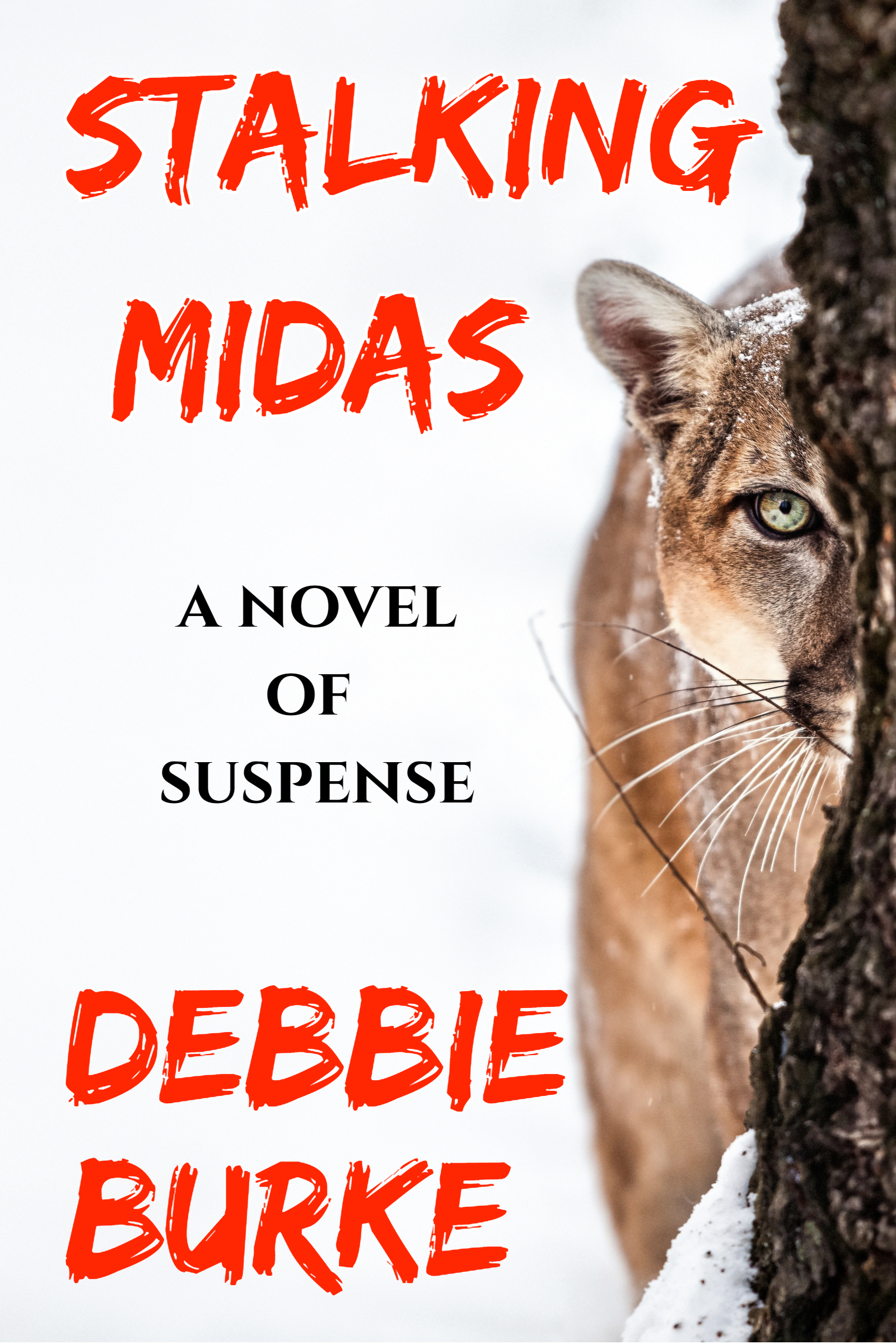
As an aside, my recent thriller Stalking Midas starts with a murder, too. The killer, also female, is immediately identified. The story question is not “Whodunit?” but rather “Will she get away with it?” Please check out the Look Inside feature at this link and let me know what you think.


TKZers, what are your opinions about starting a book with a murder on the first page?

Do you have suggestions and feedback for our brave author?


Warmest holiday wishes to everyone in the TKZ family. I’m honored to be a part of this creative, supportive community. Looking forward to seeing you in the New Year!