Dumb Mistakes That
Will Doom Your Book

my-first-boat1

Don’t get whistled out of the game on fouls before you have a chance to show off your best moves. – Miss Snark

By PJ Parrish

So I’m watching Hassan Whiteside play in the Heat game the other night and it got me thinking about writing books. Or maybe it was Marco Rubio in his last debate. I dunno. Not sure who inspired me more. But what I want to talk about today is dumb moves.

Shooting yourself in the foot. Stepping in it. Dropping the ball. Screwing the pooch. Whatever you want to call it, this is not something you want to do in your career. Ask Whiteside. He threw an elbow into the face of his Spurs opponent and got ejected (his third this season). Or ask Rubio. He became Chris Christie’s chew toy after he robo-repeated a talking point three times in thirty seconds. (and paid for it by dropping to fifth in the New Hampshire primary.)

Hey, we’re all human. We all make mistakes. Believe me, I have. Some that adversely affected my writing career. So let’s take a look today at some of the wrong moves that can, as the great agent Miss Snark said, get you knocked out of the game before you’ve even had a chance. Your contributions to our guide to dumbness are welcome!

When writing the book…

extinct

Don’t chase the trend: We can go way back to Jaws for examples here. In the wake of Benchley’s novel, we quickly got such memorable chum as Megalodon (oil rig explosion unleashes giant shark), Carcharodan (prehistoric shark freed when iceberg melts), Extinct (killer shark preys on boys in Mississippi River) and Meg (really big pregnant shark bubbles up from Marianas Trench and eats dumb tourists.) After Anne Rice, Charlaine Harris and Stephanie Meyers dug up Bram Stoker, we got a full decade of un-deads. And après Dan Brown came le deluge of conspiracies (Templars! Cathars! Christian Inquisitors! Oh my!) Here’s my point: By the time you decide you want to follow a trend in publishing, it has begun to wane (and surely will be over in the 18 months it will take you to write it and get it to market). T.S. Eliot might have said, “Mediocre writers borrow, great writers steal.” But if you’re trying to break into the bestseller bank, chances are the money’s already gone. So think twice before you use that unreliable narrator or try to wedge “girl” in your title.  You are a snowflake. You are unique. Let your book reflect that.

Don’t be content with dull titles: Your title is your book’s billboard, meant to be glimpsed and grasped as a reader speeds by in the bookstore or on Amazon. It is ADVERTISING and it must convey in just a few words the essence, heart, and all the wonderful promise of your story. Work hard on this. Yes, slap anything on the file name as you work, but always, as you work through the writing, search for that pithy phrase that capsulizes what you are trying to say. Try Shakespeare (The Fault Is in Our Stars, Infinite Jest) or poetry (No Country For All Men — Yeats).  Go for weird juxtapositions (Zen and the Art of Motorcycle Maintenance) or intrigue (Midnight in the Garden of Good and Evil  or Then There Were None) or humor (Hello, Vodka, It’s Me, Chelsea!). Twist an old phrase (Dr. Suess’s You’re Only Old Once.). So many times, I read manuscripts (or published books) where the title feels like an after-thought, almost as if the writer used up all his juice just getting 300 pages down, breathed out whew! and then went back to page 1 and typed The Templar Conspiracy Book I. Click here for some good tips on titles.  Click here if you want to read the worst titles of maybe all time — and see some butt-ugly covers. Which leads me to…

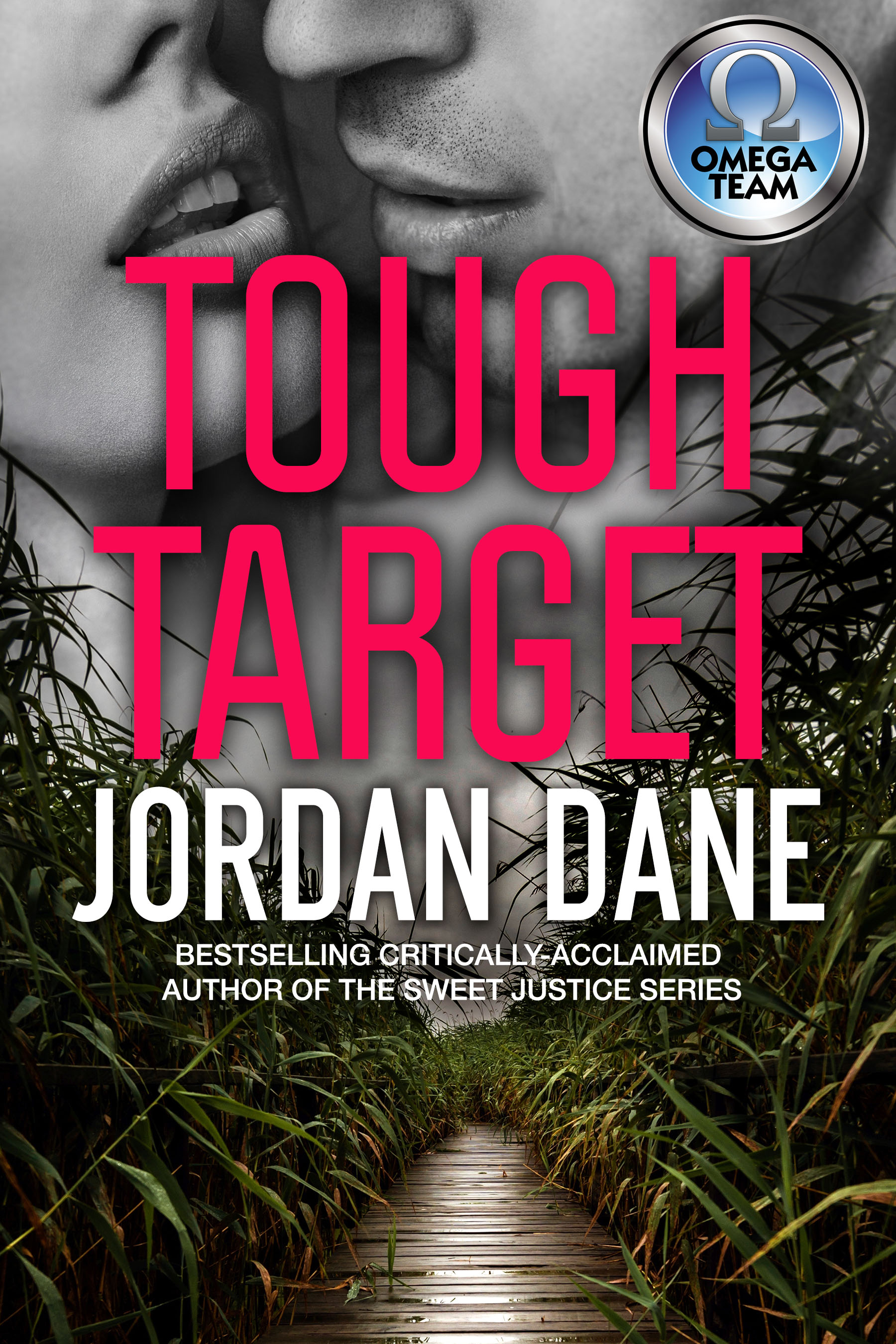
Don’t use ugly covers: Now, if you’re traditionally published you have little control over this. (although some enlightened publishers are getting better about seeking author input.) But if you are self-pubbing, don’t let your nephew who flunked out of Pittsburgh AI design your cover. Don’t go find free lousy images and try to do this yourself. Nothing screams amateur louder than an ugly cover.  It tells potential readers that you think so poorly of your story that you’re willing to send it out in the world in dirty sweatpants and a Led Zeppelin World Tour 1971 T-shirt. Pay someone to do this. It’s worth every schekel. If you cheap out, don’t be surprised to see your ugly cover end up HERE.

After the Book is Done…

Don’t forget to copy edit it:  This is tedious. This is awful. This is grunt work that comes after even the hell of rewrites. Well, tough. After you finish your filet mignon, you have to floss. You might be really tired of looking at the thing and all you want to do is get it out there in the world, wait for someone to love it, and throw shekels your way.  Resist the urge to do this. Instead, PRINT IT OUT and read it for typos, misspellings, stupid mistakes, grammar lapses, brain farts. After you’re done, go back and do it again — maybe with a ruler held under each line so you go reeeeeal slow. I know authors who copy edit their stuff backwards so the mistakes jump out better.  You won’t get all the bad stuff. But the goal is to make it as clean and professional as you humanly can.  If you don’t know the difference between lay and lie, find someone who does. Agents and editors all say if they see dumb errors in manuscripts, they won’t read on. No one will take your words seriously until you do.

Write a great query letter:  This isn’t easy but it’s really important.  Agents want to fall in love with new talent and every affair begins with a magic moment.  A great query is simple, direct but has a terrific hook. Which is not the same as a plot summary. In Hollywood-speak, it is a “log line” that capsulizes the essence of your plot with a strong emotional pull. (ie from Aliens: “In space, no one can hear you scream.”)  This is hard writing. Even if you self-publish, learning how to write a great tease for your book will serve you well when you go to write that Amazon copy. Click here to see a simple and very serviceable query template.

Have some cajones: There is nothing worse than a falsely humble author. If you are doing a book signing, would you tell someone who walks up to your table, “Oh, I know you’re busy…you don’t really want to know about my book.” So, in your query letter, don’t spend precious words apologizing for “wasting” an agent’s time by sending them your letter. If you don’t have faith in your book, how do you expect anyone else to?  Even if you aren’t a pro yet, act like one.  Be like that wide receiver who doesn’t spike the football in the end zone — act like you belong there. (I got this one from a great blog by agent Jenny Bent.  Click here to read the rest of her advice on submitting.)


Follow the rules when submitting your novel:  Reputable agents are good people; they truly want to find the next best thing because they love good books. So be a pro and follow their rules. Research what types of novels they are looking for. Find out their names and how to spell them. (DEAR AGENT is sorta off-putting, you know?) Format your manuscript in the way they want it — ie, double-spaced, courier or roman, etc.) And finally: Don’t forget to number your pages. Don’t use colored paper or add weird stuff like glitter. And for God’s sake, don’t call your book “a fiction novel.”  You laugh? I saw the actual query letter that had that gem.

I don’t think that guy ever made it off the bench.


Seducing Your Readers

morguefile-lipsLet’s talk about sex.

Those of you who are uncomfortable with the subject, feel free to bail out now. I’m likely to get pretty raunchy.

Still with me? I thought so.

When we make love like those on websites similar to videoshd.xxx often do, most of us have a particular goal in mind: that moment when your entire body seems to stem from one central point, when every nerve-ending tingles wildly as fireworks assault your brain. That moment, of course, is orgasm, and anyone who has experienced one (or two or three)— especially with a willing and enthusiastic partner (or two or three)— knows that it can be an exquisitely pleasurable sensation. You’ve probably seen it in a video (or two or three) somewhere on the internet, like ww.vrpornmovies.net!

But are all orgasms created equal? Of course not. The quality of our orgasms is directly related to the quality of the fun and games that precede them, you can see plenty of examples of high-quality fun on websites similar to animehentaivideos.xxx to get the orgasms to the promised land, not to mention our emotional bond with our partner, and our willingness (or unwillingness) to surrender ourselves fully to the moment.

So what, you’re probably wondering, does any of this have to do with writing?

YOUR WILLING PARTNER

Writing is an extremely intimate act. In his book, On Writing, Stephen King describes it as a form of telepathy. You put your thoughts on paper, and days, months, or even years later, someone reads your mind.

Think about it. With a simple arrangement of words, you have the potential to pull your audience into your mind where they can be stroked and fondled and toyed with— sometimes gently, sometimes rough. The result is often a partnership so strong and emotionally satisfying that neither of us ever wants to let go.

Who of us here can forget those times when we’ve read a book we didn’t want to end? And when the end did come, we felt drained, elated, and thoroughly satisfied, much like we do after a night of unbridled passion.

Getting to that place wasn’t an accident. The writer of the book—at least in most cases—didn’t merely fumble his way toward climax. If he (or she) did his job, every step was carefully choreographed to lead us around the third act corner toward the final pay-off. And the quality of that pay-off is related to one important thing:

THE GENTLE ART OF LOVEMAKING

We’re often reminded in how-to books that the typical story is broken into three acts: Set-up, Confrontation, and Resolution.

But it sounds pretty cold and uncaring, doesn’t it? Not to mention dull.

But what if we were to beat the lovemaking analogy into the ground and refer to the three acts in this way:

Seduction, Foreplay, and Climax.

That certainly puts a whole new slant on things, doesn’t it? And if we’re to have a successful story with a successful and satisfying ending— one that keeps our partners wanting more— we must pay careful attention to these three words.

Seduction.

The beginning of a story, any story, cannot and should not be referred to as anything other than a seduction. It is our job to make our audience want us.

How do we accomplish that?

First we start with character. We must create characters that our audience won’t mind, figuratively speaking, getting into bed with. Particularly the lead. Is he or she someone we find attractive? Does he have a problem or flaws we can relate to? Are his life circumstances universal yet unique enough to pique our interest?

The next element is mystery. Every story should be a mystery. Remember the girl in college the guys all wanted but knew so little about? A big part of her allure was the hint of mystery she carried. No matter what genre you’re writing in, you should never, never, never put all of your cards on the table at the beginning of the game. Instead you must reveal them one at a time, each new card offering a clue to the mystery of our characters and their stories.

The third and most important element of seduction is giving your characters a goal. And, again, not just your lead . Every single character you write should have a goal of some kind. Put two characters with opposing goals in a room and you have drama. But the goal of your hero must be compelling enough to intrigue us and hold our interest.

Foreplay.

Once we get our reader into bed, however, we certainly can’t let them down. As you would with a lover, you explore and tease and make new discoveries—which can often lead your partner to discover something about his or herself that, until that moment, remained dormant.

The foreplay in the second act is a continuation of the seduction but on a deeper, more intimate level. This is when we really begin to understand and root for the characters, and when their stake in the outcome becomes more and more important. Surprises are sprung, secrets are revealed , and our emotions and feelings build with each new scene, gradually working us toward the moment we’re all waiting for:

The Climax.

And this is why we’re here today, class, to talk about that most crucial of Act Three moments: the time when all of the work you’ve done for the last three hundred or so pages comes together like the pieces of a puzzle, where plot and subplot intertwine to create the only ending that makes sense within the context of the story you’ve told—a thrilling and, hopefully, explosive orgasm of emotion. The final kiss; the final death; the final revelation that sends your audience soaring.

But you can’t get there without laying the proper groundwork. Author Mickey Spillane once said that the first page of a novel sells that novel and the last page sells the next one. This is certainly true, but what he doesn’t say is that what comes between is what sells that last page.

Without masterful seduction and foreplay it is virtually impossible to reach a satisfying climax. Act Three is a culmination of all that came before it, and if the preceding two acts are anything short of spectacular, you’ll be lucky if your readers even stick around for number three. It’s all up to you.

Every time you sit down to write, you must remember that the reader is your partner, your lover, and in order to make him or her happy you must seduce, thrill, and most importantly, satisfy.*

*This blog post is an excerpt from my book, CASTING THE BONES: An Author’s Guide to the Craft of Fiction.

Every Professional Was First An Amateur

By Joe Moore
@JoeMoore_writer

Welcome back to TKZ after our winder break. I hope all of you had a wonderful time off with your families and friends. So, now it’s time to get back to work.

When I graduated from college, I was making a living doing two jobs: a night gig playing in a rock band (that’s me on the right), and a day job working in a music store. On the marquee in front of the store, was the message: Every Professional Was First An FatCatAmateur. Since I was making decent dollars rocking out eight days a week, I considered myself and my band mates professionals. But that statement out on the store marquee stuck with me. Many decades later, when I took to writing fiction, that saying haunted me. Especially as I piled up an impressive stack of rejection letters. I used to brag that I had been rejected by some of the biggest names in the business. When I finally got an agent and had a novel published, I looked back at the trail of dead manuscripts left in my wake and realizes how true it was.

I believed that my first manuscript was so great, it was supposed to make me into the next Clive Cussler. As you can guess, things didn’t turn out as planned. The closest I ever got to Cussler’s success was having dinner with him while I served as ITW co-president.

I’ve had the opportunity to mentor new writers through the MWA mentoring program and held countless writing workshops. What I’ve noticed is that all beginning writers commit the same sins. And what I wind up telling them is that there’s good news and bad. The good news is, they’ve accomplished something that only a small percentage of the population ever will. Most just dream about it. Few really sit down and write a book.

Now for the bad news: Their first book is not publishable. The response usually goes like this.

What? Joe, are you crazy? Everyone says my book is great. My mom loves it. My neighbors and the girl that cuts my hair said it was a potential bestseller—as good as King and Patterson. I’ve even been told by my uncle who watches lots of movies that it would make a blockbuster feature film. JJ Abrams would snap it up in a heartbeat. So how can you say that about a book when you’ve only read a few pages?

The reason I can say it with confidence is that I’ve found first novels to all be the same—not in subject matter of course, but in common, predictable flaws. And if by some miraculous stroke of luck the literary gods smiled down and their first book is publishable as written, then I would suggest they run to the nearest convenience store and buy a lottery ticket. There’s a good chance they’re on a roll.

I’ve made a list of the most common flaws of first novels. Keep in mind that having one or even a couple of these present in your book will not render the manuscript DOA. But I guarantee you’ll find just about all of them in the typical first attempt at writing a novel. Here they are in no particular order of importance.

You often use adverbs at the end of dialog tags to “tell” the reader what emotion the character feels. Example: “I’m mad as hell,” he said angrily. “I love you,” she said adoringly.

You rarely utilize any of the 5 senses to draw the reader into the scene.

You resolve conflict with coincidence or luck.

Your manuscript is filled with back-stories that don’t relate to the plot or develop the characters.

You head-hop within a scene between multiple POVs.

You tell the story rather than show it.

You have a “unique” approach to the use of the English language, and the mechanics and structure of writing in English. Note: I mean this in a bad way.

Each page is filled with an abundance of adjectives that if deleted would not change anything other than make the writing cleaner.

You recently discovered the exclamation point and want your readers to share in your excitement.

You love ellipsis . . .

You have a pet word or phrase that you feel compelled to repeat often in hopes that it will become a favorite of your reader.

You beat your readers over the head with repeated facts just in case they didn’t get it the first dozen times.

You often rely on the lazy technique of imparting information to the reader by having a character tell another something they already know.

Your text is riddled with more clichés than you could shake a stick at.

You use profanity for no other reason than shock.

Your dialog sounds as natural as a first grade primer.

Your characters continually use the name of the person to whom they’re speaking.

You overuse flashbacks and/or start the story with one.

Act II sags like a piece of pulled taffy.

Your story wanders.

Your story starts in the wrong place.

You’re not sure how to create suspense, so you commit “author intrusion” even though you have no idea what the term means.

You confuse the reader.

Your facts are incorrect. Example: The assassin attached the silencer to the revolver so no one would hear the shots.

You slip from past tense to present in narration.

You describe every movement, every second, every detail and every breath of your characters actions for no apparent reason.

You don’t know when to end a scene.

Your plot is a rehash of The Perils of Pauline—your protagonist jumps from one terrible situation to the next equally terrible situation with no dynamics or variation in terribleness.

You either have no subplots or enough for 10 books.

All your characters sound the same when they speak.

Your characters have no flaws.

You rely on stereotypes. The men are all handsome with chiseled faces and athletic bodies. The women are beautiful fashion models. And the bad guys are ugly, disgusting monsters. Note: This is OK if your antagonist is actually an ugly, disgusting monster.

Your story is melodramatic.

Your target audience doesn’t exist.

You manuscript is infested with misspellings, the wrong use of words, grammatical errors, and missing or incorrect punctuation.

You believe that placing the word “very” or “really” in front of an adjective increases the descriptive value of the adjective.

And the one that I see most often: You find it impossible to tell someone what your book is about without rambling on for 10 minutes.

Everyone’s first book contains just about all of the above. Mine did, and I’ll bet yours did, too. But that’s OK. That’s part of the learning process on the road to becoming a published novelist. Every professional was first an amateur. Every bestselling author wrote a first novel that should never see the light of day. Chances are it was just as full of these flaws as yours and mine.

The secret to this whole novel-writing thing is to keep writing. Few first novels are accepted by an agent much less bought by a publisher. Published first novels are the exception to the rule. For everyone else, you’ve got to write that second book. And the third. And the fourth. That’s how you refine the craft. And with each manuscript, you learn to use less clichés, eliminate “very” from your vocabulary, delete needless “ly” words, make your characters more human, find your writer’s voice, and all the other thousands of parts to crafting a well-written story.

So, Zoners, did I miss any beginner failings?

Plotting Tips

By Joe Moore
@JoeMoore_writer

This will be my last post for 2015. Since 2008, TKZ has traditionally taken a 2-week Winter Hiatus, so I’ll return on January 6 after celebrating the Holidays with my family and friends. I’d like to take this opportunity to wish my blog mates and blog friends the very best for this holiday season and the coming year. Now on to Plotting Tips.

When you write a story, whether it’s short fiction or a novel-length manuscript, there are always two major components to deal with: characters and plot. Combined, they make up the “body” of the story. And of the two, the plot can be thought of as the skeleton while the characters are the meat and muscle.

When it comes to building your plot, nothing should be random or by accident. It may appear random to the reader but every twist and turn of the plot should be significant and move the story to its final conclusion. Every element, whether it deals with a character’s inner or outer being should contribute to furthering the story.

In order to determine the significance of each element, always ask why. Why does he look or dress that way? Why did she say or react in that manner? Why does the action take place in this particular location as opposed to that setting? If you ask why, and don’t get a convincing answer, delete or change the element. Every word, every sentence, every detail must matter. If they don’t, and there’s a chance they could confuse the reader or get in the way of the story, change or delete.

Your plot should grow out of the obstructions placed in the character’s path. What is causing the protagonist to stand up for his beliefs? What is motivating her to fight for survival? That’s what makes up the critical points of the plot—those obstacles placed in the path of your characters.

Be careful of overreaction; a character acting or reacting beyond the belief model you’ve built in your reader’s mind. There’s nothing wrong with placing an ordinary person in an extraordinary situation—that’s the formula from which great stories are made. But you must build your character in such a manner that his actions and reactions to each plot point are plausible. Push the character, but keep them in the realm of reality. A man who has never been in an airplane cannot be expected to fly a passenger jet. But a private pilot who has flown small planes could be able to fly a large passenger plane and possibly land it under the right conditions. The actions and the obstacles can be thrilling, but they must be believable.

Avoid melodrama in your plot—the actions of a character without believable motivation. Action for the sake of action is empty and two-dimensional. Each character should have a pressing agenda from which the plot unfolds. That agenda is what motivates their actions. The reader should care about the individual’s agenda, but what’s more important is that the reader believes the characters care about their own agendas. And as each character pursues his or her agenda, they should periodically face roadblocks and never quite get everything they want. The protagonist should always stand in the way of the antagonist, and vice versa.

Another plot tripwire to avoid is deus ex machina (god from the machine) whereby a previously unsolvable problem is suddenly overcome by a contrived element: the sudden introduction of a new character or device. Doing so is cheap writing and you run the risk of losing your reader. Instead, use foreshadowing to place elements into the plot that, if added up, will present a believable solution to the problem. The character may have to work hard at it, but in the end, the reader will accept it as plausible.

Always consider your plot as a series of opportunities for your character to reveal his or her true self. The plot should offer the character a chance to be better (or worse in the case of the antagonist) than they were in the beginning. The opportunities manifest themselves in the form of obstacles, roadblocks and detours. If the path was straight and level with smooth sailing, the story would be dull and boring. Give your characters a chance to shine. Let them grow and develop by building a strong skeleton on which to flesh out their true selves.

Free Advice for Writers

by Joe Moore
@JoeMoore_writer

By the time you read this I’ll be in the air and won’t be able to respond to any comments. So instead, I have gathered together quotes from notable authors filled with free advice to anyone crazy enough to get into this writing business. Enjoy, and Happy Thanksgiving!

“Writing a book is a horrible, exhausting struggle, like a long bout with some painful illness. One would never undertake such a thing if one were not driven on by some demon whom one can neither resist nor understand.” — George Orwell

“Never use jargon words like reconceptualize, demassification, attitudinally, judgmentally. They are hallmarks of a pretentious ass.” — David Ogilvy

“There are three rules for writing a novel. Unfortunately, no one knows what they are.” ― W. Somerset Maugham

“If you have any young friends who aspire to become writers, the second greatest favor you can do them is to present them with copies of The Elements of Style. The first greatest, of course, is to shoot them now, while they’re happy.” – Dorothy Parker

“If you don’t have time to read, you don’t have the time — or the tools — to write. Simple as that.” – Stephen King

“Notice how many of the Olympic athletes effusively thanked their mothers for their success? “She drove me to my practice at four in the morning,” etc. Writing is not figure skating or skiing. Your mother will not make you a writer. My advice to any young person who wants to write is: leave home.” — Paul Theroux

“Substitute ‘damn’ every time you’re inclined to write ‘very;’ your editor will delete it and the writing will be just as it should be.” — Mark Twain

“The first draft of everything is shit.” — Ernest Hemingway

“I would advise anyone who aspires to a writing career that before developing his talent he would be wise to develop a thick hide.” — Harper Lee

“You can’t wait for inspiration. You have to go after it with a club.” ― Jack London

“If writing seems hard, it’s because it is hard. It’s one of the hardest things people do.” — William Zinsser

“Remember: when people tell you something’s wrong or it doesn’t work for them, they are almost always right. When they tell you exactly what they think is wrong and how to fix it, they are almost always wrong.” — Neil Gaiman

“You must stay drunk on writing so reality cannot destroy you.” ― Ray Bradbury

“Imagine that you are dying. If you had a terminal disease would you finish this book? Why not? The thing that annoys this 10-weeks-to-live self is the thing that is wrong with the book. So change it. Stop arguing with yourself. Change it. See? Easy. And no one had to die.” — Anne Enright

“If writing seems hard, it’s because it is hard. It’s one of the hardest things people do. – William Zinsser19. Consistency is the last refuge of the unimaginative.” – Oscar Wilde

“Here is a lesson in creative writing. First rule: Do not use semicolons. They are transvestite hermaphrodites representing absolutely nothing. All they do is show you’ve been to college.” — Kurt Vonnegut

“Prose is architecture, not interior decoration.” — Ernest Hemingway

“Write drunk, edit sober.” — Ernest Hemingway

“Start telling the stories that only you can tell, because there’ll always be better writers than you and there’ll always be smarter writers than you. There will always be people who are much better at doing this or doing that — but you are the only you.” ― Neil Gaiman

“Consistency is the last refuge of the unimaginative.” – Oscar Wilde

“Don’t take anyone’s writing advice too seriously.” – Lev Grossman

Have I missed any of your favorite free advice?

Back In a Flashback

By Joe Moore
@JoeMoore_writer

Flashback is a writing technique that allows the author to convey backstory (events from the past) while remaining in the present. It usually involves a situation in which something in a current scene causes a character to reminisce or ponder a previous event. The reason to create a flashback is to build character or advance the plot, or both. The secret to successfully employing this technique is to construct a smooth transition into and out of the flashback so as not to confuse the reader.

One of the easiest ways to enter a flashback is with the word “had”.

As Jim walked through his old neighborhood, a distant dog barking reminded him of the day he and his friends had skipped school to . . .

In addition, you want to shift the time progression from simple past tense (As Jim walked) to the past perfect tense (his friends had decided). Once you’ve entered the flashback and established the “past”, you can then revert back to simple past tense. At the conclusion of the flashback, use “had” again to transition back to current time.

Jim climbed the steps of his childhood home knowing those summer days with his friends had been the best times of his life.

In addition to transitions in and out of the flashback, it’s also important that the timeframe in which the flashback covers somewhat matches the real-time in which it’s experienced by the character. For instance, a flashback that covers the highs and lows of a woman’s previous marriage cannot be experienced during her stroll from the kitchen to the bedroom. But it would be an acceptable timeframe if she poured a glass of wine, strolled out onto her back porch and experienced it while sitting and watching the sun set and night fall. The reader must accept that the past and present timeframes are not unreasonably out of sync.

One final thought about flashbacks: it’s not a good idea to use one in the first couple of chapters. They can be quite confusing if thrown at the reader too soon. Wait until your reader has established at least a basic relationship with a character before taking them on a leap into the past. Flashbacks should be used sparingly. Better yet, use other techniques to relay backstory and avoid flashbacks altogether if possible.

Any additional advice on using or not using flashbacks?

#1 Rule of First Drafts

My friend and fellow ITW member Tosca Lee returns to TKZ to share her #1 Rule of First Drafts. Enjoy!
Joe Moore
___________________

I’m a second or third draft writer. That’s the point in the process when I get to see what kind of clay I’ve really got on the wheel, when I can crimp the edges and pull out my high points, and make the dire ones worse. When I’ll stay up twenty hours straight and, after imagejust enough sleep to make me more tired, go at it again. Because by then I have something to work with. But that first, initial draft? Pull my fingernails out from the beds with pliers, why don’t you.

I have friends who turn on their playlists and lay down first drafts in a state of euphoric bliss—the weird literary equivalent of women who experience pleasure in childbirth. I have never written like that. I have moments of stream-of-conscious ecstasy that churn out sentences as coherent as word salad. But most of the time I sit in silence, stare out the window, pick at my lower lip and wonder if my last book, which may have won some award, was the last good thing I had in me.

Eight novels in (ten, if you count the unpublishable ones), I have an instinct about the basic material I need to get down, more or less in order. More importantly, I have trust in the writing and editing process and faith that I can patch up the leaks—later.

For now, in the early stages, I’m only interested in one thing: getting the clay on the wheel. I trust that there are seeds in there—of things real, from me, that will resonate in another soul in months and years to come. I don’t know what they are yet and it’s not my business to force them into shape.

I have a few rules for this process but the first is the one I go back to every time, and it is this:

Write like no one will ever read it.

“But what about the audience? You have to think about them!” Forget them. Everything you do from your edits on will be about them. But for now, write with the candor you would in a secret journal. This isn’t about pantsing or plotting. It’s about capturing the grit you need without worrying that it’s pretty or eloquent or clean enough. Don’t be pretty. Be raw.

If you are an aspiring writer whose end goal is to be published, let me tell you something: you will never be as bold and daring as you are in those first years before your work gets published. Before critics post public reviews of your work and readers rank it alongside blenders on Amazon. Before even accolades usher their own kind of doubt into the next endeavor. This undiscovered period in your life is an advantage you won’t have twice. Use it.

These days, I have to trick myself into following this rule. I know my agent, editor, and a movie producer are waiting for my first draft. I want them to like it. Oh, who am I kidding—I want them to tell me it’s the best thing they’ve ever read, that they wept, told their therapist, and pre-ordered 100 copies for friends and distant acquaintances.

But the only way I will touch one cell of their soul is if I banish their faces from my mind. No one will read this. It is my mantra. This is me, writing secret stuff, dealing some audacious literary badassery in private. Time to edit, censor, and make coherent later. The good stuff happens now.

TL1Tosca Lee is the award-winning, New York Times bestselling author of ISCARIOT; THE LEGEND OF SHEBA; DEMON: A MEMOIR; HAVAH: THE STORY OF EVE; and the Books of Mortals series with New York Times bestseller Ted Dekker (FORBIDDEN, MORTAL and SOVEREIGN).

Tosca received her B.A. in English and International Relations from Smith College in Northampton, Massachusetts with studies at Oxford University. She is a lifelong world adventure traveler and makes her home in the Midwest. To learn more about Tosca, visit www.toscalee.com.

Detection Club Rules

I picked up a great non-fiction book at the library last week entitled The Art of the English Murder by Lucy Worsley (who, up till now, I only knew from her great BBC TV series on Regency England). Not only did I enjoy reading about the fascination the British seem to have with murder mysteries (borne out by my own mother’s devotion to them!), but, as a huge fan of Dorothy L. Sayers, I particularly relished the chapter on the informal ‘Detection Club’ she helped set up in the 1920s-1930s. Members of this club included, in addition to Dorothy L. Sayers, Agatha Christie, Baroness Orczy, G. K. Chesterton and A.A. Milne (I had no idea he wrote a detective novel as well as his Winnie the Pooh books!). I also loved learning about the ‘ten commandments’ set out for members of the club (all writers of detective fiction) most of which are as applicable today as they were then (and a lesson to  all mystery writers on what not to do!).

So here you are, for your enjoyment and edification, the ten rules of the ‘Detection Club’:

  1. The criminal must be someone mentioned in the early part of the story, but must not be anyone whose thoughts the reader has been allowed to follow.
  2. All supernatural or preternatural agencies are ruled out as a matter of course.
  3. Not more than one secret room or passage is allowable.
  4. No hitherto undiscovered poisons may be used, nor any appliance which will need a long scientific explanation at the end.
  5. No chinamen must figure in the story (n.b. remember this was the 1920s…so I’m interpreting this as being a rule not to unjustly use or blame a foreign person in the book).
  6. No accident must ever help the detective, nor must he ever have an unaccountable intuition which proves to be right.
  7. The detective himself must not himself commit the crime.
  8. The detective must not light on any clues which are not instantly produced for the inspection of the reader.
  9. The stupid friend of the detective, the Watson, must not conceal any thoughts which pass through his mind; his intelligence must be slightly, but very slightly, below that of the average reader.
  10. Twin brothers, and doubles generally, must not appear unless we have been duly prepared for them.

Now these rules, although sometimes broken, provided the cornerstone for the basis of ‘good’ detective fiction that members of the Detection Club all had to subscribe to (and apparently still do – for the Detection Club is still in existence according to the book and currently has about 60 or so members). I love them as I think they aptly display the rules of ‘playing fair’ with the reader that most of us appreciate when reading a good mystery.

So, my question to you is, if you were to form your own ‘Detection Club’ with your fellow writers, what rules would you have or add? Who would you choose to join your club?

First Page Critique for Instrument of the Devil

Jordan Dane

@JordanDane

Smartphone image - free license from Wikipedia Commons

Smartphone image – free license from Wikipedia Commons

Please enjoy Instrument of the Devil, submitted anonymously for feedback. My comments are on the flip side.

INSTRUMENT OF THE DEVIL – A suspense thriller

“Instrument of the devil!” Tawny Lindholm glared at the new smartphone that her well-meaning son had sent for her fiftieth birthday. “I can’t even figure out how to call for help.”

 
The glossy black screen reflected her scowl while a musical tone dinged. What did that mean? She had tapped, swiped, and imitated other gestures she’d watched people make while zipping around the screens of their phones. They got directions, played games, texted, and now and then, made a plain old phone call. It looked so simple.

 
The screen remained blank, indifferent to her frustration. “If someone calls me, I don’t even know how to answer you.” The damn thing had her talking to herself.

 
A different tone chimed five times. Was this an incoming call? Or had she accidentally told the thing to launch a missile?

 
While Dwight was sick, she’d used a simple cell phone, no problem. Flip it open, punch in numbers, and connect with doctors, the oxygen company, friends, and finally, on a July night nine months ago, the funeral home.

 
Tawny didn’t need this monster that barely fit in her palm.

 
The bubble package came from an online retailer with a printed message on the address label. Happy Birthday, Mom. Love, Neal. She couldn’t even return it to a local store. If it hadn’t been a gift from him, she would gladly have smashed it against the wall. She still might.

 
She decided to name the thing Lucifer.

 
She sat at the breakfast bar, fingering a postcard that had arrived in the mail, along with the birthday package. Baffled by your smartphone? Free class. Easy, fun, impress your grandchildren. If she went, she’d be the dumbest one there. But how else could she learn? No instruction booklet had come with the phone.

 
The oldies station Dwight had liked played in the kitchen. The Temptations’ “Ain’t Too Proud to Beg” faded out. “I’m begging someone to put me out of my misery,” she answered the radio.

 
The announcer came on, promoting the same free class described on the postcard. Tawny turned up the volume. “Learn how to operate your smartphone. Tonight, seven o’clock, at the library in downtown Kalispell.”

 
First, the postcard, now the radio ad. Someone was sending a message. Might as well pay attention. Besides, what else did she have to do, except sit home in a silent house, listening to mysterious beeps and whistles on the phone?


Feedback:

1.) This intro is for a suspense thriller. but it reads more like a cozy mystery to me since it starts off with an almost funny scene of a woman trying to navigate a new cell phone.(I could definitely relate.) The title – Instrument of the Devil – seems to refer to the phone itself. Presumably if the cell had a previous owner, who carries a pitch fork and dons horns, the plot could turn into something scarier than the latest Google app. We only have 400 words or so to make a determination if we want to read further, so every word is a precious opportunity to snag the attention of an editor, agent, or a reader. In my opinion, this intro sends a mixed message, if the author intends for this to be a thriller.

2.) The narrative starts with the woman already dealing with her confusion over the new cell, yet later in the story describes how the cell came packaged in bubble wrap, which takes us back to when she first received it. I found that a bit jolting so I would recommend “the bubble package” line be moved to the start so the action reads in order and creates a bit of mystery for what’s in the package.

3.) I liked how the author inserted a quick backstory bit about Dwight and how this poor woman had been dealing with a sick husband who later died. The whole sad incident was expressed in terms of the cell phone. Clever. So I would recommend the mystery package arrival be quickly followed by the woman’s tragedy, so the reader is even more sympathetic.

4.) Everyone knows a cell phone does NOT come set up. If this one did, the author should play that up for a bigger mystery to draw the reader in. The way it reads now, it seems as if the author made a mistake on how phones usually come or makes Tawny seem foolish not to question the obvious.

Example:

Tawny Lindholm stared down at the opened package and sighed. She would never have ordered it. A smart phone came bubble wrapped from an online retailer with a printed message on the address label. Happy Birthday, Mom. Love, Neal. Her well-meaning son had sent it for her fiftieth birthday. She couldn’t even return it to a local store. If it hadn’t been a gift from him, she would gladly have found a way to get his money back. She still might.

While her husband Dwight was sick, she’d used a simple cell phone, no problem. Flip it open, punch in numbers, and connect with doctors, the oxygen company, friends, and finally, on a July night nine months ago, the funeral home.

Tawny didn’t need a phone smarter than she was, one that barely fit in her palm. Still, she might’ve given it a try if it came with instructions. For heaven’s sake.

“Instrument of the devil!” Tawny glared at the new cell. “Whoever set you up should’ve known I needed help. I can’t even figure out how to make a call.”

The glossy black screen reflected her scowl while a musical tone dinged. What did that mean? Who had set up her new phone…and why didn’t it have instructions?

“Oh, this is ridiculous.”

She had tapped, swiped, and imitated other gestures she’d watched people make while zipping around the screens of their phones. They got directions, played games, texted, and now and then, made a plain old phone call. It looked so simple.

The screen remained blank, indifferent to her frustrated prodding. “I wouldn’t even know how to answer you.” The damn thing had her talking to herself.
A different tone chimed five times. Was this an incoming call? Or had she accidentally told the thing to launch a missile?

Without an operating manual, she’d be dead in the water. She sat at the breakfast bar, fingering the only reading material she had on the phone. A postcard had arrived in the mail, along with the birthday package. Baffled by your smartphone? Free class. Easy, fun, impress your grandchildren.

Tawny shook her head. If she went, she’d be the dumbest one there. But how else could she learn without an instruction booklet?

 
The oldies station Dwight had liked played in the kitchen. The Temptations’ “Ain’t Too Proud to Beg” faded out. “I’m begging someone to put me out of my misery,” she answered the radio.

 
The announcer came on, promoting the same free class described on the postcard. Tawny furrowed her brow and turned up the volume. “Learn how to operate your smartphone. Tonight, seven o’clock, at the library in downtown Kalispell.”

 
First, the postcard, now the radio ad. Someone was sending a message. Might as well pay attention. Besides, what else did she have to do, except sit home in a silent house, listening to mysterious beeps and whistles on her annoying new phone?


What about you, TKZers? Any feedback for this brave author? Would you keep reading?

Hidden Rooms in the Basement

By Joe Moore
@JoeMoore_writer

Last Sunday, James Scott Bell gave us a great look back at his High School basketball conquests, described how it felt to be in “the zone”, related his successes to writing, and gave some excellent tips on how to develop mental muscle memory to make it easier to enter the zone on a constant basis.

Today, I wanted to expand on the zone concept. A beginning writer once asked me: “I’ve heard authors talk of being ‘in the zone’ regarding their writing, which I take to mean being in an altered state of extreme creativity. But how, without drugs or other stimulus, do you get into that state?”

In fact, as Jim mentioned, we hear the term in the zone used often, not only with writers, but athletes, artists, and just about any activity that requires skill, creativity and concentration.

So what is “the zone” and how do we enter it? Why is it so hard to remain there for extended periods of time?

Being in the zone can last for a few minutes, a couple of hours or a whole day. For those that never seem to enter the zone, it might be because they try too hard to do so. Sort of like when we stop trying to solve a problem, the solution suddenly comes to us through our subconscious, again as Jim calls “the boys in the basement”.

Let’s try to define what being in the zone means, especially when it relates to writing. For me, it’s a mental state where time seems to disappear and my productivity greatly exceeds normal output. It might start after I’ve finished lunch and sat down at my PC to work on a new chapter. Without any feeling of the passage of time, I suddenly realize a couple of hours have gone by and I’ve produced 1000 words or more. I don’t remember the passage of time or anything that deals with my surroundings. I only remember “living” or becoming immersed in the story’s moment, having the words flow from a deeper source, and “awakening” from the writing zone as if only a few moments have passed.

I’ve never been hypnotized, but I can assume that being in the zone is somewhat like self-hypnosis. My body remains in the here-and-now, but my creative senses somehow find a hidden room inside my mind, a place normally under lock and key. And I’m able to enter it for a short time to let what’s there emerge into the light of day.

It can also feel like driving down the Interstate on a long trip deep in thought or chatting on a hands-free cell phone and suddenly realize I can’t remember the past 10 miles.

I’ve also never been athletic, but judging from Jim’s story, I bet it’s a similar scenario: a golfer is able to tune out the surrounding crowd of tournament spectators, the dozens of network cameras, the worldwide audience, the cheers from the distant gallery as his opponents make a great putt, and he’s able to enter a place where only his game stretches out before him. The rest slips by in a blur. Personal mind control.

So, in addition to Jim’s tips, what are some additional methods for getting into the zone? Some writers use the “running start” technique by reading the previous day’s work or chapter. It gets them back into the story and hopefully the new words start to flow.

Others listen to music. This is something I often do. Nothing with lyrics, though. I listen to movie scores or piano and guitar solos. I find that it can help set a mood or become background “white noise” that blocks out other audible distractions. That’s because, for me, the biggest obstacle is distractions. It’s important to reduce interruptions and distractions by creating an environment where they are minimized. This means shutting my office door, closing the drapes on the windows, unplugging the phone, disconnecting Internet access, and most of all, choosing a time to write when those things can be fully managed. Doing away with distractions is no guarantee that I will enter the zone at will, but it does give me a fighting chance to at least knock on the door to one of those dark, hidden rooms in the basement and let my story flow.

OK, Zoner’s. What does it feel like for you to be in “the zone”? Any tips on how you make it happen?

———————————

thor-bunker-cover-RSApril, 1945. The Germans have the bomb. Download THOR BUNKER, A Short Story prequel to THE TOMB for only 99¢.