Surveillance by Keystrokes – Giving Permission to Snoop

By now, we’re all pretty used to doing a Google or Amazon search, then having ads pop up about the item you searched for.

Take that a step further: Have you walked into a business but didn’t buy anything? Then next time you check Facebook, an ad for that business appears on your feed?

Happened to me for the first time about a year ago. I went into an independent bookstore in Whitefish, Montana to make sure they still had copies of my book in stock. I left without purchasing anything.

When I got home, I happened to check Facebook. An ad popped up for that same bookstore. How did FB know I’d been there? I hadn’t Googled it. No credit card transaction had been processed to connect me to that store.

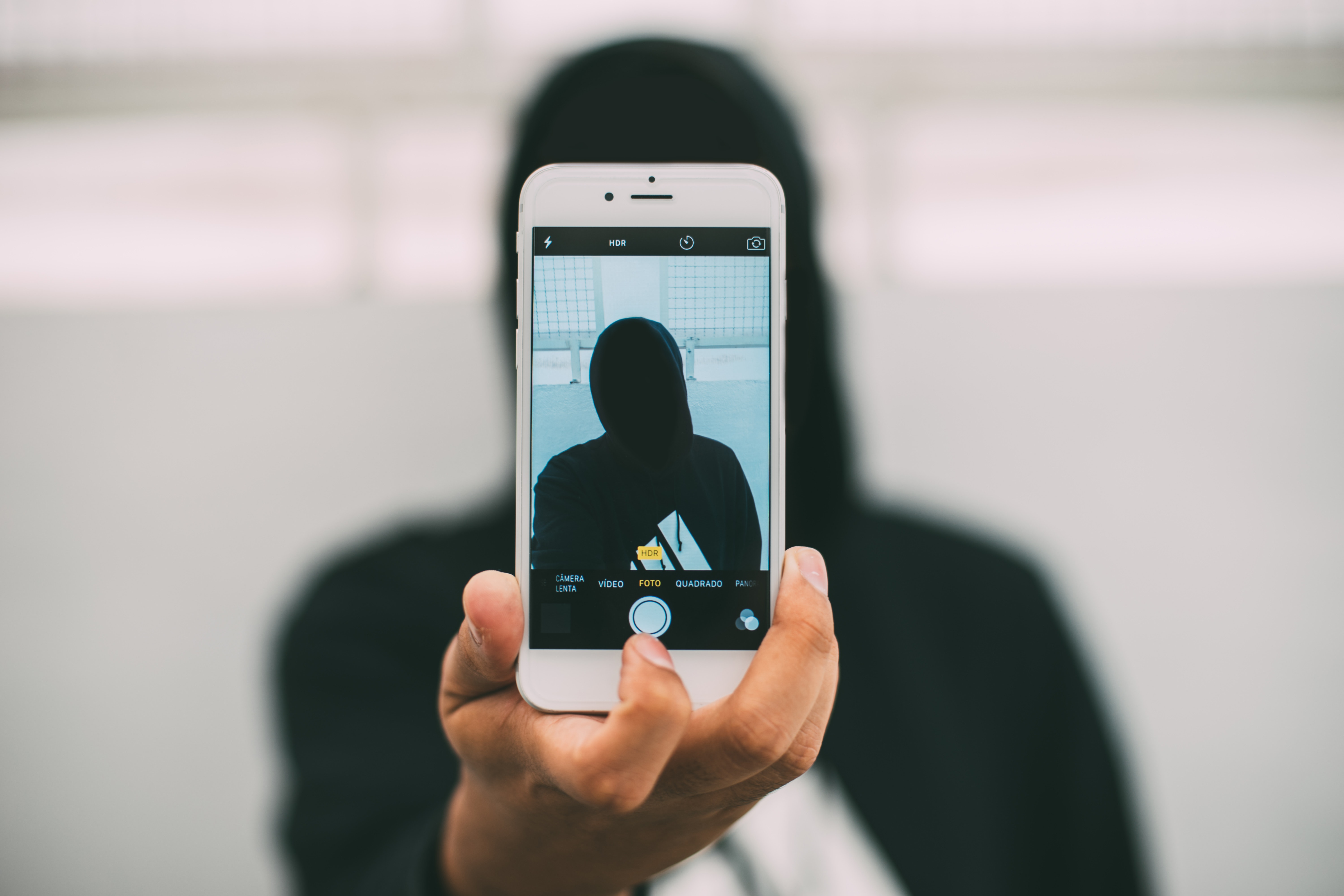
However, the smartphone in my pocket knew I’d been there.

The amount of data recorded by that device creeps me out…especially when I didn’t knowingly put the information into it.

Recently I made airline reservations on my laptop. When I opened the calendar on my smartphone to enter the flight times and numbers, they were already there. What the…? I purposely haven’t synced the laptop and smartphone to talk to each other.

Yes, it was convenient but it bothered me. What uncomfortable magic suddenly connected the two devices? It hadn’t occurred several months earlier when I last bought tickets from Delta, nor with American Airlines where I’d booked flights a week before. What had changed?

Somewhere hidden in terms and conditions, apparently a new provision allowed access to my phone. By whom? Google? Delta? The phone manufacturer?

If anyone more techie than I am (which means 99% of the population) can explain this, I’m all ears.

Stealth “permissions” sneak past us whenever we check that box: “I agree to the terms and conditions.” When you download a game, an app, or make a purchase, do you read all 47 pages of underlying legalese? Probably not. Additionally, since terms are often subject to unilateral change by the company without notice, what good does it do to read them?

We have traded privacy for convenience, one app at a time.

Smart devices invade our homes. Alexa eavesdrops 24/7 on conversations. In some instances, she has been known to broadcast private conversations to third parties, as happened to this Portland, OR family who learned their discussion about hardwood flooring had been shared with a person on their contact list.

https://www.kiro7.com/news/local/woman-says-her-amazon-device-recorded-private-conversation-sent-it-out-to-random-contact/755507974

Nicolaes Maes

So…in the privacy of your bedroom, what if you complain to your spouse about your rotten boss? Suppose the oh-so-helpful Alexa sees fit to send that conversation to that boss because s/he happens to be on your contact list. Ouch.

Never mind what else Alexa might overhear in your bedroom!

Lately my husband and I have been listening to a Michigan attorney named Steve Lehto on You Tube. He delivers short, entertaining podcasts about legal issues, specializing in vehicle warranties and lemon laws. Sometimes he goes off on an unrelated topic that catches his interest. This video addresses stealth permissions on smartphone apps.

Steve reveals that when you buy or lease an Android smartphone, it comes preloaded with certain apps including one that keeps track of keystrokes on the phone’s keyboard. Sounds innocuous, right?

Until you realize every text message, every bank PIN, and every credit card number you type is recorded. A record of those keystrokes may be available to whoever pays for that information.

Steve didn’t mention iPhones but it’s not a great leap to imagine they share similar apps.

Older devices like Blackberries have mechanical keyboards rather than electronic. You tap a key and a contact switch causes the letter to appear on the screen.

But smartphone keyboards are different. They record keystrokes electronically (known as “keylogging”) with no mechanical switch. Somewhere in cyberspace, someone is keeping track and storing every keystroke.

I don’t bank or pay bills online because hackers gallop miles ahead of safeguards. Security patches close the breach only after the horse is long gone out the barn door.

http://Embed from Getty Images

However, I do text. And that’s how the keystroke app slapped me in the face.

Last summer, an old friend visited us in Montana and left behind his small, well-worn Bible. A few weeks ago, he died in San Diego. At the time of his death we were away from our Montana home, on vacation in Florida, meaning we had to fly from Tampa to San Diego for the funeral.

We wanted to take his Bible to the memorial so I texted our neighbor in Montana and asked him to look for it among the books stacked on our coffee table. I described it as a small, turquoise Bible. The neighbor found it and mailed it to us. All good.

Shortly afterward, an ad popped up on my Facebook feed…
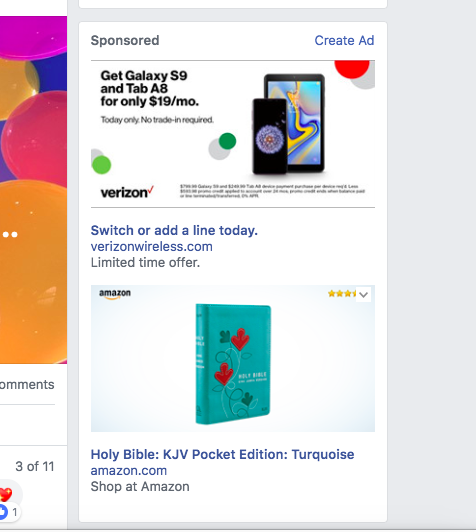
Amazon ad on my Facebook feed

…for a pocket Bible in turquoise.

Hmmm.

That unusual combination of keywords could only have come from the text I typed on my smartphone. Android recorded my private text message and passed it on to Facebook who passed it on to Amazon. Now I’m angry.

If you’re arrested on suspicion of a crime, the Fourth Amendment to the Constitution requires law enforcement to obtain a search warrant to dump the contents of your phone. The same rules obviously don’t apply to Facebook, Android, Apple, Google, Amazon, etc. because we give up those rights simply by using these convenient devices.

Keylogging apps are sold for legitimate purposes, like checking your minor children’s exploration of internet sites, or to see if they’re texting pals to sneak off to a forbidden kegger.

However, such apps are a hacker’s dream because passwords, bank PINs, credit card numbers, and other sensitive private information can become available to cybercriminals.

It’s like installing a deadbolt on your door then handing out keys to random people on the street.

Crime writers can imagine endless plots arising out of technology scenarios.

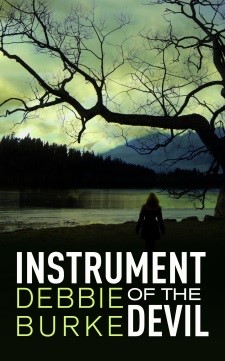
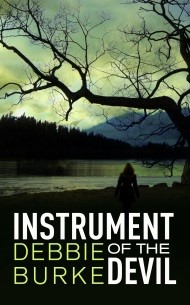
My thriller, Instrument of the Devil, was set in 2011 as smartphones first exploded in popularity. In the story, a terrorist hacks into the protagonist’s smartphone. He employs what was then secret technology to eavesdrop on her every word and track her physical location while he sets her up to take the fall for his crime—a cyberattack on the electric grid.

In 2019, those formerly covert apps are widely in use by anyone. They are everyday tools that allow tech giants to mine ever more intimate information about us.

As an author, I’m normally delighted when someone reads what I’ve written. However, as a human being, I resent this invasion into my personal communications.

A wise lawyer once told me, “Don’t put in writing anything you wouldn’t want to be read in open court.” I remember his advice now when I text because…

…Someone is always watching and listening.


Your turn, TKZers. Have you experienced creep-out moments due to technology? What nefarious plots can you imagine where smart devices play a role?


Instrument of the Devil is on sale for only 99 cents during January.
What Books Bring You Joy?

I’m sure by now you’ve all seen the social media flap over Marie Kondo (The Life Changing Magic of Tidying up) and her (much maligned) advice on decluttering books – including the outrage over her supposed instruction to ‘keep only the books that still spark joy’ (ideally less than thirty). The furor was such that I decided to watch the episode on her Netflix show  just to see what all the fuss was about (even though I was sure, no matter her advice, I wasn’t about to part with any of my book collection!)  While I, for one, would never presume to advise anyone on the art of tidying up (even though my husband was super excited by the prospect!), I think the debate over whether you should only keep books that still ‘spark joy’ is a wonderful one…because it reaffirms why so many of us love to live surrounded by our books.

Even though on Facebook, Twitter, and Instagram there was a lot of anger and outrage, at the heart of Kondo’s advice there seemed to be some valuable observations about the joy books can continue to spark in people years after they were first read, the benefits of feeling connected to the books you own, as well as the practicalities that every book lover has to face (limited bookshelf space!!!).

I come from a line of book hoarders. Up until recently, almost every available shelf in my parents’ home contained piles of books until they realized the necessity of downsizing meant facing the dreaded task of sorting through their books. I felt their horror. After all, they had decades of book collecting behind them (including amassing a lovely antiquarian collection of English Civil War books which is hopefully going to a museum somewhere). My initial instinct was (of course!) to offer a home to any and all of their ‘orphaned’ books until my husband pointed out that we have no room for our own books let alone anyone else’s…which may be why the concept of books ‘sparking joy’ seems poignantly relevant to me now (not that I’m giving up any of my books yet!!).

In the infamous ‘book’ episode, Marie Kondo asks one of her clients to name the book he will ‘never let go?’ (his answer: To Kill a Mockingbird) and the starkness of this question made me think long and hard (I still have no answer – I have far more than just one book that I’ll ever let go!). Certain books, however, do stand out – like my Chalet School book collection that I obsessively collected into my early 20’s (these school stories were published sporadically and often very hard to find). Although I don’t re-read them anymore, I couldn’t bear to part with them – which must mean they continue to spark joy:)

I’m still resistant to the notion that I could ever declutter that many books (too many bring me joy) or select just ‘one’ to keep – but Kondo’s questions have made me think about why I keep the books I keep – after all, I don’t keep every book – I’ve donated many paperbacks, potboilers, gifts, and duds in the past. I am also an avid library goer (lest you think I’m a complete book materialist!) as well as an e-book buyer (clearly, far less bookshelf space is required for those:)).

According to Kondo, the books I keep on my shelf should (in theory) be those I’ve deliberately chosen as ones that continue to ‘spark joy’…but in practice, this is far more complicated. I keep books that have infuriated and challenged me, classics I was forced to read at school and never really enjoyed but (begrudgingly) learned from, reference books from my past careers (you know, just in case…), books that hold weird sentimental value I don’t quite understand, history books for periods I’ve not written about yet…and the list goes on (not to mention the vast TBR pile!). Sparking joy seems too simplistic a criteria when it comes breadth of emotions literature provides.

What about you TKZers? What do you think about Kondo’s decluttering advice when it comes to books? If she asked you, what is the book you’d never let go?


Mystery Elements and Sass Are the New Black – First Page Critique-The Dangerous Dame

Jordan Dane

@jordandane

Don your fedora and breathe in the smoky air of a shadowy life when you read this anonymous submission of 400 words for THE DANGEROUS DAME. My feedback will be on the flip side. Please share your thoughts in the comments.

CHAPTER ONE

Ida Lucas was Hamilton’s answer to Mata Hari – a blonde bombshell who mesmerized the upper-crust gents in the Circus Roof at the Royal Connaught Hotel. Some folks said that her scandalous strip-tease rivaled that of Gypsy Rose Lee. One night with Ida was rumoured to cost you a King’s ransom and that, in the Hamilton of 1948, translated into a cool 100 simoleons. For the working man – two weeks pay. But the working man was the last guy Ida wanted to see.

She came to my attention while I was doing some leg-work for a local law office. And I didn’t find out until much later that there was a helluva lot more going on in this shady lady’s busy life than I’d ever suspected.

It was a fine spring morning when I entered the White Spot Grill on King Street downtown. Spiro shot me a dark look from behind the counter as he grunted a tray-load of dirty cups into an industrial dishwasher with a loud clank. The sharp tang of burnt toast hung in the air and I guessed that Madge was late for her early shift this morning.

The food here was nothing special and the coffee was so-so but it was close to my office. And don’t get me started about its owner.

“Don’t often see you in here, Max. Now that you’re a big-shot private dick with a fancy assistant and a secretary and all,” he said.

I’d met Spiro last summer when I opened my private detective agency on King Street, across from the Connaught, and right off the bat we’d developed a spikey kind of relationship. But with the ladies, of course, he was always the perfect gent – “Yes, Ma’am, right away, Ma’am. My, you’re looking swell today.”

I ignored his ‘big shot’ remark and slid onto the end stool at the counter. “A large carafe to go. If it ain’t too much trouble.”

He bounced his hard look off me but I didn’t react. Then he motioned with his head toward the rear of the café. “Bob said he wanted to see you if you came in. I told him –”

“Okay. I’ll be back in a minute.”

At the end of the row of booths, Spiro had rigged up a small table that looked like a cut-down student’s desk. It was low enough that my veteran friend, Bob, could use it while seated aboard his wheeled dolly. A brave soldier overseas, he’d lost both his legs on that godforsaken, stony beach in Dieppe on August 19, 1942 – a date forever seared into the memory of every Hamiltonian.

Bob was puzzling over a Daily Racing Form and scribbled something in the margin as I approached. He looked up, then parked his pencil behind his right ear. “Hi-de-ho, Max. How goes it?”

“Everything’s copacetic,” I said as I pointed to the paper. “Trying to pick me a winner at the Woodbine track?”

FEEDBACK

There is plenty to like with this submission and the ease of a voice that reminds me of old black and white detective movies. The attention to detail of the White Spot Grill and the guy filling in his race track form with a pencil is Bob, a WWII war veteran–the sights and sounds and smells are vivid and drew me in.

Time Frame & Setting – I would like to know what time frame this is written for. A simple tag description at the start would be a simple fix – What year and city?

Where to Start – Given the Noir voice of this submission, I liked the intro and got into the description of Ida Lucas, but that intro is coming from a character I’m not properly introduced to. The first two paragraphs are about Ida Lucas and I don’t know why because there is no link made to her and Max, the narrator. There doesn’t appear to be a connection that explains why the woman PI begins the story with her–plus there isn’t action to jump start this passive beginning.

My suggestion would be to start with the action of the woman PI walking into the White Spot Grill (3rd paragraph). I would rework the new introduction to be meatier with a mystery centered on the woman entering the grill alone, hinting at why she had come.

A simple fix:

BEFORE: It was a fine spring morning when I entered the White Spot Grill on King Street downtown. Spiro shot me a dark look from behind the counter…

AFTER: When I entered the White Spot Grill on King Street downtown, my high heels clacked on the black and white checkered linoleum and Spiro shot me a dark look from behind the counter. He grunted a tray-load of dirty cups into an industrial dishwasher with a loud clank. I felt like a porterhouse in a world of ground round.

Max obviously knows all the names of the people who work at the diner. Why not take the opportunity to introduce the narrator when she walks into the restaurant? All we know is her first name is Max.

If the author saved the first two paragraphs, those could be used later, once the reader understands why Ida Lucas is important to this rendezvous. As it stands now, the first two paragraphs are isolated (as to purpose).

First Person POV Gender – From the start, I pictured the voice to be that of a man, but it’s not until dishwasher busboy Spiro says “Yes, ma’am” that I realized the narrator is a woman PI. Even the nickname of Max doesn’t shed light on gender. If the author takes my suggestion of starting with the action of the woman PI making a mystery clandestine meeting at a low rent grill, adding words like “my high heels clacked on the sidewalk” or have Max put on lipstick outside. Or have Spiro be the only one who calls her Maxine and she rolls her eyes and has a snappy comeback.

SUGGESTION: “No one calls me Maxine, Spiro. Not even my mother. How many times do I have to say it?” Working as a single woman in a man’s world, I preferred the nickname, Max.

I stumbled over this – When Spiro is trying to get Max to check in with his boss, Bob, she acknowledges his request but says, “Okay, I’ll be back in a minute.” I didn’t get this line. It made me think Max had to get her coffee order back to her office and that she would return to visit with Bob when she could stay longer. I had to reread it a few times. Maybe the author meant that Max would come to the “back” of the restaurant after she gets her order. I would recommend the author clean this up and make the transition clearer.

Mystery Elements/Where to go from here – Does Bob get Max into a case involving Ida? I don’t know what to suggest since I don’t know where the story is going. To tie this in better and make the story start with a mystery, Max could be holding a note clutched in her hand, a cryptic message asking her to meet at the diner. She could recognize the handwriting, but the note isn’t signed. Or for added interest, the note could end with a compelling mystery line – something like “I’m sorry, Max, but I need to know this time.”

Bob could have tried a few times to trace the whereabouts of Ida for personal reasons. Max sees the cryptic note and she knows who wrote it. Her mind could flash on Ida and her reputation (where the author brings back the first two paragraphs without spilling the beans on why she makes the connection).

I would recommend adding mystery elements to draw the reader into this intro. The exchange between Max and Bob is too casual and chatty, with no tension or mystery to their interaction. Why not add something? Have the reader walk into Max’s life with a mystery she’s been working on with Bob. It would give more purpose to this introduction and the reason Ida Lucas will play a part.

More Sass – I think there is potential for Max to have sass throughout this novel. We’re only seeing the first 400 words, but I would like to see more of a hint of it in this brief opener. That’s why I added the line, “I felt like a porterhouse in a world of ground round.” This reads like a period piece and to have a woman working in a traditionally male career, Max would have to be over the top aggressive in order to get work as a private detective. She’d have to have guts and think out of the box just to compete.

I once researched women bounty hunters and the stories I found online and in newspapers on how they outsmarted the male fugitives (for higher bounty) are hilarious. I see Max street savvy and smart mouthed, able to talk her way through anything. Adding color to Max’s voice and her life could make the difference in setting this story apart from other novels.

Overview – There is a lot to like about this submission. I would definitely read on since I love police or PI procedurals. I love the author’s attention to the detail of sights, sounds and the reader’s senses. I’m also intrigued by the voice of the woman detective. Well done.

DISCUSSION:

What would you add, TKZers?


First Page Critique – The Halcyon Vengeance

By John Gilstrap

Another brave anonymous writer has submitted a first page for review and comment.  Y’all know the drill by now: First the piece, and then comments on the other side.  NOTE: The italics are all mine, a way to differentiate whose writing is which.

THE HALCYON VENGEANCE

              Adrian Steele stared out the 10th floor window in the direction of Sheremetyevo. Snow drifted lightly down. His jaw clenched. He was in Moscow. In winter. Again. He glanced over to Natalya who recited the final brief for his assignment in Cuba. Steele kept his expression neutral, his impatience hidden. He traced a finger through the condensation of his breath on the cold window. His hand remained steady. Good. He wasn’t nervy.

              “Steele,” Natalya said softly after a pause, “please remember why you’re here.”

              “You’re sounding like Pierce. Doesn’t suit you.”

              Natalya grimaced, stepping to the knapsack she’d left on the chair. She handed him an unmarked envelope.

              “That’s all there is. It could be my job for helping you. Especially with this.”

              “Clothes?”

              She tossed him the knapsack. “No trackers, I checked them myself.”

              Steele thought about the trackers that she’d doubtlessly put in.

              Natalya turned her head to the dark window as he changed his clothes. She’d watched him before. Now she wouldn’t. He’d need to lose the clothes, then.

              After he pulled on a thick parka she handed him a battered ushanka. 

             “Remember, flaps up. Or you’ll look like a pussy,” she muttered.

              Steele nodded. He knew.

              “And don’t die. Or get wounded. You need to be back by 0300 for your flight to Havana.”

              He put his hand out. Natalya bit her lip as she passed him a Makarov PM and two magazines.

              “Don’t fret, I won’t leave a mess.”

              “You’re lucky, going to a tropical place,” she muttered wistfully.

              “I wouldn’t exactly call it lucky.”

              “But the weather’s better.”

              “Yes, it is. Spasiba do svidaniya myshonok,” he muttered as he opened the door, checked the hallway, and slipped away.

              Natalya pulled the mobile from the inside pocket of her jacket. “Did you get all of that?” she asked Pierce.

              “Yes. But he lied, our Adrian did.”

              “You mean –?”

              “Oh, he won’t miss his flight, he knows what’s on the line.”

              “But he’s off the leash…”

              “I let him do this, or he won’t do the job in Cuba. He’s the only one who can and he knows it. I’m not sure what he’s got planned, but it’s going to leave a hell of a mess.”

              “Will he kill Voschenko?”

              “He wants to. Thank you for your help Natalya. You should go to ground.”

              “But…”

              “Leave myshonok. Disappear. Now.”

It’s Gilstrap again.  First, by way of full disclosure, I had some real formatting issues transferring the original email onto the blogging platform.  So, Anon, if I screwed up any of the paragraph breaks, I apologize.

First, the positives.  I like the tone of this story.  It has a very Cold War Ludlum feel to it.  No one trusts anyone.  I like that stuff.  I also like the flow of the dialogue for the most part.  It feels like a real scene, populated with believable characters.

On the downside, I have some quibbles with the prose, which I’ll discuss below, but the most urgent issue here is the fact that it’s confusing.  So, let’s get to all of that.

First things first: I hate the title. It doesn’t mean anything. Titles are supposed to draw a reader in.  It’s among your most important marketing tools. 

Now let’s go section by section:

           Adrian Steele stared out the 10th floor window in the direction of Sheremetyevo. Snow drifted lightly down. His jaw clenched. He was in Moscow. In winter. Again. He glanced over to Natalya who recited the final brief for his assignment in Cuba. Steele kept his expression neutral, his impatience hidden. He traced a finger through the condensation of his breath on the cold window. His hand remained steady. Good. He wasn’t nervy.

I get that it’s not my place to rewrite Anon’s work, but I think the opening line should be “Adrian Steele was in Moscow.  In winter.  Again.  He stared out the 10th floor . . .”  More people have heard of Moscow than have heard of Sheremetyevo, so the quicker you anchor the reader’s head to the setting, the better off you’ll be.

Anon, I urge you to cleanse your work of -ly adverbs. “Snow drifted lightly down” implies that snow can “drift” through the air heavily.  In this case, the word, drift, is strong enough to carry the entire image you’re looking for.

The image of Steele tracing his finger through the condensation implies to me that he is very close to the window, yet he’s receiving a mission brief.  This confuses me.  Is there something outside that he must watch? Is there a reason for him not to be fully engaged in what Natalya is telling him?

This is the paragraph where the confusion starts.  An assignment in Cuba could be a job as a missionary as well as an assassin.  I think you should plant something more specific as to the nature of what he’s going to do, just so the reader can get his head in the right place.

              “Steele,” Natalya said softly after a pause, “please remember why you’re here.”

More confusion for me.  Natalya’s admonition seems unearned.  To me, there’s no indication that he’s not remembering why he’s there. It doesn’t help that we the reader don’t know, either.

              “You’re sounding like Pierce. Doesn’t suit you.”

A one-sentence explanation could clarify who Pierce is.  Alternatively, Natalya could respond with a pithy remark like, “Impossible.  His voice is much higher than mine.”  Anything that would give us a hint of character.

              Natalya grimaced, stepping to the knapsack she’d left on the chair. She handed him an unmarked envelope.

Here again, the grimace feels unearned.  Is she in pain?  As she steps to the knapsack, where is she stepping off from?  In my mind, they were sitting, so she would have to rise before she steps.  We need more description of the setting.

If she’s briefing him, why is the knapsack someplace other than where she is?

              “That’s all there is. It could be my job for helping you. Especially with this.”

Until this line, I thought Natalya was the boss.  Also, shouldn’t there be some reaction from Steele?  A few lines later, we learn that he’s confident that she’s a liar, so it makes sense that he wold have some kind of cynical reaction to her fear that she might lose her job.  Given that Steele is risking his life, wouldn’t he be a little bit snarky, if only in his head?

            “Clothes?”

              She tossed him the knapsack. “No trackers, I checked them myself.”

Here we have back-to-back non-sequiturs (sp?). Steele asks a one-word question and Natalya gives a non-responsive response.  Is Steele naked?  What does he need the clothes for?  Is he asking if clothes are in the knapsack?  

              Steele thought about the trackers that she’d doubtlessly put in.

Yes!  I like this bit.  I’m not fond of the word, doubtlessly, but the sentiment works.

              Natalya turned her head to the dark window as he changed his clothes. She’d watched him before. Now she wouldn’t. He’d need to lose the clothes, then.

More confusion.  Changing clothes from what to what?  Why?  That she’d seen him without clothes implies that they are (or were) lovers, so why turn away?  Again, this seems unearned.

              After he pulled on a thick parka she handed him a battered ushanka. 

I have no idea what a ushanka is, so therefore I have no image.  Without an image, the next line makes no sense.

             “Remember, flaps up. Or you’ll look like a pussy,” she muttered.

              Steele nodded. He knew.

He knew what?  That he’d look like a pussy?

              “And don’t die. Or get wounded. You need to be back by 0300 for your flight to Havana.”

This is the best line of the entire piece.  I would break it into two parts, though:

“And don’t die.  Or get wounded.”

“I can’t,” he said.  “I’ve got an 0300 flight to Havana.”  He put . . .

             He put his hand out. Natalya bit her lip as she passed him a Makarov PM and two magazines.

              “Don’t fret, I won’t leave a mess.”

Okay, the Makarov PM is a clue. Unless the assassin is using old surplus equipment, the story must be set sometime between the late ’40s and early ’90s.  Now that he’s got his pistol, what does he do with it?  Is there a holster?  Does he slip it in his pocket? Surely he must load it (unless the two magazines Natalya hands him are extras).  My point here is that once you introduce an object, yhou can’t just let it disappear from the page.

              “You’re lucky, going to a tropical place,” she muttered wistfully.

              “I wouldn’t exactly call it lucky.”

              “But the weather’s better.”

              “Yes, it is. Spasiba do svidaniya myshonok,” he muttered as he opened the door, checked the hallway, and slipped away.

Jim Bell blogged last Sunday on using dialect and foreign words in manuscripts.  “Spasiba do . . .” translates in my head as blah, blah, blah.  Also, where’s the emotion?  They talk about the weather, and then Steele just walks away.

This section highlights a lack of point of view.  Whose scene is this? I’d like to be in someone’s head, but instead, I’m just watching the players move around on the set.  I’d like to feel something from someone.

              Natalya pulled the mobile from the inside pocket of her jacket. “Did you get all of that?” she asked Pierce.

              “Yes. But he lied, our Adrian did.”

What is the lie?

              “You mean –?”

I’m lost.  I don’t know what they’re talking about.

              “Oh, he won’t miss his flight, he knows what’s on the line.”

              “But he’s off the leash…”

              “I let him do this, or he won’t do the job in Cuba. He’s the only one who can and he knows it. I’m not sure what he’s got planned, but it’s going to leave a hell of a mess.”

              “Will he kill Voschenko?”

              “He wants to. Thank you for your help Natalya. You should go to ground.”

              “But…”

              “Leave myshonok. Disappear. Now.”

I sense that here at the end, I’m supposed to be fearful, but I’m not.  Dialogue can carry a scene only so far.  As a reader, I don’t want to feel like I’m merely eavesdropping on someone’s conversation.  I want to understand what’s going on.  I want to understand the stakes.

What say you, TKZers?  It’s your turn.


Cracking The Big Mystery
Behind The Bestseller Lists


The bestseller list is the tip of the iceberg. — Michael Korda

By PJ Parrish

William Peter Blatty was hot off the blockbuster success of his book The Exorcist when he met the devil he couldn’t defeat — the New York Times best seller list.

Angered that his novel Legion, the sequel to The Exorcist, didn’t make the list, he sued the Times for $6 million, claiming the Times ignored actual sales figures from his publisher and that Legion was kept off the list because of “either negligence or intentional falsehood.”

It gets better. Or worse, depending on your point of view.

The Times, which had always claimed that the list was compiled from computer sales,  countered in court that its list “was not mathematically objective but was editorial content and thus protected under the Constitution as free speech.”  Blatty appealed to the Supreme Court, which declined to hear the case. Thus the ruling stood that the New York Times bestseller list was “editorial content, not objective factual content” and that they had the right to exclude whatever book they wanted.

And that, crime dogs, is pretty much where we still stand today.  How any book cracks the New York Times bestseller list remains, to paraphrase Churchill’s famous quote about Russia, “a riddle wrapped in a mystery wrapped in an enigma wrapped in fish wrap.”

I used to dream about being a bestseller.  Because this is what happens: Your publisher takes you to dinner at Le Bernardin. You get a new seven-figure contract with cover approval and world tour. Spielberg buys the rights. Your agent starts to return your calls. And you make so much dough your long-lost brother from Bullhead hits you up for a car loan.

Like I said…it’s just dream. We actually did make the Times list, with our third book Paint It Black. It was only what they call the “extended list” which means we didn’t crack the top 15 but hey, we hung on our toenails for a while.  We made the extended list two other times but have not repeated the feat recently. But that’s okay, because it’s sort of like making Eagle Scout. Once you get your badge, no one can take it away and you can wear that badge until your teeth fall out.

So I am not here to tell you that making a bestseller list is a fool’s goal. It doesn’t open doors so much as widen the crack, and it gives you credibility with readers, booksellers, critics and such. But I am here today to ask you not to think about it much. Because the bestseller list game is sort of rigged.

This is not news to many of you. But whenever I am asked about this subject by readers or some newbie writers, I am always shocked at their naïveté. What, you’re telling me it’s not based on real book sales? they gasp.

I don’t think much about bestseller lists anymore. I don’t even look at them when I read my New York Times book review section. But yesterday I did stop and read the paper’s “Inside the Times” article.  It was titled “We Don’t Have to Like ‘Best Sellers’.”  In it, once again, the Times felt compelled to explain to the world how it compiles its lists.

This controversy is not new. A book industry report in the 1940s found that best-seller lists were a poor indicator of sales, since they were based on “misleading data.” Fast-forward to a 2004 report that quoted a senior book marketing executive who said the rankings were “smoke and mirrors,” and a report in Book History found that many professionals in the book industry “scoffed at the notion that the lists are accurate.”

And writers have been trying to game the Times system since before the quill pen.  Jacquelyn Susann and Wayne Dwyer, among others, bulk-bought their own books to get on the list. And until recently, you could hire a company called ResultSource that would contract with you to manipulate lists through “bestseller campaigns.” (I tried to find their website but apparently ResultSource has since gone dark).

Last summer, an unknown book by an unknown author from an unknown publisher rocketed its way to first place on the Times’s young adult hardcover best-seller list. But the YA Twitter community discovered it wasn’t because a lot of people were reading Handbook for Mortals by Lani Sarem. The author and her publisher bought the book’s way onto the list by strategically ordering large numbers of the book from stores that report their sales to the New York Times. The Times quickly removed the book from its list.

So it’s no surprise the Times is still playing defense. Here’s a sample from their Q&A yesterday:

How do authors get on The New York Times best-seller lists? Do their books have to be sold at certain stores?

The New York Times best-seller lists are very competitive, which is what gives them the cachet they have within the book industry and with the public. Our lists reflect the reporting from our confidential panel of tens of thousands of retailers. We do not reveal those sources, in order to circumvent potential pressure on the booksellers and to prevent people from trying to game their way onto the lists.

Translation: The Times has a network of “reporting stores” which include selected independent bookstores and some but not all big-store outlets. The last figure I found was 4,000 stores and “undisclosed wholesalers.” The exact methodology is considered a trade secret. I have been told by store owners that the reporting figures are not even based on actual sales to customers but on the number of books ordered to stock.

How do authors get on The New York Times best-seller lists? Do their books have to be sold at certain stores?

The New York Times best-seller lists are very competitive, which is what gives them the cachet they have within the book industry and with the public. Our lists reflect the reporting from our confidential panel of tens of thousands of retailers. We do not reveal those sources, in order to circumvent potential pressure on the booksellers and to prevent people from trying to game their way onto the lists. A number of variables go into whether a book will rank on a given week. Weeks where there are blockbuster debuts in multiple categories will be different from quieter weeks. Rankings reflect unit sales reported on a confidential basis by vendors offering.

Do the books have to have been reviewed in The New York Times?

Books that get ranked may or may not get reviewed by the Book Review and vice versa. Our best-seller lists and the editorial decisions of The Times’s book editors and critics are entirely independent. This means our lists are not a judgment of literary merit made by the editors of the best-seller lists, who remain impartial to the results. These are best-seller lists, not best-reviewed lists.

Translation: But if you happen to work at the Times, some critics have charged, your book will not only get reviewed but it has a pretty good chance of being “considered” by the panel of folks who watch over the list. Which leads us to…

How do The Times’s ranking methods ensure objectivity?

The best-sellers desk is staffed by three full-time editors who work independently from our news, opinion and culture desks; from the Book Review and the books desk; and from our advertising department. Our nonfiction lists feature books from authors across ideological and political spectrums. In the last year, politicians and commentators who identify as conservative have performed as well as, if not better than, liberal ones on our lists. Trends depend on publishing schedules and what is happening in the cultural zeitgeist.

One question they don’t address, but one I am asked often is: How many books does it take to crack a list?  It depends…

On who else you’re competing against that week. On what time of year it is. On whether someone has a similar book already out there. And on what list you’re aiming for. The general figure these days (way down from the olden days when I started out) is you need to sell at least 5,000 in one week.  But that means from Monday to Sunday if you want to be a Publishers Weekly best-seller, and from Sunday to Saturday if you want to be a New York Times best-seller.

It’s a jungle out there, Martha. Even if you want to aim a little lower, say for USAToday, The Wall Street Journal, a regional list like the Chicago Tribune or maybe Indiebound, you have a whole different set of hoops to jump through for each. Every bestseller list out there is compiled differently. Here’s a breakdown I found at Vox.com:

Publishers Weekly: Compiles data from the Nielsen service BookScan, which is what most publishers use to track their competitors’ sales. BookScan claims it tracks 80-85  percent of the sales of printed books in the U.S. (Amazon, Barnes & Noble, Target, and Walmart, as well as a number of independent bookstores.) But it does not track books sold at independent bookstores that use older systems incompatible with BookScan’s tracking, or books sold outside of the general bookstore ecosystem, ie, at conferences or gift shops or toy stores, or even sales to libraries. It also doesn’t track the sales of e-books.

USA Today: Gets its data from both a handful of independent bookstores and many of the usual-suspect big sellers: Amazon, Barnes & Noble, Target, etc. It doesn’t make any claims about what share of books sales it tracks, so it’s a broad sampling of books sold every week from different types of stores. Again, like BookScan, it does not track books being sold outside the bookstore ecosystem.  It doesn’t divide its list into any specific categories, but instead reports the top 150 titles sold across all genres and in all formats except for audio. So your crime novel will compete against Michelle Obama’s Becoming. I know, I know…insane.

Indiebound: This is compiled by the American Booksellers Association. The ABA uses sales data drawn from about 550 independent bookstores to create its list, but it doesn’t rank titles by overall sales volume. Instead, it weights the books on its list according to the sales rank each one reaches at each individual store. I don’t understand that either but there it is…

Amazon: It has two different best-seller lists: Amazon Charts and Amazon Best Sellers. Charts comes out once a week, tracking the books that have sold the most copies in any format (on Amazon, and in its Kindle store, Audible store, and brick-and-mortar storefronts), and the most read or listened-to books on Kindle and Audible. It’s not broken down by category or format, and it only reflects what’s happening on Amazon and its subsidiaries. (Since Amazon has a 65 percent market share, that’s actually a pretty decent sampling.) Amazon Best Sellers, in contrast, is updated once an hour, and it is broken down by categories. This latter one is what we crime dogs fixate on.

Okay, you’re saying, what about us self-published guys? Do we have a chance at getting on any kind of list? Yes, you can crack the Amazon list.  We got to no. 1 briefly in the thriller category when we self-published our back-list title Dead of Winter. And it used to be alot easier before Amazon started messing with their algorhithms. There was a story every week about some self-pubbed phenom. But for reason behind my ken, that has tapered off. (Maybe some of you can explain in comment?) I did see a figure this week that was astonding — that you need to sell between 3,500 to 5,000 copies in a 24-hour period to hit no. 1 on Amazon. But then I also read recently that Lee Child sells a book every eight seconds…

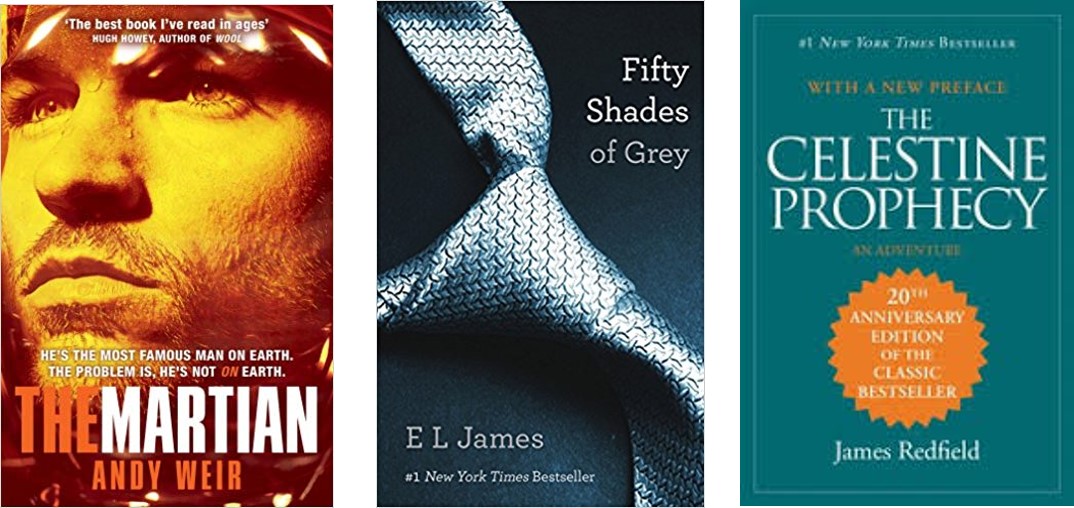
By the way…those three books at the top of this blog today? You might recognize them. You might not know that they were all self-published before they were massive bestsellers.

But what about the Gray Lady? Well, according to their Q&A yesterday, here are the books they don’t track:  “perennial sellers, shopping guides, comics, reference and test preparation guides, required classroom reading, textbooks, journals, workbooks, calorie counters, puzzle books and self-published books.” If if makes you feel any better, this means the Bible doesn’t qualify. Neither does The New York Times Monday Through Friday Crossword Book, even though it is currently #3 on Amazon’s bestseller list.

So, does this matter? Is this something you should you worry about this?

Well, it’s a gold star on your homework, but it isn’t a true gauge of success. And here’s something weird I found:  Hitting the Times list works better for unknown  authors than the Lee Childs of the world.

According to an economics professor Alan Sorensen, who has studied the effect of bestseller lists on sales of hardcover fiction, relatively unknown writers get the biggest benefit, as much as a 57% increase in sales. But for perennial best-selling authors such as John Grisham, being on the list makes virtually no difference in sales. Most sales occur soon after a book hits the shelves and gradually peter out. “If anything, what appearing on the [bestseller] list does is not so much cause your sales to increase from one week to the next, but rather to decrease at a slower rate,” Sorensen said.

Why can’t the bestseller system be fixed?

With the sophistication of software now, you’d think there would be a better way to keep track of real book sales. The model, some say, is the music industry, with its bestseller list in Billboard. The magazine tracks every single album sold at every single music store in the United States. SoundScan, the company that began tracking CD and tape sales with a bar code system, was the force behind the creation of Bookscan.  But BookScan is too expensive for many bookstore owners.

And here’s the bigger rub: The publishing industry really doesn’t want a single list of what’s really selling. They want lots of different lists that they can manipulate to benefit their own bailiwicks.

So…write your book and kept your heads down, crime dogs. The rest will come.

Which brings us back to William Blatty.  Despite great reviews, The Exorcist laid such a giant sales egg at first that Harper and Row reported getting returns by “the carload.” But then sales took off and the book made the New York Times bestseller list for 57 straight weeks and at the No 1 spot for 17 of them.

And years later, not long after Blatty filed his lawsuit against the New York Times, Legion made it all the way to no. 15 the Times list for one week.


Comic Relief

Photo courtesy Natalia Y on unsplash.com

Happy New Year! I hope that your holiday was as good as mine. I learned something which may have some major repercussions for me going forward.

I am not sure how what follows originally came up for discussion. The source, however, was my twelve-year-old granddaughter. She talks quite a bit about some things and not at all about others, with the border between the two constantly shifting and changing. Sometimes it is hard for me to keep up, which is okay. It gives her the freedom to chatter away and me the impetus to keep trying to figure it out. So it is that during one day of her Christmas vacation she was at one moment talking about a manga character and the next was talking about something she called “comic sans.”  I assumed at first that she was referring to comic book character that she particularly revered. As she continued for a bit longer, however, I realized that she was referring to a type font.

We each and all have a favorite font. Actually, that’s wrong. We each and all have a font that we use by default. Mine, since Jesus was in short pants, has been the boring and predictable but nonetheless popular Times New Roman. Many prefer Arial. It’s not something we usually even think about, particularly when reading. A great number of books make a point of referencing, usually on a page at the back, the font in which the book is printed and providing a three or four sentence summary of its history. To wit:

This book was printed using the Beelzebub font designed by a group of renegade Tantric monks in the early 18th Century. It was once popular but fell out of favor due to the spread of a superstition that the Universe would end upon the setting of the one-billionth charact

I in any event never really paid much attention to the topic other than to occasionally check out the pull-down menu on whatever word processing software I am using and to marvel for a moment at all of the choices. I realize that my choice of Times New Roman is similar to walking into Baskin-Robbins, checking out the thirty-one flavors of the month, and choosing vanilla. Most editors and the like prefer Ariel or Times New Roman, however, so it’s a safe bet. Only…only…there seems to be a bit of discussion among the younger set regarding “Comic Sans MS.” or “Comic Sans” for short. It was originally developed as a typeface for comic book narration and word balloons in 1994. A short, light-hearted video about it with a sample can be found here: https://www.youtube.com/watch?v=34fOZgy4TqI One doesn’t use it for formal documents such as a will, a contract, or an all-important postgraduate thesis. But. But. The discussion taking place among the young ones concerns the use of Comic Sans as a creative tool. Proponents say that there is something about it that aides the creative process, one that seems to cause words to flow almost unbidden from brain to fingers and beyond. Opponents (my younger daughter, among them) say it doesn’t do any such thing and looks like crap besides.


Photo courtesy Raphael Schaller on unsplash.com

I checked Google Drive to see if I had Comic Sans as a choice and sure enough, there it was, theretofore unnoticed in the menu. It looked godawful though somehow familiar. The familiarity should not have been a surprise, given that it mimics the text that was popular in comic books, which I read by the boxfuls for decades. I opened up a new document and started writing with it. Two hours later I was still writing, stopping only after being entreated to make a pizza run. I was, as they say, in the zone. I found that for the first time in my life I actually preferred writing to reading. The words simply seem to flow, just like the kiddies say with Comic Sans than with Times New Roman or anything else I have used. God forbid that I would submit anything in Comic Sans unless it was specifically called for, but it is certainly easy enough to convert into another format for a submission or final copy.

Check it out, particularly if you are having problems, as we all sometimes do, with getting things going in the grammar mine. I can’t really explain why it works for me and apparently for others, but work it does. I find that writing with purpose is often a struggle — as with many things (but not all) it’s a lot more fun to want to do it than have to do it — but the line has been blurred. I’ve been writing and writing quite a bit, each and every day, since I have made the change. If you would, please check out the typeface — I’m having a PICNIC (Problem In Chair Not In Computer) problem so I can’t duplicate Comic Sans here — and please tell us what you think.

Photo courtesy Ilnur Kalimullin on unsplash.com

I have to mention something else. I think it is terrific that young people, or at least a segment of them, even give a flying fig about a font, what helps them write, and what makes them better writers. My generation at that age really didn’t care or even think about fonts. We only thought about the print being large or small. We knew there was a difference in fonts among newspapers, books, comics, and instructions but we didn’t remark on it or give a flying fig. Younger folks do and they’re talking about it and other elements on their way to writing the best stories that they can. They are not just writing. They are reading, which is encouraging, or should be, for all of us.


Know What You’re Writing

By Elaine Viets

What kind of mystery are you writing?
I ask this question whenever I give a talk to writers, and I’m surprised how many people can’t answer it – at least fifty percent of the audience doesn’t know.
You need to know your sub-genre to sell your book to an agent, or to promote it.
Here are a few types of mysteries. Remember, some of these categories can cross over. Your police procedural may also be a hard-boiled novel.

Cozy mysteries are written in the style of Agatha Christie. The murder takes place offstage, there’s no blood or gore, no graphic sex or cussing. Animals and children are never harmed in a cozy, though Dame Agatha killed at least one Girl Guide. Agatha is the queen of cozies. Cozies are not all tea and crumpets. Many of them address social issues, including racism, poverty and pink-collar inequality. A good example is Margaret Maron’s cozy series featuring Judge Deborah Knott. Long Upon the Land won an Agatha Award for Best Contemporary Novel.

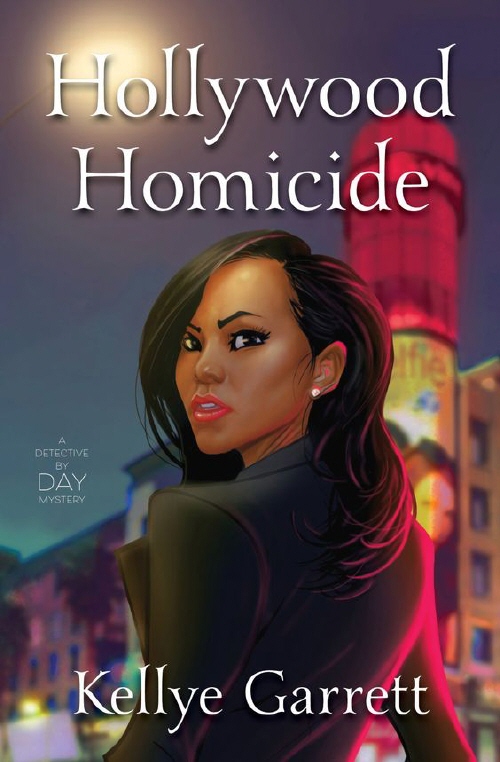
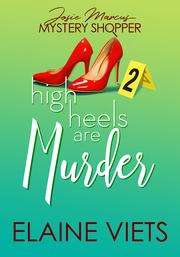
Chick lit is light mysteries, usually written for women readers. Chick lit centers around female friendships, with a splash of romance and a dash of murder. I’ve written ten chick lit mysteries in my Josie Marcus mystery shopper series, and I have a contest give-away at the end of this blog. Kellye Garrett writes award-winning chick lit. Her first novel was Hollywood Homicide.

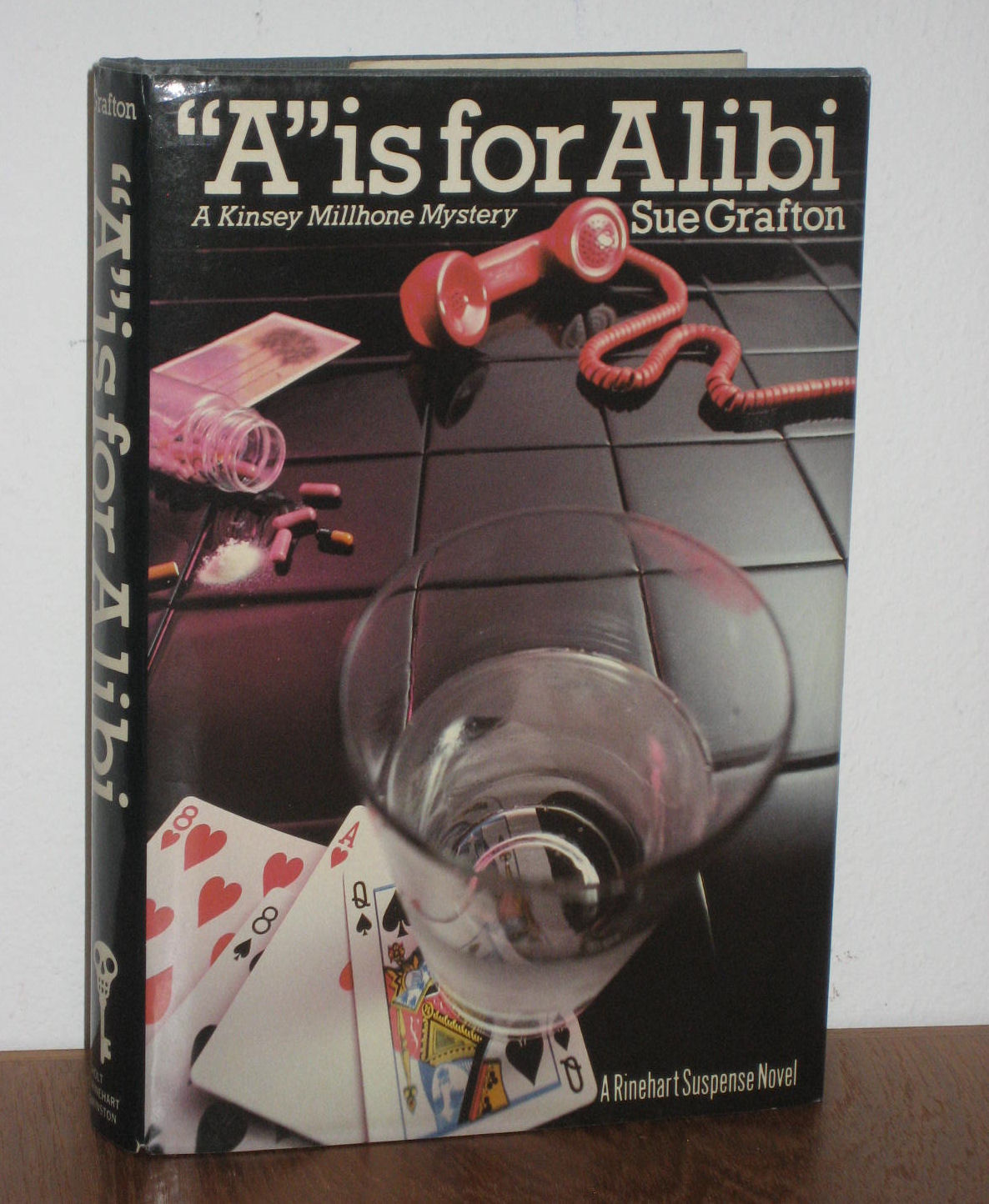
Soft-boiled mysteries are between cozies and hard-boiled: some violence and the occasional four-letter word. The best example is Sue Grafton’s alphabet series.

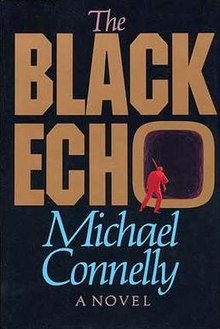
Police procedural. The name says it all. This is a mystery that gives a realistic look at some type of police work, including criminal investigations, forensics, search warrants, and interrogation. Michael Connelly writes top-notch police procedurals, especially his Harry Bosch novels. Start with The Black Echo and keep reading.

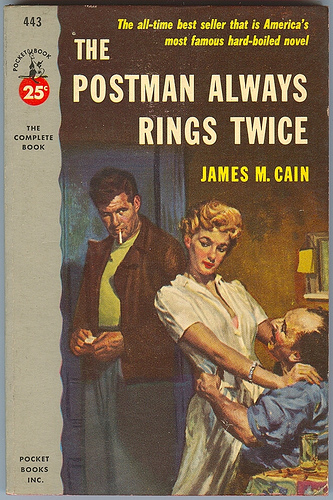
Hard-boiled. These mysteries are much darker than cozies. Readers may encounter violence, sex scenes and graphic language. Children and animals can be kidnapped and killed. Hard-boiled mysteries often take place in cities. Raymond Chandler, James M. Cain, and Ross MacDonald write first-rate hard-boiled mysteries.

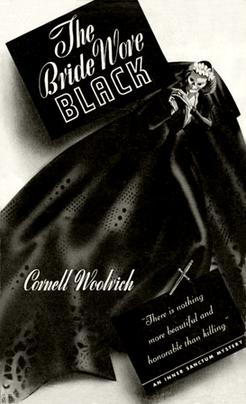
Noir, with its dark view of life, is closely related to hard-boiled mysteries. The protagonist is often up against a corrupt system or a wicked world. Women are often viewed as betrayers and heartless temptresses. Many protagonists are self-destructive. Don’t expect a happy ending. Cornell Woolrich writes true noir.

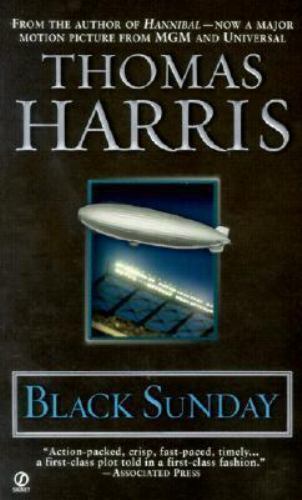
Thrillers are action novels with high stakes: Someone wants to kill the President, blow up New York City, or kidnap a busload of school children. The protagonist races against the clock to save them. My favorite thriller is Thomas Harris’ Black Sunday.

8888888888888888888888888888888888888888888888888888888888888888888
Win an e-book of High Heels Are Murder, my Josie Marcus, mystery shopper mystery. Click Contest at www.elaineviets.com

Creating Characters: You Can Always Start With the Car


Stock photo via GoDaddy


So. You’re ready to create a character.

What does your character look like? Eat? Worship?

Do they exercise? Do they jump up on boxes and grunt, or are they a mall walker?

What high school did they go to? Freak or geek, prom king/queen, or regular Jane?

Do they color their hair? Clip joint, or fancy salon?

Gluten-free? Dairy free? Pescatarian?

Do they eat creamed corn? Do they look at porn? (Obviously I went for the rhyme there.)

Shoplifter, despite having millions?

Boxers, briefs, thongs, or commando?

Tampons or pads?

401K or under the mattress?

Acid reflux, heart palpitations, heartbreak of psoriasis?

Wrist watch, pocket watch, no watch, sundial?

Fast talker?

Lousy lover?

De-canterer of wine before guests arrive to hide how cheap they are?

You figure out all this stuff before you sit down to write, right? If you do, congratulations are in order. You’re about a hundred steps ahead of most writers—Okay, when I say most writers, I mean me, at least.

I envy writers who spend lots of time defining their characters, then put them onstage with ready-made conflicts. You bought me briefs instead of boxers? Are you even my wife?!

Goodness knows I torture encourage my writing workshop participants with character-building exercises. It’s a lot of fun, especially when they begin to see their character as something more than a mannequin with brown eyes, curly dark hair, a cruel mouth, and wearing a nose ring and expensive jeans. You only have to look around you to see that there is no such thing as a generic human. Family members make excellent character models, and the nice thing is that they rarely recognize themselves—Particularly if the character is unlikable. And there’s nothing like taking revenge on a dreaded former coworker or high school frenemy by putting them in a book.

Sometimes all your imagining will be for naught when it comes time to get into writing the story. Thriller and other genre writers don’t necessarily have the luxury of languorous character development because the action tends to move fairly quickly. This is where series characters really shine. A series gives a writer many opportunities to grow and deepen their personalities and habits. At the moment I’m reading Robert Galbraith’s Cormoran Strike novel, Lethal White. Strike is a solid, well-defined character whose enormous, damaged body looks amazing in a well-tailored suit. And I think he likes squash soup? Okay, maybe I made that part up, but he’s not too shy to engage in a bit of dress-up roleplaying behind closed doors with his current girlfriend. Seriously, I could not have made that up.

I rarely did even minimal character sketches before I started using Scrivener about six years ago. Its template is on the minimalist side, with blank spaces for a character’s role in the story, physical description, occupation, mannerisms, internal conflicts, external conflicts, and background. This approach gives you plenty of latitude, without driving you crazy. I confess, I don’t often even fill these templates out completely. BUT I am one to go back and fill them in as I write the book. I like for the character to surprise me. It’s also extremely useful to keep track of all those details, like when two of your characters hook up and you’re not sure what color your heroine’s eyes are.

If you ever get stuck, I have a simple fix. Decide what sort of cars (if any) your characters are driving. Americans often express their personalities via their cars, and we all have ideas about what kind of people drive a particular model.

The protagonist of The Stranger Inside, my suspense novel that’s coming out the first week of February, drives a Mini-Cooper. Kimber isn’t quite forty, and she likes the option of being able to drive away with speed when she wants to escape her problems.

There really is no wrong way to design your characters, as long as you’re telling the story they want to tell.

What’s your process for creating and defining characters? Tell us about a favorite character that you created.

How Authors Can Help After a Disaster


by Debbie Burke

@burke_writer

NASA Goddard Photo of the Camp Fire, Paradise, CA

The Camp Fire in Paradise, California killed scores of people and destroyed 13,972 homes, 528 commercial structures and 4,293 other buildings (according to NPR, 11/27/18).

Our nephew and his wife were among those who lost their homes, barely escaping with old family photos and two pairs of pants—the size 36 jeans he was wearing, and the size 28 US Navy trousers that had belonged to his grandfather (my father-in-law) when “Pop” served on the USS Enterprise during World War II.

The fire destroyed countless memories, mementoes, and relics of history—the foundations upon which people build their lives, identities, society, and culture.

Amid the devastation, the Paradise Library remained standing, although damaged.

Beth Zimmerman, a national expert on disaster recovery says, “The library will be a key to providing [survivors] a known place to gather and take time to commune with their neighbors. Libraries can soothe children’s fears and help them cope, especially if they are used to going there.”

When everything familiar and comforting is lost, books can help recreate a sense of safety and security.

Melanie Lightbody, head of the Butte County Library System says, “The library is one of the few buildings which survived and therefore will be even more crucial to the community as it rebuilds. A symbol of possibility and hope.”

Efforts are underway to rehabilitate the structure and contents. Author Phil Padgett is spearheading a pledge drive for books to repopulate the library’s shelves. A former FEMA reservist who deployed to New York after Hurricane Sandy, Phil understands the complex, long-term logistics of rebuilding.

Unlike immediate necessities, such as bottled water, food, clothing, and construction materials, books fall into the category of way-down-the-road work. Yes, they are needed but what do you do with them in the mean time when there is no place to put them?

For now, Phil is compiling a list of authors who have pledged to donate their books. In coming months, he will coordinate collection, cataloguing, and storage. Later, when the library is ready to receive the books, he will arrange for shipping.

Books can be solace in time of tragedy, taking people’s minds off their troubles.

One of the best compliments I ever received came from a reader in Florida. My thriller Instrument of the Devil was released at the same time Hurricane Irma hit. The woman said my book had helped her pass the long, difficult week when she (and millions of others) had no electricity.

As authors, we don’t necessarily run bulldozers or nail up plywood but we can help rebuild lost culture.

If you’re an author who would like to donate to the Paradise Library, Phil’s email is: philip.j.padgett@gmail.com 


Does your Amazon holiday gift card have spare change left on it? Catch the January sale of Debbie Burke’s award-winning thriller Instrument of the Devil  for only 99 cents. Or read for free on Amazon Prime. Click here.

Morality and the Modern Writer

Happy New Year!

I’m going to dive right into 2019 by raising the tricky and controversial topic of what I’m calling ‘morality and the modern writer’. I’d been mulling over aspects of this issue ever since the MWA controversy over Linda Fairstein, when yesterday (quite serendipitously) the NYT published an article entitled ‘Must Writers be Moral?’. This article got me thinking (again) about how we deal with, and differentiate between, the actions and ‘morality’ of an artist as opposed to their work. In the Fairstein controversy, the MWA withdrew her Grand Master award following an outcry over her involvement in the infamous Central Park Five case. While I don’t intend to discuss this particular case in any detail, it highlights the very public way we are now seeing the line between art and artist play out in society today.

The NYT article (a link to which is provided here) adds a further dimension to the discussion by highlighting the increasingly widespread use of ‘morality’ clauses in publishing agreements today (something, I must admit, I was completely unaware of!). The article details the use of clauses that release publishers from their obligation to publish a book if (in the words of a Penguin Random House contract) “past or future conduct of the author inconsistent with the author’s reputation at the time this agreement is executed comes to light and results in sustained, widespread public condemnation of the author that materially diminishes the sales potential of the work.” Some contracts go even further, requiring authors to return advances should their contract be terminated. As this article outlines, even though publishers’ concern over the marketability of their authors is understandable, the issue of ‘immorality’ can be a slippery concept (especially if the publisher has sole discretion over determining an alleged infringement) and, when it comes to public condemnation, often a moving target. Some prominent writers, such as Masha Gessen, have refused to sign these clauses arguing that there is too much ambiguity involved in these kinds of ‘morality’ clauses, not to mention concerns over censorship as well as public vitriol.

In 2018 there were some very public book cancellations (most notably Milo Yiannopoulos) and scandals involving authors such as Junot Diaz that reflect the post #MeToo era. While I don’t want to engage in a heated discussion about these particular controversies, I am trying to get my head around the distinction (especially when it comes to ‘morality’) between the artist/writer and their work. Any student of literature knows that many famous writers were hardly angels – instead history is strewn with womanizers, drunks, addicts, racists, anti-semites, misogynists..and the list goes on. So how do we separate the person from his or her work? Should we judge an artist solely on their works or is the work inextricably linked to them as people (and thus, their behavior and attitudes)? In the current publishing environment it seems that writers are being held up to scrutiny in both their professional as well as their private lives.

So TKZers, what do you think about these so-called ‘morality’ clauses in publishing contracts? How do you view the distinction between a ‘writer’ and his or her ‘work’? Is such a distinction even relevant in today’s social media age?