About Jordan Dane

Bestselling, critically-acclaimed author Jordan Dane’s gritty thrillers are ripped from the headlines with vivid settings, intrigue, and dark humor. Publishers Weekly compared her intense novels to Lisa Jackson, Lisa Gardner, and Tami Hoag, naming her debut novel NO ONE HEARD HER SCREAM as Best Books of 2008. She is the author of young-adult novels written for Harlequin Teen, the Sweet Justice thriller series for HarperCollins., and the Ryker Townsend FBI psychic profiler series, Mercer's War vigilante novellas, and the upcoming Trinity LeDoux bounty hunter novels set in New Orleans. Jordan shares her Texas residence with two lucky rescue dogs. To keep up with new releases & exclusive giveaways, click HERE

White Space on the Page Can Be Your Friend – 1st Page Critique: A Pitying of Doves

Jordan Dane

@JordanDane

Forgive the blatant Prince/Purple Rain reference. After I read the first lines of this anonymous submission, I had purple on my mind.

Below is an anonymous submission for critique, the first 400 words or so of a project. Read & enjoy. I’ll give my thoughts on the flip side. Feel free to provide your constructive criticism in your comments. Let’s help this author with our take.

A Pitying of Doves
SATURDAY – July 14th, 2012…8:29 am

The delicate bird bobbed around in circles, oblivious to the hungry yellow eyes hidden within the greenery −a common Laughing Dove− it was searching for its own subsistence near the marble steps of the towering Grand Mosque in Abu Dhabi. Latin name: Spilopelia senegalensis. On the fast track out of this messed up existence, Bertie thought, holding her breath and turning her D3x toward the ill-fated bird. Cha-click. Cha-click. Cha-click. Three-seconds. Three human heartbeats. It happened that fast. Death. Looking up over the top of the camera, she kept the shutter going as the lean, elegant feline blinked once in thanks before skittering off, prize in mouth, drops of blood trailing. Metaphor? Or prophesy? The pain in her gut said both as she swiveled the camera on its tripod back to the subject at hand. “Okay!” she shouted. Her assistant swung his arms about and stepped out of the frame as a burst of doves hit the air for her ravenous lens.

“You will get the perfect image I think,” said the Indian man breathlessly, scooping up the camera bag and preparing to follow her to another spot.

“It has to be perfect, Amir,” she said, still clicking, but thinking only of the killing that she’d been involved in three days ago. Murder. For the first time, she suddenly felt ill. “Khalas! That’s enough. I can’t do anymore.” She quickly abandoned her equipment for the parking lot and stumbled behind her silver Range Rover. The acrid smell of rubber and petrol made her eyes water as she held onto the bumper, pressing her black and white keffiyeh scarf across her mouth, trying to maintain her composure. Murder. The word ricocheted inside her skull. It thundered like an avalanche and threatened to bury her, just like they had buried him. “Necare,” she whispered, murder’s more attractive Latin equivalent. She usually found it soothing, translating words into the old language, perhaps because it took her back to her college years, back to a time of relative innocence. “Homicidium,” she went on, fist clenched against sternum, near panic as the tears came along with the realization that her virtue was lost forever. “What the hell have I done?”

FEEDBACK

Overview – I enjoyed the imagery of Bertie taking objective photos of a dove killed by a stalking cat. She merely observes and documents. The author eases the reader into why Bertie might view death differently. I also liked the reference “ravenous lens.” Very fitting. The last line intrigues me – “What have I done?” It makes me wonder what Bertie had to do with murder. The name Bertie seems like someone elderly and a very non-lethal person. Below are my suggestions for the author to consider:

1.) White Space & Flow – My first thoughts are to improve the use of white spacing on the page so the eye of the reader doesn’t get lost in what looks like weighty paragraphs they might skim. There are important imagery, plot details and dialogue embedded in these longer paragraphs that could be enhanced by merely showcasing them. Often, the reader’s eye looks for dialogue or (heaven forbid) they skim looking for dialogue if they see long paragraph’s ahead.

I’m a believer in steering the attention of the reader to important lines or showcasing a single line to emphasize something foreshadowing or important. I like shorter chapter lengths and using foreshadowing/cliffhanger techniques at the end of each chapter to keep the reader turning the page. I’m also suggesting the author use Bertie’s name sooner so the reader immediately knows whose head we’re in.

Here’s an example with only minor changes to tighten 1st paragraph:

Bertie spotted a delicate bird bobbing in circles, oblivious to the hungry yellow eyes hidden within the greenery. A cat searched for its own subsistence near the marble steps of the towering Grand Mosque in Abu Dhabi. The common Laughing Dove was on the fast track out of this messed up existence.

Bertie held her breath and turned her D3x toward the ill-fated bird. Cha-click. Cha-click. Cha-click. Three-seconds. Three human heartbeats. Death happened that fast.

She looked over the top of the camera and kept the shutter going as the lean, elegant feline blinked once in thanks before skittering off, prize in mouth, drops of blood trailing. Metaphor? Or prophesy?

The pain in Bertie’s gut said both as she swiveled the camera on its tripod back to the subject at hand.

“Okay!” she shouted.

Her assistant swung his arms about and stepped out of the frame as a burst of doves hit the air for her ravenous lens.

2.) Stick with the Emotion/Show Don’t Tell – In the last long/weighty paragraph, I understand Bertie is haunted by something bad that happened. I wanted to see more of her emotion, but the clinical word translation drew me out of her head and I didn’t understand why. If this was meant to give insight into Bertie and the way she deals with things, the author must still show her emotional struggle to get the reader more invested. Perhaps her mind takes over (with the word game) while her body reacts to a dark memory, but if this is the case, it wasn’t as clear as it could have been. The author also “tells” rather than “shows” Bertie’s turmoil.

 
Here’s an example with only minor changes to tighten last paragraph:

“It has to be perfect, Amir,” she said.

Her fingers trembled as she took the shots and her stomach roiled from the memory of what happened three days ago. Hot bile rose in her belly until she thought she would throw up. She couldn’t lose it in front of Amir.

“Khalas! That’s enough. I can’t do anymore.”

Bertie abandoned her equipment and ran for the parking lot before anyone saw her break down. She stumbled behind her silver Range Rover, out of breath. Her eyes watered from the acrid smell of rubber and petrol–and something more. She held onto the rear bumper and pressed her black and white keffiyeh scarf across her mouth to stop from getting sick.

Murder. The word ricocheted inside her skull. It thundered like an avalanche and threatened to bury her, just like they had buried him.

With her eyes stinging with tears, she shut them tight to block out the images that haunted her. For days she hadn’t slept. Exhaustion had worn her down until her mind tortured her with a word game she hadn’t played since she was in college. The old language game used to soothe her. Not today.

“Necare,” she whispered, murder’s more attractive Latin equivalent. “Homicidium.”

Tears ran down her cheeks and wouldn’t stop. Bertie wrapped her trembling arms around her waist, breathing hard until her head spun. She’d crossed a line three days ago and lost the last of her innocence. How could she look anyone in the eye?

“What the hell have I done?”

Final Thoughts – All the elements are here in the submission, but by focusing on Bertie’s emotional state and showcasing certain lines, plot elements, and dialogue, this submission can become a smoother read without much effort.

Discussion: What do you think, TKZers? Please comment.
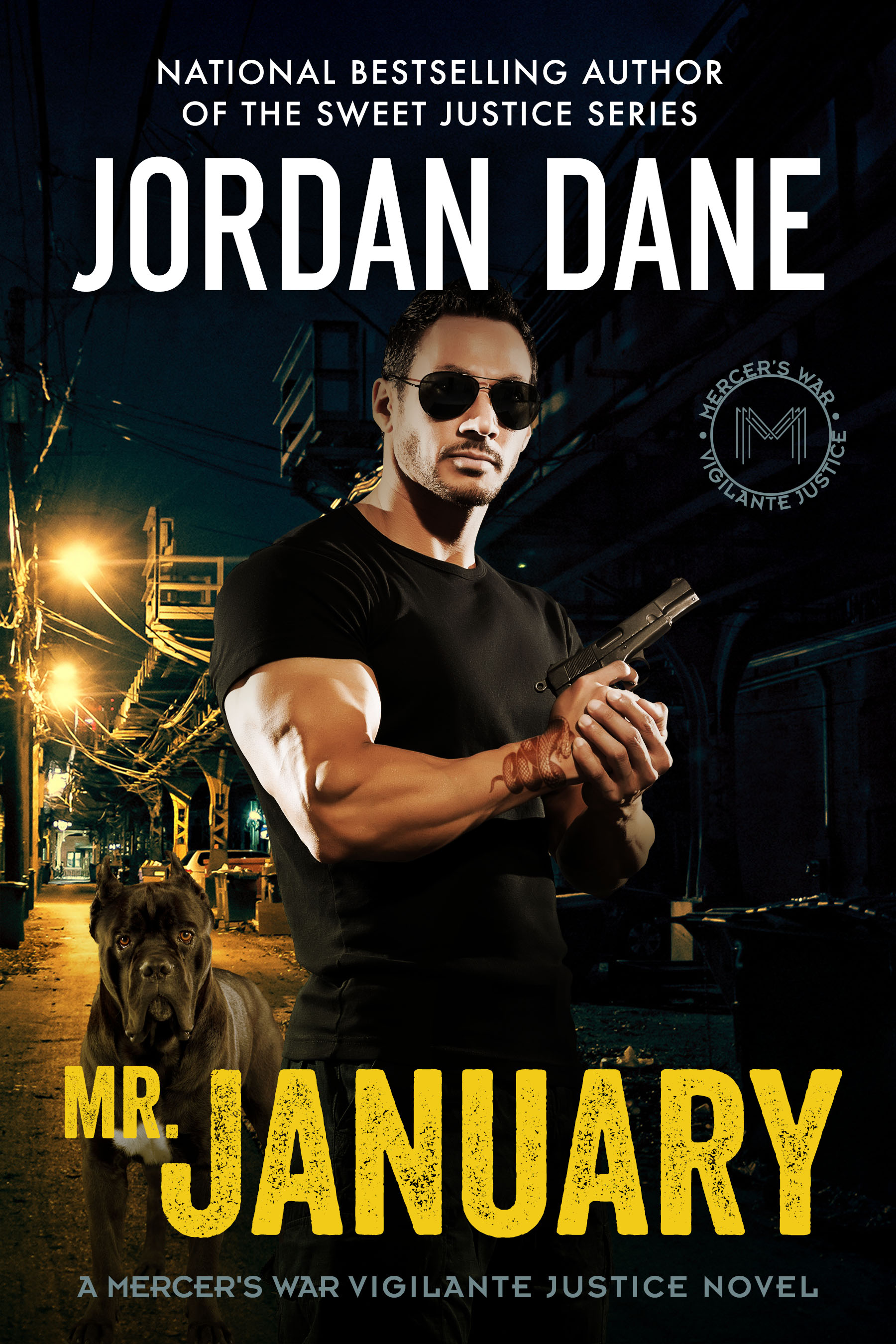
Mr. January available in print now (210 pages). Ebook pre-order $2.99!

Zoey Meager risks her life to search for her best friend Kaity in a burning warehouse, only to cross paths in the inferno with Mr. January, a mysterious man with a large black dog, completely devoted to its shadowy master.

Publishing Trends to Watch in 2017

Jordan Dane

@JordanDane

Jordan Dane purchased image from Shutterstock

I’ve been involved in many “experiments” lately, like Amazon Marketing Services and Amazon Kindle Worlds. I plan to get more familiar with Kindle Unlimited with my upcoming release in Feb – Mr. January. Retaining my copyrights and self-publishing this book, I can explore more marketing tools to see how effective I can be. So I thought I would list some of these things to watch in 2017 as I see them. As always, I would love to hear your thoughts on trends you see as important in 2017 or marketing efforts you have had success with. Join in the discussion in your comments.

Publishing Trends to Watch in 2017

Marketing Power of Digital – Print books are expected to continue a comeback in 2017, but for anyone publishing fiction, e-books drive sales and are easier to promote since social media and reader websites offer more economical ways to promote. Digital is the gift that keeps giving in that each book is on a forever shelf. Any author can recreate interest in a back list novel by repackaging the work with a new cover or new content or bundling as part of a box set. (See more on this below in “Over-crowded Digital Book Shelves.”) It’s easier for an author or publisher to focus marketing efforts in the digital arena since it’s cost effective and the exposure can be much greater, but with all the e-book competition, marketing strategies will be more important in 2017.

Small Presses & Savvy Self-Publishers are Growing – The larger traditional publishers market shares are dropping each year. Over 50% of the market share is comprised of self-publishing authors, small boutique publishers, and Amazon imprints. The challenge comes when trying to navigate this new sea of 50-percenters. Simply discounting an ebook or offering it for free won’t cut it. That makes marketing and visibility more strategic in 2017. Amazon is offering their Amazon Marketing Services (AMS) to smaller houses and indie authors. With sales stats to track the effectiveness of this AMS marketing tool, it is an easy way for authors to try it and see how it results in sales vs cost to promote.

Amazon Imprints Are Dominating – In 2016, 7 out of 10 Kindle bestsellers were from Amazon Imprints. Is there an advantage to selling a book to Amazon in 2017 when it comes to their sales ranking algorithms? I don’t know, but if anyone knows how to maximize visibility and preferential marketing spots on Amazon, it would be their own imprints, don’t you think? When traditional houses offer bare minimum of support to most mid-list authors, selling to Amazon feels like an author has a leg up on marketing and promotion when the buyer is an Amazon imprint. An Amazon imprint could give any author an edge in marketing strategy in 2017.

Kindle Unlimited Expanding – More readers in 2017 will be finding benefits to the Kindle Unlimited program and Amazon markets their program effectively. This growth trend will undoubtedly affect e-book sales and I’m sure Amazon will find more incentives for authors to try their program. I see this program expanding in 2017 to keep Amazon dominating.

Kindle KDP Select Enhancements Provide Better Outreach – If you are part of the Kindle KDP Select Program, where you publish only through Amazon for a given period of time, you are automatically enrolled in Kindle Unlimited AND the Kindle Owners Lending Library (KOLL) and will earn different enhanced royalties as incentive. The KDP Select program also provides for better royalties globally (70%) in countries like Japan, India, Brazil and Mexico. Plus authors can expand their outreach through Kindle Unlimited in the US, UK, Germany, Italy, Spain, France, Brazil, Mexico, Canada, India, Japan, and Australia. (My reader fans have complained that Kindle Worlds books aren’t available for distribution yet into their countries, but until that happens, any books I have through KDP Select is available to many of my readers.)

Over-crowded Digital Book Shelves – New e-books have to compete with the over-crowded digital shelves of digital books in 2017 that never go out of inventory. The good news is that there is endless space for digital books forever. The bad news is that authors must compete with a growing mass of books competing for readership. Don’t forget your back list, authors. Redesign your covers, obtain new praise blurbs or write new book jacket copy, get new reviews, and spend marketing dollars toward generating new interest in your tried-and-true back list. The bigger your inventory for a reader to “discover,” the more visibility you can achieve and your promo dollars can go a longer way.

Audiobook Market Is Growing – I haven’t focused on this enough, but with indie authors able to use ACX to create an indie audio book, it’s worth a shot to make your own audio book in 2017 (if you haven’t sold your audio sub-rights). It’s always a good thing to make your book available in as many formats as you can – plus you get to retain your sub-rights in audio.

Marketing Strategy Will Be More Important Than Ever – This is a tough one for me and my biggest challenge. I try new things all the time to stay effective. I’ve seen good and track-able success in Amazon Marketing Services, but there are other marketing tools, such as BookBub, Freebooksy, and Bargain Booksy. In 2017, continue to expand your marketing strategies and evaluate what is working and drop what isn’t.

Facebook Ads Declining – I’ve never been a fan of Facebook. Their ads might not seem too costly, but unless you have a good metric to establish whether these ads are truly effective and result in actual sales, it doesn’t matter how much they cost. Some authors have used FB ads to increase their mailing lists, but for actual book sales, I haven’t seen anyone who can analyze this. With Amazon Marketing Services being a better option, with sales data tied to the promo, it is a much better option.

Try Expanding Your Foreign Sales in 2017 – Part of anyone’s sub-rights are foreign sales. If you have an agent, they could be marketing this for you “a la carte” or your publisher might have gotten your foreign rights when you sold to them. These foreign sub-rights have value and a potential for growth. And if you’re lucky enough to get your back list rights returned to you, try marketing to international markets. Many international buyers love American authors. If you’re an indie author on Amazon, you would notice the foreign markets they list when you set up your book, but there are other international markets. An agent or broker might be able to enhance your sales by tapping into this resource. Some may take English language “as is” or they may require language translation, but they pay an advance for the rights. It could be worth exploring in 2017 to expand beyond US and UK readers.

Authors Find Safety in Numbers – In 2017, expect to see more authors banding together in projects where marketing and promo can be shared. Co-writing books and creating box sets can generate buzz. Authors have always been generous with other authors and it warms my heart to see this, but it also makes good sense. The best part of the Amazon Kindle Worlds books comes from the cross promotion of all the launch authors banding their efforts together. We share our readerships with all the other authors, but get a lot in return. The concept of the Kindle Worlds launches and cross-promotions is a real benefit for all authors involved.

Discussion:
1.) What trends have you noticed that you’d like to share with your TKZ family?

2.) What marketing tools have you tried and had success with? Please share.

Mr. JanuaryMercer’s War Book 1 coming Feb 2017 in print and ebook

Zoey Meager risks her life to search for her best friend Kaity in a burning warehouse, only to cross paths in the inferno with Mr. January, a mysterious man with a large black dog, completely devoted to its shadowy master.


A Checklist For Writing A Great Ending

Jordan Dane
@JordanDane

I don’t always write a “happy” ending. In the romance genre, that’s called HEA, or happy ever after. My main goal is to stay true to my character(s) and motivation. The plot can spring from the flaws of a character or be influenced by those imperfections. Since I like conflict between my main characters, that can mean their happy ending doesn’t neatly happen by the end of the novel. I don’t want to force it or contrive an ending that doesn’t remain true to my character’s story arcs.

“Happy ever afters” are popular and even if you’re not a romance reader, a satisfying ending can be important, especially if it makes the reader feel good at the turn of the last page. But there’s nothing wrong with an ambiguous ending if it fits with your character and your world. An author writes the story he or she wants to tell.

A Checklist For Writing A Great Ending

1.) Tie up the loose ends – One of my final edit reviews is when I search for subplots and key elements to tie up to make a satisfying ending. If I introduced a DNA lab result earlier in the plot, did I bring the results in later? Are all my subplots resolved? Are all my character motivations justified enough? Nothing make a more hearty meal than a good, solid ending. Don’t leave loose ends.

Word of caution – Don’t tie up everything in one long character dialogue scene. This reminds me of the cheesy Charlie Chan movies or older Sherlock Holmes films where the hero regurgitates all the clues with answers. Try to be more subtle or break up the loose end tie-ins so it doesn’t feel too contrived. Another pet peeve of mine is the villain who feels compelled to answer all the detective’s questions on his motives, gloating. Break apart these disclosures and don’t turn your diabolical villain into a chatty girlfriend who wants to bear his or her soul. Find a more realistic way for these disclosures to come out in subsequent scenes when the investigators are closing their case.

2.) Restore the world even if it’s not perfect – Redemption at the end of a book can be good as well as uplifting. I like the idea of restoring the world that an author creates, but it doesn’t always have to be the same world. Crime affects people in a bad way and it radiates out like ripples on still water with many people affected—from the victim to the family survivors to cops investigating the case. Don’t be afraid to show the aftermath. A story can feel positive if the protagonist survives, but don’t be timid in portraying how much your character has been affected.

3.) Consider your series endings – There are many ways to end individual books within a series. You can have a major cliffhanger. You can hint or foreshadow something coming in the next installment. Or you can have each book end completely, yet have the growth and story lines of the characters weave a tapestry through your series. How an author develops a series (and the books within it) can be a conundrum. A key decision element might be if you plan on releasing each book back-to-back with a short period between book launches. Your readers won’t have to wait too long for each installment. But if you’re a new author and want a traditional house to consider your work to publish, unless the house is interested in buying the whole series, it might be better to write a more conservative ending without a major cliffhanger (in case the publisher doesn’t not buy the whole series).

4.) Do not clutter your ending with last minute conflicts – I would consider a last minute distraction or entanglement to be a cheat for the reader. When such a beast springs from the pages, a reader might sling your book at a wall with the contrivance. Give the reader an ability to solve the case on their own. They can’t do that if the author springs unexpected characters or plot twists that haven’t been introduced earlier. Many times I will have a certain twist in mind, but go back and lace in different clues in several spots so the reader can decipher the puzzle before the big reveal, but I never make it easy.

5.) Foreshadow a realistic future to come – If you don’t want to write a blatant romantic happy ever after, you can “hint” of a future for your characters. Often a forced romance or a contrived relationship can end with a marriage proposal that doesn’t “feel” real. But if the author foreshadows a more realistic relationship with the promise of a tomorrow, that might be enough for a reader to get the idea and feel positive about the ending.


6.) Stay true to your voice – If your author’s voice through the story is dark or starkly realistic, don’t explode pink glitter and unicorns all over your ending. A reader will feel betrayed by this. Whatever ending you choose for your character, make it realistic for the vibe of your book.

7.) Know your ending by genre or choose to be different – There’s always the exception to a general rule, but certain commercial genres have endings readers will expect. For example, an amateur sleuth will be expected to find who the killer is, or a romance relationship story will have the lovers together or with a future by the end. A thriller story will have the maniacal villain thwarted and the world restored. Not all successful stories follow this idea. I’ve written endings where the bad guy gets away with his crimes (Evil Without A Face & No One Left to Tell & No One Lives Forever), but if you dare to do this, you must have a reason (a potential teaser for a series) or a villainous character that the reader might accept such an ending.

8.) Don’t be afraid to explore ambiguous endings – If you’ve written a carefully plotted book that’s stays true to your character study, don’t be afraid to explore an ambiguous ending. A favorite book I read called The Piano Man by Marcia Preston is a women’s fiction book that has a realistic yet ambiguous ending. At first I wanted the ending to mean an HEA for the two main characters but that would’ve been a cheat. After I thought about it, the way it ended was perfect for the nature of the two characters and it was a beautiful story of two people whose lives crossed in a moment of tragedy. If the author gets the emotion right and the character motivation, there could be a variety of endings possible. Don’t be afraid to explore more than one ending that can add depth or a thought provoking conclusion.


Discussion:

1.) Have you ever written a forced ending that didn’t feel right to you? Did you correct it?

2.) What makes a good ending for you (as a reader or an author)?

3.) What are some of your favorite (most memorable) book endings? Were they happy endings or not?

Reader Friday: What is the oddest thing you’ve ever done in the name of research?

qtq80-7vCftV

Some authors attend real autopsies, spend nights in haunted houses, or travel to exotic places.

I’ve toured FBI: Quantico and CIA: Langley, shot various weapons at the FBI Academy firing range and watched a bomb squad blow up stuff at my local police department. I’ve had a flash bang grenade blown up at my feet to see what it was like, and I’ve blindfolded myself to fumble around in a dark room to see if I could sense walls.

Writers do peculiar things in the name of research. Tell us about your most memorable experiences, what you learned, and how you used it.

Put Your Setting to Work – First Page Critique – Unknown Rider

Jordan Dane

@JordanDane

iStock image purchased by Jordan Dane

iStock image purchased by Jordan Dane

My last critique for 2016. I’ve enjoyed reading the anonymous submissions this year. We have some very talented authors following our blog. Thanks to all of you who participate with your comments and for all those brave souls who have submitted your work for our feedback. We all learn from the experience.

Enjoy UNKNOWN RIDER and I’ll have my feedback on the flip side. Please provide constructive criticism in your comments. Thank you.

***

Prologue

A narrow palm-lined alley led off the main boulevard to the boat docks. A warm front had blanketed the area with a thick overcast, obliterating the faint starlight on the moonless night. At one o’clock in the morning, the few functioning streetlights created a dimly lit gloom that made it hard to distinguish between the living and the nonliving as the tropical breeze animated palm fronds and various pieces of trash on the derelict street. It was still a quarter of a mile to the docks, but even at this distance the low-tide smell of spilled diesel fuel, dead fish, and decay polluted the air.

Frank Stodd walked quickly down one side of the pavement towards the water. He looked very much out of place in his dark suit and tie, but he hadn’t planned to be here. He had a growing suspicion that he had taken a wrong turn on the way back to the hotel, but he pressed on, looking over his shoulder every few seconds for the black Escalade. Then he patted the gun through his jacket for reassurance, and felt for the small package in his inside coat pocket. He was a large man, quite overweight, and in spite of the sea breeze blowing in towards the shore, he was sweating profusely underneath the stiff white collar of his shirt.

Maybe he could see the hotel when he got to the water at the end of the alley, he told himself. It was a well-lit high rise, after all, with a big red ‘Hilton’ on the side. There was too much at stake to blow it now.

They had seen him in the van outside the bar in old San Juan. He’d sped off immediately, cursing his bad luck, but they tailed him for several blocks. Finally, he lost them somewhere near his hotel, ditched the van, and continued on foot. The shortcut he’d taken past the marina and docks should have thrown them off. Yes, he was sure now that he’d lost them.

But against the wall of a building, well hidden in the shadows to Stodd’s left, was another man. In blue jeans and a t-shirt, he looked like anyone else you might see in the city, someone who had bubbled out of the melting pot of the Caribbean. He checked the cylinder of his revolver to confirm that it was fully loaded and wondered again whether the silencer screwed into the end of the barrel might affect the gun’s accuracy. But when he got a good look at the size of his target he decided it wouldn’t matter.

He raised the gun at arm’s length.

Stodd saw a flash from his left. There was a slight whooshing sound like someone had spit, the sledgehammer impact of the bullet, then he was lying on his side, his left arm and shoulder on fire. The pavement was cool in spite of the heat of the night, his vision blurred, and the pain took a back seat. He knew only that he was tired and wanted to rest. He closed his eyes.

FEEDBACK:

OVERVIEW – There are some gems in this intro. The author has a visual style and imagery is important. Often setting is overlooked, but not with this author. I like how he or she describes through use of the senses too. I can see Frank sweating as he lumbers through a shady part of town. But there is an issue with ORDER in this scene. The idea is to introduce a conflict and tension and build upon it, not deflate it. Below are some observations:

SETTING – The first paragraph is an author’s chance at establishing a voice. In this example, the author describes weather and setting without these elements being through any character. As much as I can appreciate a good setting, without a character seeing it, I tend to skim. I don’t even know where the description is supposed to be, other than it’s coastal and has palm trees and water. By mentioning San Juan and Caribbean much later, this appears to be Puerto Rico. Why not include a tag line to establish the location right away? That would make the setting an instant recognition for the reader and even establish a time of day. It’s best not to make the reader guess or have to reread because they thought the setting was somewhere else, like Florida.

REVISED START – I would consider starting with elements of paragraph 2. I like knowing Frank is out of place and uncomfortable where he’s walking. It makes me wonder what he’s up to, but make him sweat for more than weather. The example below is a rough draft and if it were mine I’d tweak it more, but I hope you get the idea. Getting into Frank’s head and the tension he’s feeling is the place to start.

Example – Frank Stodd picked up his pace as he walked toward the docks, looking out of place dressed in his dark suit and tie. He tugged at his stiff white collar with sweat trickling through his hair. Muggy heat turned the stench of low-tide into a vile smell of spilled diesel fuel, dead fish, and decay. He must’ve taken a wrong turn on his way back from the hotel and he kept glancing over his shoulder for the black Escalade. The small package he carried in his jacket pocket weighed heavy, pressed against his gun.

PUT YOUR SETTING TO WORK – Rather than start with a long first paragraph to establish setting, the author might consider peppering the heat and the stench and other sensory descriptions to add to Frank’s discomfort and tension. Make the setting work by using it to escalate the tension or messing with Frank’s head. I’ve incorporated some of the setting descriptions into the revised intro to exacerbate Frank’s situation and add tension. He’s a heavy man and he’s sweating, not only because of weather and where he is. He’s anxious over his situation, so an author can drop in setting through action to enhance the intended emotion for the scene, without slowing the pace.

USE of PROLOGUE – I’ve never had an editor say they wouldn’t buy something because it had a Prologue, but when you get authors together and they talk about perceived rules, they usually are not in favor of using Prologues. If a Prologue is used properly, where the inciting incident of a story begins earlier (ie Batman as a boy when he witnesses his parents murdered before he dedicates his life to fighting crime), then make it clear it’s a short segment that is the foundation for what comes. Lately, I’ve simply started on Chapter 1, even if there is an older inciting incident, because I use tag lines to establish the time and place. But I wanted to point it out, as I’m sure others might comment. I’m indifferent, but a Prologue should be used in the right way.

STICK WITH THE ACTION – Once a story has started with action, it should stick to that action and not vacillate from what’s happening to drift away from it. The idea is to BUILD on tension and not deflate it. In the short paragraph that starts with “Maybe he could see the hotel…” – this deflates the tension established when the reader sees Frank is in trouble. He thinks of getting back to his hotel and even the line of “not blowing it now” is ‘telling’ and could be deleted to stick with the action of him being tailed.

ACTION OUT OF ORDER – The action in this opener is out of order. The author should resolve this to not lose any momentum in the action from start to finish.

“They had seen him in the van…” This is a 4th paragraph flashback to an earlier incident the same evening. The author could consider starting at that point where Frank is spotted by shady characters or by men in the Escalade and he tries to outrun them in his overweight condition, not dressed for the occasion. Or have Frank evading the Escalade and stick with the action to have the vehicle find him again. No need to go back. No matter which way the author decides, the action should gain momentum and tension should be mounted and not diffused.

KNOW YOUR WEAPON – Another point I would like to make with regard to action – once guns are drawn, there’s no time for checking for bullets in a revolver. Frank was nervous enough to pat down his pocket to make sure he had his gun. He should know if it’s loaded. I’m also a believer in adding details like the type of revolver. Most gun enthusiasts know what they are carrying. It looks novice if the author ignores the details. I’m also thinking guys who ride around in Escalades, aren’t carrying revolvers. I’d be thinking of ramping up the firepower to a semi-auto.

A SUPPRESSOR ON A REVOLVER? – A revolver has a short barrel. Between the cylinder (bullets) and the forcing cone is the cylinder gap where the gases, flames, and sound escape when fired. VIDEO ON THE MYTH The way this intro is written, very generically, most crime fiction readers would question a suppressor on a revolver unless the author can research a type of gun like the Nagant M1895, a Russian revolver, where these gases are contained. Here’s a VIDEO of someone shooting a suppressed Nagant. Look at how large this weapon is (with suppressor) and how difficult it would be for Frank to have it under his jacket. I don’t see how a suppressor enhances this scene and it actually stands out as a research error. Plus if other people are shooting back, without suppressors, what’s the point of Frank being stealthy? I tend to think of suppressed weapons as in the hands of assassins or killers who are the aggressors. Frank seems to have the weapon for defense purposes.

POV – In the sentence below, the author brings in a shooter, but since the guy is “well hidden,” how can Frank see him? It would appear to be an omniscient POV as was the first paragraph where the setting is described without being in Frank’s head. I would strongly suggest one POV in this scene, through Frank’s eyes.

“But against the wall of a building, well hidden in the shadows to Stodd’s left, was another man.”

FRANK SHOT – Frank seems like he’s resting rather than shot at the end. I know in the heat of the moment, often gunshot wounds aren’t felt (except as a punch) when the adrenaline is high, but I would consider shortening the sentences and making him feel more than tired, just to add tension for the reader. He seems too calm.

DISCUSSION:

1.) What do you think, TKZers? Comments anyone? What do you like? What would you suggest to improve this intro?

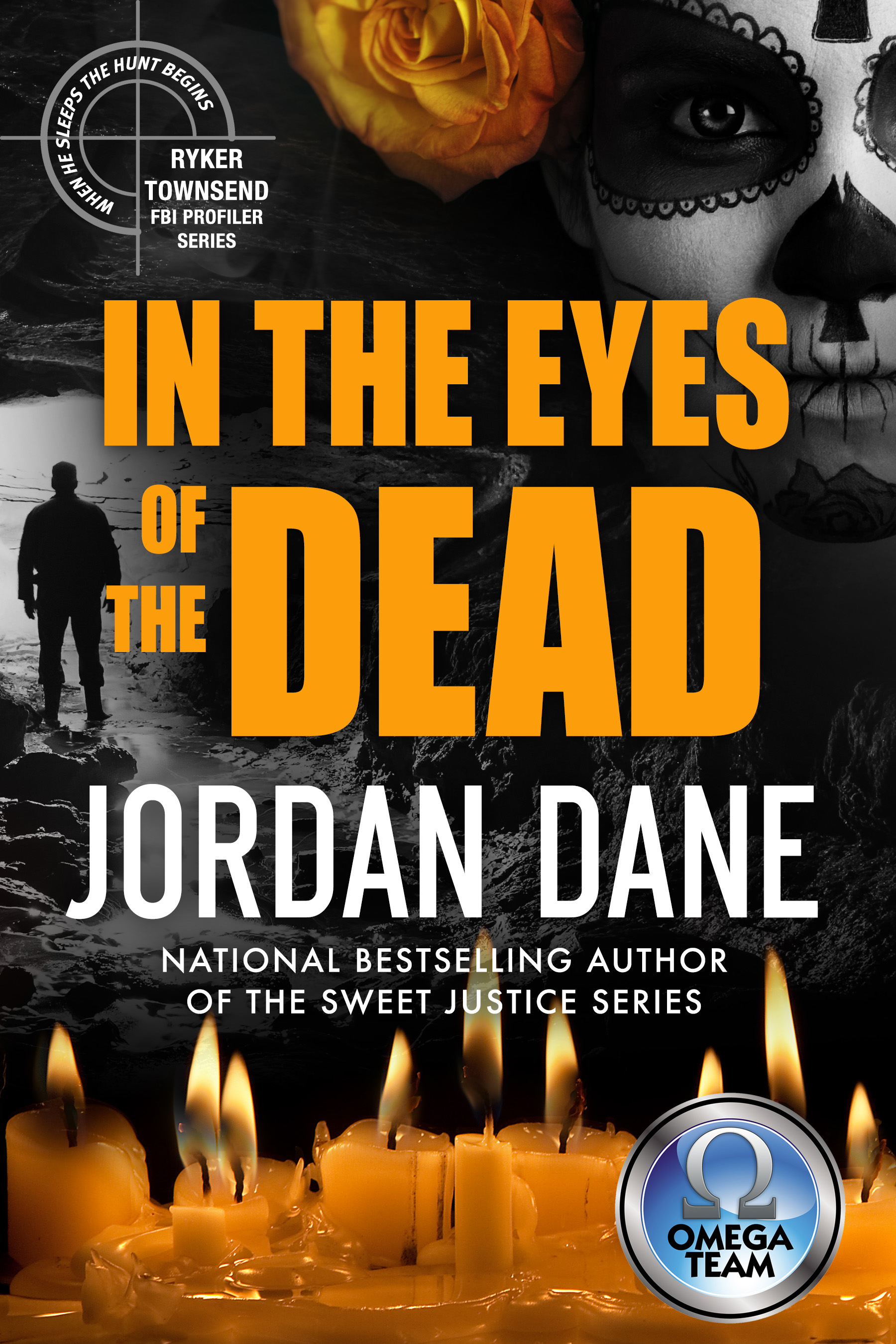
intheeyesofthedead_highres

In the Eyes of the Dead – $1.99 Ebook – Ryker Townsend FBI Profiler series

After four teens are murdered, a mysterious Santeria holy man and his devoted followers force Ryker and Athena to join forces to uncover a tragic truth.


Stripping Away Distance to Draw on Emotion – 1st Page Critique – A Devotion of Dads

Jordan Dane
@JordanDane

usmc-08340

This intriguing 400-word introduction comes to us from an anonymous author seeking feedback. Please read and enjoy. Share your comments/impressions with constructive criticism in your comments.

***

The video was grainy and dark, the images distorted.

“Can you tell who this is?” Dean pointed, his voice low, with only a slight nuance of horror.

“No,” Mabel lied, because she didn’t want her brother involved, not anymore.

The four people clustered around the laptop viewed the rest of the video in silence. Watched as one person slowly drowned while another patiently waited. The figure walking around the edge of the pool wore dark, loose clothing with a cap pulled low over their face, but not low enough to obscure their mouth. Whoever it was, and Mabel knew there was a chance she was wrong, had a lot to say to the poor soul in the water. There was no audio but you could see one set of lips moving slightly, as if calmly. The other set, when above water, was often distorted in apparent, but thankfully silent, screams.

Two things about the woman in the pool were obvious to the viewers. She couldn’t swim and was fully dressed. She hadn’t entered the water of her own free will. There was only one thing obvious about the person walking around the pool. They did not want that woman to live. Every time an attempt was made to cling to the side of the pool, her hands were stomped on, over and over and over, until she finally let go, fingers too broken to grip. It took a long time for her to die.

The final minutes showed the capped figure leave the pool area, alone, and Mabel was more sure by then who it was. But when she looked up to voice her opinion, she found herself alone in the room. She looked back at the blank screen. Could she stand to watch it one more time? She hit replay. She had to be absolutely sure.

FEEDBACK:

There is definite mystery to this creepy scene of people trying to unravel the identity of a killer, while looking at a video on a laptop and witnessing a murder. Very compelling. Without sound, it would be horrific to see something like this. Chilling. The opening scene (as written) is compelling and it triggered something in me, but I wondered if there might be a more effective way to tap into the emotion of those watching the grainy video as well as focusing more on the sheer panic of drowning.

Below are some suggestions on how to intensity the opener:

1.) CLOSE THE EMOTIONAL DISTANCE – As this 400 word submission is written now, the reader is held at a distance from the action of the scene, by the narrator describing (“telling”) what is happening on the grainy footage. The reader is being told of what’s not only happening, but also what is ‘felt’ by the witnesses. To close the distance, maybe the author could get into the head of the person most affected, Mabel, the one who appears to know the identity of the cold-hearted killer, and have her imagine what it would be like to be that helpless and dying, or perhaps trigger her worst fear of drowning.

2.) PEPPER IN DIALOGUE – More dialogue might help with the pace and the weighty paragraphs of “telling” descriptions. In a scene like this, less is more. Rather than describe what’s happening on a video, let the reader hear a dialogue line that is creepy or that they can imagine what is being seen. In my rewrite example below, lines like ‘She’d never seen anyone die before’ as the first hint of what’s happening on the video can carry a punch. Or a simple question like ‘Why isn’t he helping her?’ followed by ‘He’s killing her’ can be chilling.

3.) ADD PUNCHES OF MYSTERY – Added mystery elements, layered into the narrative, would draw the reader through this submission. In a short intro like this, I would add a question for the reader to ponder and pepper in more as the reader gets deeper into the story. In effect, it’s like being tugged from the shore by a strong current. In the rewrite example below, the mystery elements that might raise a question for the reader are lines like – She’d never seen anyone die before, or introducing the killer by adding a dialogue line ‘Why isn’t he helping her?’ followed by ‘He’s killing her’ is a nonchalant way of adding murder and mystery with a faceless guy.

ON REWRITES – I normally don’t like to rewrite a scene to show an author an alternative way to write it. It’s been my experience that if you can coax an author into seeing their scene in a different way, by asking them open-ended questions that could draw out a creative solution through them, the writer often finds a better way to resolve the scene than my suggestion. But on a blog, we don’t have the luxury of writing and rewriting to enhance an introduction. The following open-ended questions are designed to get the author thinking. The questions may not work or may not add anything to the scene, but in general, open-ended questions can trigger images or character motivations that could enhance the opening.

My open ended questions might be:

1.) Did Mabel ever have a close encounter with drowning? Does she see herself drowning as if she were the victim?

2.) When she sees the film over and over, who does she watch most–the victim or the killer? Does her perspective change the more she watches it?

3.) What does her answer reveal about her? Does she want to protect the killer, or is it more important to reveal the truth to the family of the dead victim?

4.) An even bigger question in my mind is – Who shot the film? Someone had taken the footage and let the killer walk away. Over the years, this mysterious someone didn’t tell anyone what happened?

REWRITE EXAMPLE:

Mabel stared down at the grainy footage on her laptop and felt the pull of the video with its distorted shadowy images. She couldn’t turn away. If she’d been alone, she might’ve succumbed to its unexplained allure and imagined she were there at poolside, watching it happen, but four others sat next to her. They were all voyeurs in the dark.

She’d never seen anyone die before.

“Can you tell who it is?” Dean broke the silence. She sensed his eyes on her, demanding an answer.

“No,” Mabel lied. She saw no point in speculating for the sake of her brother’s curiosity. What would it matter now?

The video had no sound. Thank, God. A woman, fully dressed in street clothes, floundered in the water. Her arms thrashed, but she couldn’t keep her head above water. When she gulped for air, Mabel squirmed in her seat, imagining what drowning would feel like.

You can’t do this. Help me!

Mabel swore she could read the woman’s lips as she begged for her life, pleading with the man in a cap—the only visible part of his face were his lips.

“For Christ’s sake, she’s trying to get out. Why isn’t he helping her?” A voice cut through the stillness, someone sitting next to Mabel. “Oh, no. He’s…what is he doing?”

“He’s killing her.” Mabel didn’t recognize her own voice. She wiped a tear from her cheek before anyone saw.

Mabel hadn’t believed it either, the first time she saw the video. The man, who had shoved the woman into the pool, taunted her and watched her flail and gasp for air. Whenever she reached for the side of the pool, to hoist her body up for air, he smashed his boot heel into her fingers. Blood sent dark spirals into the water.

It took the woman a long time to die.

Mabel watched the video to an ending that would always haunt her. When she looked up from the laptop, she was alone. The others had left. She never heard them go.

No one had asked who’d shot the video?

DISCUSSION:

1.) What do you think of this submission? What revision suggestions, if any, would you make?

2.) Have you used open-ended questions to enhance a scene? 

intheeyesofthedead_highres

In the Eyes of the Dead – $1.99 ebook

“He hunts killers through the eyes of the dead”

(A Ryker Townsend – FBI Profiler novella)

Happy Thanksgiving to Our TKZ Family

Jordan Dane
@JordanDane

12253

It’s hard to believe this year has flown by, but I don’t want to rush the holidays. As a writer, I’m often locked away in my office or in my head, living adventures only limited by my imagination. But with family and friends during the holidays, I want to be in the moment every day and take time with the people who truly matter in my life.

My TKZ family–the contributing writers on this blog as well as the wonderful people who follow our shenanigans and share their writing trials and tribulations–you all matter to me and I love the time we spend together during the year. I know my blog mates feel the same about the community and the camaraderie we’ve built over the years.

I hope after you read this post, you’ll share what you did for Thanksgiving and how it made you feel. I’ll go first.

It had been a tough year of transitioning my parents into a independent living facility that suited them. We had to move them twice, but they appear to be settling in and making friends and the food is great. But after selling our family home, the one we spent over 60 years carrying on family traditions, we’ve lost our anchor and have to make new traditions. Thanksgiving will be in my sister’s lovely home with her family. There will be 12 of us. Since not everyone can make it to Texas, we take pictures and videos to share with friends and family who live elsewhere and we text in the moment so they feel they are with us. The only thing we’re missing is an app for ‘Scratch & Sniff.’

1126151507

We have two turkeys (one cooked in the oven with the other one smoked or fried), mashed potatoes, Cranberry Chutney, baby peas with mushrooms and green onions, sweet potato casserole, an unusual corn recipe, Caesar’s salad, pumpkin pies, and more. Thanksgiving is a time for slowing down to count our many blessings. I love the smells in the kitchen, watching my mom help my sister make a perfect gravy, the sound of football games on TV after dinner, and the feeling of home from the experience.

Here’s my family Cranberry Chutney recipe that I’m making. It’s really good and leftovers taste even better.

1124151304

Ingredients:

2 – 12 oz pkgs fresh cranberries

3 cups sugar (This can be cut down to taste or apple juice concentrate can cut down on sugar)

1.5 cups of water

2 Teas grated orange peel

1.5 cups orange juice

1.5 cups Golden Seedless Raisins

1.5 cups chopped walnuts

1.5 cups chopped celery

2 red apples peeled and chopped

1.5 Teas ground ginger

1-2 Teas cinnamon to taste

Directions:

In 3 QT sauce pan over medium heat, combine sugar and cranberries and cook until boiling, stirring frequently. Reduce heat to low and simmer 15 minutes. Crush or pop some of the cranberries with large spoon.

Remove from heat and stir in remaining ingredients and refrigerate. This dish can be done a day or two before Thanksgiving. Leftovers can be made into cobbler. Enjoy!

Thanksgiving Funnies – because everyone needs a good laugh when they’re wearing fat pants.

“I come from a family where gravy is a beverage.” Erma Bombeck

“Vegetables are a must on any good diet. I suggest carrot cake, zucchini bread, and pumpkin pie.” Jim Davis

“Most turkeys taste better the day after. My mother’s tasted better the day before.” Rita Rudner

“You can tell you ate too much for Thanksgiving when you have to let your bathrobe out.” Jay Leno

Happy Thanksgiving, TKZ! Please share your day with us.

Setting the Stage for Suspense – First Page Critique: Staying Alive

Jordan Dane
@JordanDane

Purchased from Fotolia by Jordan Dane

Purchased from Fotolia by Jordan Dane


A brave anonymous author has submitted the first 400 words of their WIP – STAYING ALIVE. Read and enjoy. Catch you on the flip side for my feedback & your constructive criticism in comments.

***

The Dobbs Hotel wasn’t much to look at, a cheap dump really, but if you were going to kill someone, it was the perfect spot.

Nestled down a dark side street in one of Miami’s rougher areas, about a half-block off Northwest Seventh Street, it was little more than a flop — not even good enough for whores and their johns — surrounded by a neighborhood of closed eyes and silent tongues. Just what Jimmy Quintana needed for this job.

He and Raúl pulled up in front. No other cars in sight. A dim streetlamp down on the corner and the vertical neon sign in front of the hotel were the only sources of light, and they weren’t much. The moon was blacked out by low clouds moving in from the Keys, assuring a late-night rain. They checked their weapons — semi-automatic pistols — each jacking a round into the chamber and affixing silencers to their barrels. Their eyes met, only briefly, but long enough to cement the bond between them and validate the act they were about to commit. They got out of their car into the steamy night.

Inside, the night clerk dozed behind an ancient front desk. Cigarette smoke of sixty years lingered in the air, staining the off-white walls and choking what life was left out of the dusty armchair and threadbare rug in the small lobby.

Wilfredo was in room ten, according to the snitch. The men tiptoed up the sagging stairs to the second story, where room ten greeted them right away. Jimmy took up position by the wall nearest the doorknob and motioned Raúl to the opposite side of the door. They drew their guns. Jimmy turned the knob slowly and soundlessly.

Locked.

He knocked on the door, a couple of light, unthreatening taps. No answer. More taps, more silence. He wiped sweat from his eyelids.

He nodded to Raúl, who pulled two long, pointed instruments from the pocket of his shirt. Inserting them into the lock, Raúl skillfully twisted them and jiggled them until he heard a soft click. He withdrew the picks and shoved the door open.

Feedback:

The strength of this submission is the way the author sets the stage for suspense and sticks with the action, without unnecessary back story dump to slow the pace. There is a lot to like about this, but here are my comments:

1.) FIRST LINE – The first line needs to grab the reader more. It has the word “you” in it, which reads like omniscient POV. To eliminate the “you” and keep the voice in Jimmy’s head, I would suggest the line be changed to:

The Dobbs Hotel looked like an unmade bed with lice, but Jimmy Quintanilla knew it was the perfect place to kill someone.

I’m sure you can tweak this into something better, but you get the idea. Place this thought into Jimmy’s head and make it more direct with a bit of his attitude. It will make the reader curious from the start. Plus the words “cheap dump” are cliche.

2.) PICK POV PER SCENE & STAY WITH IT – In the following sentences, the author jumps back into omniscient by using the word “they” to describe both Jimmy & Raul. I tend to like picking one POV per scene, usually the person with the most to lose, or the character telling the story.

BEFORE – is the sentence ‘as is.’ AFTER – is Jimmy’s POV with more focus on his state of mind and what he has to lose, with added tension and mystery as to what is about to take place.

I also added more details like the type of vehicle he drove and his weapon, and I changed word choices like “affixing” which doesn’t sound like a word Jimmy would have in his head and “semi-automatic pistols” which sounds stilted. I also tried to imagine what would be in Jimmy’s head as he stared at Raul. “Cementing the bond” and “validating the act” seemed like a stretch for something Jimmy would assume is in Raul’s head. I thought Jimmy would wonder if he could truly trust Raul and hoped he could.

One POV per scene is not a hard and fast rule, but it’s good to try something and understand it, before you disregard it entirely. You might discover something important if you stay open to new things.

BEFORE – They checked their weapons — semi-automatic pistols — each jacking a round into the chamber and affixing silencers to their barrels. Their eyes met, only briefly, but long enough to cement the bond between them and validate the act they were about to commit. They got out of their car into the steamy night.

AFTER – Sitting behind the wheel of his parked SUV, Jimmy racked the slide of his Glock 19 and chambered a round. As he attached his suppressor, he cleared his mind and let go of his last shred of conscience. His fingers worked from muscle memory as he watched the street. When he looked over at Raul, the man stared back with a grave look in his eyes. Jimmy would cross a line with Raul that few men did and forge a bond of secrecy. Raul would hold his life in his hands. Jimmy hoped he could trust him. Without a word, he opened the vehicle door and embraced the muggy heat of Miami.

3.) USE THE SENSES TO SHAPE SETTING – I like adding the senses to any scene to trigger memories in the reader and make the scene real. I would like to see and hear more about the streets of Miami once Jimmy gets out of his car, or he could have his windows rolled down to let the atmosphere in as he rolls onto the street. That could enhance the paragraph starting with – ‘Nestled down a dark side street…’ if Jimmy can see and hear and smell what is happening through his life’s experience and his POV.

This author does a great job with painting a scene. Here are some examples I liked:

A.) …surrounded by a neighborhood of closed eyes and silent tongues. (This gives a face to the neighborhood that is memorable.)

B.) Inside, the night clerk dozed behind an ancient front desk. Cigarette smoke of sixty years lingered in the air, staining the off-white walls and choking what life was left out of the dusty armchair and threadbare rug in the small lobby. (I’ve been to this hotel. I can see the worn furnishings and smell the embedded smoke. Well done.)

SUMMARY:

I would definitely read on. This is an enticing crime fiction read, right up my alley. The author’s voice paints a great picture in word choice. A few things could be tightened or strengthened to punch up the voice, but there is a lot to like about this submission.

DISCUSSION:

1.) What do you think, TKZers? Would you read on?

2.) What suggestions do you have?

intheeyesofthedead_highres

In the Eyes of the DeadBook Birthday! $1.99 ebook
FBI profiler Ryker Townsend and Omega Team’s Athena Madero join forces in a small Texas border town after ritualistic murders of four teens point toward a sinister Santeria holy man and his secret believers. (31,000 words)