About Jordan Dane

Bestselling, critically-acclaimed author Jordan Dane’s gritty thrillers are ripped from the headlines with vivid settings, intrigue, and dark humor. Publishers Weekly compared her intense novels to Lisa Jackson, Lisa Gardner, and Tami Hoag, naming her debut novel NO ONE HEARD HER SCREAM as Best Books of 2008. She is the author of young-adult novels written for Harlequin Teen, the Sweet Justice thriller series for HarperCollins., and the Ryker Townsend FBI psychic profiler series, Mercer's War vigilante novellas, and the upcoming Trinity LeDoux bounty hunter novels set in New Orleans. Jordan shares her Texas residence with two lucky rescue dogs. To keep up with new releases & exclusive giveaways, click HERE

The Challenges of Writing Historical Fiction – ‘A Disloyal Element’ Critique

Jordan Dane
@JordanDane

Confederate General Robert E Lee

Confederate General Robert E Lee


For your reading enjoyment, we have an anonymous first 400 words submission from a daring soul. My feedback will follow. The author would appreciate your constructive criticism in comments. Thank you.

The procession of Yankees moved down Richmond’s High Street, clanking chains muffled by snow. Footsteps left a bloody path. Some wore whatever could be held together with rope to substitute for shoes. Many wore no coat. Some were bound for Chimborazo Hospital, the others Castle Thunder, Belle Isle or Libby Prison. Their faces were etched with apprehension, despair, dread, fear. Some appeared dejected, others stood straight and walked proudly.

The unknown lie ahead for them. Annie stood looking, useless, her hands clenched in her pockets unable to help or comfort them. How many would be dead in a month? Conditions were abysmal at the prisons. She’d heard stories. Prisoners who got too close to the barred windows were shot on sight. There were probably worse atrocities people were afraid to talk about.

Once they went in, they were never seen again. These men had families they longed to see and who longed to have them safe at home. How do you hold onto hope when it seems you’ve been forgotten? The war had gone on for nearly three years now with no end in sight.

The prisoners continued the slow march down the road. One man faltered in his step for a moment and collapsed to his knees. His comrades came to his aid and lifted him up to continue. Most of the citizens ignored them as they passed by, but members of The Butchertown Cats, one of Richmond’s street gangs, called out names not uttered in polite society and used slingshots to hurl stones at the men. These street toughs were little more than boys themselves, many only months away from being conscripted for service in the Army. The bravado they displayed today would be tested by their first taste of battle. A member of the local constabulary broke up the toughs and they ran in different directions. The prisoners they taunted marched on to face whatever fate God had for them.

Annie watched until they turned the corner and were out of sight. A green tartan scarf lay in the snow where the prisoners had just walked. It looked brand new and certain to be missed by its owner. A gift, perhaps, from a loved one. She started for the object in a vain attempt to return it when one of the Butchertown Cats flew past her and scooped up the garment and ran in the opposite direction.

Feedback

I was drawn into this submission by the human suffering and the idea of prisoners of war being paraded through Richmond. The word ‘Yankees’ and Richmond hinted at a Civil War period piece, but I had to look up the hospital name to be sure. The time period is a good one for intriguing stories, so the author had me hooked. But I have the following suggestions for consideration.

1.) Give Context – A tag line at the outset would clarify without a doubt this is a historical work about the Civil War. Something simple like – Richmond, Virginia and the date somewhere between 1861-1865 – would suffice. The reader would be oriented at the beginning.

2.) Make Point of View (POV) Relatable – The start of this offering, and most of the writing, is told in omniscient POV. This submission reminded me of a recent and excellent post by James Scott Bell on “The Perils of Author Voice.” Annie the observer first shows up in the 2nd paragraph and again in the final paragraph, but it’s not clear to me that she actually sees the whole procession and the men trudging toward their fate. It’s as if she sees into the heads of all the men marching (omniscient).

Think how much this beginning would change if Annie is the sole POV and the reader sees everything through her eyes. By orienting the reader inside Annie’s head, we learn more about her and the time period, as well as the story of the men she has empathy for. If you pick one POV per scene, where the reader can only see through that character’s eyes, the story will be more intimidate and emotional. In omniscient POV, the reader is held at a distance to be a neutral observer. This might work for some stories, but I prefer seeing history unfold through the strife of an endearing or compelling character.

Let’s take Annie. What could her story be?

Annie could find someone in the march who reminds her of her younger brother who’s missing in action. She leaps over the backs of tall men, straining for a glimpse of the rabble. When she sees a familiar gait or a pair of blue eyes she’ll never forget , she races after the men. She hides among them, maybe has the guards racing to pull her out. She sees each man’s suffering from the way they smell to the bones under their clothes from starvation. They beg her for water. They bleed on her clothes. The reader would more fully understand the plight of these men while also finding out about Annie.

  • What is Annie’s last name?
  • Why is she there?
  • What are her politics?
  • How is she treated as a woman during this period?
  • Is she looking for someone, is she a spy, or does she disdain the enemy?

3.) Add a Dose of Historical Perspective – The writing has a modern feel to it. There is no attempt to use historical authenticity using terminology from the time period or by inserting some clothing/uniform descriptions. Historical readers are fanatics about getting the history right. The insertion of “dark blue trousers and kepi caps” or the guards carrying “Springfield muskets and sabers” could add something. Depending on her backstory, Annie may not know details of weaponry, but during a time of war, I’m sure she’s seen what men wear and use in battle.

A resource I found on Civil War Terminology might help insert a few key descriptions to make the writing appear more period. Here is a resource for Civil War Uniform description. This is a resource for Civil War Weapons that the Confederate soldiers might be carrying as they take the prisoners down the street. These are quick resources I found online from a simple query. Experienced authors of historical fiction have a vast amount of reliable sites they use.

For Discussion:

What would you add, TKZers?

Would you turn the page?

Do you have good resource links for the Civil War?
 

Croco Designs

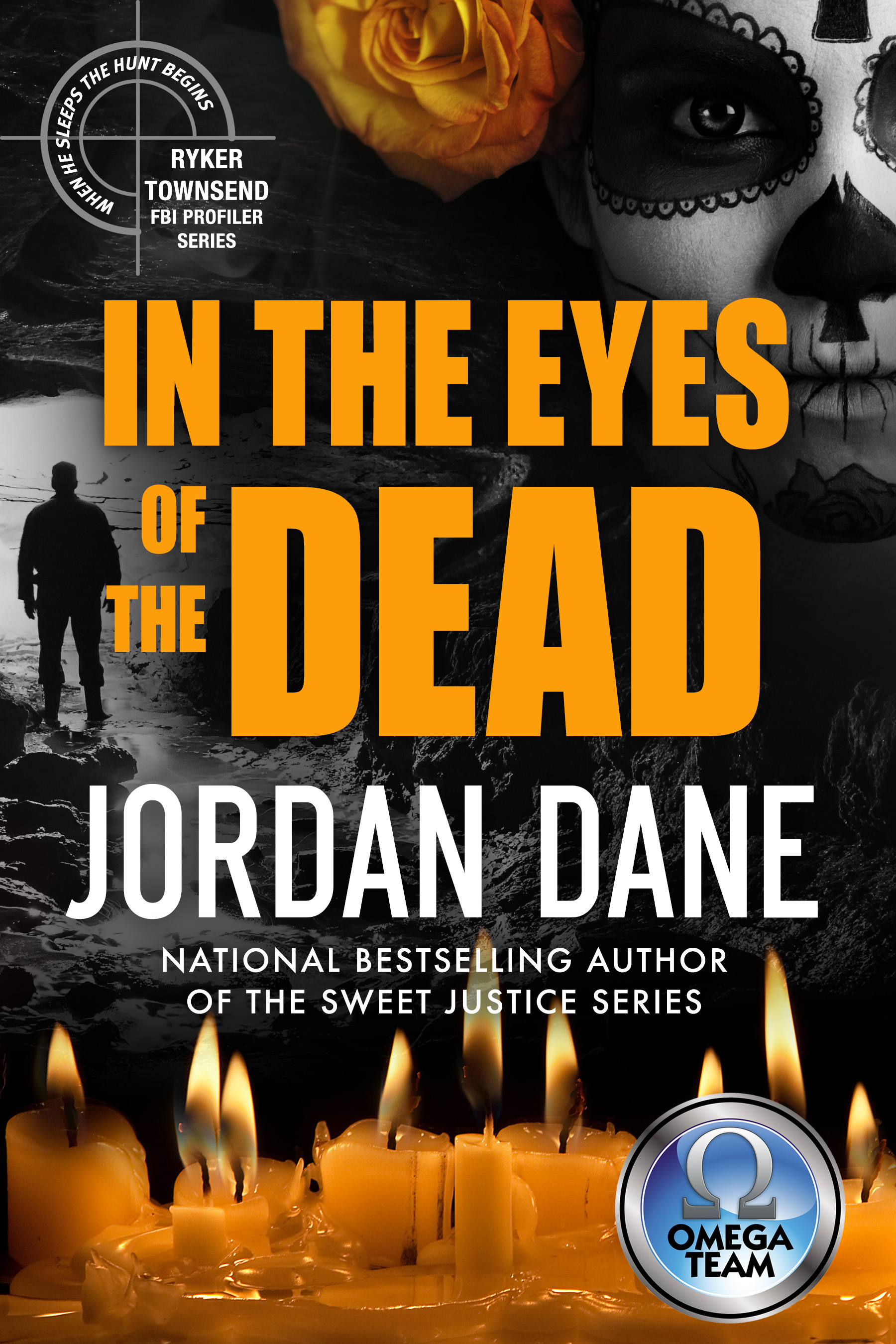
Coming November 15 – In The Eyes of The Dead (Omega Team/Amazon Kindle Worlds)

FBI profiler Ryker Townsend and Omega Team’s Athena Madero join forces in a small Texas border town after ritualistic murders of four teens point toward a sinister Santeria priest and his secret believers.

Cover by Frauke Spanuth at Croco Designs
First Page Critique – Miss Bryson Loses Her Hat

Jordan Dane

@JordanDane

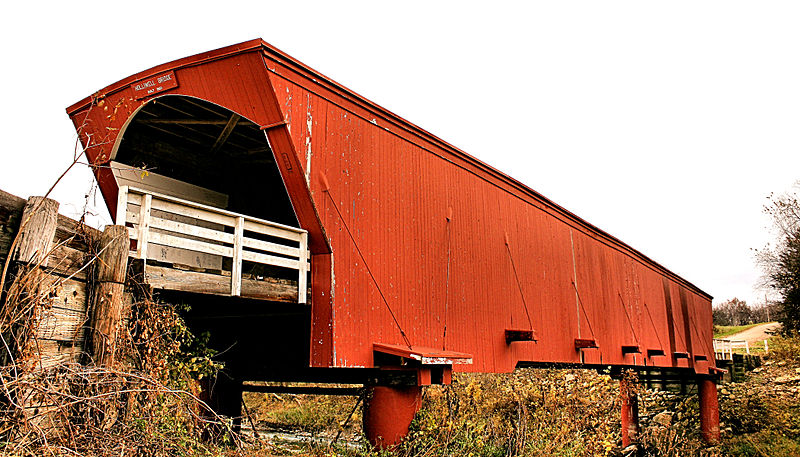
Image By Frode Inge Helland - Wikipedia Commons

Image By Frode Inge Helland – Wikipedia Commons

An anonymous author has submitted the first 400 words of a work-in-progress. Please enjoy Miss Bryson Loses Her Hat and I’ll have my two cents on the flip side. Share your constructive comments to assist the author in making this intro shine.

Scene one
Once a girl crashed to the floor with a bone-shaking thud before a thousand people, it gave her a clarity of mind she lacked prior to the event. In Lara Bryson’s case, it elucidated too late the hazards of satin slippers on a freshly polished floor, and illuminated, in a flash of searing insight, the vagaries of a God who, in blessing her with an angelic voice, tempered it with the less benevolent bestowal of two left feet.

Yes, He seemed to say, in a voice Lara imagined as a rolling thunderous crack rending the heavens, she could sing as gloriously as the seraphim, just never in company, and never anywhere requiring the use of her legs.

If only He’d bothered to tell her this before she sold every possession, expended every shilling, and endured sixteen perilous hours battened to the top of a London Mail Coach.

Even a hint five minutes earlier would’ve sufficed.

Instead, Lara lay crumpled and mortified. The roar of adulation that had provoked a warm tingling sensation to cascade like a waterfall through her limbs moments before replaced with the frenzied gasps of a mob titillated by the unexpected sight of a lady splayed out like a ragdoll.

Even more lowering, the dismal conviction that her promise to her dying mother to sing for the Queen would remain forever unfulfilled settled like a rock in Lara’s heart.

The clip, clip, clip of boots dashing across a wooden floor interrupted Lara’s fit of the blue devils. She guessed she had about thirty seconds to find a dignified way out of the Ballroom before the crowd reached her.

Or she could crawl.

The odds poor she’d get upright in a graceful manner, and stay there, slinking away on all fours seemed not only the best option, but a fitting end to her wretched evening. Her decision made, Lara clamped her eyes shut, and prayed silently; God, if you wish to keep alive what little trust I still have in You right now, then at least clear a path for me to slink out of here.

“Clear a path everyone, and give the lady some air.”

Lara gasped; never before had she received such a direct answer from above. The request for air an inspired touch. An exotic woody scent drifted over her. Sandalwood. Interesting; she’d thought myrrh.

The voice spoke again, “Are you hurt?”

Feedback:

The intro is reminiscent of the beginning to a fairy tale as it starts with, “Once a girl…” The tag line Scene One reminded me of a script. I’m not sure why it’s there. But overall, I enjoyed the proper British tone of the author voice and the way the girl’s plight was detailed–it’s like Downton Abbey meets Bridget Jones–with an undertone of controlled humor. I sense a Cinderella story coming, although I can’t be sure in this short intro.

Here are a few things for the author to think about:

1.) Add More Mystery – Who are the 1,000 people? In the first sentence, we hear of the girl’s fall. The audience is not emphasized much until we get a hint at the promise she made to her dying mother, to sing for the Queen. If this is indeed a performance for the Queen, why not play that up more? Or at the very least, hint at the once in a lifetime opportunity, the titillation of the crowd, the tension as she builds to the moment where she walks out. The fall is put into the first sentence, very anti-climactic, because the author chose to focus on her mortification in great detail.

2.) Flip the Scene – Imagine this scene starting another way. As the girl’s mind prepares for her big moment (a moment the author holds back but only hints at), she’s haunted by the promise she made her mother on her deathbed. Tension builds. Her palms sweat. Every movement in her routine replays in her head as she waits in the wings of the stage or outside the ballroom, but the crowd noise and her mother’s face haunt her. She is introduced and the music starts. When she walks out under a glaring spotlight, she sees the silhouette of the Queen in the shadows. Everything is the way she visualized it and her mother’s voice fades in her mind. The stage is set for perfection, but that doesn’t happen. The end of the intro comes when she falls. Every reader will want to know – what comes next?

3.) Use of Humor – There is definitely charming humor written into this piece. It appeals to me, very much. But keep in mind that humor can diminish intrigue or lessen the danger in a scene or shift the focus if it’s used too much. (As an example, a smart mouthed detective can appear too confident and invincible if he doesn’t act afraid when a gun is pointed at him. Over time and as the pages turn, the reader becomes insulated to any danger and never fears for the protag’s life.) In this case, we are drawn into Lara’s cynical, self-deprecating humor about the wreck of her life and her big fall when she may resonate more with the reader if there’s a focus on the action, rather than her internal monologue. A sparing use of her humor could be used after the fall, but let the reader feel her anticipation of a promise fulfilled before we know what happens. I get the feeling this author is quite funny, but less can be more to make Lara endearing. Let her think big before reality sets in. It will make the punch line better.

4.) Who is her Prince? – I know this is only 400 words, but I am really intrigued by who this person is at the end. Her savior. This is a tribute to the author’s writing and the set up. There is a lot of internal monologue as the scene progresses, when what I really wanted to know is mentioned above and who this person is at the end.

5.) Scenes are Mini-Stories – I think of each scene in a book like a mini-story. There’s a beginning, middle and end. Each scene should progress the story forward with at least 1-3 plot points. If an author does this, the writing will be tight and each scene serves a purpose. There’s also a character journey within the scene where the protagonist will grow, learn something to advance the plot, or raise more questions to foreshadow what might be coming. With this in mind, I like the intro to a scene to have a strong opener, a tight middle with mystery elements to intrigue the reader, and a foreshadowing of things to come that will keep the reader turning the page. In Miss Bryson Loses Her Hat, this mini-story can be accomplished by sticking with the action building to her fall, with only a hint of how important this is to her and who she is dancing for. The big conclusion of the fall and who comes to her aid can be the foreshadowing and make a great page turner. (Another trick to make a page turner is to split a scene and carry it over into the next chapter. It’ll keep readers up late and you may get an email in the early hours saying, “I can’t stop reading.”)

Conclusion:

I really want to turn the page and read on. Kudos to the author. Overall, I love this author’s voice, but even with that talent, there is still a need for how to create and build on an introduction. Elements of mystery are very important, no matter what the genre. I like to tease the reader with questions as they read on, then build on the suspense to answer those questions as the reader finishes each paragraph. Add more mystery elements as the scene progresses and you’ll hook them deeper and in multiple ways.

Discussion:

1.) What feedback would you give this brave author, TKZers?

2.) Would you keep reading?

3.) Can you imagine this premise starting differently?

Writing Backwards: Sometimes It Works (Guest: Laura Benedict)

Jordan Dane

@JordanDane


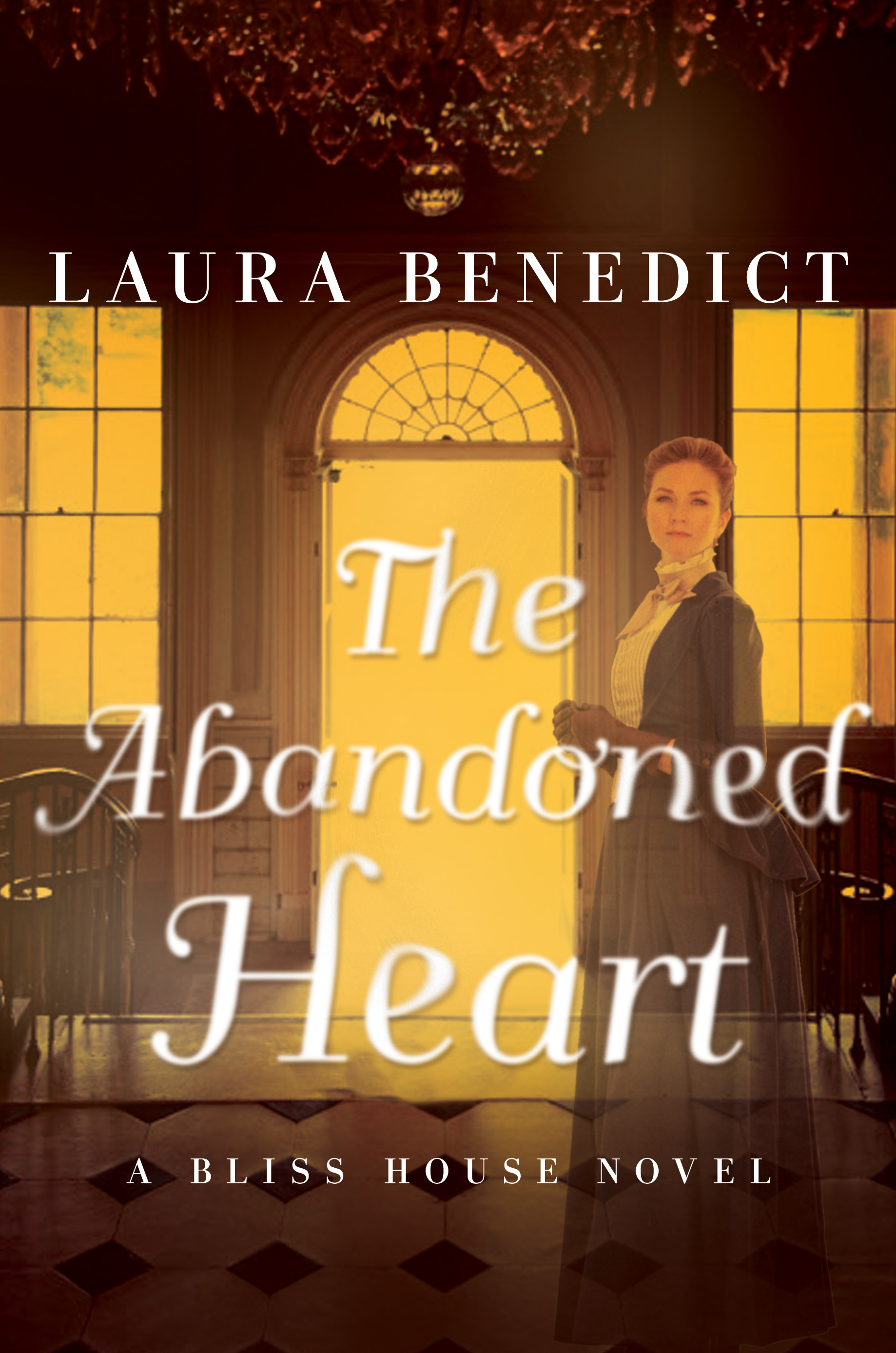
abandoned-heart-_rev-02

Before Laura Benedict joined TKZ as a new member recently, I had lined her up for a guest spot when her new book would be launched. I hope you’ll indulge us in allowing me to keep my promise in featuring Laura and her work. Take it away, Laura.

***

When I decided that I wanted to write a series of suspense novels, I didn’t do what many writers do: plunge a character into earth-shattering change, see how they respond, rebuild their world, have a successful conclusion to the story (meaning they survive), and move on to the next book. No, I wrote a different sort of series.

My vision of the Bliss House novels came to me all at once: five novels set in the life of a grand house that was built in Virginia in 1878 by a Long Island carpetbagger named Randolph Bliss. I knew Randolph Bliss to be an evil sumbitch, but he couldn’t be my series protagonist because of the extended time period, 1876-2014,—though since the supernatural is involved, I guess he technically could have been the protagonist. But the stories that came to me weren’t primarily about Randolph, or any other human. Their common actor, the character that drives the stories, stirs up and engages in conflict, and even changes over the years, is Bliss House itself.

I wrote three Bliss House novels: Bliss House was published in 2014, Charlotte’s Story in 2015, and The Abandoned Heart comes out next week, on October 11th.

Rather than start the saga of Bliss House with the house’s initial construction, I wrote the last book, first. Bliss House is a contemporary novel, set around 2014. By starting at the end, I was able to jumpstart the series with a story in which my protagonist was at its most powerful. (To be clear, though, the series is actually more of a collection of novels than a series. They all work as standalones.)

Oh, did I mention that Bliss House is haunted?

I had long wanted to write a haunted house novel. My favorite gothics—Jane Eyre and Rebecca—are set in houses that heavily influence the novels’ action. And then there are the novels with actively haunted houses: The Haunting of Hill House, The Shining, Hell House, The Turn of the Screw. The Haunting of Hill House, and The Turn of the Screw appeal to me because it’s possible to imagine that their hauntings are psychological, rather than organic. One of the premises of the Bliss House novels is that a house can be imprinted with the personalities and acts of its inhabitants. Thus, by 2014, Bliss House is replete with acts of both evil and goodness. But imprinting can work both ways: a story’s characters can be heavily influenced and even changed—physically and emotionally—by a house’s personality.

Think about your own experience with houses or even other types of buildings. There are buildings that make us feel good, and energized. And then there are the places that seem to sap our energy—a house, a school, a garage, a basement—places where we’ve experienced trauma, or that signal that something is just not right. Sometimes it has to do with unsettling angles and corners. Architecture can be claustrophobic or unfriendly. Every building has a distinct personality.

Years ago I saw a film called The Enchanted Cottage and was mesmerized by its plot: a disfigured WWII pilot played by Robert Young marries a homely young woman played by Dorothy McGuire. They settle in a charming honeymoon cottage in the English countryside, and soon after their marriage, they begin to see each other differently. Whole and attractive. They’re certain that the cottage has worked some magic on them, and they’re eager to surprise their loved ones with the happy results. Of course, it’s revealed to them that they have not physically changed, but now simply see each other through the eyes of love. It’s an unabashedly romantic story, originally written as a play produced just after WWI. I am no eager fan of romantic stories, but I am fond of fairy tales with hints of darkness. Perhaps I’m the only one who saw the possibilities of darkness in this story, of the house that might have manipulated these two people for its own reasons. Was it to trick them? To expose their deepest fears and wishes?

But back to the writing backwards thing. I knew from the moment I wrote the first lines in Chapter One of Bliss House that whatever was manipulating the house’s inhabitants was threaded through the very ground on which it was built:

“The blindfold kept Allison from seeing, but the chilly air around her smelled sweet and damp. There were flowers nearby—roses, she guessed—and the drip drip drip of water. They might be underground, even in a cave.
How thrilling!”

I knew Randolph Bliss and his two (consecutive) wives were at the heart of the story that began nearly a century and a half earlier. There are elements in Bliss House whose significance isn’t seen until they’re introduced in The Abandoned Heart. And there are many things in The Abandoned Heart that I couldn’t see clearly until I had written Charlotte’s Story, which takes place in the 1950s.

I remember thinking that it might be somewhat easier to write the Bliss House novels starting with the last one, rather than starting in 1878. It was not. When a book is written and published, the story is pretty much set in stone. Family lineage of the characters is already chosen and established, including numbers of siblings, and physical traits. The geography is set. The house’s reputation as a dangerous place has to be carefully constructed in order to make it reflect the first (last) book.

The one constant had to be the house, even though its appearance and bearing changes with each book. When Rainey Bliss Adams buys it in 2014, it’s in considerable disrepair because its incarnation as an inn that was the site of a brutal murder meant it was vacant for several years. Rainey makes it the showplace it was when it was first built. In the mid 1950s, in Charlotte’s Story, Bliss House bears the gothic heaviness of a house that’s seen three generations of devastating secrets. But Bliss House truly shines in The Abandoned Heart. It smells of new wood, and new gardens. It’s filled with paintings and exquisite rugs and European furniture. It is surrounded by newly-planted orchards and centuries-old woodlands. Most of its secrets are unborn, and the ones extant are fresh, and perhaps not yet dangerous.

If you read the Bliss House books, feel free to start with the last. Or the first. Or even the middle one. I don’t mind.

To move back in time the way I did seems a little crazy to me now. But the only way to be true to a story is to tell it the way it presents itself. Sometimes stories aren’t logical or easy. Here, backwards isn’t a gimmick. It’s just the way the story happened. I was lucky this time around to have a publisher who didn’t mind my doing something a bit unconventional.

I haven’t decided if The Abandoned Heart is the last you’ll hear of Bliss House. A hundred-plus year-old house has a lot of stories living inside it, and clamoring to be told. Ghosts are…noisy.

FOR DISCUSSION:

1.) Have you ever tried writing a series backwards? Or did you find new inspiration for a series by discovering a great backstory to write about?

2.) Do you believe in ghosts? Have you ever had experiences with the dead?

The Abandoned Heart is available for pre-order HERE, and will be in stores on Tuesday, October 11th. Laura will be touring throughout October and early November in Missouri, Southern Illinois, Kentucky, Ohio, and Virginia. Check her list of appearances HERE.

Charlotte’s Story, the second Bliss House Novel is out now.

charlottesstoryonline

lbenedictcrop415-3

Website: http://www.laurabenedict.com/

Instagram https://www.instagram.com/laura_benedict/

Twitter: https://twitter.com/laurabenedict

Facebook: https://www.facebook.com/AuthorLauraBenedict/

Embrace Growth – Guest USA Today Bestseller Colleen Coble

Jordan Dane
@JordanDane

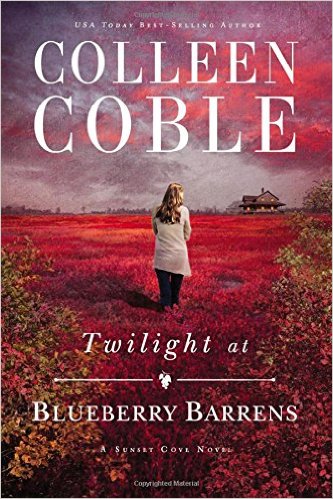
twilight-cover

I’m delighted to have USA Today bestseller Colleen Coble as my guest on TKZ. Colleen is an award-winning author with over 2 million books in print and she writes heartfelt and suspenseful romantic mysteries. I’m enjoying her latest Twilight at Blueberry Barrens and I’m a big fan. NYT bestseller Brenda Novak has given it high praise and Publishers Weekly gave Colleen a prized starred reviewPlease help me welcome her to TKZ.

***

You know the best thing about writing? You never arrive. There is always something you can improve on. Writing isn’t static, and it’s thrilling to know a better, bigger book can be yours to create. So how do we embrace the process of change in our books? Here’s what works for me.

1. Determine what drives your writing:
I think we all figure out fairly soon where we belong in the landscape of the writing world, and what type of story grabs us and doesn’t let go. Part of the evolution of my brand of romantic mystery involved embracing who I was as a writer and letting that strengthen each new book. Readers often tell me I’m way too friendly and outgoing to write about murder. I think they believe only brooding, unsmiling people can write about something so dark. They miss what drives me to write what I write—justice. I look around the world and see no justice, but I can make sure justice prevails in my novels.

Why do you write? The biggest, strongest stories involve something very personal to you. Depending on your personality, it can be cathartic or daunting to let your characters deal with an issue that’s been challenging to you, but it’s always worth it. Put down your guard and let the reader in. Writing should never just be your job. That’s a trap that career novelists can fall into, but the next novel should always be because you have something to say not because you have a deadline!

2. Figure out your strengths:
Don’t assume your strengths are as strong as they can get. An expert at pacing? Flex your fingers and keep the reader up all night. Good at integrating setting into the plot? You can immerse the reader even better with the next book. Great at characterization? You can build an even more compelling character in the next book. The status quo is never enough for the next book. Strive for something bigger and more compelling.

3. Pinpoint your weaknesses:
We all have areas where we are weak. My timelines can get fuzzy, and because I’m a seat of the pants writer, the train can get derailed. But even a pantser like me can get better at thinking through key turning points that lead to a stronger book. There are great writing resources out there to help you with your weaknesses.

This blog and others like it are great resources. There are tons of helpful writing books out there to help shore up where you’re weak. Jim Bell is a long time friend, and his book, Write Your Novel From the Middle, literally transformed my writing even though I’d written well over 50 novels by the time I read it. Never stop learning how to write better. Study up on how other authors do it well. When I wanted to write more suspenseful books, I read excellent suspense like my friend, Jordan Dane’s. I literally devour every book by an author I think I can learn from.

4. Don’t be afraid to experiment.
I remember when chick lit was all the rage. My buddy, Kristen Billerbeck, wrote a chapter to show a friend what it looked like. When I read that first chapter, I knew she’d found her real voice in first person/present tense, even though she’d written over 20 novels by that time. Let your voice evolve and strengthen as you gain more confidence in your ability.

I decided to do more points of view in Twilight at Blueberry Barrens, and I think it worked to build the suspense. After trying something, you can always go back to the way it was if it didn’t work for you.

Discussion:
How has your writing evolved from book to book?

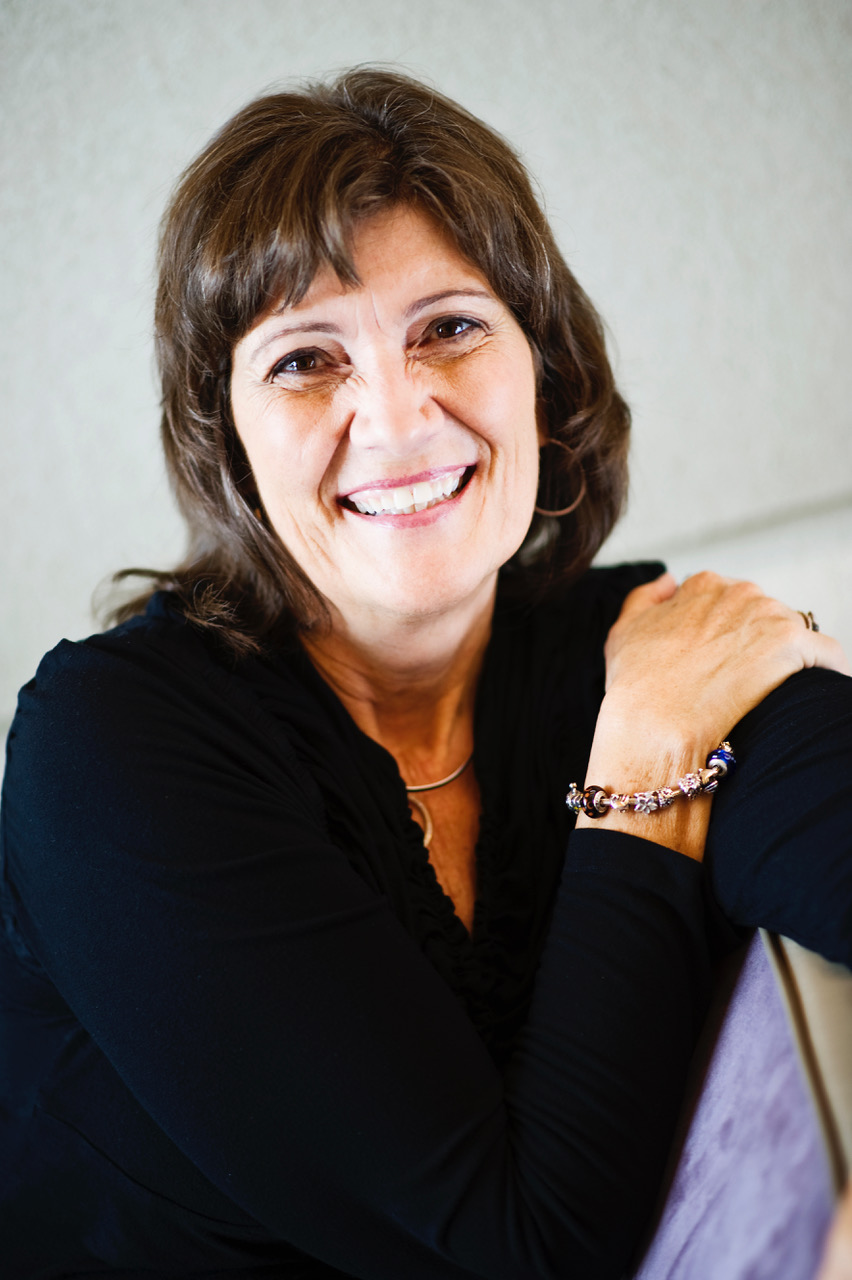
colleen-2012-black

Best-selling author Colleen Coble’s novels have won or finaled in awards ranging from the Best Books of Indiana, the ACFW Carol Award, the Romance Writers of America RITA, the Holt Medallion, the Daphne du Maurier, National Readers’ Choice, and the Booksellers Best. She has over 2 million books in print and writes romantic mysteries because she loves to see justice prevail. Colleen is CEO of American Christian Fiction Writers. She lives with her husband Dave in Indiana.

http://colleencoble.com
https://www.facebook.com/colleencoblebooks/
https://twitter.com/colleencoble

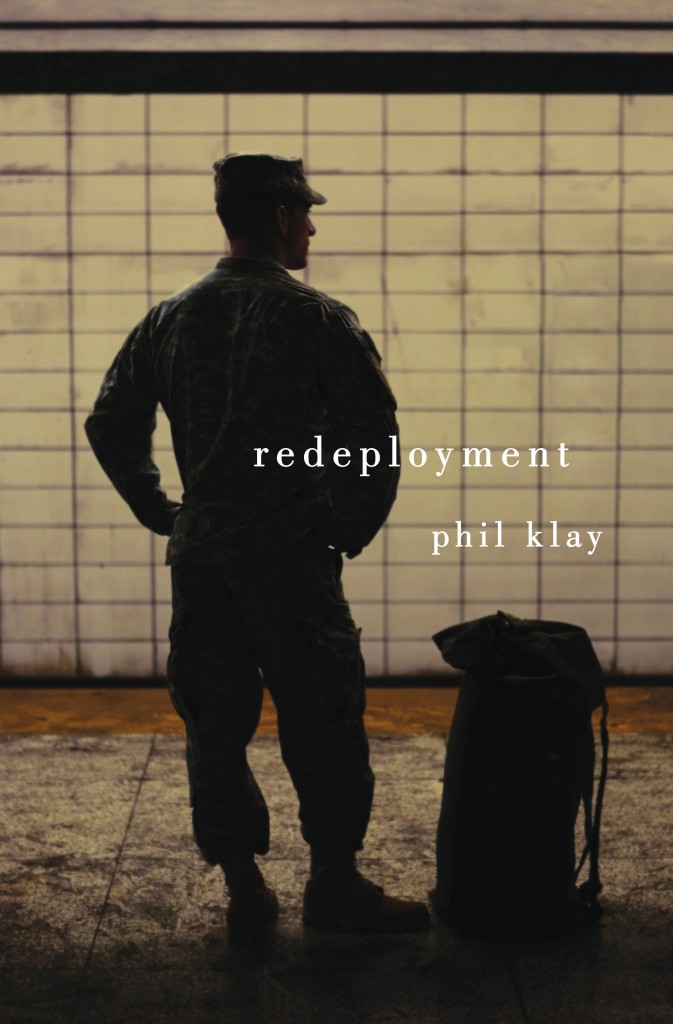
Memorable Military Research Book – Redeployment by Phil Klay

Jordan Dane

@JordanDane

redeployment-673x1024

I heard Phil Klay on MSNBC talking about his fiction book entitled – Redeployment – and I was intrigued. The first thing that grabbed me was the fact that the book is fiction, a group of short stories. Klay is former military (see more about him below) and from what I’ve seen, many war books written by young men of his experience/background, they tend to write non-fiction, so he had me hooked. I also noticed his book was a 2014 National Book Award Winner. Very impressive.

I wanted to read Klay’s book for research. I’m currently writing a few Amazon Kindle World series books involving the military. Reading pure romance books on the subject of military lifestyle wasn’t satisfying my need for authenticity, especially when I’m in the head of my male characters.

I’ve been watching online videos on snipers and reading books written by Navy SEALS. Klay’s anthology is my latest attempt to get a feel for an authentic voice for the character I will be writing shortly. Since my market is generally women readers, I have to temper any research with how I would write a story for women, but I do love discovering male voices that connect with my own life experiences, similar to the guys I worked with in the oil fields. (Yeah, I have stories.)

I feel I must warn readers interested in this amazing book. It’s taken me awhile to read through it. The first person voices in these stories are intimate, poignant, and gripping. They are presented without judgment. It’s a stark reality without any solutions or answers, but I found an honesty to it. These stories have gotten me down and I find I have to pace myself in reading them. I read at night and there are some days I can’t pick up this book, but I love the rich distinctive style of the voices in this anthology. I highly recommend this book. No question. This book would make an interesting read for anyone looking for a good character study.

5 TIPS ON RESEARCH:

1.) GET IT RIGHT – Research is important for authenticity, to insure your book doesn’t get thrown against a wall. There are women readers serving in the military, so I would have to “get it right” for them, yet still appeal to a woman’s desire for romance.

2.) NEVER OVERDO – Too much jargon or acronyms can bore a reader. In my crime fiction books, I will use police procedural language in dialogue, but find a quick way to explain what things mean after I first mention it. It can be tricky, but reviewers have liked the subtle way I do this, without overkill that can slow the pace. It’s all about balance.

Example:

“You have TOD, doc?”

Chambers knew the medical examiner would be challenged to estimate time of death, given the conditions of the body.

3.) CAPTURE THE ESSENCE – Read research related books or watch videos to get a general feel for an attitude, lifestyle, or the types of characters and their backstories you want to portray, but NEVER copy another author’s work. To prevent the temptation, when I read books like Klay’s, I jot down notes of ideas for my own book, then set the research book down for days/weeks before I start on my story and I never read books like this WHILE I am writing. In fact, I don’t read books in the genre I’m writing while I am in the midst of a project. Your mind can put words onto the page subconsciously. Your story MUST be your own, to retain your own voice.

4.) NEED VISUALS – For action scenes or locations, search online for your own visuals. Practice describing what you see, to get your own interpretation as seen through the eyes of your character. If you have video, use your ears too. What sounds do you hear on location? What other senses can you pry from your own experiences? Using all the senses can be a rush, especially if they spring from your own life.

5.) FILL IN THE GAPS – Once you get your character’s voice in your head, add other things that fill in around him. How does he or she dress? How do they live? Who are his/her friends? Who does he/she trust? What baggage does he or she carry? What’s the last thing he or she would do, then make them do it in your story – to face their demons. This gets into character – another topic – but my natural next step after I get a distinctive voice in my head, is to fill in a visual of my character’s life. Then I’m ready to write.

DISCUSSION

1.) What research books have stayed with you long after you’re written the book?

2,) Do you have any recommended reading for me on authentic military action, jargon, and dialogue?

ABOUT THE BOOK

Phil Klay’s Redeployment takes readers to the front lines of the wars in Iraq and Afghanistan, asking us to understand what happened there and what happened to the soldiers who returned. Interwoven with themes of brutality and faith, guilt and fear, helplessness and survival, the characters in these stories struggle to make meaning out of chaos.

ABOUT THE AUTHOR

Phil Klay - Author

Phil Klay – Author

Phil Klay – Author Phil Klay is a veteran of the U.S. Marine Corps and served in Iraq’s Anbar Province from January 2007 to February 2008 as a Public Affairs Officer. His writing has appeared in Granta, The New York Times,Newsweek, The Daily Beast, New York Daily News, Tin House, and The Best American Nonrequired Reading 2012. Klay is a 2014 National Book Foundation’s 5 Under 35 Honoree.

“In Klay’s hands, Iraq comes across not merely as a theater of war but as a laboratory of the human condition in extremis. Redeployment is hilarious, biting, whipsawing and sad. It’s the best thing written so far on what the war did to people’s souls.”
–Dexter Filkins, The New York Times Book Review