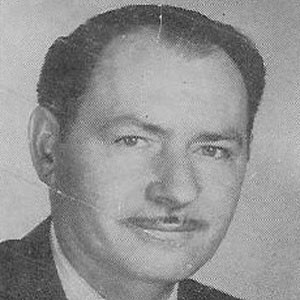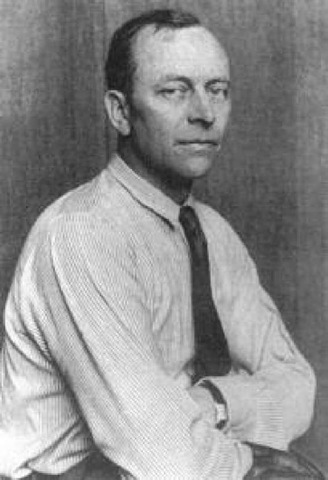
You’ve heard of William Goldman, right? If not, you really should have by now (being a writer working in the real world, and all)…
… two Best Screenplay Oscars (Butch Cassidy and the Sundance Kid, and All The President’s Men), a little novel with a pretty good film (which he also wrote) called The Princess Bride… another (same double home run writing credit) called Marathon Man…
… and one of the best writing books ever written, Adventures in the Screen Trade, which should be mandatory reading for novelists, as well. Even if you haven’t heard of him.
While his salad days began in the late 60s, he’s still ranked in the 100 authors in five Amazon categories (Classics, Historical Fiction, Teens, Action Adventure, and Genre Fiction Historical; that last one isn’t a typo, either, he’s #51 in Historical Fiction, and #76 in Genre Fiction Historical… go figure).
And he’s still writing, too. Better than most.
Despite the fact that two of his novels become two of the most iconic films of the past 50 years (never mind he wrote those screenplays, as well), his accomplishments as a novelist go under-appreciated. Maybe because he’s still busy in Hollywood as the #1 script rewrite guy, billing out at—this one isn’t a typo, either—one million dollars per week.
Yeah, that guy.
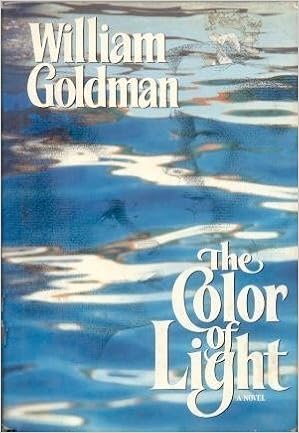
It’s a lesser known fact that he wrote a 1984 novel entitled, The Color of Light.
Out of 17 Amazon reviews— face it, most of the people reviewing novels were in rest homes by the time Amazon came along—16 gave it 5-stars, several stating it is one of their favorite novels, ever. One guy gave it 1-star… this, too, falling into the category writing wisdom… for every great book written, there’s a schlub or two who just didn’t get it, or gets off slinging mud at the stuff everyone else does.
The Color of Light is about a once successful writer who loses his stuff and disappears into anonymity. There may or may not be some truth to the rumor he is now blogging for The Kill Zone, but that has not been confirmed.
He has a little brother who, like all little brothers, wants to impress and gain the respect of his big brother. And so, when the little brother finishes a novel, he nervously shows it to big brother, who responds—each and every time—with the words… “on to the next.”
And that’s the great advice for us today, to hold close for all our days as writers.
May they be as plentiful as Goldman’s.
There is very little we can completely control in this business, even with the advent of self-publishing. Which, while handing back control over such things as lead times, titles and the look of our covers (none of which we had a lick of input to in the past), remains a fact when it comes to what happens to our books once we kick them out of the crib and onto the street.
We control our stories. And for the most part, that’s about it.
And so, we need to find our bliss accordingly. Sanity may reside in that understanding.
On to the next is the surest bet on reaching our goals as anything out there. And on that proposition, I’m sure William Goldman would agree.