Are you a pet person? Have one now? What is it?
What about as a kid? (I had a beagle named Rebel)

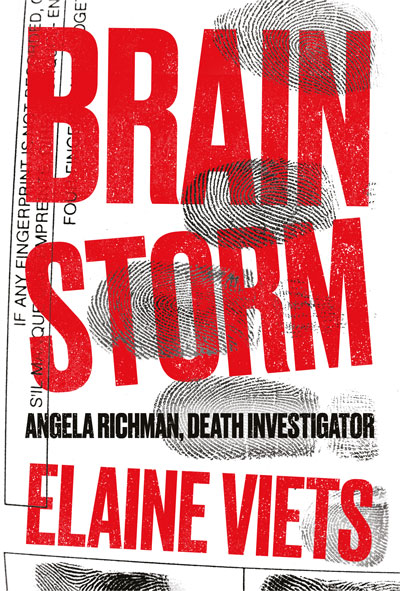
Eight years ago, if I told you I was an internationally-published indie author with a global scale you’d go, “Right. You can’t find an agent or traditional publisher to peddle your pages so you’re forced to self-pub through a vanity press and you mailed five copies to your Scottish-bred mother.” I’d lower my eyes and mumble, “…. …” Today, that’s no longer my self-conscious indie state—thanks to Kobo.
Kobo (an anagram for Book) is a godsend for indie authors like me who operate a growing online publishing business. I avoid the word “self-publishing” because no one in this business truly publishes by themselves. It takes a team to produce a book, whether that’s in print, eBook, or audio form. That includes a cover designer, editor, proofreader, formatter, narrator, writer, and of course, the folks at Kobo who distribute the final product to a worldwide reading audience.
 Before going into how Kobo operates and what Kobo has done for me, let me tell you a bit about this leading-edge publishing company. Kobo started in 2009. It was a Toronto, Canada-based online start-up promoting ShortCovers as a cloud e-reading service for Indigo/Chapters. In 2012, Kobo merged with the Japanese e-commerce conglomerate Rakuten, and the e-publishing company is now officially listed as Kobo-Rakuten Inc. Most call it Kobo for short.
Kobo has grown enormously in the past eight years. It’s absorbed brand-names like Waterstones, Borders, Sony Books, and W.H. Smith. In 2018, Kobo partnered with Walmart intending to make Amazon nervous. After all, Rakuten is the Asian version of the American ’Zon.
Today, Kobo-Rakuten has well over 5 million titles in their store. They’re available online in 190 countries and 97 different languages. If that isn’t a truly international indie-publishing platform, then I don’t know what is.
Kobo-Rakuten focuses on its core products. That’s electronic publication. Their business model, or structure, has three parts. One is digital printing or eBooks. Two is electronic audio books. Three is electronic reading devices like Kobo e-readers and Kobo tablets. At this time, Kobo does not do print-on-demand like Amazon and Ingram. That may happen through Walmart’s Espresso machines.
Kobo’s corporate statement says it’s a “company built by booklovers for booklovers through talented and passionate people taking the top of their game to the next level”. Kobo’s primary management team is in Toronto, and it has a prominent software development division in Dublin, Ireland. International sub-teams work in the US, UK, France, Germany, The Netherlands, Spain, Japan, Brazil, and Australia.
Besides corporate white-shirts and hipster geeks, Kobo has a down-to-earth bunch of ladies in their reader and writer service department. It’s these with-it women that an indie like me communicates with. And by communicate, I mean I can send them an email or arrange a phone call and I’ll get prompt human contact with someone whose accent I understand.
I have indie-publishing experience in three electronic platforms—Amazon, Barnes & Noble, and Kobo. I’m here to tell you that Kobo is far superior to the other two when it comes to diminished operator frustration. I think the Kobo techs must indie-publish themselves because they’ve built a dashboard that doesn’t suck.
Kobo’s user-friendly dashboard has five distinct parts laid-out in this easy-to-follow order:
Part 1 Describe Your Book — This is where you enter “metadata” into the boxes. It’s basic information like title, series number, author name, publisher, ISBN, etc. You’re allowed up to three placement categories to check off from a comprehensive drop-down list. You also copy & paste your synopsis (product description/blurb) into an html-friendly format. It’s far better than Amazon’s product description block that makes you write html by letter-code.
Part 2 Add Your eBook Content — Here is where you upload your manuscript e-file. Kobo is so easy to add content to. Unlike Amazon that dictates a proprietary e-file called Mobi or AZW, Kobo lets you upload a Microsoft document directly, and it uses its own e-Pub conversion program to convert your document into an e-Pub file. Kobo will convert .doc, .docX, .mobi, and .ode files automatically. They also have a pay-to-convert affiliate called Aptara.
Note: If there’s one secret to successful Word-to-e-file conversion, it’s making sure your Word.doc is properly formatted to start with. This is crucial! I covered the steps in a previous Kill Zone post titled Top Ten Tips on Formatting eBooks From MS Word. Once your file is uploaded to Kobo, they have a one-click preview feature.
Part 3 Determine Your Rights and Distribution — This is straightforward but necessary metadata. Leave your Digital Rights Management (DRM) slide off. Activate your slide for Geographic – Own All Territories. Allow Kobo Plus Subscription. (This is akin to Amazon’s Kindle Unlimited (KU). It’s only available in a few countries but will probably go worldwide.) Also, allow library purchases through Overdrive. Just make sure to increase your price from your regular retail listing. If libraries want your works, they’ll gladly pay $4.99 instead of $2.99. (It’s called a profit center.)
Part 4 Set Your Price — Setting your price point is entirely up to you. It depends on what you think you can charge to get the maximum return from sales. I’ve found my sweet spot is $2.99 per e-Book. If I bump up the price to $3.99 or $4.99, I find my sale numbers drop considerably so I actually make less net income by charging more.
I’ve refined my eBook prices to $2.99 everywhere. That includes all publications on Amazon (20 eBooks), Kobo (8 eBooks), and Barnes and Noble (7 eBooks). I have one perma-free on all platforms, and I could write another entire post on how beneficial perma-frees can be.
Kobo pays 70% royalty on $2.99 and over which is the same as Amazon. Drop below $2.99 and Kobo pays 45% where Amazon squeezes you to 30%. Them’s the rules… and so you must play.
 A distinct advantage of publishing “Wide” with Kobo is they won’t penalize you if you’re not exclusive the way Amazon enslaves you under the Kindle Direct Publishing Select (KDPS) program. Trust me. The advantages you lose by moving off exclusive KDPS are far exceeded by publishing perks on Kobo. The only issue might be if you have a large KU page reading and you’ll stop this income stream if you go wide. I didn’t, and I have absolutely no regrets going Wide and hooking up with Kobo.
I’ve been told that using the “.99” trick is important when pricing eBooks, and I believe it. This is a tried & true marketing technique that’s been around forever. That’s because it works. Kobo is truly an international publishing platform that allows you to set individual prices per country and in its currency. Kobo also has an automatic currency converter built-in to the dashboard. However, don’t let Kobo automatically convert and post a $2.99 USD equivalent in a foreign currency or it’ll look like doggy-doo with ugly-weird figures, ie 2.31, 8.47, 28.01, etc.
To get the 70% royalty at $2.99 USD and keep with the “.99” strategy, here’s how I manually set pricing on my Kobo international dashboard:
United States Dollar – 2.99
Canadian Dollar – 2.99
United Kingdom Pound – 2.99
Australian Dollar – 2.99
New Zealand Dollar – 2.99
Brazilian Real – 9.99
European Euro – 2,99
Hong Kong Dollar – 19.99
Indian Rupee – 99.99
Japanese Yen – 299.00
Mexican Peso – 99.99
New Taiwan Dollar – 79.99
Philippine Peso – 99.99
South African Rand – 29.99
Swiss Franc – 2.99
By the way, Kobo pays in half the time Amazon does. You’ll receive your Kobo direct deposit 45 days after the last day of the month. This becomes a monthly cycle and is disbursed provided you make at least $50.00 in sales during that period. Otherwise, Kobo will defer payment until you have a $50.00 payable account. Don’t worry about not getting paid if you have a slow month. It’s like money in the bank, and it motivates you to promote sales and get regular checks.
Kobo has a unique promotion program built into your dashboard. When you first open a Kobo account, the promo tab won’t appear. You have to send Kobo a quick email request and… presto! It’s there and really easy to understand, never mind use.
Kobo’s internal e-Book promotion system is entirely pay-to-play. You have to apply for a particular Kobo promotion feature and you get declined more times than accepted. Looking at my Kobo dashboard, I have 2 active promos running, 1 forthcoming, 7 completed, and I was declined 19 times. Don’t get hurt feelings over being declined for a Kobo promotion. You have to apply quite a bit in advance (2-4 weeks) and they’ll overlook you if they think you’re trying to game or monopolize the system by hogging spots. It didn’t take me long before I got that memo.
Kobo has two promotion packages. One is a flat rate where you pay a fixed-fee (up-front) for a particular exposure. Two is a shared percentage based on sales volume that’s deducted from your pay. Here’s a sample of Kobo promotions and costs:
Daily Deal Homepage – $100.00 flat rate
Free Page – Fiction and Non-fiction – $5.00 or $10.00 flat rate
Double Daily Deal – 10% share
First in Series – $10.00 or $30.00 flat rate
Editor’s Pick – $30.00 flat rate
Kobo has no restrictions about you running independent ads on the email list discount sites. You just have to make sure you adjust your Kobo price to match your privately-advertised promo price. If you don’t, they’ll cut your Kobo promo in a flash. The algorithm-powered bots have a way of knowing this… so be diligent here.
Be aware that “FREE” is the most-searched word in Kobo’s engine. Kobo readers love their free stuff, and it’s a wise move to offer a freebie from time to time… or a .99 cent discount. I only have one free book on Kobo. That’s the first in a multi-book series, and it’s a very profitable loss-leader. The read-through sales rate triggered by a free offering is significant.
Kobo-Rakuten is here to help indie authors and publishers. The Kobo dashboard has great links to all sorts of practical assistance. The “live voice” is also only a click or call away. Value-added author/publisher services on the dashboard include:
ISBN issuance
Review sources
Cover designs
Editor referrals
Language translation
Rights management
Audio book recording

Kobo has another excellent writer/publishing portal. It’s called Kobo Writing Life (KWL) which is a blog about writing and self-publishing. Besides the dozens and dozens of helpful posts, KWL has an excellent podcast series featuring their help-ladies, inspiring success stories, and featured events.
Very well, thank you. That’s considering the short time I’ve been indie-publishing there. I was told by other Kobo indies to be patient and promote. They said it takes a while to gain Kobo traction… give it six months before assessing Kobo’s worth, they said.
It’s been six months now. I put out my shingle at Kobo on April 24, 2020. The first bit… crickets… nuthin’… zilch. Then, I ran some strategic promotions and Kobo took right off for me. I originally started with 5 Kobo publications. I added 3 more eBooks in the summer and, by August 2020, it was all worthwhile.
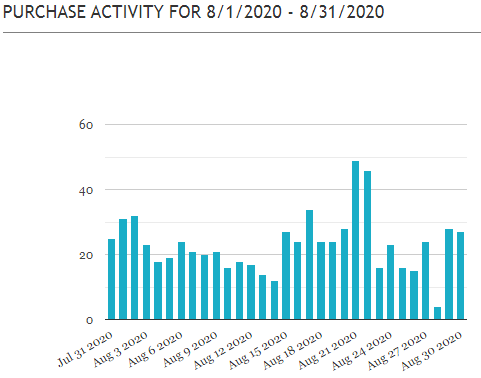
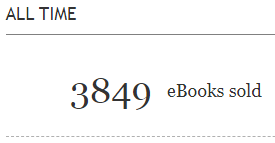 In July and August, I ran “stacked promotions” on Kobo along with paid ads on sites like Booksy, EReader News Today, and Robin Reads. My Kobo sales jumped to an average of around 20 downloads per day or 600 for the month. Now, in mid-October, I’ve had 3,849 all-time Kobo downloads in 68 international markets. This is growing exponentially, and it’s key to eBook sales success. It’s the same principle as compound interest.
Here are stats on where Kobo sold books for me in the last 6 months. Note: These figures include all regular priced sales and discounted promotions.
Canada – 1817
United States – 510
United Kingdom – 466
Australia – 290
South Africa – 160
New Zealand – 106
India – 69
Netherlands – 45
Nigeria – 33
Ireland – 30
The remaining 58 countries range from 1 to 30 downloads each. In no particular order, they are:
Mexico, Jamaica, Dominican Republic, St. Vincent & Grenadines, Trinidad & Tobago, Colombia, Ecuador, Argentina, Brazil, Tonga, Belgium, Germany, Andorra, France, Denmark, Portugal, Spain, Switzerland, Greece, Romania, Italy, Croatia, Slovenia, Austria, Hungary, Turkey, Morocco, Algeria, Tunisia, Malta, Libya, Israel, Lebanon, Egypt, Saudi Arabia, Qatar, United Arab Emirates, Oman, Ghana, Uganda, Zambia, Namibia, Zimbabwe, Mauritius, Cocos Islands, Turkmenistan, Pakistan, Nepal, Bangladesh, Thailand, Vietnam, Hong Kong, Japan, Philippines, Malaysia, Singapore, and Indonesia.
A marvelous feature built into Kobo is their deep-analytics distribution map of the world. It shows your total sales volume per country represented in blue circles. The bigger the circle, the more books you’ve sold in that country. The more circles you have on the world map, the wider your global distribution is. You can custom-adjust your stats review by the day, the week, the month, or all-time.

Seeing my Kobo sales growth is encouraging and rewarding. I still have limited experience in Kobo publishing, but what I’ve found is consistent with what more experienced (and much more successful) indies have told me about working with Kobo. These are the factors that’ll make Kobo work for you on an international scale… not possible with any other publisher:
Multiple Products — This includes eBooks and audio books (which I haven’t tried yet). It’s unrealistic to expect decent and expanding sales figures from one stand-alone product. Indie writing and publishing is a “numbers game”. The more products you offer for sale, and the more platforms you offer them on, the more you stand to sell.
Series Production — Most of my Kobo downloads are in a series. I have 6 books in a Based-On-True Crime Series and 2 stand-alone products offered on Kobo. The series beats the stand-alones ten-fold. I see a read-through sales pattern, and it’s growing with more readers recognizing my brand and being confident enough to buy into it.
Pay-To-Play — You have to spend money to make money in the indie writing and publishing business. Paid promotions work. That includes Kobo’s in-house program (which isn’t expensive) and boosting the Kobo promos with “stacked” independent ads. Those include the discount email sites and click-through ads on BookBub. I haven’t tried FaceBook yet, and Amazon won’t allow you to say “Kobo” in their presence.
A Positive Indie Author/Publisher Mindset — This is the most important factor of all. Once I made the decision (February 17, 2020) to treat my indie writing and publishing as a business, things really changed. It takes time and persistence, but it’s worth it. It fits with this quote I have on my writing space wall:
Until one is committed, there is hesitancy, the chance to drawback. Concerning all acts of initiative (and creation), there is one elementary truth that ignorance of which kills countless ideas and splendid plans: that the moment one definitely commits oneself, then Providence moves, too. All sorts of things occur to help one that never otherwise have occurred. A whole stream of events issues from the decision, raising in ones favor all manner of unforeseen incidents and meetings and material assistance, which no one could have dreamed would have come their way. ~ Johan Wolfgang von Goethe
How about you Kill Zoners? Do you have any words to share about Kobo or writing and publishing in general? Let us know in the comments!
——
 Garry Rodgers is a retired homicide detective with a second run as a forensic coroner investigating unexpected and unexplained human deaths. Now, Garry has reinvented himself in a third career as an indie author/publisher and admits at struggling to make sense of it all.
When not being indie, Garry Rodgers spends his of time putting around the Pacific saltwater near his home on Vancouver Island in British Columbia at Canada’s west coast. Follow Garry’s regular blog at DyingWords.net and connect with him on Twitter and Facebook.
Using Apostrophes
Terry Odell
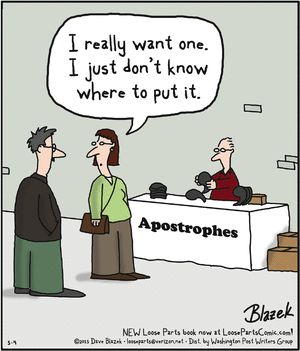 A pet peeve of mine is incorrect apostrophe usage, something I see all the time while driving around, or scrolling the internet. I’m sure everyone here at TKZ is well aware of the rules, but just in case someone needs a refresher course, I thought I’d mention it. If you’re starting out, or get confused, I hope this helps.
Use 1. It shows possession. Something belongs to someone or something.
The man’s hat. The dog’s leash. My biggest trouble-spot with this is dealing with plurals. There’s a difference (as my crit partner loves to point out) between the Detective’s office and the Detectives’ office. But then, I can never remember if I’ve given each of my detectives his own office.
I also have to stop and think about housing. You know, like when you go to the house that belongs to Mr. and Mrs. Smith. Since it belongs to both of them, it’s the Smiths’ house, not the Smith’s house. Our neighbors across the street have a lovely carved sign that says “The Cochran’s.” I cringe every time I walk by.
Words that already end in “s” can be a problem. I go out of my way to avoid naming characters with names ending in “s” to bypass the head-scratching. And here, I’ve seen it both ways. In my first book, my editor, whom I fear was overworked, didn’t catch that I’d written both Doris’ and Doris’s throughout the manuscript. Luckily, I noticed it in edits. She really didn’t care which one I used as long as they were all the same. My inclination is to leave off the final ‘s’ after the apostrophe simply because it looks cumbersome and when I read it “aloud in my head” I keep added “s” sounds.
Okay, that’s one use of the apostrophe. The other:
Use 2. Replaces other stuff.
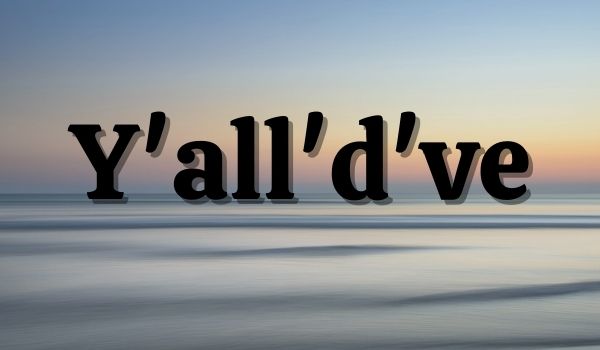
Apostrophes are used in contractions to show you’ve combined two words and taken away some of the letters.
Examples: Don’t. I’ve. Shouldn’t. He’d. We’ll.
I taught apostrophes when I was tutoring in adult literacy. It was very common for students to see the word don’t and read it aloud as do not. They knew what the apostrophe meant even if they couldn’t use one when writing.
Use 3. THERE IS NO USE THREE
You CANNOT use an apostrophe to create a plural.
 One last point:
 A major hangup for people seems to be with its and it’s. I know it’s very easy to have the fingers outpace the brain, and first-draft typos are common, but if you remember it’s = it is, you’ll be fine. The apostrophe stands for a missing letter.
Which means its is possessive, which is the exception to Rule 1. The tree lost its leaves. The leaves belonged to the tree.
The only other ‘exception’ I can think of is one I discussed with my editor (not the one who missed my Doris inconsistencies). My characters can mind their Ps and Qs. But when it comes to dotting I’s , she prefers the apostrophe because it avoids the confusion with the word Is. And, for consistency, she included the apostrophe with crossing T’s. So, it’s dotting I’s and crossing T’s. The caps, I think, are a matter of preference.
But PLEASE. Don’t kill any more puppies!
One more hint, related to formatting:
There’s a difference between an apostrophe and a single quotation mark. Trust me.
If you’re using Word, when you want to start a word with an apostrophe because it’s a contraction, abbreviation, as when you’re using dialect, Word assumes that you want a single quote there, because that’s how the program works.
Thus, if your character uses em for them you’re going to get ‘em. What you want is ’em. There are codes, or keystrokes for getting that apostrophe instead of the single quote, but I’m lazy and forgetful, so I just copy an apostrophe from another word and paste it where it needs to be.
To find them, you can search on a space before a single quote/apostrophe, and that should bring them up.
I’m sure you have some apostrophe observations to share. The floor is yours.
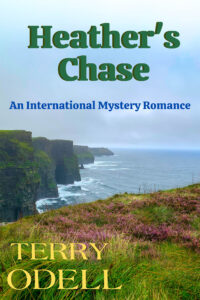 My new Mystery Romance, Heather’s Chase, is now available at most e-book channels. and in print from Amazon.
Terry Odell is an award-winning author of Mystery and Romantic Suspense, although she prefers to think of them all as “Mysteries with Relationships.” Follow her on Facebook and Twitter.
By Debbie Burke
A good, solid email list is the cornerstone for marketing books.
Why?
Those names are customers and potential customers who may buy your books.
As a business owner in the 1980s, I managed lists of more than a thousand customers and vendors. Using my trusty Kaypro 10, I knew how to create, organize, and keep those lists up to date.
But, as a 21st century author, did I apply those same principles to building a list of readers?
Uh, no. (Hangs head in shame)
Instead, I collected business cards and scribbled names on yellow legal pads and scratch paper. I threw them in a folder without any logic or organization.
Alphabetize? I’ll get around to it one of these days (hah!).
Imagine looking for a particular name when the order on the page read: Helen, Laura, Roger, Holly, Barb, Eli, etc. Talk about wasting time.
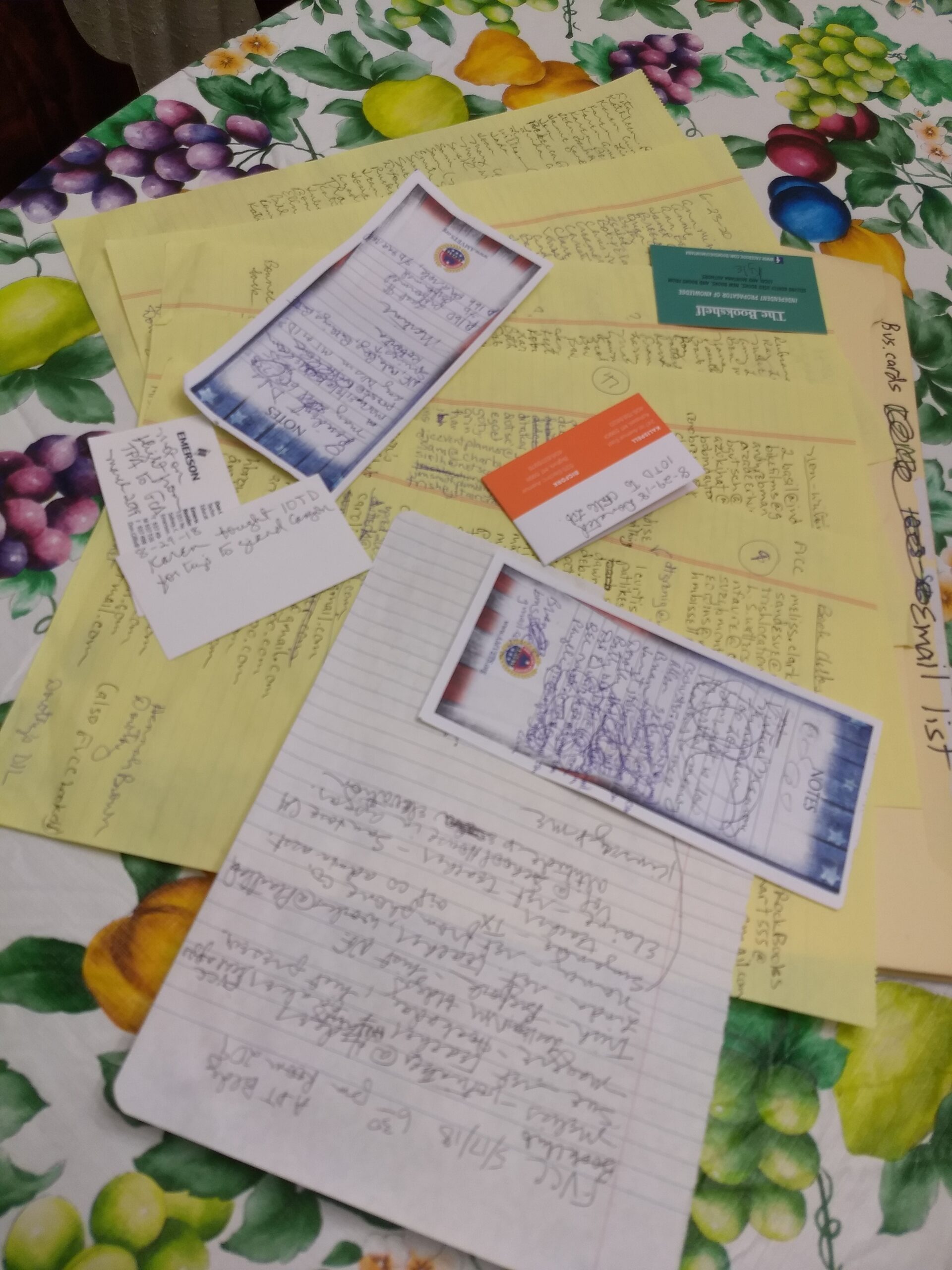
How I used to keep an email list
If I’d maintained a sloppy customer list like this (see photo) in business, I’d have fired me.
My writing career should have been treated as a business, not a muddled jumble. I knew such tasks needed to be done but always put them off because I’d rather write.
After publishing five books, I finally decided to create an organized, alphabetized Master Email List.
If you haven’t published a book yet, start building your list now because you will need it in the future.
The rest of you pros with published books already have your master email list, right?
Below are 10 items I SHOULD have done and didn’t. Or DID and shouldn’t have. Don’t follow my bad example.
Best practices and worst practices to build an email list:
1st – Good practice: collect business cards from people at conferences, classes, workshops, book club meetings, etc.
Today, with virtual events on Zoom, collect names and emails from the chat box of participants.
Bad practice: put those cards in a drawer and forget about them.
2nd – Good: at book appearances or discussions, always have a sign-up sheet for attendees’ names and email addresses. With Zoom, log names and emails of registrants and add to your Master List.
Bad: stick those sheets in a file and forget about them (see a pattern here?).
3rd – Good: when launching a new book, send announcements to everyone on your email list.
Bad: your list consists of names and emails scrawled on cocktail napkins, yellow legal pads, scrap paper, backs of envelopes, and the palm of your hand.
4th – Good: type your entire email list in a Word file or Excel spreadsheet. Alphabetize and number it.
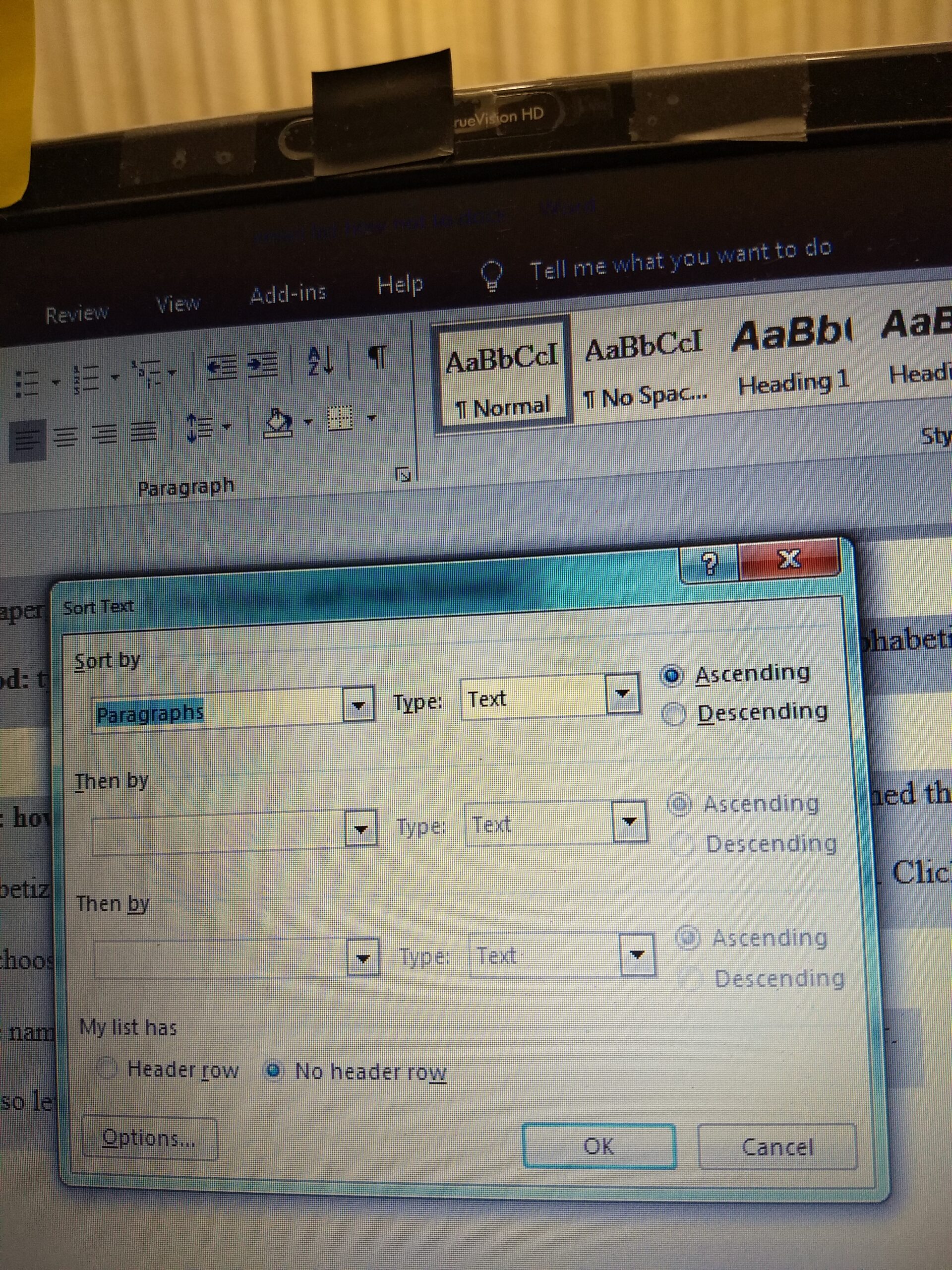 Sidebar: how to alphabetize in Word. After years of using Word to write, I just learned this handy tip. To alphabetize, go to Home, go to Paragraph box, find A-Z. Click on that icon and a window opens (see photo). Click Sort by Paragraph, choose text, ascending, then click okay.
Voila, the names are alphabetized so you can easily locate them. Big time saver.
If you use Excel, here are instructions about how to alphabetize.
Alphabetize either by first name or last name, although last name is most common. Mine is alphabetized by first name because that’s how I remember people. Often I never know the last name of casual acquaintances.
However, first names can be a bit confusing. My list includes 5 Anns or Annes; 6 Barbaras (Barb, Babs); 7 Janets or Janices; 5 Karens; 10 variations on Catherine-Kathryn (Cathy, Katie, etc.); 6 Pats (Patrick or Patricia); 8 variations of Susan (Sue, Suzanne, Susie, etc.); 6 Terrys (male and female).
First names work fine for me but you may prefer to alphabetize by last names.
Use the method that’s easiest for you to track.
5th – Good: make a notation where you met the person, e.g. writing conference, book club, library appearance, etc. That helps when you want to tailor a specific message to a specific group (“Dear Book Club Friends”, “Dear Zumba Buddies”, etc.).
If you use Excel, enter those notations in their own column.
With Word, just tab to a blank space and make a note where you met.
Again, use the method that works best for you.
Bad: Depend on your memory. Was that “Jeff” from the continuing ed class or “Jeff” from sophomore year? Doesn’t work—trust me.
6th – Good: create subcategories within the main list, e.g. book club contacts, conference contacts, coworkers, writing colleagues, friends and family, old school buddies, etc.
Bad: Same caution about memory in #5.
7th – Good: tailor the message to each category. In other words, write in a different tone to coworkers than to your pals from high school.
Bad: send out an impersonal, mass email blast that smells like spam.
Special note: For critique buddies, beta readers, researchers, and consultants, always send a thank you message for their assistance and a gift copy of the book.
8th – Good: organize the Master List by name.
Bad: Organize the list by email address. In many cases, the email address gives no clue to the person’s name and the “search” function may not help you find who the address belongs to.
For instance, when I wanted to contact an old friend, Barry, I couldn’t locate him because his email handle is “Azuki,” which I didn’t remember.
Or worse, who the heck is “rawkiwi@xxx.com” and why didn’t I record his/her name? After serious digging through piles of paper, it turned out I’d met her at a bookstore signing two years ago. Her name was “Trish” and she’d specifically asked to be notified when new books are released—definitely someone who should be included on the Master List.
9th – Good: add new names and emails as soon as you receive them.
Bad: wait to update your list until you collect a big batch of names. If you don’t add them right away, you may lose the contact. Take, for example, the woman I met in the supermarket who loves thrillers and scrawled her email address on my grocery list…which ended up in the trash, gone forever. (Sigh)
10th – Good: Update changes to email addresses immediately and delete the old.
Bad: keep outdated email addresses so you’re guaranteed lots of bounce-backs.
Miscellaneous helpful hints:

How to number in Word: in Home, go to paragraph box, choose numbered list (see photo).
Now you know exactly how many people are on your email list. You may be pleasantly surprised that it’s more than you expected.
How to number in Excel: here are instructions.
Caution: The contact list in your computer or phone does not necessarily include everyone who should be on your Master List.
For Gmail, use their prompt system. Click on “Compose” and type the first few letters of a name. If you’ve ever sent or received an email using those initial letters, a drop-down list of names appears, up to six or seven choices.
Among those may be names you’ve forgotten about. That’s how I’ve caught many people who don’t appear in my contacts but should be on the master list.
Other email servers, like Yahoo, MSN, and Hot Mail, may also have ways to prompt but I’m not familiar with them. TKZers, if you know, please chime in.
The best practice of all:
No matter what system you use (Word, Excel, etc.), create your Master Email List in the format you’re most likely to keep up-to-date.
~~~
In 2017, when my first thriller (Instrument of the Devil) was published, I sent out about 100 announcements.
Today, with five books published, my newly-organized email list numbers more than 300.
It took almost three days of concentrated effort to unsnarl my previous sloppiness. How much easier would the task have been if I’d properly set up the list back in 2017 then added to it?
Now that my Master List is done, adding a name/email address is a simple matter of opening that Word file and entering changes—takes 30 seconds.
Learn from my mistakes.
Start your Master Email List off on the right foot.
~~~
TKZers: Do you have a Master Email List?
What are your favorite tricks to keep the list organized?
~~~
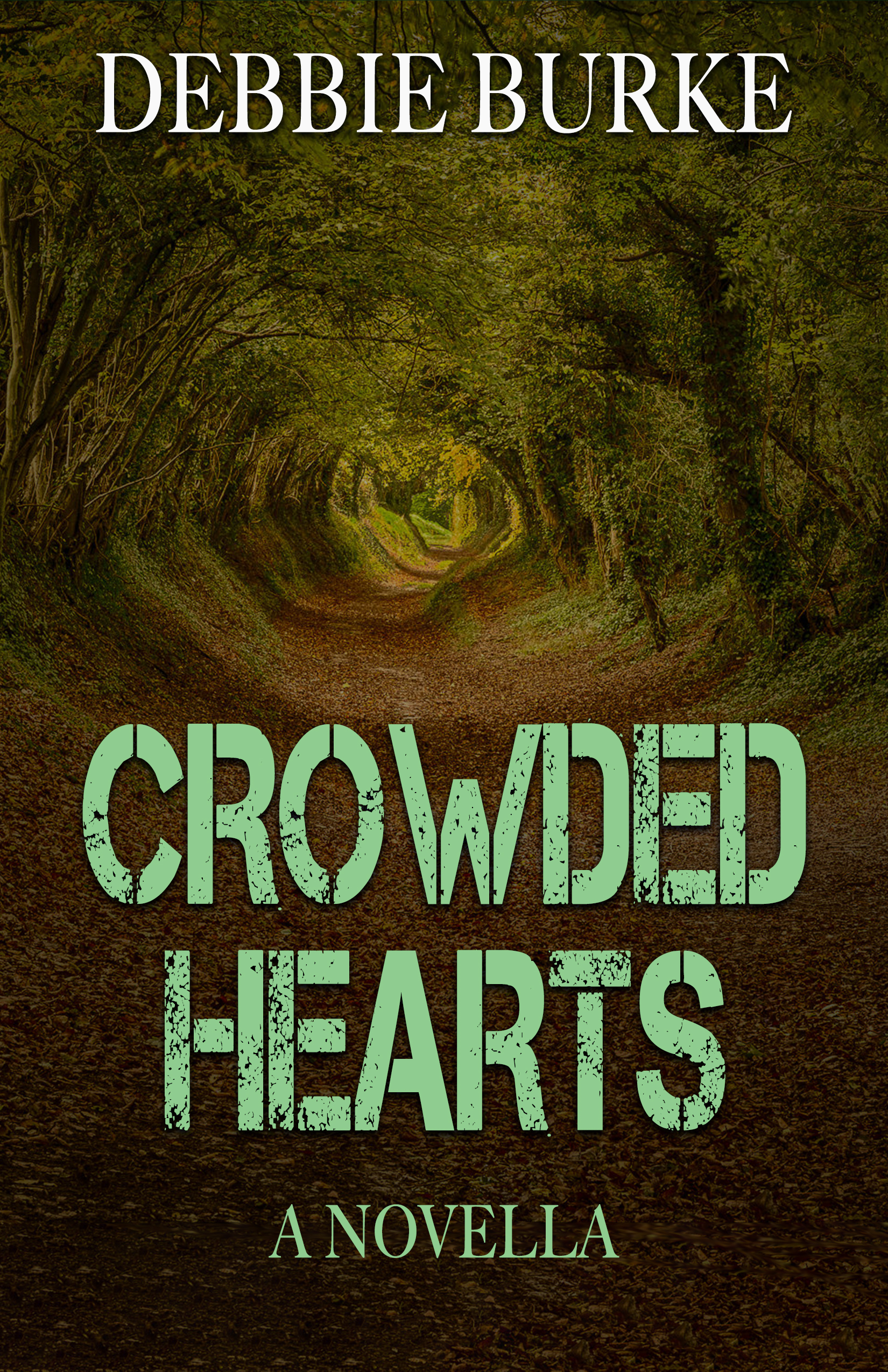
Debbie Burke’s new novella, Crowded Hearts, is not a typical wedding story. Available FREE from October 13-17, 2020. Please check out the link here.
This year I’ve been exploring the world of art through painting as well as writing – partly as a result of the pandemic lockdown, partly as a culmination of years of ‘dabbling’ in acrylics. A few weekends ago I decided to take the first step to taking my art to the next level and enrolled in a class about turning your creativity into a business. I was pretty nervous as my painting still feels very new and fragile, but came away feeling inspired and, perhaps more importantly, with the realization that this new approach to painting could also inform my writing career as well. The first exercise in the class was entitled ‘crafting your narrative’ and it became such an important exercise (for me at least) that I wanted to blog about it!
So what is ‘crafting your narrative’? Well, basically it is an initial exercise designed to make you think about your own creative narrative – what makes you and what you craft unique. Honestly, I can’t say I’d ever thought of looking at myself this way. All my elevator pitches and synopses have been focused on a particular book I’ve written and what makes it ‘unique’, rather than focusing on myself as a writer. When it came to my painting, the class prompts examined not only the media and mode of expression I use, but also what inspired me and how I thought my work made other people feel. In the end the (rough draft) that I came up with for myself as a painter was “I create abstract acrylic paintings that explore color, symmetries, shapes, and the relationship between the natural world and our interior selves…” Not bad I thought for a first attempt, but then I immediately began to think about how I would craft a similar narrative about myself as a writer…and soon realized just how much harder that would be!
Crafting your own narrative is, I discovered, much more challenging than summarizing a book for an elevator pitch – yet it makes perfect sense. As we discussed in class, when you are trying to differentiate yourself as any kind of creative, it’s vital to know who you are and what makes your work unique. So I set about trying to craft a narrative the same way I had for myself as a painter…and so far I’ve really only come up with a very rough statement that I am a fiction writer ‘who writes about bold, intriguing women against a backdrop of real and re-imagined histories’. Of course this doesn’t sound like most of my books at all – or me – so crafting my own narrative is definitely still a work in progress:)
So TKZers, how would you craft your own narrative as a writer? How (in one sentence of two) would you describe yourself as a writer and what makes your work unique? Do you find this exercise as challenging as I do?
Quick note: It’s fall break this week and we’re embarking on a driving trip round our beautiful home state of Colorado, so my internet access will be a little bit more limited today than usual – but I will be checking in!
by James Scott Bell
@jamesscottbell
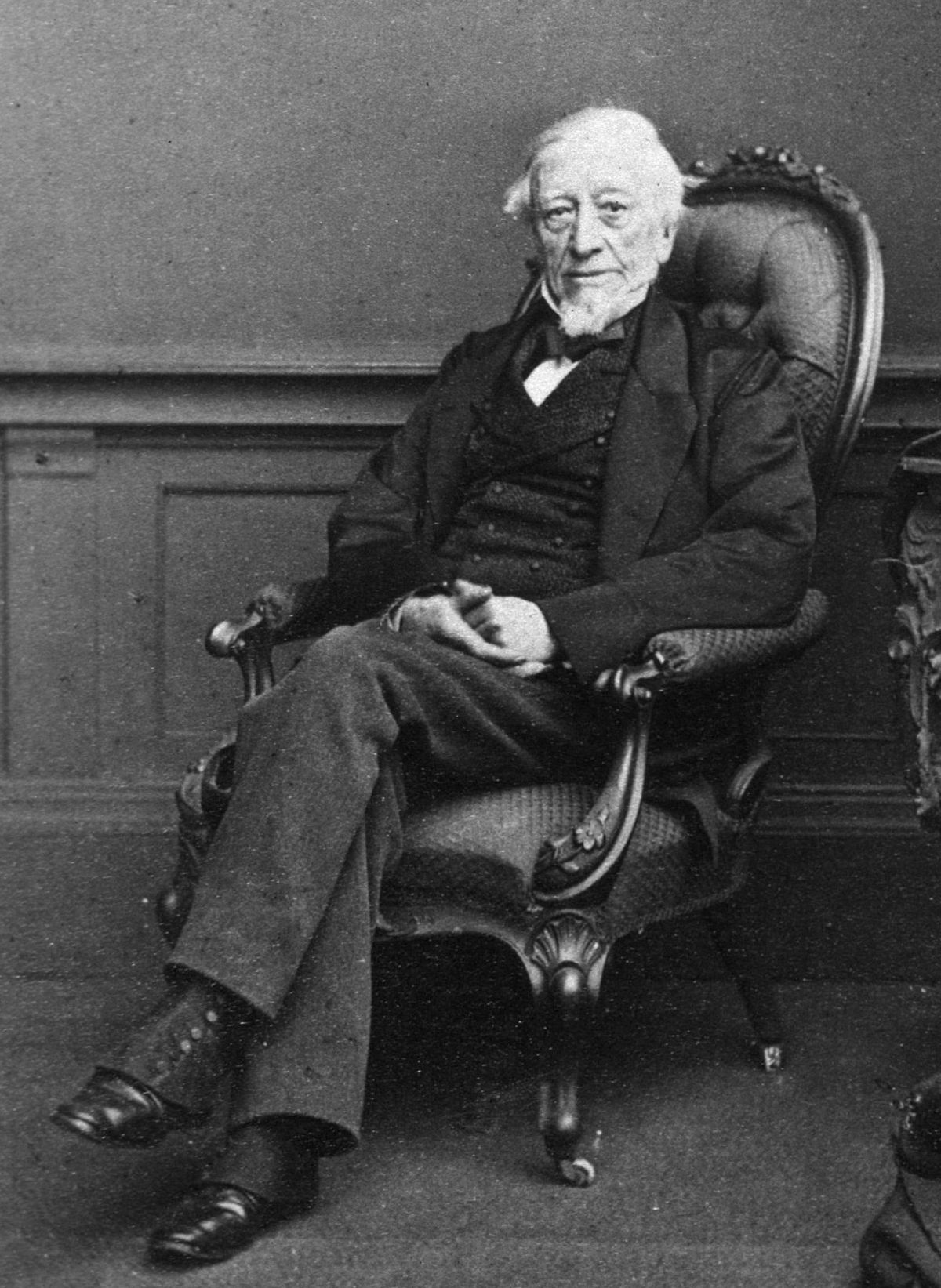
Dr. Peter Mark Roget
In college my roommates and I used to play a game with a dictionary. We cleverly called it “The Dictionary Game.” It was played with a big dictionary and scraps of paper. When it was your turn you’d look through the dictionary until you came across a word no one was familiar with. You wrote down the correct definition. The other players made up fake definitions that sounded right. The object was to fool as many people in the game as you could. You got a point if you guessed the correct definition. You got a point if somebody guessed your fake definition. The person who chose the word would get a point for every wrong guess.
I learned some cool words this way. The one that has stayed with me for over forty years is borborygmus. It means a “rumbling in the bowels caused by gas.”
This still cracks me up. It’s an onomatopoeia, a word that sounds like the thing it describes (although onomatopoeia itself is definitely not an onomatopoeia). And it makes for a great insult: You borborygmic swine! That’ll stop a bad guy in his tracks!
Which brings me to the subject of word choices. We have them. We have a whole passel of them (passel: a large number or amount). We even have a resource dedicated to word choices—the thesaurus (brainchild of Dr. Peter Mark Roget [1779 – 1869], a British physician and lexicographer).
Which invites (not begs) the question: should a fiction writer use a thesaurus? Mr. Stephen King has an oft-quoted opinion on this matter, as expressed in “Everything You Need to Know About Writing Successfully—in Ten Minutes.” This article appears in the 1989 edition of The Writer’s Handbook, which I just happen to have on my shelf (you can also find King’s essay here).
You want to write a story? Fine. Put away your dictionary, your encyclopedias, your World Almanac, and your thesaurus. Better yet, throw your thesaurus into the wastebasket. The only things creepier than a thesaurus are those little paperbacks college students too lazy to read the assigned novels buy around exam time. Any word you have to hunt for in a thesaurus is the wrong word. There are no exceptions to this rule.
Well now! What are we to think … I mean, what are we to surmise, suppose, conjecture, conclude, and determine about Mr. King’s rule?
Some might call it bunk (balderdash, bosh, codswallop, twaddle). But the context of this quote comes under the heading: Never look at a reference book while doing a first draft. King wants you to get that story down, in flow. So much so that he has advice on another form of flow:
When you sit down to write, write. Don’t do anything else but go to the bathroom, and only do that if it absolutely cannot be put off.
Ahem.
Anyway, I mostly agree with King. When you’re first setting down your tale, you should do so as expeditiously (swiftly, rapidly, efficiently) as possible. Don’t stop and go looking for a ten-dollar word when a buck or a fiver will do the job.
But I will offer a wee (used in the sense of little) exception. When King wrote his piece we were only in the beginnings of the personal computer age. At the time, King was using a dedicated word processor—a big (huge, bulky, Brobdingnagian) machine that did only one thing: saved your typing on floppy disks. Thesauruses (Thesauri?) were bound, paper books. It would take you precious flow-minutes to look up a word.
Now, of course, we all have personal computers with a Dictionary/Thesaurus app. I use mine most often to find a synonym for something mundane, like walk. Sure, a character can walk into a room. That doesn’t do much for the reader. So I open my computer thesaurus and in five seconds find: stroll, saunter, amble, trudge, plod, dawdle, hike, tramp, tromp, slog, stomp, trek, march, stride, sashay, glide, troop, limp, stumble, and lurch.
Recently, I was working on my NIP (novella in progress). I was writing a scene with a drug kingpin and his pet monkey. The monkey keeps shrieking. But I didn’t want to use that same word over and over. So I popped open the thesaurus and immediately found: scream, screech, squeal, squawk, roar, howl, shout, yelp. Just what I needed. I used five of them.
The alternative to using the thesaurus in this manner is that you sit at the keyboard for several minutes trying to come up with alternatives. But in this case “the hunt”— to use Mr. King’s term (expression, phrase, idiom, locution) — is faster and more efficient with a thesaurus app.
Is there another exception to Mr. King’s rule? I think so. I like to lightly edit my previous day’s work before jumping back into the first draft. When I do this I’ll sometimes find a spot where I wish to apply Mark Twain’s dictum: “The difference between the almost right word and the right word is really a large matter—’tis the difference between the lightning-bug and the lightning.” A minute or two here pays off in stylistic coin that will please your readers.
So I’m not ready to discard (jettison, scrap, chuck, dump, dish) my thesaurus.
What about you?
 “Whenever I think of the past, it brings back so many memories.” — Steven Wright
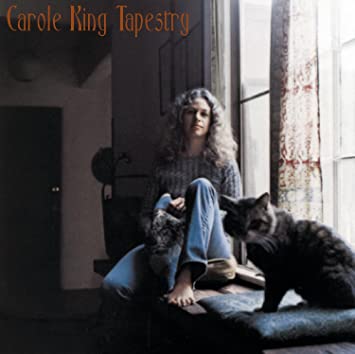
What song brings back a vivid memory, every time you hear it? “It’s Too Late” from Carole King’s album Tapestry always takes me back to a high school summer, driving my Ford Maverick to Zuma Beach with my best friend, Randy Winter. Everything was so right then.
What’s old?
That’s easy. Anyone ten years older than me.
Yes, that’s an old line, but we writers need to be careful who we call old.
In 2020, calling someone who is 60 “elderly” can anger your core readers.
It can even make readers laugh – at you.
 Some readers snicker at Ellery Queen’s description of the “elderly” Inspector Queen who was “not yet 60.” The dynamic mystery writing duo were young whippersnappers of 29 when they created Inspector Queen.
To be fair, I thought 60 was ancient when I was in my 20s. Now, not so much.
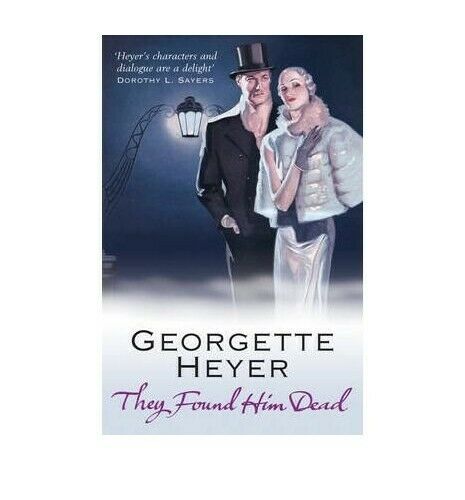 Another longtime mystery reader said, “They Found Him Dead” by Georgette Heyer starts with a sixtieth birthday party for Silas Kane who is described as being “very old. As far as I can see, the book was published in 1937.”
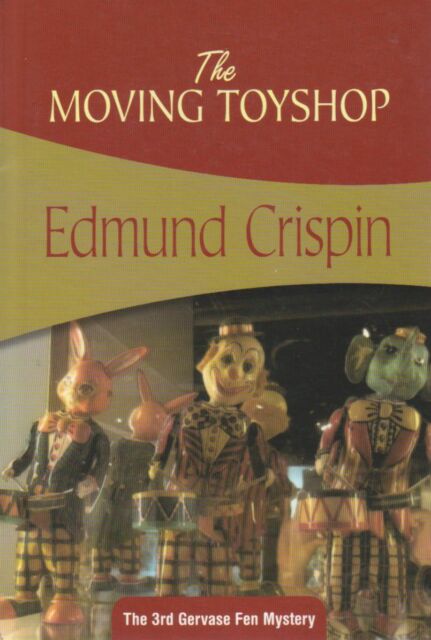 How about Edmund Crispin’s “The Moving Toyshop” where the dead victim is described as “an elderly woman in her late 50s”?
What? That’s outrageous!
Except those books were published decades ago, and “old” in 1930 was a lot different than “old” in 1970 – or 2020.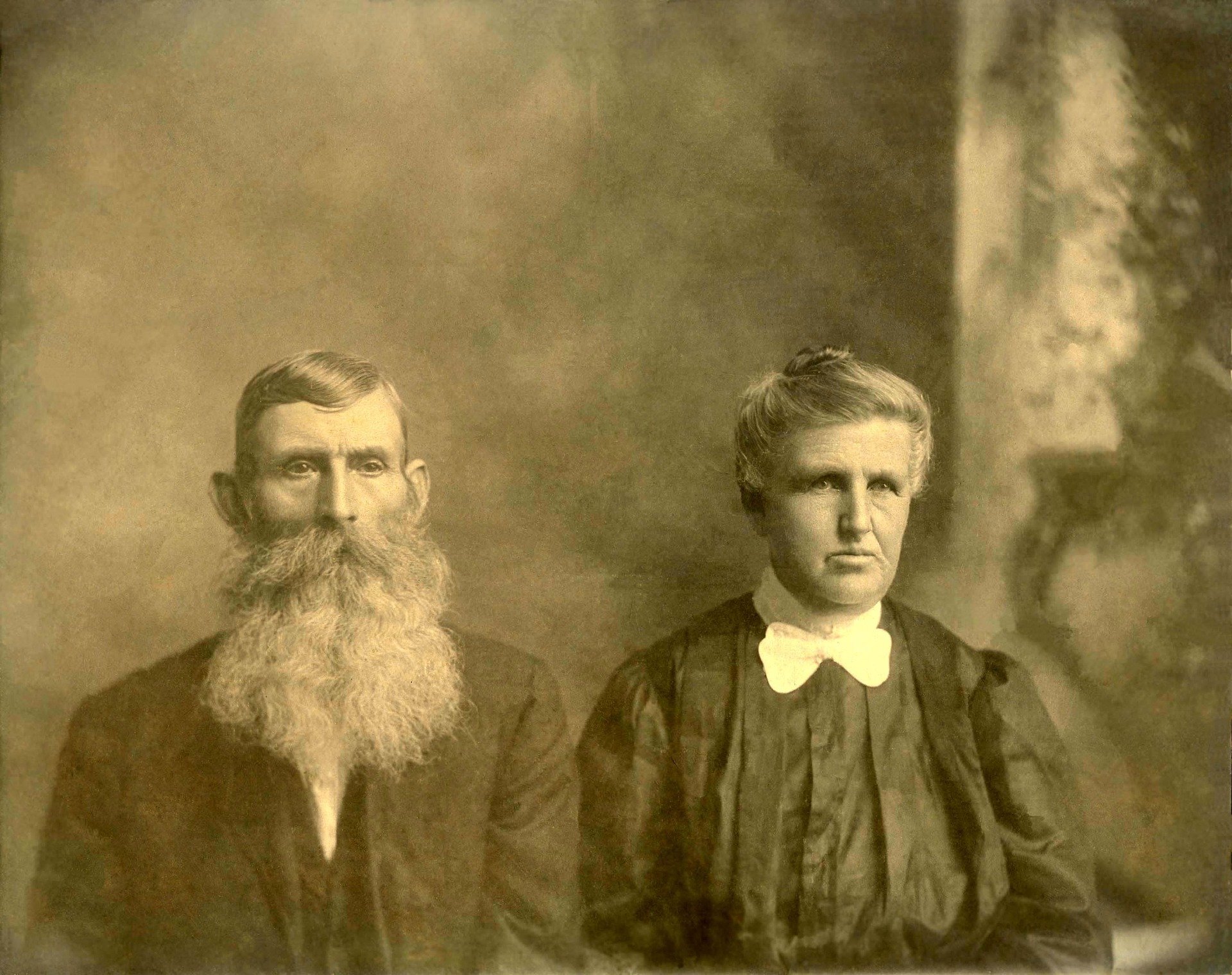
Think back to your grandparents. In 1970, my beloved grandmother was an old woman at age 60. She had a big black purse (stuffed with photos of her grandchildren), sturdy shoes, crispy gray hair and a flour-sack figure. Granted, Grandma had a much harder life than I did, but people used to age faster than they do now.
The government says we’re old at 62. That’s when Americans can start collecting Social Security benefits – and haul them in for a long time. Social Security.gov says, “About one out of every three 65-year-olds today will live until at least age 90, and one out of seven will live until at least age 95.”
Sixty-five is the retirement age in the US, but many people that age still see themselves as young and vigorous.
 So if you’re creating an older character for your novel, here are some things to consider:
Older people do not have equal protection under the law. If you have an older person who’s going to be assaulted, many jurisdictions have extra penalties for bashing seniors. In Massachusetts, a man was “arrested and charged with unarmed robbery, assault and battery on a person over the age of 60, assault and battery by means of a dangerous weapon (shod foot – aggravated) and mayhem.” In other words, he kicked an older person with his shoe. That’s something to consider when you have your bad guy attack an older person.
Seniors are often stereotyped as defenseless. But that ain’t necessarily so. An 88-year-old woman was assaulted and carjacked in a Walmat parking lot. She fought back with her cane and survived. “I’m a tough old broad,” she boasted.
And speaking of tough, how about the 82-year-old “award-winning female bodybuilder who turned the tables — literally — on a home intruder and beat him so badly after he broke into her house that he had to be taken to the hospital.” It’s true, and it happened in Rochester, New York. The bodybuilder broke a table over the creep – and she was just getting started.
Statistically, that Rochester Wonder Woman would be considered old, even by today’s new and improved standards.
The good news is that old people are getting older. So says CBS News. https://www.cbsnews.com/news/what-age-is-considered-old-nowadays/
So just how old do you want to make a senior character in your novel?
The CBS story says, “Research from John Shoven, a prominent economics professor at Stanford University, suggests that if your chance of dying within the next year is 1 percent or less, you might be considered ‘middle aged.’”
Shoven has a chart that shows “the threshold for men transitioning beyond middle age increased from about age 44 in the 1920s to about 60 today.”
 Oddly, 44 would be true “middle age.” Sixty may be the “new” middle age for men, but there are very few 120-year-olds roaming around.
Shoven says, “And finally, if your chance of dying within the next year is 4 percent or higher, you might be considered ‘very old’ or ‘elderly.’ . . . This threshold for men increased from about 65 in the 1920s to 76 today.” So men are “old” at 76.
“Shoven suggests that reduced mortality rates correlate roughly with improved health and vitality at all ages, and can be used as a proxy measure for aging.”
If you’re a woman, you’re even luckier – and younger. Consider this cheery news, ladies, from Shoven.
“By these measures, women today transition out of middle age around 65, a number that has increased from the late 40s in the 1920s. ‘Old’ for women today is about 73, which increased from the late 50s in the 1920s. And ‘very old’ today is about 80, an increase from about 67 in the 1920s.”
People don’t automatically get ‘old’ at 70. Wikipedia sums it up this way:
“Gerontologists have recognized the very different conditions that people experience as they grow older within the years defined as old age. In developed countries, most people in their 60s and early 70s are still fit, active, and able to care for themselves. However, after 75, they will become increasingly frail, a condition marked by serious mental and physical debilitation.”
That’s why my character Margery, in my Dead-End Job series, stays a perpetual 76. I can’t have her aging naturally, or she’ll be too old to go on adventures with Helen Hawthorne.
Personally, I like the question the sage Satchel Paige may or may not have asked:
“How old would you be if you didn’t know how old you are?”
********************************************************************************

Treat yourself to the first two books in my Angela Richman, Death Investigator series. Only $1.78. https://www.amazon.com/gp/product/B074CCL963?ref_=dbs_p_mng_rwt_ser_shvlr&storeType=ebooks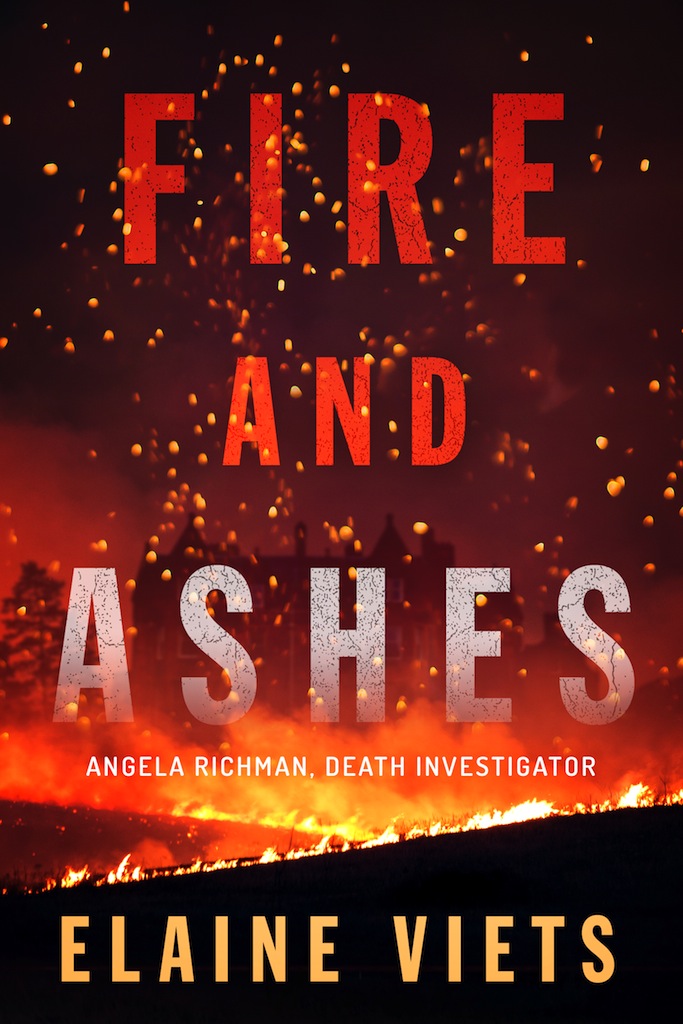
Zoom, Webex and their conferencing cousins are a way of life these days. It’s how kids (pretend to) learn at school, it’s how business is conducted, and it’s how virtual happy hours are convened. More to the point of this blog, it’s also how book festivals and book tours are being conducted. I’ve even talked to a few book groups. (Send me an email if you’d like me to talk to your group.)
I’ve written in this space before about developing public speaking skills, but now that I’ve been a part of a bazillion virtual get-togethers, I’ve learned that many of the skills needed for addressing an audience in person don’t apply in the virtual world, and in fact may prove harmful to the presentation. So, for this week’s post, I thought I’d share some of the lessons I’ve learned:
First things first: A number of websites exist for the purpose of allowing you to test your webcam to play with the images. This is one of them.
Don’t look down on your audience. I mean that literally. Many of us (myself include) ply our trade via a laptop computer, where the webcam is at chest level or below–the least complimentary angle from which to be photographed. Find a way to raise that camera so that you’re looking straight at the lens.
If you do a lot of virtual conferencing–even if it’s for a big boy/big girl job–consider investing in an external webcam. With a simple click, you can disable the built-in webcam and switch to one that can be placed on a tripod (or anywhere else you’d like).
Design your set. Background matters, especially if you’re a featured speaker. My background during the day while I’m working is a beautiful bay window that looks great in real life, but looks terrible on camera. First of all, the lighting is all wrong (see below), and closed blinds are boring. My Zoom studio (aka a table in my basement) is set up in front of a pretty bar we built. When I address scouts or kids’ groups, I angle away from the array of booze bottles.
When setting up your zooming place, know that people are, in fact, paying attention to what’s behind you. That’s why the school district in my area does not require students to be on camera during their remote learning sessions. (What could possibly go wrong there?) Plan accordingly.
Avoid harsh backgrounds like unadorned dry wall. In a perfect world, textures like stone work or bookcases work better than plain.
Zoom (and maybe others) has a feature where you can turn a photo into a virtual background. I advise against using that feature simply because it never looks right. When people are trying to figure out what’s wrong with the picture, they’re not paying attention to what you’re saying.
Framing matters. Whether they realize it or not, your audience wants to see you as a close-up. Not a “60 Minutes” count-the-nose-hairs close-up, but a head-and-shoulders close-up. All too often, especially when using laptop webcams, people in virtual conferences become a pair of eyes and a ceiling. Alternatively, they become a distant whole person without clear features.
Zooming is performance art, and needs to be treated as such. Whether you’re the star of the show or an attendee, you should own your moment and be aware of the details.
Remember that EVERYTHING is bigger. The difference between speaking live and Zooming reminds me of the difference between live performance and television. Zoom is, after all, a close relative to TV. Every movement of your eyes, every scratch of your nose is big and noticeable to people on the other side of your webcam. That booming voice you would normally use to address a large crowd sounds harsh and angry through your audience’s computer screens.
The microphone that is built into your computer picks up every sound, and projects it out as tinny, un-nuanced audio. Coughs and sneezes happen, but when they do, show the courtesy of muting your audio for the duration of the event. If you’re in the audience, show the courtesy of staying muted unless and until you have something to say.
Because it’s all bigger, you have to do EVERYTHING smaller. Even if there are hundreds of people in your audience, the teleconference is a personal communication with each attendee. Speak more softly than you would–as if you were sitting across the table from them. As you gesticulate, remember that to be seen, your hands must remain inside the frame.
Focus your eyes on the camera lens. No matter how many faces are displayed in that Brady Bunch checkerboard on your screen, your only audience is the camera lens. If you talk directly to the image of the person whose question you’re answering, you will look to the questioner as if you are addressing the floor. Eye contact is more important in a teleconference than it is in real life, and the only eye you can contact is that camera lens.
Design your lighting. Lighting ads subtle depth to the image you project–literally and figuratively–via webcam. As I mentioned above, I don’t Zoom from my desk in part because the backlighting from my window makes it difficult to see my face, and it also adds unwanted glare to what the audience sees.
Front lights are probably the most important. You want to illuminate your face evenly–no sharp shadows–without reflection off of your skin or your glasses, if you wear them. Given my hairline (and my refusal to grant my wife giggle-rights by applying makeup to my head), lighting can be a real challenge, not just for video conferencing, but for my YouTube channel, as well.
Remember the importance of eye contact with your audience. If you wear glasses, consider removing them for your teleconference. If that’s not possible, work hard to design lighting that won’t be a reflection bomb that makes your eyes invisible. Because I do this stuff a lot, I buy my glasses with an anti-reflective coating that works very well.
Backlighting adds depth and personality to your image. You don’t have to buy anything fancy–you’ve probably got lamps hanging around that will do the job. YouTube teems with lighting suggestions.
Security concerns. We live in weird times. While weirdness may not thrive in your neighborhood, the internet knocks down all gates and fences. I’m probably more cautious than I need to be, but I’m very wary of what people can see in my frame. I don’t show doors or windows, and I don’t display anything of real value. I don’t have kids at home anymore, but if I did, I certainly would not allow them to be in the background. Particularly if you’re using a high angle for your camera, police the paperwork on nearby surfaces to make sure there are no bank statements or draft ransom notes visible.
What say you, TKZ family? Have I missed anything? Have you been Zooming a lot?
By PJ Parrish
When I was in the newspaper biz, part of my job was writing headlines. Great headline writing is a real art because you have to boil a story into maybe ten words that capture the story’s essence but also lure the reader in.
Great headline writers were the royalty of the copy desk. Or maybe the court jesters. The headline writers I knew were always trying to sneak in puns or a double entendre. My husband, an ex sports editor, still loves to talk about his glory days. When the Houston Oilers practiced without their best wide receiver Warren Wells before their game against the Dolphins, he wrote: OILERS DRILL WITHOUT WELLS. But his classic came when Dolphins cut their tight end Jim Cox: DOLPHINS WAIVE INJURED COX.
I know, I know…men.
The undisputed all-time best headline award, though, goes to the New York Post, which is infamous for its ability to pull readers into their stories:
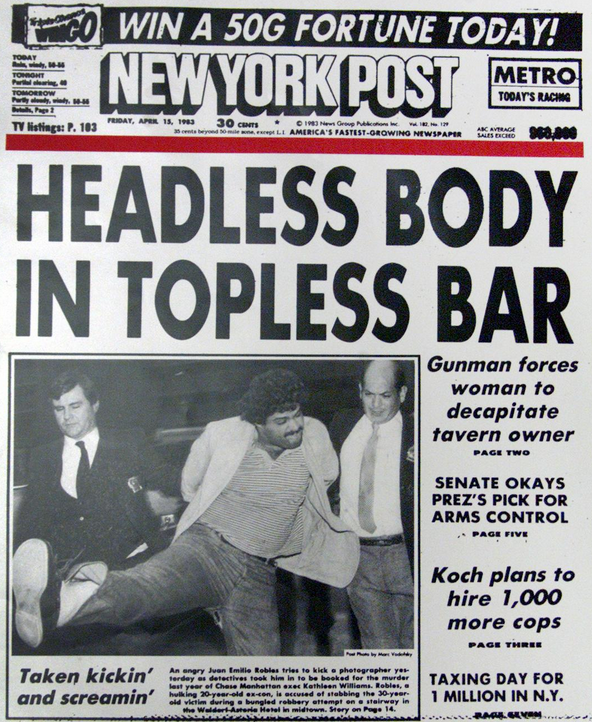
A psycho had invaded a Queens after-hours joint, shot the owner to death and then — on learning a female customer was a mortician — ordered her to cut off the victim’s head, which cops later found in the madman’s car. The headline was written by Vincent A. Musetto. In memorializing Musetto after his death, a writer noted that the headline was “as witty as it was horrific, it expressed with unflinching precision the city’s accelerating tailspin into an abyss of atrocious crime and chaos.”
Which gets me to my point today. All great stories can be summed up in just a couple words. And if you can’t boil your own story down to a juicy headline, then maybe you don’t really know what your story is about at its heart.
If you’ve ever had to write a concept or produce your own back copy, you know how hard this is. Or if you’ve ever tried to convince an editor at a writers conference to read your manuscript. This is known as “the elevator pitch” — you have to sell an agent your story in time it takes to go up four floors in the hotel elevator.
And when you do get published, it’s useful if you ever find yourself at a book signing and someone asks you, “So, what’s your book about?”
You don’t regurgitate plot. You give them the elevator pitch. And if you can’t answer in three sentences or less, chances are you’ve lost a sale.
Think about advertising. A pithy pitch sells the product. Take the slogan “A Diamond Is Forever,” which has appeared in every De Beers ad since 1948. Diamonds are inherently worthless. Your ring drops in value 50 percent the moment you leave Zales. But with one slogan De Beers made a diamond into a symbol of wealth and romance. It perfect captures a deep sentiment — a diamond, like your relationship, is eternal.
Coming up with a headline or slogan for your story is a great clarifying exercise. It makes you think beyond mere plot and deep into that sweet spot where story, character and theme mesh.
Okay, enough lecture. Let’s have some fun.
Here is a cool little exercise to get your brain moving to think about story slogans. It was created by screenwriter Nat Ruegger. Take any common advertising slogan, like for Kentucky Fried Chicken or Volvo. Put it into the past tense and make it the first line of your book and see where it takes you.
I struggle coming up with opening paragraphs so I was leery. But I tried this with the Lays Potato Chips slogan — “You Can’t Stop At Just One.” (later changed to “Betcha can’t stop at just one.”)
I couldn’t stop at just one. Believe me, I tried. Maybe it was because I was so hung up on blonde hair, especially when it was braided, falling down a girl’s back like a piece of rope. My first had braided blonde hair. I strangled her with my bare hands, but for all the others after that, I used a yellow rope. I guess because I wanted to get the taste of that first one back again. The first is the most delicious, you see.
I almost went with Nike’s “Just Do It.” It was inspired by the death row words of murderer Gary Gilmore — “Let’s do it.” Seems to me there’s a good serial killer first-person thriller that opened with “I just did it.”
Then I thought of Taco Bell’s slogan “Head for the Border!” That made me think of consummate storyteller Bruce Springsteen and his song “Highway Patrolman.” It opens with these lyrics:
My name is Joe Roberts, I work for the state
I’m a sergeant out of Perrineville barracks number 8
I always done an honest job as honest as I could
I got a brother named Franky and Franky ain’t no good
Now ever since we was young kids it’s been the same comedown
I get a call on the shortwave, Franky’s in trouble downtown
Well if it was any other man, I’d put him straight away
But when it’s your brother sometimes you look the other way
The song ends with Joe in squad-car pursuit after his brother, who has stabbed a man and is on the run. I could see a story beginning late in the scene with this line: “He headed for the border.” Here’s how Springsteen ended his song:
Well I chased him through them county roads
Till a sign said Canadian border five miles from here
I pulled over the side of the highway and watched his taillights disappear
One more. I next tried Clairol’s famous slogan “Does She Or Doesn’t She?” (Only her hairdresser knows for sure). It seemed ideal for a cozy set in a hair salon:
Did she or didn’t she? No one would ever really know. Because when Marcel Marseau, the owner of the chi-chi Palm Beach salon To Dye For, was found floating in the water hazard of the 17th hole of the Everglades Golf Course, we all suspected Lily Van Pulletzer. But then her body was found stuffed in the butler’s pantry at Mar-a-Lago, and I knew this was going to be the toughest case of my career.
Okay, now you see why I don’t write humor. But you get the point. A great slogan can get your motor running when you’re stuck in neutral. And maybe if you can write a great slogan or headline for your story, you can figure out what you are really trying to say.
Now it’s your turn. Think of a good slogan and put it in the past tense. Pick first person or third and give us a great opening paragraph to a fabulous crime story. Here’s a list of slogans you can use or come up with your own. I’ve switched the slogans to past tense.
It kept going…and going…and going. Energizer batteries always make me think of The Tell-Tale heart.
Every kiss Began With Kay. Nice start for a romance?
American By Birth, A Rebel By Choice. I love this one by Harley Davidson. I’d change it to “She was American by birth, a rebel by choice” to introduce a vigilante heroine maybe.
There Was No Tomorrow. Past tense and Fedex becomes dystopian YA.
It was the happiest place on earth. (Disneyland) And of course, it was really hell on earth.
What happened there, stayed there. (Las Vegas)
Sometimes he felt like a nut. Sometimes she didn’t. (Almond Joy)