A topic I’ve seen on forums and blogs is Kurt Vonnegut’s 8 rules of writing fiction. They’re worth reviewing and taking to heart. But his rule number 5 is the one that made the biggest impression on me. Rule number 5 is: Start your story as close to the end as possible. This is relevant for both the entire book and a single chapter. We often hear that the most common mistake of a new writer is starting the story in the wrong place.
Well, it happens to published writers, too. Lynn Sholes and I are guilty of drafting whole chapters that either occurred in the wrong place, or worse, weren’t even needed. Usually they turn out to be backstory information for us, not the reader. We go to the trouble of drafting a chapter only to find it’s to confirm what we need to know, not what the reader needs to know.
So if we apply Vonnegut’s rule number 5, how do we know if we’ve started close enough to the end? Easy: we must know the destination before we begin the journey. We must know the ending first.
To me, this is critical. How can we get there if we don’t know where we’re going? And once we know how our story will end, we can then apply what I call my top of the mountain technique. In my former career in the television postproduction industry, it’s called backtiming—starting at the place where something ends and working your way to the place where you want it to begin.
But before I explain top of the mountain, let’s look at the bottom of the mountain approach—the way most stories are written. You find yourself standing at the foot of an imposing mountain (the task of writing your next 100K-word novel), look up at the huge mass of what you are going to be faced with over the next 12 or so months, and wonder what it will take to get to the top (or end).
You start climbing, get tired, fall back, take a side trip, climb some more, hope inspiration strikes, get distracted, curse, fight fatigue, take the wrong route, fall again, paint yourself into a corner—and if you’re lucky, finally make it to the top. This method will work, but it’s a tough, painful way to go.
Now, let’s discuss the top of the mountain technique. As you begin to plan your book, even before you start your first draft, imagine that you’re standing on the mountain peak looking out over a grand, breathtaking view feeling invigorated, strong, and fulfilled. Imagine that the journey is over, your book is done. Look down the side of the mountain at the massive task you have just accomplished and ask yourself what series of events took place to get you to the top? Start with the last event—the grand finale— make a general note as to how you envision it. Then imagine what the second to the last event was that led up to the end, then the third from the last . . . you get the idea. It’s sort of like outlining in reverse.
This takes it a step further than Vonnegut’s rule number 5 by starting at the end and working your way to the beginning while you’re still in the planning stage. Guess what happens? By the time you’re actually at the beginning, you will have started as close to the end as possible. And you will see the logic and benefit of rule number 5.
Naturally, your plan can and probably will change. Your ending will get tweaked and reshaped as you approach it for real. But wouldn’t it be great to have a general destination in mind even from the first word on page one of your first draft?
__________________________
For a limited time, download THE TOMB, #3 in the Maxine Decker thriller series for only 99¢.
“The average detective story is probably no worse than the average novel, but you never see the average novel. It doesn’t get published. The average — or only slightly above average — detective story does…. Whereas the good novel is not at all the same kind of book as the bad novel. It is about entirely different things. But the good detective story and the bad detective story are about exactly the same things, and they are about them in very much the same way.” — Raymond Chandler
By PJ Parrish
Okay, it’s time to talk about the F-word.
But before we do, I have to back up a little and first talk about ballet.
Back in my newspaper days, I spent 18 years as a dance critic. I was privileged to see every great ballet company in the world, and interview wonderful dancers. I also took a lot of classes, starting when I was a tubby little 12-year-old to around 35 when I finally hung up the toe shoes. I didn’t know it at the time, but ballet was really good training for becoming a crime novelist. Because both are based on finding magic within the formula.
A quick primer for all you ballet-adverse types out there. Bear with me, because you will need this when I get to Raymond Chandler:
Everything in ballet can be boiled down to five positions. There are only five ways to position your feet, five ways to hold your arms. But…
Everything in ballet -– from the classical precision of Swan Lake (1875) through the sassy sweep of Twyla Tharp’s Nine Sinatra Songs (1982) — flows out of this. Think about that for a second: Within one strict formula can be found myriad unique opportunities for self-expression.
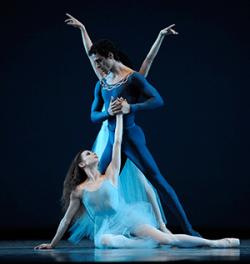
One of my favorite ballets is George Balanchine’s Serenade. Balanchine was a genius. He sort of did for dance what Raymond Chandler did for the detective novel, building a bridge between the 19th and 20th centuries, finding new permutations within the old formula, and changing everything that came after forever. Serenade was the Rosetta Stone for a new kind of dancer. Philip Marlowe, likewise, held the DNA for a new kind of hero.
The opening of Serenade is breathtaking in its simplicity and promise. Seventeen dancers stand motionless on stage, one arm raised, feet parallel. Then, slowly, their arms come down together in first position, and a beat later, their feet turn out. With that one motion, they mutate from mere women into dancers, standing in the first position from which all movement flows. Go watch it and come back. It will only take 53 seconds.
Now, here’s the opening of Chandler’s The Big Sleep.
It was about eleven o’clock in the morning, mid October, with the sun not shining and a look of hard wet rain in the clearness of the foothills. I was wearing my powder-blue suit, with dark blue shirt, tie and display handkerchief, black brogues, black wool socks with dark blue clocks on them. I was neat, clean, shaved and sober, and I didn’t care who knew it. I was everything the well-dressed private detective ought to be. I was calling on four million dollars.
Like Serenade, this opening is breathtaking in its simplicity and promise. Right away, we know we are beginning a journey with a very special guide. And oh, those telling details. Who but a man who’s been on too many benders would point out that he was sober this time? And that last line? A lesser writer would have been content with: “I was going to see a rich guy.” Such delicious sarcasm and attitude!
Both Serenade and The Big Sleep are exemplars of two master artists working within the confines of their genres even as they explore and expand the formula.
So back to the F-word. Let’s talk about formula. I think it’s become a dirty word in our crime writing world, tossed around as a pejorative by folks who want to put us in our place. Some want to draw distinctions between genre fiction and literature. (“Her novel transcends the blah-blah-yada-yada.”) And some, even within our own circle, want to diminish writers who hew too closely to the bones. (“He’s working the tired old formula.”)
Years ago, I was on a panel about the future of the PI novel. There was a strange undercurrent to it, like it was put on the program almost as an apologia. It was like the conference organizers were accommodating the private eye novelist as the goofy cousin you seat at the kid’s table at Thanksgiving. Chandler himself, in a great interview with Ian Fleming put it this way: “In America, a thriller, a mystery writer as we call them, is slightly below the salt.” (Click here to hear the entire fascinating exchange.)
But I think the PI formula — and indeed, the entire crime fiction blueprint — has much to recommend it. Mainly because, as with ballet, once you master its fundamentals, once you understand the underlying structure and learn the basic “rules,” you are freed to swing for the fences.
I guess we should stop and take a hard look at that word “rules.” It’s a scary word because some of us think we don’t know the rules and others think the rules are there only to be broken. There have been a lot of rules doled out over the years regarding crime fiction. S.S. Van Dine’s “Twenty Rules for Writing Detective Stories,” written in 1928, might be the most famous. Van Dine prefaced his rules thusly:
The detective story is a kind of intellectual game. It is more—it is a sporting event. And for the writing of detective stories there are very definite laws—unwritten, perhaps, but nonetheless binding; and every respectable and self-respecting concocter of literary mysteries lives up to them.
My favorite Van Dine-ism: “There simply must be a corpse in a detective novel, and the deader the corpse the better.”
T.S. Eliot was a big fan of detective novels, and was compelled to publish his own set of rules, in 1927 in his literary magazine The Criterion:
The story must not rely upon elaborate and incredible disguises.
The criminal’s motives should be fairly predictable. “No theft, for instance, should be due to kleptomania (even if there is such a thing).”
The solution should not involve the supernatural or “mysterious and preposterous discoveries made by lonely scientists.
Elaborate and bizarre machinery is an irrelevance. Detective writers of austere and classical tendencies will abhor it.
The detective should be highly intelligent but not superhuman. We should be able to follow his inferences and almost, but not quite, make them with him.
Even Raymond Chandler himself couldn’t resist laying some laws. Here are his Ten Commandments For the Detective Novel:
It must be credibly motivated, both as to the original situation and the dénouement.
It must be technically sound as to the methods of murder and detection.
It must be realistic in character, setting and atmosphere. It must be about real people in a real world.
It must have a sound story value apart from the mystery element: i.e., the investigation itself must be an adventure worth reading.
It must have enough essential simplicity to be explained easily when the time comes.
It must baffle a reasonably intelligent reader.
The solution must seem inevitable once revealed.
It must not try to do everything at once. If it is a puzzle story operating in a rather cool, reasonable atmosphere, it cannot also be a violent adventure or a passionate romance.
It must punish the criminal in one way or another, not necessarily by operation of the law….If the detective fails to resolve the consequences of the crime, the story is an unresolved chord and leaves irritation behind it.
It must be honest with the reader.
Now of course you can see that Chandler’s “rules” are more in tune with our own modern sensibilities. He, like ballet’s Balanchine, pointed the way to the future. He, like Balanchine, took the old formula and made it new. Which is why we still read him today and we don’t read S.S. Van Dine or Ronald Knox.
It’s often said that we writers only recycle the same plots over and over. There are, in fact, only seven stories in the world, according to the writer Sir Arthur Thomas Quiller-Couch. Here they are:
man against man
man against nature
man against himself
man against God
man against society
man caught in the middle
man and woman
So Romeo and Juliet is reborn as West Side Story. Moby Dick resurfaces as Jaws. King Lear becomes A Thousand Acres in the hands of Jane Smiley. And don’t get me started on what Bram Stoker unleashed on us.
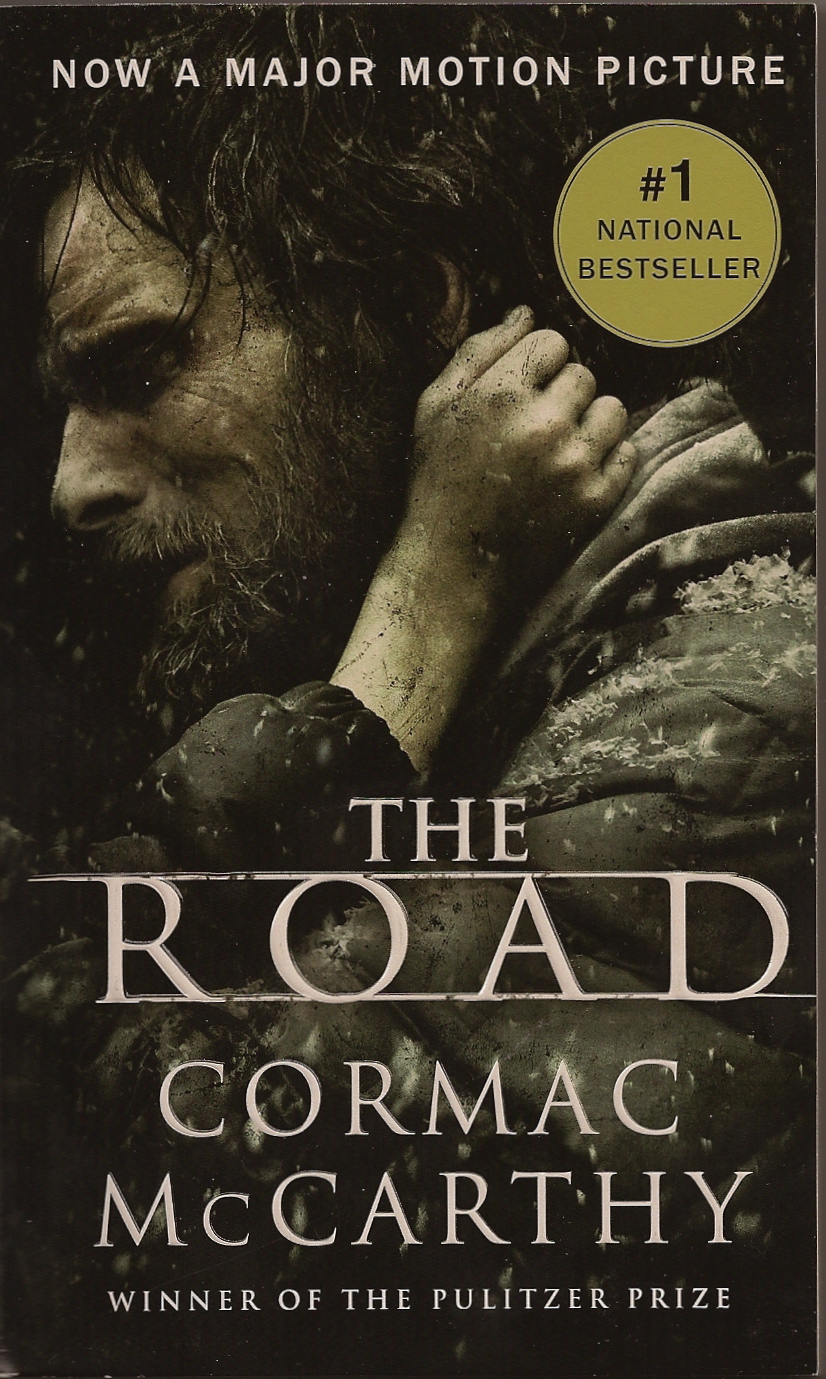
This post was inspired by Larry Brook’s post here last week on concept vs premise. Go back and read it if you haven’t already. As I said in my comment there, the current hit movie The Martian is really just an old plot, one Sir Arthur himself would recognize as Man vs Nature but transported to Mars. Before The Martian, we had Robinson Crusoe, The Swiss Family Robinson, PD James’s Children of Men, Laura Ingalls Wilder’s The Long Winter, Cormac McCarthy’s The Road, and Richard Matheson’s I Am Legend, which was recycled into thecheesy Charleston Heston movie Omega Man.
Formulas are not, in themselves, bad things. And given the long and glorious history of the crime novel, it is something we should honor, not disdain. The “trick” for us is to find within the universal human experience, fresh things to say about our own times and situations.
The ballet Serenade ends on a mournful note, a man borne off by a female dancer who, to my mind, is a symbolic angel.
And then, there is the equally elegiac ending paragraphs of The Big Sleep.
I went quickly away from her down the room and out and down the tiled staircase to the front hall. I didn’t see anybody when I left. I found my hat alone this time. Outside, the bright gardens had a haunted look, as though small wild eyes were watching me from behind the bushes, as though the sunshine itself had a mysterious something in its light. I got into my car and drove off down the hill.
What did it matter where you lay once you were dead? In a dirty sump or in a marble tower on top of a high hill? You were dead, you were sleeping the big sleep, you were not bothered by things like that. Oil and water were the same as wind and air to you. You just slept the big sleep, not caring about the nastiness of how you died or where you fell. Me, I was part of the nastiness now. Far more a part of it than Rusty Regan was. But the old man didn’t have to be. He could lie quiet in his canopied bed, with his bloodless hands folded on the sheet, waiting. His heart was a brief, uncertain murmur. His thoughts were as gray as ashes. And in a little while he too, like Rusty Regan, would be sleeping the big sleep.
On the way downtown I stopped at a bar and had a couple of double Scotches. They didn’t do me any good. All they did was make me think of Silver Wig, and I never saw her again.
There is nothing new. Just new ways of making us feel.
An author can write anywhere with the help of a tablet or laptop or even a low-tech pad of paper and pen. But there are some places that can be more inspirational if you’ve hit a dry spell.
In no particular order, here are my five favorite places to write:
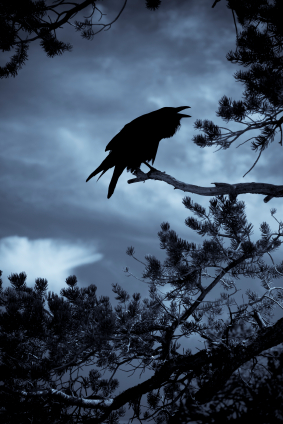
1.) Graveyard at Dusk – People watching would be interesting AFTER dusk but reading headstones or taking in the quiet at a cemetery during the dying light of the day can stir the storyteller in anyone.
2.) Hotel Lobby Bar – If you’re ever at a writers’ conference, the place to be is the hotel bar. Everyone turns up there, but there are stories in the many travelers’ faces, not to mention the fun of eavesdropping on dialogue inspirations.
3.) Coffee House – The faces and the dialogue might be different in a coffee house, but the caffeine keeps the creative juices flowing.
4.) Scenic Forest – Getting closer to nature can stir the imagination and get the blood moving. Try it.
5.) Swamp – I have to admit that I’ve never done this, but I really want to. The sounds and the potential for danger in a swamp could be titillating. Let the vastness swallow you whole.
FOR DISCUSSION: What are YOUR five favorite inspirational places to write? When your creative juices run low, where do you go or what do you do?
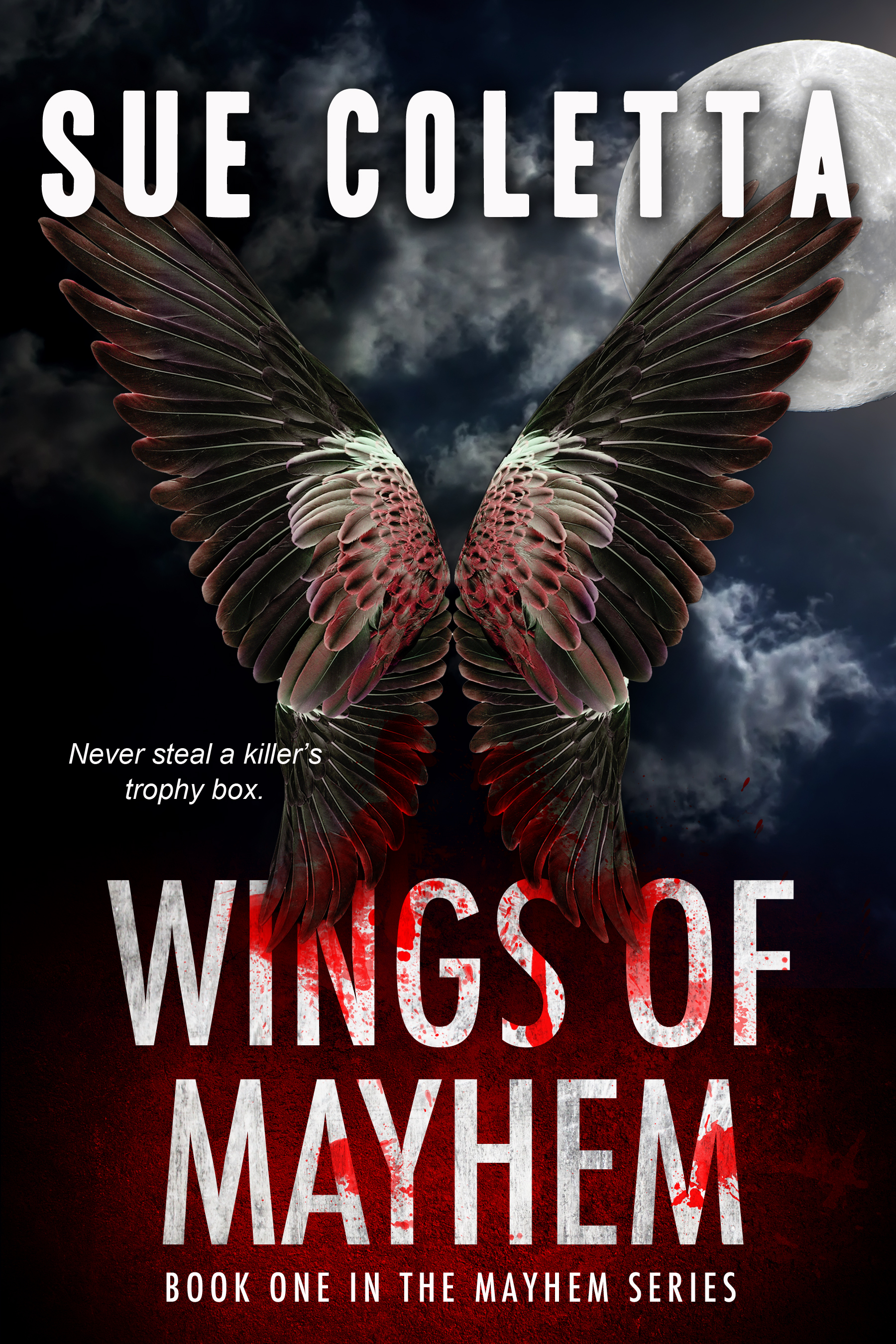
I’m proud to have longstanding TKZ member, Sue Coletta as my guest today. This is her first time here as a featured author. Not only is she usually one of the first to comment on each post, but I’ve seen her grow as a writer. I enjoyed her first book MARRED, with its strong voice and dark eerie tone, and I’m currently reading WINGS OF MAYHEM and thoroughly enjoying the voice of her protagonist, Shawnee Daniels. Take it away, Sue, and welcome!
Sue Coletta on VOICE
When we first begin our writing journey voice is one of things that’s nearly impossible to define, never mind discover. For years I kept hoping to find my writer’s voice, but I had no idea where to look. Deep within myself? Through hours and hours of practice would it suddenly appear? What was this mysterious “voice” everyone spoke about? And why didn’t I have one?
Perhaps what agents and editors were referring to was that perfect blend of style, rhythm, and cadence that make up the mysterious writer’s voice. Maybe it’s like trying to define the difference between graffiti and street art. I may not be able to put it into words, but I’ll know it when I see it.
When I look back on those days I wish someone would’ve told me, with a clear definition, how to develop my voice. And then one day something magical happened. I was reading the most amazing craft book I’d ever encountered, the book that transformed my writing life in an instant. I’m referring to Story Engineering by TKZ’s own Larry Brooks.
When I learned about the three dimensions of character I found my writer’s voice. I couldn’t believe it. Why didn’t anyone tell me this before?
Today, I would describe voice as the combination of syntax, diction, punctuation, dialogue, sentence rhythm, and character development within one story or across many novels. It’s unique to you. Just as a flute doesn’t sound like a clarinet, neither does one writer from another.
How awesome is that?
We all use the same 26 letters, and yet, no two authors will write the same scene the same way. One writer might use run-on sentences that go on for miles. Whereas another loads the story with short, punchy fragments. Neither is wrong; it’s a matter of personal style.
But style isn’t the only thing that makes up the writer’s voice.
By knowing our characters intimately, by understanding their hopes, their dreams, their backgrounds, scars, flaws, nervous ticks, religious beliefs, world views, what they fear, what they strive for, what they want more than anything else…we can slip into their skin and write using their voice. Not only in dialogue, but in the narrative as well—also known as narrative voice.
Take, for instance, my protagonist in Wings of Mayhem. Shawnee Daniels is a wise-cracking, snarky chic who was raised on the city streets. The way she views the world is much different than her librarian best friend, Nadine. Shawnee is overly cautious. She swears, has huge trust issues, and in a lot of ways, she’s her own worst enemy. Where Shawnee might see danger, Nadine, who was raised in a loving and often sheltered environment, would see an opportunity. Nadine never swears. Instead, she uses words like “ship” and “fleakin’”. She’s a glass-half-full type of girl. Shawnee’s glass barely has a drop in it.
Nadine’s dialogue is filled with words like “Woot!” She waves jazz hands and bounces on her toes when she’s excited. Shawnee is her polar opposite. She would never be caught dead waving a jazz hand in the air and she certainly would never use the word “Woot.” Because she’d never do these things in the dialogue, I can’t let her do it in the narrative, either, or the story would lose its narrative voice.
In Wings of Mayhem I alternated chapters between Shawnee, Detective Levaughn Samuels, and Jack Delsin, my antagonist. Each have their own way of viewing the world around them and, more importantly, the situation they’re in. I couldn’t write the narrative in the same way or it wouldn’t be unique to each character.
Where Shawnee believes everyone is after her, Detective Levaughn Samuels is more level-headed. In his narrative I used contractions like I did with Shawnee, but the tone is different. He views the world with a calm, rational, detective’s perspective. When he looks at a crime scene his stomach doesn’t scream in protest. But Shawnee’s does.
While examining a murder victim, Levaughn would narrate the facts, the wounds/injuries, his theory of the case, etc. Shawnee would be too distracted by the blowflies. She might gape at the victim’s smeared mascara, or narrow in on the thick, bluish film veiling the victim’s eyes. But Levaughn wouldn’t mention that because all corpses develop corneal clouding. It’s a natural occurrence that develops 2-3 days after death, depending on the environment in which the body is found.
By remaining true to our characters in dialogue as well as narrative we breathe life into the story. Thus, filling it with voice.
For Discussion: Over to you, TKZers. What tips have helped you develop your writer’s voice?
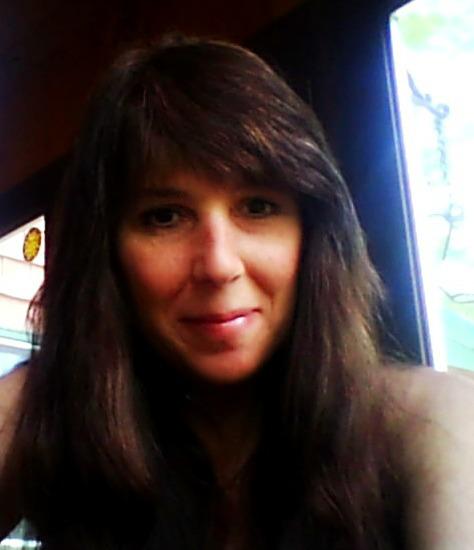
Suspense Author Sue Coletta
BIO – Member of Mystery Writers of America, Sisters in Crime, and International Thriller Writers, Sue Coletta is always searching for new ways to commit murder…on the page. She’s the author of Wings of Mayhem, Marred, Crime Writer’s Research, and 60 Ways to Murder Your Characters. She’s published in OOTG Flash Fiction Offensive, Murder, USA anthology, InSinC Quarterly, and in the upcoming dark fiction anthology, RUN. The founder of #ACrimeChat, which takes place every Wed. on Twitter, Sue also runs a popular crime resource blog, where she shares her love of research…forensics, police procedures, serial killers, and true crime stories. You can learn more about Sue and her books at: www.suecoletta.com
Sometimes I come across posts on writing blogs that I feel compelled to share with everyone at TKZ. One such informative post deals with what happens once you finish your first draft. With permission from its author, the great writer and teacher, Joanna Penn, here is a repost of her advice on the subject. Enjoy. – Joe Moore
——————————-
Many new writers are confused about what happens after you have managed to get the first draft out of your head and onto the page.
I joined NaNoWriMo (National Novel Writing Month) this year and ended up with 27,774 words on a crime novel, the first in a new series. It’s not an entire first draft but it’s a step in the right direction and the plotting time was sorely needed.
Maybe you ‘won’ NaNo or maybe you have the first draft of another book in your drawer, but we all need to take the next step in the process in order to end up with a finished product.
Here’s my process, and I believe it’s relevant whether you are writing fiction or non-fiction.
(1) Rewriting and redrafting. Repeat until satisfied.
For many writers, the first draft is just the bare bones of the finished work and often no one will ever see that version of the manuscript. Remember the wise words of Anne Lamott in ‘Bird by Bird‘ “Write shitty first drafts.” You can’t edit a blank page but once those words are down, you can improve on them. [More books for writers here.]
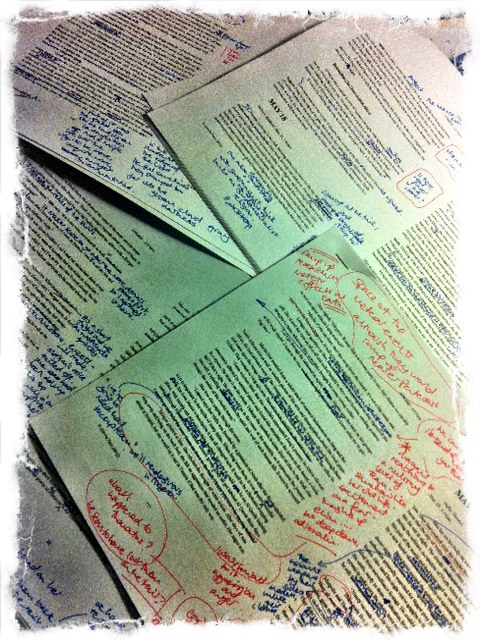
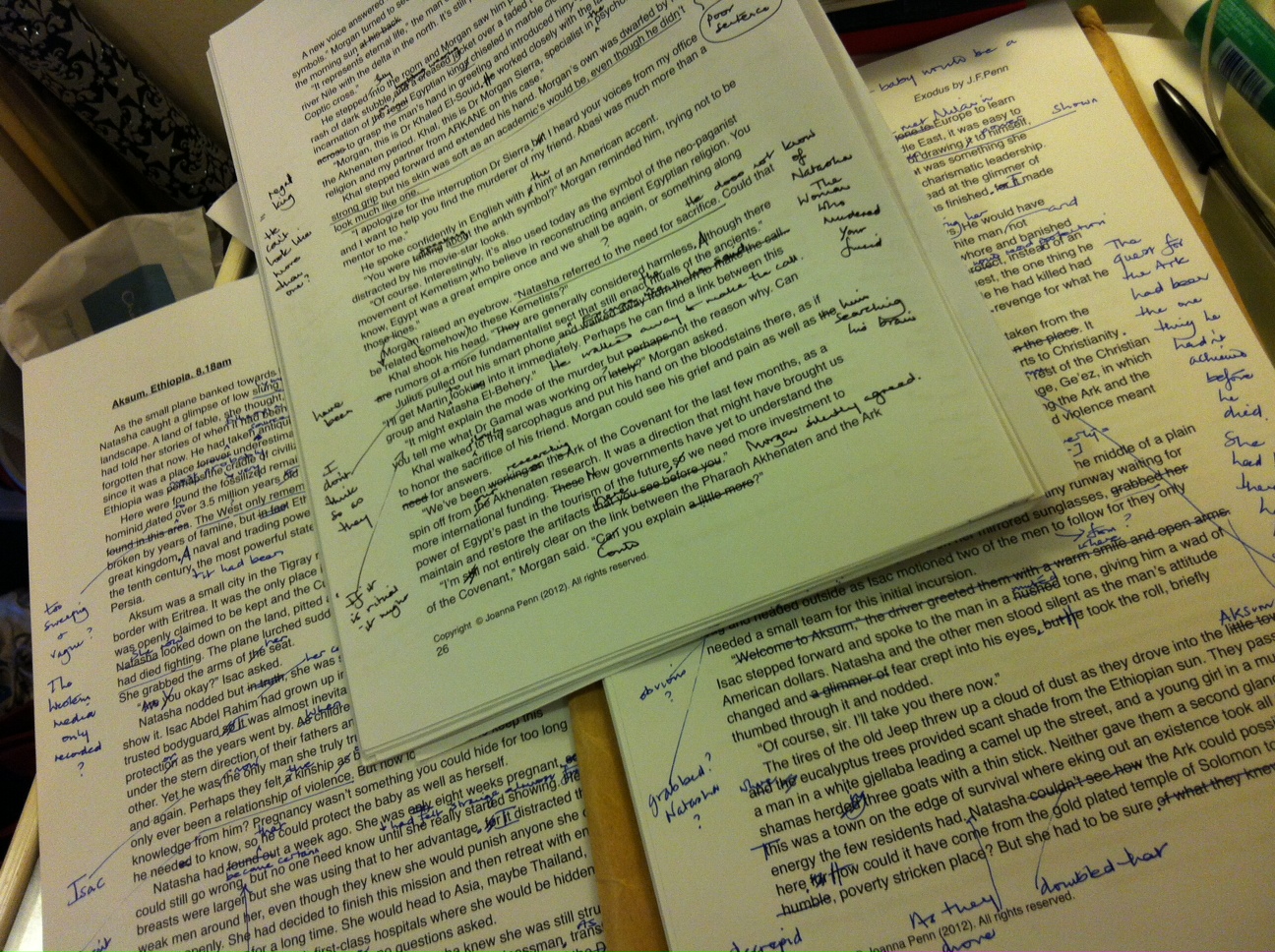
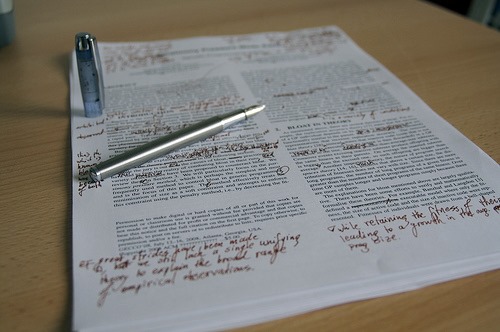
I love the rewriting and redrafting process. Once I have a first draft I print the whole thing out and do the first pass with handwritten notes. I write all kinds of notes in the margins and scribble and cross things out. I note down new scenes that need writing, continuity issues, problems with characters and much more. That first pass usually takes a while. Then I go back and start a major rewrite based on those notes.
I absolutely recommend a structural edit if this is your first book, or the first book in a series. A structural edit is usually given to you as a separate document, broken down into sections based on what is being evaluated. You can find a list of editors here.
When you get a structural edit back, there are usually lots of revisions to do, possibly even a complete rewrite. This may take a while …
(4) Beta readers
Beta readers are a trusted group of people who evaluate your book from a reader’s perspective. You should only give them the book if you are happy with it yourself because otherwise it is disrespectful of their time.
This could be a critique group, although I prefer a hand-picked group of 5 or 6 who bring different perspectives. I definitely have a couple of people who love the genre I am writing in as they will spot issues within the boundaries of what is expected, and then some people who consider other things.
The result of line editing is the classic manuscript covered in red ink as an editor slashes your work to pieces!
You can get one of these edits before or after the beta readers, or even at the same time. I prefer afterwards as I make broader changes of the book based on their opinions so I want the line editor to get the almost final version.
Line edits are more about word choice, grammar and sentence structure. There may also be comments about the narrative itself but this is a more a comment on the reading experience by someone who is skilled at being critical around words.
The first time you get such a line edit, it hurts. You think you’re a writer and then someone changes practically every sentence. Ouch.
(6) Revisions You’ll need to make more changes based on the feedback of the beta readers and line editor. This can sometimes feel like a complete rewrite and takes a lot of detailed time as you have to check every sentence.
I usually make around 75% of the changes suggested by the line editor, as they are usually sensible, even though I am resistant at first. It is important to remember that you don’t have to change what they ask for though, so evaluate each suggestion but with a critical eye.
(7) Proof-reading
By this point, you cannot even see any mistakes you might have made. Inevitably, your corrections for line editing have exposed more issues, albeit minor ones.
So before I publish now, I get a final read-through from a proof-reader. (Thanks Liz atLibroEditing!) After Crypt of Bone was published, I even got an email from a reader saying congratulations because they had failed to find a single typo. Some readers really do care, for which I am grateful and that extra investment at the end can definitely pay off in terms of polishing the final product.
(8) Publication
Once I have corrected anything minor the proof-reading has brought to light, I will Compile the various file formats on Scrivener for the ebook publishing platforms. I will then back the files up a number of times, as I have done throughout the whole process.
(9) Post-publication
This may be anathema to some, but the beauty of ebook publishing is that you can update your files later. If someone finds a typo, no problem. If you want to update the back matter with your author website and mailing list details, no worries. If you want to rewrite the whole book, you can do that too (although some sites have stricter rules than Amazon around what is considered a new version.)
Budget: Time and money
Every writer is different, and there are no rules.
But in terms of time, your revision process will likely take at least as long as the first draft and probably longer (unless you’re Lee Child who just writes one draft!). For my latest book, Exodus, the first draft took about 3 months and the rewriting process took about 6 months.
I believe editing at all these different stages is important, because it is our responsibility to make sure our books are the best they can be. But if you can’t afford professional editing, then consider using a critique group locally or online. The more eyes on the book before it goes out into the world, the better.
What’s your editing process? Do you have a similar approach or something completely different?
Joanna Penn is a New York Times and USA Today bestselling author of thrillers (as J.F.Penn) and non-fiction, a professional speaker and award-winning entrepreneur. Her site, TheCreativePenn is regularly voted one of the Top 10 sites for writers. Connect with Joanna on Twitter @thecreativepenn
“Fiction is the truth inside the lie.” — Stephen King
By PJ Parrish
We all tell lies. Some of us, like politicians, make it into an art form. But most of us just bump along through life moving along the lie spectrum from the little-white variety (“Of course you’re not too old to wear leopard leggings!”) to the whopper (“I’m a natural athlete.” – Lance Armstrong.)
We all lie. To prove it, I’ll start with a little Truth or Dare. Here are five statements about me. Which ones are lies? (Answers in a little bit.)
When I was 47, I was in the Miami City Ballet’s production of “The Nutcracker” directed by the acclaimed dancer Edward Villella.
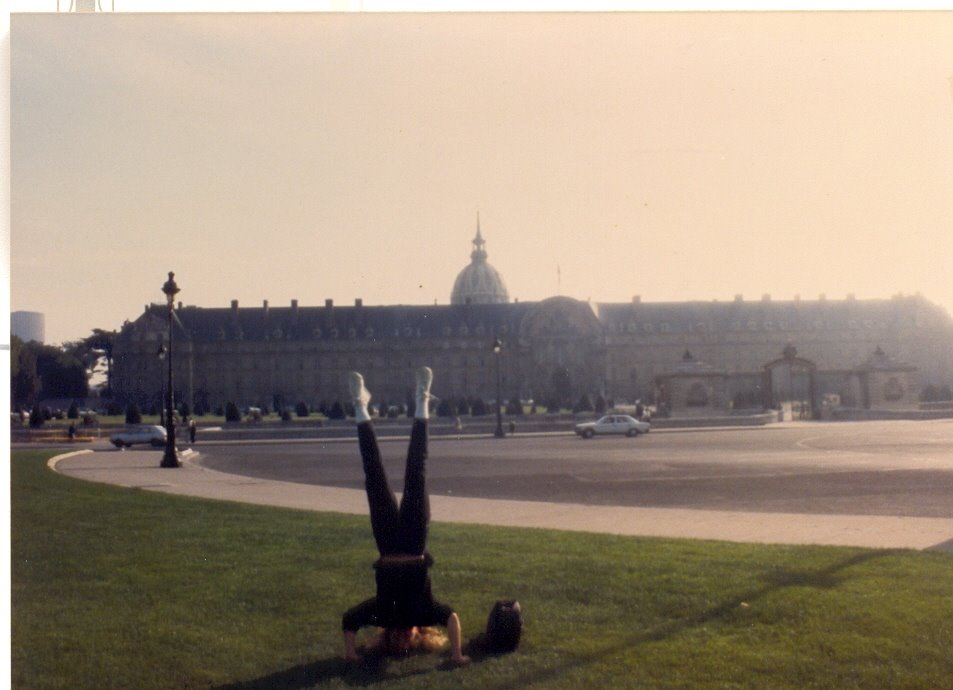
I once stood on my head at Les Invalides, the place in Paris where Napoleon is entombed.
I interviewed Michael Jordan in the Bulls locker room for a story about “hang time.”
I was invited to a party on the royal yacht Britannia where Queen Elizabeth asked me what I did for a living.
Telly Savalas let me lick his lollipop.
Now, we writers are born liars. We have to be to create fiction. And the better we are at lying, the better our books tend to be. Okay, let’s elevate the conversation and call it “suspension of disbelief” instead of lying. We hear that phrase all the time, here at The Kill Zone, in reviews, and on panels at writers conferences. But what does “suspension of disbelief” really mean?
All fiction requires some suspension of disbelief, right from the get-go. We crack open a novel knowing what we are about to read is not really true. We strike a bargain of sorts with the author — we are willing to believe his story’s premise before we read even the first word. But that is a mere promise. The hard part for us, the writers, comes in maintaining that suspension of disbelief over the course of an entire story.
If you’re writing fantasy, horror, or science fiction, “suspension of disbelief” is a basic ingredient of the craft stew. In these unreal worlds, vampires fall in love, Harry Potter breaks the laws of physics and Virgin Air has daily flights through wormholes to Vega. That’s cool because these worlds are meant to be very different from our own. But what about the “real worlds” of crime fiction? What lies can we get away with in our quest for dramatic impact?
Time out for the answers to my true lies:
True, I was in The Nutcracker at age 47. I was only in Act I but when it was over, I wanted to do it all over again. The experience gave me a taste of the narcotic all performers feel.
True. Here’s the picture at left to prove it.
True, I interviewed Michael Jordan. It was on the occasion of Jordan’s comeback (first or second one, I can’t recall). Most the Bulls were nekkid or almost so. Mike was resplendent in a white suit. He was holding court surrounded by sycophantic sportswriters who all tried to elbow me aside. I was the ballet critic and talked to Jordan about the similarities between hang time and ballone (how dancers seem to float in the air). Jordan was fascinated by this but wasn’t happy when I told him Spud Webb was recorded by a physics professor as having the longest hang time in the NBA.
True. I was sent by my newspaper to cover the opening of the Bahamian parliament in 1977 and got to meet Her Majesty on the yacht. Liz did, indeed, ask me what I did for a living. I don’t remember what I said because I was absolutely impaled by her icy blue eyes. For the record, Liz is even shorter than I am. But her husband Phil was very tall, very gregarious, and had a little too much to drink.
Not true. I did get to interview Savalas. He gave me a big hug but did not let me lick his lolly.
Back to the issue at hand. Now, I can’t talk too authoritatively about fantasy, sci-fi or horror because I am not well-read in those genres. But I’ve read hundreds of crime books (and written a few), and I think some writers of crime fiction think “suspension of disbelief” gives them license to write whatever they want — damn reality or fact.
Which is a lie.
Crime fiction, in its way, is harder to write than sci-fi or fantasy when it comes to how much we can lie. That’s because while we crime writers are tethered to the realities of police protocol, forensics, legal procedures, we have to bend these truths in service of good plotting and dramatic tension.
I once heard a famous crime writer guy on a panel say that all crime fiction had to have verisimilitude. I used to think that was just a ten-dollar word for truth. But then I realized what he was talking about was not truth, but a conjured version of it.
Definition: Verisimilitude /ˌvɛrɪsɪˈmɪlɪtjuːd/ is the “life-likeness” or believability of a work of fiction. The word comes from Latin: verum meaning truth and similis meaning similar.
Verisimilitude is not truth. Verisimilitude is the “similar” to “truth.” So the our goal as crime writers should be creating a credibility that reflects the realism of human life. It’s as if, when we create our fictional crime worlds, we are asking our readers to view them through a mirror…not directly on, but by a reflection, slightly altered for dramatic effect.
So why do some crime books feel so wrong? Why do some characters feel so false? When does good suspension of disbelief slide into the muck of lazy writing? Here are some ways I think this happens. (You guys please add your own!)
Characters do outrageous things. Yes, a character can go rogue or surprise. But their actions must arise from the realities of their nature as you have laid them out. Have you ever read a scene and you find yourself shaking your head and saying, “I just don’t believe the hero would do this.” That’s the writer not laying down the psychological foundation for the character to act a certain way.
Characters do stupid things. Yes, it’s good to have your hero go mano-a-mano with the bad guy in the climax, but you have to set it up. I read a thriller a while back where the female detective, fresh off a hot date, goes up into a creepy old house after a serial killer — in her heels and without a gun. This is a variation of the dumb-blonde-goes-into-the basement thing.
But…but…Clarice Starling went down into the basement after Jame Gumm! Yeah, but Thomas Harris set it up brilliantly by having her show up at the wrong house and then, when she realizes the killer is there, she goes into the basement after him because she knows Kathryn is still alive and the clock is ticking. (Harris establishes this by telling us Buffalo Bill keeps his victims alive so he can starve them and loosen their skin).
Don’t put your protag in peril by making them stupid or inept. Do it by creating a crafty set-up. Shape the action leading up to your end-game situations so your confrontation is believable enough for reader to buy into.
Dumb police procedure, legal things, and forensics. You have to be in the ballpark with this stuff. In real life, cases drag on forever, test results take weeks to come back from the lab, court cases drone on without Perry Mason moments. But that is boring in books. So we writers have to condense time, inflate authority, cross boundaries, and yes, even make some stuff up — yet still make it feel true. This is not easy. It helps if you have some experts to fall back on. I’ve called on attorney friends for legal questions, on Dr. Doug Lyle to help me fudge forensics, and I have a retired state police captain on speed dial who keeps me honest but appreciates the fact I have to bend the truth for drama.
One of my favorite crime novelists, Val McDermid, has written two terrific non-fiction books on forensics. She has this to say on the subject: “By and large, I try to be pretty accurate in how I write about the science. But sometimes you do need to make changes for dramatic necessity – for instance, squeezing a test that would take three weeks into two days. That’s the area where we mostly fall down – compressing time frames.” Click here to read more.
Getting the police stuff right is really important to me. My favorite crime movie is Zodiac, the fictionalized story of the real Zodiac killer who terrorized northern California for a decade. The movie shows the drudgery, time-dragging reality, and soul-destroying futility of police work, yet remains dramatically riveting. And the case never got solved.
I can get anal about cop details. I’m writing a chapter this week where Louis is tracing the steps of a suspect that leads him to an apartment where he sees — surprise! — a crime scene premises seal on the door. Louis learns from the owner that a woman was murdered inside a week ago. The local cops have cleared the scene. Can Louis go inside? Can he seize evidence that he thinks is relevant to the OTHER case he is pursuing? I emailed my police captain, laying out this scenario. He wrote back (in part!):
“The Fourth Amendment only protects the “person’s” right from governmental action – the illegal search and seizure. Louis is “government” but the person whose rights might be violated is no longer a person — she is dead — so Louis could go in and seize her property and because she is not around to be prosecuted for the “evidence” he may seize then it is not a Fourth Amendment issue. Second, the owner has permission and the right to enter the apartment so if Louis asks and the owner gives permission for Louis to enter with him then he has the right to be there. Once there anything that he sees in plain sight that he thinks is evidence he could seize.”
Problem solved. Louis gets in, finds what he needs, plot moves forward. In reality, things would play out differently, my police captain said. But with this, I am in the ballpark of suspended disbelief.
Lost and Befuddled Amateurs. So what if your protagonist is not a cop or detective? What if they have no logical reason to get involved with the crime? This is a tough one, and one reason we get so many protags who are lawyers and journalists, as these jobs can dovetail with the crime world. Now, if you wrote cozies, your readers allow for a suspension of disbelief by default, buying into the idea of the civilian-savior. But you still have to set things up so the protag isn’t just an idle observer (yawn) but an active participant (Yay!).
I have been working with a writer through Mystery Writers of America’s mentoring program. Her book features an engaging protag who works in a florist shop. While delivering flowers to a rich matron, the protag finds her dead body in the foyer. Cops are called, of course, but the writer had a problem: She couldn’t justify a flower shop employee having access to the case — or even a reason to solve it. The scenes weren’t believable because the cops would never let a civilian on scene let alone into the case. But through tough rewriting and hard rethinking of her protag’s motivations, the writer solved the problem by making the protag a disgraced journalist who is desperate to clear her reputation.
She’s learned the lesson. Yes, you can lie. But it better ring true.
Someone once asked: “I’ve heard writers talk of being ‘in the zone’ regarding their writing, which I take to mean being in an altered state of extreme creativity. But how, without drugs or other stimulus, do they get into that state?”
In fact, we hear the term in the zone used often, not only with writers, but athletes, artists, and just about any activity that requires skill, creativity and especially concentration.
So what is “the zone” and how do we enter it? Why is it so hard to remain there for extended periods of time?
Being in the zone can last for a few minutes, a couple of hours or a whole day. For those that never seem to enter the zone, it might be because they try too hard to do so. Sort of like when we stop trying to solve a problem, the solution suddenly comes to us through our subconscious—what Jim Bell calls the boys in the basement.
Let’s try to define what being in the zone means, especially when it relates to writing. For me, it’s a mental state where time seems to disappear and my productivity greatly exceeds normal output. It might start after I’ve finished lunch and sat down at my PC to work on a new chapter. Without any feeling of the passage of time, I suddenly realize a couple of hours have gone by and I’ve produced 1000 words or more. I don’t remember the passage of time or anything that deals with my surroundings. I only remember “living” or becoming immersed in the story’s moment, having the words flow from a deeper source, and “awakening” from the writing zone as if only a few moments have passed.
I’ve never been hypnotized, but I can assume that being in the zone is somewhat like self-hypnosis. My body remains in the here-and-now, but my creative senses somehow find a hidden room inside my mind, a place normally under lock and key. And I’m able to enter it for a short time to let what’s there emerge into the light of day.
It can also feel like driving down the Interstate on a long trip deep in thought and suddenly realize I can’t remember the past few miles.
I’ve also never been athletic, but I bet it’s a similar scenario: a pro golfer is able to tune out the surrounding crowd of tournament spectators, the dozens of network cameras, the worldwide audience, the cheers from the distant gallery as his opponents make a great putt, and he’s able to enter a place where only his game stretches out before him. The rest slips by in a blur. Personal mind control.
So what is a good method for getting into the zone? Some writers use the “running start” technique by reading the previous day’s work or chapter. It gets them back into the story and hopefully the new words start to flow.
Others listen to music. This is something I often do. Nothing with lyrics, though. I listen to movie scores or piano and guitar solos. I find that it can help set a mood or become background “white noise” that blocks out other audible distractions. That’s because, for me, the biggest obstacle is distractions. It’s important to reduce interruptions and distractions by creating an environment where they are minimized. This means shutting my home office door, closing the drapes on the windows, unplugging the phone, disconnecting Internet access, and most of all, choosing a time to write when those things can be fully managed. Doing away with distractions is no guarantee that I will enter the zone at will, but it does give me a fighting chance to at least knock on the door to one of those dark, hidden rooms upstairs and let my story flow out.
So, my fellow zoners, have you ever entered the zone? Do you have a secret method that you’ll share with us?
First rule: Do not use semicolons. They are transvestite hermaphrodites representing absolutely nothing. All they do is show you’ve been to college. ― Kurt Vonnegut
I had been storing this blog to run around Thanksgiving, but John D. MacDonald forced my hand this week, so I’m posting early. I want to take a moment to acknowledge the books and thank the authors who have helped me along the way.
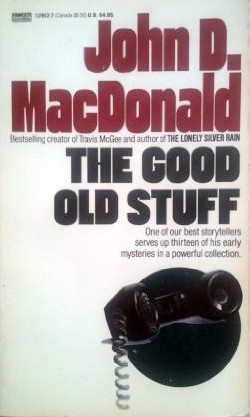
Recently, I was asked by a writer friend Don Bruns to contribute to an ongoing series that has been running in the Sarasota Herald-Tribune called “John D and Me.” Cool beans, I thought, since other contributors included Stephen King, Lee Child, Dennis Lehane, Heather Graham, JA Jance, David Morrell…the list went on and on. Click here to read my article. Don’t worry…it’s short. I chose to write about MacDonald’s short stories because, truth be told, I hadn’t read many of the guy’s novels back then. But I had found a yellowed dog-earred copy of his short story collection The Good Old Stuff in a used book store, and at that time, I was struggling mightily to write my first short story.
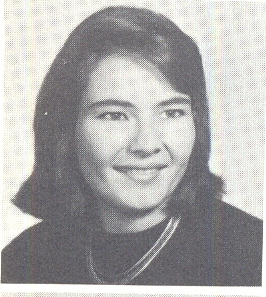
Actually, it wasn’t my first. My first short story was way back in eighth grade. I was an inattentive student, but I had a lovely teacher Miss Gentry, who made us write a short story. The only touchstones in my little life at that point were The Beatles and my only dream was to run away to London. So I wrote about a lonely cockney boy who painted magic pictures. It was called “The Transformation of Robbie.” I got an A on it.
Miss Gentry
After class, Miss Gentry pulled me aside and said, “you should be a writer.” Twenty-five years later, I dedicated a book to her.
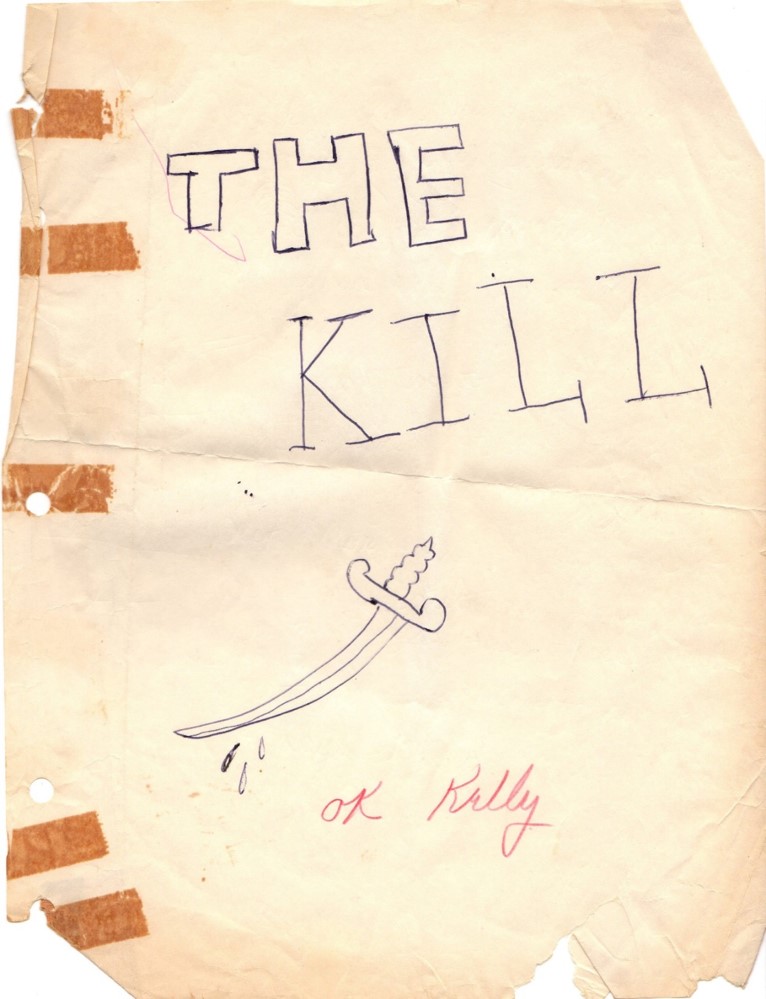
It should be noted that my sister and future co-author Kelly was also churning out short stories in those days. Her most notable effort was called “The Kill.” It was about a serial killer who knocks off The Beatles, one by one. We joke now that nothing much has changed: She still likes to write the gory scenes, I like doing the psychological stuff. I don’t have my early efforts, but she kept hers – see photo below right for the stunning cover she designed at age 11.
Fast forward to 2005. I am trying to write a story for the Mystery Writers of America’s anthology, edited by Harlan Coben. In addition to the big-name writers the editor invites, the anthology holds out 10 spots for blind submissions from any MWA member. I had a good idea for my story and four published mysteries under my belt. But I couldn’t get a bead on the short story’s special formula. What came so easy at age 14 wasn’t coming so easy at age 54.
So I cracked open The Good Old Stuff. Maybe it was because I had been reading Cheever and Chandler and was getting intimidated. But MacDonald made it look effortless. His stories, culled from his pulp magazine career, had an ease and breeze as fresh as the ocean winds. I realized I had been fighting an undertow of expectations, so I flipped over on my back and floated. The words flowed, the story formed. My first adult short story, “One Shot” got picked for MWA’s anthology Death Do Us Part. It was the second proudest moment of my writing life, right after Miss Gentry’s A.
Writing about MacDonald this month got me thinking about the debts I owed to other writers. Here are a couple I should thank:
E.B. White.Charlotte’s Web remains my favorite book of all time. I love it as pure story, but it taught me a very valuable lesson that all novelists should take to heart: Sometimes, you just have to kill off a sympathetic character.
Joyce Carol Oates. Lots of lessons from this woman about productivity and having the courage to write outside the boundaries of whatever box they try to put you in. But one book of hers had a huge impact on me — Because It Is Bitter and Because It Is My Heart. From this murky violent story of murder and race, I learned about the power of ambiguity, about the need to leave room in a story for the reader’s imagination to breath, to resist the urge to tie everything up in a neat bow. Also, she just makes me want to write with more metaphoric power. Check out her opening paragraph:
“Little Red” Garlock, sixteen years old, skull smashed soft as a rotted pumpkin and body dumped into the Cassadaga River near the foot of Pitt Street, must not have sunk as he’d been intended to sink, or floated as far. As the morning mist begins to lift form the river a solitary fisherman sights him, or the body he has become, trapped and bobbing frantically in pilings about thirty feet offshore. It’s the buglelike cries of the gulls that alert the fisherman – gulls with wide gunmetal-gray wings, dazzling snowy heads and tails feathers, dangling pink legs like something incompletely hatched. The kind you think might be a beautiful bird until you get up close.
Cormac McCarthy’s The Road. I still think about this story years after I read it. From it, I learned about spare writing and especially the power of one indelible image. Michael Connelly talks about this, too, about how one gesture, word or image can have so much more impact than an avalanche of description. Connelly talks about how he wrote about a cop who seemed the paragon of cool, how nothing about the horrors of his job seemed to bother him. Except for one telling detail – the stems of his glasses were chewed down to the nubs. In The Road, the image I can’t get out of my head, the one thing that stands in my mind as the symbol of post-apocalyptic survival, is canned peaches.
In the story, a man and the boy discover a cache of supplies in an abandoned farmhouse. Among them is canned peaches. Yes, it’s a delicacy in a time of starvation, but McCarthy also uses it as a symbol marking the split in the world between the fruit-eating “good guys” and the cannibalistic “bad guys.” Here’s an exchange between man and boy:
He pulled one of the boxes down and clawed it open and held up a can of peaches. “It’s here because someone thought it might be needed.” “But they didn’t get to use it.” “No. They didn’t.” “They died.” “Yes.” “Is it okay for us to take it?” “Yes. It is. They would want us to. Just like we would want them to.” “They were the good guys?” “Yes. They were.” “Like us.” “Like us. Yes.” “So it’s okay.” “Yes. It’s okay.” They ate a can of peaches. They licked the spoons and tipped the bowls and drank the rich sweet syrup.
I can’t eat canned peaches anymore because of this. I want to cry just thinking about.
Neil Gaiman. When I was working on our latest book She’s Not There, I needed to find just the right children’s book that resonated with my adult heroine. It was happenstance that I found Gaiman’s The Graveyard Book. It follows the adventures of a boy named Bod after his family is murdered and he is left to be brought up by a graveyard. Which metaphorically is what happened to my heroine. I just started Gaiman’s The Ocean at the End of the Lane, which, like my own book, is about the fragility of memory. I think what I am learning from Gaiman is the need to be original, to not follow the pack, to be true to yourself as a writer. He sums it up in this quote:
Start telling the stories that only you can tell, because there’ll always be better writers than you and there’ll always be smarter writers than you. There will always be people who are much better at doing this or doing that – but you are the only you.
David Morrell. Several years ago, David was the guest of honor at our writers conference SleuthFest here in Florida. This talented teacher, prolific writer, and editor of the anthology Thrillers: 100 Must Reads, and creator of Rambo no less, had tons of great advice. But here is the single line that impacted me as a writer.
Find out what you’re most afraid of, and that will be your subject for your life or until your fear changes.
David credits this lesson to another writer Phillip Klass (pen name William Tenn) who told David that all the great writers have a distinct subject matter, a particular approach, that sets them apart from everyone else. The mere mention of their names, Faulkner, for example, or Edith Wharton, conjures themes, settings, methods, tones, and attitudes that are unique to them. How did they get to be so distinctive? By responding to who they were and the forces that made them that way. And all writers are haunted by secrets they need to tell. David talks about this in his book The Successful Novelist: A Lifetime of Lessons about Writing and Publishing. Click Here to read the first chapter.
And last but not least…
Unamed Romance Novel. I read this eons ago as part of my education back in the days when I thought I was going to make a million bucks writing for Harlequin. This novel (I won’t use the title here) taught me perhaps the most valuable lesson of all, one that every writer – published or un – should take to heart. Here is the line from the book that did it:
She sat on the sand on Miami Beach and watched the sun sink slowly into the ocean in a blaze of orange and pink.
When I read that line, I threw the book across the room. But then I picked the book up and put it on my shelf, where it still sits today. (Well, on my bathroom shelf). Because this book taught me that no matter how brilliant your metaphors, how original your story, how beguiling your prose, how deep your unexplored fears, if you have the sun setting in the east, nothing else is gonna work.
So who were your teachers, what were their books, and what did you learn?
Today I welcome back to TKZ my friend and fellow ITW member, Lisa Black. I’ve asked Lisa to share her writing techniques with us. Enjoy! – Joe Moore
————————————–
I don’t know why we never get tired of hearing about another author’s writing habits, whether we’re looking for that one trick that will make our lives so much easier, or if it’s the voyeuristic thrill of seeing how someone else washes their dishes or packs their suitcase (“You do what? Seriously?”)
At any rate, here is mine:
I am a plotter, not a pantser, so before I start writing at all I have to know how the book begins, how it ends, and the major incidents which will take place. These points begin as amorphous thoughts rattling around in my skull for a day or a few years or a lifetime. I write a series, thus my character tends to be the same—a female forensic scientist in Cleveland, Ohio—so the rest of the book might stem from a new character, a puzzle, an incident or, in one case, simply a snarky comment I wanted my character to make. Most often I start with a building, something visual and brooding and a little intimidating—a skyscraper under construction, a wind-swept observation deck, the opulent and historic Federal Reserve building.
Then a theme: what am I going to be talking about? What new world is my character going to explore? I’ll research, looking for ideas, and come up with things I want to have happen. Then I have to think of links that tie those things together, what carries my character from one to the next.
Eventually I’ll have enough for an outline. It won’t look like an outline, more like a freestyle poem.
This happens Then this happens Then this happens and my heroine really doesn’t like it Then this happens Etc.
And penciled in between the second and third line will be scribbled addendums such as “oh wait, this happens too.”
Then I’m ready to start writing.
I have always been obsessed with word count, so I set a daily goal—whatever works for you, whether it’s 100 words or 3,000. You’ll feel a sense of accomplishment each day without overtaxing yourself. I’ve done 1,000 words/day, 2,000 words/day 5 days/week, lately I’ve been doing 1000 words/day on the days I work and 2,000 words/day on the days I don’t. I used to write the total down every day so I knew how far I had to write the next day, but for the past few books I’ve made it easy on myself and kept it at a round number. If I write extra on one day, that’s a few less words I have to write on the next. I don’t rewrite until I’m completely done, except for minor fixes or things that I’m afraid I won’t remember if I don’t do them right away. Then I keep going until I have a full length completed first draft, minus vacations and major holidays…I’m not a total slave driver.
(I never take writing on vacation with me. I won’t want to do it, won’t do it, and then feel guilty all week because I’m not doing it. If I don’t take it along, conflict resolved.)
A schedule may not work for you, but unless your system totally rebels, I strongly suggest it. The most important factor is that writing becomes, like death, taxes and aerobics class, not optional. There are authors who write when inspiration strikes, who will then hole themselves up in their room and write for 16 hour days, but they seem to be the minority.
Since I started out writing at (she whispered) work, I’m not fussy about where or when I write. I prefer to write at home when my husband is at work and the house is quiet, but the disadvantage to writing at home is that there are so many opportunities for procrastination—laundry, bill paying, the newspaper, chocolate…. Sometimes it’s better to have laptop and will travel. I have written in restaurants, witness waiting rooms at the courthouse, next to a sleeping hospice patient while the caregiver gets a few hours off, and, of course (she whispered) at work.
When I finish the first draft, I take myself out to lunch and take a few days off before starting the second draft. According to industry wisdom I should put it in a drawer for six months and then rewrite, but who has that kind of time? When that is done I’ll send it to my sisters to read, and then do a third draft before sending it to my agent and biting my nails lest she say “This stinks. Throw it out and write something else.” Which has happened.
By this point I’m sick to death of the thing and never want to see it again, but have to deal with whatever changes my agent suggests, and then, when I’m really sick of it and provided she doesn’t say ‘throw it out’, I go through the same kind of round with my editor.
When I’m not writing a book, I don’t write—other than personal letters, which I send out constantly and obsessively (my friends and relatives know much more about the minutia of my life than they care to). I don’t write short stories or blog posts or novellas. I wish I did, but my brain just doesn’t work like that. At this moment I haven’t written a thing in nine months and it’s starting to freak me out.
That’s my system. It seems to work for me. If it sounds great to you feel free to adopt it. If it sounds bizarre than keep doing whatever you’re doing. There are as many different writing styles as there are writers.
And that’s a good thing.
Please share your writing method with us.
Lisa Black has spent over 20 years in forensic science, first at the coroner’s office in Cleveland Ohio and now as a certified latent print examiner and CSI at a Florida police dept. Her books have been translated into 6 languages, one reached the NYT Bestseller’s List and one has been optioned for film and a possible TV series.
I just got back from London late last week, and, as always, I loved exploring the city and discovering hidden gems – places or items that I find provide unexpected insight or inspiration for my writing. That’s partly why I love traveling for research as well as fun (book research is, after all, always fun for me!) – I get to immerse myself for a brief time in the sights and smells of a place I hope to bring to life in my books. This time, I had no specific research needs and was busy showing my mother-in-law the sights, but nonetheless those hidden gems were still there to be discovered.
The first of these came on our trip to Kew Gardens when we discovered Kew Palace (which hitherto I hadn’t visited). Inside I discovered a little Georgian gem which unexpectedly fed into my current middle grade WIP. There was a hidden staircase for the servants to enter and leave rooms without bothering their occupants, mourning heraldry to be displayed in the event of a death in the family and a meal laid out representing one of the last meals George III ate (I always love learning more about food!). There was also a wonderful physic garden with some interesting medicinal herbs that I will be able to incorporate into the book as well.
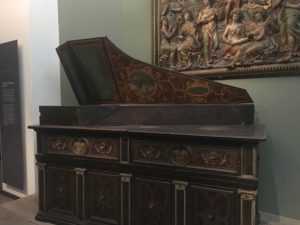
The next few gems were found during a visit to the lovely V&A museum when I discovered an illustrated herbal book that had been digitized and open to the very herb I was using in another WIP of mine (references to which are found in Greek mythology). I then also discovered an instrument called a claviorgan decorated with the story of Orpheus – an instrument that could slip in nicely to a chapter in this same WIP. I was probably way too excited about these two finds that any normal tourist would be!
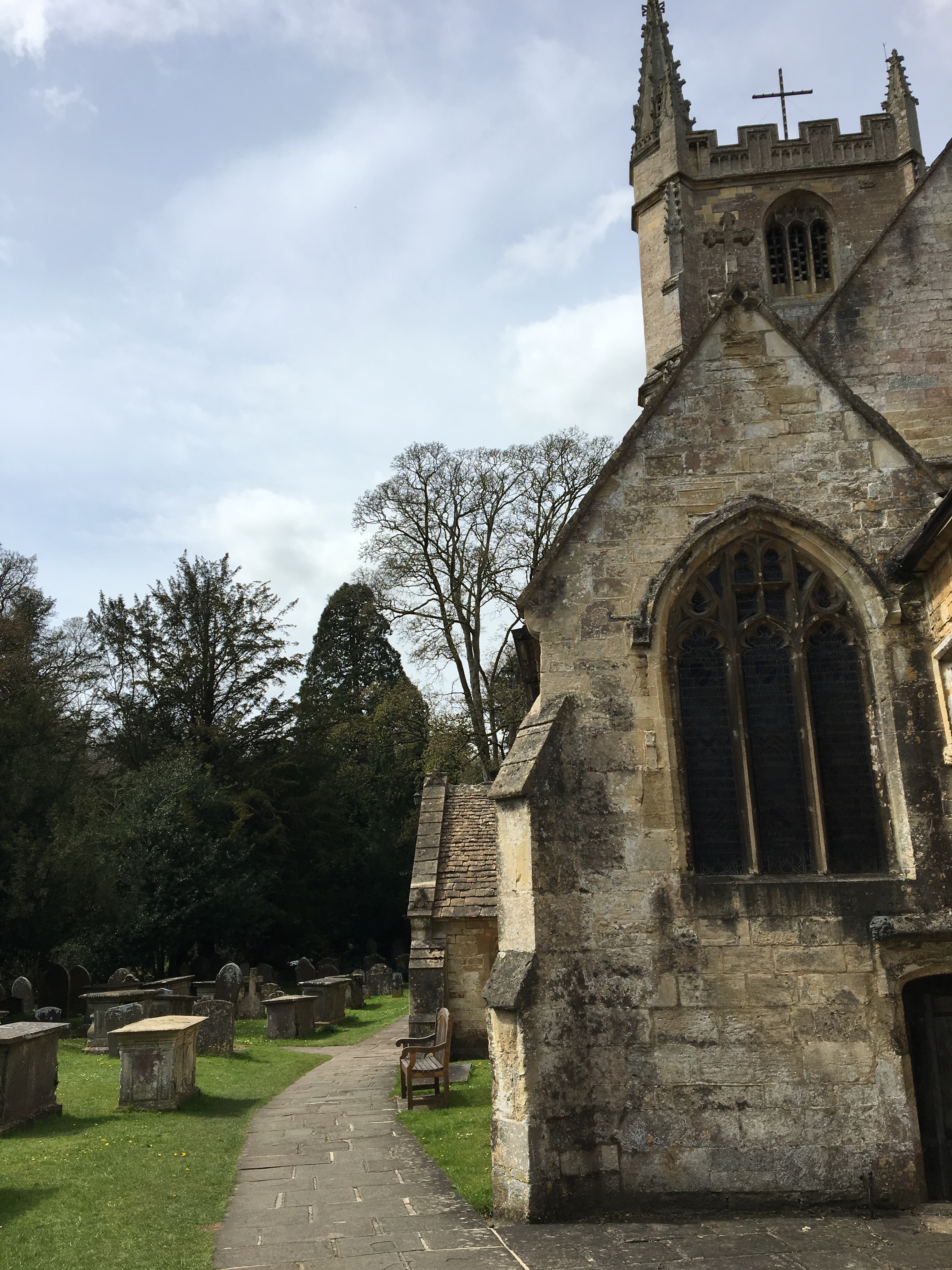
By the time we travelled to Bath I was ready for the next few gems, including a reference to a potential character in the Bath abbey and a visit to a charming town in the Cotswolds that had a small medieval church and graveyard that could totally be used in a future book.
You can obviously tell how much I love deriving inspiration from places I’ve been and the hidden gems I discover are always unexpected and exciting. Sometimes they even spark brand new novel ideas (now just to find the time to write them…).
So TKZers what hidden gems have you discovered on your travels that helped inspire your work?

 For a limited time, download THE TOMB, #3 in the Maxine Decker thriller series for only 99¢.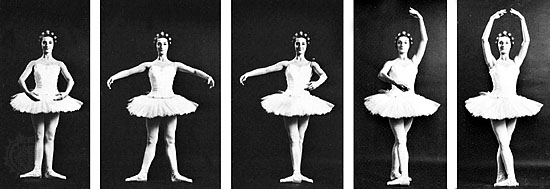





 By the time we travelled to Bath I was ready for the next few gems, including a reference to a potential character in the Bath abbey and a visit to a charming town in the Cotswolds that had a small medieval church and graveyard that could totally be used in a future book.