From Wikimedia Commons
Have you ever noticed that as a writer, you rarely can sit back and simply enjoy watching a TV show or a movie without thinking about plot or character development or pace? As authors, we “see” how the writers disguise plot twists or change direction. We may see behind the curtain of the Wizard of Oz, but on those rare occasions when you can forget you’re a writer and utterly enjoy the show, that’s when you truly are watching something special.
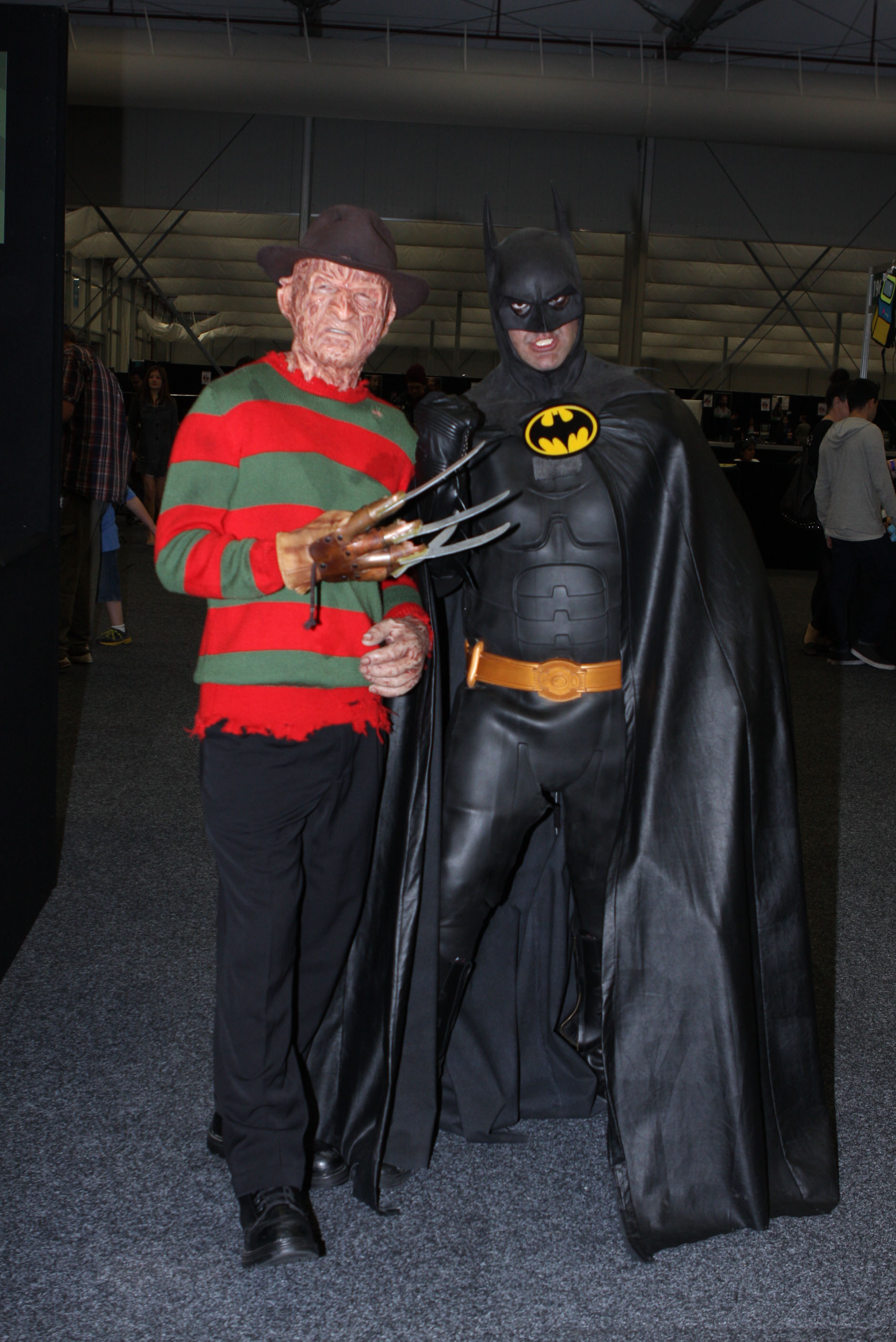
So the next time you watch a memorable movie or TV show, observe the traits of the main characters, the ones you can’t take your eyes off of. What makes them unforgettable? For most of us, it’s not the high-octane action that sticks in our heads. It’s usually what makes that character human, something we can relate to.
Here are some ways to make your characters memorable:
1. Add Depth to Each Character—Give them a journey
• With any journey comes baggage. Be generous. Load on the baggage. Give them a weakness that they’ll have to face head-on by the climax of the book.
• Make them vulnerable by giving them an Achilles Heel. Even the darkest street thug or a fearless young girl with magical powers should have a weakness that may get them killed and certainly makes them more human.
• Whether you are writing one book or a series, have a story arc for your character’s journey that spans the series. Will they find peace or love, or some version of a normal life? Will they let someone else into their lives or will they be content to live alone? Will a villain have a chance at redemption? Do what makes sense for your character, but realize that their emotional issues will cloud their judgment and affect how they deal with confrontations. By the end of a book, they should learn something.
2. Use Character Flaws as Handicaps
• Challenge yourself as an author by picking flaws that will make your character stand out and that aren’t easy to write about. Sometimes that means you have to dig deep in your own head to imagine things you don’t want to think about, but tap into your empathy for another human being. You might surprise yourself.
• Stay true to the flaws and biases you give your characters. Don’t present them to the reader then have the actions of the character contradict those handicaps. Be consistent. If they have strong enough issues, these won’t be fixed by the end of the book. Find a way to deal with them.
3. Clichéd Characters can be Fixed
• If you have a clichéd character, you may not need to rewrite your whole story. Try infusing a weird hobby or layer in a unique trait/quality that will set them apart. Maybe the computer nerd writes porn scripts for a local indie film company or the jock writes a secret blog under a girl’s name giving advice to teens on love and romance for the local paper. When that hobby is surprising and unexpected, that’s what will shine about the character and that’s what editors will remember.
4. Create A Divergent Cast of Characters
• Portray your characters in varying degrees of redemption—from the innocent to the “totally vile” characters.
• As in real life, not everyone is good or bad. They are a mix of both.
• Sometimes it’s great to show contrast between your characters by making them do comparable things. How does one character handle his or her love life versus another character?
5. Flesh Out your Villains or Antagonists
• Villains or antagonists are the heroes to their own stories—Spend time getting to know them.
• Give them goals.
• Give them a chance at redemption—will they take it?
• Give them a unique sense of humor or dare to endear them to your reader.
• The better and more diabolical they are, the more the reader will fear for the safety or well-being of your protagonist.
At the end of a TV show or a movie or your next book, characters that linger in your head are a gift that can help your writing. Examine what works in movies or TV shows as an exercise to tapping into your own creativity.
For Discussion:
1.) Do you have any personal tips for making your characters memorable?
2.) What characters have you been drawn to and find hard to forget – in TV movies, or books? Why have they stuck with you?