New Outlets for Creativity

New Outlets for Creativity
Terry Odell

Decades ago, I was a photography hobbyist. Long enough ago so I was shooting black-and-white film and processing in my home darkroom.

Fast forward a slew of decades, and I’m getting back into it. Still at a hobbyist level, but as I said on my own blog last week, having more than one creative outlet can help deal with any frustrations in your primary field. People come to TKZ to talk about writing, so we all have that in common, but many of us have other channels we can turn to as well.

Given my books often include some aspect of photography, be it the kind of camera my covert ops agent is using for surveillance, or a character looking to become a professional photographer, I’ve enjoyed expanding on simple research and moving more into the hands-on. The more I know, the more my characters know. If the research satisfies an underlying need, so much the better. Right now, I’d say my skills lie somewhere between Kiera in In the Crosshairs and Belinda in Cruising Undercover.

I might know something about photography but it’s new all over again. Cameras bear only a vague resemblance to the ones I learned on, just as word processors or writing software bear only a vague resemblance to the Underwood and Remington uprights I learned to type on.

My son’s business includes photo trips where he takes clients to a variety of locations, both domestic and international, and leads them in picture-taking. I’ve been on several with him (as a paying client, no “mom” favors), including Alaska, the Caribbean, the Galapagos, and Croatia, and most recently, Santa Fe and Taos, New Mexico. Getting away from home, seeing new sights can add depth to characters and settings.

I’m the newbie in the workshop group on this trip. My little camera might have felt inferior next to all the big fancy ones with multiple lenses. (Okay, I own other lenses, but the advice I got was that a 14-150 zoom would cover virtually every shooting situation, so that’s the only one I carried.)

Listening to the others on this tour is like hearing a new language. Everyone else is fluent, yet they’re all here to expand their “vocabularies”. For one—not a newbie by far—it was simply pointing out a better way to hold his camera. Nobody had ever told him that before. Another learned about long exposures for clouds. And one member is interested in mystery writing, so we were able to compare places we lacked significant knowledge, but had significant interest.

For me, it’s almost all new. They’re talking about swipes, zoom blurs, multiple exposures, blue hour shots—and I’m hoping my settings are close to correct, period. Histograms? I’m supposed to look at them? What are they supposed to look like? All I see is something interfering with the image.

But that’s the point of the workshop. To have people show you (often more than once) better or different ways to do things. We were shooting in areas that almost always required moving in close for detail shots. The overwhelming amount of “stuff” made it impossible to capture everything in a single shot, so zooming in on details was the way to get better pictures. As it compares to writing–we’re always learning new skills, improving the craft.

How many times have we read passages from books and said, “Damn, I wish I could do that?” With my photography, I don’t compare my work to that of the experts, but I can look at what I create and try to make it better. Just as everyone’s voice in writing means 7 people can be given the same story prompt and no two will be alike, 7 photographers can shoot the same subject, and every image will be different.

On Monday, Kay talked about words and pictures. As the final activity in our workshop, each of us was to share three images for discussion. Photographers notice things non-photographers don’t. They point out little details that add or detract to the picture–things most of us wouldn’t notice. Kind of the way writers notice things like POV issues, descriptions, overused words, etc. One group member talked (and talked) about the emotions he was trying to convey in each of his shots. Did I get the same feelings? Not really.

Several in the group chose pictures of a very old cemetery taken at the Taos Pueblo. Each had a different approach. Different angles, and different renderings–one in black and white. Instructors made comments about things like leading lines, rule of thirds, toning down or playing up shadows.

One group member was from the east coast and had never experienced anything like what she was seeing in New Mexico, and she focused on details that spoke to her. She liked the shapes and colors of things.

No matter where you are, looking at everything around you as a writer provides story and character fodder as well as a photographic image. Driving down the highway and seeing articles of clothing strewn about triggers story ideas. Is there a body somewhere?

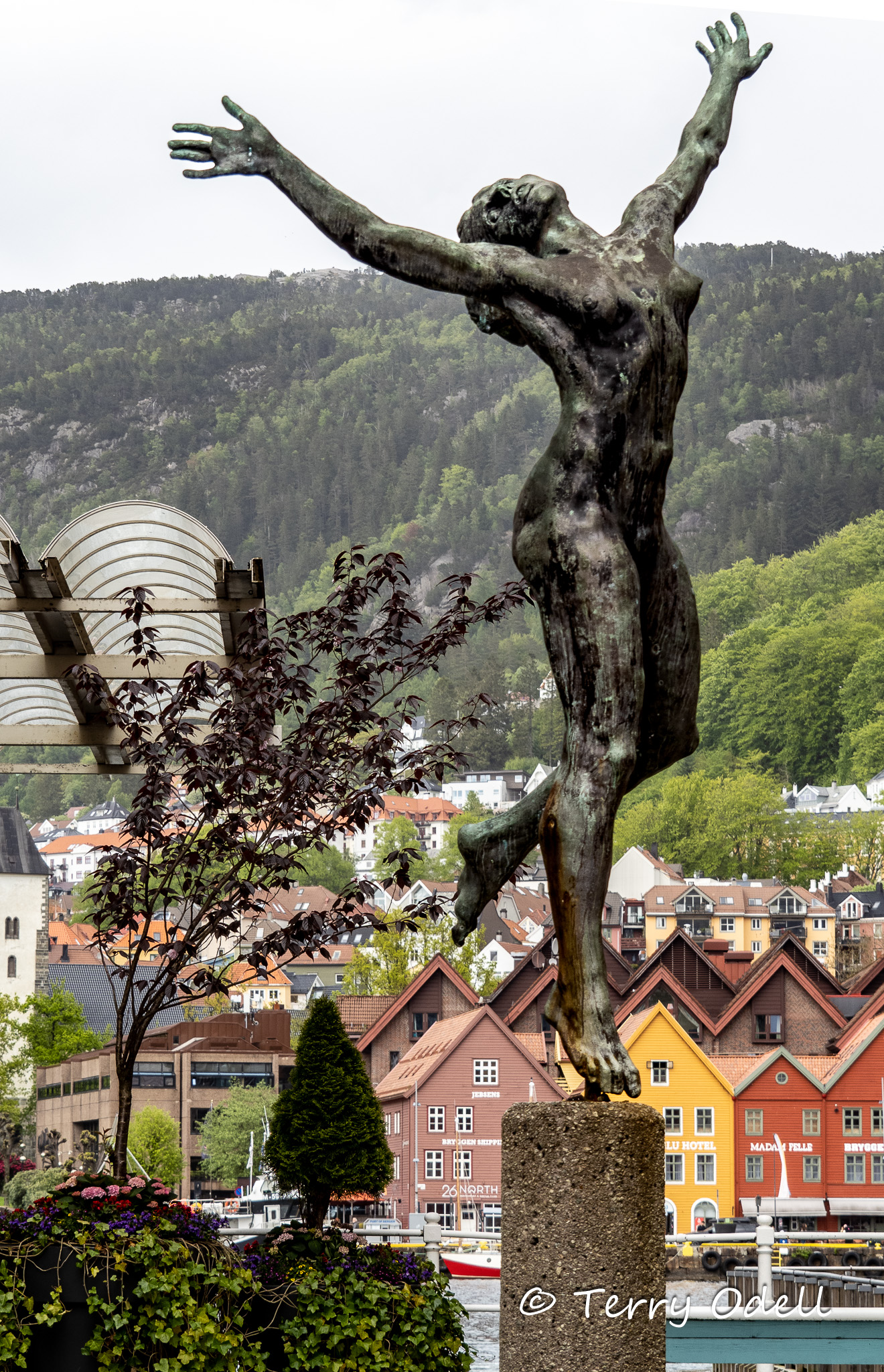
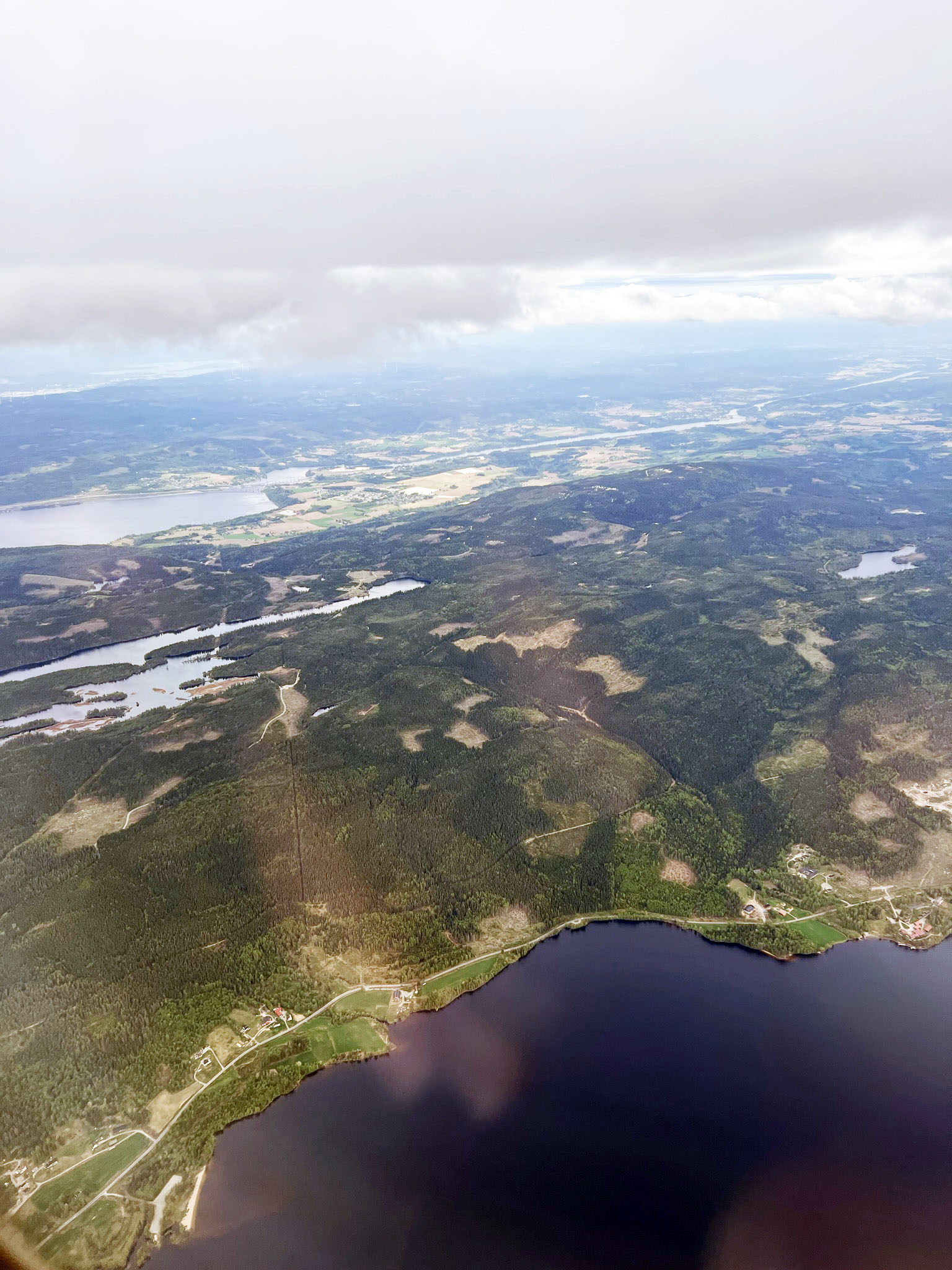
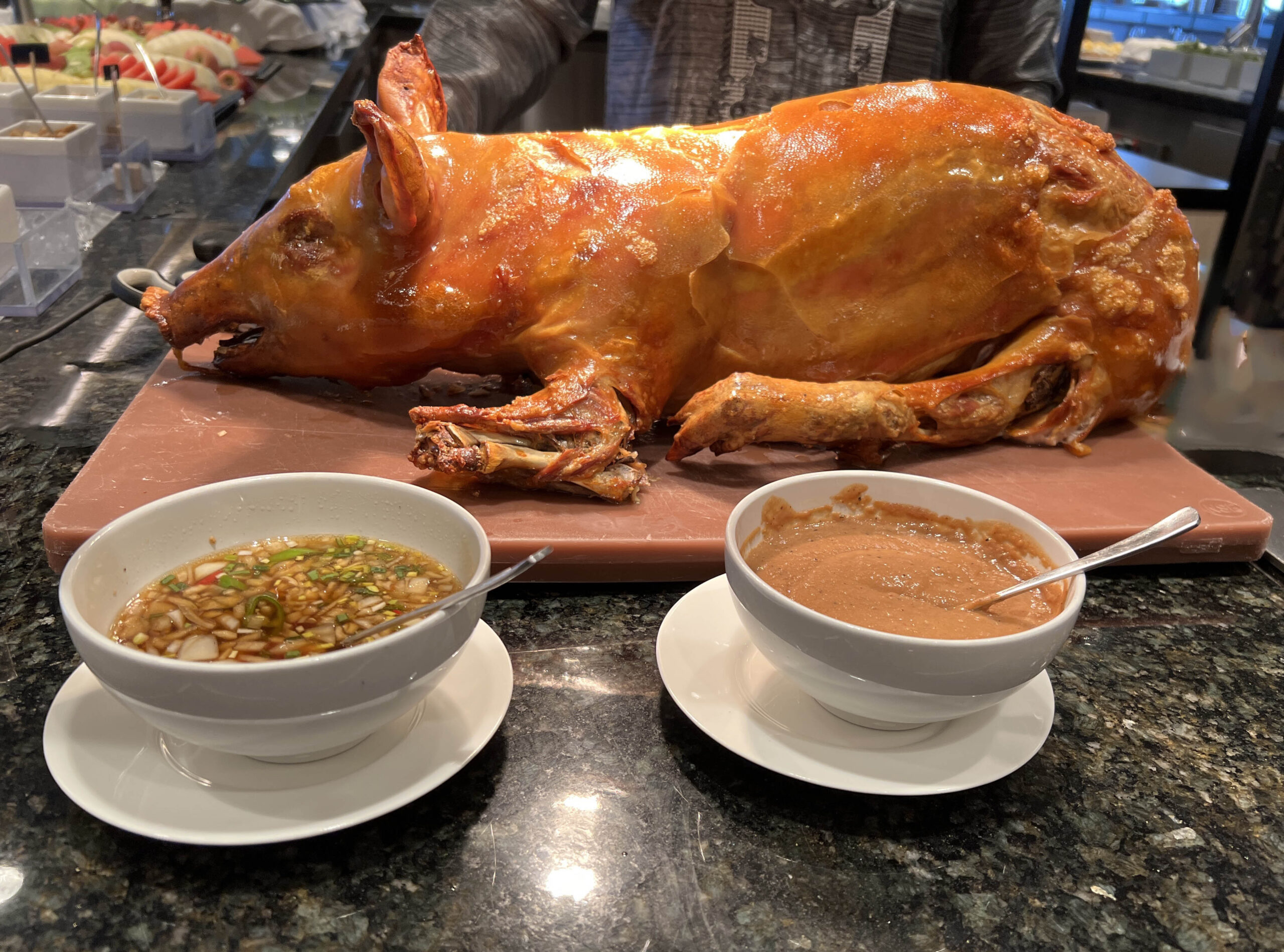
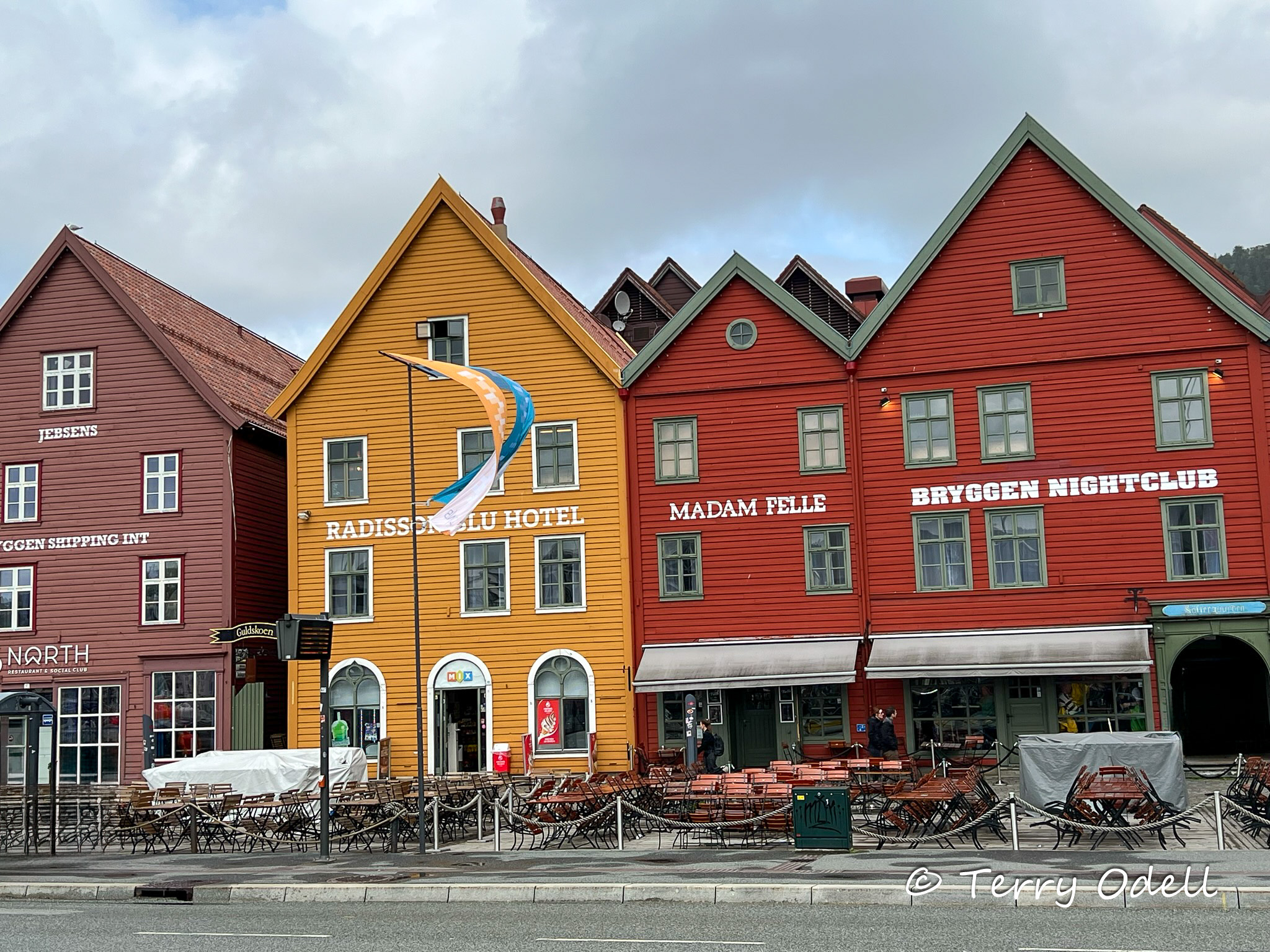
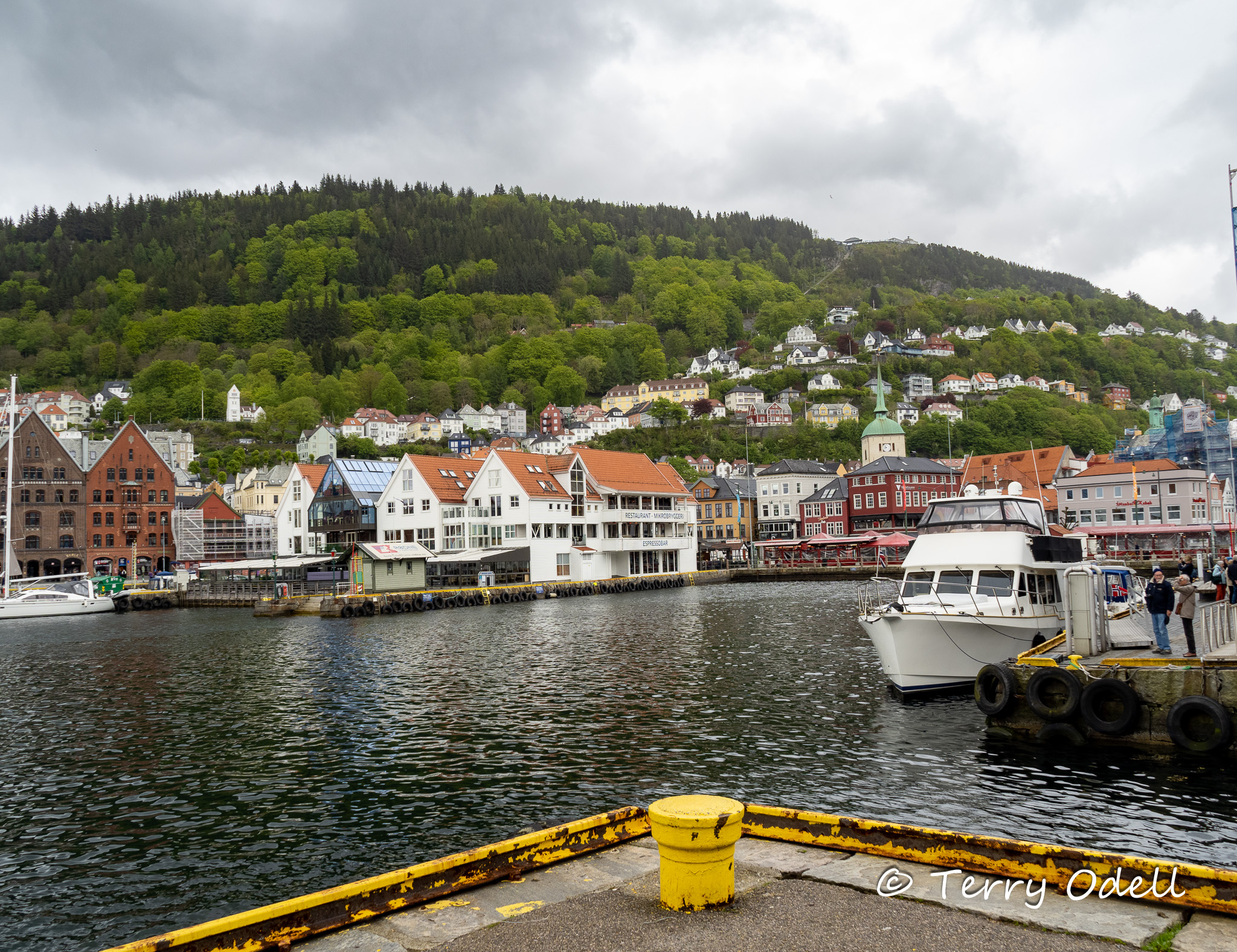
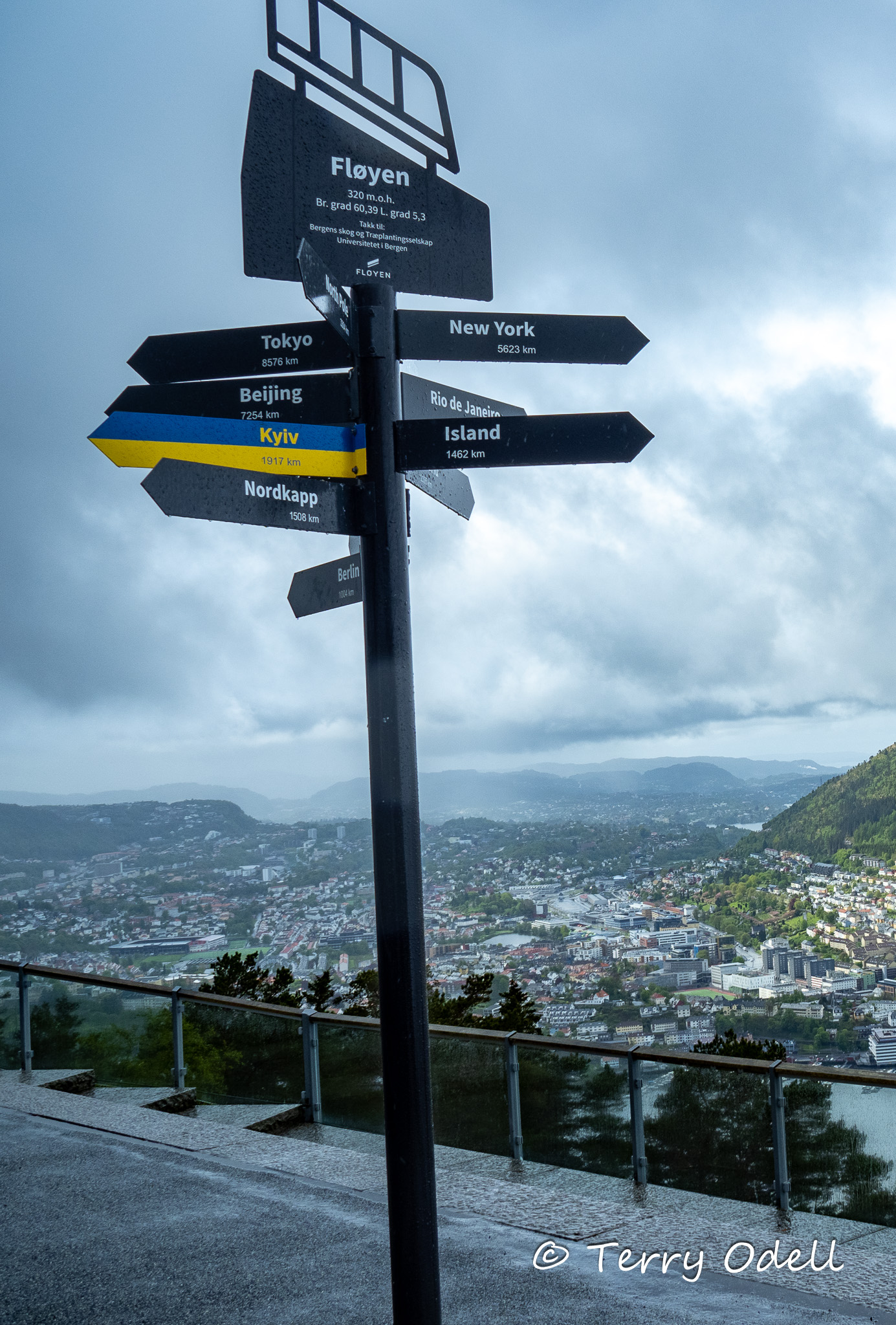
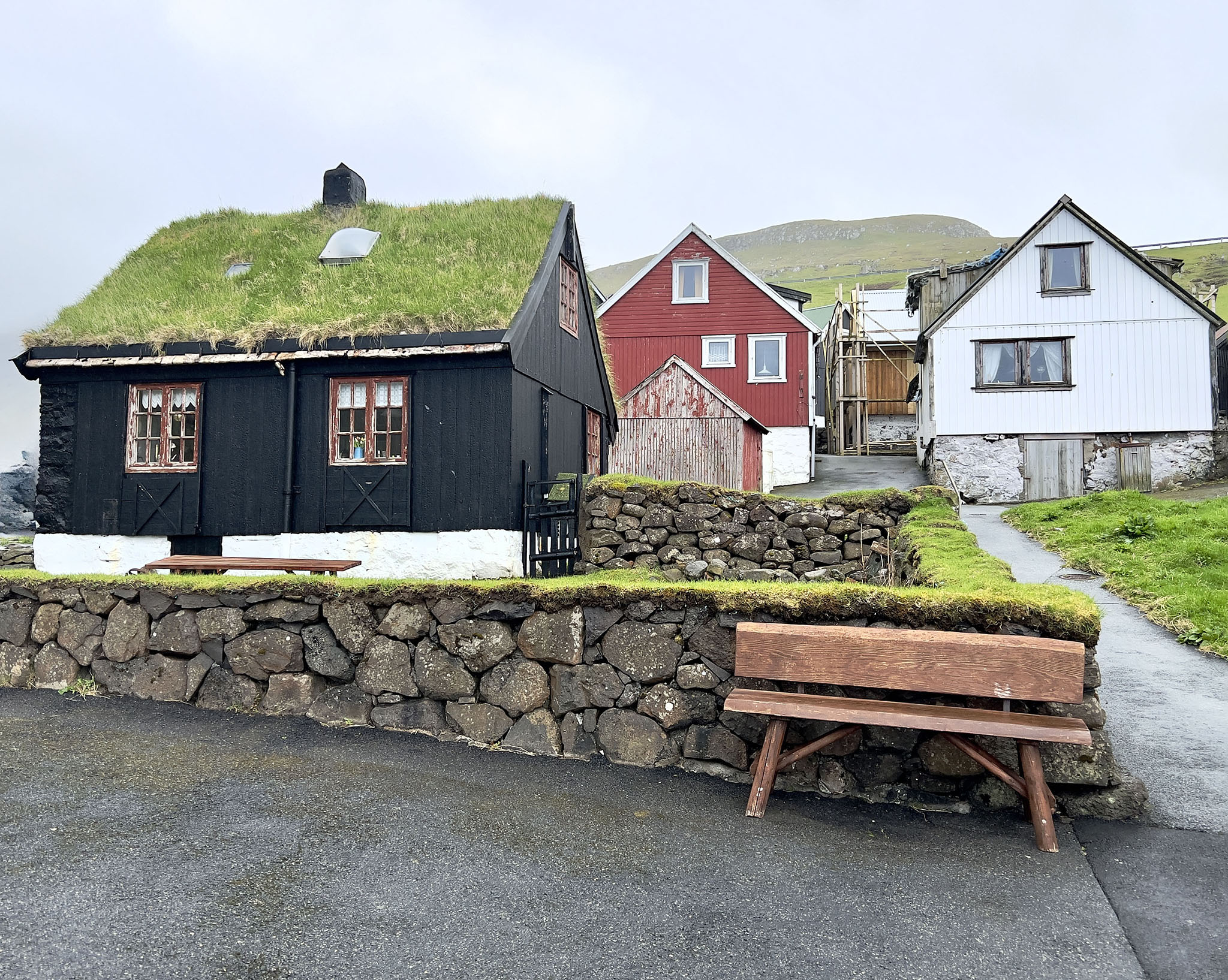
If you’ve stayed with me this long, here are some of the pictures I took. Consider them first drafts, as I’m still learning how to spot those details that will make them better images. Normally, I wouldn’t talk about ‘before’ and ‘after’ pictures, the same way you don’t share first drafts with the general public, but this is The Kill Zone, after all.


(Mis)Adventures at the Montana Book Festival

By Debbie Burke

@burke_writer


In September, my friend Cathy Raven was a featured speaker at the four-day Montana Book Festival in Missoula. Her first book is a nature memoir entitled Fox and I, about her friendship with a wild fox. It won the PEN award, among other honors.

Cathy and I met more than 20 years ago when we took a workshop from Tim Cahill, travel writer and founder of Outside Magazine.

After Cathy moved across the state, we lost touch but recently reconnected via Twitter. On Sunday morning, I drove 120 miles to Missoula for her festival talks and to congratulate her in person.

I’m somewhat acquainted with Missoula so I had an inkling about what was in store.

The streets of Missoula were originally laid out in the 1880s by feuding landowners who each wanted their own hunk of real estate to dominate. Diagonal “Slant Streets” were created for a proposed new town called South Missoula. But political maneuvering stymied the new town and slant streets were surrounded by parallel and perpendicular byways, as shown in this photo.

When drivers try to navigate the off-kilter convergence of Brooks Street, Russell Street, and South Avenue, they can thank (or curse) the early citizens who created the notorious Malfunction Junction.

As if diagonal streets and triangle-shaped blocks weren’t confusing enough, routes in Missoula are required to have more than one name—preferably three or four. Brooks Street is also Highway 93 and Highway 12, at least part of the time…until it changes.

Then there’s East and West Broadway. East Alder Street merges with East Spruce Street, which crosses North Second Street East, then eventually runs into West Greenough Drive. Throw in boulevards that are one-way part of the time and two-way other times. Add thoroughfares that dead-end in the Clark Fork River, or at the railroad tracks.

And there you have the mishmash of Missoula.

If Siri had accompanied me, I suspect she would have jumped off the Higgins Street Bridge and drowned herself in the river.

I had printed out several pages of Google maps and have a reasonably good sense of direction. Plus my rearview mirror has a nifty little built-in compass.

I rolled into town about 1 p.m. and missed the motel on Brooks Street because I stayed on 93 which is supposed to be the same as Brooks Street…except when it isn’t.

The Book Festival was at the four-story Missoula Public Library—a skyscraper by Montana standards. While cruising blindly along East Broadway, I happened to spot the towering glass library on the next street over. East Main is a one-way street that amazingly was going the right way.

Success!

Cathy’s phone went to voicemail so I had time to poke around. After the two-plus hour drive, I was glad to climb four flights of stairs to stretch out a bit.

On the top floor, an outside deck around the building featured 360-degree views of the city, rolling hills, and mountains. A volunteer at the book sales table gave me the schedule and, surprisingly, didn’t charge an admission fee, perhaps because it was the afternoon of the festival’s last day.

I peeked into several rooms where presentations were going on but didn’t see Cathy. Back down at street level, I happened to glance over at several people reading at a table.

There was Cathy, deep in her book and writing on a notepad, preparing for her talk.

We hugged like long-lost sisters and visited until she needed to get back to work on her talk.

Her panel was more than an hour later so I figured I’d try again to find my motel.

Missoula is home of the University of Montana. It has winding river walks, bike trails, beautiful historic buildings, and lovely old homes. I know because I saw all of those as I spent the next half-hour totally lost. 

The motel was to the south west but, Missoula streets being the way they are, you can’t get there from here.

My mirror compass said I was going the right direction but the street names (aliases, actually) didn’t jibe with Google maps. At last, I found the motel, hiding on a slant street not far from Malfunction Junction.

As I pulled into the parking lot, a woman was getting out of her car, putting a hardback book in her bag.

Turned out she was “Parker,” the evening desk clerk at the motel. We had talked the day before when she made my reservation over the phone.

She said she was an avid reader who spent lots of time at Barnes & Noble.

I told her I was a writer.

That admission is always a bit embarrassing because people’s eyes widen, they smile broadly, and shake your hand as if they’re in the presence of someone important.

We writers know better—the unglamorous reality is we wear sweat pants, sit hunched over computers all day long, play with imaginary friends, and make up stuff. Sane, normal people don’t do that.

Parker took my card, said she loved thrillers, and would look up my books. Cool!

After I checked in, she gave me clear, easy-to-follow directions how to get back to the library. Thanks to Parker, I arrived there in under 10 minutes. 

Cathy was on the so-called critter panel—authors who’d written books about wildlife including kingfishers, grizzlies, golden eagles, and Cathy’s Fox and I.

Despite many awards, stellar reviews, and glowing mentions in Time and People magazines, she’s suffering first-book jitters.

Cathy is Mensa-brilliant with a PhD in biology but also shy. She’s much more at home in nature than around people, even though she’s a professor who’s taught hundreds of students over many years.

Her wry, quirky humor quickly won over the audience. Without trying to be funny, she’s very funny.

After the panel, a lot of books by other authors remained on the table but Cathy’s sold out. She fretted about that until I reminded her that selling books was the whole point. Running out meant success.

People mentioned they had ordered multiple copies of her book as gifts.

Her solo talk was an even bigger hit, especially considering it was Sunday evening at 6 p.m. when most festival attendees had already left.

She described her solitary life in the Yellowstone Valley where she’d hand-built her home. As she did research on the area’s botany, weather patterns, and animal behavior, weeks would pass without speaking to another person.

However, a sociable red fox started showing up every day to visit the introverted, reclusive human. They forged an unconventional but close friendship. Trust developed to the point where Fox brought his four kits for Cathy to babysit while he went a distance away to take a nap.

At the end of Cathy’s talk, a woman in the audience presented her with a dazzling sunflower that looked too perfect to be real. But it was.

Dr. Catherine Raven

We headed out for dinner, assured by locals that Missoula has many great restaurants.

Few, however, are open on Sunday night.

For a college town, they roll the streets up early. After a half-hour quest, we found a place, enjoyed a good meal, and had a great catch-up visit.

But, following dinner, we lost our bearings roaming through the dark, deserted downtown and didn’t know how to get back to Cathy’s motel. We drove around looking for a familiar landmark or street name but found none.

Then we spotted a Missoula police cruiser parked alone on a street. I pulled to the curb in front of him and Cathy and I jumped out of the car to ask him directions.

In hindsight, that wasn’t a smart move. But, as a child, I’d always been told if you get lost, ask a policeman.

A young cop jumped out of his rig, talking rapidly into his lapel mic, wearing a wide-eyed deer-in-the-headlights expression. I’m not sure if he had his hand on his weapon because he was standing behind his open car door for cover.

Two women—old enough to be dangerous, from out of town, lost in Missoula, asking directions to a motel whose name we couldn’t remember but was near a McDonald’s—utterly befuddled this poor young cop. I’m sure he thought we were impaired even though we hadn’t had a drop or a toke.

He finally collected his wits (and probably heard back from the dispatcher that there was NOT an APB out on an old white Toyota Highlander with two female occupants). Still looking flummoxed, he managed to direct us to Broadway where we found Mickey D’s and the motel.

Cathy and I said goodbye, resolving not to let another 20 years go by without seeing each other. I headed for my motel on the other side of town.

By this time, I’d driven enough of the mysterious streets of Missoula to be fairly confident of finding my way back until…the southwest section of town went black.

A power outage shut down street lights, buildings, traffic signals, and the sign for the motel. For several blocks, I drove in total darkness except for my headlights. By luck, I spotted the motel just in time to turn into the shadowy parking lot.

In the office, two lanterns glowed. I had a flashlight but, rather than enter a completely black, unfamiliar room, I opted to hang out in the dim lobby with my new friend Parker. A couple of motel workers wearing headlamps checked the property and muttered about buying a generator.

The electric company’s text updates estimated the power would be restored by 9:30 p.m. It was now 9:45. The power had been off long enough that the computer battery backups in the office had run out of juice.

Parker said, before the power went off, she’d looked up my books. She wanted to read them but didn’t have cash with her and I can’t take credit cards.

We spent the next hour, shooting the breeze and solving the world’s problems. She gave me directions to Barnes & Noble, where I planned to go the next morning before heading home.

Finally the lights popped back on.

Whew.

The motel is independently owned, not a chain. Its tagline is “Nice rooms for nice people.”

I went to my room and thought about how nice Parker had been, giving me directions that carried me safely through Malfunction Junction. She’d kept me company during what could have been a nervous hour in an unfamiliar dark place.

I grabbed a copy of Instrument of the Devil (which, fittingly, is about a terrorist targeting the power grid), signed it, and gave it to her.

The next morning, I visited Barnes & Noble. The manager is very supportive of Montana authors, even independently published ones. She ordered a few copies and we talked about my doing a signing there next spring (they’re scheduled months ahead with author appearances).

Despite getting lost repeatedly, inadvertently scaring a cop, and surviving a power outage, the trip to Missoula was a success.

I reconnected with an old friend and watched her bloom as she talked to audiences about her book. I met a lady who gives better directions than Siri and Google Maps combined, whom I hope will become a fan. And I have a future book event to look forward to.

Not a bad day’s work for a writer.

~~~

TKZers: Have you ever gotten hopelessly lost but found a better reward than what you were originally looking for? Please share your wanderings in the comments.


Words and Pictures

“Words – so innocent and powerless as they are, as standing in a dictionary, how potent for good and evil they become in the hands of one who knows how to combine them.” –Nathaniel Hawthorne

* * *

Here at the Kill Zone Blog, we’re all about words. Combining those innocent words into sentences, paragraphs, and finally stories is the thing that drives us.

We’ve also heard it said, “A picture is worth a thousand words.” But is it?

* * *

The movie Words and Pictures was released in 2013, but I saw it for the first time a year or so ago. The movie features a “war” between its two protagonists, both teachers at an elite New England prep school.

Jack Marcus (Clive Owen) teaches Honors English. He is brash and sarcastic and annoys his colleagues by trying to lure them into word games which he is sure to win. But Mr. Mark, as his students call him, is thoroughly in love with the English language, and the best scenes in the movie take place in his classroom where he challenges, inspires, and even berates his students, all in an attempt to engage their social media-deadened brains to appreciate the power of language. In one scene, he even gives them an assignment to invent a new word to add to the English language. The results are fun and appealing.

Actress Juliette Binoche has a harder task holding her own as the Honors Art teacher, Dina Delsanto, an educator who is less charismatic than the feisty Marcus. Delsanto suffers from rheumatoid arthritis which has robbed her of her independence and some of her ability to create. As a new addition to the faculty, she is immediately put into conflict with Marcus.

Of course, these two characters have to become involved with each other, and their verbal sparring sets in motion a “war” of words versus pictures that culminates in a school assembly where students will evaluate the power of each of the creative methods.

As the movie’s primary complication, Jack Marcus is an alcoholic. Although he’s managed to hide his problem from the school administrators, he fears “the fire has gone out.” When his sloppy behavior at a local restaurant and his lack of creative output threaten his position at the school, he’s forced to take extreme steps to keep his job. One of the best lines in the movie is uttered by Marcus when the headmaster bemoans his lack of output.

Headmaster: “You were a published author.”

Marcus: “I’m still a published author. It doesn’t go away like the mumps.”

There are minor characters and subplots that swirl around the main story, but the essence of the film is the comparison of the value of words vs. pictures. I know which I would vote for.

* * *

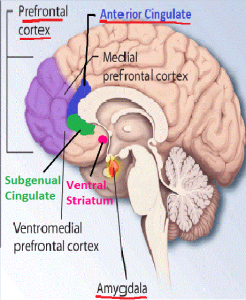
Incidentally, I was doing a little reading about how words and pictures affect brain function when I came across an article at thinkonyourfeet.com. The article states that right-brained people are more likely to think in images whereas those of us who are left-brained are more likely to think in words. One of the conclusions in the article is that writing demands a whole-brain approach. I like that.

So TKZers: Which is more powerful: Words or Pictures? Do you think in words or in pictures? Have you seen the movie Words and Pictures? What’s your opinion? What movie about writing and / or authors would you recommend?

Your Runway of Life

Your life runs by in a hurry. In three acts, you were born, you mature, and you’ll die. Beginning, middle, and end. Classic story structure, and what really counts is what you do on your runway of life. Especially with the time you have left.

A few things brought on this post.

One—my brother recently passed away. He was sixty-nine, and there was no warning. It was a brain aneurysm which is a pre-existing condition that’s nearly impossible to detect or intervene with.

Two—I turned sixty-six yesterday. That milestone, along with my brother’s sudden death, made me reflect on what time I have left. The events put into perspective an urgency I have in continuing important tasks.

Three—I received a newsletter from Dr. Peter Legge where he outlined the Runway of Life. In a three-minute video, Dr. Legge gave me an “ah-ha” moment. I’d like to pass it along to my friends at the Kill Zone.

Peter Legge is a well-known force in Vancouver. He’s a highly accomplished entrepreneur, author, speaker, publicist, and community leader. Dr. Legge is also a motivator and personal mentor to many folks, regulars and high achievers.

The Runway of Life is a concept. It’s an abstract, yet crystal clear, look at where you’ve come from, where you are, and where you’ll end. Not when you’ll end—that’s something we don’t know so, for this exercise, we’ll make up a number.

In the video, Dr. Legge draws a horizontal line in black ink on a white background. The line represents your runway of life—your life’s timeline. On the left, he draws a zero. This represents the day you were born.

Somewhere along, he draws a figure for his age. Dr. Legge is currently eighty, so he dots an 8-0. This shows since birth to today he’s gone 80 points on his runway of life.

His final figure is hypothetical because there’s no way he, or anyone else, can know the age he’ll die at. Dr. Legge qualifies that and says for this exercise the death number doesn’t matter. “It could be eighty. It could be a hundred. But for this demonstration I’ll put down ninety.”

So, Dr. Legge jots 9-0 at the right side of his runway. Clearly, he’s used up 80 years of his life’s runway, and he expects to have 10 years left.

“Zero to eighty are gone. They’re history and they’re past.” Not so with the remaining ten still on the runway. It’s what you do with the remaining time on your runway of life that now matters.

I drew a runway of life for myself. I started at zero like everyone else. I have sixty-six around three-quarters to the right. And I picked ninety as my cash-out number. I base that life expectancy on my genealogy which has had some pretty old birds in the family tree.

I realize my brother’s last number was only sixty-nine. However, there’s a big medical difference between my brother and me. He was a heavy smoker, and I’ve never touched the stuff. Cigarette smoke is the most significant modifiable risk for cerebral aneurysm. Heart attack / myocardial infarct as well.

My runway of life looks like this:

I’ve used 66 years which is 792 months, 23,760 days, and 570,240 hours. If my calculator is right, I have 24 years left on my runway of life—288 months, 8,640 days, and 207,360 hours.

It’s what I do with those remaining years, months, days, and hours that count going forward. I have no idea what the right, right number is on my runway of life. It could be a lot lower. So, I’m moving ahead making every day matter.

I’m doing two primary things. One is keep creating content, and keep learning how to do it, for the entertainment industry (aka being a writer). The other is enjoying time with my family and friends, especially out on our boat.

And if I blend the best of both worlds, like I’m doing right now, I’ll write and learn from the chart table in my wheelhouse till I’m buried at sea by my family and friends, hopefully well past one hundred.

Kill Zoners — Have you given any thought to your runway of life? Care to share an urgency?

Doing Good Radio

By John Gilstrap

A couple of weeks ago, I posted here about my great fortune to score an ongoing talk radio gig on WRNR Radio/TV 10 in Martinsburg, West Virginia. It’s strictly a talk format, with Rob Mario as host, and then two co-hosts, of which I am one a couple of times per week.

It’s interesting sitting on the other side of an interview. Having done more than a few of them over the years as the interviewee, being the interviewer has changed my perspective a bit. In recent weeks, we’ve interviewed a few authors. I thought I’d share some lessons I’ve learned that you might find helpful if you find yourself in the position to promote your book–or to promote anything for that matter.

Know ahead of time what the format will be.

On our show on Eastern Panhandle Talk Radio, all interviews are 22-25 minutes long, free from commercial interruption. That’s unusual in my experience for broadcast radio and television. Normally, the broadcast format runs 7-10 minutes, which requires an entirely different approach.

In shorter interviews, be prepared to deliver the vaunted elevator pitch, where you get right down the details of the book. There likely won’t be a lot of give-and take between you and the host. If there is, that’s great. Just don’t anticipate it.

Longer interviews, on the other hand, are much more conversational. If you launch right into the elevator pitch and stay with it, there won’t be much interaction with the hosts, and you run the risk of leaving little to talk about during the rest of the spot.

Anticipate the common questions and have stories to tell.

You know the low-hanging fruit: Where did the idea come from? What kind of research did you do? Which of your books is your favorite? What authors do you read? Tell us about the story.

The best interviews are with people who tell the stories behind the stories. Keep it light-hearted and entertaining. If you can make your book resonate with current events or current times, that’s always a good thing.

Another trait of great interviews is that they are conversational. Try to forget that YOU’RE ON THE RADIO!!! and concentrate more on having a casual conversation with the person across from you in the studio or on the other end of the phone call.

There’s a good chance that “radio” means TV, too.

In these days of video streaming, many (most?) radios stations also have a live feed to Facebook or other social media sites. Plan accordingly to avoid that awkward jammies and bed-head television exposure.

Send promotional materials ahead of time.

Remember that your interview is but one tiny slot inserted into a busy broadcast. People will not have had time to read your book, certainly on short notice. Be sure to send along a synopsis of the story, along with a short bio.

Suggested questions are always welcome because they give the interviewer a clue about what topics you are most prepared to cover.

In your promotional materials, be sure to include a headshot of you and the cover of your book. If there is a TV/Facebook live element, this is essential. One of the most recent interviews sent along a single image that is a combined cover and author photo. I’m going to steal that idea.

Avoid qualitative assessments of your own work.

This might just be my own bugaboo, but I find it vastly unprofessional for an author to tell the world how funny, inspirational or exciting his own work is.  Just as on the page, show, don’t tell. Let your enthusiasm for the project sell the book for you.

Mention the title. A Lot.

In a standard interview, you’ll be introduced as the author of [Your Book Title], and then again as such at the end of the interview. Remember that every time you refer to your baby as “my book” or “it” you’re missing an opportunity to burn the title into listeners’ and viewers’ brains.

Always close with your contact and social media information.

Rudeness is never okay, but don’t be afraid to be a little aggressive, especially at the end of an interview. Consider:

” . . . Thanks for coming on the show, John.”

“Real quick, please visit my website, John Gilstrap dot com for anything you want to know about me or my books.”

You’re on the show to market a book, so don’t be shy about marketing your book.

What say you, TKZ family? Have I missed anything?

Transitions: Building Bridges
Between Your Plot Islands

(I am still out of the country, folks, so here’s another old post, one of my favorites about making smooth transitions between chapters. I am wandering the countryside in Provence today but will try to check in via iPhone. No computers on this trip, on purpose!)

By PJ Parrish

Put on your waders because we’re going deep into the craft bulrushes today. I want to talk about one of my favorite micro-topics — transitions. Actually, maybe it’s quicksand we’re wading into, because if your book doesn’t have good transitions, it can sink faster than Janet Leigh’s ’57 Ford in Psycho.

We talk a lot here at TKZ about how important pacing is, and transitions go along way to creating that seamless narrative flow you need as your story shifts in time, location, or point-of view. Transitions look easy but they can be tricky to get right.

I dwell on transitions so much because I work with a co-author. Kelly and I write our books by talking out the plot then writing alternating chapters. So we don’t have the normal one-brain flow of a unified writing procedure. We always know the purpose of each chapter but often we write with no clear idea of what the links between the chapters will be. Sometimes we just leave red-ink pleas like this for each other —INSERT BETTER ENDING HERE — then we deal with links in rewrites.

I used to think this was nuts but then I read an interview with Katherine Anne Porter wherein she described her writing process as “creating scene islands” and “building bridges” between them. This gave me great comfort, knowing I could approach writing like a good engineer. Getting my chapters to flow became akin to making the long journey to Key West. It also made me think that maybe the island-bridge analogy is useful for those of you who work alone. Because the scene (and by extension chapter) is the terra firma of your plot structure and once you have that solid you can always go back and figure out the best ways to move between those plot clots.

I think some writers don’t know where to end a chapter for maximum impact. And that leads to not knowing where to pick up the next one. It is helpful for writers who struggle with this to concentrate on figuring out what the MAIN PURPOSE of each scene/chapter is, write that plot clot, and then fine tune the bridges later.

So what exactly is a transition? Well, there are all kinds. Most are straightforward and literal; some are complex and sophisticated. But all good transitions do one thing: They strengthen the internal logic of your story by moving readers from idea to idea, scene to scene, and chapter to chapter with grace and ease.

Here are some transitions I’ve identified:

TIME TRANSITION: This is when you want to move forward (or occasionally backward) in time with your story. These are pretty workmanlike but very useful in that they simply bridge time from your previous scene. Examples:

Chapter 4

It was nearly three by the time Louis met Flowers at the docks.

Chapter 7

Just over an hour later, Dagliesh had left the headland and was driving west along A1151. (P.D. James)

A word about time stamps. These are the tags you see at chapter beginnings ie “Sunday” or “November 1967” or even just “Later that day.” I have a bias against time stamps because too often they are a cop-out by a writer who can’t figure out how to gracefully weave time changes in the narrative. But sometimes you really need them, especially you thriller writers who work on big canvases. If your story is happening at two different times, time stamps help the reader move between the threads, i.e. “New Orleans, 1855” or “Kabul 1999.”  Time/location tags can be pretty elaborate. In her complex novel about 9/11, Absent Friends, S.J. Rozan weaves multiple narratives together by using tags like so:

PHIL’S STORY
Chapter Six
___
The Invisible Man

Steps Between You and the Mirror

This is grad school stuff; Rozan knows what she’s doing. Another good use of time stamps is found in Gone Girl. Gillian Flynn must find a way to bring the missing wife Amy to life so Flynn alternates the husband Nick’s present-day narrative with his wife’s diary entries, all clearly marked with time/name stamps.

POINT OF VIEW TRANSITION: When you move between characters, you could just pick up with the new character’s voice. But the flow can be enhanced if you find a way to subtly link them. Here is Louis talking to a police chief about the abandoned hunting lodge where they just found old bones.

End of Chapter 6

“Nobody comes here. It’s just a broken down old dump,” the chief said.
Louis shook his head. “No, it’s important. It’s his Room 101.”
“What?”
“It’s from Orwell…1984.”
“Never read it.”
Flowers moved away and Louis looked back at the lodge. He could still recall the exact quote from the book – maybe because it reminded him of things in his foster homes he wanted to forget.
The thing in Room 101 is the worst thing in the world.

Chapter 7

There were thousands of them. Small, black jelly-bean creatures crawling around the plastic bin, piggybacking one another to get to that one last shred of meat on the bone.
The beetle larvae were hungry today.
This skull would be ready by nightfall.
Danny Dancer made sure the lid was secure on the bin and left the room.

By using the Orwell “room” quote we tried to lead the reader to the horror of what they were about to see in Danny Dancer’s room. Change of POV but bridged with purpose.

CONTINUED NARRATIVE TRANSITION: Here, the story simply picks up after what came in previous chapter. The main artistic choice you make is how much time elapses between scenes. It can be minutes, days or years. Here’s John Sandford:

End of Chapter 14

“He tried to hang Spivak, for Christ’s sake,” Lucas said, exasperated.
“That was just part of the job,” Harmon said. “You can understand that.”

Chapter 15

Lucas couldn’t. He got off the phone, breathing hard for a few minutes, then backed off the gas.

Sometimes, the continued narrative transition can be deep in a character’s psyche. Here’s a nice transition from Jeff Lindsay’s Dearly Devoted Dexter:

End of Chapter 10

The only reason I ever thought about being human was to be more like him.

Chapter 11

And so I was patient. Not an easy thing, but it was the Harry thing.

With this transition, you the writer have to make calculated decisions on where to pick up the action and what you can leave out in the lapse. Say you end a chapter with a cop getting a call at home to come to a crime scene. Where do you pick up the thread? Do you show him strapping on the gun, getting in the car, walking up to the yellow tape? Or is it more effective to begin the next chapter with “As Nick took his first look at the woman’s body, he realized with a start he had seen her face before.” Here’s exactly such a passage from Val McDermid’s splendid A Place of Execution:

End of Chapter 11

The door to the caravan burst open and Grundy stood in the framed doorway, his face the bloodless grey of the Scardale crags. “They’ve found a body,” he said.

Chapter 12

Peter Crowther’s body was huddled in the lee of a dry-stone wall three miles due south of Scardale as the crow flies. It was curled in on itself in a fetal crouch, knees tucked up to the chin. The overnight frost that had turned the roads treacherous had given it a sugar coating of hoar.

ACTION/REACTION TRANSITION: When you have a juicy action scene it can be very effective to break at just after the action peak and open next chapter with a character-focused reaction. This is VERY useful in helping you pace your story. You shouldn’t blog down a good action scene with thoughts, regrets, musings. Save that for a quiet moment later. Action…then reaction. Here, Louis is at the scene of a police chief getting ambushed:

End of Chapter 17

“Clear! We’re clear! Get the ambulance in here now!”
Louis’s heart was finally slowing but he still had to blink to clear his head. Joe was kneeling by Flowers, and from somewhere down the dirt road sirens wailed.
He heard a whimper and looked down at Danny Dancer. The bastard was crying. Curled up like a baby and crying.

Chapter 18

How could he have been so stupid? He knew that anyone who showed an abnormal interest in a crime scene was someone who needed to be treated with suspicion.
Yet he had allowed Flowers, who was blind to the idea that anyone on his island could be a cold-blooded murderer, walk into a crazy man’s line of fire.

At beginning of Chapter 18, an hour has elapsed and Louis is waiting in the hospital as Flowers lays dying. We chose this transition because the “quiet” moment of Chapter 18 provides relief for the reader after the tension of the ambush, much like letting you catch your breath after the steep drop of a roller coaster. It’s all about pacing.

DESCRIPTIVE TRANSITION: This is another way to alter your pacing. Say you had a explaining-the-case chapter with heavy dialogue between investigators. It’s often effective then to go from staccato to legato and open the next chapter with a descriptive passage. And yes, you can use weather — in moderation! It is also a good way of telling your readers where we are. Be careful using description too early in your story because they can slow things down before your plot gets moving. Here’s Elaine Viets in Murder With Reservations, opening with a description that also slips in some protag’s backstory:

Chapter 3

Helen grew up in St. Louis, where houses were redbrick boxes with forest green shutters. To her, the Coronado Tropic Apartments were wrapped in romance. The Art Deco building was painted a wildly impractical white and trimmed an exotic turquoise. The Corondado had sensuous curves. Palm trees whispered to purple waterfalls of bougainvillea.

ECHO TRANSITION: This is one of my faves, a nifty little device wherein you end a chapter stressing a certain word then use that word again as your bridge to the next. It’s like a grace note in music. Lee Child is a master of this:

End of Chapter 6

“You have to do something.”
“I will do something. Believe it,” Reacher said. “You don’t throw my friends out of helicopters and live to tell the tale.”
Neagley said, “No, I want you to do something else.”
“Like what?”
“I want you to put the old unit back together.”

Chapter 7

The old unit. It had been a typical Army intervention. About three years after the need for it had become blindingly obvious to everyone else, the Pentagon had started to think about it.

THE PARALLEL TRANSITION: This can be really cool but if you whiff on it, it just looks like you’re showing off. This is used when you are shifting POV’s. It is conscious repetition of an idea, image or symbol between two chapters. Like the Echo Transition, it creates an almost musical connection in the reader’s mind, like a good hook in pop music. And it doesn’t always come at the end/beginning of chapters. Here’s the first paragraph of Chapter 1 of our thriller A Killing Song. We are in the killer’s POV in Paris as he watches his next victim:

Chapter 1

He couldn’t take his eyes off her. The last rays of the setting sun slanted through the stained glass window over her head, bathing her in a rainbow. He knew it was just a trick of light, that the ancient glass makers added copper oxide to make the green, cobalt to make the blue, and real gold to make the red. He knew all of this. But still, she was beautiful.

Here is the first graph of chapter 2, shifting to the protagonist’s POV as he watches his sister dancing in a Miami Beach nightclub:

Chapter 2

I couldn’t take my eyes off of her. Maybe it was because I hadn’t seen her in two years and in that time she had passed through the looking glass that separates girls from women. Whatever it was, Mandy was beautiful and I couldn’t stop staring.

This was a calculated thing for us because the book’s theme is partly about the two men whose lives spiral out of control and the fine line between violence that is driven inward and outward. (And yes, we mixed first and third POV but that’s a different post for another day.)

Two last thoughts about building bridges. First, transitions are just a tool, a part of your writer’s technique, and can learn to use them with flair and confidence. Study writers you admire. Go grab a book and open to the blank spots between chapters. Then analyze how the writer has moved through time and space, how he has bridged the gaps between his chapters. You’ll find that most of the time, the best writers adhere to the golden rule: KISS. They keep it simple, stupid. Which leads me to my last thought:

Don’t over-think this. Resist the urge to build this:


When all you need is this:


Your first job as storyteller is to just keep the reader moving between your islands. You don’t want them to stop and admire turrets, filigree and gargoyles. More often than not, a sturdy little span is the best way across.

The Draft

I was teaching a writing class a couple of years ago and during a break, one of the middle-aged students came up to me with a question.

“Can we talk about the draft?”

“It sent a lot of people to Canada on extended vacations when I was fresh out of high school.”

“How long do you work on a draft?”

“Oh, that. Until I get through it.”

Budding Writer paused, thinking. “I mean, how long does it take you to get to the end?”

“That depends on Life. If everything lines up and I can really sit down and work, I can get a first draft finished in about three months, and the way I do it, the manuscript is pretty polished by the time I reach the end. I once wrote a draft in six weeks, but that’s rare.”

She wrote that down in her notebook, “Do you outline?”

“No.”

“I have to.”

“Well, you and I work differently. I sit down and put my fingers on the keys and start writing. The story unfolds, and I go with it through that entire session, however long it might be, fifteen minutes, an hour, or even three or four hours. Then the next morning I read through what I wrote the day before, and use that as a launch pad for the current day’s work. I do that every time until I type, The End.”

“What if your writing group has a suggestion about those pages and you have to go back and change them?”

“I don’t have a writing group, and you really don’t have to go back and change anything. Those are suggestions.”

Two deep lines appeared between Budding Writer’s eyebrows. “You just write all by yourself.”

“Yep. All alone.”

“My problem is that I keep changing things after my group makes suggestions, and I find that I spend weeks on one chapter.”

“Have you finished your first draft?”

“No.”

“How long have you been working on this manuscript?”

“About three years.”

“My suggestion is to simply sit down and finish your first draft without stopping for any more edits.”

“But….”

“Right. Butt. Put your butt in the seat and finish your first draft. In my opinion, you can come back and re-work those chapters that might be giving you trouble. You see, there’s no right or wrong way to do this. You have to find what works for you. I promise, there’s no formula, because if there was such a thing, everyone would be on the bestseller list with every book.”

“So is that’s how it’s done?”

“That’s how I do it.”

Don’t get me wrong, I’m not knocking writers groups. I know many readers of this blog, and several of those who post each week, belong to such groups that offer much-needed support in writing, or simply in providing the camaraderie to discuss this strange, wonderful business we’re in, but it’s not for me. I just want to write.

Budding Writer needed that support, but it seemed as if she was caught in a loop of well-intentioned suggestions that tightened like a boa constrictor named Self Doubt until she couldn’t move beyond those few chapters.

Your first draft is just that. It’s a firehose to some as it pours out in a great torrent of words, a trickle to others as they struggle to craft that perfect sentence, but writers need to reach the end, to get it all down, however full of errors, typos, or plot kinks. Once it’s done, then you can go back and add all that’s necessary to streamline and fill out the story and make the manuscript readable. Then edit with a vengeance, but the completion of that first draft is absolutely necessary both physically and psychologically.

I understand Budding Writer’s issue. She likely juggled a job, husband, kids, dogs, bills, friendships and any combination thereof, including Life it’s ownself, putting down a few words here and there and not seeing the continuity of her work as a whole.

Then that chapter, or collection of chapters and all those suggestions began to gnaw at her and she needed to get it just right before she could move on.

It just doesn’t work that way for me. I wrote my first novel over a few fitful years, lost it to an electronic hiccup, and started over to recreate the whole thing from memory. Maybe that’s where my writing regime came from, because I hammered that second draft out within about a year.

Today I begin with fingers on the keys and get that rough draft down as the story unfolds in my mind. I follow it, pounding away at the keys as the characters develop and the story moves forward, not worrying about little details, until I get to the end.

I did all that alone, but after my first novel was released, I learned of an annual event called NaNoWriMo, which translates to National Novel Writing Month, which is sponsored by a nonprofit organization that “promotes creating writing around the world. Its flagship program is an annual creative writing event in which participants attempt to write a 50,000-word manuscript during the month of November.”

I like the idea, though I never signed up on their website, but the premise is solid, in my opinion, and it boils down to one true thing.

Sit down and write the damned novel!

Better yet if you can do it in a month. Fifty-thousand words translates into those old mass market paperbacks of the 1950s, ‘60s and ‘70s. Think Louis L’Amour, Micky Spillane, and even more recently when Nicholas Sparks wrote a short novel that did pretty well, coming in at 52,000 words. The title was The Notebook.

Robert James Waller’s blockbuster novel, The Bridges of Madison County also came in at 52,000 words. Hummm, is there a connection here?

Take a look at this list of 50,000-word novels that I lifted from WikiWrimo, they aren’t Stephen King-size doorstops, but they’ve all been pretty successful.

  • The Hitchhiker’s Guide to the Galaxyby Douglas Adams (46,333 words)
  • The Notebookby Nicholas Sparks (52,000 words)
  • The Red Badge of Courageby Stephen Crane (50,776 words)
  • The Great Gatsbyby F. Scott Fitzgerald (50,061 words)
  • The Apostle Paul’s Epistles from the Bible (43,293 words. 50,190 if you count Hebrews.)
  • Lost Horizonby James Hilton
  • Shatteredby Dean Koontz
  • Fight Clubby Chuck Palahniuk
  • Of Mice and Menby John Steinbeck
  • Slaughterhouse-Fiveby Kurt Vonnegut, Jr.
  • The Invisible Manby H. G. Wells
  • Gadsby: A Story of Over 50,000 Words Without Using the Letter “E”by Ernest Vincent Wright
  • As I Lay Dyingby William Faulkner (56,695 words)
  • The Giverby Lois Lowry (43,617 words)
  • Speakby Laurie Halse Anderson (46,591 words)
  • A Separate Peaceby John Knowles (56,787 words)
  • Fahrenheit 451by Ray Bradbury (46,118 words)

My own novels come in at 90,000-100,000 words, but like Mr. King, I get kinda wordy as the story progresses and the action builds. But here’s the bell I’m trying to ring. Your first draft does not have to be long. Hit that 50,000 word draft. Now you have a novel.

Then go back if you want and expand it with character development, settings, new plot twists that might occur to you, and all those seasonings that make a wonderful, successful book.

Now, put your butt in the seat and get to writing that first draft until you plow through to the end. Fifty-two thousand might be your lucky number.

Rejection Slips

By Elaine Viets

Feeling discouraged, writers? Tired of papering your walls with rejection slips?
When I feel down, I turn to the good book. Not THE good book, but a good book by Elaine Borish called “Unpublishable! Rejected writers from Jane Austen to Zane Grey.”


If you’ve been rebuffed by a publisher, you’re in good company. So was Agatha Christie. Borish says it took Dame Agatha four years to find a publisher for her first novel, “The Mysterious Affair at Styles” – and then it sat on a desk for another eighteen months. The publisher suggested some changes to the ending, and Agatha made them. Belgian detective Hercule Poirot finally made his debut in 1920.
Agatha Christie wrote more than ninety titles, and “The Mysterious Affair at Styles” is still in print.
Beatrix Potter, the creator of Peter Rabbit and Flopsy, Mopsy and Cottontail, was a hybrid author. Her “Peter Rabbit” was rejected by six publishers. She used black-and-white sketches, since she was worried that color pictures would make the book too expensive for children. Beatrix finally self-published “Peter Rabbit.” It went through two printings.
In 1901, Beatrix submitted Peter Rabbit again, and the traditional publisher politely rejected it: “As it is too late to produce a book for this season, we think it best to decline your kind offer at any rate for this year.”
The next time Beatrix submitted the book, she had color illustrations. The first edition sold out before the 1902 publication. By 1903, sales were multiplying like, well . . . rabbits. She’d sold 50,000 copies, and lived hoppily ever after.


Dorothy L. Sayers’ books were definitely not for children. “Whose Body?,” the first mystery by the rebellious Oxford scholar, was rejected by several UK publishers for “coarseness” in 1920. Today, the risque parts wouldn’t raise an eyebrow. The novel opened this way:
“Oh, damn!” said Lord Peter Wimsey.
Besides that four-letter word, Dorothy L.’s first book is about the disappearance of a Jewish financier, Sir Reuben Levy. Borish tells us, “When a naked corpse turns up in a bath, Inspector Sugg is eager to identify him as Levy.” Lord Peter says it can’t be “by the evidence of my own eyes.”
And the evidence? The body was (gasp) uncircumcised.
Dorothy L., desperate for money, revised her story, making sure the body could not be mistaken for a rich man. The deceased had “callused hands, blistered feet, decayed teeth” and more. An American publisher bought “Whose Body?” It was published in New York in 1923, and Dorothy was on the way to fame and fortune. Borish writes, rather gleefully, “consider the last words spoken by Lord Peter in the last novel: ‘Oh damn!’”

George Orwell had his masterpiece, “Animal Farm,” turned down by no less than T. S. Eliot, a big deal at UK publishers Faber and Faber. Like many in the upper echelons of publishing, Eliot missed the point when he rejected Orwell: “Your pigs are far more intelligent than the other animals, and therefore the best qualified to run the farm . . . What was needed (someone might argue) was not more communism but more public-spirited pigs.”
Another publisher, Fredric Warburg, took the book and paid Orwell a hundred pounds. Orwell had the last laugh – Borish says the book sold 25,000 hardcovers in the first five years.
Anthony “A Clockwork Orange” Burgess had a novel about his grammar school experience – “The Worm and the Ring” – rejected because it was “too Catholic and too guilt-ridden.”

Publishers outdid themselves with boneheaded reasons to reject bestsellers. Conan Doyle’s first Sherlock Holmes novel, “A Study in Scarlet,” was turned down by the prestigious Cornhill magazine because it was too much like the other “shilling shockers” already on the market. The editor said it was too long “and would require an entire issue” – but it was “too short for a single story.” Another publisher sent the manuscript back unread. A third bought the rights for a measly twenty-five pounds, and let it sit around for year. It was published in 1887, and then brought out as a book, but Conan Doyle didn’t get any money from that because he’d sold the rights. Worse, the book was pirated in the U.S. Doyle wrote a couple of historical fiction works. Then an American editor, looking for UK talent, had dinner with Doyle and Oscar Wilde and signed them both up. Wilde wrote “The Picture of Dorian Gray” and Doyle did “The Sign of the Four.”
These writers endured humiliation, insults, swindles – and in many cases, poverty – and still went on to write books that are read today.
Orwell talked about an embittered Russian who said, “Writing is bosh. There is only one way to make money at writing, and that is to marry the publisher’s daughter.”
Obviously, we writers have to pay attention to rejections sometimes. My agent gave me a good rule of thumb: “If you get the same reason for rejection repeatedly – your plot isn’t twisty enough, or you have too many secondary characters – it’s time to pay attention.”
How many times have you ignored rejections?

Kings River Life says “Late for His Own Funeral” is “a fascinating exploration of sex workers, high society, and the ways in which they feed off of one another.” Buy my new Angela Richman, Death Investigator mystery here.  https://tinyurl.com/4dn2ydfd

Give Yourself Permission

Give Yourself Permission
Terry Odell

There have been several posts recently about how to motivate yourself to write, how to increase productivity, how to “do the job.” I’d like to take a moment to look at the other side of the picture.

(Disclaimer: I’m an indie author and am not on deadline at the moment.)

Recent events—both positive and negative—have pulled me away from the current manuscript. I had a short visit with my mother, followed by a planned week’s vacation which was an organized tour, and we were on the go all the time. When I returned home, ready to tackle the WIP, my mother’s failing health had taken a rapid downturn, and I dropped everything to return to LA. My brother and I spent two weeks dealing with the funeral and trying to get her house cleared out enough to put on the market. She’d lived in the house since 1958 and apparently threw nothing away.

At any rate, all the sorting and wrapping, bagging, and packing was both physically and mentally exhausting. Although I’d intended to use “down time” to work on the manuscript (even brought my regular keyboard), there wasn’t any.

I did have one pleasant break—I met with JSB for lunch one day, and it was nice to talk about writing, and a glimmer of a spark to get back to the book flashed for a moment or two.

At first, I told myself that I had reached a “need to do some research” stopping point before I left, but I faced reality. Even with that information I wasn’t going to be able to write. Constant interruptions, distractions, and the pressure to get everything done wasn’t conducive to productivity—at least productivity that wouldn’t end up being the victim of the delete key.

I gave myself permission to set the manuscript aside and not feel guilty about it. The same went for a presence on social media. I checked emails, but set most of them aside to deal with when I got home.

While writing every day is part of the “job”, there are legitimate reasons for taking a leave of absence. When life intervenes and you have to step away, accept it. The manuscript will still be there.

Now that I’m home in my familiar writing environment, I’ll be catching up with all the “life” stuff that accumulates while you’re away, but also with easing back into the writing. I wrote a post some time ago about getting back in the writing groove, but I thought it was appropriate to repeat my tips here:

Get rid of chores that will nag.
If you are going to worry about cleaning house, paying bills, going through email, take the time to get the critical things dealt with. Otherwise you’re not going to be focused on your writing. If you’re a ‘write first’ person, don’t open anything other than your word processing program.

Do critiques for my crit group.
This might seem counterproductive, but freeing your brain from your own plot issues and looking at someone else’s writing can help get your brain into thinking about the craft itself.

Work on other ‘writing’ chores.
For me, it can be blog posts, or forum participation. Just take it easy on social media time.

Deal with critique group feedback.
Normally, I’m many chapters ahead of my subs to my crit group. If I start with their feedback on earlier chapters, I get back into the story, but more critically than if I simply read the chapters. And they might point out plot holes that need to be dealt with. Fixing these issues helps bring me up to speed on where I’ve been. It also gets me back into the heads of my characters.

Read the last chapter/scene you wrote.
Do basic edits, looking for overused words, typos, continuity errors. This is another way to start thinking “writerly” and it’s giving you that running start for picking up where you left off.

Consult any plot notes.
For me, it’s my idea board, since I don’t outline. I jot things down on sticky notes and slap them onto a foam core board. Filling in details in earlier chapters also helps immerse you in the book.

Figure out the plot points for the next scene.
Once you know what has to happen, based on the previous step, you have a starting point.

Write.
And don’t worry if things don’t flow immediately. Get something on the page. Fix it later.

What about you? Any tips and tricks you’ve found when outside world distractions keep you from focusing?


Now Available: Cruising Undercover

It’s supposed to be a simple assignment aboard a luxury yacht, but soon, he’s in over his head.


Terry Odell is an award-winning author of Mystery and Romantic Suspense, although she prefers to think of them all as “Mysteries with Relationships.”

Handwriting Versus Typing

I was listening to a podcast a few years ago that addressed the benefits of handwriting versus typing. The interviewee (I don’t remember her name) was a graduate student who had forgotten to take her laptop to a class one day and had to resort to taking notes by hand. To her surprise, she discovered she had retained more of the lecture information than she normally did. This led to a research project to compare the benefits of the two methods of taking notes.

The memory of that podcast recently prompted a question in my mind: outside of taking notes in class, does anyone write in long hand anymore? If so, what kind of writing lends itself to longhand vs. typing. I found some interesting information online.

*** 

In a 2021 article on whenyouwrite.com, Jessica Majewski summarized several benefits which I’ve paraphrased here:

Writing by hand is more focused. There are fewer distractions than using a laptop where there are constant temptations to check email or read the latest news story. Also, there are no word processing limitations when writing by hand. The author can draw a mind map, jot side notes, or doodle images without having to open another app.

But typing has its advantages, too. Doing research is a breeze if you’re on your laptop. Just hop over to another app to search out the information you need. Copy and paste articles into your research folder and keep going. But the primary advantage to typing is speed. And sooner or later everything you write is going to have to be typed into a word processor, so unless you’re fortunate enough to have a secretary to do the transition, you’ll have to do the additional work yourself.

But how do the different methods affect creativity? Majewski makes the following case in her article:

“When you are writing by hand, your cognitive processes are more involved than when you type and this can lead to some random springs of ideas. And at the pace of handwriting, you’re not worried about your hands outpacing your brain.”

In a 2017 article on qz.com, Ephrat Livni makes the following statement:

“Brain scans during the two activities also show that forming words by hand as opposed to on a keyboard leads to increased brain activity. Scientific studies of children and adults show that wielding a pen when taking notes, rather than typing, is associated with improved long-term information retention, better thought organization, and increased ability to generate ideas.”

That all sounds good, but does anybody actually write the first draft of a novel by hand? Well, yes. Here are a few authors you may have heard of who have written one or more novels by hand:

  • Joyce Carol Oates
  • Stephen King
  • J. K. Rowling
  • Quentin Tarantino

***

As an experiment, I wrote this blog post in long hand. My thoughts flowed as I was writing, and there was a sense of freedom in the process that was different from typing. Fortunately, I was able to read my own handwriting when I finished, and I transferred it to a Word doc.

Well, I’m almost out of paper, so I’ll stop now. We haven’t touched on another creative method: Speech to Text. Maybe we can cover that in a later post.

***

So TKZers – Do you ever write in long hand? What advantages or disadvantages have you noticed using handwriting vs. typing? Has this article convinced you to give handwriting another go?