Who’s Zoomin’ Who?

by Debbie Burke

@burke_writer

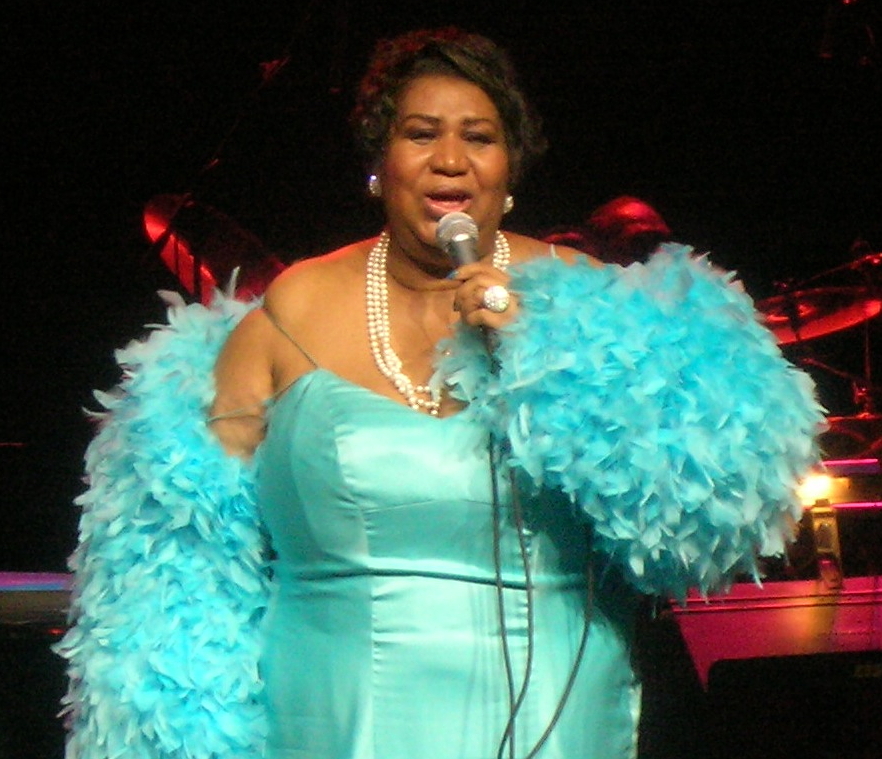
Photo credit: Ryan Arrowsmith, Creative Commons

For your listening pleasure, here’s the late, great Queen of Soul Aretha Franklin singing Who’s Zoomin’ Who?

The answer is: millions are zooming.

Zoom is a videoconferencing service, similar to Skype but easier to use, where a number of people can see and talk to each other via their computer cameras and microphones. Until recently, Zoom has been used mostly by business.

An Authors Guild newsletter brought Zoom to my attention as an alternative for writers  to connect with readers in the face of cancelled book launches, appearances, and tours.

[BTW, if you are not already a member of the Authors Guild, consider joining. Their lawyers reviewed three book contacts for me, worth far more than the $135 annual dues. Daily discussion groups are excellent sources of knowledge and experience shared by pros. Okay, end of commercial.]

Because Zoom is live, people at meetings can interact and ask questions. It enables authors to chat with book clubs and give readings and presentations.

Zoom’s basic option is free and allows from three to 100 participants, with a 40-minute time limit. Pro options start at $14.99/month and offer unlimited meeting time and other bells and whistles, including webinars, education courses, toll-free call-in numbers, etc.

Sounds like the perfect venue for authors and readers to connect, right?

Except there’s a hitch: you must give Zoom permission to access your computer. Whenever a third party gets inside your computer, there are inherent risks.

Last year, a massive security breach was discovered at Zoom. Cyber-security expert Jonathan Leitschuh reported the flaw in this article. His analysis is highly technical and much of it went way over my head. But it’s still well worth reading for his summations.

To paraphrase in simple non-geek terms, Zoom is essentially a virus, albeit a benevolent one, that opens a back door in your computer to activate your camera and microphone, letting you see/hear others and they see/hear you.

However, a flaw enabled hackers to hijack Mac users’ cameras, obtain personal data, and insert malware without the user’s knowledge.

Jonathan expressed concern about Zoom’s slow response to patch the flaw and their rather cavalier attitude toward their customers’ security.

Additionally, even if you uninstall Zoom, the capacity remains for third parties to access your computer to do mischief. Jonathan’s article delves deeply into Zoom’s inner workings and suggests workarounds.

For those of us who are less techie, here’s an article from Consumer Reports with ways to protect your camera and mic from hacking.

“Zoom-Bombing” is another problem. This recent article from Forbes describes how trolls broke into a Zoom meeting and inserted pornographic videos. When they were blocked, they simply chose new user names, joined the meeting again, and inserted more “bombs.”

Zoom’s privacy statement reveals they share your information with third parties like Google and Facebook. In other words, data mining. 

With COVID 19, Zoom use has exploded and its stock is going to the moon. This article in the Motley Fool says:

“Why Zoom is a solid long-term bet:

While Zoom stock has already more than tripled from its original IPO price, it still has the potential to create massive wealth for long-term investors. The enterprise collaboration segment is expected to top $48 billion in 2024, up from $31 billion in 2019.”

With shelter-in-place restrictions, hundreds of thousands of people are conducting virtual meetings about every subject from Aardvarks to Zumba. With many more potential targets for malicious hackers to exploit, I expect attacks will zoom up faster than the stock.

While I don’t seriously believe hackers are dying to break in on my upcoming meeting with a book club, I am concerned. When personal data is vulnerable, losses can be drastic.

Each of us must decide if the risks outweigh the benefits of using Zoom.

~~~

TKZers: Have you used Zoom or other videoconferencing tools? What has been your experience?

~~~


Last day to download Debbie Burke’s thriller, Instrument of the Devil, for only $.99 here.

Comforting Creative Outlets


If you’re like me, every day has started to become a bit of a blur…but happy Monday all the same! After reading Sue’s great blog post last Monday (Why the World Needs Creatives More than Ever) I started to feel less guilty about my complete inability to write last week – I definitely felt my overall anxiety had depleted my creative reserves (not to mention having a household full of boys trying to work/being out of school). Instead of writing, I found myself turning to what I now call my ‘comforting’ creative pursuits – namely sketching and painting (as well as my less comforting, more challenging, creative pursuit – the dreaded knitting!).

I’ve dabbled in painting for years, always enjoying the fun of doing something for the pure pleasure of it. I’m not particularly good but also not particularly bad, so it’s a hobby that can be both satisfying and comforting. Unlike my writing, I don’t feel the pressure to excel or try to make a living out of it and, because I lean towards abstract art, my paintings don’t even have to look like anything in real life (bonus!).

The last couple of weeks I’ve found that getting absorbed in a painting is a great stress reliever. I get to just focus on the stroke of the paintbrush and the subtleties of color. It enables me to get engrossed in something other than compulsively checking news apps or social media – and time does seem to pass in a completely different way when I’m painting (hours seem to float by, calm and serene – it’s lovely!).

Next week my boys start back at school via remote learning and hubby will continue to work from home, so I need to set up a new schedule – one that reintroduces some decent writing time (I feel I really ought to get that back into focus!) and which, I hope, will also include time to paint. In these troubling times, I feel I need my comforting creative pursuits more than ever…

So TKZers what are your ‘comforting’ creative outlets? Are you having trouble focusing on your writing – or are you using this pandemic as a way of channeling your thoughts and feelings at the moment (I feel completely stymied in this regard!). What creative pursuits are you turning to? Books for me are also a comfort – although I had started a post-apocalyptic YA novel that might need to get re-shelved for while for my own mental health…

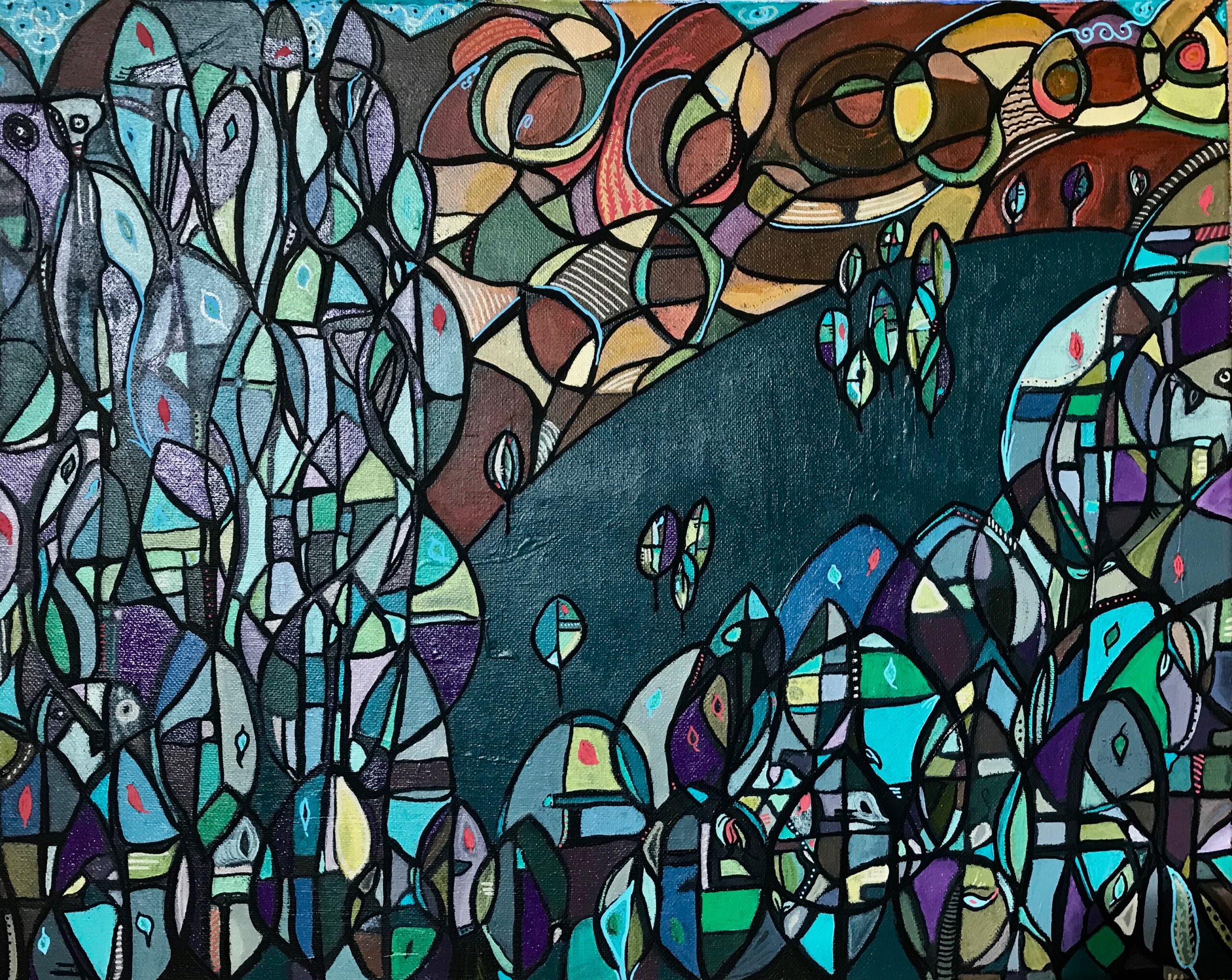
BTW – here’s a photo of my latest painting  ‘in progress’ – no judgement please:) When it’s finished it will hopefully look a little like the one at the top of this post (which I finished last week:))

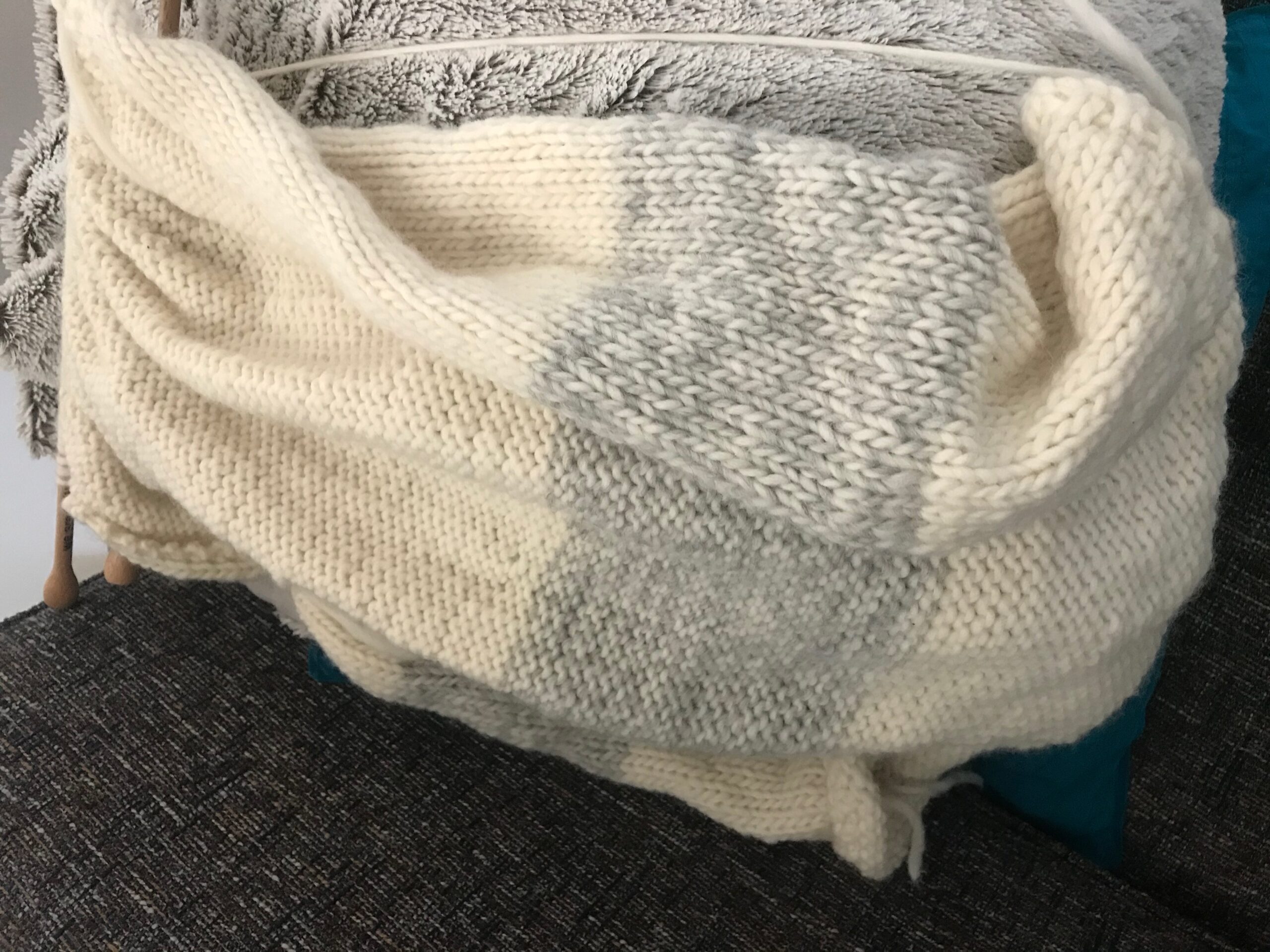
Oh, and here’s a photo proving I have actually made some progress knitting!!

True Crime Thursday – Shut the Door Murder Confession

Credit: Wikimedia

By Debbie Burke

@burke_writer

A mistake in a court transcript resulted in a “confession” to a double murder in Syracuse, NY.

During testimony before a grand jury in February 2020, 13-year-old Brendell Elmore said he “shut the door.” However, the court reporter erroneously transcribed that he “shot the dude.”

Big oops.

By law, grand juries do not allow recording. A transcription by a court reporter is the official record of the proceedings. If the reporter doesn’t record something, it didn’t happen. Or if s/he records something incorrectly, that error stands unless challenged. Transcripts are critically important because they are the only documents that judges consider when they make rulings and decide appeals. 

Fortunately, in Brendell’s case, an audio recording verified his actual words–“shut the door.” The reporter had inadvertently activated a record option, saving his testimony. Although illegal, the judge ruled the recording was not intentional and it was crucial to the accuracy of the proceedings.

A news report about the error can be found at this link. A trial in March resulted in the conviction of Brendell’s older brother Treamon in the double murders, covered here. Even though Brendell didn’t pull the trigger, he was present during the crimes and held the victims at gunpoint with a non-working pistol. He faces time in a detention facility for his role.

The disturbing error in the transcript calls into question the long-standing practice of human stenographers who record documents by hand (and ear) in an age when digital recording is reliable and accurate.

While some courts are trending toward technology, lawyers still come down in favor of human stenographers, according to this article.

UPDATE: Please scroll down to Jim Bell’s comment for a more expert analysis than mine. Thanks, Jim!

~~~

TKZers: Do you think court reporters are obsolete? Should digital recording be allowed in legal cases? What about using both reporters and recordings in tandem?


Internet to the Rescue!

By John Gilstrap

I’ve read articles by and about other writers who maintain that their first step in drawing a character is to find the perfect name.  I’ve never understood that, beyond the obvious connotations of character type.  A romantic hero named Raunchy McStinkface would probably be doomed.  My series character, Jonathan Grave, is called that because my original plan for the series was to build titles around the name–Grave Danger, Grave Peril, etc.  Okay, I’m not very good with titles.  (Hand to God: I was two or three books into the series before I realized, thanks to an inquiry from a fan, that Jonathan and I share the same initials.)

For me, characters develop in my head from the inside out–how they think and feel and react.  Names, for the most part, are just labels, something to call them.  I’ve taken names from friends, and also from news stories, sometimes attaching one news maker’s first name to someone else’s last name.

In my current WIP, Crimson Phoenix, my first non-Grave book in quite a while, I’m cursed with a ton of walk-on characters.  I’ve been going crazy trying to develop names for these folks, until earlier this week, when I wondered if the internet has such a thing as a name generator.  Eureka!  This site is a name generator.  It allows you to choose ethnicity, sex, age, and a host of other factors to spit out a list of names.  Or, you can go straight to the Quick Name Generator, which will spit out a random list for you to choose from.

Fair warning: The site can become an obsession if you’re not careful.

So, this got me to thinking, what else is out there?  One of my evil writing reflexes is to have characters nod too much.  Non-verbal communication is important in a scene, but beyond shrugs, nods making faces, my quiver runs empty pretty quickly.  Here’s a site I found specifically to help with body language.

Want more?  How about this helpful blog with 106 ways to describe sound?

I forget sometimes what a boon the internet can be for writers.  I am continually amazed by how there seems always to be an answer to any question you want to ask.  Not all of the answers or suggestions are great, but there’s always a route to follow to get to the answer.

So, TKZers, give us a link to your favorite helpful sites, either on craft or just for reaearch.

What Book Wasted Your Time?
What Book Moved You?
Let’s All Take A Quiz.

By PJ Parrish

Sue’s post yesterday on the need for creativity in our trying times got me to thinking — why has my urge to write anything gone pffft?  I figured it out — all my creative juices lately are going to helping me and my own stay sane.

Not easy in these times of cabin fever, quest for toilet paper, and real fears. I’m walking more than ever, and I gotta tell you, there’s been an unexpected joy in seeing my neighbors and friends out more. And this morning was really lovely — I was all alone with my dogs, a hovering dawn fog and a very loud symphony of birdsong. (Loud because there are no cars).

Yesterday, I ventured out to a toy store to buy a jigsaw puzzle. The sweet young clerk told me they are doing a bang-up business.  Seems even the kids are getting tired of video games and Scrabble is sounding pretty exotic.  I am looking for good things, small as they may be.

I am also reading more. Normally, I cleave to fiction but this week I started Jon Meacham’s The Soul of America: The Battle For Our Better Angels. It is a history of our democracy, with every wart revealed and wonder exalted.  It’s beautifully written and very affirming.  We will get through this, Meacham says, we’ve endured worse. You don’t believe me? Well, here’s the sad story of Nathan Bedford Forrest…

Books are so vital right now. Whether you’re escaping to Treasure Island or retreating into the romance of Danielle Steele. (Although I’d vote that you should re-read Judith Krantz. She’s much funnier and very randy). I wish the libraries were not having to close right now.

So, forgive me today if I have no good writing advice. My mind is elsewhere. Let’s play a game instead.

One of my favorite stops in my Sunday New York Times is the By The Book feature in the book review. Famous folks are interviewed, asked the same questions week after week a la the format popularized by the great James Lipton of Inside the Actor’s Studio. (“What sound do you love?” “What’s your favorite curse word?” “If heaven exists, what would you like to hear God say when you arrive at the pearly gates?”)

This week in By the Book, Emily St. John Mandel was questioned. (She’s the author of one of my favorite books Station Eleven.)  So here are the questions, but I am going to give you my answers. That’s because I will never be famous enough to be asked but always wanted to be.  Please weigh in with your comments and answer any of the questions that move you!

What book are on your nightstand? The Meacham book, plus Robert B. Parker’s The Judas Goat. Just added a really ratty copy of Wuthering Heights that I found this week at the GoodWill. I figure it’s time.

What’s the last great book you read? Your first thought is usually your best one. I immediately grasped upon Toni Morrison’s Beloved. I still think about the people in that book sometimes.

Describe your ideal reading experience (when, where, how?).  Somewhere foreign so I can’t understand anything on TV.  It’s raining. My dogs are snoring at my side.

What’s your favorite book no one else heard of?  Well, my tastes aren’t esoteric enough to dazzle anyone and I refuse to make something up to sound important. So I will recommend two: Jim Harrison’s memoir A Really Big Lunch. If you love cooking, wine and great writing, this is for you. (A tip from Jim: Don’t drink and cook at the same time. But if you must, only one glass of prosecco.)

Also, try Di & I by Peter Lefcourt.  Leonard Schecter, a successful Hollywood screenwriter, goes to London, meets the unhappy princess and they run off to travel across America in a mini-van, and end up running a McDonald’s in Cucamonga, California.  I’m a royalist and love books about the twisted Windsors. This made me laugh til I cried.

Which writers working today do you admire most? I will read a grocery list if Joyce Carol Oates writes it. Or maybe I am just envious of her work ethic. So that’s it. Your turn…

Has a book ever brought you closer to another person, or come between you? This was easy.  My own first book, Dark of the Moon, written with my sister, remade a sibling into a beloved friend.

How do you organize your books? Roughly by subject. Crime fiction on one shelf, my dance books from days as a critic on another, etc.  My husband has shelf with rock biographies. I recommend Keith Richard’s Life because anyone who is more durable than Astroturf deserves to be heard.

Disappointing, overrated, just not good: Do you remember the last book you put down without finishing? Do I remember? Hell yes, I remember, because these books take up valuable time and energy and leave you angry for months for being so gullible, sort of like a bad blind date. So this gives me yet one more chance to trash Hilary Mantel’s Wolf Hall. (I mentioned it in Jim’s Sunday post).  I love fiction set in old England. But this was first-person pretension and overwrought prose prettified with preface graphics of family trees. Which still didn’t help me keep all the guys named Thomas straight.  A friend told me I have to let this go and suggested I read Infinite Jest to regain some perspective.

What say you, guys? Your turn to talk about books. Stay safe. I know that sounds banal but sometimes banal, like rice pudding, is what works.


“Knock knock.” “Who’s there?” “You are.”

Photo by Dimitri Houtteman on Unsplash

The best-laid plans…

I was so proud of myself for writing today’s blog ahead of time and finishing it on Monday, March 16. It was supposed to be about the ways in which authors could spend their time while dealing with all of the hoo-hah about social distancing and the like. The feeling lasted until Thursday, March 19, when the wondrous and wonderful Jordan Dane posted her blog titled “A Writer’s Guide to Surviving Social Distancing and Quarantine.” 

Whoops. Jordan’s post was so much better than what I had prepared — no surprise there — that I couldn’t even be frustrated. That said, one might expect that such a state of affairs would have put me into a state of panic, given that my deadline was near. Well,  contraire, mon frere. I have it covered. There is always something, and something else, to discuss. 

I am of the age at which one may find oneself attending at least one organ recital on a weekly basis, if not more often. By “organ recital” I refer to one of those gatherings which takes place — or at least used to until recently — at a coffee shop or diner, where a group of duffers might gather and trade war stories about their latest hospitalizations, surgeries, doctor visits, blood work results, and gradual deterioration. I don’t want this to be that at all. But here goes.  

I have for a few years experienced occasional episodes where I’ve been awakened at night by knocking. Two knocks, to be exact. My impression has in each instance been that someone is knocking at my front door. My bedroom and its window are in front of the house on the second story. I leave an outside light on at night as well. I accordingly can quickly obtain an excellent view of the front yard. I never see anything, such as a neighborhood urchin dashing madly way, following these knocking episodes. I also go downstairs and check to see if possibly Steve Harvey, Michael Myers, out-of-season after curfew trick-or-treaters, or missionaries are there. Nope. Nope. Nope. Nope.

These episodes don’t happen frequently or regularly. I can go a year or more without one and then experience one every few weeks. In the past, I have forgotten about these episodes until I have had another. After experiencing one earlier this week, however, I did a little research and discovered that I apparently have something called EHS.

Photo courtesy quickmeme.com

What is EHS? It’s “exploding head syndrome.” EHS is described as being benign, and it is, in my experience. The condition was first noted in medical literature in 1876 by Dr. Silas Wier Mitchell but was given its charming name in 1988 by Dr. John M.S. Pinafo…er…Pierce.  Those who experience it hear loud noises and occasionally see flashes of light at the beginning or end of a sleep cycle. There is no medication for EHS but some prescription sleep aids have been reported anecdotally to be helpful. It doesn’t bother me enough to take Halcion or Ambien or one of those medications whose potential side-effects include walking down a highway disrobed while singing the soundtrack from Hamilton. It’s not worth it. 

EHS may have been around for quite a while. I found a British legend that solemnly declares that if someone is awakened by one phantom knock it meant that good fortune (Steve Harvey) was coming. If awakened by three, however, it meant that death (Michael Myers) was imminent.  The legend is moot, however, as to two knocks. Maybe hearing two knocks means that nothing will happen. I should be so lucky.

Have any of you heard of EHS or experienced it? My most experience has inspired me to fool around with writing a Cthulhu Mythos story, even though I don’t know what I’m doing with it.  Porter stumbled toward the front door, jumping each time the ponderous knock sounded. As he reached out to turn the doorknob Porter heard a slithering and hissing noise, as if hundreds of snakes were seeking entrance via the door hinges.  Porter tried to keep his voice steady as he yelled, “Get back, I say, get back! The Innsmouth Police are coming!” I might share it here if I finish it. Or not. In any event, be well and safe. Thanks for dropping by The Kill Zone, where you don’t need to call or knock first. 

Photo by mostafa meraji on Unsplash


A Writer’s Guide to Surviving Social Distancing & Quarantine

JordanDane

@JordanDane

No one has to tell me twice to stay home. I work from there as a writer. My commute is from the bedroom to my office. (No. I don’t work in my PJs. Puleeze.)

Don’t mingle? I love people, but I’m a bit of an introvert. I’m perfectly happy entertaining myself in my head. No worries. But in order to flatten the curve of the #CoronaVirus and allow health professionals to get this pandemic under control for the hospital beds and respirators they have, I am determined to do my part, happily. I’m also the primary caregiver to my parents who are in their 90s. They’re in good health, but their age puts them at a disadvantage.

I’m limiting my errands, appointments and socializing for the next few months and am hoping we, as a country, can get this pandemic under control. I’ve cancelled my European trip in July and will target my travel for 2021-2022 when things might be better.

I thought I would share what I am doing during my self-imposed lock down and get a conversation going. Let’s share what we’re up to and make this quarantine/social distancing survivable.

ALWAYS allow time for your daily quota but think outside the box for how to spend your time. This shouldn’t be same-old-same-old time. Treat yourself & bolster your spirit. The last time I had to spend time sequestered at home, I wrote my debut book after I had surgery. Perhaps this inconvenience could be a renaissance of sorts, a rebirth like a Phoenix rising from the ashes.

Stay positive & fuel your creativity.

Ideas for Writers to survive the #CoronaVirus #Pandemic:

1.) Develop your cooking skills. Treat yourself well by making an effort, even if it’s for a party of one. I have fun posting recipes with pics on social media, like Twitter and Instagram. If you’re feeling generous, try supporting your local restaurants who are suffering during this shut down. They may only be making money on deliveries. Order online with delivery & make sure to wipe down the cartons/containers & throw away the bags. Plastic & cardboard surfaces can carry the virus for 24 to 72 hours–and tip your driver.

2.) Research cooking homemade dog food & treats. My sister and I have challenged each other, from our respective homes, of course. We are cooking our own nutritious dog food with healthy ingredients (meats, vegetables and fruit) with vitamin & probiotic supplements. I recently did the math and I’m saving $20/bag off my old kibble brand. I cook once or twice a month and freeze some to have inventory. It’s fun to be creative for them. My oldest dog is ten and she’s gobbling up her food like she has never done before. I love seeing the joy of my three rescue dogs at meal times and their appreciation shows.

3.) Organize your life. What needs doing? What have you put off? For me, it’s tackling a storage room & my office. I also cleaned out my freezer & made use of what I could to make dog food. These jobs were long overdue. Writing deadlines are pushed to the top of the list normally, but this time of self-reflection has helped me get after projects that will make me feel better in the long run.

4.) Spend time outdoors. It’s spring. Get fresh air by working in a garden, cleaning up, applying lawn treatments. I maintain my home & yard on my own. It’s rewarding, invigorating & a reminder of nature’s renewal. This time of year, it is cleaning up leaves and sprucing up the garden to make way for the new growth. My tangerine tree is blooming and my tulips and bulbs are flowering.

5.) Do an inventory of the favorite things in your home & post pics of them on social media. I saw this on social media and participated. I thought it was a great idea for the home bound. Share a story of why something means the world to you. Tell a story and invite your followers to share their prized possessions. Very touching and interesting.

6.) Post a video of your quarantine activities online if you’re tech savvy. Or read excerpts of your books on video to share with readers. Do you feel comfortable with recording writing craft tutorials? With all the late night shows getting creative on Youtube, I thought–why not share our work with other quarantiners or read an age appropriate book to children? What the hell. I can’t sing

7.) Catch up on research for your next book & dig into a new plot. Daily writing time is important. That should come first, but working on a new project can be invigorating.

8.) Reach out to friends & family on FaceTime or texting or calling. Reassure your loved ones & stay more connected with the people you value most. Not including family, ask yourself–who makes the list of my top 10 contacts? I call this – taking an inventory of the heart.

9.) Focus on your pets. Things have changed in their world too. They see you home more and want your time. Take them on longer walks. It’s good exercise for you. Buy new toys for them, something you can enjoy with them.

10.) Catch up on your reading. Authors should be avid readers. You’ll learn as you enjoy.

11.) Write a letter to someone special. We’re writers, after all. Or keep a daily journal to get in touch with the emotions you might be feeling.

12.) Go on an online shopping spree. Or send a special gift to someone you love.

13.) Plan a vacation for late 2021 or 2022. Save for it. Take your time researching it & make the trip special.

14.) With sports being cancelled across our country, check out what others are doing on TikTok to invent a sport. Here is a LINK. Roomba Curling, window tennis, turtle tic tac toe, Sock Pacman, & ping pong trick shots set up in your home with obstacles.

15.) Take a vitual tour of these great sites at this LINK. Over 30 sites. Animal cameras, national parks, touring famous places across the world, try a virtual trip on Mars.

I count my lucky stars for everything good in my life, despite what’s going on across the globe. I hear & read about horror all over the world and things happening close to home. People are hurting and they don’t have many options if our economy shuts down to a crawl. Be kind to one another and help where you can. You will not regret it.

FOR DISCUSSION:
What are you doing to keep your sanity during this challenging time?


Romantic Suspense – An Overview

Romantic SuspenseIn a comment on a previous post, one TKZ reader asked about romantic suspense. Since I write in that genre as well as mystery, I’ll try to respond.

At first glance, the answer seems obvious. Romantic Suspense books have both romance and suspense. However, that’s a very broad definition, and in order to write in the genre, one needs to dig a little deeper.

Is it a romance novel with a suspense sub plot?
Or is it a suspense novel with a romance sub plot?

How are they divided? 50-50? 60-40 romance because it’s Romantic Suspense? Or 60-40 suspense because it’s Romantic Suspense? Or something else?

In truth, it’s none of the above, so let’s back up and look at the definitions.

According to the Romance Writers of America (presented long before the recent implosion and I think their definitions/guidelines still hold), a Romance is defined as a novel containing a central love story and an emotionally satisfying and optimistic ending.

A Central Love Story: The main plot centers around individuals falling in love and struggling to make the relationship work. A writer can include as many subplots as he/she wants as long as the love story is the main focus of the novel.

An Emotionally Satisfying and Optimistic Ending: In a romance, the lovers who risk and struggle for each other and their relationship are rewarded with emotional justice and unconditional love.

Romance novels may have any tone or style, be set in any place or time, and have varying levels of sensuality—ranging from sweet to extremely hot. These settings and distinctions of plot create specific subgenres within romance fiction.

One of those subgenres is romantic suspense. What does RWA say about that?

Romantic Suspense: Romance novels in which suspense, mystery, or thriller elements constitute an integral part of the plot.

You’ll notice the definition does not single out suspense. Instead, it adds mystery and thriller. And my own personal bugaboo is that RWA chose to call the entire subgenre “Romantic Suspense” when the mystery genre is also in there. A mystery is not a suspense, and vice versa.

Let’s look at those genres that fall under the mystery umbrella. Author and former agent Nathan Bradford sums them up thusly:

Mysteries have mysteries, i.e., something you don’t know until the end.
Suspense has danger, but not necessarily action.
Thrillers have action.

A bit simplistic, but it’s a start. An easy way to think of it is in a mystery, the reader follows the protagonist and doesn’t learn anything until he or she does. Think Sherlock Holmes.

In a suspense, the reader is one step ahead of the protagonist and knows facts before he or she does. Think Alfred Hitchcock.

Can your book have both? Yes. In my Finding Sarah, the story begins with a mystery, and both characters are working together. But when Sarah disappears, readers will see what’s happening from her POV, and they’ll know more than Randy. Likewise, as Randy discovers clues, the reader will know them but Sarah won’t. Moving your characters apart can increase the suspense aspect of the book.

What about thrillers? The older definition of a thriller was “a suspense novel with consequences of global proportions”, but the lines between suspense and thriller have blurred. A thriller has more action, should have higher stakes, but often the stakes and/or consequences are only for the characters and don’t reach far beyond the setting of the book.

(Side Note) At a conference, I asked Lee Child whether he thought thrillers had been “watered down” as a way for publishers to attract a wider audience, because I’ve seen reviews for some of my Blackthorne, Inc. books that refer to them as thrillers, which was not my intention when writing them. He gave me a serious look (from way up high, because he’s tall and I’m not.) He said, “Do you want to know the difference between thriller and suspense?”

Duh. Of course I did. This was Lee Child, after all. He said, “It’s an extra zero on your advance.”

So, for the purposes of this post, I’m lumping thrillers and suspense in the same box. Now, back to my initial question, taking the RWA definition of romantic suspense into consideration.

Romance novels in which suspense, mystery, or thriller elements constitute an integral part of the plot.

Note the word integral. The two elements are entwined so you cannot remove any of the mystery/suspense elements without the book collapsing. Likewise for the romance. If you can remove either of those elements, you don’t have a romantic suspense.

When you’re writing you should be writing 100% romance and 100% mystery/suspense.

Sound hard? You’re right. It is.


Terry Odell is an award-winning author of Mystery and Romantic Suspense, although she prefers to think of them all as “Mysteries with Relationships.” Follow her on Facebook and Twitter.


First Page Critique – Closure

Photo credit: jessie daniella – Unsplash

By Debbie Burke

@burke_writer

Welcome to today’s Brave Author who submitted a first page entitled Closure.

TKZ’s intrepid website wrangler, Lynne, included a note with this submission that the prologue occurs nearly two months after Chapter 1. That means the scene below is actually a flash forward, not a prologue, something to keep in mind as you read the submission. Please enjoy and we’ll discuss it on the other side.


Prologue

Sunday, December 31st   9:19 PM

There was nowhere to run now.

Her head throbbed by now.  The agony blurred her vision as blood poured from the nasty gash just above her eye.

She cared little about that now.

Girl get it together, she thought to herself as she dragged her body—uncooperative legs and all—from behind a corner trash bin to the underside of the rusted stairwell.

“No one will find you, Reverend Sinclair.  It’s New Year’s Eve. And you’re about to die.”

The rush of pain exploded with every dreaded movement.

The hell I will, she thought, steeling her mind against the expectation of excruciating pain.  Her legs barely cooperated thanks to her foe’s quick thinking and lead pipe. As she dragged herself from one corner to the next, she suddenly spied an old vent partially covered by plywood.

“It’s over, Reverend Sinclair.  It’s finally over,” the faceless voice bellowed.

She opened her mouth, her mind searching for a retort.  Nothing came out. She needed to squeeze into that vent and in a hurry.  Somehow, grinding her teeth and clinching her bloodied fists, she managed to dislodge the board enough to squeeze through.

Every prayer she ever heard her grandmother pray ran through her mind.  She should have left things alone.

Then again, she couldn’t.  She was never one for that. Like sirens from a distant sea, the “things” had beckoned her, lured her into a whirlwind of unimaginable danger.  Her phone fell out when she bolted through the warehouse from the menace. Her bloodied knuckles, overworked from trying to take out a creaky door, prevented her from wiping the muddled mess from her cheeks.  Life had already stolen so much from her to begin with. Did she really have anything to lose at this point?

“My God,” she whispered, tears rolling down her face in a mingle of blood and dust from her secret abode.  Her body sore and her eyes heavy, Venus longed for rest. Only a flash of light through the crack of the board gave her hope.

“Light? Who is that?” she posited under her breath with a faint smile.  Hope flickered enough to dull the pain that shot from her left knee as she leaned closer to the peak through the splintered plywood.

“Thank you, Jesus…”

Her smile faded quickly when the answer to her question resounded with a crushing rejoinder.

Fire.

~~~

At TKZ, we encourage starting with action right off the bat and Brave Author has certainly done that. A woman named Reverend Venus Sinclair is fleeing from someone who has already caused her serious injury with a lead pipe and intends to murder her. A female cleric is an unusual and interesting character, not a typical protagonist. The premise that someone is trying to kill a woman of God is shocking and grabs a reader’s attention immediately. Well done!

There’s lots of vivid sensory detail—blood pouring from a nasty gash over her eye, legs weak and uncooperative because of intense pain, bloodied knuckles. The reader feels Venus’s agony and desperation as she scrambles to find a hiding place to escape her attacker.

So far so good.

But…action without context can be confusing and frustrating to readers. In this case, there’s too much excitement and not enough explanation.

It appears the author is starting at the brink of the story’s climax then intends to double back to the events that led to this point of crisis.

If that is the author’s intention, this page is not a prologue but rather a flash forward.

A prologue is a scene that happens before the current story begins.

A flash forward, or prolepsis if you want to sound really literary, happens in the future to foreshadow events that have not yet unfolded in the story. Here’s an explanation from k12reader.com:

A flash forward, on the other hand, is when some event that has yet to happen in the present narrative time intrudes. A flash forward are [sic] like foreshadowing in that both provide clues as to what will happen later on in a story. But foreshadowing gives only an impressionistic sense of future events, while a flash forward shows the reader or viewer exactly what the future holds in store, even though the reader may not have enough information to make sense of this detail yet. Sometimes, a flash forward is nothing more than an opening line that reveals a major event in the future. “In a week’s time, the Thomas family will be dead.”

I suggest the author delete the word “Prologue” and simply use date stamps to indicate time sequence.

Now let’s dig in to the writing. The main problems are overwriting, repetition, and lack of clarity.

There was nowhere to run now. – This is a decent opening line but now is used three times in three sentences. Suggest you cut the last two.

Cut repetitive descriptions of her injuries to leave more room for important context and setting information. You don’t need both throbbed and agony.

Her head throbbed, by now.  The agony blurred blurring her vision as blood poured from the nasty gash just above her eye.

She cared little about that now. Show this with her actions instead of telling.

Girl, get it together – take this opportunity to introduce her name. Venus, get it together.

Italics makes it clear she’s thinking. Delete she thought to herself.

uncooperative legs and legs barely cooperated are repetitious. The crucial point here is the attacker is armed with a lead pipe and has disabled her. Emphasize that.

from behind a corner trash bin to the underside of the rusted stairwell. – This is the first hint of where the scene is taking place but more detail would help ground the reader. I can’t visualize where she is. Is it a deserted alley behind her apartment building? The dark parking lot of her church? Withholding the location doesn’t increase tension but instead causes disorientation.

“No one will find you, Reverend Sinclair.  It’s New Year’s Eve. And you’re about to die.” Another strong line but, without attribution, it’s confusing. Who’s talking? You don’t necessarily have to reveal the person’s identity. Presumably that’s meant to come as a surprise revelation for the climax. But specify if the voice is male or female.

The rush of pain exploded with every dreaded movement and the expectation of excruciating pain are repetitive.

There’s a corner trash bin followed by she dragged herself from one corner to the next. More repetition plus it’s unclear—the corner of what? The trash bin? A building? A city block? Be specific so the reader can visualize where the action is taking place.

The hell I will is another strong line that shows her personality and determination.

she suddenly spied an old vent partially covered by plywood. Need more detail. How big is the vent? Large enough to crawl through? Where does it lead to? Into the basement of a warehouse? A restaurant? Her church?

“It’s over, Reverend Sinclair.  It’s finally over,” the faceless voice bellowed. Good line. The reader wants to find out what it is.

She opened her mouth, her mind searching for a retort.  Nothing came out. She needed to squeeze into that vent and in a hurry.  Somehow, grinding her teeth and clinching her bloodied fists, she managed to dislodge the board enough to squeeze through. Clench not clinch. More overwriting. Instead of having her think about what she’s going to do, go directly to the action. Her reasons are clear to the reader.

An alternative: She longed to shout a retort but that would give away her position. Instead, she clenched her teeth and yanked at the plywood with bloodied fingers. It barely moved but allowed her to squeeze inside, out of sight.

Every prayer she ever heard her grandmother pray ran through her mind.  She should have left things alone. 

Then again, she couldn’t.  She was never one for that. Like sirens from a distant sea, the “things” had beckoned her, lured her into a whirlwind of unimaginable danger.  These sentences bring the action to a dead stop. Plus they’re distracting. Sirens from a distant sea – this simile adds no meaningful context and further disorients the reader.

Condense her thoughts to the bare minimum like: Her grandmother’s prayers ran through her mind. She should have left things alone. But she couldn’t.

Her phone fell out – From her jeans? The pocket of her communion robes? Use this opportunity to further describe Venus’s appearance. Does she retrieve the phone? Why doesn’t she use it to call for help?

when she bolted through the warehouse from the menace. At last, a specific location is named—a warehouse. Add a couple of words of description. Is it vacant and echoing? Floor-to-ceiling shelves full of auto parts she can hide behind?

Bolted doesn’t ring true when, a second before, she was so crippled she had to drag herself.

Her bloodied knuckles, overworked from trying to take out a creaky door, prevented her from wiping the muddled mess from her cheeks. Delete repetitive description of her injuries. Would she really worry about wiping her face now?

Instead, concentrate on the creaky door. Creaky implies she tries to open it but you never show that. Where is the door? On the other side of the warehouse? Is it locked? Is it an escape or a dead end?

Life had already stolen so much from her to begin with. Did she really have anything to lose at this point? Again, these thoughts stop the action yet don’t reveal anything about why she’s now in this precarious position. Suggest you either delete these two sentences or add an intriguing detail that makes the reader curious.

Possibility: She’d lost her congregation and family. She had to prove her innocence before this maniac killed her.

“My God,” she whispered, tears rolling down her face in a mingle of blood and dust from her secret abode.  Her body sore and her eyes heavy, Venus longed for rest. Introduce her first name, Venus, earlier in the page. Delete repetitious description and focus on her silent, desperate call to God for help.

Only a flash of light through the crack of the board gave her hope. Another potentially strong line but confusing. A few sentences ago, she bolted, implying she ran and is now farther away from the vent she crawled through. Is the board the same plywood she pushed aside? Or is it part of the creaky door? You need to clear this up.

“Light? Who is that?” she posited under her breath with a faint smile.  Posited is a pretentious word that doesn’t belong. She wouldn’t speak out loud, even under her breath, and give away her position. Since she doesn’t know the source of the light, her reaction seems unrealistic because it’s more likely to be the attacker than, say, a rescuer with a flashlight.

Hope flickered enough to dull the pain that shot from her left knee as she leaned closer to the peak through the splintered plywood.  Delete extra the. Peak should be peek. I’m totally confused where she is now. Didn’t she bolt across the warehouse? Did she return to the plywood-covered vent? Or did she never leave there?

“Thank you, Jesus…” Good line but you need to give a plausible reason why she believes she’s now safe. Does she hear police sirens?

Her smile faded quickly when the answer to her question resounded with a crushing rejoinder. More overwriting. Resounded and rejoinder are jarring words that draw attention to themselves. Suggest you delete the entire line. Instead, focus on her brief instant of hope that’s immediately dashed.

Fire. Excellent scary development. If her pursuer can’t beat her to death with the lead pipe, he’ll burn down her hiding place. That’s great tension. But, again, it stretches plausibility unless you show that she’s cornered and trapped. Otherwise, presumably she would have time to escape out the other side of the warehouse.

Overview: 

Focus on painting a crystal-clear picture of the scene. You don’t need long descriptions but be sure the reader can visualize the alley (I’m presuming it’s an alley but still am not sure), the vent in the warehouse wall, and the inside of the warehouse. You mention the underside of the rusted stairwell. That is a good example of the type of specific detail I’m suggesting.

Establish her injuries right away. Example: She dragged her left leg, useless since the attacker had smashed the knee with a lead pipe. Blood from the nasty gash on her forehead obscured her sight. She wiped her eyes with bruised knuckles.

Then move on. The reader knows she’s seriously injured without constant, repetitive reminders of her pain.

Clarify Venus’s position and the choreography of her movements. When she’s outside, she’s dragging herself on the ground. Then she crawls through the vent. Once she’s inside the warehouse, show her movements so the reader can visualize exactly what she’s doing. Does she crawl? Stand up? Bolt?

Watch out for plausibility problems mentioned above. Is the scenario realistic? Are her thoughts and actions believable?

The title, Closure, is vague and general. If you work on using specific details in the story, you can probably find a stronger title.

Brave Author, once you clean up the writing and improve the clarity, I would like to read more about Reverend Venus and how she got into this life-or-death situation.

~~~

TKZers: I’ll be traveling all day and won’t be able to comment until later. Meanwhile, can you offer any suggestions to help out our Brave Author?

~~~
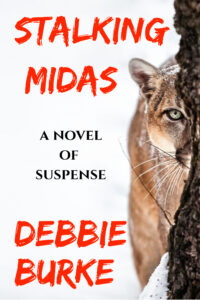


HAPPY ST. PATRICK’S DAY! Celebrate with a green beer and a FREE copy of STALKING MIDAS!

Introverts Unite

So this past week has been a surreal one on so many fronts – my husband’s company ordered him to work from home, my kid’s school is now closed for at least two weeks, we cancelled our spring break vacation, the robotics tournament my boys had been working so hard for was postponed, and the shelves at our local Kings Soopers…well they looked like a scene from the movie Contagion… Despite all this (or perhaps because of it) I came to realize just how introverted a writer I really am.

This realization dawned half way though day one of my husband’s ‘work from home’ week. He started on conference calls just after the boys left for school (this was before the school district announced all schools were to close on Friday) and didn’t stop talking pretty much the entire day. I know I should be sympathetic (I mean who wants to be on back to back conference calls!) – but most days it’s just me, my collie Hamish, and the imaginary characters in my head and I desperately missed the peace and quiet. By day 3, my poor husband was going stir crazy because he, as an extrovert, needed (and missed) having work colleagues around him. I, on the other hand, was longing for solitude:) So when the social distancing decree came down, I wasn’t fazed. Give me a computer to write on (or good old-fashioned pen and paper), a book to read, and some art supplies…and I am pretty much good to go. My husband on the other hand was already writing up a long list of chores we could accomplish:)

Now my husband and I have been married a long time (over 25 years!) so none of this comes as a great surprise – except that we’ve never really had to confront our own personality types in quite this way before. Neither of us were prepared for just how different our introverted versus extroverted outlook would be. One of my twins joked that he’d seen a meme on how introverts have been preparing their whole lives for social distancing – and while I laughed at first…it’s actually true. Though I doubt most of my friends would ever describe me as introverted – I enjoy being with people, am usually very chatty, and can be quite..er…theatrical when I want to be…but recent events have made me more aware than ever, just how much my creativity comes from the absence of people, and the quiet spaces of my day. This all means that there will certainly be some interesting times ahead, as for the foreseeable future I will have my husband and twin sons at home. We will all have to carve out our own quiet spaces (or in my husband’s case, some virtual-people filled spaces) and I will have to find ways to satisfy my introverted need for quiet and solitude.

So TKZers how many of you consider yourselves introverted? What has recent events revealed about your own personality or creativity?

In these challenging times we can all benefit from appreciating our common humanity, embracing empathy, and understanding how we can bridge our differences. In the meantime though…any words of wisdom on how two introverts (one twin and me) and two extroverts (my husband and the other twin) can survive in quasi-isolation??