Plot Elements Matter

By Joe Moore
@JoeMoore_writer

When you write a story, whether it’s short fiction or a novel-length manuscript, there are always two major components to deal with: characters and plot. Combined, they make up the “body” of the story. And of the two, the plot can be thought of as the skeleton, the structure on which the story is built. Plot can be defined as the series of events that move the story forward; the network of highways the characters follow to reach their goals.

When it comes to building your plot, nothing should be random or by accident. It may appear random to the reader but every turn of the plot should be significant and move the story to its final conclusion. Every plot element, whether it deals with a character’s inner or outer being should contribute to furthering the story.

In order to determine the significance of each plot element, always ask why. Why does he look or dress that way? Why did she say or react in that manner? Why does the action take place in this particular location as opposed to another? If you ask why, and don’t get a convincing answer, delete or change the plot element. Every word, every sentence, every detail must matter. If they don’t, and there’s a chance they could confuse the reader or get in the way of the story, change or delete.

Your plot should grow out of the obstructions placed in the character’s path. What is causing the protagonist to stand up for his beliefs? What is motivating her to fight for survival? That’s what makes up the critical points of the plot—those obstacles placed in the path of your characters.

Be careful of overreaction; a character acting or reacting beyond the belief model you’ve built in your reader’s mind. There’s nothing wrong with placing an ordinary person in an extraordinary situation—that’s what great stories are made from. But you must build your character in such a manner that his actions and reactions to each plot element are plausible. Push the character, but keep them in the realm of reality. A man who has never been in an airplane cannot be expected to fly a passenger plane. But a private pilot who has flown small planes could be able to fly a large passenger plane and possibly land it. The actions and the obstacles can be thrilling, but they must be believable.

Avoid melodrama in your plot—the actions of a character without believable motivation. Action for the sake of action is empty and two-dimensional. Each character should have a pressing agenda from which the plot unfolds. That agenda is what motivates their actions. The reader should care about the individual’s agenda, but what’s more important is that the reader believes the characters care about their own agendas. And as each character pursues his or her agenda, they should periodically face roadblocks and never quite get everything they want. The protagonist should always stand in the way of the antagonist, and vice versa.

Another plot tripwire to avoid is deus ex machina (god from the machine) whereby a previously unsolvable problem is suddenly overcome by a contrived element: the sudden introduction of a new character or device. Doing so is cheap writing and you run the risk of losing your reader. Instead, use foreshadowing to place elements into the plot that, if added up, will present a believable solution to the problem. The character may have to work hard at it, but in the end, the reader will accept it as plausible.

Always consider your plot as a series of opportunities for your character to reveal his or her true self. The plot should offer the character a chance to be better (or worse in the case of the antagonist) than they were in the beginning. The opportunities manifest themselves in the form of obstacles, roadblocks and detours. If the path were straight and level with smooth sailing, the plot would be dull and boring. Give your characters a chance to shine. Let them grow and develop by building a strong skeleton on which to flesh out their true selves.

When you begin working on a new story, do you develop your plot or characters first? Do you believe that a book can be primarily “plot driven” or “character driven”?

Reader Friday: Best Political Thrillers?

It’s a Presidential Election Year–aka “Silly Season”–again. What are some of your favorite political thriller books or films?

Update: We’re truly sad to learn of the passing of Harper Lee, who wrote perhaps the best “political” story (as told through the highly personal story of a child) in American history, TO KILL A MOCKINGBIRD.


First Page Critique – Renegades

Jordan Dane

@JordanDane

My first critique for 2016. For your reading pleasure, we have RENEGADES, submitted anonymously for feedback. My comments will be on the flip side. Please provide your constructive criticism in your comments. Our brave author appreciates the help.
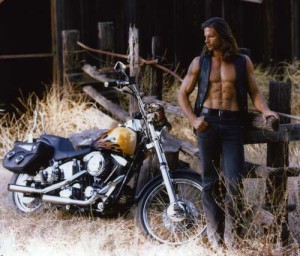
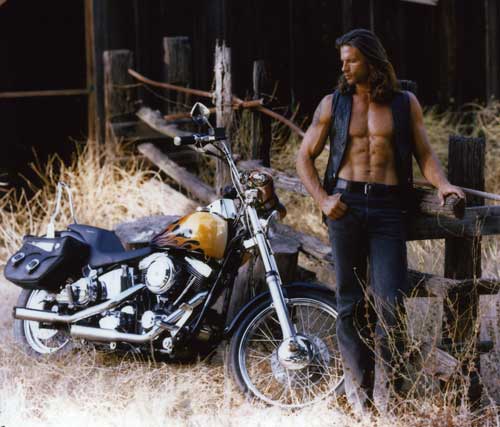
I'm dating myself with this pic of Lorenzo Lamas as RENEGADE

I’m dating myself with this pic of Lorenzo Lamas as RENEGADE

RENEGADES

Silvana
Miami, Florida
Friday, March 30, 2012
3:25 PM

Silvana Machado’s cell phone went off while she was pistol-whipping a street punk. He’d gotten up in her face when she and Vargas confronted him after they spotted two hookers slipping cash into his palm. He wasn’t particularly well turned out, wearing fairly ordinary clothing, utterly lacking the gaudy flash popular in pimpdom. She made him as a newbie, just getting his enterprise off the ground. He’d gotten out of a black Dodge Charger, not a bad car, but a far cry from your typical pimp’s tricked-out ride. She eyed the caller ID on the bleating phone. Headquarters.

She holstered her weapon and opened the call. “Machado.” Bobby Vargas held on to the the punk.

“Sergeant Machado, Lieutenant Santos here. What’s your location?”

Silvana stepped away from her partner and the punk, just out of earshot. “Northwest 26th Avenue, just off 50th Street, sir.”

“What are you doing?”

“Questioning a suspect, sir. Possible involvement in last week’s drug murder in this neighborhood.”

“Forget it. Get over to 75th and Biscayne, the Sea & Sand Motel. On the double. The manager found a body in one of the rooms.”

“Yes, sir.” She swiped the call off and turned back to the punk, now sniveling. His lip was slashed open. A mouse was forming over his swollen left eye. She pushed a heavy lock of mousey-brown hair back from her face and held out her palm. “Give.” Two snaps of her thick fingers.

“Gi-give what?” the punk said.

Vargas landed a hard knee into his skinny back. He buckled.

“The money, dipshit,” Silvana said. He resisted no more. She reached into his pockets and pulled out a wad of cash, maybe twelve or thirteen hundred. “Now, I understand they call you G-Man.” His head went up and down fast a couple of times. “Okay, G-Man, get this straight.” She held up the cash, close to his bleeding face. “This is your initiation fee.
From now on, it’ll cost you one grand a week to run your whores in this neighborhood. You understand?”

He said, “A grand? Man, that’s a ”

Another whack of her semiauto across his face. Blood flew from his mouth, nearly hitting Vargas’s sleeve. She was well-muscled and that one had to hurt.

“One thousand. Every Friday. Four PM, right here at this corner. You miss a payment or if we don’t find you on Friday, we’ll find you on Saturday and you won’t see Sunday. You hearing me?”

He nodded.

“Say it!” she said.

“One th-thousand. Every Friday. Four  four o’clock. I-I hear you.”

FEEDBACK

OVERVIEW – I think I met this woman at my last high school reunion. Interesting voice for this character. I’m not sure if she is an anti-hero or a baddee, but I’m willing to find out. I love a well-drawn anti-hero. I’d keep reading. Below are some suggestions:

STICK WITH THE ACTION – In the first paragraph, the first sentence sets up the action that is taking place, but then the author immediately takes us out of the action by setting up what led to the pistol-whipping and what the pimp is wearing and what he drives. I’d suggest taking care of some of this set up (ie like why the hookers were slipping him cash) with dialogue but stick with the action to keep the reader in the moment and totally buying into the danger of the scene. I can see her making taunting fun of him to her “look the other way” partner. The longer explanation diffuses the moment. But I laughed out loud when I heard her say, “Questioning a suspect” to her LT. Slam dunk on timing of a great line. I almost don’t want to read the next line – “Possible involvement in last week’s drug murder in this neighborhood.” Author might consider dropping it to sharpen the dark humor to this scene.

GUN USE – I have a thing about a cop using his/her weapon to beat someone with. She then puts the bloody weapon into her holster to spread the DNA. I know this is done a lot in TV and movies, but does anyone else take issue with this? My police officer friend gave me his input and I can’t post what he said here. This is a family blog.

TAG LINE/DATE USE – In the tag line at the top, the author uses the year 2012, which dates this story. I can see if a particular date is important for a period piece, but if the intention is simply to set the stage for something that occurred 3 years ago, then it might be better to use something like: March – Three years ago. I can see this set up to flash forward to present time when we encounter Silvana again.

EMBEDDED DIALOGUE – In the paragraph that begins, “The money, dipshit,” Silvana said, this weightier paragraph has a number of dialogue exchanges in it. Personally I like pulling out as much dialogue, for readers to follow easily. In a wordy paragraph that looks like a narrative, a reader might skim over or lose some lines. I prefer seeing dialogue more clearly and with more white space on the page as a respite for the eye.

SPELL CHECK – Words like “mousey” and “dipshit” show as misspelled and “”semiauto” should be hyphenated. Also, the time “Four PM” does not have to have the caps.

For Discussion: Any other comments of feedback for this courageous author, TKZers? Would you keep reading?
HotTarget (3)

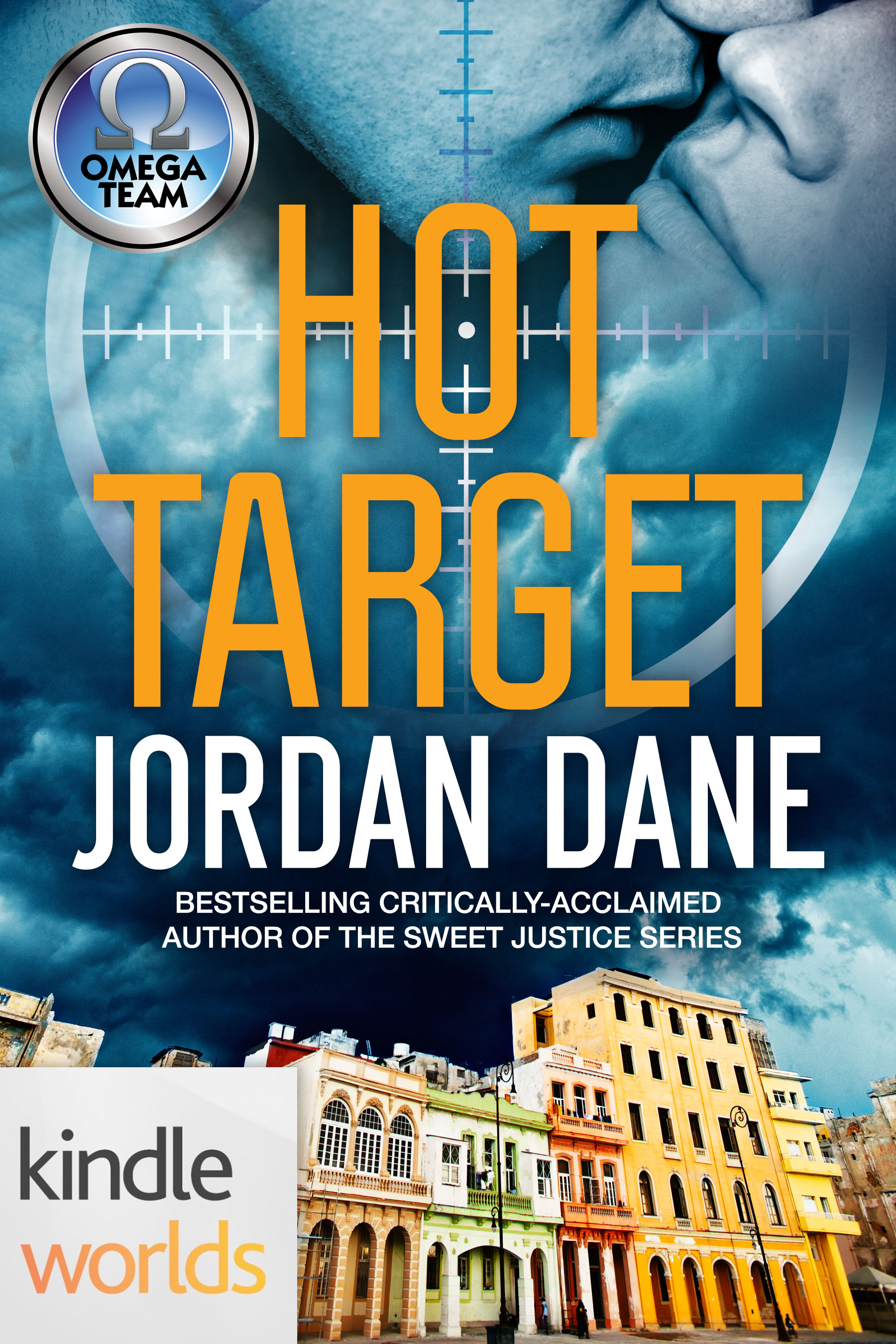
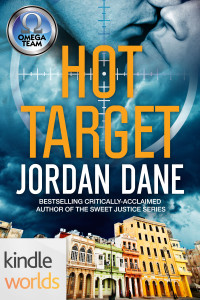
HOT TARGET – $1.99 ebook (Coming Feb 18)

Rafael Madero stands in the crosshairs of a vicious drug cartel—powerless to stop his fate—and his secret could put Athena and the Omega Team in the middle of a drug war. 

The Omega Team series will launch Feb 18 with Amazon Kindle Worlds. Come join the facebook launch party at this LINK on Feb 18 for giveaways and chats with the authors in this romantic action adventure series.

It Was Just A Dream

I’d like to welcome back to TKZ my friend and fellow ITW member, Meg Gardiner. If you’ve ever considered using a dream or dream sequence in your manuscript, Meg points out the perils of doing so. Read on and take note. – Joe Moore

———————–

unnamedWhen I teach writing workshops, I always warn students about what not to do. In particular, I strongly urge them not to open their stories in these ways:

  • With the protagonist staring out the window, thinking about his past.
  • With the detective squinting into the sunrise, hung over.
  • With the protagonist waking up.
  • With a dream sequence.

Why? Because these are clichés — they’ve been done ten thousand times. They’re tired. And because, if your story opens in one of these ways, nothing is happening.

In the case of dream sequences, there’s an additional reason. When readers reach the end of the scene and read, “And then she woke up,” they feel cheated.

As readers, we immerse ourselves in a story by suspending disbelief. That is, while we read, we willingly suspend our knowledge that a story is fiction and accept it as true.  (Thank Samuel Taylor Coleridge for the concept.) But readers generally give an author only one shot at this. If a story opens with an amazingly dramatic, action-packed, emotionally resonant scene that turns out to be a dream, readers are likely to feel that the author has pulled a bait and switch.

Oh. The hero didn’t REALLY save his wife from a mob shootout. He just fell asleep on the sofa.

Huh. The heroine didn’t REALLY leap into the ocean from the deck of a burning ship. She just ate too much pizza and had a nightmare.

Readers invest themselves in the story. When it turns out that the drama is all in a character’s sleeping mind, they’re likely to bail.

Inevitably, when I urge students to avoid dream sequences, one or two will tell me that’s how their novel opens. When I ask why, they say they want the story to open with a punch — but that nothing dramatic happens until chapter five, so the dream is the only way to get some action on the page. Or they tell me they want to show the characters’ fears, longings, or memories, and “there’s no other way.”

There’s always another way. And ninety-nine times out of a hundred, it will be better than opening with a character’s unconscious fantasies. If you want readers to come along for the entire ride, you need your characters to be awake and in action in the physical world from the word go.

How do you deal with dreams in your manuscript? Or do you avoid them altogether?

Meg Gardiner is the bestselling author of twelve thrillers. Her novels include the Edgar Award-winning CHINA LAKE and PHANTOM INSTINCT, which was chosen one of O, the Oprah magazine’s “Best Books of Summer.” She lives in Austin, Texas.

Dumb Mistakes That
Will Doom Your Book

my-first-boat1

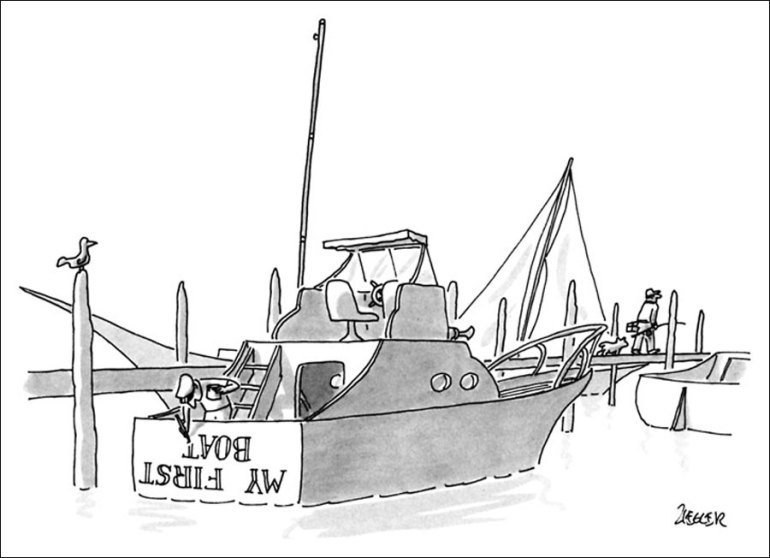
Don’t get whistled out of the game on fouls before you have a chance to show off your best moves. – Miss Snark

By PJ Parrish

So I’m watching Hassan Whiteside play in the Heat game the other night and it got me thinking about writing books. Or maybe it was Marco Rubio in his last debate. I dunno. Not sure who inspired me more. But what I want to talk about today is dumb moves.

Shooting yourself in the foot. Stepping in it. Dropping the ball. Screwing the pooch. Whatever you want to call it, this is not something you want to do in your career. Ask Whiteside. He threw an elbow into the face of his Spurs opponent and got ejected (his third this season). Or ask Rubio. He became Chris Christie’s chew toy after he robo-repeated a talking point three times in thirty seconds. (and paid for it by dropping to fifth in the New Hampshire primary.)

Hey, we’re all human. We all make mistakes. Believe me, I have. Some that adversely affected my writing career. So let’s take a look today at some of the wrong moves that can, as the great agent Miss Snark said, get you knocked out of the game before you’ve even had a chance. Your contributions to our guide to dumbness are welcome!

When writing the book…

extinct

Don’t chase the trend: We can go way back to Jaws for examples here. In the wake of Benchley’s novel, we quickly got such memorable chum as Megalodon (oil rig explosion unleashes giant shark), Carcharodan (prehistoric shark freed when iceberg melts), Extinct (killer shark preys on boys in Mississippi River) and Meg (really big pregnant shark bubbles up from Marianas Trench and eats dumb tourists.) After Anne Rice, Charlaine Harris and Stephanie Meyers dug up Bram Stoker, we got a full decade of un-deads. And après Dan Brown came le deluge of conspiracies (Templars! Cathars! Christian Inquisitors! Oh my!) Here’s my point: By the time you decide you want to follow a trend in publishing, it has begun to wane (and surely will be over in the 18 months it will take you to write it and get it to market). T.S. Eliot might have said, “Mediocre writers borrow, great writers steal.” But if you’re trying to break into the bestseller bank, chances are the money’s already gone. So think twice before you use that unreliable narrator or try to wedge “girl” in your title.  You are a snowflake. You are unique. Let your book reflect that.

Don’t be content with dull titles: Your title is your book’s billboard, meant to be glimpsed and grasped as a reader speeds by in the bookstore or on Amazon. It is ADVERTISING and it must convey in just a few words the essence, heart, and all the wonderful promise of your story. Work hard on this. Yes, slap anything on the file name as you work, but always, as you work through the writing, search for that pithy phrase that capsulizes what you are trying to say. Try Shakespeare (The Fault Is in Our Stars, Infinite Jest) or poetry (No Country For All Men — Yeats).  Go for weird juxtapositions (Zen and the Art of Motorcycle Maintenance) or intrigue (Midnight in the Garden of Good and Evil  or Then There Were None) or humor (Hello, Vodka, It’s Me, Chelsea!). Twist an old phrase (Dr. Suess’s You’re Only Old Once.). So many times, I read manuscripts (or published books) where the title feels like an after-thought, almost as if the writer used up all his juice just getting 300 pages down, breathed out whew! and then went back to page 1 and typed The Templar Conspiracy Book I. Click here for some good tips on titles.  Click here if you want to read the worst titles of maybe all time — and see some butt-ugly covers. Which leads me to…

Don’t use ugly covers: Now, if you’re traditionally published you have little control over this. (although some enlightened publishers are getting better about seeking author input.) But if you are self-pubbing, don’t let your nephew who flunked out of Pittsburgh AI design your cover. Don’t go find free lousy images and try to do this yourself. Nothing screams amateur louder than an ugly cover.  It tells potential readers that you think so poorly of your story that you’re willing to send it out in the world in dirty sweatpants and a Led Zeppelin World Tour 1971 T-shirt. Pay someone to do this. It’s worth every schekel. If you cheap out, don’t be surprised to see your ugly cover end up HERE.

After the Book is Done…

Don’t forget to copy edit it:  This is tedious. This is awful. This is grunt work that comes after even the hell of rewrites. Well, tough. After you finish your filet mignon, you have to floss. You might be really tired of looking at the thing and all you want to do is get it out there in the world, wait for someone to love it, and throw shekels your way.  Resist the urge to do this. Instead, PRINT IT OUT and read it for typos, misspellings, stupid mistakes, grammar lapses, brain farts. After you’re done, go back and do it again — maybe with a ruler held under each line so you go reeeeeal slow. I know authors who copy edit their stuff backwards so the mistakes jump out better.  You won’t get all the bad stuff. But the goal is to make it as clean and professional as you humanly can.  If you don’t know the difference between lay and lie, find someone who does. Agents and editors all say if they see dumb errors in manuscripts, they won’t read on. No one will take your words seriously until you do.

Write a great query letter:  This isn’t easy but it’s really important.  Agents want to fall in love with new talent and every affair begins with a magic moment.  A great query is simple, direct but has a terrific hook. Which is not the same as a plot summary. In Hollywood-speak, it is a “log line” that capsulizes the essence of your plot with a strong emotional pull. (ie from Aliens: “In space, no one can hear you scream.”)  This is hard writing. Even if you self-publish, learning how to write a great tease for your book will serve you well when you go to write that Amazon copy. Click here to see a simple and very serviceable query template.

Have some cajones: There is nothing worse than a falsely humble author. If you are doing a book signing, would you tell someone who walks up to your table, “Oh, I know you’re busy…you don’t really want to know about my book.” So, in your query letter, don’t spend precious words apologizing for “wasting” an agent’s time by sending them your letter. If you don’t have faith in your book, how do you expect anyone else to?  Even if you aren’t a pro yet, act like one.  Be like that wide receiver who doesn’t spike the football in the end zone — act like you belong there. (I got this one from a great blog by agent Jenny Bent.  Click here to read the rest of her advice on submitting.)


Follow the rules when submitting your novel:  Reputable agents are good people; they truly want to find the next best thing because they love good books. So be a pro and follow their rules. Research what types of novels they are looking for. Find out their names and how to spell them. (DEAR AGENT is sorta off-putting, you know?) Format your manuscript in the way they want it — ie, double-spaced, courier or roman, etc.) And finally: Don’t forget to number your pages. Don’t use colored paper or add weird stuff like glitter. And for God’s sake, don’t call your book “a fiction novel.”  You laugh? I saw the actual query letter that had that gem.

I don’t think that guy ever made it off the bench.


Print, Audio and Ebook Experience

I thought this blog post would never eventuate after our aborted President’s Day weekend in Telluride that coincided with a huge boulder falling on a transmission line resulting in zero power to the whole town. We actually ended up driving back to Denver early after a night of picnicking in the semi darkness of our (rather chilly) hotel room. My husband and I called it our family Valentine’s Day adventure but after 12 hours of driving in 2 days it was more of an exhausting Valentine’s Day than anything…although, at least now I have no excuses and the blog post could be completed:)

On the way to Telluride and back we listened to two audio books in the car – one (which shall remain nameless) highlighted the very worst aspects of the audio book experience (wooden narration revealing a badly written novel in all its horror…) and we gave that one up after three discs; the second (thankfully) displayed all the wonderful elements associated with listening to a great book on CD. This (and I’m more than happy to identify it as The Graveyard Book by Neil Gaiman) was narrated by the wonderful Derek Jacobi (and a cast of other great British actors) and so was perhaps an unfair comparison – but, at least for part of our trip, the audio book experience was pleasantly memorable.

Both my twin boys love listening to books narrated well and still enjoy having me read aloud to them each night (which I still managed to do in our Telluride hotel room by flashlight!). What is interesting to me is that, although they love a great audio book, they are still ambivalent to ebooks – far preferring to read the print version. I often end up buying or getting from the library the print version of ebooks I own for them, as both boys want to read the hard copy rather than the electronic version. Since they both love spending on their computers and iPads, I have to wonder why neither of them have embraced ebooks. Is it because, like a bad audio book experience, it feels awkward and unenjoyable? Or is there something magical about turning the pages of a printed book that cannot be captured in an ebook (something that, as children, they feel strongly about perhaps?).

With recent reports of Amazon potentially opening physical bookstores, I also wonder whether we are finding an increasing resistance to ebooks (?). Now, I’m equally comfortable reading on my Kindle as I am reading the print version of a book – and yet my boys, who have grown up in the age of the iPad and Kindle, are not. They turn their noses up at any offer I may have to purchase the ebook version of a book they want. They’d much rather hold a book in their hands.

What about you? As a reader, do you have a preference for print, audio or ebooks? As a writer are you more wary of ebook only publication sites or publishers? Have you had a great book ruined by the audio version? What do you think – are we perhaps seeing generational differences that might result in a resurgence of print (if my boys are any indication)?

Listening to Your Characters

listener1By Elaine Viets

What do your characters sound like? Can you hear their voices?
If they aren’t speaking to you, you may not be writing fully developed characters.
I thought I knew my characters for Brain Storm, my new hardboiled Angela Richman death investigator mystery. They’d been in my head for two years. I was working on the copyedited manuscript when the questionnaire for the Brain Storm audio book landed in my e-mail box. The audio version of Brain Storm will be out this August.
The producer’s questionnaire has six questions.
Naturally I whined. I’m a writer, right? But when I answered the audio questions, I realized I’d been given a gift.
The first question said, “Is there anything about the main character or other significant characters in your book that you would like us to know before we begin the casting process?”
Sure, I could describe my characters – all 19 of them. I knew what they looked like, who they married, how many children and divorces they had. I knew their successes and disappointments. I’d created them.
Then the audio producer asked, “Please describe the specific accents (regional, national, international) you expect to hear.”

Missouri

Easy. Brain Storm is set in mythical Chouteau County, Missouri, ten square miles of white privilege near St. Louis. This is the eastern side of the state, where Missouri is pronounced “Missour-ee.” It’s called “Missour-uh” on the other side. I once heard a tape of a guy campaigning for governor. The slick called our great state Missour-uh when he was speaking in Kansas City, on the west side, and Missour-ee in St. Louis.

missouri-31499__180

I wrote to the audio producer that Missouri was a border state in the Civil War, but my local characters would have Midwestern accents, not Southern ones.
I described the tone and the narrative point of view. Then I went back to the copyedits.

And continued reading about Dr. Jeb Travis Tritt, a brain surgeon. I‛d described this important character as having a soft Kentucky accent. Except at least once in the book, I said Dr. Tritt was “loud.” He’s not supposed to talk that way. I got rid of that misleading “loud,” and Dr. Tritt was once more himself.

brain surgeonThen there was the hair stylist, Mario. In the questionnaire, I described him as a “talented, compassionate man who wants to do make-overs on every woman he meets. Gay and extremely handsome. Speaks English with a slight Cuban accent.”
But as I read the manuscript, I realized that description wasn’t clear enough. How would the voice talent read Mario‛s part? The hair stylist was important to Brain Storm. In my mind, I saw Mario, dressed in fashionable black. Then I heard him speak — and hoped the voice talent wouldn‛t fall for the gay hair stylist stereotype. So I explained Mario was gay, but not stereotypically flamboyant.

hair salonAs I read through the copyedited manuscript, I not only saw my characters – I heard them. And noticed sometimes they didn’t quite sound like themselves.
This was not a major rewrite, just little tweaks. Katie the assistant medical examiner cussed constantly. I had to explain that she wasn’t really foul-mouthed – her swearing “was more stylish than obscene.”
One by one, I listened to each character. And decided that audio questionnaire wasn’t extra work.
It was sound advice.

Sure, you can do your own thing, but not if you want to sell books

2kathyC06972C3-4F0F-4F17-B688-BD0EB2681583By Kathryn Lilley, TKZ Founder

Pardon the lateness of today’s post–your trusty admin got flummoxed by one too many date line and time zone  changes. We were in Australia for the Tennis Open, then New Zealand. Not being a tennis enthusiast, I spent most of my time chatting away with members of our group. I met one lovely woman, a writer, who’d written a book following the death of her husband. She traveled across multiple continents and countries, collecting stories of hope from people whose spouses had died. I haven’t read the book yet, but I understand it includes many “signs” that the surviving spouses interpreted as communications from their loved ones. It sounds like a lovely story, like THE YEAR OF MAGICAL THINKING meets Eat, Pray, Love.

But what struck me most about her story was her description of the editing process. Without being prompted, I launched into a discussion of any number of ways one could set up a framework for a book dealing with death, travel, and personal/spiritual discovery. My new author friend waved her hand, as if to dismiss the whole topic of structure.

“I hired an editor, a very well known person,” she said, “but I wanted to write my book in my own way. Structure, organization–that kind of stuff, I felt,  interfered with the way I wanted to tell my story”

Me: “And was your book…published?”

“Eventually,” she replied. “I hired a (well-known predatory company that makes money off inexperienced writers, emphasis mine) that made it into an ebook and uploaded it to Amazon, to all the biggies.

“I just wanted to structure it my own way,” she concluded.

“And that’s fine,” I replied. “But if you actually want to, you know, sell books, you may want to consider revisiting your editor’s suggestions.”

This brings up something I’ll never understand: Why do people insist on “doing their own thing”, rejecting sound, time-tested, professional advice? It’s highly unlikely that a first-time writer’s notion of “doing her own thing” will result in a better book than if she had simply followed some tried-and-true craft guidelines.

Me? I’m like a sponge. I’m always looking for new ways to soak up valuable input from seasoned authors and professionals. That’s why, a few years ago,  I gathered a few hardy, fellow writers. Together, we started this blog. This blog is the place we can all come, let down our writer’s facade, and talk about the nuts and bolts of the writing craft.

“Do you own thing”? Good for diary writing. Not so good for selling books. What do you think?

Update: I just realized that instead of posting my stupid selfie at the top of this post, I should have linked to a video of the absolutely most adorable thing in New Zealand, the annual Running of the Wools. They run the sheep down the Main Street of Queenstown (or at least, try to make them run). It’s hilarious. Watch it if Ewe dare.


Reader Friday: Best-Ever Film Made from a Book?

BY Kathryn Lilley, TKZ FOUNDER

So many films have been inspired by novels–most of them, unfortunately, were Not So Good. Can you name ONE film that was as good as the novel it was based upon (or even better?)

Following are listed some of my personal favorite novel-to-film creations.

JURASSIC PARK


THE GODFATHER

https://youtu.be/idP5-vtkhBE?list=PLPZ7ctz_fKQI1buLLNJz_P_1cW4o69wdl

BLADE RUNNER

THE THING

THE GREAT GATSBY

THE HUNGER GAMES

TO KILL A MOCKINGBIRD

GONE WITH THE WIND

SILENCE OF THE LAMBS

50 SHADES OF GRAY

https://youtu.be/2ddv2PWJo2Y

JAWS

drunkirishdogshutterstock_178849166

In honor of our leprechaun fans.

My Top 12 Most Common Writing Obstacles a Writer Faces

Jordan Dane 
@JordanDane 

squirrel

Every author has their own personal list of obstacles they have faced or are still confronting. Obstacles do not go away, no matter on what success level you are. These are mine, but I would like your input. Share your thoughts on my list or add to my list with experiences of your own.

1.) Perfectionism – Every one wants their work to be perfect. Perfection simply does not exist. Give yourself permission to write poorly. That’s the only way you will see improvement. Don’t judge your success by others or be envious of another writer’s success.That’s a waste of energy and can add stress. Find the internal motivation to improve and strive to be the best writer YOU can be.

2.) Lack of Productivity – Life gets in the way. Spouses, work commitments, children’s needs, etc. If writing is important, an aspiring author will squeeze out time for it. Motivational speaker Zig Ziglar (RIP) motivated me when he said he wrote his non-fiction book doing it a page a day. If you keep to a schedule like that, you will make progress and theoretically get to the end. Make it happen.

3.) Lack of Confidence – It’s hard to be driven with passion to write and yet not know if you can actually do it. It can feel impossible to write something and expose yourself to criticism by showing your work to someone else or to a fellow writers’ group, but the more you do it, and the more you study your craft, you will see improvement. Any confidence you have must come from within. Nurture it. It’s there. Make it grow.

4.) Listening to Naysayers – Everyone has advice on a topic they have no experience with. It’s rare that people who say “I’ve always wanted to write a novel” have actually even started one, much less finished one. Yet that doesn’t stop them from shelling our advice. Some advice I got was: write what you know, write a shorter story because it’s easier, write for a house that lists what they’re looking for in great detail (ie category romance) so you don’t have to think too hard. Surround yourself with positive people and those who support your writing endeavors.

5.) Putting Too Much Into Writing Contest Feedback – Generally I found contests to be a good experience. They got me noticed and looked good on my writer resume, but you have to take them with a grain of salt.

As I studied the craft of writing, I entered various national writing competitions to see how my work stacked up. These were mainly through the Romance Writers of America (RWA) and their many opportunities to compete. There was a rush when I received word that my entries were named a finalist. Even my first entry had some success and the first time I entered the Golden Heart contest for aspiring authors in the RWA, I was a finalist. These things can go to your head and you have to stay focused on your objectives. Good feedback and negative feedback can have an effect on you, just as good or negative reviews can. Keep things in perspective.

In contests you get lots of judges’ comments and editor/agent comments when you final, but you have to take whatever works for you and disregard the rest. You must develop a sense of your voice as a writer and not chase every suggestion, otherwise you will lose your instincts by constantly needing reassurance you’re on the right track.

6.) Taking Advice from Other Authors – We offer our views on TKZ, basically our opinions and what has worked for us about craft, for example. Some authors overly stress the importance of their opinion, especially at the local writer chapter level. I’ve attended local writer groups where someone who has never published, or even submitted a proposal, is giving out strict advice and members listen as if it’s gospel. Every author’s journey to publication is different. Success may not be totally involve skill, it might also be about LUCK. Be wary of people who give hard and fast advice, without being open-minded to alternatives.

7.) The “Rules of Writing” – This tags onto #6. Usually the authors who are biggest on hard and fast advice, they typically use words like “always” and “never” and speak in absolutes. The creative process is fluid and ever changing. Be daring and take risks with your writing. That’s how an author will stand out in the slush pile. You could have the idea for the next big thing. Go for it and believe and nurture your instincts.

8.) Agents & Editors – Rejection can sting

Editors – I’ve been blessed to have worked with some wonderful editors, those in the big publishing houses and those who work with indy authors to self-publish. But keep in mind, they are people who have no better crystal ball than you do about where this crazy publishing industry is going. They rely on authors to bring them ideas. If an editor sends you a rejection, it’s for the book you submitted and not a rejection of YOU as a person. Don’t take their rejection feedback personally, but keep an open mind about their criticism. When an industry professional gives you free advice, if you’re lucky enough to get a “good rejection letter” with feedback, respect their experience and consider it. In the end it is your decision to heed the advice or not.

Agents – Literary reps dole out similar advice, but they generally are looking for authors they feel will have a career and not just one project sold. They might be more critical for this reason. I submitted to my first agent 3-4 times and got rejected each time. When she finally saw something in my writing, it was because another of her clients recommended me. Don’t get discouraged. Again, rejection isn’t personal. It’s business.

9.) Chasing Writing Trends Can Be Distracting – In the course of my career, I’ve seen many authors who never finish a book because they are constantly entering contests for the first 25 pages or they are chasing trends to see what someone might like. Some of these authors had 40-50 started manuscripts. Crazy. FINISH THE BOOK. Believe in your project and see it through to the end. You’ll be like that dog in the animated movie, UP, that gets distracted with “Squirrel!” If you are an avid reader and a buyer of books, YOU are the market. Write what you want to read and believe in it. You could be the next big trend. As I said before, no one has a crystal ball on where this industry is headed. Push the envelope.

10.) Writing Different Genres Can Spread an Author Too Thin – I’ve tried writing different genres and I love doing this. The first step is to read a lot of books in the genre you want to tackle, but people will tell you, “Don’t write that. Why don’t you stick with romance, it’s what I read.” Whatever. I write cross genre stories or I attempt completely new genres to keep myself challenged. I don’t regret any of my decisions and thoroughly enjoy the challenge. One thing I will say, that I’ve learned from hard experiences, is that if you branch out from adult books into YA (Young Adult) books, you may struggle with branding and promo in a new arena with different readers. Joe Moore had an excellent post on Thurs for “What’s Your Brand?”

11.) Self-Publishing – Should I or Shouldn’t I? – This can be an obstacle for authors on whether they want to step out with either their back list books or their first novel. It takes work to self-publish – from developing the story, formatting the book for digital and print, developing a cover, writing your own book jacket synopsis, generating a marketing strategy and implementing it, etc. But I will say that the industry today is wide open with possibility because of self-publishing. I straddle the line between submitting to traditional houses and self-publishing so I do both, but the fact that we have options is a good thing.

12.) The Time Sucks of Promotion & Social Media – I love writing, but the business end of our industry is not my favorite thing. I struggle with doing it and am happiest when I’m writing, period. Promo and social media is a necessary evil and something every author must do, even if said author is pubbed by a big house. But I find it an ongoing obstacle. Plus all the online time, working on social media is a distraction from writing – a time suck. TKZ’s Clare Langley-Hawthorne had an excellent post on this topic called “Have You got Focus?”  Everything in moderation, people.

For Discussion:
This is my list of the top obstacles I have experienced. What about you? Care to comment on my list or add your own challenges? Fire away!

HotTarget (3)

My upcoming release is launching this month on Feb 18Hot Target – the first of three novellas in the new Omega Team series with Amazon Kindle Worlds and priced at a bargain of $1.99 ebook.

When Rafael reaches out to his sister for a job, Athena Matero—a founding member of the private security agency, the Omega Team—can’t help but be protective of her younger half brother. After a tragic hostage rescue and its aftermath, Rafael Matero turned into a solitary loner, only surfacing to fulfill his duties as team leader for an elite SWAT sniper unit with the Chicago Police. Athena decides to fast track his application by vetting him on the job—a mission to Havana Cuba to investigate a cold case murder.

But when the old murder is linked to the shadowy death of a powerful drug cartel leader, Rafael is burdened by a terrible secret from his past—and an unrelenting death wish—that puts him at dangerous odds with Athena and her team. He believes he’s beyond saving, but that doesn’t stop Jacquie Lyles from trying.

Jacquie sees something in Athena’s mysterious brother that touches her heart. Chivalrous and brave, Rafael is as rare as a unicorn in her life as techno computer geek and white hat hacker for the Omega Team. After she joins the team on its mission to Cuba, she uncovers Rafael’s shocking burden and it breaks her heart.

Rafael stands in the crosshairs of a vicious drug cartel—powerless to stop his fate—and his secret could put Athena and her team in the middle of a drug war.