
 Which book inspired you to become a writer? Or, was there a book you once read that made you think, “I can write like that”?
Bad Words
By Elaine Viets
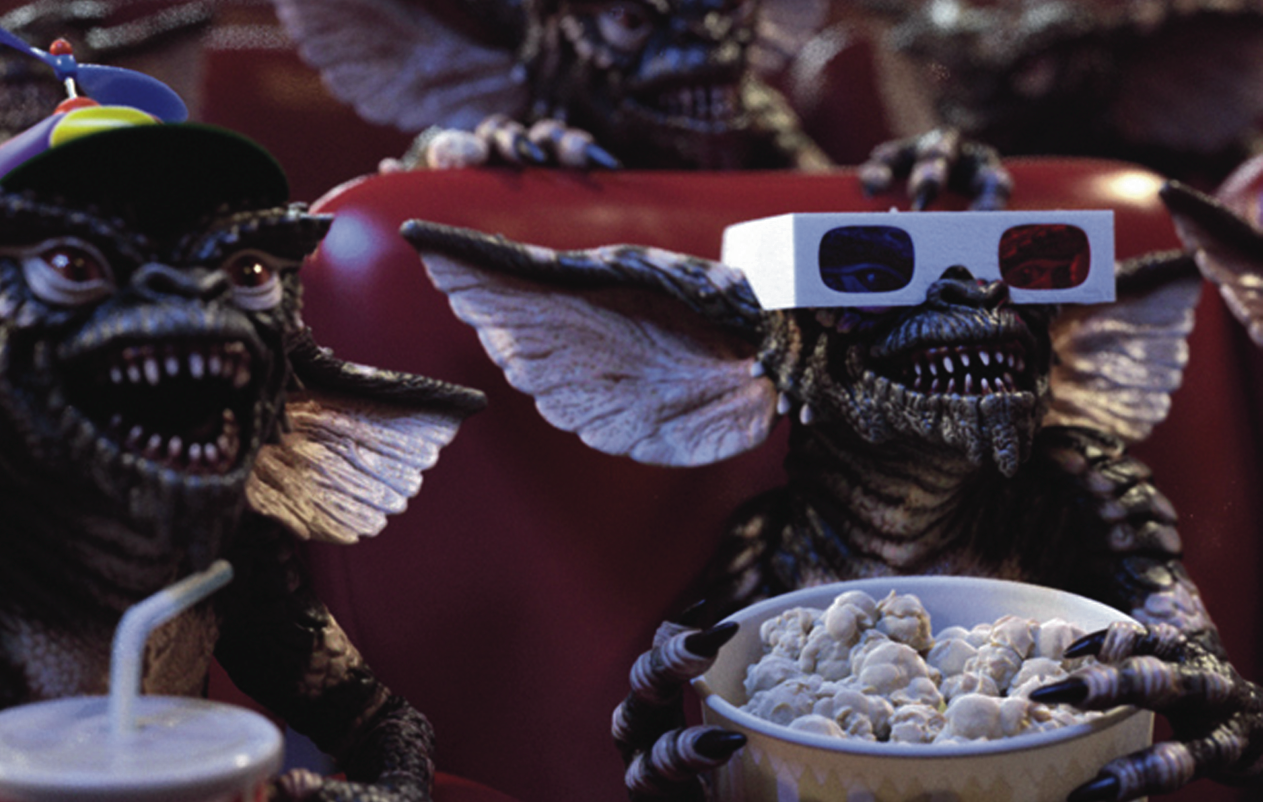
Gremlins are loose in our writing, wreaking – not reeking – havoc. How else can we explain the ridiculous mistakes popping up in novels and news reports. It has to be those evil little monsters.
I spotted these ten, but there are hordes of gremlins turning your carefully crafted novels and short stories into jokes.
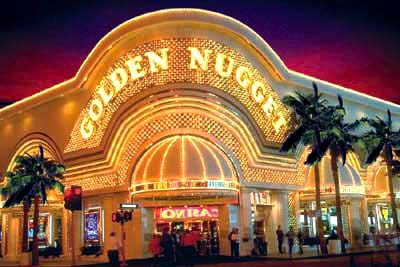
(1) “State Superior Court Judge Donna Taylor ruled in favor of the Golden Nugget casino,” the news report said, “in its dispute with 14 gamblers who say it was not there fault the cards were not shuffled and should be allowed to keep their winnings.”
Not there fault? If you say so, Judge. But I know it was definitely their fault.
(2) “The business has benefited from a strong cough, cold and flue season,” Fortune magazine online said.
Eeee! The sneezing season is flu season. Flues are for chimneys.
(3) “A slight tap of her breaks sent the car swerving into the oncoming lane of traffic.”
This glitch put the brakes on my concentration.
(4) “She gasped as the camera panned an open-air cabana in an exotic local.”
I bet the local gasped, too. Having your open-air cabana panned has to hurt. The camera really panned the cabana in an exotic locale. Add that E and you have a whole different word.
(5) “He was stuck in a 1950s time warp of gentile behavior.”
Another wayward E. This nice man’s behavior was gentle, not gentile. His religion was never mentioned.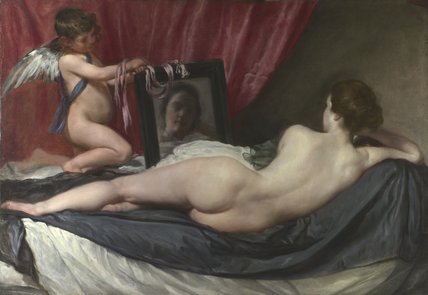
(6) “There was something she couldn’t bare to look at.”
Me, either. I hope she kept her clothes on. The novelist’s publisher should have known this was something she couldn’t “bear to look at.”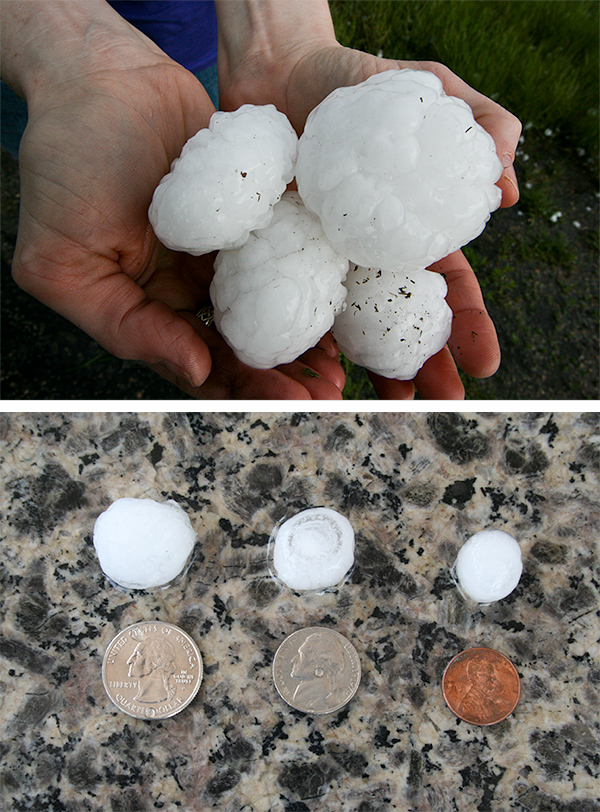
(7) The hale was pelting down.
Hail, no, it wasn’t! Those pelting ice balls are hail.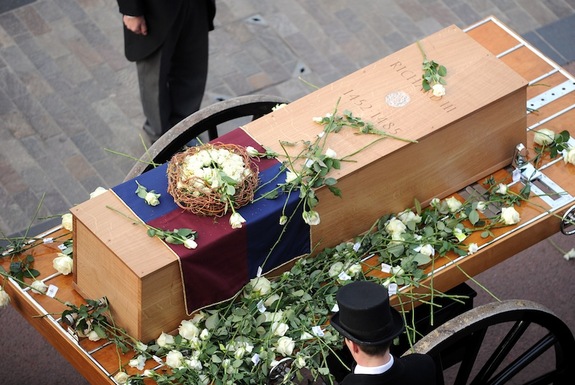
(8) “Everyone keeps referring to the internment of Richard III,” a woman wrote on a mystery list. “If they’re buryin’ him, it’s interment.”
Right you are, ma’am and thanks for defending the English King’s English. Richard III, the last York king, was found under a British parking lot, and reburied with the white roses that were the symbols of his royal house.
(9) “A half-eaten pizza slice (crust in tact)”
I don’t care about tact in my pizzas. But intact crust – definitely.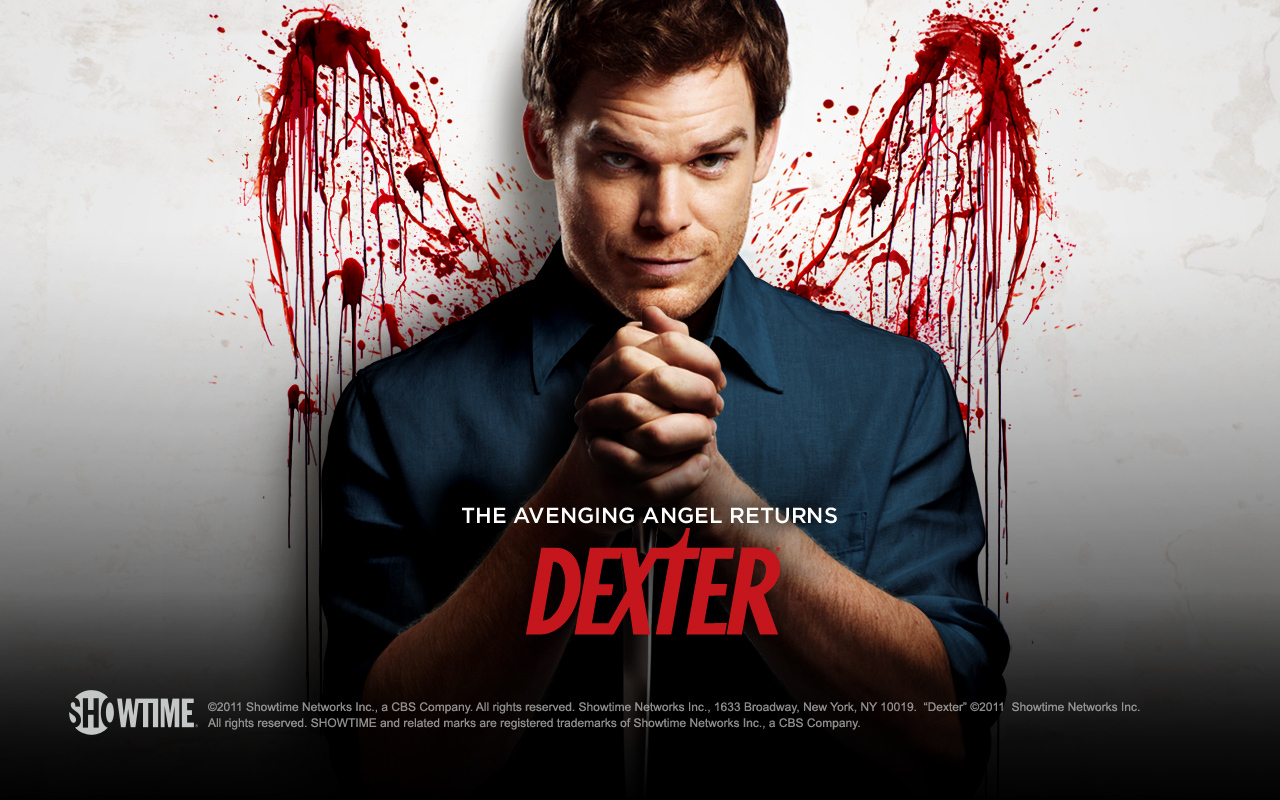
(10) Dexter is a blood spatter expert. This bloody word is a trap for unwary writers. Blood splatter marks you as a forensic amateur. Get the L out of there. It’s blood spatter.
There’s no such thing as a bad book
By Joe Moore
@JoeMoore_writer
Ever heard a writer ask, “I don’t understand why my manuscript is being rejected while so many bad books are published?” Or, “I keep reading books that are nowhere near as good as mine. Yet they wind up getting published while mine don’t. I don’t get it!”
Sound familiar? Here’s my spin on the answer to this never-ending source of frustration: there’s no such thing as a bad book. The reason I feel that way is I believe that all books are considered good or even great by someone.
No publisher will intentionally release a “bad” book. Doing so would be a doomed business plan, especially in today’s shifting publishing landscape. Their goal is to find the best written manuscript, give it the most professional editing possible, promote it within budget limitations, and work closely with the author to raise the awareness of the book in the marketplace.
Here’s the problem: No publisher has a plan that is immune to failure. Not all books appeal to enough readers to make back the original investment. The dumpster is full of great books that did not make it into the hands of enough readers. And we have all come across books that we didn’t like or thought were “bad”. (To be honest, I couldn’t make it through the first 50 pages of a huge bestselling novel that won the Pulitzer Prize for fiction. Does that mean it was a “bad” book?)
Not liking a book is individual preference. Someone else may love it, which is usually the case. If a book is truly written poorly–spelling errors, typos, incorrect punctuation, etc.–that’s the failure of the line editor. If it contains erroneous information or blatant factual mistakes, that’s the failure of the copy editor. And if it’s built on weak or sloppy writing (massive plot holes, 2-dimensional characters, stilted dialog, pacing issues, redundancy, cliché, etc.), that’s the fault of the acquisition editor. In all cases, the book should not have been published.
I have never met an author who said, “Today I’m going to write a mediocre book.” I’ve never dealt with an agent who was seeking writers with minimal talent. There are no publishers out there willing to risk their money on a sure-fire loser. All books are considered great by someone. That’s why they were written, represented and published. Did enough readers agree? Better yet, did enough readers even get the chance to agree? And if they didn’t, where does the fault lie? Marketing? Distribution? Promotion? Bad luck?
But even if we write a great book, there’s no guarantee that it will ever be published, much less sell enough copies to earn back the advance (most books fall short of that task). Don’t get me wrong, we all have to write the best book we can. But there are more great books that fail than succeed.
How about you, Zoners? Ever read what was positioned as the next Great American Novel only to put it down unfinished? Ever read a book that you considered awful but it went on to set new sales records?
Five Inspired Gifts for Writers
If you’ve ever struggled to find a perfect gift for a writer friend, Buzzfeed has come up with a list of 32 suggestions. I surfed the web and turned up five more interesting gift ideas for the writer in your life:
1. Aqua Notes
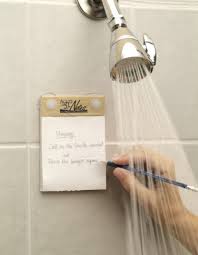
Every writer knows that some of the best ideas occur to us while we’re in the shower. Aqua Notes notepads contain waterproof sheets of paper– now you can scribble down those great ideas before they go down the drain.
2. Antique Book Leather Case for a Smart Phone
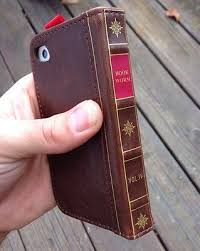 These distressed leather cases for smart phones make it look like you’re toting around a vintage book. You can even customize some of these cases with your own text.
3. Bamboo Bathtub Caddy
 A spa caddy lets you read in the tub while you’re drinking a glass of wine. What could be better?
4. Shakespeare Insult Generator
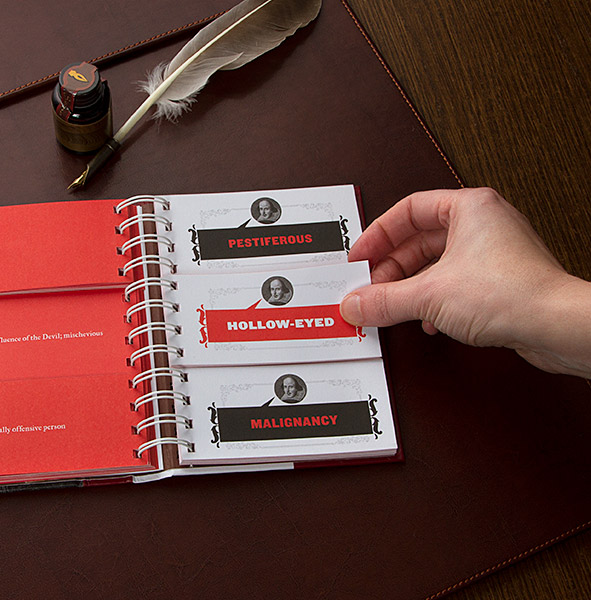
My favorite. The Shakespeare Insult Generator suggests creative ways for telling off any “obscene rump-fed horn beast” who cuts you off in traffic. I had to buy one for myself.
5. Night Writer LED Pen
How many times have you wished you had one of these? These LED pens let you write in the dark without disturbing others.
Let us know if you have any more gift ideas to add to our list!
Movies of Books – The Good, The Bad, and The Ugly
In yesterday’s New York Times Book Review, the bookends column asked two writers to vote for their favorite movie adaptation of a book (see link here). The first was Willy Wonka and the Chocolate Factory (the psychedelic 1970s version with Gene Wilder, not the ultra creepy Tim Burton movie); the second was the Ralph Fiennes and Julianne Moore version of The End of the Affair. While I’m on the fence about Willy Wonka, I agree that the The End of the Affair movie actually enhanced the book for me (a rare thing indeed in a movie adaptation).
So I got to thinking of all the great and the not so great movie versions of books over the years and it’s obvious that it’s a precariously thing indeed turning a beloved book into a critically successful movie (let alone one that does well at the box office). Last night I finally watched 12 Years A Slave – but having not read the book on which it’s based I can’t really comment on how faithful or moving an adaptation it was. It was certainly a good, moving film – though one that certainly put a bit of a dampener on my pre Mother’s Day mood (but then so did the Colorado weather – snow in May is never a good thing!).
My vote for some of the best movie adaptations of books include: The Last of the Mohicans (though, to be fair, that book was a bit of a hard slog and Daniel Day Lewis was enough for me to give it my vote anyway!), The Age of Innocence (another Daniel Day Lewis movie), Atonement (I actually preferred the movie to the book, but that’s probably because I’m a Philistine!) and finally The Lord of the Rings trilogy.
Sadly, as far as the Lord of the Rings movie series is concerned, I didn’t feel the same way at all about the movie adaptation of The Hobbit. I recently read the book aloud to my boys and it was depressing to realize, after about ten minutes into the first movie, that there was no way they could watch the movie version. Not only was it way too violent, but it had also killed off all the charm of the book with both silliness as well as gore (not to mention dragging the whole thing out for three movies!). There are, sadly, many, many movies on my ‘worst adaptation’ list. The Scarlett Letter (shudder!), The Time Traveller’s Wife (another shudder!), The DaVinci Code (ugh!), and Ender’s Game (fail!) to name just a few…
For my kids, another bomb in the book to movie department was The Golden Compass. Now even I admit, Philip Pullman’s Dark Materials Trilogy has some major philosophical hurdles to deal with as far as mass movie consumption is concerned. But still, this was such a major disappointment that even my boys (who did enjoy the books) could only shrug at the end of the movie. I’m just thankful we’d read the book first, otherwise I fear my boys would never have wanted to even open the first page after seeing the movie!
So what about you all? What is your favorite movie adaptation of a book? What, in your opinion, is one of the worst?
In Praise of Entertaining Fiction
“I have been writing for nineteen years and I have been successful probably because I have always realized that I knew nothing about writing, and have merely tried to tell an interesting story entertainingly.”
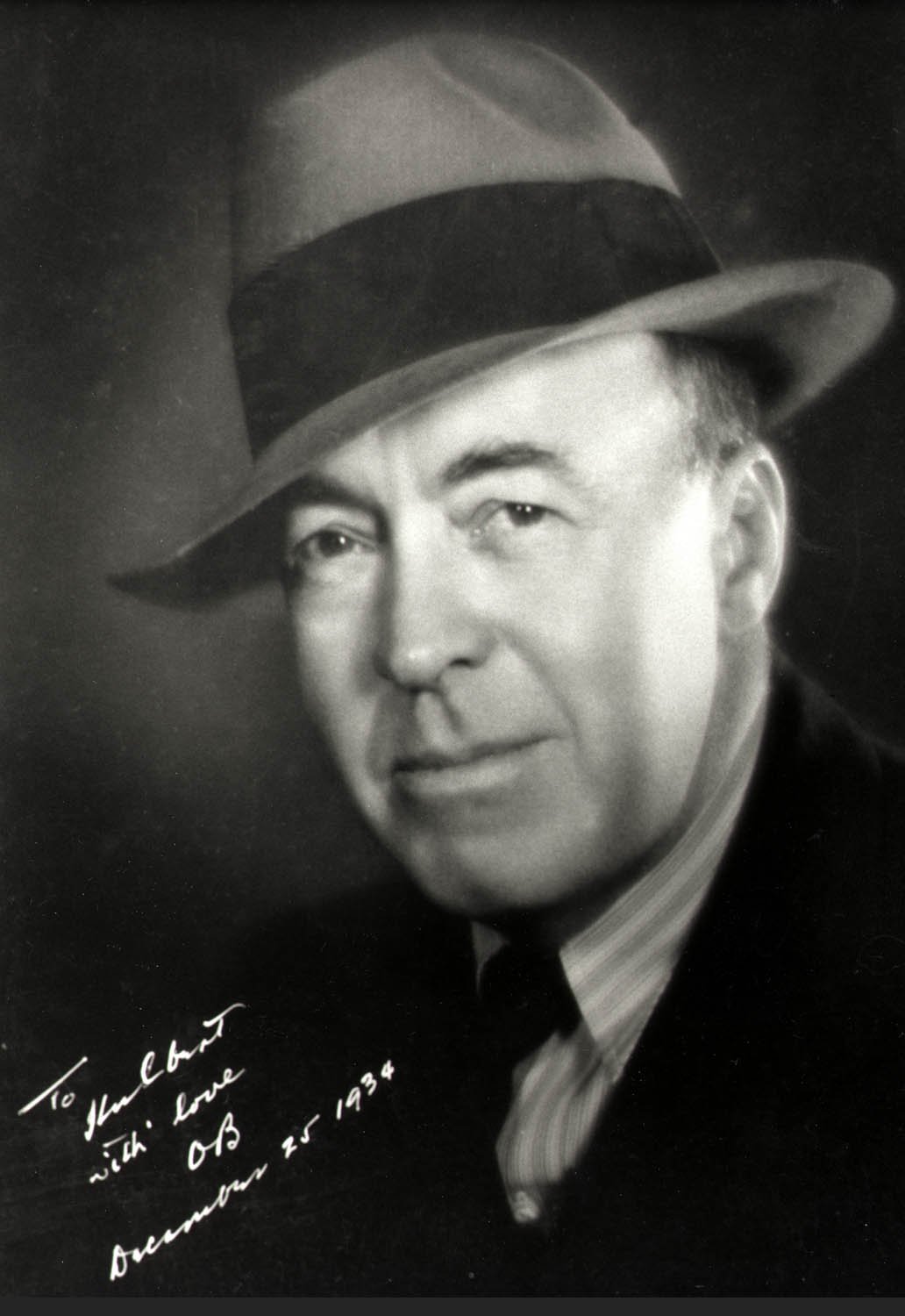
So wrote Edgar Rice Burroughs in an article for Writer’s Digest in 1930. The full text may be found here. I love the up-front honesty of the statement. It resonates with me because the first “real” book I read all the way through was Tarzan of the Apes. I still remember the feeling of being gripped by a story that wouldn’t let me go. When I finished, I knew I wanted to do the same thing someday.
I can even remember the precise moment I got pulled in so deep I put everything aside–playing outside, watching TV, riding my bike to the candy store–just so I could finish that book!
Allow me to share that moment with you.
Chapter One begins as a narrative frame, the voice telling us that he cannot vouch for the truthfulness of the tale, but what he is about to reveal is based upon the “yellow, mildewed pages of the diary of a man long dead.”
The man is John Clayton, Lord Greystoke. The text continues:
We know only that on a bright May morning in 1888, John, Lord Greystoke, and Lady Alice sailed from Dover on their way to Africa.
A month later they arrived at Freetown where they chartered a small sailing vessel, the Fuwalda, which was to bear them to their final destination.
And here John, Lord Greystoke, and Lady Alice, his wife, vanished from the eyes and from the knowledge of men.
I was hooked for sure. But the best was yet to come.
We are introduced to Black Michael, a mutineer, and I loved pirate stories as a boy. In Chapter Two, Black Michael takes over the ship and instead of killing the Claytons, as he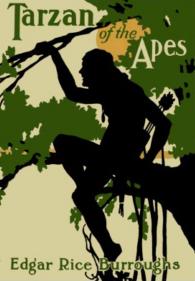 was wont to do, he spares them because John Clayton had saved Black Michael’s life in Chapter One. Instead, the pirate sends Clayton and his pregnant wife to the jungle shore, where they will be on their own to survive!
But the best…not yet!
In Chapter Three the baby is born, a son, as John tries valiantly to make a safe home in the jungle for them, hoping against hope that a party from England will eventually find them.
Alas, it is not to be. Poor Alice dies. And the baby! The baby must still be nursed! The chapter ends with the last, sad journal entry of a man soon to be dead himself:
My little son is crying for nourishment—O Alice, Alice, what shall I do?
Great heavens! I was so into the story now. But there was more! I fell indelibly under the spell of Burroughs with the beginning of Chapter Four:
In the forest of the table-land a mile back from the ocean old Kerchak the Ape was on a rampage of rage among his people.
Wow!
The younger and lighter members of his tribe scampered to the higher branches of the great trees to escape his wrath; risking their lives upon branches that scarce supported their weight rather than face old Kerchak in one of his fits of uncontrolled anger.
The other males scattered in all directions, but not before the infuriated brute had felt the vertebra of one snap between his great, foaming jaws.
A luckless young female slipped from an insecure hold upon a high branch and came crashing to the ground almost at Kerchak’s feet.
With a wild scream he was upon her, tearing a great piece from her side with his mighty teeth, and striking her viciously upon her head and shoulders with a broken tree limb until her skull was crushed to a jelly.
And then he spied Kala, who, returning from a search for food with her young babe, was ignorant of the state of the mighty male’s temper until suddenly the shrill warnings of her fellows caused her to scamper madly for safety.
But Kerchak was close upon her, so close that he had almost grasped her ankle had she not made a furious leap far into space from one tree to another—a perilous chance which apes seldom if ever take, unless so closely pursued by danger that there is no alternative.
She made the leap successfully, but as she grasped the limb of the further tree the sudden jar loosened the hold of the tiny babe where it clung frantically to her neck, and she saw the little thing hurled, turning and twisting, to the ground thirty feet below.
With a low cry of dismay Kala rushed headlong to its side, thoughtless now of the danger from Kerchak; but when she gathered the wee, mangled form to her bosom life had left it.
Oh man! That was it! I was left hanging with a baby, all alone in the jungle, in the last chapter. Now I am completely into the story of…an ape! An ape who has lost her baby! And this villain named Kerchak. I wanted him to get his just desserts! I knew this poor ape Kala would find the Clayton baby and take him as her own. And that sooner or later, one or both of them would have to kill Kerchak in a duel to the death.
This was more than mere entertainment. This was magic. A story world unlike anything I’d ever seen, even when watching the Johnny Weissmuller Tarzan movies I loved so much.
Burroughs, no doubt, influenced generations of boys to become readers, authors, or perhaps flat-out adventurers. But when I mentioned the Burroughs quote at the top of this post to an online group of veteran writers, I was delighted by several women saying the John Carter and Tarzan books were favorites of theirs, too.
Which proves that great storytelling is great storytelling. That’s what we writers must aim for, every time we sit down and clack the keyboard. As Burroughs himself put it in that WD article:
“I have felt that it was a duty to those people who bought my books that I should give them the very best within me. I have no illusions as to the literary value of what I did give them, but I have the satisfaction of knowing that I gave them the best that my ability permitted.”
So what author carried you away like this when you were a kid?
Exploiting Strengths and Weaknesses
(Image courtesy of Gualberto107 at FreeDigitalPhotos.net)
I never really paid much attention to birds until I met and married my wife Lisa. She is — and there is no other way to put it — obsessed with birds. We have hard drives figuratively bursting at the seams (and backed up, of course) with photographs of grackles, canaries, yellow whatever’s, and red these or those. While I have been observing her interest, and the subject of same, the area in which we live has experienced a marked increase in the presence of hawks. The reason doesn’t take an understanding of the nuts and bolts of nuclear propulsion to understand. We have what I will politely call more than our fair share of Canadian geese in our locale (which is not, I hasten to add, in Canada). The eggs of Canadian geese are considered by hawks to be a delicacy, in the same way that I regard the presence of a Tim Horton’s, Sonic, IHOP, or Cracker Barrel. The attitude of a hawk toward a goose egg could best be summed up by the statement, “If you lay it, I will come.” Or something like that.
Hawks will of course eat other things as well, and I’ve had opportunity to see them in the act of catch-and-not-release prey on a number of occasions. What they do is fairly highly evolved. If they catch a ground animal, they immediately take it into the air, where it is helpless and cannot run away. If they catch a bird, they bring it to ground, where it is at a disadvantage, and pin it so that it cannot fly away, while they kill it. One could say that a hawk is at a disadvantage on the ground, but I haven’t noticed squirrels, chipmunks, cats, or even other birds coming to the aid of one of their fellow and less fortunate creatures as the hawk goes about its business. No, things get really quiet for a while as the hawk exploits the weakness of its dinner.
Successful genre fiction utilizes the exploitation of strengths and weakness to succeed as well. This is particularly true when the author takes a personality trait that might, and indeed would, be considered a virtue and exploits it. We have a real world model for that, as well. Think of Ted Bundy. Those of us who are raised to be kind and polite and to assist others in need instinctively hold a door for the elderly or the infirm or pull down a top shelf grocery item for someone in a wheelchair. Bundy knew this and would wear a cast or walk on crutches while carrying a package to attract unsuspecting women. There’s a word for that: monster. But he was very, very good at it, and turned a virtue into a fatal weakness. Those who prey on children frequently do so with the premise of seeking assistance with locating a lost dog. What could be more heartwarming than reuniting a dog lover with his pet? Children are inclined to help, especially when it comes to dogs and such, and it’s a virtue that a parent would want to cultivate, but also to curb.
In the world of fiction, however, exploiting weaknesses of this type makes for a great story, and not just for mysteries or thrillers, either. Many science fiction novels and stories sprung from a seed of an advanced civilization bringing advancement to a primitive, or weaker, one with the best of intentions. Disaster inevitably ensued, for one side, or the other, or both. James Tiptree, Jr., was a master of this type of situation, as was the original Star Trek series. Romance novels? Think of a woman who is physically attractive to the extent that no one will approach her, out of fear of rejection. That idea has launched a thousand books and will undoubtedly launch a thousand more before this sentence is completed. As for mysteries and thrillers, the possibilities are endless and replicable: think of a strength, or a virtue, and find a weak spot to exploit. Create an antagonist to probe it and you’re on your way.
Patricia Highsmith’s Ripley comes to my mind most immediately as someone who was excellent at exploiting the best of others. Who comes to yours?
And…I would be remiss if I did not wish a Happy Mother’s Day tomorrow to those among our readers who celebrate the event . Bless you. You are the best.
Reader Friday: What’s Your Word?
Ten Writing Tips Du Jour
I thought I’d update my “Words of Advice for Authors.” Here are ten that came to mind, but I want to hear from you. What advice has helped you to keep going and improve?

Fotolia image purchased by Jordan Dane
1.) Skip the Boring Stuff – Unless you’re writing for your mother, who loves everything you do, consider the attention span of most readers. Describing anything for several pages or showing off all your research efforts in one scene can be tedious. One of my favorite quotes on writing comes from Elmore Leonard when he said, “I try to leave out the parts that people skip.”
2.) Cut Unnecessary Words – We are all creatures of habit. The way we express ourselves can become mechanical. We may not even see our “habits.” Make your first pass through your drafts be focused on deleting and tightening your sentences and wording. You’ll begin to develop a list of “red flag” words to avoid.
3.) Bleed on the Page – Remember to write with passion, even if it feels a little “over the top.” Writing is about emotion that resonates with readers. They have to care what happens to your characters, and that starts with YOU. If you aren’t fully vested in the world you are creating and the characters’ plight in it, you will not capture the hearts of your readers.
4.) Imagery is Key – Paint a picture with your scenes. Layer the world with images that trigger a reader’s memory, without “telling” them what they should see in their mind’s eye. Sure the moon shines, but how does it reflect on broken glass or dapple the ground through the trees? How does it look upon dead skin?
5.) K.I.S.S. – Keep things simple. Overwriting can cloud the emotion of the scene with words and remind the reader that the author is always present. Simple wording can focus the reader on the emotion and make the reader forget an author created a work of fiction.
6.) Write Whether You Sell or Not – Write for YOU. As authors we spend quite a bit of time at the craft. If you’re not having fun doing it, then why spend the time? Write because you absolutely love it.
7.) Learn to Improve Through Criticism – Easier said than done, but if enough comments are made about certain habits you have, as a writer, then keep an open mind and consider how you can incorporate changes to improve. Only you can choose to make changes in your story or in your writing style. No one can make you. You will learn who to listen to and what makes sense for you, but trust your gut to determine what works for you.
8.) Make Time for Writing – Develop a schedule that works for you and try to be consistent. If writing is expendable in the hours of your day, then it will become more so as time goes on. If it’s important to you, you will make time for it. Even if you can only write one page a day, that’s still progress.
9.) Write What You Fear – I’d always heard that phrase to “write what you know,” but I thought it should be “write what you fear, what you love, etc.” If a story triggers a strong emotional response in you, chances are it will do the same in your readers. Writing is about emotion, so don’t let naysayers dissuade you by saying you should only write what you know. You can research and learn things, but writing about emotional triggers will resonate with readers.
10.) Dare to be Different – Try new things with your writing and dare to be the trendsetter. Have fun with new directions if it makes sense for you. That’s how the “next big thing” happens. It doesn’t come from those you follow trends. It comes from daring souls who aren’t afraid to take risks. You never know where those risks will lead.
What tip would you add to this list, TKZers? What keeps you going? What Advice would you share with new writers?
Character Development from the Heart
Welcome to guest author Joanna Campbell Slan. Joanna is the creator of three mystery series and winner of the Daphne du Maurier Award for Literary Excellence. She has been a television talk show host, an adjunct professor of public relations, a sought-after motivational speaker, and a corporate speechwriter.
Tell Me Who You Love: Character Development from the Heart
Joanna Campbell Slan
Here’s the Test
There’s an old adage: “Tell me who you love and I’ll tell you who you are.” It’s a great test to apply to our characters. Ask yourself, “Who or what does my character love?”
What Characters Are Driven to Do
Love is not only powerful; it also makes fools out of most of us. As authors we can use this primal drive to explain situations that would otherwise seem absurd.
Think back to Gone with the Wind. In the book, it’s Scarlett’s love for Tara that compels her to marry one unsuitable man after another. It’s her love of family that sends this fragile flower out into the fields to work like a common laborer. And her love of Ashley Wilkes forces her to remain beside his wife, Melanie, even as the Yankees approach.
Love Causes Conflicts of All Sizes
We all know the story of Romeo and Juliet, but love for life’s small pleasures can also cause our characters problems. Kiki Lowenstein loves food. Especially desserts. In many of my Kiki books, this amateur sleuth’s attention gets side-tracked when someone waves a particularly luscious treat under her nose. In one book, a nasty crafter ruins Kiki’s artwork while Kiki is too busy eating a gingerbread cupcake to keep an eye on her materials.
Telling Versus Showing
Of course, it’s not enough to tell our readers that our character loves someone or something. We have to show this emotion in practice. One way is by forcing our characters to make tough choices. When Cara Mia Delgatto adopts a Chihuahua with a broken leg, she doesn’t need one more complication in her life. However, she’s willing to adjust her world to accommodate the ailing pup because he’s a rescue dog, and Cara is all about second chances.
How our characters spend their time is another way we show what they value. If a character doesn’t spend time with his children, readers might assume they aren’t an important part of that character’s life. However, if a tattered family photo falls out of the character’s wallet as he pulls out a dollar bill, we have to believe his children matter, but something keeps him away from them.
Characters can demonstrate their love by their reactions. Perhaps your character’s voice changes when he’s talking to his wife. Or maybe your protagonist gets teary-eyed when coming across a man’s jacket in her closet. These responses show the reader a powerful emotion at work.
The next time you create a character, ask yourself who or what this particular player loves. Make a list. Using what you learn will help you build a more realistic, well-rounded character that readers will relate to.
<><><>
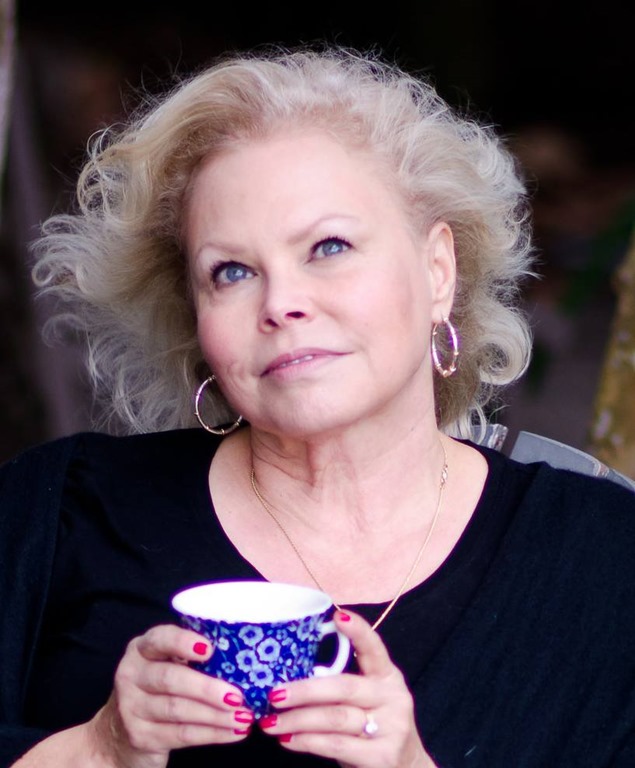 Joanna Campbell Slan is the national bestselling and award-winning award of twenty-books, both fiction and non-fiction. She has taught writing at Illinois State University, to executives at large corporations, and through Internet courses. She currently writes two mystery series.
Contact her at http://www.JoannaSlan.com or http://www.fb.com/JoannaCampbellSlan
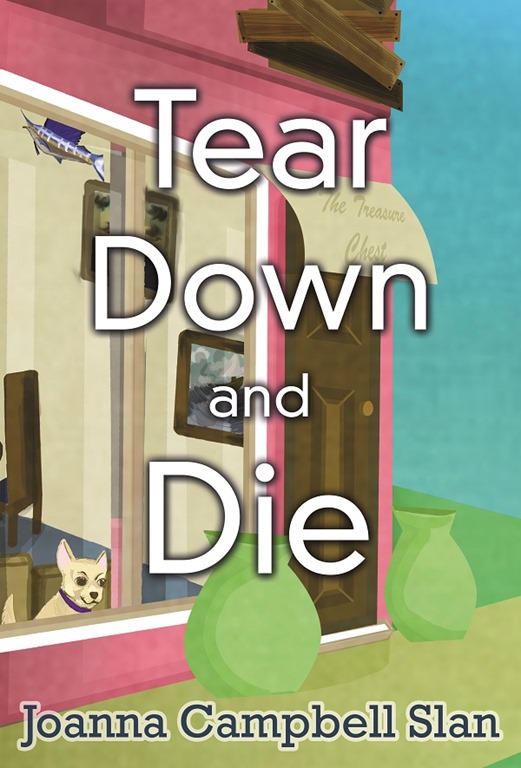 The first book in her newest series is Tear Down and Die (Book #1 in the Cara Mia Delgatto Mystery Series/4.8 out of 5 stars). http://www.amazon.com/Tear-Down-Delgatto-Mystery-Series-ebook/dp/B00H5R8LK2/ref=pd_sim_b_5?ie=UTF8&refRID=1PBTAGS96KEWBVZ3TNB7 or http://tinyurl.com/TearDD
Contest Alert! Enter May 7– 21 to win a signed copy of bestselling author Joanna Campbell Slan’s historical mystery, Death of a Dowager, and a $15 FANDANGO gift card to enjoy a movie this summer. http://nancyjcohen.com/fun-stuff/contest/