When a Picture Is Worth
At Least 80,000 Words

chci-dog-thechicadvisor

The great advantage of being a writer is that you can spy on people. You’re there, listening to every word, but part of you is observing. Everything is useful to a writer, you see – every scrap, even the longest and most boring of luncheon parties.– Graham Greene

By PJ Parrish

Friday, I tried to push the boulder back up the hill again.

You all know the one. James even had a picture of it here last week when he asked us what was the hardest part of writing. It’s that stone on which is engraved CHAPTER ONE. It’s that rock that feels so heavy and looms so large that you are sure it will roll back and crush you dead before you even get traction.

Especially if you haven’t got a good picture of how your story is going to open.

We talk a lot here at TKZ about crafting a good opening for your book. That it has to be compelling, that it has to grab the reader by the throat, that you can’t do this or that. But I think the single most important decision we all need to make boils down to one question:
What is the optimum moment to enter the story door? What is the best angle of approach?

I struggle with this question every time I start a new book because I’ve learned that for me least, finding this prime entry angle affects the whole trajectory of my story. I keep going back to my metaphor of the astronauts in the movie Apollo 13. The three guys are up in the capsule about to make their harrowing re-entry into the earth’s atmosphere. The guys down in mission control are sweating about finding the right angle of descent. If they come in too fast and deep, they will burn up. If they come in too slow and shallow they will bounce off into the atmosphere.

It’s the same with a book opening, I think. If you come in too hard and fast, you burn up in a blaze of clichéd action and grab-me gimmicks. But if you come in too late and lazy, you lose the reader in backstory and throat-clearing.

So how do you find that right moment?

For me, it always starts with an image. I have to see something in my mind’s eye –- a person who can’t be ignored, a place that has the power to haunt the imagination, a visual that is so compelling that I have to spend 100,000 words explaining it. You often hear writers talk about “seeing” their stories unfold like films. Joyce Carol Oates has said she can’t write the first line until she knows the last. I can’t write one single word until I see the opening of my mind-movie.FINAL COVER
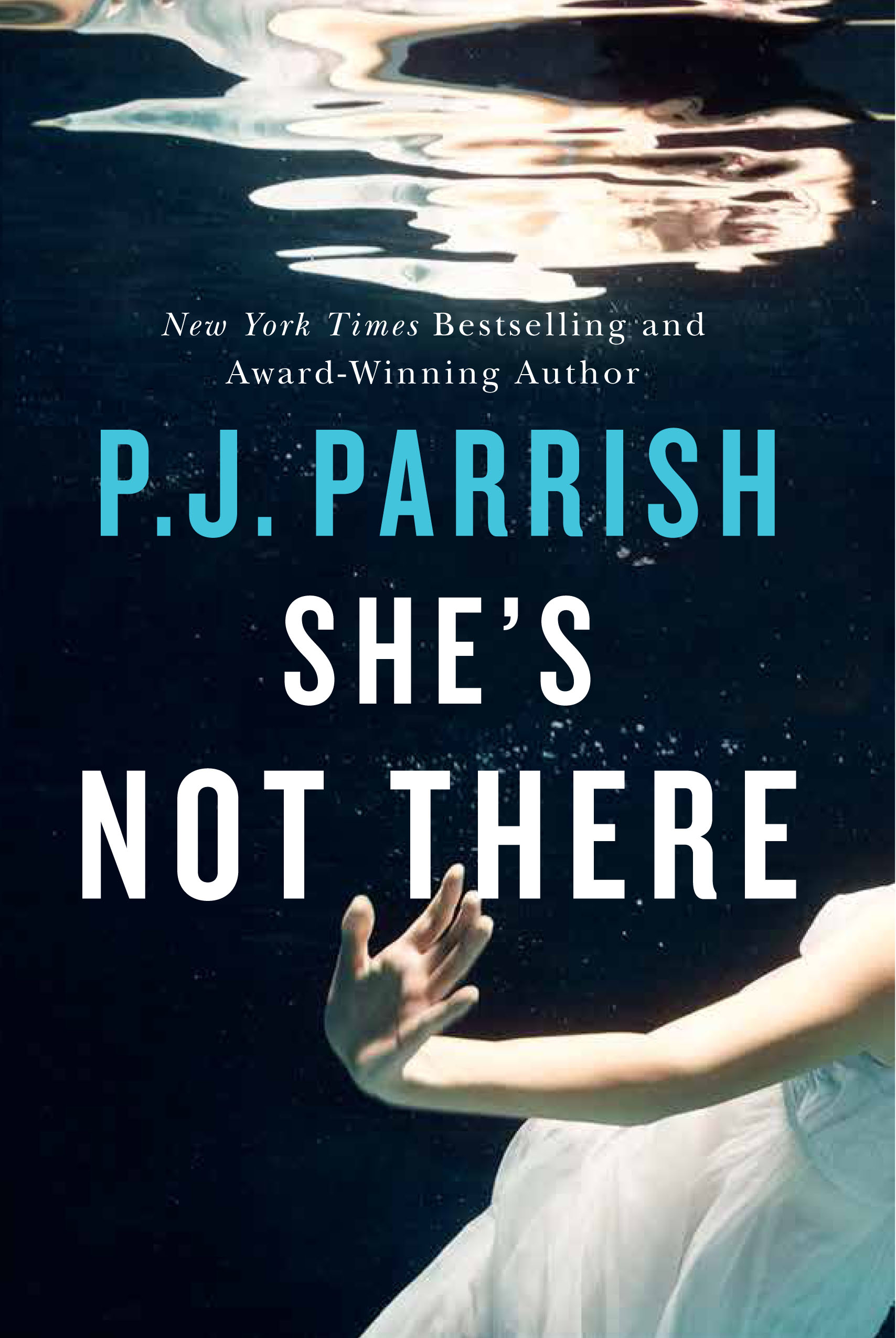
I can trace this process to almost every book my sister and I have written. (I usually get the opening chapter duties after we have talked things over). For our newest book, She’s Not There, the seminal image came from a vivid childhood memory of when I almost drowned at a Michigan lake one summer. I walked out into a lake, the sand gave way under my feet and I felt myself sinking slowly downward in the water until someone yanked me out by the hair. Here is the opening of our book:


She was floating inside a blue-green bubble. It felt cool and peaceful and she could taste salt on her lips and feel the sting of it in her eyes. Then, suddenly, there was a hard tug on her hair and she was yanked out of the bubble, gasping and crying.

This is our heroine, Amelia, who is coming out of a coma in a hospital, a literal image. But I knew in my bones that once I had that opening paragraph, I had the whole book, because it is a metaphor for the story’s theme about getting a second chance to live after you’ve lost your way.

Kelly and I take a lot of photographs for our locations and return to them for inspiration as the stories unfold. Other images that inspired our books:
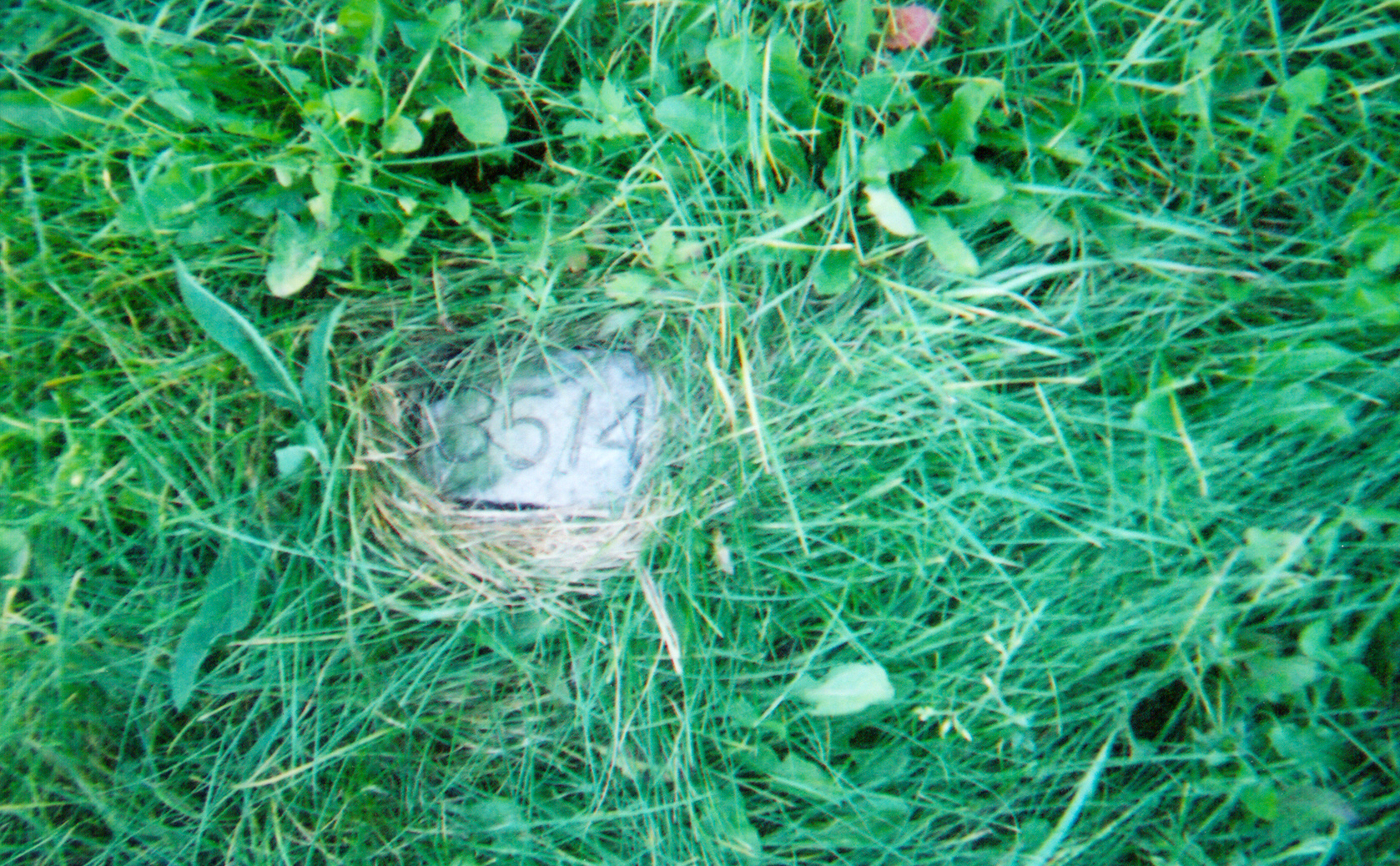
getPart (1)

A potter’s field cemetery in an abandoned asylum outside Detroit, where we found that the old stone markers of the dead inmates (above) had only numbers and had been lost in the weeds. This became An Unquiet Grave.
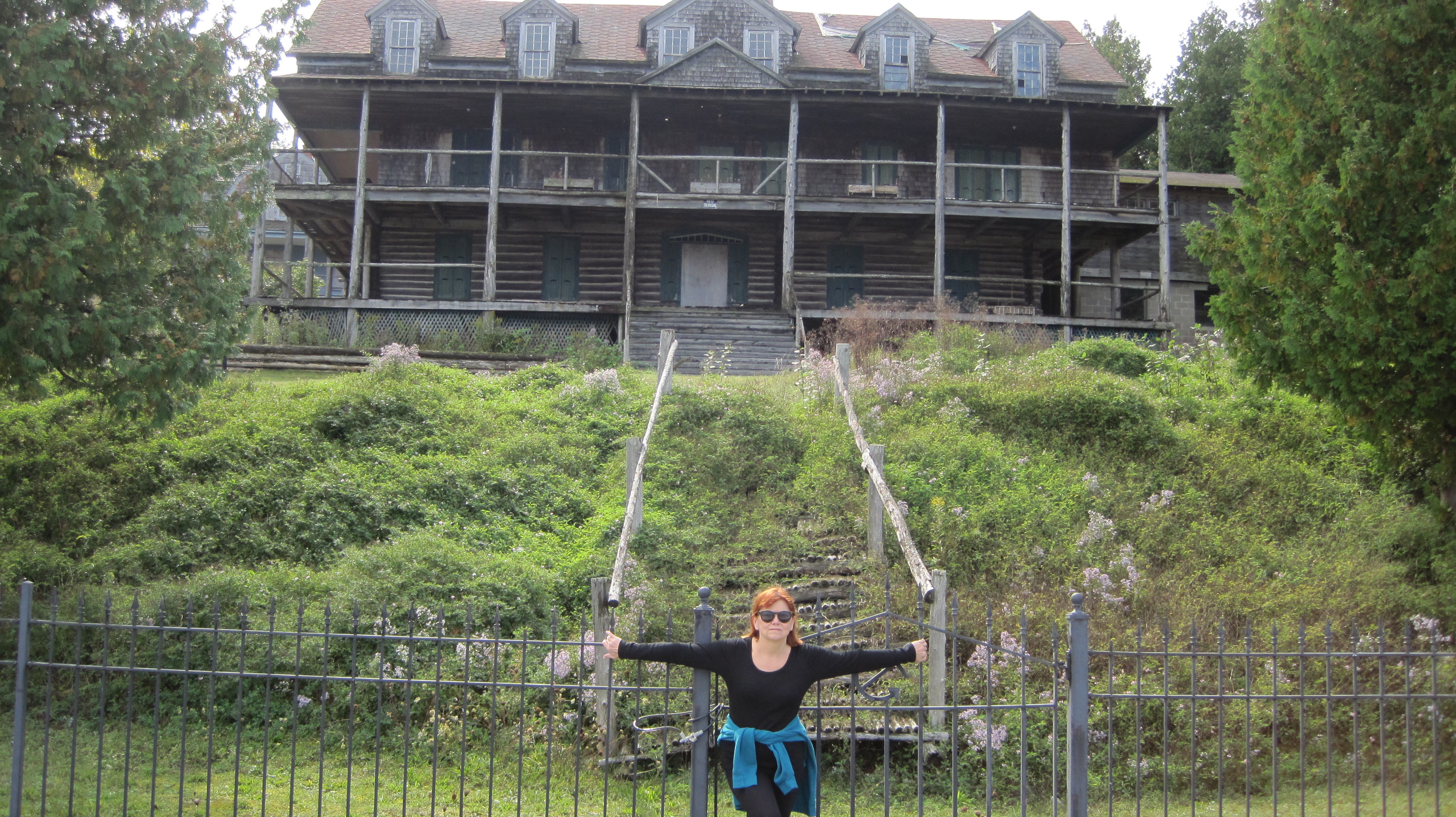
Ice 4

This abandoned hunting lodge (left) on Mackinac Island in Michigan. Once Kelly and I saw it, the whole plot of Heart of Ice began to reveal itself.

The odd juxtaposition of a swampy stand of dead trees glimpsed from the road outside Philadelphia, Mississippi, and a nearby old white pillared mansion. This inspired Dark of the Moon.

Sitting in Paris’s Sainte-Chapelle in December, listening to Vivaldi’s “Four Seasons,” feeling so cold that my teeth chattered like bones, watching a cellist who looked so bored that he wanted to kill someone. Which he did in The Killing Song’s first chapter.
farmhouse 60

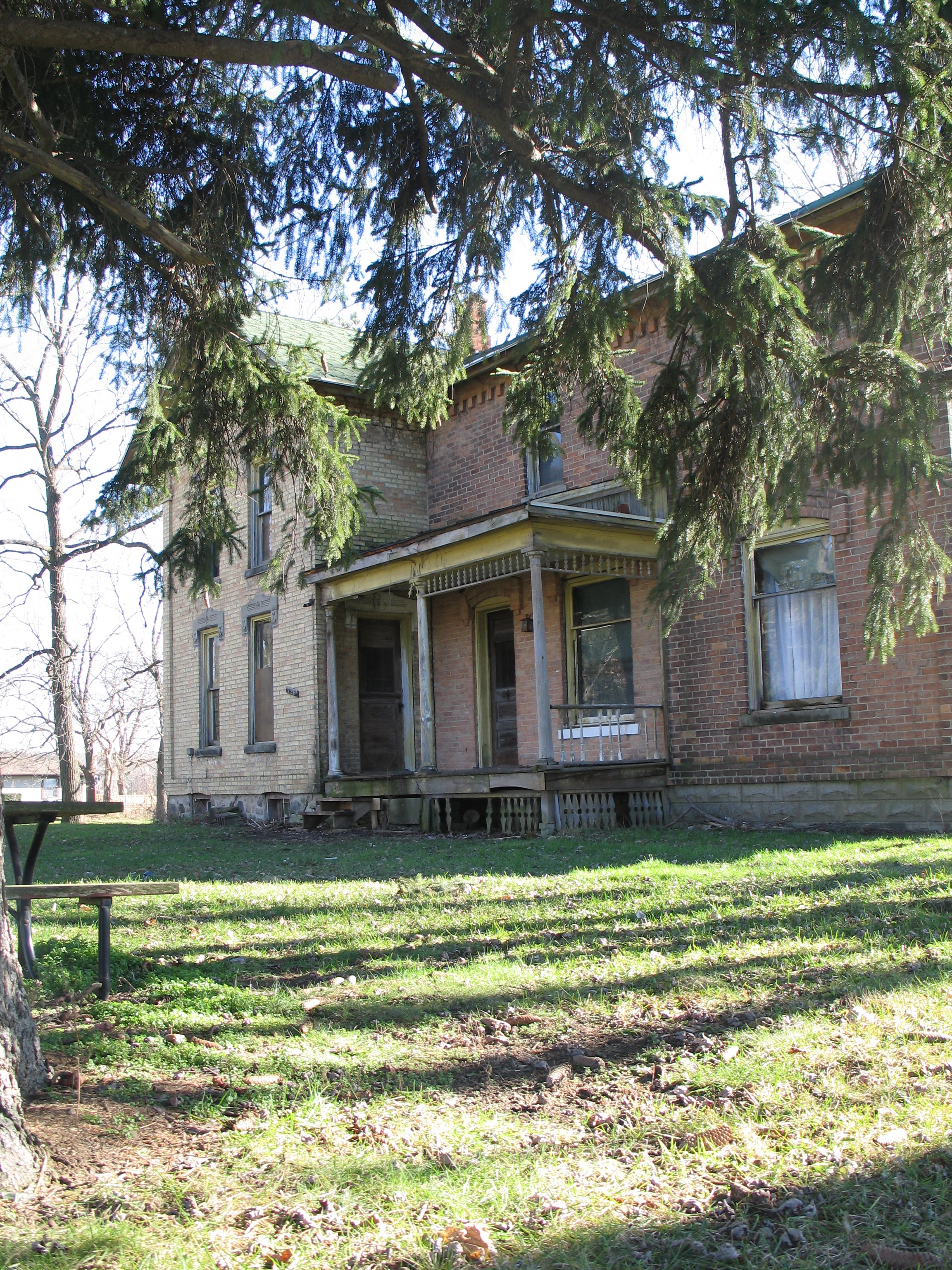
This creepy old farmhouse near Lansing MI inspired this opening for South of Hell:

It was just south of Hell, but if you missed the road going in you ended up down in Bliss. And then there was nothing to do but go back to Hell and start over again. That’s what the kid pumping gas at the Texaco had told her, at least. Since she had not been here for a very long time, she had to trust him, because she had no memory of her old home anymore.

I feel so strongly about the power of a picture in your imagination that I use this in our writing workshops. Kelly and I have found that one of the biggest hangups for beginning writers is getting over the paralysis of finding the perfect opening. Maybe it’s because it’s been drilled into their heads that they have to come out of the gate at full gallop or no agent or editor will ever buy their books. Or maybe they get intimidated by the “rules” that preach suspense is all about adrenaline. Whatever the reason, they get all constipated and can’t make a decision about when is the right moment to start their narrative journeys.

So we give them pictures and five minutes to write the opening of a story using it. The purpose of the exercise is to get them un-stuck but it is also to force them to tap into their powers of observation. Forced to focus on one photograph, they turn up the volume on their receivers, extend their sensory antennae. They become, in the words of Graham Greene, better spies on the human experience.

The results are always amazing. Freed from the tyranny of their WIPs and under deadline to write something, they lock on an aspect of the image that moves them. And they always come up with really good stuff.  Afterwards, when we read them aloud, I see something change in their expressions, like they realize they do, indeed, have that spark inside them.

In college, I was an art major and I always struggled because I was hung up on making everything look…perfect. Even my attempts to be “modern” were perfect and thus lifeless. Then one of my teachers had us do blind contour drawing. We had to keep our eyes on the subject, never look at the sketch pad, and draw slowly and continuously without lifting the pencil. I was shocked at how good my drawing was. Psychologists call this right brain thinking. Picasso nailed it in one quote:

It takes a very long time to become young.

The idea being, of course, kids know instinctively how to create. We adults…well, the spark fades and most of us live in our left lobes, never finding the synapse that lights the way back across.

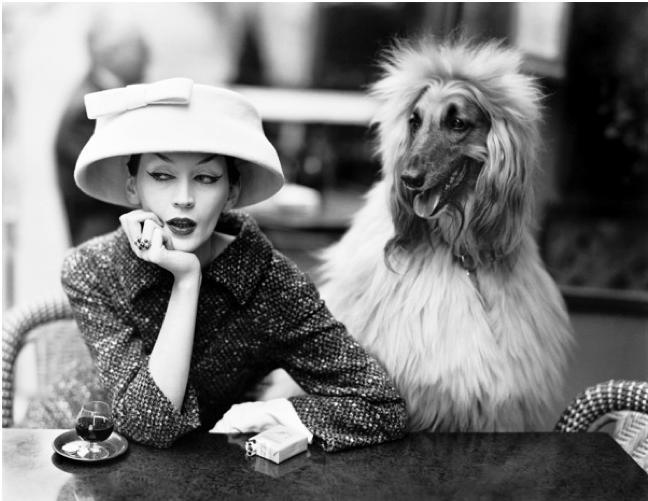
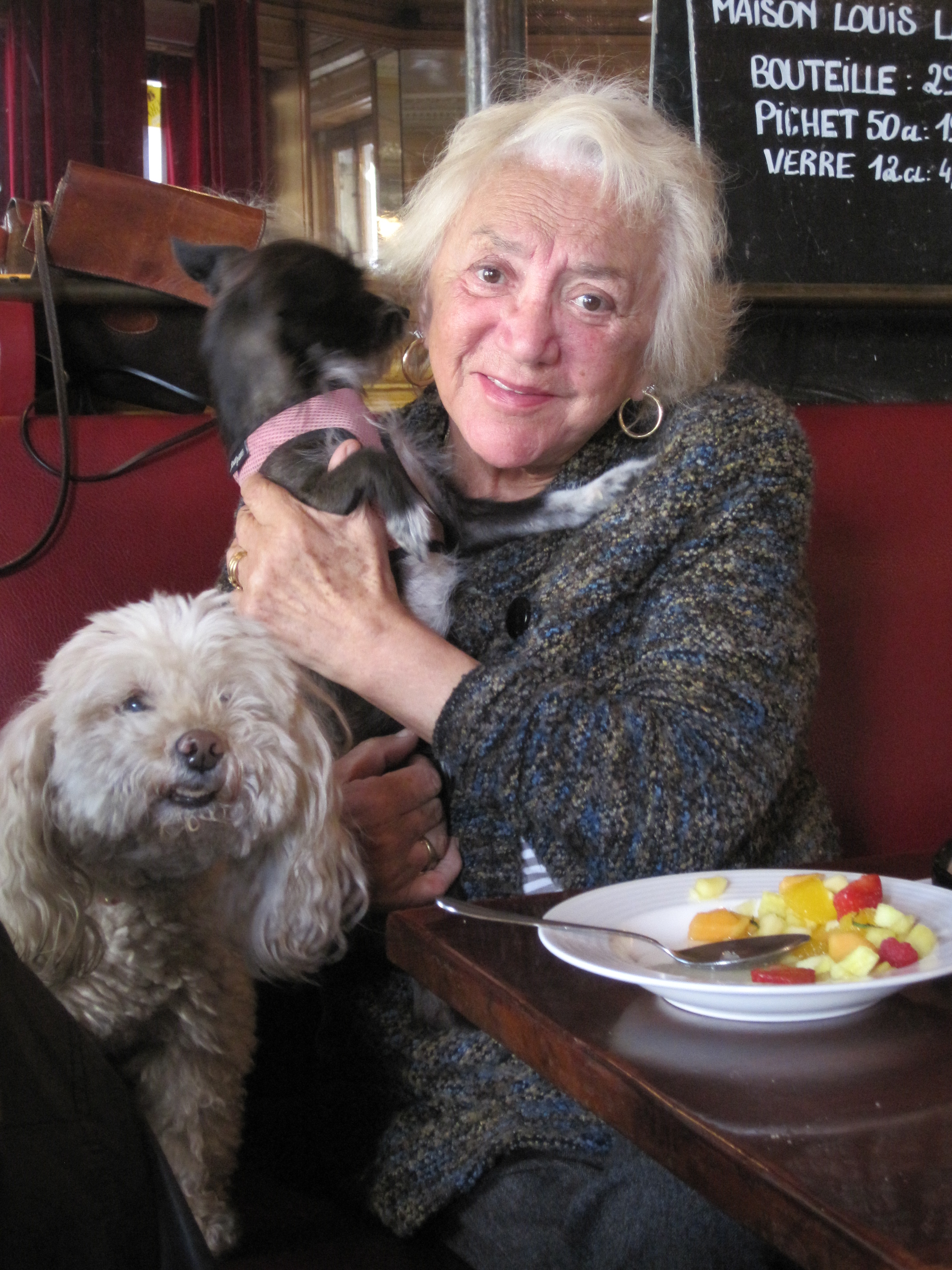
I just got back from a month in France. I didn’t write a word. I had been trying hard to begin this new book and I was bone dry and defeated. So I rested and read good books by other writers. And I took photographs. I have a thing about taking photos of people in cafes, especially old ladies with dogs, which is a human sub-species in France.  When I got home, while I was going through my pictures, I happened upon one and sat down and wrote an opening about it. It was pretty darn good. It won’t make it into the new book (maybe it’s a short story?) but it got my right brain buzzing again. I started thinking about the new book again, not with dread but with anticipation. I even got this picture in my head…

But that’s another story.

EXERCISE TIME!

Just for fun, while writing this post, I sent two of my old French lady photographs to some writer friends and asked them to choose a photograph and write an opening. Thanks guys! Here are the results:IMG_0469
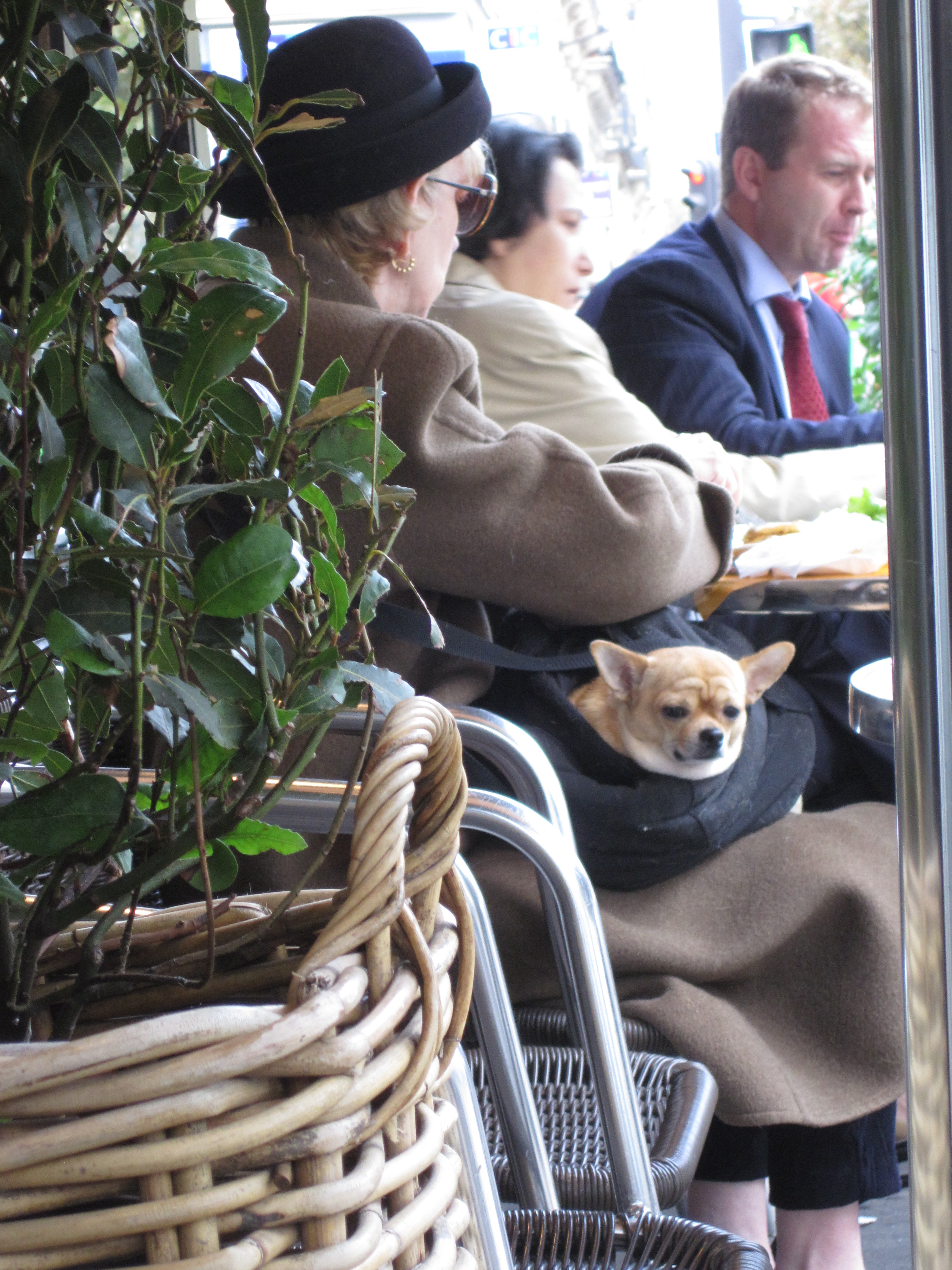
The old woman watched the young man cross the plaza towards her. He looked very French — cream colored neck scarf, black blazer, black coiled hair, black jeans, his jaw brushed with just enough of a beard to give the impression he’d spent the last three days in bed with a woman. If she had known how beautiful he would grow up to be, how much he would one day resemble his father, she would not have given him away thirty years ago. — my sister and co-author Kelly
IMG_0609


They’re all I have now that Jacques is gone. I think they miss him as much as I do, but we persevere. At least I know why it happened. Dogs, they do not understand. — SJ Rozan.


IMG_0469


The old woman came to the cafe every morning promptly at nine. She always had the morning newspaper in her right hand, and a blue bag with her small dog in it over her left shoulder. She walked in, spread the paper out on the table, and placed the bag containing the dog on the chair next to her– always the one on the right. The dog never barked, never growled, and never bothered anyone. Her order rarely varied: always a cup of black coffee, sometimes orange juice as well, with a toasted muffin with strawberry jelly, please, and a pat of butter — but she never failed to order a side of bacon for the dog, whose name was Pierre. She would feed him the bacon, cooing his name and gently scratching him behind the ears. Once the bacon was gone, Pierre would curl up inside his carrier and go to sleep while she enjoyed her newspaper and sipped her coffee, tearing the muffin to small pieces. She smelled of lilacs, always left a five dollar tip, and was always gone by ten.— Greg Herren


IMG_0469

What an ugly fucking dog, I thought, and even more unhappy than ugly. I wondered how it felt to be shoved into the old lady’s purse like that, like a spare Euro or used tissues as she shoved foie gras down her pie hole. I don’t know, maybe I was reading into it. I probably was. Wouldn’t be the first time. I was the unhappy one. Maybe the dog was Zen about it all, the foie gras eating and the bag. Like I said, I don’t know. But I couldn’t help hoping the dog would leave a present in the old lady’s purse. – Reed Farrel Coleman


What I found revealing about this exercise is that in each example you can hear the unique voice of each writer. Kelly loves to focus on lost relationships. SJ Rozan’s is just like her books, as lean but emotion-laden as a haiku. Greg’s reflects the same gentleness and attention to detail as his books. And Reed’s — well, if you have read his Moe Prager series, or his new bestselling Robert B. Parker Jesse Stone books, you’ve hear the same gritty authority at work.

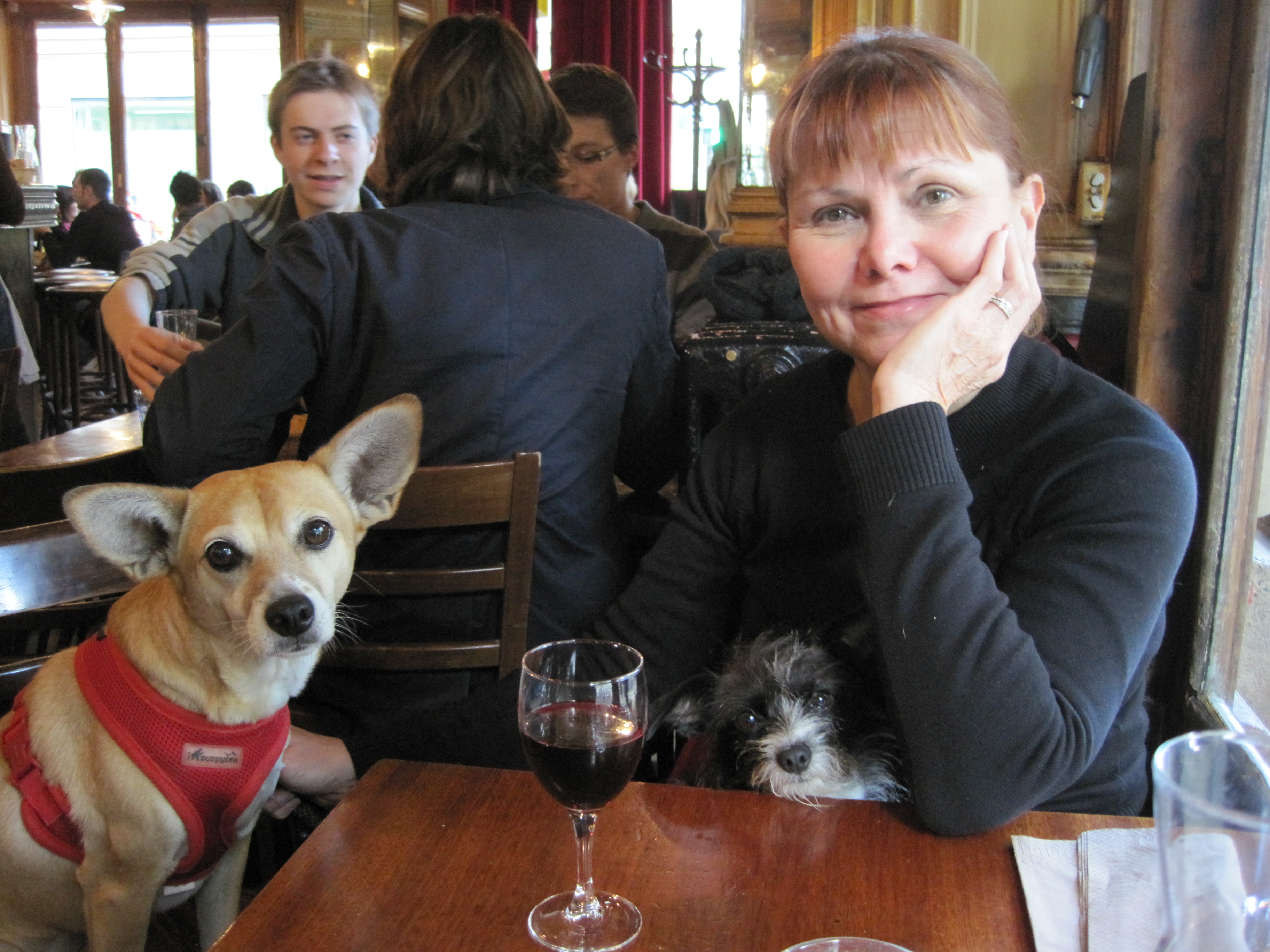
Just for fun, go ahead and take your turn. Pick one of the lady pictures and write an opening. Don’t over-think it. Don’t take too long. You might surprise yourself. And if you’ll let me, here is one more picture of an old lady and her dogs in a cafe. (My husband took this one…)  A bientôt, mes amis.
IMG_0608

Diversity, Micro-Aggression and Cultural Appropriation

One of the main themes of the recent SCBWI conference I attended was diversity in children’s literature (or rather its lack thereof!). Even though all the sessions I attended were directed towards children and YA authors, the key issues and concerns are  applicable across genres and age groups – namely how to incorporate diversity in the books we write, and how to do so in an appropriate way (that is, in ways that avoid cultural appropriation as well as what the editors termed ‘micro-aggressions’ in the books we write).

I hadn’t heard the term ‘micro-agression’ before when it came to books but the term is really about the cliches, characterizations or expressions writers can fall into (often without thinking) that perpetuate cultural stereotypes. In one of the first-page sessions the editors pointed out some of these ‘micro-aggressions’ in phrases such as sitting ‘Indian style’ and ‘Indian giver’. I’m sure in both these instances the author used these unwittingly rather than maliciously but the editors were quick to point out that, in an industry increasingly concerned about the lack of diversity in the books they publish, authors need to be especially mindful of how they incorporate diversity in their books and avoid using terms, phrases or characters that perpetuate stereotypes or inflict ‘micro aggression’ against particular cultures.

In another session I attended there was a great discussion about the issues writers face when writing about cultures or characters different to their own. The key take home message? If you write cross-culturally you MUST do your research! This includes having beta-readers from that culture to ensure that the kinds of ‘micro-agressions’ or cultural appropriations that the editors identified, did not occur.  I wholeheartedly support an increase in diversity, particularly in children’s literature, and acknowledge that writers, when tackling cross-cultural issues, must do their research to ensure that they approach the issue in an appropriate and sensitive way. I must confess, however, that after this session, given the sensitivity and complexity of the discussion, I felt more rather than less reluctant when it came to writing cross-culturally. That isn’t to say I don’t feel strongly that I should have the freedom to write whatever I chose to write about without any gender, racial or cultural constraints but, after the discussion, I did feel like the issue was more fraught than I had realized (or rather, I clearly hadn’t thought through the issues enough).

So TKZers what do you think? How do you approach the issue of diversity? Do you endeavor to write cross-culturally and if so, how do you navigate the issues raised when doing so? Do you see  ‘micro-agressions’ or cultural appropriations in the books you read?

The One Thing Every Protagonist Must Have

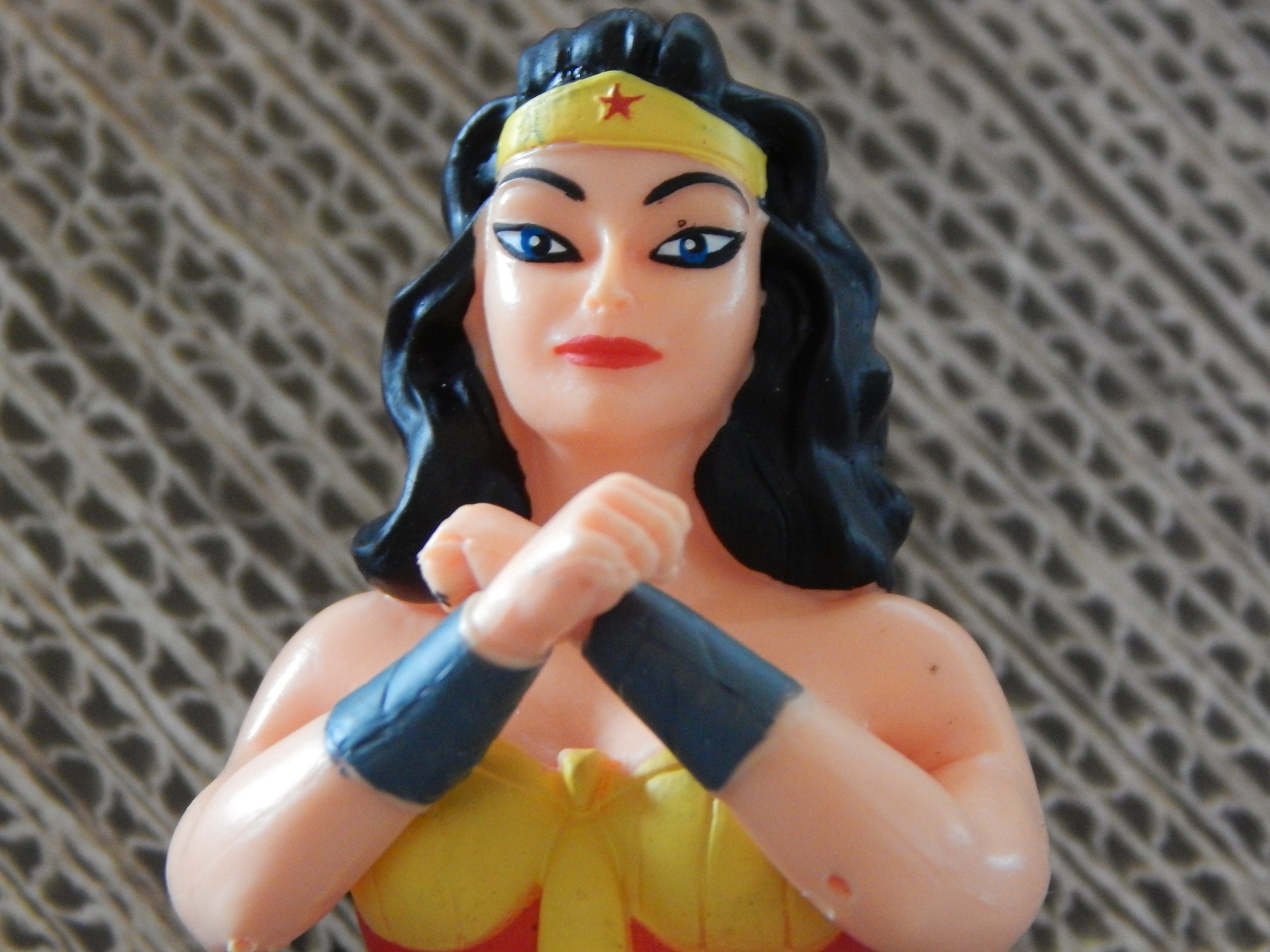
wonder-woman-533667_1920What is it that every protagonist in a novel must have? I’ll tell you on the other side of this email I recently received:

Dear Mr. Bell

One of the main pieces of advice that you give in your Plot and Structure book, for a commercial novel, is that the character should always be doing something. Have an active Lead.

In my manuscript, I have a Lead who is at first more passive. Things happen to him more than he takes action. he reacts more than he acts. When he does take action, he fails. My hope was to built sympathy for the underdog.

Then, about the halfway mark, he digs deep and starts taking action and being less passive. I really am hoping to show the reader that this kid has some special spark deep down. It is something you see glimpses of in the first half, but he is never successful. And then after about halfway through, he decides to take the reins.

I know that this is a very short sketch and it may be impossible to advise me based on such little info. Having said that, am I working against your advise TOO much here? Is there evidence to suggest that novels with initially passive main characters rarely sell well?

I wrote back, telling the writer that passivity is a killer. A character may start out passive, but very quickly you must show that he has something, or at least the capacity to develop this something.

And that something is: Strength of will.

There is no novel, no drama, no conflict, no story without a Lead character fighting a battle through the exercise of his will.

As Lajos Egri states in his classic, The Art of Dramatic Writing:

A weak character cannot carry the burden of protracted conflict in a play. He cannot support a play. We are forced, then, to discard such a character as a protagonist … the dramatist needs not only characters who are willing to put up a fight for their convictions. He needs characters who have the strength, the stamina, to carry this fight to its logical conclusion.

Let’s think about Scarlett O’Hara for a moment. Do we want 200 pages of her sitting on her porch flirting with the local boys? Do we want to listen to her selfish prattle or watch her flit around in big-hoop dresses?

I’m not sure we want anything to do with her at all after seven pages or so, but then! She learns that Ashley Wilkes, her ideal, her dream husband-to-be, is going to marry that mousy Melanie!

She immediately lays plans to get him alone at the big barbecue. She’ll tell him of her love and he’ll dump Melanie. Through strength of will she draws him into a room where they can be alone.

Only her plan does not work out as intended. Which is good! For strength of will must be met with further obstacles and challenges and setbacks. The protagonist has to keep fighting, or the book is over.

That’s why, after the setback with Ashley, Scarlett faces a further complication—a little thing I like to call the Civil War.

For the rest of the book Scarlett will have to show strength of will to save the family home and fight for the man she loves (NOTE: strength of will does not always mean strength of insight. Scarlett does not realize until it’s too late who she really loves. Of course, we could have told her. It’s the guy who looks like Clark Gable!)

Now, a character can start passive. But she cannot stay there for long. In Stephen King’s Rose Madder, the opening chapter depicts a wife who is horribly abused by her psycho husband. The chapter ends with the chilling line: Rose McClendon Daniels slept within her husband’s madness for nine more years. 

Wise storyteller that he is, King does not give us more pages of abuse. No, he quickly gets us to a blood stain. It’s what Rose sees on a sheet as she makes the bed one morning, a reminder of her most recent beating. Nothing she hasn’t seen before, only this time it triggers something inside her:

She looked at the spot of blood, feeling unaccustomed resentment throbbing in her head, feeling something else, a pins-and-needles tingle, not knowing this was the way you felt when you finally woke up.

Then comes Rose’s strength of will. She finally does what her husband has strictly forbidden—leave the house. Do that, he warns, and I’ll track you down and kill you.

For us, walking out a door is a small thing, but for Rose Daniels it is the biggest risk of her life. But she does it.

And that’s why we want to watch her for the rest of the book. She will have to exercise her will many times in order to survive.

I told my correspondent, give us something, anything, early in the book, to show that your Lead has strength of will. It can be small at first, but at least it will show us he has the capacity to fight his way through an entire novel.

Look at your own manuscript. Have you given us an opening disturbance for your Lead character to deal with? Show us his determination to do something about it, and you will have accomplished the first task of the storyteller—getting the reader hooked on a character and wanting to turn pages to find out what happens next!

What Scares YOU?!

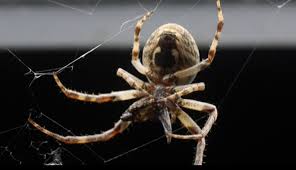
spider

Photo (c) Copyright 2015, New Media Investment Group.

It is almost Halloween. The Just Born Candy Company (the fine folks who bring us Marshmellow Peeps!) have Ghost, Tombstone, and Pumpkin Peeps (as well as some pricey limited edition flavors) out right now. They don’t have Spider Peeps. I consider that to be a good thing, for the reason set forth below.

Long time TKZ visitors will recall that I have blogged on the topic of fear and what scares you and me. Given that we are approaching Halloween, I thought that we might visit it once again, giving our more recent visitors a chance to weigh in as well. Fear is a great inspiration for writing. Take what you fear most and write about it, spinning the topic out to its worst case scenario. I have three major fears: 1) spiders, 2) spiders, and 3) spiders. I apparently have some notoriety in this regard as, when one does a image google of me, a couple of pictures of spiders appear within the montage of America’s Most Wanted posters. How nice. I also don’t care much for heights or closed-in places. Put me in a spider-filled coffin suspended fifty feet in the air and you might as well kill me. In fact, if I’m ever in that position, please do. I spray the interior and exterior of my house twice a year with an insecticide called Suspend (and a tip of the fedora to Carl Causey, husband of author Toni McGee Causey, for that suggestion!) but, as this article in the Friday morning news demonstrates, the spiders in my house and their homeslices have merely withdrawn and are regrouping on a bridge in Columbus, five to ten thousand strong, planning a flank attack even as I type. I’m waiting for you, demon spawns, with a sprayer full of Suspend and cleated boots and a twelve-gauge shotgun. I don’t care what the guy in the video in the article says, about how interesting they are, or how their fangs aren’t sharp enough to pierce the skin of a human being. Is he nucking futs? He’s gonna let one of those things get close enough to you to determine whether or not its fangs will break your skin? Not me.

There was a time during the past year when I was driving over that bridge twice a night, every night. No more. The current occupants are probably busily weaving the largest web you’ve ever seen, even as they chitter, “{{{wherrrzzz Joezzzz?}}},” ready to drop it on me as I drive by. It won’t happen. Obviously, I won’t be traversing that route until the temperature is somewhere south of zero and they are all curled up in a glare of ice. And those folks who are walking on the bridge to get a peek at what five thousand spiders — at least — look like? Unbelievable!

So what scares the living daylights out of you? Have you written about the topic of your (ir)rational fear? Do you plan to?


What’s Going on With the Publishing World?

Jordan Dane
@JordanDane

Wizards in Publishing Header

Sorry for the late post today. My bad. Today I have guest posters – Wizards in Publishing – a service I’ve used to self-publish my books with people I enjoy working with. The have services for critiquing, plot refinement, publisher submission refinement, proofreading, cover art services, formatting and uploading to booksellers. Kate Richards and Valerie Mann are the Wizards behind the services. Welcome, Wizards!

What’s Going on With the Publishing World?

Authors today can tell you the publishing world changes rules and course on a regular basis—what works today may not (okay, most likely) won’t be as effective tomorrow. Digital publishing has increased the rate at which these changes occur. Every time an author thinks he/she has a handle on marketing, promotion, genre trends, etc, the market changes and so does the way the game is played. Who’s writing these rules anyway?
Readers!

But the good news? Digital or e-book publishing has created opportunities for authors to have their precious stories seen by millions of readers—authors who arguably are just as good as the big-name writers making tons of money and selling tons of books with the traditional publishers—but may never have had that opportunity when publishing was strictly paper. You remember paper, right?—or what some digital houses call “dead-tree books”, but seriously, that has such a negative ring to it. There is no “bad” way to publish a book. Period.

Even better than just creating new opportunities for more books to been seen is the wide variety of ways for authors to market and promote their works. They can go strictly paper, or digital, or both. The marketing opportunities are endless. The only drawback we see at Wizards in Publishing is with the endless opportunities comes endless research by diligent authors because the market does change all the time. What works to sell your book today may be a seemingly fruitless effort tomorrow. Staying on top of what works and what doesn’t is a full-time job. Knowing the best bang for your buck can be daunting.

Bottom line—unless you’re a super-famous author making your publishing house a lot of money, the marketing and promotion falls on you, including setting a financial budget for your marketing plan.

Our tips:
1. Write what you know. If you don’t know the genre but your characters won’t stop talking to you, it’s your job to learn everything you can about the time period, fashion, language, politics, etc. of the people and place you’re writing about. Readers are way too savvy these days and they aren’t afraid to call authors out when details aren’t precise.

2. Do your research. What is trending and selling right now? The best-written book in the whole wide world is going to be a much harder sell which translates into a whole lot more work for the author to make readers want to buy it. That’s not to say you shouldn’t write that amazing story. Just be prepared to work really hard to sell it.

3. Decide how you want to publish. Do you want to submit to a publisher? Or do you want to self-publish? Right now, indie publishing (self-publishing) is huge, putting even more books into the hands of readers. Some authors like the idea of a publisher handling the editing, cover art and formatting, in return for splitting royalties.

Some authors (including the Wizard in Publishing owners) straddle both fences, having published books independently and with publishing houses. It’s okay to do both! The market is wide open to doing either or both!

Be warned: no matter which way you decide to go, the majority of marketing and promotion is still going to fall on you, the author. Publishers (even the big ones) are taking a more passive, backseat role in this regard. Authors may or may not agree with this, but it’s just one more thing to know—YOU, dear Author, will have to commit to promotion, no matter what.

4. Decide when you want to publish. Is there a better time of year than another for releasing the book? In other words, a story set in December in Montana probably won’t be as desirable a beach-read as you might think.

5. Keep up with the marketing trends. Have an active blog/website, use social media. Find what social media works for your genre. Social media is your best friend and it’s almost always free. Promote yourself as well as your books. Find a personal branding that readers see often and relate to you. It can be a picture of your dog that you include in your blog/Facebook/Twitter posts, etc.

There are lots of small businesses that specialize in helping authors promote and many of them are fairly inexpensive. Talk to other authors in your genre and see what is working for them. But remember: you have to do your homework and legwork, even if you hire a company to find those opportunities for you.

6. Editing. Get your book edited. Don’t think it doesn’t need it because honestly, it does. The best authors in the world (with amazing writing skills) will tell you their editors are their best friends. This goes back to the savvy-reader thing—readers are educated and they know when a book has been edited or not. Online reviews are rampant with negative comments about this. Paying an editor is money well-spent, and we’d say this even if we weren’t editors!

7. Write. Remember that author who never finished his book? We don’t either.

TKZers – Any questions for self-publishing, formatting, trends? Feel free to ask the Wizards.

Wizardsinpublishing.com – Email addy is thewiz@wizardsinpublishing.com

Aftermath of a Writers Conference

Nancy J. Cohen

Recovering from a conference can take as much time or more as preparing for one. When you get home and unpack, you’ll likely have a collection of promo items from other authors to sort through. It’s good to keep some of these, as they can inspire ideas for your swag in the future. I keep swag from other authors in a small shopping bag designated for this purpose. It helps to have samples if you’re thinking of ordering a similar item.

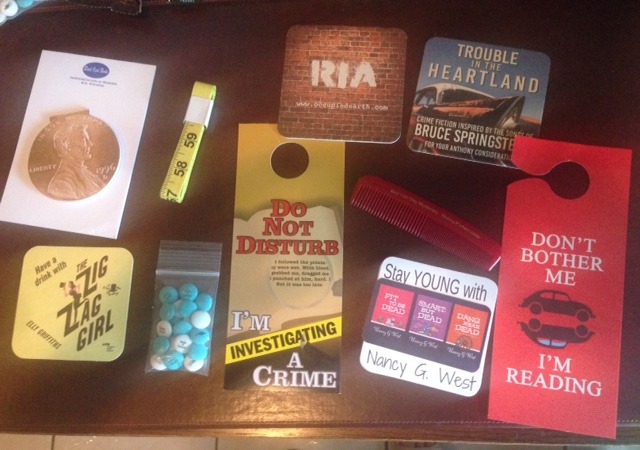
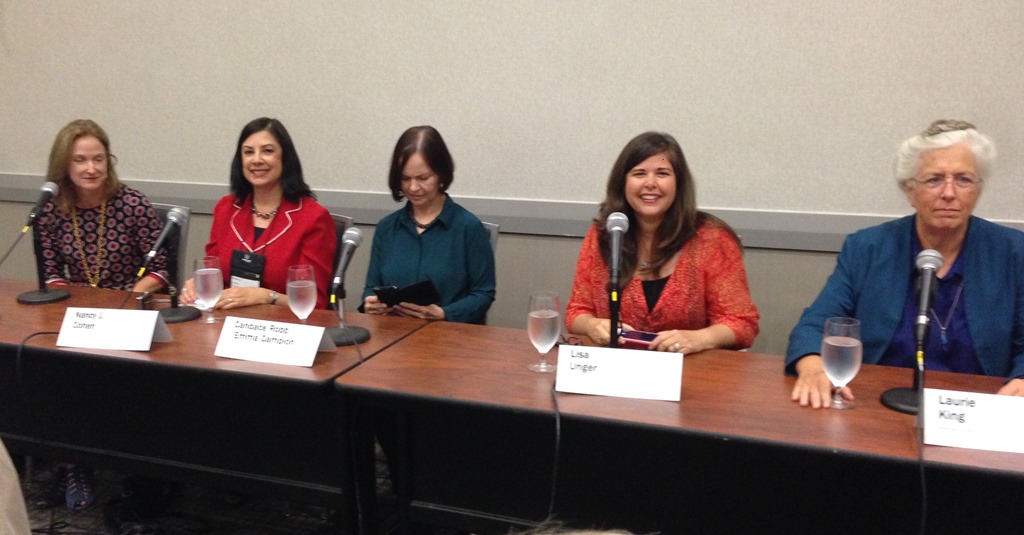
What impressed me at Bouchercon this year? I always like Door Hangers. I did one myself for Hanging by a Hair. I liked the little bags of chocolate covered mints. I don’t remember the author’s name engraved on the M&M sized candies, but I do remember her book title as House of Homicide. One author gave out tape measures. My Bad Hair Day combs were popular, and every one that I put out got taken. As usual, the tables were a mess with print materials, but I picked up bookmarks for titles that interested me. And coasters are always useful. I keep them on my computer desk.

Swag

It helps to sort through the business cards we receive and add relevant contact info to our address books. I’d also suggest marking the date and place where you met the person for easy recall later. You might dash off a note to people you’d met or to booksellers who carried your titles. Uploading your photos and blogging about your experience will keep the memories fresh.

NanPanel1      DonConSandy

IMG_1735

IMG_1745

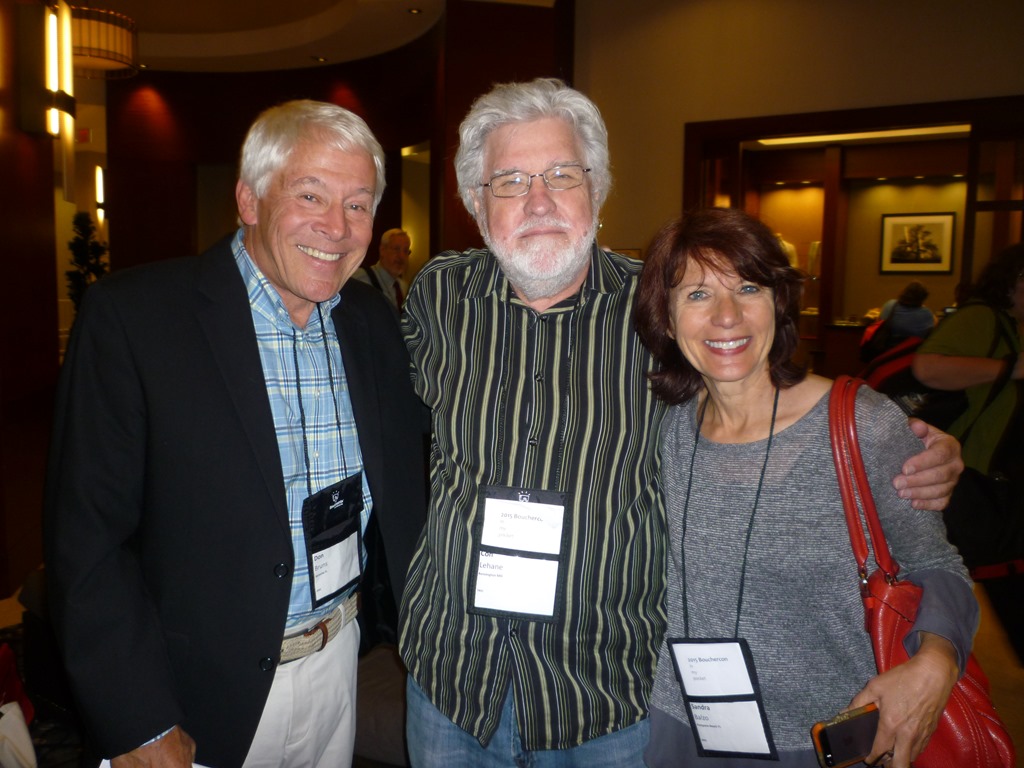
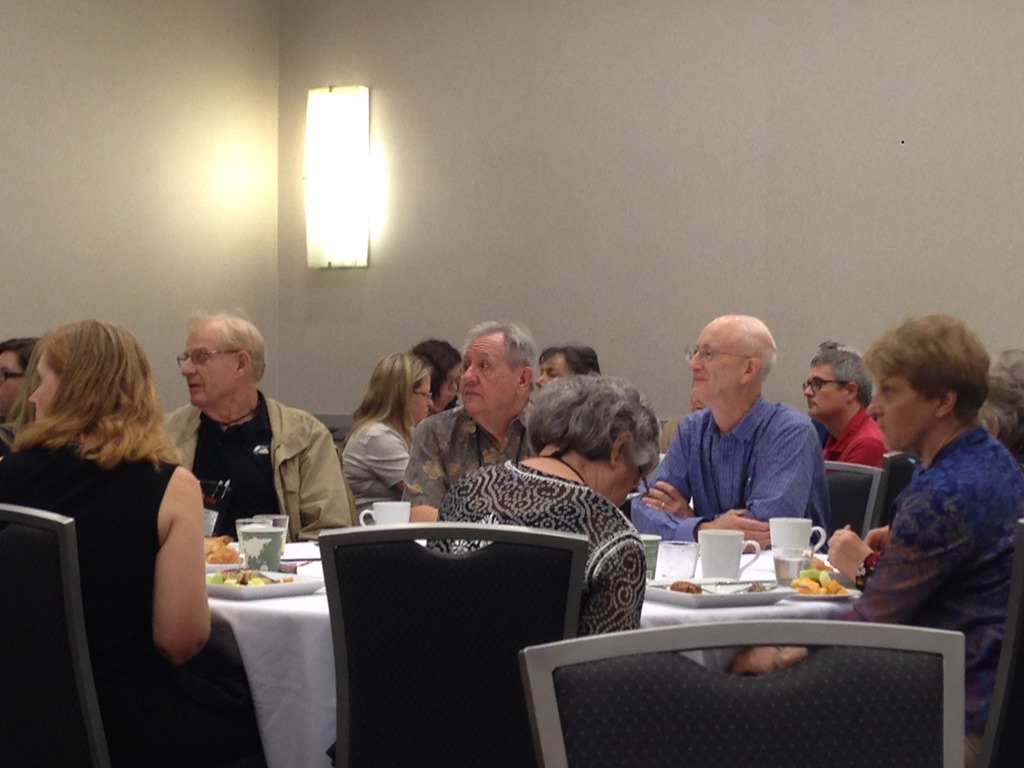
I’m still recovering from Boucheron, held in Raleigh. Here you’ll meet fans as well as other authors, plus a conglomeration of industry personnel. I have piles of materials to sort out and notes from panels attended to write up. But since I’m on the road again for another book event, these tasks will have to wait. This means I won’t be around today to answer comments, but please leave any tips you’d like to share.


The (Story) Doctor Will See You Now

Happy to report… I’m still in France.

Two weeks ago, also while I was in France, I posted an excerpt from my newly released writing book, “Story Fix: Transform Your Novel From Broken to Brilliant” (Writers Digest Books). Here is another one, this from Chapter 13, “The Doctor Will See You Now,” which refers to the three real life case studies — not from published novels, but from unpublished authors — that follow.

This excerpt helps set up the context relative to the value of reading unpublished (and dare I say, unpublishable) novels, provided you are reading with a full awareness of the principles of effective storytelling.

If you aren’t — and if you’ve ever been in a critique group you’ll know what I’m saying here — you may not be able to tell the difference.

Here then, is the excerpt:

The Best Learning of All

As we move forward in our writing journey we gather knowledge and evolve our skills. Part of that process includes reading the published work of best-selling authors and, sometimes, the novels and screenplays of our peers. What we learn there depends on what we bring to that reading experience. If you are new to writing, then perhaps those published stories appear to be nearly seamless; they almost look easy. Sometimes, in the quiet of our own hubris, we think we could do as well. And so we learn to duplicate what we see in successful works relative to storytelling craft.

But this can be like watching heart surgery from the O.R. gallery and to go home to try to insert a valve into the heart of a loved one in your living room. Because it looked easy. It’s a rather dark and absurd analogy, I grant you, but it’s also apt. In the hands of a professional, the complex can appear symmetrically accessible. Chances are—actually, it’s a certainty—your less-than-fully-enlightened eye doesn’t capture all there is to learn when you read a bestselling novel or see a great film. Many of the details, principles, nuances, and creative moves disappear into the whole of the story.

The theory of spending ten thousand hours of apprenticeship to reach a professional level of excellence has no better testimony than in the field of writing fiction.

I contend that the more you understand about craft, the easier it is to identify both strengths and weaknesses in the work of others, which turns those works into better teaching tools.

And so, now that you’ve internalized this information and stand at the gate of storytelling enlightenment, you are about to enter an exciting new world, the realm of the principles screaming out to you from the pages of those same published novels in a way you’ve never been able to see and comprehend before. Your learning curve is about to go vertical, because this very experience—looking for and recognizing craft in the stories you consume, seeing how they did it, recognizing the principles in play—is the second most enlightening opportunity you’ll ever know in your life as a writer.

This is assuming that you bring along your knowledge of craft as you review published stories. If you’re still guessing or trying to prove these principles wrong, then you’re on your own in recognizing the symmetrical and nuanced beauty of craft imbedded in the complex and distracting ambiance of a well-told story. It’s like looking at an X-ray. It’s almost impossible to see anything of importance until someone with a white coat points it out to you.

Hopefully you now have a white coat of your own to bring to the discussion.

You might be thinking, So you said reading stories from this new context is the second most enlightening opportunity I’ll have. Then what is the first, the best learning experience available?

I was hoping you’d ask.

The only compromise in using published works as learning models is that any problems and miscues that may have existed during development, any departures and fumbling of the principles, has likely already been caught and remedied. Sure, you may find a typo or two in a published book, but we’re talking story-level issues here, and those have been, for the most part, repaired. There’s no case study of revision-in-waiting to be found in a finished David Baldacci novel or a Steven Zaillian script.

The richest learning experience awaits in reading the work of newer writers and their unpublished stories, stories that haven’t yet reached up to grab the bar, even stories in development that expose what the writers aren’t seeing, aren’t getting, and may be tripping over as their stories tumble into an abyss of their own digging.

When you read these stories and story plans with an enlightened eye, with an embrace of all the principles and criteria you have just consumed, this becomes the most affirming, illuminating, and clarifying learning experience of all. Because now you can see how it looks behind the scenes, on the bloody battlefield of story development, where chaos must be confronted and ignorance leading to seductive temptation must be conquered.

I’m betting you can relate to that. 

And I’m trusting that, in these case studies, you’ll quickly see what I saw as the guy doing the evaluation and giving the often difficult feedback.

Read and learn. Other than helping your writer friends or participating in a critique group, this may be the best opportunity you’ve ever had to have a writing epiphany, for realization to manifest before your newly enlightened eyes.

Put your story-coaching hat on and see how a story looks from the outside, with a view toward understanding what went wrong from the inside.

The Power of Voice

Fist of lightningIt’s the most mysterious part of the fiction craft, but the one thing agents and editors say is most essential.

It’s something writers talk about––and readers respond to––but no one seems to know how to teach it.

Indeed, there are those who say it can’t be taught, because you either have it or you don’t.

It’s voice.

Writers hear about it all the time at conferences. Yet no one can agree even on a definition.

Over the years I’ve jotted down the ways agents and editors describe voice. Here are a few:

  • A combination of character, setting, page turning.
  • A distinctive style, like a Sergio Leone film.
  • It’s who you are.
  • Personality on the page.
  • It’s something written from your deepest truth.
  • Your expression as an artist.

You’ll often hear these same people say they turned down a book because the voice was “weak.”

So how the heck do you find your voice when the very definition is so vague? Is it something that can be developed? Is it something you’re just born with? Do you have to find it by trial and error, if you find it at all?

What if you write in different genres? Is your voice in a noir thriller going to be the same as your voice in a romance? Should it be?

In my new book, VOICE: The Secret Power of Great Writing, I provide the answers.

voice-cover small

And it starts with a stunning realization: voice does not come from the author.

I’ll let you chew on that a moment.

Now that I have your attention, let me explain. I mean that we should not conceive of voice as coming from the author alone, without any other considerations. The best fictional voice is an interplay between the characters and the author, and then between the author and his craft as he puts the words on the page.

My definition, therefore, is as follows:

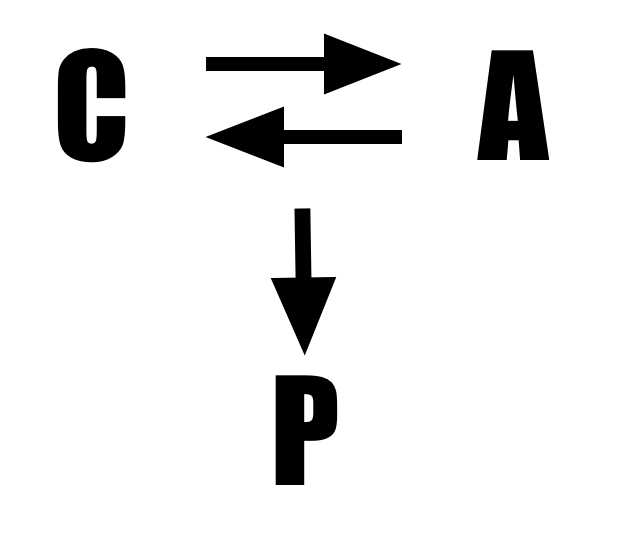
CHARACTER background and language filtered through the AUTHOR’S heart, and rendered with craft on the PAGE = VOICE

In the book, I explain how this relationship works, and give you specific techniques to put it into practice. The goal is to make every book you write unique and compelling on its own terms.

I call this the CAP Method.

CAP

C is for Character. I describe five key questions a writer must answer for every POV character. Then we proceed to the best ways to both see and hear the characters before you write them.

A is for Author, and this is all about achieving symbiosis, that mysterious connection between creator and character. It’s similar to how great actors approach a role. I’ll show you how to do it.

Finally, P is for Page, the craft part of the writing, and here I offer you a writing technique that I’ve never seen taught before, something I developed from my own days as an actor. It’s a way to feel your character’s emotions every time you write a scene.

Which is when the magic happens.

And magic is what you need. Because the main complaint I hear these days from readers is that such-and-such a book was “okay,” but felt like the “same old, same old.”

Tapping into the power of voice will obliterate that objection.

Let me give you an example. Below is a paragraph from a published thriller describing a bit of New York City:

There were sidewalk vendors and bustling clothing stores and lines of people in front of curbside food carts. There was also a lot of scaffolding and cranes from new construction and building renovations. I even saw a Times Square-style double-decker bus go by filled with wide-eyed tourists.

Ugh. There were and There was in two consecutive sentences. Then simple reportage that could have come from a brochure. There is no voice here, no sense of character. Anyone could be describing this scene.

Now look at a master at work:

Some days hang over Manhattan like a huge pair of unseen pincers, slowly squeezing the city until you can hardly breathe. A low growl of thunder echoed up the cavern of Fifth Avenue and I looked up to where the sky started at the seventy-first floor of the Empire State Building. I could smell the rain. It was like the kind that hung above the orderly piles of concrete until it was soaked with dust and debris and when it came down it wasn’t rain at all, but the sweat of the city.

That’s the opening of Mickey Spillane’s The Killing Man, and from the get-go we are inside the character. We see the city through his eyes, feel it through his heart.

It’s the difference between fiction that is fine and fiction that is unforgettable.

An acquisitions editor for a major publisher, Marian Lizzi, once said, “As my first boss used to warn us green editorial assistants two decades ago, the type of submission that’s the toughest to spot – and the most essential to avoid — is the one that is skillful, competent, literate, and ultimately forgettable.”

That’s why voice is so important. It takes you from skillful, competent, literate, and forgettable to the kind of book we all love to find—unputdownable.

Which is why I felt we needed a book on the subject. It can be found at:

AMAZON

AMAZON INTERNATIONAL STORES

BARNES & NOBLE

KOBO

PRINT VERSION

So what characters come to mind when you think of a compelling voice? I nominate Holden Caulfield. What about you?