By Debbie Burke
A log line or logline is a brief (usually one-sentence) summary of a television program, film, or book that states the central conflict of the story, often providing both a synopsis of the story’s plot, and an emotional “hook” to stimulate interest. – Wikipedia
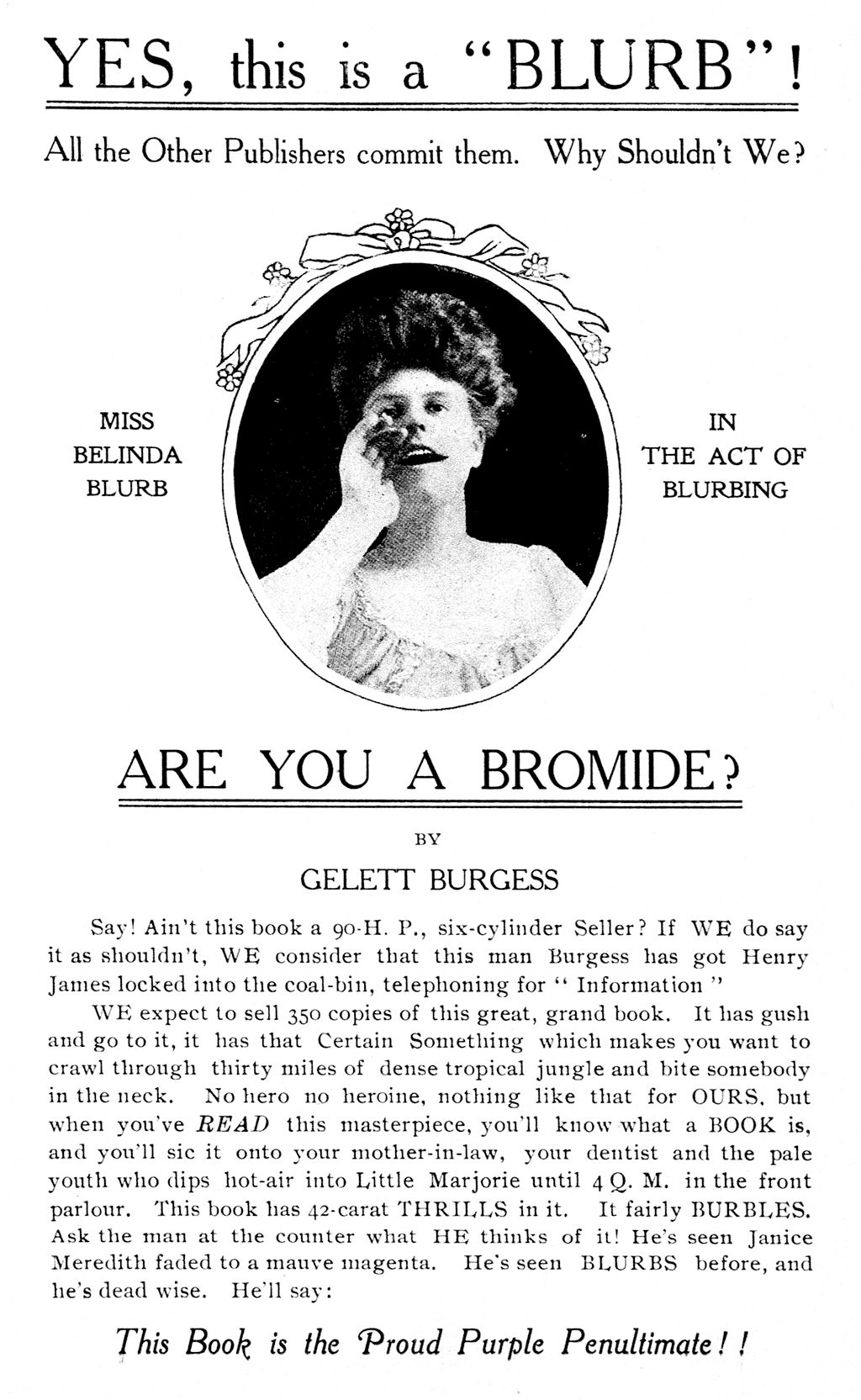
A blurb “is a short description that praises something (such as a book) so that people will want to buy it.” – Merriam Webster
Okay, the definitions sound simple enough, but the truth is, most authors would rather write an entire novel than struggle over these few words that are critical to successful marketing. How do you condense your 100K-word masterpiece into a few lines that are so intriguing, so compelling, readers will drop everything and click on the “buy” button?
The quote by Mark Twain comes to mind: “I didn’t have time to write a short letter, so I wrote a long one instead.” Brevity is essential. Elevator pitches used to last 10 floors. Now they better fit between the lobby and the mezzanine.
For instance, the Kindle Scout contest requires a book one-liner of 45 characters or less. Yikes! That’s only one-third of a tweet. The book description itself allows a slightly more generous 500 characters (fewer than 100 words), but is still tight, compared to a typical synopsis length of 250-500 words.
I checked out a number of successful authors we all know to discover how they handled these daunting tasks.
A few examples of loglines:
“When he sleeps, the hunt begins.” – Jordan Dane
“She was beautiful and naked and dying…” – James Scott Bell
“No names. No feds. No trace evidence.” – John Gilstrap
“Welcome to Durham, North Carolina, the diet capital of the world.” – Kathryn Lilley
“Three women. A cursed house. Generations of lives at stake.” – Laura Benedict
“When the old money façade fails, the lies come to light.” – Elaine Viets
Six different approaches, yet each reflects their particular subgenre, showcases a distinctive voice, and sinks a hook that draws the reader in. Jim’s is a paean to Raymond Chandler noir. John’s is stark and no-nonsense. Kathryn’s hints at her ironic humor.
For the slightly longer blurb, consider these examples:
“In darkness…. Two strangers meet. A woman without inhibitions…a man without limits…for a private game between two consenting adults.” – Larry Brooks
“They say it’s better to battle the devil you know. But what if you don’t recognize him before it’s too late?” – PJ Parrish
“Exchanging their bodies for machines, these teens will defy expectations, brave danger, and defend civilization. They are The Six.” – Mark Alpert
“Ursula Marlow thought she was done with death, but when her fiancé, Lord Wrotham, is arrested on charges of treason, her world is turned upside down.” – Claire Langley-Hawthorne
And last, but not least, Joe Hartlaub knows how to sum up books in his reviews that are both pithy and intriguing: “BRONX REQUIEM serves up a heady, dark, double shot of urban noir.”
Why are loglines so stinkin’ hard to write?
For authors new to marketing, loglines and blurbs are especially intimidating. Let’s break down the reasons for the difficulty and, one by one, find ways to overcome them.
- Overwhelming – How do you distill 60-100K words into 45 characters? Or 100 words?
- Hard choices – What do you include? What do you leave out? Will the story make sense to a reader who is unfamiliar with the plot, characters, or your intentions?
- Lack of objectivity – You’re too close to the story. You no longer have any idea what will capture the interest of readers.
How to overcome being overwhelmed:
First, identify what elements must be in a logline: Character, conflict, stakes, and reader engagement.
Consider the legendary Hemingway six-word novel:
“For Sale: Baby shoes, never worn.”
While questions still swirl whether or not Papa actually wrote the story, it illustrates a skillful example of a logline.
Even though no specific characters are mentioned, we understand the inference that a baby has died, leaving behind grieving parents.
The conflict is how/why the death of the child occurred.
The stakes are also inferred. Can the parents survive the unimaginable nightmare?
Reader engagement comes from the need to learn the details behind the tragedy.
How to overcome hard choices:
Again, the focus must be limited to only essential elements. No matter how attached you are to subplots, minor characters, and lyrical setting details, there’s no room for them in loglines and blurbs. Stick to “just the facts, ma’am.”
Who is the protagonist? Who is the antagonist? What does each want/need? How do their respective wants/needs come into conflict? What happens if they don’t achieve their goals?
Which qualities of your story are universally understandable?
What is unique, that only you could have written? If your voice is distinctive, let it show through.
How to overcome lack of objectivity:
This is where you enlist the help of coworkers, friends, critique partners, beta readers, book club members, and sometimes total strangers. They offer fresh eyes and fresh perspectives because they are not as intimately involved with the story as you are. You’re lost deep in the trees, while they see the whole forest.
Write at least 10, preferably 20, different one-liners and short descriptions. Show the examples to some (but not all) of the consultants described above.
What are their reactions? What intrigues them? What makes them yawn?
What questions do they raise?
What isn’t clear to them (even though it seems obvious to you)? Does the story make sense?
Would they buy the book based on your logline?
Next, combine the best elements of your examples and rewrite.
Put yourself into the mind of a potential customer. What qualities of your story might fascinate a reader living in a different region, or in a different socio-economic strata? Would a reader who’s younger or older than you identify with the story?
Winnow the choices down to three loglines and three blurbs. Show these to different consultants than you approached in the first round. You’re seeking fresh perspectives on the revised versions. Ask the same questions as before and see if you’ve resolved confusion, filled in missing parts, and deleted unnecessary information.
Like Blanche DuBois, rely on the kindness of strangers.
Strangers and casual acquaintances can be more accurate barometers of typical customer reaction because, unlike family and friends, they’re not as concerned with hurting your feelings. You don’t need to be embarrassed because you may never see these people again.
Visit your local librarian and verbally audition your short description to him/her. Librarians read thousands of blurbs and decide from a few words whether to stock a book or not. Ask if your book would be ordered or passed over based on your description. If a librarian offers a suggestion for improvement, take it!
On a plane trip, find out what your seatmate likes to read. Then ask, “What do you think of this idea for a book?” and recite your logline. If the person expresses further interest, try out your blurb. Pay close attention to their questions and opinions. You’re seeking honesty, not compliments.
One caution: if someone responds positively, don’t become a pest and regale him/her with a scene-by-scene outline. Thank the person for helpful input and offer your business card (which of course lists all your books for sale).
Based on feedback, refine your examples further. The process should yield several solid, compelling variations on a theme to use for different applications. One might be appropriate for entering contests, another for submitting to agents or editors, yet another can be your Amazon description and the back cover of your book.
Barter with other writers – You write my blurb and I’ll write yours. My beta readers and I have successfully come up with titles, loglines, and blurbs for each other. Sometimes you’ve already written the perfect logline, but it’s buried in your novel. A helpful beta will spot it and point it out.
When a stranger can read your precious few words, understand the gist, and wants to know more about your book, you’ve succeeded.
TKZers, do you have a secret formula for crafting loglines and blurbs?
Debbie Burke just endured the ordeal of writing a 40-character logline and an 83-word blurb for her entry in the Kindle Scout contest. A sample of her thriller Instrument of the Devil is online until July 7. If the book is selected for publication, everyone who nominates it will receive the eBook for free. Thanks for checking out the link.