Does Your Story Have a Solid Foundation?

By SUE COLETTA

Most writers know this business can be soul-crushing at times, even if we don’t like to talk about it. As can life. This past week, my husband and I secured a mortgage and were over-the-moon excited to close on Friday. The house we’ve been living in for almost 7 years would finally be ours. On Wednesday, we received a call that told us the house had been deemed unsellable. Briefly, 30 years ago a mobile home stood on the land. Rather than remove the old mobile in its entirety, the then-owner stripped it down to the steel beam and built a beautiful 1 ¾ story country contemporary on top of it, rendering the property unsound. Unpredictable. Unsellable, except to a cash buyer who doesn’t glance at the deed.

Because the previous owner cut corners with the foundation, it throws off the entire house. Same holds true for our stories. Without a solid foundation — key milestones, properly placed — the story won’t work, no matter how well-written. The pacing will drag. The story may sag in the middle. The ending might not even be satisfying. It all comes down to the foundation on which the story stands.
After the mountain of paperwork involved to secure a loan, that day our mortgage disappeared. The closing got cancelled. It felt like someone tossed a Molotov cocktail through our living room window, and the fireball obliterated our hopes and dreams. We’d invested a lot of time, money, and effort into this property. We built a home. To receive a call like that two days before closing likened to a gut-punch.

Once we formed Plan B, a scary but exciting venture, I envisioned a parallel to writing. Specifically, the early days when harsh critiques and rejection letters cut deep. It’s never personal, even though sometimes it may feel like it. Writers, however, need to learn this lesson on their own, in their own time. More experienced writers can try to help those who aren’t as far along in their journey — like we do on the Kill Zone — but it’s all part of the process. Writers’ skin thickens over time. The trick is to allow yourself to fail, allow yourself to feel the pain of a harsh critique, poor review, or rejection letter, and then learn from it and move forward.

There is no rewind button for life, but we can press pause.

I applied this same logic to the house situation. For about 36 hours, we didn’t tell a soul. No one. My husband and I needed time to gather facts, talk through what happened, and then re-evaluate our options. The same holds true for writing. If you receive hard-to-handle news, step away from the keyboard and give yourself permission to absorb the blow. It may take ten minutes; it may take two weeks. We bounce back at different rates. When you’re ready, return to the source and re-evaluate with clear eyes. I guarantee you’ll see things differently.

We can’t change the past, but we can change the future.

After 36 hours, we informed “The Kid” who immediately jumped online to look for properties. Kids don’t like their parents’ lives in disarray, which is why we waited to tell him once we’d processed the initial shock. Then we told our closest friends. They sprinted across the dirt road to offer encouragement. My point is, we surrounded ourselves with positivity.

Positivity begets a renewed outlook on life (and writing). Negativity brings nothing but sorrow and unnecessary turmoil.

Trash-talking about how Agent X has no idea what she’s talking about won’t change the fact that she rejected the manuscript. Nor will lashing out at the writer who critiqued your first page. Instead, find writers who will tell it like it is, writers who’ve stood where you might be standing now, writers who will help you see the forest for the trees. I love that expression. It’s visceral. It’s raw. It’s truth.

In life as well as writing, sometimes the unapologetic truth isn’t an easy thing to hear. Yet it’s exactly what we need to move forward, to grow, to find acceptance in the unacceptable. Even if my husband and I had a spare $150K kickin’ around, buying an unsellable house would be a horrible investment.

When life hands you lemons …

I truly believe we’re meant to walk a certain path. When we misstep, life has a way of nudging us back on course. So, after I came to terms with the fact that moving was inevitable, the question then became: If we weren’t meant to buy this house, then why put us here in the first place? Admittedly, the anger may have lingered a bit longer.

Now I understand why.

A little over a year ago, “The Kid” bought 3.5 acres a few house lots down from us. It’s a gorgeous parcel of land nestled under a canopy of tall pines, maple, birch, and oak trees, with a stunning mountain view and a wildlife trail that runs through the back. My husband logged out truckloads of timber, clearing a secluded but serene house lot. At the same time, “The Kid” installed a driveway and had the land surveyed and perk-tested before he and his wife decided to put the land on the market. With three children under the age of 4, it ended up being a stressor they didn’t need.

The land never sold.

When one door slams shut, open a window.

Had we never moved into this house and stayed as long as we did, we wouldn’t have the opportunity to build our dream home now … a few house lots over on land we already love. We envision relaxing on the back deck, watching black bear, moose, and deer stroll through the yard. That’s the plan, anyway. If for some reason it doesn’t pan out, we’ll readjust again.

Give yourself permission to fail, in your writing as well as IRL. Then get back to the keyboard and move forward. Only you can make your dreams come true.
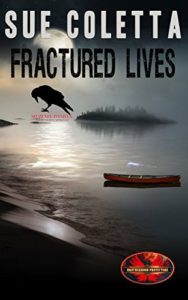
Ellle James’ new press ensured Fractured Lives released in paperback before she left for vacation, which added some well-needed excitement to the week.

Three couples, the perfect Maine vacation, and a fateful night that blows everyone’s mind.

Also available in ebook.


Put Some Snap in Your Style

by James Scott Bell
@jamesscottbell

We’ve talked before about not settling for mere competence in your writing. We’ve already got plenty of that. The “tsunami of content” available for the consumer of fiction today is made up largely of a spectrum that ranges stink bomb to okay, with the scale tilted decidedly toward the former. It has ever been so, according to Sturgeon’s Law.

So if you want word-of-mouth, and delighted readers, you’ve got to bring something extra to the page. Today I want to talk about adding snap to your style.

As an example of how to do it, I turn us back to another tsunami, the boom in mass market paperback originals from the 1950s. The public, just beginning their addiction to television, was still voracious in its reading habits. Drugstore spinner racks had to be replenished daily with new titles from such publishers as Gold Medal and Pocket Books.

As a result, noir and crime and mysteries were cranked out by scores of writers, accompanied by racy covers and taglines such as: An isolated mountain lodge—and open season on SIN! and She had the face of a madonna and a heart made of dollar bills!

Most of this fiction was serviceable. It did its job and was soon forgotten. But within this market there emerged some fine, even great writers. The ones who stood out always gave their fiction something extra, usually in the style. John D. MacDonald was one. Another was Gil Brewer.

Brewer’s life was writing and writing was his life. Unfortunately, when he wasn’t writing he was drinking. Sadly, the bottle killed him. But before his decline he wrote some of the leanest, meanest noir on the market. You can read about Brewer in this tribute by Bill Pronzini, wherein he writes:

Despite some lurid titles – Hell’s Our Destination, And the Girl Screamed, Little Tramp, The Brat, The Vengeful Virgin– Brewer’s fifties GM [Gold Medal] and Crest novels are neither sleazy nor sensationalized; they are the same sort of realistic crime-adventure stories John D. MacDonald and Charles Williams were producing for GM, and of uniformly above-average quality. Most are set in the cities, small towns, waterways, swamps, and backwaters of Florida, Brewer’s adopted home. …The protagonists are ex-soldiers, ex-cops, drifters, convicts, blue-collar workers, charterboat captains, unorthodox private detectives, even a sculptor. The plots range from searches for stolen gold and sunken treasure to savage indictments of the effects of lust, greed, and murder to chilling psychological studies of disturbed personalities.

Hard Case Crime has re-published The Vengeful Virgin. I picked it up based on Brewer’s name. And as you can see from the original cover and marketing copy, it was one of those lust-and-greed-leads-to-murder tales. But it stands out from so many others because of the snap in Brewer’s style.

The book is about Jack Ruxton, who runs a TV sales and repair shop. He makes a housecall one day to the home of Victor Spondell, an old invalid who is being cared for by his eighteen-year-old stepdaughter, Shirley Angela.

It doesn’t take long for Jack and Shirley to fall in lust. Then try to figure out a way to murder Victor so Shirley can lay claim to the three-hundred grand he’s left to her.

The book is written in First Person POV. At one point, with the plan underway, Jack is alone in his store, feeling like a caged animal. He needs to get something to eat. A competent writer might have written the following paragraph:

After awhile it was time to eat something again, so I walked down to the drugstore and had a ham sandwich and a glass of milk. It was dark outside. There was some light from the street. Cars went up and down, maybe to parties and good times, or just home to TV and the evening paper.

That’s fine. It’s competent. But Brewer is more than that. He wrote it this way:

After awhile it was time to eat something again, so I walked down to the drugstore and fooled around with a ham sandwich and a glass of milk. It was dark outside. Neon glowed in the streets. Cars hissed up and down on their way to parties, maybe, good times, or just home to the one-eyed monster, and the evening paper.

That right there is the elusive thing called voice. It’s a symbiosis of writer and character rendered with craft on the page. Look at the verbs—fooled around, hissed. And the specific nouns—Neon, one-eyed monster. That’s how Jack Ruxton would talk, pressed through the gauze of a skilled writer’s imagination.

So our lesson today is simple:

  1. Know your character’s voice intimately
  2. Look for more descriptive verbs consistent with that voice
  3. Be specific with the nouns

Go ahead and use a thesaurus. I wrote this sentence: I ate a hamburger. Just for laughs, I opened my Mac dictionary, entered “eat” and went to the thesaurus. There I found: devour, ingest, partake of; gobble (up/down), bolt (down), wolf (down); swallow, chew, munch, chomp; informal guzzle, nosh, put away, chow down on, tuck into, demolish, dispose of, polish off, pig out on, scarf (down).

In about ten seconds I decided on: I demolished a hamburger.

The best time to do this, in my experience, is by looking over your previous day’s pages. That’s not the time for major changes in plot or character. Just use it to put some snap in your style. Readers will notice.

What is your approach to style? Do you think about it as you write? Is there an author you’d like to emulate (not copy)?

Nextdoor

If you are looking for ideas for your story or your novel, or characters to populate them, you need to join Nextdoor. Nextdoor is an online social network (isn’t everything, in some way?) which is organized around neighborhoods which are close to you. You just go to nextdoor.com, sign up, and you find yourself with access to all sorts of things, such as reports of suspicious activity, questions about what is permitted locally (and what isn’t), recommendations for everything from home power washing specialists and auto mechanics to tree trimmers and appliance repairmen, and lost and found (I’ll talk a little more about that last one in a minute). Once you’re a member of Nextdoor you get emails when someone posts about a topic such as an injured deer in their yard or a street closure, and you can answer back or post on a topic thread. You can also just read the threads that are posted, watching the occasional disagreement get contentious and then settle down a bit. It’s a bit like Facebook (Nextdoor’s less civil cousin) with its “like” button, except that Nextdoor has a “thank” button instead and for the most part forbids political discussions. After a bit of reading, you can dope out the personalities of your neighbors, whether close by or several streets away, and quickly determine what gets whose undies in a bunch fairly quickly. It is entertaining at the least and occasionally functions as a real-time and constantly evolving cozy mystery setting or, yes, a domestic thriller.  You really should check out the page for your area if you haven’t already.

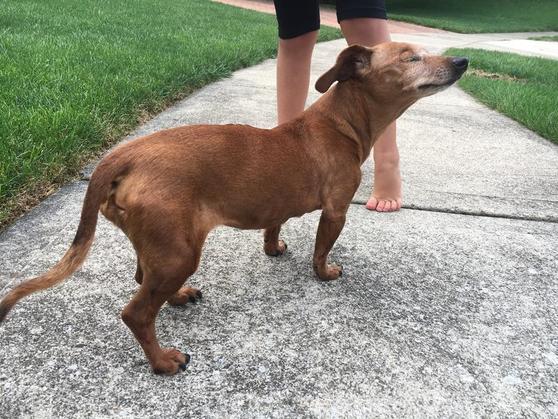
About that lost and found topic that I mentioned earlier…folks in my area use that primarily for locating or reuniting lost dogs or cats who slip the tether and make a jailbreak for what they consider to be the greener pastures of next door or the next street. Such happened in my own immediate neighborhood last week. My backdoor neighbors have two small children and a dachshund. The dog, named Heika, is blind, but gets around quite well, doing that happy, bouncy doidy-doidy-doidy walking rhythm that dachshunds do. Heika occasionally wanders over to my back door, having learned that the sucker who lives there is always ready with a dog treat. The family’s grandmother is often there watching the two children, who are as polite and well-behaved as any two kids I’ve encountered recently, and I occasionally sit and watch them interact, wondering how the grandmother somehow manages to keep them all corralled.

So. Last Thursday night I was at a local coffeehouse waiting for my AA meeting to start and happened to see that I had gotten a Nextdoor email with the heading “Found weiner type dog.” I opened it and found a photo of Heika doing a Nextdoor star turn courtesy of my next door neighbor, who had found her wandering on our street. Heika had done a Papillon from her loving family one street over in the mistaken belief that the world beyond her marked territory was as nice and friendly as the world within. Dachshunds are the second cousins to beagles but they share that “clever but not smart” inclination to wander that gets them in trouble. I got on the phone, contacted my next door neighbor, contacted Heika’s mommy, and doggy and family were reunited within three minutes of Heika’s photo being posted. My meeting started and all was well with the world, or at least a little corner of it. The ability to do that justifies Nextdoor’s existence all by itself, to my mind.

Do yourself a favor and check Nextdoor out. Even if you don’t contribute you can get a really good idea of what your community is like, not to mention populating your works of fiction with myriad characters or a reasonable facsimile thereof. Maybe you’re already familiar with it. If so, do you have a story to share?


Reader Friday: Dark And Stormy?

Photo purchased from Shutterstock

As Hurricane Lane bears down on the enchanted islands of Hawaii, we’re reminded of the age-old advice against opening a story with a description of the weather.

Have you ever made an exception to that “rule” in your own writing? Was it effective?

Eight Lessons from Digging in the Dirt

Garden in late June

Join me today as we get down and dirty to root out a few parallels between gardening and writing.

  1. Timing matters

The first few years we lived in Montana, a handful of warm, sunny April days always fooled me into thinking winter was over. Sparkling blue sky lured me outside where I chipped through ice to dig up black dirt. New life abounded—robins scouted for nest locations in the bare branches of apple, pear, and apricot trees that were just starting to bud. I couldn’t wait to get seeds in the ground.

Inevitably I planted too early—a spring blizzard usually dumped a foot of new snow the next day and the seeds never germinated. I’d have to buy more and try again weeks later when the weather finally warmed for real.

In those early days, I sent out novels that weren’t ready. In my eagerness to get published, I was blind to immature plots that needed more development and characters that didn’t ring true. Market conditions, pfft! Who needs to worry about that?

Often those submissions resulted in biting blizzards of rejection.

2. Persistence

Veteran Montana gardeners know to plant corn seeds three times in succession. The first batch rots because the soil is still too cold and wet; crows gobble the second round; with luck, the third grows and produces.

Nine earlier novels of mine didn’t make the grade. But I kept replanting to hit the right editor/agent at the right time. Gardeners and writers must be persistent and never give up.

3. Patience

Gardeners and writers must play the long game. Cherry trees don’t bear for seven years after they’re first planted. Books may require similar time from the initial seed of an idea to publication.

I’m more patient these days, willing to give my stories enough time to grow and ripen.

4. Dirty, backbreaking work

While my hands root around in the dirt, my mind stays busy digging out a more compelling plot, digging into the puzzling psyches of difficult characters, or digging out of the inadvertent rabbit hole I burrowed into.

Sometimes my mind winds up as muddy as my body.

5. Weeds, like bad habits, never die

Dandelions, black medic, and quack grass keep coming back no matter how often I pull them. Same with stubborn writing problems. Someone needs to invent Roundup for word tics, repetitions, misspellings, and excess verbiage.

6. Some crops do better in certain years than others

This July’s raspberries ripened fat, sweet, and juicy, while last summer they yielded only hard seeds. Peas that had been plentiful in the past did poorly this year, no matter how much I pampered the vines.

Sometimes I’ve written articles because the subject fascinated me yet they never found their way into print. Other stories I thought were ho-hum surprised me when editors accepted them and asked for more. Perhaps I was trying to sell peas in a market looking for raspberries.

7. Sometimes hard luck negates hard work

Rogue deer crash through the mesh fence and claim the salad bar for themselves. Aphids suck the life out of tomato plants. Grasshoppers strip plants down to mere stems. A freeze in August can destroy the harvest overnight.

Even so-called foolproof crops aren’t immune to whims of nature. One year I dug up what promised to be a bounty of potatoes to find voles had eaten the insides of every single spud, leaving only hollow shells behind.

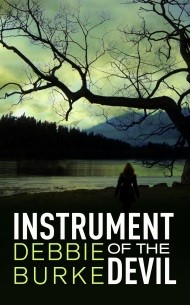
After almost three decades of novels being rejected, my thriller Instrument of the Devil was published last year. The editor expressed strong interest in the second book in the series, Stalking Midas. I’d finally made it.

Right.

Six months later, the publisher closed up shop. Voles ate the heart out right of that potato crop.

8. Seasons ebb and flow in the garden and in writing

Here’s the current ebb and flow in my career:

Although I’m back in the submissions grind, at least I have lots of practice.

The first draft of book 3 in the series is close to complete and I’m still excited about the story.

Marketing keeps me spinning my wheels in the mud.

This regular gig at TKZ is great fun. I get to write about my passion, interact with interesting authors, and learn. What’s not to like?


“The corn is as high as an elephant’s eye”


Today in my garden, “the corn is as high as an elephant’s eye,” to quote the classic Rodgers and Hammerstein musical Oklahoma. In a few weeks, I look forward to breaking cobs off the stalks, rushing inside to nuke them in the microwave while still in their husks, then slathering them with butter. In that first burst of flavor, the memory of sore muscles from stooping, bending, and digging fades into the background.

But if a September hailstorm strips the garden bare, there’s always next spring with seeds of a new novel to plant.


TKZers, where are you in your seasons of writing?


Even though Debbie Burke is searching for a new publishing home, Instrument of the Devil remains available on Amazon here.


Many, Many Hats

Jobs I’ve had, in chronological order:

Babysitter, dry cleaner counter person, pizza maker, office supply sales clerk (never, ever let someone “try out” a fountain pen because it ruins the nib–ask me how I know), pizza maker, steak house hostess (many, many roach stories), misses department sales clerk, gift wrapper, shirt inspector (another dry cleaner), telemarketer (worst ever), temporary services receptionist, candy store clerk, radio station engineer, board operator, and announcer, production coordinator for a tech services multi-media department (basically AV department for giant corporate shows and concerts), sales promotion assistant (lots of incentive programs, binders, brochures–highlights include missing a typo on half a million theme park brochures that made the park look like it was open when it was closed), manager of a retail handcrafts co-op, copywriter/sales promotion freelancer, book reviewer, writer, writing workshop leader, homeschool mom.

It’s a bit overwhelming to look at this list. Of course, it encompasses forty-four years of my life. But the overwhelming bit comes when I think about all the things I had to learn to do those jobs. None were particularly difficult in terms of technology. Early on I learned to do as I was told, watch out for the grabby hands of customers and male co-workers, alike, and spend most of my time observing people and figuring out what they were really looking for. It was at the radio station that things became technically challenging. So I spent many, many hours learning the radio station and studio engineering job, and I loved producing. Also, I was fortunate that the Giant Beer Company bought into Macs for the office soon after they came out.

I didn’t start writing fiction until after I became fascinated with copywriting and spent a lot of time fiddling with copy I had commissioned. When the Giant Beer Company warned of layoffs, I (very boldly, and perhaps insanely) whipped up sample copy for imaginary businesses and appended it to my resume. Sales and advertising copy is, after all, a blend of persuasion, fact, and fantasy. (It was not an effective gambit, but it was a great writing and humility exercise.)

So I broke down and took some post-graduate fiction writing classes, and realized that everything I’d done–professionally and personally–up to that point helped me become a writer.

It makes me wonder about those students who first come into the creative writing classroom at age 18 or 19. What have they done? What have they seen or heard? (Though, trauma is an excellent teacher, as is a dysfunctional family.)

The writing life is perfect for someone like me, who truly appreciates novelty. In the past twenty-five years (particularly the last twelve) I’ve discovered that to be a professional writer, or even a dedicated amateur, one has to become proficient at many jobs, and willing to keep learning and learning.

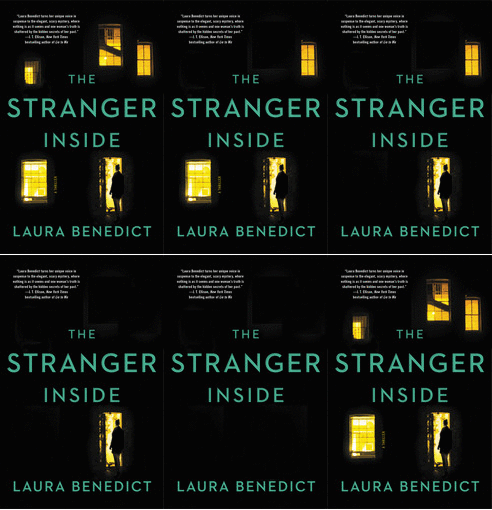
The latest thing I learned is how to make a .gif of the cover of my upcoming book, The Stranger Inside. Fingers crossed that it’s still giffing when you see it. If you want to make your own .gif, try it here. It’s super easy!

Here’s what this writer has learned to become:

Publisher, production co-ordinator, writer, copywriter, editor, designer, cover designer, photographer, telemarketer, baker (for goodies taken to appearances), mailroom attendant, bookkeeper, trimmer, folder, press release writer, travel agent, contest-fulfiller, social media maven, mailing list keeper, public speaker, researcher, long-haul driver, occasional shameless self-promoter, interviewer, interviewee, panelist, cheerleader, blogger, website designer…I’m sure I’ve missed plenty. Can you think of more jobs that you do as a writer?

Tell us: What in your background prepared you for being a writer? How is your life different?


A Title by Any Other Name

By Clare Langley-Hawthorne

It’s no secret that the majority of my book title offerings are terrible. When I suggest them, my agent shudders and then usually takes pity on me and comes up with a better one. For my first novel, Consequences of Sin, I think my working title was something awfully bland like Dark River and my other suggestions went downhill from there. Thankfully, my agent saved me from title hell, and came up with the one that was ultimately used for the published novel. Recently, for a WIP, I told her the proposed title of the novel and she laughed and told me it sounded like porn (which it most certainly wasn’t!)…so clearly my talents as far as book titles go have not improved.

Last blog post I focused on the importance of cover art and my own personal angst over the issue. This week I want to focus on book titles – how much do they matter and, assuming they do, how does one come up with a great title for their novel?

When I think about my own reading preferences, I have to admit covers tend to trump titles. I’m usually less drawn to a book title than I am to amazing cover art – but if a book title sounds weird or off-key it can put me off. Like cover art, the title should be indicative of the level of violence, romance or horror in a novel – so if it doesn’t match the actual book it can be problematic.

There are some well-known examples of famous book titles that were almost called something else. Pride and Prejudice was almost going to be First Impressions (ugh…), Lolita was almost The Kingdom by the Sea (?…), Lord of Flies could have been Strangers from Within and 1984 was almost The Last Man in Europe. The first Harry Potter book was also, apparently, going to be called Harry Potter and the School Of Magic which definitely doesn’t have the ring of Harry Potter and the Sorcerer’s Stone (or, in the UK, the Philosopher’s Stone).  Book titles for these famous books now linger in our collective memory, so it seems strange to think of them being called anything other than what we’ve come to know and love.

So if a book title can make such an impact, how do you choose one that doesn’t suck? I think the key to this is brainstorming as many titles as possible, getting lots of constructive feedback, and then letting someone else decide:)

From researching the question of formulating a decent book title, it seems there is at least consensus that a good book title should be:

  • Short
  • Memorable
  • Provocative or Intriguing
  • Easy to say (no tongue twisters or potentially embarrassing ways of mispronouncing it)
  • Match the heart/soul of the novel

For me, this all sounds much easier said than done… Of course, if you decide to go the traditional publishing route, as the author you often have to accept a new book title generated by the publisher anyway…which might be why I usually have a lengthy list of book title options which I throw into the air…and then wait for someone else to tell me which one (if any) works.

So TKZers, how do you approaching naming your books? How important do you consider the title for you book and how do you make the final decision on the title for your book?

Keep on Clacking Till Your Soul Goes Packing

by James Scott Bell
@jamesscottbell

We writers have a great gig, don’t we?

We get to play in our imagination every day. We bring characters to life or—even better—watch as characters come to life while we write. We dream. We create plots and scenes and twists and turns.

Some of us have day jobs (or, as Brother Gilstrap used to put it, “my big-boy job”) and write when we can. Others do this for a living. Still others occupy a middle position where they have some days they can dedicate to clacking away at the keyboard. (As a Southern California boy, I have to admit I love being able to “go to work” in shorts, flip flops and a Hawaiian shirt. I enjoyed practicing law but didn’t like having to wear a suit and tie every day!)

But maybe the thing I love most about the writing life is this: I can write as long as I’m a sentient being. I never have to quit. And I can effortlessly slide into the role of crusty but benign eccentric who mumbles aphorisms—even to other people—and still hits the keyboard each day.

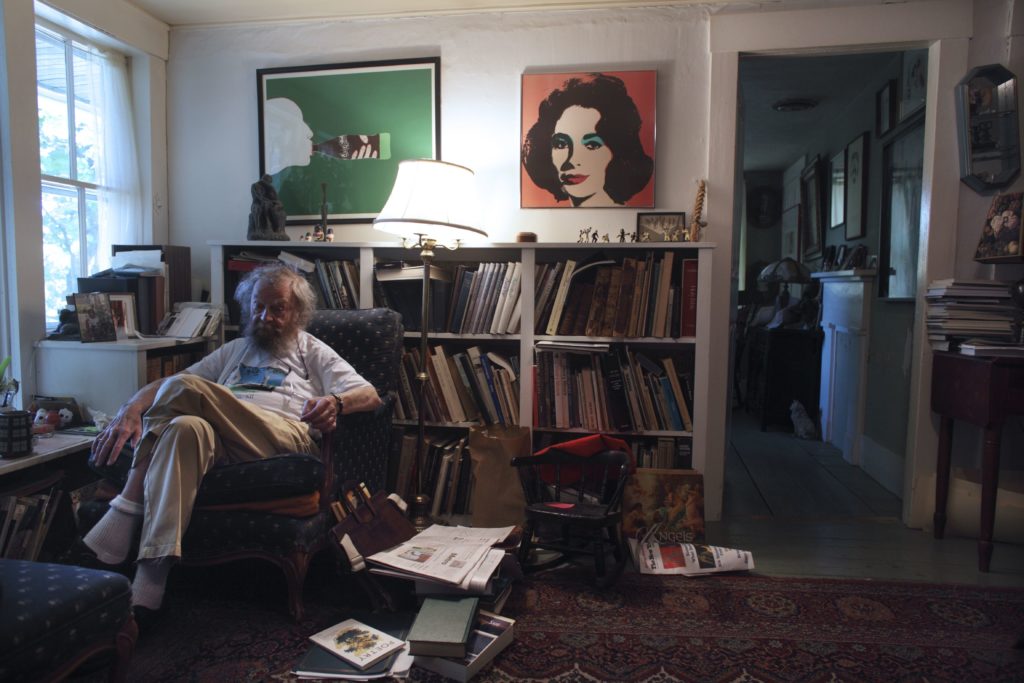
In fact, I know how I want to look when that time comes. Like this:

Donald Hall, photo by Gary Knight, www.garyknight.org. Used by permission

That’s writer Donald Hall as posted by The Paris Review. In the accompanying essay, Hall (now deceased) reflects on the approach of his 90th birthday. There he is in comfy pants and T-shirt, a favorite chair, hair a bit mussed, surrounded by books, some of which are on the floor as his active reads. Perfect! (I’ll have to check with Mrs. B about the beard, and I’ll probably be barefoot much of the time.)

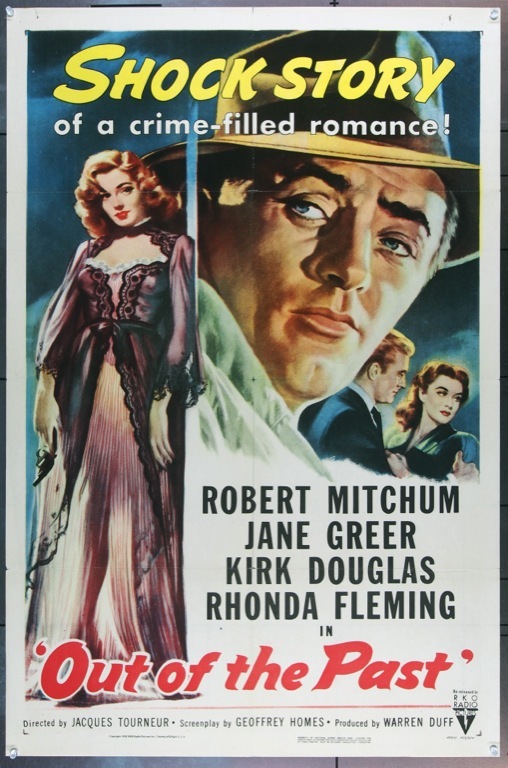
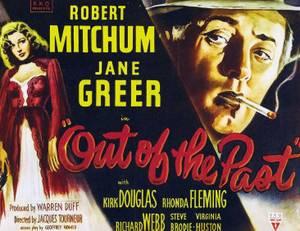
On Hall’s wall is a print of the famous Andy Warhol painting of Elizabeth Taylor, which got me wondering what one picture or painting I would like to have hanging over me as I approach 90. Something noir-ish, I suspect. Heck, I already have it—a movie poster from the 1953 re-issue of Out of the Past starring Robert Mitchum.

Trivia note: The original poster for Out of the Past from 1947 has Mitchum with a cigarette. So why not in the re-issue poster? Because 1953 was after Mitchum’s infamous bust for smoking reefer. He did two months in the jug for that, and most people thought his career was over. But Howard Hughes, who owned Mitchum’s contract, figured out Mitchum’s “bad boy” image was catnip for the bobby-soxers. Mitchum became more popular than ever. But when Out of the Past was re-issued, there was no need to remind people of the arrest by sticking what could have been a joint in his mouth!

Back to Donald Hall. He ruefully compares his earlier writing life with his present:

Back then, I wrote all day getting up at five. By this time, I rise scratchy at six or twitch in bed until seven. I drink coffee before I pick up a pen. I look through the newspaper. I try to write all morning, but exhaustion shuts me down by ten o’clock. I dictate a letter. I nap. I rise to a lunch of crackers and peanut butter, followed by further exhaustion. At night I watch baseball on television, and between innings run through the New York Times Book Review. I roll over all night. Breakfast. Coffee.

Of course an octogenarian scribbler is going to be a tad slower than his thirty-year-old former self. But Hall did something each day, and that’s the point—not stopping.

Printed newspapers will probably be gone by the time I’m 90, but coffee will remain. Coffee is forever. And so is storytelling.

So, TKZ friends, imagine your ninety-year-old self. How do you look? What are you doing? What picture is hanging on your wall?

A Second Chance at a Cover

Jordan Dane
@JordanDane

I’ve been working diligently on getting my copyrights back from HarperCollins, HarlequinTeen, and Amazon Publishing (Kindle Worlds).

The Amazon Kindle Worlds novellas were simple. Amazon had discontinued their Kindle Worlds line and the stories reverted back to the authors in July. It left me with a number of stories where I had to tweak the covers and change the copyrights pages. Some of the host authors like Susan Stoker and Elle James started their own publishing companies and that made it easy to contract with them. Authors make great and fair partners. They are even making print formats for what were novellas only available in digital. As new publishers, they took on the traditional publishers’ roles and created the cover backs needed for print. That made everything smooth and easy for me to transition. I only had to indie pub two novellas.

When I got my YA book rights back from Harlequin Teen, that meant I had to do more. I had to create different covers and make any changes to the text and copyright page on the formatting. I’m in the middle of doing the book pages through my formatter – Kate at Wizards in Publishing. It was really fun to dive into my YAs and reread the books, but creating the covers from scratch (using only my opinion) really rocked. I got to tell the story through the art and the creative mind of my cover designer – Fiona Jayde Media.

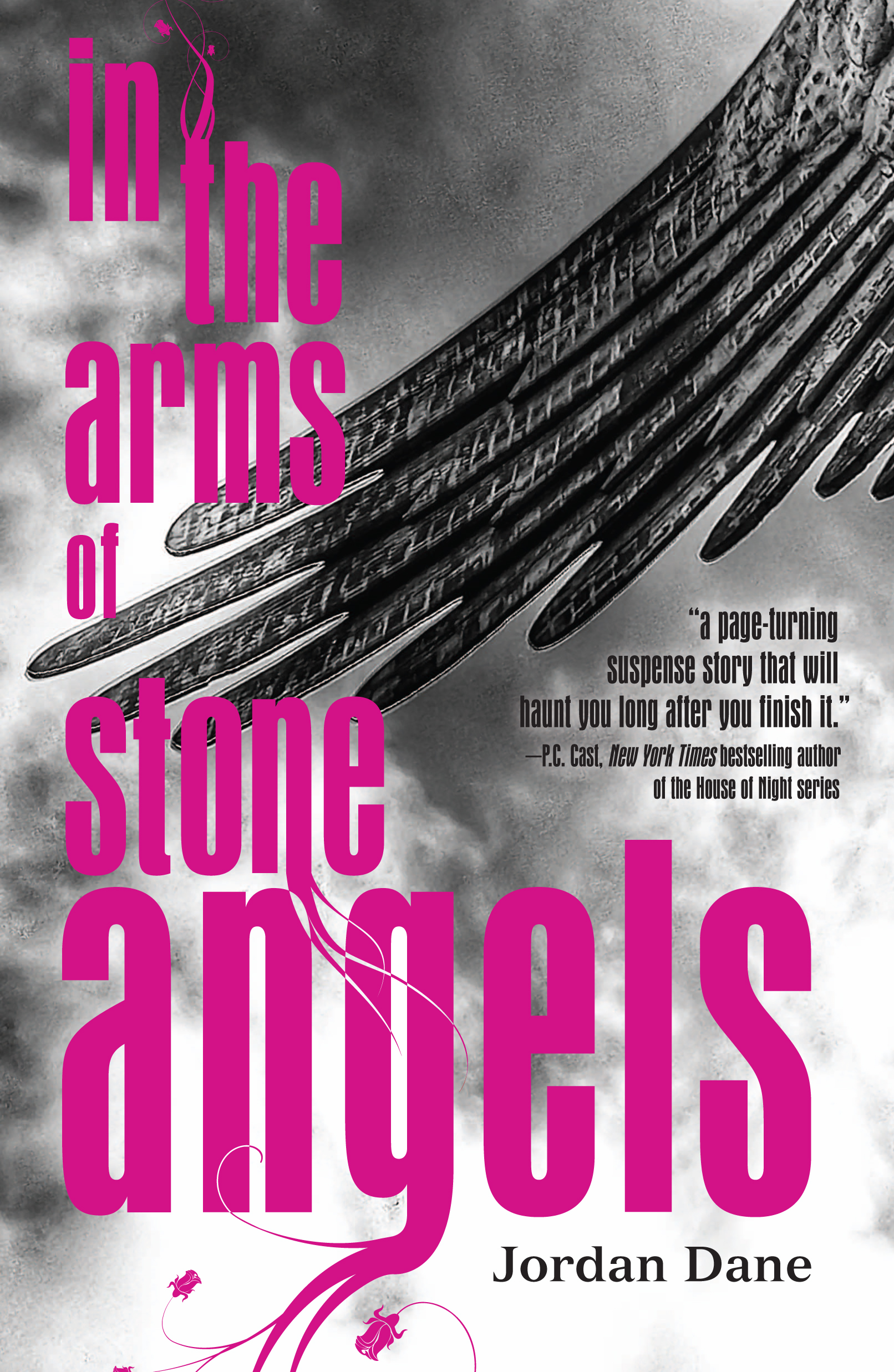
This was my original cover from Harlequin Teen.

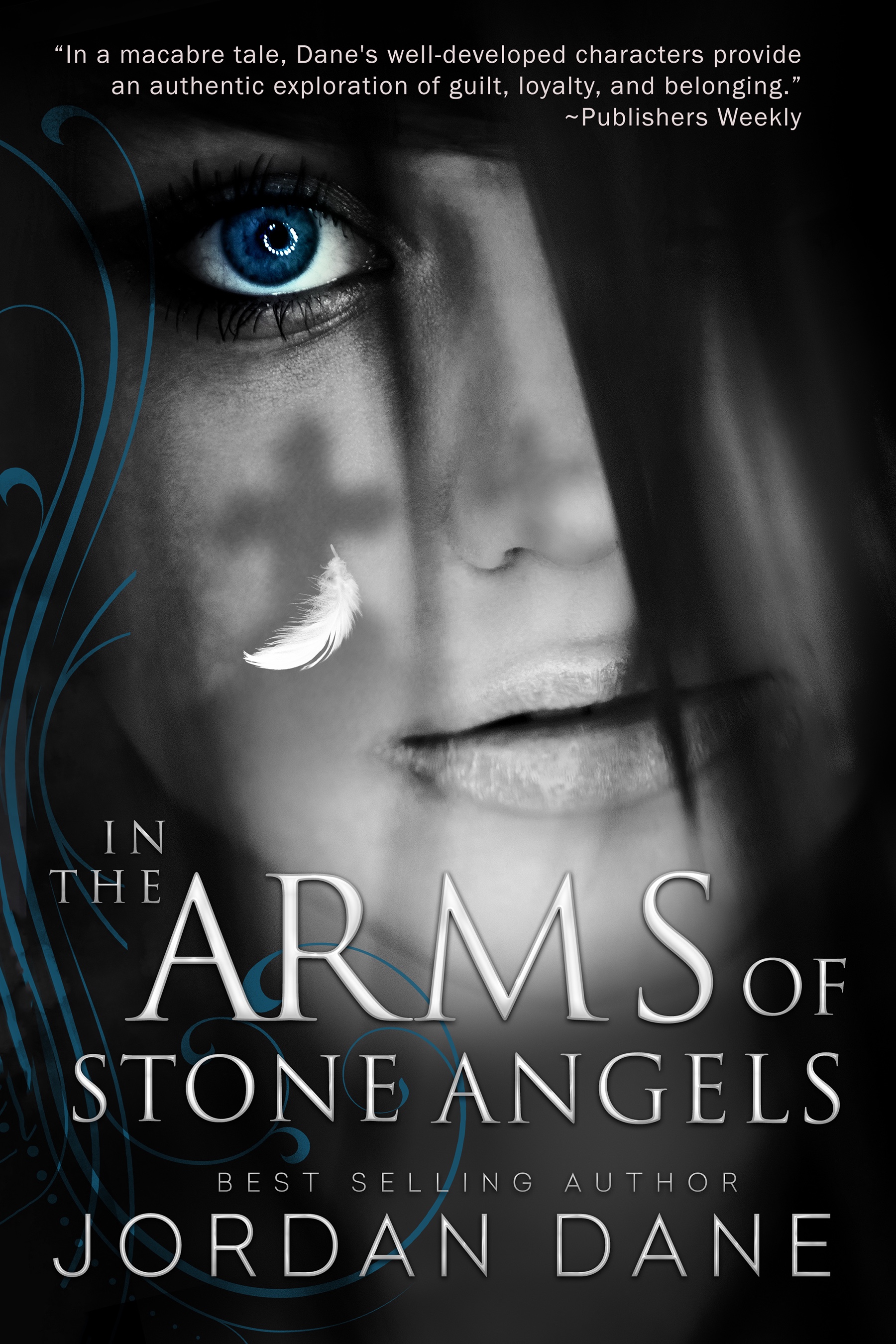
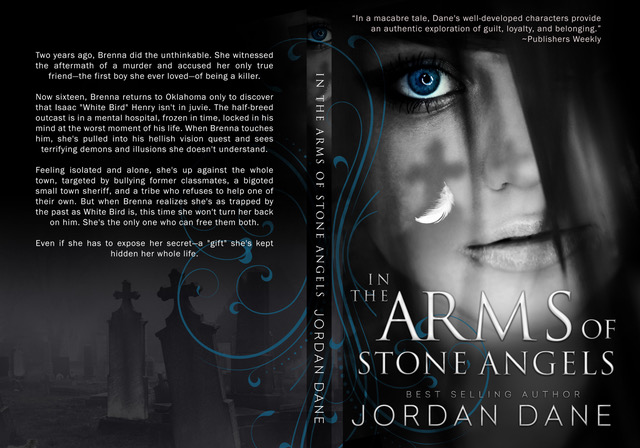
Here is the cover I created through Fiona Jayde Media for In the Arms of Stone Angels and will be issuing soon. These new covers make me want to read these books all over again. On the back cover, there is a dark cemetery with crosses on the headstones. That’s the shadow you see on her face.

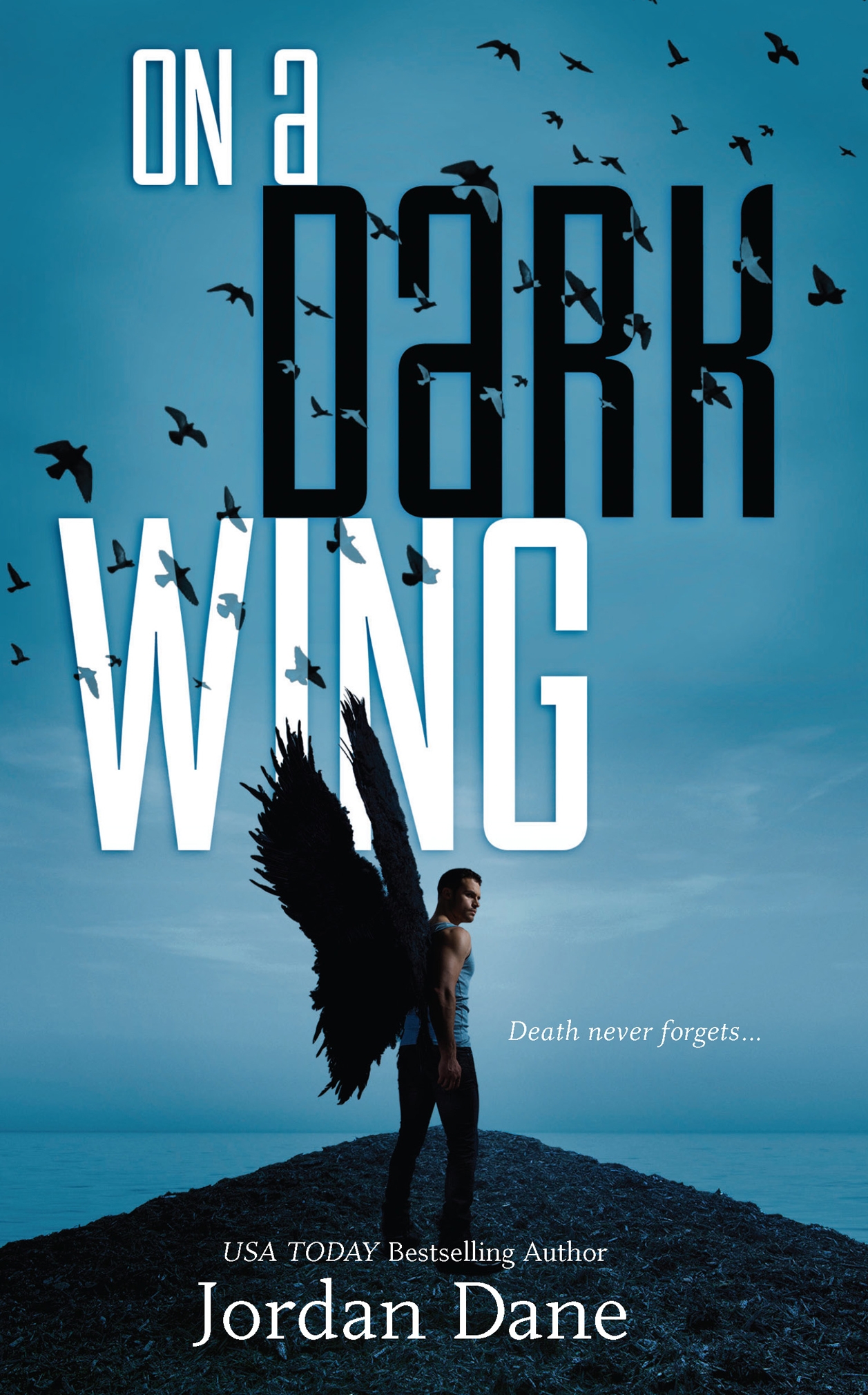
Here is my 2nd YA original cover with Harlequin Teen – On a Dark Wing. (This cover always reminded me of the Village People. I didn’t think the guy looked like a teen, but the publisher liked it.)

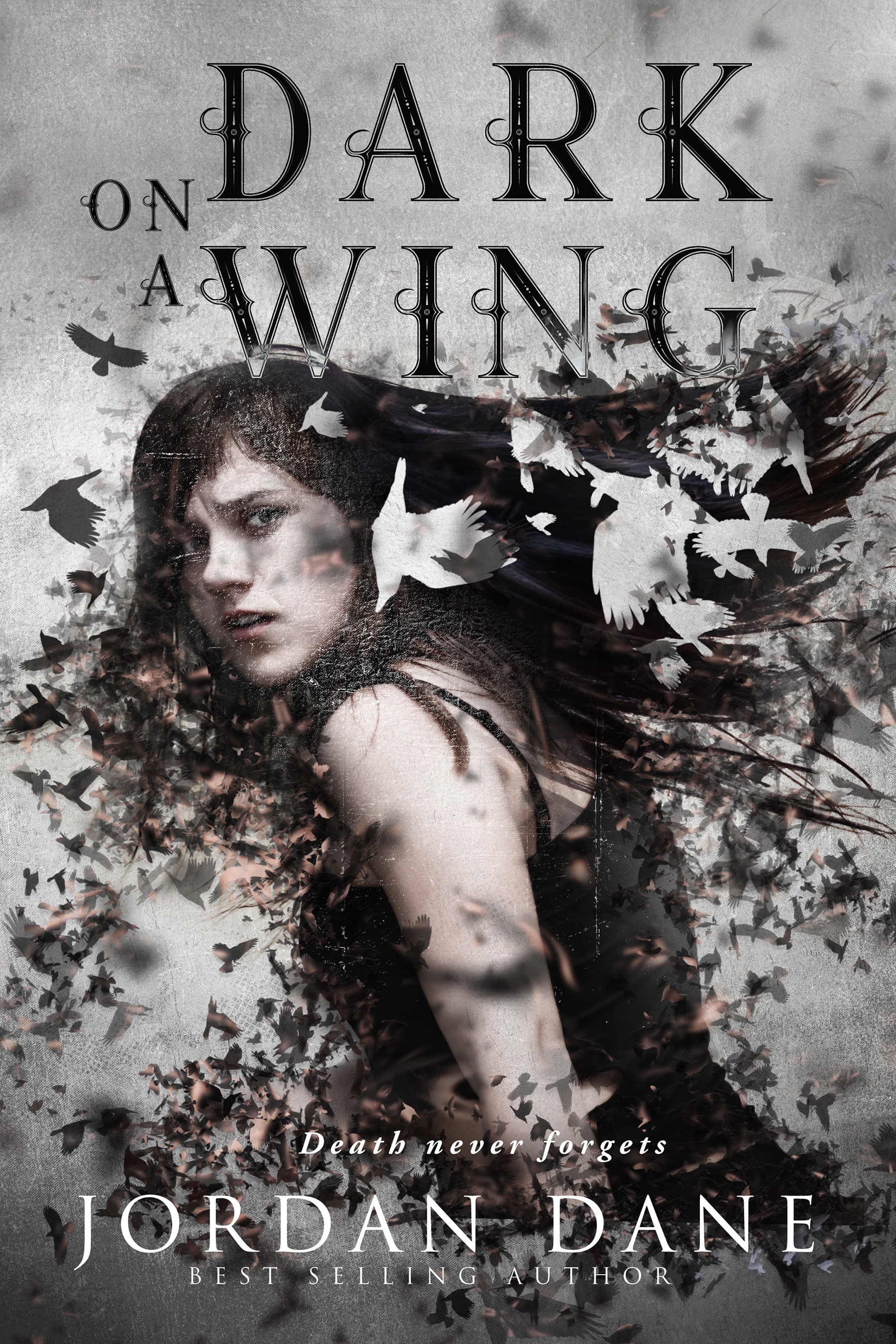
Here is the recreated cover that I will be reissuing soon. On the back cover is a muted monochromatic image of Mount Denali in Alaska, where some of the story takes place.

I know that my house had been influenced by covers coming out at that time. These books were released in 2009-2010, but there is a story in the revised covers that’s told on the cover through the art that makes me want to buy the books again.

I’ve got a 2-book YA series called The Hunted that my designer is working on – Indigo Awakening and Crystal Fire. I can’t wait to see what she comes up with for those. Our process has been for me to share important images I’d like her to capture on the cover. I share anything that would make a compelling story on the cover and of course, share what will be in print on the cover and back copy. I often look through iStock images and share anything that I like (since I can be a little picky…shhh).

It’s been fun reinventing covers with my designer. For HarperCollins, I will have SEVEN novels to recreate and reissue my No One series and my Sweet Justice series. This can get costly, but it’s a labor of love to have control back.

For Discussion:

1.) How many of you have reissued your novels after you had copyrights reverted? Can you share your experiences? (This is my first time getting my rights back.)

2.) What are some good ways to kick start an older novel and promote it?

3.) Any funny cover design stories you want to share?