I submit to you on this fine day — and every day above ground is a fine day — that a bit of perspective is in order as we continue to deal with the cleanup in the surreal aisle. Whenever I hear one of the network talking heads talking about how the current situation is something that is “unprecedented in our lifetimes” my immediate response is, “Well, maybe in yours, Junior. You apparently never had a fallout shelter in your house.”

A little background might be appropriate. The Soviet Union and the United States in 1961 were engaged in what was known as “The Cold War.” It threatened to heat up when the possibility of atomic warfare between the two nations was thrown into the mix. People were scared. There was a headline in one of the local newspapers that read “30 Minutes: Moscow to Columbus.” We were saying the Prayer for Peace in church every day. The Catholic school I attended was rehearsing what students would do if the air raid sirens sounded while we were in class, which was to either put our heads down on our desks or to huddle under them. What they didn’t tell us was that we were figuratively tucking our heads between our legs and kissing our posteriors goodbye. More on that in a minute.
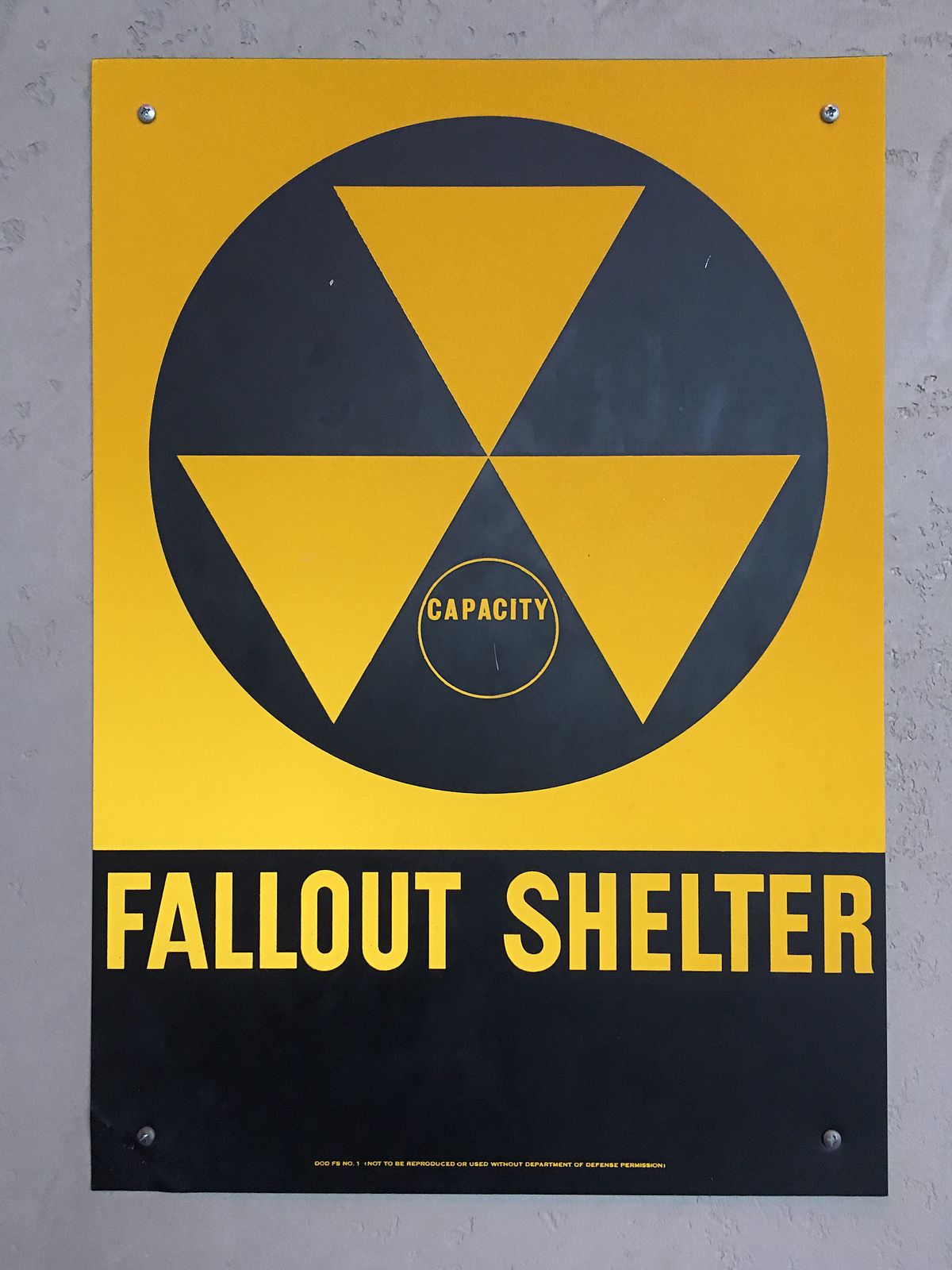
Somewhere along the way, it was suggested — nay, encouraged — for American families to either designate an area in their homes (preferably the basement, if you had one) as or to outright construct something called a “fallout shelter.”
A fallout shelter wasn’t a man cave. It was supposed to protect the folks huddled inside it from radioactive debris in the event that an atomic bomb or missile was launched at (fill in the name of your city) and hit its target. The term “fallout shelter” really became chiseled into the national consciousness when President John Kennedy suggested in a letter published in Life Magazine that the state of world affairs was such that the utilization of fallout shelters was advisable.
The collective shirtsleeves of the nation were rolled up. Areas of government buildings were adapted to that purpose but it wasn’t as if they could hold a lot of people. No one wanted to be caught napping when the sirens went off and thus be the one standing outside when the doors got locked after the shelter got filled to capacity.
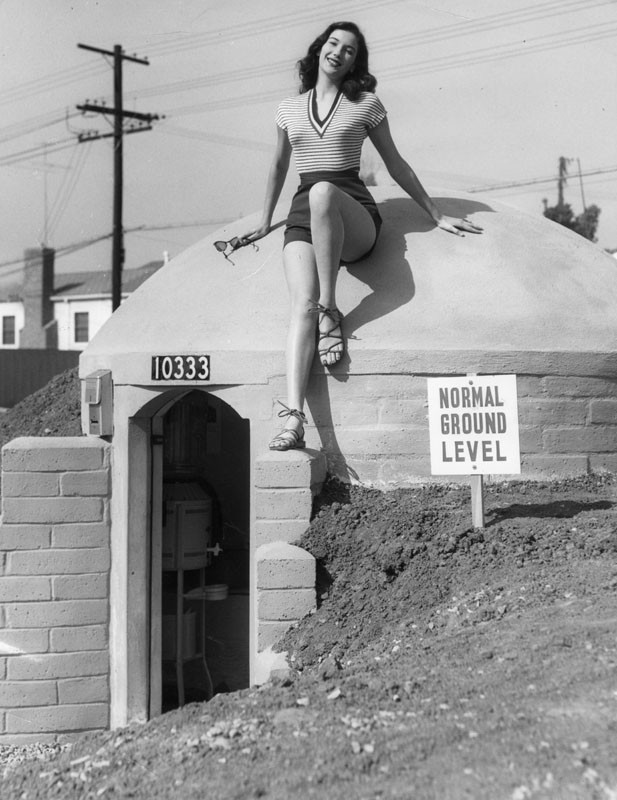
The alternative which people went for was making their own. Most folks, like the Hartlaub family, dedicated a portion of their basement to the task. It wouldn’t have withstood a stick of dynamite, let alone a 50 megaton indirect hit, or anything in between, but that’s what we had. My dad solemnly stated over dinner one night that our dog and cat would have to remain above ground while we were downstairs. The rest of the family replied that we would be upstairs with the pets if that were the case. As with the United States and the Soviet Union, neither side’s resolve on the issue was put to the test.
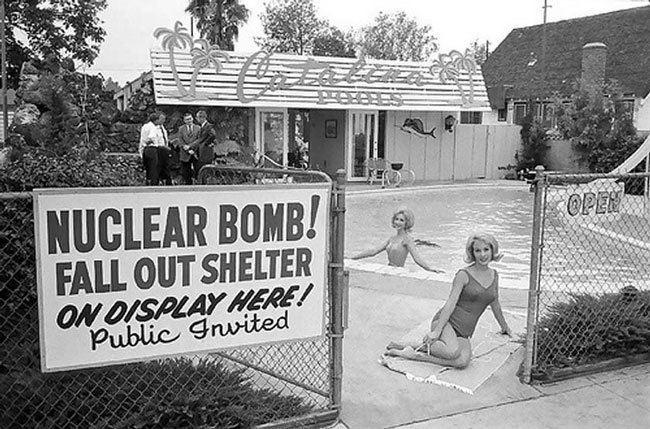
One could also buy plans to construct fallout shelters, and some construction companies made a killing by building them. I don’t know anyone who did that, but people did. Apparently there are still some that can be found as outbuildings in older neighborhoods, the same way that you can occasionally find Fotomat kiosks done over as drive-up keymaking services and the like in shopping center out lots
Whichever course one took, their fallout shelter needed to be stocked with food and supplies. I don’t recall lines at the supermarket, shortages, or anything like what we are seeing now — people were, generally, a little more polite and genteel than they are now — but it seemed for quite a while as if everyone had a supply of groceries stashed in a special room in the house that they called the fallout shelter.
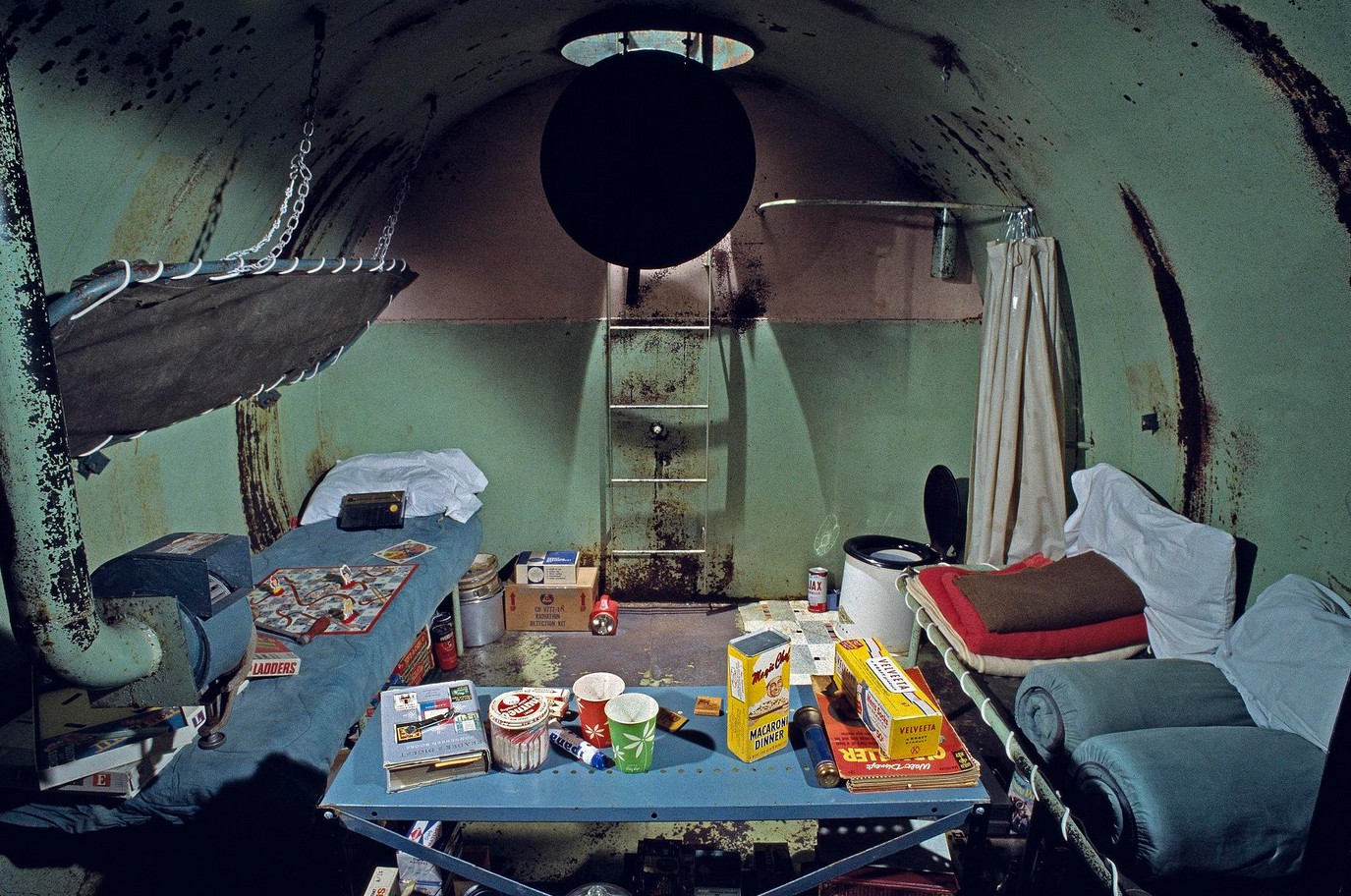
Photo courtesy Smithsonian
The basic awful truth was that it was a way to keep folks busy and distracted. Busy hands are happy hands. If the big one had dropped we would almost all have been toast. Burnt toast. No one talked about what the aftermath would have been like, either. Time passed, however. People continued to go to work and school and stopped cringing every time a plane flew overhead. The repurposed room in the house got repurposed to its original purpose. Things got back to normal after a year or so. Then the Cuban Missile Crisis occurred. That’s another story, for another time.
Fallout shelters are more or less forgotten now. The term lives on in popular culture here and there. As recently as 2015 a semi-light-hearted video game named Fallout Shelter was released for PlayStation. It wasn’t a laughing matter in 1961. There was nowhere to run. Putting on a mask or maintaining social distance wasn’t going to change things. We were quietly terrified as we went about our business.
My favorite story of the era was and is “Inside the Fall Out Shelter!” It was a comic book tale that was published in Marvel Comics’Tales of Suspense #30. It was written by Stan Lee and drawn by Steve Ditko, the gentlemen who created a little known, all-but-forgotten character named Spider-Man. “Inside the Fall Out Shelter!” was one of those five-page understated masterpieces that populated the Marvel monster comic titles in the late 1950s and early 1960s.
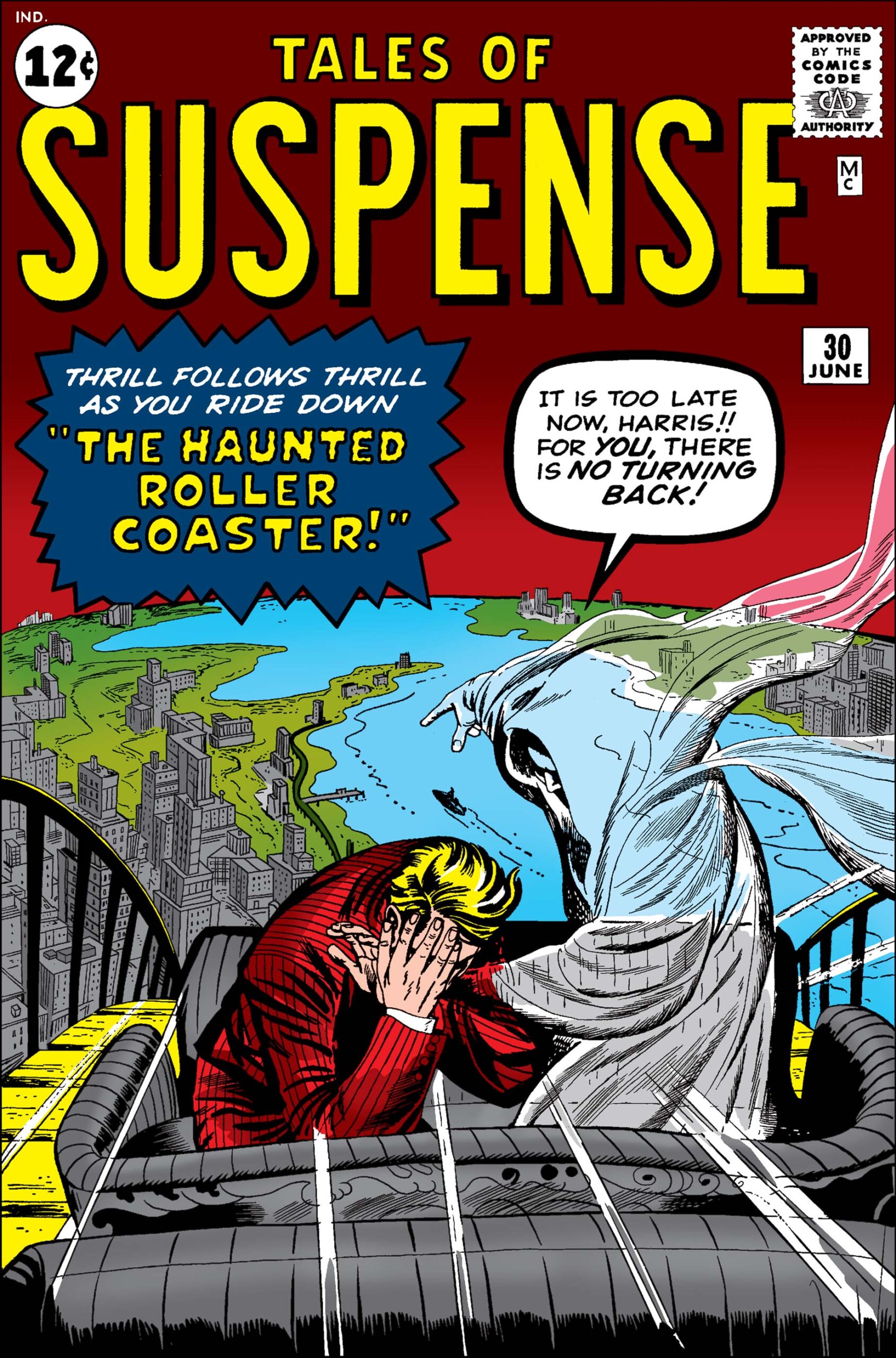
Copyright Marvel Worldwide Inc.
The plot of the story was simple enough. A guy named Mr. Clagg constructed a home fallout shelter for one, that being himself. He installed a timelock on the door that would not open for a month from either the outside or the inside. Clagg also bought enough groceries to last him for the duration in a manner which we would now call “hoarding” and announced every couple of panels that he wasn’t sharing with anyone. He actually seemed eager to have something happen so that he could test drive the shelter and at the end of a month be one of the few (if any) survivors.
In due course — page three or so — the NORAD emergency alert sounded. Mr. Clagg rushed into his shelter and locked the door behind him. He almost gleefully listened to the people outside pounding on the door and laughed at them for not planning ahead as he had. Clagg decided that he would open a can of — beans? soup?— to celebrate his foresightedness. His celebration turned into hysteria, however, when he realized that he had forgotten to pack a can opener (ring pull tops had not been invented at the time). Oh, The Humanity! The End. Well, almost the end. The point of view shifted to outside of the cad’s shelter, where the folks who were pounding on the door walk away, unable to tell Clagg that the siren was only a test. That’s The End.
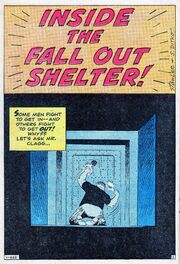
Copyright Marvel Worldwide Inc.
I am accordingly a little blase about the current situation. I’ve been through worse. So, too, the majority of the world’s population, who deal with hunger, disease, and lack of shelter and water on a day-to-day basis. How would you like to be a cane cutter in Haiti who is helplessly watching their child suffer from dengue fever? I wouldn’t. I have food, internet, a computer, a television, a radio, a solid home, a bed to sleep in, and chairs to sit on. I also get to watch my cat watch a bird resolutely taking twigs one at a time to a nest it is building in a tree in my backyard, which is much more entertaining and informative than Tiger King, if you think about it.
Coronavirus? Isolation? Travel restrictions? I think I’ll have a Bud Lite. Or a peach soda. And keep writing.