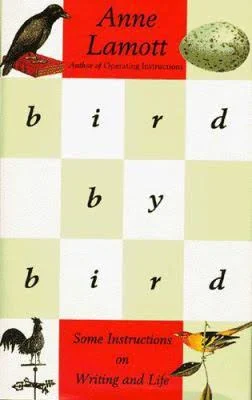
 Anne Lamott has an oft-quoted chapter in her book Bird by Bird about turning out terrible first drafts (she, um, uses another word for terrible, but I have a thesaurus). It’s basically a call to allow yourself to write badly. Don’t think about changing things as you write, let it pour out of you onto the page. She calls it “a child’s draft, let it romp all over the place, knowing that no one is going to see it and that you can shape it later. You just let this childlike part of your channel whatever voices and visions come through and onto the page.”
Almost all good writing begins with terrible first efforts. You need to start somewhere. Start by getting something—anything—down on paper. A friend of mine says that the first draft is the downdraft—you just get it down. The second draft is the up draft—you fix it up. You try to say what you have to say more accurately. And the third draft is the dental draft, where you check every tooth, to see if it’s loose or cramped or decayed, or even, God help us, healthy.
In her chapter on plot treatments, Lamott says most of her students think that when “well-respected writers sit down to write their books, they know pretty much what is going to happen because they’ve outlined most of the plot, and this is why their books turn out so beautifully…” She then adds, “I do not know anyone fitting this description at all.” (Hi, Anne, nice to meet you!)
On this whole matter, genre figures into it (we’ve talked about this many times here at TKZ). A thriller or mystery needs to have parts put together in a way that readers will be happy with when they finish the novel.
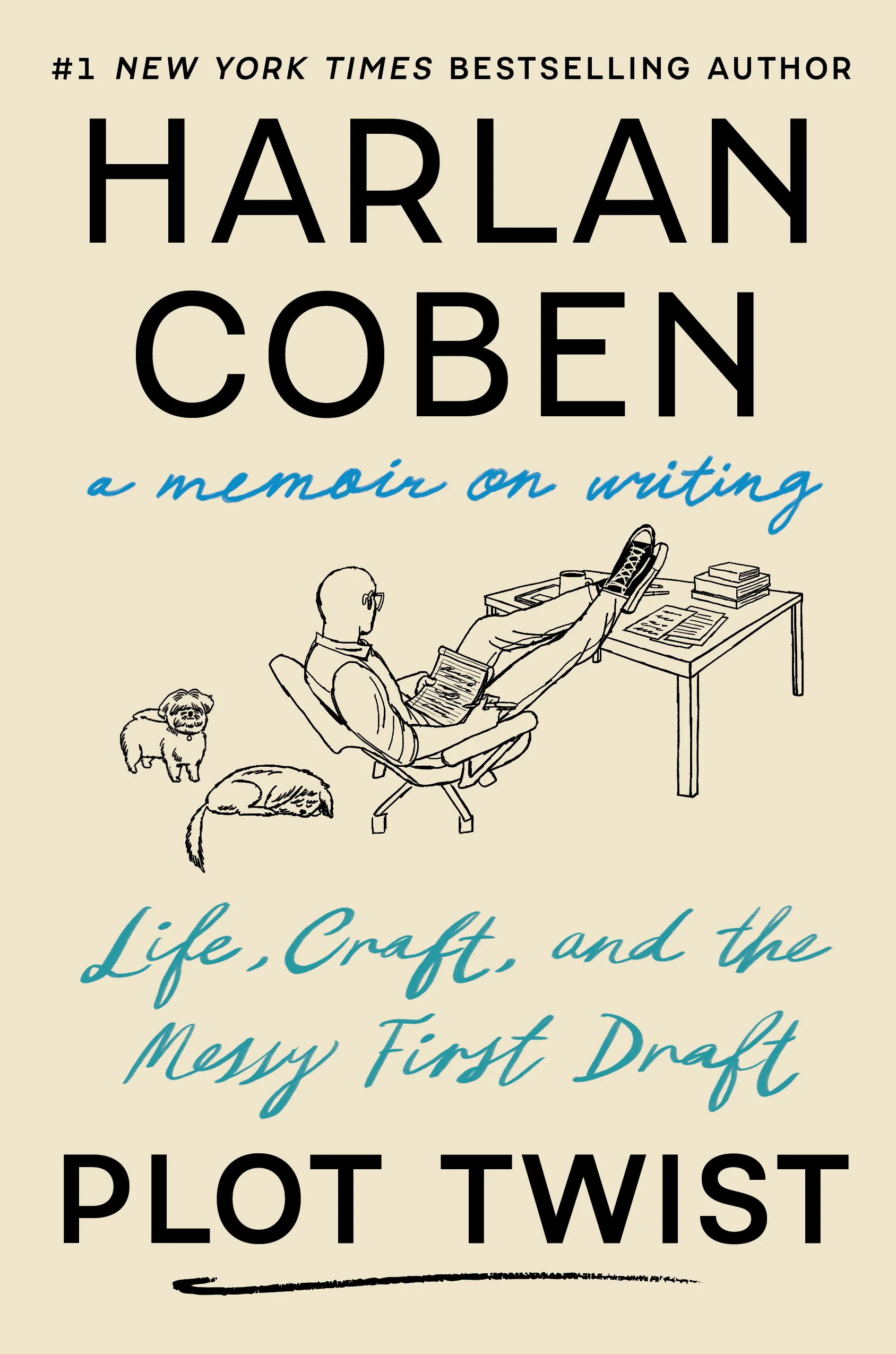 Harlan Coben’s new nonfiction book, Plot Twist, makes this case. He loves to open his books with seemingly impossible situations, and then spends weeks or months working out how to justify them. Thus, he knows the ending before he writes. He likens the writing of the book to the way E. L. Doctorow once put it: driving on a highway at night, headlights only showing a bit of the way ahead. But he knows the destination, so doesn’t get too far off track. (I use a similar analogy, with my headlights looking toward the next signpost up ahead…cue Rod Serling’s voice).
On first drafting, Harlan says:
No one is going to see your first draft. You will show it to no one. If you do, you’re an idiot. Don’t. With every other piece of advice in this book, I’ve added a disclaimer that you can ignore what I’m saying. Not here. Never ever show anyone your first draft. That’s just for you. No exceptions. Make it awful. I don’t care. You don’t care. You’re just writing. You are turning off every filter in your head. If that voice is saying, “You suck,” your reply is, “Damn straight, watch how terrible I can be.” You’re not slowing down. You know that verb you just scribbled down was terrible, awful, pathetic, total weak sauce, you can do so much better, but you’re not going to stop and change it now. No way. That paragraph you just scribbled down makes no sense. It’s boring, it’s plain, it doesn’t sing, no one will ever want to read it, so okay, we have to stop and fix it, but screw it, no, we are not going to succumb to that right now because it doesn’t matter that no human being would ever want to read such a hunk of [s***] because no one ever will. We won’t allow it.
At ThrillerFest one year, Lee Child was fielding questions, and someone asked how many drafts he did before submitting to his publisher. He said, “I’ll tell you, but you’re not going to like it.” He then said he does one draft. However, as revealed in Reacher Said Nothing, he edits previous pages as he goes, at the sentence and word level.
Back to genre, Anne Lamott is a literary writer, and that terrible first draft of hers really functions as a de facto outline. She is discovering her story, then can fine tune before writing the second draft. I know some wonderful romance writers who also find their story as they write it, because so much of it is about the inner life of the characters, and thus one can come up with several endings that work.
I write my first drafts in Scrivener. I have my fourteen signpost scenes on “index cards” in the “binder.” I know my ending; I know “who dunnit” and why and have a climactic scene in mind (subject to change when I get there). This allows me to come up with the “shadow story,” what the villain is thinking and doing “offscreen” and thus I can create scenes of menace that seem to come out of nowhere and deepen the mystery. I do a light edit on my previous day’s work, then move on.
Every now and again I re-read large chunks and make some edits, deepening the style. When I write a new scene, I let the characters have their way, and love it when they surprise me. That usually creates ripples that must be incorporated later on, or set up on previous pages, so I make some notes and adjustments, and keep going.
First draft done, I let it sit for a couple of weeks, then read the whole thing on printed pages. On the first read-through I try to put myself in the guise of a busy acquisitions editor taking a look at a submission on the train home to New Jersey. When might he or she be tempted to put it down? I cut or tighten those parts.
Questions for the day: How do you approach your first drafts? What problems have you faced with your method? Have you made adjustments from book to book?

 Since our cruise was going to leave from Istanbul, we arrived 3 days early—because, if you’re going to be in Istanbul, why not experience a little of it? I mentioned in an
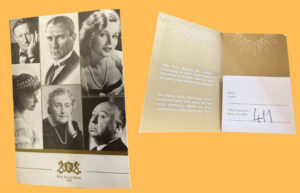 The hotel was super-elegant. Practically a museum. I brought home a notepad, a piece of stationery and envelope, and saved the folder from my key card.
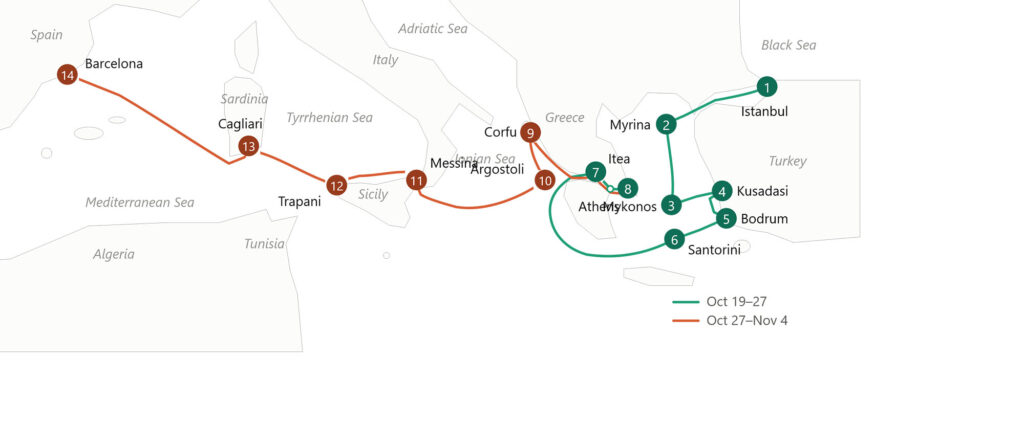






 And there were cats. LOTS of cats. In Istanbul, strays are picked up, neutered, vaccinated, and released. There are feeding stations and cat houses everywhere. Same went for the other islands. It wasn’t until we got to Barcelona that we didn’t see cats wandering the streets.