
It’s award season. Mainly the Oscars. Do you have any Oscar favorites? What do you think of awards and awards shows in general?
Events, Schmevents: aka “Yes, we’re open to suggestions”
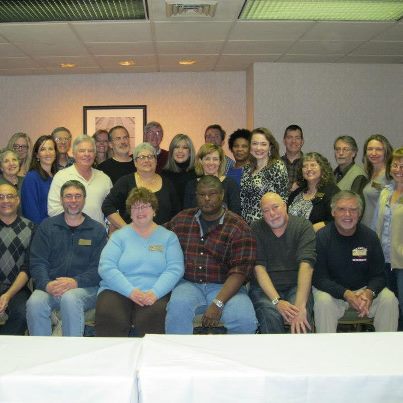 |
| The Illustrious MWA Board |
As of last weekend, I’m the newly minted president of the Northern California MWA chapter (please, hold your applause). On the plus side, I was privileged to spend a few days in New York with such luminaries as Charlaine Harris, Greg Herren, Bill Cameron, Harley Jane Kozak, and Jess Lourey; aka, the current MWA board.
However, I also suddenly find myself in charge of organizing between 6-8 events this year that will appeal to both crime fiction writers and fans of their work. And let’s just say that all things considered, I’m not much of a planner. Heck, I never even plot out my books.
So frankly, I’m at a bit of a loss. I spent the past few days trying to remember all the local MWA meetings that I’ve attended–and honestly, only a few stick out in my mind (which is probably my fault. I also have a lot of difficulty remembering my parents’ birthdays, and when the cat’s teeth are supposed to be brushed. Which lately has turned out to be: pretty much never. Sorry, Mr. Slippers. I’m sure that someday soon they’ll invent feline dentures.)
 |
Ted Kaczynski |
The most memorable meeting for me happened a few years ago, when a retired FBI agent who had been on the Unabomber case from the beginning outlined the entire manhunt for us in the world’s most dramatic and fascinating Powerpoint presentation. In the end, he was also one of the three agents who entered the cabin to arrest Ted Kaczynski. His talk went on for hours, yet I could have sat through it all over again immediately after it ended.
We’ve also done “State of the Industry” panels, featuring an agent, librarian, editor, and bookseller. They always offer frank (and occasionally terrifying) insights into…you guessed it…the state of the publishing industry. That will be a repeat this year for sure.
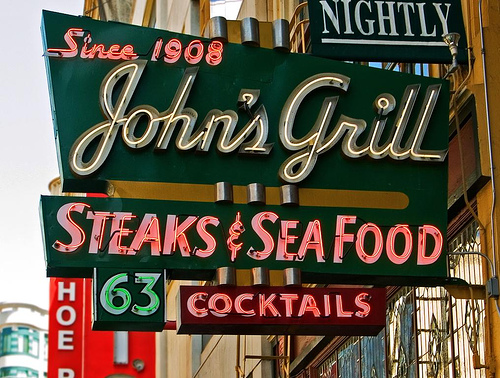 |
| DO NOT eat here. Seriously. |
I’d like to shake things up a bit, though. Maybe have some “field trip” meetings–I have an in with the SFPD Bomb Squad, so possibly a tour of their facility. Or a trip to the morgue (which ironically, former chapter meetings almost sent me to, twice. For years we held meetings at John’s Grill, which has a really cool Maltese Falcon display, and a really terrible kitchen. I contracted food poisoning not once, but twice, during chapter luncheons. And the second time I had only consumed coffee. I still cringe when I remember their club sandwich.)
But who better to ask than the vast community of mystery readers and writers here? In the interest of that, I’m turning the matter over to you. What are the most memorable local mystery events you’ve attended, author appearances aside? And what kind of dream events do you wish your chapter would hold? (within reason, of course. I’m pretty sure my budget won’t allow for a Bruce Springsteen performance, or anything in that range). Ideally, I want to achieve a balance, so that they’re not all focused on the writing craft. I’d also like to continue avoiding food poisoning, if possible.
Reading Fiction in Schools
Nancy J. Cohen
Recently I heard that the new core curriculum in schools is going to require 70% of reading assignments be based on non-fiction. I don’t know if this is true or not, as a quick search didn’t provide me with any further information. Nor do I know the grade level for which this would apply. However, it’s a scary thought.
Schools have already stopped requiring students from learning cursive writing. Now they are discarding literature as well?
I’ve always felt education should include popular fiction, in addition to the classics. Let kids choose fun and entertaining books to read, and you might create long-term fans. After all, the commercial fiction of today could become the classics of tomorrow. And look what Harry Potter did for kids’ reading habits. Thanks to that series, a whole generation might have been hooked on reading novels. We need more successes like this one if we are to inspire children to read.
Rather than a wordy tome or dry biography, give them a ghost story or vampire tale or a mystery. Engage their senses with wonder like we were engaged reading Nancy Drew or the Hardy Boys. Otherwise, where’s the fun? And if an activity isn’t fun for kids, then it’s competing with online sites, games, movies and TV shows that provide easier entertainment.
Having children read a work of fiction and then analyze its components can encourage creative and analytic thinking. Without this benefit, will human imagination still range to other stars, to lands far away, and to adventures beyond the mundane? Or will these same imaginations be stifled because works of fiction were denied them, and they were forced to read boring texts that killed their interest in reading?
So is this true, and if so, how do you feel about it?
You CAN tell an eBook by its cover
By P.J. Parrish
We really need to talk about bad eBook covers. We’re being inundated with them. It’s a tsunami of muddy colors, unreadable type and images that look like they were drawn by someone’s six-year-old kid.
Now, we’re all brilliant writers, that’s a given, right? But when it comes to eBook covers, few of us are graphic designers. This stuff is like a Mozart sonata to us. We know it’s good when we hear it but don’t ask us to sit down at the Steinway and try to play it.
Here’s the main point to take away here: Anything that reeks of amateur hour in your eBook will doom you. So yes, it pays to pay someone. But if you insist on designing your own cover, please do some research into what works. Troll through Amazon and look at the covers. Or CLICK HERE to see some really bad stuff. (Scroll down at least as far to my favorite “Lumberjack In Love.”)
If you hire someone, please don’t abdicate your power! Because YOU have final say on your cover and if your instincts say “it doesn’t quite work” go back to your artist and get a redo. I recently saw an author lament on a writer’s list that she “half-heartedly approved” her cover because it “sort of conveyed the idea of the book and it was sort of okay.” She added it was too late before she noticed her name was so small and pale as to be unreadable. I looked at the cover. It’s clean, it’s professional looking, but it has no pop.
That author won’t get a second chance to make a good first impression.
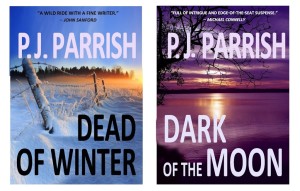
I can hear you saying, “Huh, why should I listen to her?” Well, my professional resume on this is kinda thin. I’ve got a degree in art which included ad design classes, and I once made my living designing newspaper feature pages. And full disclaimer, my sister Kelly has a side business designing covers. But more important, I’ve studied this in preparation for our own eBook debuts. (Our backlist title DEAD OF WINTER came out last month and our novella CLAW BACK comes out this week. CLICK HERE to see them).
So here are my tips, with some sample covers I found at random on the Kindle site. First some general stuff.
KEEP IT SIMPLE BUT STRONG: What works on a regular book cover usually doesn’t translate to eBook. One word: thumbnail. That’s the size your book comes up on most eBook lists. A paperback cover is about 64 square inches, a big canvas to display an image, title, author name and maybe a tagline and blurb. But an eBook cover is really just an icon, meant to be judged in the blink of an eye. So intricate detail, slender san-serif fonts, murky colors can put you at a disadvantage. Subtle isn’t always good in the Lilliputian world of e-bookstores.

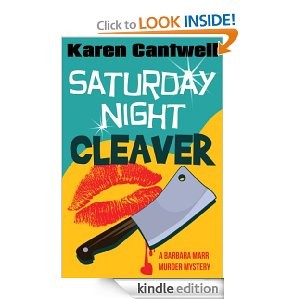
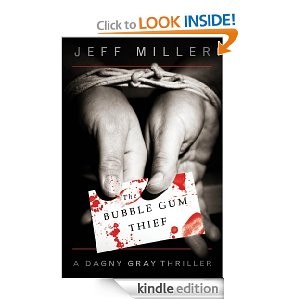
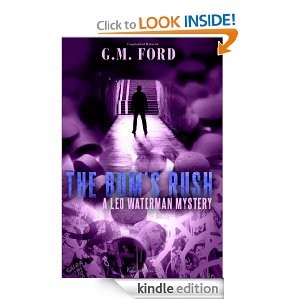
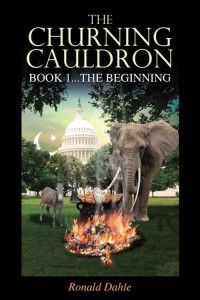
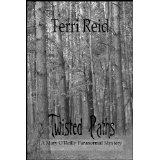
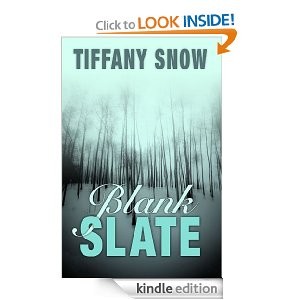

KEEP IT SIMPLE BUT STRONG: What works on a regular book cover usually doesn’t translate to eBook. One word: thumbnail. That’s the size your book comes up on most eBook lists. A paperback cover is about 64 square inches, a big canvas to display an image, title, author name and maybe a tagline and blurb. But an eBook cover is really just an icon, meant to be judged in the blink of an eye. So intricate detail, slender san-serif fonts, murky colors can put you at a disadvantage. Subtle isn’t always good in the Lilliputian world of e-bookstores.
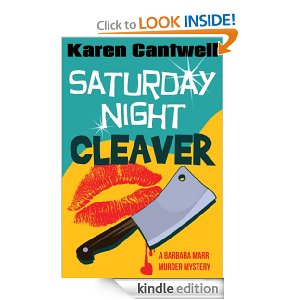
PICK A MOOD: You need to convey the TONE of your book immediately. Is it amateur sleuth a la Elaine Viets or hardboiled realism a la Barry Eisler, or wacky stuff a la Tim Dorsey? Make sure the colors, illustrations and fonts work together to support the mood. Zoe Sharp tells us at a glance what kind of book she writes
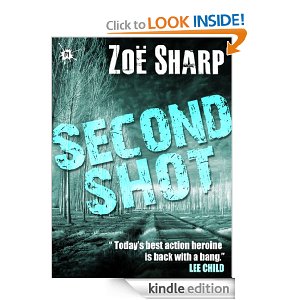
I don’t think we’re going to confuse her with this author
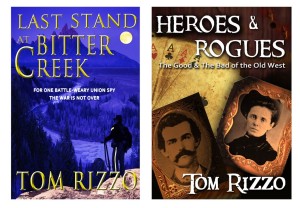
While we’re at it, non-fiction should have a different feel than fiction. Here are covers my sister designed for an author who wrote two books about the Civil War.
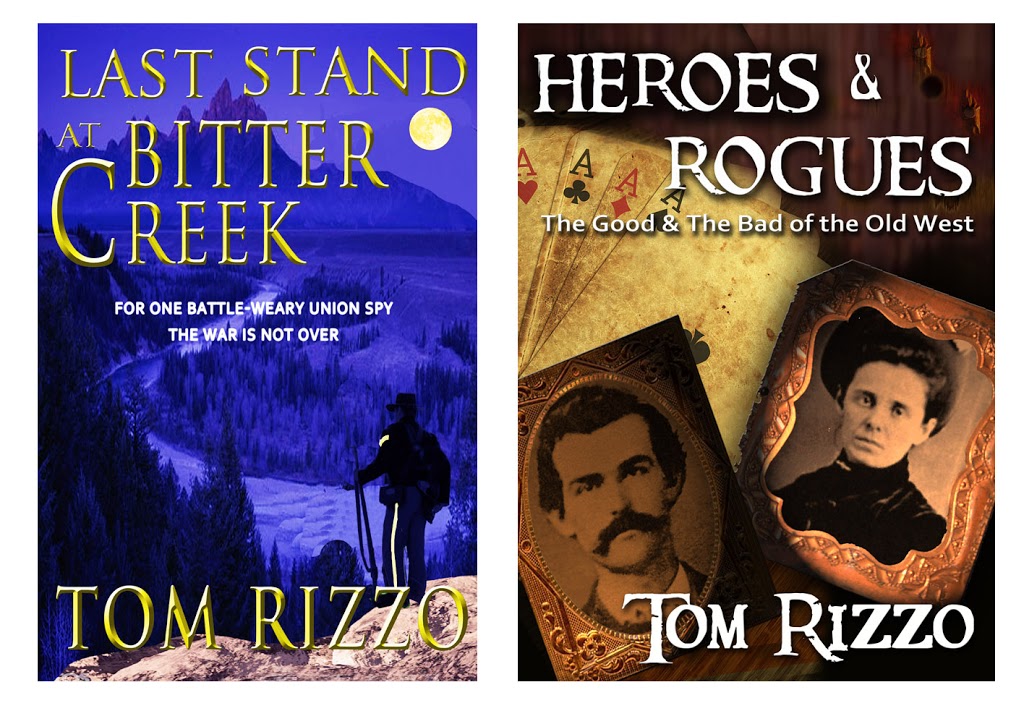
You can tell at a glance which is the novel and which is non-fiction. And note the use of blue versus brown. The blue conveys an elegiac tone; the sepia brown historic. Now let’s talk specifics.
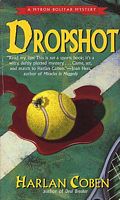
COLORS: Bright, saturated colors catch the eye so stay away from anything muddy. Unless you’re Gillian Flynn (“Gone Girl”) you probably can’t get away with a plain black cover. Also be aware of the psychology of colors. Red and yellow convey action (Ad guys know the seductive power of bright yellow on black, and there’s a good reason traffic signs are yellow and red). Other colors elicit different emotions: Blue is calming and confident but can also convey sadness and can be effectively noir-y. Political correctness be damned, pink and baby blue are girly and work good on lighter books. Orange is quirky (it’s a favorite for cookbooks!) Green, for me personally, misfires on fiction covers because, like purple, it is emotionally ambiguous. Exception: I think acid green and other neons can work great for some crime novels. Harlan Coben’s covers went from this
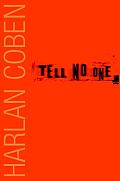
to this
thanks to a good cover designer. Coben became visually branded via his striking neon covers. You, too, need to think about branding with your eBook covers, especially if you have a series. Before we settled on our final covers, Kelly and I came up with these for our first two Louis Kincaid novels.
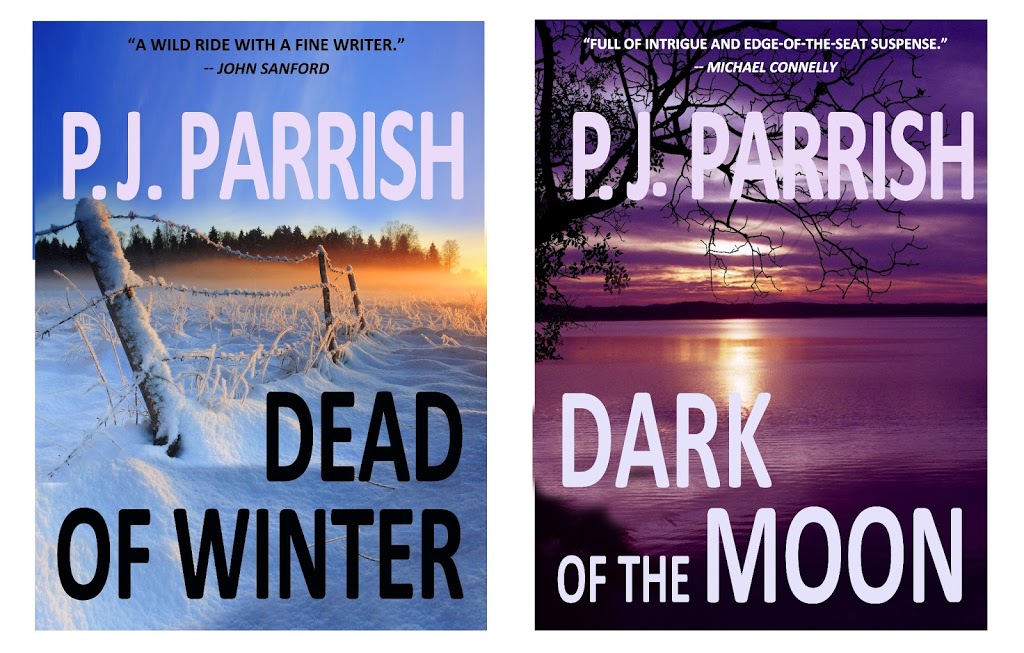
Note the uniformity of the type, mood, colors and use of landscape imagery. We jettisoned these because another author, CJ Lyons, used the exact same stock photo at left on one of her books. Try to stay away from all the cliche images that are showing up on eBooks now — like blood dripping from a woman’s eyes like tears and bloody hand-prints on windows. I mean, c’mon, you can do better.
FONTS: I have a thing for typefaces. I love them. Within their simple designs lie, well, fonts of emotion and you can almost feel the glee of their inventors. Look at how different these are:
THE KILL ZONE
THE KILL ZONE
THE KILL ZONE
THE KILL ZONE
THE KILL ZONE
THE KILL ZONE
Each conveys a different mood. Fonts are fun to play around with. But fonts are like sex. The more exotic it is, the more trouble you can get into. Go for READABILITY. Stay away from the cliche correlations because they tend to look like you’re trying to hard, in other words: amateur hour. Don’t use Comic Sans on a comic novel (don’t use it for anything…it’s ugly). Don’t use Lithos if your setting is a Greek Isle. Don’t fall back on Papyrus if you’re writing about Egypt. Don’t use Old English for a book set in 1800s London. (It’s not only a visual cliche it’s unreadable!) Remember: The three elements — color, graphic, type — must complement each other, not fight each other for attention.

Use a limited font palate. Yes, you can combine different typefaces on a cover, but be careful. Again, they must be readable and complementary. Here’s a good basic article on FONT SELECTION. And I realize that this is probably inside baseball, but it you don’t know about kerning, weight and how to align type, please hire someone who does.
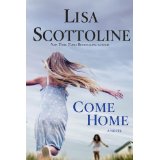
GRAPHIC ELEMENT: You can use either a photograph or an illustration but make sure it is quality. There’s are some great sites for buying stock art and photos, some free. I read recently that publishers are using more people on crime novels because research indicates character-driven books are selling better of late. So we are getting more of this
And less of this
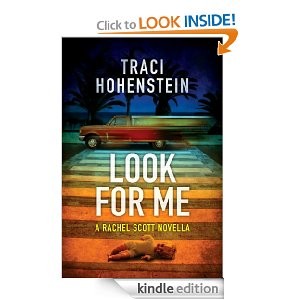
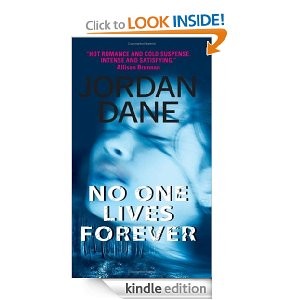
But those examples also say something about TONE. Lisa Scottoline has moved away from her old lawyer series (Killer Smile) and now writes “family-in-jeopardy” crime novels. Likewise, you must find the right image for your mood. Other stuff: Don’t use the artwork of a relative unless your relative is a professional. Don’t photo-shop too many elements in an effort to convey EVERYTHING about your plot. This works:
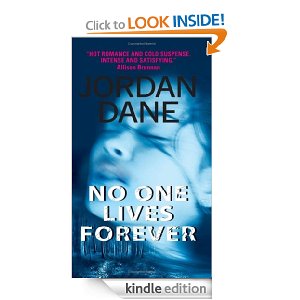
So does this:
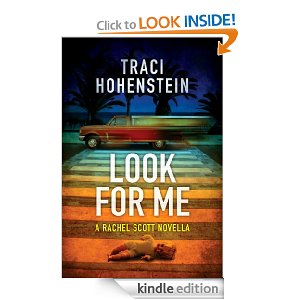
I like the way this cover blends a powerful image with the type and a touch of color:
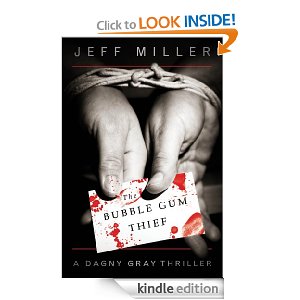
This is not bad but to me it just misses:

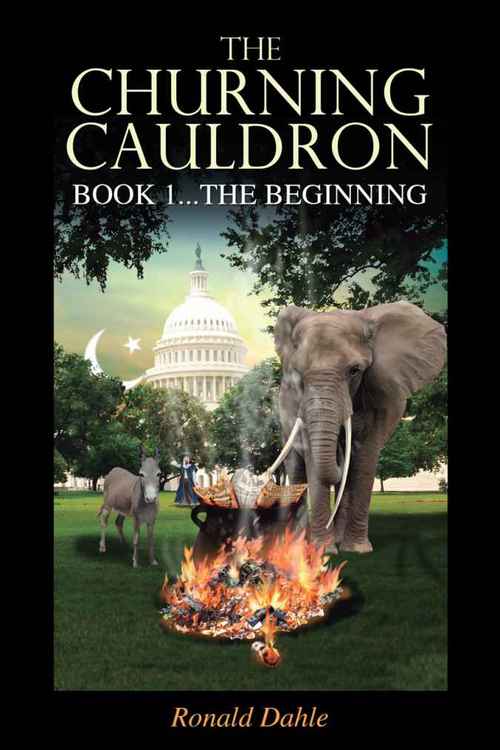
Why? The blended images don’t make sense and the cover is a tad hard to read. And you be the judge of this one:
Here’s one last example that sort of summarizes everything I’m talking about. Terri Reid is an eBook author with some real success. Here’s one of her eBooks:
All her books have the same gray background and similar type faces. She uses trees as her signature image, which is a good idea because she’s writing a series. They’re serviceable covers. Would they be better if they could be “read” more easily at the e-bookstore? Would they stimulate you to try them if they “said” more about the content? (I had to go to her website to find out she wrote ghost stories; I thought this was psychological suspense.) Would a touch of color help “pop” the cover? I think so. Compare it to this similar “tree” cover:
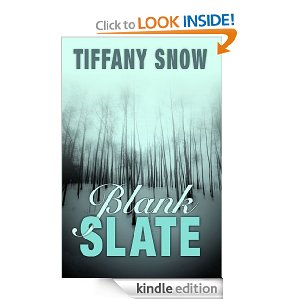
But Terri Reid apparently sold 60K books through Amazon last year (CLICK HERE) so maybe I’m wrong. Maybe you CAN break the rules and get away with it.
Which leads us to this cover. You might have seen it.
Why did it work? It shouldn’t. It’s gray. It’s sort of dull. The font is sort of just “there.” At first glance, you can’t tell that’s a guy’s tie.
But it worked because it broke the OLD rules and went against the cliche of the erotic novel. Here’s Romance Times editor Audrey Goodman: “What may have tipped the scale for the ‘Fifty Shades’ trilogy are the nondescript covers. The classic ‘clinch’ covers on a lot of romance novels tend to carry a stigma of being ‘old-fashioned,’ so the covers on ‘Fifty Shades’ may have made the books more approachable for a larger range or readers.”
By the time the Grey eBook (originally published by Writers Coffee Shop) was bought by Doubleday, the cover had become iconic. Doubleday wisely kept it for the hardcover editions and it’s now it is being copied for other erotic novels.
Whew. We could do this all day and this went on longer than I planned. I’m exhausted. I need a cigarette. Was it good for you?
Have Gun? Won’t Travel.
Films and TV shows have been getting grittier and more nuanced in the last decade. Even superhero films like The Dark Knight have taken the plunge. Campiness is over. We want to feel like what we’re watching could really happen. However, in many of these stories, there are plot holes both minor and major that are glossed over by viewers and critics alike. I understand what a challenge it can be to balance the realism with storytelling momentum. The question is, when does it reaching the breaking point?
I don’t have a problem with unlikely events or million-to-one chance occurrences. Those can actually happen. Just look at Captain Sullenberger’s miracle landing on the Hudson. I’m talking about more mundane and prosaic details that don’t fit in the real world as we understand it. As an author I spend a lot of time thinking how important it is to maintain realism in thrillers.
Adhering to realism may be less a problem if you’re writing a mystery or police procedural. I don’t think Michael Connelly has any trouble keeping the story elements close to what detectives actually do for their jobs. But I write big adventures with huge action set pieces and world-threatening stakes. I strive to keep my plots in the realm of plausibility, though the combination of events would be extremely unlikely. To me, that’s what makes a story worth telling: a scenario that would almost never happen.
Yet I still want to believe the story—that if these people were thrust into this situation, it might actually turn out the way the story is told. That’s true whether I’m the creator or consumer of the tale. It should feel real.
Realism for its own sake, however, can be super boring. Shows like CSI, NCIS, and Castle would take forever if the police had to wait for DNA testing to come back in the amount of time it takes in the real world (months) instead of TV time (hours). On TV, captains get impatient if it takes more than two days to bring in the killer, but in the real world it can take weeks or months to gather enough evidence to make an arrest, if they ever do. And the DNA evidence on TV is always exact and decisive, to the point that actual prosecutors now have to routinely remind juries that such evidence is rarely definitive. Many viewers don’t understand that we simply accept these unrealistic accelerated timetables so that we can get to the good parts of the story.
The blockbuster action-adventure movies seem to get away with bigger plot hand-waving. You won’t find a bigger James Bond fan than I am, but I’m perplexed that for fifty years Bond has flown around the world with his trusty Walther PPK pistol. How? It’s never explained why he can breeze through airport security carrying a loaded weapon in his luggage. Is it plastic? Does he have diplomatic immunity? Does he pay off the TSA agents? Never mind that he’s a member of the British Secret Service who tells just about everyone he meets what his real name is. The real secret is how he isn’t nabbed by authorities the minute he gets off the plane.
In The Dark Knight,the Joker stuffs two ferries with hundreds of drums of explosives. When did he find time for that? How did the crew overlook them? And how does the Joker roam around Gotham City with that hideous makeup on and no one ever notices him?
In Mission: Impossible—Ghost Protocol, Tom Cruise’s Ethan Hunt finds a large cache of weapons and technology in a railcar outside of Moscow. Every law enforcement agency on the planet is looking for him and his team for blowing up the Kremlin, yet he shows up in Dubai a day later with the full load of guns and ammo in a hotel suite. The audience is just expected to accept that Hunt has a way to smuggle all of that contraband thousands of miles while on the run from the authorities.
I wonder whether novels are held to a higher standard than other media when it comes to suspension of disbelief. I don’t think a novelist could get away with those kinds of plot holes without being called on them by readers. I think the difference is in how the media are consumed. When you’re watching a movie, it doesn’t give you time to think about the plot holes until it’s finished, and by then you’ve already formed your opinion about whether or not you liked it. But it takes six to ten hours or more to read a book, sometimes over the course of weeks. The reader has plenty of time to think about potential plot holes, and if they’re glaring they may even make the reader put the book down for good. On the other hand, a movie has to be pretty bad for me to stop watching halfway through (I’m looking at you, Batman and Robin).
The acceptance of plot holes may also have to do with how we use our imaginations in the different media. With TV and movies, the visuals and sounds are supplied for you in a constant stream, and we accept them as the reality of the story. However, with novels we generate all of the sights, sounds, smells, and tastes in our minds. Creating all of them from scratch requires effort on our part, and if they don’t fit into the logic of the story, it becomes much more noticeable. Would Raiders of the Lost Ark have been able to convince readers that Indiana Jones rode on top of a submarine for two days to that island where the Ark was taken if it were a book? In the movie we see a diving montage and a map sequence showing a 500-mile trip, but due to selective editing Indy is ready to beat up Nazis as soon as they come into port—starvation, thirst, and hypothermia be damned (not to mention holding his breath for two days).
Without those quick cuts in a novel, readers would have the time and imagination to realize Indy isn’t Aquaman. That’s why I put plenty of thought into potential plot holes. I may not eliminate all of them, but I try to make them as tiny as possible. The process takes up a good chunk of my writing time, and my beta readers still bring many to my attention. So if you’re a writer, I highly recommend that you have a few people read through your book as a logic consultant. You may be surprised at how many plot holes they find that you thought you’d plugged.
Publishing and Marketing Your Crap
James Scott Bell
@jamesscottbell
I get emails from The Writer’s Store in Burbank, CA, because I teach therefrom time to time. It’s a great store that offers a wide variety of classes, many of which interest me. This one really caught my eye:
Publishing and Marketing Your Crap
Now there is an honestly titled workshop! Or so I thought for about a second. Then I realized what happened was that the subject line in my email viewer cut off the full title. And looking closer I saw that the C was really a G, and the actual title was: Publishing and Marketing Your Graphic Novel.
Nerts! I was really interested in the other one, just to see what the curriculum would look like. So, with a catchy title and no workshop, I now offer some notes on how to publish and market your crap.
1. Write fast, but with this caution: don’t ever worry about growing as a writer. Believe that if you write in a genre, especially erotica, the quality of the writing doesn’t matter.
2. Don’t seek anyone else’s opinion about your writing, especially people you have to pay, like a freelance editor. Save your money (you’re going to need it).
3. Design your own cover.
4. Upload your book.
5. Market your books by setting up robo tweets, at least eleven each day, urging people to buy your book. You don’t have time to actually interact with people on social media. You should be busy writing your next piece of crap!
Okay, all seriousness aside, the issue of fast production versus quality of product is crucially important. It was recently given treatment by astute industry observer Jane Friedman. On her blog she suggested that “commodity writing” (as opposed to “literary writing”) has a chance to do well in the indie world because it can be churned out to an audience that reads these things “like candy.” She laid out the formula this way:
1. Write a ton of material.
2. Publish it yourself on all the digital platforms.
3. Repeat as quickly as possible.
4. Make a living as a writer.
Then Jane added a line that produced no small amount of blowback: “This model doesn’t care about quality.”
Indie sensation C. J. Lyons responded with a comment: “But I disagree with your point that indy writers are not concerned with quality. It’s not just writing a book and repeating that leads to success, it’s writing a GREAT book, one that will delight and inspire your readers to tell their friends and share it with the world, then repeat.”
Jane clarified that she was not advocating this view, but that it seems to be somewhat prevalent among those going indie.
The fertile keyboard of Porter Anderson tapped out a discussion of all this for his popular Writing on the Ether column, which prompted yours truly to add a comment of his own:
Re: “commodity” publishing. I’ve been saying this ever since “the boom” was a boomlet and people were going, “Whu?” about digital publishing: it’s like the mass market boom post WWII. Fast, cheap, genre, and it sold a ton. And a lot of it wasn’t, well, all that great. But guess what? Within that market emerged those who WERE writing with an obvious quality. John D. MacDonald. Gil Brewer. Charles Williams. Richard Prather. Ross Macdonald. And guess what else? They rose to the top. Or maybe not all the way to the top, but certainly more than halfway up the glass.
So “quality” (an amorphous thing like obscenity, which one Supreme Court justice defined as “I know it when I see it”) is definitely something the indie writer ought to pursue if he or she really want to increase the odds of making real bank at this game. It’s not just about numbers. My “formula” is quality + production + time.
How does one add “quality” to the writing? Study the freaking craft. Not just on one weekend. Every day, learn something, in what you read, in what you write. But carve out specific times for study, too. I don’t want a brain surgeon who just surges. I want him reading the journals and going to conferences and learning to do what he does even better. Then I may be able to keep what little brain I have left.
So my bottom line is this. There may be some who argue that quality doesn’t matter and sheer volume will bring in the big dough. Allowing for the occasional exception, I say it won’t. You’ve still got this pesky thing called a reader you have to please. If readers don’t like the first book of yours they try, they’re most unlikely to buy any of the other 37.
Yes, quality is in the eye of the beholder. So behold your own work, and kick it up a notch. This is the only way to improve the chances that your books won’t get dumped into the great white bowl of literary obscurity.
Flush with optimism in 2013, I remain,
Your humble correspondent.
Thriller Epiphanies
by Mark Alpert
A few years ago I traveled with my family on a cruise ship that passed through the Panama Canal. It was fascinating to watch the canal employees board the boat and guide it into the locks. My favorite moment came at dinnertime, when we saw the canal officers deliver meals to the employees on our boat by dangling the Styrofoam containers from the tow ropes. Ingenious!
Because the locks for the Pacific-bound boats are parallel to those for the Caribbean-bound shipping, we got an up-close view of a Panamax freighter traveling in the opposite direction. They’re called Panamax ships because they’re built to the maximum size that the canal can handle. The width of the boat is just a few feet less than the width of the lock. The canal employees tie the freighter to “mule” locomotives that run on both sides of the lock and very carefully pull the ship into the giant “bathtub.” The hull passes so close to the bathtub’s concrete walls, you can almost hear it scraping.
While observing this process, I glimpsed an indentation in one of the concrete walls. It was a vertical notch, maybe three feet wide and a couple of feet deep, with a steel ladder running up the length of it. I supposed it was there for safety reasons; if someone fell into the bathtub, he could swim to the ladder and climb out. Then I imagined what would happen if someone was clinging to that ladder while a Panamax freighter slid into the lock, its barnacle-crusted hull passing just inches from his nose. That would be a cool scene, I thought. Somehow or other, I have to put it into one of my books.
It took a while but I finally managed to do it. The scene appears in my next thriller, Extinction, which comes out in a few weeks. I’m betting that all thriller writers have epiphanies like these, when you imagine a terrible peril and instead of saying to yourself, “Oh stop, you’re being morbid,” you resolve to write about it. Am I right or wrong?
Reader Friday: Do You Read More Than One Book At A Time?
I had a little R & R and writing time in December, and was at a beach house for a bit. I brought some books, and soon discovered I was reading three at once, in different modes. I had an audio of ENDER’S GAME for when I walked; THE RED SCARF by Gil Brewer at the top of my Kindle; and a real honest to goodness print book (remember those?), THE PASSAGE. And I was going back and forth between them.
What about you? Do you find yourself reading more than one book at a time? What’s your record?
I Am JUSTIFIED
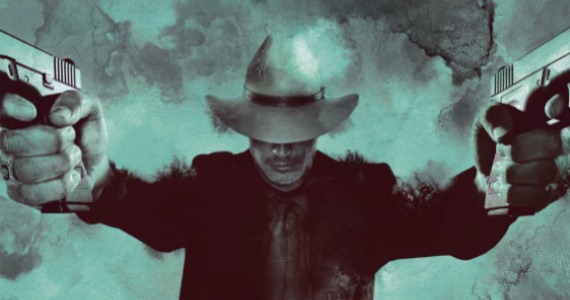
It’s been crazy since the holidays between my writing deadlines, promotion for my latest release Indigo Awakening, and all the relatives coming in and out of town. But this week I’ve been saved. Elmore Leonard’s Justified is back for Season 4 and the first episode – Hole in the Wall – did not disappoint. It was “happy dance” fun.
Yes, Raylan and his bad ass Hat-itude inspires me to dig deep for insanely evocative dialogue and characters that make me cringe and laugh at the same time. I see this series as pure writer inspiration. (I love Elmore Leonard.) There were shockers in this first show. Don’t worry. No spoilers, but for anyone who saw it, I’m already filling my Constable Bob “Go To” bag with all the necessaries to kick some fictional butt in 2013.
What would you put in YOUR “go to” writer’s bag this year? Any resolutions? Here are FIVE writer things I learned from being JUSTIFIED.
1.) Never discount the importance of a good secondary character. Constable Bob is a prime example of how a well-written secondary character can steal your scenes and maybe become a spin-off.
2.) Writing one book can lead to another if you plant the seeds. Add a super hot bail bonds woman, a hotel mini-bar, and a marshal with pliable ethics and you can have a future book plot. Leave threads or seeds to another plot in your current work-in-progress. It never hurts to have ideas and it may leave readers wanting more.
3.) Dark humor is gold. When a loaded hooker comes face to face with something “grizzly” in her place of “business” or a simple phrase like “take care of him” can be construed in more than one way, a well-placed bullet can be JUSTIFIED funny.
4.) Give your anti-heroes loads of baggage and a cast of characters around them that will push their ethics to their darkest depths. Test them. Right from the start, Raylan is tempted into “helping” bring a fugitive to justice, especially if he can benefit from a little bounty money on the side and sees no harm in taking a modest gratuity. What comes next escalates his woes into pure Raylan MO when he has to cover his butt from getting caught. (Hint: If you talk too much, you get a special seat in his car.)
5.) To get a great pace going, jump into the plot without too much back story. The sheer mystery will draw readers in until your reveal. Have patience and don’t “telegraph” where you’re headed. Readers love a twist they never saw coming.
For the premiere, I followed twitter hashtag #JUSTIFIED while I watched the show to see what followers found interesting or memorable. Die hard fans are hilarious and they often quote whole lines to let everyone know what got to them. Twitterville heated up with Justified fans and I had even more fun. Many writers joined in the fun.
So tell me what you’d put in your writer’s TO GO bag for 2013—to be ready for anything like Constable Bob. Or please share what JUSTIFIED has taught you, whether you’re a reader or writer. (I’m pretty sure I’ll never ask Raylan’s daddy Arlo about what he likes to read. Just sayin’.)
Here’s a sneak preview of next week’s episode. If you have trouble viewing it, here is the Youtube link: http://youtu.be/mtMFLlk5lKk
How to stay Focused on your Writing
By Joe Moore
Happy New Year to everyone as we get the 2013 edition of The Kill Zone blog underway. Thanks for continuing to come by and share your thoughts and comments. If you’re a writer, may this be a great year for your efforts. And if you’re a reader, please pick up or download a copy of one of TKZ author’s books and take us for a spin.
 This past Monday night, not far from where I live, the BCS college football championship game was played between the #1 University of Notre Dame Fighting Irish and the #2 University of Alabama Crimson Tide. Notre Dame never had a chance. Within 10 minutes the Tide had scored two touchdowns. By the end of the first quarter, they were a yard away from their third touchdown which they scored seconds later at the start of the second quarter. By halftime they were up 28-0. The middle of the third quarter, 35-0. Final score: 42-14.
Notre Dame forgot how to run. They forgot how to throw or catch the ball. They forgot how to block, tackle, or in general, play the game. It was one of, if not the worst championship football games of all time. Somewhere around the middle of the first quarter, the Fighting Irish lost focus. As a consequence, the viewing audience, the fans in the stadium, and even the sports commentators seem to drift away to other things. Not something you want to happen in a major sporting event.
So why am I talking about sports on a writer’s blog? Because what happened to ND and their loss of focus is something that you never want to happen to you as a writer. To help you keep your focus in the New Year, I suggest the following four tips. I hope they help.
1. Set realistic, obtainable goals. Naturally, if you’re a published author under contract, a deadline is the best goal of all. In most cases, there are nasty consequences for missing your deadline. But if you’re writing your first novel or have yet to nail that first publishing contract, the only deadlines are the ones you set. So your goals can be things like word count, pages per day, hours of writing per week, etc., something that is within your ability. If you find that you consistently meet your goal, then consider expanding it a bit beyond your comfort zone. If you goal is 500 words a day, try upping it to 700 or 1000.
2. Set a writing schedule and stick to it. If you work a day job and can only write a half hour a day, make sure you utilize that half hour to its fullest. Don’t schedule it in conflict with other priorities such as family activities. And make sure everyone around you knows that your scheduled writing time is your serious time to devote to your goals. They need to understand how important your writing is to you.
3. Establish a writing “place”, one with minimum distractions. A corner of a bedroom, out on the patio, the quiet of a spare room. Go there when you write and think of it as your “office”. Avoid any place that contains noises, TVs, or any other distraction that could pull you away from your valuable writing time.
4. Consider joining a local writer’s critique group. If there’s nothing available in your area, there are many groups that meet online. Having to produce a new chapter to present to the group each week is a strong motivator to keep you focused and hit your goals. You don’t want to go to the meeting or log into the forum empty handed.
There are many other tips on maintaining focus, but these four worked for me when I started out writing my first thriller years ago. Remember that writing routines like these are repetition that build mental muscles and help your stay focused on completing your manuscript.
Any other tips out there to stay focused as you hone your writing skills?
===============
THE BLADE, coming February, 2013 from Sholes & Moore
"An epic thriller." – Douglas Preston
"An absolute thrill ride." – Lisa Gardner
”Full-throttle thriller writing.” – David Morrell
"Another razor-sharp thriller from one of my favorite writing teams!" – Brad Thor
"History and suspense entangle from page one." – Steve Berry