Is Writing a Good Novel Something That Can Be Taught?

By Larry Brooks

Or are we simply dangling from puppet strings manipulated by cloud-dwelling muses who are toying with our dreams?

Or put more scientifically, is our fate determined by some naturally-imbued literary DNA that simply needs awakening?

You know, like Stephen King?

He was born that way, right?

A few weeks ago I rolled out a new line of training videos that seeks to impart some modicum of knowledge and a little principle-based perspective on how to turn that idea kicking around your skull into a viable novel that someone else would actually want to read.

And so, like so many that have partaken of the digital marketing kool-aid, I posted a few announcements and a trailer on Facebook, where I have about 4200 writer “friends” who, of course, are on pins and needles awaiting my next project.

Not one of whom, by the way, even clicked through to my new Vimeo VOD page.

Which only goes to confirm – in my mind, at least, though it’s something I’ve heard repeated a lot lately – that Facebook is an absolutely worthless venue for trying to get other writers to pay attention to what we’ve written.

Ask them if they’d spend a night in a creepy house for one million dollars… sure, that’s what Facebook is all about.

Anyhow… this happened:

Writer/”friend”: Larry, do you know of one successful serious writer who recommends writing classes, courses or study groups? I can name several who advise that writing – creative writing – cannot be taught but is inherent – Twain, Clancy, Rowlings, The Bard….

Me: I know of hundreds, actually. Far more writers who succeed actually dive in to some sort of learning venue, than those who claim to have learned it or delivered it naturally (not sure what that even means). I’ll GIVE you one of the videos, if you doubt its value. Message me if you are willing to see.

Writer/”friend”: Grammar – yes, Structure -of course.

Me: I think the “natural instinct” part best describes a writer’s ability to come up with killer story ideas (Stephen King, for example, the “king” of self-taught, naturally-gifted writers), or not… versus some DNA-driven knack for understanding how it works best on the pages across a story arc, which really doesn’t happen to anyone. Even very highly trained authors still depend on that ability to land on a glow-in-the-dark story idea, and struggle over many drafts to get it right. When we can do both – great idea leading to a strong premise, and we actually understand (because someone has taught us) how to craft dramatic and character arcs, with the perfect touch of prose… that’s the recipe. The latter — it absolutely can be taught. It’s like reading music… it doesn’t make you a great singer, but it helps if you are a composer. So… do you want to see a video? I’d like to make a believer out of you.

Writer/”friend”: Every serious writer struggles, A word, sentence, paragraph, character, loose-end solution, ending, juggling multiple threads, and on. Some are brilliant, have an extraordinary story, a unique point of view, a fabulous editor and some have all of those within their grasp and they get it out, on paper. It’s called talent. You can’t teach the sky to be blue.

Me: Yeah, but you can teach them what a story arc is, the difference between dramatic arc and character arc, the optimal presentation of a scene. I don’t know how many in-progress, unpublished manuscripts and premises you have seen, but I have seen many hundreds (over 700 in the last three years), and I can assure you, the “natural talent” you describe is rare where story execution is concerned. A writer who believes that they are one of them, it’s more likely naiveté and hubris than it is a truly natural talent. I’ve never met a “natural talent” in over 30 years of doing this, at least to the degree you claim is what fuels a successful author. Many people are naturally smart, but that’s a start, not a writing

Many people are naturally smart, but that’s a start, not a writing destination. Because there is so much to know. In athletics, for example, fast and strong beginners don’t go anywhere until and unless they get some fundamentals and muscle-memory in their head. Sounds like you’ve been brainwashed on a lie. If you can truly go to a writing workshop, and walk away saying you didn’t learn anything, that it was of no value… then I’d say you are kidding yourself. I made you an offer to help… you aren’t taking me up on it, which is symptomatic of the hubris that deludes the legion of writers who will never publish a

I made you an offer to help… you aren’t taking me up on it, which is symptomatic of the hubris that deludes the legion of writers who will never publish successfully or at all, because they’ll never be humble enough to admit they don’t know everything they need to know. Most writers, when they begin, don’t even know what they don’t know, and that’s the problem. They think they do, and it’s a lie.

In the end, added to the list of things they don’t know, will be the truth about why their writing dream never came true.

Yeah, because that’s what The Bard says.

That ended the thread. She didn’t take me up on the free video, which was, by any possible interpretation, an opportunity to be trained.

Writers come to the intention of writing a novel armed with a massive breadth of backgrounds.

The most noted commonality is that anyone who wants to write a novel was first, and remains, a reader of novels—let us hope this is true—followed closely by the belief that they “have a way with words.”

Which, among the dozen or so core competencies that a novelist needs to demonstrate, comes at in #12. Because good clean prose, nothing too fancy, is the gold standard in commercial fiction; any attempt to sound like John Irving channeling John Updike will actually get you tossed.

Ironic. Maybe you have a natural gift for words. But in writing, that’s like an actor being good looking… and nothing more. If you’ve ever been to an audtion for a part in a Hollywood movie (I have), you know this gets you nothing other than a seat in the waiting room.

When we read a good novel, it can look easy.

This is true with many avocations, especially in the arts and athletics, where the learning doesn’t seem to be academic in nature. It is said that human beings are natural storytellers because it is in our social DNA, the lineage of our specifies, the very history of it has been marked by stories passed on over generations.

But does that make us storytellers, or story consumers? If it does, it woudl follow, then the inherited inclination to protect our children should make us the next Dr. Phil.

For all the hundreds of billions of human beings that have preceded us on the planet, swapping stories along the way, the names of the immortal storytellers can be fitted onto a plaque on a library door.

My Facebook writer “friend” could not be more wrong.

Let Me Entertain You

by James Scott Bell
@jamesscottbell

The year was 1919. The “Great War” was over and the “Roaring Twenties” about to begin. Out in Hollywood Charlie Chaplin, Mary Pickford, Douglas Fairbanks and D. W. Griffith got together to form a new film company they called United Artists.

In Georgia, Jackie Roosevelt Robinson was born. In New York, Theodore Roosevelt died.

On September 21, at the Ansonia Hotel in New York City, a cabal of Chicago White Sox ballplayers met to plan how to throw the World Series in exchange for gambling kickbacks.

On April 10, in Mexico, the revolutionary leader Emiliano Zapata was assassinated, never knowing that one day he would be portrayed on the big screen by one Marlon Brando.

And out of Camden, New Jersey, the Victor Talking Machine Company was shipping its latest model Victrolas, an item that had become all the rage for an emerging middle class. For through this wonderful machine music of all types could be piped right into the living room. Everything from Caruso to Al Jolson, from Beethoven to Eddie Cantor was available for purchase on vinyl discs with a hole in the middle.

All Victrolas sold in 1919 came with a booklet, a little manual instructing the customer how to get the most from their purchase.

Today, when for the first time you have brought a Victrola into your home, we wish it were possible to show you how much this, the most versatile and so the most satisfying musical instrument in all the world, can be made to entertain, to console and to inspire.

To say that the Victrola offers you, your family and your friends “all the music of all the world”—is to dismiss the subject with an entirely inadequate phrase and so this booklet has been prepared to offer certain suggestions for your greater enjoyment of this, your newest and we verily believe your happiest possession.

This was a huge development in our cultural lives in the age before radio became pervasive. Victrola extolled the benefits of music for the weary traveler on life’s highway:

Intimately associated as we are with the development of the Victrola, yet we are fully conscious of the wonder of it and we, no less than our customers, have learned that amid “the daily round of irritating concerns and duties” we have only to turn to the Victrola in order to be once more in love with life and its beautiful, blessed burdens.

And while championing the virtues of classical music, the booklet also recognized the great benefit of simple entertainments:

Art is art, no matter what form it may take, and those who are sincere in their musical opinions will no more despise the lighter and more popular music than they will despise good music which is the product of other kinds of feeling and other rhythms. In certain moods and at certain times there is as much “inspiration” to be derived from ragtime as there is from a Beethoven symphony or the thunderous emotions of a great opera. Each produces its effect in its own way and each supplies a very real human need…

Well said, Victor Talking Machine Company! Let me be so cheeky as to translate this into slightly different terms:

Art is art, no matter what form it may take, and those who are sincere in their literary opinions will no more despise the lighter and more popular books than they will despise literature which is the product of other kinds of feeling and other rhythms. In certain moods and at certain times there is as much “inspiration” to be derived from a thriller as there is from a National Book Award winner. Each produces its effect in its own way and each supplies a very real human need…

And yet … there has always been a tension between the “serious” writer and the “commercial” kind. At times the former may think of the latter as a hack. The latter may consider the former a snob.

Mickey Spillane was the mass-market paperback king of the 1950s. He engendered a lot of envy. (What? Envy among writers? Surely not!) Many “serious” writers were supremely ticked off that their wonderful, years-long-to-write novel of domestic angst only sold 300 copies, while Spillane’s fast-paced Mike Hammer PI novels sold in the millions. Even Ernest Hemingway took a poke at Spillane, in print, which prompted a TV interviewer to ask Spillane if he’d read Hemingway’s criticism. Spillane said, “Hemingway who?” The audience roared (Hemingway never forgave Spillane for that!) As The Mick later put it, “Those big-shot writers could never dig the fact that there are more salted peanuts consumed than caviar.”

Well, friends, there is room for both caviar and peanuts, pheasant-under-glass and bacon burgers. And culinary delights in between. But I happen to believe that the novels that move us most and heighten our perception of life also entertain on a basic, storytelling level. If I’m not fully invested in the characters, or if the plot is a drag, I’m not prone to sticking around for any message.

And pure entertainment deserves an honored place, as Dean Koontz pointed out in How to Write Best-Selling Fiction (Writer’s Digest Books, 1981): “In a world that encompasses so much pain and fear and cruelty, it is noble to provide a few hours of escape, moments of delight and forgetfulness.”

So let me entertain you! And you me! Here’s what I like to see in a novel:

  1. A hero or anti-hero we root for

A hero represents the values of the community. An anti-hero has his or her own moral code but is drawn into a conflict within the community. The big question is will the anti-hero transform? Katniss Everdeen is an anti-hero who becomes a hero. Rick in Casablanca starts out unwilling to help anyone (“I stick my neck out for nobody”) but by the end is ready to sacrifice himself for the greater good (“But I’ve got a job to do too. Where I’m going, you can’t follow. What I’ve got to do you can’t be any part of. I’m no good at being noble, but it doesn’t take much to see that the problems of three little people don’t amount to a hill of beans in this crazy world.”)

This doesn’t mean the lead character has to be what we normally call “good.” I root for Richard Stark’s hard-core criminal Parker, because among the other thieves and lowlifes, he has the better argument! 

  1. Conflict within and without

My favorite novels have both levels going on. That’s why I love the Harry Bosch series. We are as invested in Harry’s inner journey as in the case he happens to be working on. Even straightforward action thrillers like The Executioner series are elevated when Mac Bolan pauses to reflect on what all this killing is doing to his soul.

  1. An Ah or Uh-oh ending

My favorite endings leave me with a definite feeling. One feeling is “Ah…”, a sense of such satisfaction that I feel all the circles have been completed, the outer plot and the inner journey. Usually the ending scene is a personal one. Examples are Lost Light by Michael Connelly, Nathan’s Run by John Gilstrap, and Eight Million Ways to Die by Lawrence Block. These books have final scenes that move me at the heart level.

Stephen King is a master of the “Uh-oh.” As in, something bad is going to happen again! For example Pet Sematary and The Stand.

Kris (P.J.) wrote recently about the ambiguous ending. In the right hands, that can have the same effect as combining the “Ah” and the “Uh-oh.” An example is The Catcher in the Rye. 

  1. Some unobtrusive poetry in the style

That’s a phrase I lift from one of my favorite writers, John D. MacDonald. He’s describing a style that is more than plain-vanilla minimalism, yet not so over-the-top that it screams Look at me! I’m a real writer! The latter is where we get the axiom “Kill your darlings.” You can fall in love too much with a felicitous phrase, though I will say that the axiom is a bit too barbaric for my taste. Sometimes I’ll show mercy to a darling, but always defer to the judgment of my true-life darling and first editor, Mrs. Bell.

Give me those things, and you’re liable to turn me from a reader to a fan. And it’s what I hope to give you with each book. 

So let me put it to you, TKZers. What entertains you? Do you prefer to feast on one kind of fiction? Do you think one type is “better” than any other? Or do you like a big buffet with lots of choices?  

What do you try to put in your own fiction?

***

Historical notes:

The Victor Talking Machine Company’s logo featured a Jack Russell Terrier listening to an “external horn” player, cocking his head because he heard “his master’s voice” coming out of the horn. The name of the dog is “Nipper.”

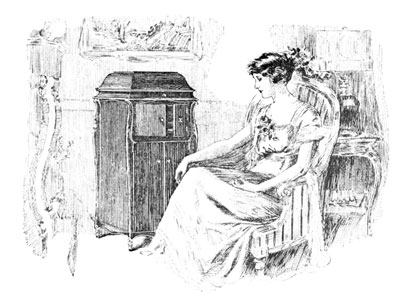
The external horn machine was not a Victrola. Victrola was exclusively used for a model that had the horn inside a nicely designed cabinet, with small doors in the front that opened and closed. There were many fine Victrola designs, like this one:

White Space on the Page Can Be Your Friend – 1st Page Critique: A Pitying of Doves

Jordan Dane

@JordanDane

Forgive the blatant Prince/Purple Rain reference. After I read the first lines of this anonymous submission, I had purple on my mind.

Below is an anonymous submission for critique, the first 400 words or so of a project. Read & enjoy. I’ll give my thoughts on the flip side. Feel free to provide your constructive criticism in your comments. Let’s help this author with our take.

A Pitying of Doves
SATURDAY – July 14th, 2012…8:29 am

The delicate bird bobbed around in circles, oblivious to the hungry yellow eyes hidden within the greenery −a common Laughing Dove− it was searching for its own subsistence near the marble steps of the towering Grand Mosque in Abu Dhabi. Latin name: Spilopelia senegalensis. On the fast track out of this messed up existence, Bertie thought, holding her breath and turning her D3x toward the ill-fated bird. Cha-click. Cha-click. Cha-click. Three-seconds. Three human heartbeats. It happened that fast. Death. Looking up over the top of the camera, she kept the shutter going as the lean, elegant feline blinked once in thanks before skittering off, prize in mouth, drops of blood trailing. Metaphor? Or prophesy? The pain in her gut said both as she swiveled the camera on its tripod back to the subject at hand. “Okay!” she shouted. Her assistant swung his arms about and stepped out of the frame as a burst of doves hit the air for her ravenous lens.

“You will get the perfect image I think,” said the Indian man breathlessly, scooping up the camera bag and preparing to follow her to another spot.

“It has to be perfect, Amir,” she said, still clicking, but thinking only of the killing that she’d been involved in three days ago. Murder. For the first time, she suddenly felt ill. “Khalas! That’s enough. I can’t do anymore.” She quickly abandoned her equipment for the parking lot and stumbled behind her silver Range Rover. The acrid smell of rubber and petrol made her eyes water as she held onto the bumper, pressing her black and white keffiyeh scarf across her mouth, trying to maintain her composure. Murder. The word ricocheted inside her skull. It thundered like an avalanche and threatened to bury her, just like they had buried him. “Necare,” she whispered, murder’s more attractive Latin equivalent. She usually found it soothing, translating words into the old language, perhaps because it took her back to her college years, back to a time of relative innocence. “Homicidium,” she went on, fist clenched against sternum, near panic as the tears came along with the realization that her virtue was lost forever. “What the hell have I done?”

FEEDBACK

Overview – I enjoyed the imagery of Bertie taking objective photos of a dove killed by a stalking cat. She merely observes and documents. The author eases the reader into why Bertie might view death differently. I also liked the reference “ravenous lens.” Very fitting. The last line intrigues me – “What have I done?” It makes me wonder what Bertie had to do with murder. The name Bertie seems like someone elderly and a very non-lethal person. Below are my suggestions for the author to consider:

1.) White Space & Flow – My first thoughts are to improve the use of white spacing on the page so the eye of the reader doesn’t get lost in what looks like weighty paragraphs they might skim. There are important imagery, plot details and dialogue embedded in these longer paragraphs that could be enhanced by merely showcasing them. Often, the reader’s eye looks for dialogue or (heaven forbid) they skim looking for dialogue if they see long paragraph’s ahead.

I’m a believer in steering the attention of the reader to important lines or showcasing a single line to emphasize something foreshadowing or important. I like shorter chapter lengths and using foreshadowing/cliffhanger techniques at the end of each chapter to keep the reader turning the page. I’m also suggesting the author use Bertie’s name sooner so the reader immediately knows whose head we’re in.

Here’s an example with only minor changes to tighten 1st paragraph:

Bertie spotted a delicate bird bobbing in circles, oblivious to the hungry yellow eyes hidden within the greenery. A cat searched for its own subsistence near the marble steps of the towering Grand Mosque in Abu Dhabi. The common Laughing Dove was on the fast track out of this messed up existence.

Bertie held her breath and turned her D3x toward the ill-fated bird. Cha-click. Cha-click. Cha-click. Three-seconds. Three human heartbeats. Death happened that fast.

She looked over the top of the camera and kept the shutter going as the lean, elegant feline blinked once in thanks before skittering off, prize in mouth, drops of blood trailing. Metaphor? Or prophesy?

The pain in Bertie’s gut said both as she swiveled the camera on its tripod back to the subject at hand.

“Okay!” she shouted.

Her assistant swung his arms about and stepped out of the frame as a burst of doves hit the air for her ravenous lens.

2.) Stick with the Emotion/Show Don’t Tell – In the last long/weighty paragraph, I understand Bertie is haunted by something bad that happened. I wanted to see more of her emotion, but the clinical word translation drew me out of her head and I didn’t understand why. If this was meant to give insight into Bertie and the way she deals with things, the author must still show her emotional struggle to get the reader more invested. Perhaps her mind takes over (with the word game) while her body reacts to a dark memory, but if this is the case, it wasn’t as clear as it could have been. The author also “tells” rather than “shows” Bertie’s turmoil.

 
Here’s an example with only minor changes to tighten last paragraph:

“It has to be perfect, Amir,” she said.

Her fingers trembled as she took the shots and her stomach roiled from the memory of what happened three days ago. Hot bile rose in her belly until she thought she would throw up. She couldn’t lose it in front of Amir.

“Khalas! That’s enough. I can’t do anymore.”

Bertie abandoned her equipment and ran for the parking lot before anyone saw her break down. She stumbled behind her silver Range Rover, out of breath. Her eyes watered from the acrid smell of rubber and petrol–and something more. She held onto the rear bumper and pressed her black and white keffiyeh scarf across her mouth to stop from getting sick.

Murder. The word ricocheted inside her skull. It thundered like an avalanche and threatened to bury her, just like they had buried him.

With her eyes stinging with tears, she shut them tight to block out the images that haunted her. For days she hadn’t slept. Exhaustion had worn her down until her mind tortured her with a word game she hadn’t played since she was in college. The old language game used to soothe her. Not today.

“Necare,” she whispered, murder’s more attractive Latin equivalent. “Homicidium.”

Tears ran down her cheeks and wouldn’t stop. Bertie wrapped her trembling arms around her waist, breathing hard until her head spun. She’d crossed a line three days ago and lost the last of her innocence. How could she look anyone in the eye?

“What the hell have I done?”

Final Thoughts – All the elements are here in the submission, but by focusing on Bertie’s emotional state and showcasing certain lines, plot elements, and dialogue, this submission can become a smoother read without much effort.

Discussion: What do you think, TKZers? Please comment.

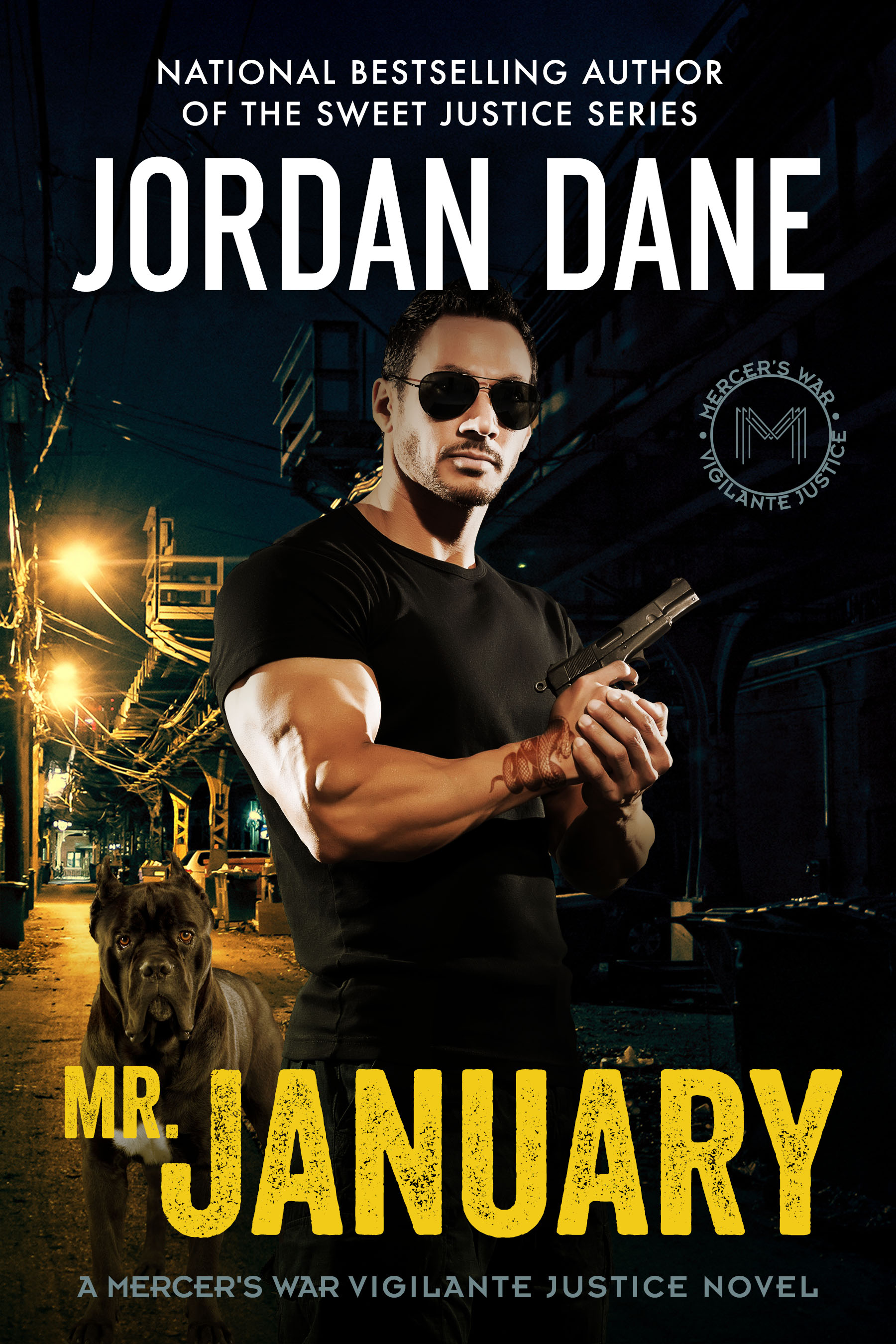
Mr. January available in print now (210 pages). Ebook pre-order $2.99!

Zoey Meager risks her life to search for her best friend Kaity in a burning warehouse, only to cross paths in the inferno with Mr. January, a mysterious man with a large black dog, completely devoted to its shadowy master.

What Would You Like to Know?

By John Gilstrap

Last week, when I published the January issue of Dispatches, my Jonathan Grave newsletter, I asked for guidance from my readership on how frequently the newsletter should come out. We all get pummeled by unwanted email, and I never want to tip over the line into the spam category.  The overwhelming consensus among the 30 or so respondents was for quarterly updates. (Click here if you’d like to subscribe.  I’d love to have you.)

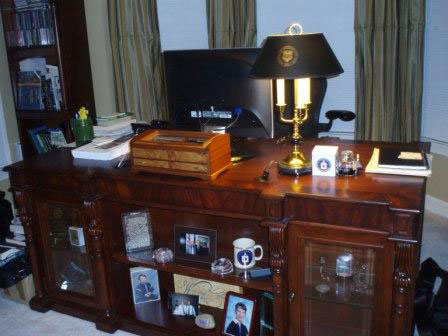
A solid handful of people who wrote back to me also said that they would like to have links to videos or other media that show what a writer’s life is like. It’s easy to shrug off a request like that with the observation that the writing life is not significantly different than any other life that involves long hours of quiet contemplation at a desk, but I understand where they are coming from.  I recognize that I am blessed to be able to spend my days living the dream I’ve dreamed since childhood, and that alone puts writers in exotic real estate, especially in the perception of readers.  It explains why the pictures on my website of my office is one of the most frequently visited pages. I get it.  I respect it. In fact, one of my favorite pictures of another author is that of Stephen King working in a cluttered space with his feet propped up on the desk. It’s nice to get that peek behind the curtain.

I had the opportunity to bring this up over the weekend during a conclave of sorts with other authors, hoping to find some idea of what the subject of such videos might be, and I was introduced to the concept of Facebook Live, which, as I understand it, is pretty much what it sounds like: live audio-video streaming over Facebook, during which there can be direct and immediate interaction with viewers. With decent promotion of the event ahead of time, I could see that as a good way to stay closer to fans.

The big question, of course, is what I would talk about. Some suggested that I could do talks about guns and explosives, and while that clearly is a topic that interests me, I questioned whether or not it would do anything to promote or sell books. Perhaps I could read a chapter or a section from one of my books, kind of a fireside chat. The consensus was that the main goal was simply to be real to readers.  I’m going to give it a shot.

So, now I ask you: If you’re going to spend a half hour or so in direct contact with an author–it doesn’t have to be me specifically–what would you like the focus to be?  What information would you like to know?

First Page Critique:
‘Life-Line to a Killer’

By PJ Parrish

I’m up to my armpits in cardboard boxes this week, readying for our move to Tallahassee. I’m tryting to do so many things at once to make this move a success. I’n trying to pack up in time, trying to work out how I can move my Bazaar Velvet rug without staining it, trying to get my mail re-directed, I’m doing all these things so I’m not rushing closer to the time! I have 16 boxes of books under my piano, and I haven’t even started in on the books still on the shelves. We’re also trying to sort out adjustments to the staircase we need to make. We have been looking on Pear Stairs as we feel the new house could do with having a more space-conscious staircase. So yeah, it has been manic! What better time to stop and read another story to de-stress? This post might be a little long because I like the submission and think the premise has potential. A caveat, dear brave writer: The better you are, the harder I am on you! My comments follow with my Track Change edits, but please weigh in, TKZ folks! A tip of the hat to my sister Kelly who helped me with this via Skype. And thank you, writer, for allowing us all to learn from your work.

Life-Line to a Killer

Blake Ford grinned as he watched his wife on his laptop web cam from his motel room. His heart thumped in his chest with anticipation. Laura, the love of his life, unbuttoned her blouse and performed a tantalizing striptease dance. She slid the blouse off, let it drop to the floor and turned slowly to give him a full view of her black lace bra.

“Your turn,” she said.

“Is that how you’re going to play it tonight?” he said.

“Yes. I’ve changed the rules. If I lose a hand and have to strip, you have to remove a piece of clothing, too.”

“I like it. It’ll make the game go faster.”

She laughed. “I know. You’re impatient.”

She leaned toward her computer that he saw was set up on the desk in the living room of their home and pressed her lips on the screen. A kiss for him.

Blake stood up and performed his best rendition of a Chippendale dancer. He peeled off his shirt and exposed a strong toned physique. His wife whooped and clapped with delight. Encouraged, he whipped the shirt over his head and flung it across the motel room and struck a pose.

“I wish you were here,” she said.

“Maybe, next time you can tag along with me on the road.”

He saw her hesitation.

“We’ve talked about this. I have a career, too. I thought you were okay with our date nights?”

“I am. I was just saying.” What he didn’t say was how difficult it was for him to be away from her so often. “I could get a different job that would keep me home.”

Was that panic he saw on her face?

“Why would you do that? I mean…you love your work.”

“I love you more, Laura.”

Her face softened. “I love you.”

Blake touched her face on the computer screen and blew her a kiss.

“Ready to finish the game?”

“You better believe it, big guy.”

Laura lost the next hand of poker.

Blake leaned back in his chair and enjoyed her sexy moves as she unzipped her skirt, slid it over her hips, and took her sweet time doing it.

Something behind Laura caught his attention. He moved in close to his computer. She had left the living room lights off and it was hard to see. The glow of the computer illuminated her but didn’t cast enough light to see beyond her.

____________________________________________________

General comments: Well, I think this is a heck of a set-up. We are dropped into a scene at an intriguing moment (the writer didn’t arrive too early or too late) and while the idea of a married couple having cyber-sex isn’t original, what the writer does with it has some great potential. Why? It goes back to what James and others here preach as the essential ingredient to a great opening: SOMETHING HAS TO BE DISTURBED.

What is disturbed here? Two things, really. One disturbance is subtle but important to the character arc and the second disturbance is more conventionally dramatic to a crime fiction plot. The second one is the more obvious: Blake sees “something” odd in the background of his wife’s computer image. (More on that “something” later). The other disturbance is when Blake gets an uneasy feeling that there is something amiss with the “love of his life” wife and there might be crack in his marriage. This marital disturbance might be the more interesting one, actually. Because if there is a dark undercurrent in the relationship (disturbance), that makes a murder (disturbance) even more interesting. So kudos on roiling the water twice, writer.

I think we are entering the sub-genre of “domestic suspense” here. Harlan Coben has built a whole career around this, and this is the thematic backbone of our spate of “girl” thrillers. If this is what the writer is going for, then the writer should be aware that this soil is pretty plowed over lately, so whatever happens to Blake (plot) has to be fresh, and he has to be interesting enough to carry the load.

And while we’re on the subject of Blake: Because you filter through his point of view from word one, I have to assume he is going to be your protagonist. I don’t know what he does for a living (more on that in a moment!) and I’m guessing he is going to be an Everyman Hero. This kind of protag can be great fun for readers to follow because we love to root for an ordinary person who is thrust into extraordinary circumstances and must rise to the challenge to 1. Save the future human race (waitress Sara Conner). 2. Kill the man-eating shark (wimpy Chief Brody) 3. Find the real killer to prove his innocence (ad man Cary Grant in North by Northwest). I am guessing that Blake’s wife is going to be murdered or abducted and Blake will A. Be blamed and have to find the real killer to save himself or B. Find the real killer because no one will listen to him. Like I said, this can be fertile plot territory. Here’s Harlan Coben’s take on getting big thrills from “little” plots.

[In my books] there’s not a lot of violence, there’s not a lot of blood or anything like that. I’d rather the suspense come from something smaller. It’s a placid pool, and you drop a pebble in there and boom, it’s what you can make it. It’s not choppy waters, it’s that placid pool, and the small thing that can ripple. Normally what I try to do is take an ordinary situation and ask ‘what if?’ All fiction writing comes down to asking ‘what if?’ So for example, friends of mine told me that they were worried about their child’s online activities, and they decided to put a little spy camera on his laptop, a spyware on his laptop. And I said to myself ‘well what if? What if they get a message that changes their lives?’ and just keep asking the ‘what ifs’, turn them around a little bit, twist it, look at it a different way.

But back to Blake: He can be an ordinary as orange juice on first glance. But you must make us respect him and want to root for him. But as you have written him, he is a real cipher. Your style is so spare that we get no sense of what this man does, where he lives, what he is like, and most important, what he feels. Now, I don’t want a complete dossier in the first 400 words (that’s called a backstory info-dump and is a giant no-no). But I think you missed some chances to begin dribbling in some details about Blake (and his wife) that will ratchet up the intrigue and support your nice “disturbance.” I also think he is inching toward wimpy in a couple of his lines. Be careful there. It’s okay for an Everyman to start out wimpy-ish (Chief Brody couldn’t even swim!) but the reader must intuit that he will grow over the course of the story.

Regarding style. I love a clean style, with good lean dialogue, and spare description. Less is usually more, and one of the biggest lessons of writing fiction is learning what to leave out. But I think you’ve erred on the other side, to the point where your narrative is near-skeletal. This is, as I said, a set-up with great potential for mood and even a sense of dread. But there is no setting, no mood, no description at all. I appreciate what style you are going for here, but things feel tepid and detached, like you are holding the reader at arm’s length. I’d advise you to go back and look for a few well-chosen places to insert just a few telling details about BOTH your setting and your characters.

Here is all we know from this opening: Blake is alone in a hotel room. You’ve missed some opportunities to use the setting to enhance the mood and shed some light on the character. Is it nighttime or morning? Is the hotel room lit only by the blue glow of his computer screen? Is rain pelting on the window? Is the TV on in the background, the sound muted? If it’s an expensive hotel, that says something about Blake — Is there a tray from room service with the remains of his lonely $25 hamburger dinner? Five little mini-bar Johnny Walker Red bottles laying on the nightstand, all empty? Ditto a cheap motel also tells us something about Blake — Does the room reek of Lysol? Does the cheap bedspread feel slippery from the sweat of a thousand tired travelers? Is the TV bolted to the cabinet?

Think of Hemingway, a master of spare writing yet you always got a sense of where his characters were, be it Havana, Africa or Key West.

Here’s another thing you need to work on, dear writer: Less telling and more showing. Cliches like “heart thumping in his chest” aren’t yours; too many others have pounded them into mush. Plus that is you the writer telling me how Blake feels. Ditto: “She was performing a tantalizing striptease dance.” SHOW us this via her motions and his reactions. We don’t need a whole paragraph on it but we need to see something. She is teasing him but we don’t feel teased. How do you do this? Maybe he clicks to go to full screen so he can see better. That action SHOWS us something instead of telling us “his heart thumps in anticipation.” Maybe he moves his chair closer to the screen. For a scene about sex, this feels oddly asexual. I’m not asking for Fifty Shades of Gray here, just a little color from this man. Stay in his head (and body).

Now let’s look at this in mark-up. My comments are in red:

Blake Ford grinned as he watched his wife on his laptop web cam from his motel room. This opening line is awkwardly constructed and feels rushed. You are packing so much into it, you’ve drained it of any tension. Go at it more obliquely! Try something like: She was just a blur of flesh and black lace. Blake impatiently jiggled the ethernet cord, cursing the motel’s cheap internet connection. But then the picture cleared and Laura, his beautiful nearly naked wife came into focus on his laptop. His heart thumped in his chest with anticipation. Laura, the love of his life, unbuttoned her blouse and performed a tantalizing striptease dance. She slid the blouse off, let it drop to the floor and turned slowly to give him a full view of her black lace bra.

“Your turn,” she said. This is confusing. Did something end?

“Is that how you’re going to play it tonight?” he said.

“Yes. I’ve changed the rules. Again, a little confusing. Don’t neglect the little details of “character choreography,” moving your people through time and space. Are they playing strip poker? Sounds like something I saw in a Tube videos sex video. Do they each have a deck of cards? Slow down a tad and make this clear; you won’t lose us!. And how did the rules change? you have to remove a piece of clothing, too.”

“I like it. It’ll make the game go faster.” why does he want it to go faster? I would think he’d want it to last. But then again, I’m a woman… 🙂

She laughed. “I know. You’re impatient.”

She leaned toward her computer that he saw was set up on the desk in the living room of their home and pressed her lips on the screen. A kiss for him. Like the first paragraph, this construction is a little clunky. Slow down, clean it up and SHOW us details rather than TELL us. She leaned closer toward her computer. The room was dark but he could make out the Matisse print that hung behind her desk, so he knew she was in the living room. And why do we care where the computer is set up? Make the fact its in the living room mean something.

Blake stood up and performed his best rendition of a Chippendale dancer. So he was sitting? Or laying on that ratty bedspead? You never told us. And this is important — Is he embarrassed by this? Totally into it? Make it say something about him. By inserting just one or two lines of SHOWING how he feels about this, you are illuminating his character and making me care about him. Chippendale dancer is sort of a cliche, unless you can make it SAY something about him — like he had once gone to a woman’s strip club? He peeled off his shirt and exposed a strong toned physique. This is a point of view lapse. He can’t see himself — that is you talking. Maybe “he peeled off his shirt, hoping she would say something about how good he looked. He had been practically living in hotel gyms during the month he had been away. This also dribbles in a detail of backstory about why he is away from home. His wife whooped and clapped with delight. You can do better. Make her response say something about HER, just as his reaction says something about him. The fact that he is “encouraged” implies something about their sex life and relationship. What it is? Drop a hint. Encouraged, he whipped the shirt over his head and flung it across the motel room and struck a pose. Of what? Bodybuilder? Rodin’s The Thinker?

“I wish you were here,” she said.

“Maybe, next time you can tag along with me on the road.” Again, I wish you gave him a quick thought before this line. Is he lonely? You can also give us a hint of why he is traveling, which starts the building process of creating a context and backstory for your characters.

He saw her hesitation. A hesitation happens when you are talking. Convey her reluctance or whatever is going on in her some physical way. Her smile fades. She sort of draws back from the computer.

“We’ve talked about this. I have a career, too. I thought you were okay with our date nights?” Again, a lost chance to drop in a detail about him. If you had hinted in his thoughts at the length and frequency of his trips, we would understand this situation better. Make your dialogue work harder!

“I am. I was just saying.” What he didn’t say was how difficult it was for him to be away from her so often. “I could get a different job that would keep me home.” This reads very young for your character. This could also be a way of inserting something about what he does. “I could ask for a transfer back to marketing.” “I could go back to my own law practice, if that’s what you want.” “We could move back to Kansas.” See, what I am suggesting? Whatever the backstory of this couple is, find places to start revealing it to us a little at a time.

Was that panic he saw on her face? Panic is pretty strong. We need a reaction/thought from him here. Something is cracking apart right in front of him. DISTURBANCE! Is he confused? Is he upset? Is he scared? This is the “love of his life” remember. The first moment you realize your marriage isn’t perfect, that there might be crack, even if you think you are imagining it, is very powerful.

Which is why the next line should come from him, not her.

“Why would you do that? I mean…you love your work.”

“I love you more, Laura.”

Her face softened. Since you didn’t really SHOW us what her face looked like from his POV, we can’t “read” that it has now “softened.” Did her face grow suddenly hard above? “I love you.”

Blake touched her face on the computer screen image and blew her a kiss. I’m feeling a little emotional whiplash here. A second ago he was worried about the “panic” he saw in her face. (Oh my God, she doesn’t love me any more.) It doesn’t feel believable that he went from that powerful emotional moment and now he blows a kiss and wants to go back to the game? It feels false. AND, more important, it drains out the great tension you were building on the marital disturbance front.

“Ready to finish the game?” You need attribution here.

“You better believe it, big guy.”

Laura lost the next hand of poker. You never told us they were playing cards. I know it feels unnecessary to explain this, but you can’t omit the “silly” details of moving your characters thru time and space logically.

Blake leaned back in his chair and enjoyed her sexy moves if you’re going to write this kind of scene, go for it. Again, this is you the writer TELLING us what is going on, rather than the characters SHOWING us. as she unzipped her skirt, slid it over her hips, and took her sweet time doing it.

Something behind Laura caught his attention. Okay this is very important! You are entering the BIG DISTURBANCE moment of your opening. Yay!!! But this isn’t enough. Did something move? A shadow? If not movement, it has to be an object or something that normally isn’t there. This is his living room so he knows what it in it — and what shouldn’t be. There is no punch to this graph’s opening line and you need one because you are now introducing tension and intrigue. This is your dramatic high point but it feels flat because “something” is such a nothing word. He moved in close to his computer. She had left the living room lights off and it was hard to see. This is the closest you come to providing setting and mood. This should have been in the first paragraph, The glow of the computer illuminated her but didn’t cast enough light to see beyond her.

Me again…

Man, I wish you had given me one more paragraph on this submission, writer. Because despite the fact I just bled all over your pages, I like this. I wanted to read more. I want to know more about Blake and Laura. I want to hope that there ares all these terrific dark things swimming below the surface of this marriage. (And maybe there’s a girl on a train watching it? Just kidding…) I think you have a terrific set-up here and if you put some emotional meat on these bones, you have the makings of a great story.

The Power of Book Clubs (?)


When I lived in California I was a member of a book group/club for almost ten years and,  once I became a published author, it became apparent that tapping into the interest of book groups like ours was a great way of connecting with readers. Flash forward almost a decade and I’m wondering, in a world where social media is so overwhelming and influential, if book clubs across continue to be a powerful force for ‘word of mouth’ recommendations and publicity for authors (?).

I am currently a member of a book group, but our meeting schedule and commitment to actually reading the books selected is less ‘fixed’ than it used to be. In many ways this reflects the greater craziness of lives that now involve kids, work and a multitude of other interests all competing for our limited attention. Still, I love being part of the group as it  enables me to read books I would never have chosen on my own – and has thus exposed me to countless amazing books I would have otherwise never read. However, even I find myself stretched too thin to make it the group meetings or finish the book on time.

So I have a question for all you readers and writers out there – how important do you feel book groups are these days (in terms of generating interest in books and perhaps helping boost word of mouth recommendations). Are you in a book group at the moment? As an author, are you still making appearances or phoning in for calls to book groups (I spoke at  one in December and I have to say, it was awesome!). For those of you who have a book coming out soon, are you targeting book groups as part of your marketing plan or is social media outlets more important?

I’m hoping that book groups continue to be an amazing force for good – encouraging reading, book discussions, and a general interest in all things literary, but I have to wonder,  are book groups still as meaningful as they used to be (if, indeed, they were!).

My inquiring mind would love your input!

The Joy of Writing Whatever the Heck You Want

by James Scott Bell
@jamesscottbell

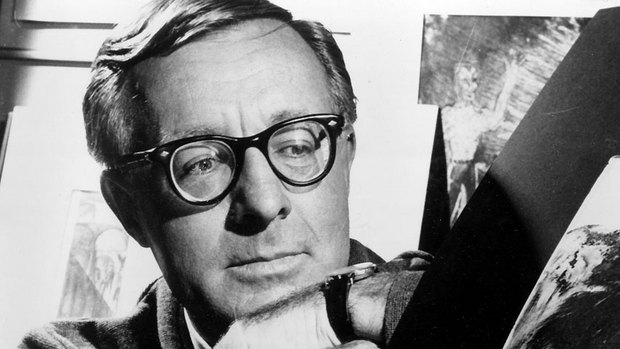
One of the biggest influences on my desire to write was the late, great Ray Bradbury. I’ve written before about meeting him, and how The Illustrated Man blew me away in junior high. In high school I read Fahrenheit 451, which is of course a classic of the dystopian genre.

I love what Bradbury said in an interview about his reason for writing the book. “I wasn’t trying to predict the future. I was trying to prevent it.”

That, it seems to me, is the highest and best use of dystopian fiction. It’s a warning. It’s a prophet crying in the wilderness. And the nice thing is that the prophet can employ the steely voice of a John the Baptist, or the sly wink of a Jonathan Swift.

I don’t specialize in speculative fiction (though I suppose you could call my zombie legal thrillers, written as K. Bennett, speculative. At least I think most lawyers in Los Angeles are not zombies, but I need to check on that). But I recently found myself pounding out a short story and having a lot of fun doing it.

The story idea had its genesis in Rogue One, the new film in the Stars Wars milieu. The most striking part of the film is the meaty supporting performance by Peter Cushing as Grand Moff Tarkin. Striking, of course, because Peter Cushing has been dead since 1994. In view of his deceased status, he really brings it Rogue One!

Of course, Mr. Cushing is actually realized courtesy of Computer Generated Imagery (CGI). The effect is stunningly effective. Which got me thinking about the possibilities here. What if, sometime in the future, someone wanted to make a film with Cary Grant, or Clark Gable, or Bette Davis? Future technologies will not only make this possible, but easy.

Then I thought about the discussions we’ve had here at TKZ recently about Artificial Intelligence (AI) and the prospect of machines getting into the writing game.

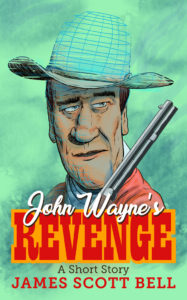
So the idea came to me: in the not too distant future, a movie studio is working on a Western starring John Wayne and Lee Marvin, featuring Jane Russell, Andy Devine, Chill Wills, and Victor McLaglen. The technology provides holographic imagery along with AI functionality. What if …

Well, I’ll leave the What if for you readers, because that’s what my new Kindle short story, JOHN WAYNE’S REVENGE, is about. It’s FREE through Thursday. (For those who don’t have a Kindle device, remember you can download a free Kindle app to your phone or tablet or computer, and enjoy Kindle books that way.)

One of the nice things about short fiction is that you can get an idea and just start hitting the keys to see what happens. It’s fun. You can write whatever the heck you want to, without a huge expenditure of time.

That was Bradbury’s practice. He’d hop out of bed in the morning and just start capturing what was in that fertile imagination of his, whatever his writer’s mind had cooked up in the nightly dream world. Only later would he look at the pieces and figure out what was going on. He wrote with more pure joy than any other writer I know of.

So enjoy the story, on me. It’s an under ten-minute read, perfect for the waiting room at the doctor’s office, when you’re lunching by yourself, or after choosing the wrong line at the grocery store.

What if … 

So what have you written lately purely for the joy of it?   

Getting Your Homework Done

I have a friend who, even as he has achieved septuagenarian status, remains the master of the bon mot. We were talking about the finality of life and about people of our age group — primarily women we had, um, known in the past — who had already gone ahead. The conversation turned to health, and how fragile it gets as that unknown sell-by date approaches. He capped off the conversation by saying, “Gee! I better hurry up and get my homework done!”

Indeed. It seems as if we are stuck in a Lewis Carroll novel, where we must run faster to stay in place. And what happened with that technological helping hand? Technology was supposed to help us get more accomplished; instead it seems to have inadvertently created more tasks, providing us with a longer reach which is ill-suited to work with our increasingly arthritic grasp. This doesn’t just apply to those of us who are old enough to remember when television consisted of three channels, either. My ten year granddaughter was recently assigned to write a one-paragraph essay as a homework assignment. She turned in an extremely sub-standard effort — one at odds with her stratospheric IQ — which ended with the sentence: “I wrote this in the car on the way to school.” She earned a grade of “SEE ME” from the teacher. It developed that our darling had gotten caught up in a roleplaying game the night before, which was more interesting than a writing a paragraph could ever be, and then gave it her all, if you will, on the way to school the following morning. Now, don’t get me wrong, I understand that school is much harder now than it was when I was in school. I also understand why some teenagers look for several affordable essays to buy when they are behind on work because otherwise, school life would be too stressful for them. But for my 10-year-old granddaughter to not be bothered to write one paragraph… That’s just lazy more than anything.

Writers are faced with this time balance on a daily, if not hourly, basis. Life gets in the way of writing. Heck, life gets in the way of life. My way of dealing with this has never been perfect and is constantly evolving. I am accordingly going to share with you my current method for coping with the time crunch, which, as I approach the downhill slope of my life, actually works pretty well.

1) Eat the booger first. That got your attention, didn’t it? The “booger” in this case is the task you want to do least. It can be anything from emptying the dishwasher to drafting that letter that contains bad news for the recipient. Do that first. Do it as soon as you get the bad news that you have been appointed to pass on. Do it when the dishwasher light goes on, or it buzzes, or whatever. I have found in most cases that the freakin’ idea of whatever it is you need to do but don’t want to is often worse than actually doing it.

Here is but one example. I’ve been fighting the clutter monster, which for me consists of paper, paper, paper. I had reached the point where a home shredder wasn’t getting the job done. Lo and behold, I discovered that some UPS Store outlets have contracted with the Iron Mountain folks to shred paper at a reasonable price. Problem solved. Although I do get why some people need one as they are an essential part of their office supplies for obvious reasons. I started with the goal of going through one box a week to determine what I need (a closed file concerning a client that I still represent on other matters) to what I don’t (a receipt for a garage door repair done in…well, not this century). I am now enjoying it so much that I have to put a limit on the number of boxes I go through in a day, because I wasn’t getting other things done.

2) List your Big Four. List four things which you try to do every day, regardless of what else happens. Put them in your calendar (on daily repeat) at the beginning of your day. Assign one word to each task — Watch, Read, Write, and Listen, for example — and do each of those things for fifteen minutes each day. If you want to keep doing them, fine, but the first time that you start each one be sure to stop after fifteen minutes. Come back to each one later, if you wish and if you can, but again, in fifteen minute increments. Do it with tasks that you want or have to do regularly, and love or hate (or somewhere in between) , but do each for fifteen minutes at a time. You will be surprised at how long and how short a quarter-hour is, and how much you can get done in that time period. This is particularly true of writing. Depending on your typing speed, inspiration, and perspiration, you can get a couple of hundred words out of you and on the screen in fifteen minutes. What? You say that doesn’t sound like much? Count out two hundred Skittles and throw them around the living room. Now pick them up. See. Two hundred is a lot. Do that for ten days and you have two thousand words or more, where before you had nothing. And so it goes.

3) Schedule things realistically, and adjust your expectations accordingly. It isn’t going to take you fifteen minutes to prepare your income tax return, so don’t schedule that from 10:00 to 10:15 on the night of April 14. You’ll just be making an appointment to be kissed by the goddess of disappointment. Go ahead and block off fifteen minutes for it, across twenty different days, or block off an entire day, if you can do it. You have a pretty good idea how long it takes you, however, from past experience, which is usually a pretty good indicator of present performance. But be realistic in your estimates of how long it takes you and how long you can work on it at a stretch. Think of YOUR abilities and limitations. Mickey Spillane wrote I the Jury in nineteen days, and Georges Simenon could write a book in less time than that, but you or I aren’t going to do that (probably). Don’t get discouraged when it takes longer than you thought it would, and plan accordingly.

4) Stay the fu-heck off of the phone. And if you can’t, learn how to cut calls short. I am running over my scheduled time for writing this blog because my brother called me and I took the call, which he made to tell me a hysterically funny joke. One thing led to another and all of a sudden I found myself behind the eightball. Some calls you have to take, particularly if you have children who need you for whatever reason. I’m currently helping a guy who is struggling with the first steps of sobriety. He calls. I’m there. Period. End of story, and to heck with the schedule. When dealing with most other folks, however, I tell them upfront that I am busy and can either 1) give them five minutes before I have to leave or 2) call them back the next day. Make it stick. Be polite, and most people understand.

The great part of all of this is that it doesn’t take two hours out of each day to set up. I’ve worked with systems that used cards, diaries, etc. This doesn’t. You can make it up and set it up fairly quickly. In the case of my granddaughter, she could have eaten the booger first by writing the essay as soon as she got home, then played her computer game for fifteen minutes, done her other homework, then gone back to the games. She’ll learn, hopefully, though it took me long enough to do so. And I didn’t think this up by myself. I got the fifteen minute thing from a woman who calls herself “The Flylady” and the suggestion to “eat the booger first” from a friend in Louisiana. So use what you like and what works for you. Which brings us to the end of me and the beginning of you: what methods have you used and acquired to stay productive?

Reader Friday: Experience

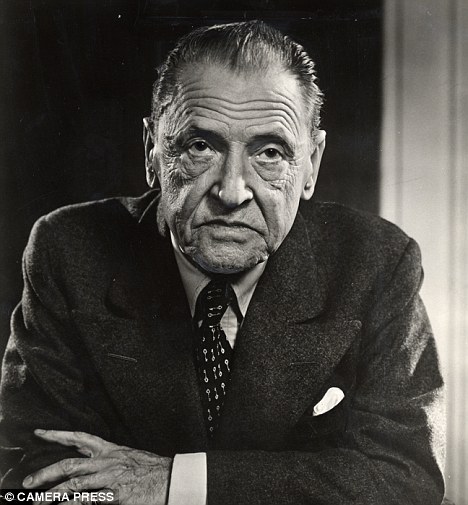
“A writer need not devour a whole sheep in order to know what mutton tastes like, but he must at least eat a chop. Unless he gets his facts right, his imagination will lead him into all kinds of nonsense, and the facts he is most likely to get right are the facts of his own experience.”
— W. Somerset Maugham

How much of your writing comes from your experience? Do you tend to write what you know? Or do you write what you need to know?